

Cruise cabins have a funny way of feeling roomy on the brochure and painfully small the moment your luggage lands on the bed. Somewhere between the excitement of boarding and the reality of unpacking, most first-timers realize that closet space is a rumor and the bathroom was built for someone half their size.
Veteran cruisers figured this out years ago, and instead of complaining about it, they built a whole toolkit of quiet, clever habits that turn a cramped cabin into something that actually works. None of it requires spending a fortune or hauling a suitcase full of gadgets.
It just takes knowing what the space needs before you ever step through that cabin door.
Packing Cubes Turn Suitcases Into Drawers
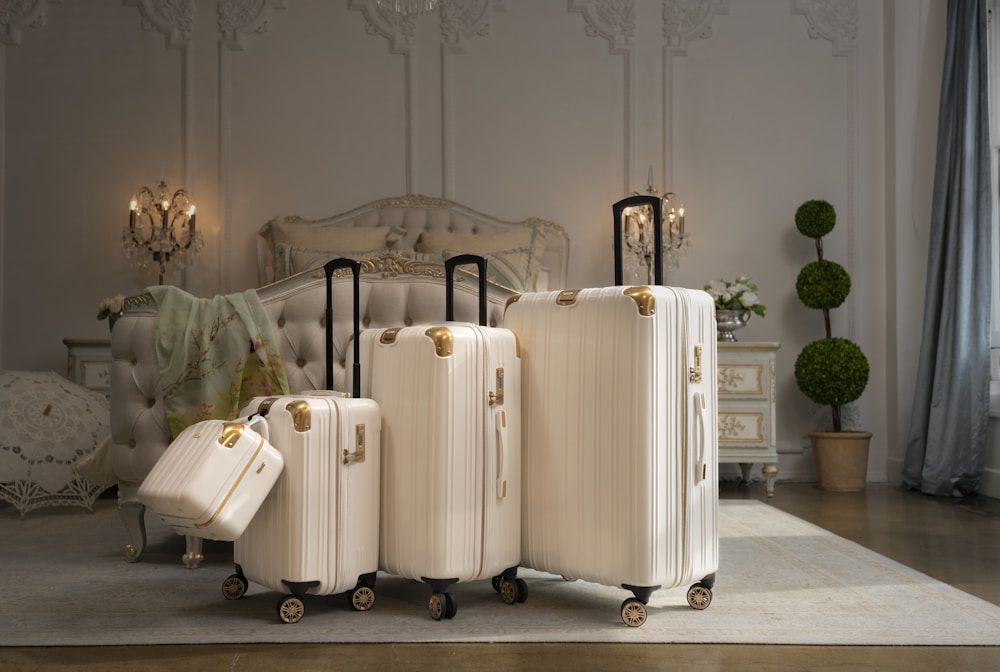
Suitcases under the bed are a black hole. Packing cubes fix that.
Everything stays sorted by category, and nobody’s digging through wrinkled shirts to find a swimsuit at the bottom.
Power Strips Solve the Outlet Shortage
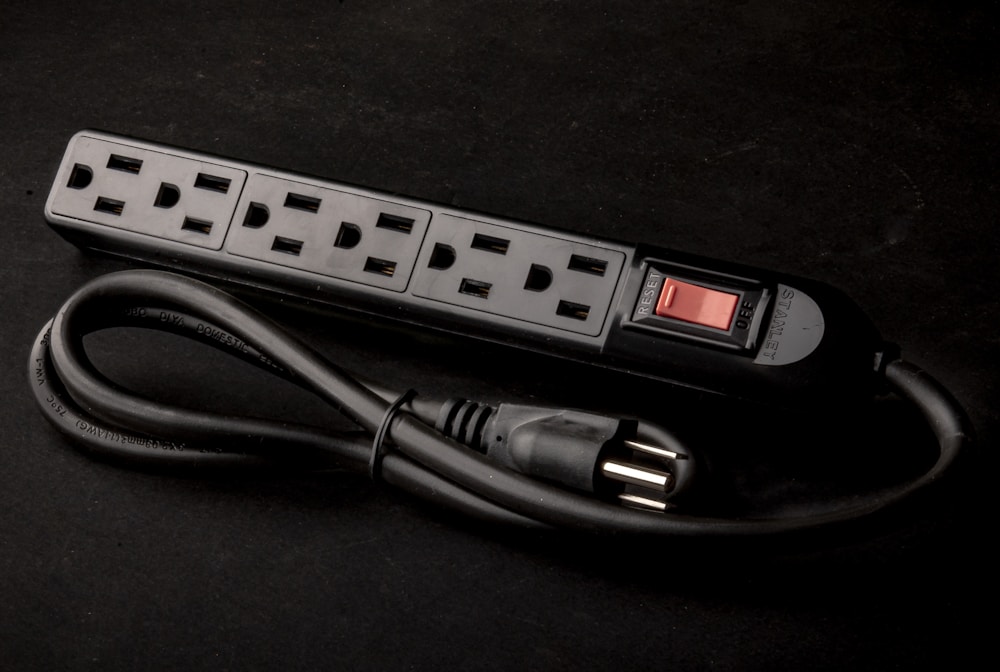
Cruise cabins were clearly designed by someone who assumed passengers travel with exactly one device, which is funny considering most people show up with a phone, a tablet, a camera battery, and some kind of fan all fighting for the same outlet. A slim, non-surge power strip fixes that shortage in about ten seconds, and yes, most cruise lines allow them as long as there’s no surge protector or circuit breaker built in.
Experienced cruisers pack one without a second thought, because negotiating outlet time with a cabin mate gets old fast, which is saying something on a seven-night cruise.
A Portable Fan Corrects the Air

Cruise cabins recycle air like a shared secret, thin and processed, never quite alive by the time it reaches the vents. Experienced cruisers pack a small clip-on fan, not for coolness so much as circulation, the kind of thing that turns a stagnant box into a room that actually breathes.
There’s something almost stubborn about how much difference a $5 fan makes against a cabin’s central system, correcting what the ship’s engineers apparently overlooked. By night three, the cabin without one feels noticeably heavier, though nobody can quite explain why.
Suction Hooks Handle the Bathroom
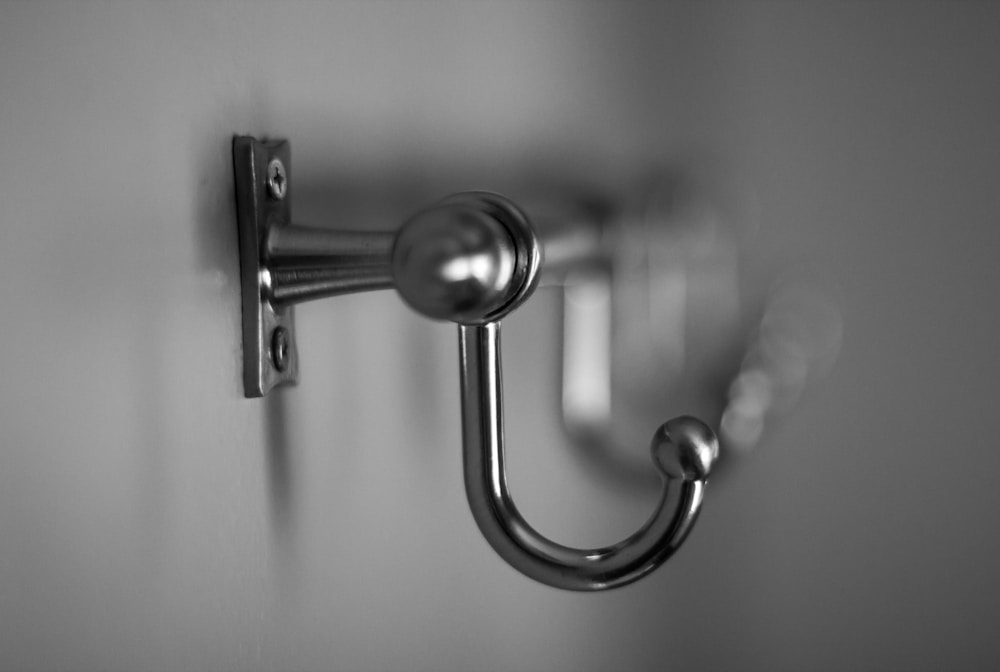
Cruise ship bathrooms have zero shelf space. None.
So suction hooks go on the tile, the mirror, wherever it’s smooth and dry, and suddenly there’s a place for a razor, a loofah, a toothbrush that isn’t balanced on the sink edge. Cheap, small, and somehow nobody thinks to pack them until they’ve already knocked a bottle of shampoo into the drain once.
Command Strips Add Storage Without Nails
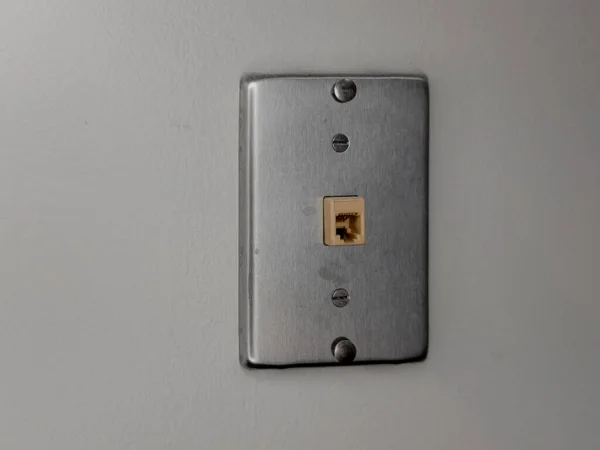
Cruise cabin walls don’t take pins, and drilling anything into ship infrastructure is the kind of idea that gets you a stern look from the cabin steward, so command strips became the workaround nobody advertises but everyone with cruise experience eventually discovers — the kind that peel off clean, hold surprisingly well, and let you hang a small shelf, a mirror, or a mesh bag without leaving so much as a mark behind. And there’s a strange satisfaction in it, the way a $2 strip solves a problem cruise lines never bothered to address themselves, quietly making up for a design flaw nobody wants to admit exists.
But they only work on the painted metal walls, not the wood paneling near the closet: something worth testing on a small patch before committing real weight to it. So the smart cruisers test one strip on day one, low stakes, low visibility, before hanging anything they actually care about.
A Shower Caddy Claims the Vertical Space
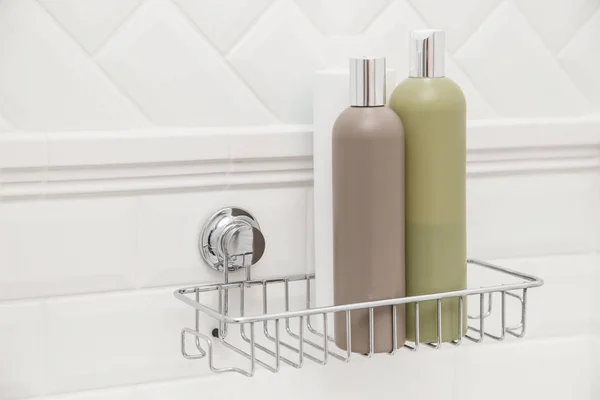
The shower stall on a cruise ship is barely bigger than a phone booth, and every bottle set on its narrow ledge seems to conspire toward the drain the moment the ship rolls. A hanging shower caddy solves this the way a good coat rack solves a cluttered entryway, by simply refusing to let anything sit where it doesn’t belong.
There’s a small, quiet relief in reaching for shampoo mid-rinse and finding it exactly where it was left, rather than chasing a bottle across wet tile with soap in your eyes. Most experienced cruisers hang one on the shower head or curtain rod before they’ve even finished unpacking, because they’ve learned the hard way that gravity and ship motion don’t care about your morning routine.
A Rubber Band Fixes the Curtain Gap
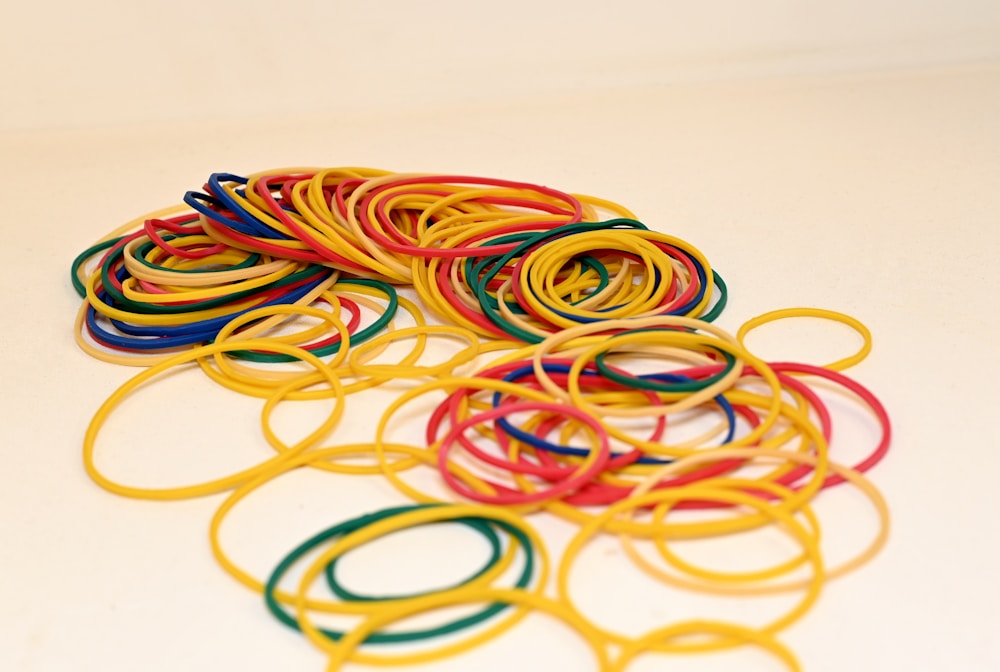
Cruise ship curtains never fully close, and that’s just a fact everyone learns around 5 a.m. when a sliver of Caribbean sunrise slices straight across the pillow. Experienced cruisers wrap a rubber band around the curtain and its built-in hook, cinching the gap shut, and it works better than any complaint filed at guest services ever will.
To be fair, it’s such a small fix that it feels almost too simple to be real, which is exactly why most people don’t stumble onto it until their third or fourth cruise. Pack two, because the ship will misplace one within the first two days, somehow.
A Magnetic Whiteboard Keeps Everyone Aligned
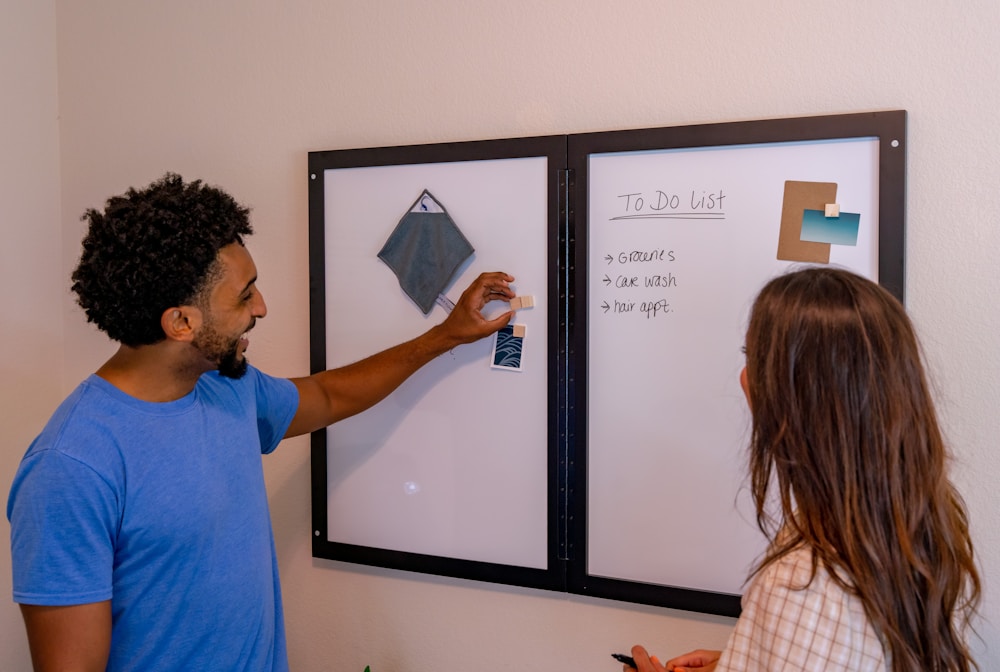
Cabin doors are metal too. Experienced cruisers slap a small magnetic whiteboard right on the outside and use it to leave notes for cabin mates.
No wasted paper, no confusion about who’s at the pool versus who’s still asleep. It sounds minor until the first day someone wanders off without saying where.
A Nightlight Solves the Midnight Stumble

Cruise cabins go pitch dark the moment the lights are off, no hallway glow, no streetlight sneaking through, just full and total black. A small plug-in nightlight near the bathroom door means nobody’s stubbing a toe on the minibar at 2 a.m. or fumbling for a switch while a cabin mate sleeps.
It’s a $2 fix for a problem most people don’t anticipate until the first painful bump into furniture, and by the second night, packing one feels less like a luxury and more like common sense.
A Mesh Laundry Bag Tames the Chaos
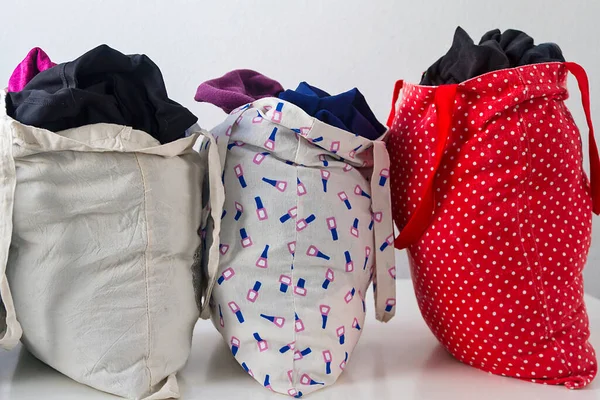
Dirty clothes multiply in a cruise cabin the way clutter always does when there’s nowhere proper to put it, spreading first across a chair, then the floor, then somehow the desk. A collapsible mesh bag hung from a hook gives all of that a single destination, containing the mess instead of just moving it around the room.
There’s something almost calming about watching a week’s worth of worn shirts disappear into one spot rather than ambush you every time you open the closet. By the last sea day, it’s the difference between packing in ten minutes and hunting for stray socks under both beds.
A Rubber Doorstop Silences the Slam
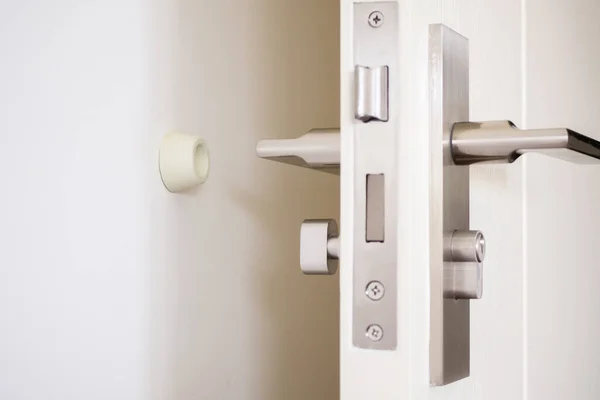
Cruise cabin doors slam like they’re auditioning for a horror movie, heavy and metal and completely indifferent to anyone still asleep inside. A rubber doorstop can help while you’re actively moving luggage or unpacking, but avoid leaving cabin doors propped open because many cruise lines discourage it for safety reasons.
Cabin stewards notice too, which is saying something, since they’re the ones opening and closing that door a dozen times a day. Pack one, use it, and stop apologizing to your neighbors every time you step out for ice.
Binder Clips Solve More Than They Should

Binder clips are cheap. They clip curtains shut, seal snack bags, and pin charging cords in place so they don’t slide off the nightstand overnight.
Experienced cruisers toss a handful into their bag without thinking twice. Nobody regrets packing them, and nobody ever brings enough.
Ziplock Bags Corral the Small Stuff
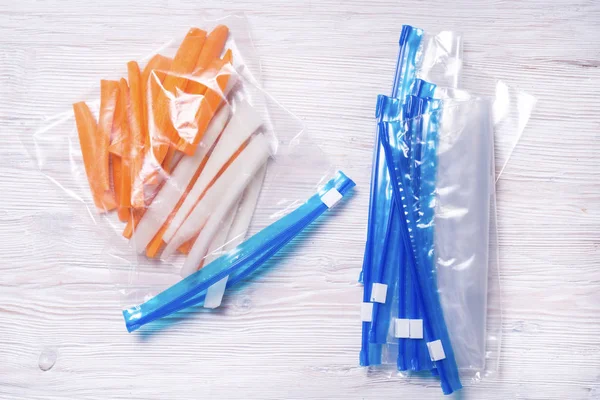
Small items vanish in a cruise cabin with an efficiency that feels almost personal — a phone charger here, a stray earring there, a handful of shore-excursion tickets that seem to dissolve into the nightstand drawer the moment you look away — and experienced cruisers solve this with a stash of gallon ziplock bags packed flat in a side pocket, because once cords go in one bag, jewelry in another, and loose cash and boarding passes in a third, the whole cabin stops feeling like it’s swallowing your things whole. So the bags end up under the pillow, in the nightstand, wherever there’s a flat surface, and each one gets a job: cords in one, medications in another, nothing left to wander.
And it’s not glamorous, nobody’s showing off a ziplock system to anyone, but ask a cruiser who’s spent a night digging through a junk drawer looking for one stray battery, and they’ll tell you the bags are worth every ounce of suitcase weight.
A Collapsible Duffel Handles the Souvenirs
A cruise cabin fills up the way a jar fills with sand: slowly, then all at once, until there’s no room left for the shells and bottles of rum and oversized straw hats that seemed essential in port. Experienced cruisers pack a flat, empty duffel inside their suitcase, a kind of pressure valve for the trip home, and it sits untouched for days like a promise nobody’s rushing to keep.
By the last morning, that duffel is the only thing standing between a graceful disembarkation and wrestling a suitcase that no longer closes. It’s a small piece of foresight, tucked flat against a suitcase wall, waiting for the version of the trip that hasn’t happened yet.
A Travel Clothesline Solves the Wet Swimsuit Problem
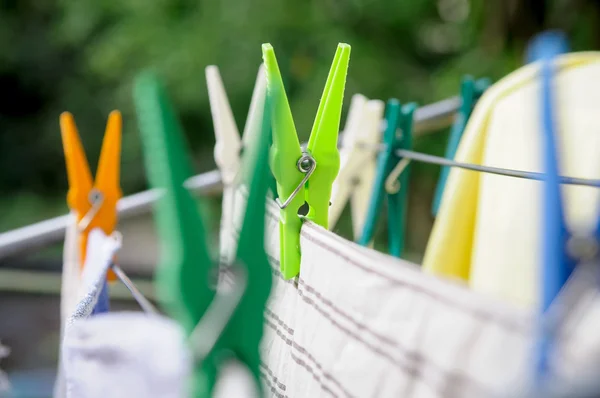
Wet swimsuits ruin cabins faster than almost anything else on a cruise. Draping them over a chair or the balcony rail just soaks everything nearby and never actually dries anything, which is a special kind of pointless.
A $12 suction-cup travel clothesline strung across the shower stall handles it properly, no nails, no drilling, no negotiating with the cabin steward. Experienced cruisers pack one without fail, because a cabin that smells like chlorine and damp nylon for a week isn’t a vibe anyone signed up for.
A Lanyard Keeps the Key Card Close
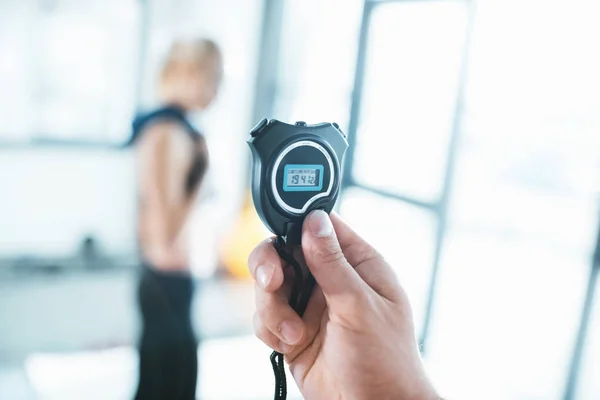
A cruise key card is a strange little object: it opens the cabin, it buys the drinks, it gets you back on the ship in some ports, and yet it’s roughly the size and thickness of a grocery store gift card, built to disappear into a pocket and stay there. Experienced cruisers loop it onto a lanyard the first morning, not because they’re sentimental about lanyards, but because losing that card in the middle of a tender port feels less like an inconvenience and more like a small personal disaster.
There’s something almost maternal about the way a lanyard keeps track of the thing you’d otherwise lose — a leash for a card that has no business being this important. By day two, it’s just part of getting dressed, no different than putting on shoes.
Rolling Instead of Folding Buys Real Space
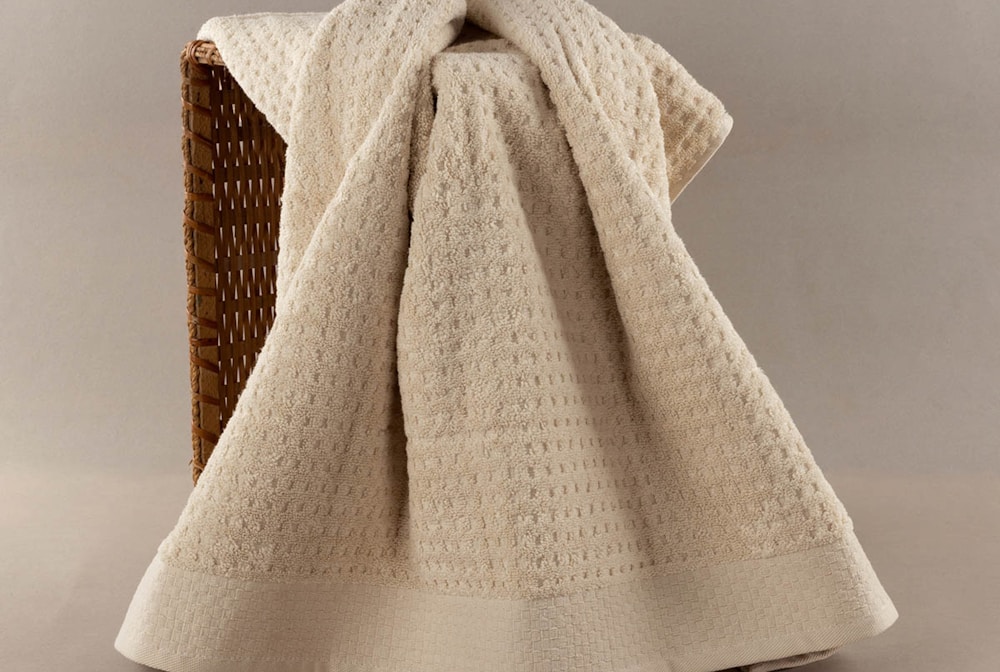
Folded clothes waste space. Rolled ones don’t.
It’s not a trick anymore, it’s just how experienced cruisers pack, full stop — and the difference between a suitcase that shuts easily and one that fights back the whole cruise.
A Portable Charging Station Ends the Outlet Standoff
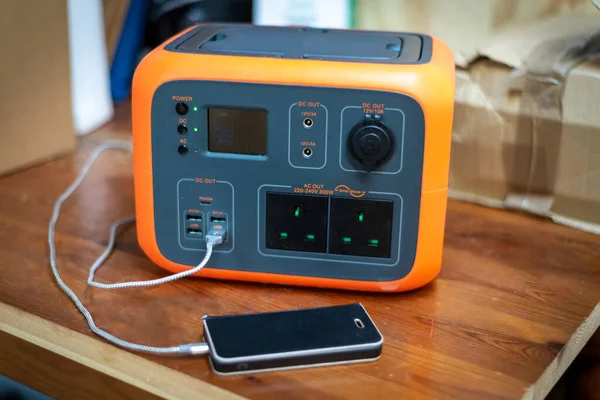
Cabins rarely have more than two usable outlets, and one of those is usually claimed by the room’s own clock or lamp before anyone even opens a suitcase. Experienced cruisers pack a small multi-port charging station, the kind that plugs into a single outlet and spits out three or four USB ports, so phones, watches, and camera batteries stop competing for the same six inches of wall space.
It solves the quiet tension of a shared cabin, where nobody wants to be the one unplugging someone else’s phone at midnight. By the second night, it’s less a gadget and more a peace treaty.
A Flat Storage Bin Slides Under the Bed
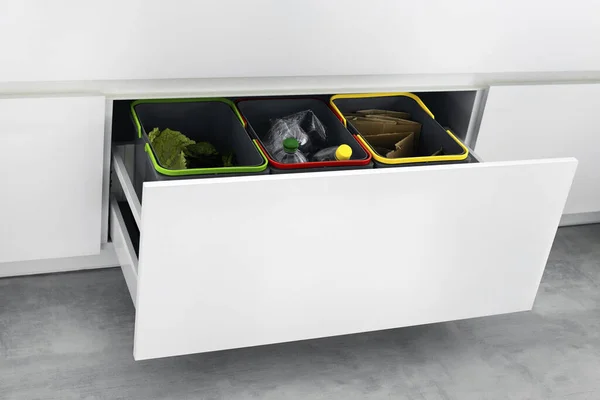
Under-bed space is real estate. Most cruisers ignore it completely.
A flat, zippered bin slides into that gap and swallows extra shoes, flip-flops, or a formal-night outfit still zipped in its garment bag. Nobody sees it, nobody trips over it, and the floor stays clear the whole cruise.
A Luggage Scale Prevents the Overweight Surprise
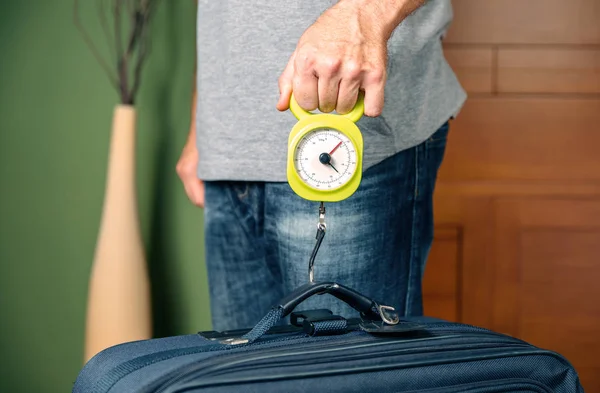
Nobody thinks about airline weight limits until they’re standing at a hotel counter three states from home, restacking souvenirs at 6 a.m. while a line forms behind them — which is exactly the scenario a $10 luggage scale exists to prevent. Experienced cruisers clip it onto the suitcase handle sometime around the last sea day, not out of paranoia so much as habit: they’ve done the airport scramble once and have no interest in repeating it.
And it’s such a small object, barely bigger than a keychain, that packing it feels almost silly right up until it saves someone a $50 overweight fee. So it rides along in a side pocket all cruise, ignored until the very end, when suddenly it’s the only tool that matters.
A TSA Lock Settles the Valuables Question
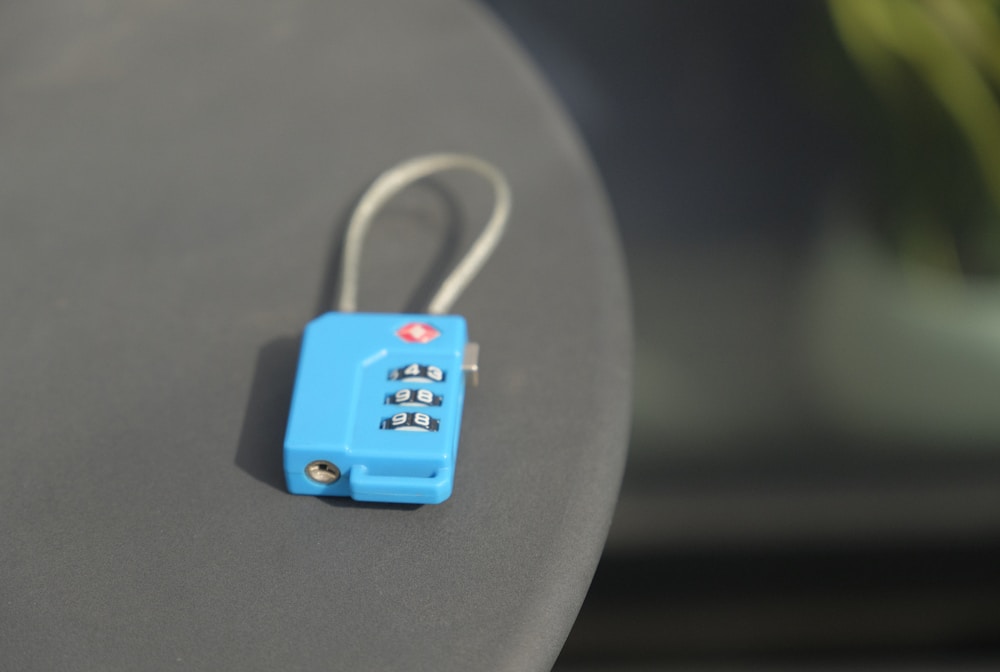
A locked zipper is a little like a locked diary: it won’t stop someone truly determined, but it stops the casual, thoughtless kind, and most cabin mishaps fall into that second category. Experienced cruisers loop a small TSA-approved lock through the zipper pulls of a daypack or duffel, not out of suspicion toward the crew, but out of plain familiarity with how many strangers move through a hallway of open cabin doors during a busy turnaround day.
The lock itself is unremarkable, cheap metal barely bigger than a coin, and yet it lets a passport and a stack of cash sit undisturbed in a drawer while its owner is off snorkeling three miles from the ship. Nobody mentions it at dinner, but anyone who’s ever come back to a cabin door propped open by housekeeping mid-cruise understands exactly why it’s there.
A Pop-Up Trash Bin Solves the Overflow Problem

Cabin trash cans are tiny. One bin, two people, a week, and a mountain of snack wrappers on top by day two.
Experienced cruisers pack a collapsible pop-up trash bin, unfold it in ten seconds, and never think about it again. It weighs nothing, folds flat into a side pocket, and disappears back into the suitcase the morning everyone else is still fighting with theirs.
A Hanging Shoe Organizer Turns the Closet Door Into Storage
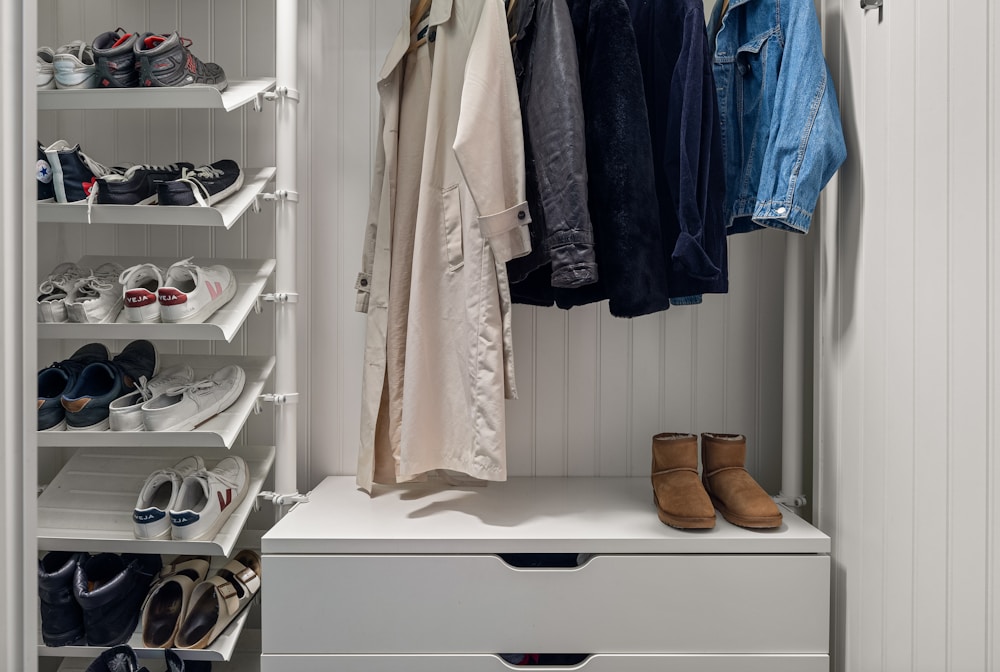
Cabin closets are absurdly small — narrow enough that a single suitcase eats half the space — and yet a twelve-pocket shoe organizer hung over the closet door somehow turns that same cramped square footage into something almost functional, sorting sunscreen, chargers, sunglasses, and the odd tube of seasickness tablets into pockets you can actually see into. So instead of digging through a shelf where everything blends into one gray mass of toiletries: each pocket gets its own job, sunglasses in one, medication in another, spare batteries in a third.
Simple as that. And the real value isn’t the organizer itself, cheap as it is — it’s that nobody bends down or digs through a bag at 6 a.m., because everything sits right there at eye level, mesh pocket after mesh pocket, doing more work than the actual closet ever managed on its own.
A Mirror Trick Doubles the Room Without Adding an Inch

A cruise cabin is a box, and boxes don’t know how to fake open air. A small stick-on mirror placed across from the balcony door or porthole tricks the eye the way a stage set tricks an audience, bouncing light back into the room and doubling the sense of space without changing a single square foot of it.
There’s a particular kind of calm that shows up when a cramped cabin suddenly seems to breathe, when a sliver of ocean glimpsed through glass gets reflected back into a room that otherwise has no horizon at all. Experienced cruisers tape one to the wall near the closet, quietly, and let the ship handle the rest of the illusion.
A Second Bag Under the Sink Solves the Wet Towel Problem
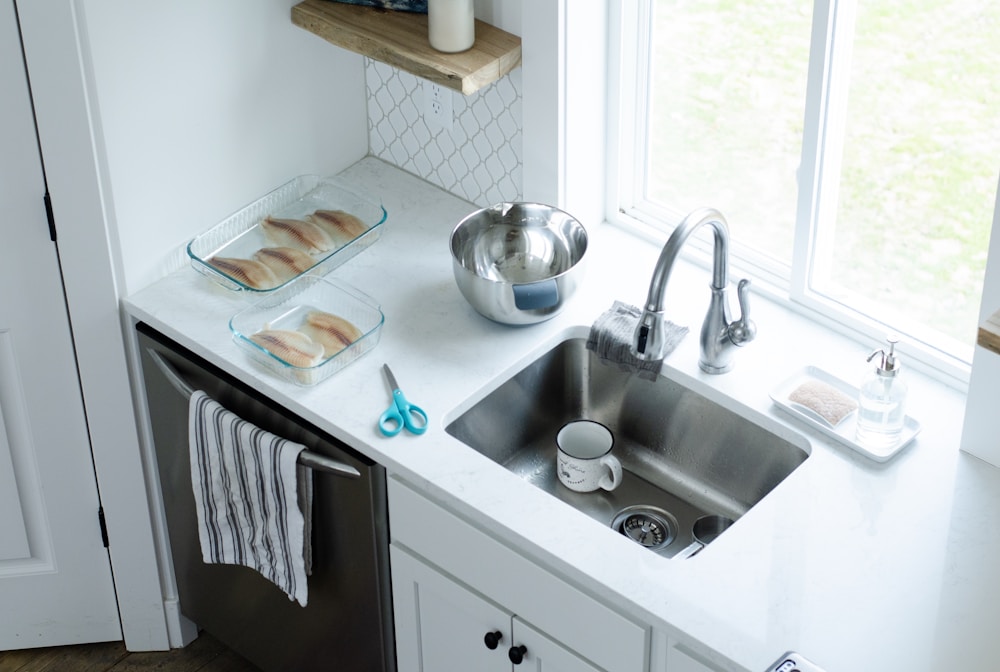
Wet towels have nowhere good to go in a cruise cabin, so they end up draped over chairs, doorknobs, and occasionally the floor, turning the whole room faintly damp by day three. Experienced cruisers stash a small mesh or plastic bag under the bathroom sink specifically for wet swimsuits and towels headed back to the pool, so nothing soaks through a drawer or leaves a ring on the desk.
It’s an unglamorous fix, tucked out of sight where nobody has to look at it, and yet it quietly keeps a cabin from smelling like a locker room by the halfway point of the cruise. The bag itself costs nothing, sometimes it’s just a repurposed grocery sack, but the habit of using it consistently is what actually saves the room.
Over-the-Door Hooks Multiply Hanging Space

Cruise cabins give you two hooks, maybe three. That’s not enough for two people’s robes, hats, and bags.
Experienced cruisers bring a set of adhesive or over-the-door hooks and add six more spots in under a minute. Nobody argues with extra hooks by day three.
Magnetic Hooks Turn the Walls Into Storage
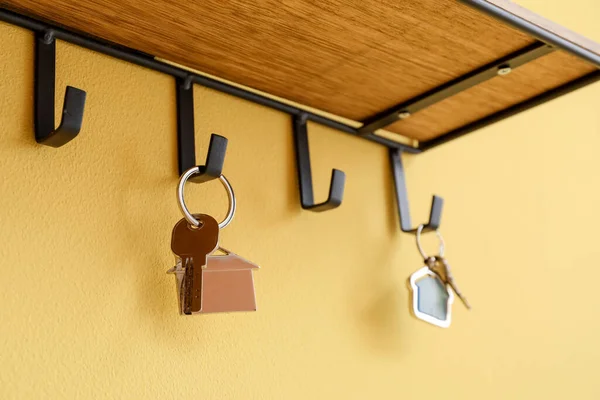
Most cabin walls are steel underneath that thin coat of paint, a fact that sits there unused until someone finally presses a magnetic hook against it and watches the whole room rearrange itself like a puzzle that finally found its missing edge. Lanyards, sun hats, wet ballcaps, the day’s map of shore excursions — all of it lifts off the desk and floor and hangs instead, weightless, the way a coat finally looks right on a hook instead of slumped over a chair.
There’s something almost tender about a plain steel wall turning out to be more generous than the closet ever was, holding six or seven small things without complaint. Experienced cruisers pack a handful of these magnetic hooks without fanfare, quietly grateful for a wall that finally does its share of the work.
Small Cabin, Smarter Cruise

A cruise cabin will probably never feel spacious, and it doesn’t really have to. The people who seem to settle in effortlessly aren’t staying in bigger rooms—they’re simply making better use of the space they have.
A handful of smart packing habits, a few inexpensive organizers, and an understanding of how cruise cabins are designed can make the difference between spending the week stepping over clutter and spending it actually enjoying your vacation. The best cabin trick isn’t a gadget at all.
It’s knowing that a little preparation before embarkation can make even the smallest cabin feel surprisingly comfortable once you’re at sea.
More from Travel Pug

- Underrated Italian Towns That Beat the Tourist Crowds
- Las Vegas Tourist Traps to Skip
- Prettiest Towns in Every US State
- 18 passport-free countries for Americans
- Signs Your Cruise Is Not Worth The Cost
Like Travel Pug’s content? Follow us on MSN.