

A place can be photographed into perfection long before anyone actually visits it. Cropped angles, empty-street timing, and decades of movie shorthand build up an image that the real location was never going to match at two in the afternoon in July, surrounded by several thousand other people holding phones at the same angle.
None of the places below are bad destinations, exactly. They are simply easy to oversell, and the gap between the marketing and the experience of standing there in person can catch first-time visitors off guard.
Venice’s Grand Canal In High Season
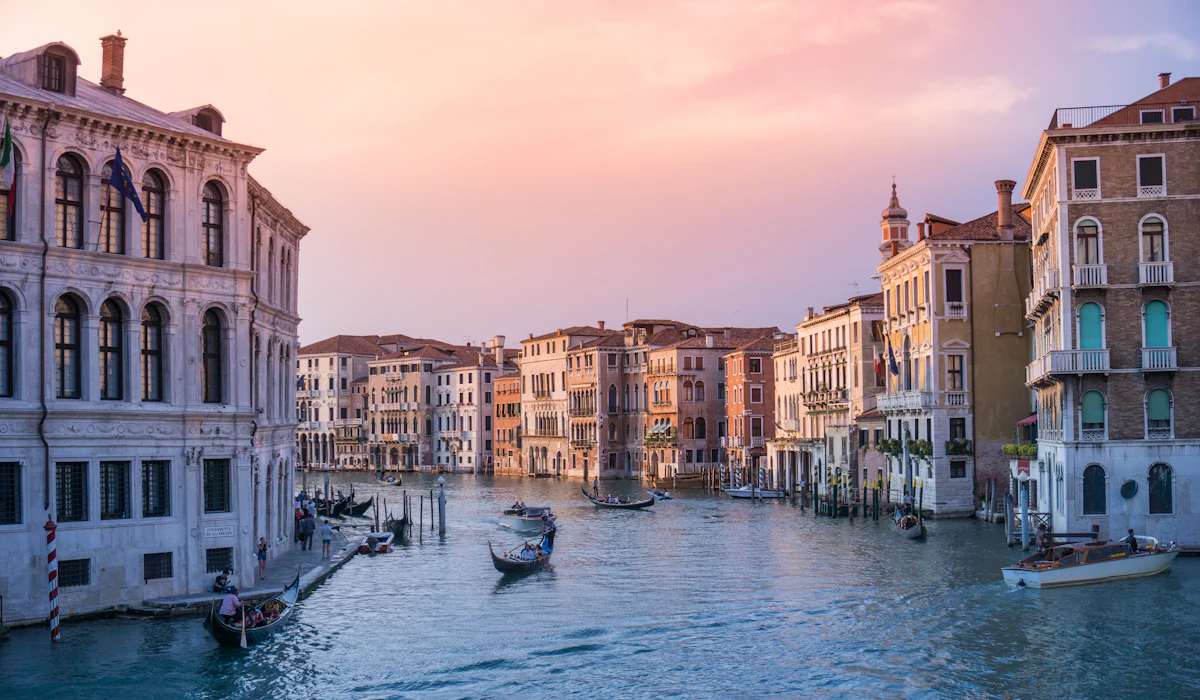
Venice’s canals photograph as quiet and timeless, but by midday in peak summer months the Grand Canal fills with vaporetto boats, gondolas, and delivery vessels moving in every direction, and the narrow streets around St. Mark’s Square become slow-moving crowds rather than romantic wandering.
The city’s historic center has fallen below 50,000 residents even as annual visitor numbers run into the tens of millions, a mismatch that has pushed Venice to introduce an experimental day-visitor access fee on designated dates in recent years.
Times Square, New York
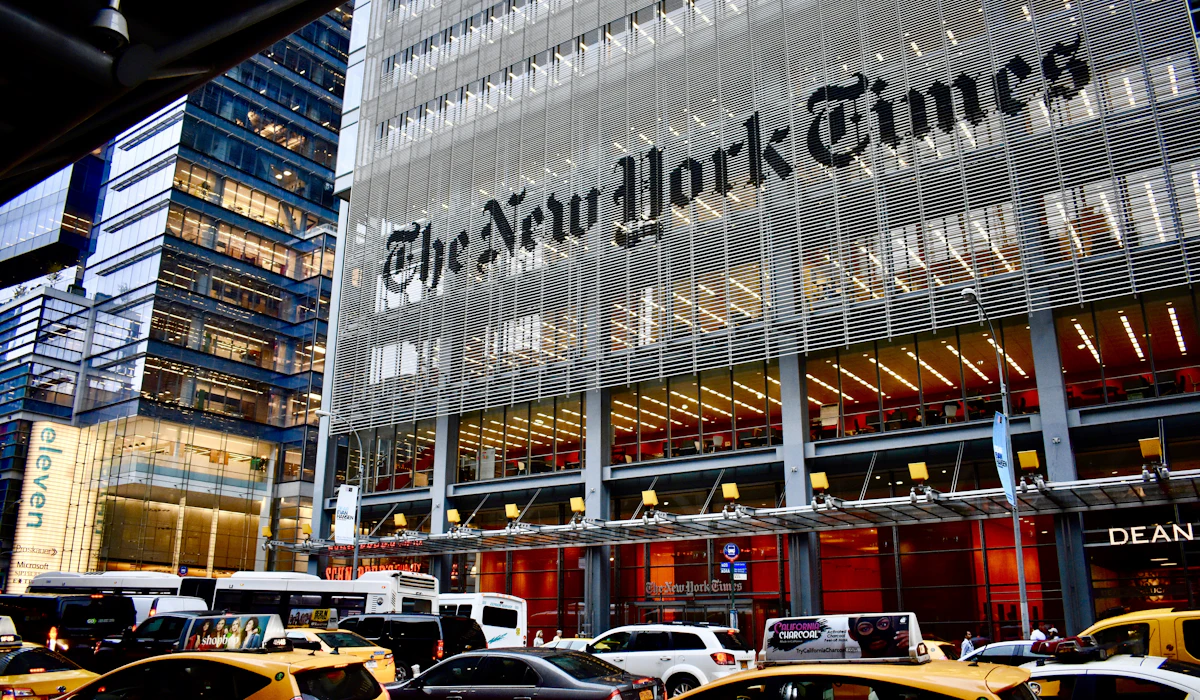
Times Square’s giant screens and neon signage read as the visual shorthand for New York City in film and television, but in person the intersection functions mainly as a dense funnel of tourists, costumed characters posing for tips, and chain restaurants charging above the city’s already high average. Many New Yorkers avoid the area, and longtime visitors often say the surrounding streets, rather than the square itself, hold the city’s actual character.
The Mona Lisa At The Louvre
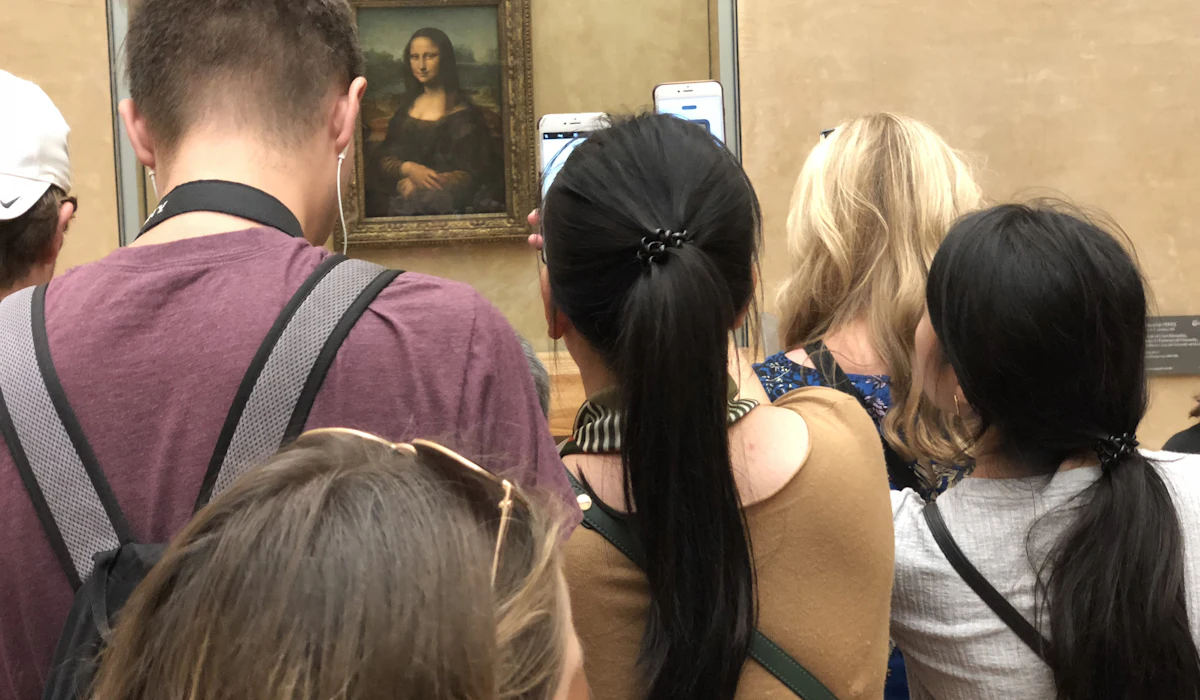
Leonardo da Vinci’s Mona Lisa measures about 79 by 53 centimeters, considerably smaller than many visitors expect, and it hangs behind protective glass in the center of the Salle des États, where visitors queue for a view. The painting’s fame means the room around it is rarely calm enough for the quiet contemplation the image suggests, and many visitors end up spending more time navigating the crowd than they expected.
Stonehenge
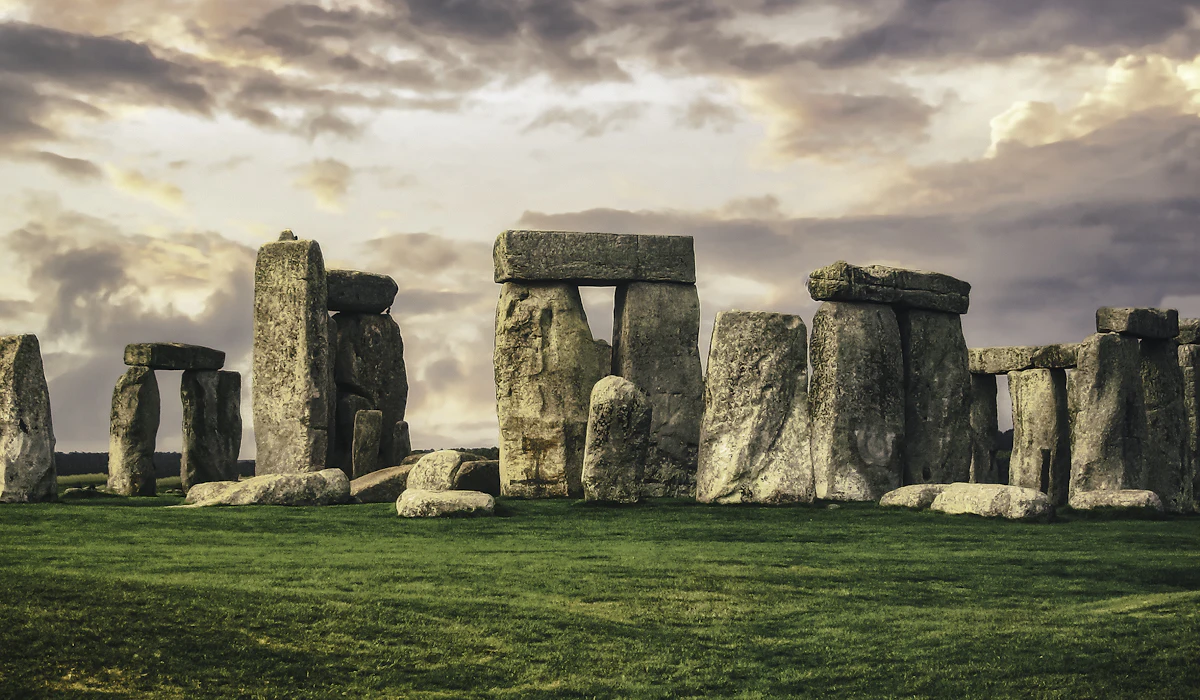
England’s Stonehenge is normally viewed from a designated visitor route around the stone circle, although special-access experiences can bring visitors inside the stones. The visitor center, parking, and shuttle bus required to reach the site add a layer of infrastructure that surprises people expecting an isolated field.
The shuttle ride takes about 10 minutes, while walking from the visitor center takes roughly 25 to 40 minutes.
Trevi Fountain, Rome
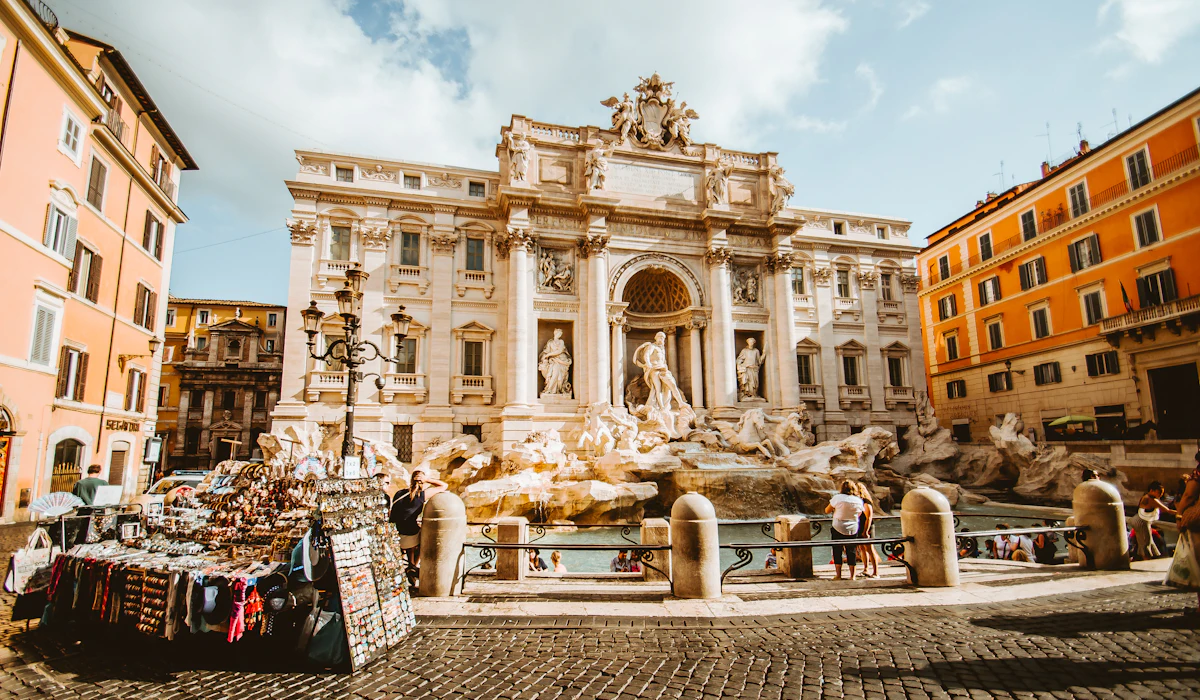
Rome’s Trevi Fountain occupies a relatively small piazza that was never designed to hold the crowds now packed shoulder to shoulder around its edge at nearly every hour of the day. The tradition of tossing a coin over one’s shoulder to guarantee a return trip to Rome means the fountain’s water is skimmed regularly for cash, with the proceeds supporting charitable programs for people experiencing poverty in Rome, but that history does little to make the crush of people any more pleasant in the moment.
Kuta Beach, Bali
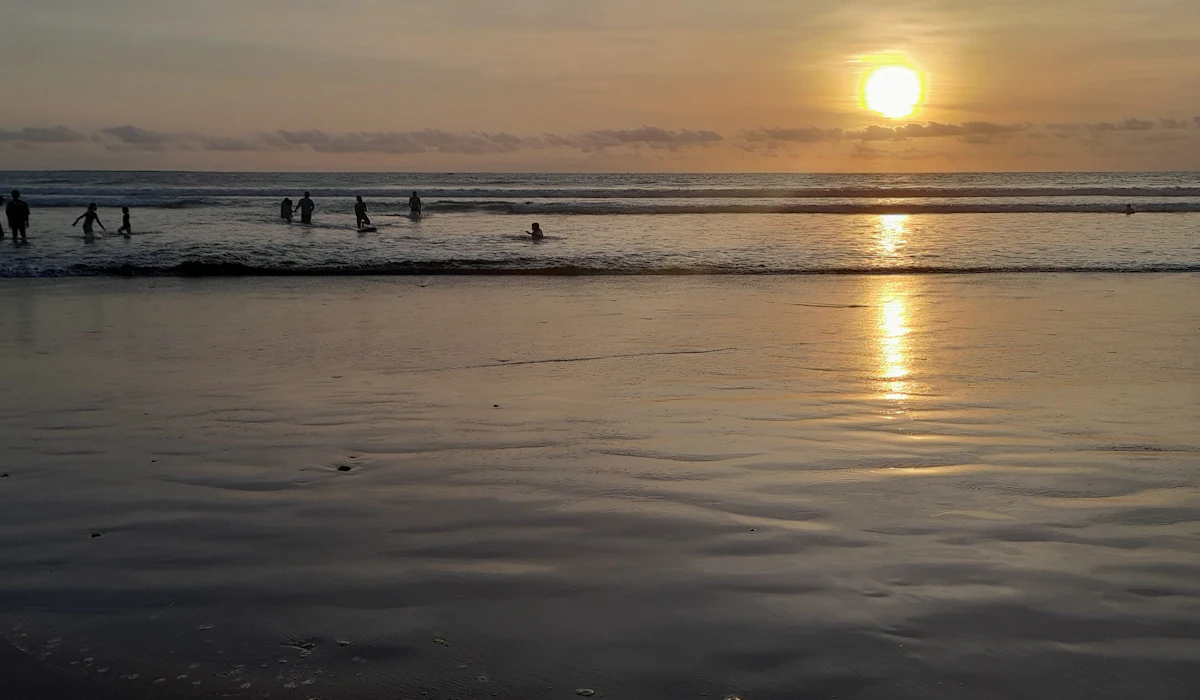
Kuta was Bali’s original tourist beach, and decades of intensive development have left it lined with vendors, traffic congestion, and a much more commercial atmosphere than the island’s less developed beaches farther north and east. Ocean currents along this stretch also carry in seasonal debris, particularly during the rainy months, which can make beach conditions less photogenic than promotional images suggest.
Machu Picchu At Midday
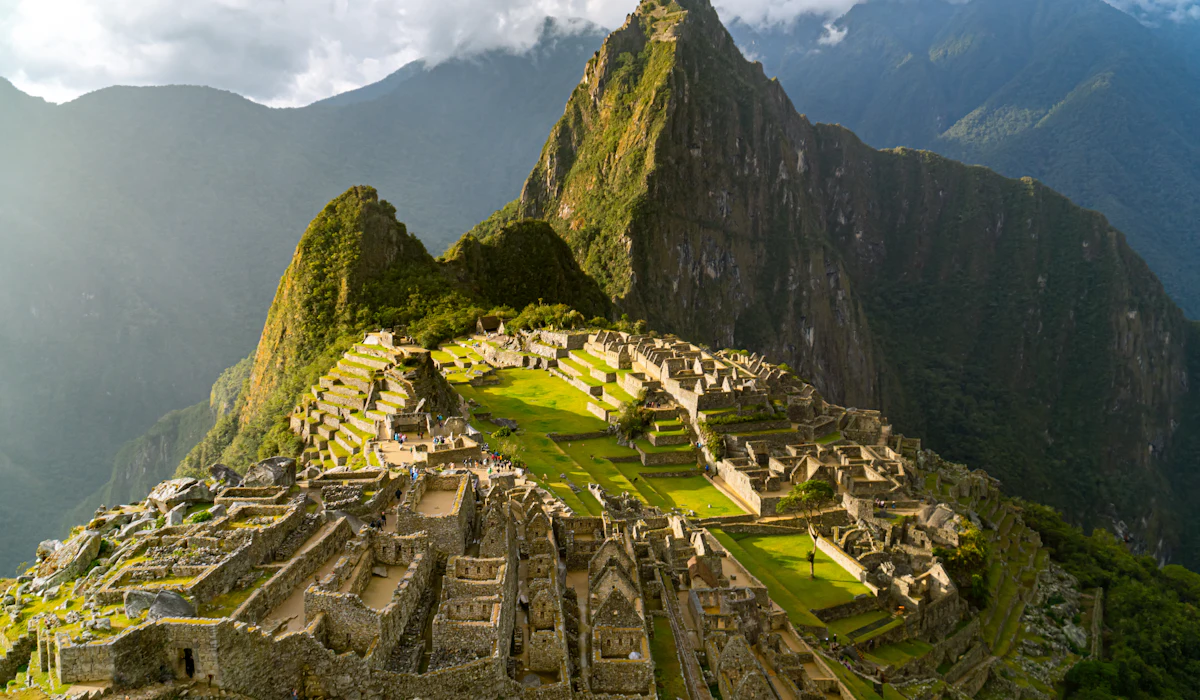
Machu Picchu’s early-morning light, when mist still clings to the surrounding peaks, is the image that circulates most widely, but by mid-morning the site fills with tour groups arriving on staggered entry tickets, and by midday the Andean sun can be intense with little shade across the open terraces. Peru limits daily capacity and uses timed entry circuits, with the 2026 maximum ranging from 4,500 visitors on ordinary days to 5,600 on specified high-season dates.
The Eiffel Tower Queue Experience
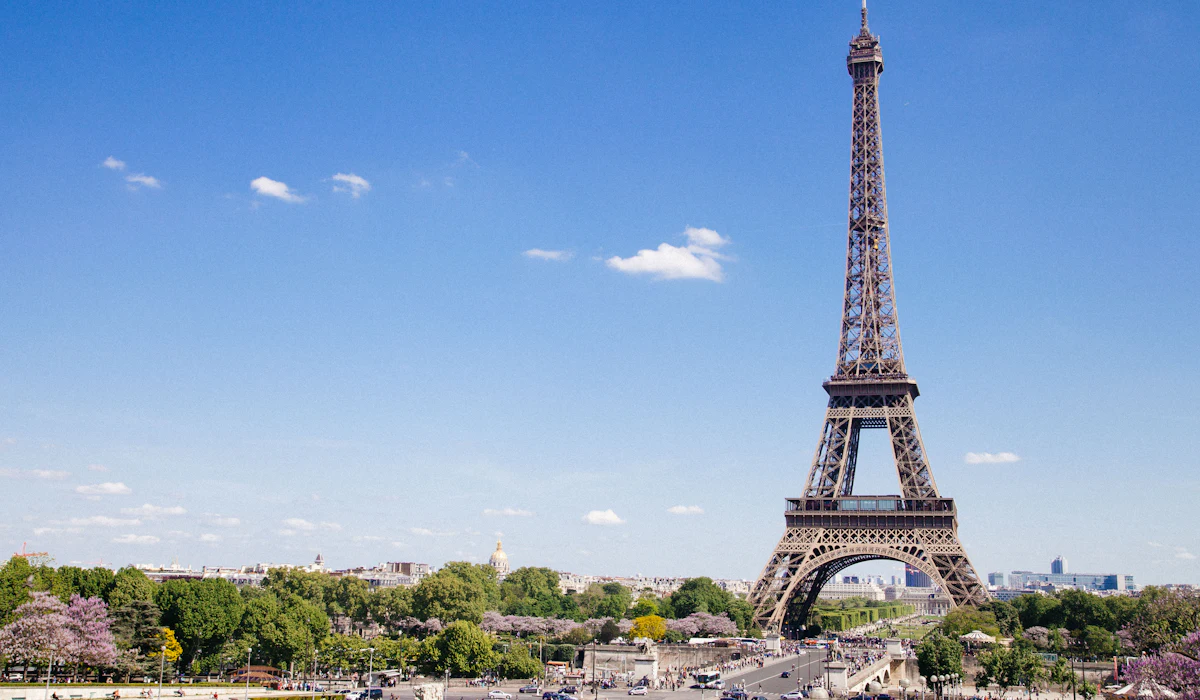
The Eiffel Tower itself remains an engineering landmark completed in 1889 for the World’s Fair, but reaching the upper levels typically means waiting in line for security, then again for elevator access, with waits becoming substantially longer during busy periods. The area beneath the tower has also long attracted counterfeit-souvenir sellers, adding a layer of low-grade hassle to what visitors expect to be a straightforwardly scenic stop.
Hollywood Walk Of Fame
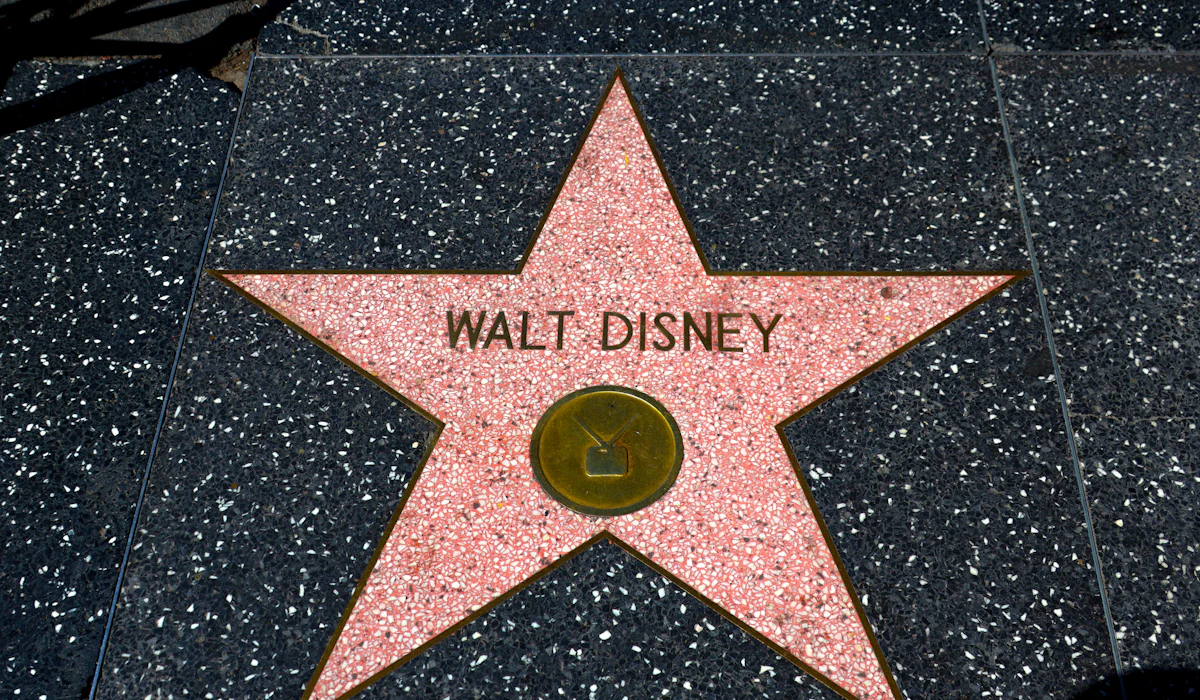
The Walk of Fame’s sidewalk stars sit along a stretch of Hollywood Boulevard that mixes tourist shops, costumed characters seeking tips, and general urban grit, a contrast that surprises visitors expecting the glamour associated with the film industry itself. The major studios and many of the industry’s more polished attractions are located elsewhere in Los Angeles.
Fisherman’s Wharf, San Francisco

Fisherman’s Wharf retains a cluster of chain restaurants and souvenir shops aimed squarely at tour groups, a contrast with San Francisco’s reputation for food culture built elsewhere in the city. The sea lions that gather at Pier 39 remain a genuine and free attraction, but the surrounding area can feel more commercial and tourist-oriented than visitors expecting a traditional working waterfront might anticipate.
Bourbon Street By Daylight
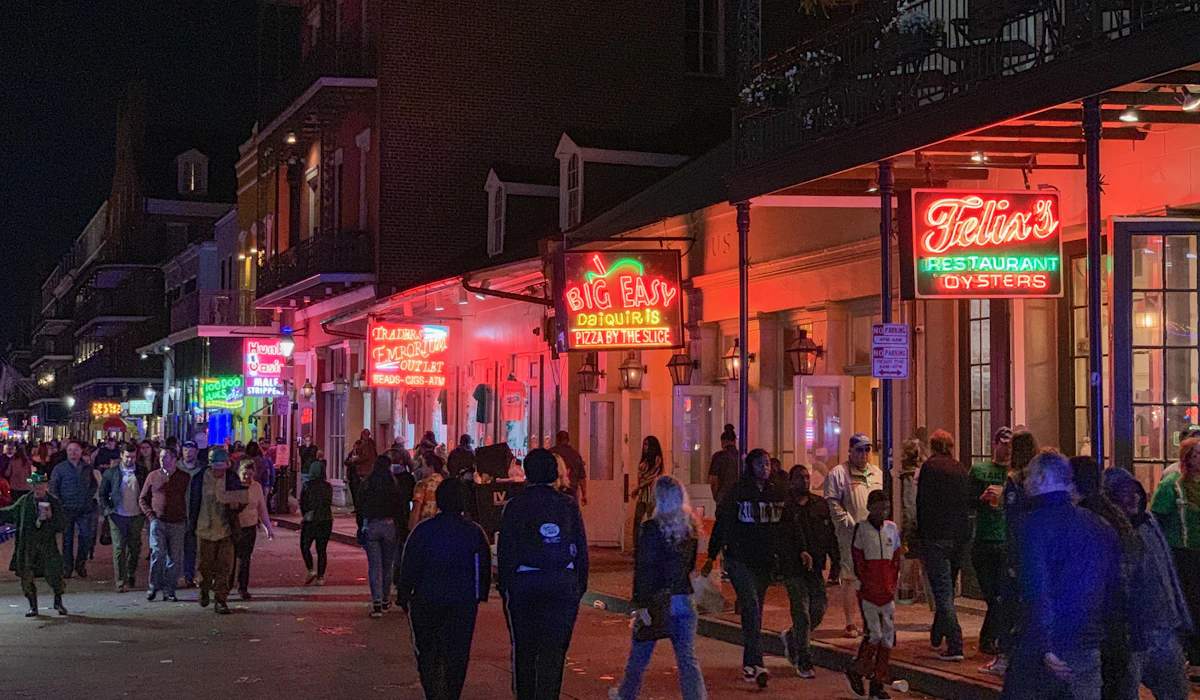
Bourbon Street’s nighttime energy in New Orleans’ French Quarter is well known, but during daylight hours the same street often smells of stale spilled drinks and cleaning solution from the night before, and many of the storefronts are shuttered until evening. Visitors expecting the historic architecture and food culture the city is famous for typically find it a block or two away, on streets with far less foot traffic.
Full Moon Party, Koh Phangan
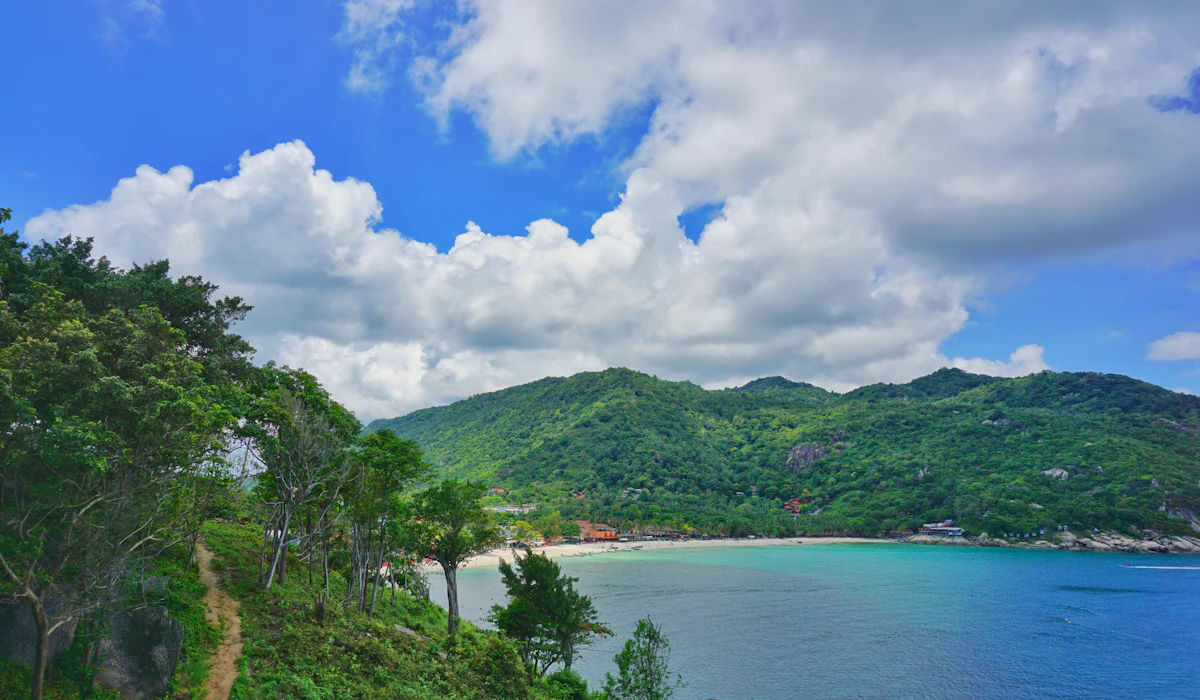
Thailand’s Full Moon Party on Koh Phangan’s Haad Rin beach can draw very large crowds for a single night each lunar cycle, but the event has grown to the point that the beach itself can become difficult to move across, with sound systems overlapping and cleanup crews facing a substantial cleanup operation by morning. Travelers seeking a quieter island experience may find the surrounding beaches a sharp contrast to the party atmosphere.
Ibiza’s Superclub Scene
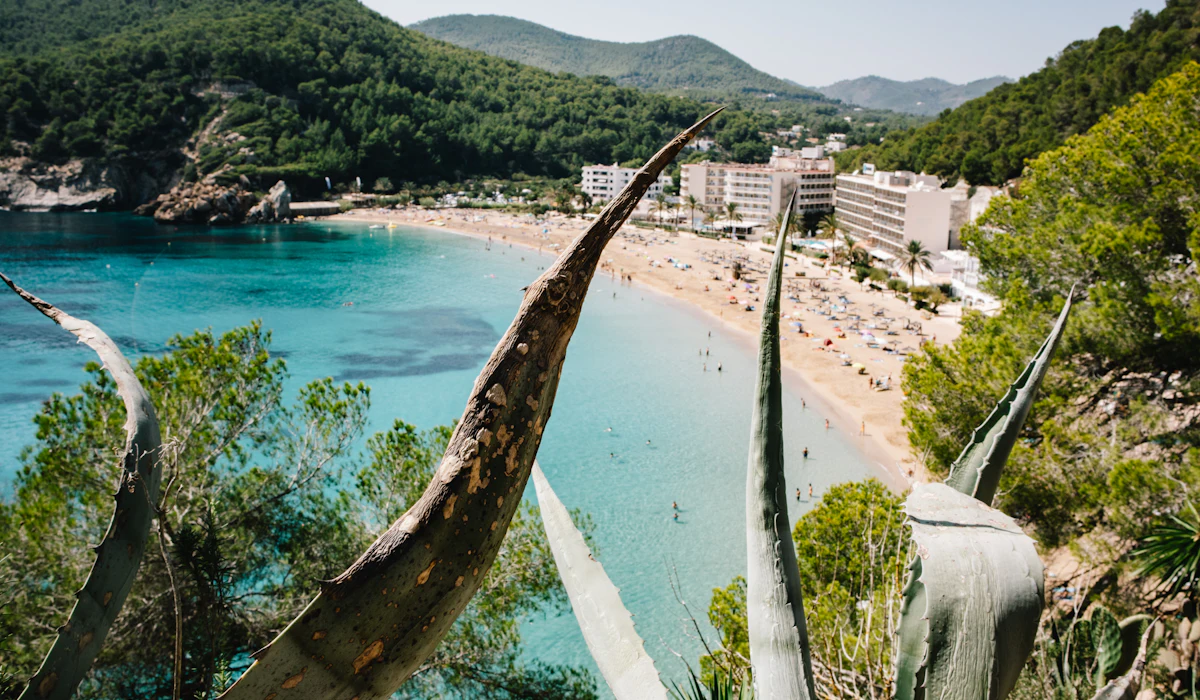
Ibiza built its reputation on a handful of large nightclubs that hosted major electronic music residencies through the 2000s and 2010s, but high ticket prices, VIP spending, and changes in club lineups have changed the island’s nightlife economy considerably. Travelers arriving expecting the club culture of a decade ago may find a more expensive and concentrated scene than they remember from older travel coverage.
Oktoberfest Tents, Munich
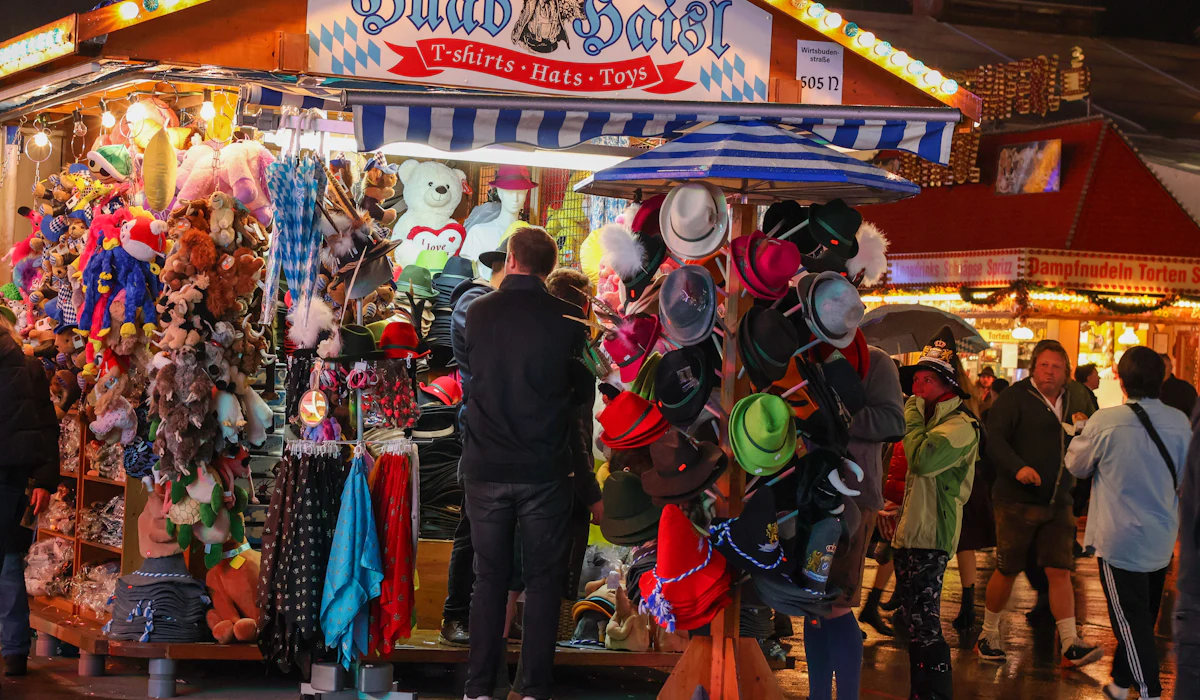
Munich’s Oktoberfest tents can each hold several thousand people, and securing a table inside the larger tents during peak weekends typically requires a reservation made months in advance for groups seeking guaranteed seating. Visitors without a table reservation can still find unreserved seats, particularly earlier in the day, but busy evening periods and weekends can see tents reach capacity.
Sagrada Família’s Exterior During Renovation
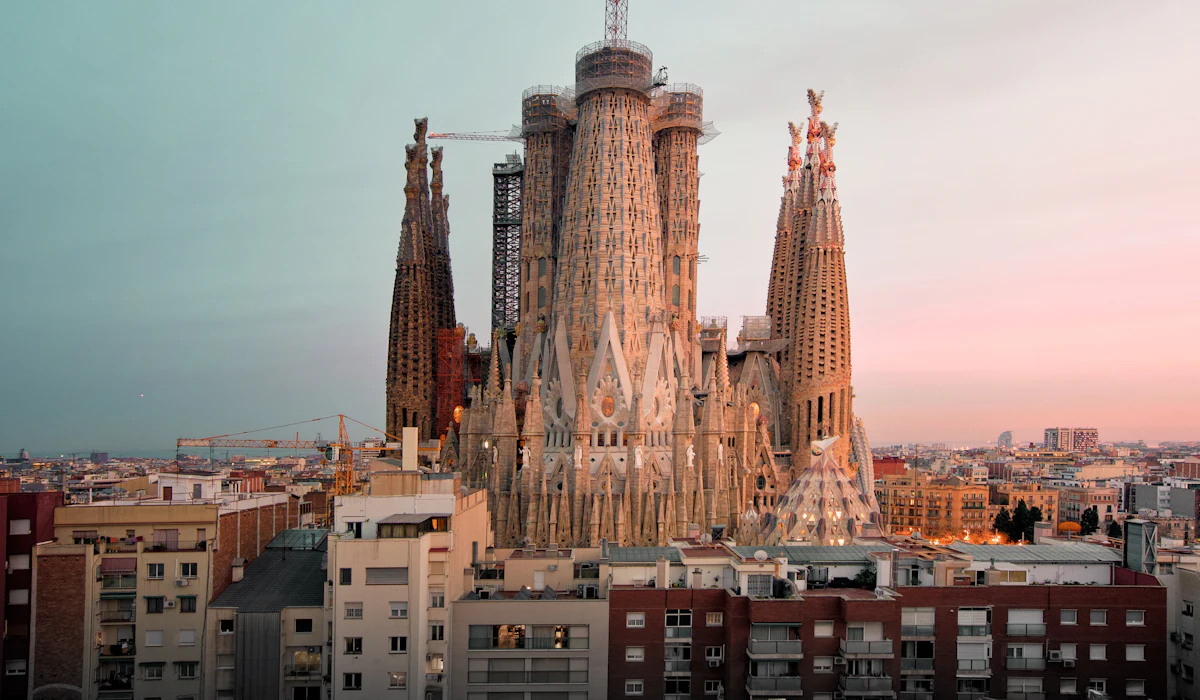
Barcelona’s Sagrada Família, designed by Antoni Gaudí and still under construction more than a century after his death, has reached a major milestone in 2026: the exterior of the central Tower of Jesus Christ has been completed and the tower has been blessed, although construction elsewhere on the basilica continues. The interior’s stained glass and structural design remain widely admired, but exterior photos can still include cranes, scaffolding, and other construction equipment as work continues on the Glory façade and other sections.
Niagara Falls, American Side
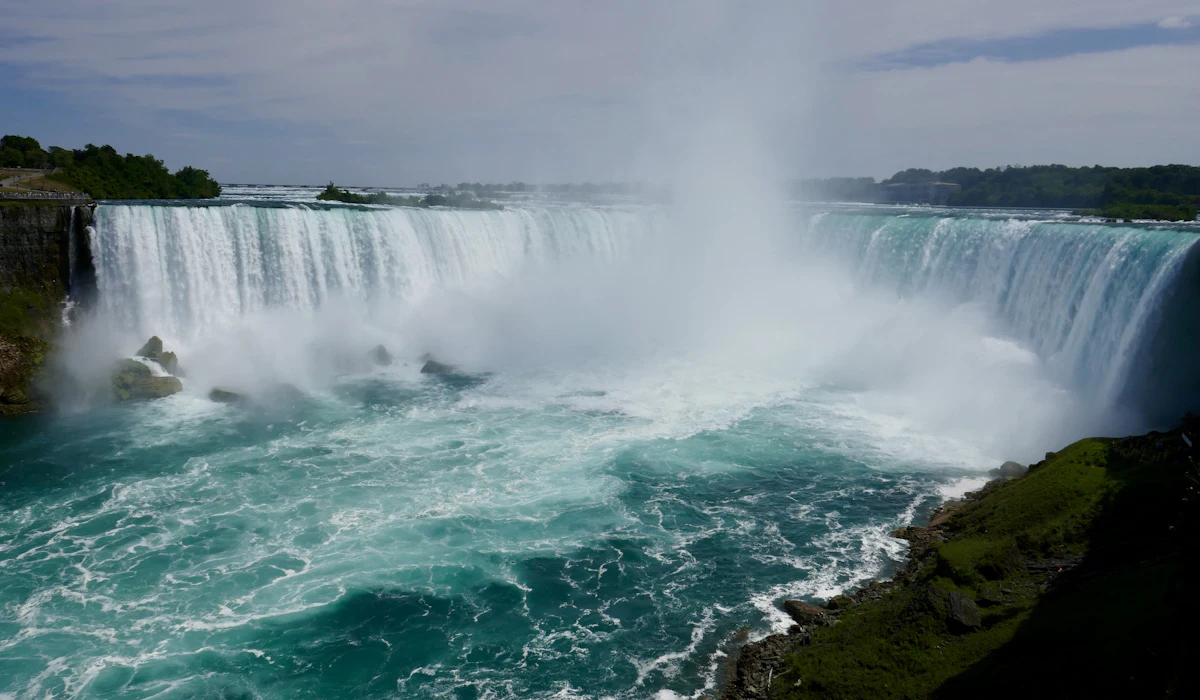
Niagara Falls’ American side offers close access to the smaller American and Bridal Veil Falls, while the Canadian side provides prominent viewpoints of Horseshoe Falls, the largest of the three falls. Visitors who stay only on the U.S. side can therefore experience a noticeably different perspective from the classic Horseshoe Falls views often used in tourism photography.
Loch Ness
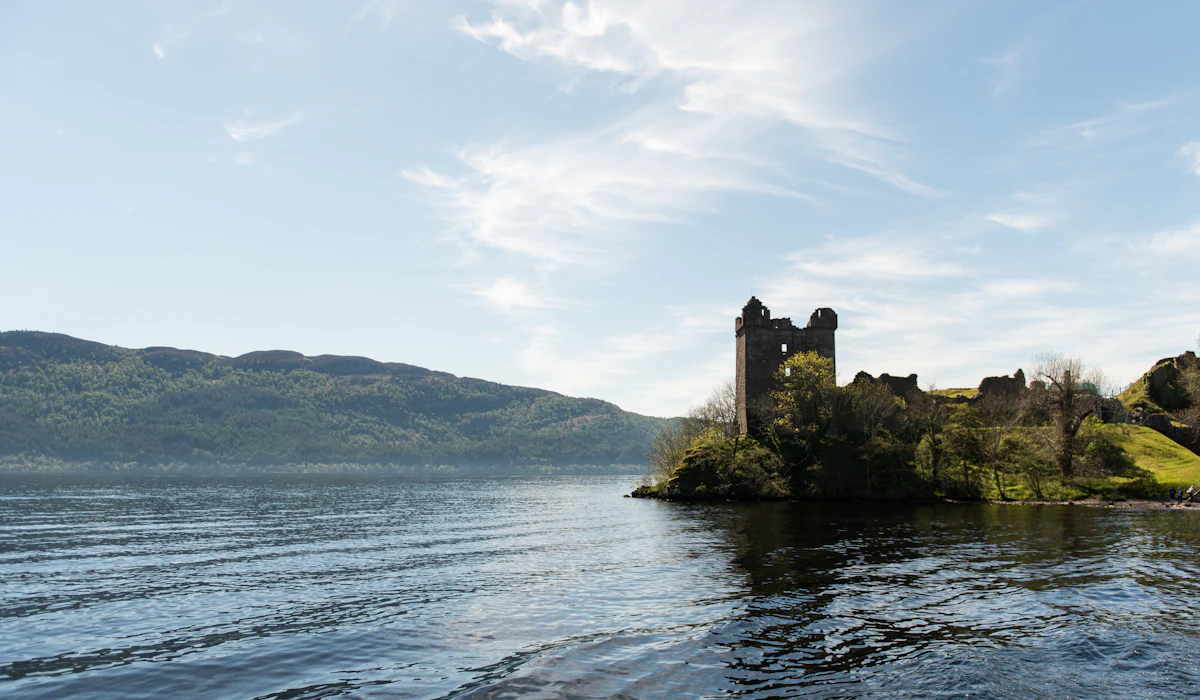
Scotland’s Loch Ness is a genuinely large and scenic body of water, but its fame rests almost entirely on an unverified monster legend, and the loch’s peat-darkened water makes it look considerably less inviting than the clear Highland lochs found elsewhere in the country. Visitors expecting a dramatic wildlife encounter may instead leave with photos of a vast, often gray lake and a gift shop full of monster memorabilia.
The Pyramids Of Giza Approach
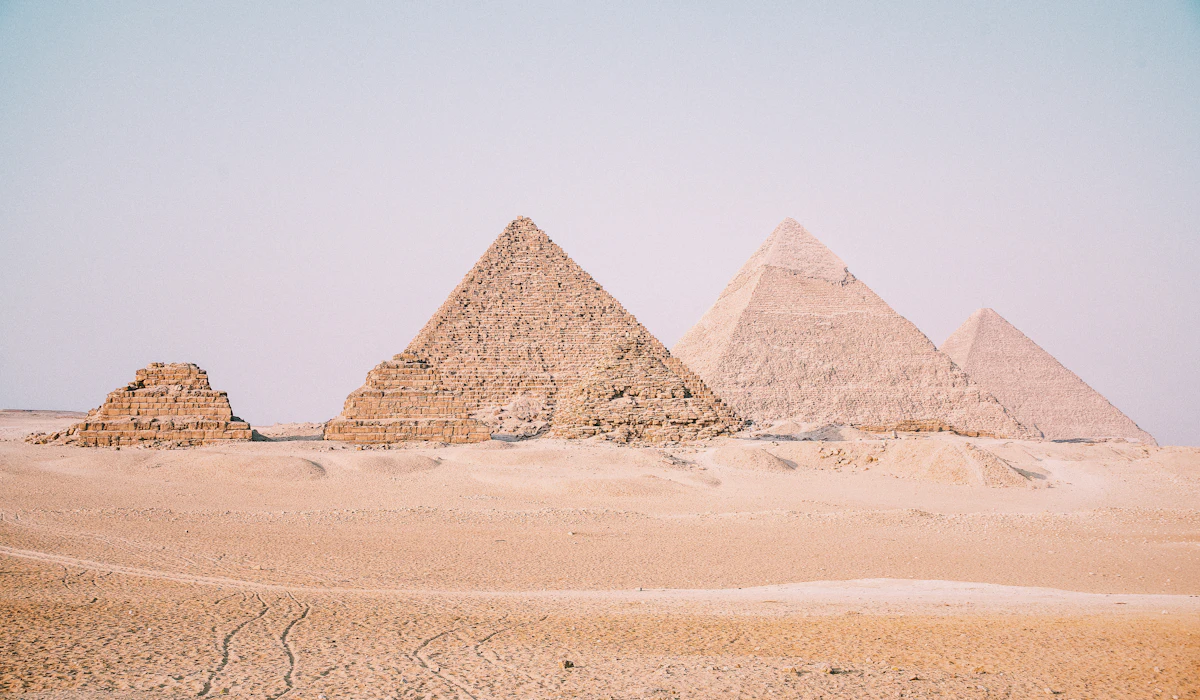
The Pyramids of Giza remain one of the last surviving Seven Wonders of the Ancient World, but the modern city of Cairo has expanded to the edge of the plateau, meaning many approach photos that appear to show the pyramids rising from open desert are shot from specific angles that exclude the surrounding urban sprawl. Persistent vendors offering camel rides and guide services can add friction that first-time visitors may find exhausting.
Copacabana Beach, Rio De Janeiro
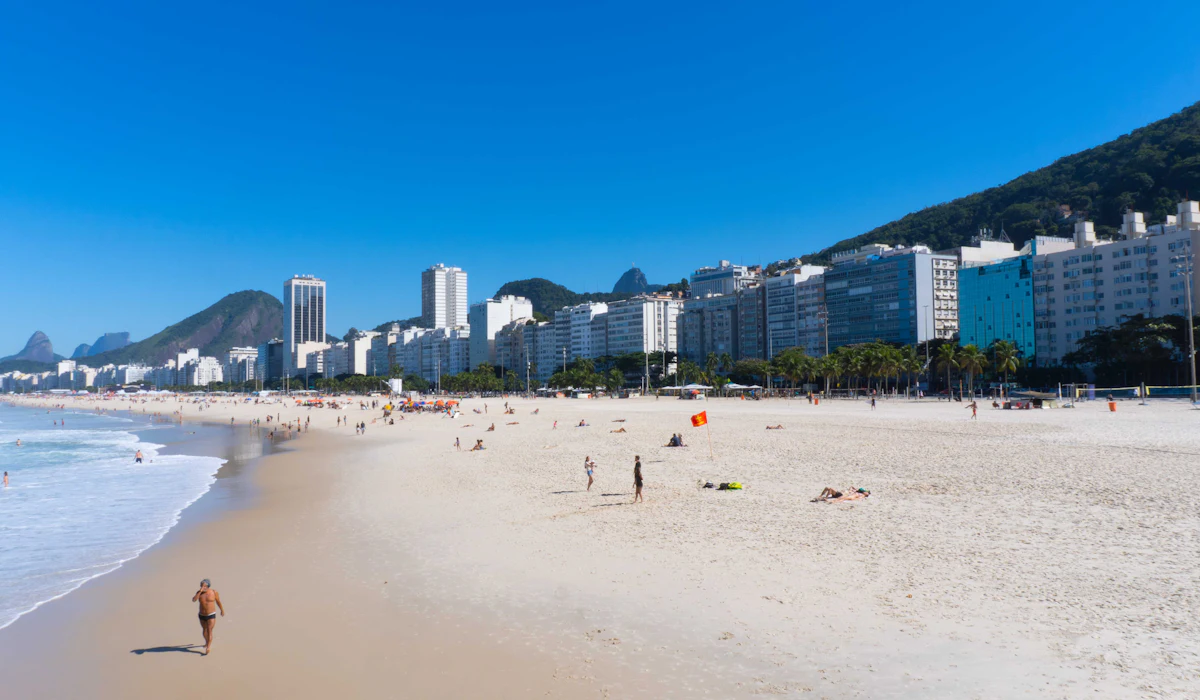
Copacabana’s crescent shape and mosaic promenade remain visually striking, but the beach and surrounding neighborhood have documented problems with theft and pickpocketing, prompting visitors to take extra care with phones and valuables. The beach itself is also considerably more crowded and commercially developed than its image as an idyllic tropical shoreline suggests.
Route 66’s Modern Stretches

Route 66, decommissioned as an official U.S. highway in 1985, survives today as a patchwork of disconnected segments running alongside or replaced by interstate highways, and some stretches pass through towns with shuttered businesses and aging roadside attractions rather than the vibrant neon-lit strips suggested by nostalgia marketing. Travelers attempting the full route often need detailed maps just to stay on historic sections rather than the interstate.
Chichén Itzá At Peak Hours
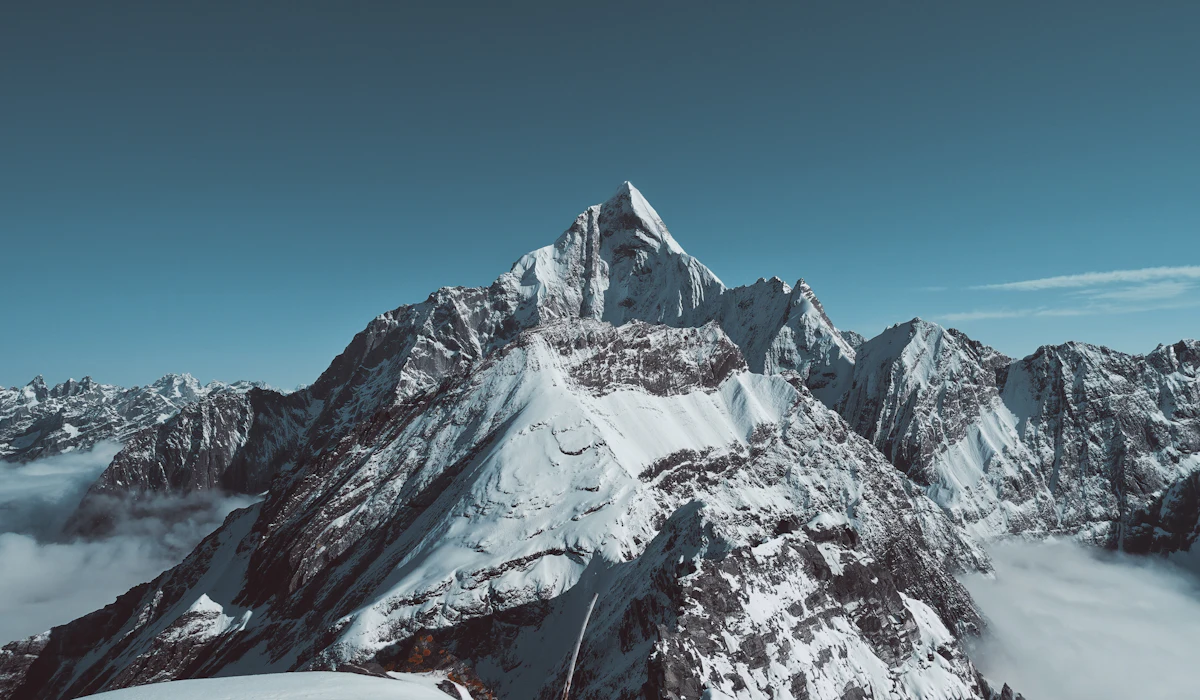
Mexico’s Chichén Itzá, a Maya city whose central pyramid draws crowds especially around the spring and fall equinoxes for a shadow effect on its staircase, has grown crowded enough that visitors can no longer climb the structure itself. Vendors line some of the pathways between structures selling souvenirs, and midday heat across the exposed site can be intense with minimal shade.
The equinox phenomenon itself can draw particularly large crowds; INAH reported that 32,872 people attended around the spring equinox in 2025.
Uluru’s Viewing Area
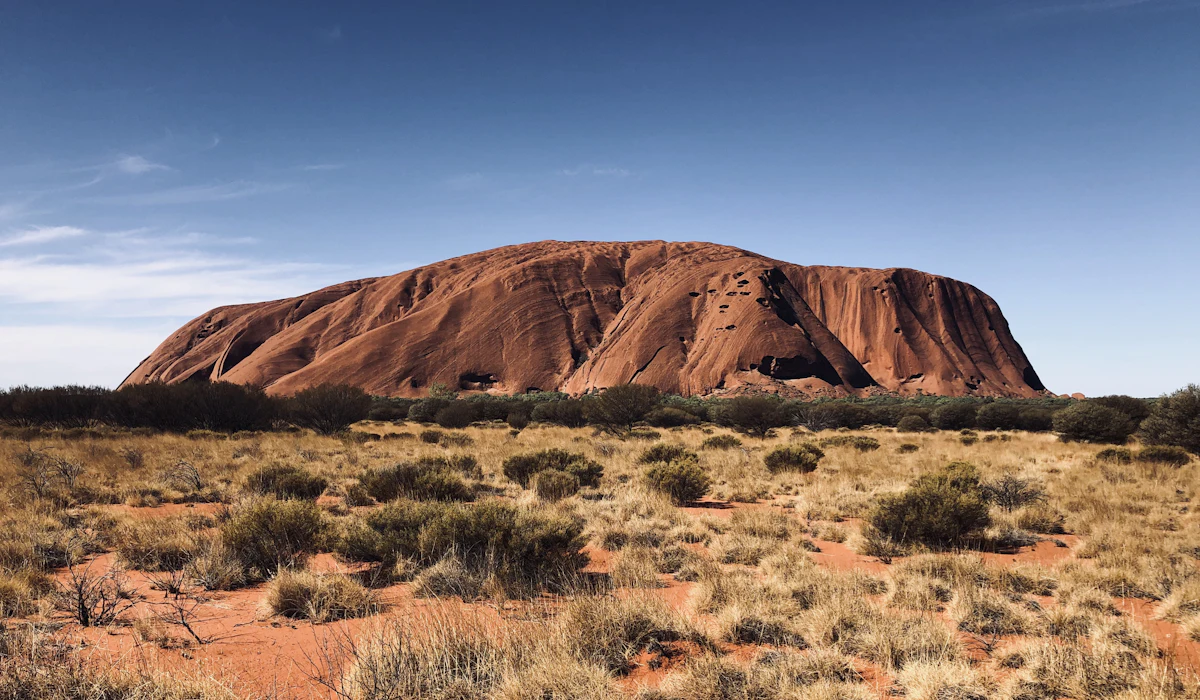
Uluru, the massive sandstone formation sacred to the Anangu people in Australia’s Northern Territory, was permanently closed to climbers in 2019 following a decision by the Uluru-Kata Tjuta Board of Management and the wishes of its Traditional Owners, ending a practice long promoted in travel photography. Visitors now experience the site from designated walking paths and viewing areas around its base, a respectful and still striking experience, but a different one than the summit shots that once circulated widely.
Palm Jumeirah From Ground Level
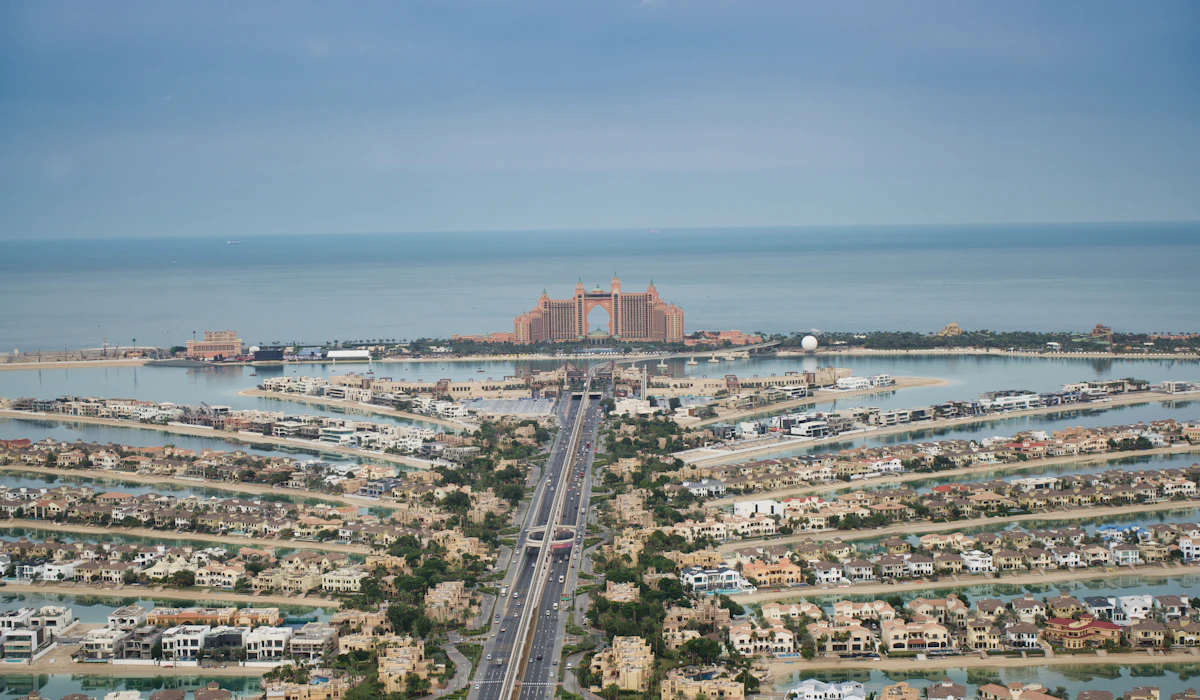
Dubai’s Palm Jumeirah, an artificial archipelago shaped like a palm tree, is instantly recognizable from aerial and satellite photography, but the shape is far less obvious from ground level, where it simply reads as a dense strip of resorts and residential towers along a causeway. Visitors expecting the striking overhead view to translate to an in-person experience may not fully appreciate the palm shape until seeing it from above or from a sufficiently elevated viewpoint.
The Leaning Tower Of Pisa Photo Spot
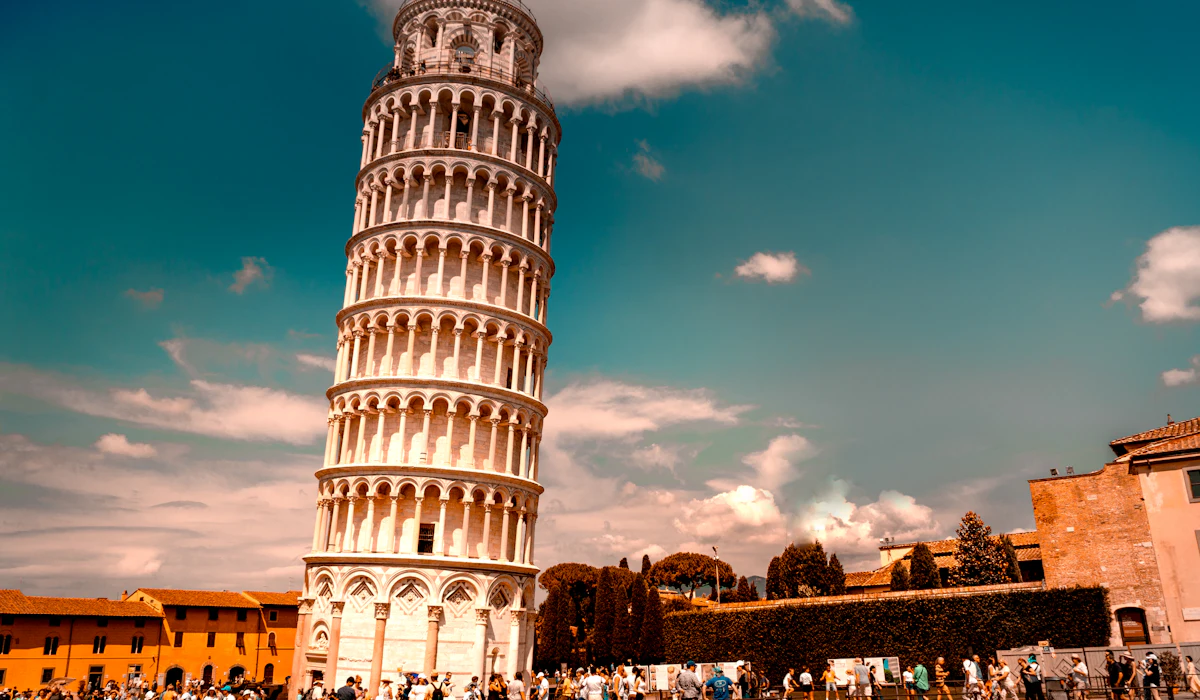
Pisa’s Leaning Tower is a genuine architectural anomaly, tilting due to unstable subsoil during construction that began in 1173, but the forced-perspective photo of visitors appearing to “hold up” the tower has become so standardized that the surrounding lawn now functions as a slightly awkward group performance space, with dozens of tourists striking the same pose within feet of each other.
Tegalalang Rice Terrace, Bali
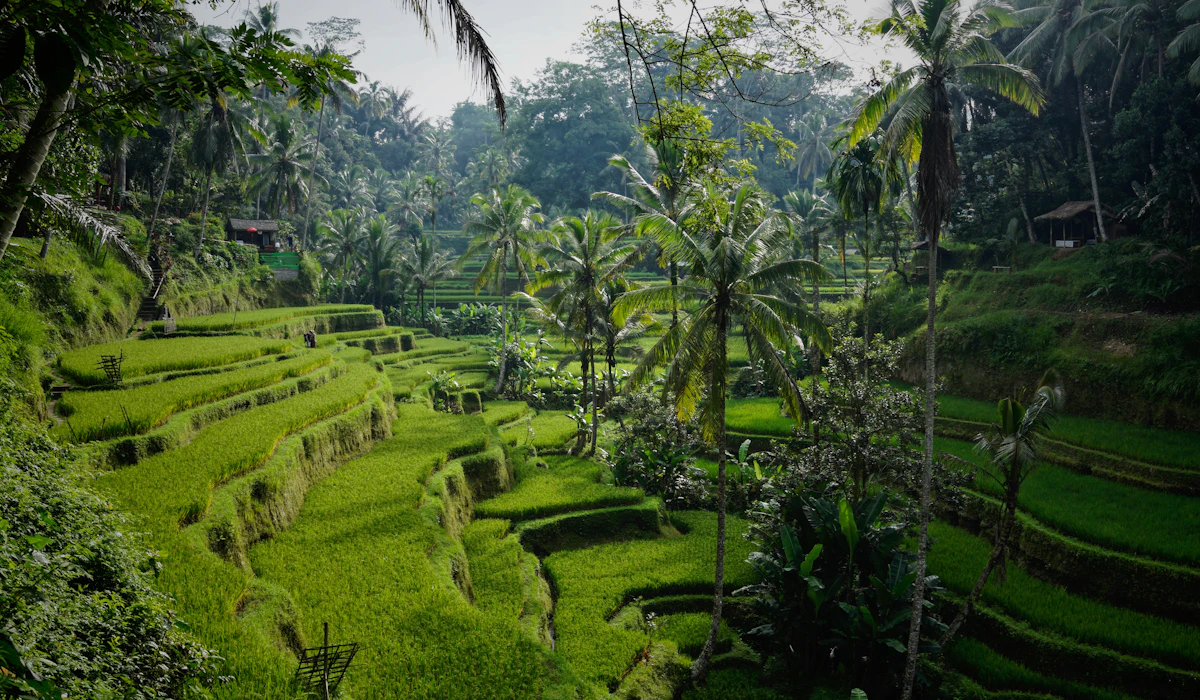
Bali’s Tegalalang terrace remains a genuinely beautiful example of the traditional agricultural landscape associated with the island’s subak irrigation system, but the most photogenic viewpoints are now lined with vendors charging entrance fees, swing rental stands, and cafés built specifically for the photo opportunity, which changes the character of the visit considerably from the quiet rural scene the images suggest.
The Las Vegas Strip By Day
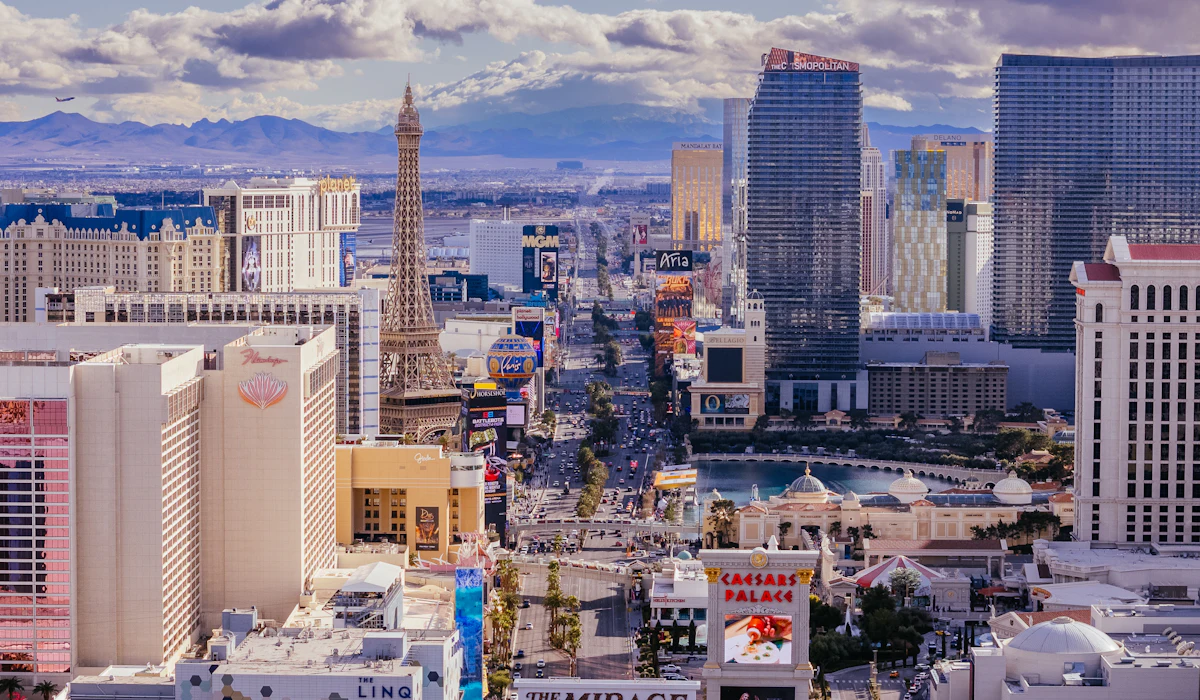
Las Vegas’s Strip is built for nighttime, when neon signage and light shows define the skyline, but by day the same street shows its concrete, construction, and heat more plainly, with temperatures regularly exceeding 100 degrees Fahrenheit in summer and relatively little shade along the pedestrian bridges connecting casinos. Visitors arriving during daylight hours may find the experience considerably less dramatic than the nighttime version they had seen in photos.
The Hollywood Sign Viewpoint
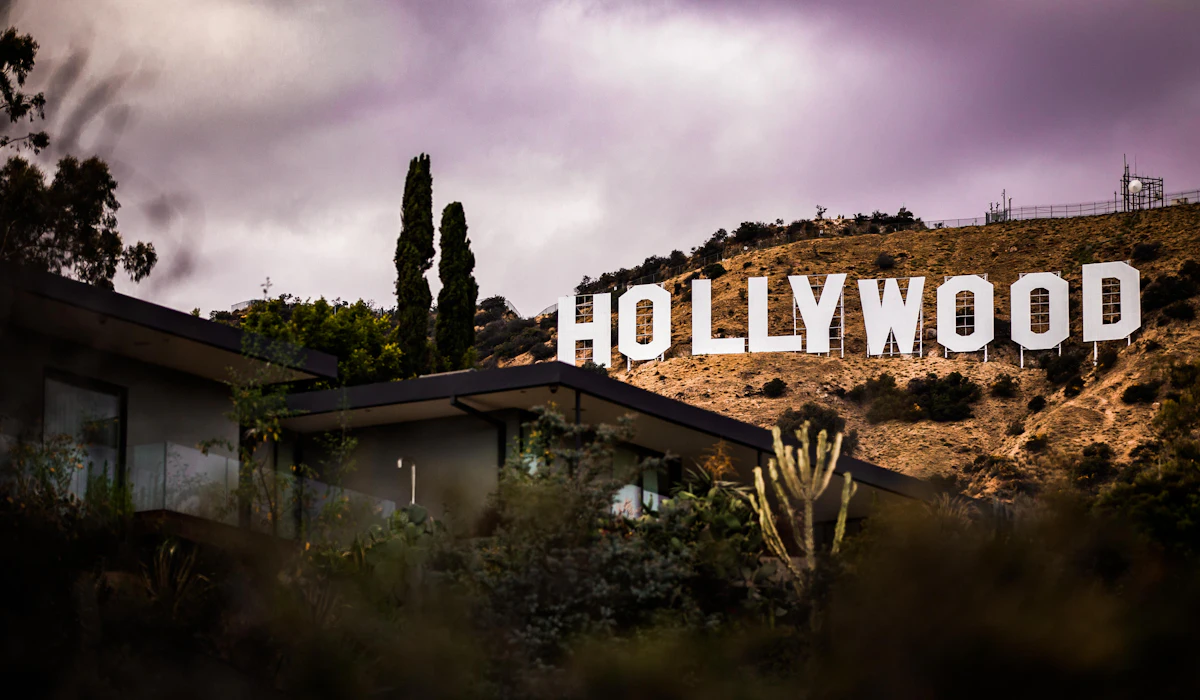
The Hollywood Sign, installed in 1923 originally as a real estate advertisement reading “Hollywoodland,” was built as a giant billboard for the Hollywoodland development and later became the landmark it is today. It cannot be approached closely by the public, since the hillside around it is fenced and monitored to prevent access.
The most common viewpoints require a moderate hike or a distant roadside pull-off, and visitors expecting an up-close landmark experience are often surprised that the closest legal vantage points still leave the sign appearing fairly small.
The Expectation Gap

What unites these destinations is not that they are without merit, but that decades of curated photography, film shorthand, and social media have built an expectation the physical place was never actually built to satisfy on a random Tuesday afternoon. A single striking photo, taken at the right hour with the right lens, tells a different story than the crowd, heat, urban development, safety concerns, or scaffolding a first-time visitor actually encounters.
None of that means these places should be skipped. It means arriving with a clearer sense of timing, off-peak hours, and a willingness to look past the crowd is often the difference between disappointment and a genuinely good visit to a place that earned its reputation honestly, even if the photos made the experience look simpler than it really is.
More from Travel Pug

- Underrated Italian Towns That Beat the Tourist Crowds
- Las Vegas Tourist Traps to Skip
- Prettiest Towns in Every US State
- 18 passport-free countries for Americans
- Signs Your Cruise Is Not Worth The Cost
Like Travel Pug’s content? Follow us on MSN.