

A boardwalk’s original appeal was usually simple: a wooden walkway along the water, some modest arcade games, and a slower pace than the city behind it. Decades of steady tourism growth have changed that formula in a lot of places, layering in chain restaurants, elevated pricing, and enough foot traffic that the walk itself becomes the main obstacle to enjoying the walk.
None of the boardwalks and seafront walks below have disappeared or become unworthy of a visit entirely. The experience has simply changed over time, and the version longtime visitors remember is not always the version travelers encounter today.
Atlantic City Boardwalk, New Jersey

Atlantic City’s boardwalk, the first boardwalk in the United States when it opened in 1870, now shares its length with a stretch of casino developments and vacant storefronts along some sections left behind after several casino closures over the past two decades. Longtime visitors describe a boardwalk that has become considerably more uneven in character from one block to the next than in its mid-20th-century heyday.
Coney Island Boardwalk, Brooklyn
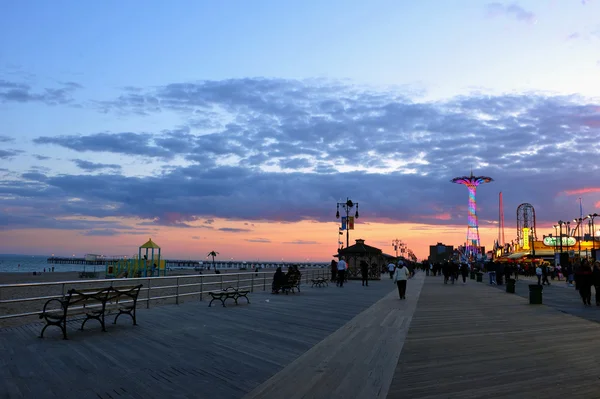
Coney Island’s boardwalk retains genuine historic charm through landmarks like the Wonder Wheel and Nathan’s Famous, but summer weekend crowds now can overwhelm the beach and walkway alike, and visitors looking for a quieter experience often choose weekday mornings to avoid the density.
Santa Monica Pier and Boardwalk, California
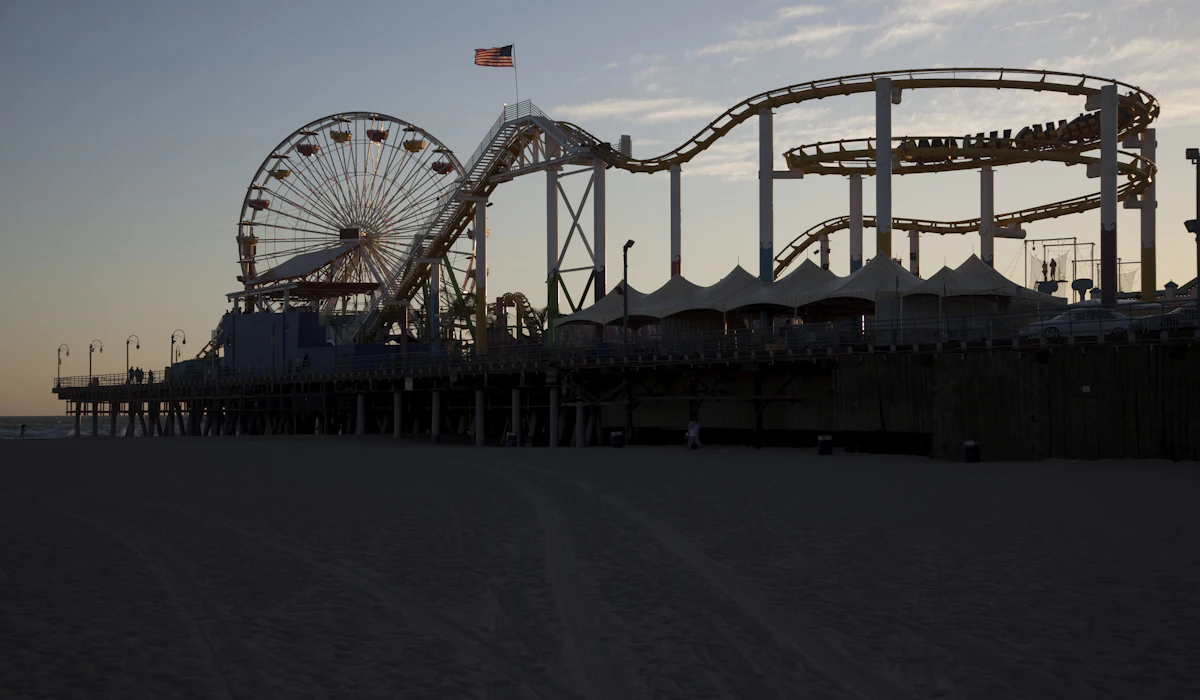
Santa Monica’s pier and adjoining beachfront draw such consistent crowds that parking and pedestrian traffic can become difficult during peak periods, and the amusement park atop the pier uses individual ride pricing rather than a single admission covering all attractions.
Venice Beach Boardwalk, California
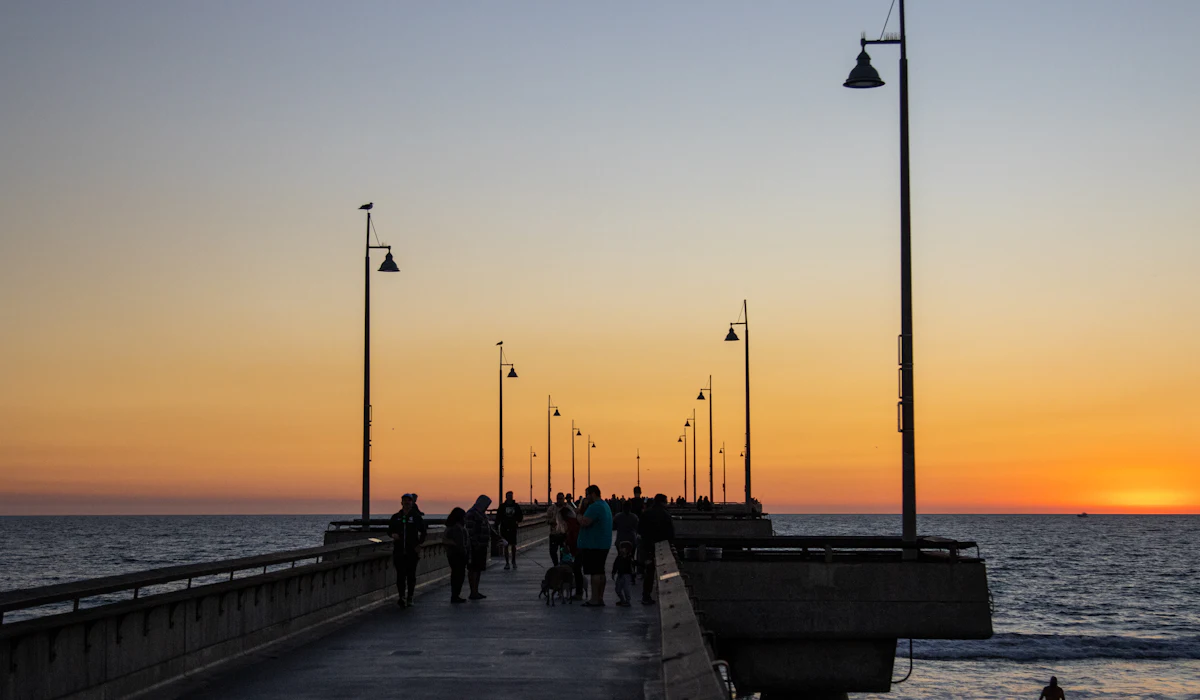
Venice Beach’s boardwalk built its reputation on an eclectic mix of street performers, muscle-building enthusiasts at the outdoor gym, and vendor stalls, but heavy visitor traffic combined with ongoing homelessness in the area has made portions of the walk feel considerably more chaotic than its bohemian branding suggests.
Ocean City Boardwalk, Maryland
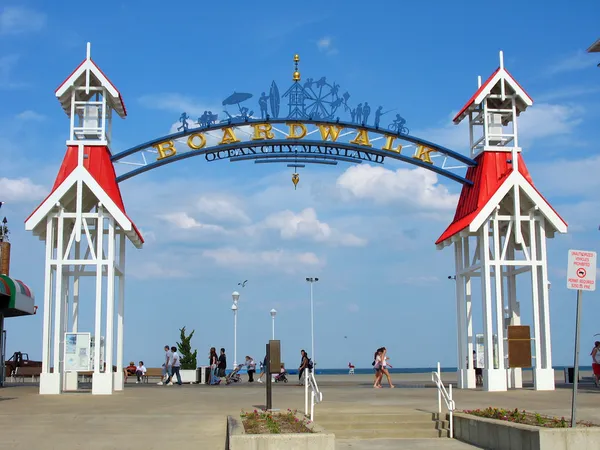
Ocean City’s roughly three-mile boardwalk remains a genuine draw for Mid-Atlantic beachgoers, but the summer tram that runs its length can move slowly during peak periods, and the density of visitors along the central blocks near the amusement piers can make a straight walk from one end to the other feel considerably longer than the distance suggests.
Wildwood Boardwalk, New Jersey
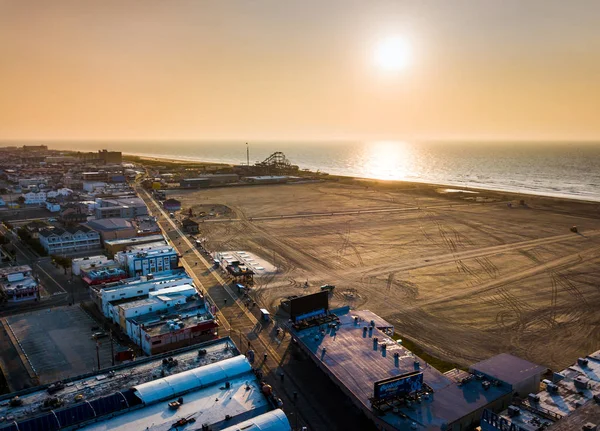
Wildwood’s boardwalk retains a genuinely old-school arcade and amusement pier atmosphere, but the tram cars that once moved efficiently along its length now compete with dense pedestrian traffic during summer weekends, and the boardwalk’s tram announcement, once a novelty, has become a running joke among frequent visitors for how often it repeats amid gridlock.
Myrtle Beach Boardwalk, South Carolina
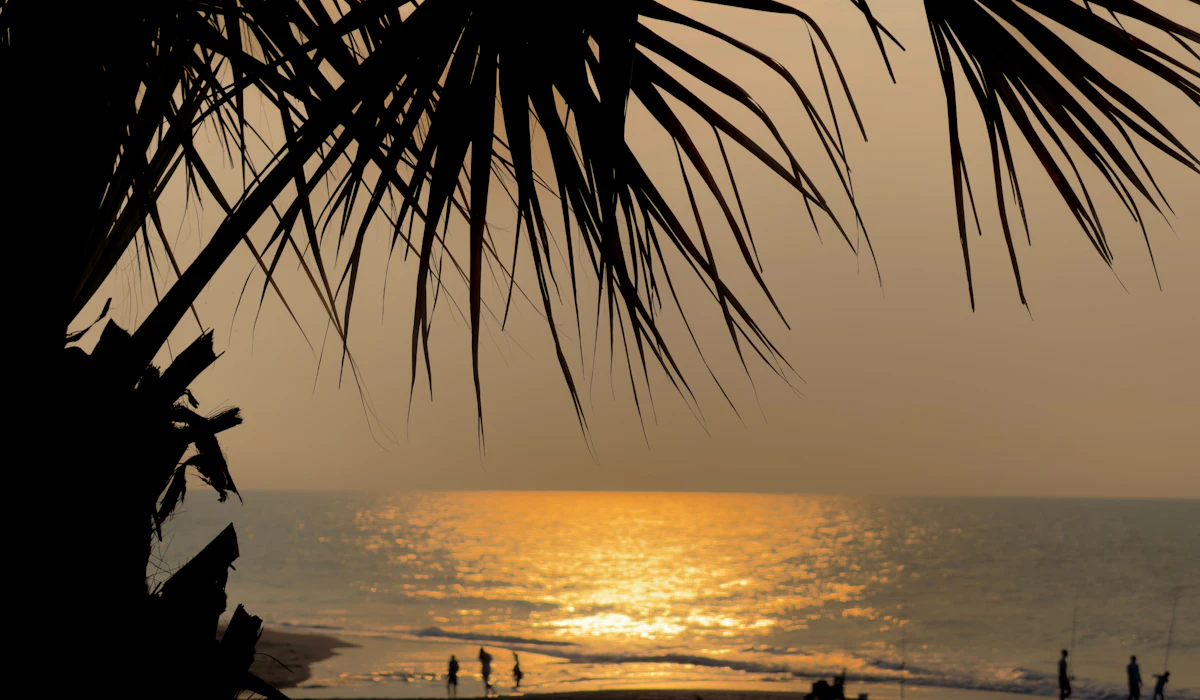
Myrtle Beach’s oceanfront boardwalk anchors a stretch of the city that draws heavy summer traffic, and nearby parking can become difficult during busy periods. The boardwalk’s SkyWheel observation wheel also adds another major attraction to an already concentrated stretch of the waterfront.
Rehoboth Beach Boardwalk, Delaware
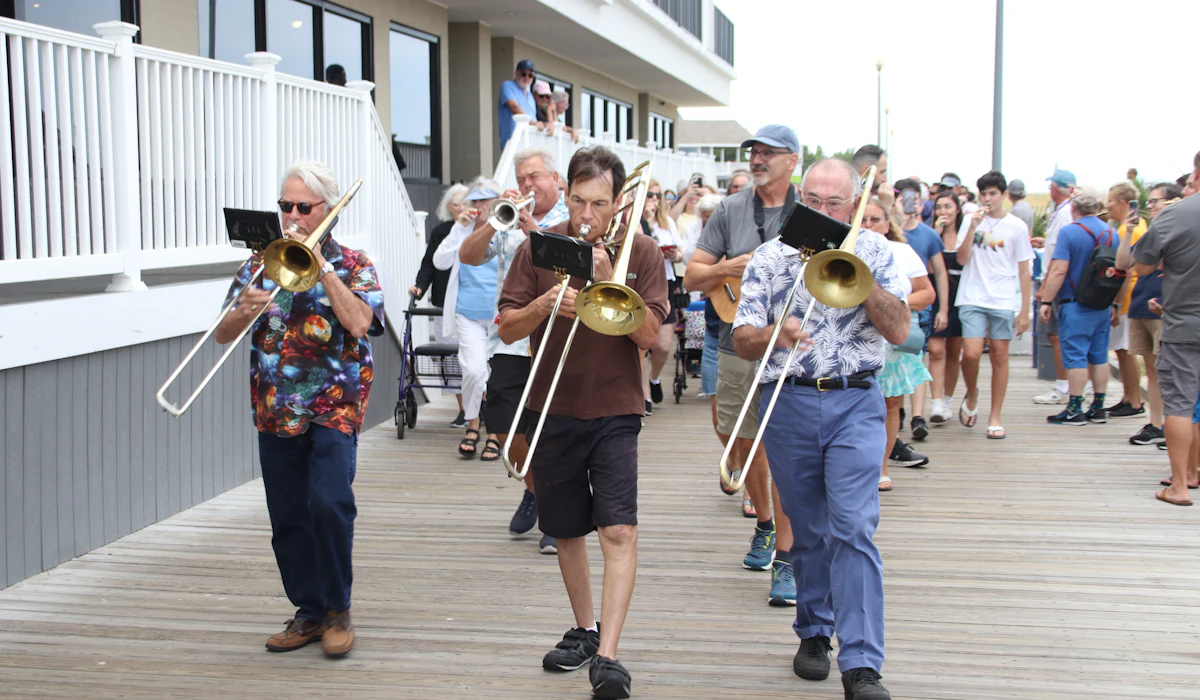
Rehoboth Beach’s boardwalk has held onto a genuinely small-town character better than many East Coast counterparts, but peak summer weekends still bring traffic backups on the roads leading into town significant enough that longtime visitors often plan their arrival times around the busiest periods.
Virginia Beach Boardwalk, Virginia
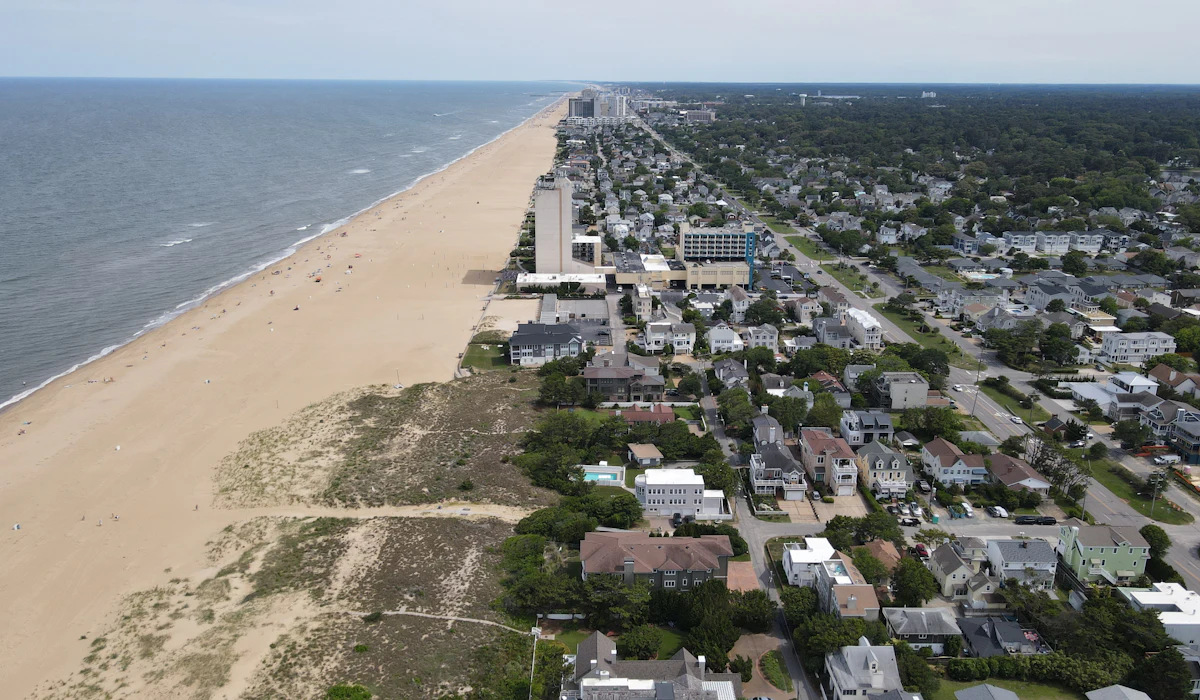
Virginia Beach’s boardwalk, which runs alongside a bike path for several miles, becomes dense enough with pedestrians, cyclists, and rented surreys during peak summer that movement can slow considerably, particularly near the hotel-dense central blocks.
Blackpool Promenade, England
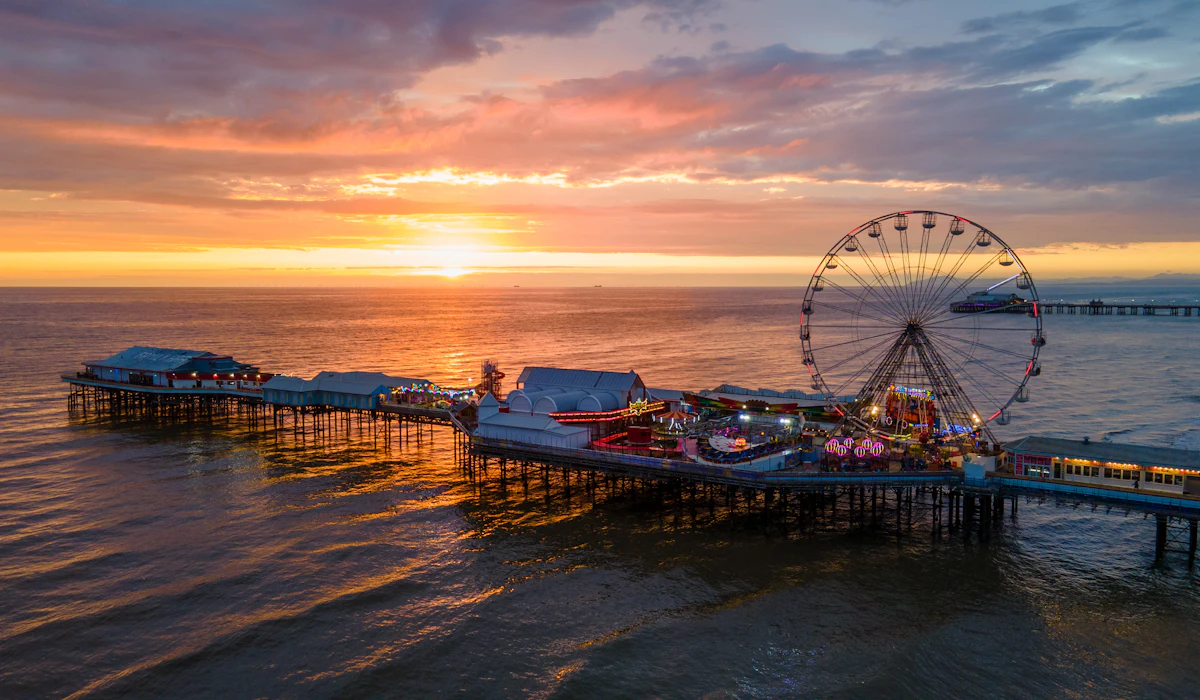
Blackpool’s seafront promenade, home to the Blackpool Tower and several amusement piers since the Victorian era, has seen decades of gradual economic decline in the surrounding town even as the promenade itself remains crowded during peak season, a contrast that has contributed to a noticeably different atmosphere from the resort’s historic heyday.
Brighton Seafront, England
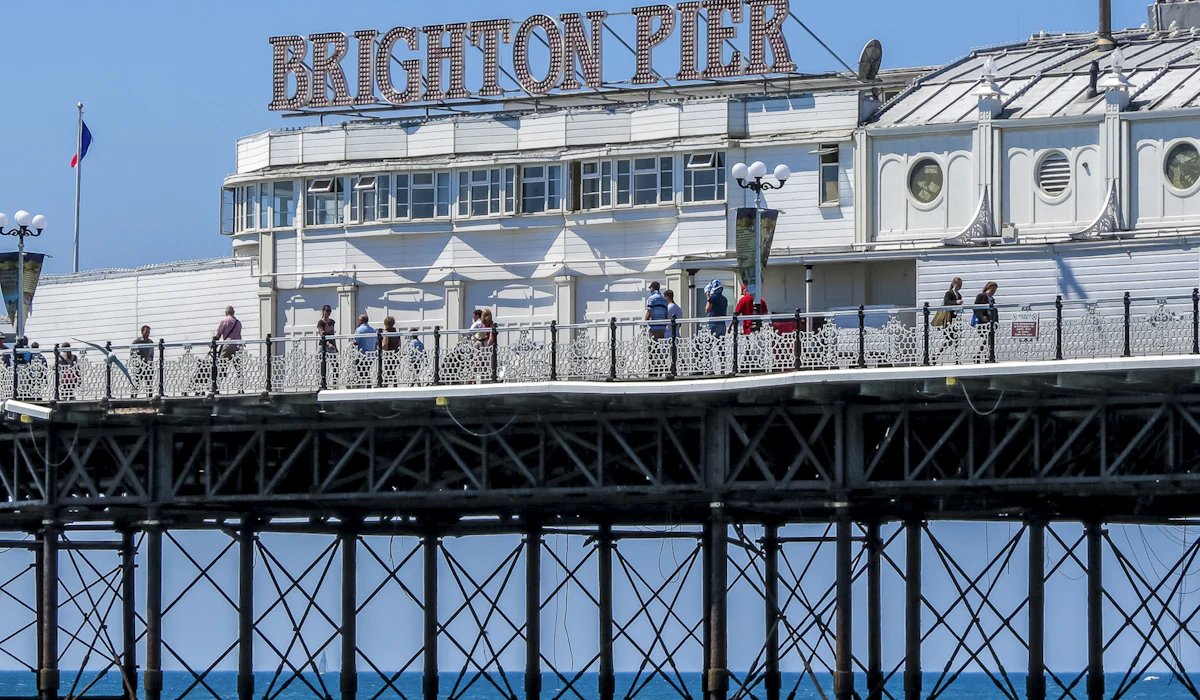
Brighton’s seafront and the area around its historic pier draw such dense weekend crowds during the warmer months that the pebble beach itself, less accommodating than sand for spreading out, leaves considerably less breathing room than visitors from other coastal towns typically expect.
Copacabana Beachfront Promenade, Rio de Janeiro
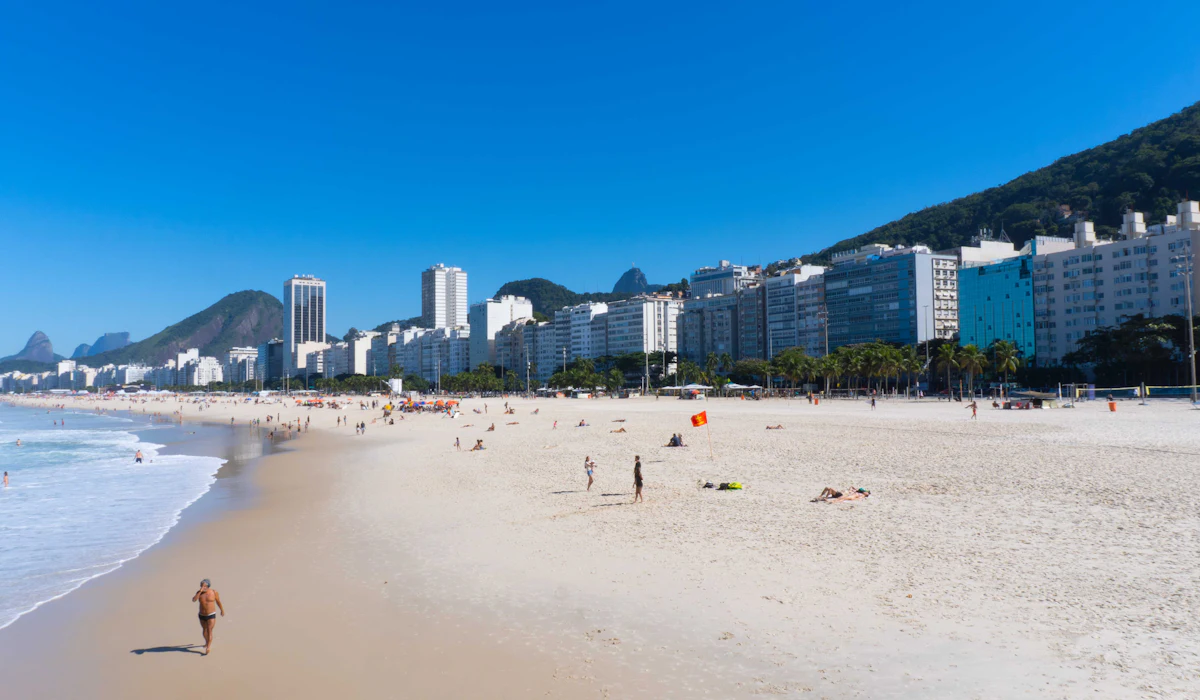
Copacabana’s mosaic-patterned beachfront promenade remains visually striking, but the combination of dense tourist crowds and a long-standing reputation for petty theft targeting visitors has changed how many visitors approach the space, with extra attention often paid to belongings and personal security.
The Malecón, Havana
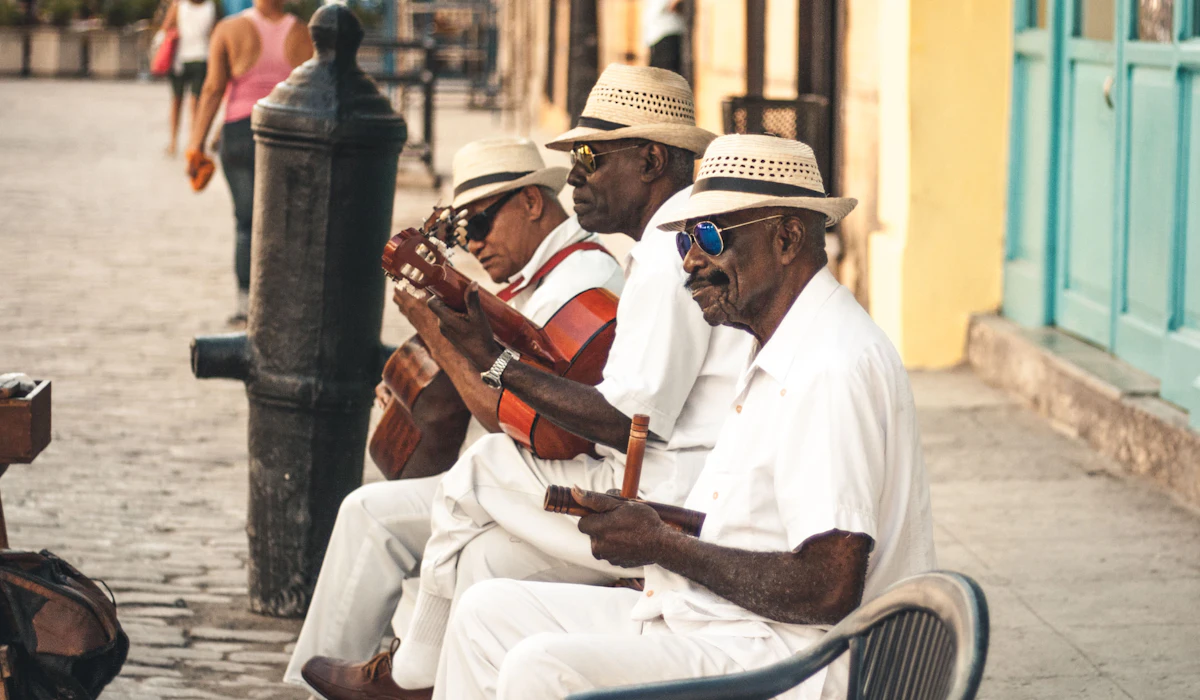
Havana’s Malecón seawall promenade remains a genuine gathering spot for residents each evening, but the stretch nearest the old city also receives organized tour groups and other visitors, changing the character of what was historically a more purely local evening ritual.
The Boardwalk at Ocean Beach, San Diego
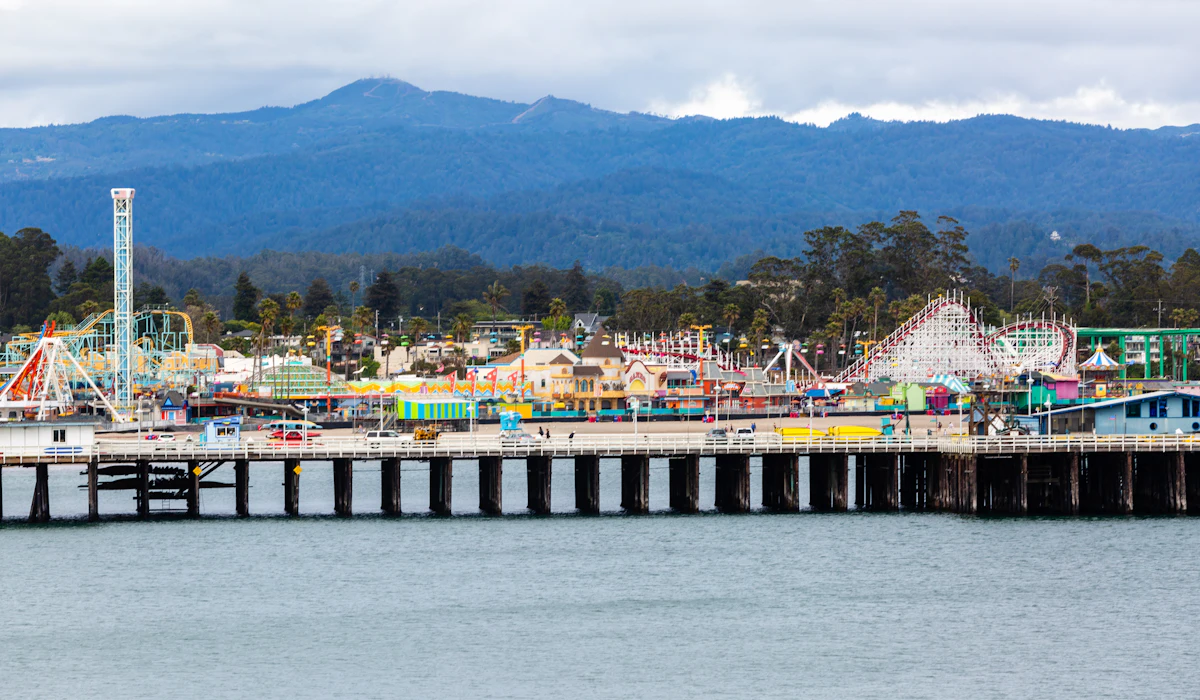
Ocean Beach’s boardwalk area in San Diego has retained more of its laid-back character than some Southern California counterparts, but growing weekend crowds near the pier and changes in the surrounding housing market, including short-term vacation rentals, have shifted the neighborhood’s feel over the past decade.
The Riverwalk, San Antonio
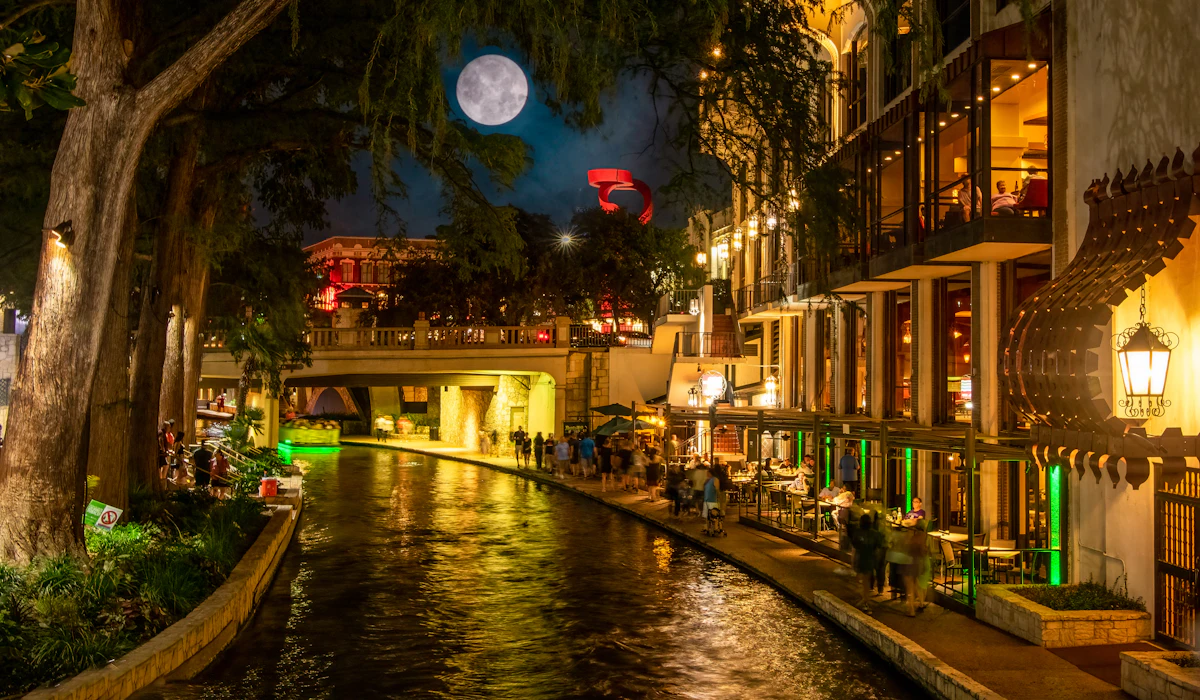
San Antonio’s River Walk, a network of walkways below street level along the San Antonio River, now channels such dense foot traffic through its central hospitality district that navigating between restaurants during peak evening hours can take considerably longer than the distance would suggest.
The Strand, Galveston, Texas
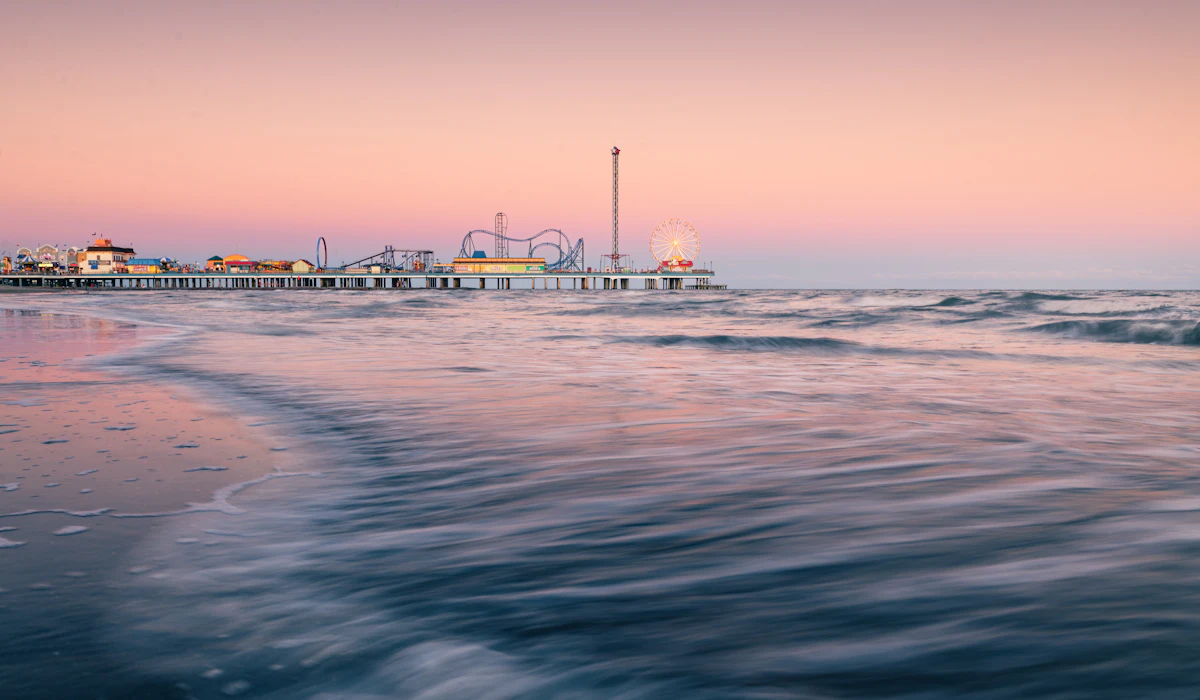
Galveston’s historic Strand district, rebuilt after the devastating 1900 hurricane, can draw heavy cruise-passenger traffic on days when ships are in port, and the character of the district can shift noticeably between cruise days and quieter weekdays without a ship docked.
The Boardwalk at Clearwater Beach, Florida
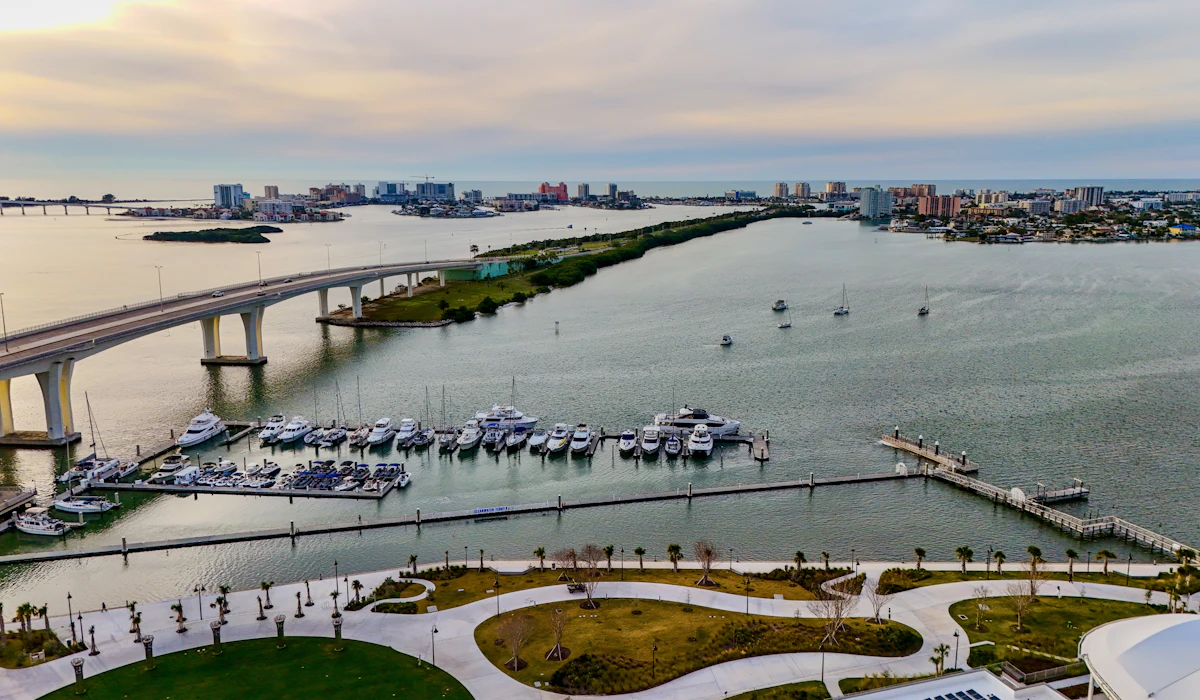
Clearwater Beach’s boardwalk and pier area has grown dense enough with visitors during spring break, summer school breaks, and other peak periods that the area now experiences multiple busy seasons rather than a single predictable summer peak.
The Corniche, Alexandria, Egypt
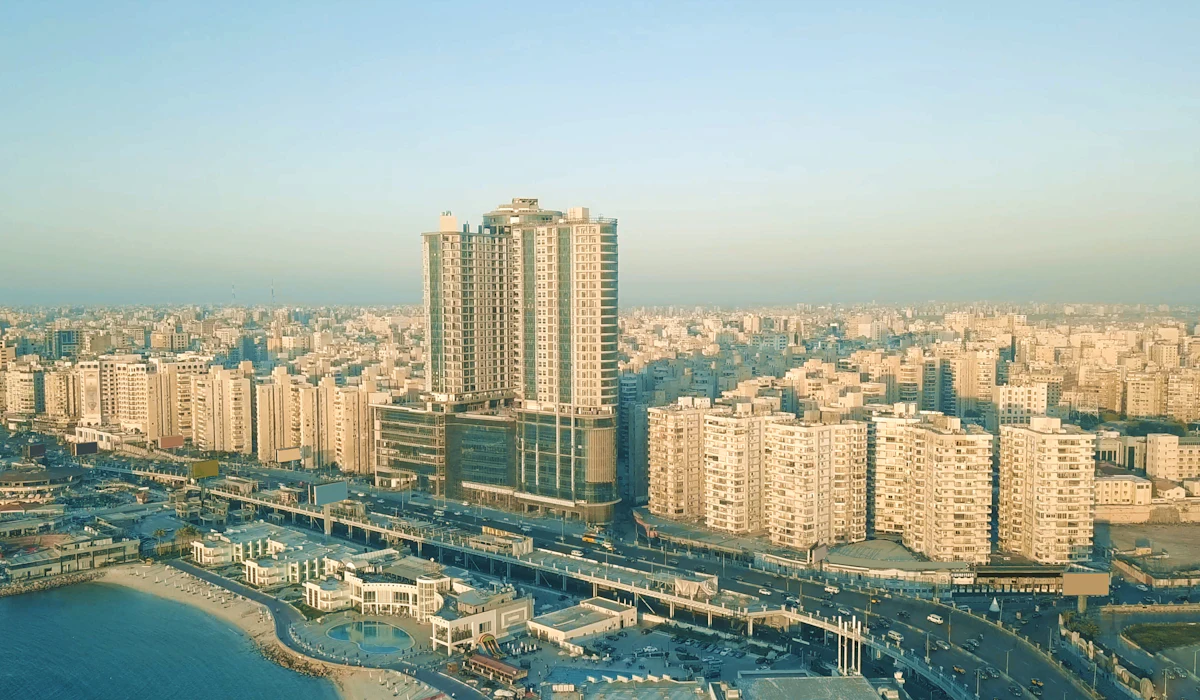
Alexandria’s Mediterranean seafront corniche remains a genuine local gathering point, but growing car and pedestrian congestion along its length during evenings and weekends has made the leisurely seaside stroll it was historically known for considerably harder to find outside of quieter early morning hours.
The Promenade des Anglais, Nice, France
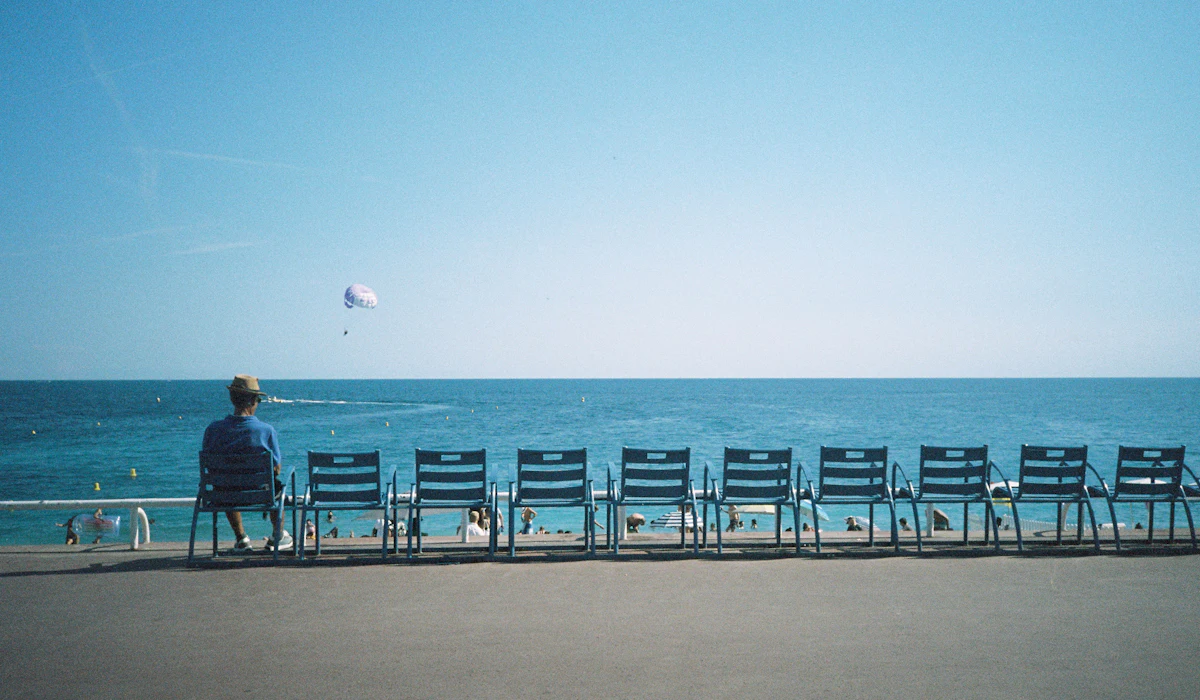
Nice’s famous seafront promenade draws such volume of pedestrians, cyclists, and scooter riders during peak summer that the shared path has become a genuine navigational challenge, particularly along its busiest sections.
The Sydney Coastal Walk, Bondi to Coogee
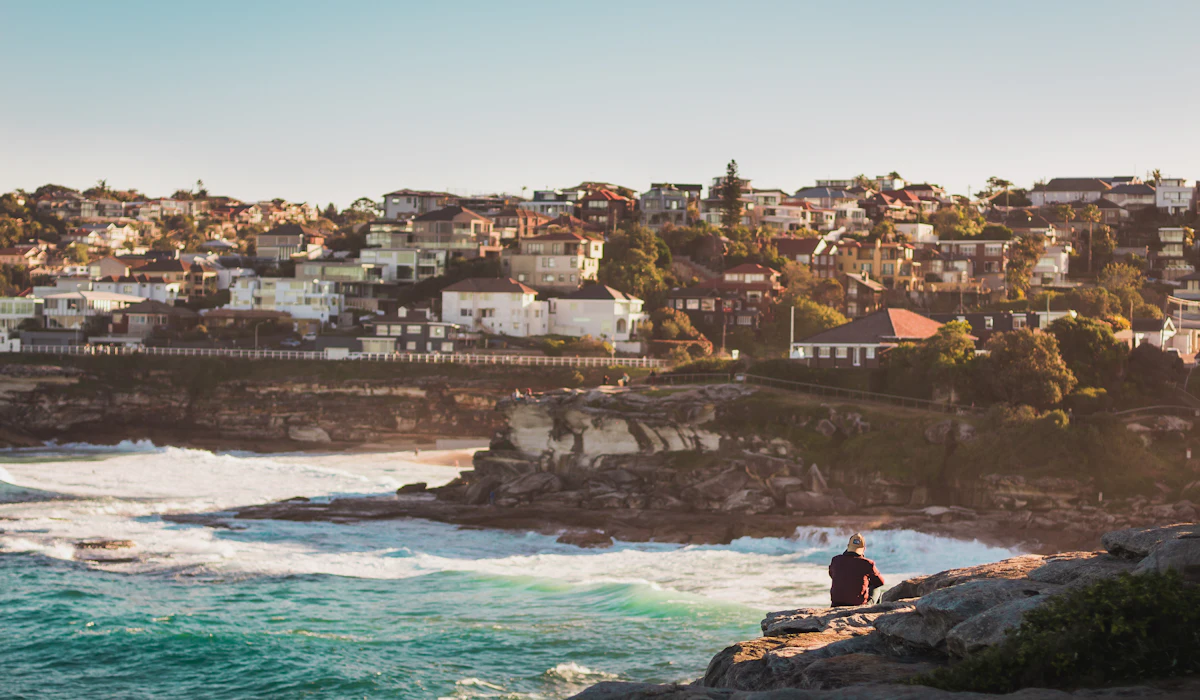
The popular coastal walking path between Bondi and Coogee beaches in Sydney has grown crowded enough on weekends that sections near Bondi’s main beach can feel more like a queue than a scenic walk, particularly around the cliffside Bronte and Tamarama viewpoints.
The Waikiki Beach Walk, Honolulu
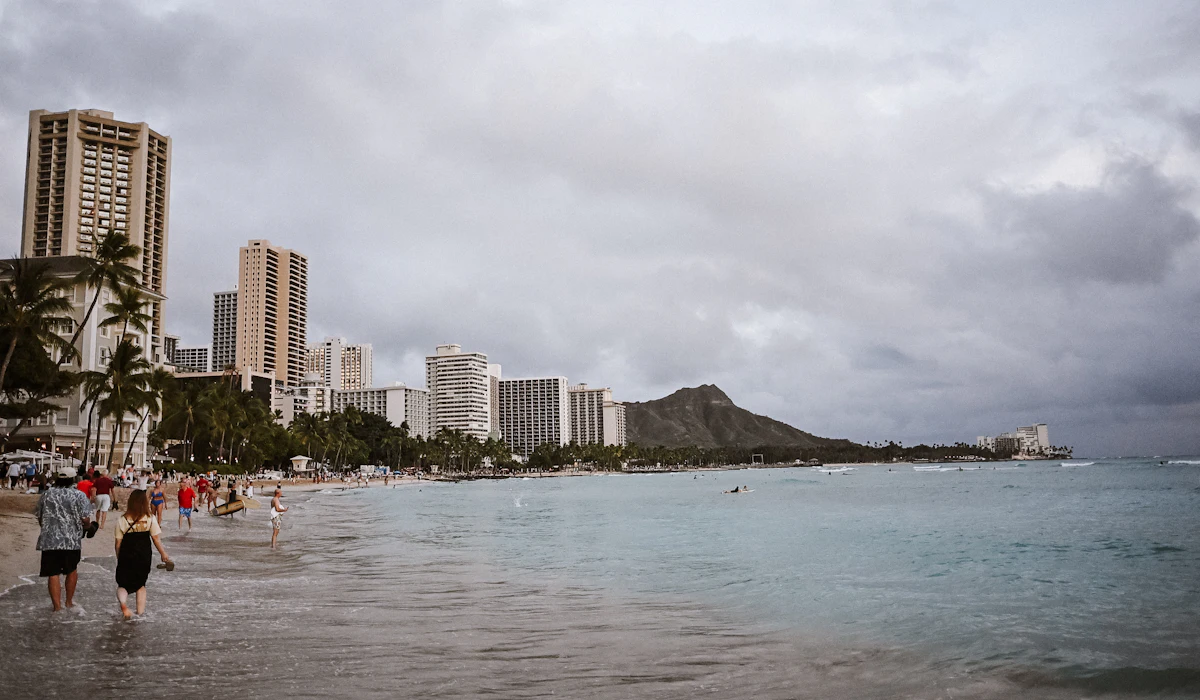
Waikiki’s beachfront walk remains scenic, but the dense concentration of high-rise hotels along a relatively narrow strip of sand means the beach itself becomes crowded early in the day during peak tourist season, a contrast with the more spacious beaches found elsewhere on Oahu.
The Fisherman’s Wharf Boardwalk Area, San Francisco
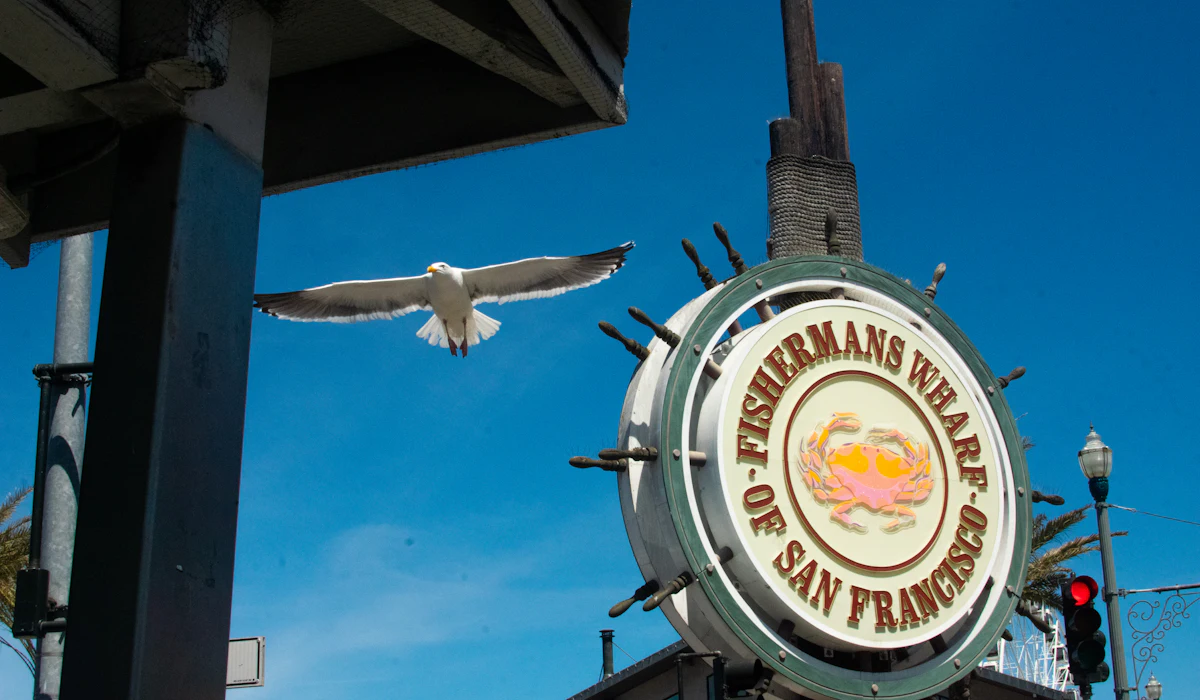
San Francisco’s Fisherman’s Wharf district, anchored by Pier 39, draws such steady tourist volume that the surrounding blocks have shifted heavily toward tourist-oriented restaurants, retail, and attractions, a transformation longtime residents contrast with the working fishing wharf the area is named for.
The Steel Pier Area, Atlantic City
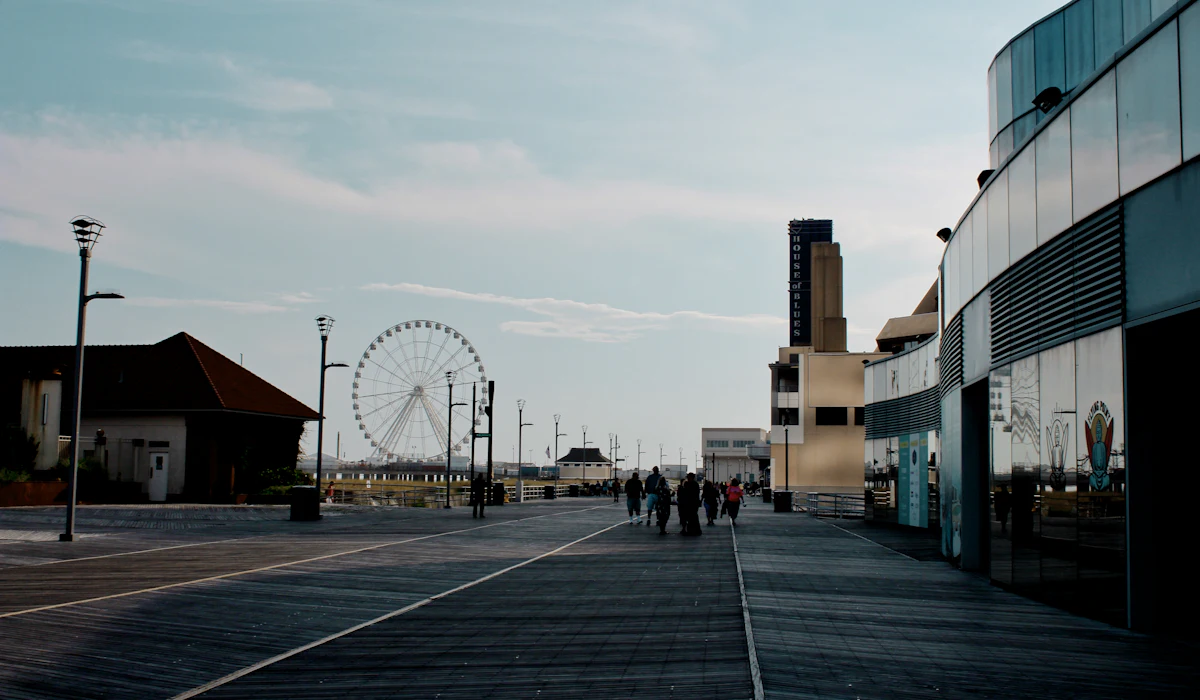
Atlantic City’s Steel Pier, an amusement pier dating to 1898, now operates within a boardwalk stretch that alternates between dense summer crowds and comparatively quiet shoulder-season stretches, a seasonal swing more pronounced here than at boardwalks with a broader year-round appeal.
The Panama City Beach Boardwalk Area, Florida
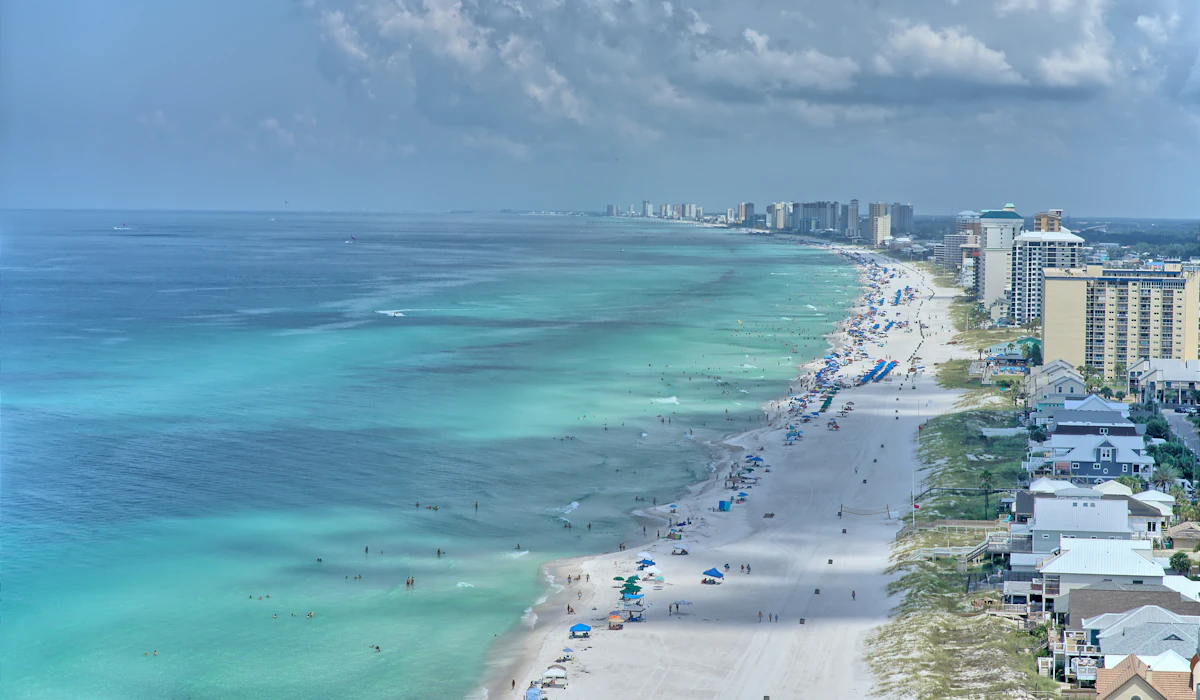
Panama City Beach’s main strip, while not a traditional wooden boardwalk, functions similarly as a pedestrian-dense corridor that becomes notably congested during the region’s spring break season, a period when many residents and businesses adjust their schedules to accommodate the increased traffic.
The Scheveningen Boulevard, The Hague, Netherlands
Scheveningen’s seafront boulevard in the Netherlands draws dense summer weekend crowds from across the greater Hague and Rotterdam area, a regional draw significant enough that local traffic reports specifically track congestion heading toward the coast on warm weekends.
The Cape May Promenade, New Jersey
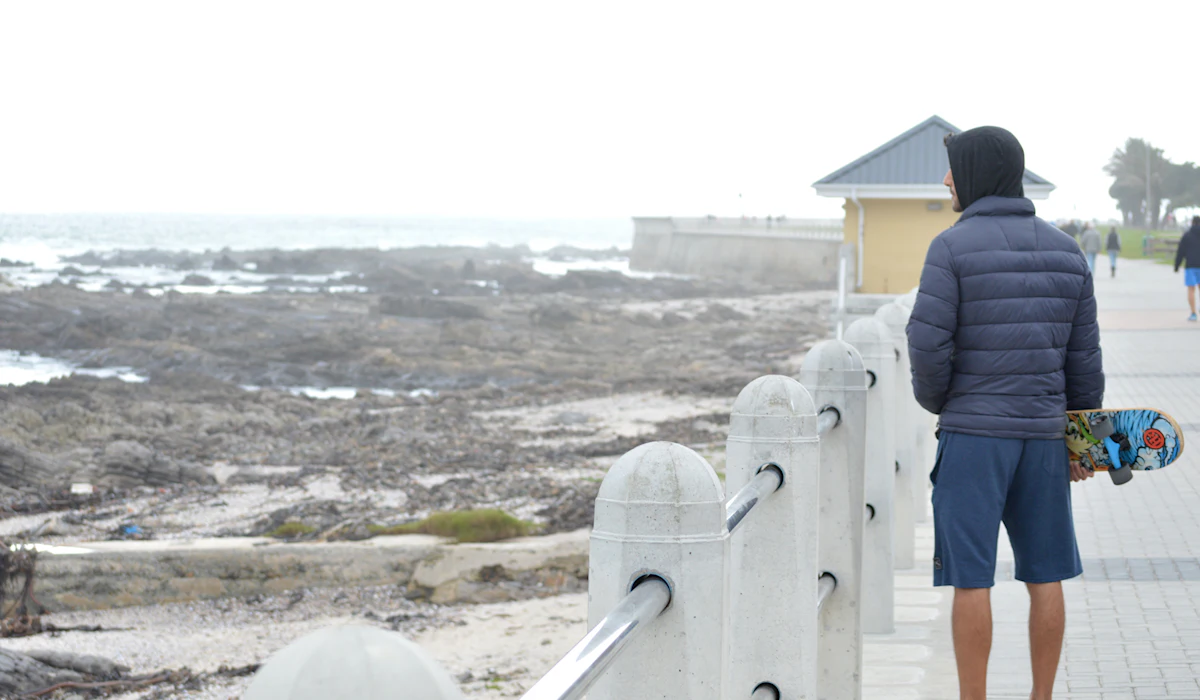
Cape May’s more understated promenade has avoided the amusement-pier development of its Jersey Shore neighbors, but its own popularity as a preserved Victorian-era town has led to summer parking congestion significant enough that longtime visitors recommend arriving well before the traditional midday check-in time for rentals.
The Durban Beachfront Promenade, South Africa
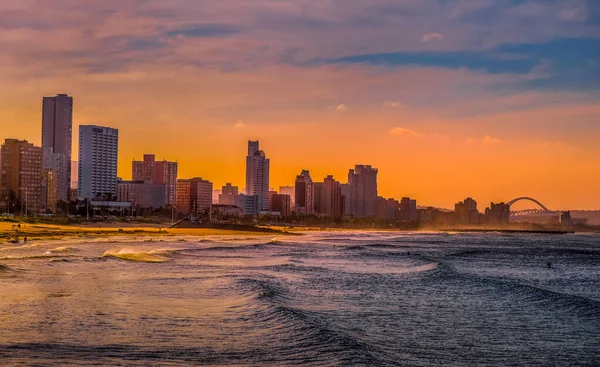
Durban’s beachfront promenade, one of the longest paved beachfront walkways in Africa, becomes densely crowded during South African school holiday periods, a seasonal pattern distinct from the Northern Hemisphere summer crowds that affect most boardwalks on this list.
The Manly Beach Promenade, Sydney
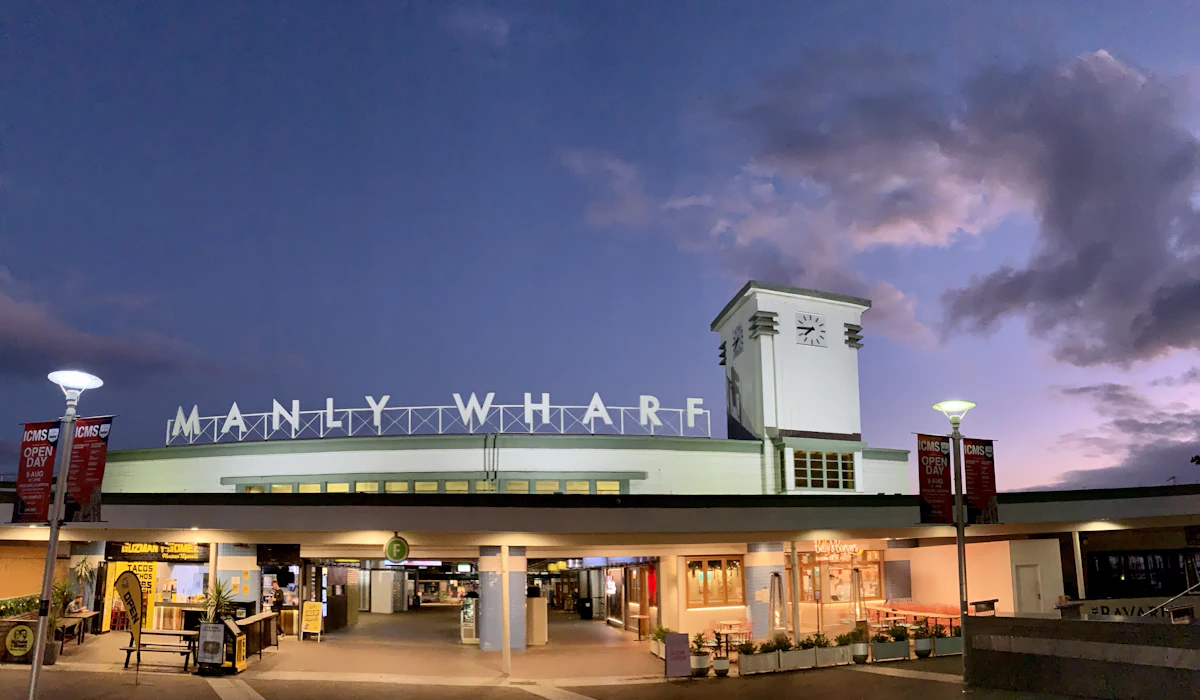
Manly’s beachfront promenade, reached by ferry from central Sydney, has grown crowded enough on peak summer weekends that the ferry terminal itself can experience queues, adding a transit bottleneck on top of the beachfront crowding once visitors arrive.
The Boardwalk at Seaside Heights, New Jersey
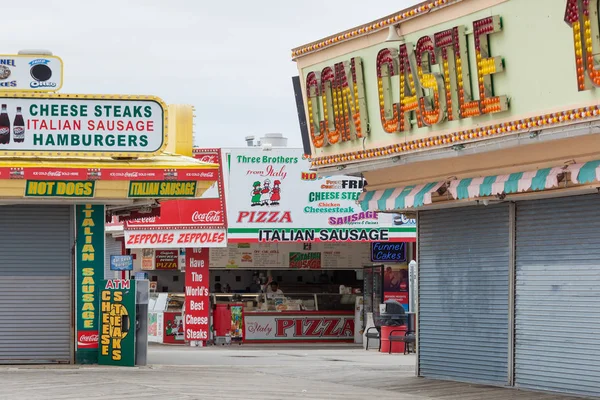
Seaside Heights’ boardwalk, heavily damaged by Hurricane Sandy in 2012 and repaired by June 2013, now draws a reputation shaped partly by reality television portrayals from the years before the storm, and current visitors often describe a boardwalk balancing that pop-culture association against a genuine, if crowded, family beach town underneath it.
What Crowding Actually Changes

None of these boardwalks or seafront walks have lost their physical charm entirely. What has changed, in nearly every case, is the pace.
A boardwalk built for a slow evening stroll does not function the same way once it is absorbing heavy visitor volumes, and the arcade games, food stands, and ocean views that made these places appealing in the first place become harder to enjoy once getting to them requires navigating a crowd.
The places that have aged best on this list tend to be the ones that found ways to spread visitors out, whether through length, timing, or simply less concentrated development. The ones that have aged worst are usually the ones that kept adding attractions to the same fixed stretch of wood without ever widening the walkway itself.
More from Travel Pug

- Underrated Italian Towns That Beat the Tourist Crowds
- Las Vegas Tourist Traps to Skip
- Prettiest Towns in Every US State
- 18 passport-free countries for Americans
- Signs Your Cruise Is Not Worth The Cost
Like Travel Pug’s content? Follow us on MSN.