

India rarely behaves the way a map suggests it will. Distances that look like a quick hop turn into an eight-hour haul, and an itinerary built around three cities in five days can collapse under the weight of traffic, heat, and how much there actually is to see once you arrive.
None of this makes the country harder to enjoy. It just means the trips below get planned with too little room, too little time, or too little respect for how they actually unfold on the ground.
The Golden Triangle in Four Days
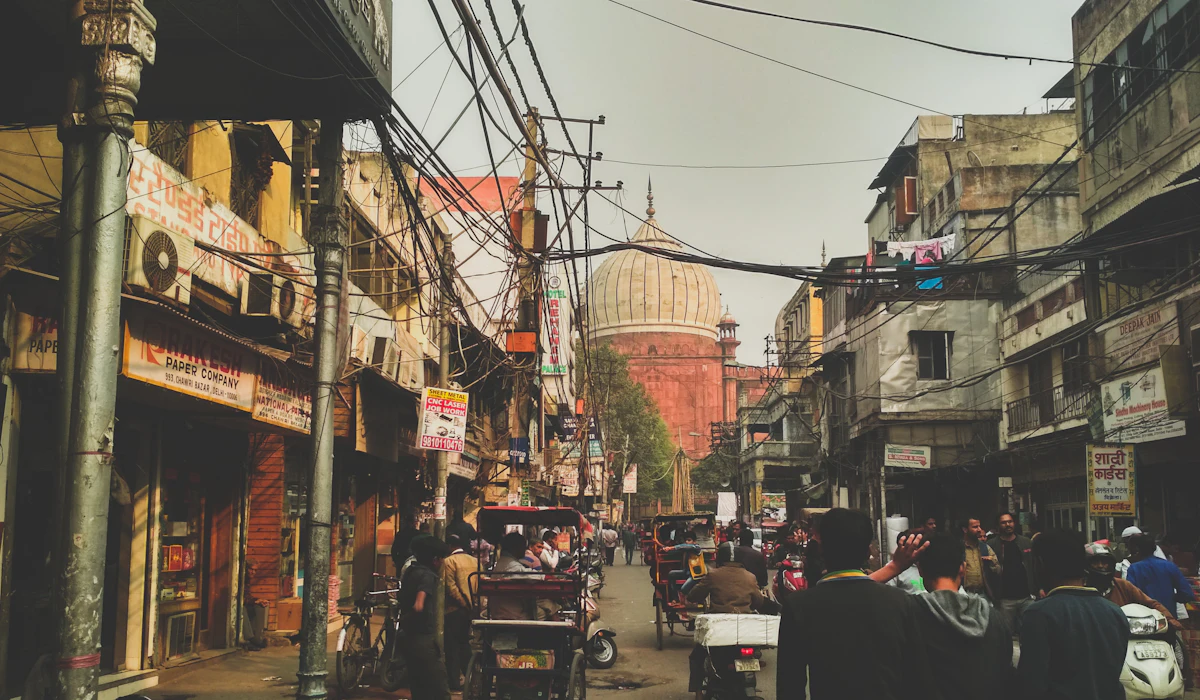
Delhi, Agra, and Jaipur look close together on a map, but the road journeys between them can take several hours each, with traffic and road conditions adding uncertainty. Four days is possible, but it leaves little room for delays or extra time at major sights.
A five- or six-day version, with a driver or rail itinerary that is not built around rushing to the next stop, gives the trip considerably more breathing room.
A Rajasthan Circuit in May
Rajasthan’s summer heat can become extreme, with temperatures in desert cities such as Jaisalmer and Bikaner sometimes reaching the mid-40s Celsius. First-time visitors who book a Rajasthan loop in May while chasing cheaper off-season rates may find themselves limiting outdoor sightseeing to early mornings and evenings.
October through March generally offers much more comfortable conditions for a circuit of the state’s major sights.
An Overnight Sleeper Train Without a Plan
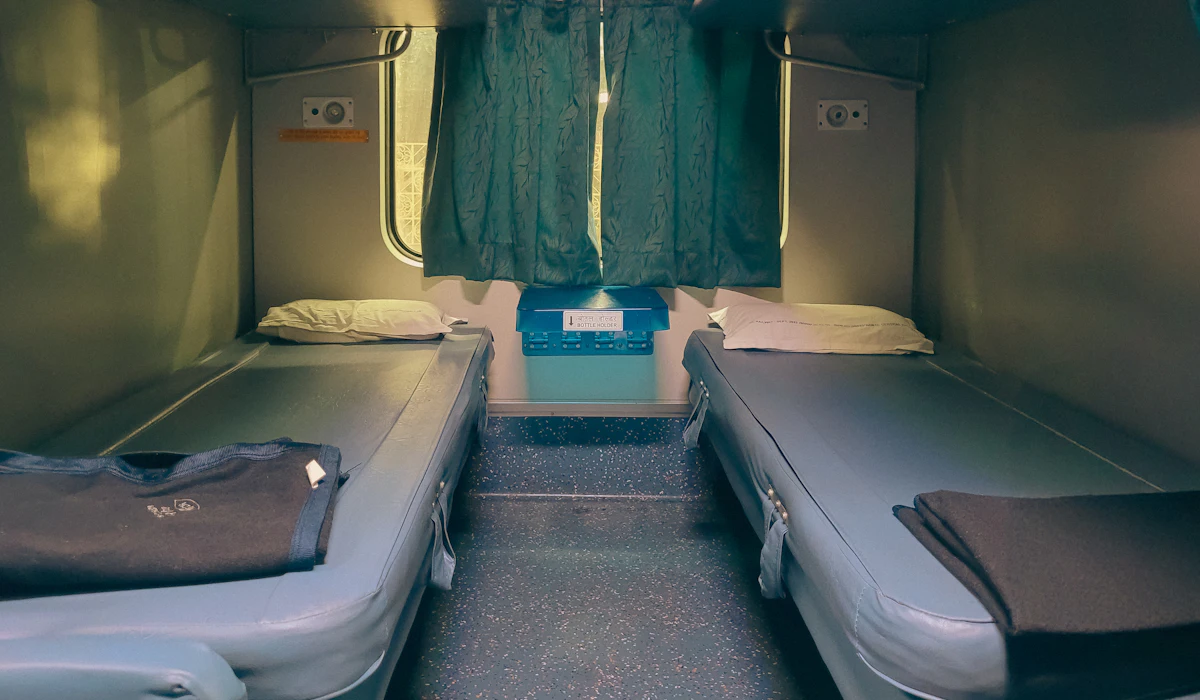
India’s overnight trains can be an efficient way to cover long distances, but first-timers frequently book them without understanding the differences between classes, food arrangements, or what the sleeping berths are actually like. Sleeper Class and the various AC classes offer noticeably different levels of comfort, and travelers who do not check which class they booked can end up on a long ride they were not prepared for.
A little research into IRCTC class codes and berth arrangements beforehand avoids much of the surprise.
Varanasi at Sunrise Without an Early Alarm
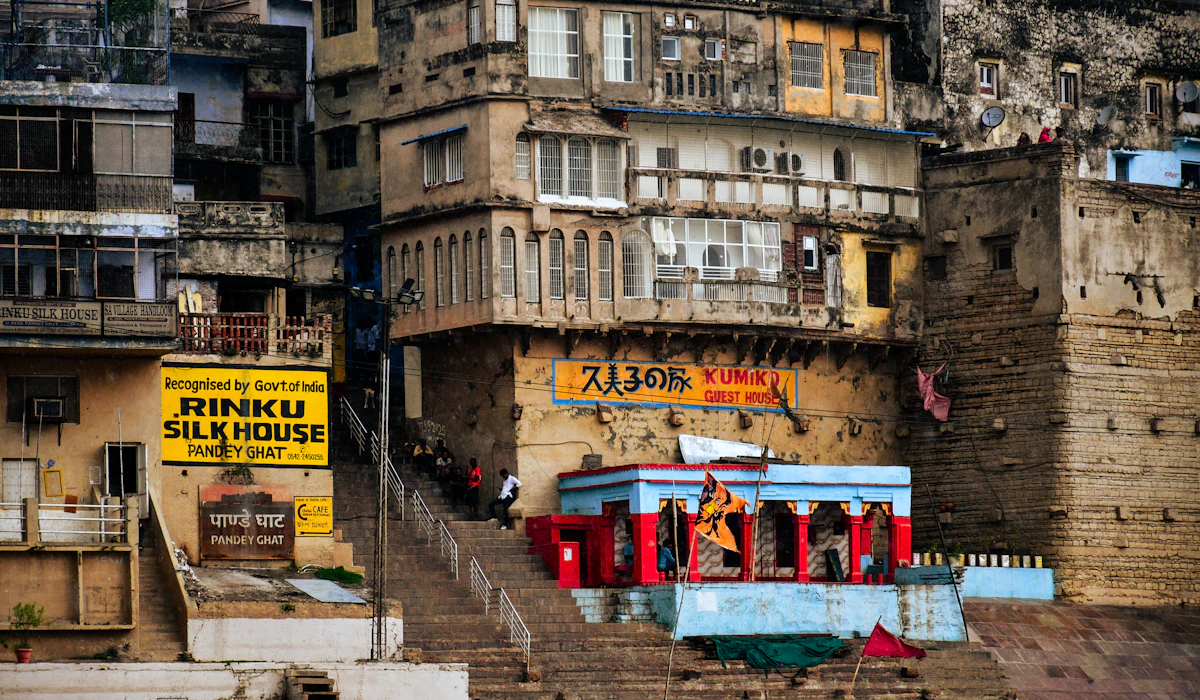
The ghats along the Ganges have a distinctly different atmosphere early in the morning, when the light is soft and the day’s activity is just beginning. Visitors who sleep in and wander down after breakfast trade some of that quiet for a busier riverfront.
The morning boat ride is one of Varanasi’s classic experiences, and it requires setting an alarm most people do not want to set on vacation.
Monsoon Travel in Kerala
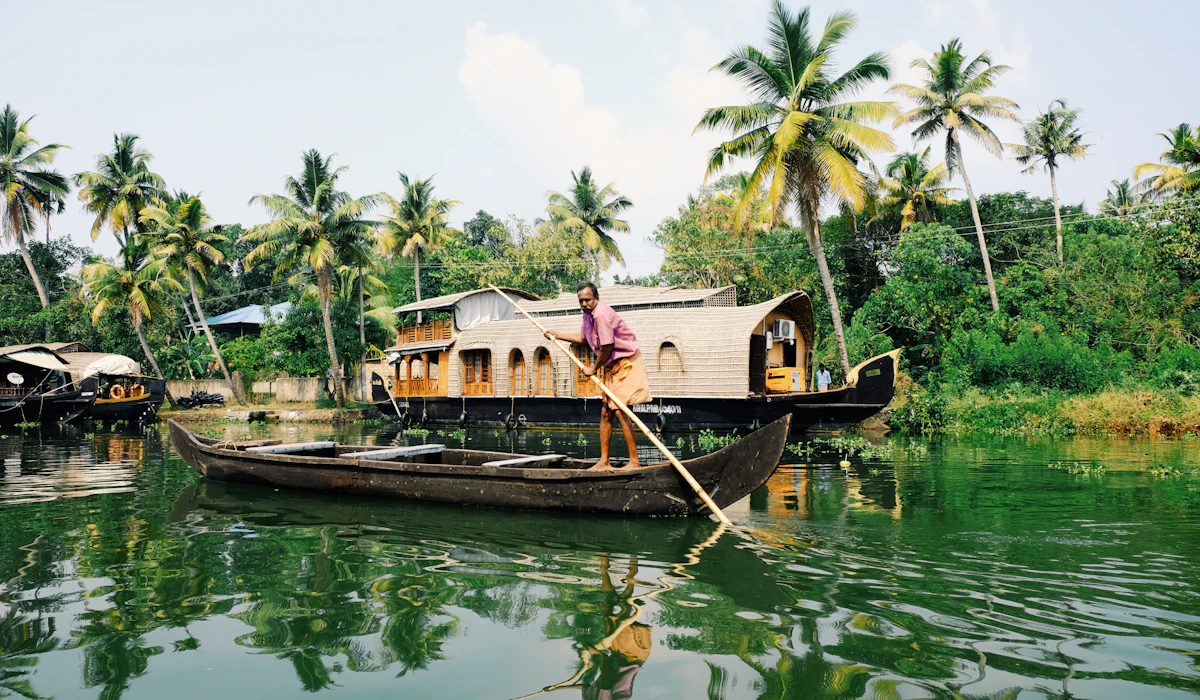
Kerala’s backwaters take on a particularly lush appearance during the monsoon, when the landscape turns intensely green and rainfall transforms the character of the region. First-time visitors avoid the June to September window entirely, assuming rain will ruin a trip, and may instead pay peak-season prices for a drier version of the state.
Houseboats and other tourism services operate during the monsoon, although heavy rain can affect some outdoor activities. Travelers who are comfortable with wet weather can experience a very different side of Kerala.
A Same-Day Turnaround to the Taj Mahal
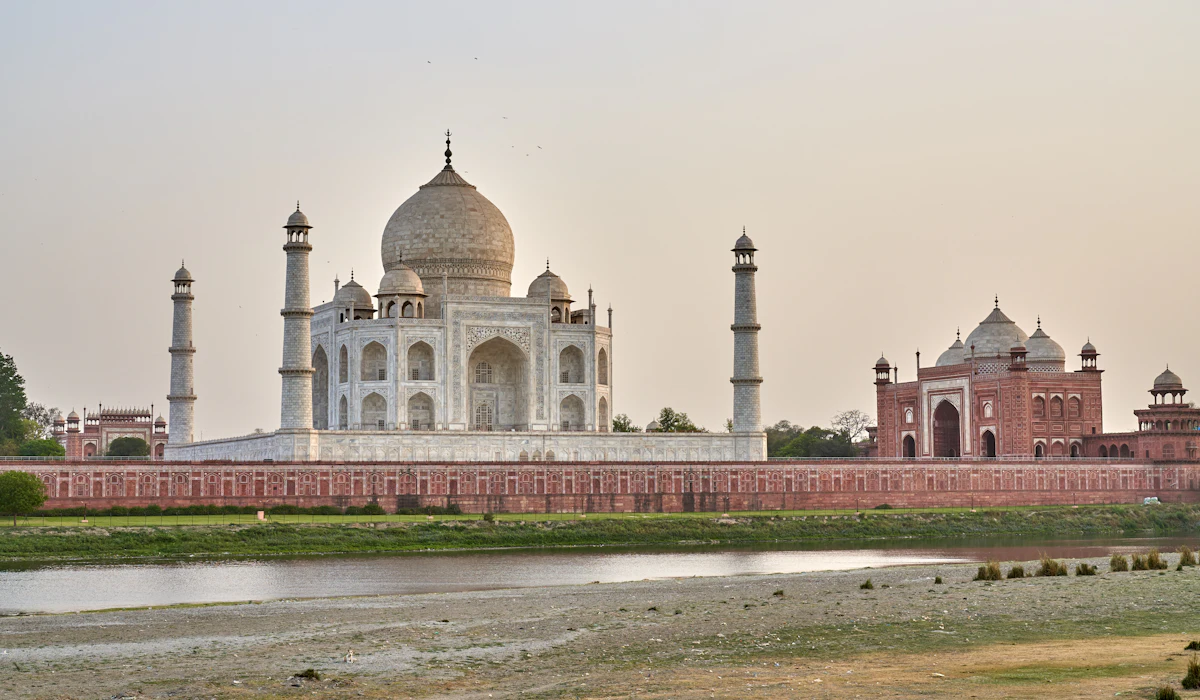
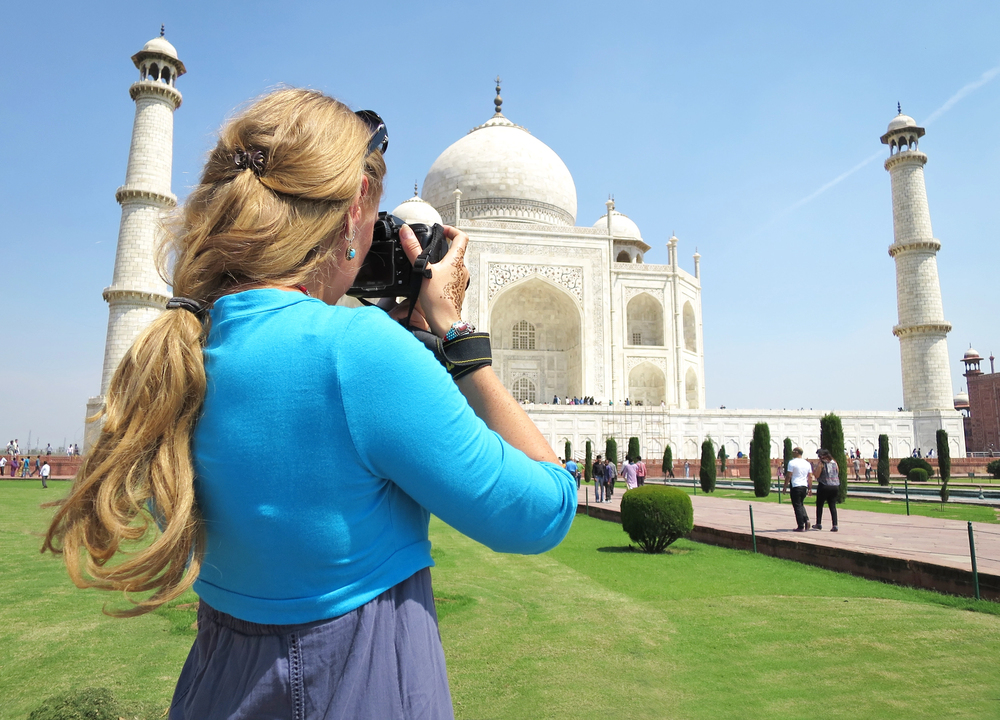
Same-day Taj Mahal tours from Delhi are heavily marketed and technically possible, but they leave little room for the monument itself once travel time, security procedures, and the return journey are factored in. Visitors can end up spending much of the day in transit for a relatively short visit.
Staying one night in Agra turns a rushed excursion into a more relaxed visit.
Trekking in Ladakh Without Acclimatization Days
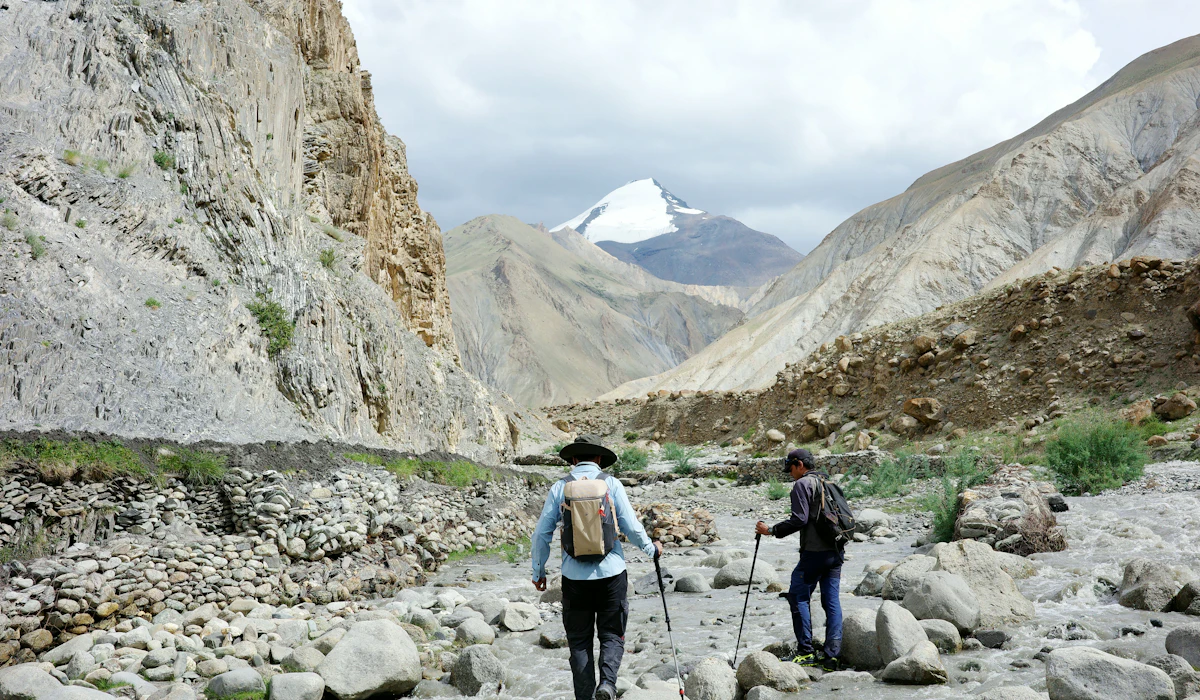
Leh sits above 3,500 meters, and travelers who fly in and immediately start strenuous activities put themselves at greater risk of altitude sickness. Headaches and fatigue can be early symptoms, while more serious altitude illness can develop quickly.
Ladakh Tourism currently advises at least 48 hours of complete rest in Leh for acclimatization before traveling to higher-altitude areas, advice that first-timers eager to start hiking should not skip.
A Single City Trip to “See India”
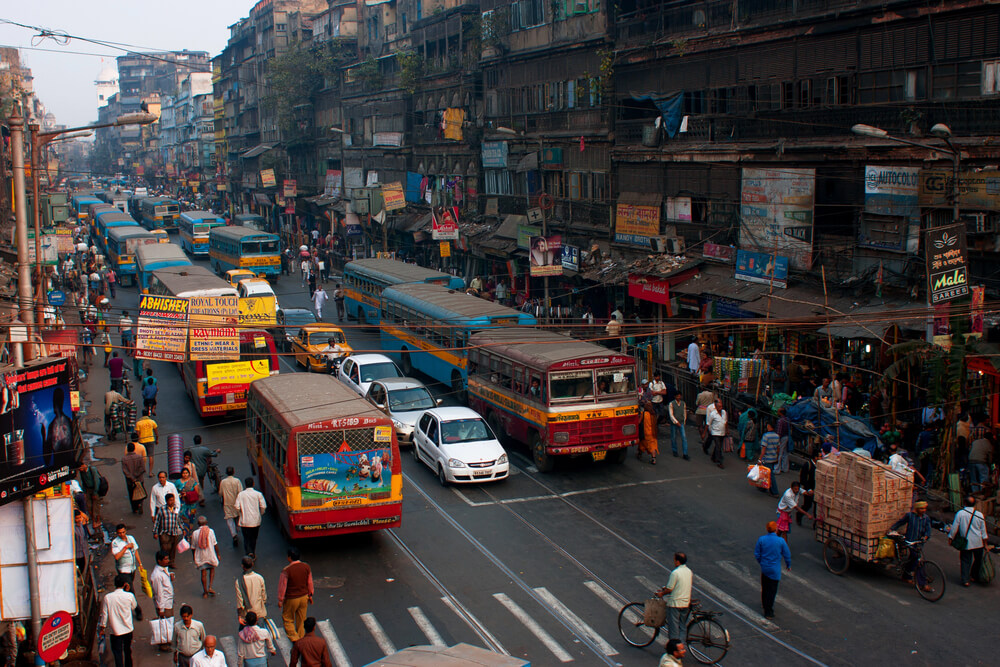
Visiting only Mumbai or only Delhi and describing the trip as having seen India is a common first-timer’s framing, but it undersells how dramatically the country changes by region. The food, language, architecture, and pace of Kerala can be very different from Punjab or West Bengal.
A single city offers a real and worthwhile visit, but it is only one slice of a country with enormous geographic and cultural diversity.
Domestic Flights Without Buffer Time

Fog and other winter weather conditions can disrupt flights in North India, particularly around Delhi during December and January. First-time visitors who book tight domestic connections sometimes leave themselves with no room to absorb a delay and can lose an entire day of their itinerary.
Building extra time around winter connections through North India can protect the rest of the trip.
Diwali Week in Any Major City
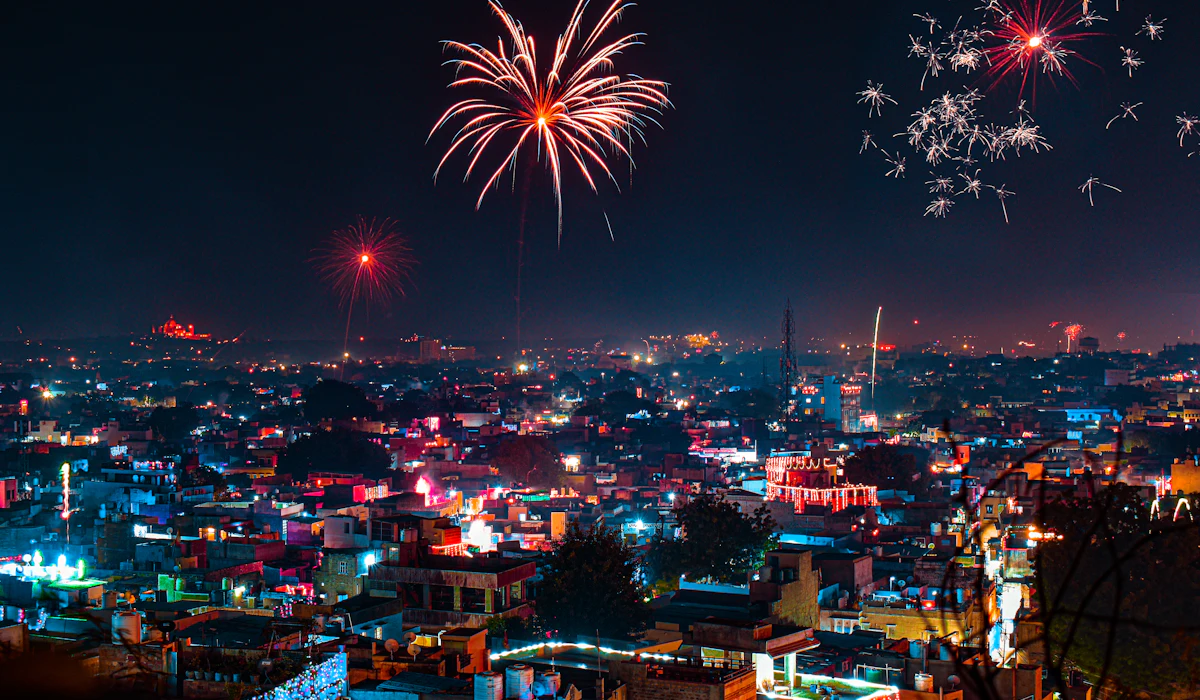
Diwali is genuinely worth experiencing, but first-time visitors who book a major city during the festival period without anticipating the scale of the celebrations can underestimate what they are walking into. Fireworks, crowded streets, altered business hours, and higher demand for accommodation can all affect a trip, while some shops and restaurants close or operate on reduced schedules for family celebrations.
Travelers who plan around the main festival days can still experience the decorations and atmosphere while avoiding some of the disruption.
A Wildlife Safari Booked on Arrival
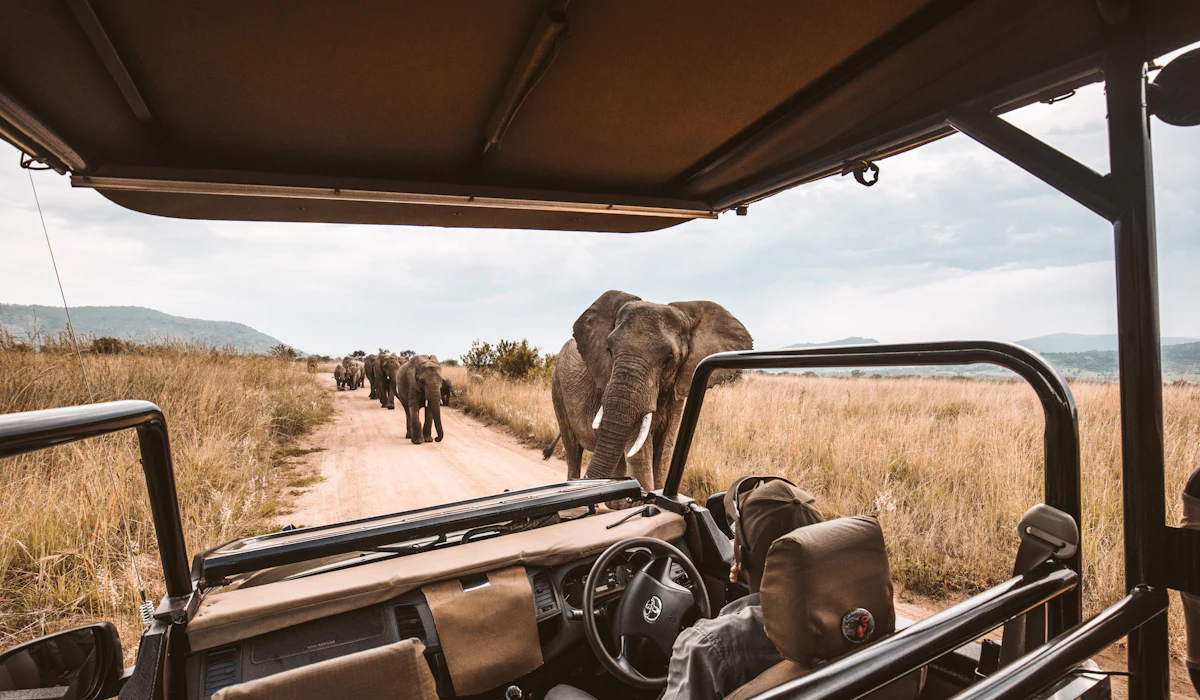
Popular tiger reserves such as Ranthambore and Bandhavgarh operate with regulated safari capacity, and preferred dates and safari options can fill during busy periods. Visitors who assume they can arrange everything after arriving may find fewer choices available or have difficulty getting the experience they wanted.
Reserving safaris in advance is a much safer approach, particularly during peak travel periods.
Bargaining as an Afterthought
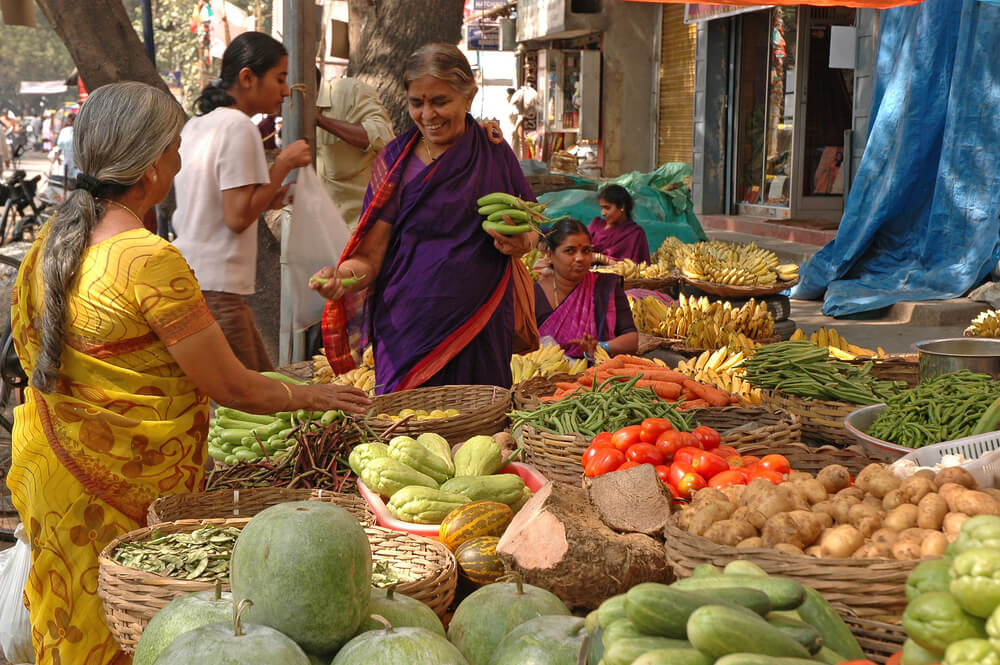
Bargaining is common in many Indian markets, particularly where prices are not fixed, and first-time visitors who accept the first quoted price may pay more than necessary. The extent of bargaining varies by market, seller, and location, so travelers should not assume every price is negotiable.
A little good-natured negotiation in places where bargaining is customary is generally expected.
Goa as Only a Beach Trip

Goa’s coastline gets most of the marketing, but first-time visitors who treat it purely as a beach destination miss the Portuguese-influenced architecture in Fontainhas, the spice plantations inland, and the wildlife and natural areas away from the coast. The state rewards at least some time spent away from the sand.
Visitors who never leave the beach shacks see only part of what Goa offers.
Underestimating Vegetarian Depth
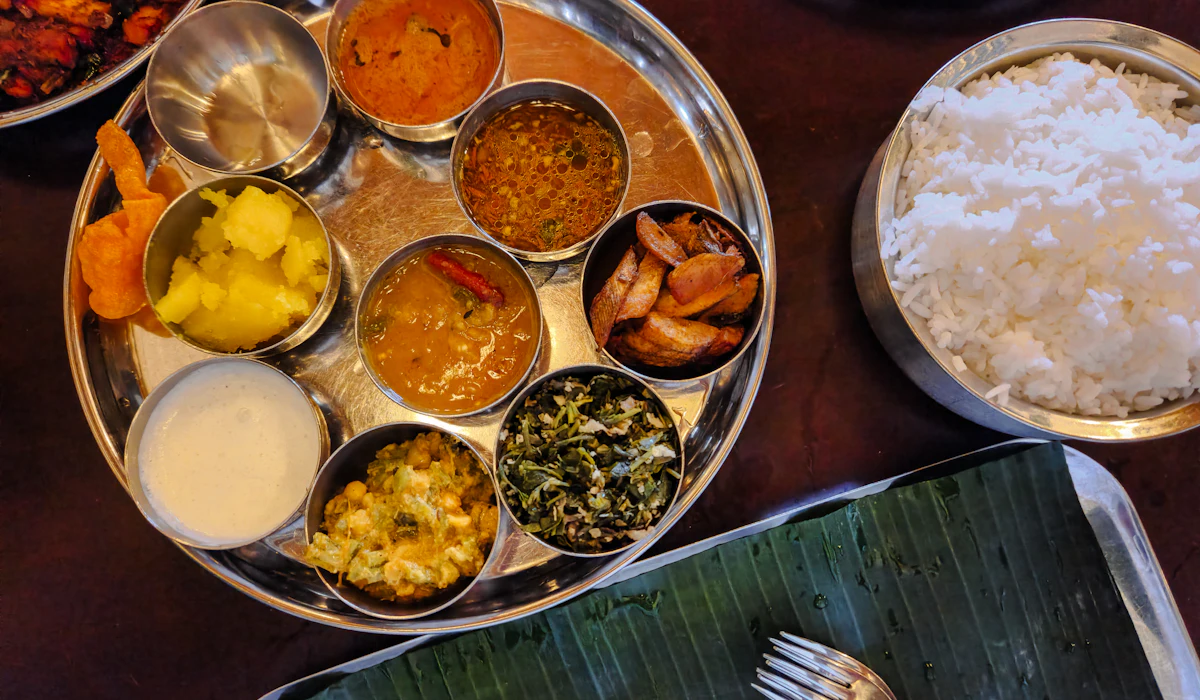
Travelers expecting a limited vegetarian menu are often surprised by how central vegetarian cooking is to Indian cuisine rather than being a workaround for people who avoid meat. Entire regional cuisines, particularly in Gujarat and parts of South India, have deep vegetarian traditions.
First-timers who arrive braced for bland substitutes may find some of the most memorable meals of the trip have no meat in them at all.
A Hill Station Day Trip From the Plains

Hill stations such as Shimla, Manali, and Darjeeling can look like manageable day trips from nearby cities on a map, but mountain roads are slow, winding, and sometimes congested with other tourist traffic. What appears to be a short drive can take much longer than expected.
Visitors who plan these as single-day excursions can end up spending more time in transit than at the destination.
Assuming Mobile Coverage Works Everywhere
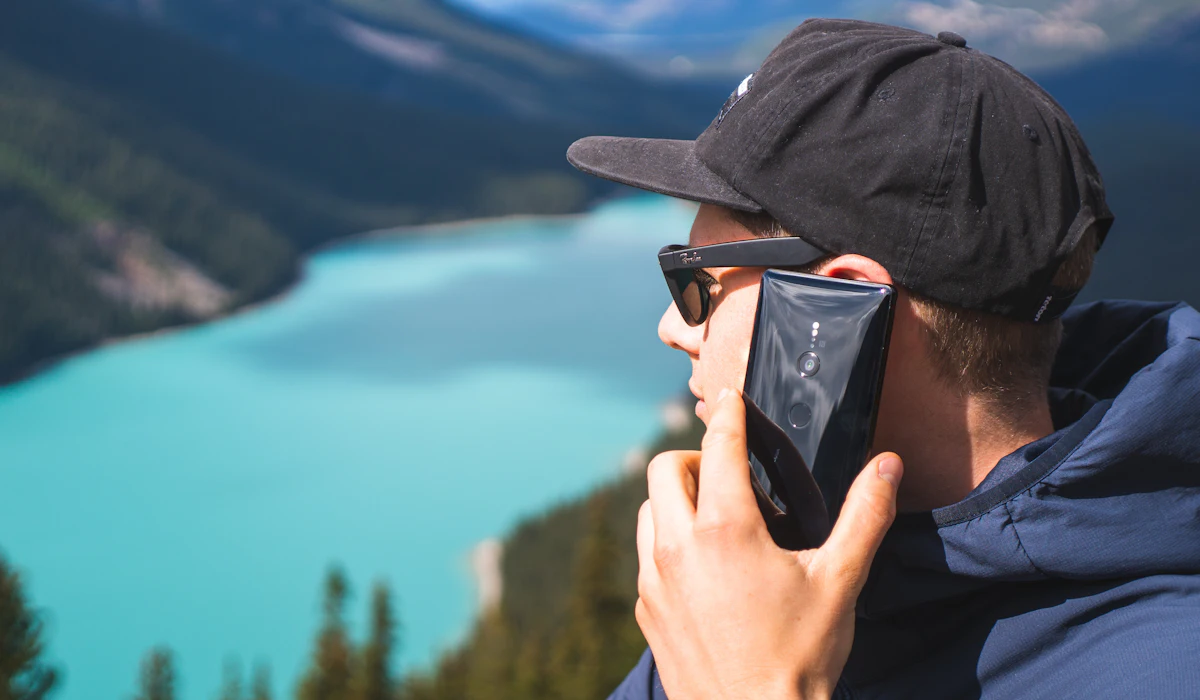
India’s mobile networks provide broad coverage, but signal quality can vary considerably by carrier and geography, particularly in mountains, remote rural areas, border regions, and parts of the Northeast. First-time visitors who assume a single SIM will provide equally strong data everywhere can find themselves without service at exactly the point they need directions or a booking confirmation.
Checking the coverage of the carrier before a multi-state or remote-area trip is a simple precaution.
The Kumbh Mela as a Casual Add-On
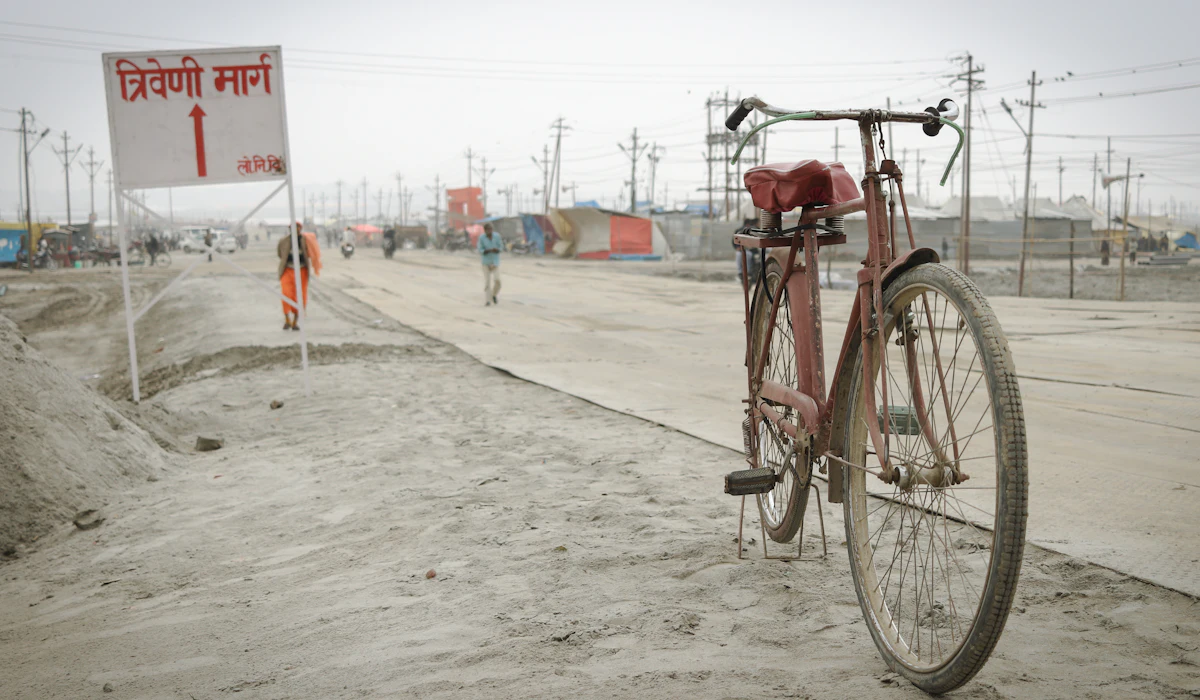
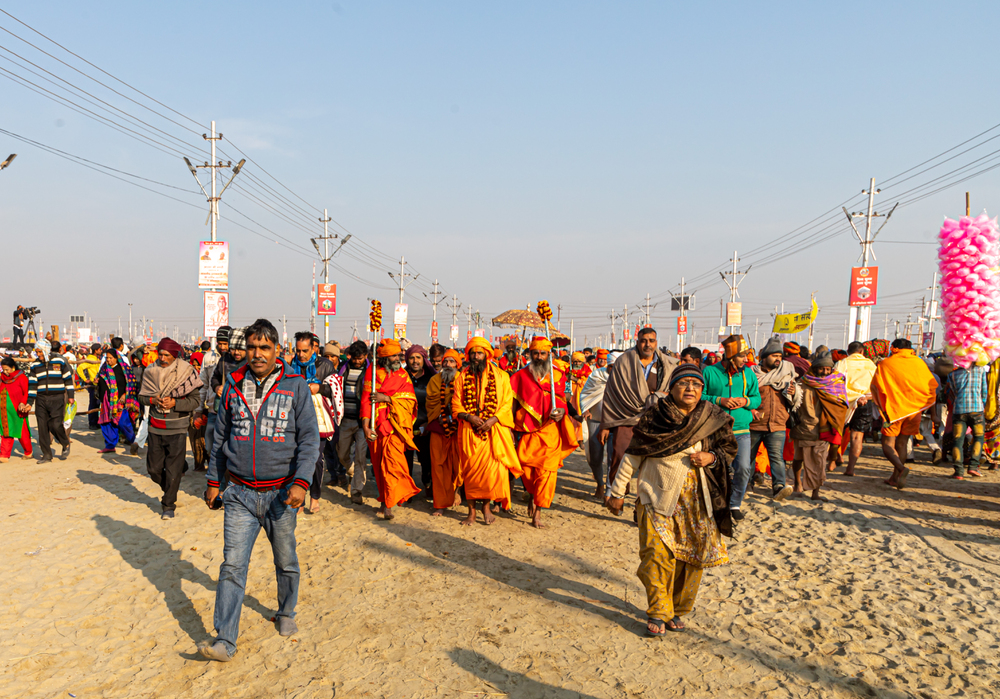
The Kumbh Mela is one of the world’s largest religious gatherings, drawing enormous crowds over the course of the festival. Visitors who add it to an itinerary as a quick stop, expecting something like a large festival elsewhere, can be unprepared for the scale of the crowds, the logistics of moving through them, and the temporary infrastructure.
It rewards visitors who research the event specifically rather than those simply passing through.
Permits for Restricted Border Regions
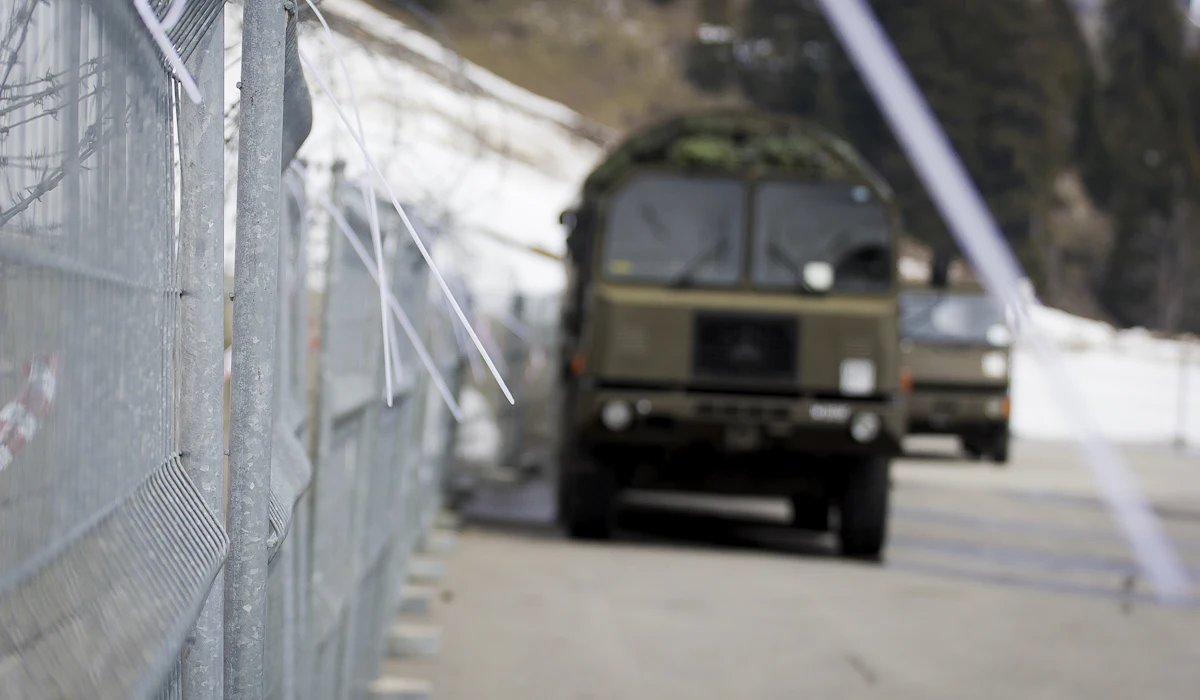
Some areas near India’s international borders, including designated parts of Ladakh, Sikkim, and Arunachal Pradesh, have special permit requirements that vary by location and traveler nationality. First-time visitors who plan a spontaneous detour into a restricted or protected area can be turned back at checkpoints if they do not have the necessary permission.
Checking the current permit rules for the exact destination well before arrival is an essential part of planning.
Temple Dress Codes Treated as Optional
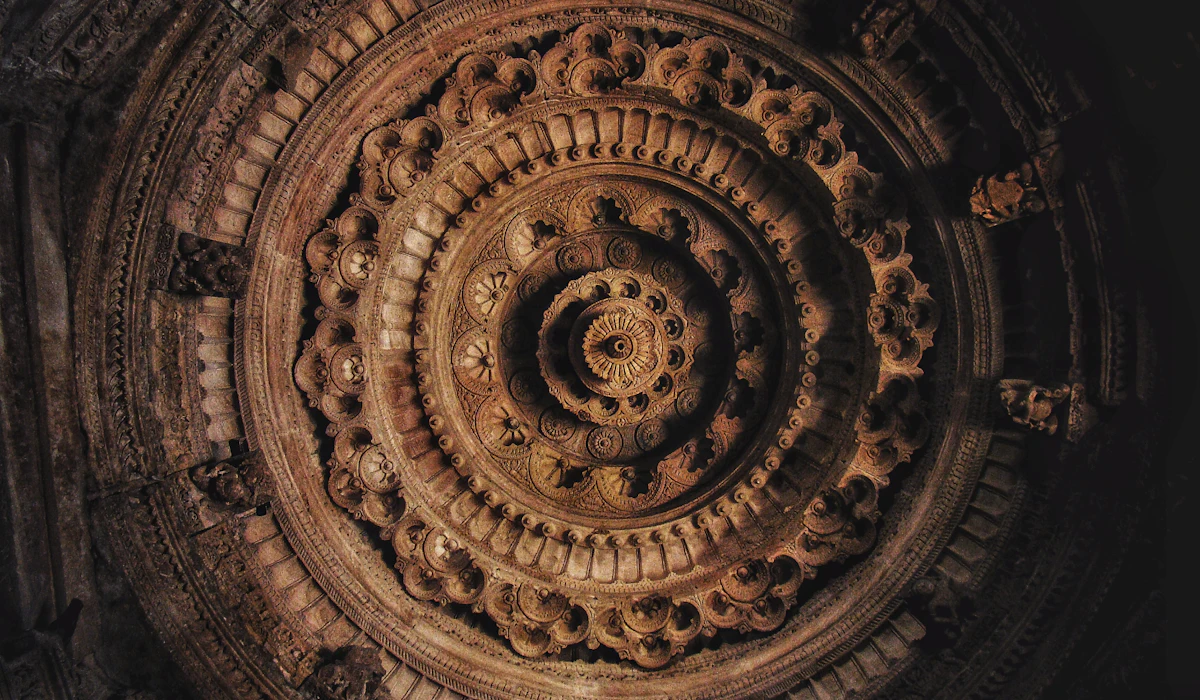
Many religious sites in India have their own rules or expectations concerning clothing, footwear, and head coverings. Visitors who arrive in shorts or sleeveless tops at a site with stricter dress requirements may be refused entry or asked to cover up.
Packing a light scarf and clothing that covers the shoulders and knees provides useful flexibility for temple and religious-site visits.
A Rickshaw Hailed Without a Price Set First
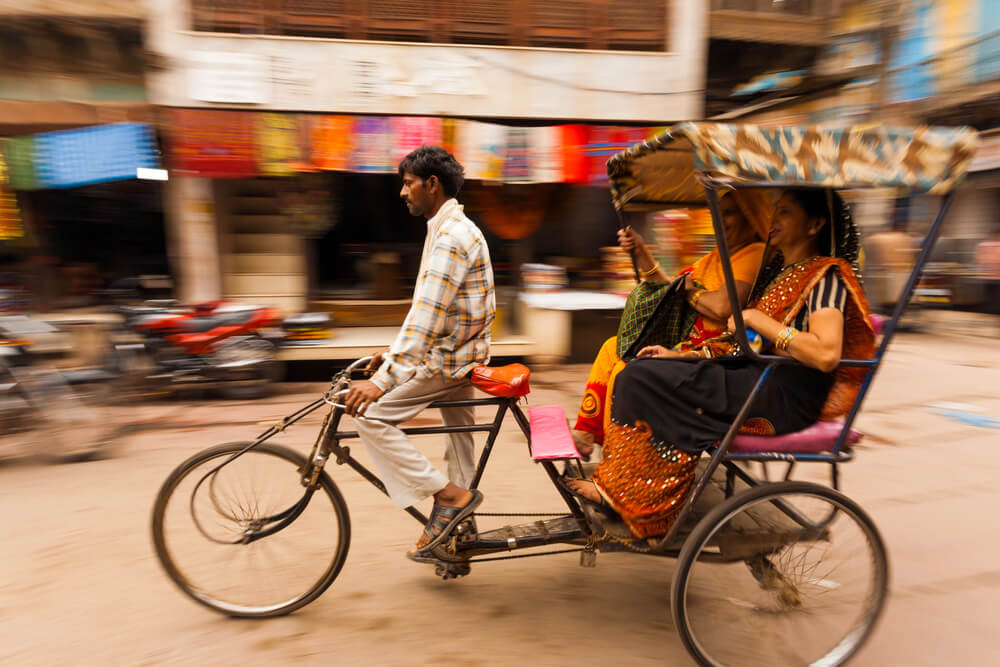
Auto-rickshaw practices vary by city, with some places using meters more consistently than others and others relying heavily on negotiated fares or app-based bookings. First-time visitors who climb in without confirming the fare or whether the meter is being used can end up negotiating at the destination.
Agreeing on a fare beforehand, or confirming that the meter is running, avoids many disputes.
Underestimating Train Station Chaos
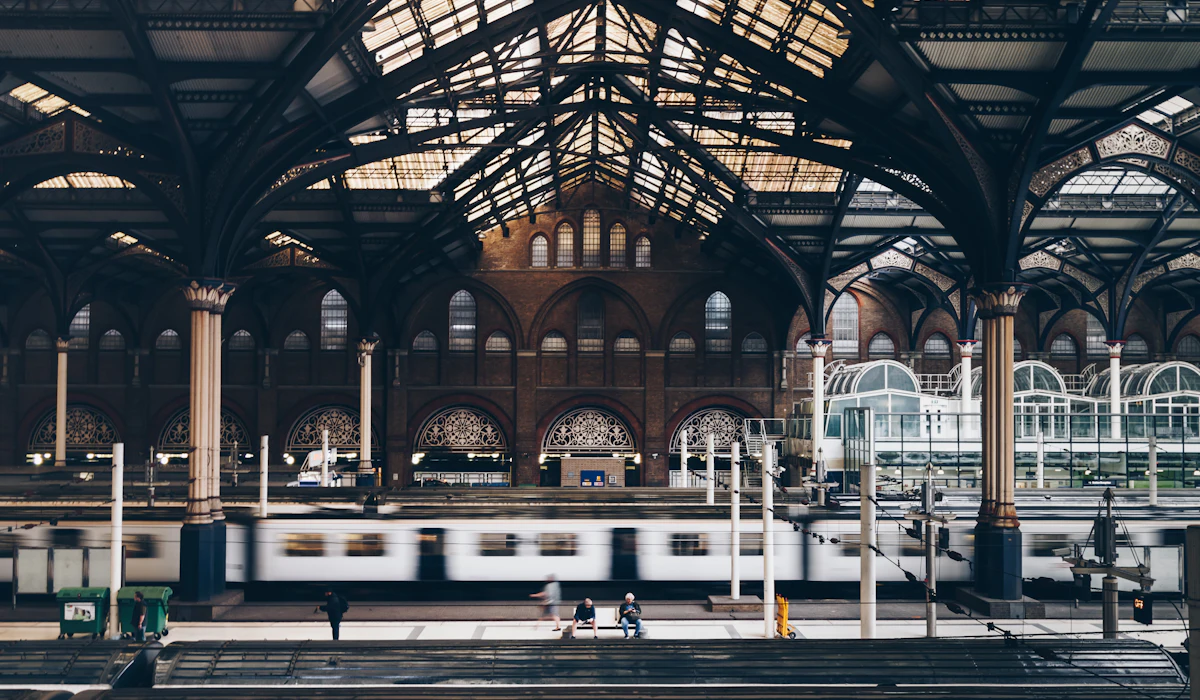
Major railway stations such as New Delhi Railway Station and Chhatrapati Shivaji Maharaj Terminus handle enormous passenger volumes, and navigating them can be confusing for first-time visitors. Platform information can change, crowds can slow movement, and finding the correct entrance or coach takes longer than expected.
Arriving 30 to 45 minutes early gives travelers useful time to confirm the platform and find their train without rushing.
A Street Food Trip Without an Adjustment Period
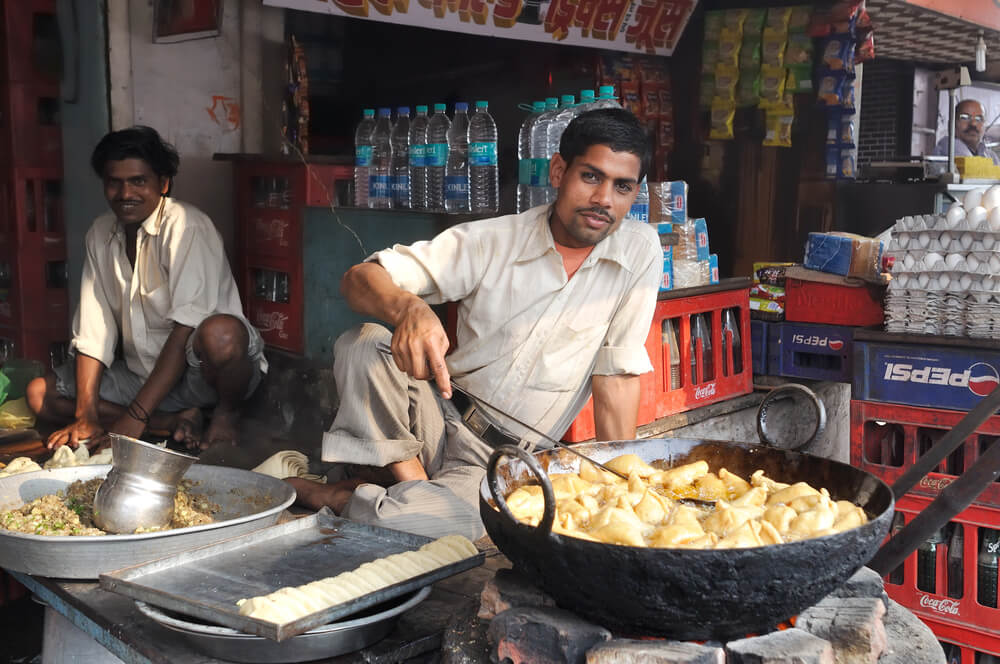
Street food is one of the best reasons to visit India, but travelers unfamiliar with local food, water, spices, and preparation practices may want to ease into it rather than sampling the most adventurous stalls on day one. Diving straight into unfamiliar foods can turn into an uncomfortable first few days.
Starting with busy, high-turnover stalls where food is cooked fresh and served quickly is a sensible precaution.
Alcohol Availability Across State Lines

India’s alcohol laws vary significantly by state, and some states and territories have much stricter restrictions than others. Visitors who assume they can buy or carry alcohol under the same rules everywhere can be caught off guard by local regulations.
Checking the rules of each state on a multi-state itinerary is particularly important when crossing state lines with alcohol.
Photography Restrictions at Religious and Government Sites

Many temples, mosques, religious sites, and government buildings restrict photography in certain areas, sometimes prohibiting it entirely. First-time visitors who raise a phone reflexively, as they might at a museum elsewhere, can find themselves asked to stop or delete an image.
Watching for posted signage and asking before photographing people at worship prevents most friction.
A Two-Week Trip Split Across Six Cities

Ambitious first-time itineraries sometimes try to cover six or more cities in two weeks, treating India like a country that can be sampled the way a smaller nation might be planned. Given the travel time between regions, this can mean one or two nights per stop, with almost no time to adjust to each place before moving on.
Covering three or four regions properly, rather than skimming six, often leaves more time to actually experience them.
Assuming English Solves Every Interaction

English is widely spoken in tourist areas, business settings, and among many younger, urban populations, but it is far from universal in smaller towns, rural regions, and among some older residents. First-time visitors who assume it will carry them through every interaction can struggle in exactly the less-touristed encounters that make a trip memorable.
A handful of basic Hindi phrases, or the relevant regional language, can go further than expected in bridging the gap.
The Absence of a Return-Trip Cushion
Travel schedules can change because of weather, operational issues, or other disruptions, and connecting through a single hub with a tight layover leaves little room to absorb a delay. First-time visitors who book their departure flight for the same day their trip technically ends give themselves no margin for an unexpected problem.
Building a buffer before an international departure removes much of that risk.
Holding the Bigger Picture
None of these trips are mistakes exactly. They are the predictable result of planning India the way a smaller, more homogenous country might be planned, with tight connections and little slack for how much ground, culture, and unpredictability the country actually contains.
The travelers who come back enthusiastic are usually the ones who built in room for delay, heat, and detour before they landed.
India rewards flexibility more than almost anywhere else, and the itinerary that survives contact with the country is rarely the one drawn up months in advance. The gap between the trip that was planned and the trip that was lived is where many of the best stories, and some of the hardest lessons, actually happen.
More from Travel Pug

- Underrated Italian Towns That Beat the Tourist Crowds
- Las Vegas Tourist Traps to Skip
- Prettiest Towns in Every US State
- 18 passport-free countries for Americans
- Signs Your Cruise Is Not Worth The Cost
Like Travel Pug’s content? Follow us on MSN.