

Some towns treat autumn as a decoration. Others reorganize their entire calendar around it, with hay bales on every corner, cider on every counter and traffic that doubles on Saturday mornings.
These are places where the season moves straight down the main drag. The leaves matter, but so do the storefronts, the parades and the small rituals locals keep returning to year after year.
Jim Thorpe, Pennsylvania
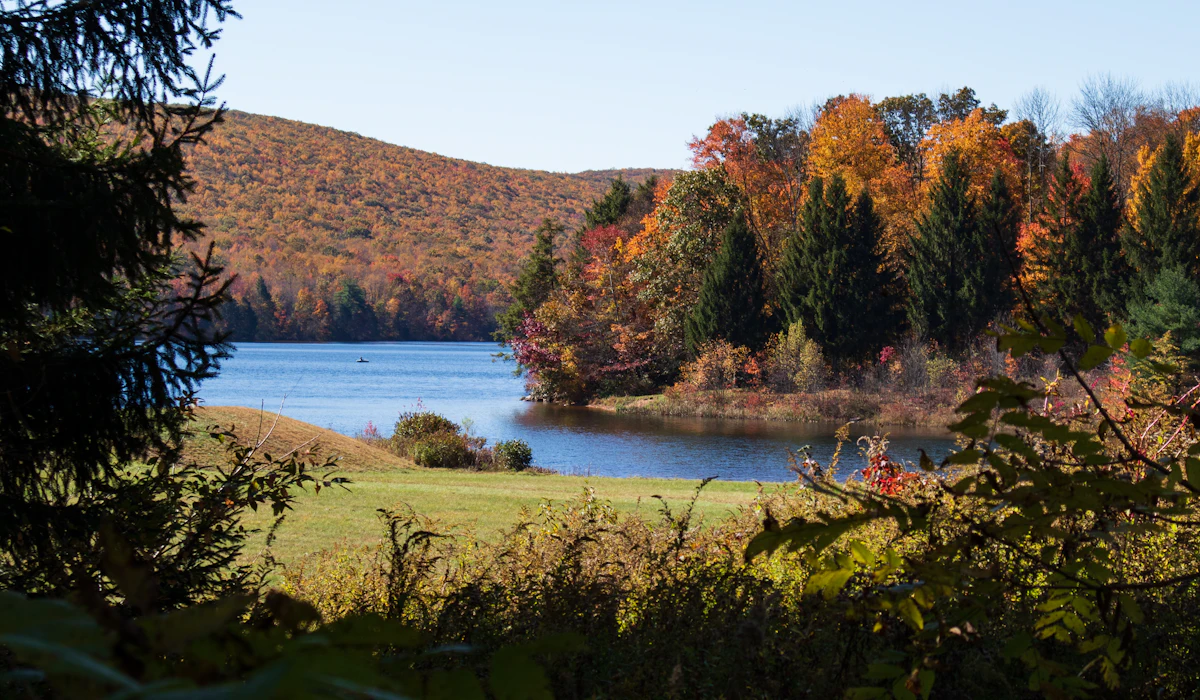
This former coal town in the Lehigh Valley went by Mauch Chunk until 1954, when the town adopted the name Jim Thorpe, following an effort connected to the Olympic champion’s widow and the planned burial of his remains there. Its Victorian downtown climbs a narrow valley wrapped in hardwood forest, and October weekends bring a fall foliage festival with crafts and food along the streets.
The Lehigh Gorge Scenic Railway runs short foliage trips from the old station. The Asa Packer Mansion, built for a railroad magnate, sits above the square.
Parking fills early, so many visitors come by midmorning or not at all.
Stockbridge, Massachusetts
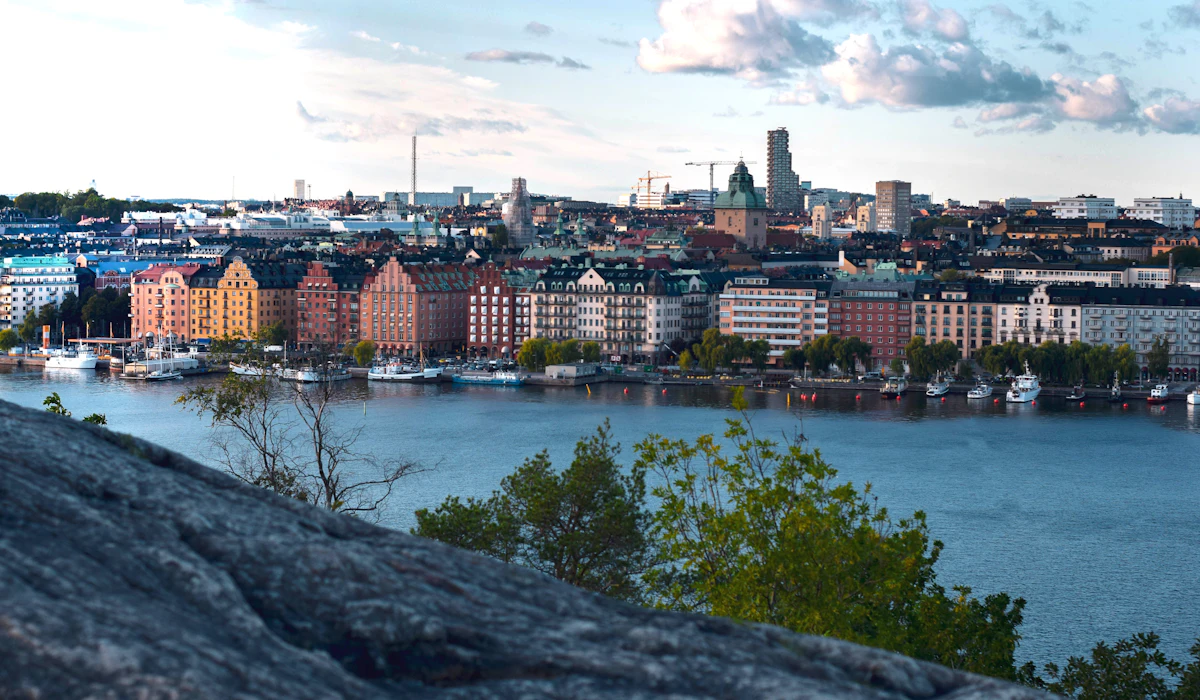
Norman Rockwell lived in Stockbridge from 1953 until he died in 1978, and his 1967 painting of its Main Street at Christmas made the town a national symbol. In fall, the same view fills with maples instead of snow.
The Norman Rockwell Museum, a few minutes outside the center, holds an extensive collection of his original work. The Red Lion Inn, with roots in the 1770s, anchors the street with its long front porch and rocking chairs.
Afternoon visitors tend to end up on that porch, watching the light fade over the Berkshire hills.
Camden, Maine
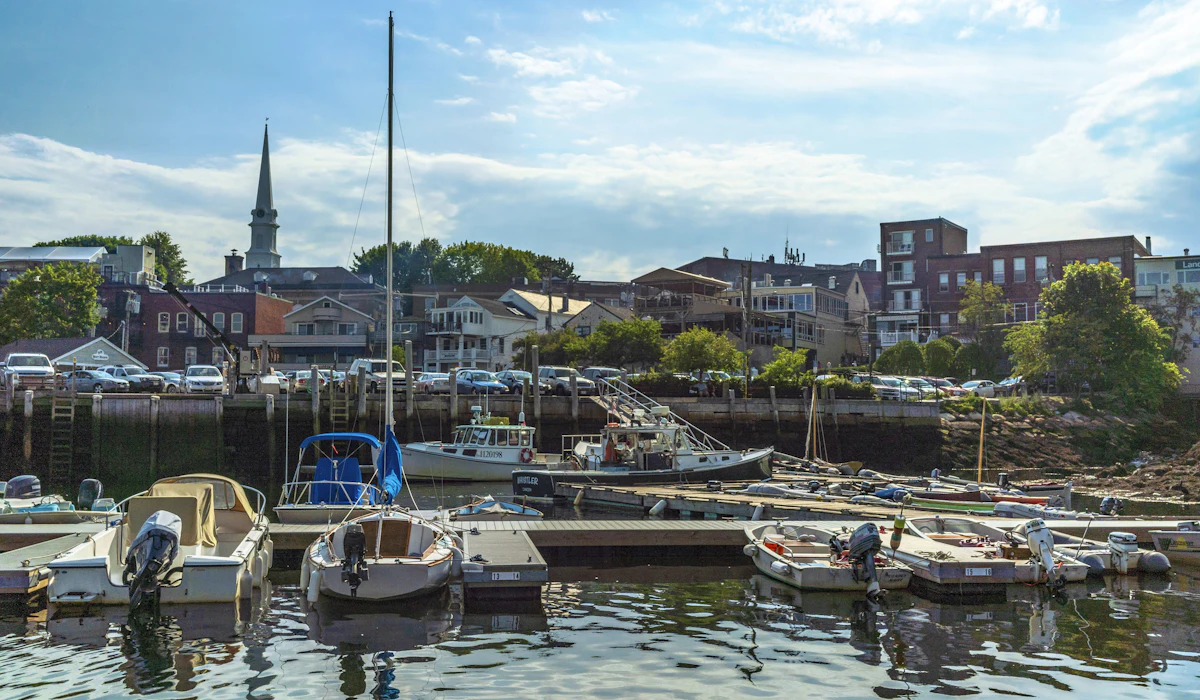
Camden sits where the Camden Hills drop straight into Penobscot Bay, giving the town a rare mix of harbor and mountain. A short drive or hike up Mount Battie reveals a view of the harbor ringed by fall color, the scene that helped inspire Edna St.
Vincent Millay’s poem “Renascence.” Windjammers line the harbor into early fall, and some offer short sails in October.
The downtown packs bookstores, galleries and restaurants into a few blocks above the water. Few towns on the East Coast pair a working waterfront with foliage this closely.
Galena, Illinois
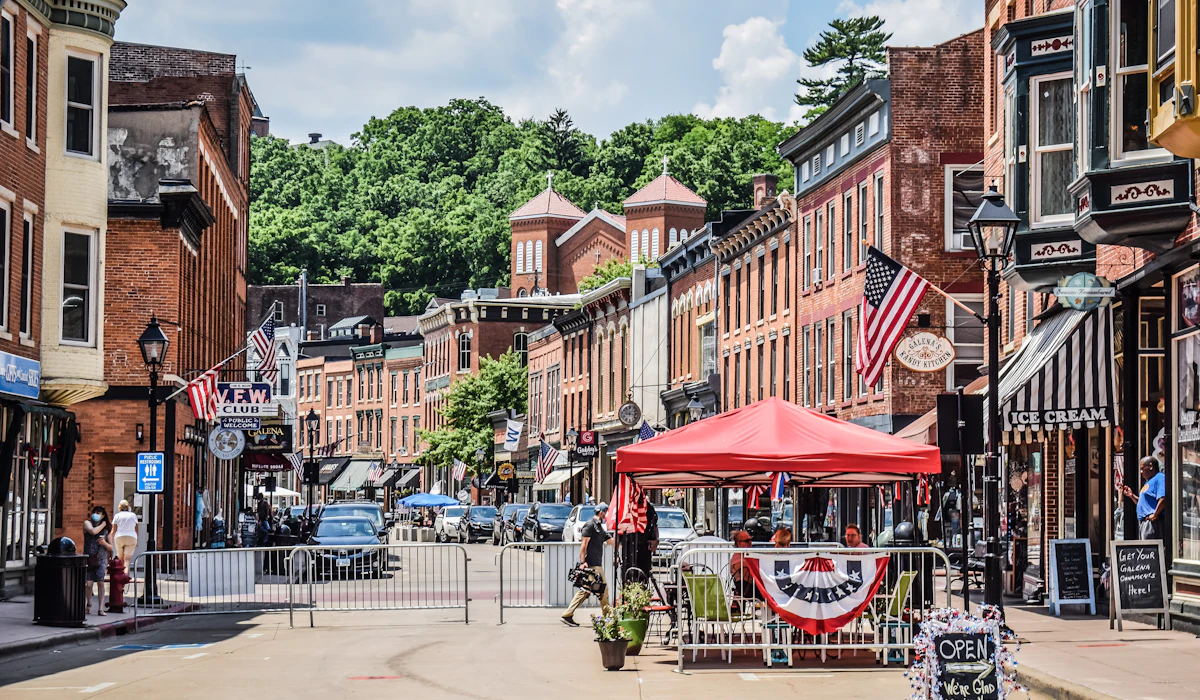
Galena’s brick downtown climbs the hills above the Galena River, and its Main Street has changed remarkably little since the 1800s. Ulysses S.
Grant lived here before the Civil War, and his postwar home is now a state historic site. The Galena Country Fair, held in October in Grant Park, draws crafters and food vendors from across the region.
Rolling farmland around the town turns copper and gold through the month. Shops and inns are often fully booked on fall weekends, so midweek visits can feel far more relaxed.
Frankenmuth, Michigan
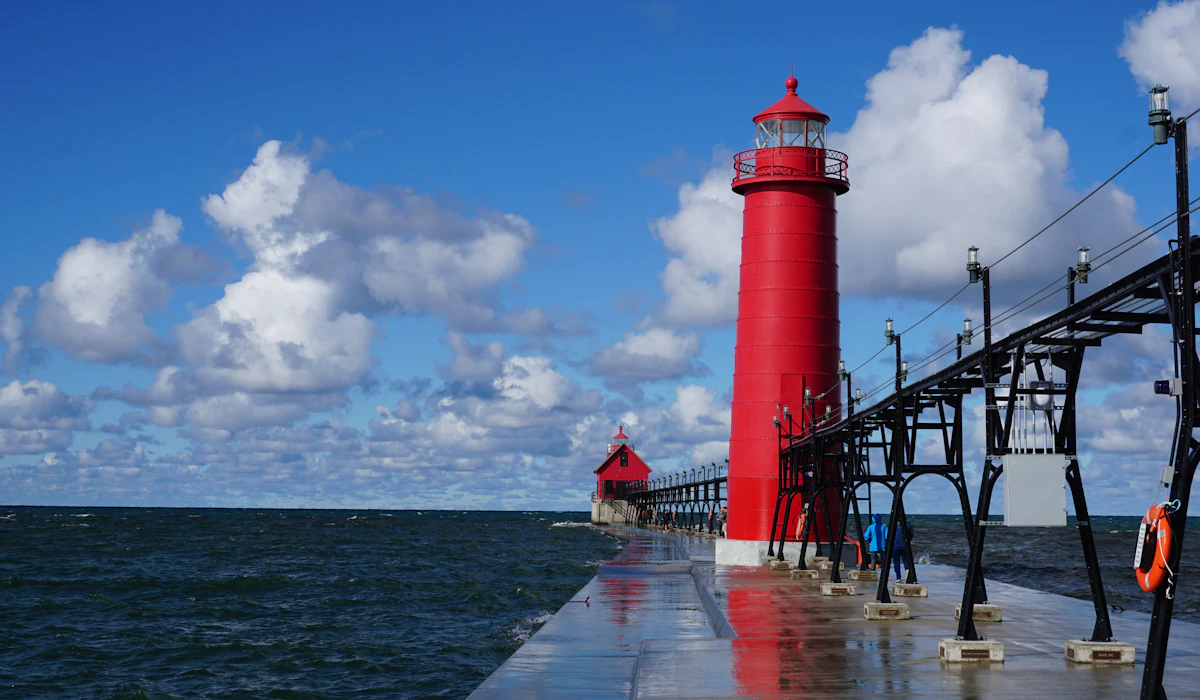
Frankenmuth was settled in 1845 by Franconian Lutherans, and its Bavarian look has only grown more elaborate over time. Bronner’s CHRISTmas Wonderland, a sprawling holiday store on the edge of town, stays open 361 days a year and gets a fall surge as early shoppers arrive.
Zehnder’s and the Bavarian Inn serve family-style chicken dinners by the thousands. A covered bridge spans the Cass River near the main street.
In fall, pumpkins and mums cover nearly every storefront, and the glockenspiel tower draws crowds for its scheduled performances.
Stillwater, Minnesota
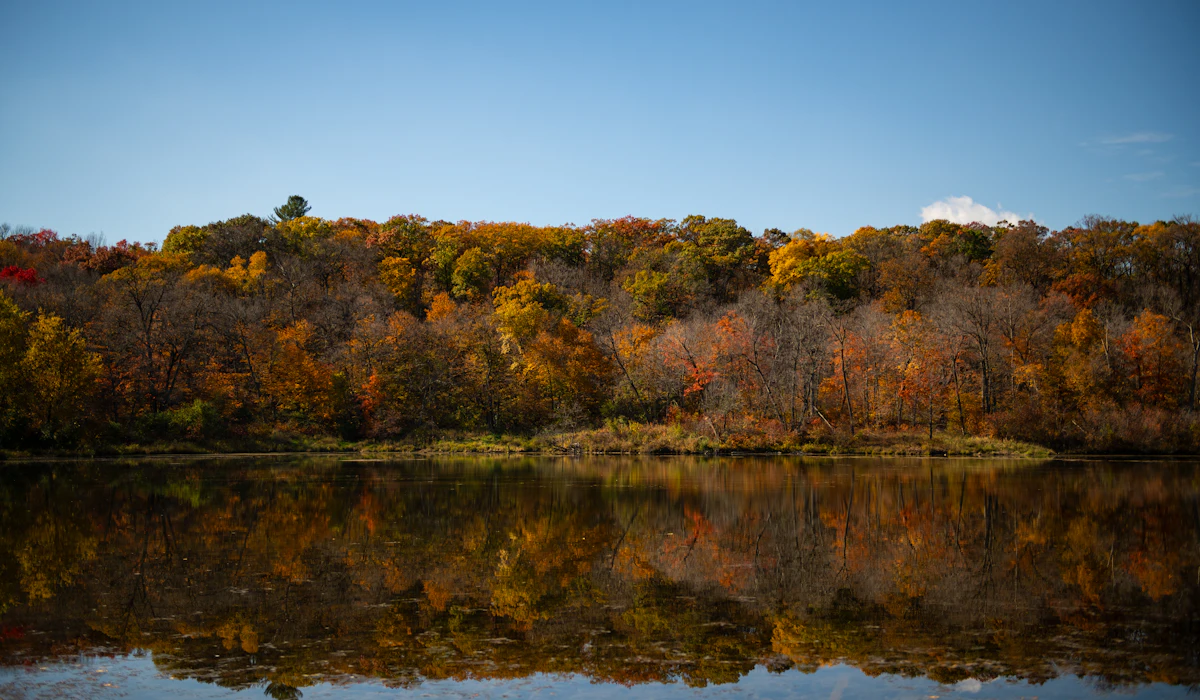
Stillwater sits on the St. Croix River, and its historic downtown lines the riverbank under wooded bluffs that turn bright in October.
The town calls itself the birthplace of Minnesota because an 1848 convention there set the stage for the territory. Its Lift Bridge, opened in 1931, connects to Wisconsin and is now open to pedestrians and cyclists.
Antique shops, bookstores and riverside restaurants fill the main street. Fall paddleboat cruises on the St.
Croix give a view of the bluffs from the water. October weekends bring a noticeable spike in visitors from the Twin Cities, about a 40-minute drive away.
Eureka Springs, Arkansas
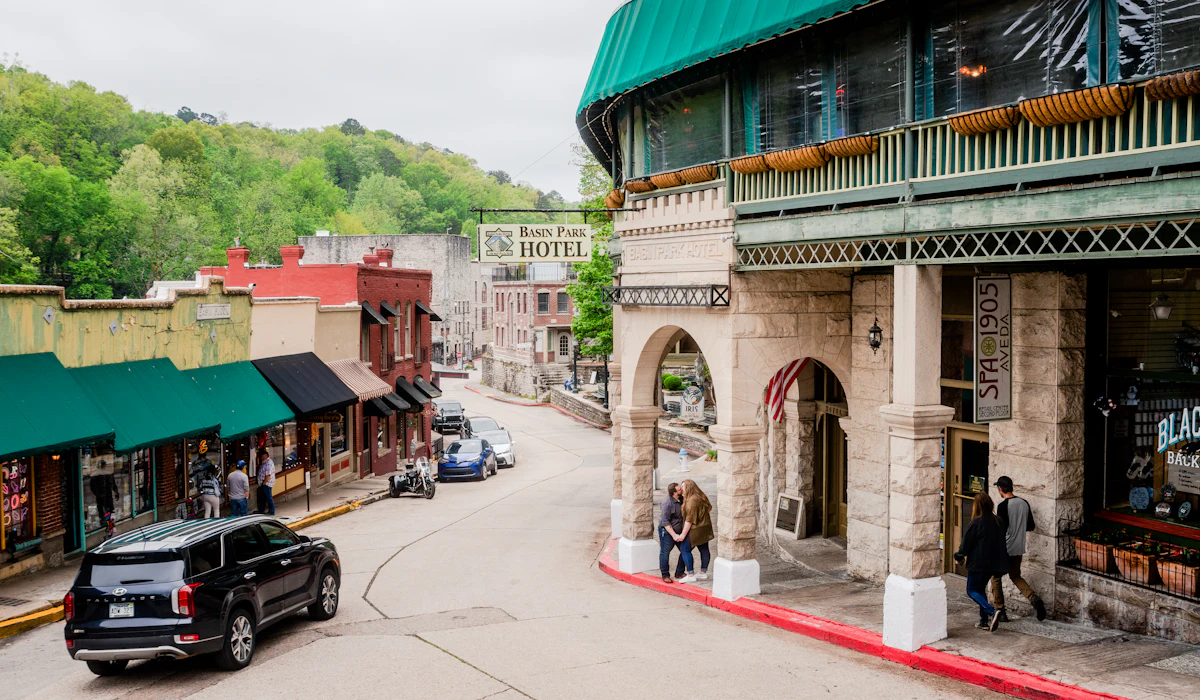
This Ozark town grew around mineral springs in the late 1800s, and its winding streets follow the steep terrain rather than a grid. Victorian buildings stack along the hillsides, many converted into shops, galleries and inns.
The Crescent Hotel, opened in 1886, perches above the town and leans hard into ghost tours during October. Fall color in the surrounding Ozarks typically peaks in late October.
Visitors often discover that walking is the only practical way to move between the twisting streets. Local shops stock heavily for the season, and porches along Spring Street fill with gourds and mums.
Lititz, Pennsylvania
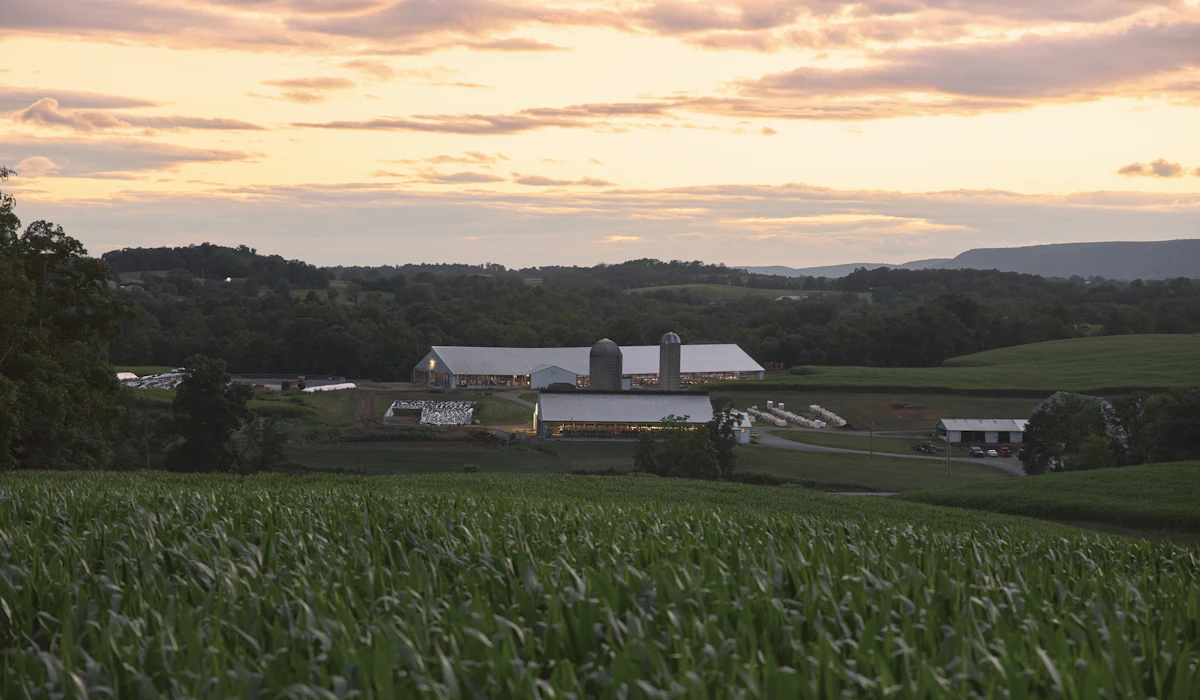
Lititz was founded by Moravians in the 1750s and keeps a strong sense of its original town plan. The Julius Sturgis Pretzel Bakery, established in 1861, is recognized as the first commercial pretzel bakery in America and still offers hand-twisting lessons.
Wilbur Chocolate has a retail store downtown where the smell of cocoa drifts across Broad Street. Fall brings harvest events and lantern-lit evenings to Lititz Springs Park.
Budget Travel named the town America’s Coolest Small Town in 2013, and the title still shows up on local signs.
Litchfield, Connecticut
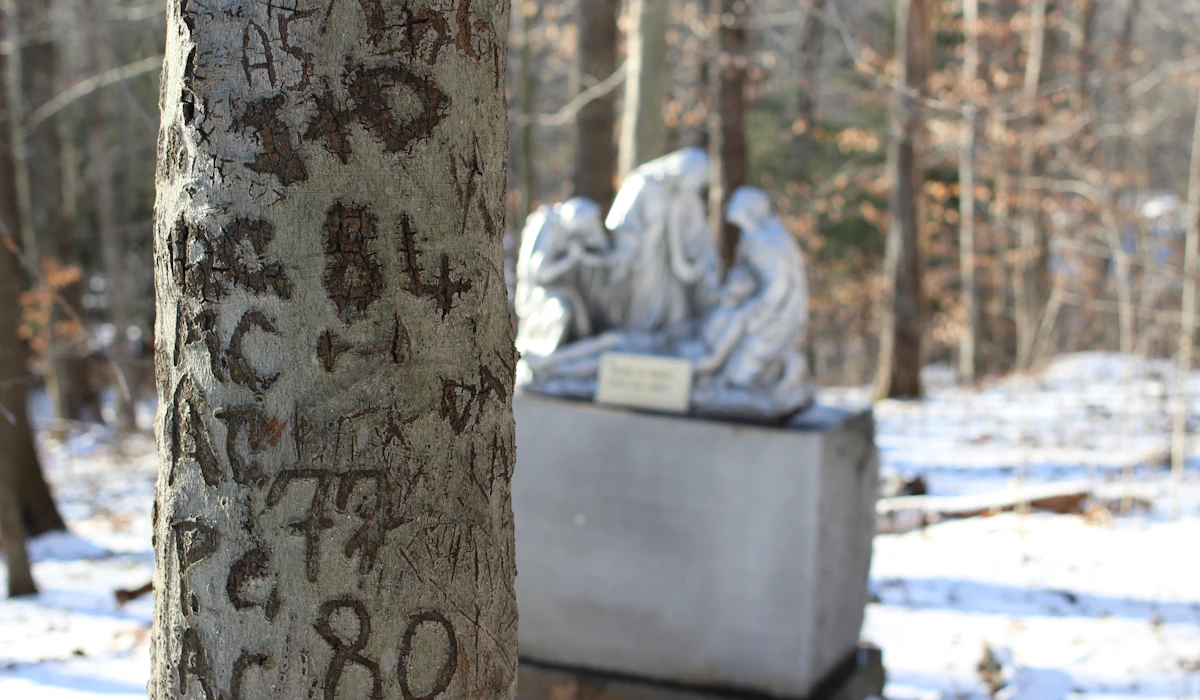
Litchfield’s town green is surrounded by white clapboard houses and a Congregational church that has become a staple of New England postcards. The Tapping Reeve House and Law School, founded in 1784, is recognized as the first law school in the United States.
Fall turns the maples along North and South Streets to deep red, and visitors walk them slowly. Small shops and restaurants cluster around the green.
Nearby vineyards and farm stands make the town a natural base for a full foliage weekend. Fall color here tends to arrive in mid-October, a little later than in northern Vermont.
Peterborough, New Hampshire
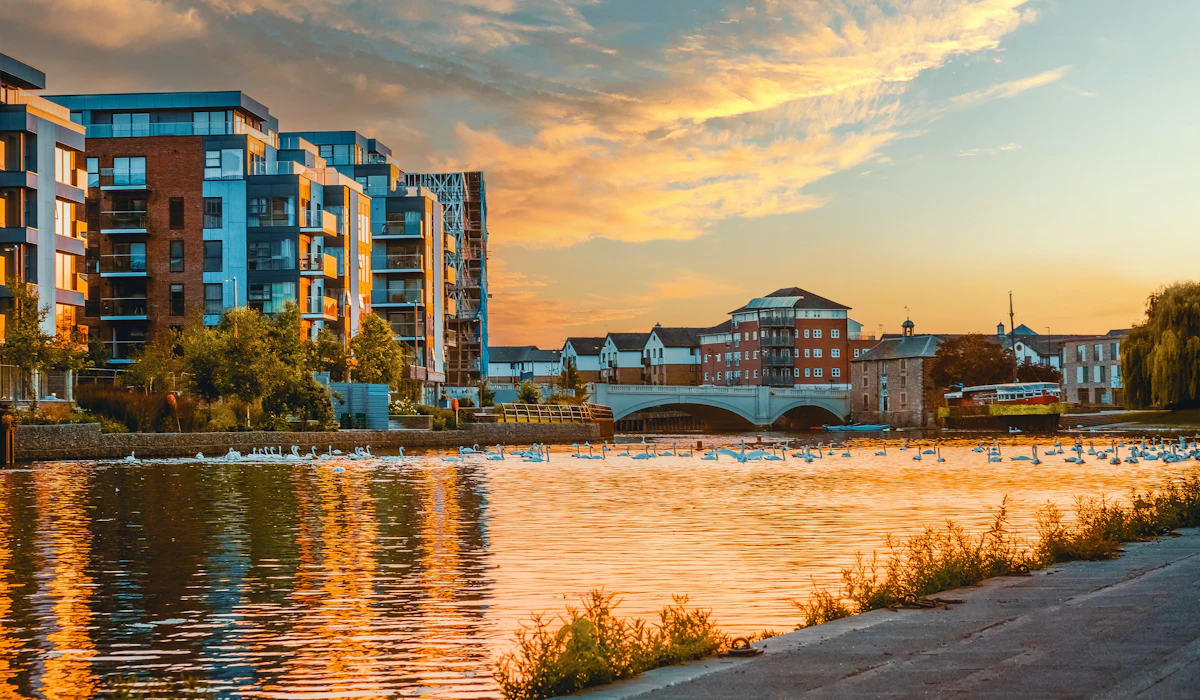
Peterborough is home to MacDowell, the artists’ residency founded in 1907, where composers, novelists and painters have worked in wooded studios. Thornton Wilder spent time there, and the town has been associated with the inspiration for Grover’s Corners in his 1938 play.
The town center is compact, with a brick downtown along the Contoocook River. Fall brings foliage to nearby Mount Monadnock, often described as one of the most climbed mountains in the world.
A coffee on Grove Street followed by a Monadnock hike is a classic local autumn day.
Grafton, Vermont
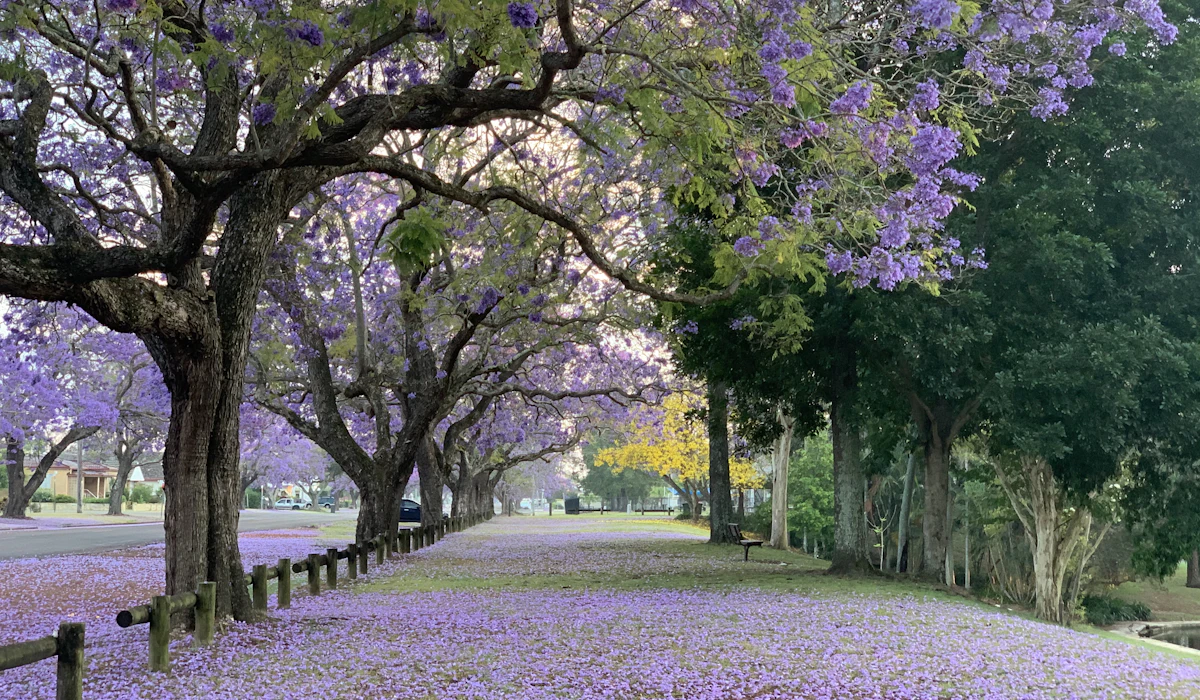
Grafton was a struggling village until the Windham Foundation began restoring it in 1963, preserving its 19th-century houses and businesses. Grafton Village Cheese still has a cheesemaking facility and retail shop in the area, and its shop offers tastings.
The Grafton Inn has hosted travelers since 1801. Fall turns the village into a near-perfect New England scene, with maples framing white clapboard and stone walls.
Its small size means visitors can walk the entire village in an hour and still find reasons to stay all afternoon. Covered bridges and a historic tavern add to the sense that the calendar stopped somewhere around 1850.
Woodstock, New York
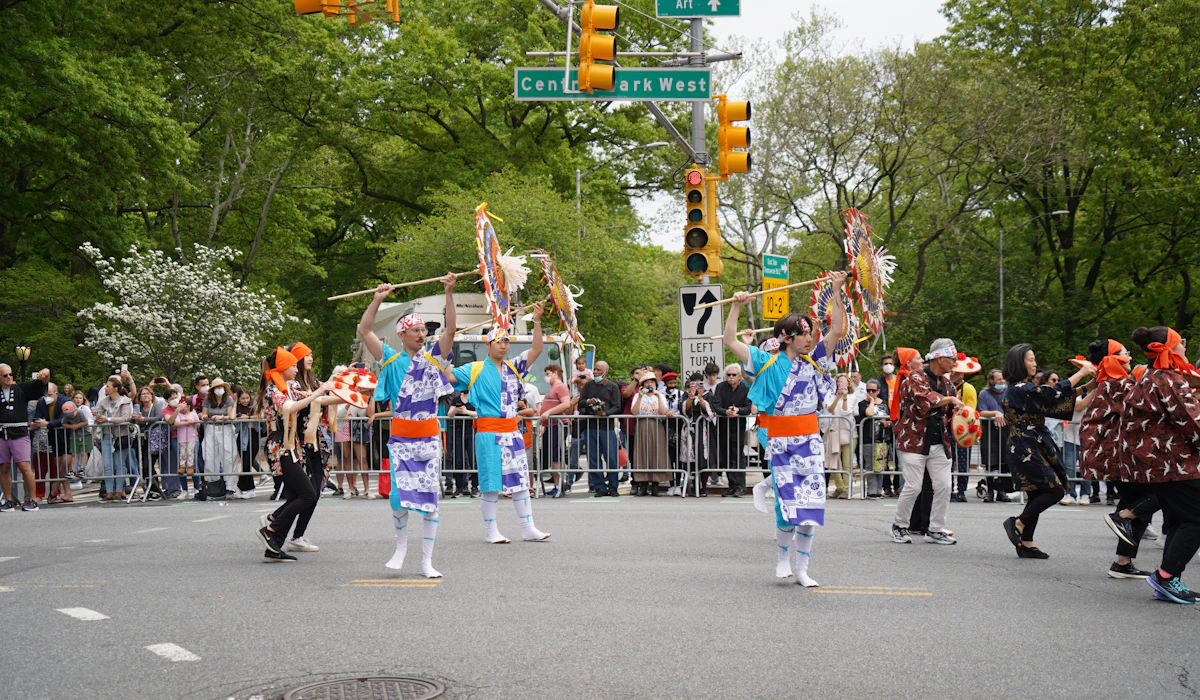
The 1969 festival that made the name famous actually happened about 60 miles away in Bethel, but Woodstock has its own long creative history. The Byrdcliffe Colony, founded in 1902, was among the earliest arts colonies in the country.
Tinker Street, the main shopping strip, mixes galleries, record stores and cafes. Fall color in the Catskills frames the village on every side.
Overlook Mountain, a short drive away, offers a hike to a fire tower with a sweeping view of the Hudson Valley. Fall weekends bring a mix of hikers, gallery visitors and longtime residents who treat the village square as a living room.
Cold Spring, New York
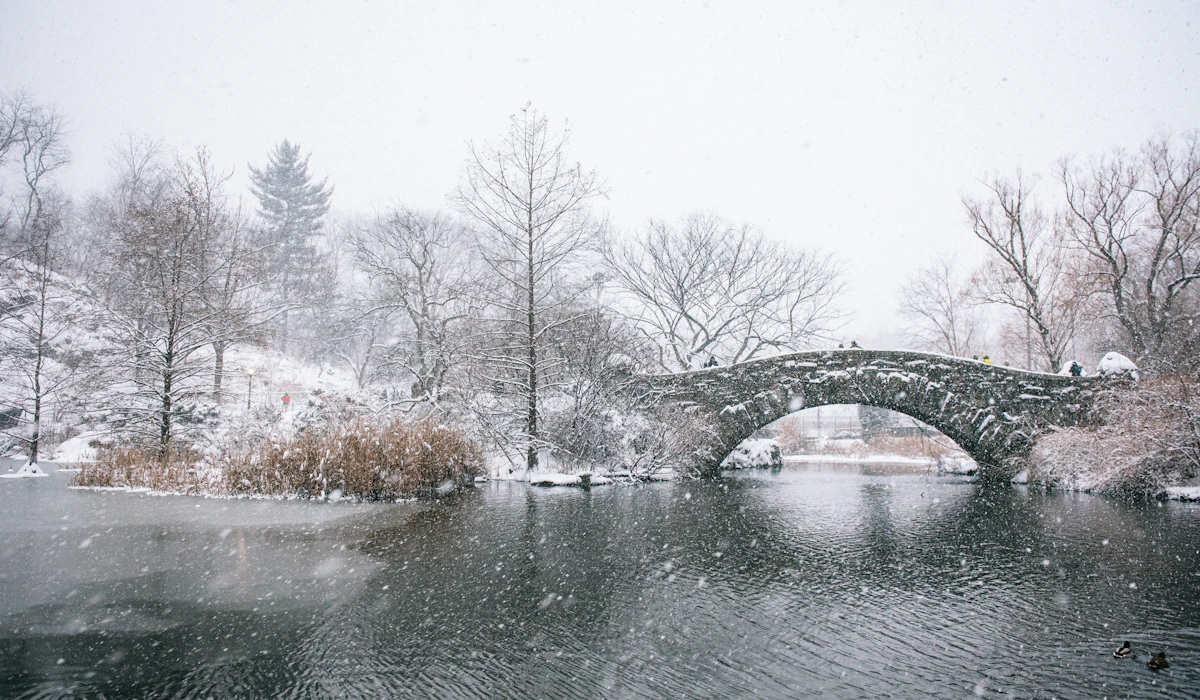
Cold Spring sits on the Hudson River across from Storm King Mountain, and its Main Street runs downhill from the train station to the water. Metro-North trains from Grand Central reach the village in about an hour and a quarter, which makes it a car-free fall escape for New Yorkers.
Antique shops, small restaurants, and ice cream counters line the street. Breakneck Ridge, a steep hiking trail just north of town, draws crowds on clear autumn weekends.
The riverfront gazebo offers one of the best free views in the Hudson Valley.
Harpers Ferry, West Virginia
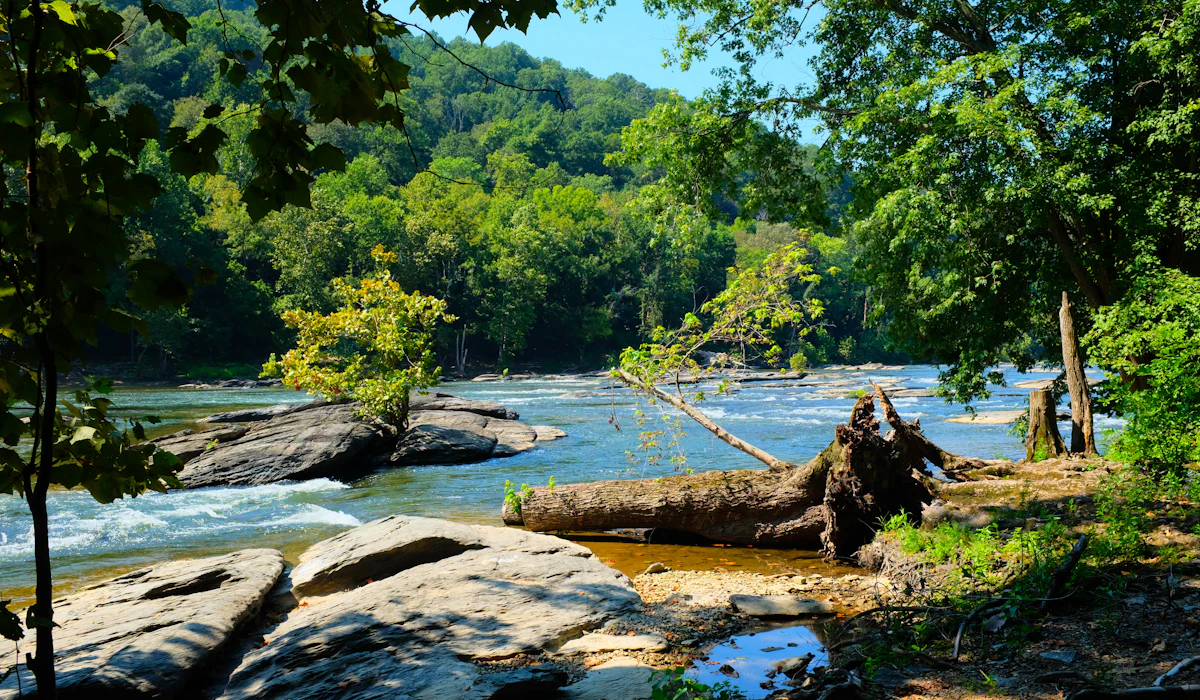
Harpers Ferry sits where the Potomac and Shenandoah Rivers meet, and its lower town is now largely part of a national historical park. John Brown’s 1859 raid on the federal armory here became one of the sparks of the Civil War.
The Appalachian Trail runs directly through town, and the Appalachian Trail Conservancy keeps a visitor center on Washington Street. Fall color on the surrounding ridges usually peaks in late October.
The overlook at Jefferson Rock gives the classic view of the rivers converging. Lower town shops sell candy, books and local crafts in restored 19th-century buildings.
Middleburg, Virginia
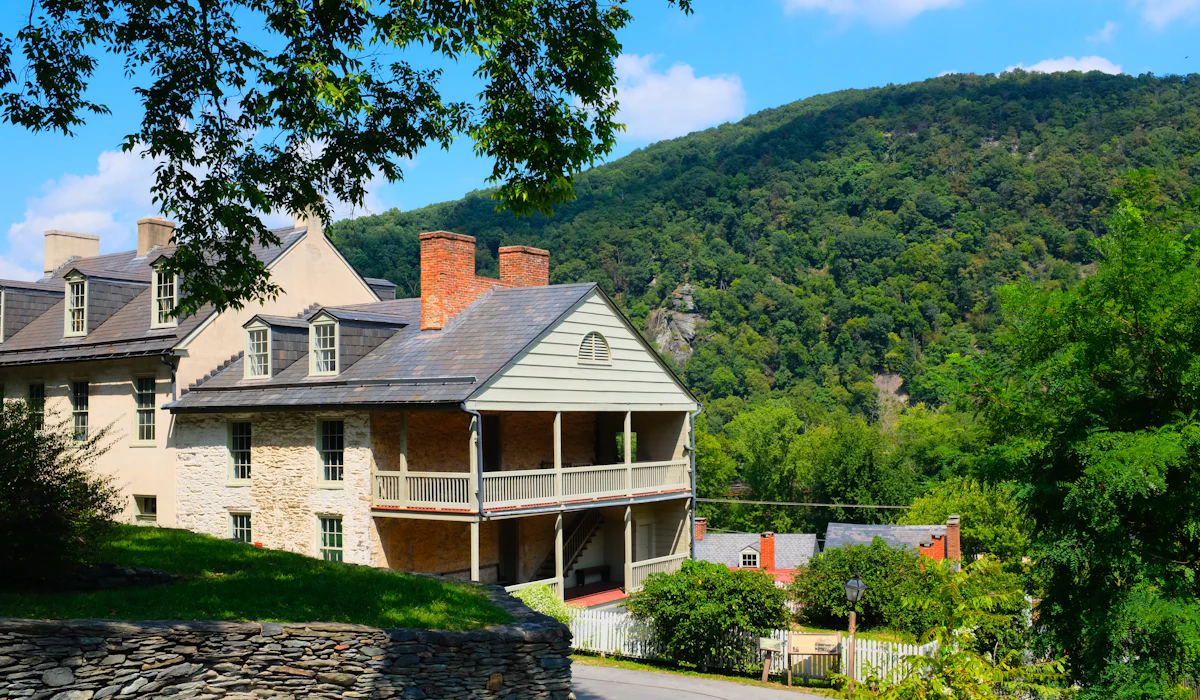
Middleburg sits in the heart of Virginia’s hunt country, where stone walls and horse farms define the landscape. The Red Fox Inn, which traces its history to the 1700s, anchors the main street.
Fall marks the start of the traditional fox-hunting season, and riders in traditional coats sometimes pass through the area. Boutiques, tack shops and wine bars fill the short downtown.
Nearby vineyards in Loudoun and Fauquier counties make the town a popular base for autumn wine weekends. The National Sporting Library and Museum, also in town, holds art and books devoted to horse and field sports.
Weekend visitors often linger longer than planned.
Blowing Rock, North Carolina
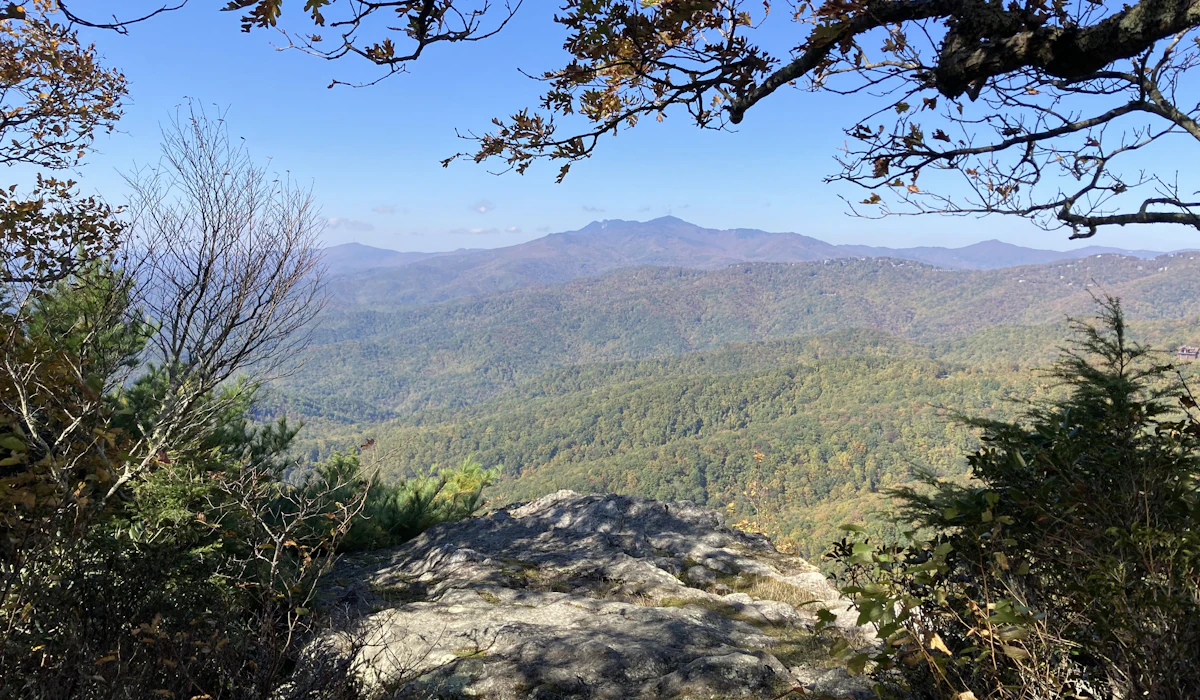
Blowing Rock takes its name from a rock outcrop where air currents rising from the Johns River Gorge can push light objects back upward. The town sits near the Blue Ridge Parkway, and Moses Cone Memorial Park, with its Flat Top Manor and carriage roads, is close by.
Main Street shops and restaurants stay busy throughout October. The town sits above 3,500 feet, so the color often arrives earlier than in lower valleys.
Visitors who stay overnight get the town’s quiet mornings before day-trippers arrive.
Helen, Georgia
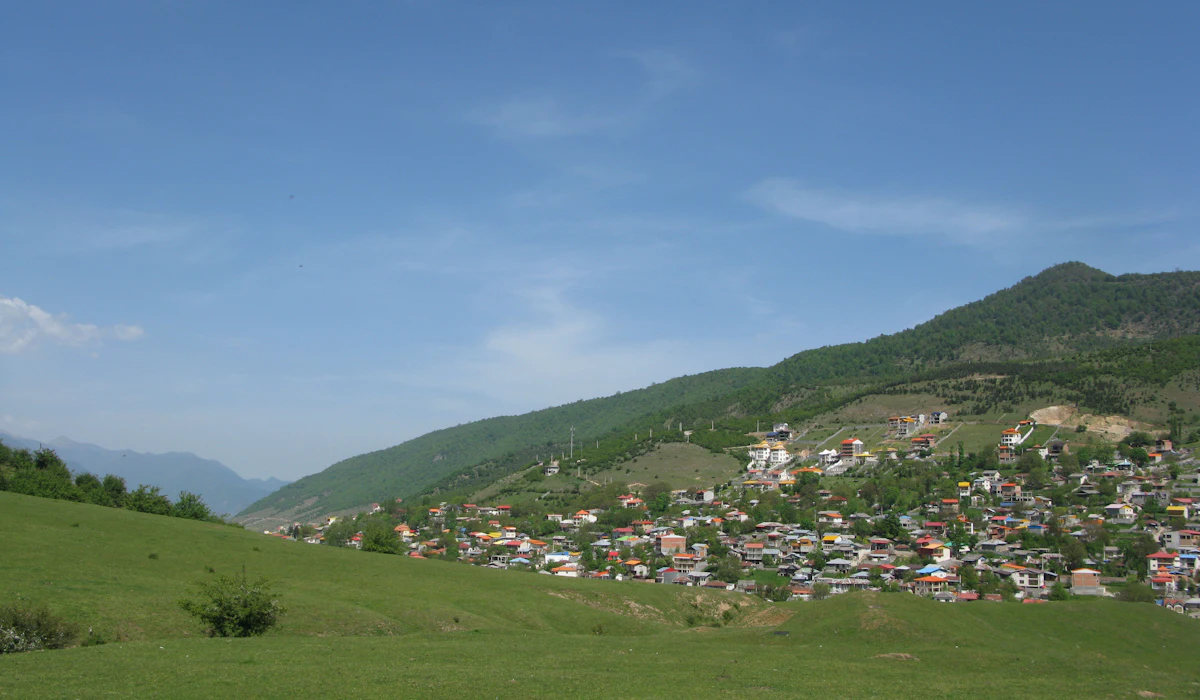
Helen remade itself in the late 1960s, transforming a fading lumber town into an Alpine village with Bavarian facades. Its Oktoberfest, first held in 1970, runs for weeks rather than days, with dates that can extend from September into November.
The Chattahoochee River runs through town, and tubing and riverside dining are popular. Fall color on the surrounding Blue Ridge Mountains adds to the effect.
Visitors either love the concept or find it baffling, and that split is part of the town’s appeal. Unicoi State Park, just north of town, offers lake views and trails for visitors who need a break from the beer halls.
Fall weekends draw huge crowds, so arriving early helps.
Jonesborough, Tennessee
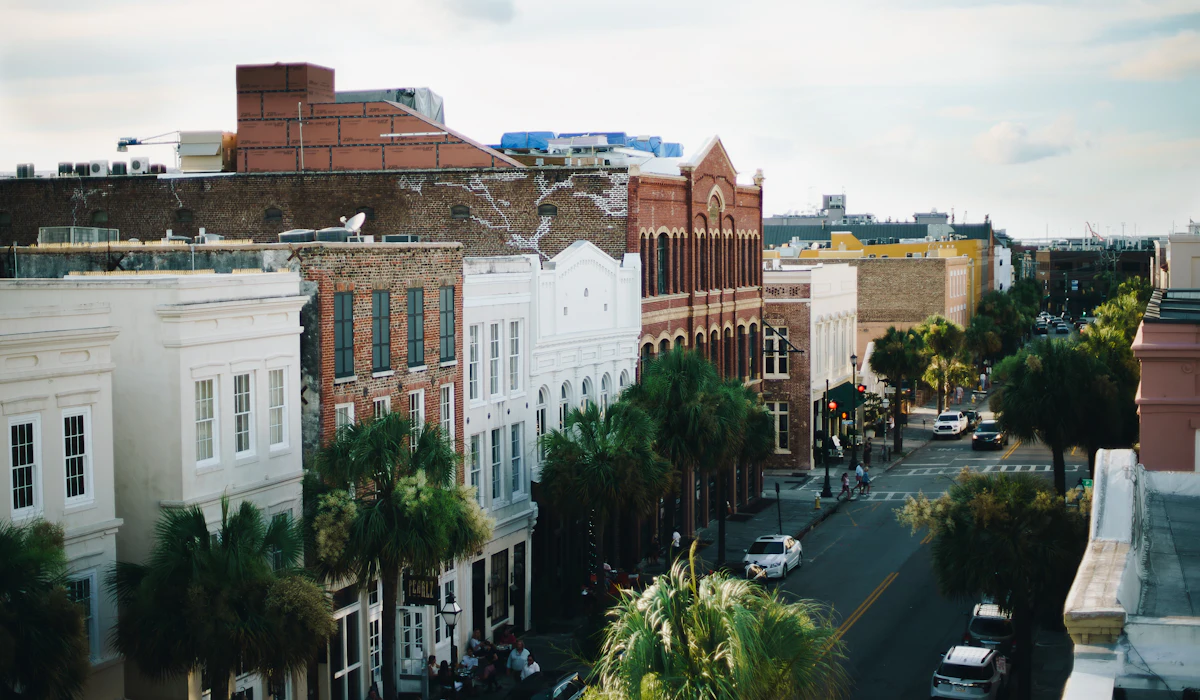
Founded in 1779, Jonesborough is the oldest town in Tennessee, and its Main Street is lined with brick buildings from the early 1800s. The National Storytelling Festival, held the first full weekend of October since 1973, fills the town with tents and audiences.
The International Storytelling Center sits right on Main Street. Fall color on the surrounding hills adds to the festival atmosphere.
Even outside festival weekend, the town keeps a slow, front-porch pace that suits the season. Festival tickets often sell out, and visitors book rooms in nearby Johnson City well in advance.
Local restaurants serve Southern classics on porches that stay full well into the evening.
Madison, Indiana
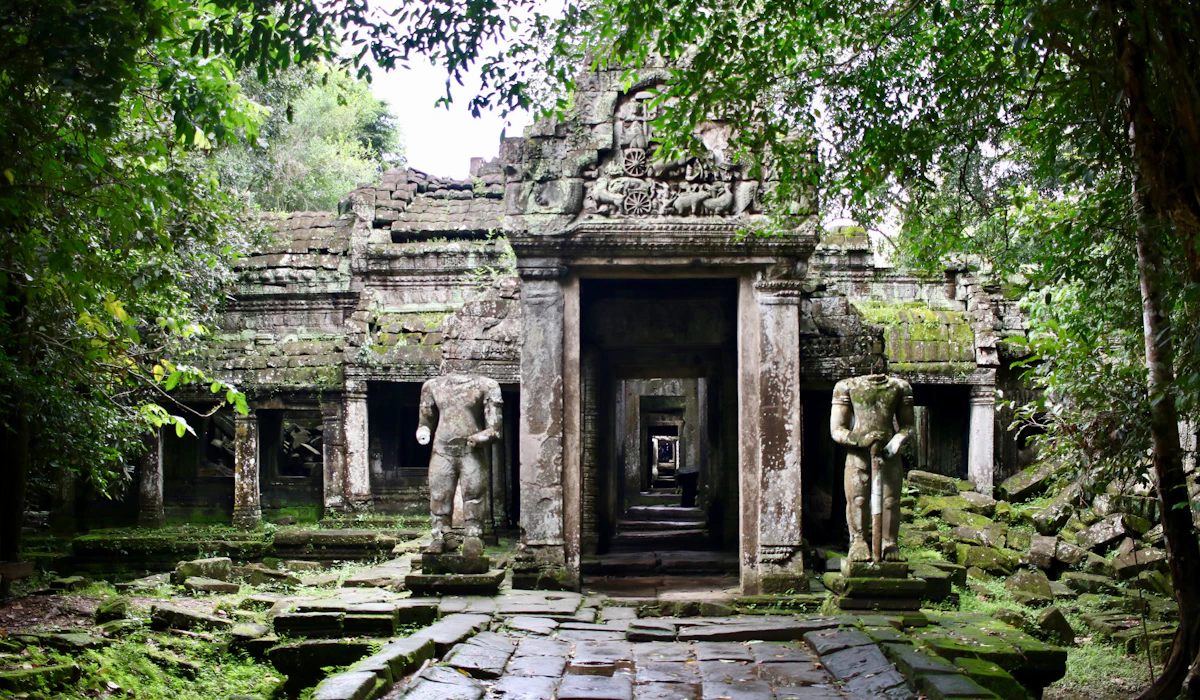
Madison sits on the Ohio River, and its historic district holds one of the largest collections of 19th-century buildings in the Midwest. The Madison Chautauqua, an art festival held in late September, kicks off the season.
Clifty Falls State Park, just west of town, offers waterfalls and canyon trails framed by fall color. Main Street shops sell antiques, local art and baked goods.
A walk along the riverfront at sunset makes a fine end to an autumn day. The Lanier Mansion, a Greek Revival house built in 1844, sits on the river and is open for tours.
Fall color across the river in Kentucky completes the view.
Nashville, Indiana
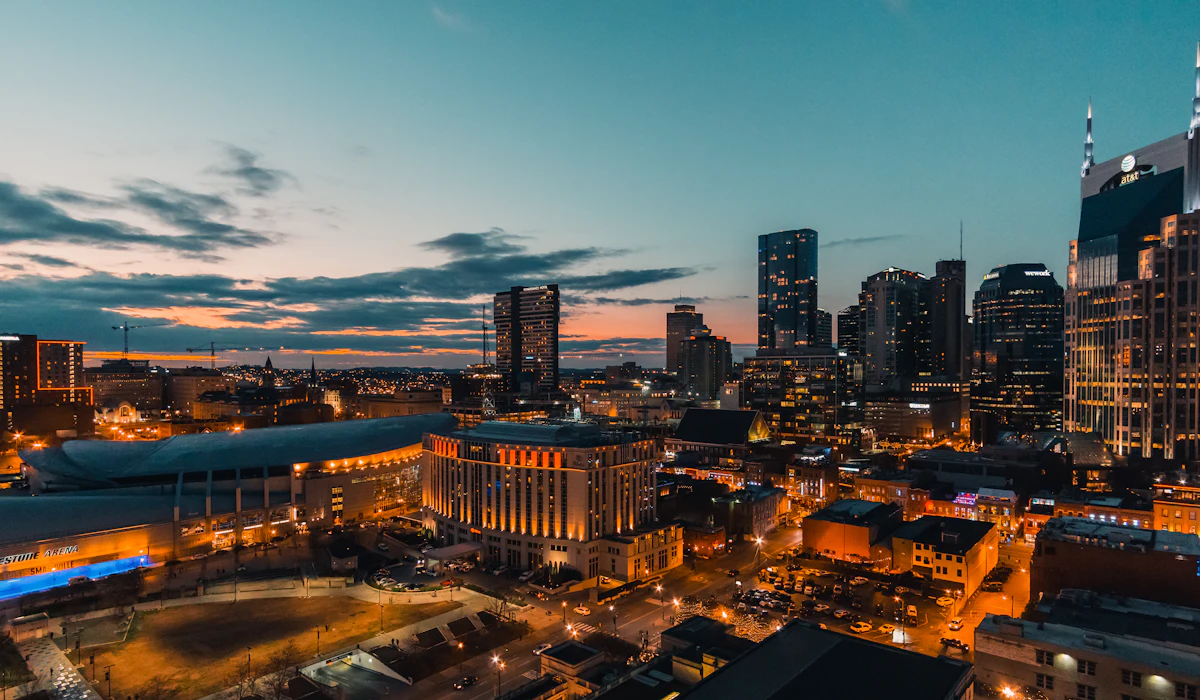
Nashville serves as the gateway to Brown County State Park, the largest state park in Indiana at roughly 16,000 acres. The town filled with artists in the early 1900s, drawn by the hills, and still holds dozens of galleries and craft shops.
October is the busiest month by far, when maples and oaks turn the hills to red and orange. The park’s scenic drives and fire tower draw steady crowds.
Traffic can back up on weekends, but the color usually makes the wait worthwhile. Local fudge shops and art studios give visitors a reason to stay in town after the park.
Hermann, Missouri
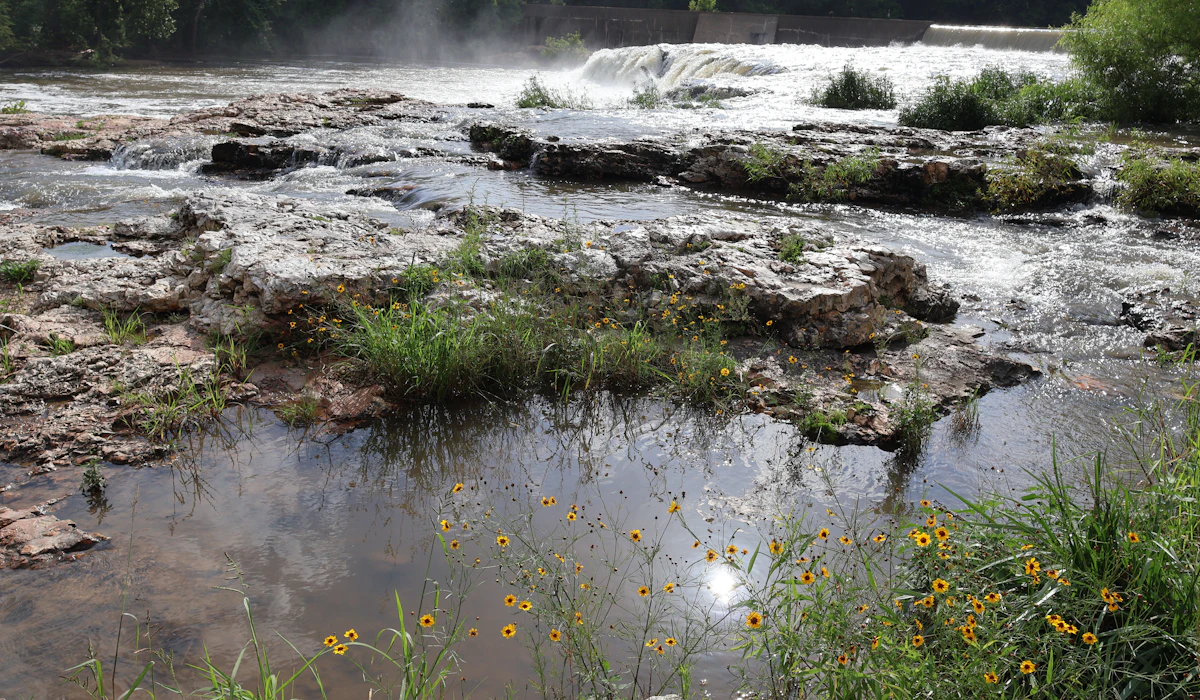
German settlers founded Hermann in 1837, and they planted vineyards on the hills above the Missouri River. The town hosts Oktoberfest celebrations on October weekends, with wineries, polka bands and German food.
Stone Hill Winery, founded in 1847, once ranked among the largest wineries in the country. The Amtrak Missouri River Runner stops in town, making it accessible without a car.
Fall color along the river bluffs adds to the harvest atmosphere. Brick rowhouses and steep vineyard hills give the town a distinctly European look.
The Katy Trail, a converted rail line, crosses the river nearby, and cyclists ride between wineries. Fall weekends book up early, especially during Oktoberfest.
Fredericksburg, Texas
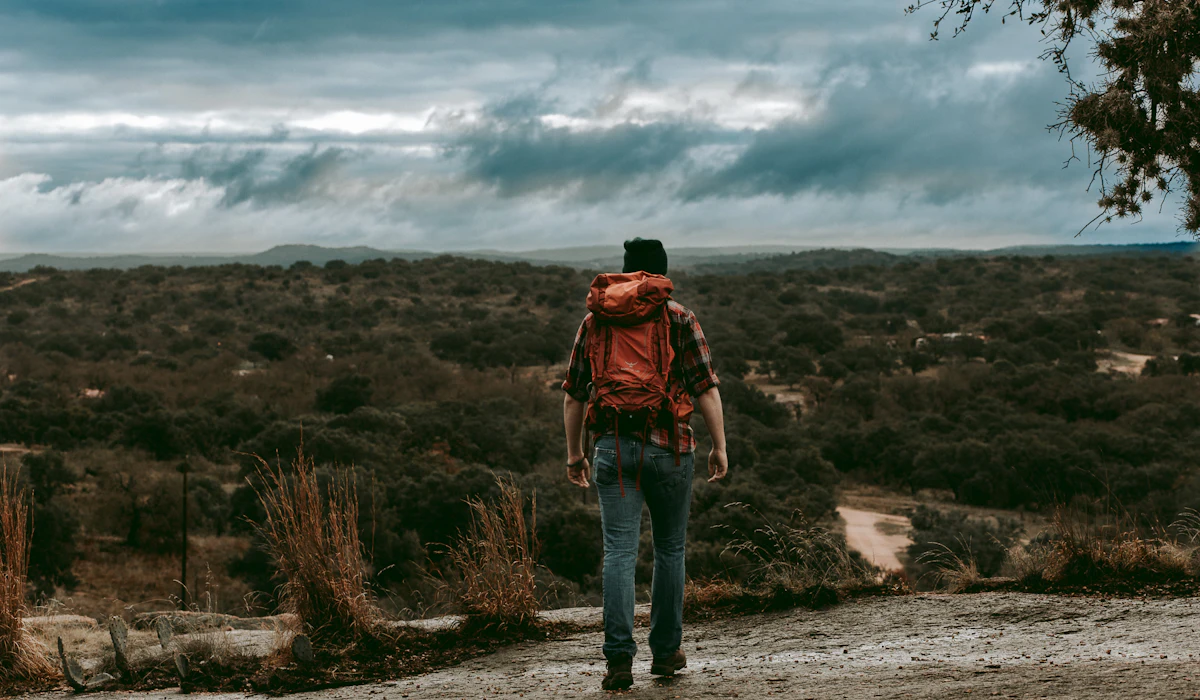
Fredericksburg was founded by German immigrants in 1846, and its Main Street still features limestone buildings and German bakeries. Admiral Chester Nimitz grew up here, and the National Museum of the Pacific War occupies several downtown buildings.
Fall brings harvest season to Texas Hill Country wineries, and the town hosts an Oktoberfest each October. Peach season is over, but pecan pies and fruit stands remain.
The cooler weather makes it easier to explore the town’s many tasting rooms on foot. Old Sunday houses, small homes built by farm families for weekend visits to town, still stand around the historic district.
Ouray, Colorado
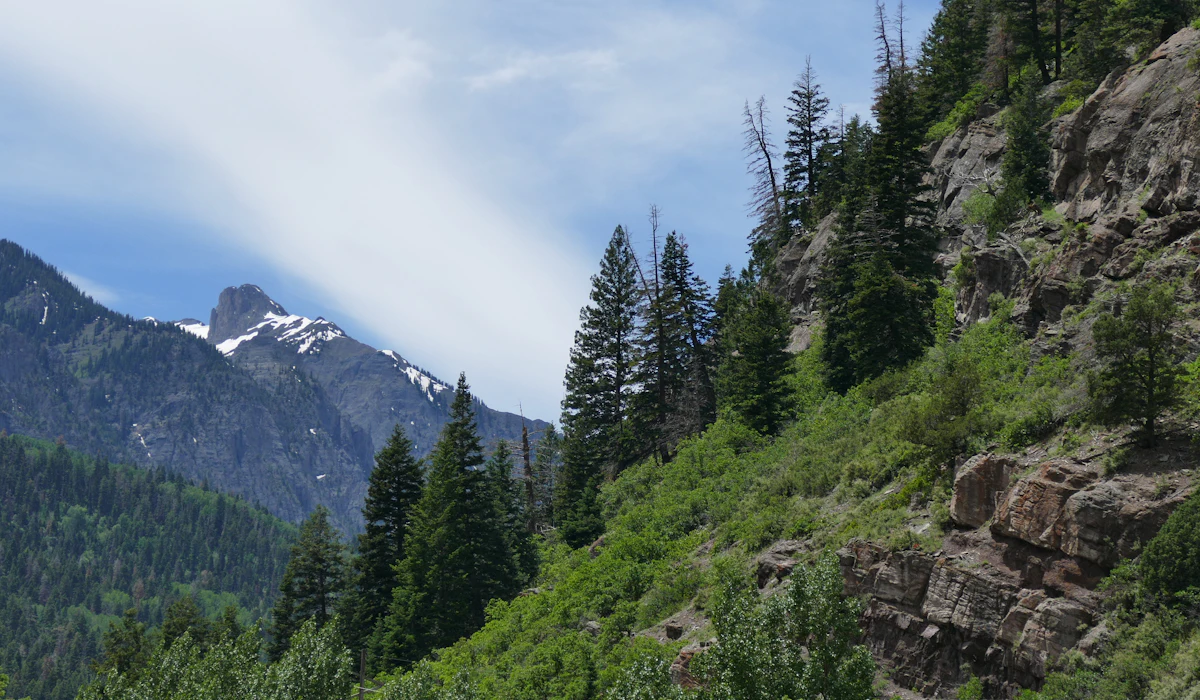
Ouray sits in a box canyon in the San Juan Mountains, earning it the nickname Switzerland of America. Aspens on the surrounding slopes typically turn gold in late September and early October.
The town’s hot springs pool offers soaking with mountain views. The Million Dollar Highway, a dramatic stretch of US 550, runs south from town.
Main Street’s Victorian buildings stand against a backdrop of peaks that look almost too close to be real. The Box Canyon Falls, just outside town, drops through a narrow slot in the rock.
Fall brings far fewer crowds than summer, and the town grows quieter as the aspens peak. Lodging can be less expensive outside the busiest summer periods.
Hood River, Oregon
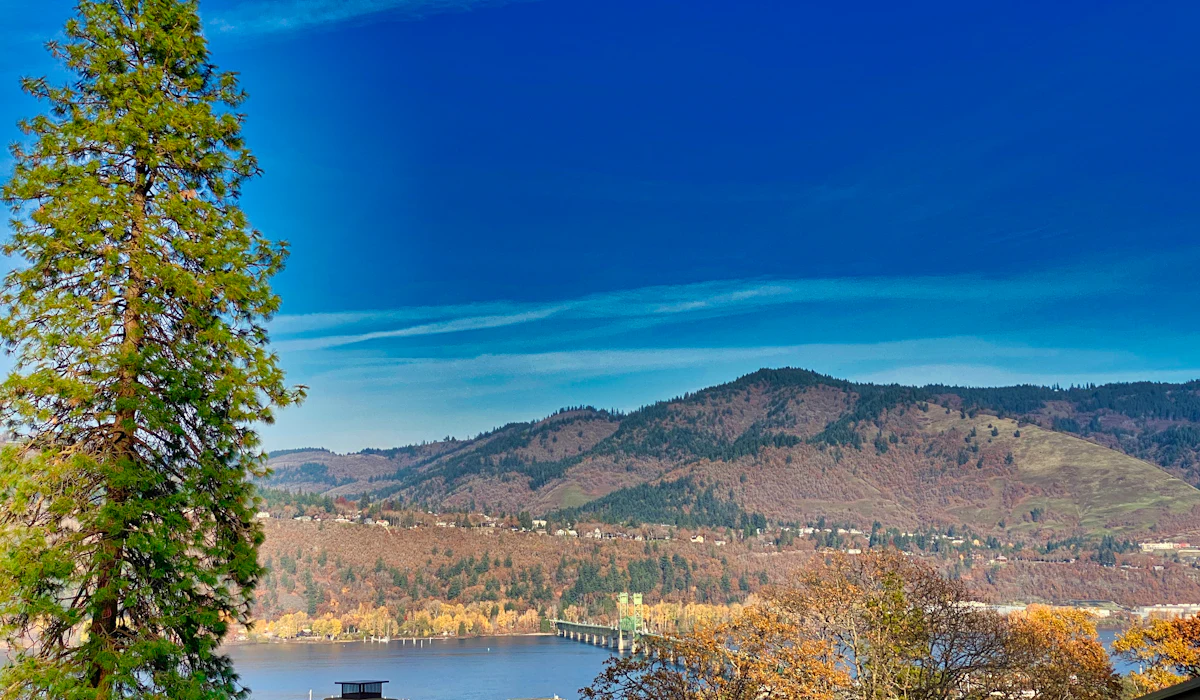
Hood River sits in the Columbia River Gorge, and its orchards make fall the busiest season. The Hood River County Fruit Loop, a scenic route of about 35 miles, links farm stands, cideries and wineries.
The town’s Harvest Fest, held in October, celebrates the apple and pear harvest. Downtown shops and breweries line the streets above the river.
On clear days, Mount Hood towers over orchards heavy with fruit. The town is also famous as a windsurfing and kiteboarding center, thanks to strong winds funneling through the gorge.
Fall weekends draw families from Portland, about an hour west. Farm stands sell fresh cider, pies and baskets of pears by the box.
Julian, California
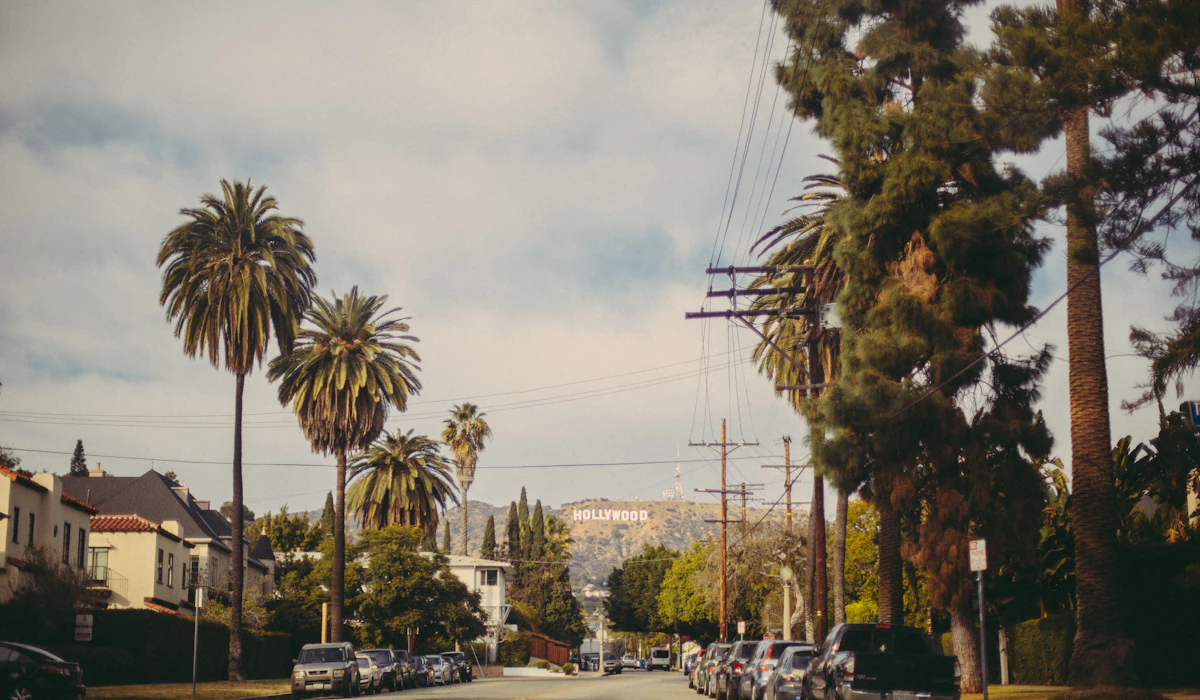
Julian began as a gold rush town in 1869, and apples eventually became its main source of fame. Bakeries line Main Street, selling apple pies to visitors who drive up from San Diego.
Fall brings apple picking in nearby orchards and a steady stream of day-trippers. The town sits at about 4,200 feet in the Cuyamaca Mountains, so autumn air feels crisp.
Oaks and planted maples give the hills a touch of color rare in Southern California. Weekend traffic on the mountain roads can back up, so many visitors arrive early.
The Julian Pioneer Museum tells the story of the town’s mining roots.
Nevada City, California
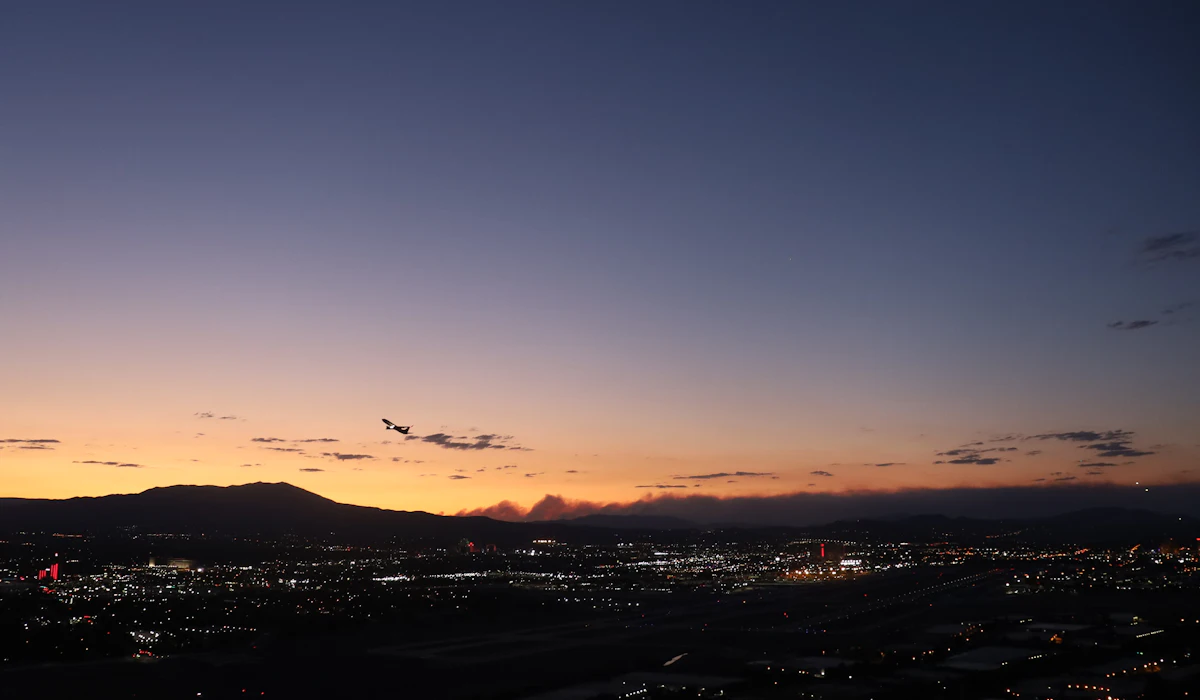
Nevada City grew rich during the California Gold Rush, and its Victorian downtown still reflects that era. The National Hotel, opened in the 1850s, is one of the state’s oldest continuously operating hotels.
Settlers planted maples and other trees that now turn bright in fall, giving the town a New England feel. Gas lamps line Broad Street.
Fall weekends bring visitors who come for the color, wine and Gold Rush history. The town also hosts a Victorian Christmas celebration later in the year, but fall offers a quieter version of the same charm.
Local wineries in the Sierra foothills pour tastings close by. Many visitors combine a stop with Grass Valley, a neighboring Gold Rush town.
Sister Bay, Wisconsin
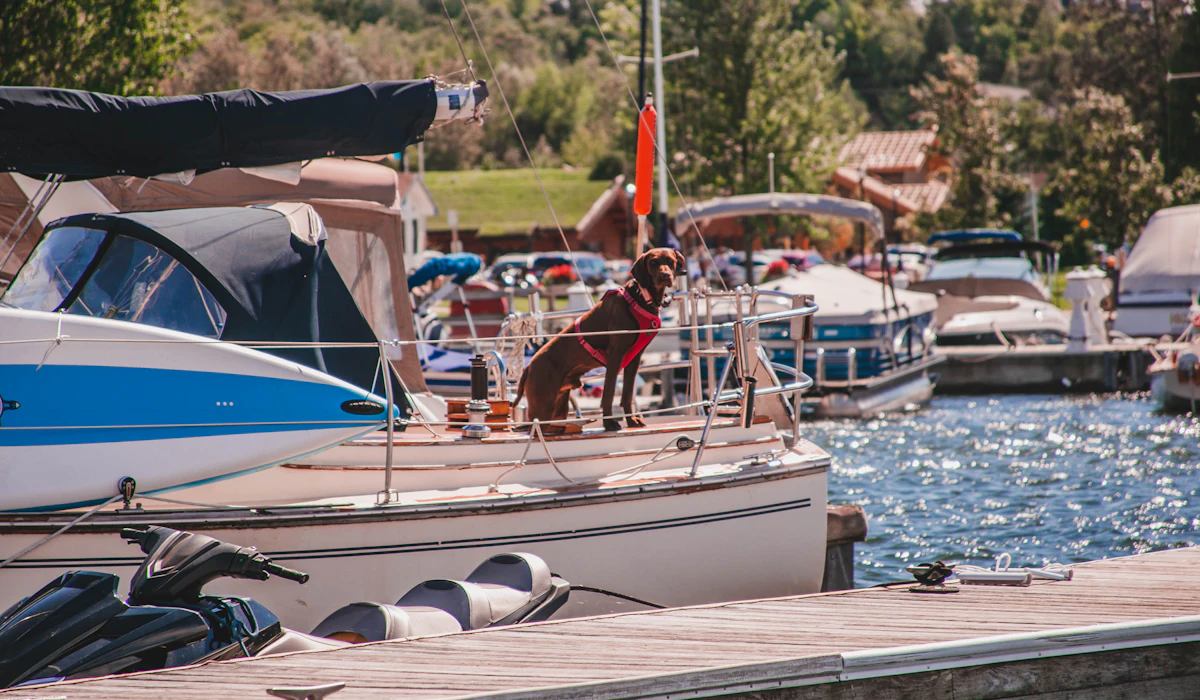
Sister Bay sits on the Door County peninsula, where cherry orchards and fall color line the shores of Green Bay. Al Johnson’s Swedish Restaurant is famous for the goats that graze on its sod roof.
The town’s Fall Fest, held in October, brings a parade, food booths and other outdoor events over the water. Door County’s backroads lead past orchards, wineries and lighthouses.
Sunsets over the bay turn the entire waterfront orange. Peninsula State Park, just south of town, offers bike trails and a lighthouse.
Fall colors in Door County often peak in mid-October, and fish boils are a local tradition.
Maples on the Sidewalk
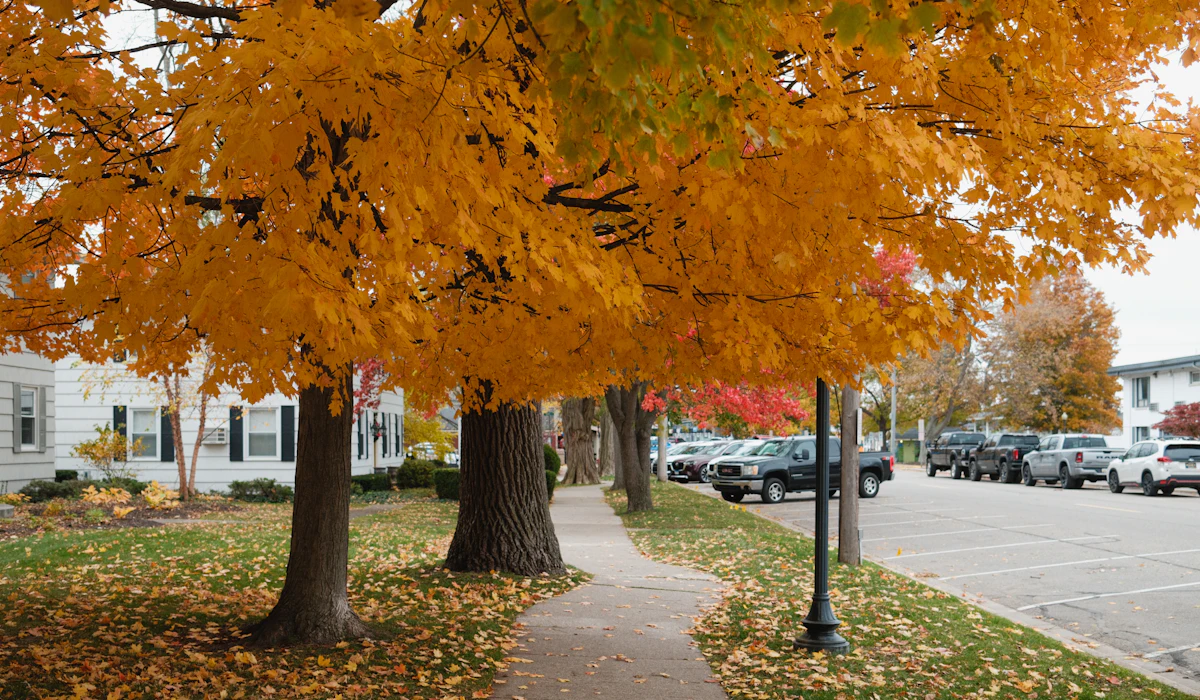
Fall takes over a main street when locals stop pretending it is just another season. Pumpkins appear on steps, chalkboards switch to cider and festivals stretch a weekend into a month.
The towns that do it best never seem to be trying too hard.
Part of the appeal is that these places look much the same as they did decades ago. A street lined with old storefronts and changing trees feels permanent in a way that few modern places do.
That steadiness is what visitors come back for each October.
More from Travel Pug

- Underrated Italian Towns That Beat the Tourist Crowds
- Las Vegas Tourist Traps to Skip
- Prettiest Towns in Every US State
- 18 passport-free countries for Americans
- Signs Your Cruise Is Not Worth The Cost
Like Travel Pug’s content? Follow us on MSN.