

The earth beneath your feet holds secrets that daylight has never touched. While most people walk above, entire civilizations once thrived in carved stone chambers, and natural caverns stretch for miles through solid rock.
These aren’t just tourist attractions with gift shops and guided tours — though many have those too. They’re windows into how humans have always found ways to adapt, survive, and create beauty in the most unlikely places.
Derinkuyu Underground City
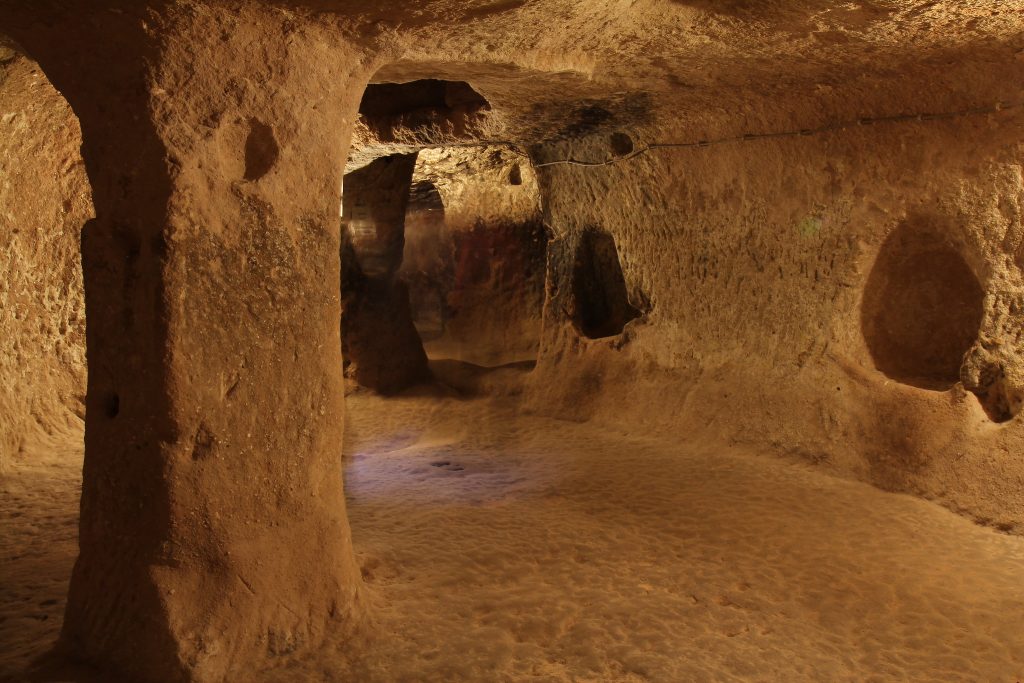
Derinkuyu goes down eight levels. That’s 280 feet straight into the earth, carved by hand from volcanic rock.
The city held 20,000 people during Byzantine times, complete with stables, chapels, and wine cellars. Rolling stone doors weighing 1,000 pounds sealed off entire sections.
When enemies approached, residents simply disappeared underground. The tunnels are narrow enough that invaders had to crawl single file — making defense brutally simple.
Mammoth Cave
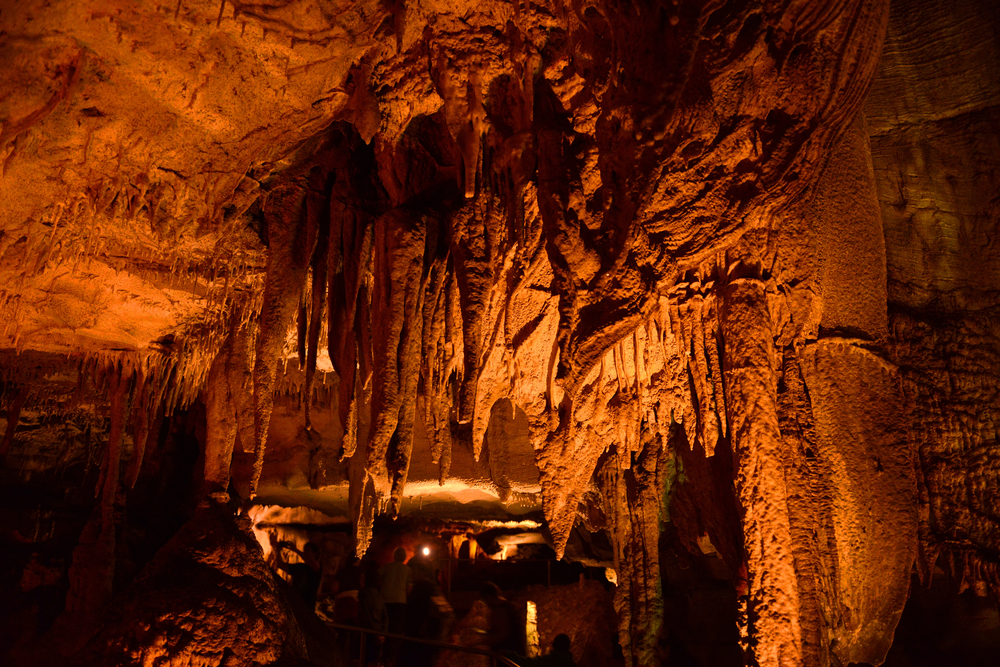
Kentucky’s Mammoth Cave system stretches over 400 miles, and they’re still finding new passages. The cave has been a tourist destination since 1816, back when visitors descended by rope and explored by torchlight.
Now you can take everything from easy walking tours to wild cave expeditions that require crawling through spaces barely wider than your shoulders. The cave stays 54 degrees year-round.
Summer or winter, bring a jacket.
Carlsbad Caverns
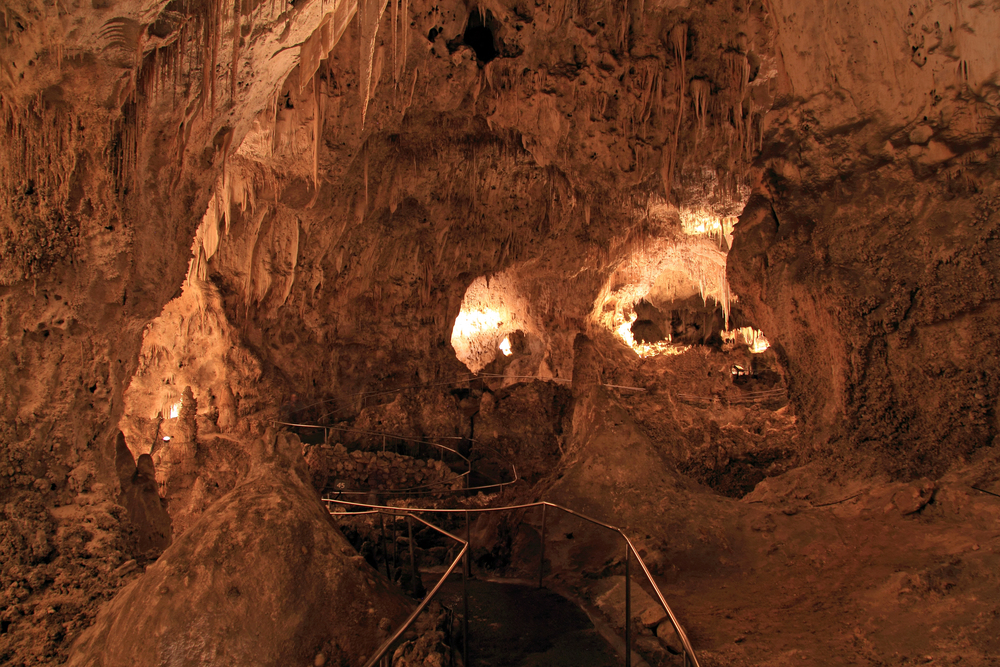
The Big Room at Carlsbad Caverns could hold 14 football fields. Standing at the entrance, you can’t see the far end — it just disappears into darkness beyond your flashlight beam.
The formations here took millions of years to create, one drop of mineral-rich water at a time. Every evening from May through October, hundreds of thousands of bats spiral out of the cave entrance in a living tornado.
The flight program runs at sunset, and it’s worth timing your visit around.
Wieliczka Salt Mine
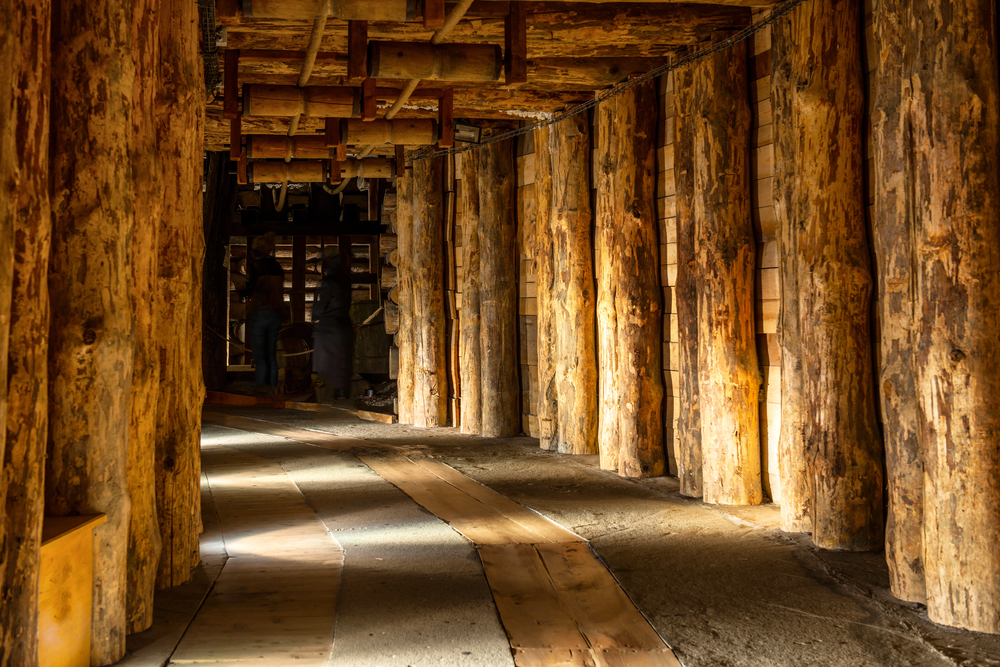
Poland’s Wieliczka Salt Mine reads like something from a fairy tale — and maybe that’s the point, because the miners who carved these chambers (over seven centuries of backbreaking work that started in the 13th century and didn’t stop until 1996) weren’t content to simply extract salt and leave behind functional tunnels. They carved chapels with altars made entirely of salt, ballrooms where chandeliers carved from rock salt hang above floors polished smooth as glass, and underground lakes that reflect carved salt sculptures so perfectly you can’t tell where reality ends and reflection begins.
The Chapel of St. Kinga sits 300 feet underground, and every surface — the walls, the floor, the religious figures standing in alcoves — was carved from the same salt deposit. Miners spent their few off-hours creating art that would outlast them by centuries, and tourists today walk through what amounts to an underground cathedral that happens to be edible (though the guides ask that you don’t lick the walls, which is probably sound advice for several reasons).
And yet the most startling thing isn’t the craftsmanship or the scale. It’s realizing that every grain of salt that went into those elaborate carvings had to be chipped away by hand, one swing of a pickaxe at a time, in chambers lit only by candles and oil lamps.
Ruby Falls
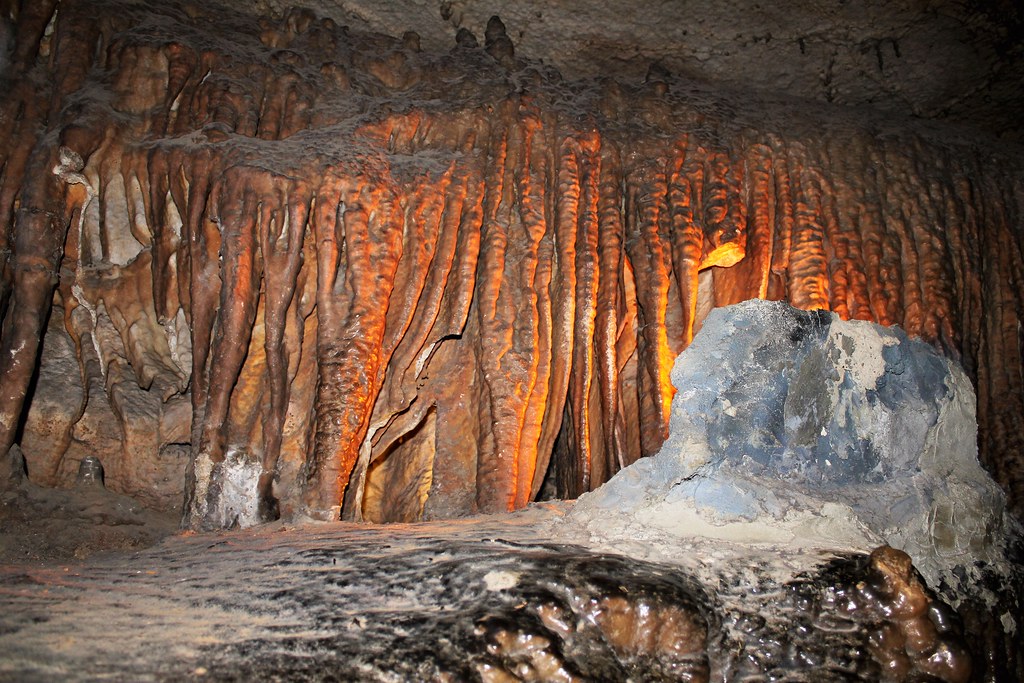
Ruby Falls sits 1,120 feet underground, inside Lookout Mountain in Tennessee. The waterfall drops 145 feet in a single cascade, and when they light it with colored spotlights during the tour, it looks like something from a theme park.
But the falls are entirely natural, fed by rainwater and underground streams that have been flowing through this cavern for millennia. Leo Lambert discovered the falls in 1928 and named them after his wife Ruby.
The elevator ride down takes about a minute, dropping you into chambers that stayed hidden until the 20th century.
Cappadocia Underground Cities
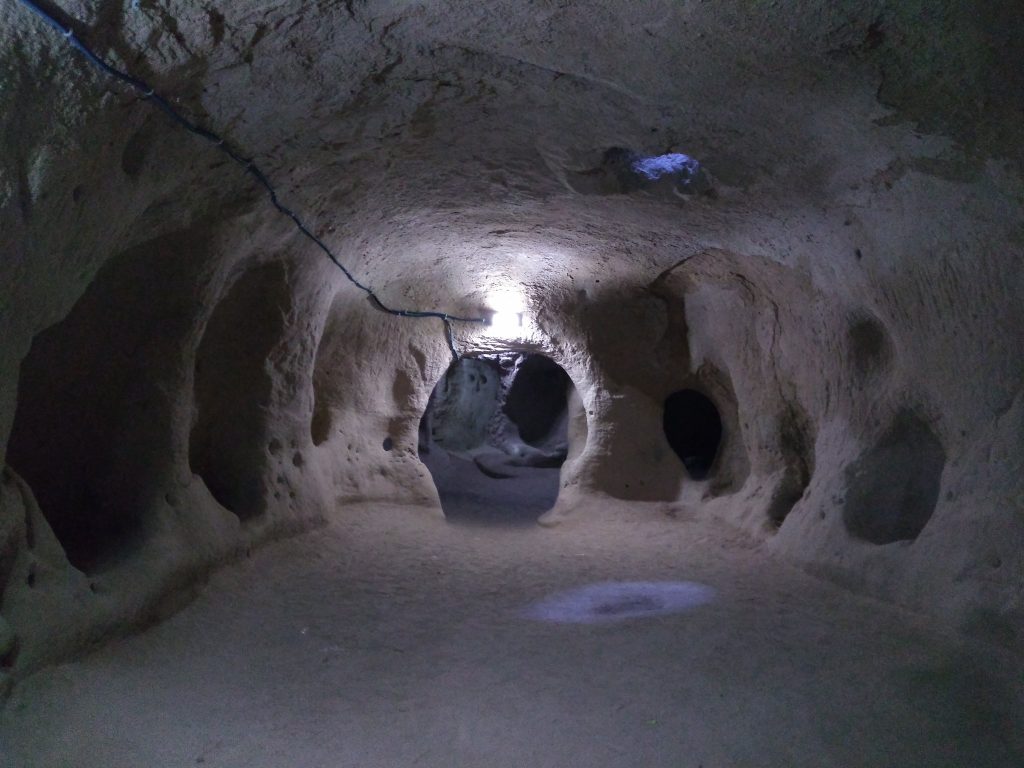
Cappadocia’s underground cities represent human stubbornness at its finest. When Arab raids made surface living dangerous in the 7th century, residents didn’t flee — they simply moved downstairs.
The soft volcanic rock carved easily, so entire communities relocated underground and kept living exactly as they had before, just 200 feet lower. Kaymaklı and Derinkuyu are the most famous, but archaeologists have found over 200 underground cities in the region.
Some connected to each other through tunnels that ran for miles between towns.
Luray Caverns
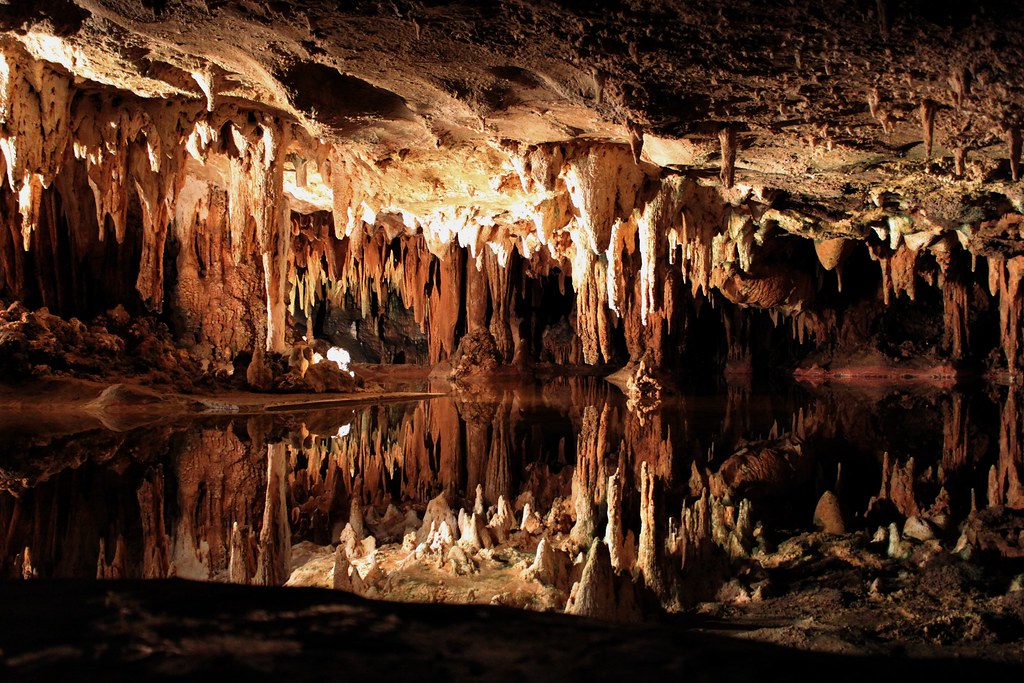
The formations at Luray Caverns grow so slowly that stalactites you see today were already ancient when the first humans arrived in Virginia. But the cave’s most famous feature isn’t geological — it’s the Great Stalacpipe Organ, which uses the cave’s natural formations as keys (rubber mallets tap specific stalactites and stalagmites when you press the organ keys, and each formation produces a different musical note depending on its size and mineral composition).
The organ took about three years to complete, and concerts still happen regularly, filling the cavern with music that resonates through chambers that have been silent for millions of years. Cave formations are fragile enough that a single touch can stop their growth permanently, which makes the organ something of an engineering marvel.
But also something of a tragedy, because those carefully selected formations will never grow another inch. The cave stays 64 degrees year-round.
In summer, that feels like air conditioning. In winter, it feels like a warm refuge.
Petra’s Treasury and Tombs
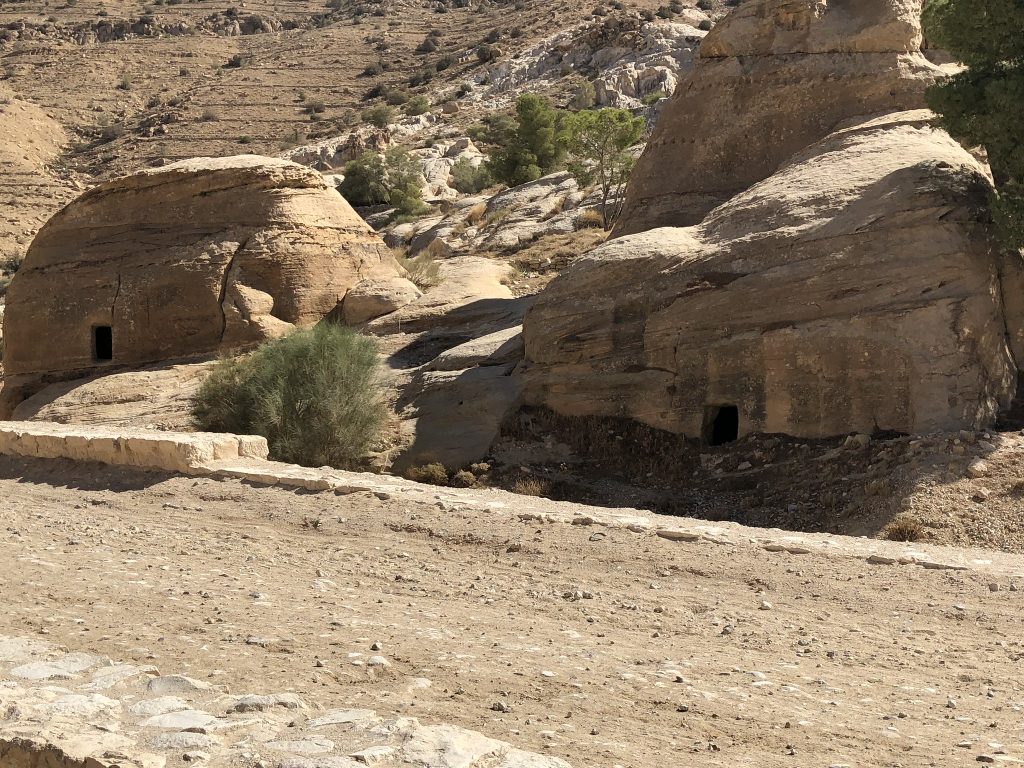
Petra’s carved facades get the photographs, but the real city exists in the hundreds of chambers carved directly into the cliff faces. The Nabataeans didn’t just carve doorways — they carved entire buildings into solid rock, complete with multiple rooms, storage areas, and elaborate drainage systems that still function today.
The Treasury is the most famous structure, but it’s just the entrance. Behind that carved facade lie chambers that served as tombs for Nabataean royalty 2,000 years ago.
Coober Pedy
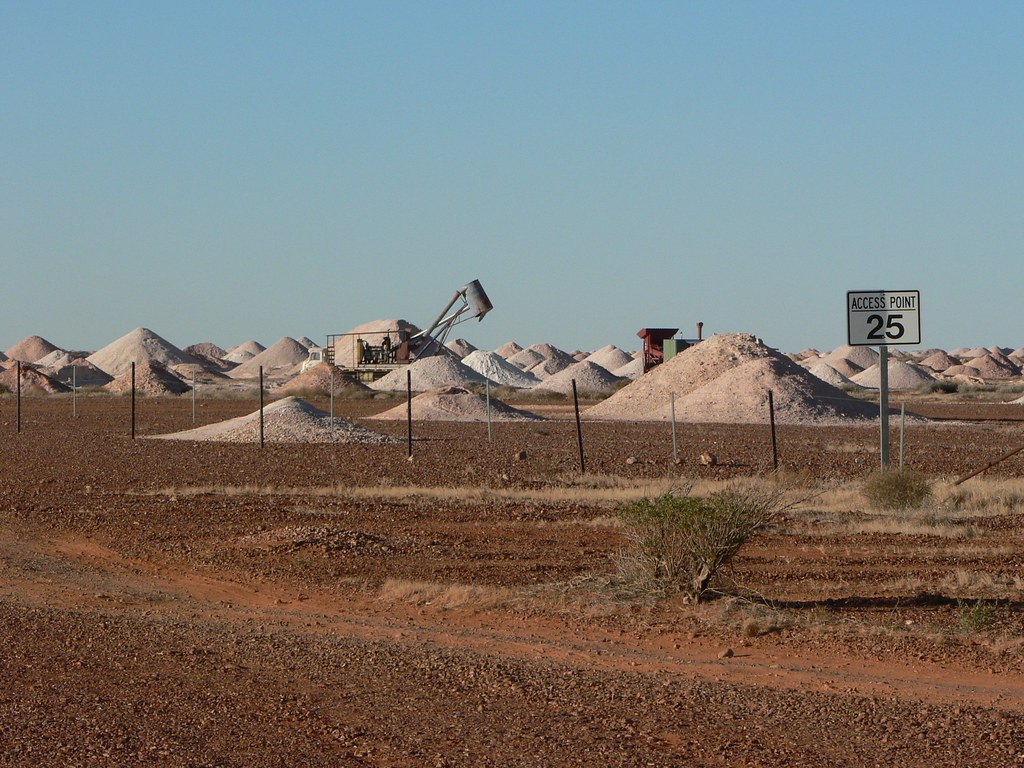
Half of Coober Pedy’s population lives underground, and for good reason. Summer temperatures hit 120 degrees above ground, while underground homes stay a comfortable 75 degrees without air conditioning.
The opal mining town carved homes, churches, and hotels directly into the hillsides. The underground homes aren’t temporary shelters — they’re permanent residences with electricity, plumbing, and all the amenities of surface homes.
Some have been continuously occupied for decades.
Howe Caverns
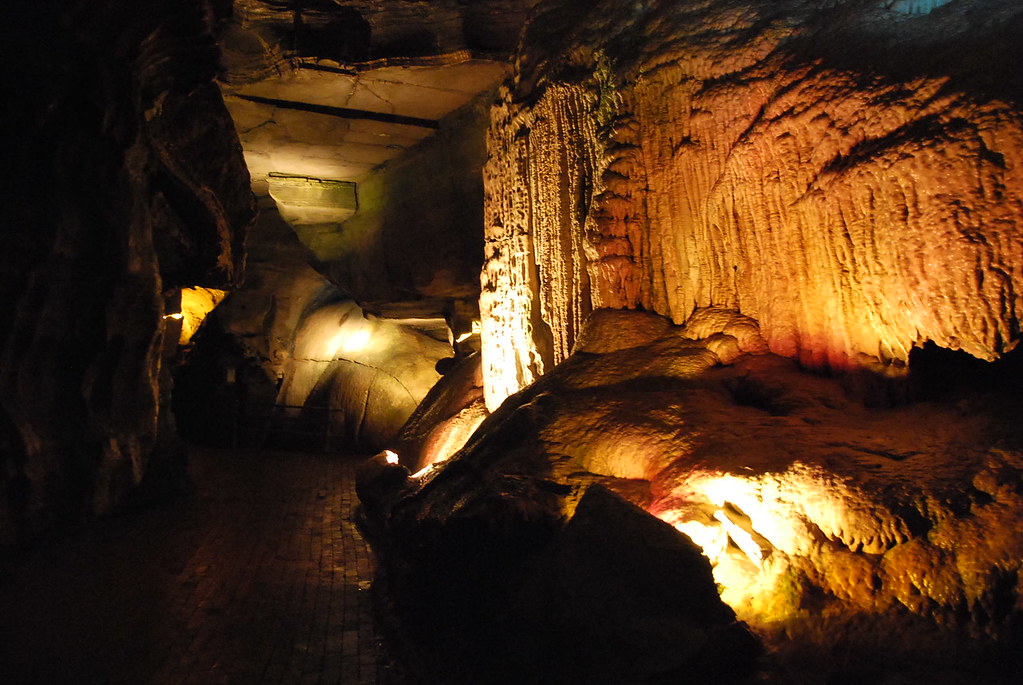
New York’s Howe Caverns offers boat rides through underground rivers and chambers large enough to hold wedding receptions (which they do, regularly). The cave was discovered in 1842 by Lester Howe, who noticed his cows gathered around a particular spot during hot weather, apparently enjoying the cool air flowing from cracks in the ground.
The cave system extends far beyond the tourist areas. Experienced cavers can explore unmapped passages, but the standard tour sticks to chambers with walkways and lighting.
Kaymakli Underground City
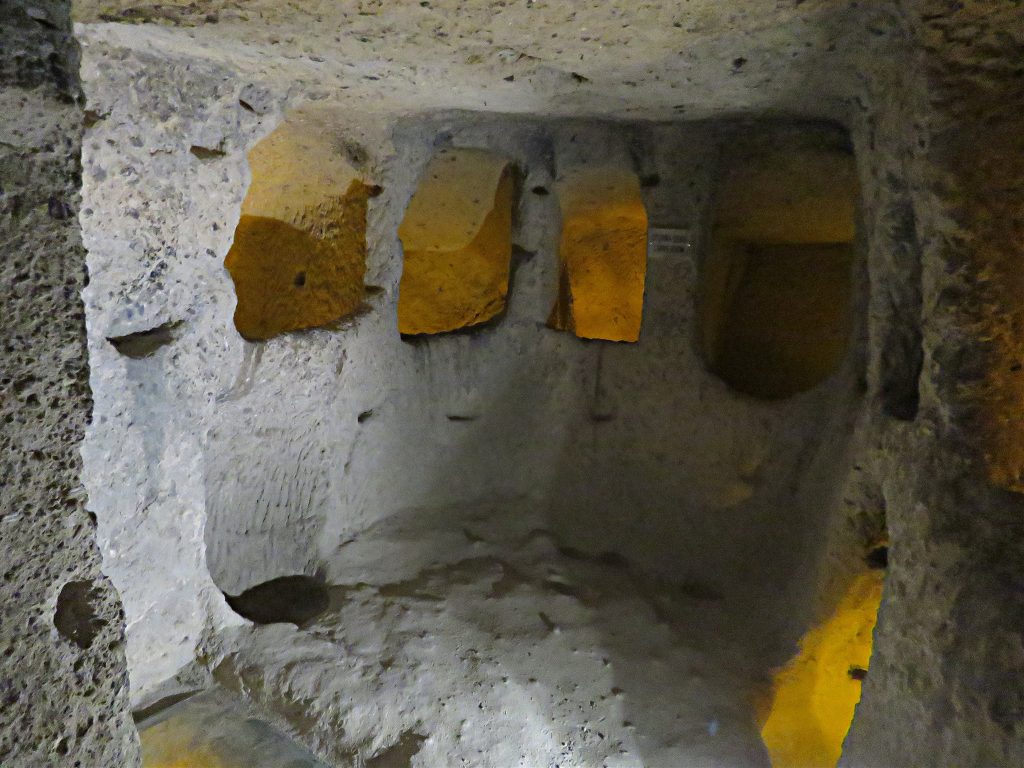
Kaymakli feels like walking through a giant anthill designed for humans — which isn’t far from the truth, since the eight underground levels housed entire families who lived, worked, and raised children in chambers connected by tunnels so narrow that moving between floors requires crawling on hands and knees (and if you’re claustrophobic, this probably isn’t the destination for you). The city had everything a surface town would need: kitchens with ventilation systems that carried smoke up through hidden chimneys, storage rooms for food and wine, stables for livestock, and chapels for worship.
What makes it remarkable isn’t just the engineering, but the fact that life underground wasn’t considered a hardship or a temporary measure — it was simply a different way of living, with its own rhythms and routines. Families spent generations down here, and children grew up thinking underground life was perfectly normal.
And maybe they were right, because the city worked exactly as intended: when danger passed, residents could choose to return to the surface, but many didn’t. The ventilation system reaches down to the eighth level, 200 feet underground.
Fresh air flows through the entire city, even today.
Jenolan Caves
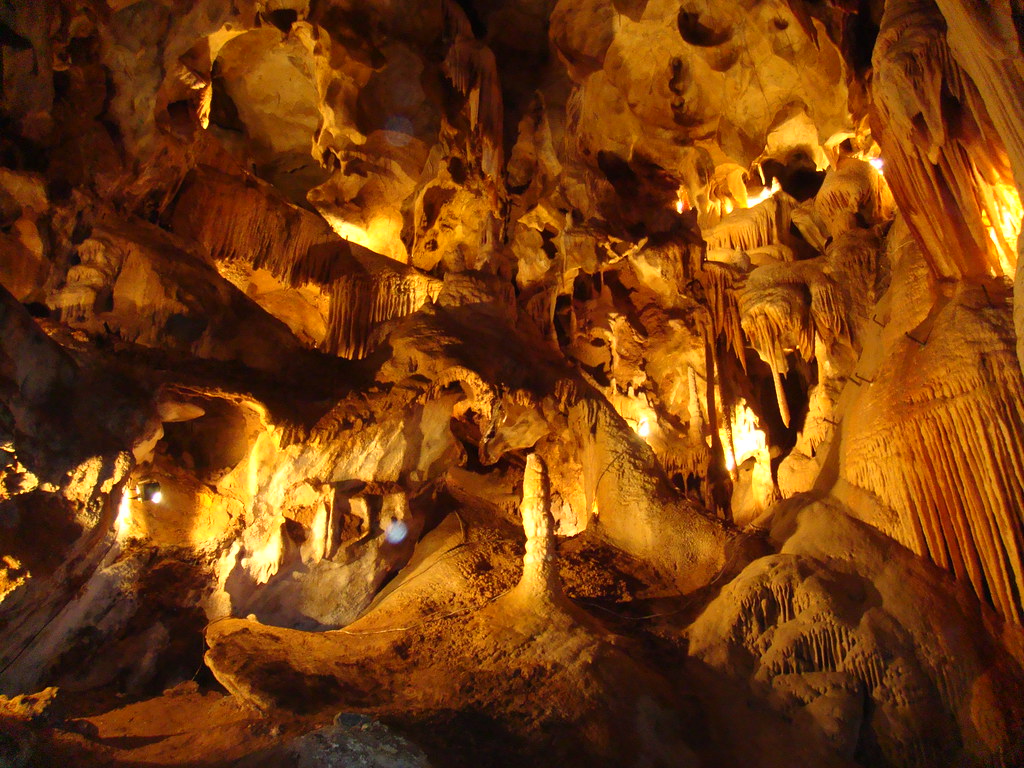
Australia’s Jenolan Caves claim to be the oldest discovered cave system in the world, and the formations here support that boast. The limestone chambers contain flowstone formations, underground rivers, and crystal pools that have been growing for over 340 million years.
The Grand Arch serves as a natural entrance to the cave system, large enough for the road to pass directly through it. Nine caves are open for tours, ranging from easy walks to adventure caving that requires helmets and headlamps.
Postojna Cave
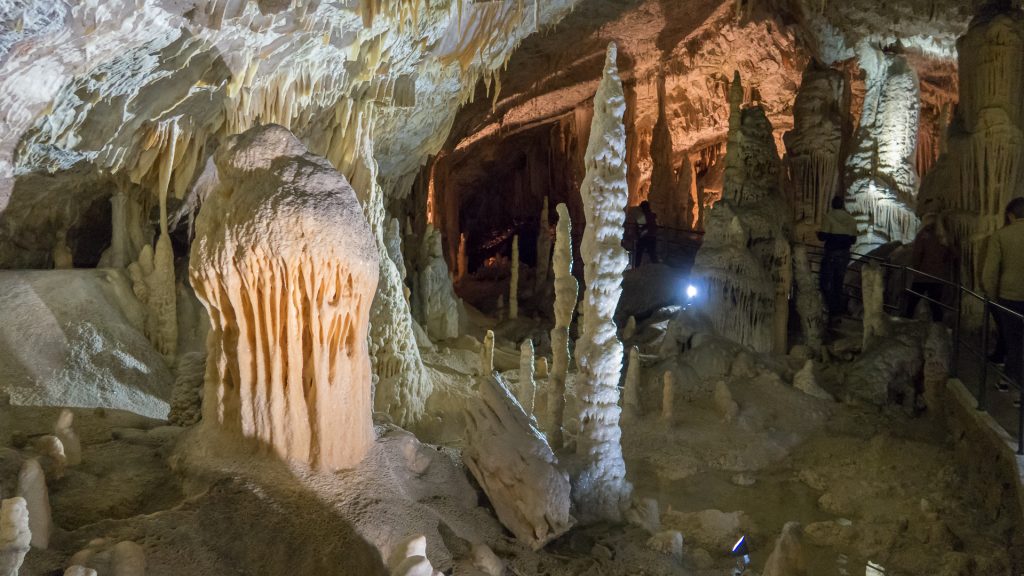
Slovenia’s Postojna Cave system runs for 15 miles, and visitors ride an underground train through the first section before continuing on foot. The train has been running since 1872, making it one of the oldest underground railways in the world.
The cave houses the endemic olm, a blind salamander that can live for over 100 years. These “human fish” adapt so completely to cave life that exposure to light can kill them.
Catacombs of Paris
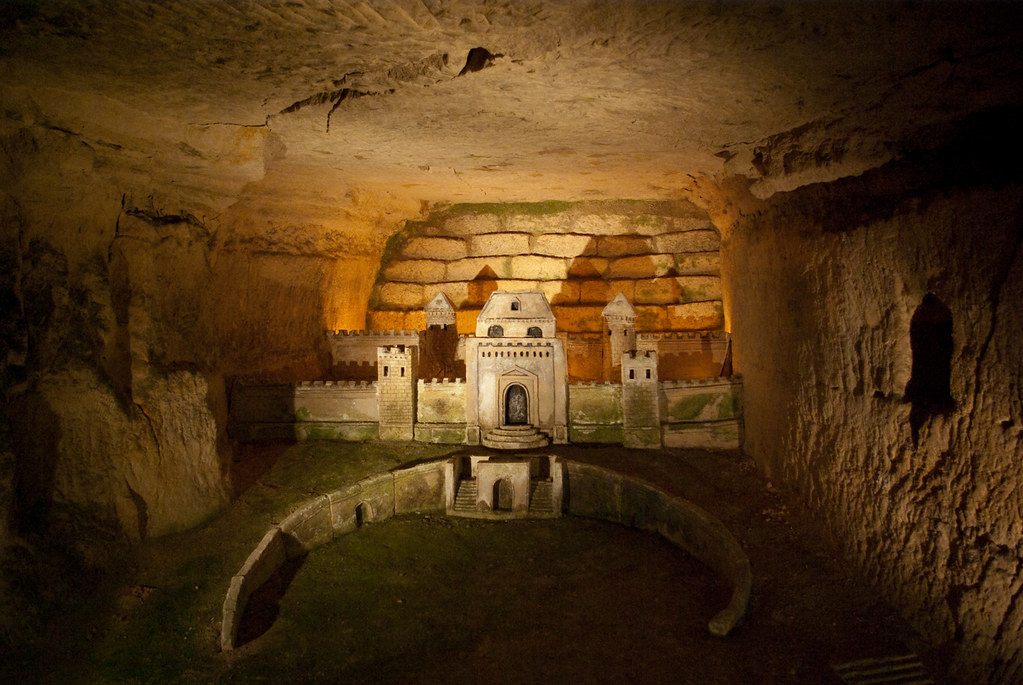
The Paris Catacombs hold the remains of over six million people, transferred from overflowing cemeteries in the late 18th century. The walls are lined with skulls and femurs arranged in geometric patterns, turning an underground quarry into the world’s largest ossuary.
Only a small section is open to tourists, but the full catacomb system extends for hundreds of miles beneath the city. Urban explorers still discover new chambers, despite official efforts to seal unauthorized entrances.
Wind Cave
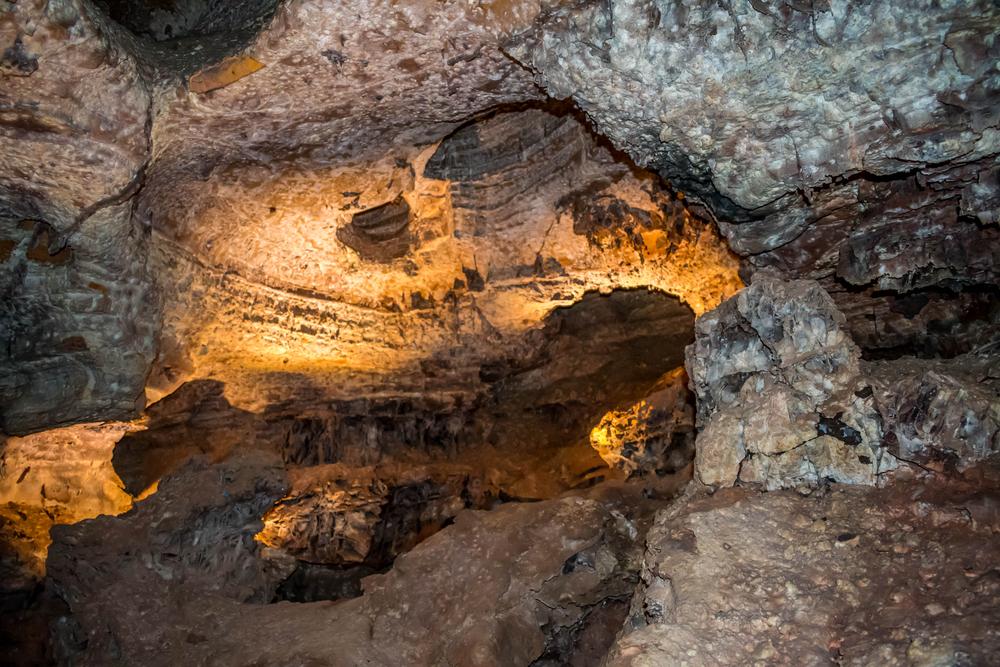
South Dakota’s Wind Cave earned its name from air currents that flow in and out of the entrance with enough force to knock off your hat. The cave contains 95% of the world’s known boxwork formations — thin calcite fins that create honeycomb patterns across the cave walls.
The Lakota consider Wind Cave sacred, believing it’s where humans first emerged from the earth. The cave’s constant airflow supports this creation story, as if the earth itself is breathing.
Inner Space Cavern
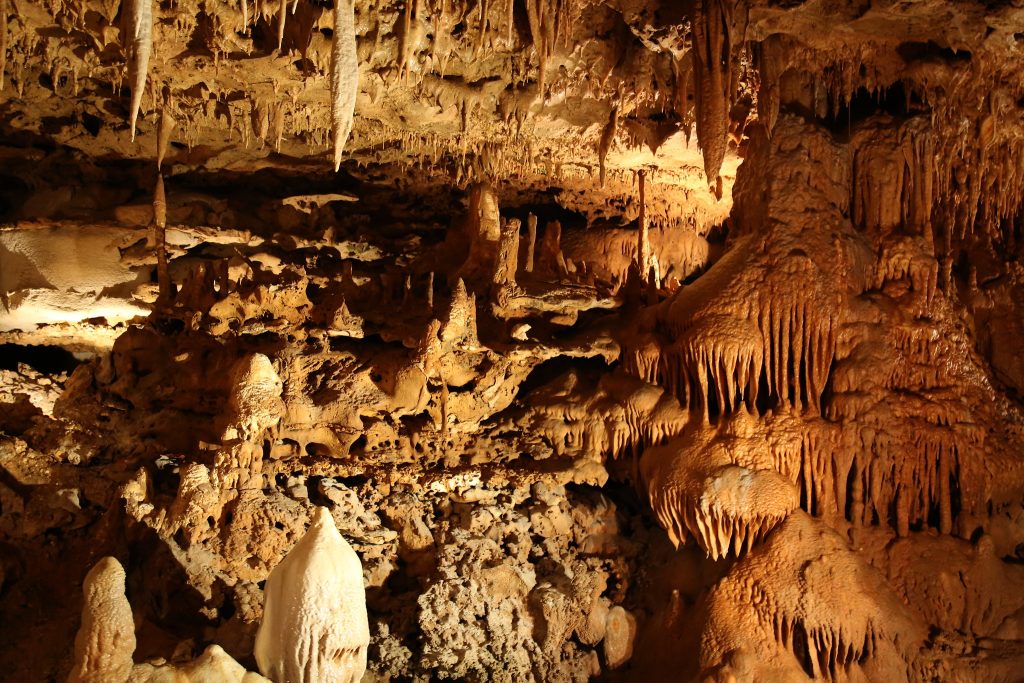
Texas discovered the Inner Space Cavern by accident in 1963, when highway construction crews drilled into a void 60 feet underground. The cave system had been sealed for thousands of years, preserving formations and fossils that included the remains of mastodons, saber-toothed tigers, and other Ice Age animals.
The cave offers traditional walking tours and adventure caving experiences. The formations here grew in complete darkness and silence until the 20th century.
Fingal’s Cave
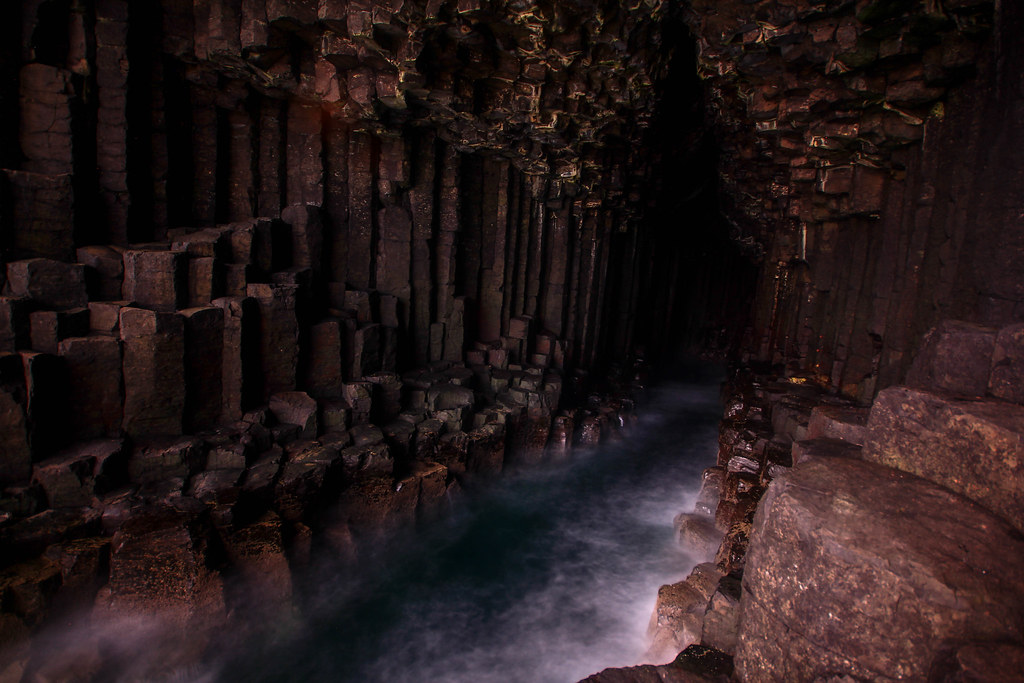
Scotland’s Fingal’s Cave isn’t underground, but it is entirely enclosed, carved by ancient lava flows into the basalt columns of Staffa Island — and walking into the cave feels like entering a natural cathedral where the “walls” are actually thousands of hexagonal stone columns that fit together so perfectly they look artificial (they’re not, just the result of cooling lava that contracted in predictable patterns, the same geological process that created the Giant’s Causeway in Ireland). The cave inspired Felix Mendelssohn’s Hebrides Overture after he visited in 1829, and once you hear the way sound echoes off those geometric basalt walls, the musical connection makes perfect sense.
The waves that roll into the cave create a constant, low-frequency hum that changes with the tides, and visitors often report that the cave seems to be singing to itself. But getting there requires a boat trip to an uninhabited island, and the weather in the Hebrides changes quickly.
Many visitors make the journey only to find the seas too rough for landing. So you plan around the weather, or you don’t see Fingal’s Cave at all.
The cave doesn’t accommodate tourist schedules.
Bracken Cave
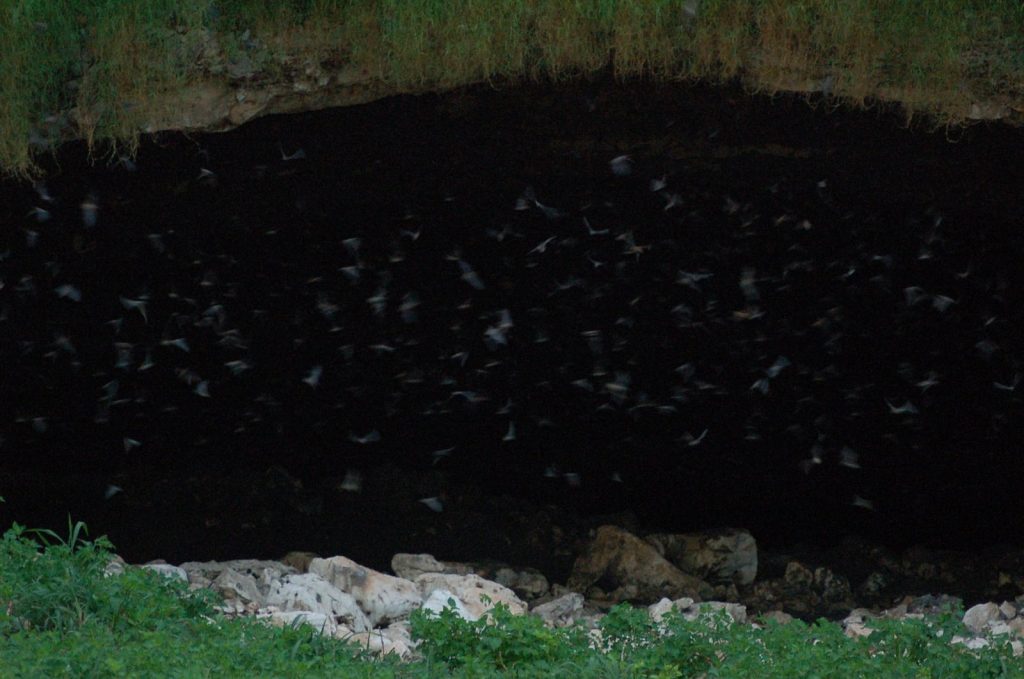
Bracken Cave in Texas houses the largest bat colony in the world. Twenty million Mexican free-tailed bats emerge each evening in a spiral that can be seen on weather radar.
The emergence takes over an hour, and the column of bats stretches for miles as they head out to hunt insects. The cave isn’t open for underground tours — the bats need undisturbed roost space.
But Bat Conservation International offers viewing programs during peak season, typically May through September.
Kartchner Caverns
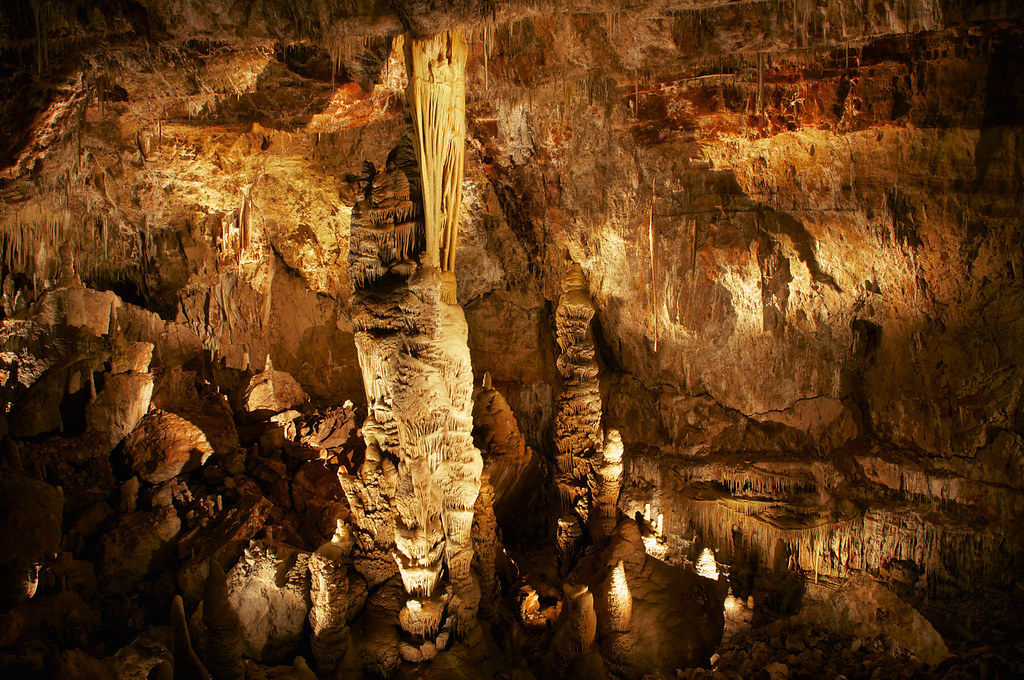
Arizona’s Kartchner Caverns remained undiscovered until 1974, despite being located just 50 miles from Tucson. The cave’s formations are still growing, fed by water that seeps through the limestone above, and the state built the visitor facilities with airlocks and humidity controls to protect the delicate ecosystem inside (because once a living cave is exposed to outside air and temperature fluctuations, the formations stop growing and begin to deteriorate, which is what happened to most of the classic American show caves that were developed without understanding the environmental requirements).
The Big Room tour is only available part of the year, timed to avoid disturbing the cave’s bat population during maternity season. And the restrictions work — Kartchner’s formations continue growing at the same rate they have for thousands of years.
Which means the cave you see today is slightly different from the cave visitors saw last month. The cave maintains 99% humidity year-round. Glasses fog up immediately when you enter.
Blanchard Springs Caverns
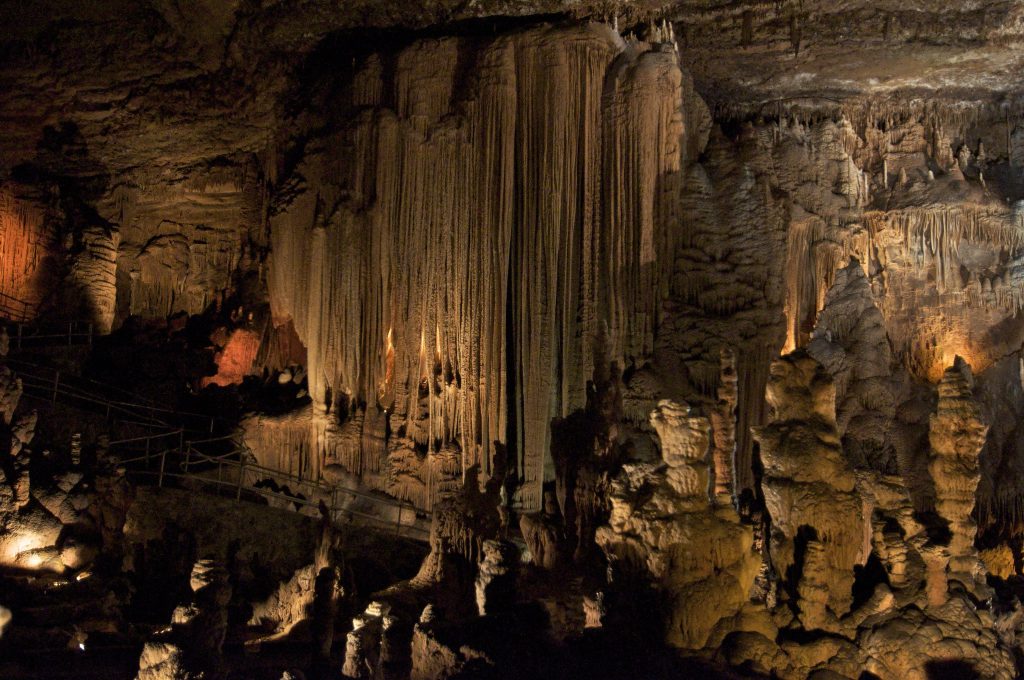
Arkansas calls Blanchard Springs Caverns “The Underground Wilderness,” and the name fits. The cave offers three different tour levels, from paved walkways suitable for families to wild cave tours that require crawling through passages barely large enough for human bodies.
The cave’s formations are still actively growing, fed by the spring system that gives the cave its name. Underground streams flow year-round, creating pools and flowstone formations that weren’t here a century ago.
Aven Armand
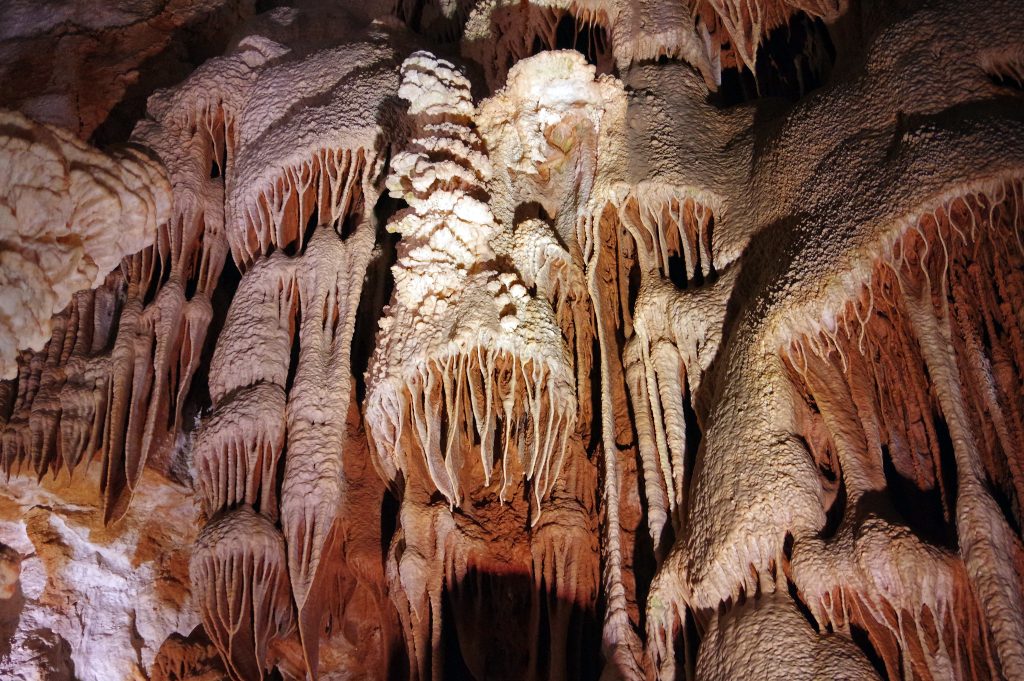
France’s Aven Armand contains what may be the world’s most impressive collection of stalagmites — some reaching 100 feet tall, growing in a chamber so vast that early explorers couldn’t see the ceiling with their oil lamps. The cave wasn’t discovered until 1897, despite being located in a well-traveled region of France.
The descent into the cave requires a funicular railway that drops visitors 250 feet underground. The return trip offers views of the stalagmite forest from multiple elevations.
Blue Grotto
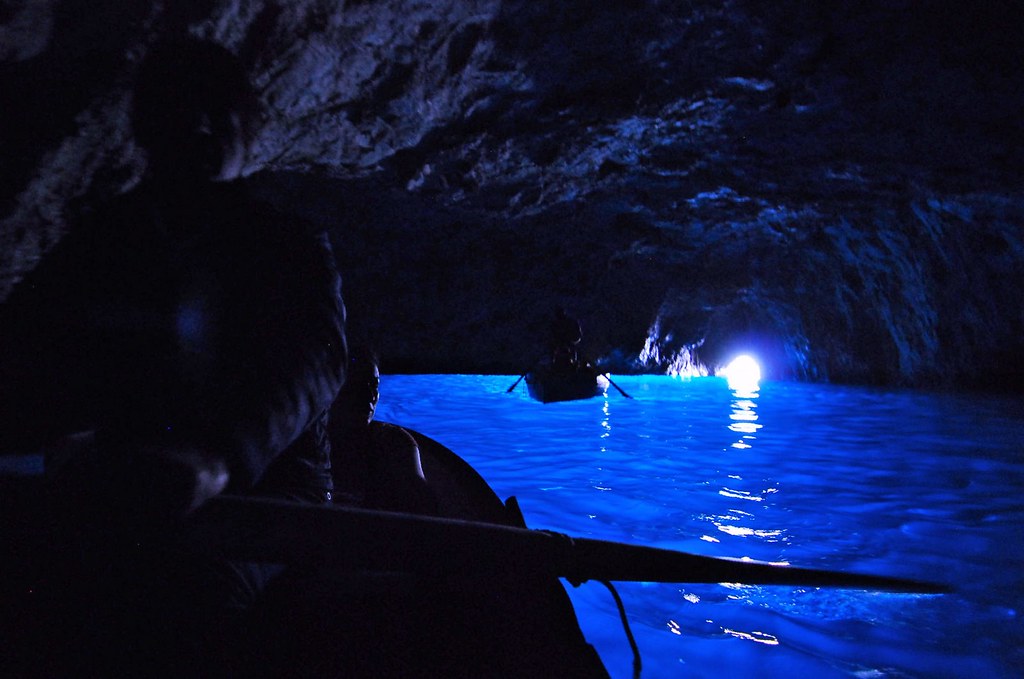
Italy’s Blue Grotto gets its famous color from sunlight passing through an underwater cavity and shining up through the water inside the cave. The blue is so intense it looks artificial, but it’s entirely natural — just physics and Mediterranean sunlight combining in a limestone cave that’s been attracting visitors since Roman times.
Entry requires small rowboats, and visitors must lie flat while the boat passes through the cave entrance. The opening is only four feet wide and three feet tall at high tide.
Lehman Caves
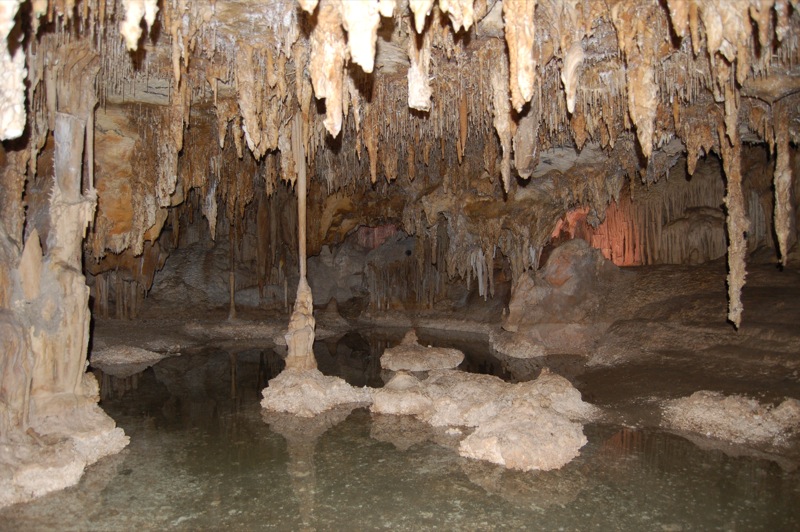
Nevada’s Lehman Caves sit inside Great Basin National Park, offering one of the West’s most decorated cave systems. The formations here include rare shield formations — circular calcite discs that grow horizontally from cave walls, defying gravity in ways that still puzzle geologists.
The cave tour lasts 90 minutes and covers formations that range from delicate cave pearls to massive flowstone cascades. The cave maintains a constant 50-degree temperature.
Organ Cave
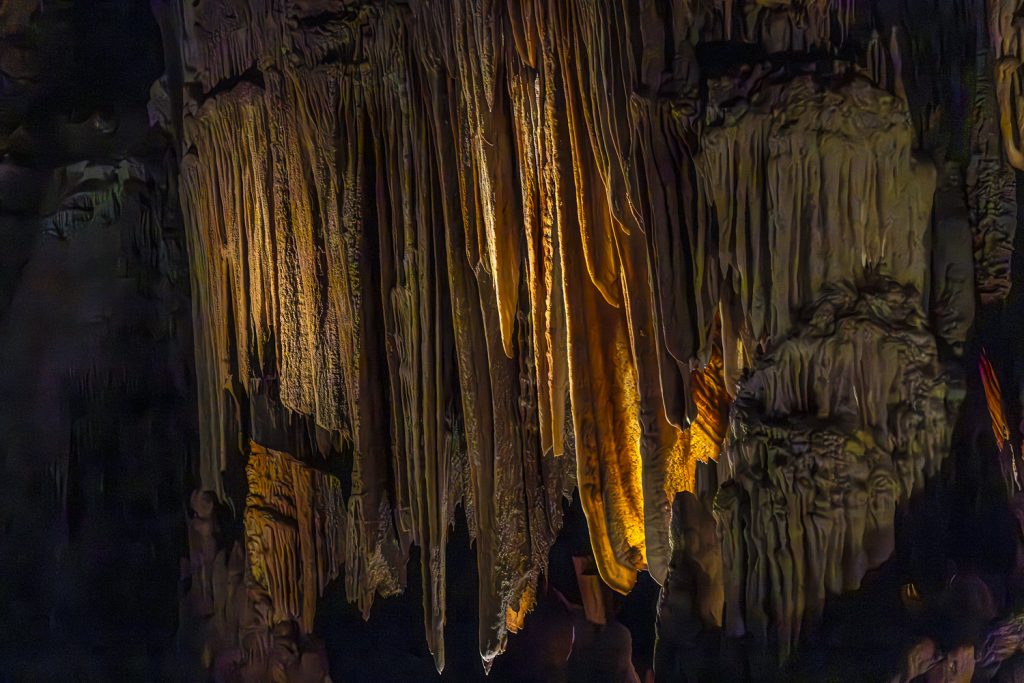
West Virginia’s Organ Cave earned its name from limestone formations that resemble organ pipes, but the cave’s real claim to fame is historical. Confederate troops used the cave to mine saltpeter for gunpowder during the Civil War, and you can still see their mining equipment and carved signatures in the deeper passages.
The cave system extends for over 40 miles, making it one of the longest caves in the United States. Most tours stick to the first mile, but experienced cavers can arrange expeditions into the unmapped sections.
Grotte de Lascaux
France’s original Lascaux Cave closed to tourists in 1963 after visitor breath and body heat began damaging the 17,000-year-old paintings. But Lascaux II, a precise replica built nearby, recreates the experience of seeing those Paleolithic masterpieces in their underground setting.
The paintings show animals that lived in France during the last Ice Age — aurochs, horses, and bison rendered with artistic skill that rivals anything produced today. The replica cave uses the same pigments and techniques the original artists employed.
Crystal Cave
Pennsylvania’s Crystal Cave was discovered by accident in 1871 when quarry workers broke through into a void filled with calcite formations. The cave had been sealed for thousands of years, preserving formations that include some of the finest flowstone cascades on the East Coast.
The cave offers traditional tours and a unique miniature golf course that winds through additional chambers not used for the main tour.
Natural Bridge Caverns
Texas’s Natural Bridge Caverns take their name from the 60-foot limestone bridge that spans the cave entrance. The cave was formed by an underground river that carved these chambers over millions of years, creating formations that range from delicate soda straws to massive flowstone draperies.
The cave maintains a constant 70-degree temperature and 99% humidity. The deepest tour reaches 230 feet underground.
Hato Caves
Curaçao’s Hato Caves contain both stalactite formations and ancient petroglyphs left by the island’s original Arawak inhabitants. The caves served as shelter for centuries, and the limestone formations create natural amphitheaters with remarkable acoustics.
The cave tour includes both geological and cultural history, explaining how the caves formed and how humans used them over thousands of years.
Beneath the Surface
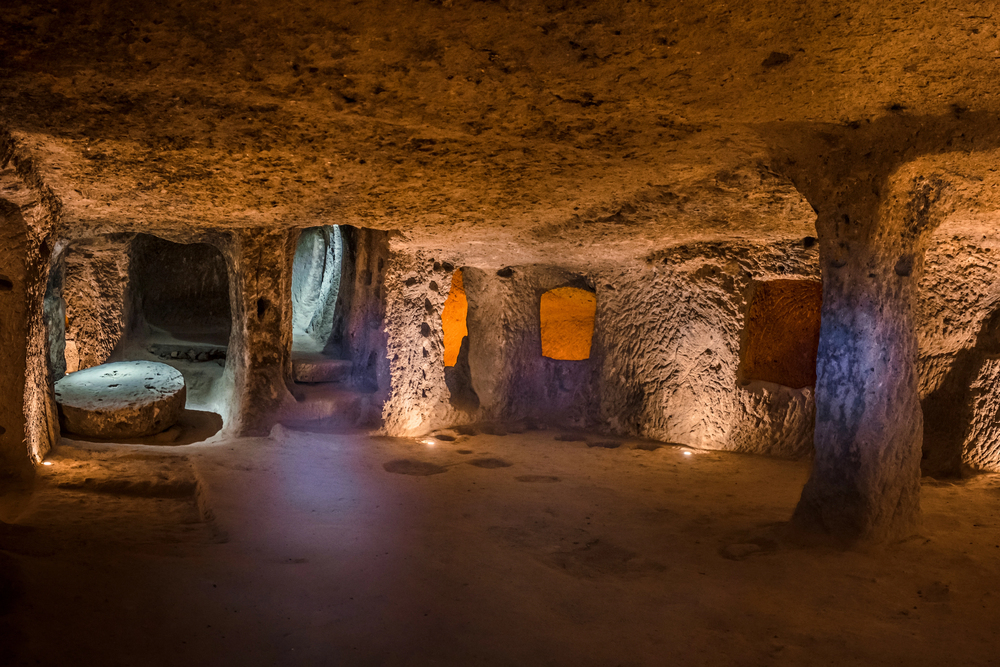
These underground cities and caves reveal a side of the world that most travelers rarely consider. Some were shaped by nature over millions of years, carved patiently by water, lava, and shifting rock. Others were created by people who looked at solid stone and saw the possibility of shelter, community, and survival.
Together, they tell stories that can’t be found in sunlight. What makes these places remarkable isn’t just their size or age. It’s the realization that entire worlds exist below our feet — cathedrals carved from salt, cities hidden from invading armies, rivers flowing through darkness, and chambers where ancient artists left their mark thousands of years ago.
Whether you’re descending into a vast cave system, exploring a forgotten underground settlement, or standing beneath formations that have been growing since before recorded history, these destinations offer a rare perspective on both human ingenuity and the immense timescales of the natural world. Sometimes the most extraordinary journeys don’t take you higher. They take you deeper.
More from Travel Pug

- Underrated Italian Towns That Beat the Tourist Crowds
- Las Vegas Tourist Traps to Skip
- Prettiest Towns in Every US State
- 18 passport-free countries for Americans
- Signs Your Cruise Is Not Worth The Cost
Like Travel Pug’s content? Follow us on MSN.