

When you picture volcanic islands, the mind tends to drift toward remote specks of land surrounded by endless ocean — places that require three connecting flights, a boat transfer, and perhaps a sacrificial offering to the travel gods. The reality is far more encouraging. Many of the world’s most dramatic volcanic islands sit surprisingly close to major airports, ferry routes, and well-established tourist infrastructure.
Some are so accessible you could visit them on a whim, while others require little more planning than a typical beach vacation. The appeal isn’t just convenience — these islands offer something that feels both ancient and immediate, where you can witness the raw mechanics of how the Earth builds itself while enjoying a decent cup of coffee.
Santorini
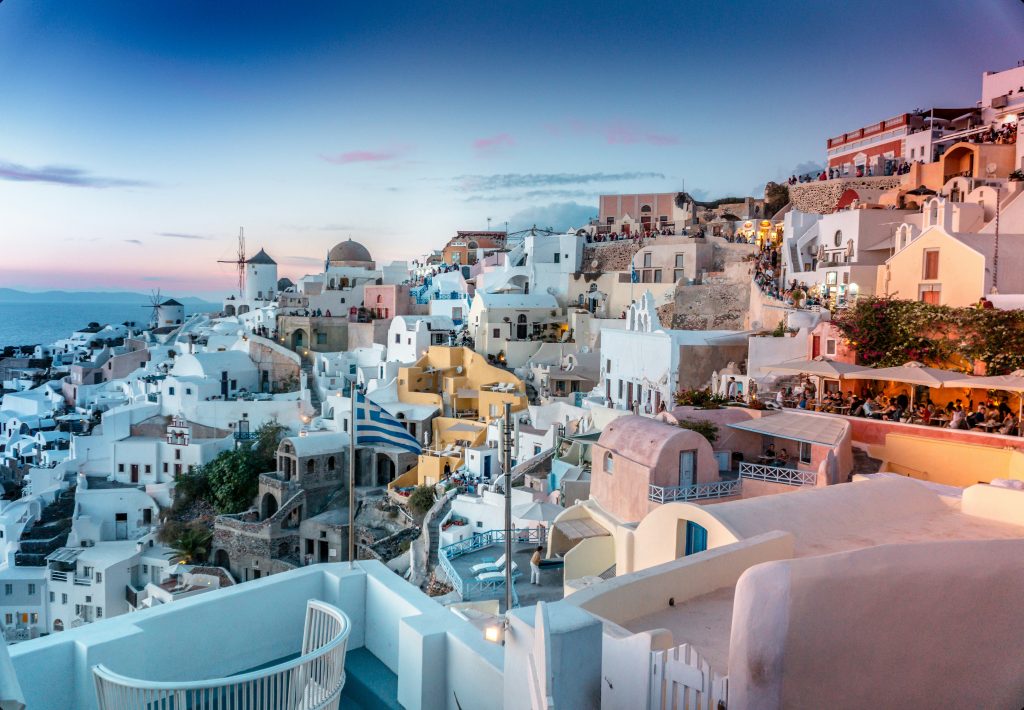
The postcard doesn’t lie about this one. White buildings perched on volcanic cliffs, blue-domed churches, sunsets that make people propose marriage on the spot.
But Santorini delivers on accessibility too. Direct flights from most European capitals, cruise ships that dock regularly, and an airport that handles charter flights from places you wouldn’t expect.
Maui
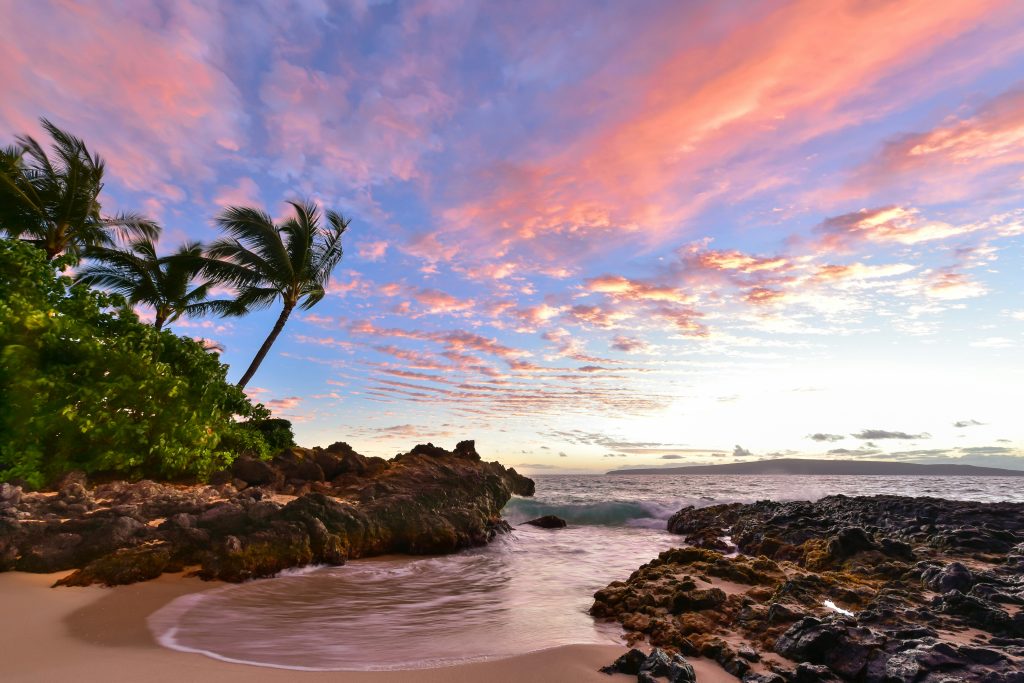
Maui’s volcanic credentials are serious — Haleakala crater stretches wide enough to fit Manhattan, and you can drive right to the rim. The island happens to be one of the most tourist-friendly places on Earth, which means getting there involves nothing more complicated than booking a flight to Kahului Airport.
Direct flights from the U.S. West Coast take about five to six hours.
Tenerife
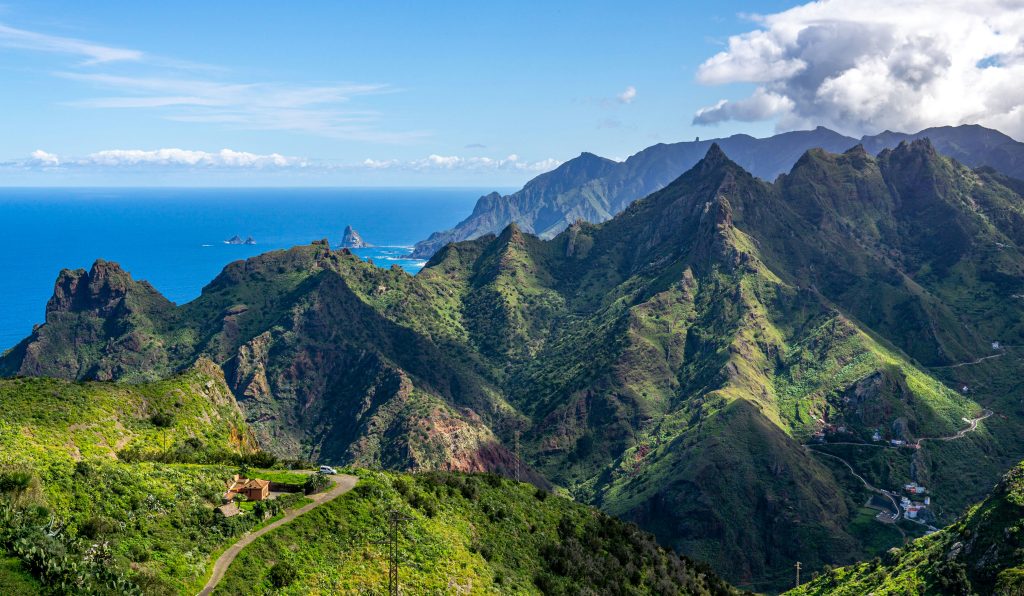
The Canary Islands sit close enough to Europe that budget airlines treat them like domestic routes, yet Tenerife delivers proper volcanic drama. Mount Teide rises higher than any peak in Spain, and the lunar landscapes around the crater feel genuinely otherworldly.
Charter flights from the UK cost less than dinner for two at a decent restaurant, which explains why Tenerife attracts everyone from hikers to retirees seeking winter sun.
Jeju Island
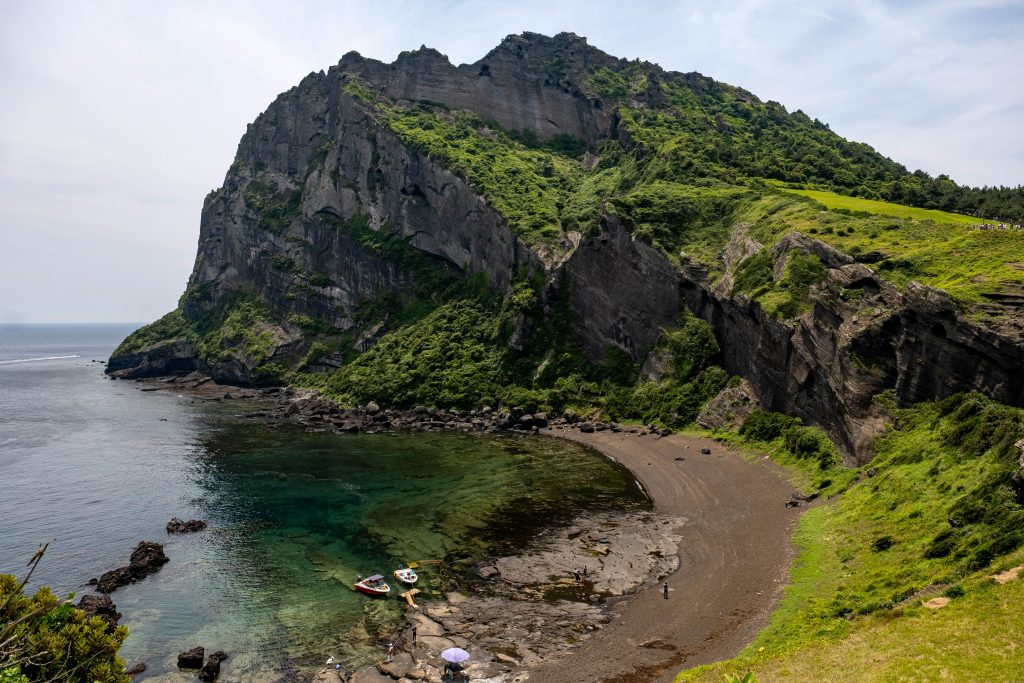
South Korea’s volcanic island sits just an hour’s flight from Seoul, and the infrastructure reflects that proximity. Jeju’s dormant volcano, Hallasan, dominates the island’s center, while the coastline features dramatic lava tube formations and black sand beaches. The island caters heavily to domestic tourism, so getting there from mainland South Korea is straightforward — multiple daily flights and a ferry service that runs like clockwork.
Even international visitors find Jeju surprisingly manageable, with visa-free entry for most nationalities and an airport that handles direct flights from several Asian cities.
Sicily
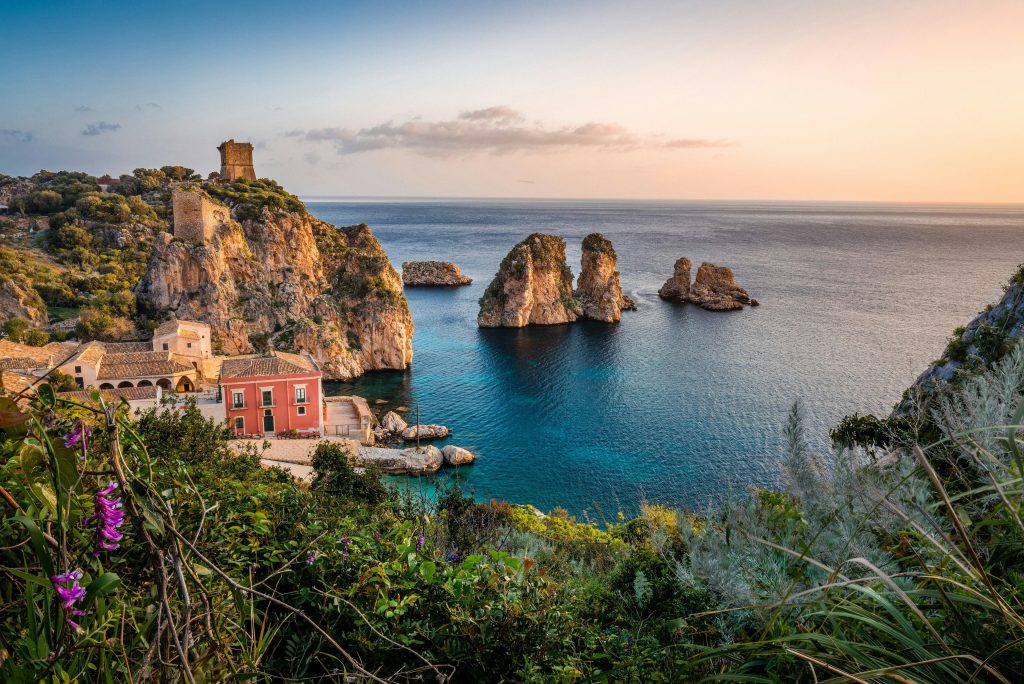
Europe’s largest island also happens to be one of its most accessible volcanic destinations. Mount Etna continues its millennia-long eruption cycle, often providing a natural fireworks display visible from the highway. Getting to Sicily requires no special planning — regular flights from European capitals land in Palermo and Catania, while ferries from mainland Italy carry cars and foot passengers.
So you can drive to the base of an active volcano, which feels appropriately surreal. The island’s tourism infrastructure handles millions of visitors annually, meaning everything from car rentals to guided volcano tours operates with practiced efficiency.
And yet the scale of Etna never stops being humbling: standing on hardened lava flows that formed last month while looking at slopes that have been building for half a million years.
Lanzarote
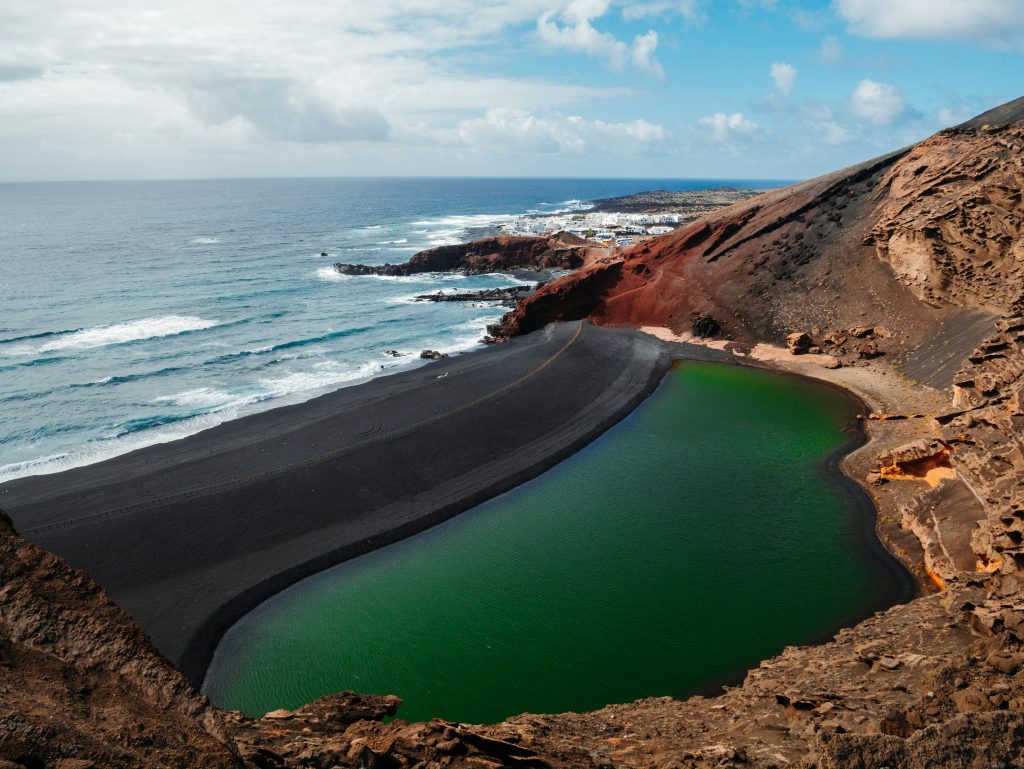
This Canary Island feels like Mars with better weather and Spanish cuisine. The volcanic landscape is so convincing that NASA has used it for astronaut training, yet Lanzarote sits just four hours from most European cities by direct flight.
The island’s lava fields, volcanic caves, and crater lakes create scenery that photographs can’t quite capture — the textures and colors demand to be seen firsthand.
Azores
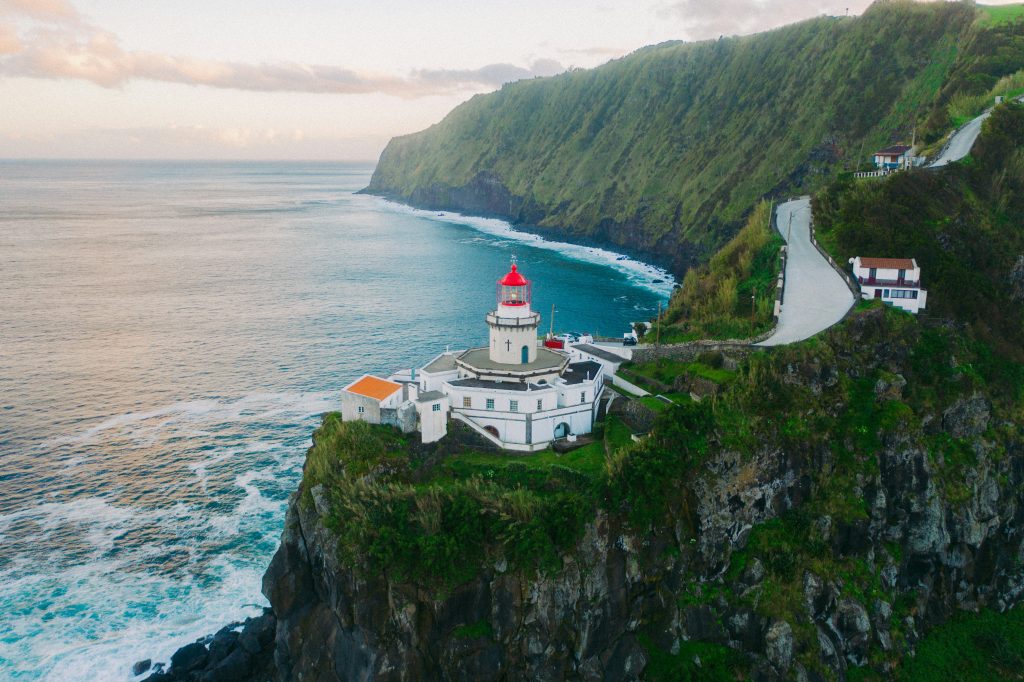
The Azores occupy a sweet spot between accessibility and remoteness (a contradiction that somehow works in their favor). These nine Portuguese islands sit in the middle of the Atlantic, yet TAP Air Portugal runs direct flights from Boston, making them surprisingly reachable from the East Coast.
The volcanic activity here ranges from hot springs and fumaroles to crater lakes that change color depending on the light, and the infrastructure has evolved to handle growing numbers of visitors without losing the islands’ essential character — which is to say, they still feel like a secret worth keeping.
Big Island Hawaii
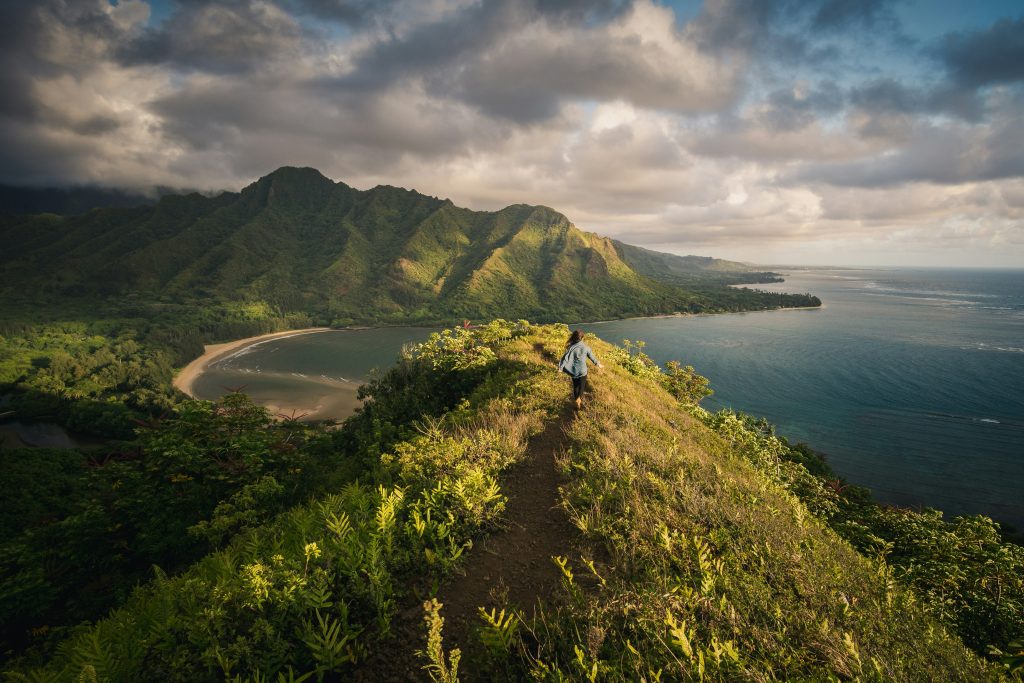
The Big Island delivers on every volcanic promise while remaining thoroughly civilized in terms of access. Multiple daily flights from the mainland US land in Kona and Hilo, car rental companies operate like they do anywhere else, and you can drive from your hotel to active lava flows within an hour. Kilauea Volcano has been erupting almost continuously for decades, creating new land at a rate you can actually witness.
Stromboli
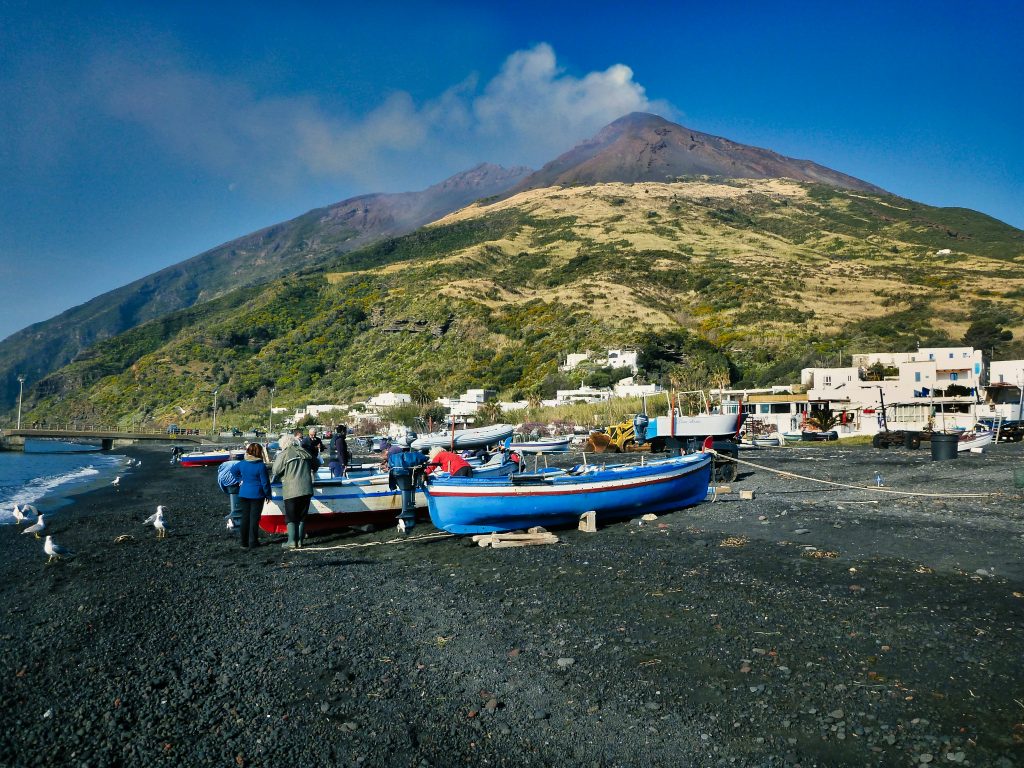
Stromboli has earned the nickname “Lighthouse of the Mediterranean” by erupting regularly for over 2,000 years, and watching the explosions from a boat at night ranks among Europe’s most dramatic natural spectacles. Getting there involves a ferry ride from Sicily or the Italian mainland — not exactly remote, but removed enough to feel like an adventure.
The island supports a small population and basic tourist infrastructure, meaning you can climb an active volcano in the morning and eat fresh seafood by the water in the evening.
Vulcano
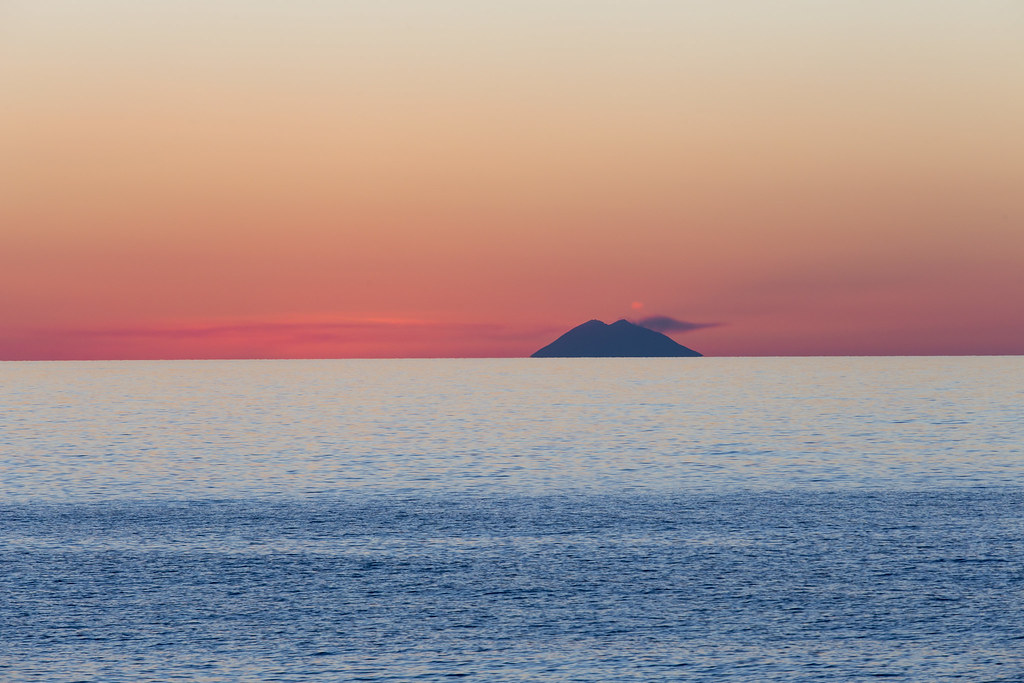
Just north of Stromboli in the Aeolian Islands chain, Vulcano offers a gentler introduction to volcanic activity — sulfur springs, mud baths, and fumaroles that won’t require hiking boots or safety gear. The same ferries that service Stromboli stop at Vulcano, making island-hopping between active volcanic sites surprisingly straightforward.
The smell of sulfur permeates everything, which sounds unpleasant but becomes oddly reassuring after a day or two.
Ischia
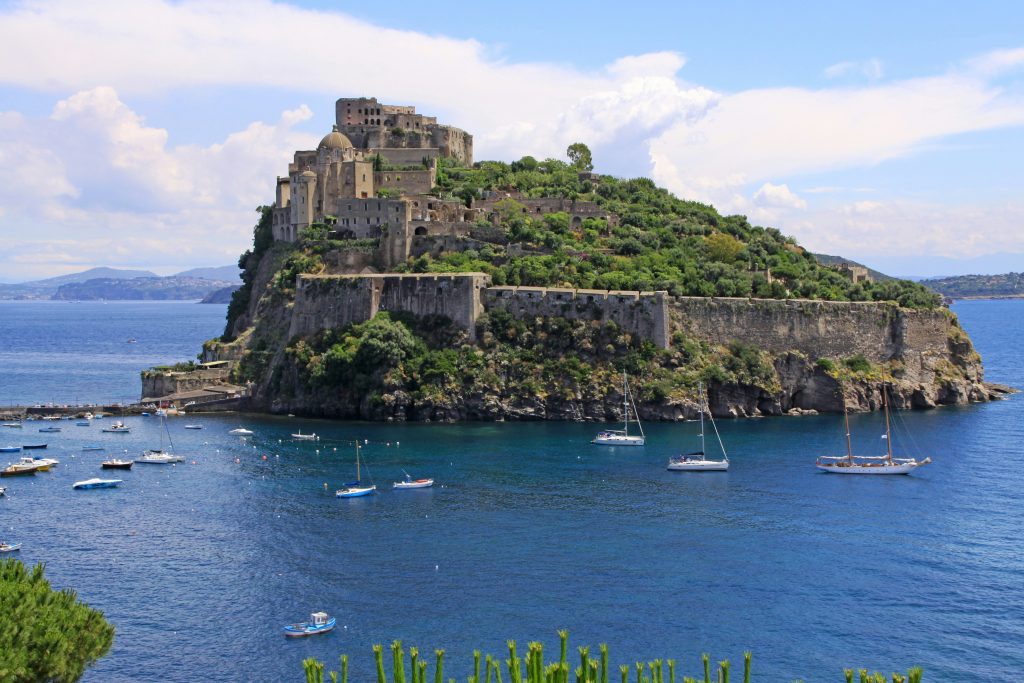
This Italian island in the Bay of Naples combines volcanic activity with resort-style comfort — thermal springs feed luxury spas, while the dormant volcano provides a dramatic backdrop for beaches and vineyards. Ferries run regularly from Naples, and the crossing takes less than an hour. Ischia has perfected the art of making volcanic features feel like amenities rather than geological hazards.
Faial
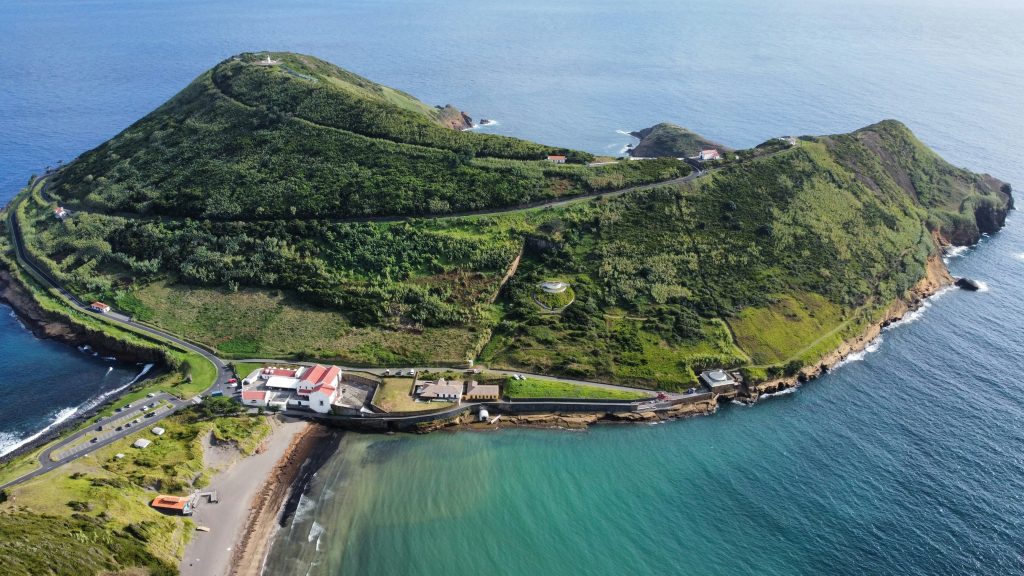
Another Azorean island, Faial deserves separate mention for its Capelinhos volcano, which erupted as recently as 1957 and created a moonscape that remains largely unchanged. The island sits on inter-island flight routes within the Azores, and the small airport handles connections from the main hub on São Miguel.
Standing on volcanic terrain that formed within living memory creates an immediacy that older volcanic sites can’t match.
La Palma
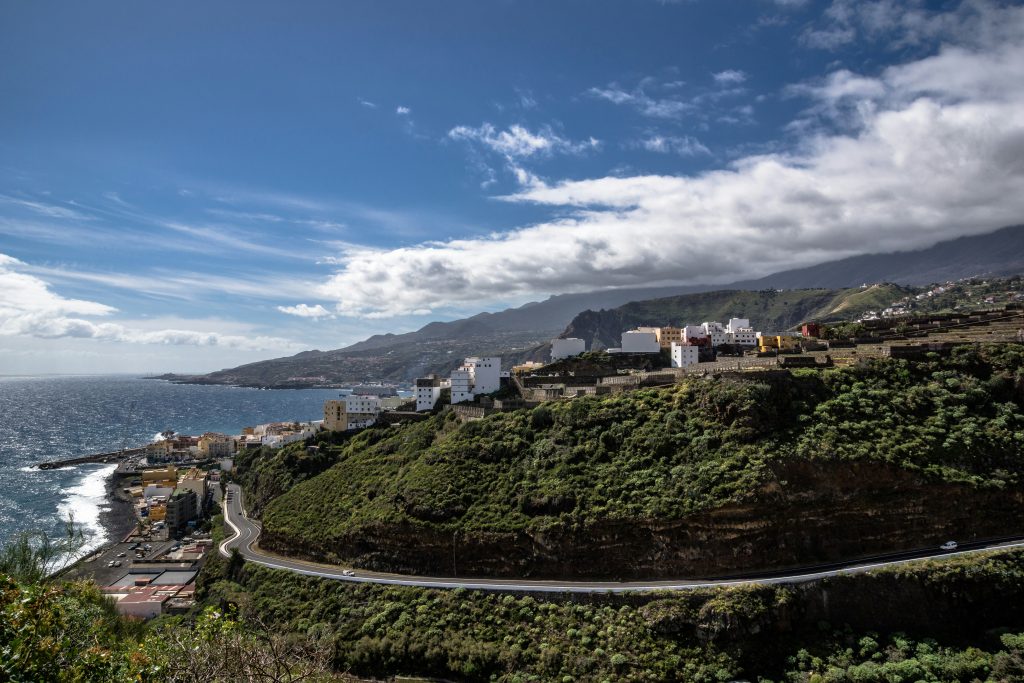
The Canary Island of La Palma experienced its most recent volcanic eruption in 2021, creating new land and dramatically altering portions of the landscape (the kind of geological event that usually happens over decades condensed into a few spectacular months). Direct flights from European cities resumed quickly after the eruption ended, and tour operators now include the new volcanic formations in their itineraries — which is to say, you can visit geology that literally didn’t exist a few years ago, and getting there requires nothing more than booking a flight to La Palma Airport.
Reunion
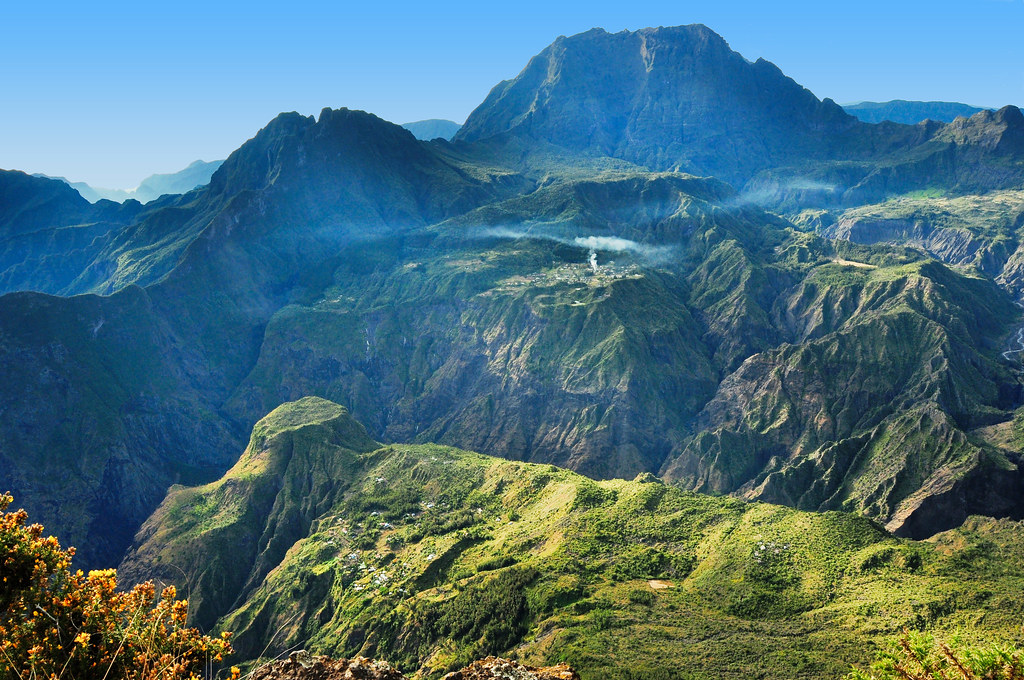
This French island in the Indian Ocean delivers serious volcanic drama — Piton de la Fournaise ranks among the world’s most active volcanoes, and recent lava flows create landscapes that look like they belong on another planet. Getting there from Europe involves a single connecting flight through Paris, and French infrastructure standards apply throughout the island.
You can drive rental cars on roads that cross relatively fresh lava fields, which creates an interesting contrast between tropical paradise and geological violence.
Java
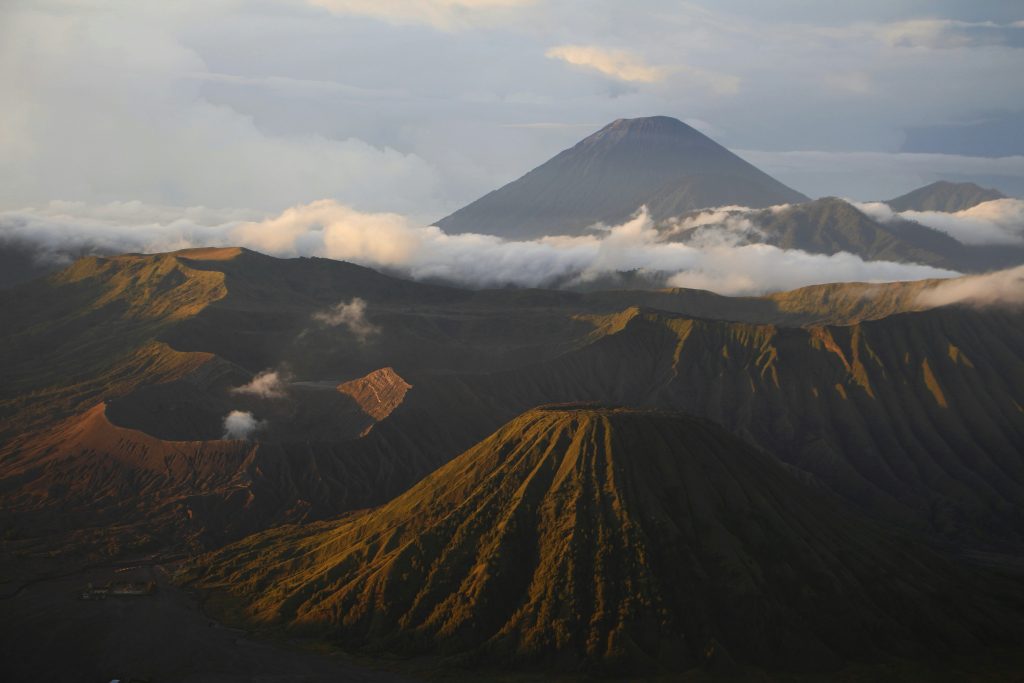
Indonesia’s Java presents some complications — it’s a large island with multiple active volcanoes, significant populations, and infrastructure that varies widely by region. But getting to Java itself is straightforward enough: Jakarta’s airport handles direct flights from major cities worldwide, and domestic flights connect to cities like Yogyakarta, which sits close to several accessible volcanic sites.
Mount Bromo, in particular, has become a sunrise pilgrimage site that attracts photographers and hikers from around the world.
New Zealand North Island
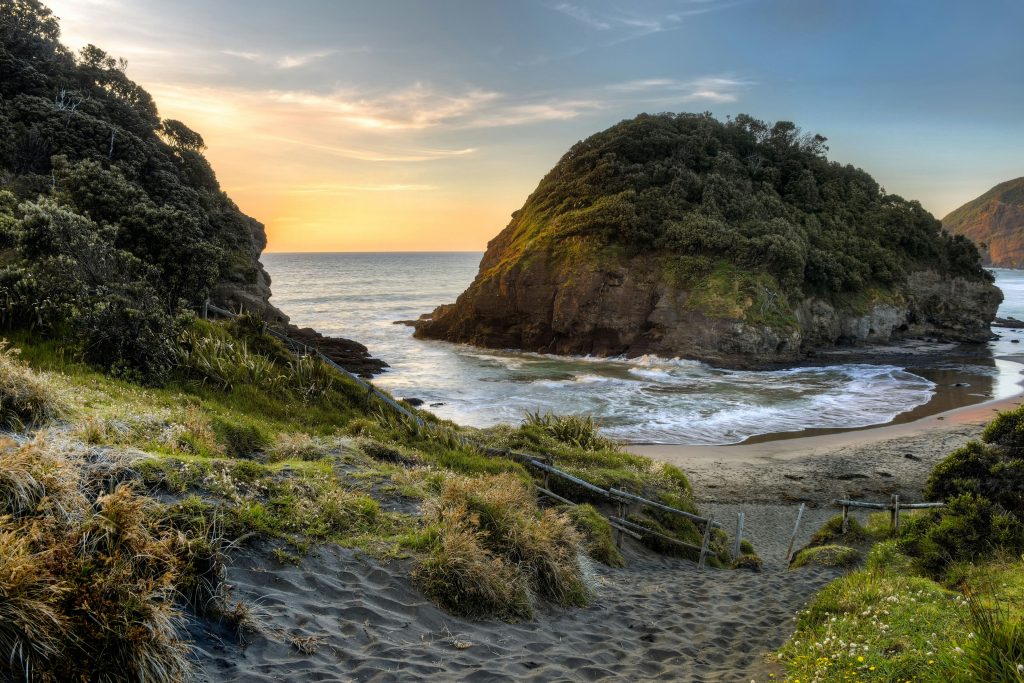
The North Island of New Zealand contains multiple volcanic regions within easy reach of Auckland and Wellington, both served by direct flights from Australia, Asia, and the Pacific coast of North America. The Rotorua region combines active geothermal features with well-developed tourist infrastructure, while Tongariro National Park offers volcanic hiking that requires no special mountaineering skills.
The accessibility factor here is cultural as much as physical — New Zealand has turned volcanic tourism into a refined art form.
Bali
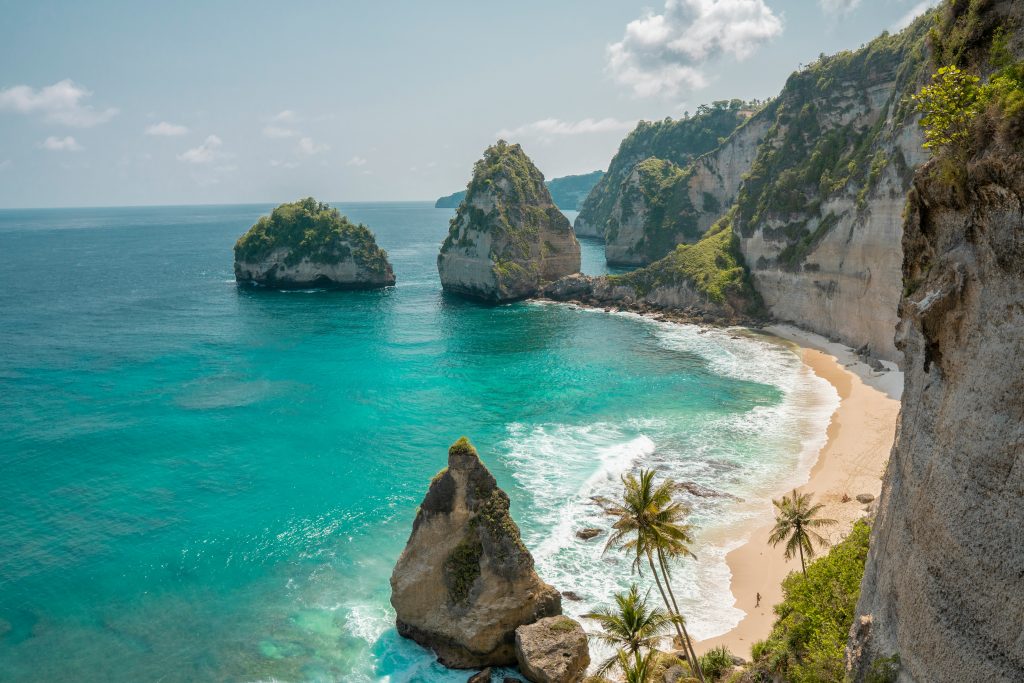
Bali’s Mount Batur offers one of the world’s most accessible volcano experiences — a pre-dawn hike to the rim takes a few hours and requires no technical climbing skills, while the sunrise views over the crater lake create the sort of memory that justifies the early wake-up call. Bali’s airport handles direct flights from most Asian cities and many international destinations, while local tour operators have turned volcano visits into smoothly organized day trips.
The island’s tourism infrastructure means you can climb an active volcano in the morning and get a massage on the beach in the afternoon, which feels like exactly the right combination of adventure and comfort.
Nisyros
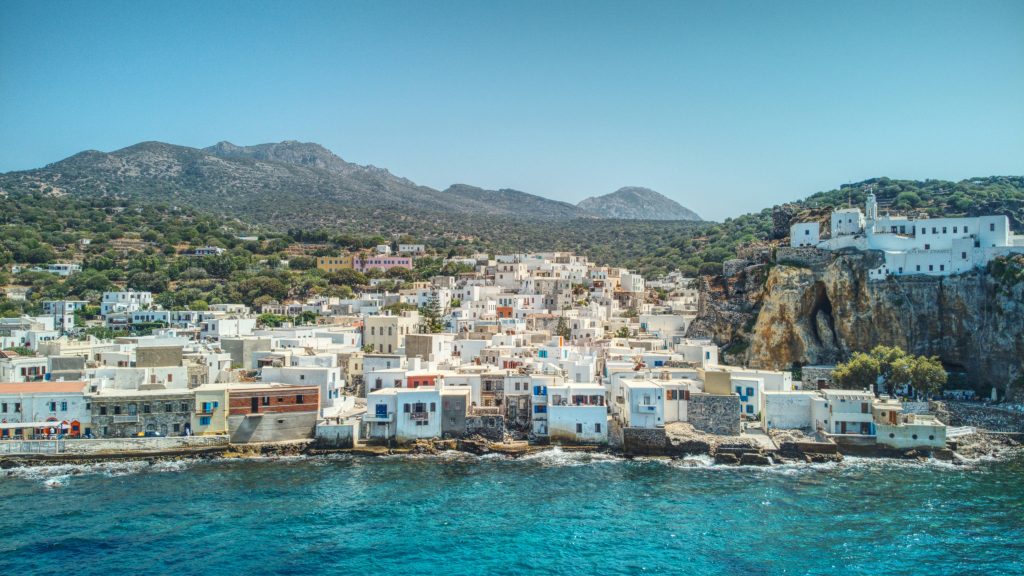
This small Greek island in the Dodecanese chain offers something unique — you can walk down into the crater of a dormant volcano and explore the fumaroles up close. Ferry services connect Nisyros to Rhodes and other nearby islands, making it an easy addition to Greek island-hopping routes.
The island’s small size means you can cover the entire volcanic landscape in a day or two.
Milos
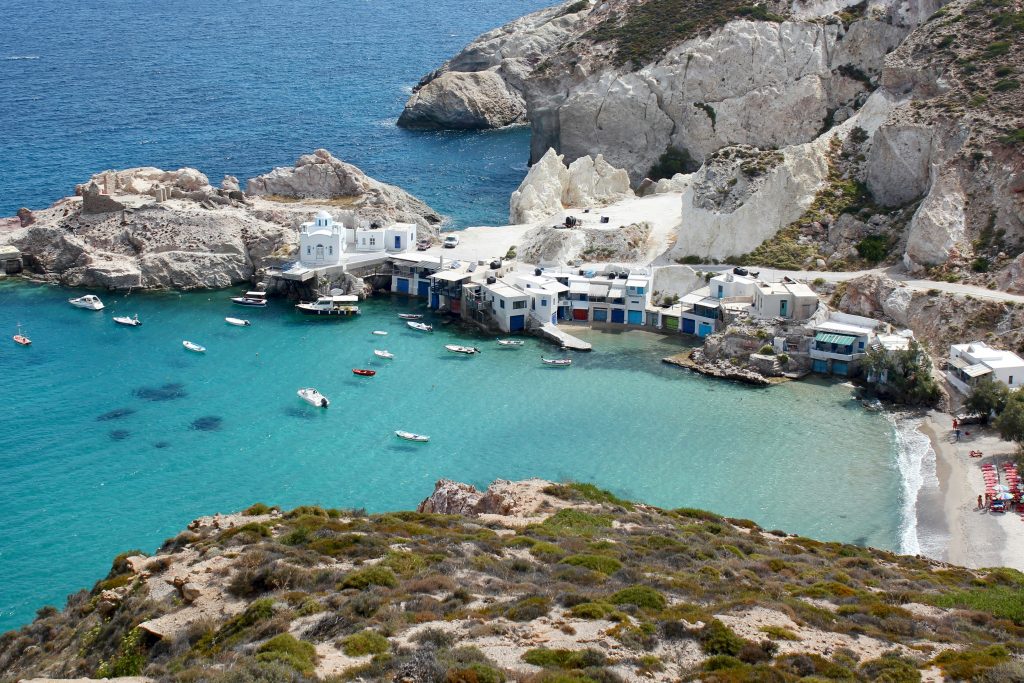
Milos showcases volcanic activity through colorful rock formations, hot springs that emerge directly into the sea, and beaches created from volcanic minerals. The island sits on regular ferry routes from Athens and other Greek islands, while a small airport handles seasonal flights from European cities.
The volcanic features here feel more approachable than dramatic — mineral-tinted cliffs and warm coastal waters rather than smoking craters.
Camiguin
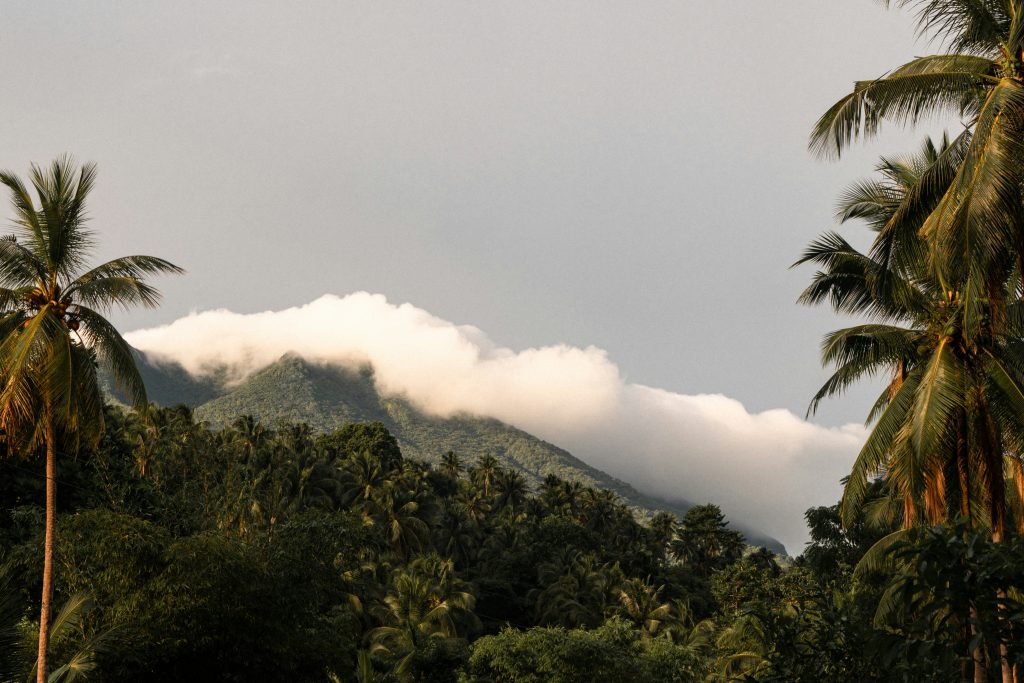
This small Philippine island calls itself the “Island Born of Fire” and delivers on that promise with seven volcanic cones packed into a relatively tiny area. Getting there requires some island-hopping — flights to nearby Butuan or Cagayan de Oro, followed by a bus and ferry connection — but the logistics are straightforward enough, and local tourism has developed to handle visitors efficiently.
The island’s size means you can explore multiple volcanic sites without extensive travel between them.
Madeira
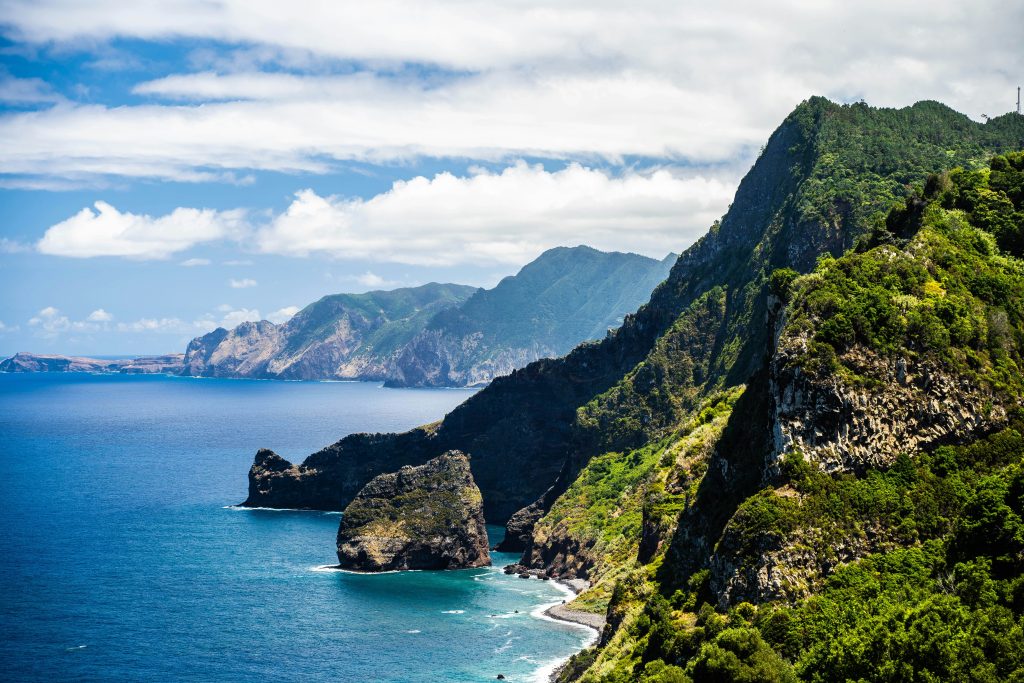
Portugal’s Atlantic island of Madeira was built by volcanic activity, and while the volcanoes themselves are long dormant, the dramatic topography they created defines everything about the island experience. Direct flights from European cities land in Funchal, and the island’s tourism infrastructure rivals anywhere in Europe.
The volcanic legacy appears in the steep terraced hillsides, dramatic coastal cliffs, and rich soil that supports the island’s famous wine industry.
Fuerteventura
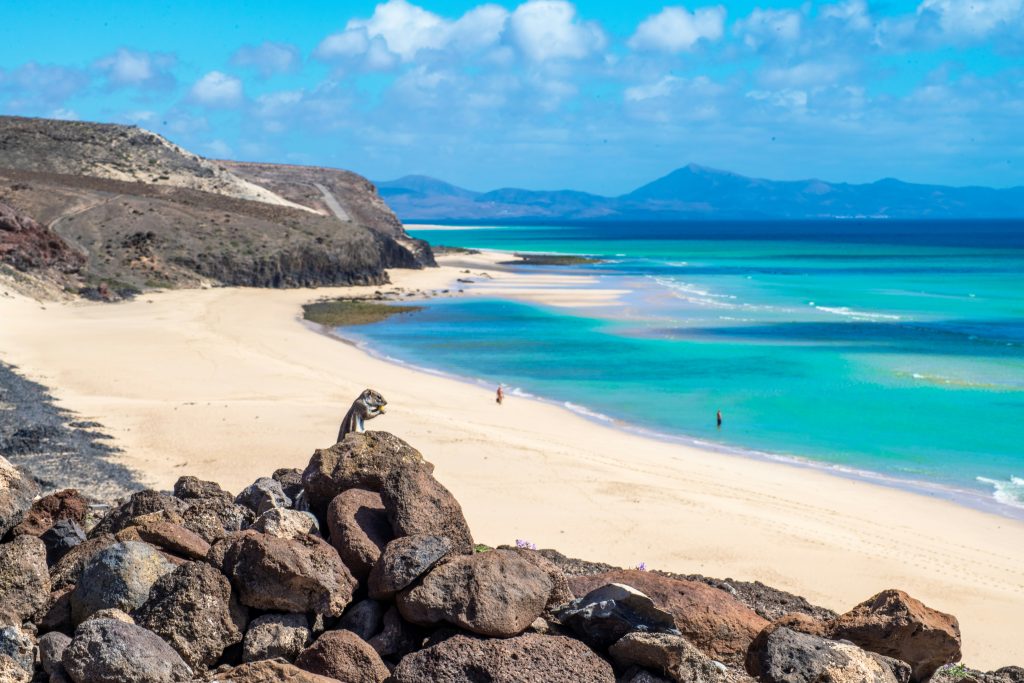
The Canary Island of Fuerteventura offers a different kind of volcanic landscape — older, more weathered, with extensive lava fields and volcanic cones that create an almost lunar atmosphere. Direct flights from European cities are frequent and affordable, while the island’s tourism infrastructure focuses heavily on beaches and wind sports.
The volcanic features provide dramatic backdrop rather than active spectacle.
Pantelleria
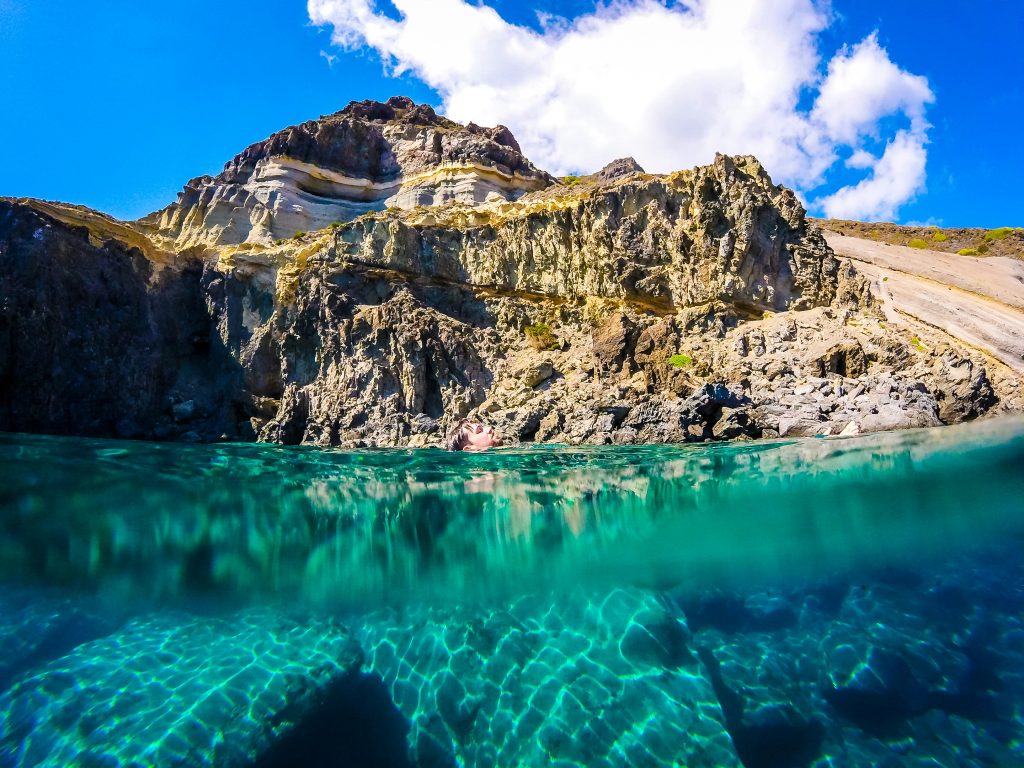
This Italian island between Sicily and Tunisia sits on one of the Mediterranean’s most active volcanic regions, though the current activity manifests as hot springs and fumaroles rather than explosive eruptions. Getting there requires some planning — flights from Rome or Palermo, or ferry connections from Sicily — but the island’s unique position creates landscapes and cultural influences found nowhere else in Europe.
The volcanic soil produces distinctive wines and capers that reflect the island’s geological character.
Putting It All Together
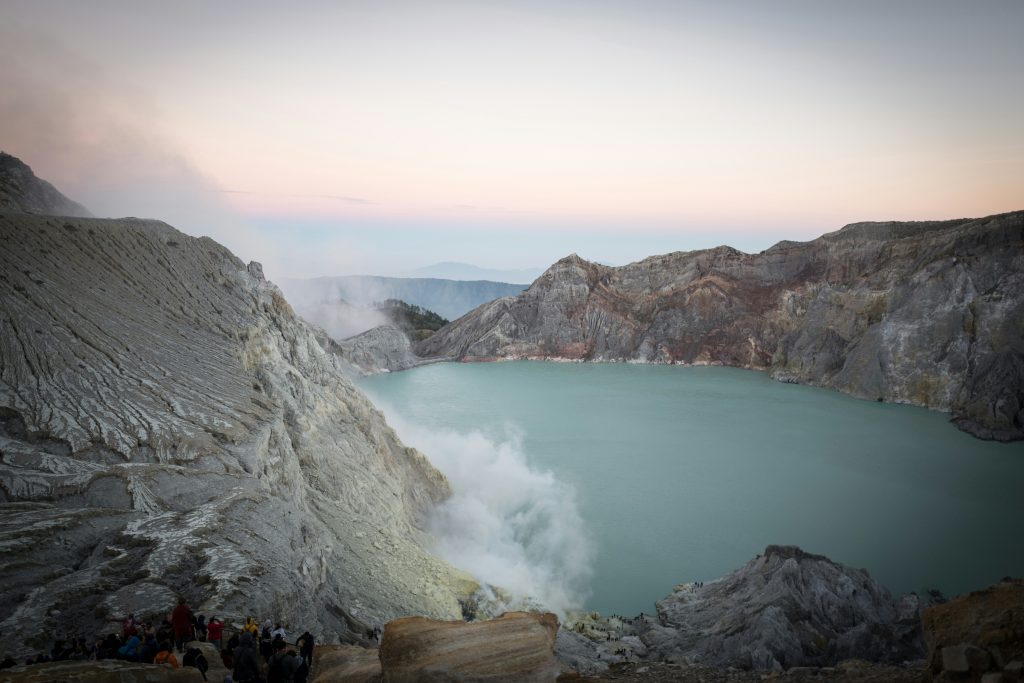
The common thread connecting these islands isn’t just their volcanic origins — it’s how accessible they’ve become without losing their essential drama. Modern transportation networks have made it possible to stand on active lava flows, explore volcanic craters, and soak in geothermal springs without requiring the kind of expedition planning that such experiences once demanded.
Whether it’s a direct flight to Santorini or a ferry ride to Stromboli, these destinations prove that some of Earth’s most powerful geological forces happen to be remarkably convenient to visit. The volcanism that shaped these islands continues to shape the experience of visiting them, creating landscapes and seascapes that feel both ancient and immediate, familiar from photographs yet startling in person.
More from Travel Pug

- Underrated Italian Towns That Beat the Tourist Crowds
- Las Vegas Tourist Traps to Skip
- Prettiest Towns in Every US State
- 18 passport-free countries for Americans
- Signs Your Cruise Is Not Worth The Cost
Like Travel Pug’s content? Follow us on MSN.