

Frequent cruisers tend to draw a sharp line between a standard week in the Caribbean and the handful of itineraries that can genuinely feel like once-in-a-lifetime trips. Those trips typically involve remote regions, unusual ship logistics, or a level of expedition planning that a mainstream cruise line simply does not offer on its regular routes.
The itineraries below share the characteristics experienced cruisers often look for when they want something beyond a conventional cruise vacation.
Antarctic Peninsula Expedition
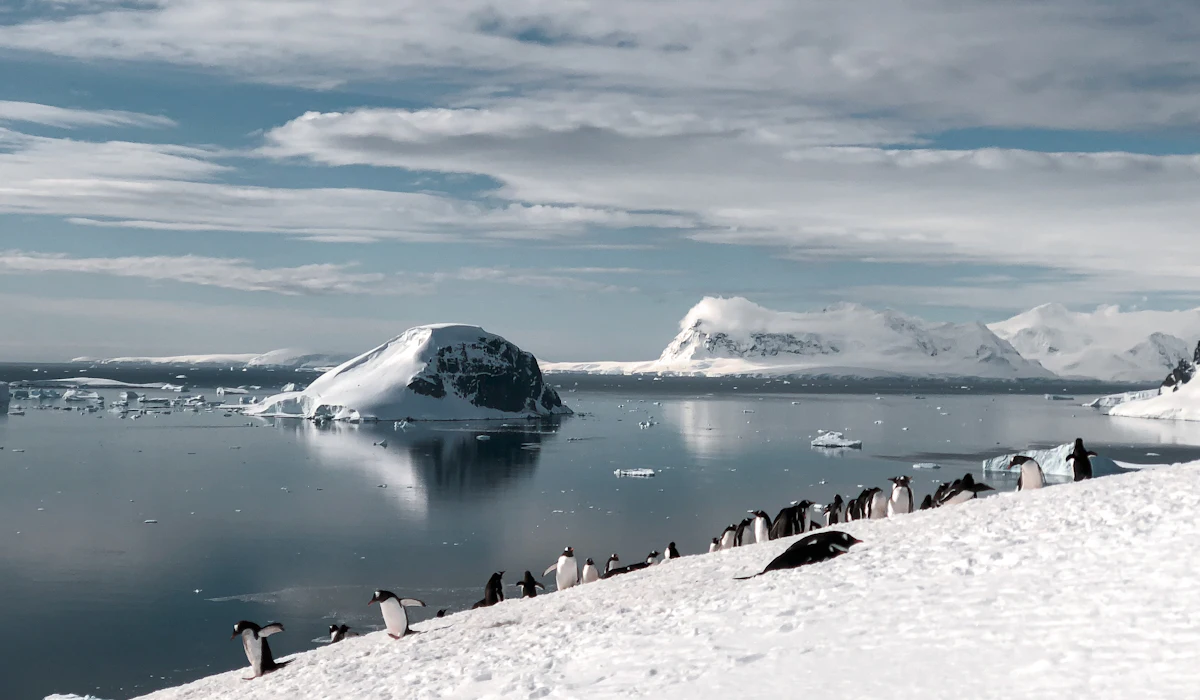
Crossing the Drake Passage to reach the Antarctic Peninsula remains one of the most dramatic departures from mainstream cruising. Expedition ships from operators like Quark Expeditions and Lindblad Expeditions carry smaller passenger groups than mainstream ships, with Zodiac landings providing access to remote coastal sites and wildlife areas.
Sailing Around South America

Long South American voyages that round Cape Horn and connect ports from Buenos Aires toward Chile are multi-week itineraries rarely marketed to first-time cruisers because of both their length and cost. The variety, from subtropical Brazil to the fjords of Patagonia, can make these voyages feel like several different trips combined into one.
Norwegian Fjords in the Land of the Midnight Sun
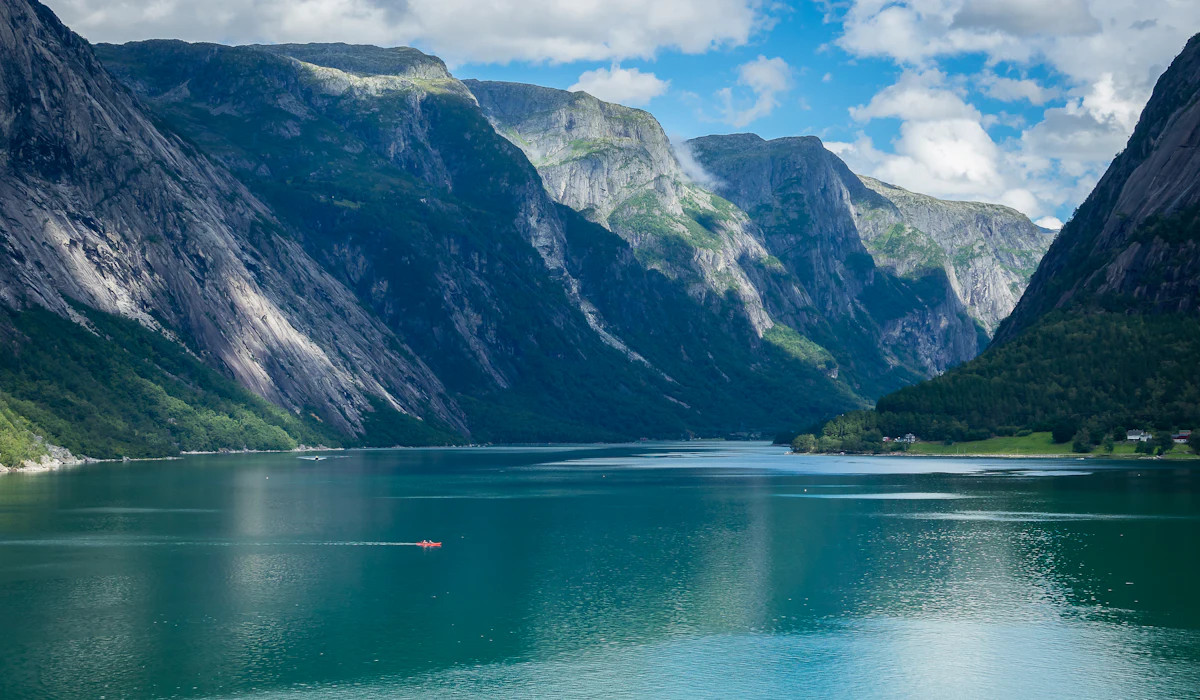
Summer sailings along Norway’s coast above the Arctic Circle let passengers experience continuous daylight for a stretch of the voyage, a genuinely disorienting and memorable experience for first-timers. Ports like Geiranger and the Lofoten Islands combine dramatic fjord scenery with small-town Norwegian culture rarely seen on more southerly European itineraries.
Above the Arctic Circle, the midnight sun occurs during the summer months.
The Northwest Passage
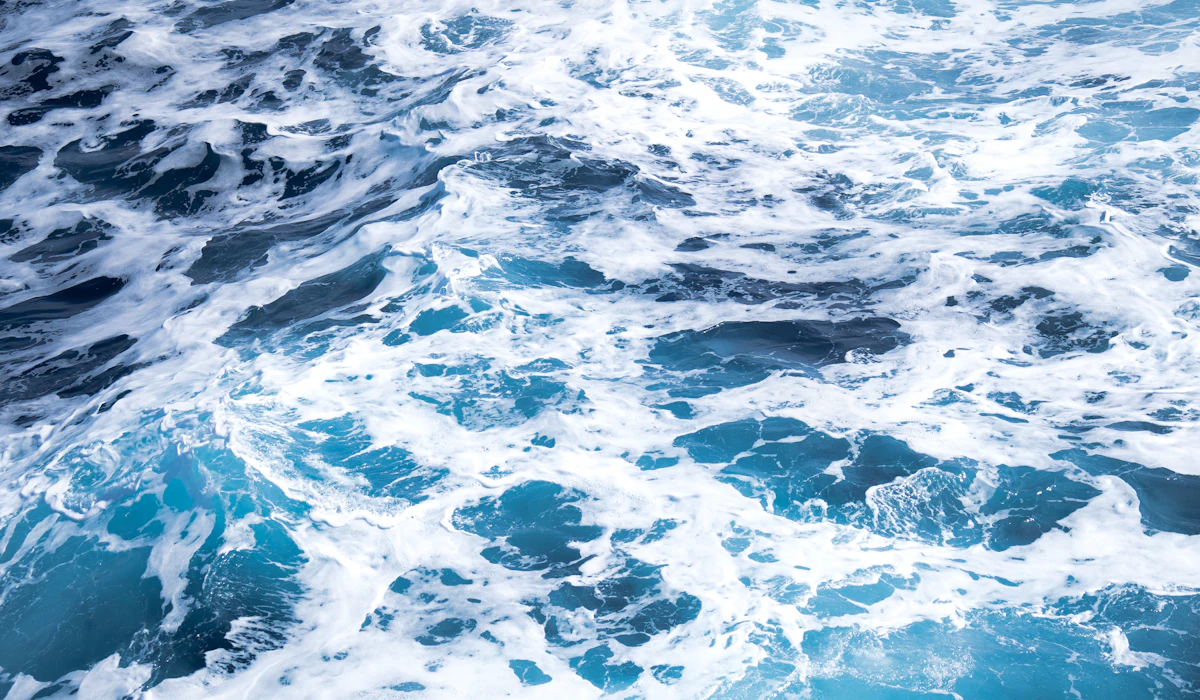
A small number of expedition ships now transit the Northwest Passage through Canada’s Arctic archipelago during the brief summer window when sea ice retreats enough to allow expedition voyages through the region. The route, historically responsible for the deaths of numerous 19th-century explorers attempting the same crossing, draws cruisers specifically interested in polar history alongside the wildlife and landscape.
Multiple operators have 2026 Northwest Passage expeditions scheduled.
A Repositioning Cruise Across the Atlantic
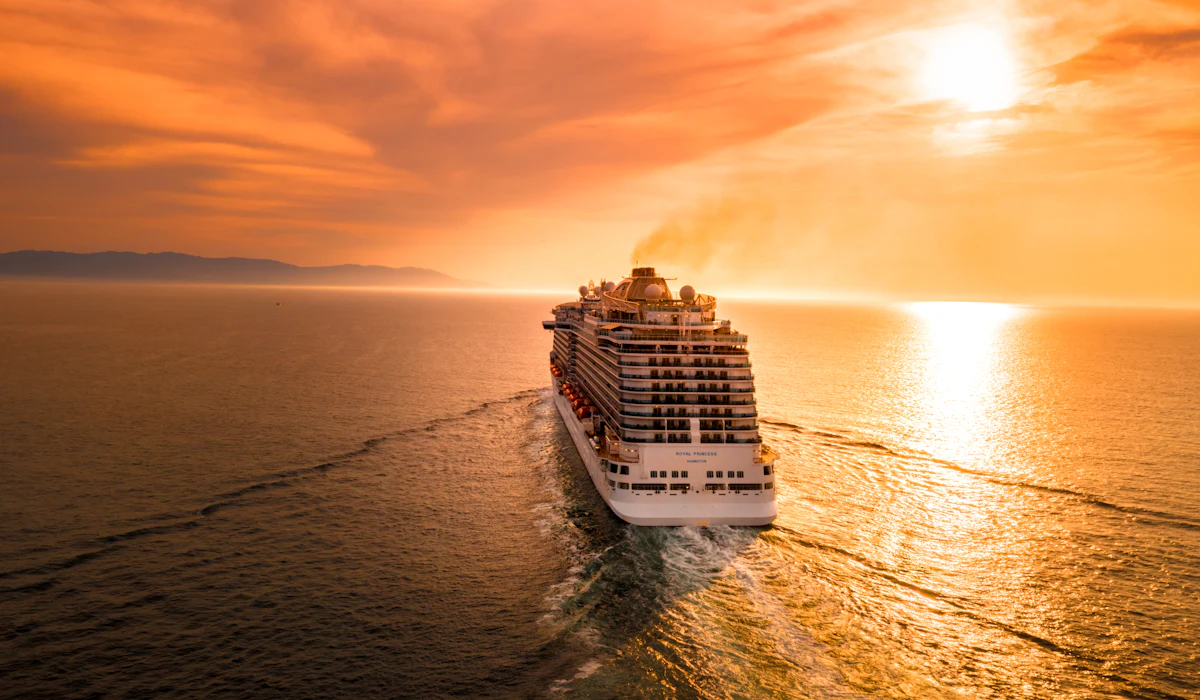
Repositioning cruises, which move a ship between seasonal regions, such as from Europe to the Caribbean each fall, offer several consecutive sea days and can provide a different pace from a port-intensive itinerary. Cruise regulars often recommend a transatlantic repositioning crossing specifically for the slower pace and the novelty of days with no port at all.
Alaska’s Inside Passage on a Small Ship
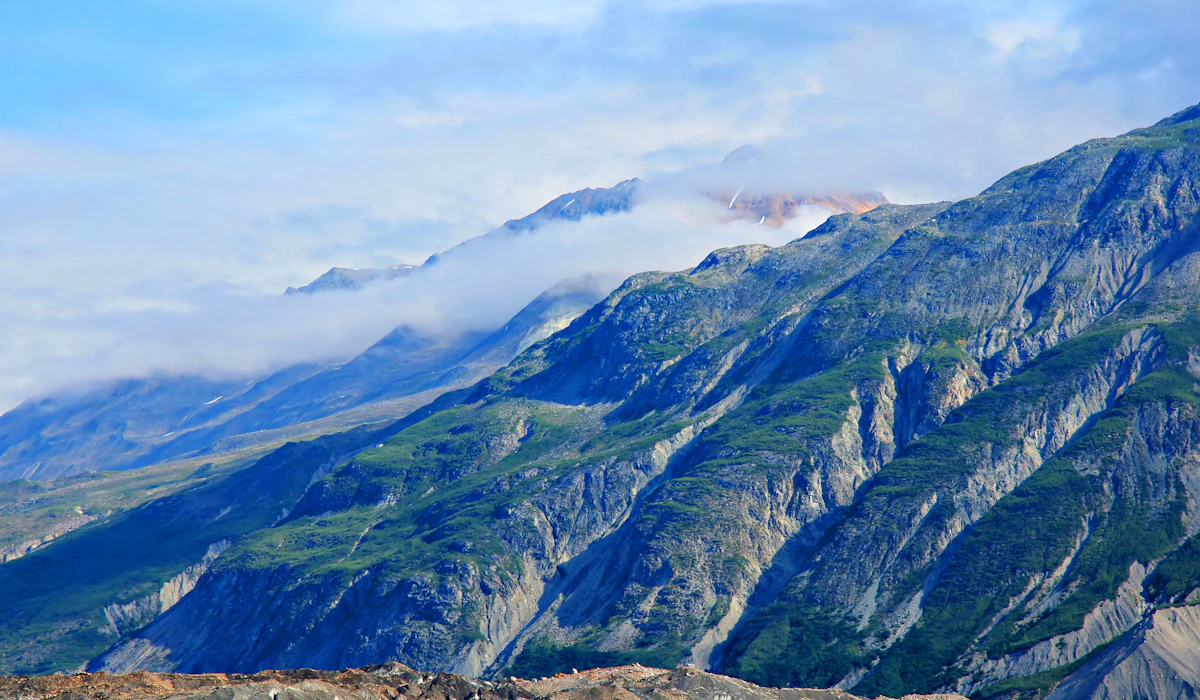
While large ships dominate mainstream Alaska cruising, smaller vessels can reach different waterways and landing sites that are unavailable to larger ships. Regulars who have sailed both ship sizes in Alaska often consider small-ship expedition cruising when they want a more exploration-focused experience.
The Galápagos Islands by Small Expedition Ship
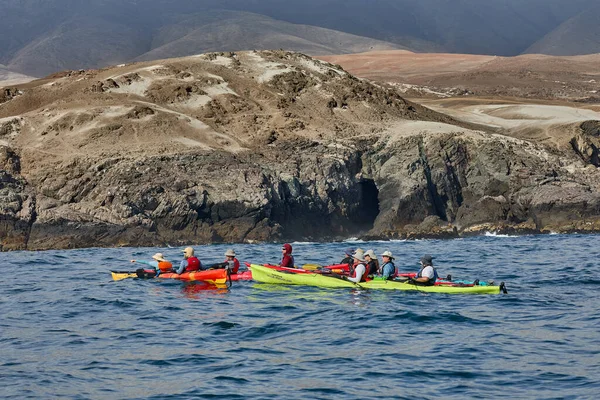
Ecuador limits Galápagos cruise vessels to regulated capacities, with ships carrying up to 100 passengers, while shore excursions are conducted with certified naturalist guides. Cruisers who have done both a mainstream cruise and a Galápagos expedition often describe the wildlife-focused experience as distinctly different from conventional ocean cruising.
Around the World in 100-Plus Days
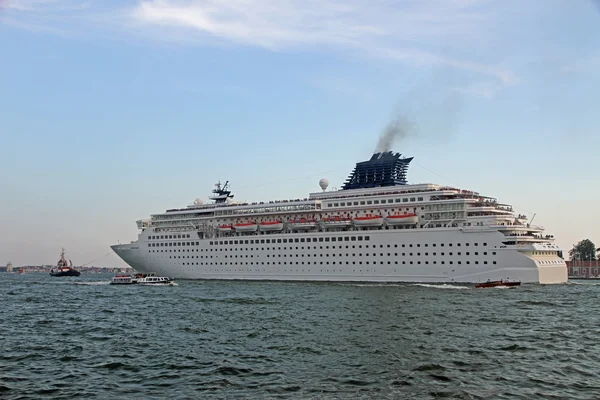
A small number of cruise lines, including Oceania Cruises and Cunard, offer full world cruises lasting three to four months and calling at dozens of countries across multiple continents. Regulars who have sailed a full world cruise describe it less as a single trip and more as an extended chapter of life, given both the cost and time commitment involved.
The Kimberley Coast of Northwest Australia

Australia’s remote Kimberley coastline, accessible mainly by small expedition ship, features dramatic tidal phenomena including the Horizontal Falls and cascading water at Montgomery Reef, ancient Aboriginal rock art sites, and saltwater crocodile habitat rarely seen by travelers outside the region. Operators like Ponant and Coral Expeditions run seasonal itineraries timed around the region’s dry season.
Weather and tides can affect landings and wildlife-viewing opportunities.
A Full Transit of the Panama Canal
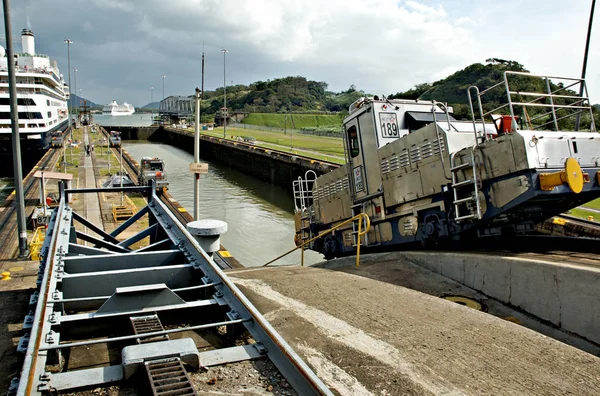
Sailing the full length of the Panama Canal, passing through its lock system that lifts ships more than 85 feet above sea level, remains a genuine feat of early 20th-century engineering that cruisers describe as more compelling in person than expected. Full transit itineraries, which cross from the Atlantic to the Pacific in a single continuous passage, are considered a more complete experience than partial canal itineraries that turn back partway through.
Expedition Cruising in Svalbard
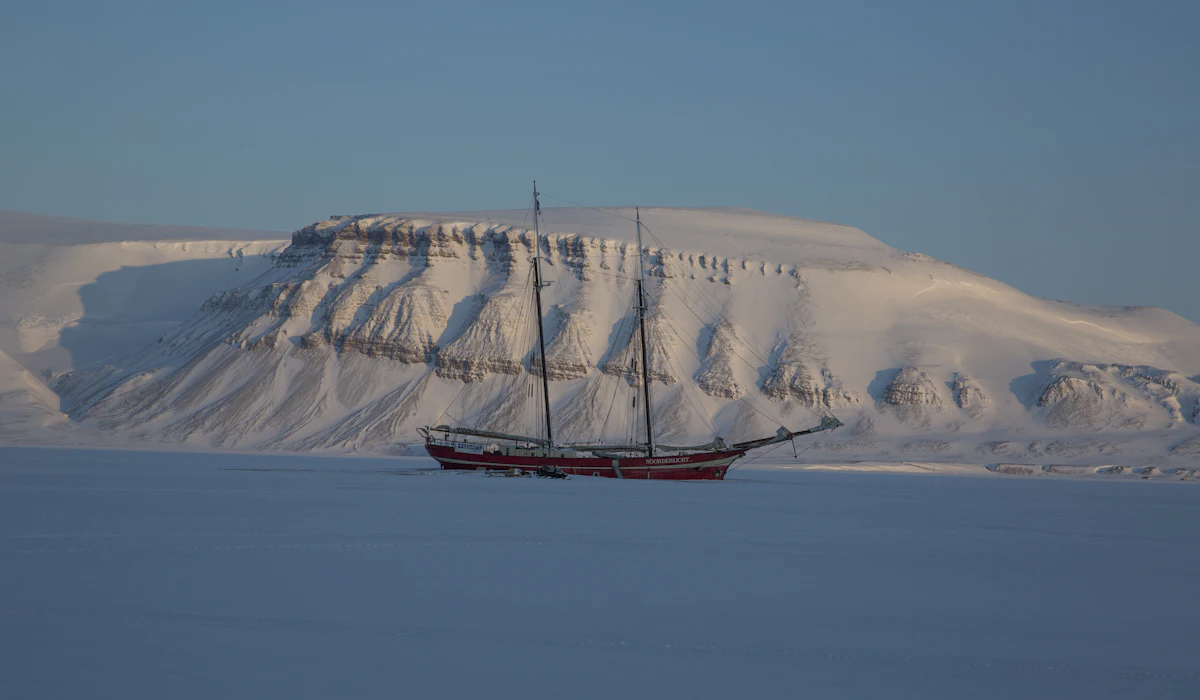
Svalbard, a Norwegian archipelago deep in the Arctic, offers opportunities to encounter polar bears, alongside glaciers calving directly into fjords. Expedition ships here typically carry ice-strengthened hulls and operate under strict wildlife-viewing guidelines set by Norwegian authorities.
Norwegian regulations prohibit unnecessarily disturbing, luring, or pursuing polar bears.
The Amazon River by Riverboat
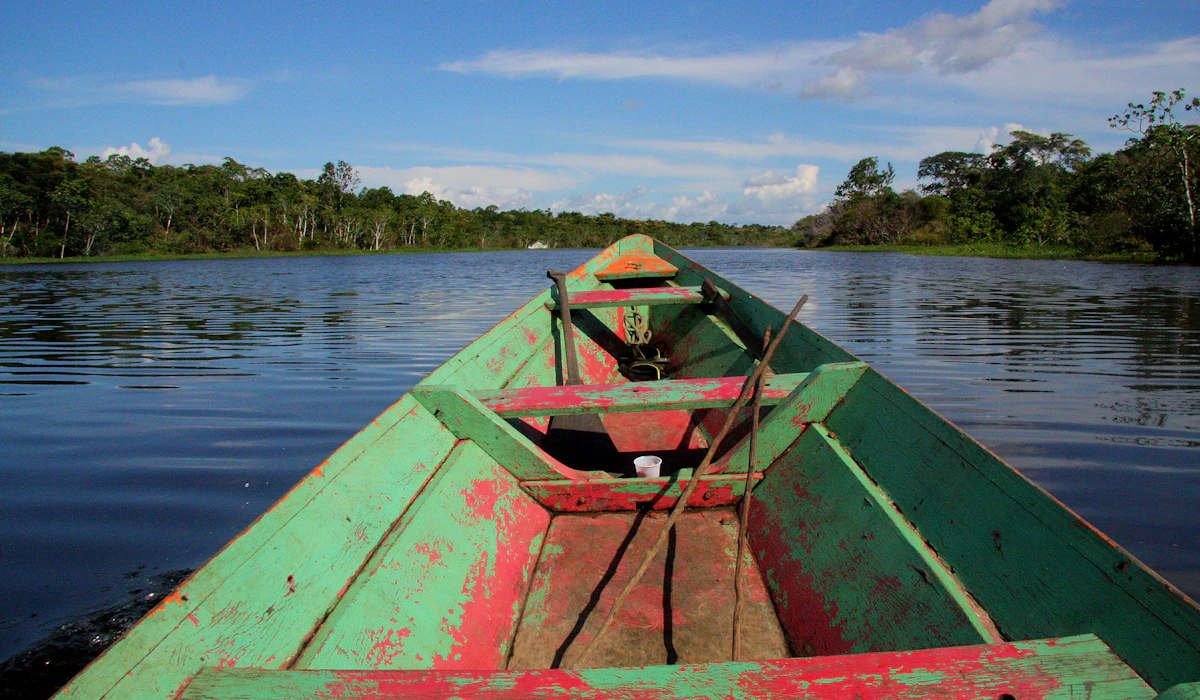
A small number of expedition operators run multi-day riverboat itineraries deep into the Peruvian or Brazilian Amazon, reaching tributaries no oceangoing ship could navigate. Regulars recommend this itinerary specifically for cruisers who want a river expedition with access to rainforest wildlife and landscapes without giving up the comfort of a cabin and consistent meals.
A Full Loop of New Zealand

Circumnavigating both the North and South Islands of New Zealand by ship, including a call at Fiordland’s Milford Sound, lets passengers see the country’s dramatic range of landscapes without the logistics of a self-drive itinerary. Regulars recommend timing this cruise for the country’s warmer months, when conditions are generally more favorable for outdoor exploration.
The Suez Canal Transit
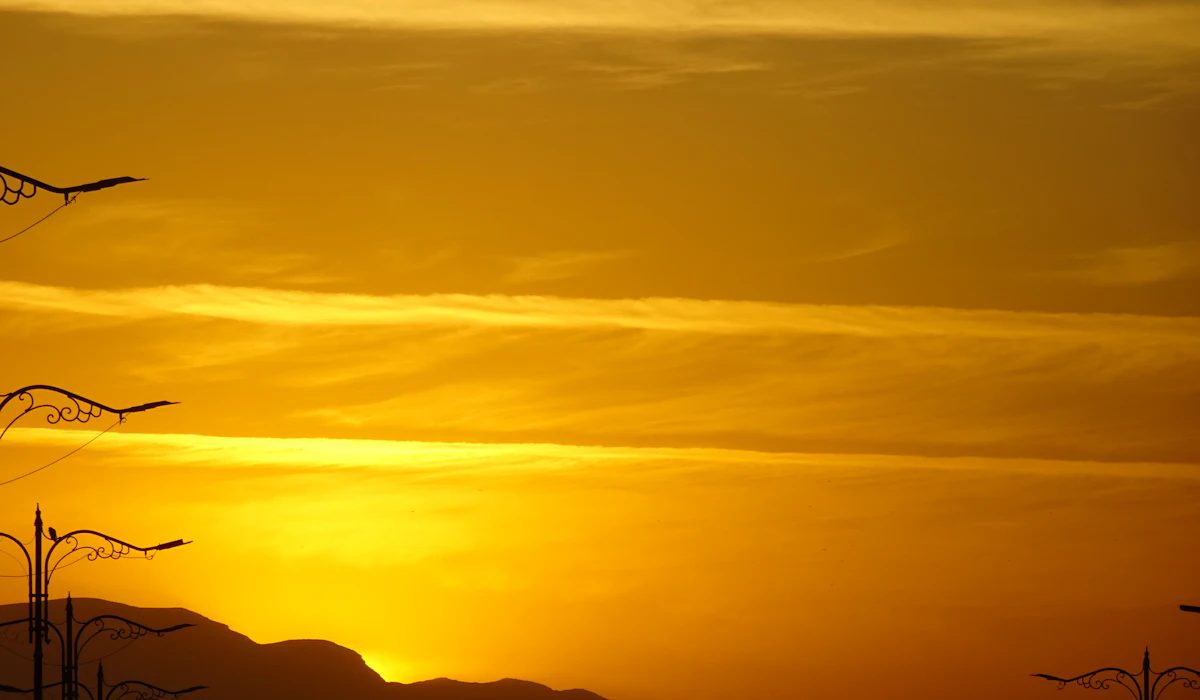
Fewer cruise itineraries transit the Suez Canal than the Panama Canal, making it a rarer bucket-list crossing among regulars who track which canals they have sailed. The passage connects Mediterranean and Red Sea itineraries in a single continuous route through Egypt.
Cruise ships continue to make Suez Canal transits in 2026.
A Full Baltic Capitals Itinerary
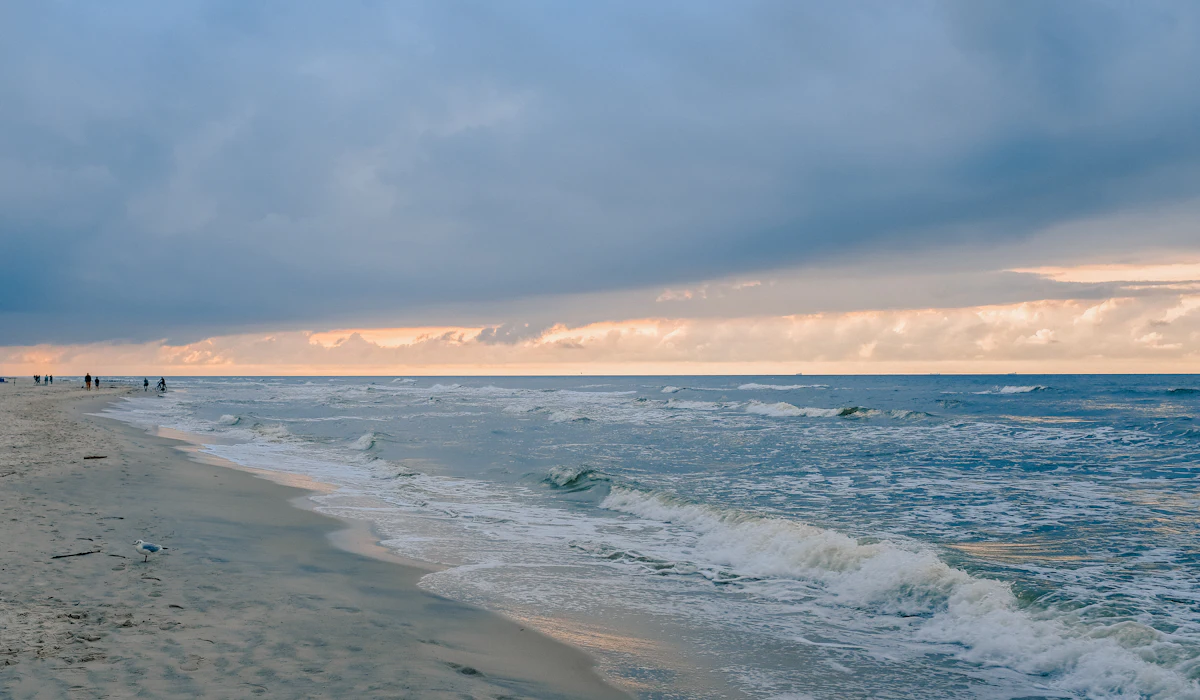
Sailing the Baltic Sea with calls at Stockholm, Helsinki, Tallinn, and other Northern European ports such as Riga or Gdańsk lets passengers compare several distinct Northern and Eastern European cities within a single extended itinerary, something a land-based itinerary covering the same ground would take considerably longer to accomplish. Current Baltic itineraries emphasize ports including Stockholm, Helsinki, Tallinn, Riga, and Gdańsk.
The Chilean Fjords South of Puerto Montt
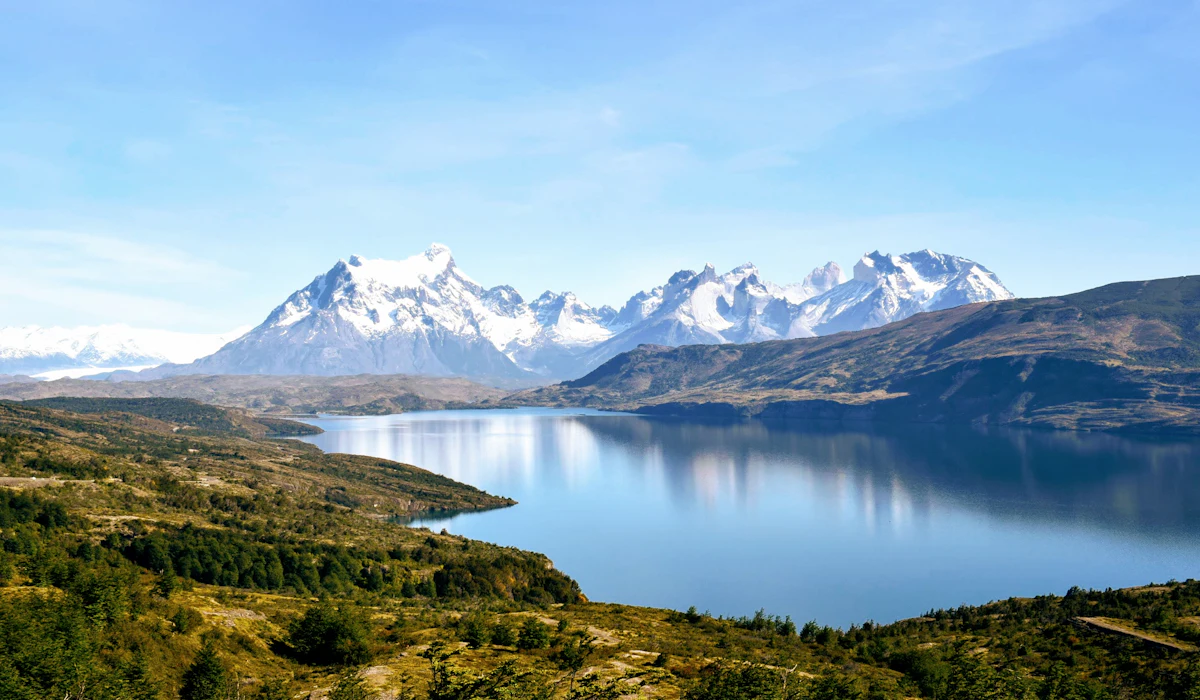
South of Puerto Montt, Chile’s fjord coastline offers a remote alternative to better-known European fjord cruises, and itineraries through this stretch can include scenic cruising toward the far south and Cape Horn. Regulars who have sailed both Norway and Chile’s fjords often highlight the Chilean coast for its remoteness and dramatic scenery.
A Full Hawaiian Islands Cruise Without Leaving U.S. Waters
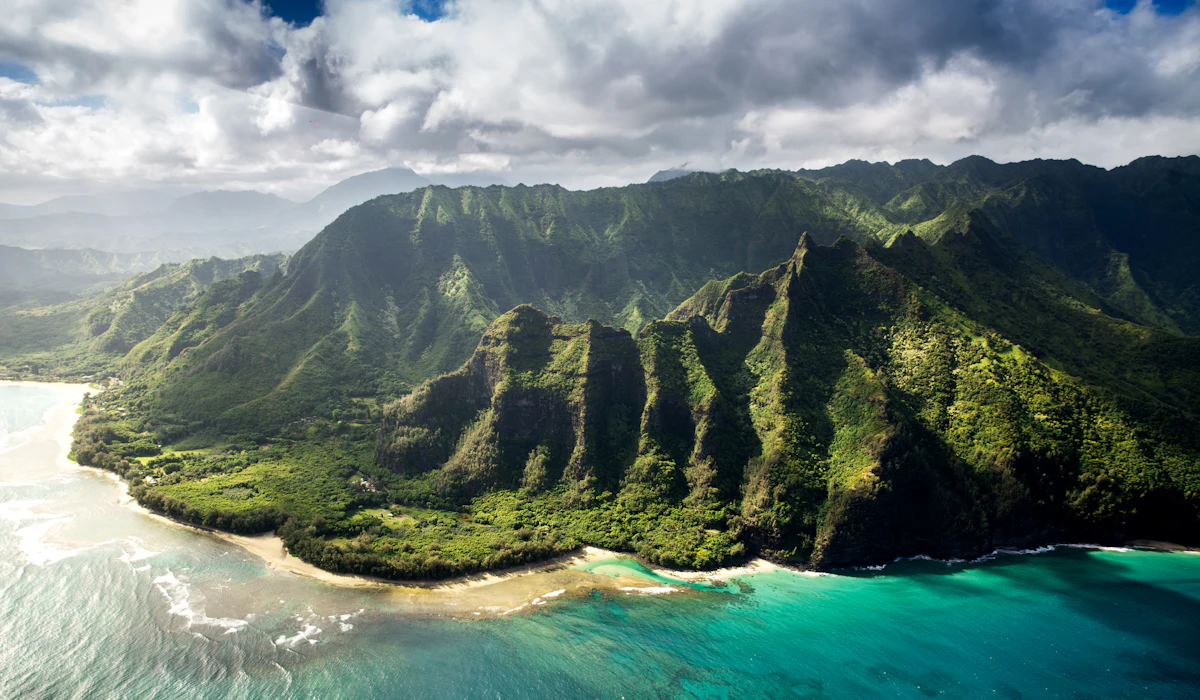
Because of U.S. maritime law requiring foreign-flagged ships to call at a non-U.S. port during any interisland cruise, Norwegian Cruise Line’s Pride of America, the only U.S.-flagged cruise ship currently operating in Hawaii, runs itineraries that stay entirely within the islands, without a detour to a foreign port. Regulars specifically seek out this itinerary to maximize time actually in Hawaii rather than en route to a foreign stop.
The ship currently sails year-round from Honolulu, visiting four islands and five ports in seven days.
Antarctica Combined with South Georgia and the Falklands
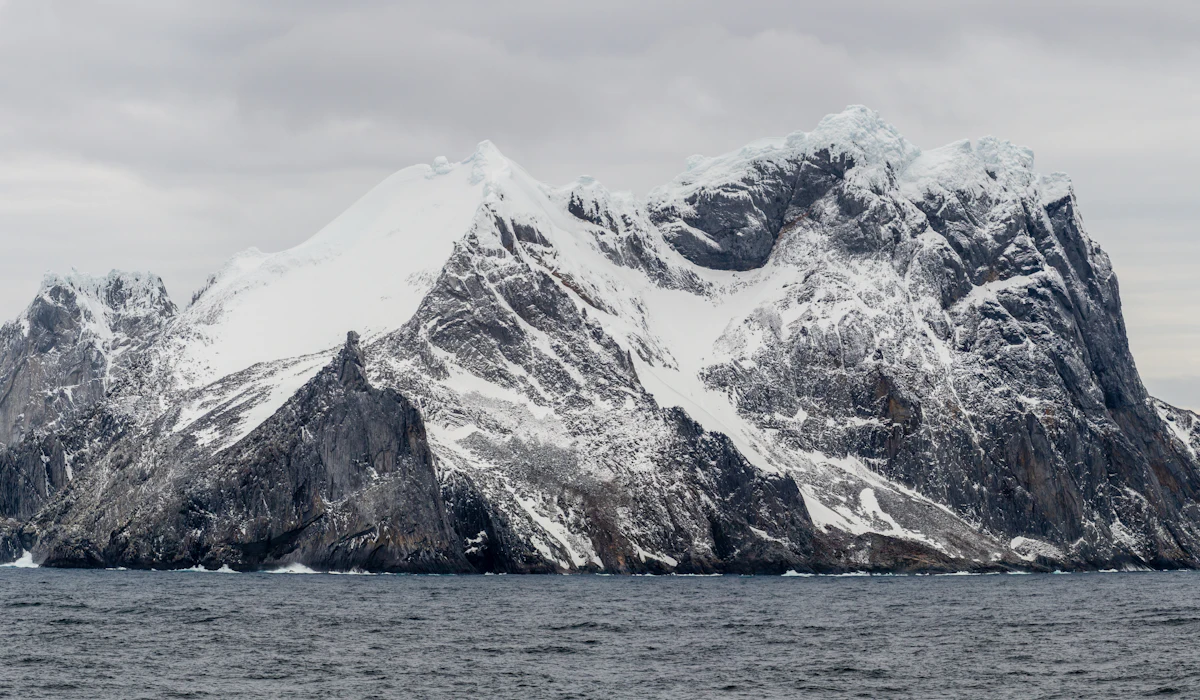
An extended expedition itinerary that adds South Georgia’s massive king penguin colonies and Falkland Islands wildlife to a standard Antarctic Peninsula crossing can extend the voyage to several weeks, but regulars who have sailed both versions often choose the longer itinerary when time and budget allow.
The Mediterranean’s Lesser-Known Ports
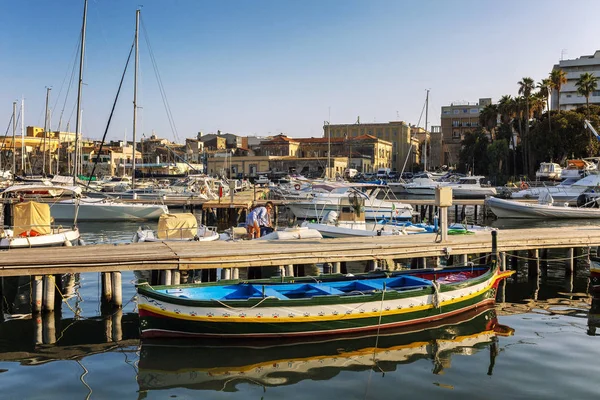
Beyond the standard Rome-Barcelona-Naples circuit, itineraries calling at smaller Mediterranean ports like Kotor in Montenegro, Ston on Croatia’s Pelješac Peninsula, or Sicily’s Taormina let regulars revisit the region without repeating the same crowded stops from a first Mediterranean cruise.
A Full Circle of Iceland by Ship
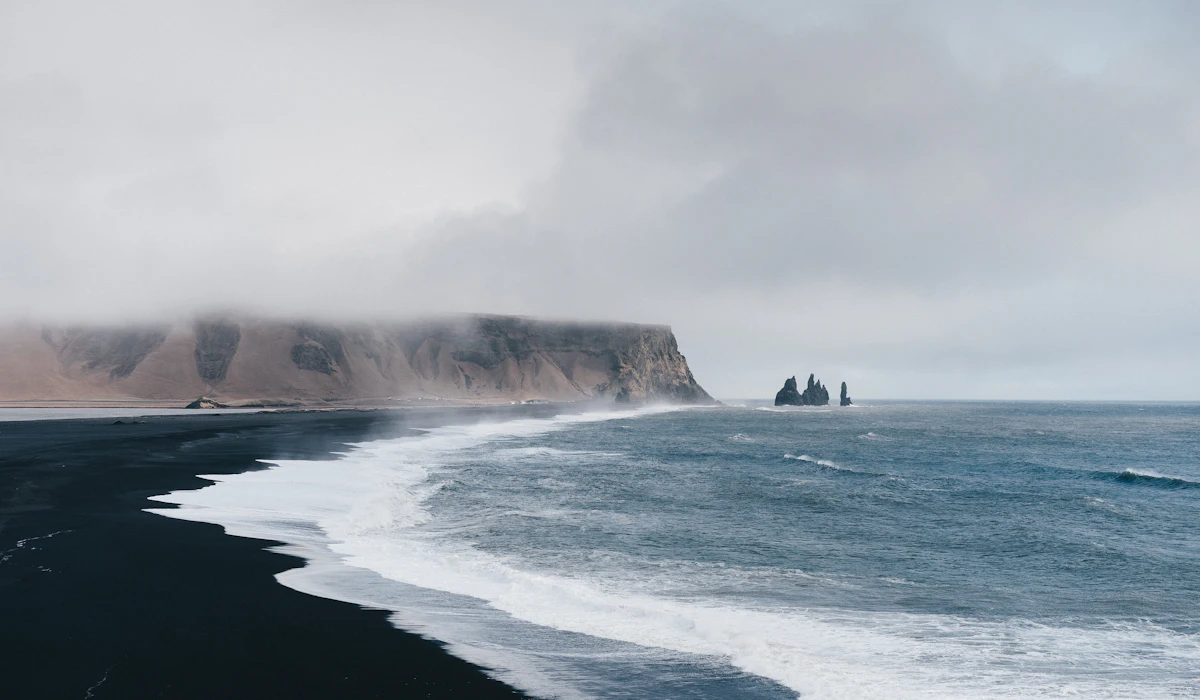
Circumnavigating Iceland by expedition ship reaches remote fjord towns in the Westfjords region that are difficult to access by road, combined with the country’s geothermal and volcanic landscape visible from several ports. Regulars recommend a full-island circuit over a partial itinerary that only touches the more accessible southern coast.
Full circumnavigation expedition itineraries continue to operate in 2026.
The Chilean and Argentine Lakes District by River and Fjord
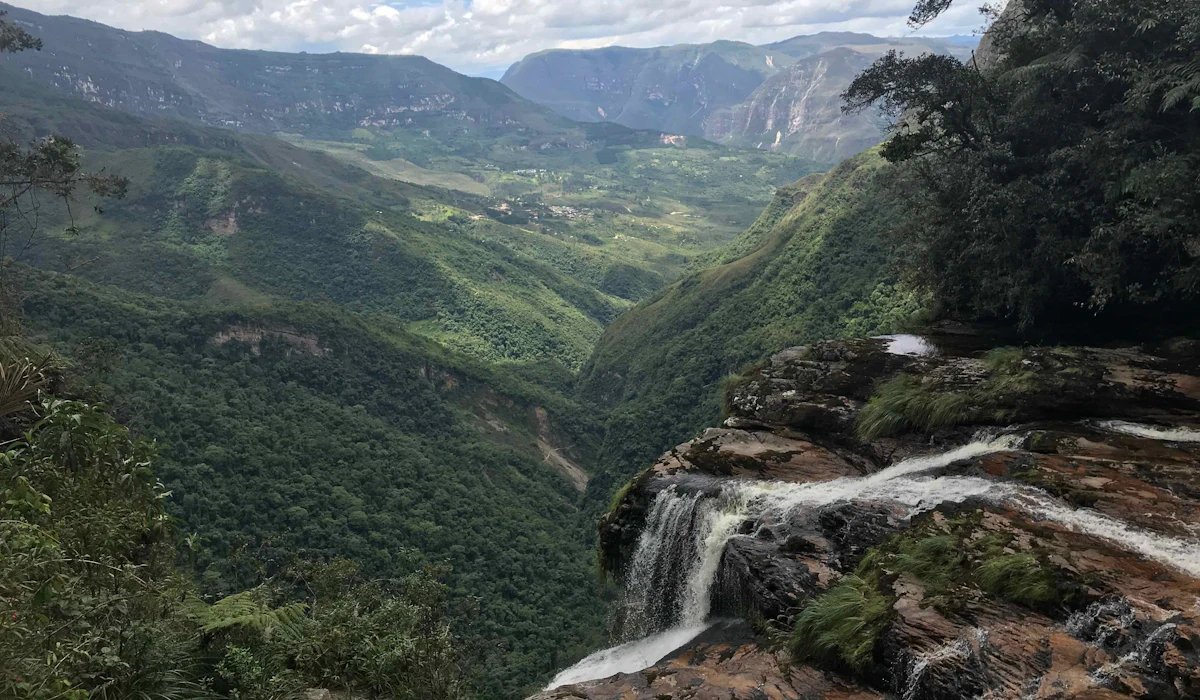
Combined land-and-water itineraries through Chile and Argentina’s lakes district connect Andean scenery with Patagonian wildlife in a single trip, and can be paired with a separate Antarctic sailing for a longer South American expedition.
The Ross Sea, Antarctica’s Far Side
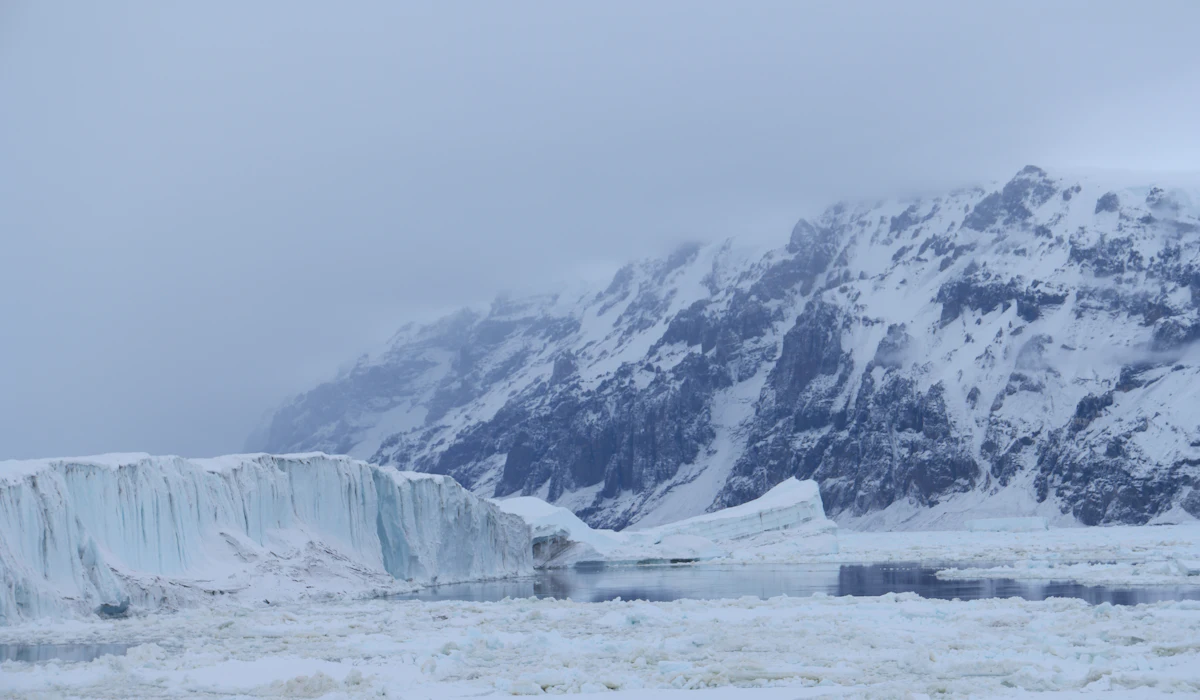
A small number of expedition ships have historically sailed to the Ross Sea on the opposite side of Antarctica from the more commonly visited peninsula, reaching historic huts used by early 20th-century explorers Robert Falcon Scott and Ernest Shackleton. Regulars who track polar destinations consider a Ross Sea sailing considerably rarer than a standard peninsula crossing.
A Grand Voyage Combining Multiple Ocean Crossings
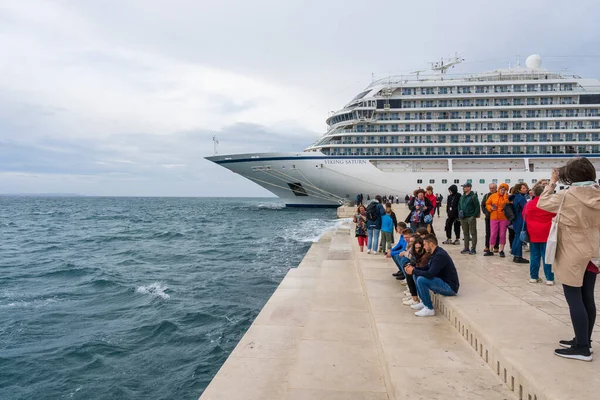
Some cruise lines package several consecutive repositioning segments into a single extended “grand voyage” spanning multiple oceans and continents over one or two months. Regulars recommend these for travelers who want the scope of a full world cruise without committing to the full three- or four-month version.
The Kuril Islands and Russia’s Far East
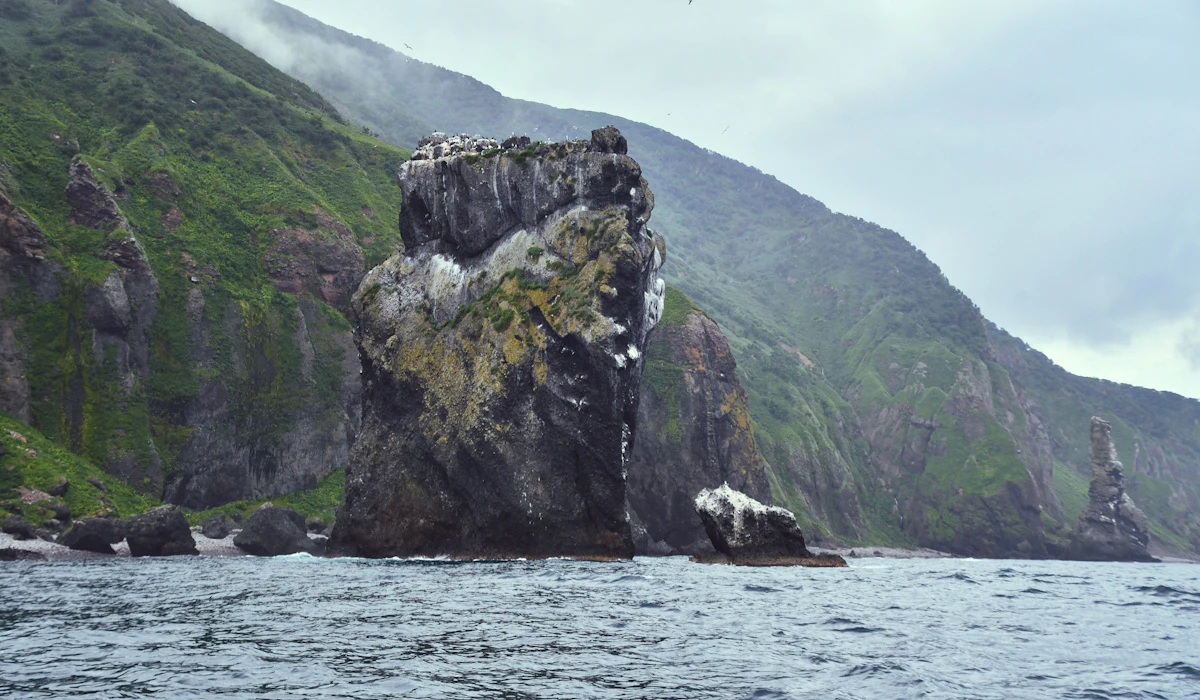
A small number of expedition itineraries continue to operate in the remote Kuril Islands and Russian Far East, a region with minimal general tourism infrastructure and correspondingly limited cruise access. Regulars who have sailed this route describe it as one of the least-visited itineraries currently offered anywhere.
Current 2026 expedition operators list voyages through multiple Kuril Islands, including routes between Kamchatka and Sakhalin.
The Seychelles and Madagascar
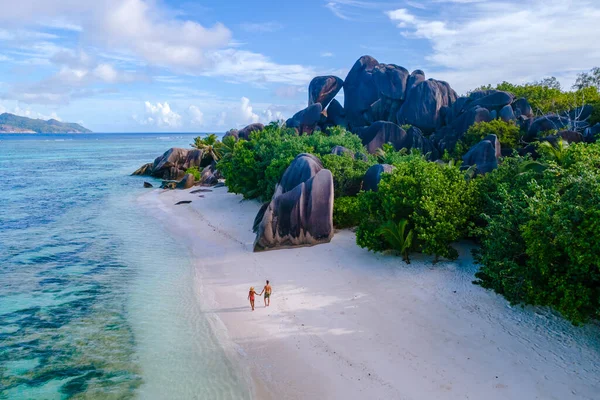
Combined itineraries through the Seychelles and Madagascar reach some of the Indian Ocean’s most biologically distinct wildlife, including lemurs found nowhere else on Earth, aboard smaller expedition ships suited to the region’s limited port infrastructure.
A Full East Coast of Greenland Expedition
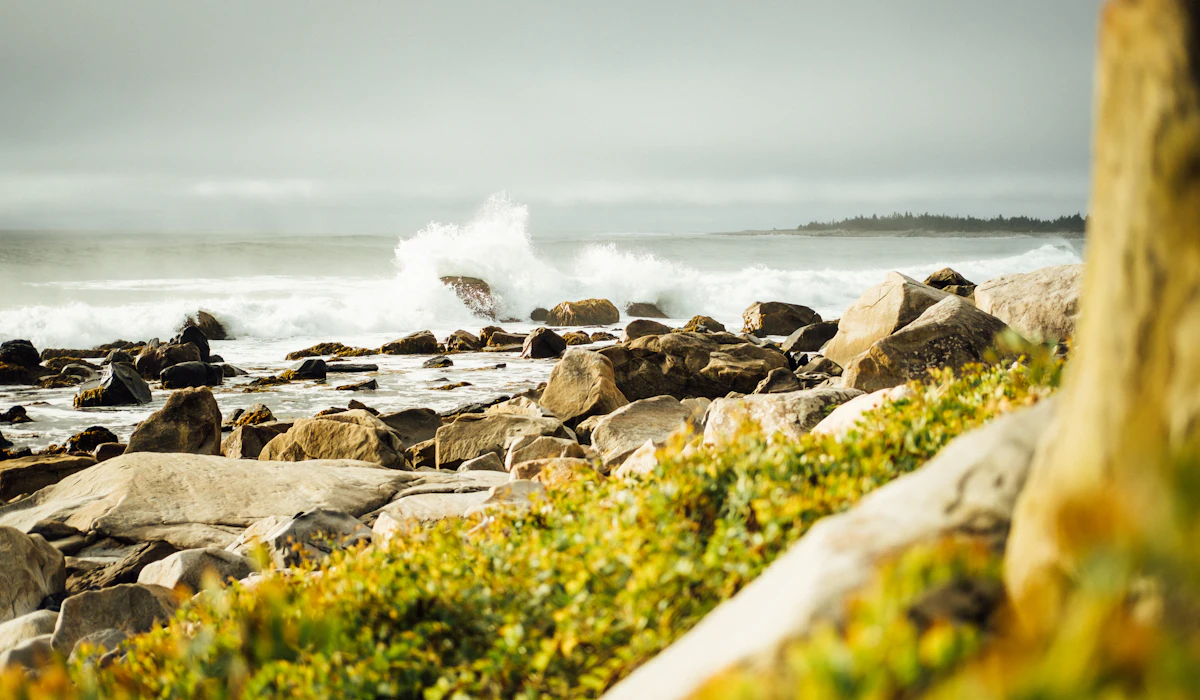
Greenland’s east coast, considerably less developed than its western towns, is reachable mainly by ice-strengthened expedition ship during a short summer window, offering fjord scenery on a scale regulars compare favorably to Norway and Chile alike.
The Solomon Islands and Vanuatu
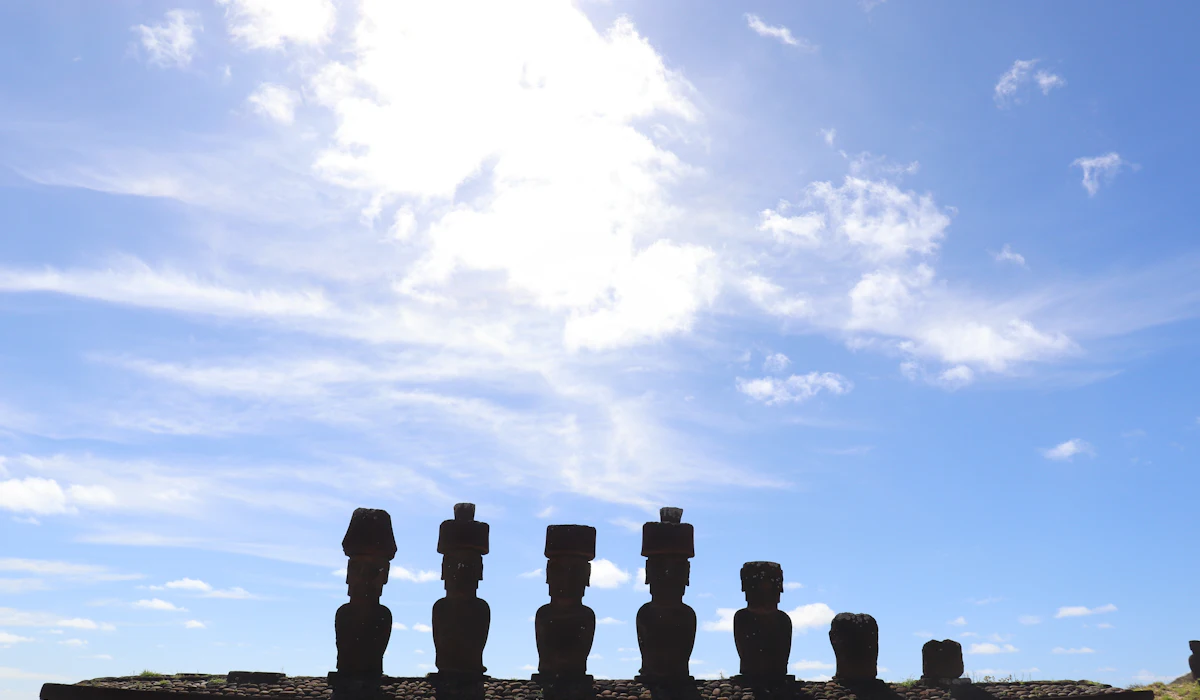
South Pacific itineraries reaching the Solomon Islands and Vanuatu, well beyond the more commonly cruised Fiji and Tahiti, appeal to regulars specifically for World War II historical sites and reef systems that have seen less tourism development than the region’s better-known cruise destinations.
The Chatham Islands, New Zealand’s Remote Outpost
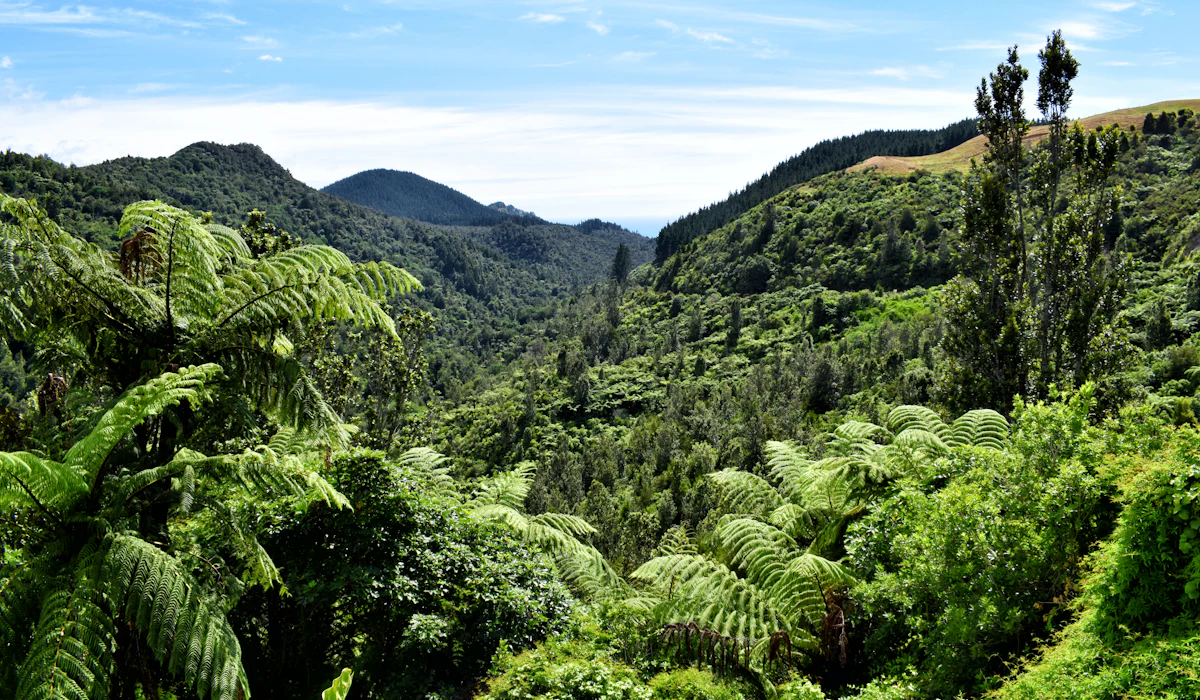
A small number of expedition ships call at New Zealand’s Chatham Islands, a remote archipelago about 500 miles east of New Zealand’s South Island with its own distinct culture and wildlife. Regulars who have made the stop describe it as one of the more genuinely obscure ports available on any current cruise itinerary.
What Separates a Good Cruise from a Once-in-a-Lifetime One
The itineraries above share a few traits: they reach places a standard vacation cannot easily access, they typically involve smaller ships built for a specific region rather than mass-market resorts at sea, and they usually cost and take considerably more than a typical week-long cruise.
For experienced cruisers, the appeal is often the combination of remoteness, unusual routing, expedition logistics, and the sense that the destination would be difficult to experience in the same way by a conventional cruise. The common thread is not luxury for its own sake, but the access and sense of exploration that these itineraries can provide.
More from Travel Pug

- Underrated Italian Towns That Beat the Tourist Crowds
- Las Vegas Tourist Traps to Skip
- Prettiest Towns in Every US State
- 18 passport-free countries for Americans
- Signs Your Cruise Is Not Worth The Cost
Like Travel Pug’s content? Follow us on MSN.