

Tour buses sell convenience, then spend a good chunk of the day collecting passengers, idling at lunch stops, and herding everyone back to the vehicle on a fixed clock. Many popular day trips are served by ordinary trains, ferries, and public buses that run throughout the day and can cost less than a seat on a coach.
Going alone also means choosing the hour of arrival, and that choice often separates a shoulder-to-shoulder photo stop from a quiet morning. These trips reward the traveler who reads a timetable.
Sintra From Lisbon
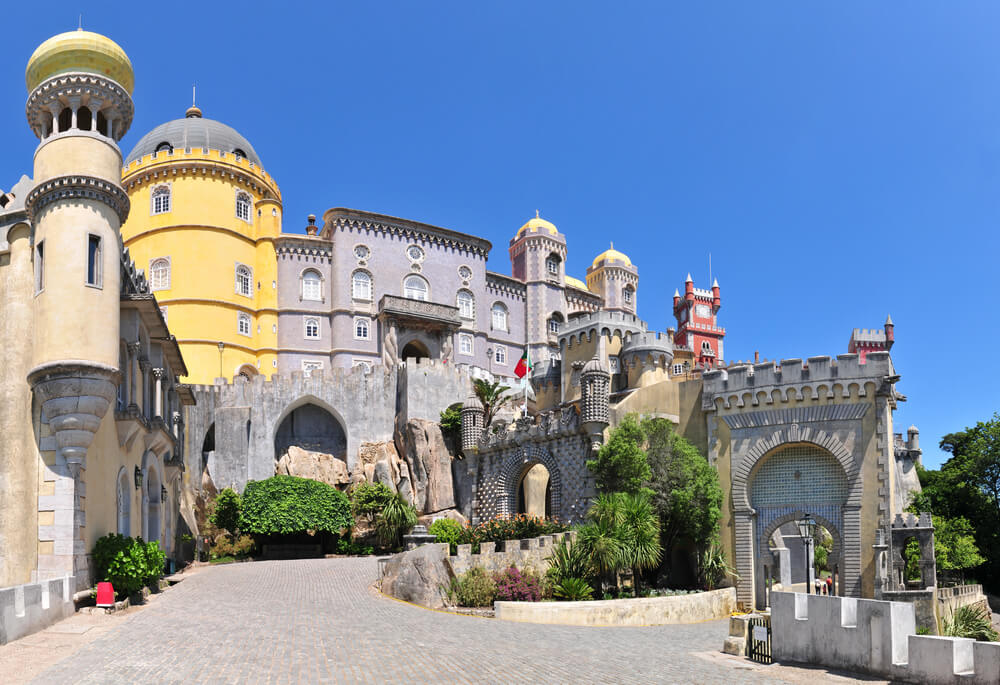
Trains to Sintra leave Lisbon’s Rossio station on the Sintra line and run straight through with no transfer. The mistake most visitors make is trying to see everything, when Pena Palace, the Moorish Castle, and Quinta da Regaleira are each big enough to fill a morning.
Scotturb’s 434 bus connects the train station with the hilltop sites, including Pena Palace and the Moorish Castle, while route 435 serves other attractions such as Quinta da Regaleira. Heading straight to the palace on an early train, before the crowds, is the single best use of the day.
Pompeii From Naples
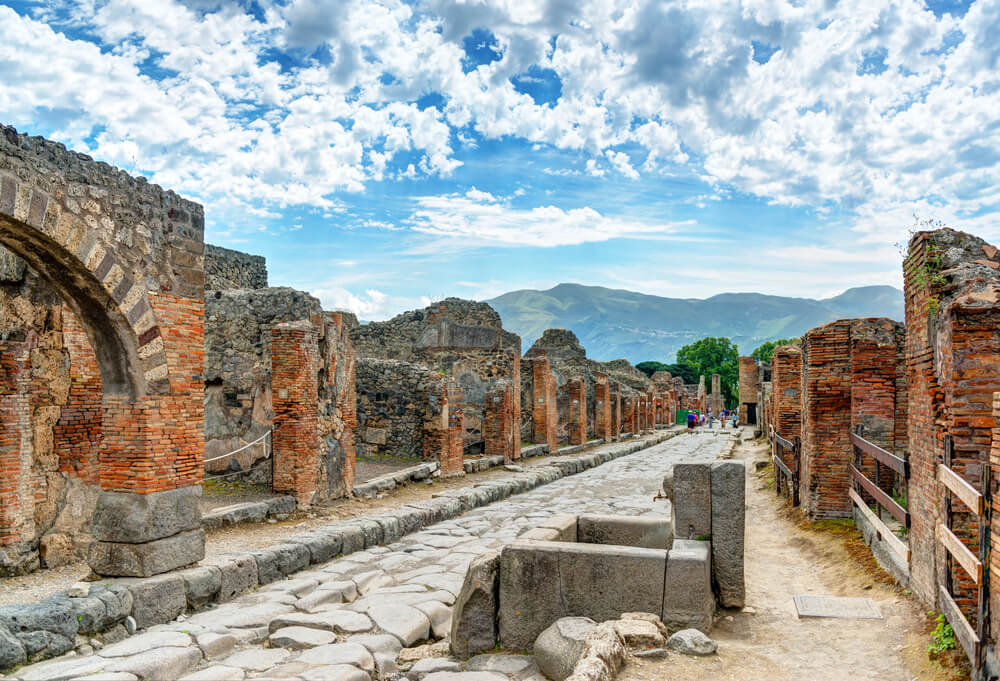
The Circumvesuviana commuter line from Naples Garibaldi toward Sorrento stops at Pompei Scavi-Villa dei Misteri, right beside the excavation gate. The city was buried by the eruption of Vesuvius, and the streets still show deep cart ruts worn into the paving stones.
Visitors who arrive on their own can head straight for the Villa of the Mysteries, with its vivid red wall frescoes, while coach groups queue near the main entrance. The same line continues to Sorrento, so the return can end with dinner on the coast.
Montserrat From Barcelona
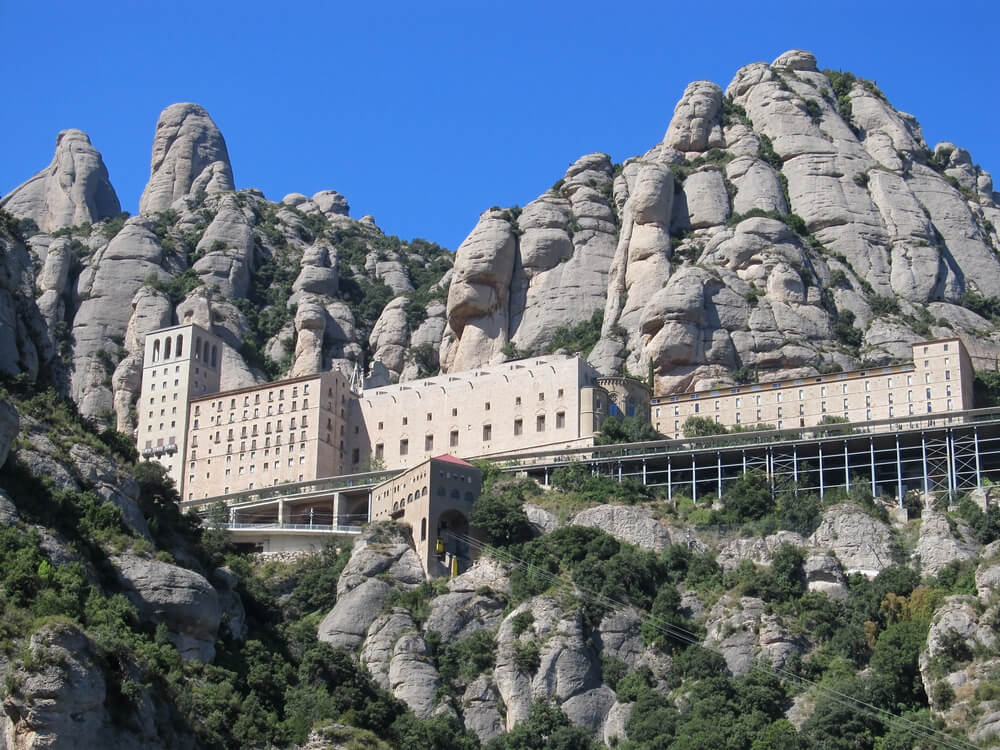
Regional line R5 runs from Plaça Espanya to the foot of the mountain, where a cable car or a rack railway climbs to the monastery. The serrated peaks that give Montserrat its name, often translated as “serrated mountain” in Catalan, are visible from the train long before arrival.
The basilica holds the Black Madonna known as La Moreneta, and the boys’ choir, the Escolania, sings during scheduled religious services, though its performances vary with the calendar. Doing it independently means being able to hike the trails above the monastery instead of watching the clock for a coach departure.
Bath From London
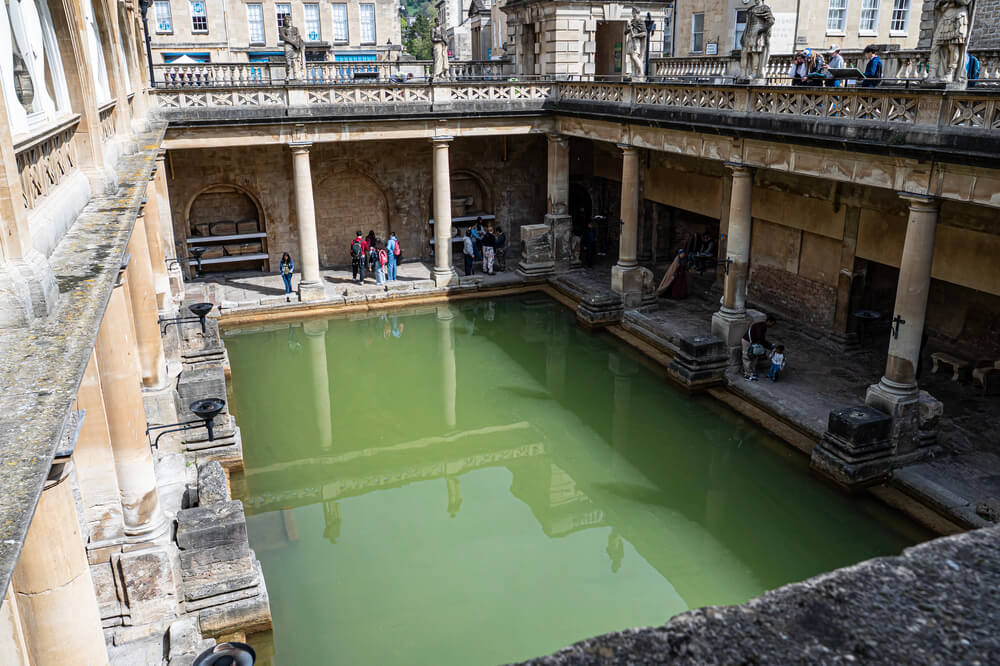
Great Western Railway trains from London Paddington run to Bath Spa, and the station sits a short walk from the Roman Baths. The hot spring that feeds the baths still flows, steaming and mineral-green, into the ancient pool.
Skip the bus loop and walk to Pulteney Bridge, which is lined with shops along both sides like a miniature Florentine crossing. The city is compact enough that nothing requires a vehicle once the train has done its work.
Bruges From Brussels
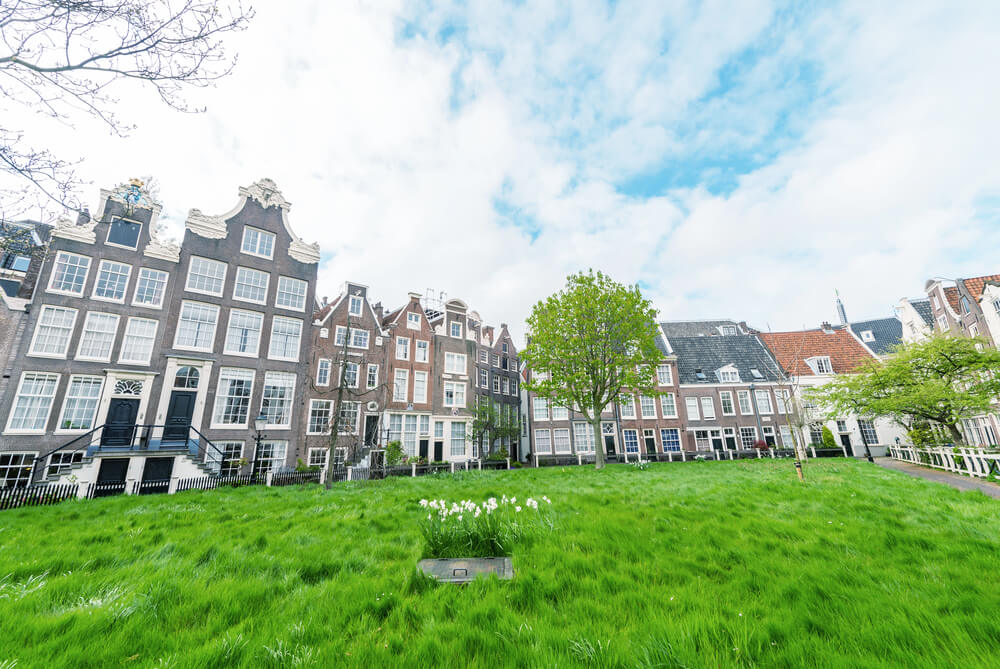
Direct trains connect Brussels with Bruges and run several times an hour through the day. The medieval Belfry in the market square rewards a climb up its narrow stairway with a view over the orange roofs and the canals.
Tour groups tend to clump around the main square by late morning, so a solo traveler can reach the quieter Begijnhof and Minnewater lake first. The walk from the station into the center offers a chance to see the city gradually come into view.
Neuschwanstein Castle From Munich
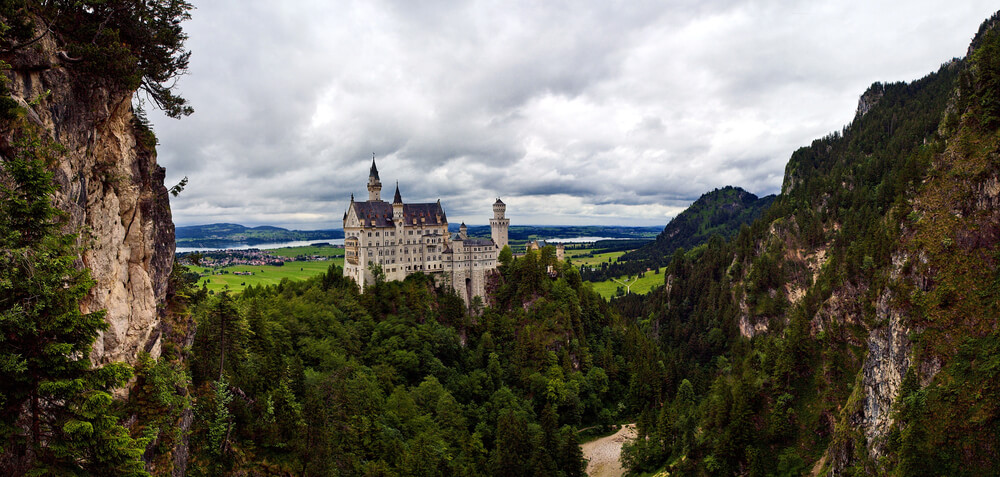
Regional trains run from Munich to Füssen, and a local bus carries passengers from the station to the village of Hohenschwangau below the castle. King Ludwig II died with the castle unfinished, and the interior can be seen only on a timed guided tour that should be booked ahead.
The uphill walk, plus the short hike to the Marienbrücke bridge for the classic view, fills the day without any help from a coach. A regional Bavaria ticket can cover the rail portion for groups traveling together.
Lake Bled From Ljubljana
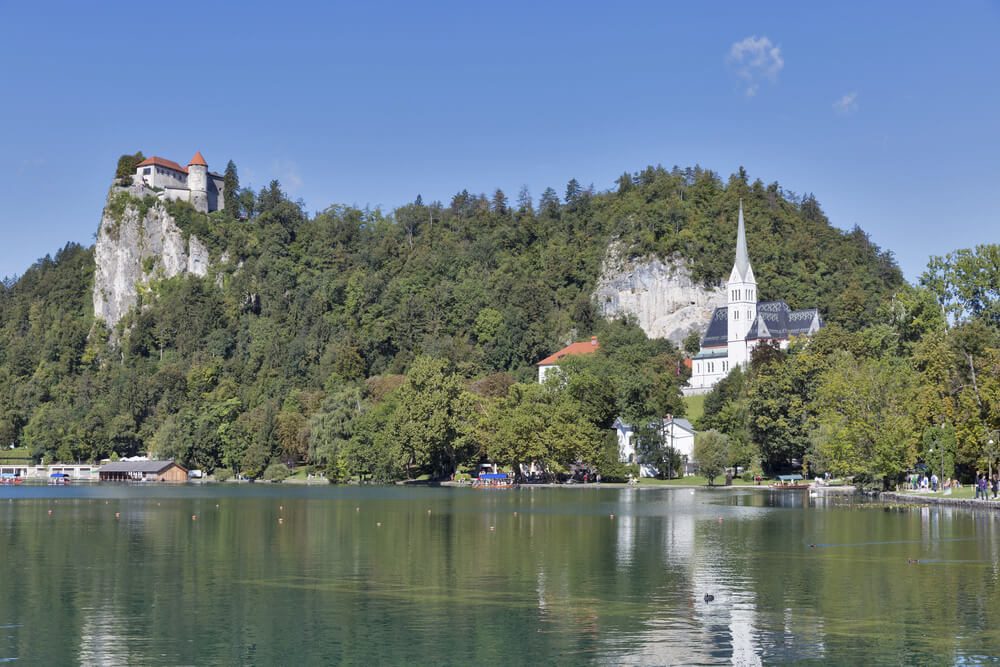
Buses from Ljubljana’s main station reach Bled and leave frequently throughout the day. The lake’s small island holds a pilgrimage church with a bell that visitors ring for luck, reached by a long flight of stone steps.
Traditional wooden boats called pletna carry visitors across, and the path around the lake is flat and easy underfoot. Tour operators often squeeze Bled into a half-day with other stops, while a solo traveler can stay for the sunset.
Hallstatt From Salzburg
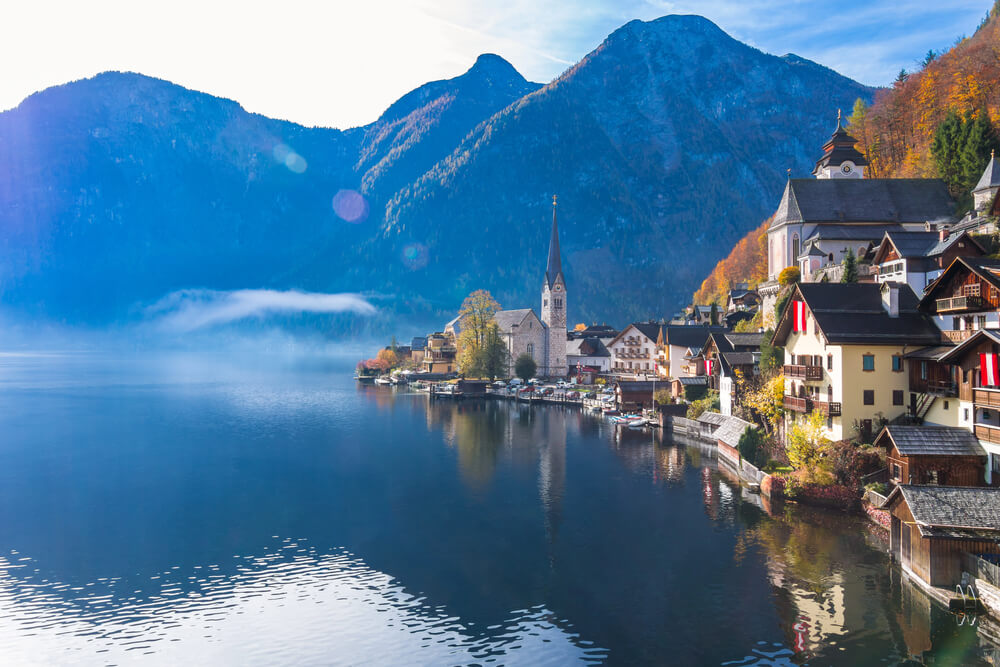
Reaching Hallstatt without a coach means taking a train from Salzburg to Attnang-Puchheim, then another toward Hallstatt. The railway station sits across the lake from the village, and a small ferry connects the station with the village and coordinates with train arrivals.
Salt mining above the town goes back thousands of years, and a funicular rises to the Salzwelten mine tour. Arriving by water, with the church spire and stacked houses coming into view, beats stepping off a bus into a crowded parking lot.
Kamakura From Tokyo
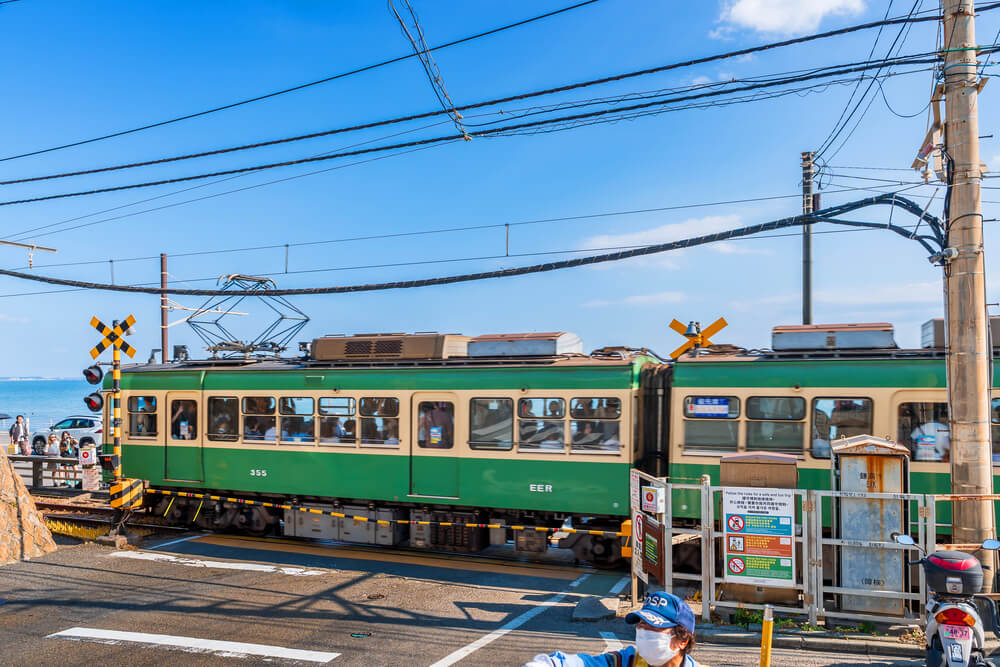
JR trains from Tokyo Station run to Kamakura, and the vintage Enoden tram then rattles through backyards to Hase. The Great Buddha at Kotoku-in is a huge bronze figure that now sits in the open air because the hall that once housed it was destroyed by natural disasters, including a tsunami.
A short hike over the hills connects the temples, and the tram ride toward Enoshima adds a seaside finish. Few coach tours bother with the tram, which is half the charm.
Nikko From Tokyo
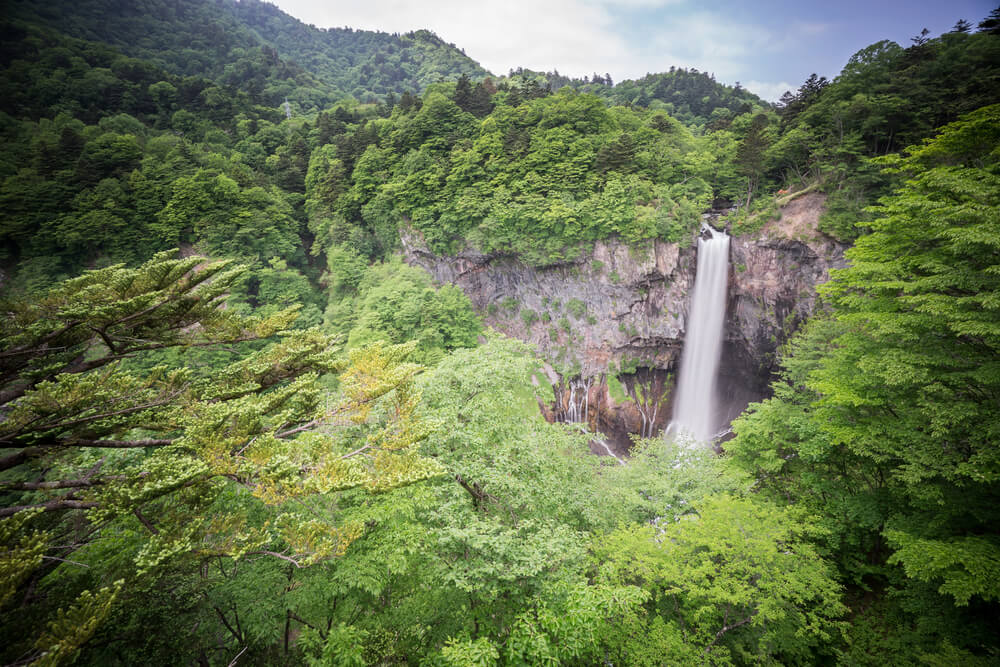
The Tobu Railway runs from Asakusa in Tokyo to Nikko, with limited express services that skip the local stops. Toshogu Shrine, built to honor Tokugawa Ieyasu, is covered in carvings that include the famous three wise monkeys.
Kegon Falls, a 97-meter waterfall above Lake Chuzenji, takes a bus ride up the mountain beyond the shrines. Travelers on their own can pick between the temple complex and the mountain scenery instead of getting a little of each.
Nara From Kyoto

JR’s Nara Line connects Kyoto Station and Nara on a rapid service, which makes it one of the easiest day trips in Japan. Sika deer roam the park and the temple grounds, and they bow to visitors who offer crackers sold at stalls nearby.
Todai-ji houses a giant bronze Buddha inside an enormous wooden hall. Going alone allows an early arrival at the temple before the school groups appear.
Ayutthaya From Bangkok

Trains run north from Bangkok to Ayutthaya, rattling past suburbs and rice fields on the way. The old capital, sacked by Burmese forces in 1767, is now a park of brick ruins that can be toured by rented bicycle.
At Wat Mahathat, the head of a stone Buddha sits entwined in the roots of a fig tree, a sight that draws a queue of photographers. Tour vans often arrive in the heat of midday, while an early train offers cooler air and emptier temples.
Batu Caves From Kuala Lumpur
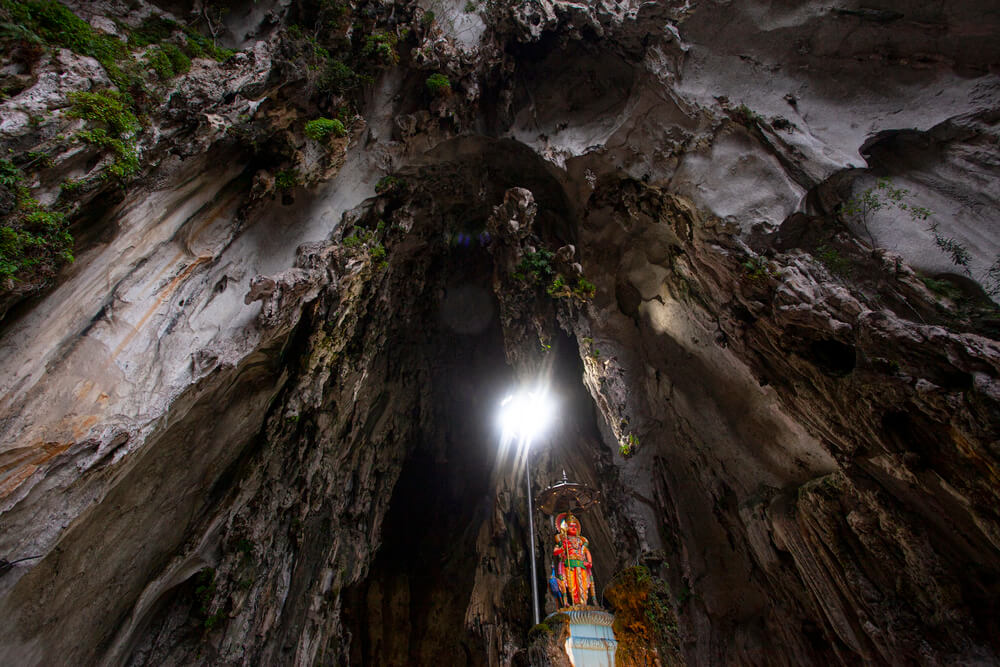
The KTM Komuter line connects KL Sentral with Batu Caves, and the station sits at the foot of the complex. A rainbow-colored staircase climbs to the main cave, guarded by a towering golden statue of Murugan.
The limestone hill is far older than the Hindu shrine inside it, and macaques loiter on the steps looking for dropped snacks. Going alone allows a morning visit before the heat and the crowds rise together.
Agra From Delhi
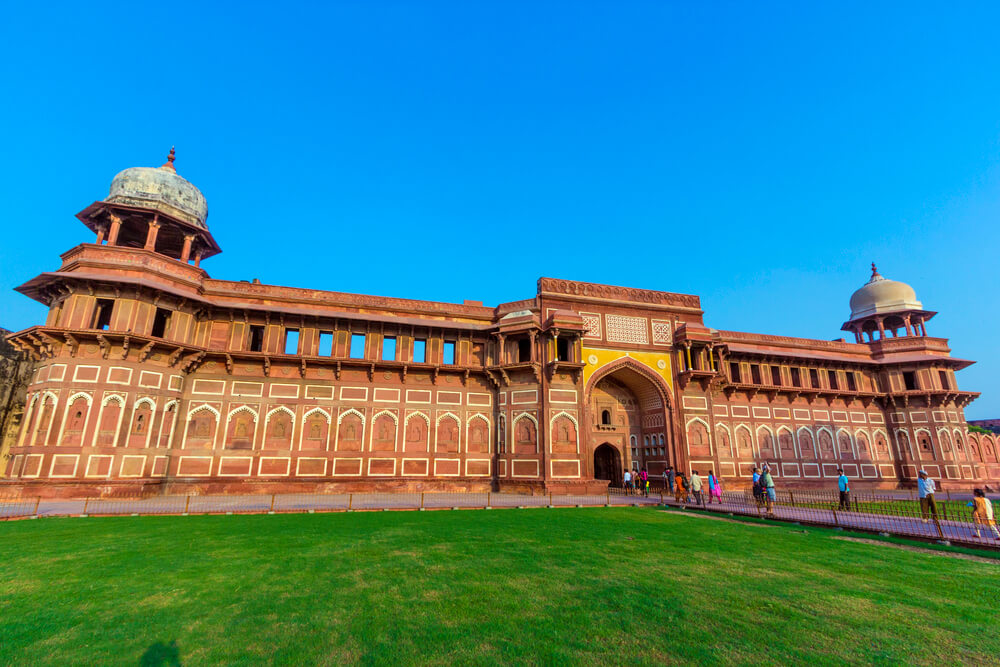
The Gatimaan Express from Hazrat Nizamuddin station is among the fastest ways to reach Agra and the Taj Mahal by rail. The monument is closed to visitors on Fridays, a detail that catches many travelers by surprise.
Arriving independently means being able to enter at dawn when the marble takes on a pink tint. Agra Fort, across town, rewards a second stop without a coach schedule.
Macau From Hong Kong
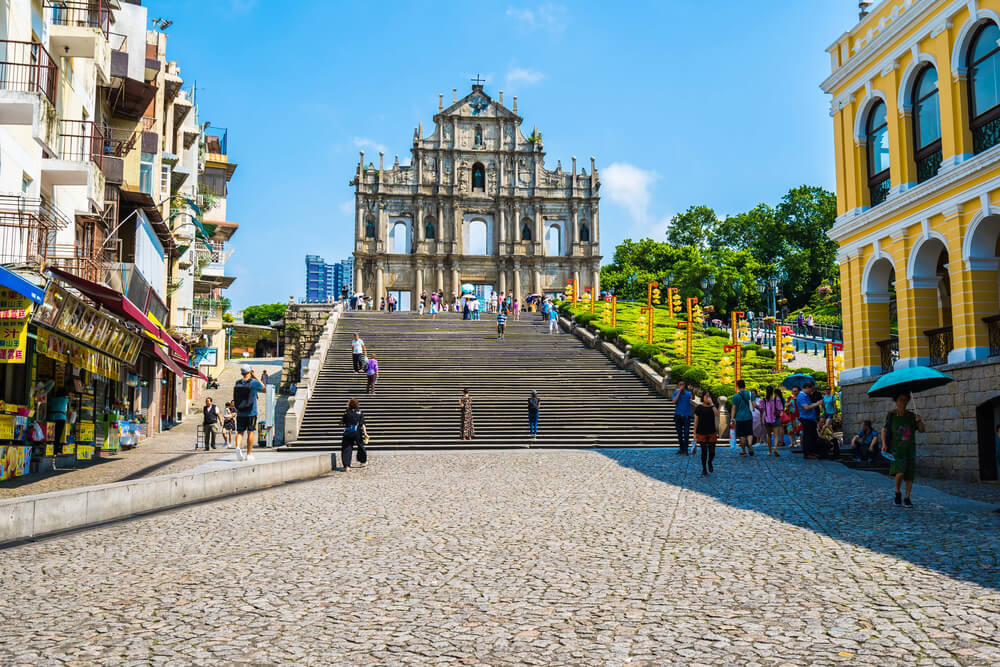
Ferries link Hong Kong and Macau, with departures through the day from terminals in Central and Kowloon. The facade of St. Paul’s, all that remains of a church destroyed by fire, stands at the top of a stepped street lined with shops.
Senado Square is paved in a wave pattern of black and white stones in a traditional Portuguese-style design. Moving between the old town and the casino district by public bus can help avoid the casino shuttle lines.
Ninh Binh From Hanoi
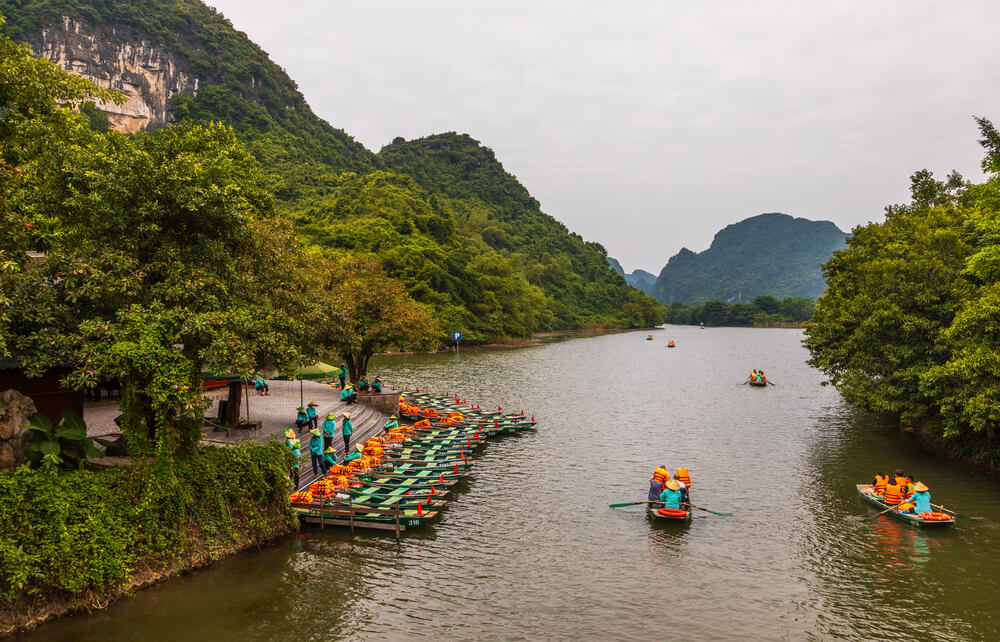
Trains from Hanoi reach Ninh Binh, and a bicycle or motorbike taxi covers the last stretch to the boat piers. At Tam Coc, local rowers propel the sampan boats using their feet, drifting through caves cut into limestone karst.
The landscape has earned the nickname Halong Bay on land, and the waterways near Trang An are protected as a World Heritage site. Tour buses tend to cram it into a hurried afternoon, but a train traveler can stay for the long light at the end of the day.
Jiufen From Taipei
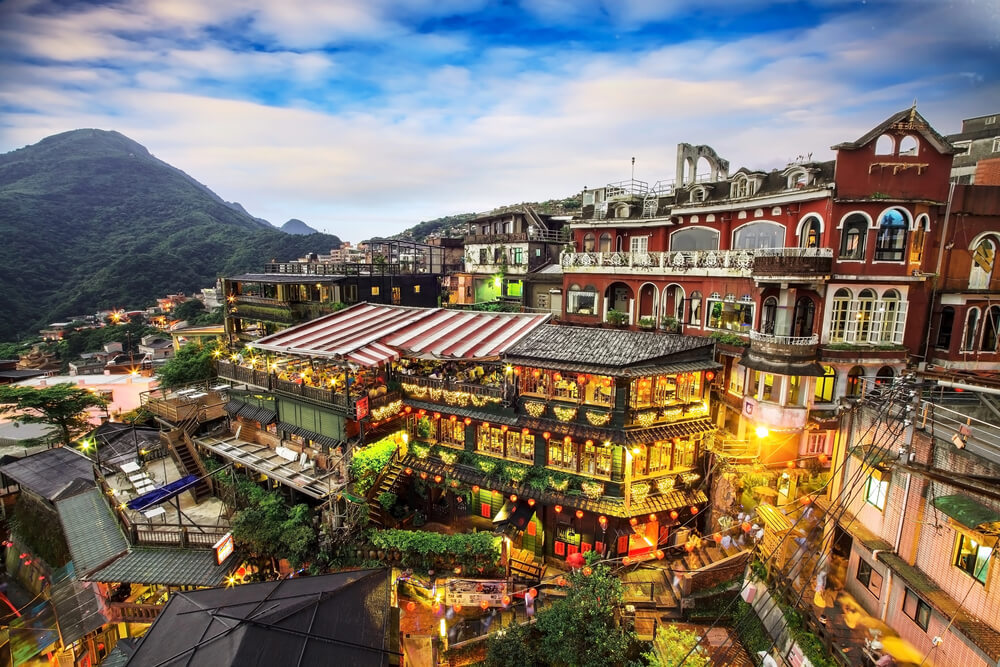
Taipei’s trains run to Ruifang station, and a short local bus climbs from there to the hillside town of Jiufen. The town grew during a gold rush, and its narrow Shuqi Road is now a stepped alley of teahouses and snack stalls.
Visitors on their own can linger as the lanterns light at dusk and the view opens toward the northeast coast. Coach tours generally arrive in the afternoon, so an early departure means a quieter lane.
Princes’ Islands From Istanbul
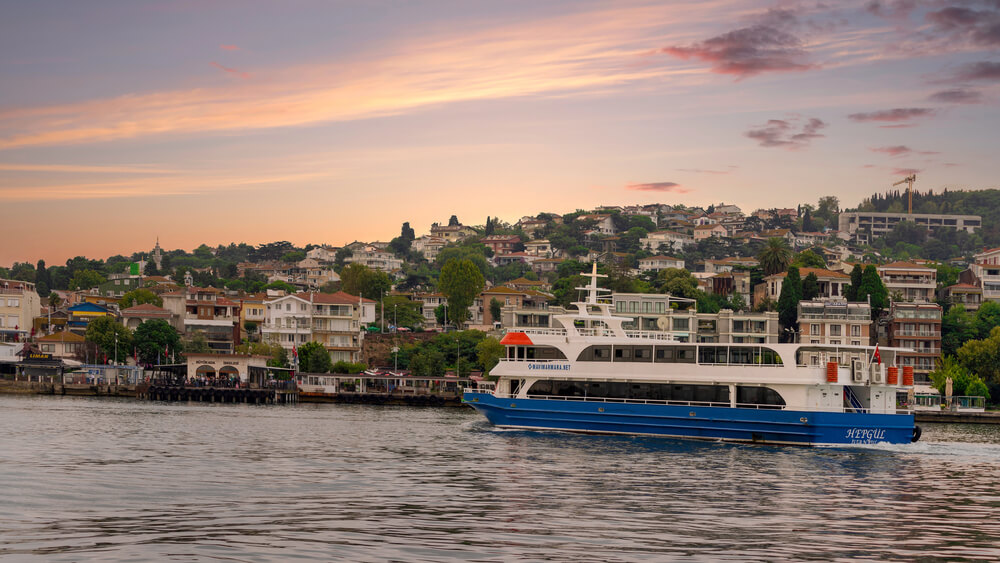
Public ferries leave Istanbul from the Kabataş pier for the Princes’ Islands, a cluster of small islands in the Sea of Marmara, and the biggest, Büyükada, is the usual destination. Private cars are not permitted, so the islands move at the pace of bicycles, electric minibuses, and walkers. Pine-covered hills, wooden Ottoman-era mansions, and quiet coves replace the city’s traffic within minutes of landing.
Public ferry fares can be paid with an Istanbulkart on Şehir Hatları services, which keeps the cost low.
Essaouira From Marrakech
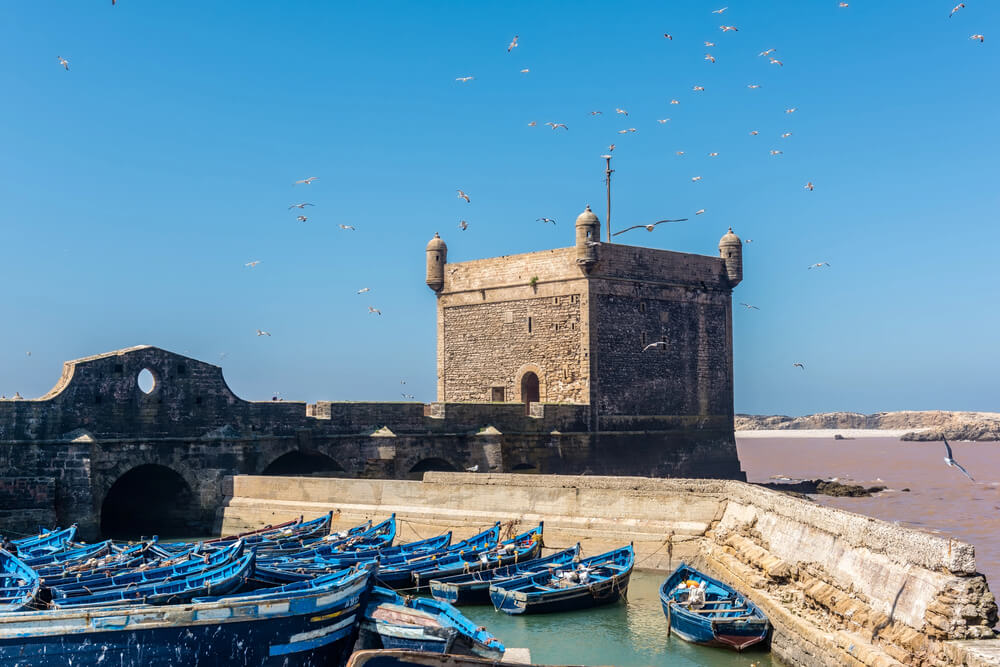
Supratours and CTM buses connect Marrakech and Essaouira across the dry plains and argan groves. The Atlantic port is enclosed by old ramparts that Orson Welles used as a backdrop while filming Othello.
A breezy fish market on the harbor grills the morning catch to order, and the cooler coastal air offers relief from Marrakech heat. Independent travelers can stay for the sunset along the sea wall, which tour buses rarely allow.
Alexandria From Cairo
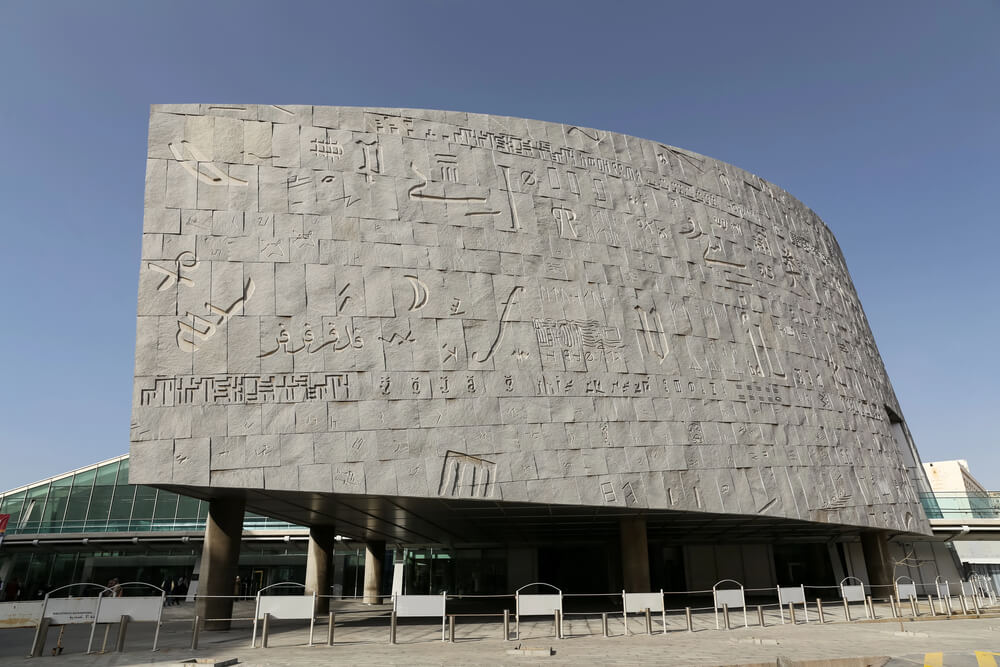
Express trains from Cairo’s Ramses station run to Alexandria on the Mediterranean coast. The Citadel of Qaitbay stands on the site of the ancient Pharos lighthouse, one of the Seven Wonders of the Ancient World.
The modern Bibliotheca Alexandrina, a disc-shaped library on the waterfront, honors the vanished ancient library. Coach tours often compress it into a short stop, while a rail traveler can linger over a seafood lunch on the Corniche.
Gorée Island From Dakar
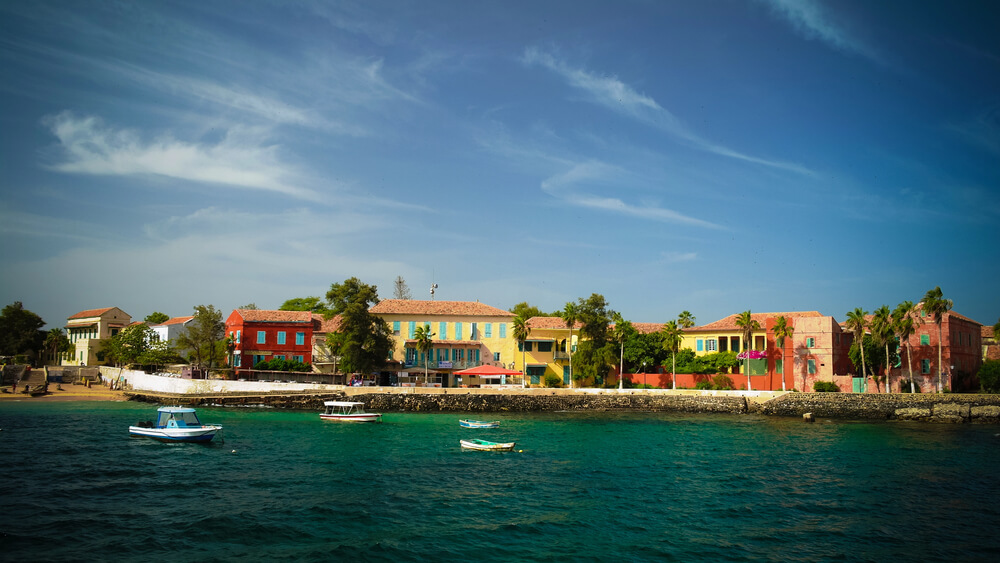
Ferries cross from Dakar’s port to Gorée Island in a short hop across the bay, and the island has no cars. The House of Slaves, a salmon-pink building on the waterfront, is a central site for remembering the Atlantic slave trade.
Its historical interpretation has also been debated by scholars, making the site an important place to consider both remembrance and historical research. Narrow lanes lined with pastel buildings and bougainvillea invite a slow walk, and the island is small enough to circle on foot.
A ferry traveler can plan the afternoon around the return crossing instead of a bus departure.
Teotihuacan From Mexico City

Buses to Teotihuacan leave from the Terminal de Autobuses del Norte and drop passengers near the site gates. The Pyramid of the Sun rises over the Avenue of the Dead, and the city was among the largest in the Americas long before the Aztecs arrived.
The Aztecs, who found it abandoned, gave it a name often translated as “place where the gods were created.” Reaching the gate at opening time on a public bus puts the traveler ahead of many tour groups, although climbing the Pyramid of the Sun is no longer permitted.
Provincetown From Boston
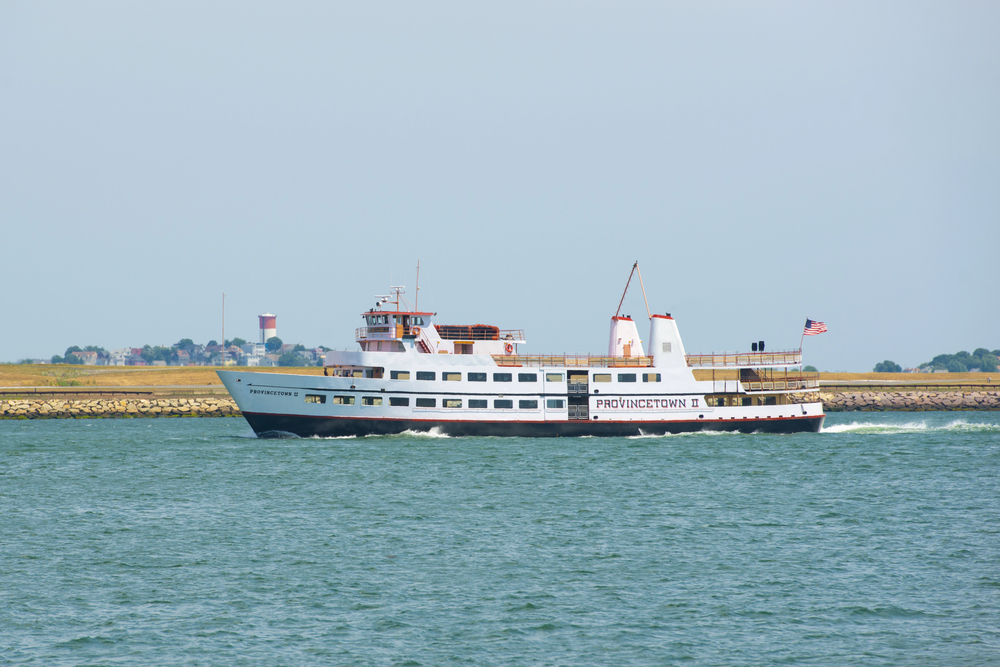
A fast ferry from Boston crosses to the tip of Cape Cod, running seasonally in warmer months. The Mayflower anchored here in 1620 before continuing to Plymouth, and the Pilgrim Monument towers over the town to mark the spot.
The town is walkable end to end, with art galleries and fresh seafood along Commercial Street. Avoiding the Cape Cod traffic jams on the bridges is the strongest argument for going by water.
Dia Beacon From New York City
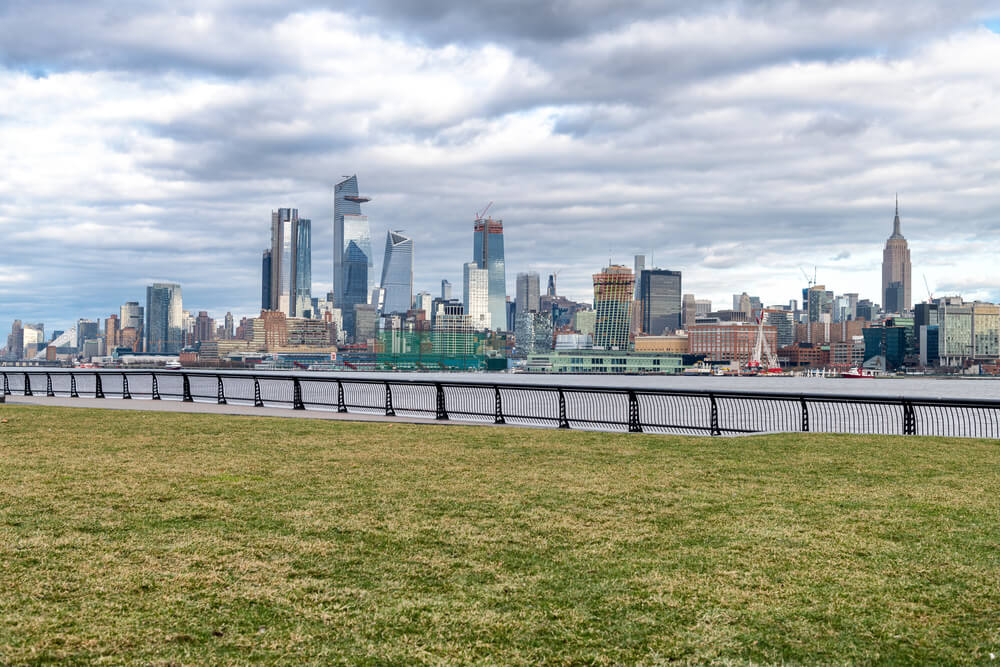
Metro-North’s Hudson Line runs from Grand Central to Beacon, hugging the river and passing beneath the cliffs of the valley. Dia Beacon, a museum of large-scale contemporary art, occupies a former Nabisco box-printing factory.
The station sits on the riverbank within a short walk of the museum, and the left-hand side of the train has the better views. The museum is generally quieter on weekday mornings, though it is open only Friday through Monday.
Colonia del Sacramento From Buenos Aires
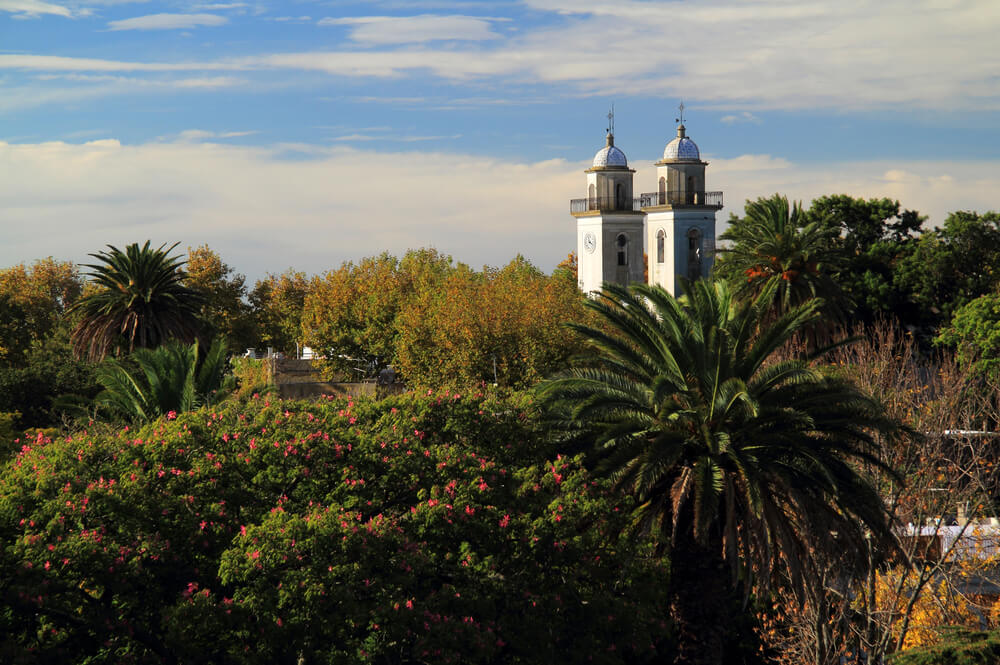
Fast ferries cross the Río de la Plata from Buenos Aires to Colonia del Sacramento in the early morning and return in the evening. The Portuguese founded the town, and its cobbled historic quarter is a UNESCO World Heritage site.
The lighthouse offers a view over rooftops and the river, and Calle de los Suspiros is lined with low colonial houses. The compact center needs nothing more than walking shoes.
Valparaíso From Santiago
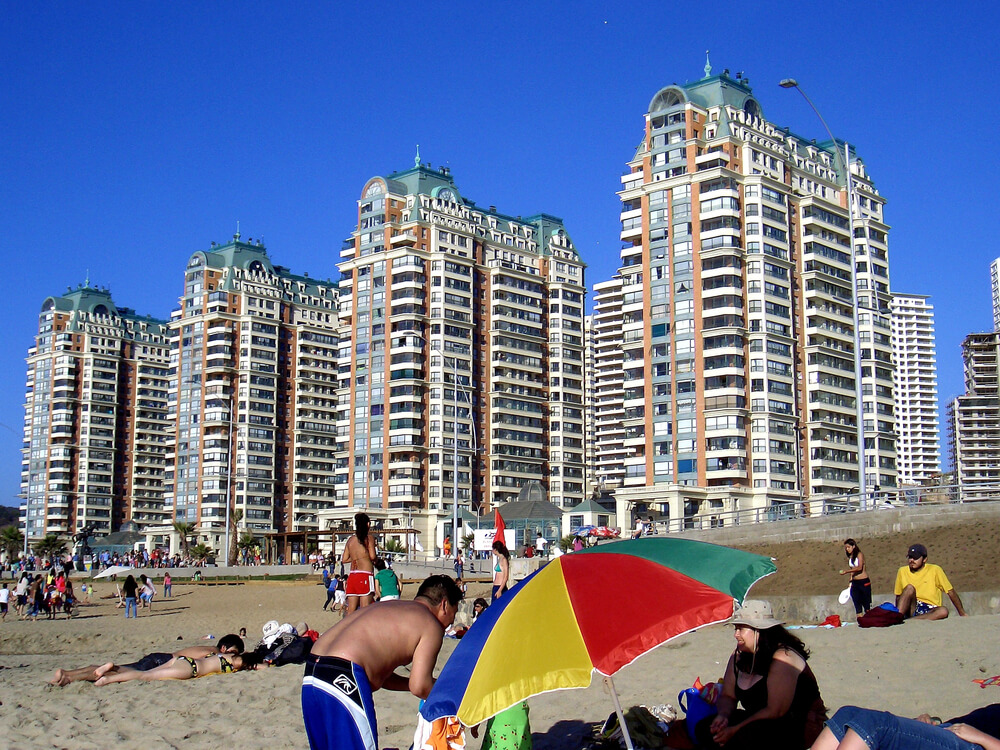
Buses link Santiago to Valparaiso, departing frequently from the capital’s terminals. The port city’s hills are served by century-old funiculars known as ascensores, and the historic quarter is a UNESCO World Heritage site.
Murals cover staircases and alleys, many painted by local artists. A public bus rider can choose the neighborhoods that suit the afternoon and ride a funicular for a nominal fare.
Blue Mountains From Sydney

Trains on the Blue Mountains Line run from Sydney’s Central station to Katoomba. At Echo Point, the Three Sisters rock formation looms over a valley of eucalyptus forest. The Scenic Railway at nearby Scenic World drops down a very steep incline that was originally developed as part of a coal-mining tramway in the 19th century.
Independent travelers can get off at smaller stations along the line and walk the cliff-edge trails.
Waiheke Island From Auckland
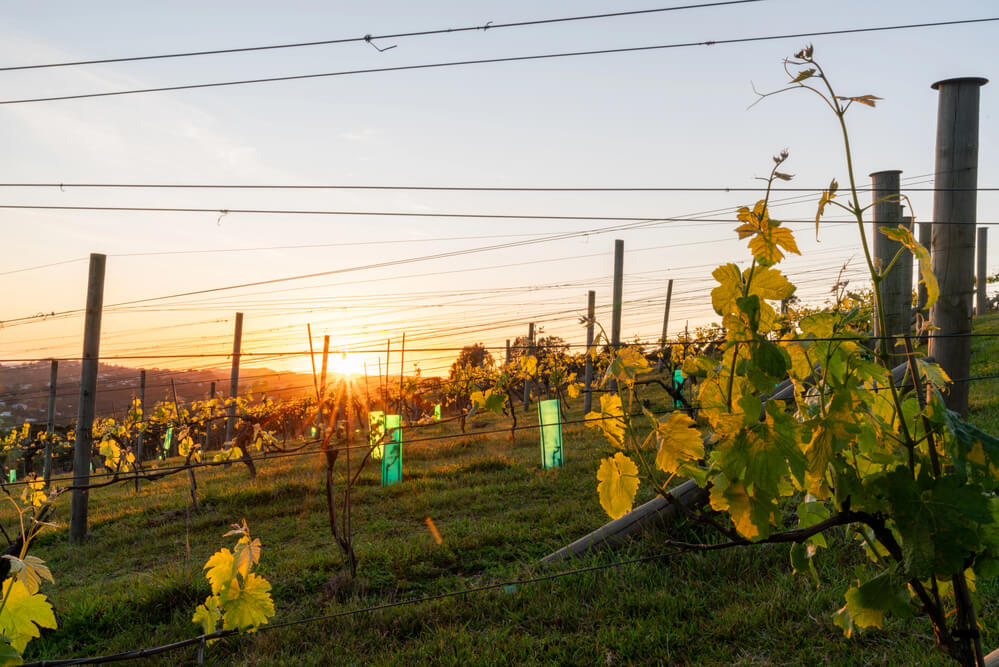
Ferries cross the Hauraki Gulf from Auckland’s downtown terminal to Waiheke Island. The island holds dozens of vineyards, and public buses link the ferry wharf with beaches and cellar doors. Bike rental and walking tracks fill in the gaps between wineries, which makes a tasting day possible without hiring a driver.
Tour operators often limit time at each stop, while a ferry traveler can pick a single beach and stay.
The Value of Owning the Timetable

Every trip above shares a common feature, which is that the public transport already exists. Locals use the same trains, buses, and ferries to commute and run errands, so the schedules are built around real demand rather than a sightseeing circuit.
Learning the route also means learning how a place connects to the city that feeds it.Tour buses solve a real problem for travelers with limited time or uncertain language skills. For most of these destinations, though, the problem is smaller than it looks.
A printed timetable, a ticket, and a willingness to leave early turn a managed excursion into a day that belongs to the person taking it.
More from Travel Pug

- Underrated Italian Towns That Beat the Tourist Crowds
- Las Vegas Tourist Traps to Skip
- Prettiest Towns in Every US State
- 18 passport-free countries for Americans
- Signs Your Cruise Is Not Worth The Cost
Like Travel Pug’s content? Follow us on MSN.