

A rooftop restaurant isn’t primarily about food. The elevation, the view, and the sense of hovering above ordinary ground-level experience drive the reservation.
The best rooftop restaurants combine three elements: an engineered view (not accidental), an engineered experience (not merely standing), and food executed carefully enough that it doesn’t embarrass the surroundings. These restaurants understand that the view does the opening conversational work, but the meal needs to justify the altitude achieved.
The competitive dynamics of rooftop dining create genuine scarcity. Sunset slots at flagship properties book out weeks or months ahead. Prime seasonal windows—winter in Marrakech, summer in Paris, November through February in Bangkok—compress hundreds of coveted reservations into a few dozen available seatings.
These restaurants have learned that the view enables pricing, the pricing enables quality, and the quality justifies the wait.
At.mosphere, Burj Khalifa, Dubai
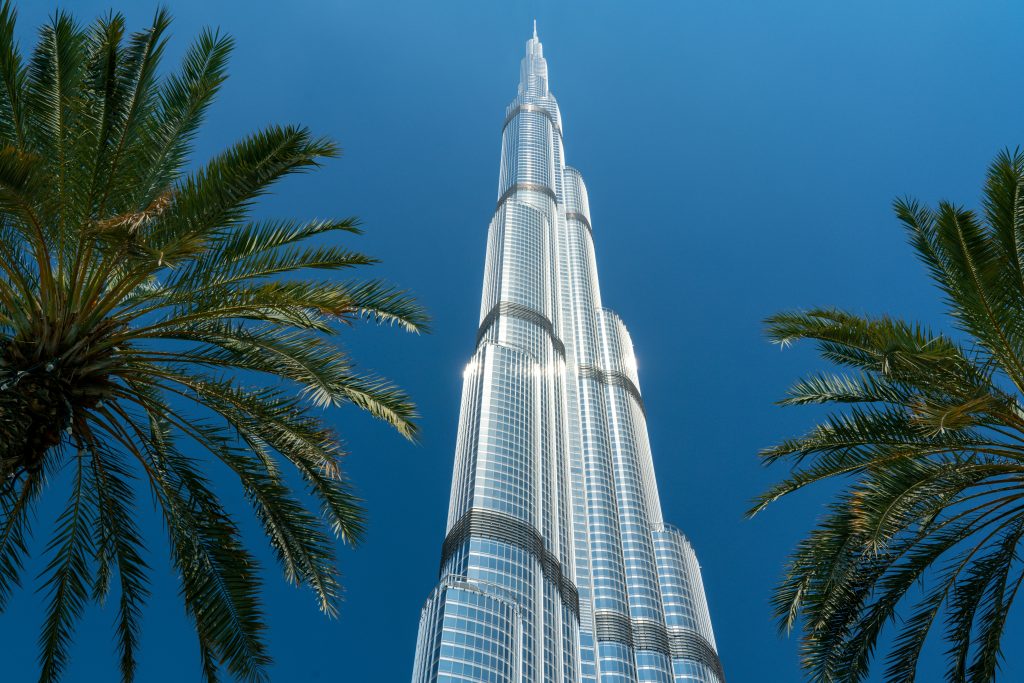
Located on the 122nd floor of the world’s tallest building, At.mosphere offers floor-to-ceiling views across Dubai, the Persian Gulf, and the Arabian Desert. The room combines engineering spectacle with a fine dining approach—timed seatings, full kitchen, curated wine list.
Sunset slots require 8 to 12 weeks’ advance booking. The experience justifies the premium positioning.
Sirocco, Bangkok
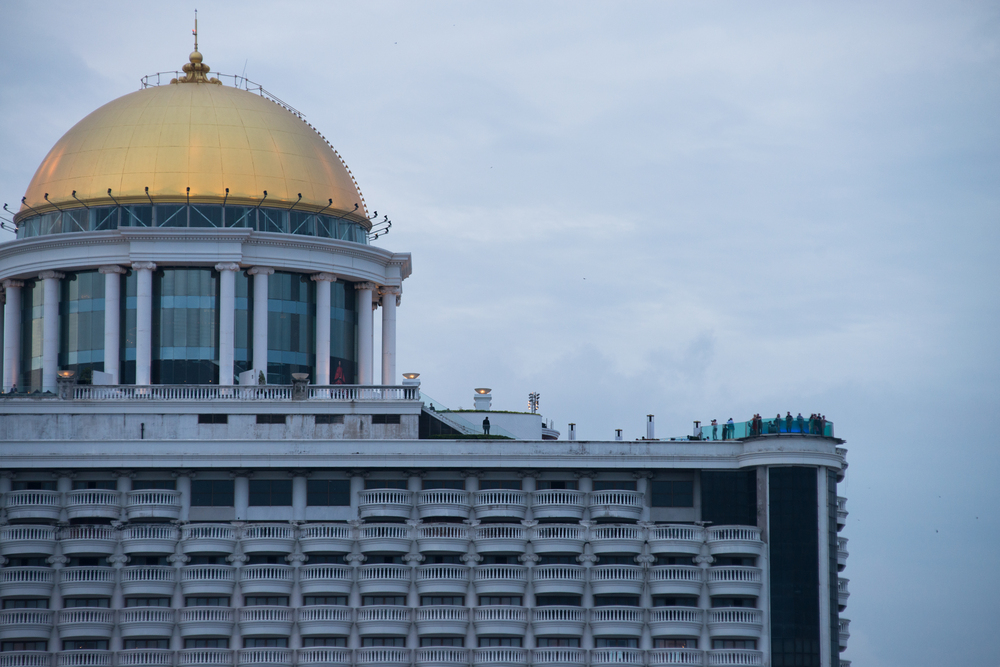
Perched on the 63rd floor of State Tower with unobstructed 360-degree views, Sirocco serves Mediterranean cuisine plated with precision. The adjoining Sky Bar provides drinks without commitment; the restaurant demands attention to both plate and panorama.
Reservations are essential during the peak November-to-February season. The kitchen quality ensures this ranks among Bangkok’s serious rooftop restaurants.
La Pergola, Rome
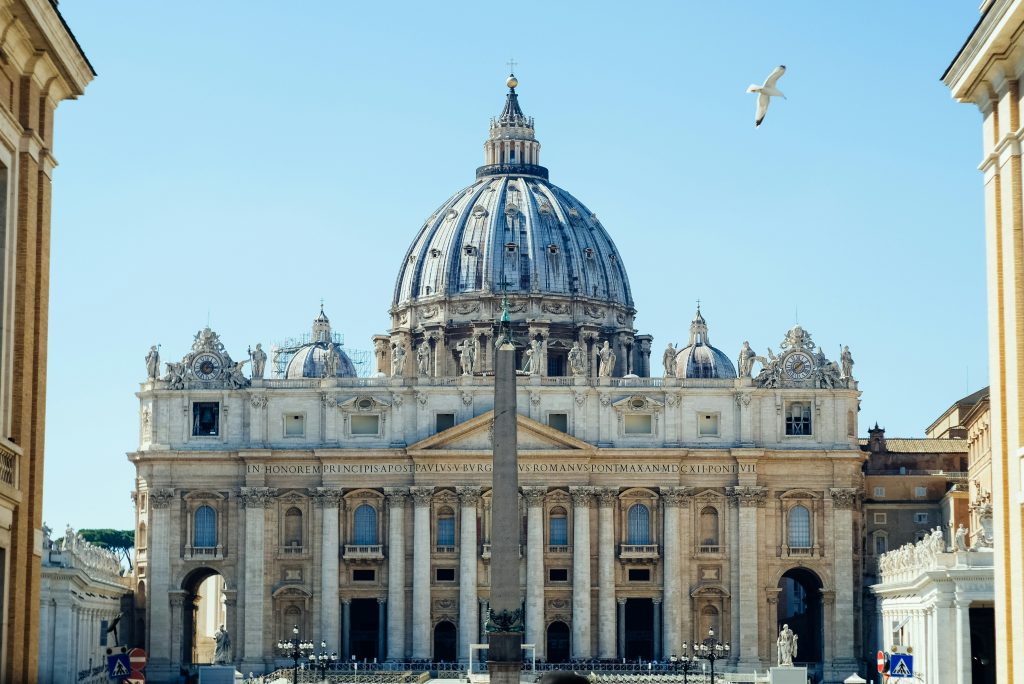
Italy’s highest three-Michelin-star restaurant sits atop the Cavalieri Hotel with views of the Vatican dome and the city spreading toward distant hills. The kitchen competes with Michelin standards, not view standards, which creates a distinctly different experience—one where the plate matters as much as the light.
Booking requires planning months ahead despite the formal Italian approach to reservations.
Nomad, Marrakech
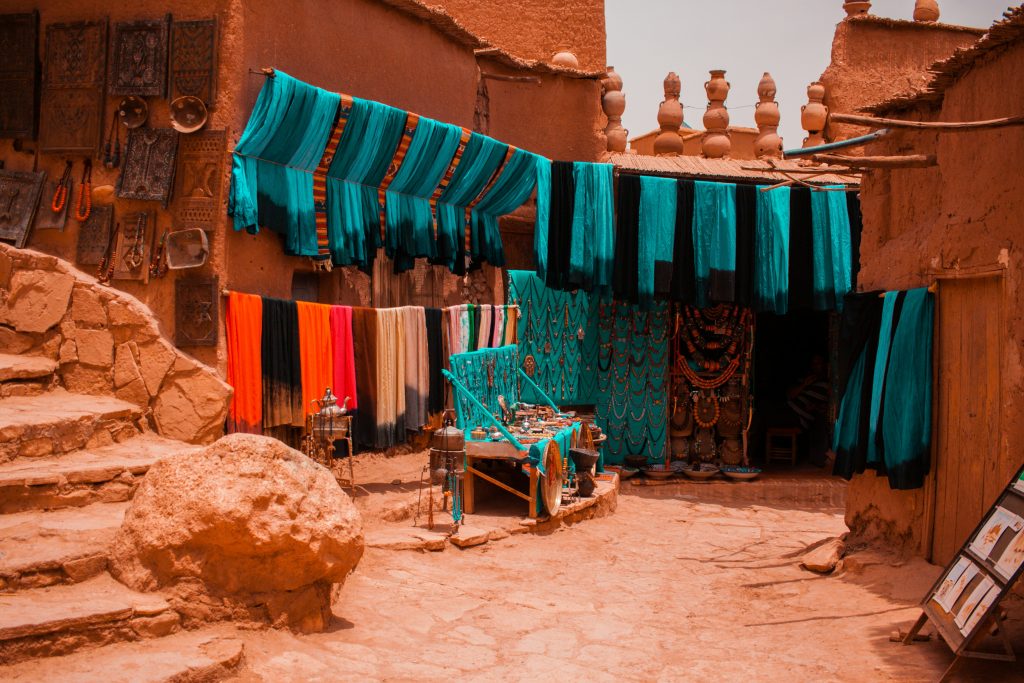
This four-story riad-converted restaurant maintains two rooftop terraces with panoramic views of the medina roofscape toward the Atlas Mountains. Modern Moroccan cuisine with a natural wine program distinguishes this from other medina rooftops.
The chef trained internationally before returning to Morocco, creating sophisticated techniques applied to traditional ingredients. October-April season requires four to eight weeks advance booking.
Le Foundouk, Marrakech
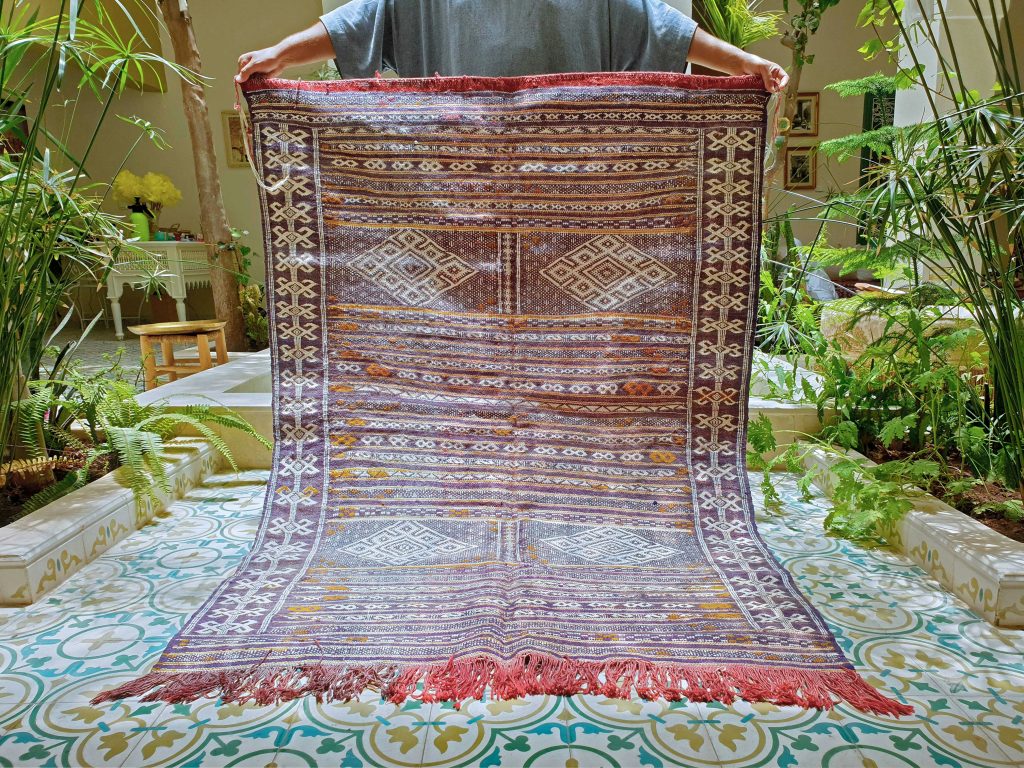
Set in a restored 15th-century merchant house, this venue leads guests by lantern-bearing staff to rooftop dining under stars. The romantic positioning—candlelit tables overlooking medina—transforms dinner into theater.
The intimate scale means limited seats and predictable scarcity during peak season. Moroccan cuisine presented with French technique meets North African ingredients.
Mezzaluna, Lebua, Bangkok
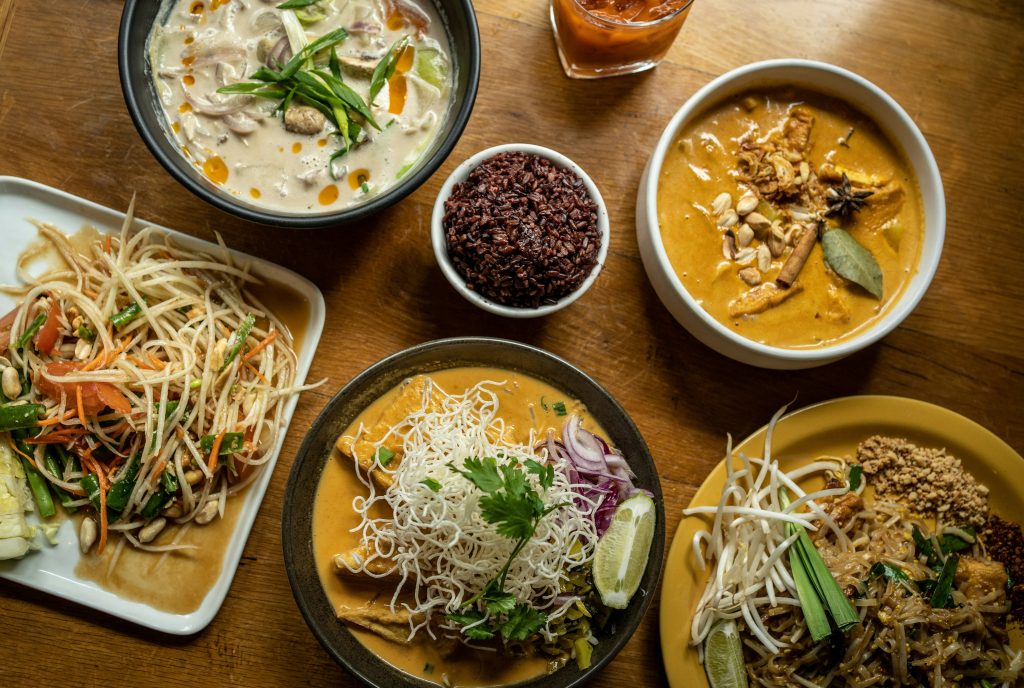
This restaurant sits atop the State Tower with views rivaling Sirocco but with distinct personalities. Thai-influenced contemporary cuisine brings regional flavor to fine-dining technique. The restaurant operates with timed seatings and wine programming that suggests kitchen-first mentality.
February booking confirms June reservations—advance planning is non-negotiable.
Mikla, Istanbul
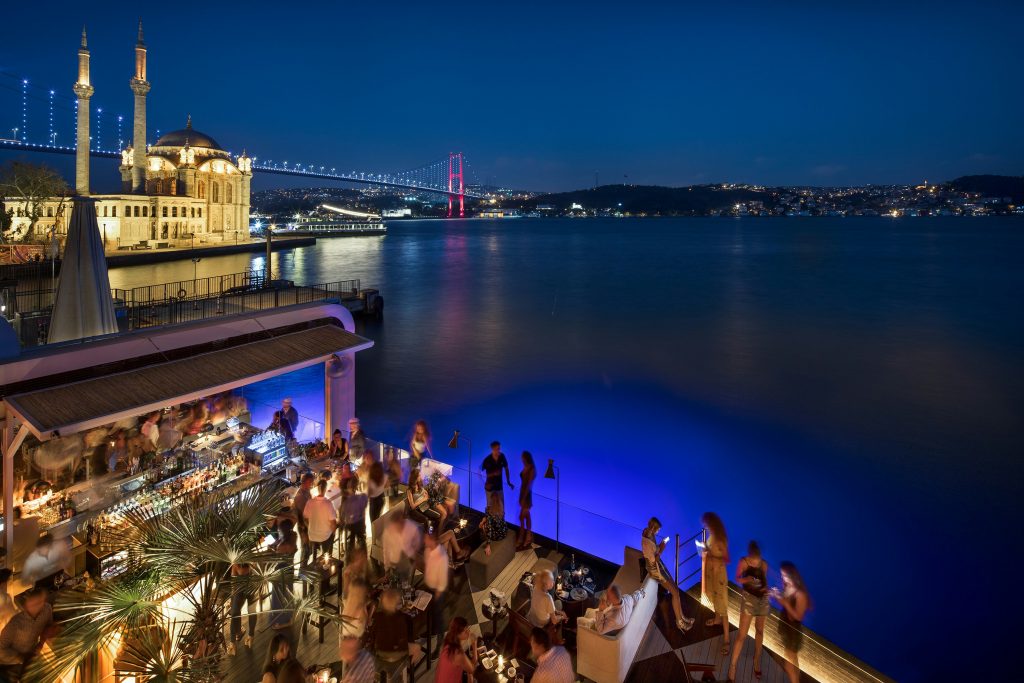
Located atop The Marmara Pera Hotel, Mikla overlooks the Bosphorus and Istanbul’s historic skyline. The restaurant’s architecture uses floor-to-ceiling windows to frame water views, creating the sense of dining suspended above the strait.
Timed seatings and chef-driven menu indicate serious commitment to both view and food. Istanbul’s four-to-eight-week booking window requires early planning.
360 Istanbul, Istanbul
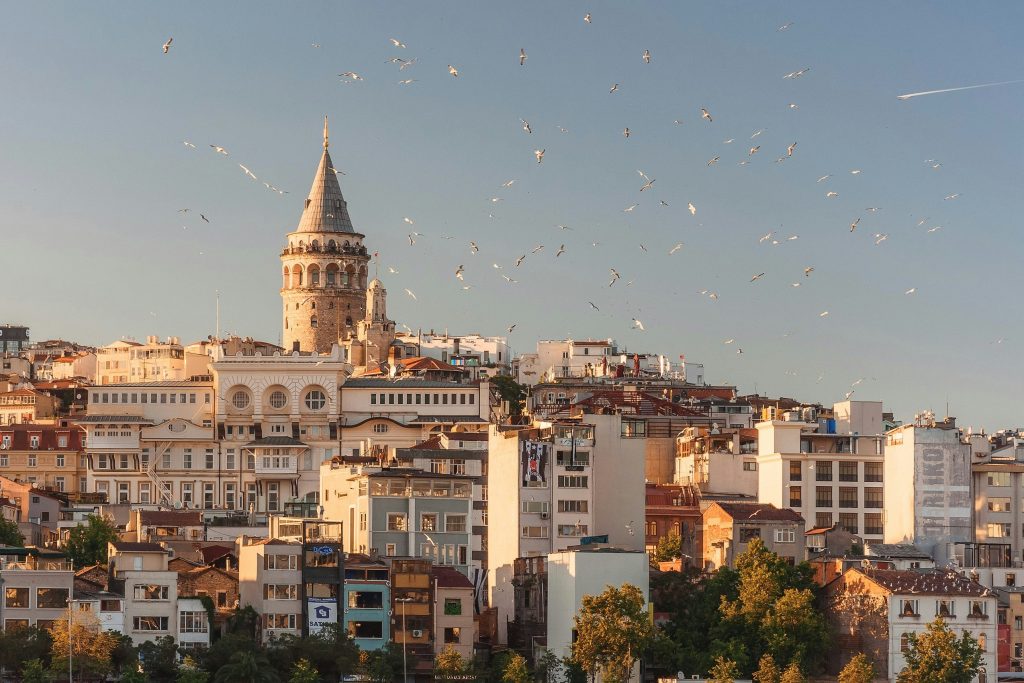
This wraparound rooftop terrace offers panoramic city and Bosphorus views with octopus shish kebab and contemporary Turkish fare. The space functions as a restaurant during dining hours and a nightlife venue after dinner.
The reservation model differs from fine-dining alternatives—a more casual approach matches the dual-purpose venue.
GB Roof Garden, Athens
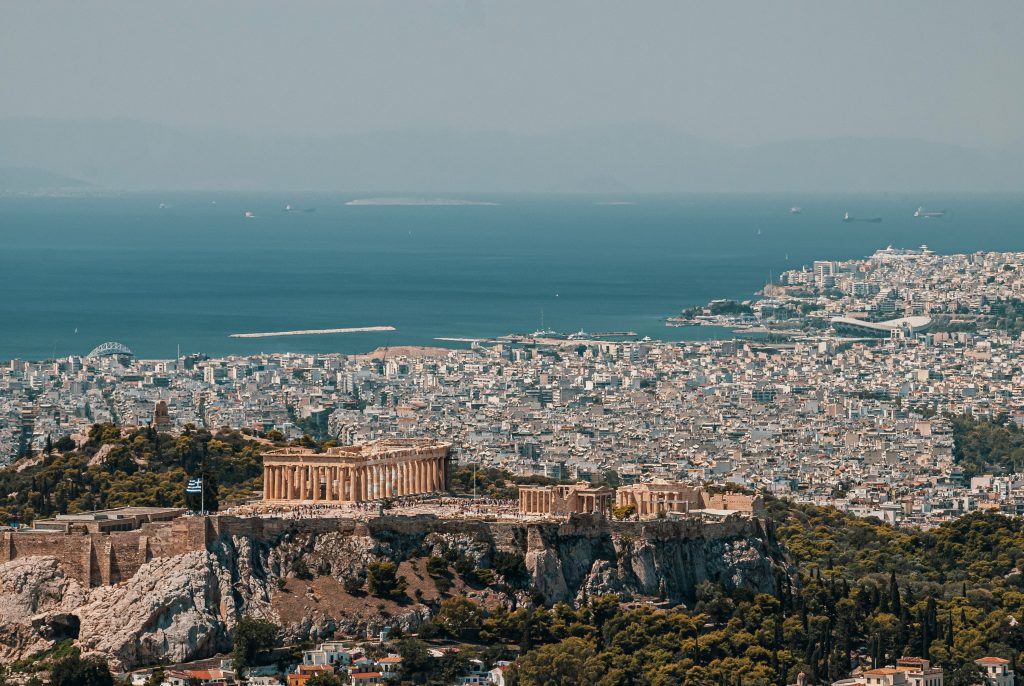
Overlooking the Acropolis from the Hotel Grande Bretagne, this restaurant combines Hellenic views with Mediterranean cuisine. The landmark location—the oldest luxury hotel in Athens—creates historical weight alongside contemporary service.
Booking the Acropolis-view table requires four-to-eight-week advance planning during peak season.
Spago, Istanbul
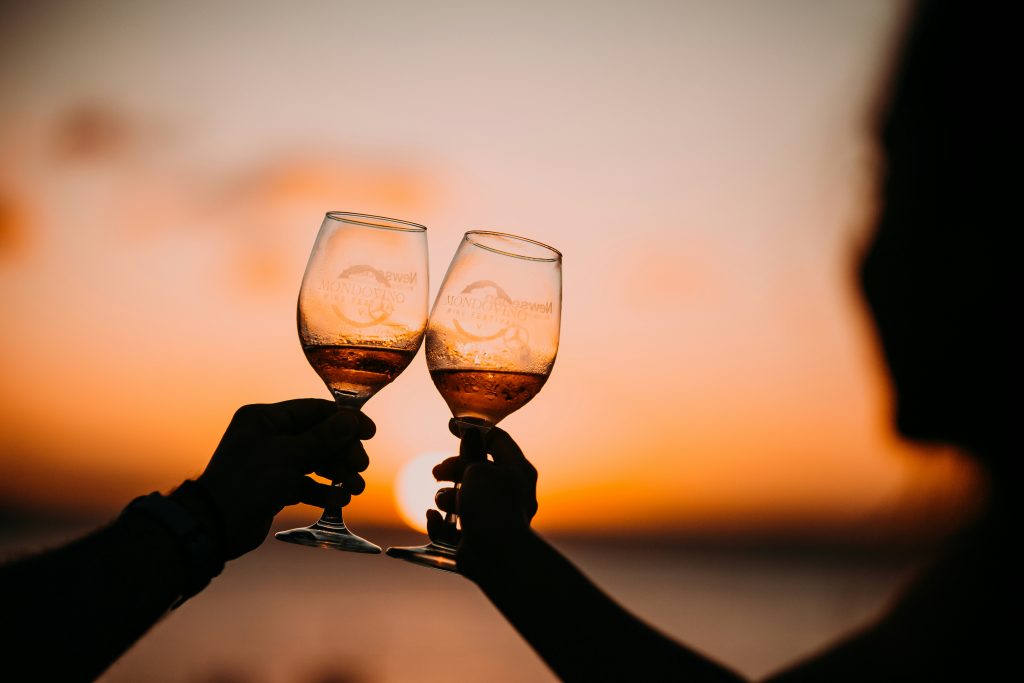
This rooftop terrace offers Bosphorus views with contemporary Mediterranean cuisine. The casual-elegant approach appeals to travelers seeking sunset drinks and dinner without the formality of fine-dining jacket requirements.
Istanbul’s competitive rooftop scene means reservations still require advance planning despite slightly more relaxed positioning.
Tugra, Istanbul
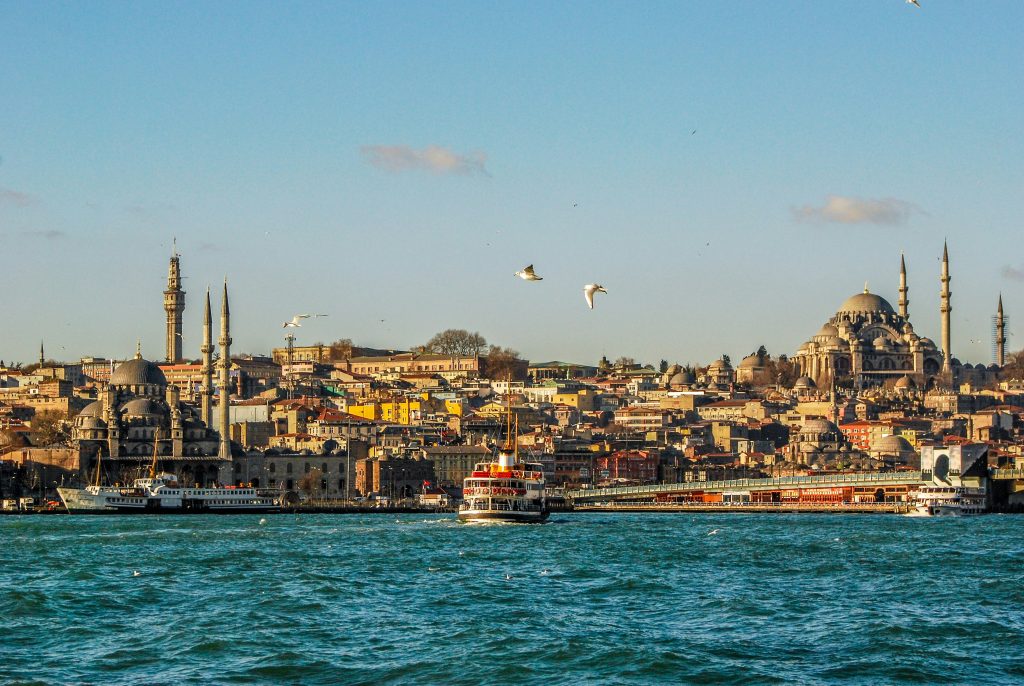
Located with views of Topkapi Palace, this Ottoman-inspired rooftop combines historical architecture with contemporary cuisine. The palace views create a distinct visual context from other Istanbul rooftops.
The kitchen emphasizes Turkish culinary traditions updated with technique. The palace proximity requires advance booking even during shoulder season.
Aroma, Rome
Overlooking the Colosseum from Palazzo Manfredi, Aroma pairs panoramic Roman views with Michelin-starred dining. The two-Michelin-star kitchen maintains competitive standards while remaining somewhat less famous than the three-star property above it.
Booking windows stretch six to eight weeks during peak season.
Kozue, Tokyo
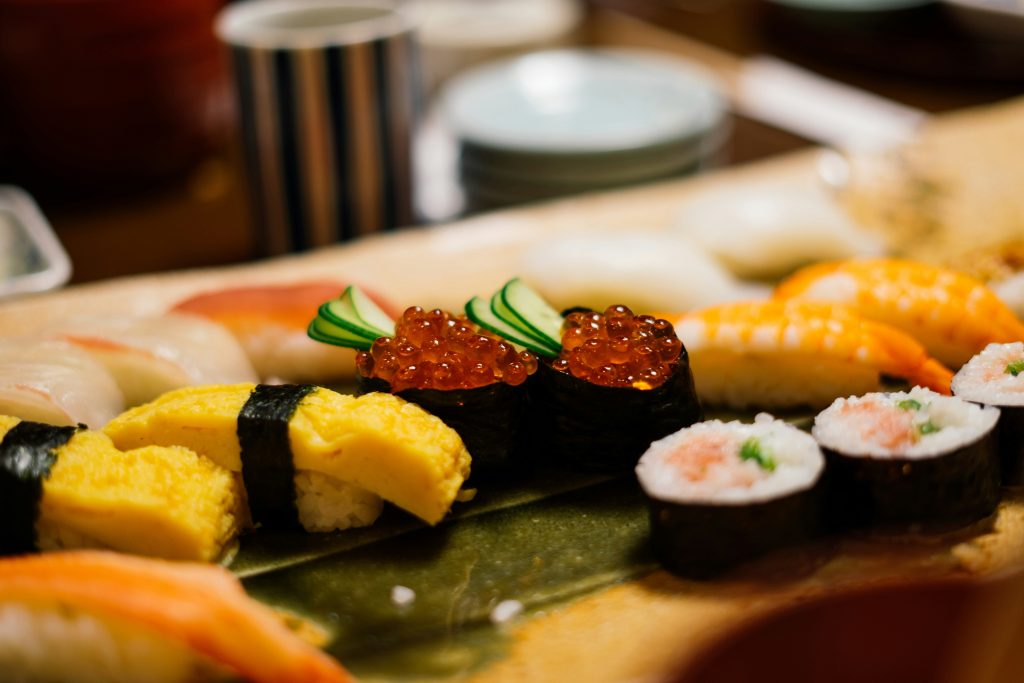
Set atop the Park Hyatt, this Japanese fine-dining restaurant offers Mount Fuji views on clear days. The seasonal home-style food reflects Japanese craftsmanship in plating and presentation.
Tokyo’s building-height restrictions and cultural preference for basement counter-dining mean rooftops remain exceptions rather than prestige locations, but this property commands serious respect and advance booking.
Duck and Waffle, London
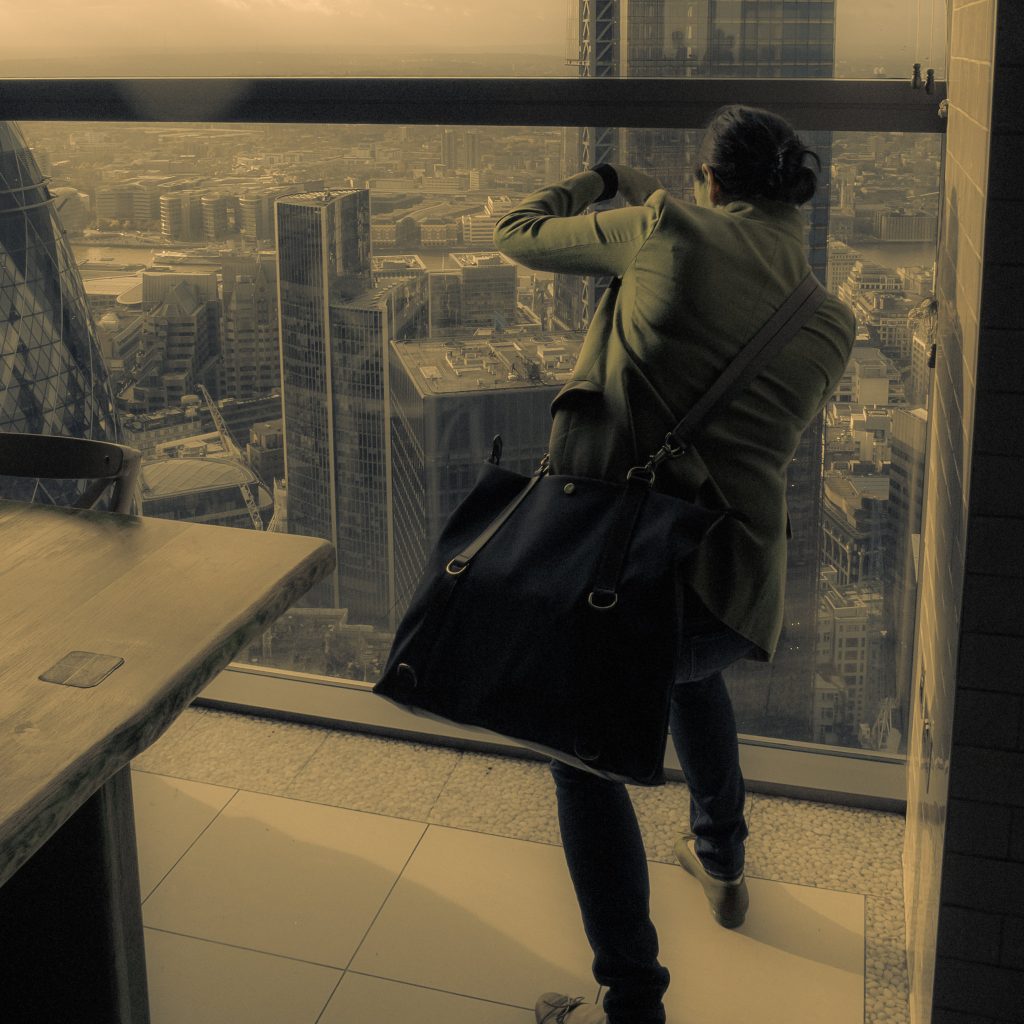
As London’s highest restaurant, Duck and Waffle operates 24 hours, creating more available booking slots than competitors. This democratic approach (the signature dish—duck and waffle—costs under £20 at breakfast) appeals to travelers who can’t access traditional Michelin-starred heights.
Its location in the Heron Tower (110 Bishopsgate) guarantees dramatic views across London
Aqua Shard, London
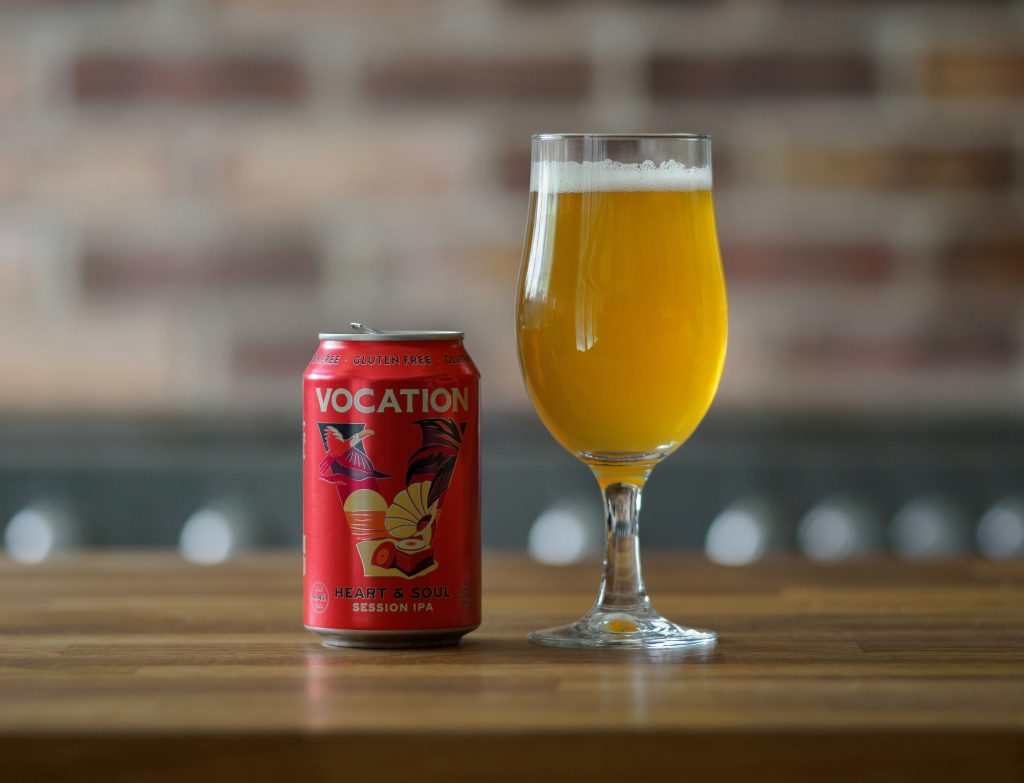
Another Thames-view rooftop from the Shard, this venue emphasizes cocktails and small plates over formal dining. The venue’s positioning attracts travelers seeking contemporary experience without multi-course commitment.
Thames views and London cityscape provide visual interest during evening visits.
Catch, Guangzhou, China
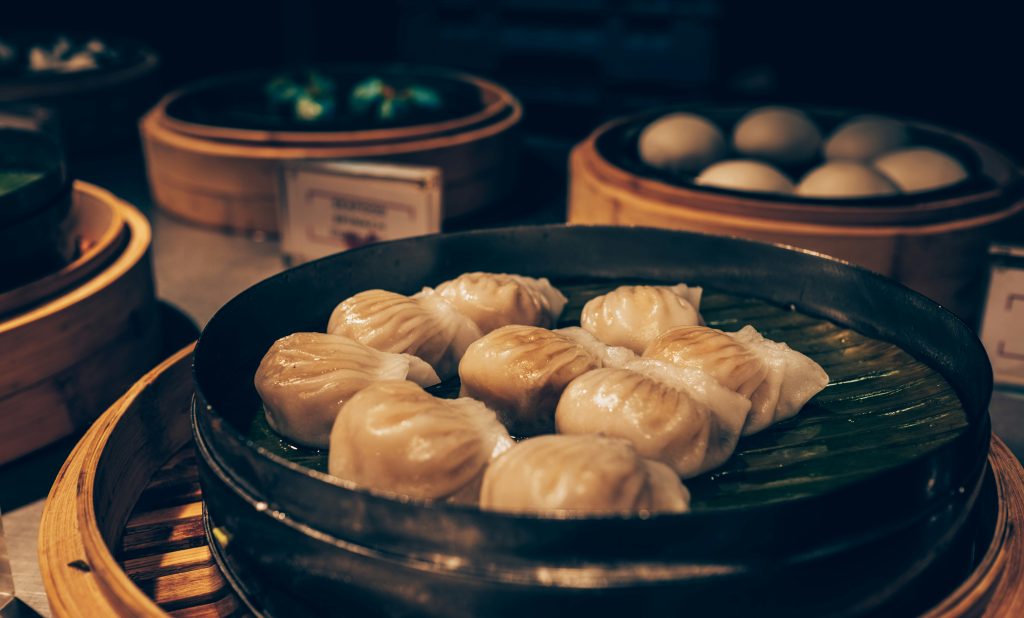
Located on the 100th floor, this venue offers dramatic aerial perspectives over Guangzhou’s skyline. The open kitchen and contemporary Asian cuisine create visual and gustatory spectacle.
The height alone warrants the reservation; the food engineering ensures return visits. International travelers often book during business visits.
Alaala, New Delhi
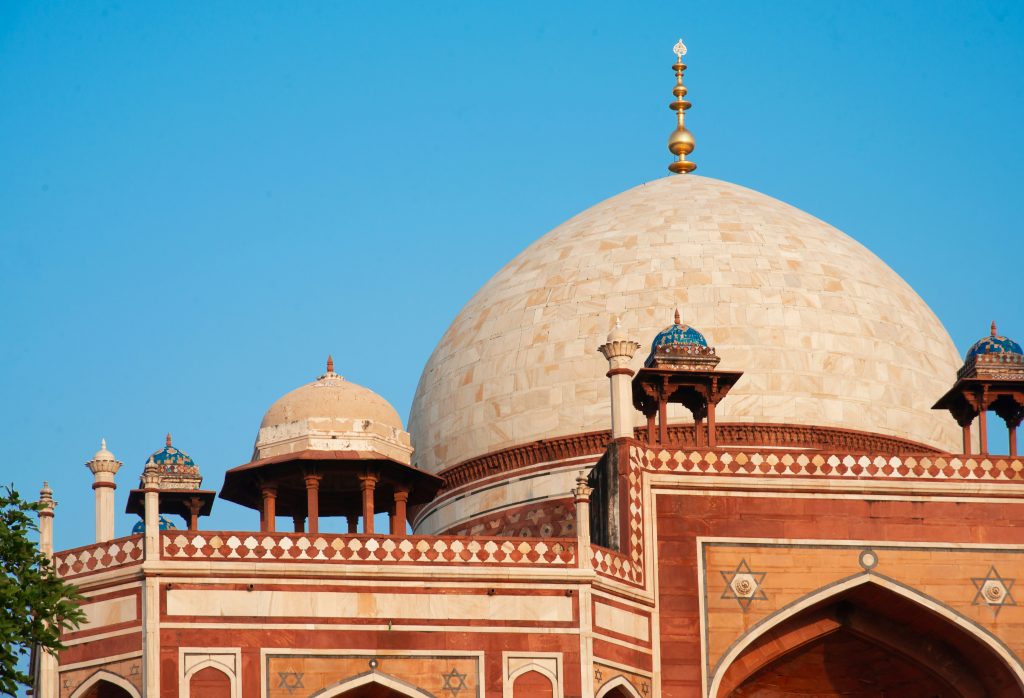
This Delhi rooftop over the Aravali Hills offers city views from an uncommon vantage point. Contemporary Indian cuisine with technical execution separates this from tourist-oriented Delhi rooftops.
The booking intensity varies seasonally with Delhi’s weather windows.
Imago, Rome
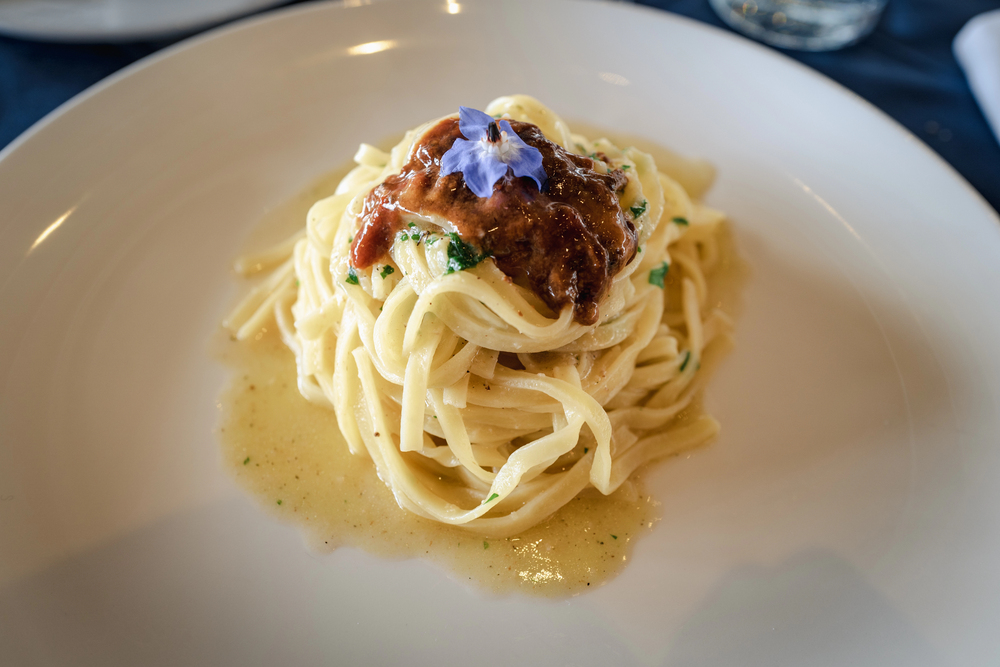
Located atop the Hassler Roma at the top of the Spanish Steps, this rooftop offers sweeping views across Rome. Roman terracotta roofscape, the pantheon dome, and distant hillsides create layered visual experience.
The classical approach appeals to travelers seeking romance over drama.
La Terrazza Eden, Rome
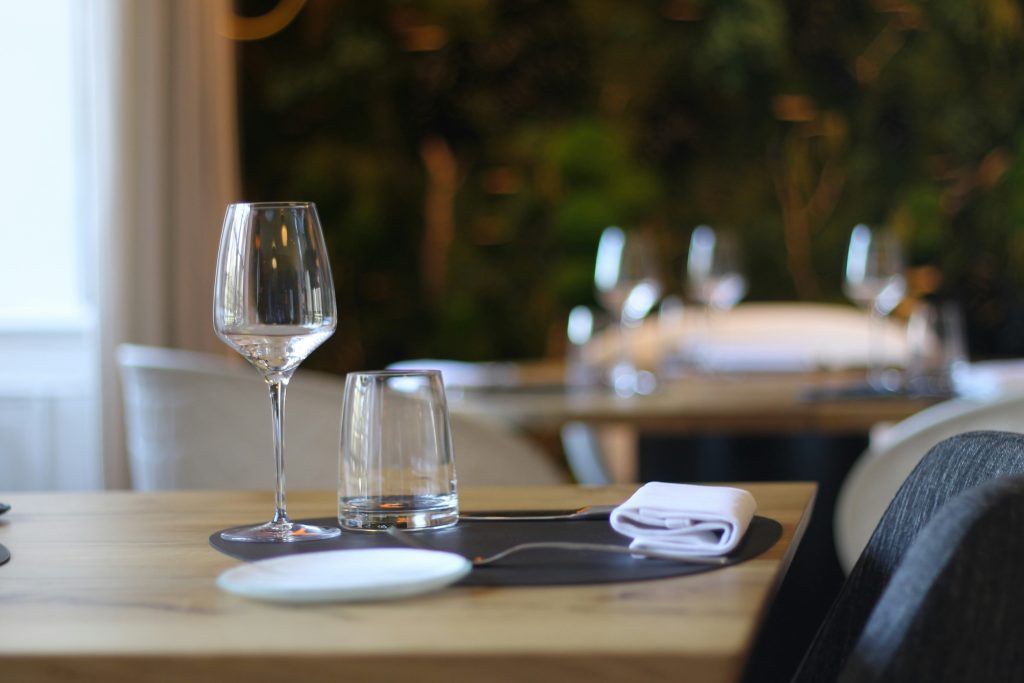
Hotel Eden’s rooftop combines Rome views with two-Michelin-star positioning. The garden terrace setting and refined Mediterranean cuisine appeal to travelers for whom the view and the food maintain equal importance.
Six to eight week booking windows apply during peak season.
Vertigo, Bangkok
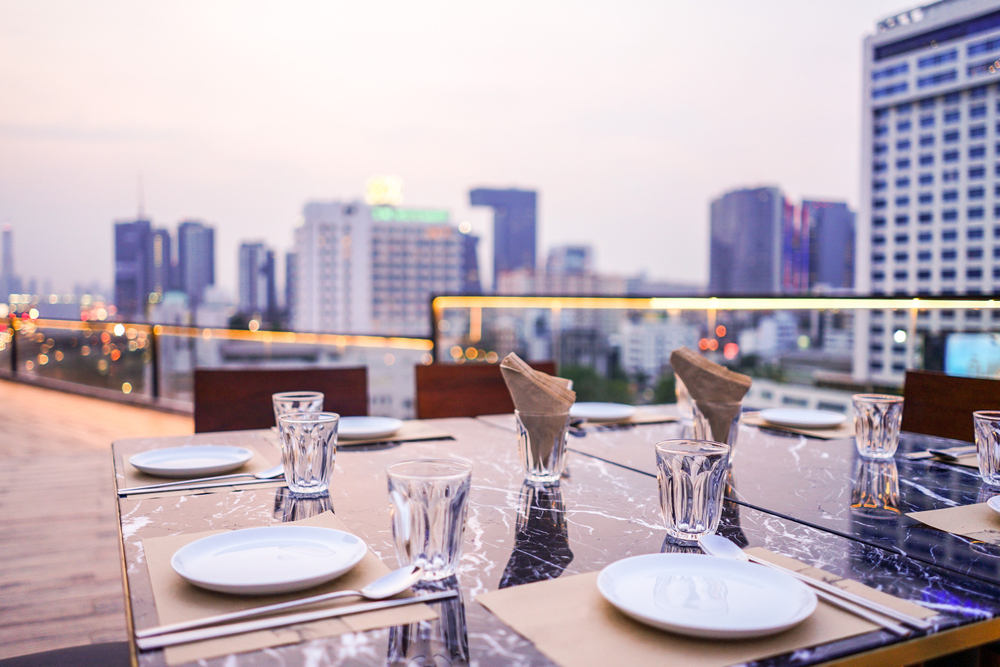
This rooftop bar-restaurant occupies the Banyan Tree Hotel with 360-degree Bangkok views. The casual approach compared to nearby Sirocco appeals to travelers seeking views without formality.
The dual-function venue (bar and restaurant) creates different capacity dynamics than formal-dining-only competitors.
Breeze, Bangkok
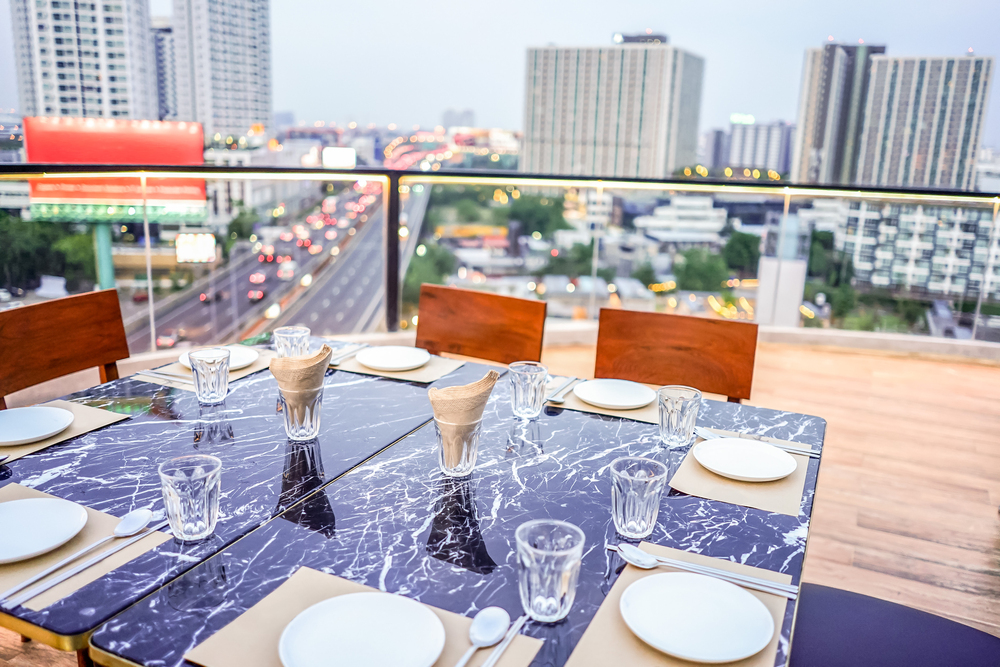
Another Banyan Tree property rooftop, this restaurant emphasizes seafood and Mediterranean cuisine. The second-tier positioning below Sirocco in booking demand can mean more accessible reservation windows while maintaining quality standards.
Serica Restaurant, Istanbul
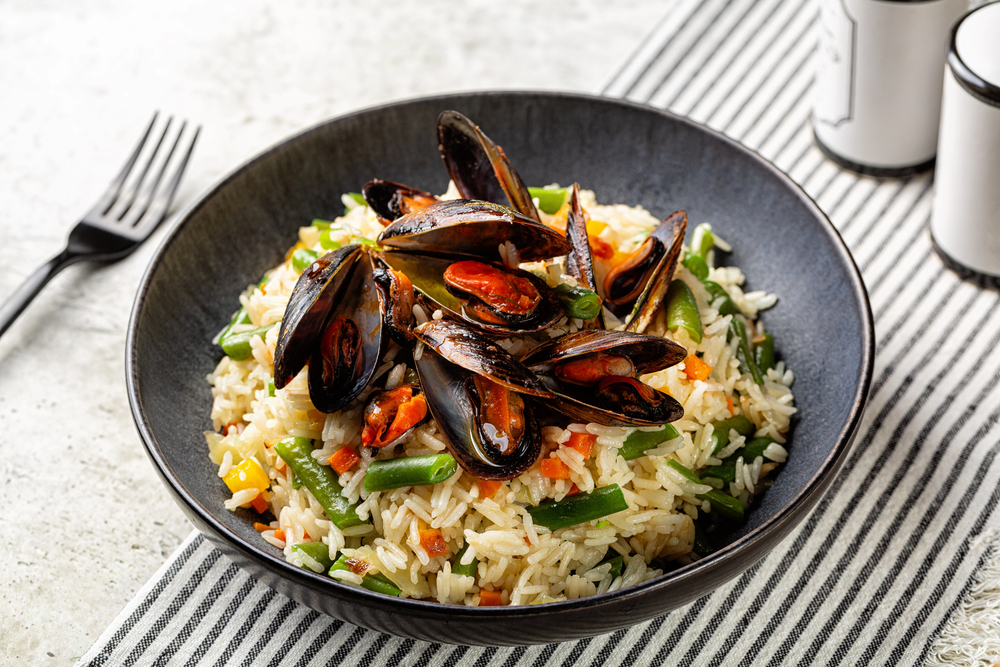
Within the Bank Hotel, this venue offers elevated Turkish dining with Bosphorus views. The cultural positioning—Turkish cuisine applied with contemporary technique—appeals to travelers seeking regional authenticity expressed through a fine-dining framework.
Above Eleven, Bangkok
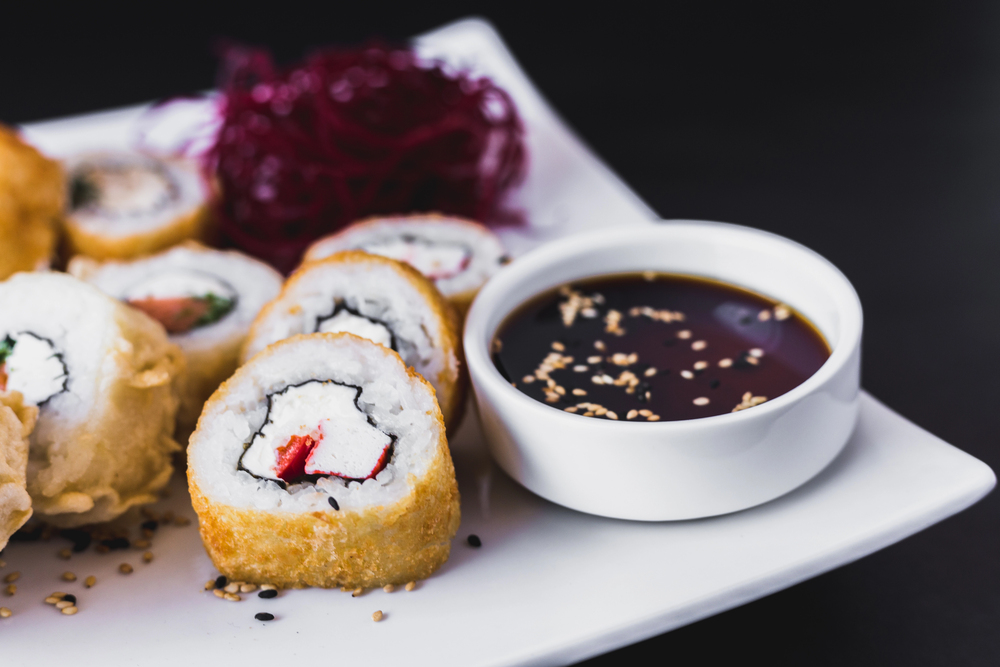
This vibrant rooftop restaurant combines flavorful Asian cuisine with daily live music and DJ entertainment. The younger demographic and energetic positioning appeal to travelers seeking dynamic nightlife integrated with dining. Booking windows remain shorter than formal-dining competitors.
Red Sky, Bangkok
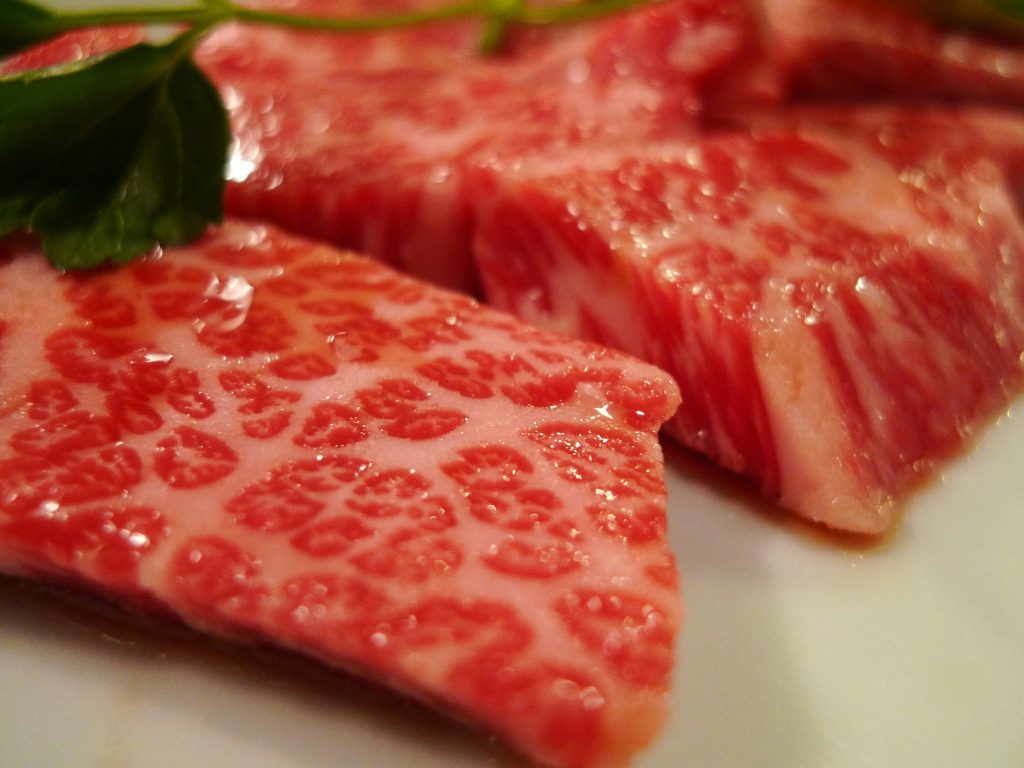
Located on the 55th floor of Centara Grand, this European-inspired rooftop emphasizes precision plating. The truffle-infused Wagyu and Surf & Turf reflect a technical kitchen approach. The 55th/56th-floor split (bar above restaurant) creates distinct experiences.
Manhattan, New York
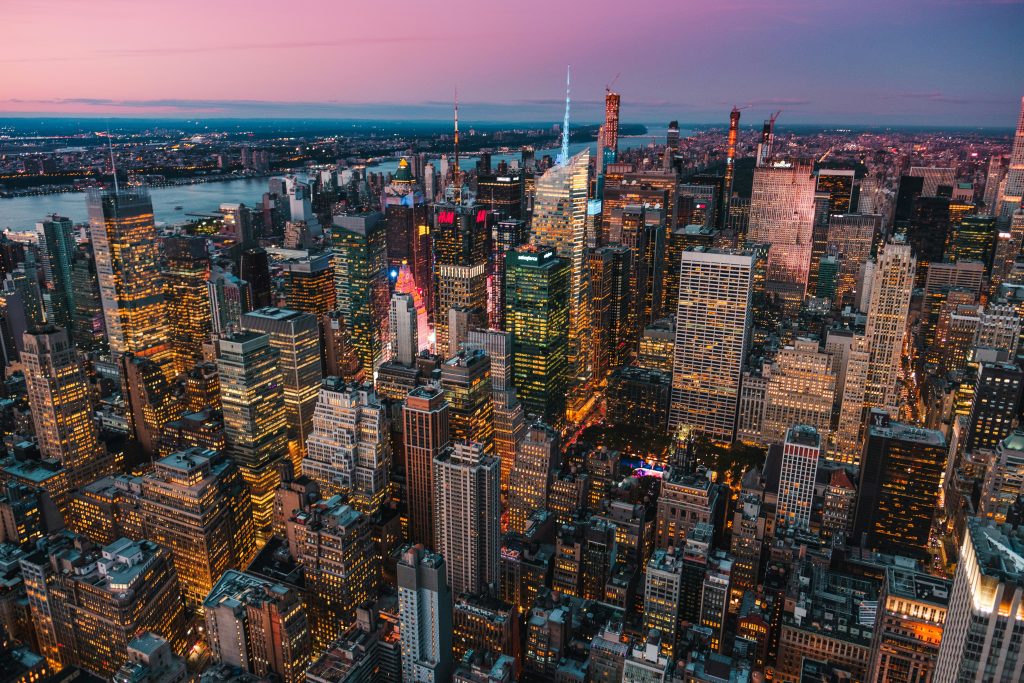
Positioned on the 60th floor with Lower Manhattan views, this venue combines American fine-dining tradition with Manhattan skyline aesthetics. The wine program and contemporary American cuisine appeal to travelers for whom food quality matters alongside views.
New York’s competitive rooftop scene means booking requires advance planning.
Rainbow Room, New York
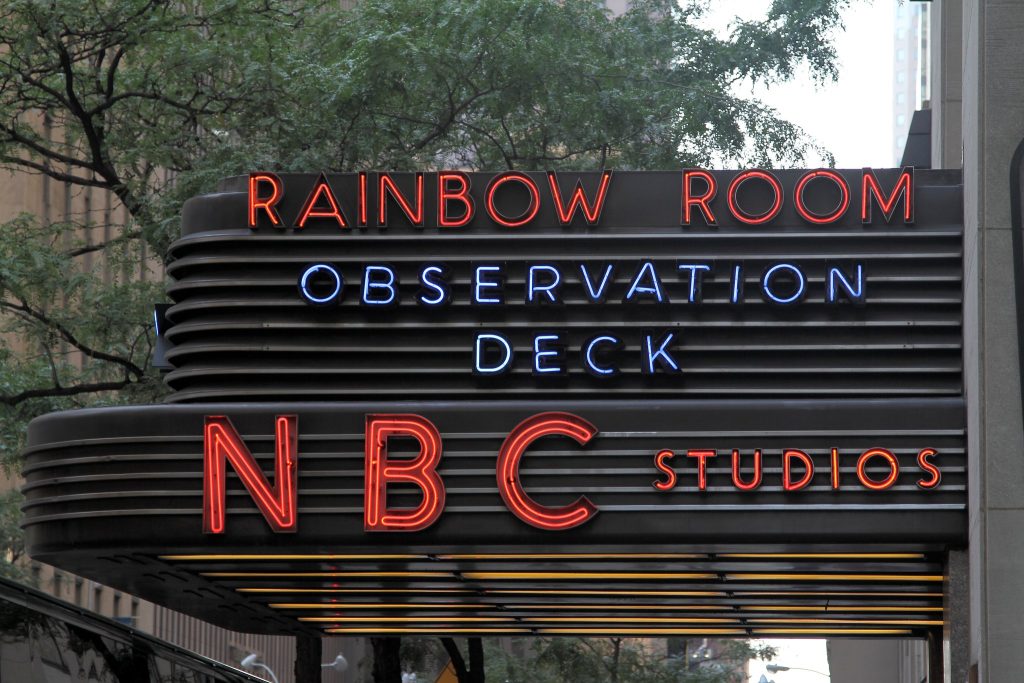
This Art Deco rooftop offers 360-degree Manhattan views from a rotating dance floor turned fine-dining space. The historical significance—operating since 1934—creates cultural weight.
The dual-function venue creates diverse booking accessibility.
Angel Roofbar, Florence
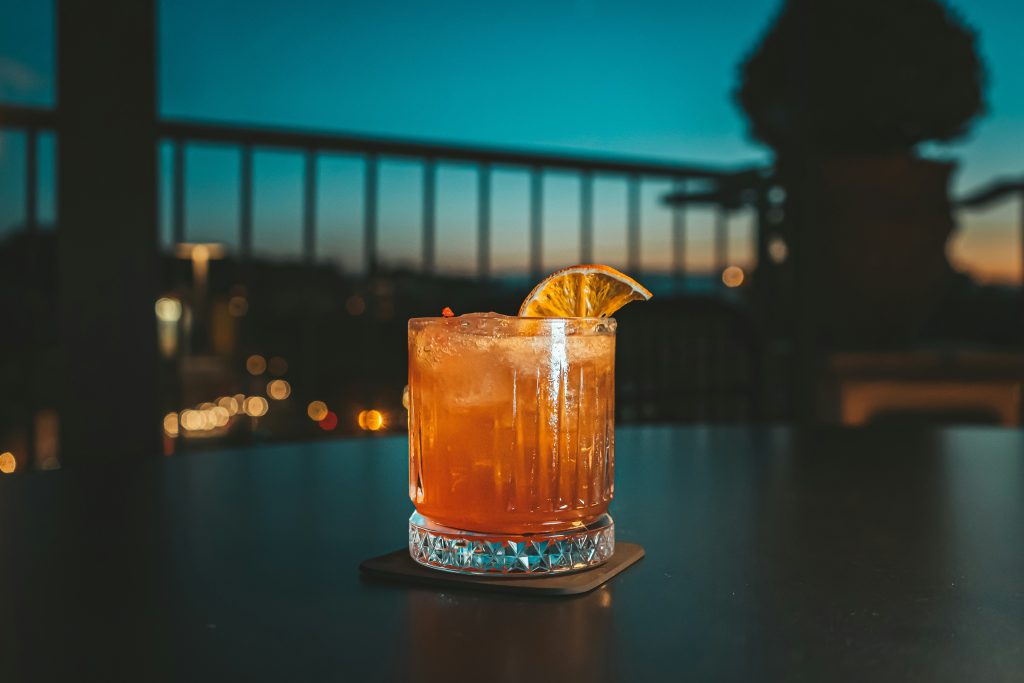
Perched above Florence, this venue offers Tuscan countryside and city views. The aperitivo culture (sunset cocktails with snacks) creates different booking dynamics than formal restaurants.
Italian seasonal approaches affect booking patterns.
Belvedere, Ravello
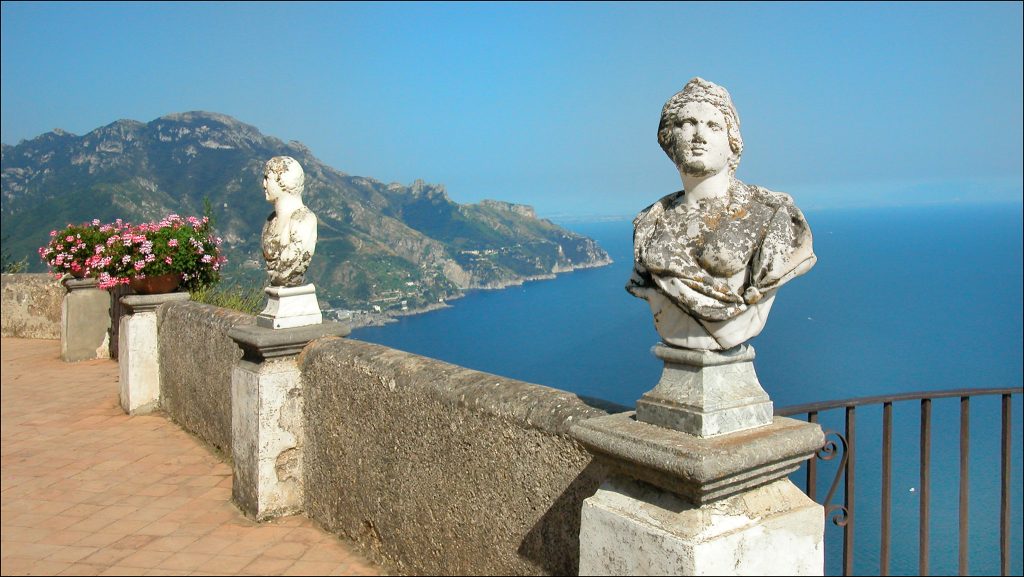
Positioned above the Amalfi Coast at Caruso Hotel, this restaurant offers Mediterranean views combined with Campania coastal cuisine. The cliffside positioning creates dramatic visual intensity.
Summer booking requires months-ahead planning.
Aravalis Restaurant, New Delhi
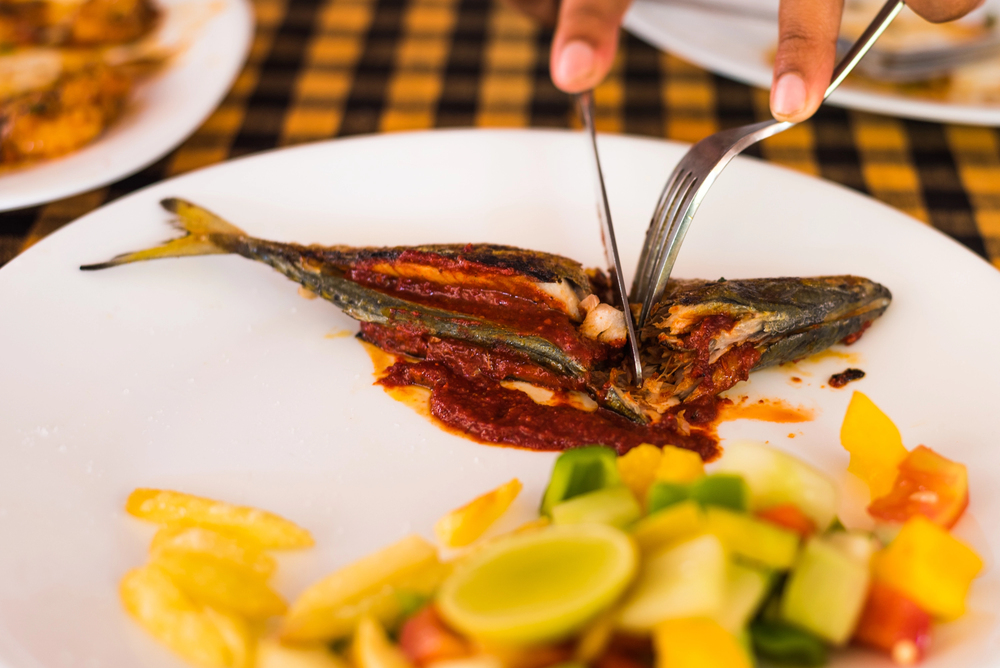
Overlooking Delhi’s Aravali Hills, this contemporary Indian venue emphasizes regional cuisine technique. The altitude (both actual and culinary) appeals to travelers seeking authentic Indian gastronomy presented through a contemporary framework.
Booking patterns vary significantly with seasonal weather.
Where Views Become Memory
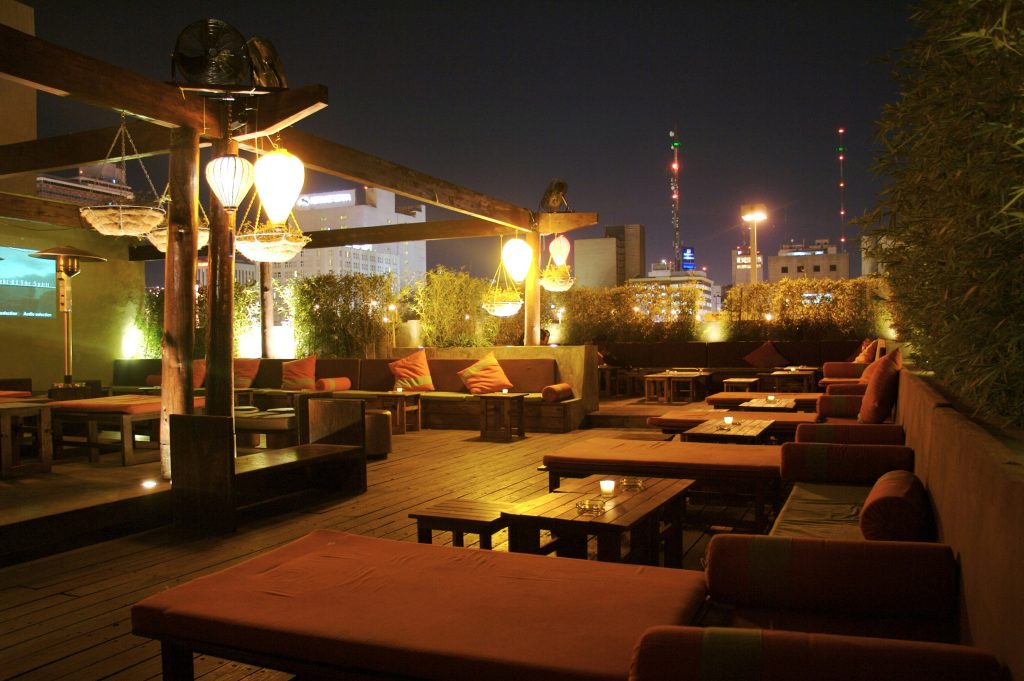
Rooftop dining succeeds because elevation creates permission to pause. At ground level, travel moves forward continuously—from restaurant to next destination to next moment.
A rooftop restaurant introduces a moment where people actively look upward and around, taking in sky-view simultaneity impossible at ordinary eye level. The best rooftop restaurants understand this gift of enforced pause and use it to enhance, not replace, the culinary experience.
The view opens the conversation; the food sustains it.
More from Travel Pug

- Underrated Italian Towns That Beat the Tourist Crowds
- Las Vegas Tourist Traps to Skip
- Prettiest Towns in Every US State
- 18 passport-free countries for Americans
- Signs Your Cruise Is Not Worth The Cost
Like Travel Pug’s content? Follow us on MSN.