

Ship excursions are convenient, but they come with a bus, a guide with a flag, and a hard deadline for the gift shop. Plenty of cruise ports offer a better deal: a regular commuter ferry that costs a fraction of the tour and runs on local time.
These routes carry locals to work, school, and the grocery store, which means they also carry cruise passengers to islands, forts, museums, and beaches without a single group wristband.
Sydney Harbour to Manly Beach
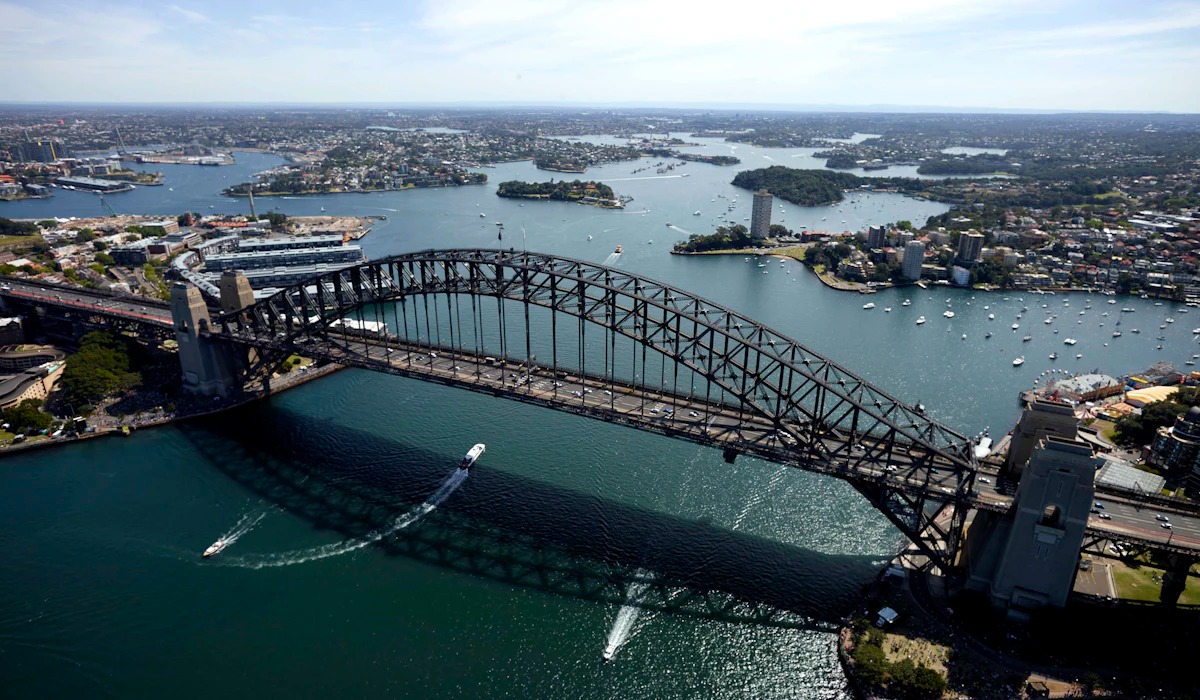
Cruise ships tie up at the Overseas Passenger Terminal on Circular Quay, and the public ferry wharves are a short walk away. The Manly service crosses the harbor past the Opera House, Fort Denison, and the rocky headlands that guard the entrance.
Manly itself is a beach suburb with a pedestrian strip running from the harbor side to the ocean side. The town name goes back to Governor Arthur Phillip, who admired the confident bearing of the Aboriginal men he met there.
Istanbul Ferries Between Two Continents

Passengers docking at Galataport can reach the ferry piers at Karaköy and Eminönü by walking or taking public transit. Municipal ferries cross the Bosphorus to Kadıköy on the Asian shore, where the fish market and the Moda neighborhood feel very far from the Blue Mosque crowds.
The crossing is short, but the working ferry fleet has become part of the city’s identity. Tea and simit are sold onboard, and gulls follow the boats like commuters.
Hong Kong’s Star Ferry Across Victoria Harbour
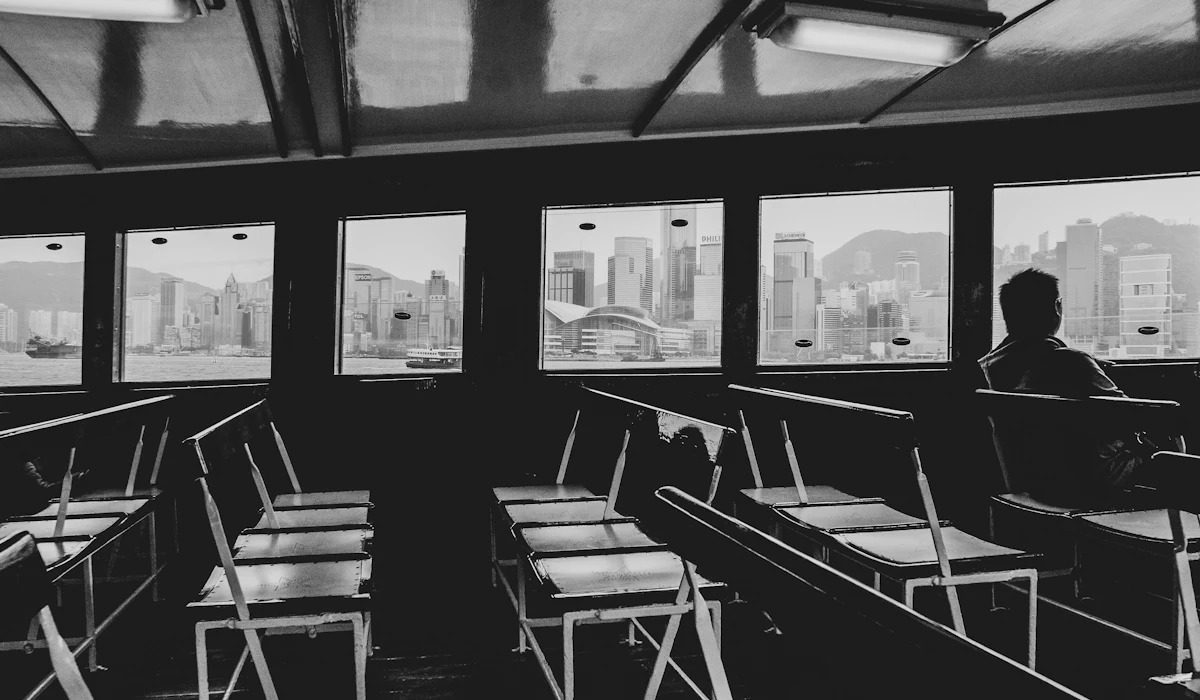
The Star Ferry links Tsim Sha Tsui on the Kowloon side with Central on Hong Kong Island, and the harbor views are the main attraction. Kai Tak Cruise Terminal sits on the old airport runway, and Kowloon is a taxi or train ride from there.
The green and white ferries carry names that fit the brand, such as Morning Star. The crossing has been a local ritual for well over a century, long before skyscrapers made the skyline a postcard.
Vancouver’s SeaBus to Lonsdale Quay
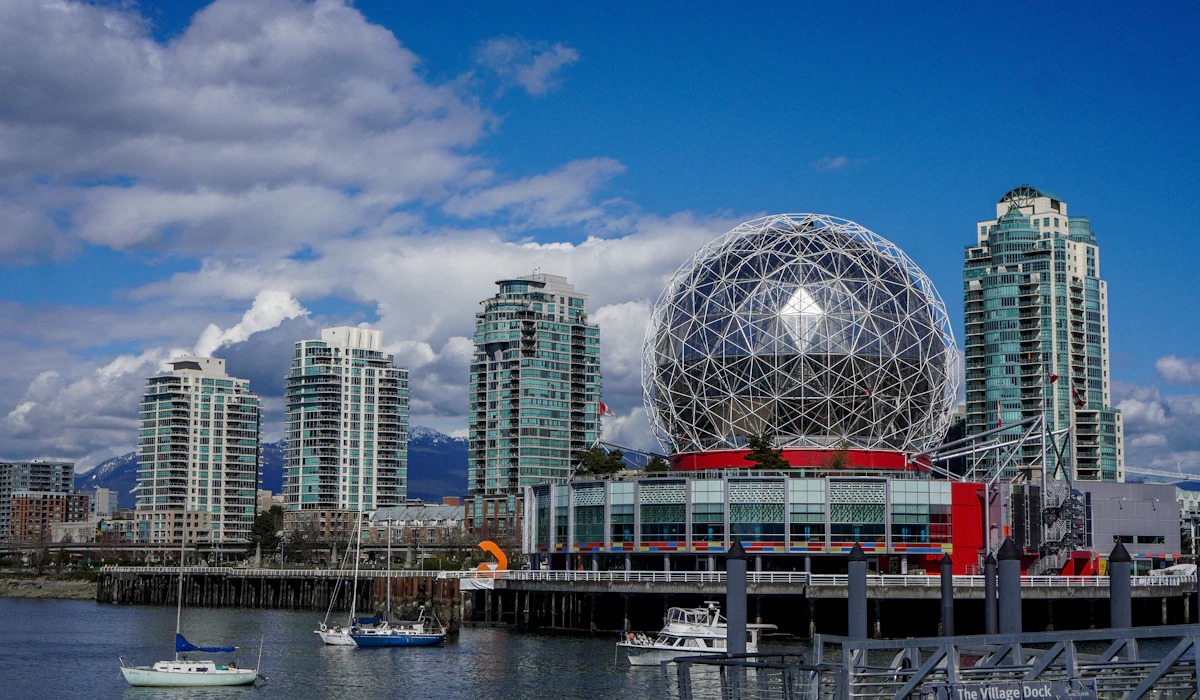
Canada Place, the cruise terminal with the sail-shaped roof, sits next to Waterfront Station, where the SeaBus departs for North Vancouver. The crossing of Burrard Inlet takes about a dozen minutes, and the catamarans are part of the regional transit network rather than a sightseeing product.
Lonsdale Quay has a public market on the water, and mountain trails begin a short bus ride beyond it. For the price of a transit fare, the SeaBus gives a better look at the Vancouver skyline than many paid harbor tours.
Venice’s Vaporetti to Burano and the Lagoon

Venice’s public water buses are operated by ACTV and link the main islands of the lagoon as well as the Grand Canal. A ride to Burano passes the cemetery island of San Michele and brings passengers to a town of brightly painted houses and lace-making history.
The colors are often explained as a way for fishermen to spot their homes through lagoon fog. Torcello, reached by continuing from Burano, was once more populous than Venice and now holds a Byzantine cathedral surrounded by fields.
Seattle to Bainbridge Island on a Washington State Ferry
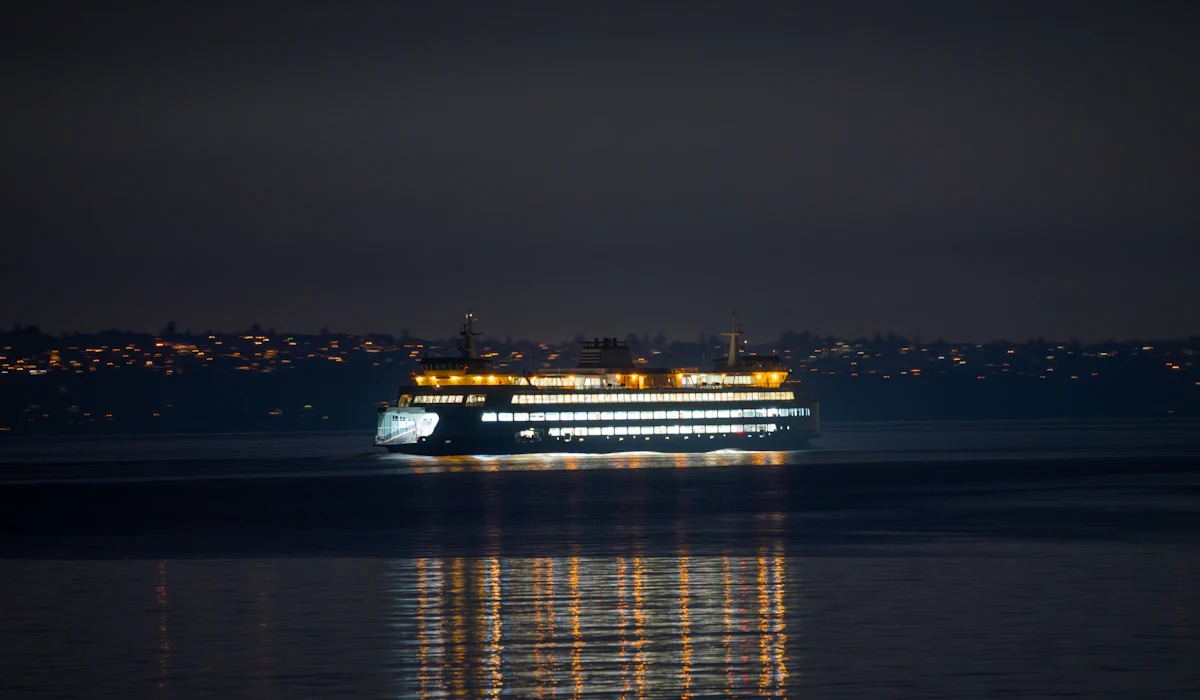
Washington State Ferries leave from Colman Dock on the downtown waterfront, close to the Pier 66 cruise terminal. The route to Bainbridge Island crosses Puget Sound, and the Seattle skyline with Mount Rainier behind it fills the stern view on clear days.
Winslow, the island’s ferry town, has a compact main street of bakeries, bookshops, and small galleries. Washington State Ferries is the largest ferry system in the United States, and this route shows why locals treat it as an ordinary commute.
Copenhagen’s Harbour Buses
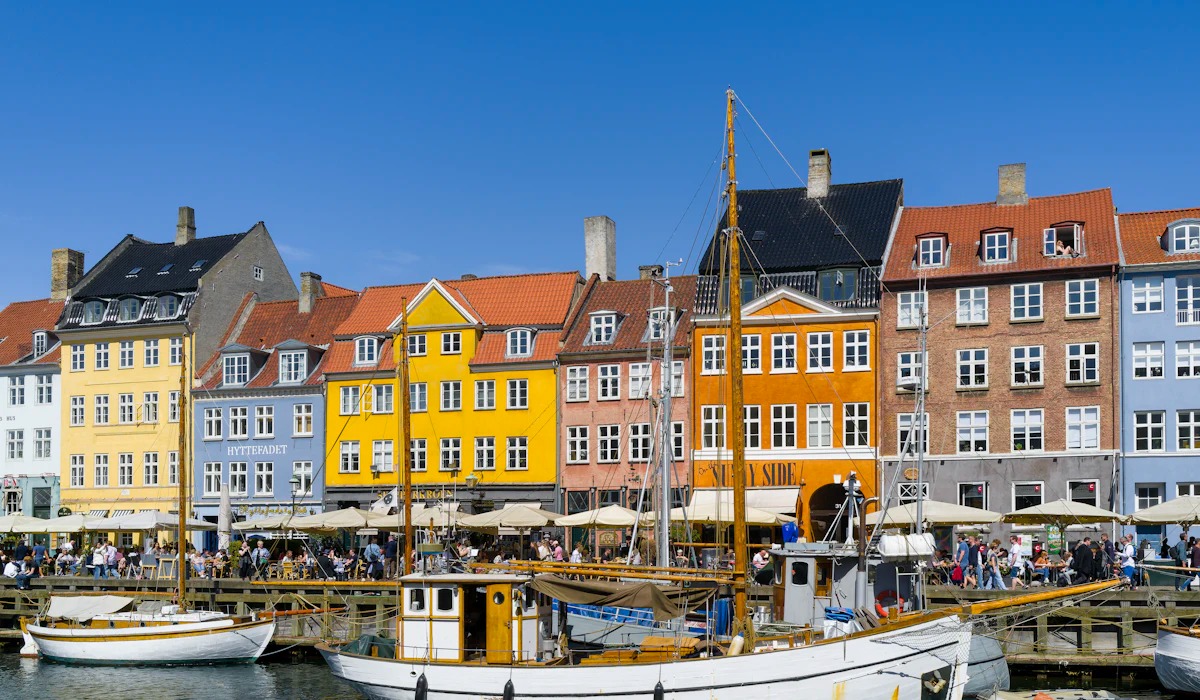
Copenhagen runs a fleet of yellow harbor buses as part of its public transit network, and they use the same tickets as the city’s buses and trains. Routes stop near Nyhavn, the Royal Danish Playhouse, and the Opera House, so a day of sightseeing can be done largely on the water.
Cruise ships dock at Langelinie, within walking distance of the Little Mermaid, though reaching harbor bus stops may require a longer walk or a short transit ride. The modern waterfront architecture is often easier to appreciate from the harbor than from the street.
Helsinki to the Suomenlinna Sea Fortress
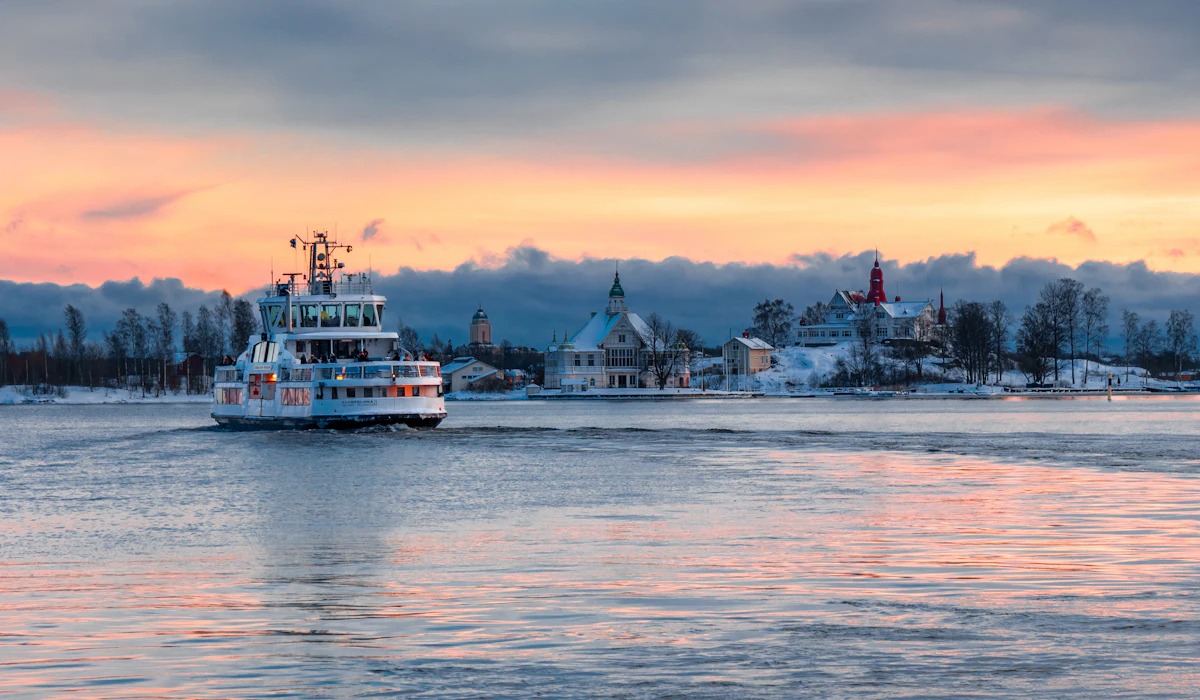
Ferries to Suomenlinna leave from Market Square, a short walk from some South Harbour cruise berths. The island fortress was begun under Swedish rule in the 1740s and is now a UNESCO World Heritage Site.
Hundreds of people still live on its islands, which makes it a village as much as a monument. The public ferry is integrated into Helsinki’s transit system, so visitors can use an eligible transit ticket for the trip.
Stockholm’s Djurgården Ferry to the Vasa Museum
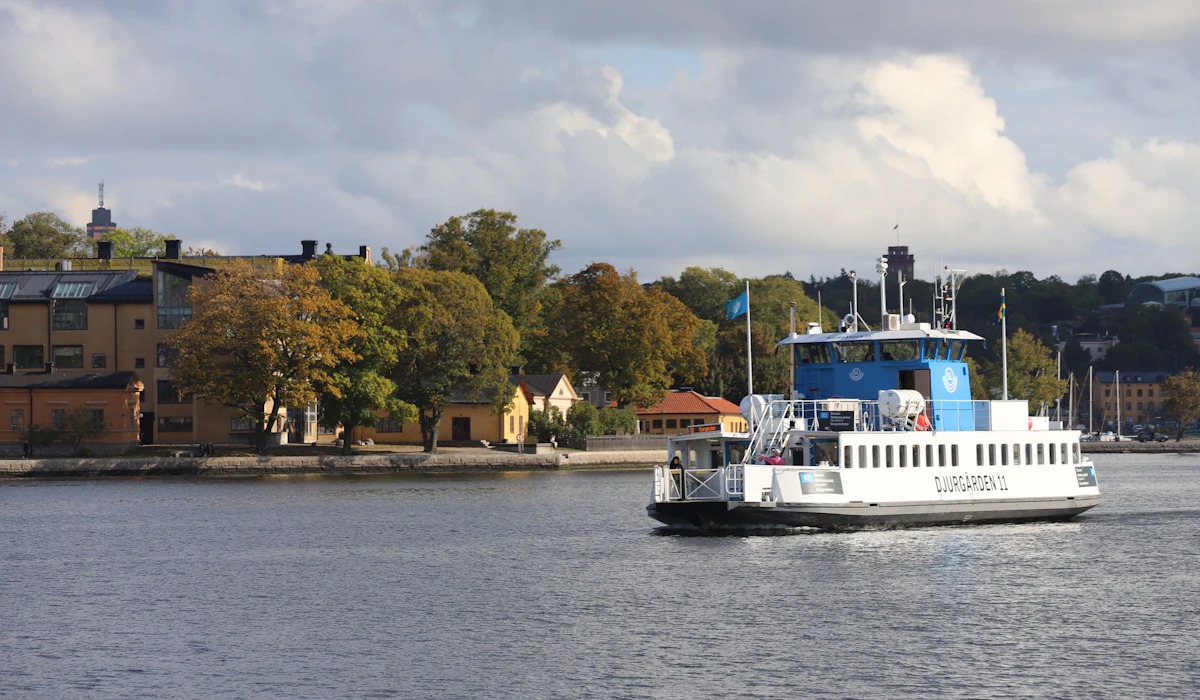
The Djurgården ferry crosses the harbor from Slussen and Gamla Stan to the green island of Djurgården, where much of Stockholm’s museum district sits. The Vasa Museum houses a 17th-century warship that sank in the harbor on its maiden voyage in 1628.
The ship was raised in 1961 and is remarkably well preserved. Visitors who arrive by ferry are also a short walk from Skansen, the open-air museum that shows Swedish life from earlier centuries.
Naples to Capri and Sorrento From Molo Beverello
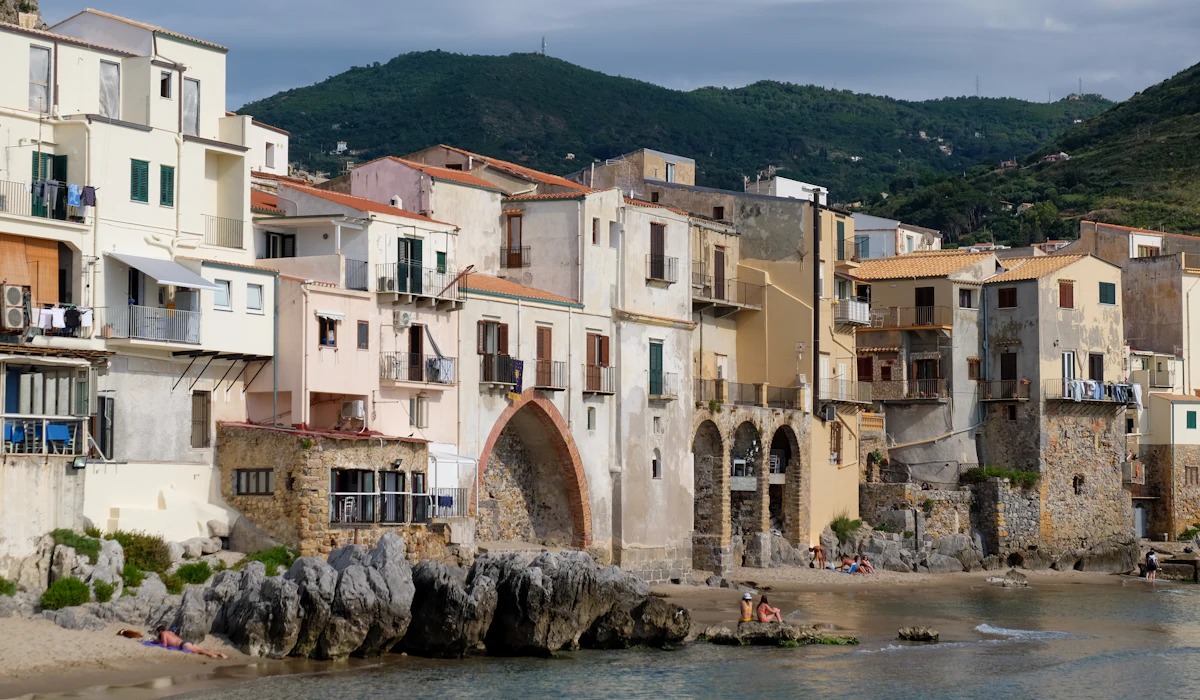
Cruise ships in Naples dock within reach of the passenger terminals around Molo Beverello, where fast ferries and hydrofoils depart for Capri, Ischia, and Sorrento. Regular passenger services link the pier to Capri’s Marina Grande, where the funicular climbs to the town above.
Boat departures for the Blue Grotto are available from the island itself. Naples rewards a stop for its pizza alone, but ferries and hydrofoils put some of Italy’s best-known coastline within a morning’s reach, depending on schedules and sea conditions.
Split’s Jadrolinija Ferries to the Islands
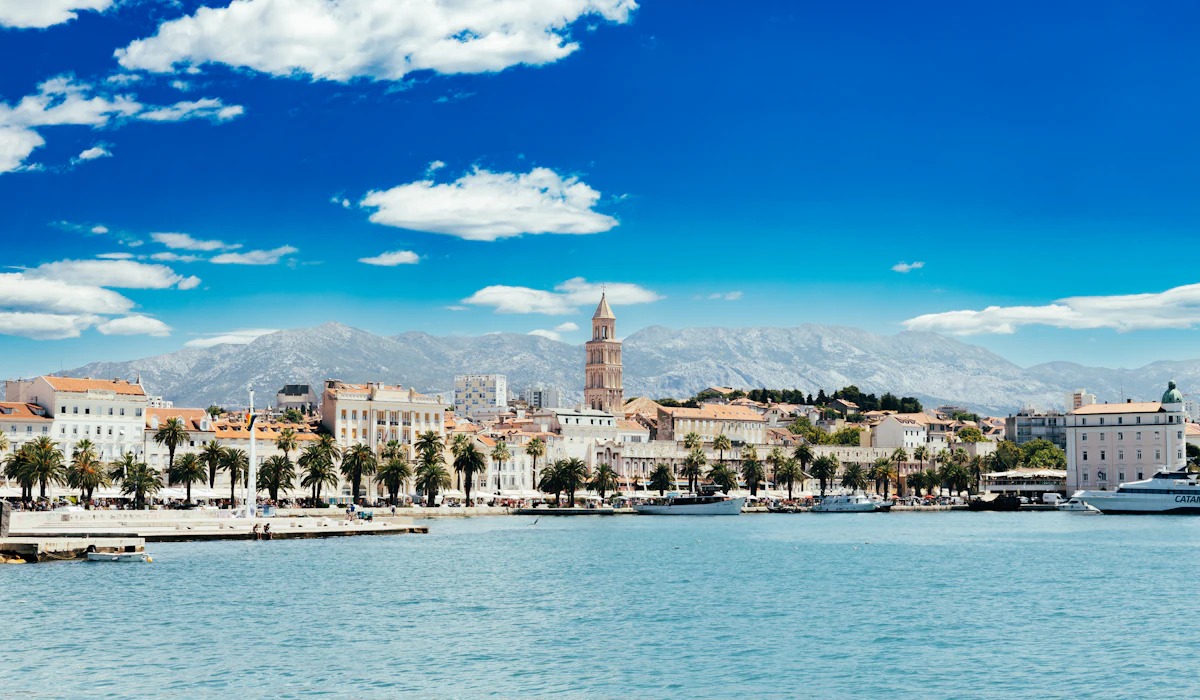
Split’s cruise berths are next to the old town, and the ferry terminal sits only a few steps away. Jadrolinija, the Croatian state ferry company, sails from here to Hvar, Brač, and Šolta.
Hvar town has a Venetian arsenal with a historic public theater built above it in the 17th century. Passengers can see Diocletian’s Palace, built in the early fourth century, from the ferry deck as it leaves the harbor.
Piraeus to Aegina by Public Ferry
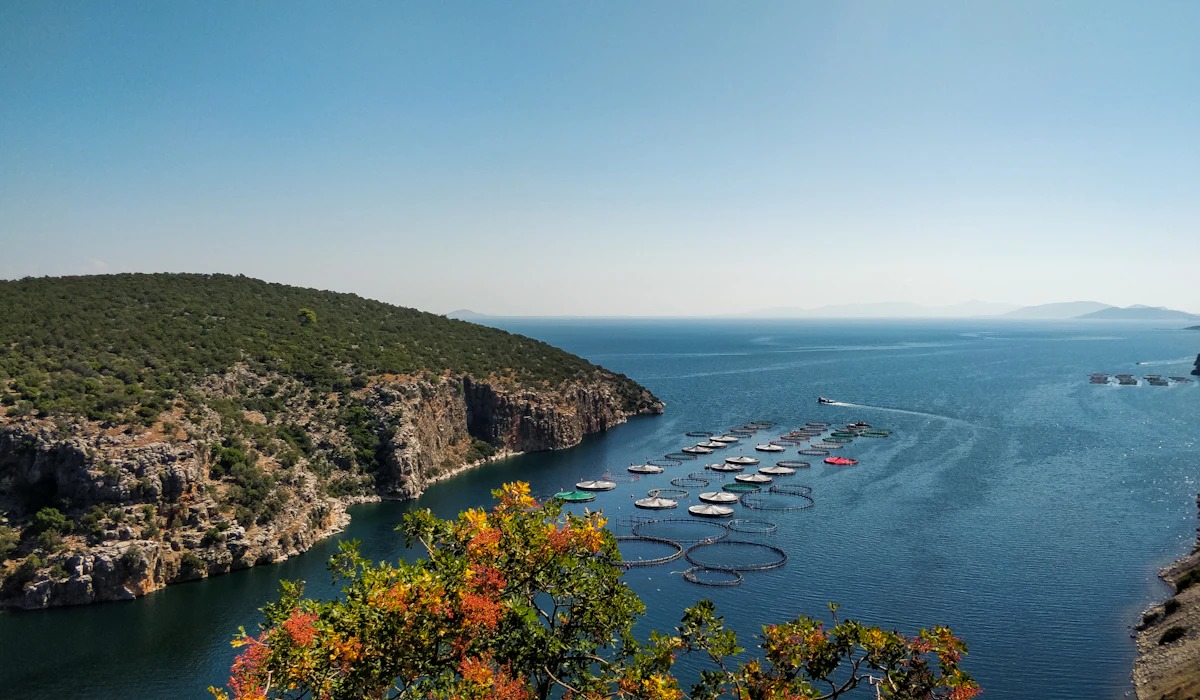
Piraeus is the main port of Greece, and ferries leave from its quays throughout the day for the Saronic Gulf islands. Aegina is the nearest of the popular choices, and its Temple of Aphaia stands on a pine-covered hill.
The island is also known for its pistachios, which are grown on terraced farmland and sold in nearly every shop in Aegina Town. Hydra and Poros are further down the same chain and have their own harbor villages.
Rio’s Barcas to Niterói
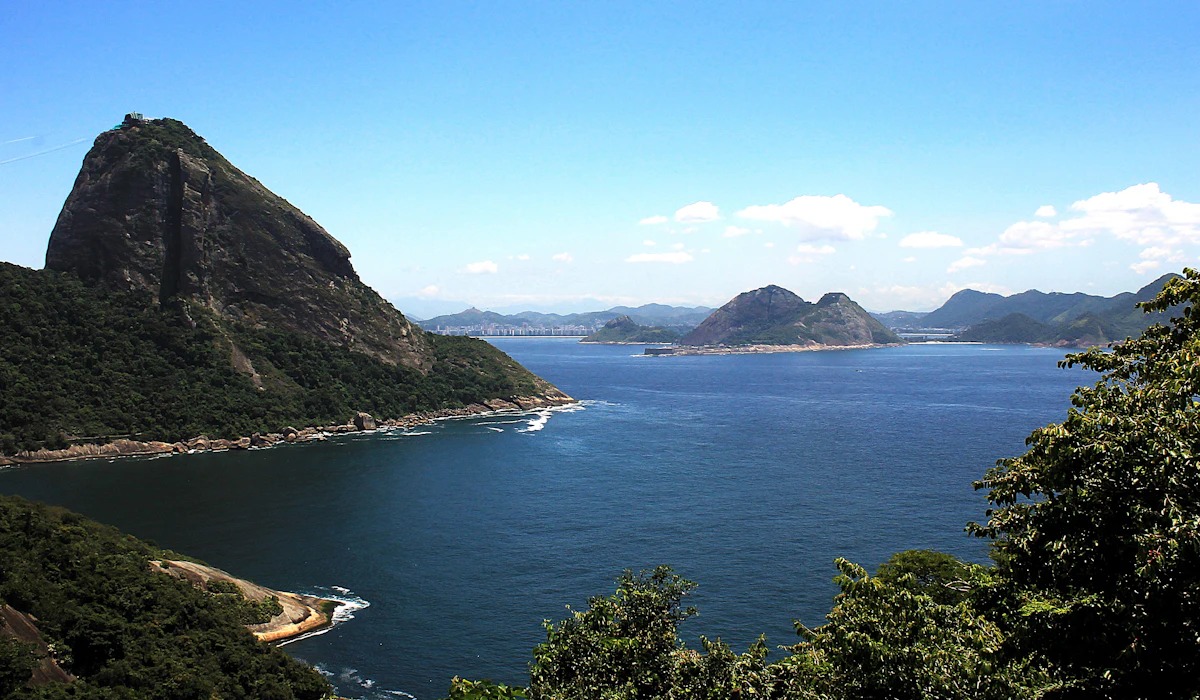
Barcas, the public ferries of Guanabara Bay, leave from Praça XV in central Rio de Janeiro and cross to the city of Niterói. The main reason to go is the Niterói Contemporary Art Museum, a saucer-shaped building designed by Oscar Niemeyer and opened in 1996.
From its terrace, visitors get a view of Sugarloaf Mountain and the Rio skyline that cannot be found from Rio itself. The ferry deck makes a good vantage point on the way back, especially near sunset.
Auckland to Waiheke Island
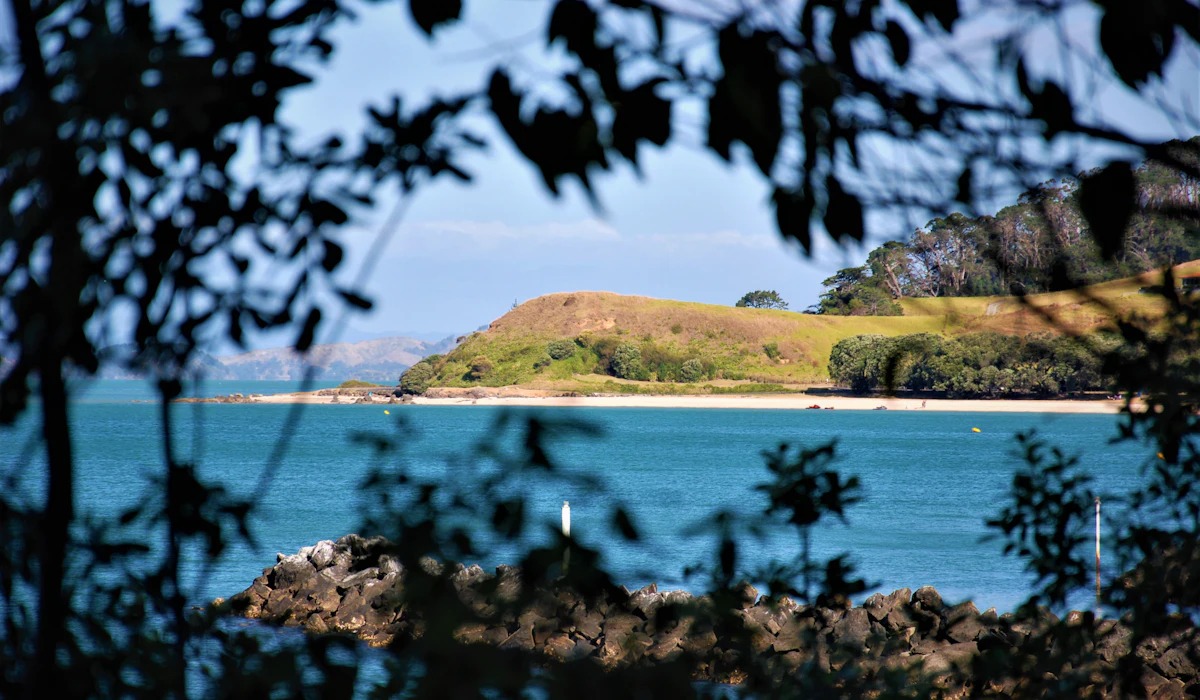
Cruise passengers arriving at Princes Wharf are near the downtown Ferry Building, from which Fullers360 runs ferry services to Waiheke Island. The crossing takes under an hour, and the island is known for its vineyards, olive groves, and quiet beaches.
Wineries here make full-bodied reds that have won international recognition. A bus network runs along the island’s roads, so a tour is possible without hiring a car.
Wellington’s East by West Ferry to Days Bay
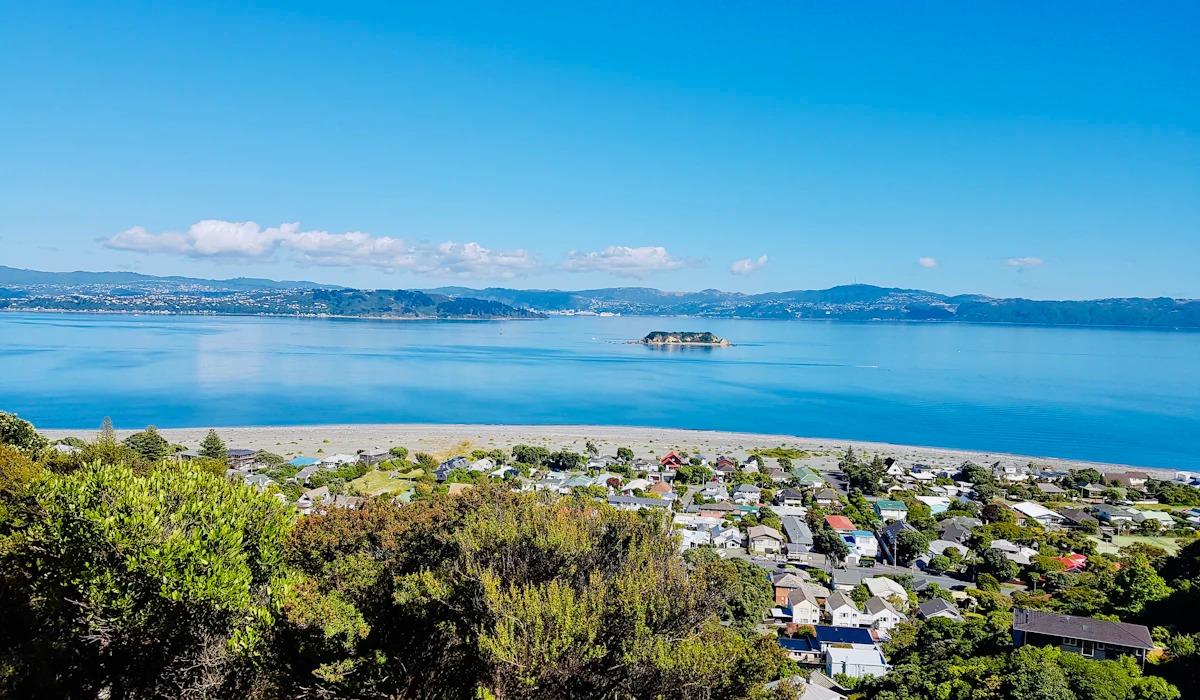
East by West ferries leave from Queens Wharf in central Wellington and cross the harbor to Days Bay and Eastbourne. Days Bay has a sheltered beach, a historic pavilion, and a café, and the shoreline walks are easy.
The same operator runs boats to Mātiu/Somes Island, a predator-free reserve in the middle of the harbor where visitors can see rare native wildlife. Visits to the island require planning around the operator’s designated sailings and visitor requirements.
A ride on this ferry shows how Wellington’s compact city sits inside a bowl of green hills.
San Francisco to Sausalito on the Golden Gate Ferry

Golden Gate Ferry sails from the Ferry Building on the Embarcadero to Sausalito, across the bay. The route passes Alcatraz and gives a view of the Golden Gate Bridge from below, which most visitors never see from the roads.
Sausalito is a small town of houseboats, seafood restaurants, and hillside homes. The Ferry Building itself, opened in 1898, is worth a stop for its marketplace of local food producers before the boat leaves.
New York’s Free Staten Island Ferry
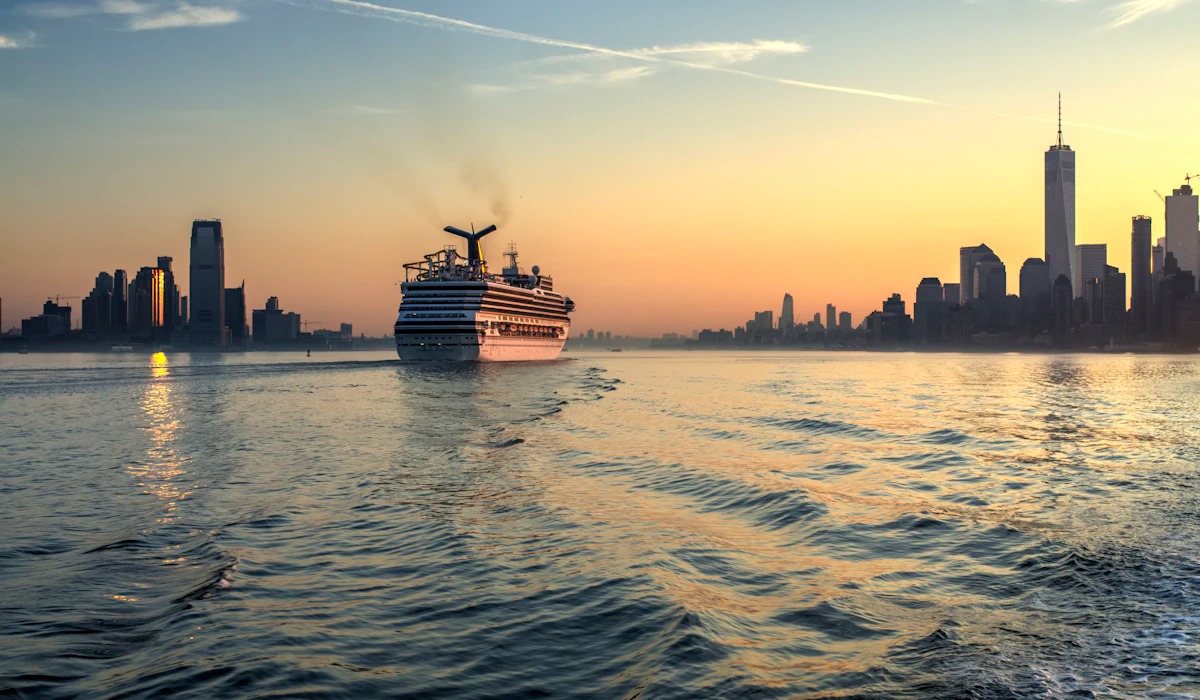
The Staten Island Ferry runs between Whitehall Terminal in Lower Manhattan and St. George on Staten Island, and it carries passengers for free.
That makes a view of the Statue of Liberty one of the cheapest sightseeing options in the country. The orange boats pass near Liberty Island and Ellis Island on the way.
Passengers do not need to leave the terminal on the Staten Island side and can simply board the next boat back.
Halifax to Dartmouth on North America’s Oldest Saltwater Ferry
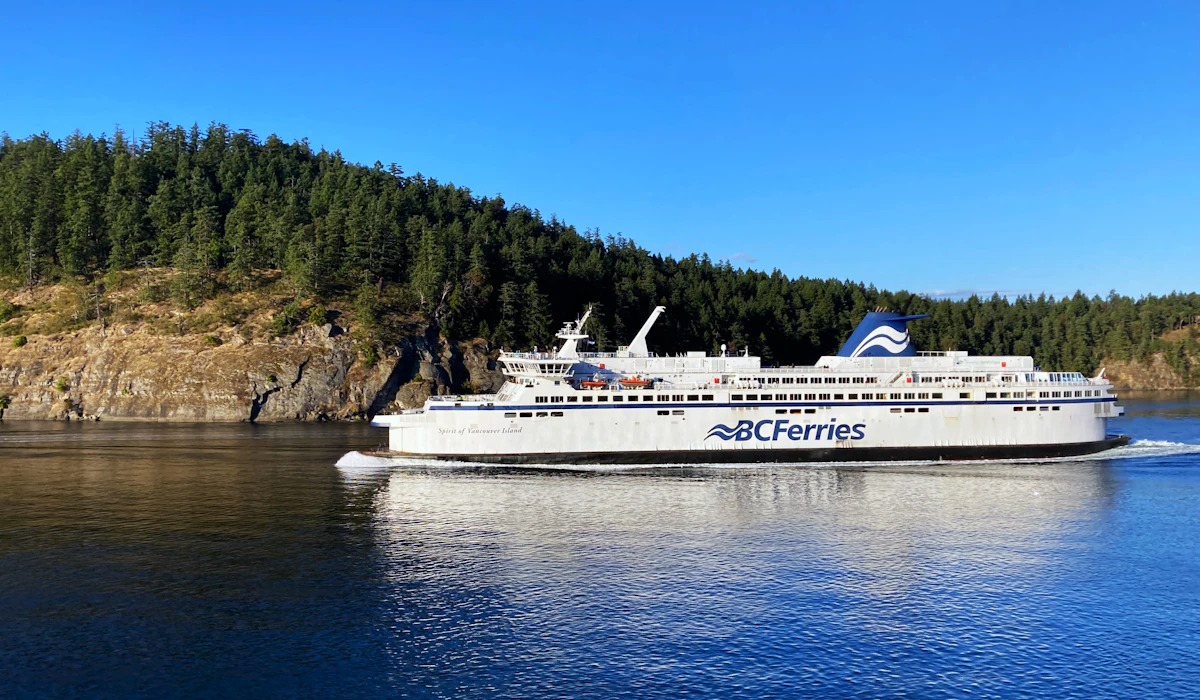
The Halifax-Dartmouth ferry has been crossing the harbor since 1752, and it is described as the oldest saltwater passenger ferry service in North America. Cruise ships dock along the Halifax waterfront, and the ferry terminal is a short walk from the piers.
The crossing to Dartmouth takes only a few minutes, but it gives a view of the harbor that shaped the city’s naval and merchant history. Dartmouth has a waterfront boardwalk, small restaurants, and quiet streets.
Hamburg’s Line 62 Along the Elbe
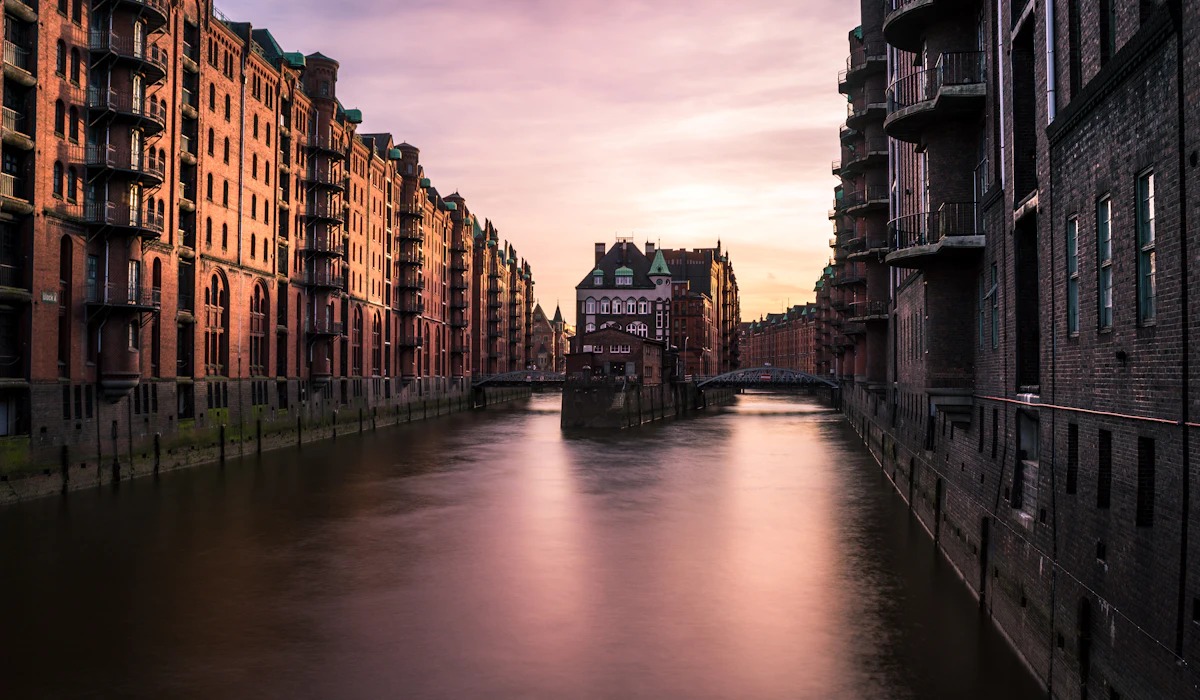
Hamburg’s HADAG harbor ferries are part of the city’s regular public transport network and use the same tickets as buses and trains. Line 62 runs from Landungsbrücken, the pier complex on the north bank, down the Elbe to Finkenwerder, passing the Elbphilharmonie, shipyards, and container terminals.
Few cruise ports offer a working-port tour on ordinary transit fare. The ride shows a version of Hamburg that stays hidden from visitors who remain in the old town.
Lisbon’s Cacilhas Ferry Across the Tagus
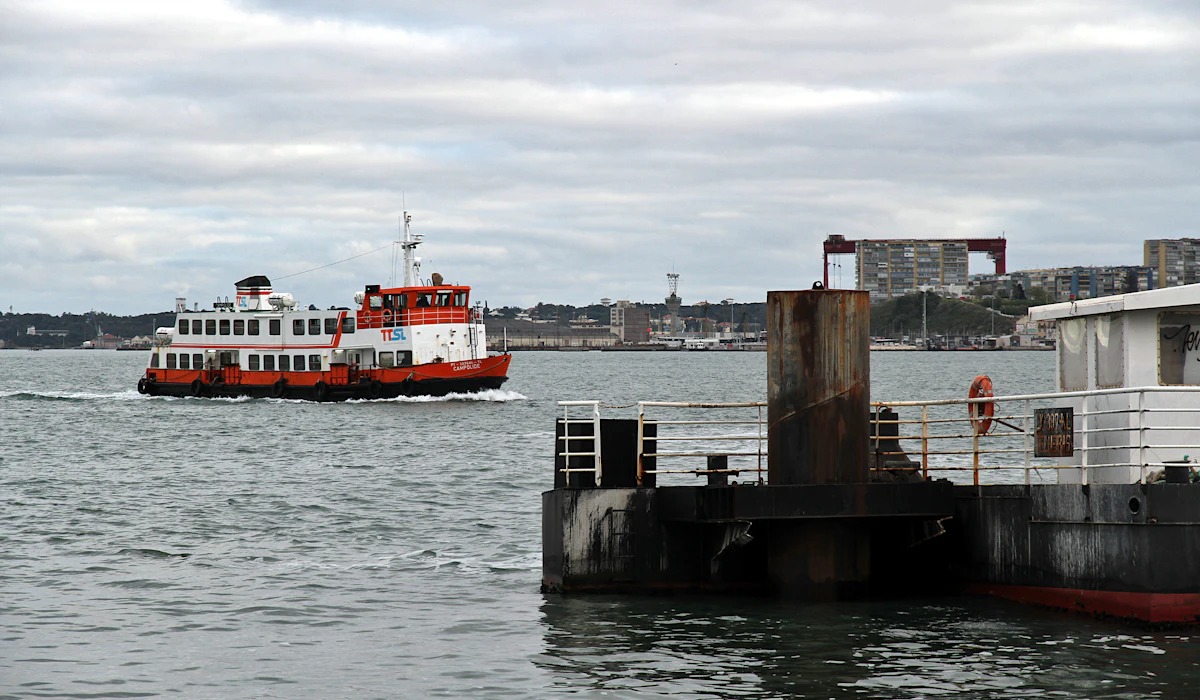
Ferries leave from Cais do Sodré in central Lisbon for Cacilhas, on the south bank of the Tagus River. Cacilhas is known for its seafood restaurants, and the Cristo Rei monument can be reached by bus or a longer walk from the ferry area.
The statue of Christ with open arms was completed in 1959 and was inspired by Christ the Redeemer in Rio de Janeiro. The elevated viewing platform at its base gives one of the best views back toward the Lisbon waterfront and the 25 de Abril Bridge.
Oslo’s Island Boats to Hovedøya

Ruter, the city’s transit agency, runs boat services from Oslo’s harbor to islands in the Oslofjord, and cruise ships dock close to the central waterfront. Hovedøya is the nearest and most popular, with ruins of a monastery founded by Cistercian monks in the 12th century.
The island has walking paths, swimming spots, and small beaches that locals use on warm days. The ride takes only a few minutes, which makes it an easy choice for a half-day of rural scenery.
Portland, Maine, to Peaks Island With Casco Bay Lines

Casco Bay Lines runs ferries from Portland’s waterfront to the islands of Casco Bay, and the boats double as the lifeline for island residents. Peaks Island is the closest, a ride of around 20 minutes, and visitors can rent bicycles or walk the loop around its edge.
The service also delivers mail and freight to the islands, a tradition that gives the route a working character. Portland’s cruise pier sits near the Old Port, where the ferry terminal is also located.
Cozumel to Playa del Carmen
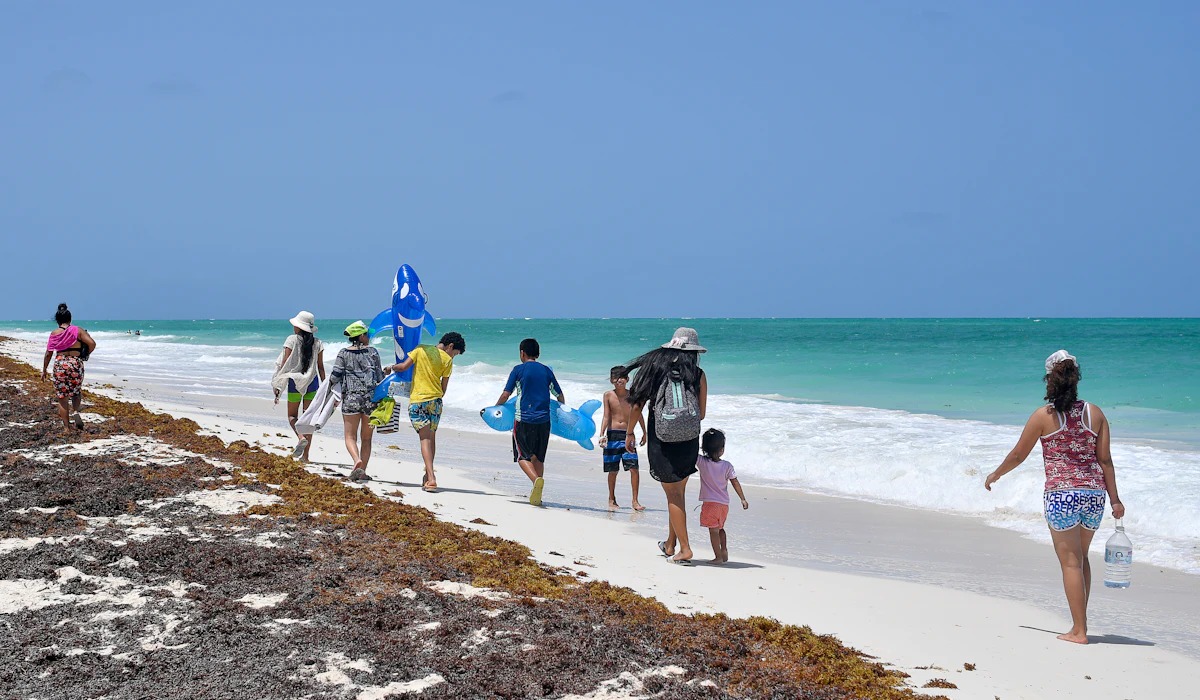
Cruise ships calling at Cozumel dock at different piers depending on the ship, and regular passenger ferries cross to Playa del Carmen on the mainland. Playa del Carmen is a resort town on the Riviera Maya, with a pedestrian shopping street called Quinta Avenida running parallel to the beach.
The crossing takes roughly 35 to 45 minutes on many services, though schedules and travel times vary, so a visitor can eat lunch on the mainland and return well before departure only with careful planning and enough time to spare. Cozumel itself is known for reef diving, but the ferry offers a separate view of Mexico.
Dubrovnik’s Elaphiti Islands
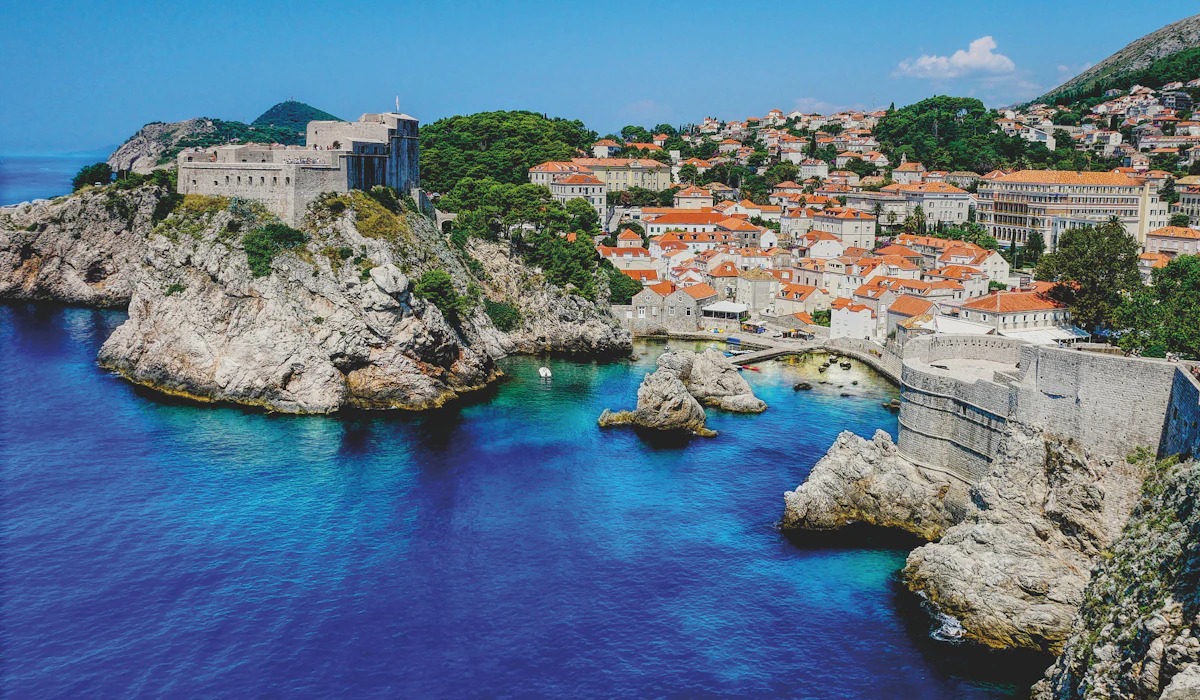
Public ferries from the port of Gruž, where cruise passengers may arrive by ship or shuttle, run to the Elaphiti Islands of Koločep, Lopud, and Šipan. Lopud has the sandy beach of Šunj, a rarity on a coastline of pebbles and rock.
The islands are largely car-free, and the tourist crowds of Dubrovnik’s old town feel far away. Local ferries make the trip a cheaper alternative to the many sightseeing boats advertised along the harbor, though routes and departure times should be checked before setting out.
Hobart’s MONA Ferry on the Derwent
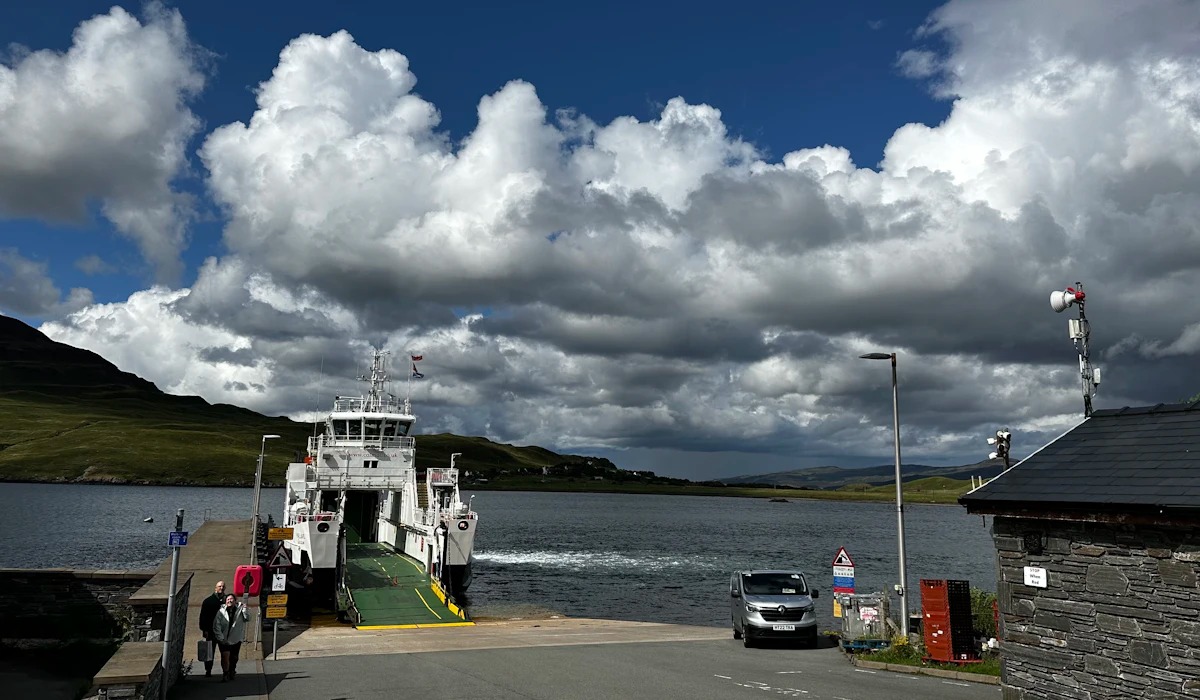
Cruise ships dock at Hobart’s waterfront, a short walk from Brooke Street Pier, where the ferry to the Museum of Old and New Art departs. The boat travels up the Derwent River to the museum, which opened in 2011 and was founded by the collector David Walsh.
The museum is carved into the sandstone cliffs of a peninsula, and the ferry arrives at its own dock. The vessels are painted in a camouflage pattern that has become part of the museum’s brand.
Southampton to the Isle of Wight With Red Funnel
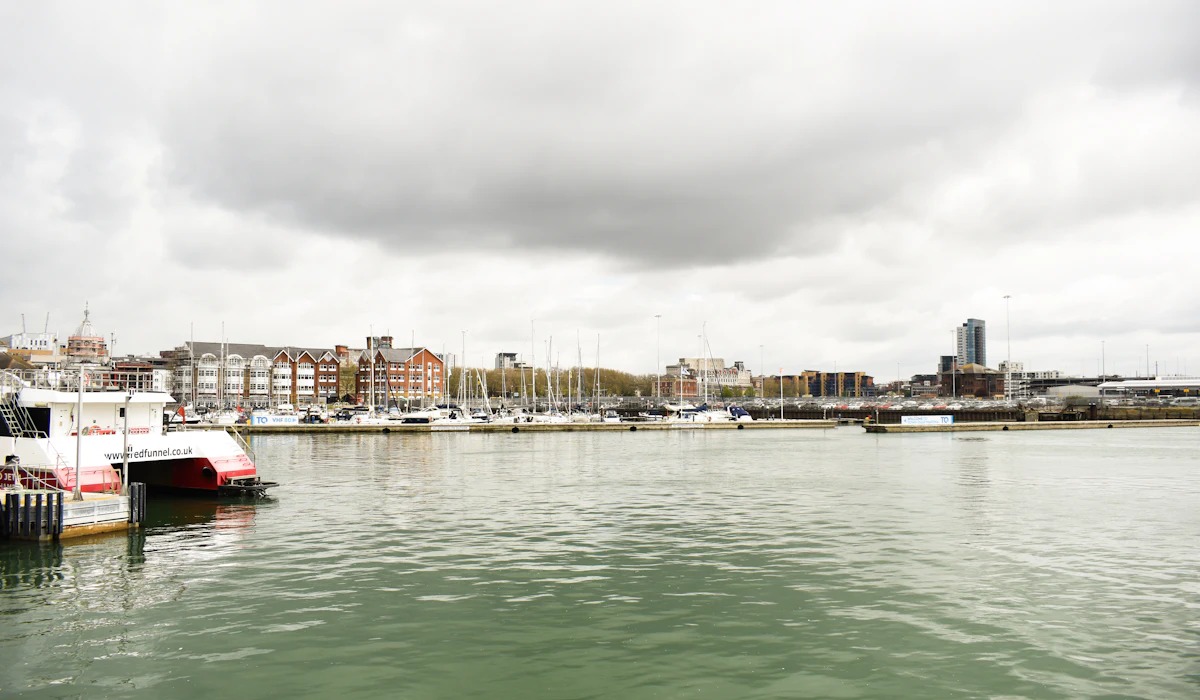
Red Funnel ferries sail from Southampton’s Town Quay to East Cowes on the Isle of Wight, with a faster passenger service to West Cowes. Cowes is the center of British yacht racing and hosts the Cowes Week regatta each summer.
Nearby, Osborne House was a favored retreat of Queen Victoria, who died there in 1901. The island’s coastline and country lanes provide a calm contrast to Southampton’s large container port.
Bermuda’s Ferries Between Dockyard and Hamilton
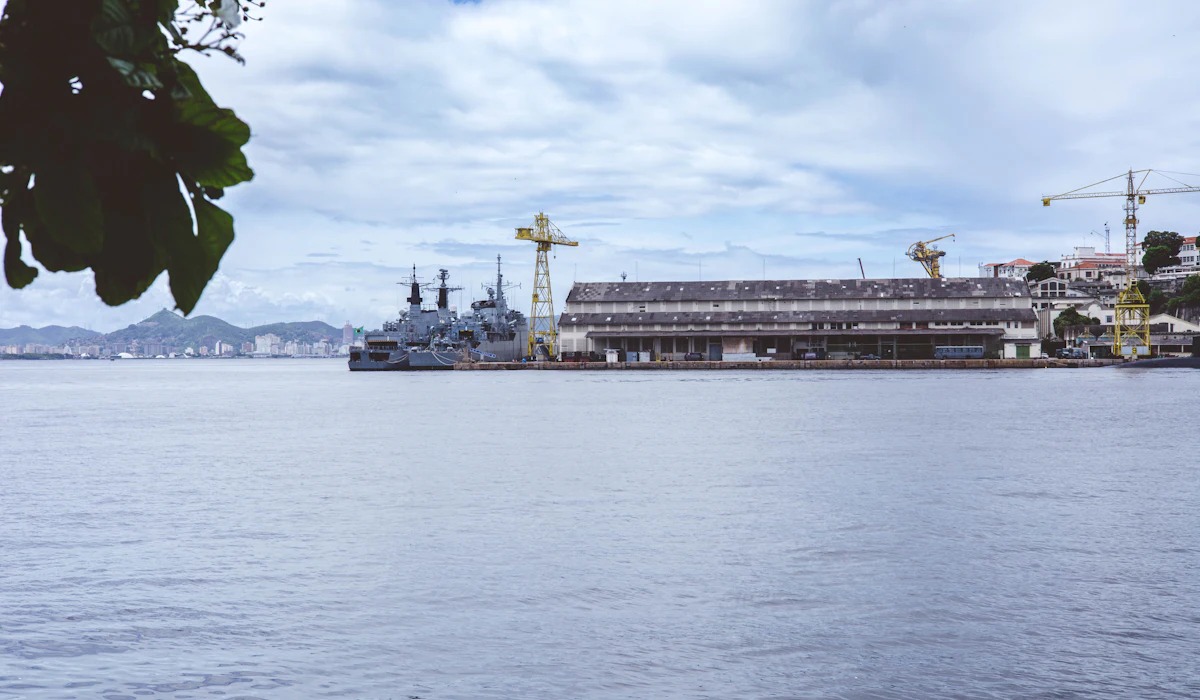
Ships call at the Royal Naval Dockyard on the island’s western tip, and the public ferry system connects it to Hamilton and other parishes. The Dockyard was built as a British naval base in the 19th century, and its fortress now houses the National Museum of Bermuda.
The ferry route crosses the Great Sound, with small islands and pastel houses along the shore. The boats can be a scenic alternative to buses, with fares and travel times depending on the route.
St. Thomas to St. John by Public Ferry
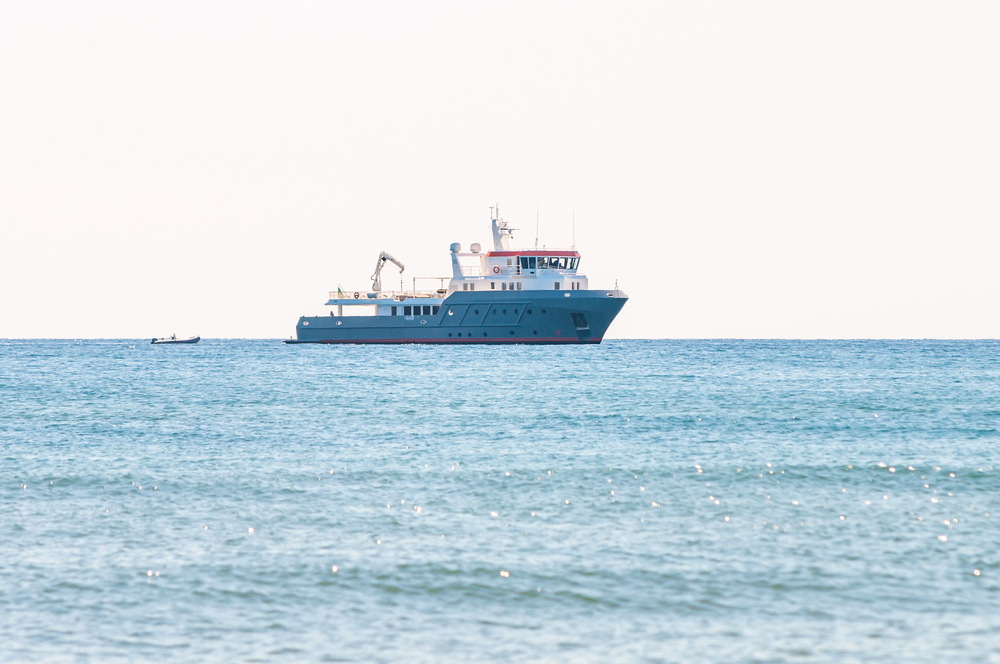
Passengers docking at Charlotte Amalie can travel to a ferry terminal serving routes to Cruz Bay on neighboring St. John; the departure point depends on the service.
Most of the island belongs to the Virgin Islands National Park, donated to the federal government by Laurance Rockefeller in the 1950s. Trunk Bay and its underwater snorkeling trail are among the reasons to cross.
Taxis meet the ferry at Cruz Bay, and visitors can explore part of the island in a day, depending on transport and how much they want to see.
San Juan to Cataño and the Bacardí Distillery
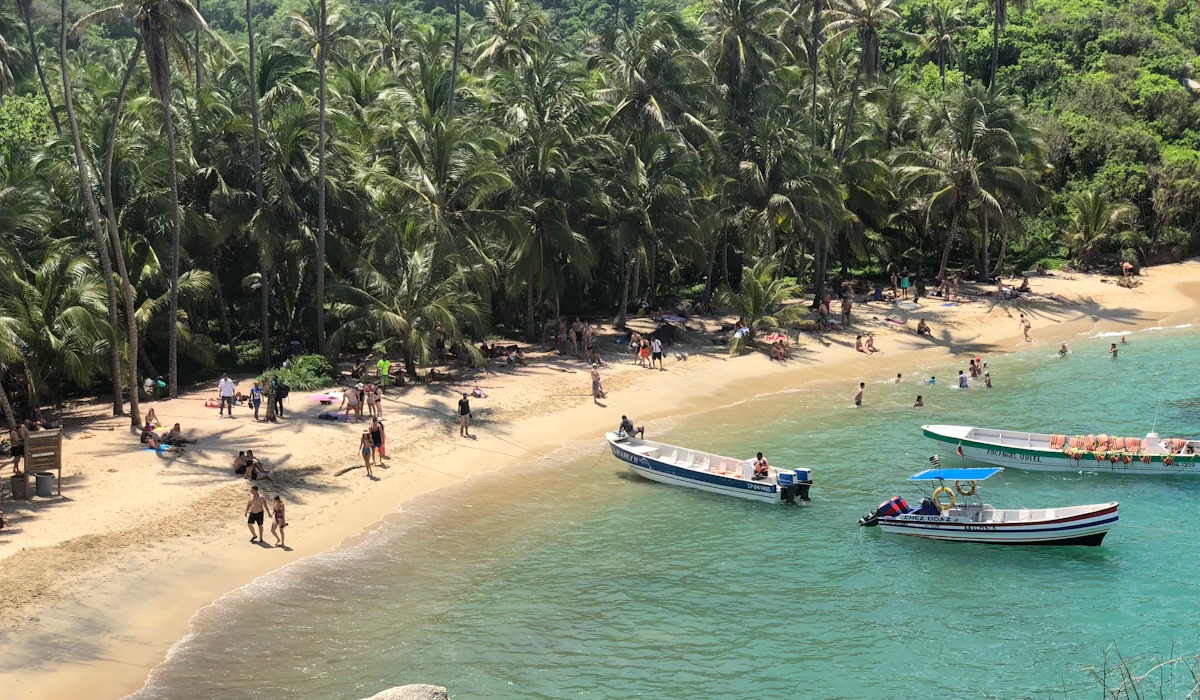
The Cataño ferry crosses San Juan Bay from Old San Juan, near the cruise piers, to the town of Cataño. It is a short ride on an inexpensive public service that locals have used for generations.
Casa Bacardí, the visitor center of the famous rum producer, is a short ride from the Cataño dock. The crossing also provides a view of El Morro, the 16th-century fortress at the harbor entrance.
Valletta’s Ferries Across the Grand Harbour
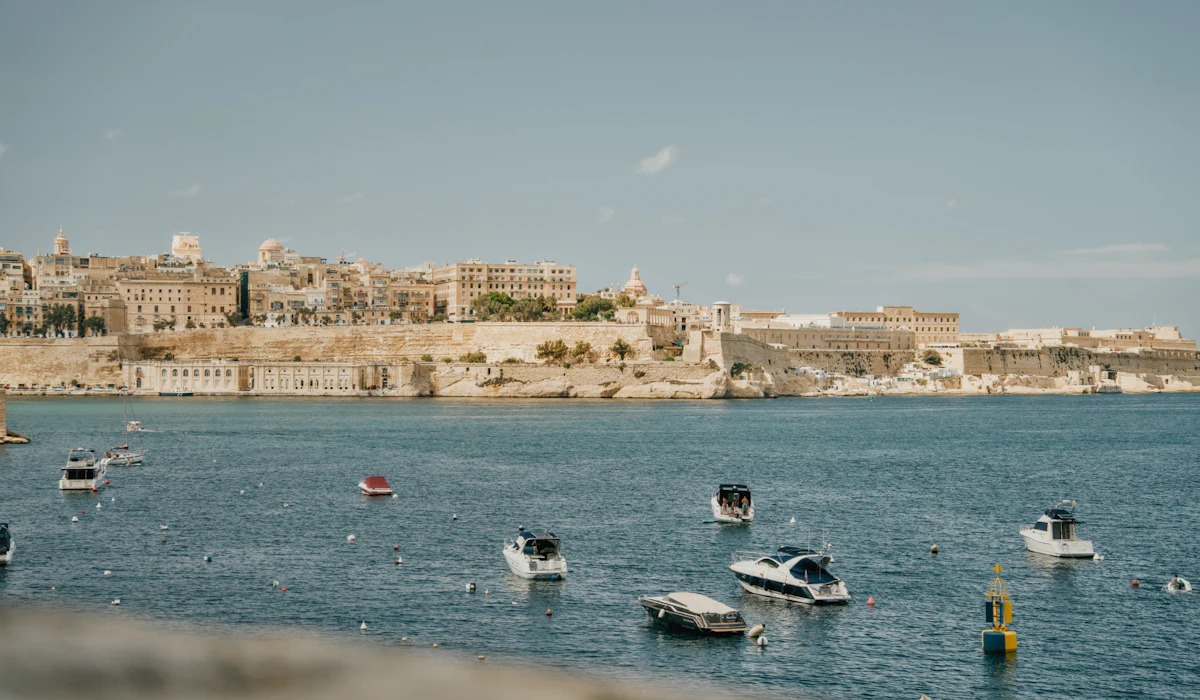
Cruise ships dock at the Valletta Waterfront, and public ferries cross the harbor to the Three Cities and Sliema, on a separate route across Marsamxett Harbour. The Three Cities, led by Birgu, hold Fort St.
Angelo, which played a major role in the Great Siege of 1565. Birgu’s narrow streets and marina show a quieter side of Malta than Valletta’s busy main road.
From the water, the golden limestone bastions of Valletta look as dramatic as they did to the Knights who built them.
Amsterdam’s Free Ferries Behind Centraal Station
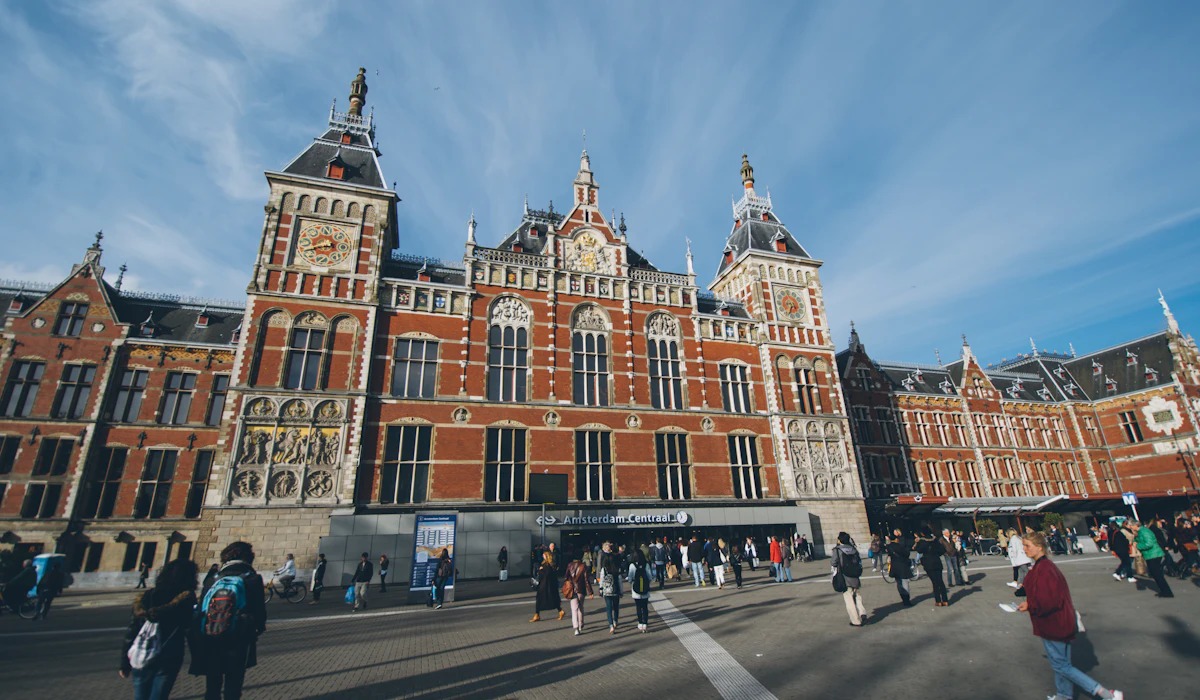
The ferries that run behind Amsterdam Centraal Station are free to ride and connect the city center with Amsterdam-Noord across the IJ. The cruise terminal sits close to the station, so a passenger can be on a boat within minutes of leaving the station if the ship docks at the nearby terminal.
On the north bank, the EYE Filmmuseum has a modernist building with a waterfront terrace, and a longer ferry route leads to the former NDSM shipyard. NDSM now holds street art, studios, and cafés in hangars where ships were once built.
Why the Local Boat Beats the Tour Bus
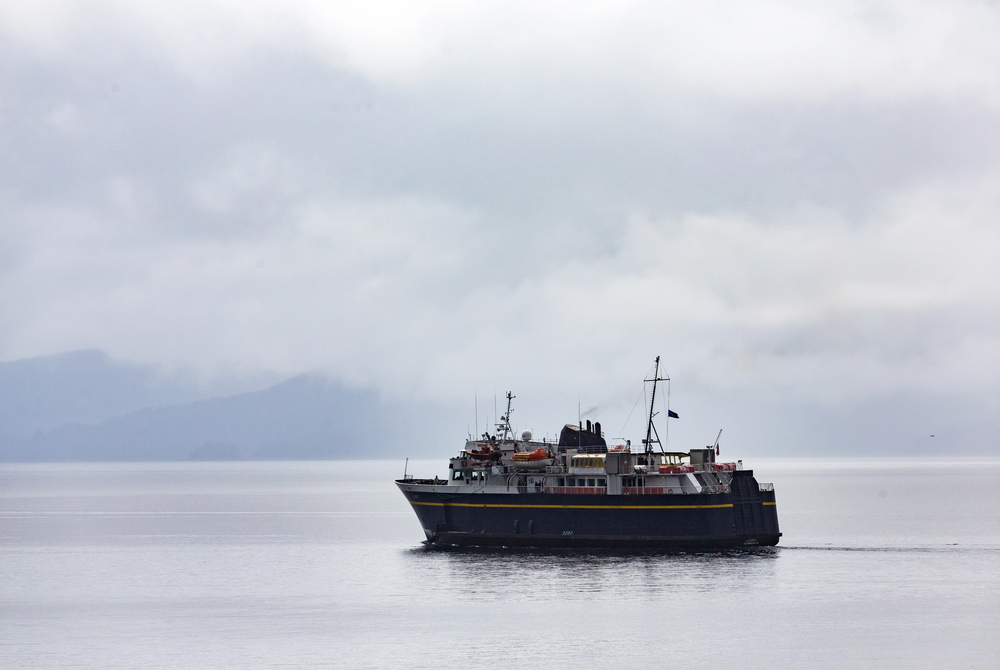
Every port on this list shares a simple structure: a harbor, a waterfront, and a boat that exists because people need to get somewhere. The ferry was in service before the cruise ship arrived and will keep running after the ship leaves.
That gives passengers a more everyday view of the place, since the other riders are going to work, to school, or home.
The tradeoff is a bit more planning. Passengers need to check the return schedule, allow a generous cushion before all-aboard time, and carry a little local currency or a payment card.
In return, they get fresh air, skyline views, and the pleasure of doing something the ordinary way. Sometimes the best excursion is the one nobody sold.
More from Travel Pug

- Underrated Italian Towns That Beat the Tourist Crowds
- Las Vegas Tourist Traps to Skip
- Prettiest Towns in Every US State
- 18 passport-free countries for Americans
- Signs Your Cruise Is Not Worth The Cost
Like Travel Pug’s content? Follow us on MSN.