

Most cruises are loops. The ship leaves a port, wanders around a region, and returns to the same pier, which is convenient for parking and dull for everything else.
One-way itineraries, sometimes called open-jaw cruises, treat the trip as a line drawn between two places.
The payoff is distance. A ship that does not need to turn around can cover more map, reach farther ports, and end somewhere the airline map would never have suggested.
The trade-off is a more complicated flight home.
Vancouver to Seward Through the Gulf of Alaska

Northbound Alaska sailings from Vancouver can finish at Seward or Whittier, depending on the cruise line and itinerary, rather than doubling back through the Inside Passage. Along the way, ships visit glacier country such as Hubbard Glacier, a tidewater glacier that calves icebergs into Disenchantment Bay.
Passengers then step off in a small harbor town and can continue to Anchorage by road or rail. The ship never retraces its own wake, which is the appeal.
Whittier to Vancouver Through a Shared Tunnel

Southbound Alaska cruises often begin in Whittier, a town reached by the Anton Anderson Memorial Tunnel, which is about 2.5 miles long. The tunnel carries both cars and trains on the same single track, so traffic runs in alternating directions on a schedule.
Passengers arrive for embarkation by driving through solid rock to reach a harbor that was once largely cut off from the rest of the state. The voyage then runs down the coast to Vancouver.
Fort Lauderdale to San Francisco by Way of Panama
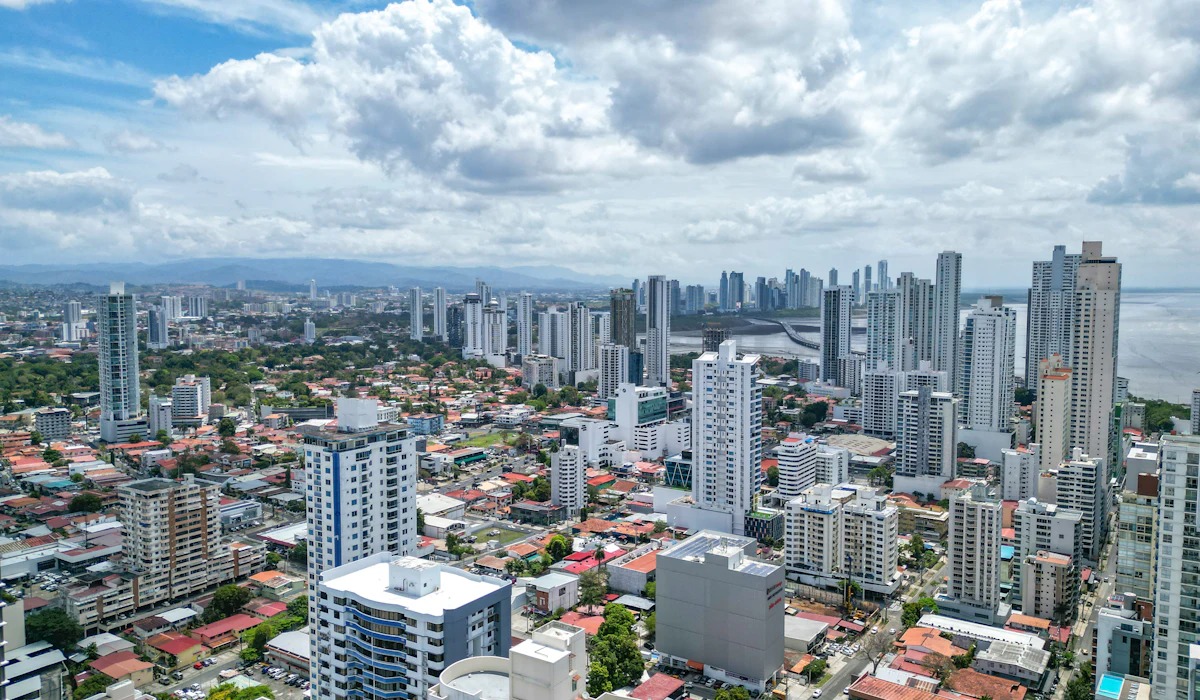
Full Panama Canal transits connect the Atlantic and Pacific, making the canal a key link on voyages between Florida and California. The canal opened in 1914, and ships on these itineraries typically cross Gatun Lake, a vast artificial lake created by damming the Chagres River.
Cruise lines run the route in both directions between Florida and California ports. Passengers spend a day watching locks lift a ship through a series of elevation changes across the isthmus, a trick that never gets old.
Bergen to Kirkenes on the Norwegian Coast
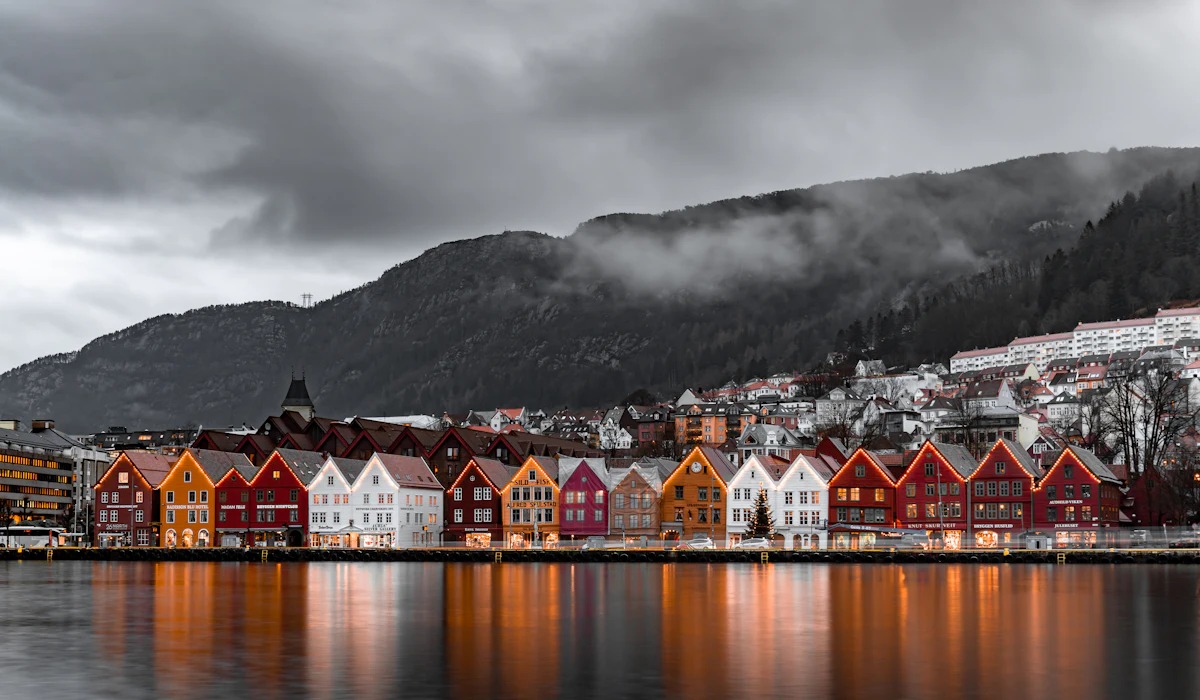
The Hurtigruten coastal route runs from Bergen north to Kirkenes, close to the Russian border, calling at dozens of ports along the way. The service began in 1893 when Captain Richard With launched the coastal route to improve connections between isolated communities in northern Norway.
The ships still carry freight and local passengers alongside tourists, which gives the voyage a working-boat feel. A one-way trip crosses the Arctic Circle and ends far above the point where most Norwegian road maps get crowded.
Civitavecchia to Piraeus for Rome and Athens
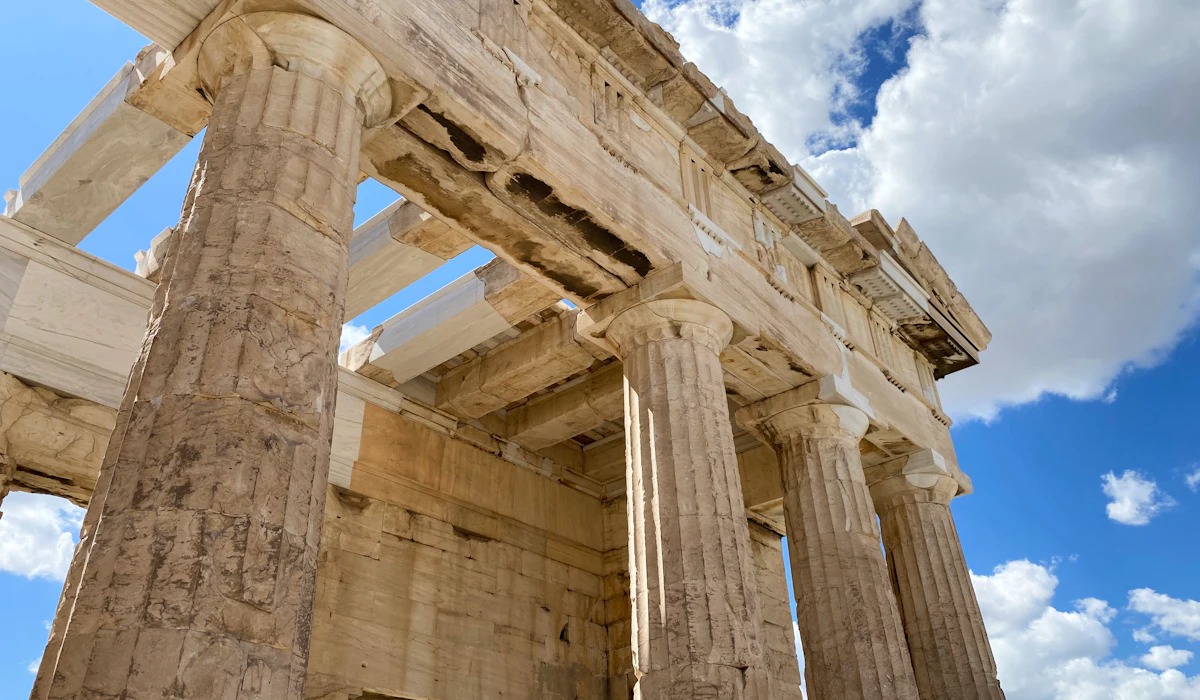
Civitavecchia is the port for Rome, roughly an hour or more away by road or rail, and Piraeus is the port for Athens, with connections to the city center and the Acropolis. Cruises linking the two are among the possible one-way Mediterranean itineraries, since they join the two great ancient capitals with island stops between.
Ships often pass Italian volcanic islands and the Strait of Messina on the way. Few other routes put the Colosseum and the Parthenon at opposite ends of one itinerary.
Venice to Dubrovnik Along the Adriatic
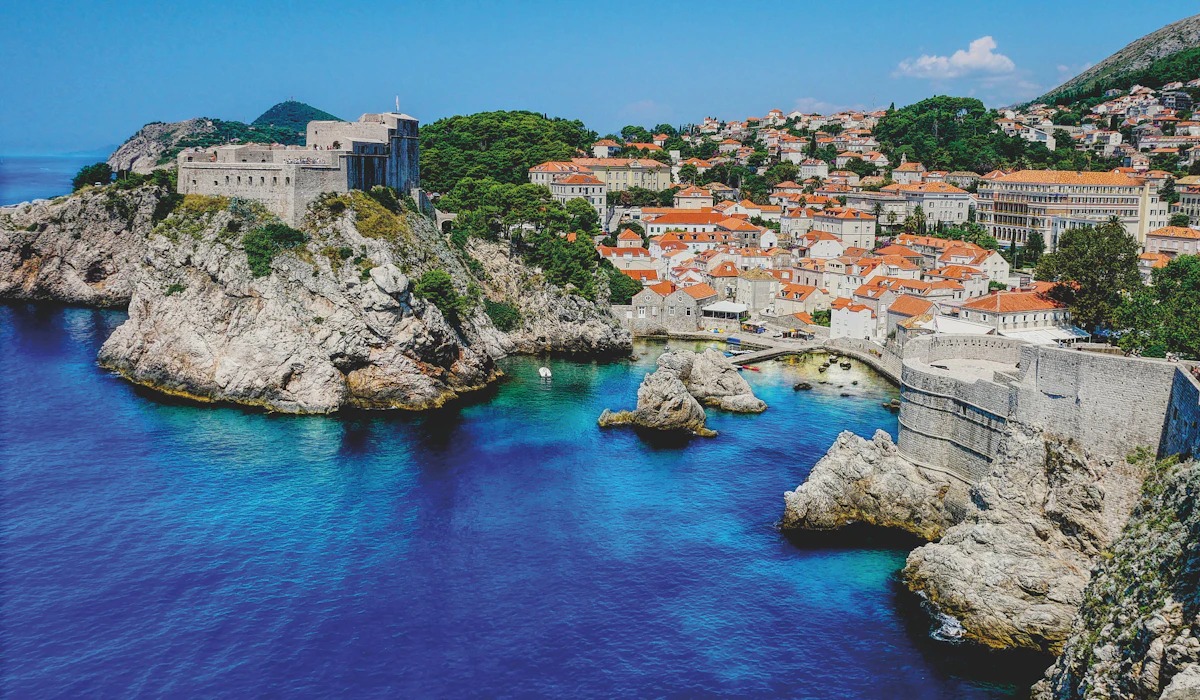
An Adriatic cruise from Venice to Dubrovnik trades one walled, waterborne city for another. Dubrovnik’s medieval stone walls stretch about 2 kilometers around the old town and can be walked in a loop, with the sea on one side and terracotta roofs on the other.
In between, ships often stop at other Croatian coastal towns and islands. Going one way matters here, because sailing back to Venice would only repeat the same shoreline.
Barcelona to Rome Across the Western Mediterranean

Barcelona to Rome is a possible western Mediterranean one-way sailing, with the ship ending at Civitavecchia for the final transfer to the capital. Barcelona offers the Sagrada Familia, which Antoni Gaudí took over in 1883 after construction began in 1882 and which was still under construction well into the 21st century.
Stops along the French and Italian coast fill the days in between. The one-way format allows a morning to wander Gaudí’s unfinished masterpiece before boarding, then an ending among ruins that have been finished for centuries.
Southampton to New York Aboard Queen Mary 2
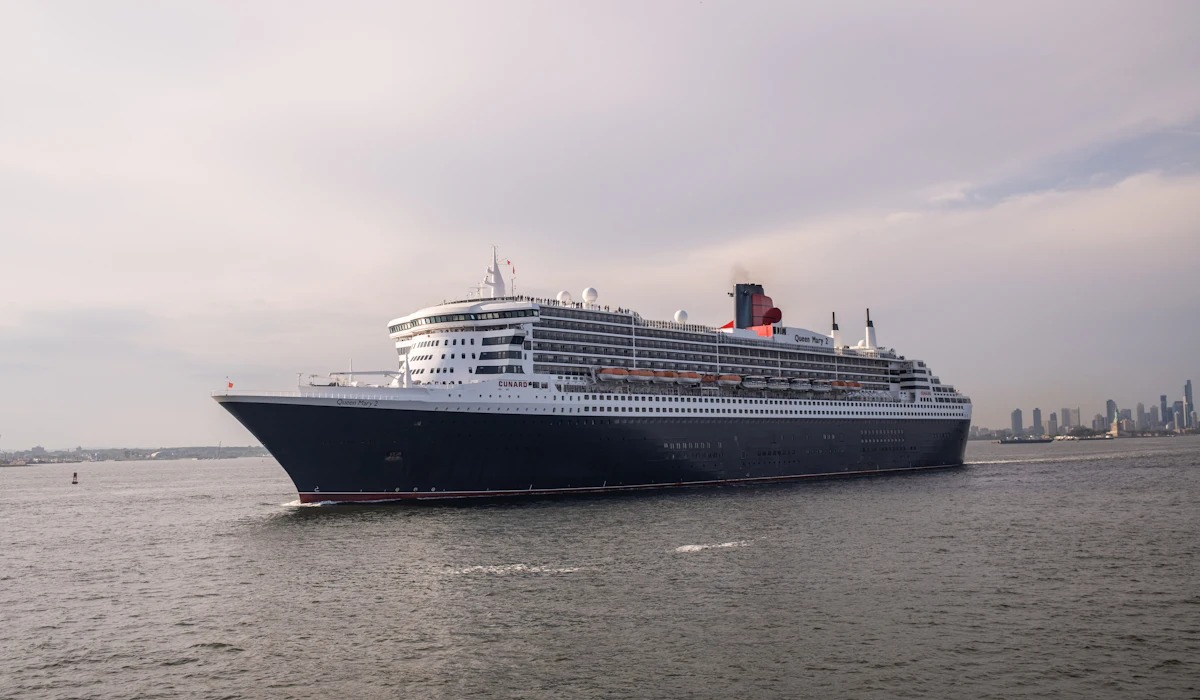
Cunard’s Queen Mary 2 is built as an ocean liner rather than a conventional cruise ship, with a hull designed to handle the North Atlantic. Westbound crossings from Southampton to New York typically run about 7 nights, with no stops in between.
Clocks are adjusted along the way as the ship moves across time zones, so passengers gain time gradually rather than experiencing all the time difference at once. The ship is one of the few vessels still sailing regular scheduled transatlantic crossings.
Copenhagen to Stockholm Through the Baltic
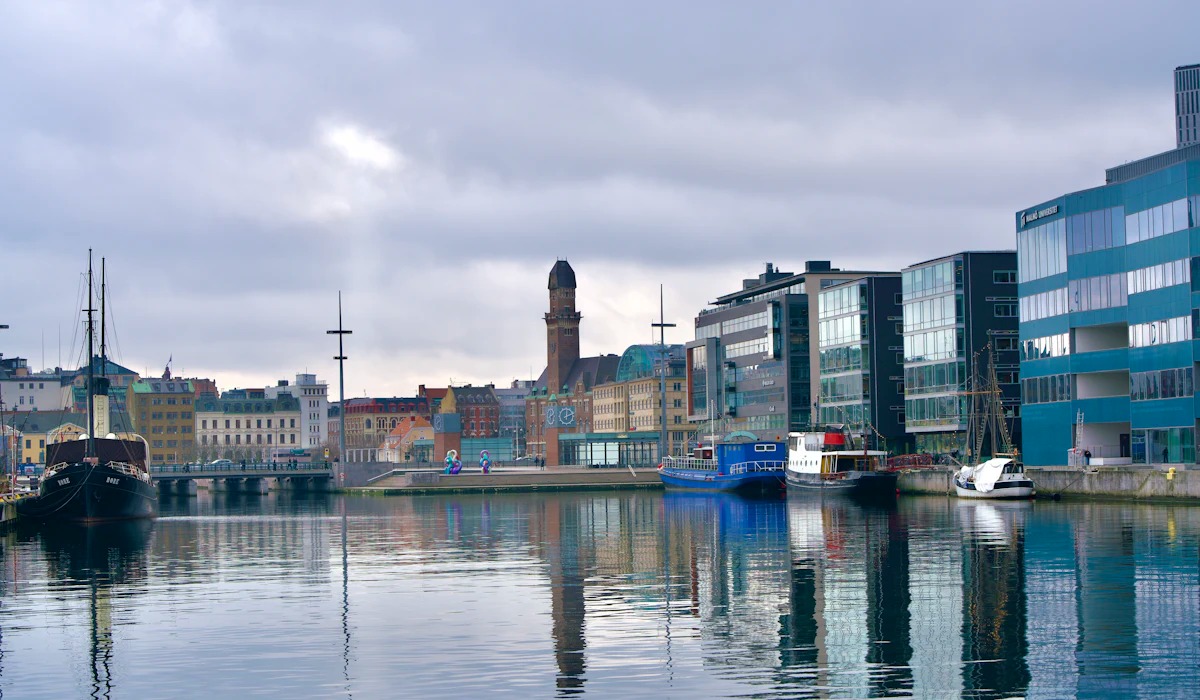
A one-way Baltic sailing linking Copenhagen and Stockholm connects two Scandinavian capitals built around water. The approach to Stockholm winds through an archipelago of roughly 30,000 islands, islets and skerries, so arrival is slow and scenic.
Some longer Baltic itineraries include stops such as Tallinn or Helsinki, though routes and ports vary by sailing. Ending in Stockholm lets travelers stay a few more days in a city that spreads across 14 islands.
Hong Kong to Singapore Along the South China Sea
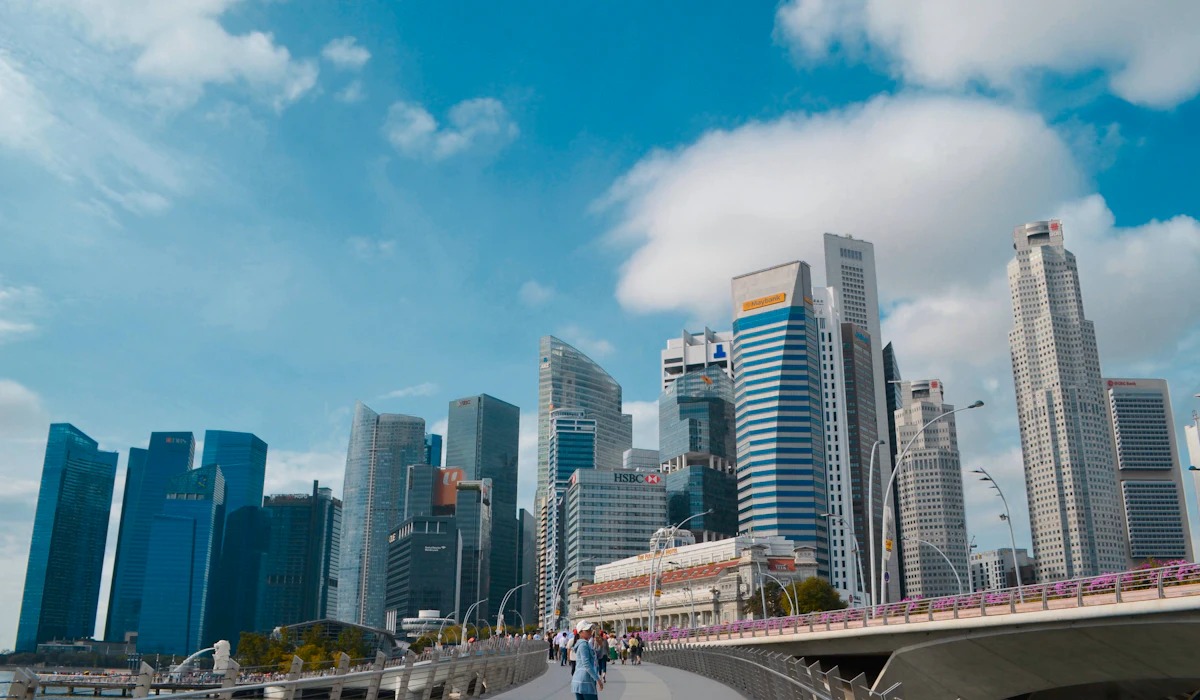
Sailing from Hong Kong to Singapore links two of Asia’s great harbor cities. Many itineraries call at Vietnamese ports, and some stop at Ha Long Bay, where roughly 1,600 limestone islands and islets rise from the water.
The ship then continues south toward the Strait of Singapore, one of the busiest shipping lanes on earth. A one-way route works well here because the distance is too long for a quick loop.
Sydney to Auckland Across the Tasman Sea
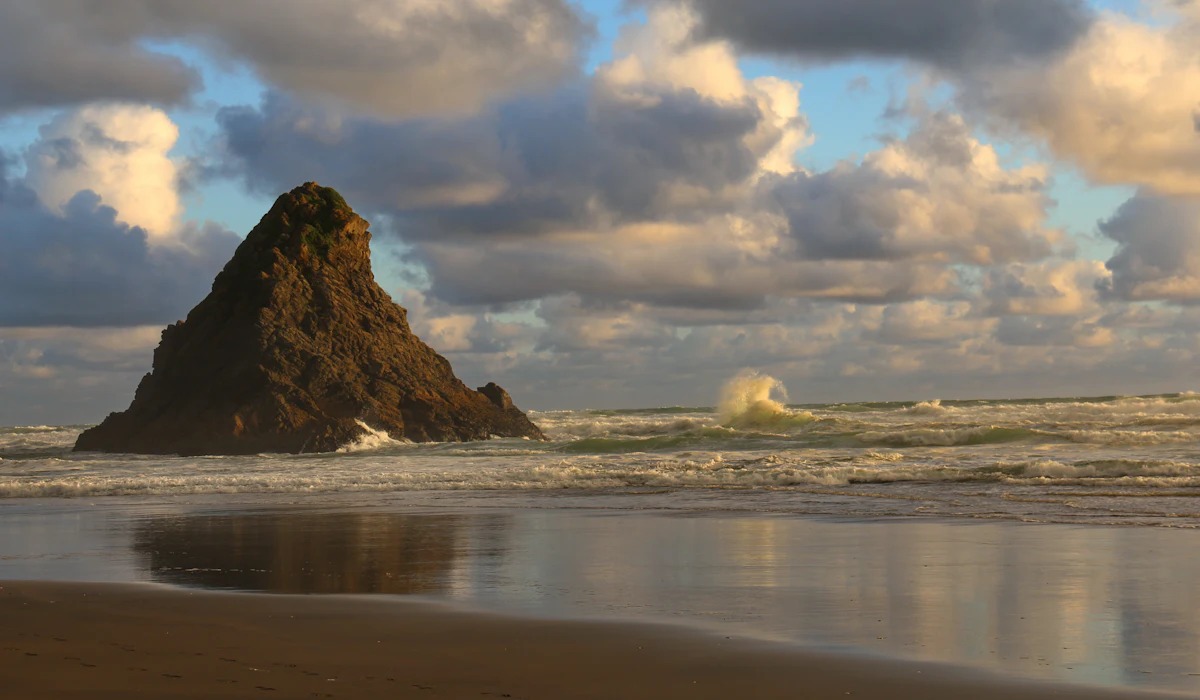
Cruises between Sydney and Auckland cross the Tasman Sea, and some itineraries include scenic cruising in Fiordland on New Zealand’s South Island. Milford Sound is the highlight, where Mitre Peak rises more than 5,000 feet above the water.
The Tasman can be rough, but the reward is a series of New Zealand ports that rarely appear on shorter itineraries. Sydney Harbour is a memorable place to begin, and Auckland, built on a volcanic isthmus, is a worthy place to finish.
Passau to Budapest Down the Danube
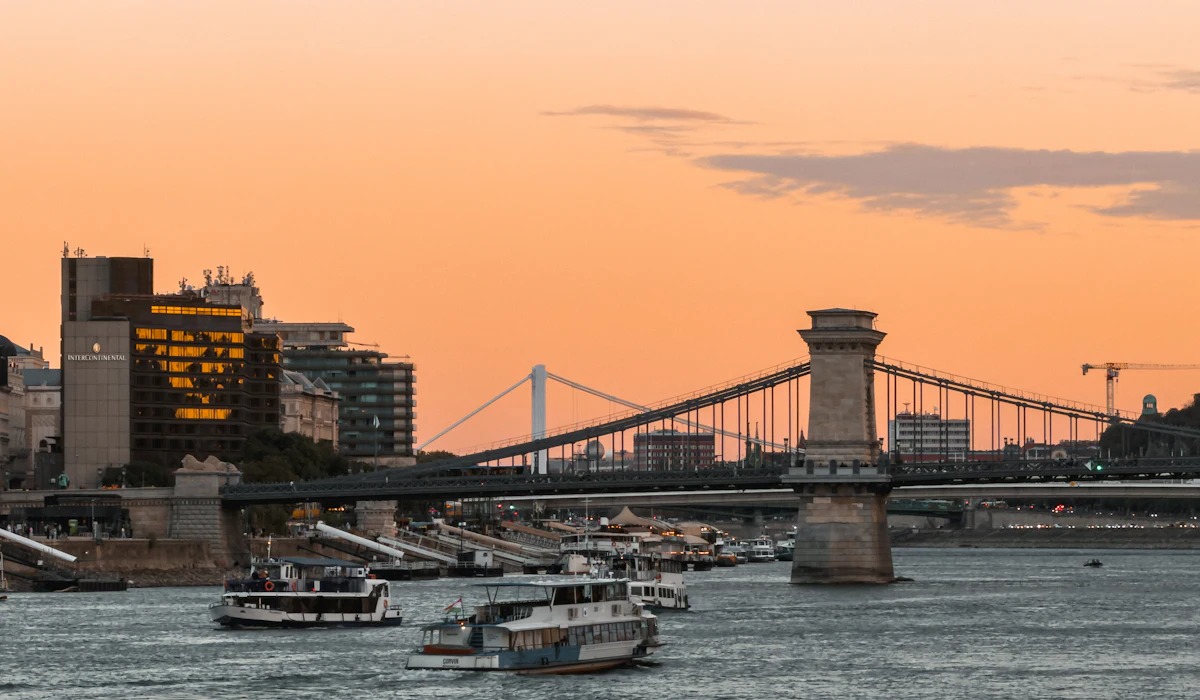
The Danube flows through 10 countries, more than any other river in the world, which makes it ideal for linear river cruising. Passau, where the Danube is joined by the Inn and the Ilz, is a common place to embark, and the ship heads downstream through Austria and Slovakia to Hungary.
Vienna and Bratislava fall along the way. Ending in Budapest means the last night is spent beside a river that divides the city into Buda and Pest.
Amsterdam to Basel Up the Rhine
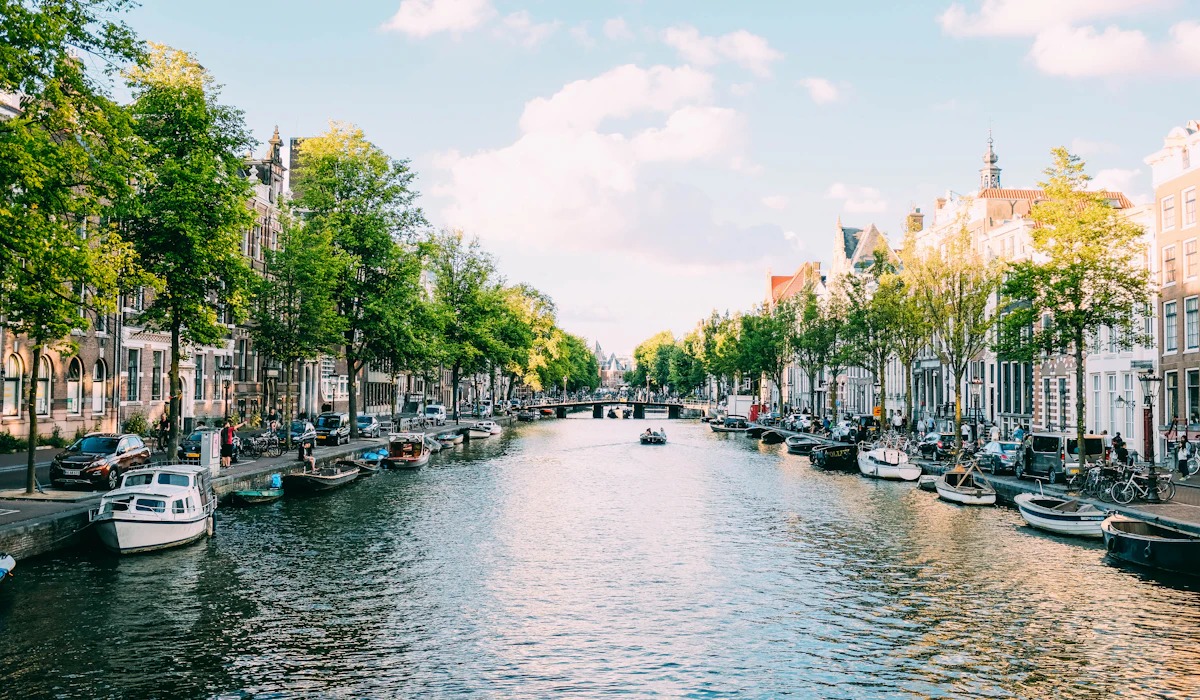
Rhine cruises work against the current when sailing south from Amsterdam to Basel, climbing through the Netherlands, Germany and France before reaching Switzerland. The Middle Rhine Gorge is the centerpiece, with its castles and the Lorelei rock, which rises roughly 430 feet above the river.
Cologne Cathedral, completed in 1880, towers over the waterfront as ships pass. The river itself helps shape the one-way route, with Basel marking the upper end of many Rhine cruise itineraries for larger river vessels.
Lyon to Arles Down the Rhone
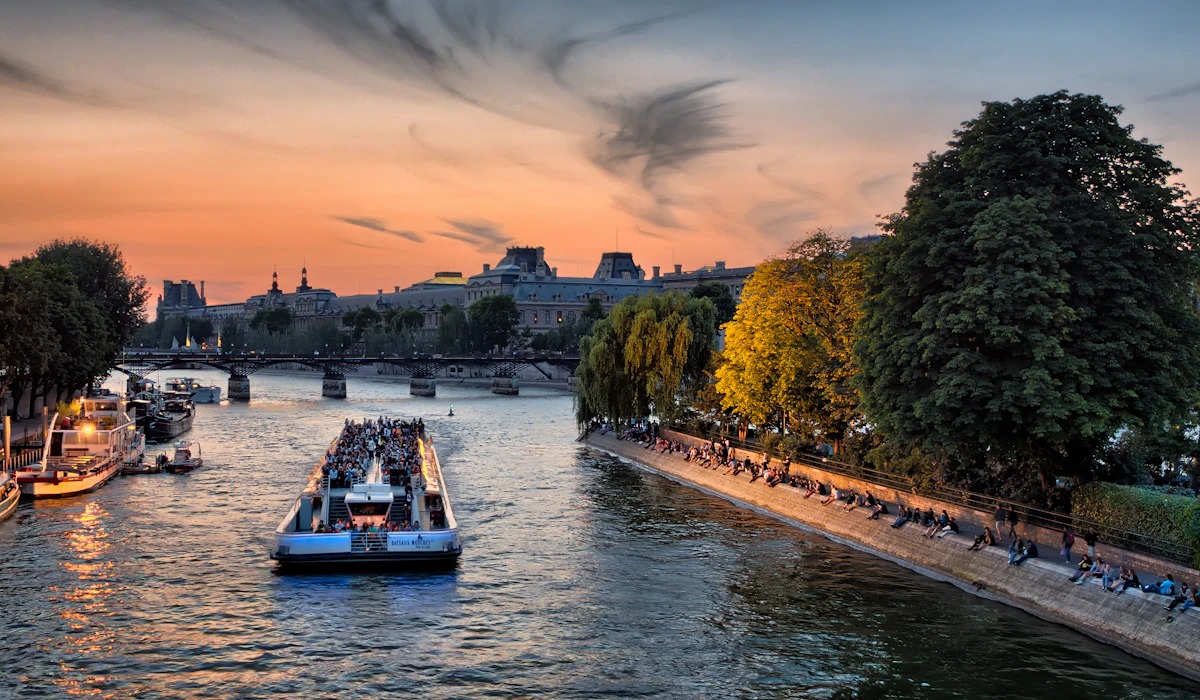
The Rhône carries cruise ships from Lyon south through the Rhône Valley and Provence to Arles. Avignon sits along the route, with the broken Pont Saint-Bénézet, a medieval bridge of which only four arches survive.
Arles is where Vincent van Gogh lived in 1888 and 1889 and painted some of his best-known canvases. Floating from one city to another in France makes a point of its own, because road traffic cannot match the view from a deck.
Porto Upriver on the Douro
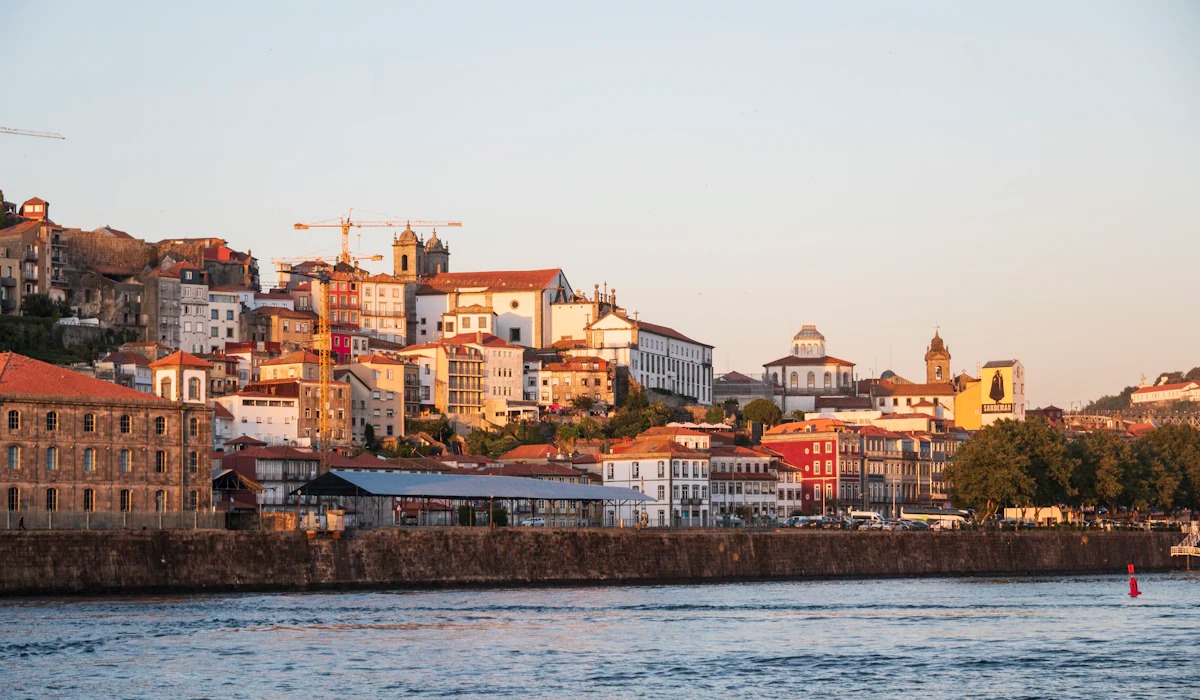
Douro cruises begin in Porto, home to the port wine trade, and move east into the steep terraced vineyards of the Douro Valley, a UNESCO World Heritage site since 2001. Ships pass through a series of dams and locks, some of them among the deepest in Europe.
The valley feels increasingly remote as the boat nears the Spanish border. Many Douro cruises operate as round trips from Porto, but travelers can sometimes extend a one-way river journey with an overland trip back, giving them a second look at the same landscape from above.
Luxor to Aswan Along the Nile
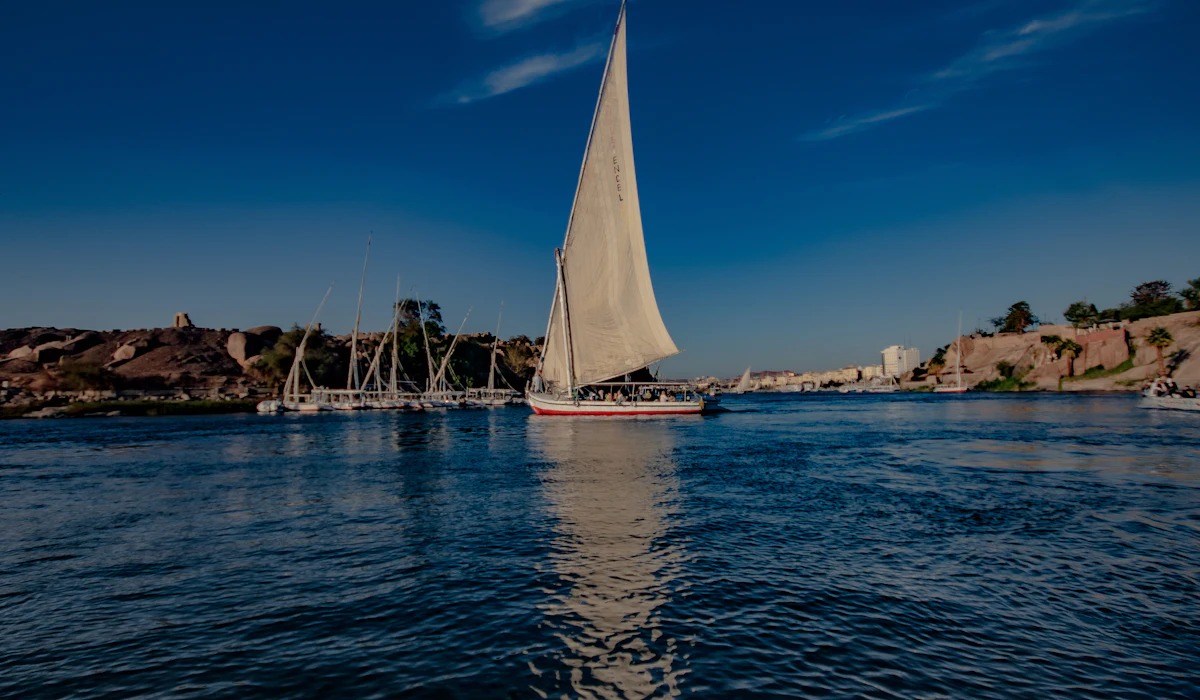
Nile cruises between Luxor and Aswan pass some of the best-preserved temples in Egypt. The Temple of Horus at Edfu is among the most complete ancient temples in the country, and the double temple at Kom Ombo sits right at the water’s edge.
Ships dock beside the ruins and let passengers walk straight in from the river. Ending in Aswan, near the Aswan High Dam, completed in 1970, means finishing where the ancient river meets the modern one.
Siem Reap to Ho Chi Minh City on the Mekong
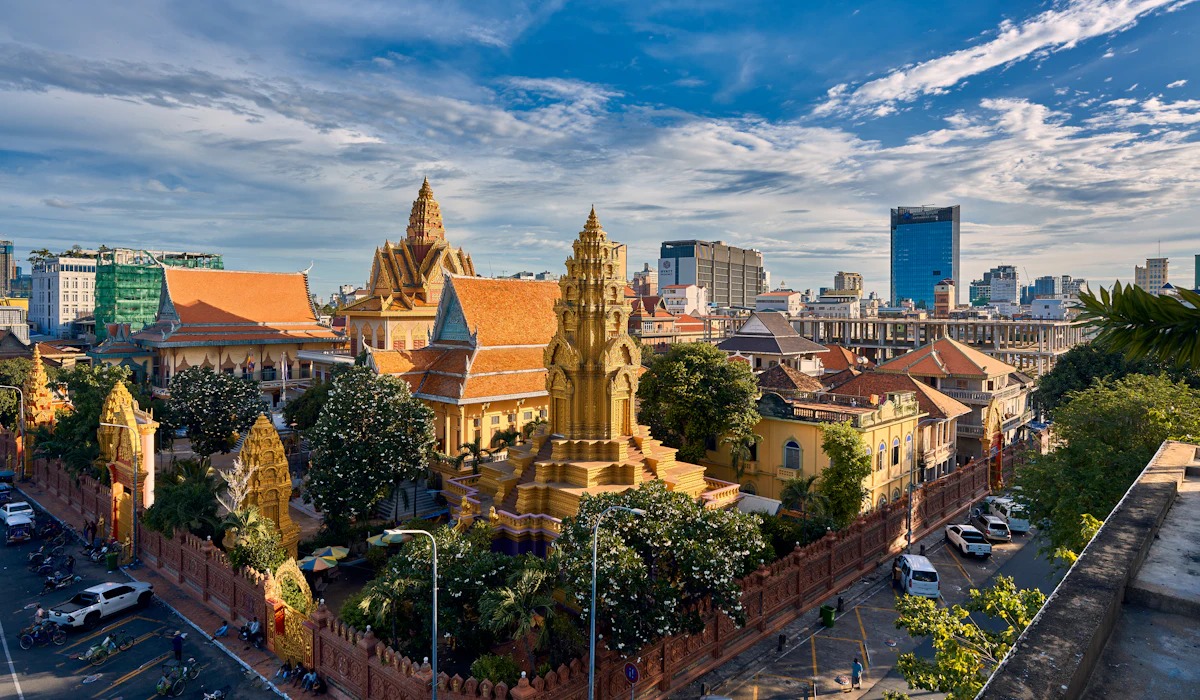
Mekong cruises between Cambodia and Vietnam typically travel between the Phnom Penh area and the Mekong Delta, rather than directly from Siem Reap. The journey can be paired with a visit to Tonle Sap Lake, which has an unusual trait: its river flows in reverse each year, filling the lake in the wet season.
Angkor Wat, built in the 12th century, lies a short ride from Siem Reap and is usually visited before an overland transfer to the cruise embarkation point. The ship then winds through Cambodian villages and the Mekong Delta toward Ho Chi Minh City.
The border crossing comes by water, which is a more civilized way to do it.
Manaus and the Meeting of the Waters on the Amazon
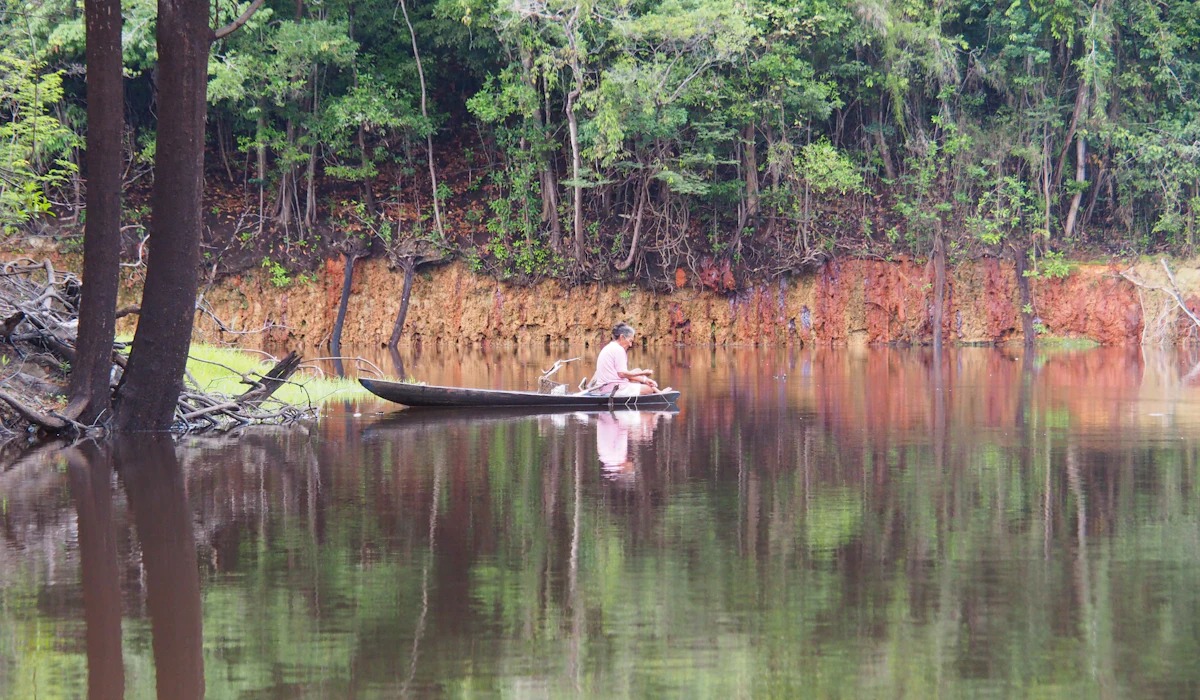
Amazon sailings that begin or end in Manaus can pass the Meeting of the Waters, where the dark Rio Negro joins the sandy-colored Solimões River. The two rivers run side by side for miles without mixing completely, because of differences in temperature, speed and density.
Manaus itself sits deep in the Brazilian rainforest and is reached mainly by air or water. A one-way river trip suits a region where the river is the road, although available routes and embarkation points depend on the operator.
Ushuaia to Antarctica by Sea and Air
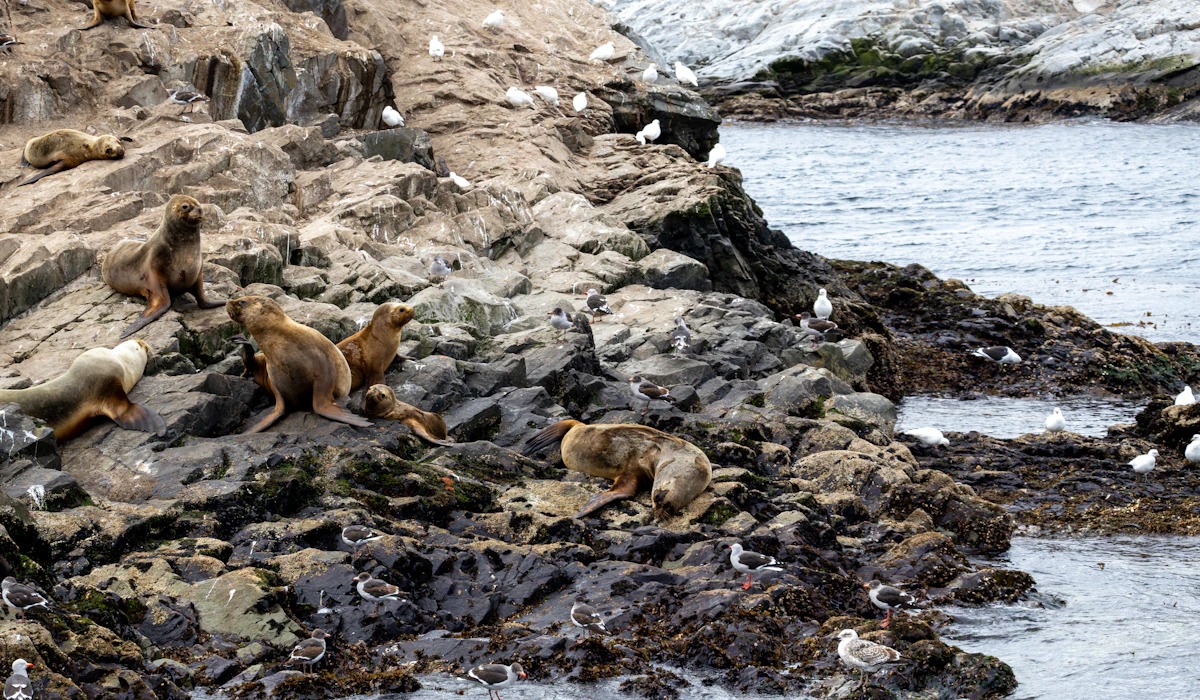
Antarctic expedition voyages from Ushuaia, Argentina, sometimes use a fly-cruise format, in which passengers cross the Drake Passage in one direction by ship and fly the other way to or from King George Island. The Drake Passage lies between Cape Horn and the South Shetland Islands and has a reputation for rough seas.
The flight shortens the trip and spares travelers one crossing. Where the plane lands is a gravel airstrip, an unlikely arrival point for a cruise.
Baltra to San Cristóbal in the Galápagos
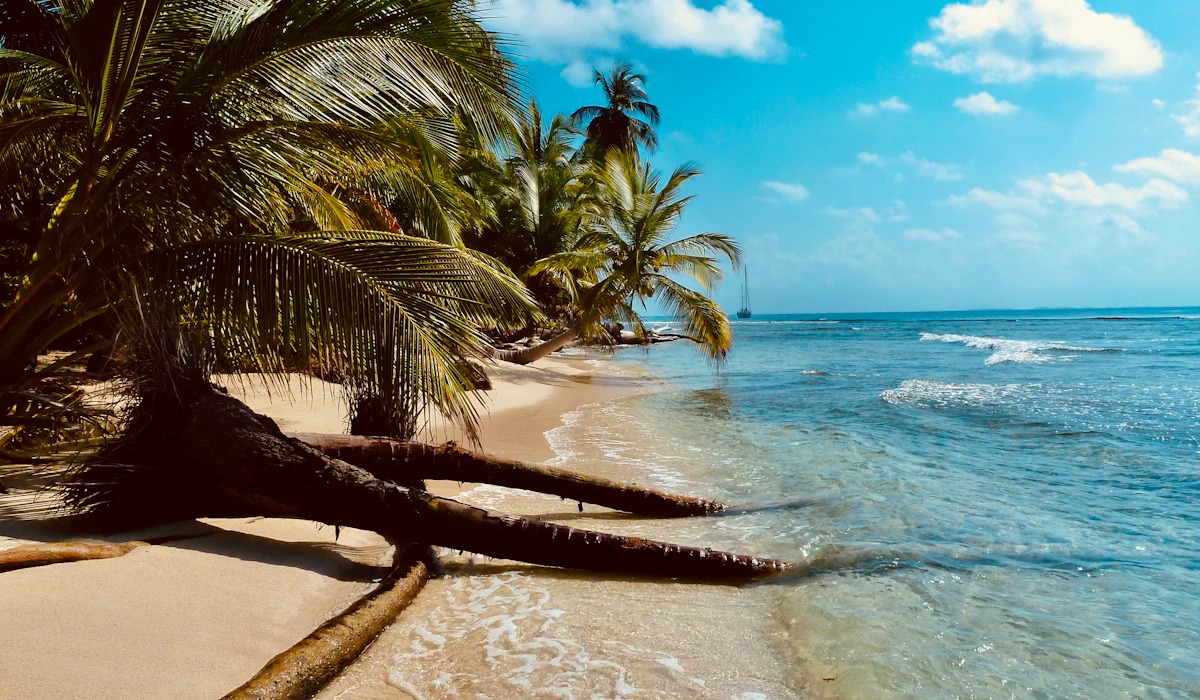
Some Galápagos small-ship cruises begin at the airport on Baltra and finish at San Cristóbal, or the other way around, though many itineraries are round trips or follow other island combinations. Charles Darwin first set foot in the archipelago on San Cristóbal in 1835.
A one-way route avoids backtracking and lets the ship visit islands in a continuous line. Ending at San Cristóbal gives passengers a chance to see sea lions on the town waterfront before flying out.
Ushuaia to Punta Arenas Around Cape Horn
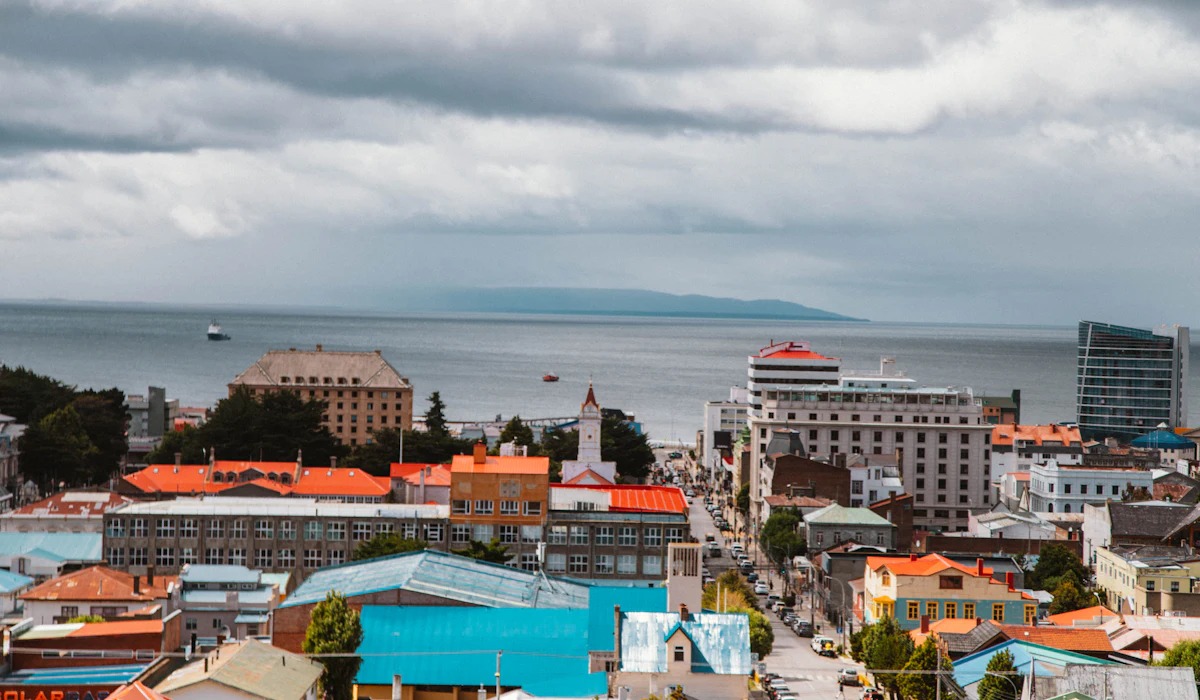
Small expedition ships sometimes sail between Ushuaia and Punta Arenas in Chile, passing through the channels and fjords of Tierra del Fuego. Cape Horn, named by Dutch navigators Willem Schouten and Jacob Le Maire in 1616 after the town of Hoorn, is the southernmost headland of the archipelago.
When weather allows, passengers land on Horn Island. The route links two of the southernmost cities in the Americas, and neither is easy to reach any other way.
The Value of Not Coming Back
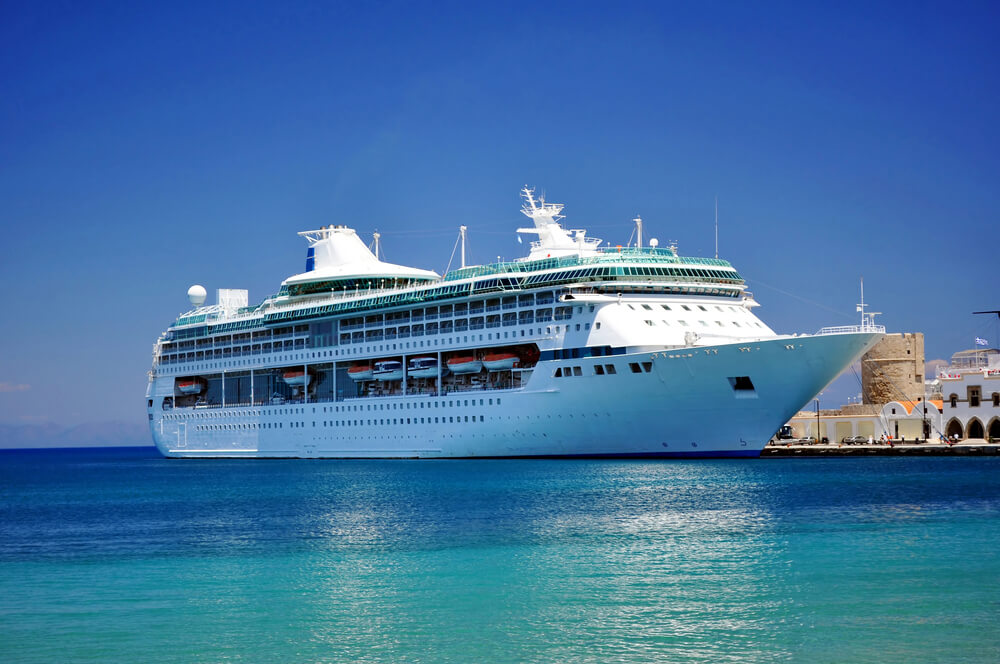
A round-trip cruise treats the ship as a hotel that happens to move. A one-way route treats it as transportation, with an arrival that matters as much as the departure.
The best of these voyages use the line between two ports to reveal a landscape that a loop would have to skip.
The cost is logistics. Flights, hotel nights and luggage all need to be planned around two different cities, and the savings of a simple itinerary can disappear.
For travelers who would rather finish somewhere new than return to where they began, that is a price worth paying.
More from Travel Pug

- Underrated Italian Towns That Beat the Tourist Crowds
- Las Vegas Tourist Traps to Skip
- Prettiest Towns in Every US State
- 18 passport-free countries for Americans
- Signs Your Cruise Is Not Worth The Cost
Like Travel Pug’s content? Follow us on MSN.