

Inside cabins carry a reputation as the budget seats of cruising, windowless boxes for passengers who could not afford better. Plenty of regulars book them on purpose, year after year, and spend the difference on dinners, excursions or a second cruise.
The trick is treating the room as what it is. An inside cabin is a dark, quiet, compact space for sleeping and changing, and a handful of small adjustments make it feel far more comfortable than its square footage suggests.
Leaving the Bow Camera Running

Some ships broadcast a live view from a camera on the bow or bridge on one of the cabin television channels, sometimes alongside navigation information such as speed and position. Regulars in inside cabins leave it playing at low brightness, which turns the screen into a makeshift window.
Glancing at it on waking reveals whether the sun is up, the ship has docked or the weather has turned. Where the television system allows it, passengers can leave the view running when they want a little visual connection to the outside.
In a room with no daylight, that single image of sky and sea does more for morale than almost any other trick.
Booking a Virtual Balcony
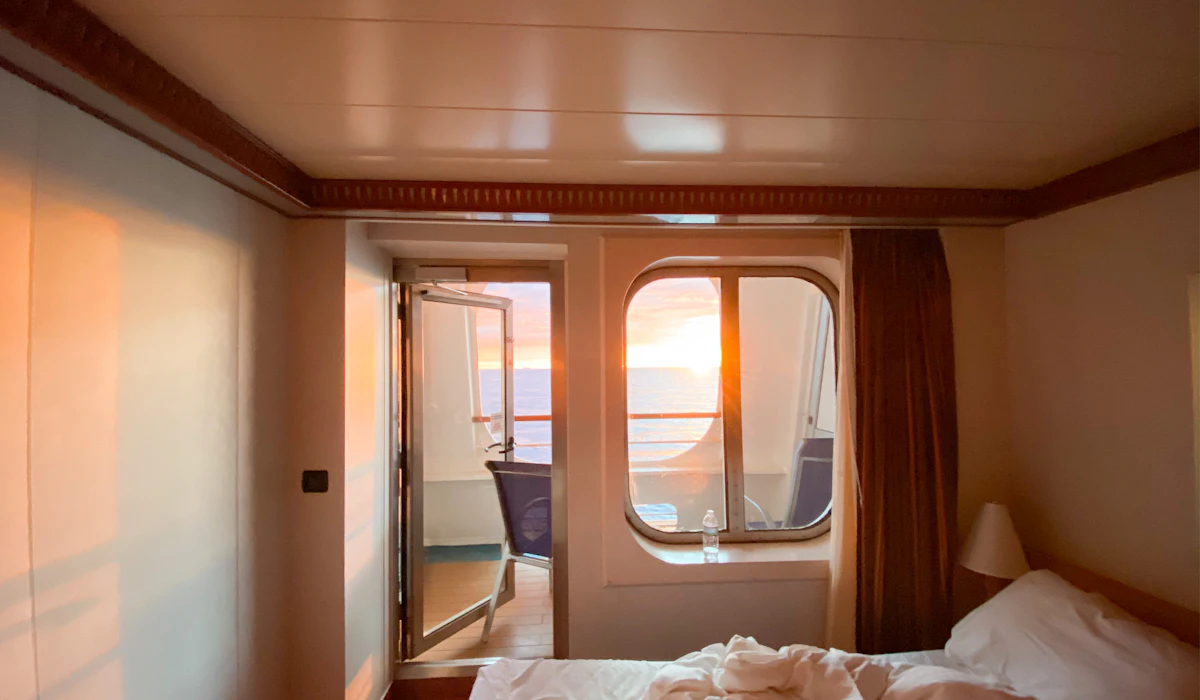
Royal Caribbean introduced virtual balconies in 2014 on Navigator of the Seas, fitting 81 interior cabins with floor-to-ceiling 80-inch screens that show real-time views from cameras on the ship’s exterior, complete with a digital railing and ocean sounds. Today, Royal Caribbean offers virtual balconies in select interior cabins on several ships, rather than every interior cabin on the classes mentioned here.
Disney Cruise Line also offers its Magical Porthole on Disney Dream and other ships. Virtual balcony cabins usually cost a bit more than standard interiors.
Many passengers find the price difference well worth the sense of daylight.
Choosing a Promenade-View Interior
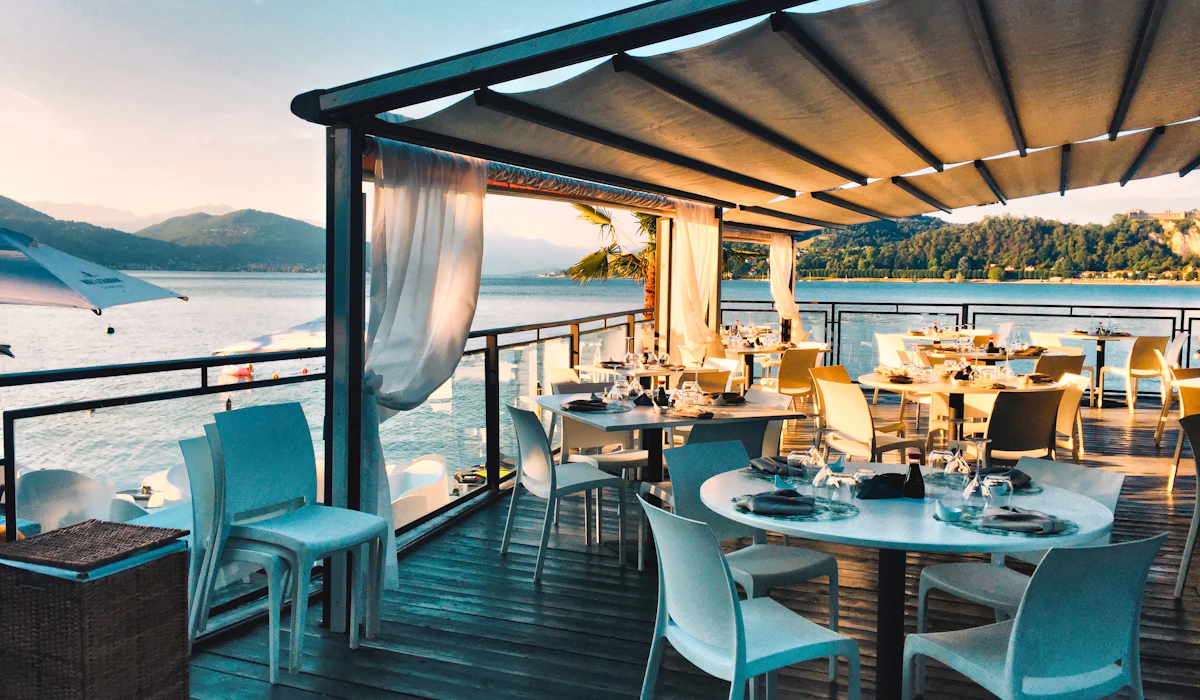
Some Royal Caribbean ships, including ships in the Voyager, Freedom and Oasis classes, offer interior cabins with windows overlooking the indoor Royal Promenade, the long shopping and dining street running through the middle of the ship. Oasis-class ships also have interior cabins facing Central Park or the Boardwalk.
These rooms bring in natural or at least ambient light and a view of passing activity. The trade-off is privacy and some evening noise, since parades and parties pass below.
Passengers who keep the curtains closed at night and open in the morning get the best of both.
Picking a Low, Midship Location
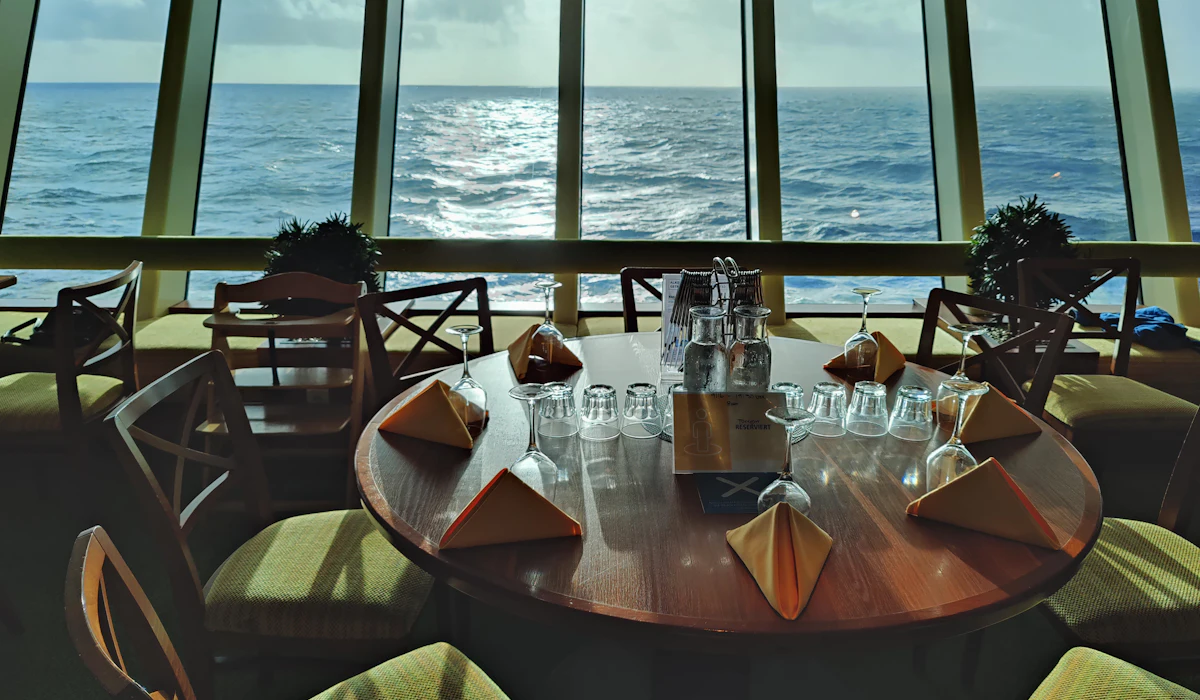
Motion is least noticeable on lower decks near the middle of the ship, where the effects of pitching and rolling are generally less pronounced. Inside cabins are plentiful in exactly that zone, which makes them a smart choice for passengers prone to seasickness.
A low midship interior can feel noticeably steadier than a high forward balcony on the same rough night. These locations can also make it easier to reach central areas of the ship, depending on the deck plan.
Regulars who suffer on choppy itineraries, such as winter sailings or crossings, seek out these locations deliberately when booking.
Checking What Sits Above and Below

Deck plans reveal what lies above and below a cabin, and that matters more for inside rooms, which are often tucked between public venues. A cabin directly under the pool deck can hear lounger scraping at dawn, while one above a nightclub or theater may pick up bass late at night.
Galleys and crew work areas above can bring early-morning clatter. Regulars look for cabins sandwiched between other cabin decks.
A few minutes with the deck plan before choosing a room often makes the difference between deep sleep and a week of early mornings.
Avoiding Elevator Banks and Service Doors
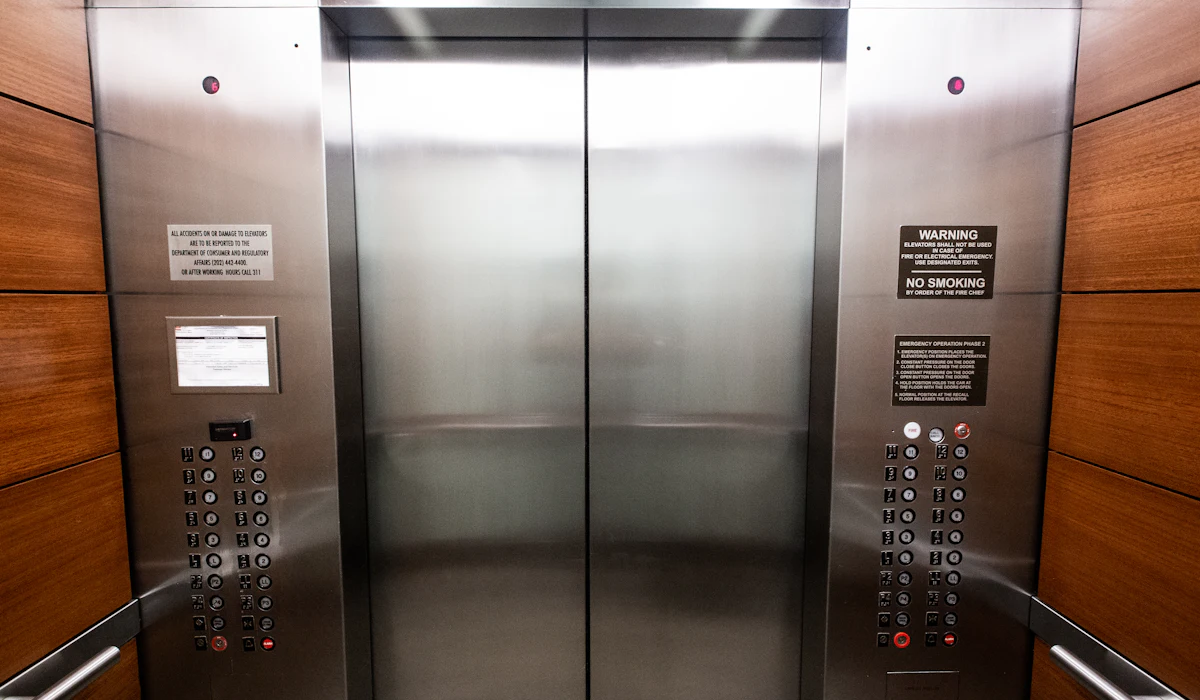
Cabins right beside elevator lobbies, stairwells or crew service doors see constant foot traffic, conversation and the rattle of carts. Inside cabins near these spots can be noisy from early morning to well after midnight, especially on embarkation and debarkation days.
A room a few doors down the corridor usually escapes most of it. Regulars also avoid cabins near laundry rooms, where machines may run late.
The extra walk to the elevator is a small price for a quieter room, and on most ships it is only a matter of seconds.
Using a Sunrise Alarm Clock

Without daylight, an inside cabin stays pitch black at any hour, and the body’s clock can drift within a few days. A sunrise alarm, sometimes called a wake-up light, slowly brightens over 20 or 30 minutes before the alarm sounds, mimicking dawn.
Compact travel versions fit easily in a suitcase. Regulars find that waking to gradual light makes early port days easier and keeps sleep patterns steady.
On a long voyage that crosses time zones, it can make a noticeable difference in how rested passengers feel.
Packing a Motion-Sensor Night Light

Inside cabins are completely dark with the lights off, which makes a midnight trip to the bathroom a stumble past suitcases and sharp furniture corners. A small battery-powered night light with a motion sensor solves the problem neatly.
Placed low near the bathroom door, it switches on with movement and turns off on its own. Some passengers simply leave the bathroom light on with the door barely open, but that can disturb a light sleeper.
A night light costs a few dollars and prevents stubbed toes and bruised shins throughout the week.
Hanging Magnetic Hooks
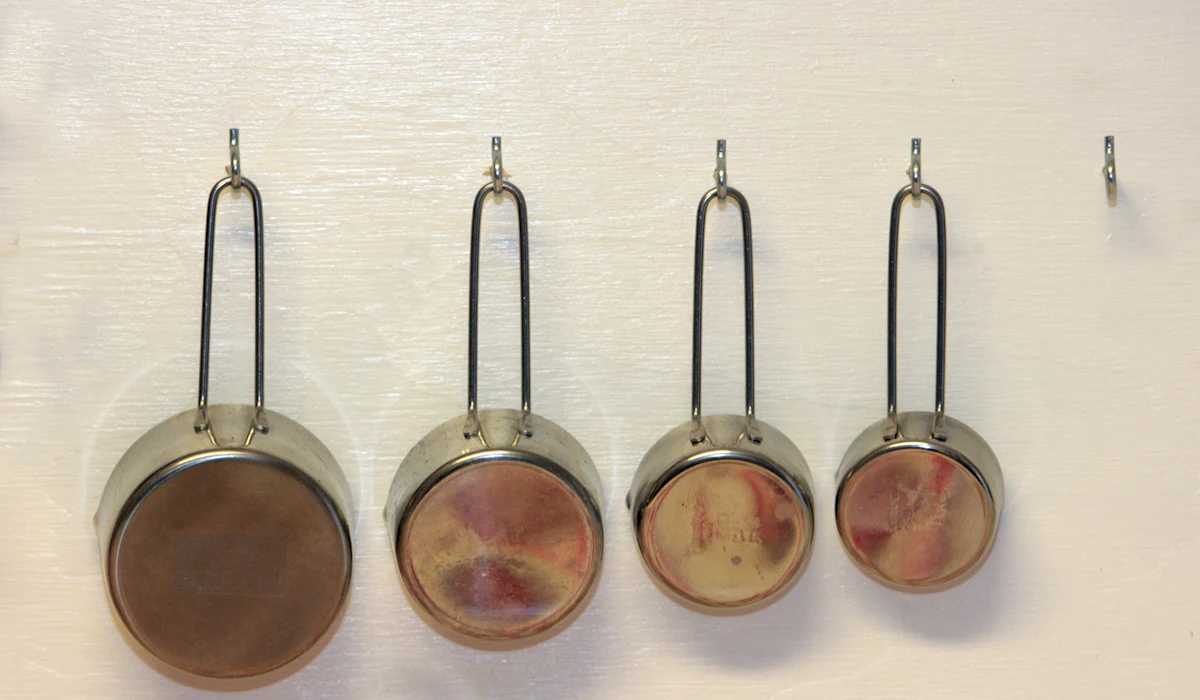
Cabin walls on most ships are made of steel panels, which means magnets stick almost everywhere. Strong magnetic hooks give a compact room instant extra hanging space for hats, bags, lanyards and damp swimsuits.
Regulars also use magnetic clips to pin the daily planner, excursion tickets and dinner reservation cards where everyone can see them. Hooks with a heavy-duty rating hold more than cheap fridge magnets.
Testing the walls with a single magnet on arrival shows where they work, since some panels are wood-faced and some doors are not magnetic.
Hanging a Shoe Organizer
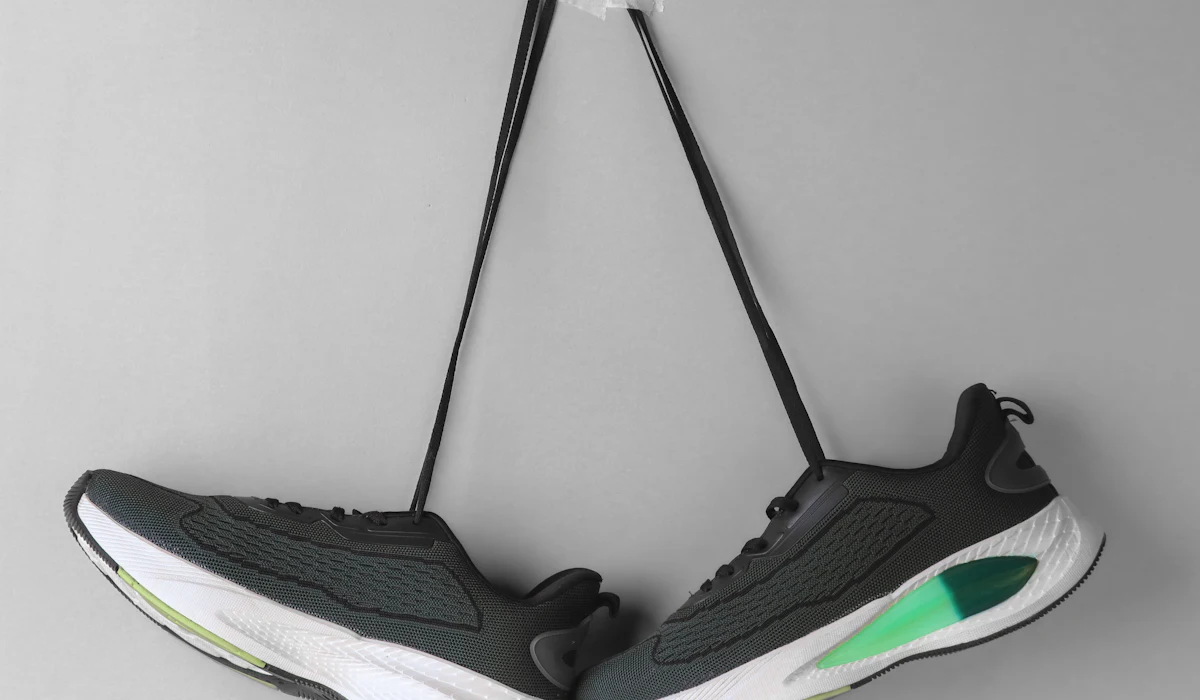
A clear over-the-door shoe organizer hung on the bathroom or closet door adds a column of pockets that inside cabins badly need. Regulars use it for sunscreen, medications, chargers, snacks, sunglasses and small toiletries rather than just shoes.
Everything stays visible and off the small desk and bathroom counter. The organizer folds flat for packing, weighs almost nothing and costs only a few dollars at most home goods stores.
Many cruisers say it is the single item that most improved their cabin, especially when three or four people share a room. Check the cruise line’s rules before hanging one, since some lines have fire-safety requirements for over-door organizers.
Stashing Suitcases Under the Bed

Beds in most cruise cabins are raised high enough to slide empty suitcases underneath, which is where regulars put them on the first afternoon. Out of sight, the luggage frees the only stretch of open floor an inside cabin has.
Smaller bags and shoes can nest inside the larger cases. If a suitcase will not fit, ask the cabin attendant or guest services whether another storage option is available.
Keeping the floor clear makes the room feel roughly twice its size, especially with two adults getting ready at the same time.
Unpacking Completely on Day One
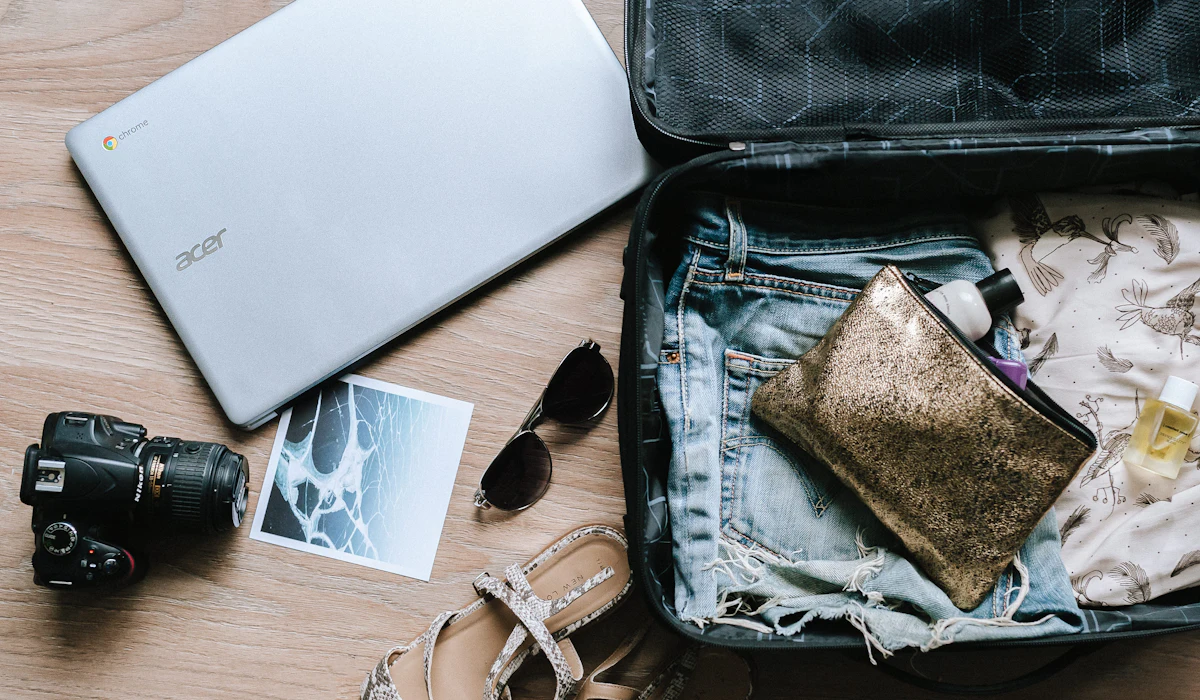
Living out of a suitcase in a small cabin means constant digging and a floor covered in luggage. Regulars unpack fully as soon as their bags arrive, using every drawer, shelf and hanger the cabin offers.
Clothing organized by type and person makes getting dressed faster and calmer. Packing cubes help, since they can slide straight into drawers.
Once everything has a place, the cabin feels like a small hotel room rather than a storage closet, and the luggage disappears under the bed for the rest of the week.
Bringing a Cruise-Approved Power Strip
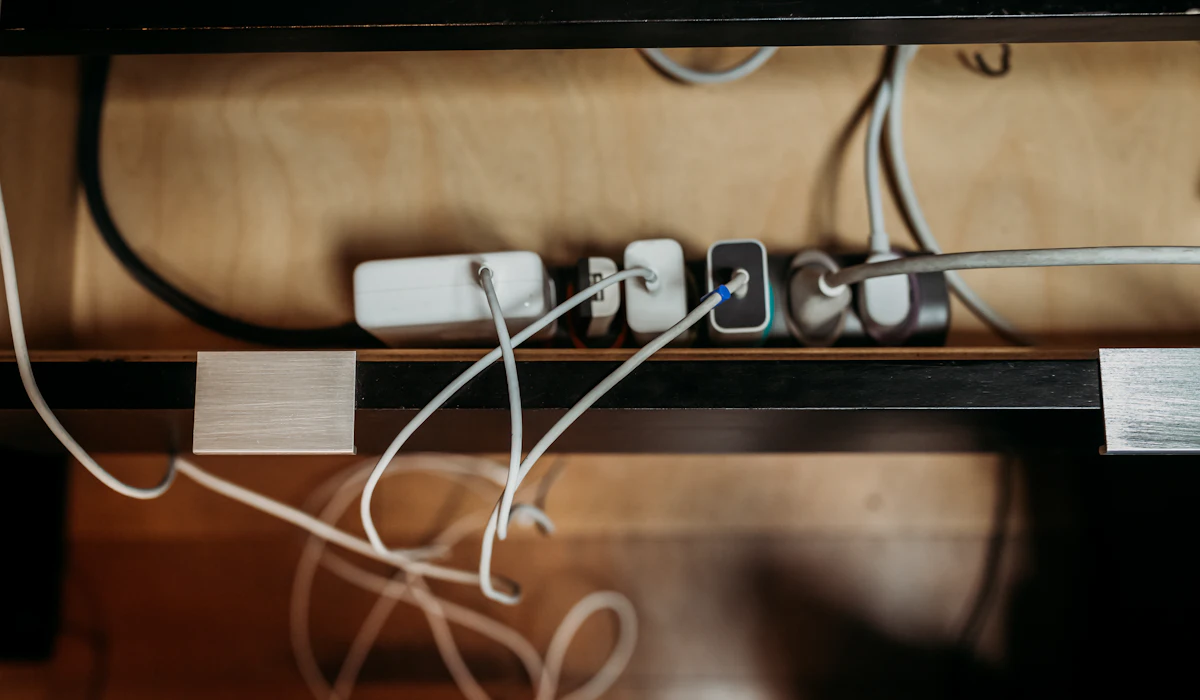
Inside cabins often have just one or two usable outlets, sometimes one American and one European, and a family’s phones, watches and cameras compete for them nightly. A power strip without surge protection, or a compact USB charging cube, can help on lines that permit such devices, but cruise-line rules vary considerably.
Some lines prohibit power strips and multi-plug outlets altogether, while others allow non-surge-protected models. Surge protectors are banned on many lines and get confiscated at security, so regulars check the specific cruise line’s prohibited-items list before packing any charging accessory.
A short extension can also bring charging to the bedside, if the line permits it, since outlets usually sit at the desk. One small purchase ends the nightly negotiation over who gets to charge first.
Running White Noise

These rooms can be very quiet, which makes every corridor conversation and door slam stand out. A white noise app, a small travel sound machine or a fan masks those sounds and helps light sleepers stay asleep.
The steady hum of the ship’s ventilation helps on some vessels, but not all. Regulars who struggle with unfamiliar sounds often find white noise the difference between restless and restful nights.
Phones work fine for this, though a dedicated device frees the phone for alarms and saves battery.
Requesting Extra Hangers

Cabin closets usually come with a limited number of hangers, often too few for a week of clothes for two people. Regulars ask the cabin attendant for more on the first afternoon, and the request is rarely refused.
Some passengers pack a handful of slim, lightweight hangers of their own, especially the kind with clips for skirts and trousers. Hanging clothes rather than folding them also reduces wrinkles, which matters on ships where irons are banned.
More hangers mean less clutter on chairs and beds.
Bringing a Collapsible Hamper

Dirty clothes pile up quickly in a small room, and an inside cabin has nowhere to hide them. A collapsible mesh hamper or a simple drawstring laundry bag keeps worn items in one place and off the floor.
It can hang from a magnetic hook or sit in the closet. At the end of the trip, the bag goes straight into the suitcase, which keeps dirty clothes separate from clean ones.
Regulars find that this tiny habit does more to keep a cabin tidy than almost anything else.
Using the Shower Clothesline

Some cruise ship showers include a small retractable clothesline, usually a cord pulled from a reel on one wall and hooked to the other. It is easy to miss, but it is ideal for drying swimsuits, socks and hand-washed items overnight.
Inside cabins have no balcony for drying, so this line becomes essential on beach-heavy itineraries. Regulars also pack a few clothespins.
Damp swimsuits hung on the line dry far faster than those draped over a chair, and the cabin stays free of musty smells.
Hanging a Toiletry Bag
Bathroom counters in inside cabins are tiny, often with room for a single toothbrush cup and little else. A hanging toiletry bag with several pockets, hooked on the back of the bathroom door or a towel bar, keeps everything organized and off the counter.
Regulars choose bags with clear pockets so items are easy to find. Each traveler can have a separate bag, which avoids arguments over space.
The counter stays clear for getting ready, and nothing rolls into the sink when the ship moves.
Spending the Savings on Experiences

Inside cabins often cost significantly less than balcony cabins on the same sailing, and on longer voyages the difference can be substantial. Regulars redirect that money toward specialty dinners, spa treatments, excursions or simply another cruise later in the year.
Time spent in a cabin on a busy itinerary is mostly sleep, so the view matters less than many first-timers assume. Thinking of the savings as a budget for experiences makes the windowless room feel like a deliberate choice rather than a compromise.
Treating the Ship as the Living Room

An inside cabin works best as a bedroom, while the rest of the ship serves as the living room. Regulars read in lounges, drink coffee on open decks and watch sunsets from the aft terrace instead of staying in their rooms.
Ships are full of comfortable seating, much of it underused during the day. Spending most waking hours in public spaces makes the cabin’s size irrelevant.
Passengers who adopt this mindset often say they barely notice the lack of a window. The cabin becomes a retreat at the end of the day instead of a room to escape.
Claiming a Morning Coffee Spot Outside

Balcony passengers often open the day with coffee and an ocean view, and inside cabin passengers can do the same with a little planning. Regulars find a quiet outdoor spot, such as a promenade deck, the aft terrace or a forward observation area, and make it their morning routine.
A coffee from the buffet or a cafe, a sweater for the breeze and a few minutes of watching the sea give the day the same calm opening. Within a couple of days, the walk becomes as habitual as stepping onto a private balcony.
Ordering Continental Breakfast to the Cabin

Several lines, including Royal Caribbean, offer complimentary continental breakfast through room service, typically pastries, fruit, yogurt, cereal, juice and coffee. On Royal Caribbean, the current room-service menu confirms that continental breakfast items are complimentary, while other room-service selections may carry a fee.
Ordering it in advance, where the line offers that option, means breakfast arrives at a chosen time without anyone getting dressed. In an inside cabin, it turns a slow morning into something close to a hotel experience.
Hot items generally cost extra on Royal Caribbean, so regulars stick to the free menu. Some passengers tip the delivery attendant a dollar or two, although tipping practices vary by line and guest.
Breakfast in bed is one luxury that needs no window at all.
Bringing a Small Travel Fan
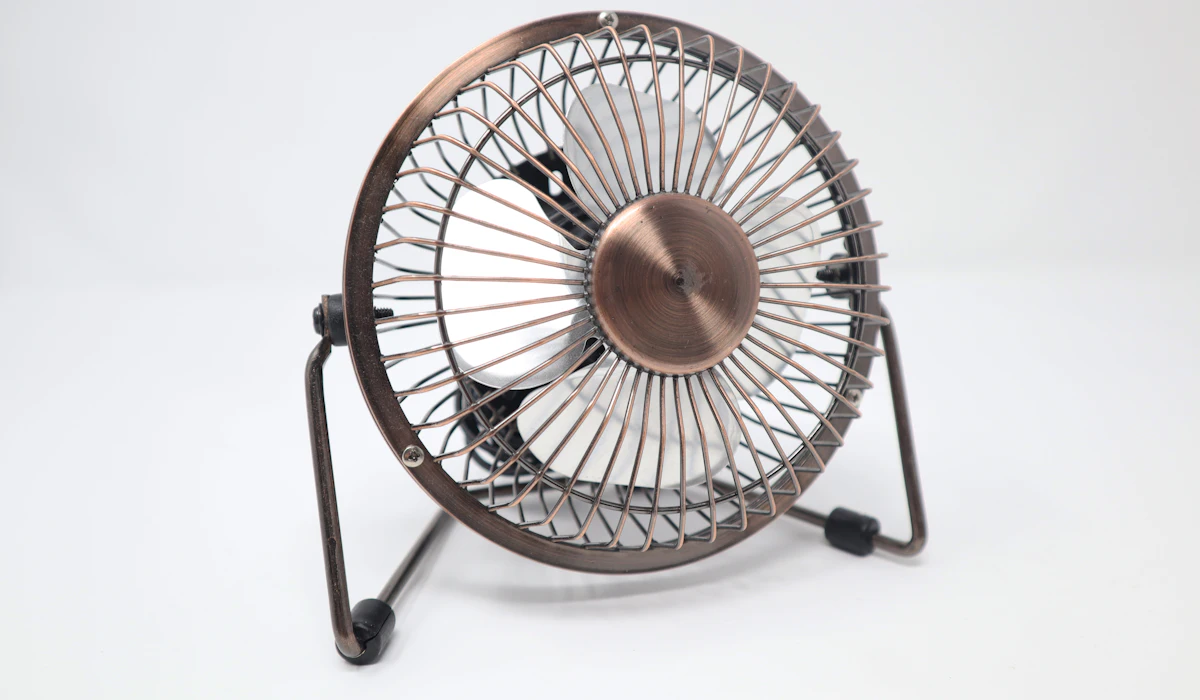
A windowless cabin can feel stuffy, especially with several people sharing the room, and air circulation varies from ship to ship. A small battery-powered or USB fan improves airflow and doubles as white noise.
Some lines allow personal fans, while others may impose size or safety restrictions, so regulars check the prohibited-items list before packing. Clip-on models attach to a bed frame or shelf and take up no counter space.
The gentle breeze makes a big difference on warm itineraries, particularly after a day ashore in tropical heat, and helps light sleepers drift off.
Setting Up the Beds Smartly

Most inside cabins have two twin beds that can be pushed together into a queen or separated with a small gap. For couples, a queen opens up floor space along one side.
For friends or family members sharing, separated twins create a narrow walkway between beds that can make moving around easier. The cabin attendant can change the configuration on request, depending on the ship and cabin layout.
Regulars think about how they will use the room before deciding, rather than accepting whatever layout greets them on arrival.
Booking Inside on Port-Heavy Itineraries

On itineraries with a port nearly every day, passengers spend most daylight hours ashore and return mainly to shower, change and sleep. A balcony may get less use on such trips, while an inside cabin serves perfectly well.
Mediterranean and Northern Europe sailings are classic examples, often with long port calls back to back. Regulars save their balcony splurges for voyages with many sea days or scenic cruising, such as Alaska.
Matching cabin type to itinerary is one of the smartest ways to stretch a cruise budget.
Booking Connecting Inside Cabins

Families often find that two connecting inside cabins can cost less than a larger suite and provide far more space, including two bathrooms. Connecting rooms share an internal door, so parents can keep an eye on children while giving everyone room to spread out.
Availability is limited, so booking early matters. Regulars traveling with teenagers especially value the arrangement, since it offers privacy for everyone.
Two bathrooms alone can transform the morning routine before an early excursion. Asking the line to confirm that the cabins actually connect, rather than simply sitting side by side, avoids an unwelcome surprise.
Freshening the Air

Without a window or door to the outside, an inside cabin has no direct outside airflow, so smells from damp swimsuits, shoes and snacks can linger. Candles and incense are banned, so regulars rely on simpler methods.
Dryer sheets tucked into drawers and suitcases keep clothes smelling fresh. Small sachets of lavender or cedar work well too.
Some passengers pack a small bag of activated charcoal or another nonflammable odor absorber that can sit quietly in a closet. Keeping wet items on the shower clothesline rather than in the main room also helps keep the cabin smelling clean.
Turning the Thermostat Down for Sleep

Without sunlight coming through a window, an inside cabin can be easier to keep dark and sleep-friendly. Regulars take advantage by setting the thermostat to a comfortable temperature at night, since cool, dark rooms promote deep sleep.
Combined with the absence of light, an inside cabin can provide a very sleep-friendly environment. Thermostats on many ships have a limited range, but even small adjustments help.
Many passengers say they sleep better in an inside cabin than they do at home, and an extra blanket from the attendant can keep the room cozy if the temperature feels too cool.
Choosing a Larger Interior Category
Many ships offer several grades of inside cabin, and some interiors are noticeably larger than others. Royal Caribbean, for example, lists spacious interior categories on some ships, and family interiors on several lines add extra square footage and sleeping space.
The price difference between the smallest and largest interiors varies by ship and sailing, but the extra space can be valuable. Regulars compare cabin sizes on the deck plan before booking.
A few extra square feet can matter greatly when three or four people share the room for a week, particularly when everyone is dressing for dinner at once.
Considering Obstructed Ocean-View Cabins

Ocean-view cabins with windows partly blocked by lifeboats or structural elements are often priced close to inside cabins. They still let in daylight, which helps regulate sleep and lifts the mood.
The view may be limited to a slice of sea under a lifeboat, but the light alone is valuable. Deck plans usually mark obstructed rooms, and cruise review sites often post photos.
Passengers who want daylight without paying full ocean-view prices find these cabins a smart compromise, especially for longer voyages where sunlight helps with jet lag.
Packing Half as Much

Storage is scarce, and every extra outfit adds clutter. Regulars pack lighter than they think they need, choosing versatile clothing that mixes and matches.
Many ships offer laundry services, while some also have self-service laundry facilities, so a week’s worth of clothing is rarely necessary. Packing light frees space in drawers and the closet, making the cabin feel larger.
A good rule of thumb is planning outfits around two or three colors so every top works with every bottom. Lighter luggage also makes embarkation and debarkation easier, and it leaves room for the few souvenirs actually worth bringing home.
Small Rooms Teach Good Habits
Inside cabins reward organization in a way larger rooms never demand. Every hook, drawer and pocket matters, and the passengers who plan for that tend to feel more settled than many who paid for a view.
The room shrinks to its purpose, which is rest.
That clarity spills into the rest of the voyage. With the cabin reserved for sleep, the ship itself becomes the place to live, and its decks, lounges and quiet corners get far more use.
Many regulars end up preferring it that way, and the money saved buys the next trip.
More from Travel Pug

- Underrated Italian Towns That Beat the Tourist Crowds
- Las Vegas Tourist Traps to Skip
- Prettiest Towns in Every US State
- 18 passport-free countries for Americans
- Signs Your Cruise Is Not Worth The Cost
Like Travel Pug’s content? Follow us on MSN.