

The fare printed in a cruise ad covers a cabin, most meals and the ride between ports. Nearly everything else carries its own small charge, and those charges are designed to feel too minor to notice one at a time.
Experienced cruisers notice anyway. They know which fees are fixed, which ones bend with a little planning and which ones vanish entirely with a single decision made at home.
Roaming Charges at Sea

Phones left on cellular data at sea can connect to maritime networks operated aboard the ship, and those networks bill through the passenger’s home carrier at steep international rates. A few background app updates or a single video can produce a painful bill weeks later.
Switching the phone to airplane mode before sailing, and using only the ship’s Wi-Fi, can prevent unexpected roaming charges. Many carriers also sell cruise-specific add-ons that cap costs.
Regulars check their phone settings on embarkation day, before the ship leaves the coverage of land towers.
Wi-Fi Bought Onboard

Most lines sell internet packages before sailing at a lower price than the same plan bought at sea. Royal Caribbean, Carnival and Norwegian regularly offer pre-cruise internet promotions, sometimes substantially.
Many ships now use Starlink satellite service, which has made the connection faster and more reliable on many ships than it was a few years ago. Passengers who know they will need to stay connected save money by purchasing ahead and choosing the number of devices carefully.
Buying the cheapest plan that covers messaging, rather than streaming, also keeps costs down.
Room Service Delivery Fees

Room service is no longer free on many lines. Royal Caribbean currently charges a $7.95 service charge per order plus an 18% gratuity, although some suite categories are exempt and continental breakfast remains complimentary.
Norwegian and Celebrity charge similar fees for some orders, while Carnival and Princess have different room-service policies depending on the menu and service. Passengers who want breakfast on the balcony can usually order the free continental menu.
Those who order hot food can at least bundle several items into one order, since the fee is generally charged per order rather than per dish.
Corkage in Public Venues
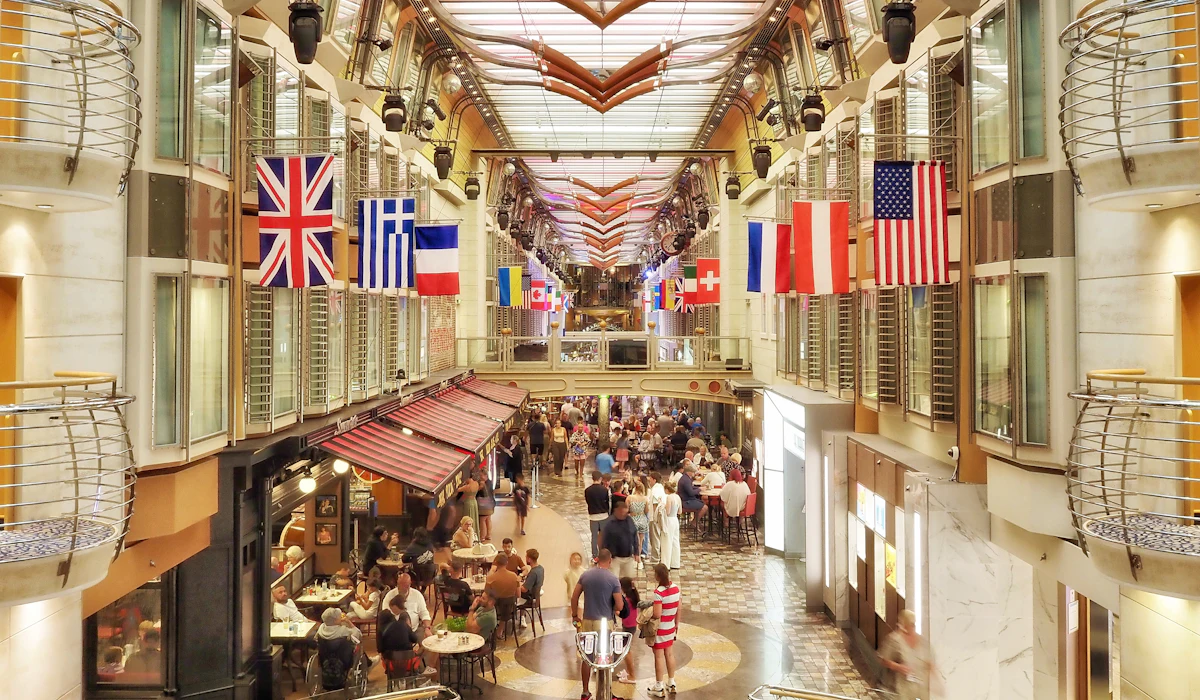
Royal Caribbean allows each adult to carry one bottle of wine aboard on embarkation day and may charge a corkage fee when the bottle is opened in an eligible public venue. Drinking the same bottle in the cabin or on the balcony does not incur that corkage charge.
Other lines have their own rules and fees. Regulars who want wine at dinner sometimes split the difference by drinking their own bottle in the cabin before heading out.
Checking the line’s current policy before packing avoids surprises at the security scanner.
Bottled Water

Bottled water is not included on most mainstream lines, and single bottles sold at bars add up quickly over a hot week. Royal Caribbean sells water packages, although package sizes and prices can change.
The water from buffet dispensers and dining room pitchers is generally treated and safe to drink aboard ship. Filling a reusable bottle at those stations costs nothing.
Some lines also allow passengers to carry a limited amount of bottled water aboard on embarkation day, usually subject to specific quantity and packaging rules.
Soda by the Glass
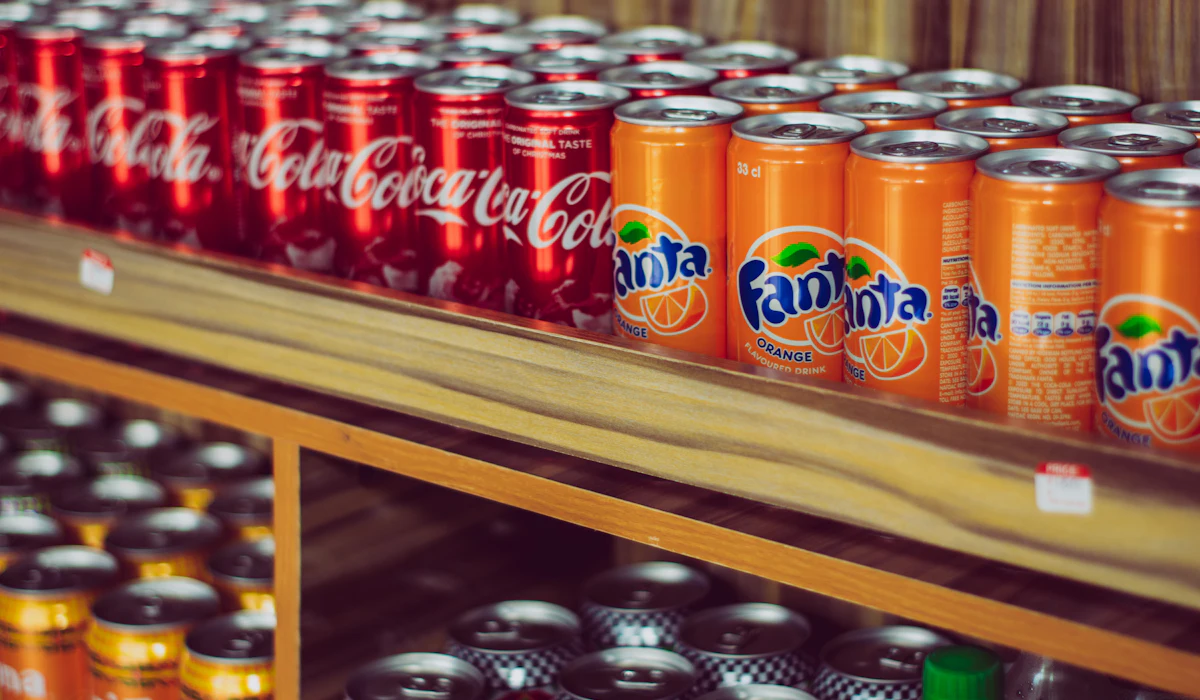
Soft drinks are charged per glass on most mainstream lines, typically with an automatic gratuity added to each one. Soda packages exist, but they rarely pay off for light drinkers who have one can at lunch and another at dinner.
Royal Caribbean allows each passenger to bring up to 12 standard 17-ounce cans, bottles or cartons of nonalcoholic beverages per stateroom in carry-on luggage on embarkation day. Several other lines have their own allowances.
Regulars who want a daily soda pack their own and keep them chilled in the cabin fridge, where permitted, which also saves walking to a bar every time.
Specialty Coffee Counters

Drip coffee is free at buffets and many cafes, but espresso drinks, lattes and blended frappes carry a charge on most mainstream lines. Several Royal Caribbean ships host a Starbucks location that charges for its specialty drinks, and Carnival’s JavaBlue Cafe and similar counters on other lines work the same way.
A daily latte habit can quietly add $40 or $50 to a week’s bill. Regulars who need espresso every morning sometimes find a coffee card or a nonalcoholic drink package worthwhile.
Others pack a favorite instant coffee and stir it into free hot water from the buffet.
Double Tipping at the Bar

Most lines add an automatic gratuity to every drink, usually around 18% to 20%, and the receipt often still includes a blank line labeled for an additional tip. Passengers who fill in that line without reading are tipping twice on the same cocktail.
Carnival and Royal Caribbean both add automatic gratuities to beverage purchases, with the exact rate depending on the line. Extra tips for a favorite bartender are a personal choice, but they work best as a deliberate decision rather than a reflex.
Reading the receipt before signing takes a few seconds and keeps the bar tab honest.
Gratuities Paid After a Rate Increase

Daily gratuities on mainstream lines vary considerably by cruise line, cabin category and sailing date, and rates can change over time. Prepaying usually locks in whatever rate applies on the day of payment.
The savings are modest for a couple on a short cruise but meaningful for a family of five on a long one. Prepaying also moves a large charge off the final folio, which makes the last night less of a shock.
Passengers should check the line’s current rate and whether prepayment locks it in before deciding.
Shipboard ATM Fees
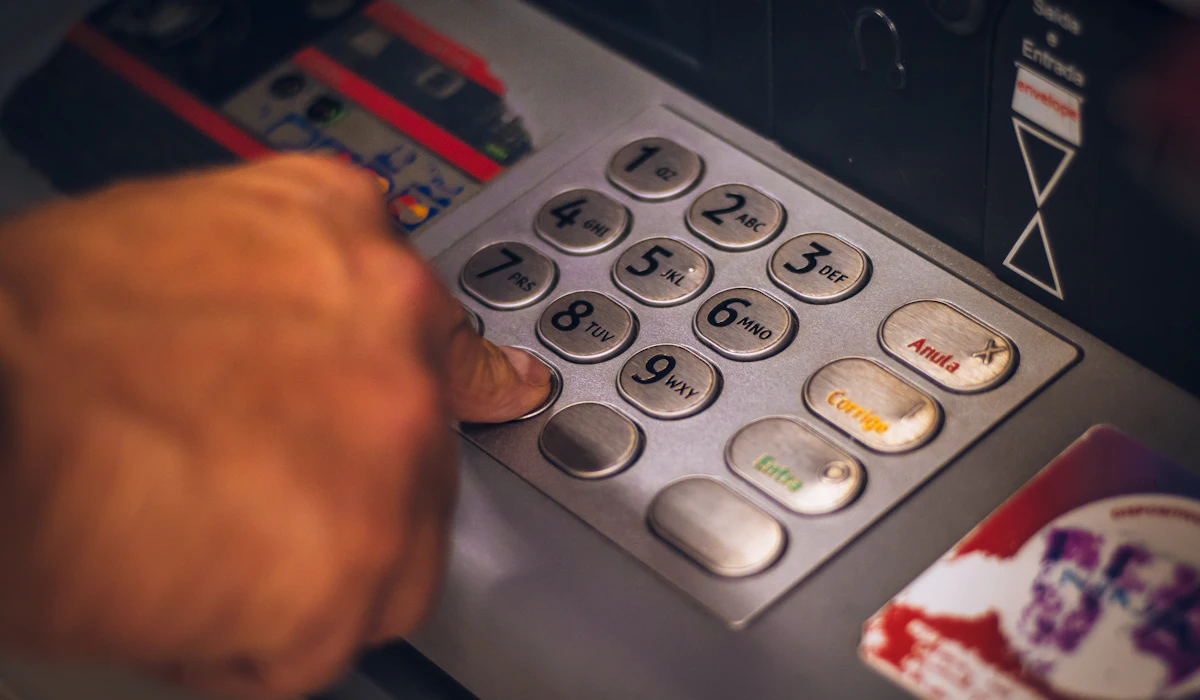
ATMs on cruise ships typically charge a withdrawal fee that is higher than most bank machines on land, and the passenger’s home bank may add a charge of its own. Cash is still handy for tipping porters, taxi drivers and tour guides in port.
Withdrawing enough before the trip, in small bills, removes the need to use the ship’s machine at all. Regulars often pack a small envelope of singles and fives set aside just for tips.
In ports that use U.S. dollars, a local bank ATM a short walk from the pier may cost less than using the ship’s machine.
Casino Cash Advances

Ship casinos often let players charge casino transactions to their onboard account or obtain cash through the casino, and those transactions can carry fees. Some card issuers code casino charges as cash advances, which bring an up-front fee plus interest that accrues from the day of the transaction, with no grace period.
A few lines also add their own service fee to casino charges. Players who bring a fixed amount of cash for gambling avoid both layers.
Checking the card issuer’s terms before the cruise takes a few minutes and can prevent a confusing statement later.
Dynamic Currency Conversion in Port

Shops, restaurants and card terminals in foreign ports sometimes offer to charge a card in U.S. dollars rather than the local currency. The offer, known as dynamic currency conversion, sounds helpful but can use an exchange rate that is less favorable than the card network’s rate.
Choosing to pay in the local currency, whether euros, pesos or kroner, usually gives the card issuer rather than the merchant’s processor control over the exchange rate. The same prompt often appears on foreign ATM screens.
Regulars decline the conversion when possible and check the receipt to make sure a cashier has not chosen it for them.
Foreign Transaction Fees
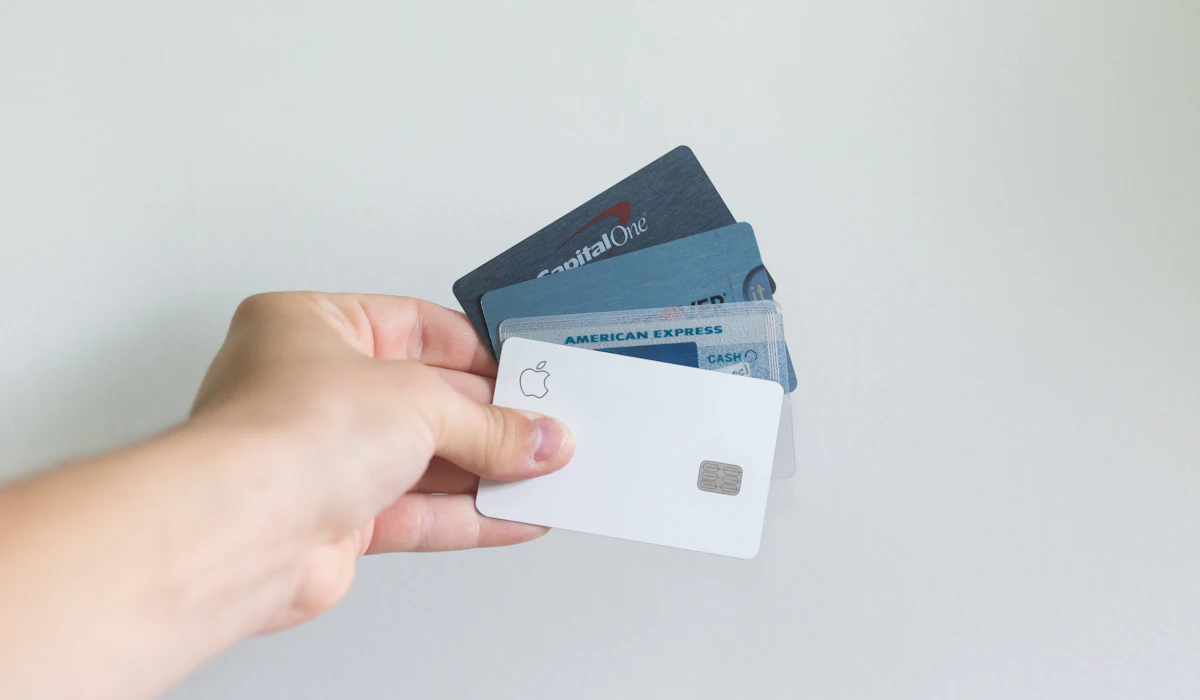
Many credit cards charge a foreign transaction fee, often around 3%, on purchases processed outside the United States. Port shopping, locally booked tours and restaurant meals abroad can trigger it, and some onboard charges can as well, depending on where a cruise line processes payments.
Over a week of spending, 3% can easily add up to the cost of a nice dinner. Many travel credit cards waive the fee entirely, and switching to one before the trip is the simplest fix.
Regulars confirm the card’s terms well before departure, since a new card can take a week or more to arrive.
Onboard Accounts Billed in Euros

Some lines bill onboard accounts in euros on European sailings, while others use U.S. dollars or another currency depending on the itinerary. MSC Cruises, for example, can use euros on European itineraries.
Passengers who link a card with foreign transaction fees may end up paying a few percent extra on onboard spending. A no-foreign-fee card solves most of the problem.
Checking the onboard currency in the booking documents before sailing also helps passengers decide whether to accept any conversion offers at checkout.
Parking at the Cruise Terminal

Parking at major cruise terminals can cost $20 or more per day, which adds up to well over $100 on a week-long cruise. Off-site lots near ports such as Port Canaveral, Fort Lauderdale and Galveston often charge less and include a shuttle to the terminal.
Some hotels near the port also offer park-and-cruise packages that include a night’s stay and parking. Rideshare or a friend’s drop-off can be cheaper still for short trips.
Comparing the options is worth a few minutes of research before departure.
Cruise Line Airport Transfers

Transfers sold by the cruise line between the airport and the terminal are convenient, but they often cost more per person than a taxi, rideshare or private shuttle. For a couple or a family of four, a single rideshare is often cheaper than four individual transfer tickets, although prices vary by route and demand.
Line transfers can make sense in unfamiliar foreign ports, on very early flights or when an airport sits far from the pier. In major U.S. homeports such as Miami and Fort Lauderdale, independent options are plentiful.
Comparing the per-person transfer price with a rideshare estimate usually settles the question within a minute.
Pre-Cruise Hotel Packages

Cruise lines sell pre-cruise hotel packages that bundle a night’s stay with a transfer to the port the next morning. They are convenient, but the price can be noticeably higher than booking the same hotel directly.
Many hotels near major ports run their own cruise shuttles, sometimes free and sometimes for a small fee. Regulars compare the package price with the hotel’s own rate plus a rideshare or shuttle.
In expensive cities such as Barcelona, Seattle or Vancouver, the difference can sometimes be substantial for the same room.
Travel Insurance From the Cruise Line

Cruise lines sell their own protection plans, which may provide future-cruise credits, cash benefits or other reimbursement depending on the plan and the reason for cancellation. Third-party policies can offer stronger medical coverage, including medical evacuation, sometimes at a similar or lower price.
Coverage details vary widely, so comparing policies line by line matters. Medicare generally does not cover medical care outside the United States, which makes travel medical coverage especially important for older passengers.
Regulars read the fine print on preexisting conditions and evacuation limits before choosing any policy.
Laundry Charged by the Item

Ship laundry services often charge per item, with shirts and trousers priced individually, and a family’s laundry bag can produce an alarming total. Many lines run promotions midvoyage where everything that fits in a bag is cleaned for a flat price.
Carnival, Princess and Holland America offer self-service laundry on at least some of their ships, while availability varies across fleets. Regulars who need clean clothes halfway through wait for a bag deal or use the launderette on a quiet port morning.
Packing quick-dry clothing that can be rinsed in the cabin sink helps as well.
Minibar Items
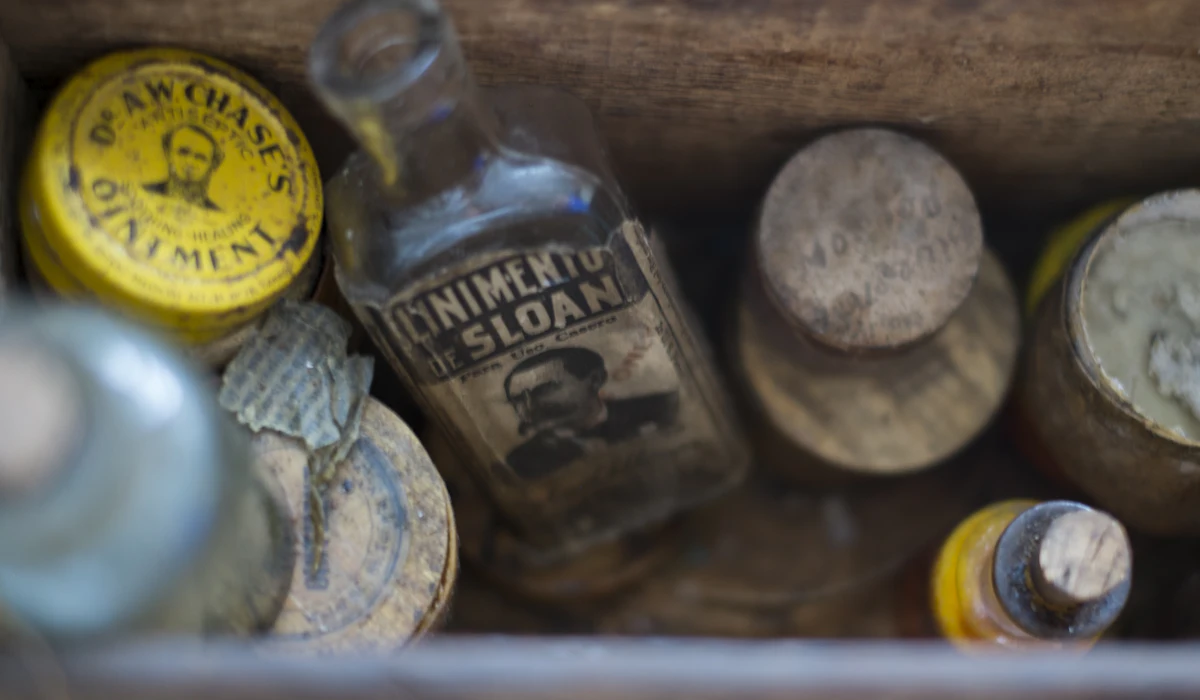
Cabin minibars on some ships come stocked with soft drinks, snacks and small bottles of liquor, all priced at a premium. On certain ships, removing an item can trigger an automatic charge through a minibar sensor, even if it goes back later.
Asking the cabin attendant to empty the fridge on embarkation day can free space for personal items, where the line permits it. Regulars also find that an empty minibar removes the late-night temptation to grab a premium-priced candy bar after a show.
Late-Night Kids Club Fees

Kids clubs on most lines are free during regular hours, but late-night group babysitting can carry an hourly fee per child. Norwegian’s Late Night Fun Zone, for example, currently charges $10 per hour per child for ages 3 to 12.
Parents who book early dinner seatings and early shows can often fit their evenings into free club hours. The schedule is posted in the app and the daily planner.
A few nights of late pickups can easily add up to the price of a specialty dinner.
Dining Room Upcharge Items

Some main dining rooms include premium items, such as lobster tails, larger steaks or special cuts, that carry an extra charge. Royal Caribbean and Carnival both list such items on their menus, clearly marked, but a hungry diner can miss the price beside a tempting description.
Some lines still include a premium entree on one or more evenings of a cruise at no extra cost, but the schedule varies. Regulars check the menu before paying for an extra-charge version.
Ordering two included entrees is also allowed on some lines, which can satisfy the same appetite.
Specialty Dining No-Show Fees

Some lines charge a fee when passengers miss a specialty dining reservation without canceling in advance, and the charge can equal part or all of the cover charge. Policies differ by line and are usually buried in reservation terms.
Pre-booked dinners are easy to forget after a long port day. Canceling through the app or guest services as soon as plans change can help avoid a no-show charge when the line allows cancellations.
Regulars set phone reminders for each reservation, which also helps them remember the dress code and the deck where the restaurant sits.
Single Supplements

Solo travelers booking a standard cabin often pay a single supplement that can bring the price close to that of two passengers. Norwegian Cruise Line introduced studio cabins designed for solo travelers on Norwegian Epic in 2010, with keycard access to a shared lounge for studio guests.
Royal Caribbean, Celebrity and others have since added solo cabins on some ships. Booking one of these rooms can reduce or eliminate the traditional single supplement, depending on the fare and cabin.
Solo travelers also watch for promotions that reduce or waive the supplement on selected sailings, especially in the off-season.
Paying to Pick a Specific Cabin

Guarantee fares let the cruise line assign a cabin within or above a chosen category, usually at a lower price than selecting a specific room. Passengers who are flexible about location can save meaningful money this way.
The trade-off is less control, since the assigned cabin could sit near an elevator bank, at the far end of a corridor or under a busy deck. An upgrade is possible but never guaranteed.
Regulars weigh the savings against how much a particular location matters to them, especially travelers prone to seasickness.
Ship-to-Shore Phone Calls

Calls from the cabin phone to a number on land are routed by satellite and can cost several dollars per minute. A short call home to check on a pet sitter can turn into a surprisingly large charge on the final folio.
Messaging and calling apps over the ship’s Wi-Fi cost far less, and many lines offer free or cheap onboard messaging through their own apps. Regulars use the cabin phone for essential calls rather than routine conversations.
Families traveling in several cabins can often contact each other through the ship’s onboard communication options without paying an international cellular rate.
Pizza Delivered to the Cabin

Carnival’s Pizzeria del Capitano serves complimentary pizza on many ships, while pizza delivery to a guest’s location carries a $5 delivery charge per pie. Walking up to the pizzeria and carrying the box back avoids the charge entirely.
Other lines charge similar fees for delivering food that is free in the venue itself. On a late night after a show, the walk is usually only a few minutes by elevator.
Regulars often pick up a pie on the way back from the theater, which means it arrives hotter than a delivery would anyway.
Medical Center Visits for Seasickness

A visit to the ship’s medical center can result in a substantial charge, and insurance coverage for care at sea varies by policy. For mild motion sickness, passengers can pack an appropriate over-the-counter remedy from home rather than relying on the medical center or shipboard shop.
Serious or persistent symptoms always warrant a visit to the doctor. Travel insurance may reimburse medical center charges later, depending on the policy, so keeping the receipts is wise.
Cancellation Penalties After Final Payment

Most lines set a final payment date well before sailing, with the exact deadline varying by cruise line, itinerary length, fare type and booking terms. Once that date passes, cancellation penalties generally rise in steps as departure approaches, often reaching the full fare in the final weeks.
Refundable deposits and flexible fare types usually cost a little more up front but soften this risk. Travel insurance can cover cancellations for listed reasons such as illness.
Regulars note the final payment date in a calendar the day they book, so the decision point never sneaks up on them.
Missing Pool Towel Charges

Many lines track pool towels through towel cards or cabin accounts and charge for any towel not returned by the end of the voyage. For example, Royal Caribbean currently charges $25 for each unreturned pool towel.
Towels left on balconies, taken ashore for a beach day or abandoned on loungers can all end up billed. Returning each towel to the pool deck station after use avoids the charge.
Regulars keep count of how many they borrow and return them before the final folio is settled.
Lanyards Sold Onboard
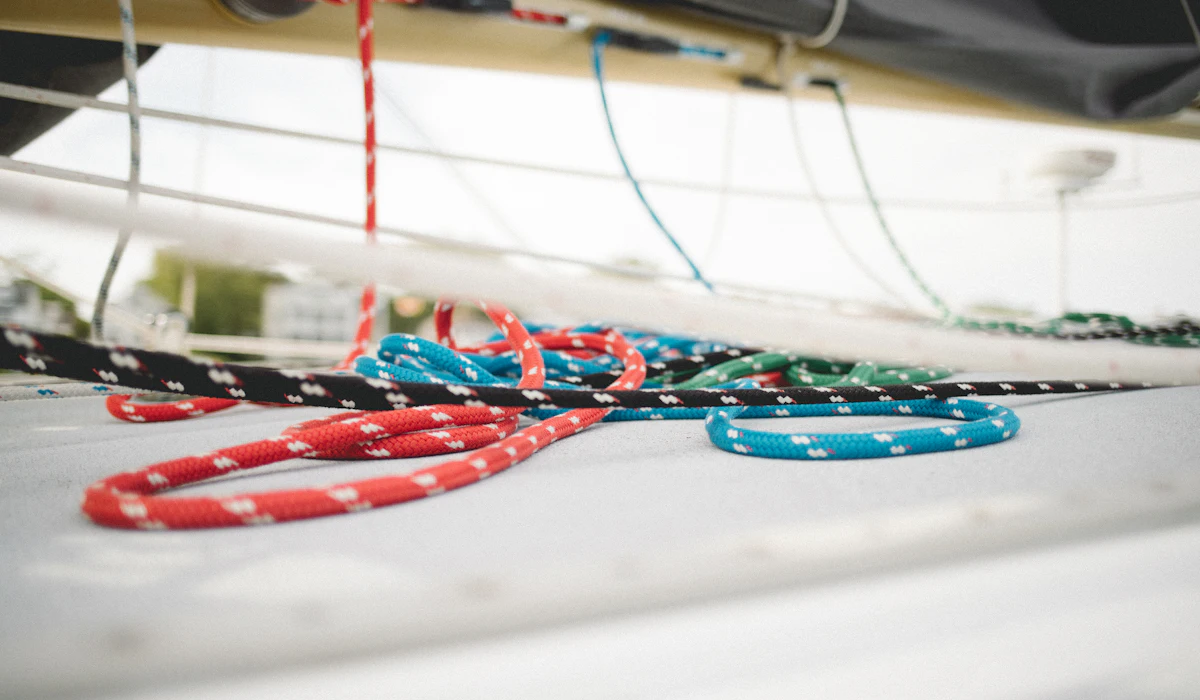
Lanyards and plastic holders for cruise cards are sold onboard on many ships, sometimes at prices well above what similar items cost at home. The card is needed constantly to open the cabin, pay for drinks and leave or reenter the ship.
A simple lanyard bought before the trip, ideally one with a clip that opens easily, does the same job. Some lines give free lanyards to loyalty members or in welcome packets.
Regulars pack one per person every time, along with a spare in case a clip breaks at sea.
Late Shore Excursion Cancellations

Ship-sold excursions usually must be canceled according to the line’s stated deadline to receive a refund, and later cancellations may be charged in full. A sudden change of plans, a sore back or a better independent option can make the deadline easy to miss.
Reviewing all excursion bookings on the first evening aboard helps catch anything that no longer fits. Many lines let passengers cancel through their app as well as at the shore excursion desk.
Excursions the line cancels for weather or port changes are generally refunded according to the line’s policy.
Fees Hide in the Gaps Between Habits

None of these charges is large on its own, which is exactly how they work. A delivery fee here, a currency conversion there and a forgotten towel at the pool become, by the last night, a folio that looks very different from the original fare.
The industry depends on that gap between the advertised price and the final bill.
Closing that gap rarely requires sacrifice. Most fees disappear with a decision made before sailing, a setting changed on a phone or a habit adjusted on the first day.
Regulars pay for what they value and quietly decline the rest.
More from Travel Pug

- Underrated Italian Towns That Beat the Tourist Crowds
- Las Vegas Tourist Traps to Skip
- Prettiest Towns in Every US State
- 18 passport-free countries for Americans
- Signs Your Cruise Is Not Worth The Cost
Like Travel Pug’s content? Follow us on MSN.