

Even though Florence is Italy’s Renaissance crown jewel, remaining there means missing out on some truly incredible locations that are only a short train ride away. With trains running all day to medieval hilltops, coastal villages, and busy cities, the city is at the ideal crossroads for exploring Tuscany and beyond.
Simply board a train from Santa Maria Novella station, and you won’t need a car or a complicated itinerary. These amazing train day trips from Florence will enhance your Italian adventure.
Siena
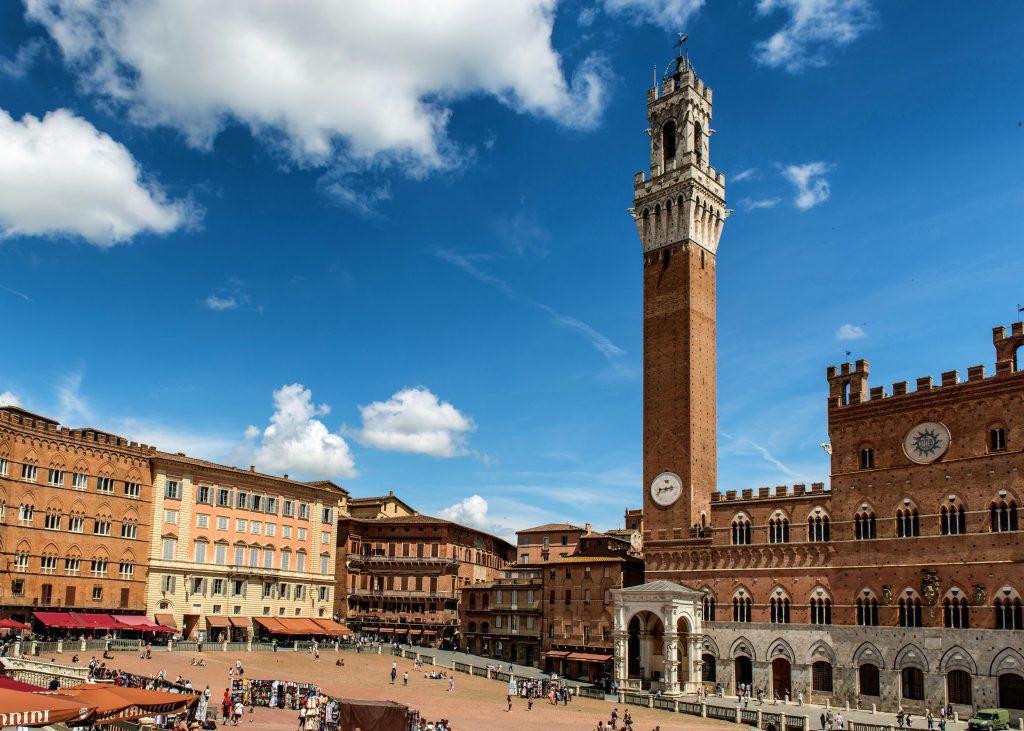
This medieval masterpiece is probably already on your radar, and for good reason. The shell-shaped Piazza del Campo draws crowds twice a year for the famous Palio horse race, but the real magic happens when you wander through the narrow streets and stumble upon hidden corners that feel untouched by time.
The Gothic cathedral alone justifies the trip, with its black-and-white striped marble creating one of Italy’s most striking facades. Regional trains take about 90 minutes, though the bus can get you there slightly faster, at about 75 minutes.
Pisa
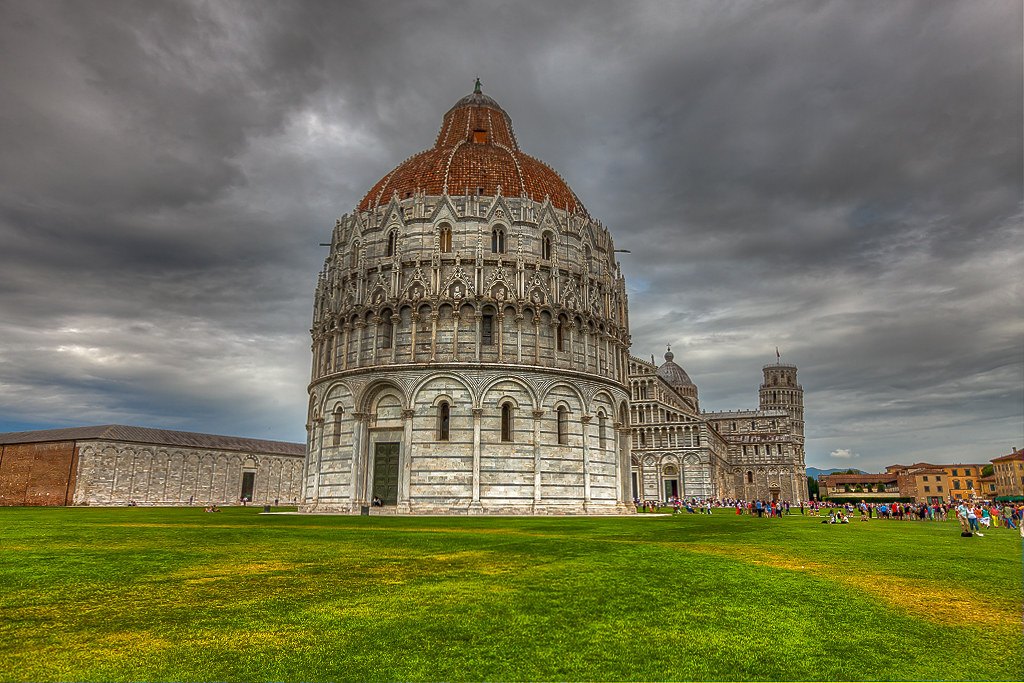
Sure, everyone knows about the Leaning Tower, but treating it like a photo-op checklist item means you’re missing the point. The Piazza dei Miracoli contains an entire complex of stunning marble buildings, including the cathedral and baptistery, that deserve your attention.
Direct trains run every 30 minutes and take about an hour, making this one of the easiest trips to pull off, even if you’re short on time.
Bologna

Only 35 minutes away by high-speed train, Bologna dishes out what might be Italy’s best food scene. The medieval towers dominate the skyline, while the endless porticoed streets keep you dry when the weather turns moody.
This city doesn’t rely on tourism to survive, which means you’ll eat where locals eat and experience a more authentic slice of Italian life than you’ll find in most tourist hotspots.
Lucca
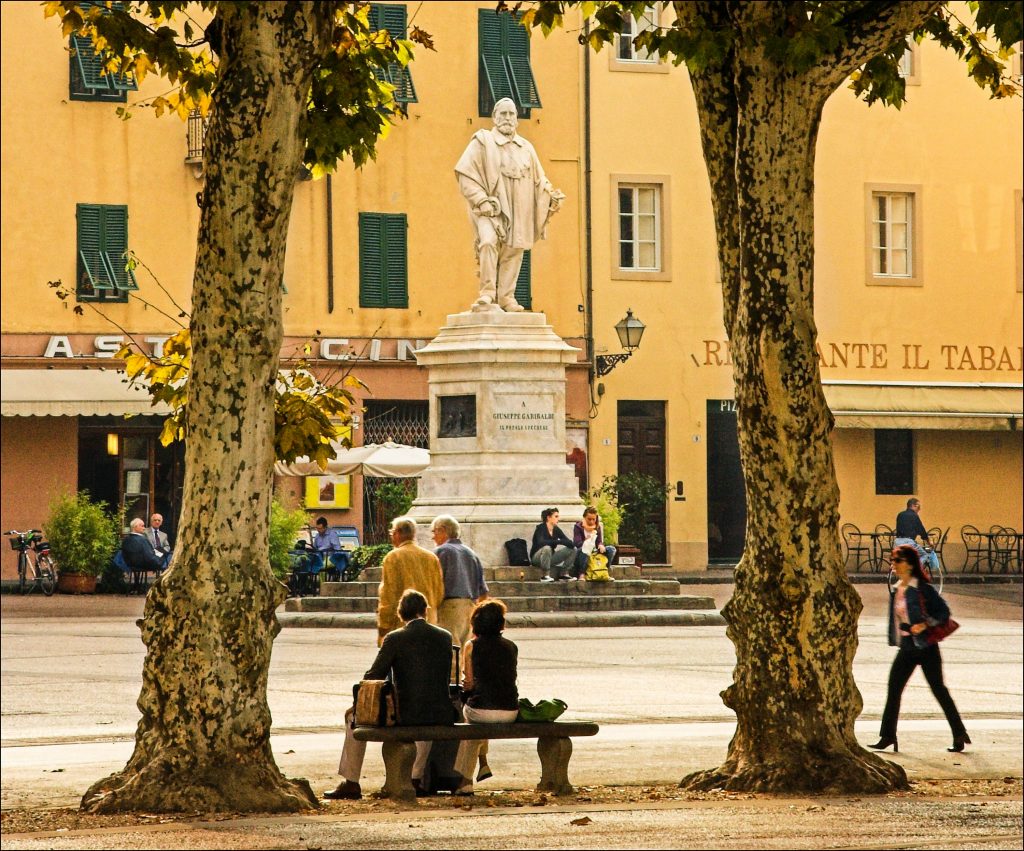
Renaissance walls completely encircle this charming town, and the best way to experience them is by renting a bike and cruising the tree-lined path on top. Unlike many Tuscan towns that cling to hillsides, Lucca spreads out flat, making it perfect for leisurely wandering.
The journey from Florence takes about 80 minutes on direct trains, and you’ll arrive in a place that feels refreshingly unhurried compared to the usual tourist circus.
Arezzo
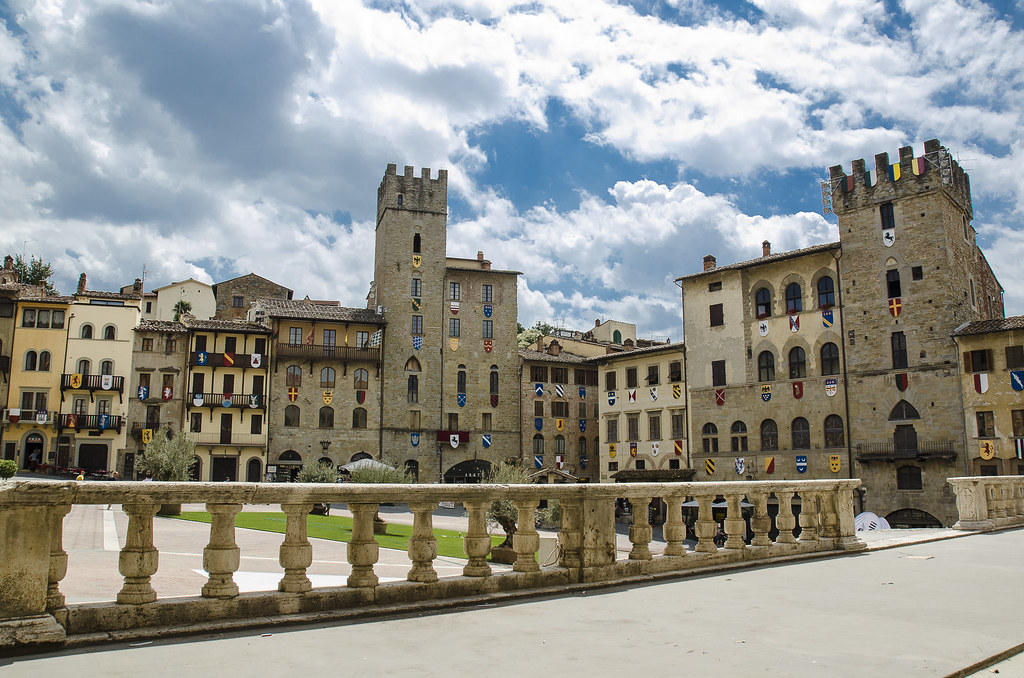
This hilltop city packs in some serious art history without the crushing crowds you’ll battle in Florence. The Piazza Grande features a sloped medieval square that Roberto Benigni used as a backdrop in ‘Life is Beautiful,’ while the churches contain frescoes that art historians get genuinely excited about.
Trains cover the distance in just 45 minutes, making Arezzo perfect when you want culture without marathon sightseeing.
Cinque Terre

Five pastel villages clinging to dramatic coastal cliffs make Cinque Terre one of Italy’s most photographed destinations. You’ll need to change trains in La Spezia, where the Cinque Terre Express connects all five villages throughout the day.
The total journey takes about 2.5 to 3 hours from Florence, but stepping off the train onto those seaside platforms makes every minute worthwhile. The villages get packed during peak season, so starting early gives you a better shot at enjoying them before the crowds descend.
San Gimignano

Medieval towers spike up from this hilltop town like ancient skyscrapers, earning it the nickname ‘Tuscany’s Manhattan.’ Getting here requires a train to Poggibonsi followed by a local bus, but the hassle pays off when you’re standing in the main square surrounded by 14 surviving towers from an era when wealthy families competed to build the tallest.
The gelato here also claims ‘world champion’ status, which is a bold statement in Italy but one that local shops back up with genuinely excellent frozen treats.
Cortona
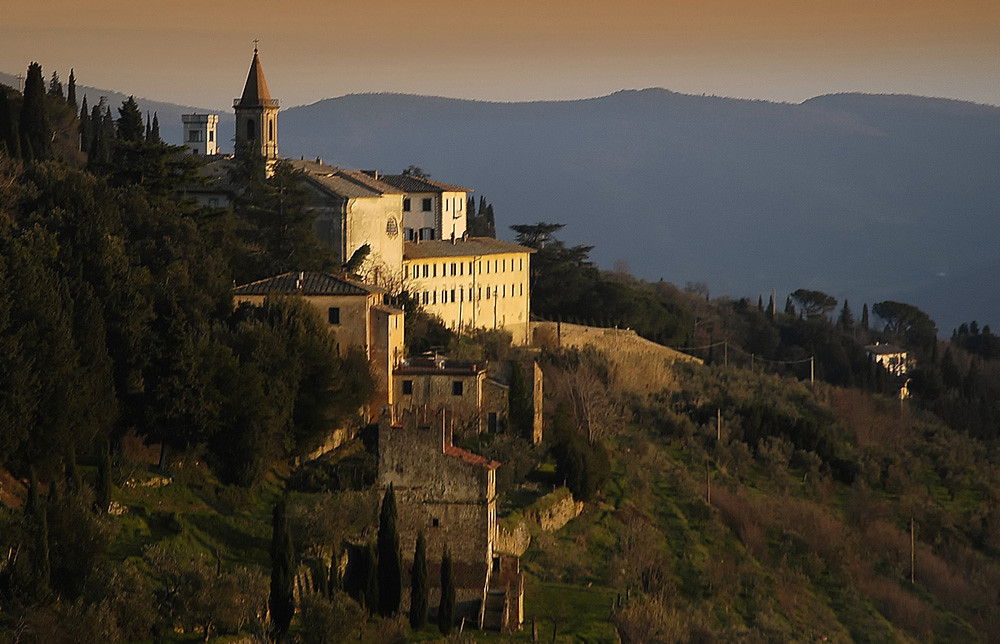
Under the Tuscan Sun put this hillside town on the map for many travelers, but Cortona earned its charm centuries before Hollywood arrived. The steep streets and Etruscan walls create an atmosphere that feels more authentic than some of Tuscany’s over-touristed destinations.
Direct trains from Florence take about 90 minutes to the Camucia-Cortona station, though you’ll need to hop on a local bus or grab a taxi to reach the town center perched up the hill.
Venice
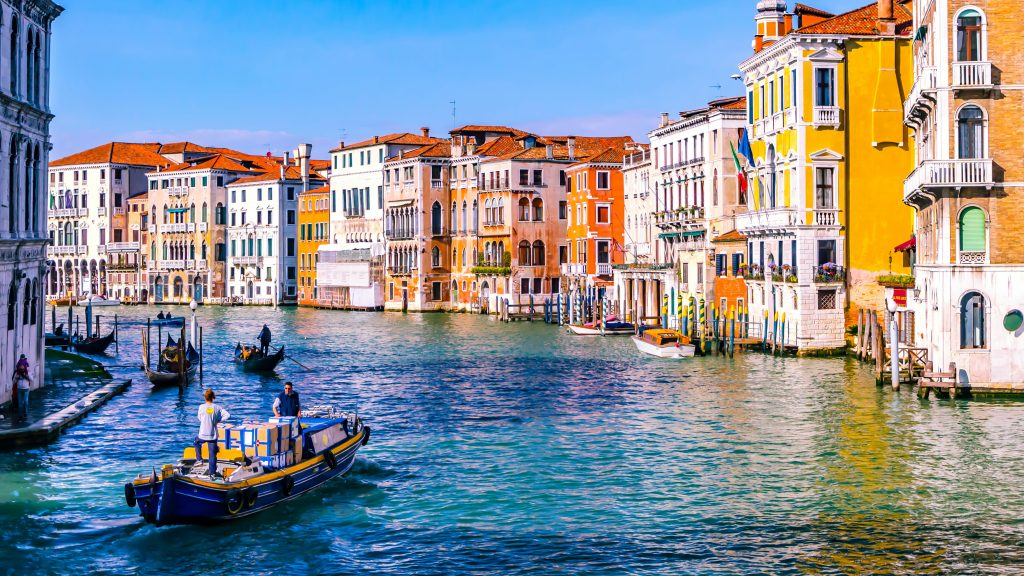
Two hours might seem ambitious for a day trip, but high-speed trains make Venice surprisingly doable from Florence. You’ll want to start early and plan on a long day, but walking through St. Mark’s Square and gliding through canals in a vaporetto beats looking at pictures in a guidebook.
The sheer number of tourists can overwhelm, so treat this as a sampler rather than a deep dive, and save the serious exploring for a dedicated Venice trip later.
Pistoia

This underrated gem sits only 35 minutes from Florence but somehow escapes the tourist stampede. The compact medieval center contains beautiful churches, interesting museums, and a market that caters to locals rather than visitors snapping photos.
Pistoia offers that ‘real Italy’ vibe without the rough edges, making it ideal for experiencing daily Italian life without traveling far from your Florence base.
Assisi

St. Francis put this Umbrian hilltown on the map in the 12th century, and pilgrims still flock to the basilica containing his tomb. The religious significance aside, Assisi offers stunning views across rolling hills and a remarkably well-preserved medieval center.
The journey requires a train change, usually at Foligno, and takes about 2 to 2.5 hours, but the combination of spirituality and scenery creates something genuinely special.
Livorno

This port town won’t win beauty contests against Tuscany’s hillside villages, but it delivers an authentic coastal experience without the Cinque Terre crowds. The promenade stretches along the seafront, while the characteristic canals and 16th-century buildings give the center a distinctive maritime character.
Direct trains make the trip in about 90 minutes, and you’ll arrive in a place where actual Italians go to enjoy the coast.
Perugia
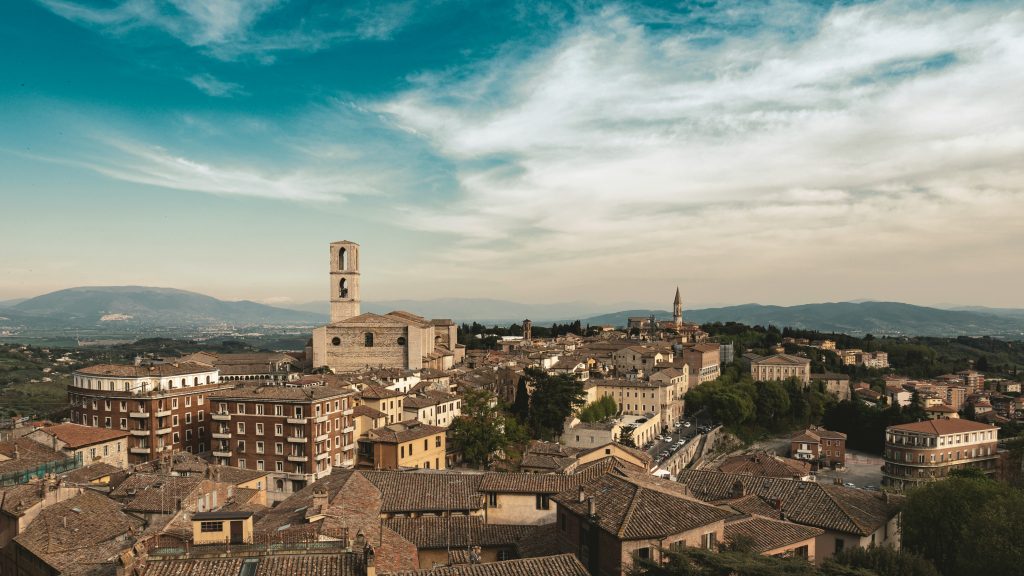
The capital of Umbria sits on a hill overlooking the surrounding countryside, combining stunning medieval architecture with a lively university atmosphere. The central fountain in Piazza IV Novembre stands as one of Italy’s finest examples of medieval sculpture, while the Priori Palace contains art that tells the story of this historically significant region.
Trains from Florence take about 2 hours with a connection, typically through Terontola or Chiusi.
Verona

Romeo and Juliet might be fictional, but the romance of this northern city feels very real. The Roman arena still hosts opera performances in summer, while the medieval streets and bridges create an atmosphere that’s earned Verona UNESCO World Heritage status.
High-speed trains cover the distance in about 90 minutes, dropping you into a city that beautifully balances historical significance with modern Italian life.
Montecatini Terme
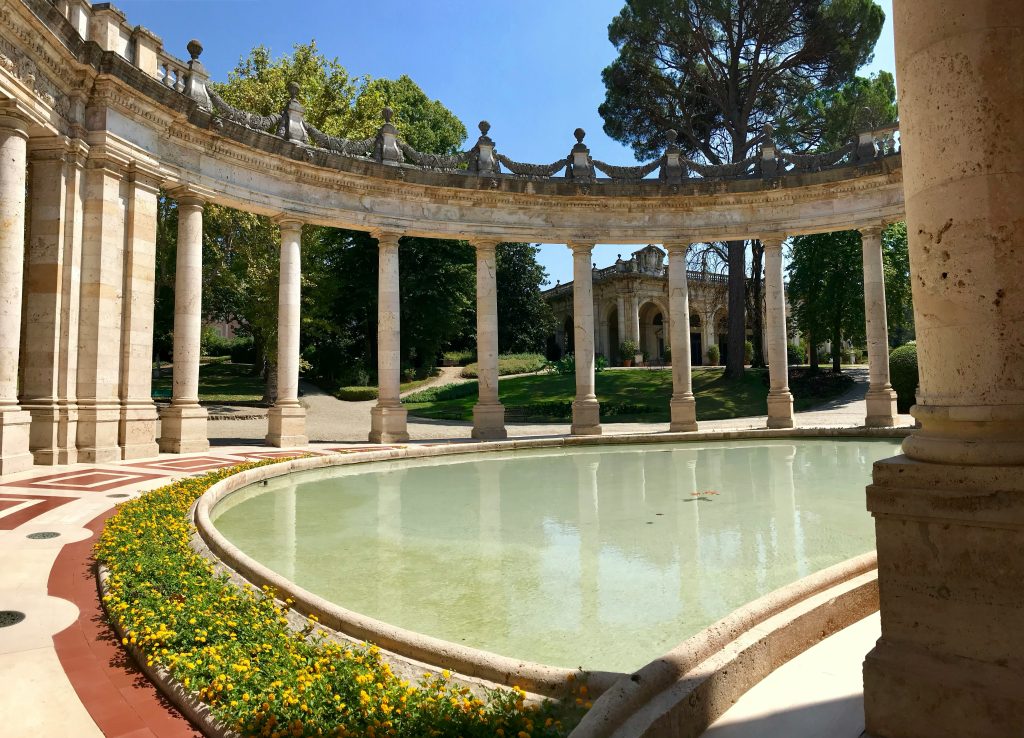
This spa town has been drawing visitors to its thermal waters since the 18th century, offering a different flavor of Tuscany than the usual art-and-architecture tour. The elegant Art Nouveau buildings and manicured parks create a resort atmosphere that feels refreshingly relaxed.
Regular trains make the 40-minute journey throughout the day, and you can even ride a funicular up to the medieval village of Montecatini Alto for panoramic views.
Fiesole
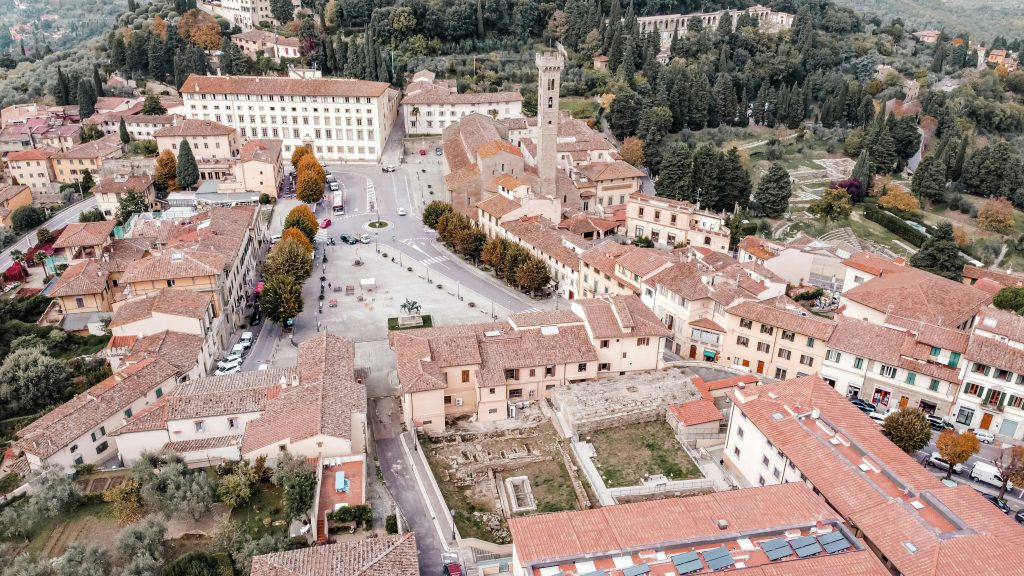
Technically just above Florence rather than away from it, Fiesole still deserves mention for its archaeological treasures and sweeping views back down toward the city. Ancient Etruscan and Roman ruins dot the hillside, while the cooler temperatures offer relief from Florence’s summer heat.
Local bus number 7 takes about 20 minutes, though you can also take a quick train if you prefer rail travel.
The journey continues

Florence established itself as the cultural center of Tuscany centuries ago, and its strategic location today makes it the ideal starting point for discovering everything from medieval hilltowns to coastal cliffs. You can travel to dozens of amazing locations via the regional train network, each of which offers something distinct from the city’s overwhelming Renaissance art.
Pack light, purchase your train tickets in advance to save money, and keep in mind that some of Italy’s most memorable experiences take place in the smaller towns that most tourists pass on their way between major cities.
More from Travel Pug

- Underrated Italian Towns That Beat the Tourist Crowds
- Las Vegas Tourist Traps to Skip
- Prettiest Towns in Every US State
- 18 passport-free countries for Americans
- Signs Your Cruise Is Not Worth The Cost
Like Travel Pug’s content? Follow us on MSN.