

Walking through Gion feels like stepping into another era. The cobblestone streets, traditional wooden machiya houses, and the quiet rustle of silk kimonos create an atmosphere that modern Kyoto can’t quite replicate elsewhere.
But beyond the teahouses and geisha culture that Gion is famous for, this district holds some of Kyoto’s most captivating temples—places where history, spirituality, and artistry converge in ways that surprise even frequent visitors. These temples aren’t just tourist stops.
They’re living spaces where centuries of tradition continue, where the smell of incense mingles with the sound of prayer bells, and where you can still find moments of genuine peace despite the crowds. Each one offers something different, whether that’s architectural beauty, cultural significance, or simply a quiet corner to catch your breath between exploring Gion’s bustling streets.
Yasaka Shrine stands guard at Gion’s eastern edge
Yasaka Shrine marks the transition between downtown Gion and the hills beyond. Its vermillion gates and lantern-lined pathways make it one of Kyoto’s most photographed spots, but the shrine’s significance runs deeper than its Instagram appeal. Founded over 1,350 years ago, Yasaka has protected Kyoto from epidemics and disasters, or at least that’s what locals have believed for generations.
The shrine comes alive during festivals, particularly the famous Gion Matsuri in July. But even on quiet weekdays, you’ll find people stopping by to pray, buy omamori charms, or simply pass through on their way to Maruyama Park. The main hall stays open 24 hours, which means you can experience it in the evening when lanterns cast long shadows across the grounds.
Kennin-ji brings Zen gardens into the entertainment district
Kennin-ji sits right in the middle of Gion’s entertainment quarter, surrounded by restaurants and bars. The contrast couldn’t be sharper—step through the temple gates and suddenly the noise drops away, replaced by gravel paths and carefully pruned pine trees.
This is Kyoto’s oldest Zen temple, established in 1202, and it takes that role seriously. The temple’s twin dragon painting on the ceiling of the Dharma Hall draws crowds, but spend time in the gardens instead.
The rock gardens here follow classic Zen principles, with raked gravel representing water and carefully placed stones suggesting mountains or islands. There’s also a modern garden featuring moss and bamboo that feels surprisingly contemporary while still honoring traditional design principles.
Chion-in overwhelms with its sheer scale
Chion-in doesn’t do subtle. This temple complex sprawls across the hillside with massive gates, enormous halls, and staircases that test your endurance.
The main gate alone stands 24 meters high, making it the largest temple gate in Japan. Everything about Chion-in communicates power and importance, which makes sense given its role as the headquarters of Jodo Buddhism.
The temple’s nightingale floors squeak when you walk on them—an intentional security feature designed to alert monks to intruders. The gardens here reward exploration too, particularly the upper garden where you can look out over the city.
During evening illuminations in spring and fall, the temple grounds transform into something otherworldly.
Kodai-ji offers intimacy where other temples overwhelm
Kodai-ji feels personal in ways that larger temples don’t. Built in 1606 by the widow of warlord Toyotomi Hideyoshi, the temple carries a sense of devotion and loss that still resonates.
The buildings themselves are smaller, the crowds thinner, and the overall experience more contemplative. The gardens here shift with the seasons—cherry blossoms in spring, bamboo groves year-round, and spectacular fall colors that draw photographers from across Japan.
The temple’s tea houses were designed by the legendary tea master Sen no Rikyu, and they demonstrate how simple materials can create profound beauty when arranged with care and intention.
Entoku-in preserves intimate spaces
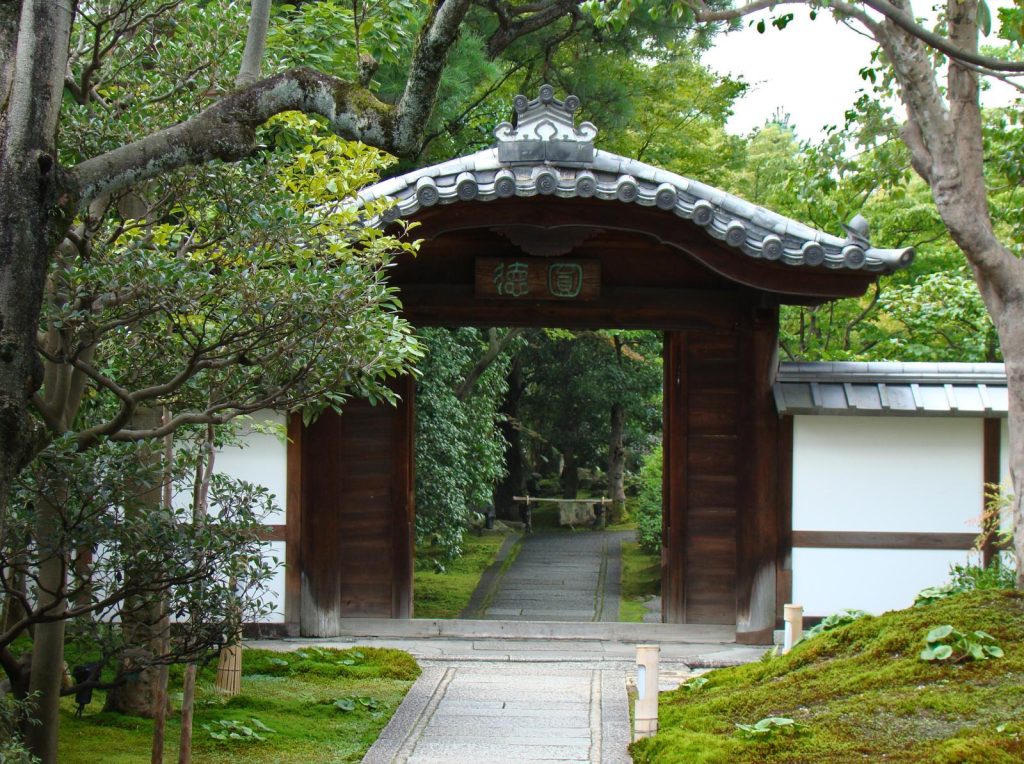
Right next to Kodai-ji sits Entoku-in, a smaller temple that once served as the residence for Hideyoshi’s widow. The distinction between the two temples matters because Entoku-in maintains a quieter, more residential feel.
You’re not just visiting a religious site—you’re entering what was once someone’s home. The rock garden here, designed by master gardener Kobori Enshu, uses just seventeen rocks to create a landscape that suggests mountains, rivers, and vast distances.
The temple also preserves beautiful fusuma paintings and a unique ceiling made from materials salvaged from Hideyoshi’s pleasure boat. These details give the space character that generic temple visits can’t match.
Kiyomizu-dera towers above eastern Kyoto
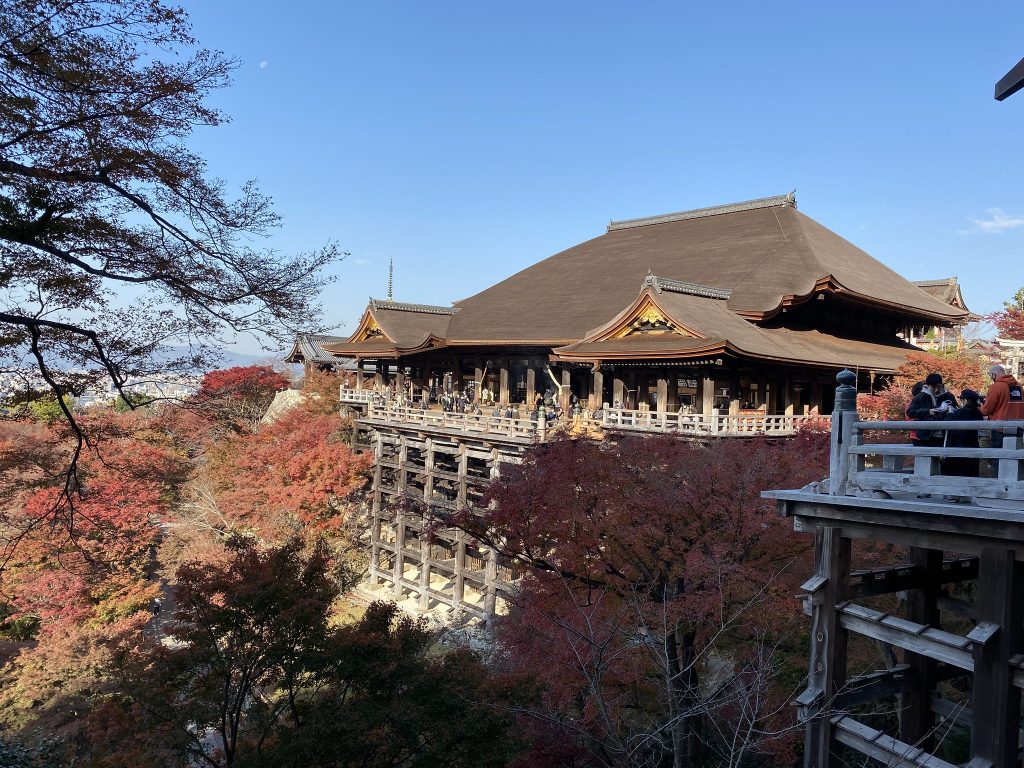
Technically just outside Gion proper, Kiyomizu-dera sits on the hillside overlooking the district and can’t be ignored in any discussion of the area’s temples. The wooden stage that juts out from the main hall has become iconic, offering views across Kyoto that explain why this temple has drawn pilgrims for over 1,200 years.
The temple’s name means “pure water temple,” referring to the Otowa Waterfall where visitors line up to drink from three streams, each supposedly granting different benefits. The crowds here can be intense, especially during cherry blossom and fall foliage seasons, but the temple’s scale and setting justify its popularity.
The approach path, lined with shops and restaurants, feels like a continuation of Gion’s commercial energy.
Maruyama Park’s temples blend nature and worship
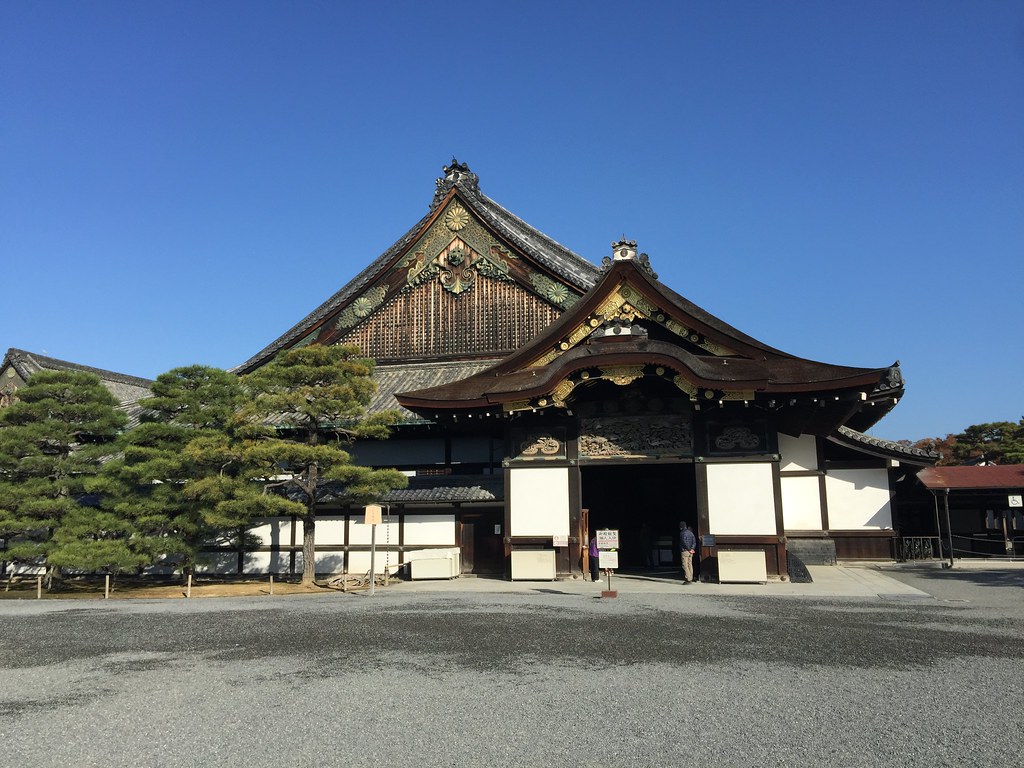
Maruyama Park connects several temples and shrines in a green space that provides relief from Gion’s dense streets. The park itself becomes a temple of sorts during cherry blossom season when the massive weeping cherry tree at its center draws thousands of visitors for nighttime hanami parties.
But the park also contains smaller shrines and temples worth seeking out, including several dedicated to specific kami or Buddha aspects. These smaller worship spaces often get overlooked by tourists rushing between major sites, which makes them perfect for anyone seeking a quieter spiritual experience.
The paths wind through trees and around ponds, creating natural transitions between different sacred spaces.
Shoren-in shows aristocratic temple style
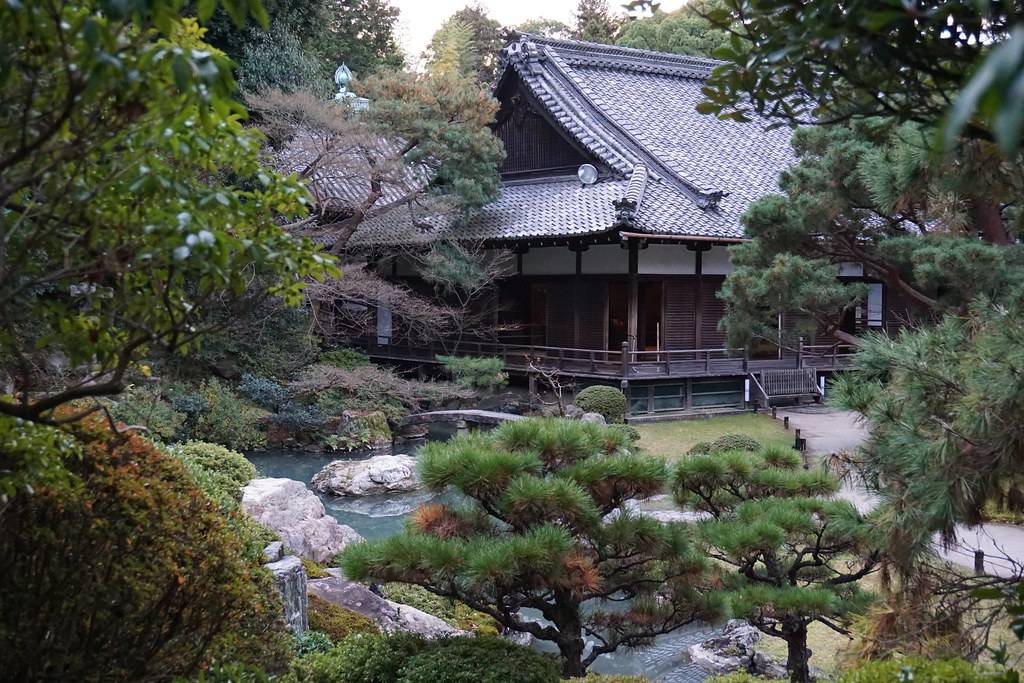
Shoren-in represents temple architecture at its most refined and aristocratic. This temple served as temporary lodging for imperial family members, and that heritage shows in every detail—from the formal gardens to the elegant sliding doors painted with scenes from nature.
The main hall’s broad verandas look out over moss gardens and carefully shaped pine trees. The temple’s camphor trees out front are massive, their roots creating natural sculptures above ground.
Inside, the temple preserves historical artifacts including Buddhist statues and painted screens. But the real draw is the atmosphere, which feels more like visiting a noble estate than a typical temple. That’s exactly what makes it interesting—it shows how Buddhism adapted to serve different social classes in feudal Japan.
Ryozen Kannon commemorates fallen soldiers
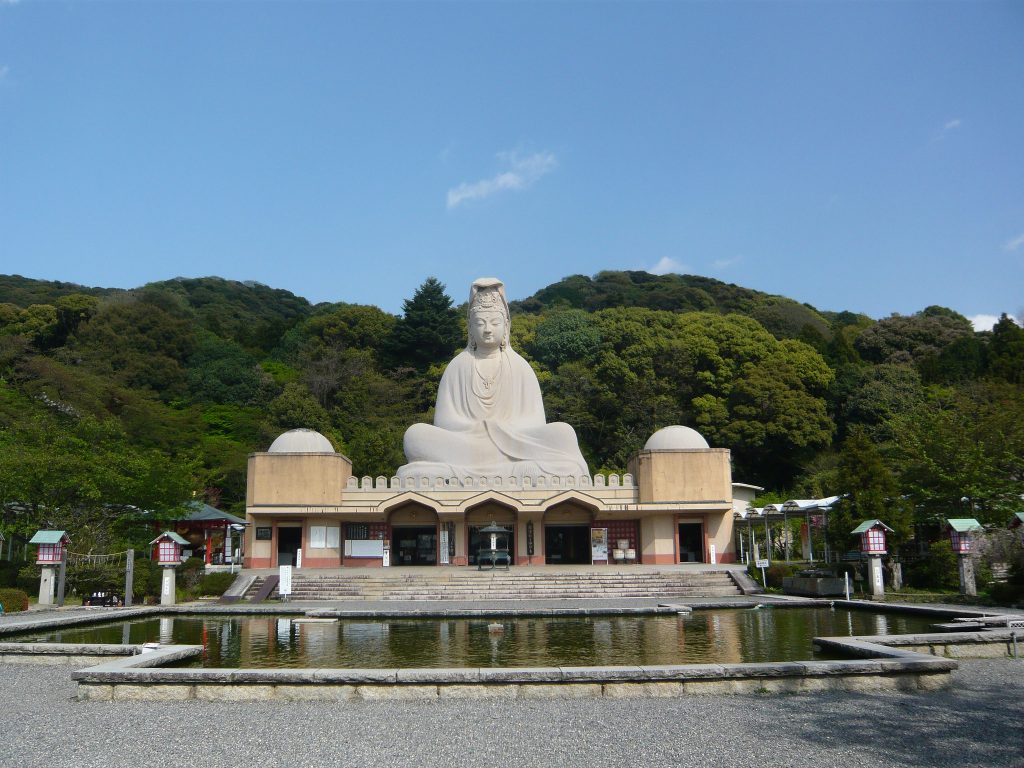
Ryozen Kannon stands out immediately because of its massive white statue—a 24-meter concrete figure of Kannon built after World War II to honor fallen soldiers. The statue isn’t traditional in the way other Gion temples are, but it represents an important aspect of how religious spaces respond to contemporary needs.
The temple grounds include a memorial hall with thousands of names and photographs of war dead. It’s sobering and worth visiting not because it’s beautiful in conventional ways, but because it reminds you that temples aren’t just historical artifacts—they continue to serve living communities dealing with real grief and loss.
Nene-no-Michi pathway connects spiritual spaces
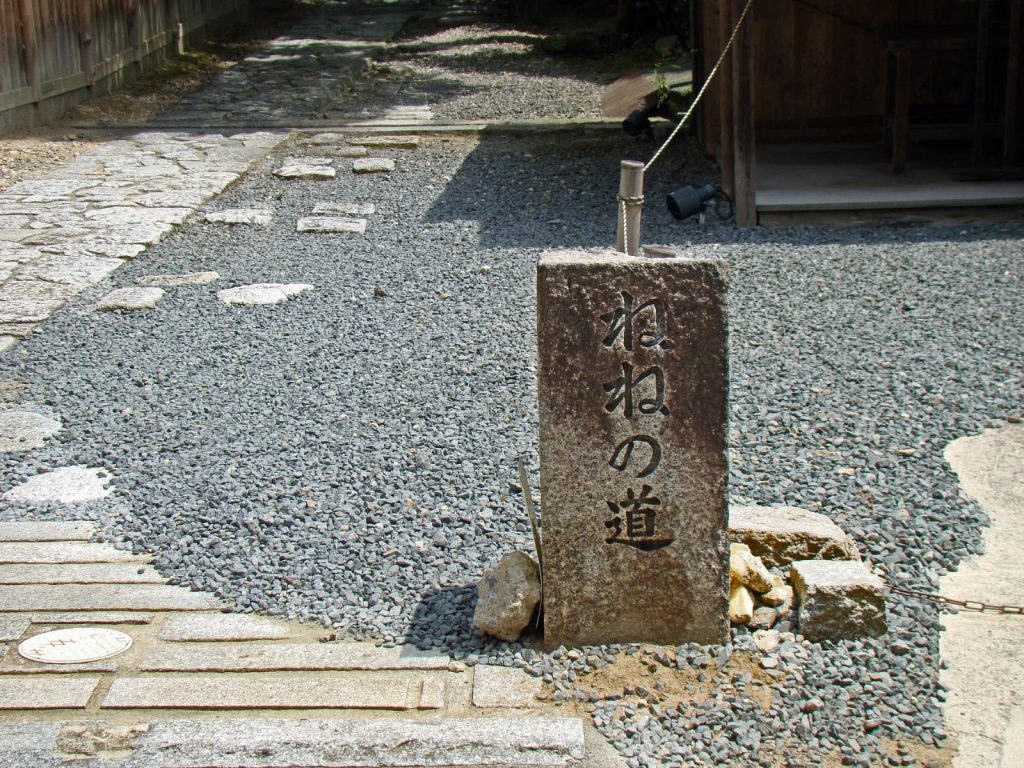
This walking path between Kodai-ji and other temples creates a sacred corridor through Gion. Named after Nene (the widow who founded Kodai-ji), the path follows the hillside with stone pavement and traditional streetlamps.
Small shrines and jizo statues dot the route, each with its own story. Walking this path at dawn or dusk gives you a sense of how pilgrims once moved through Kyoto, connecting different spiritual sites in a day-long journey.
The modern city intrudes less here, and you can imagine the area as it was centuries ago when these temples formed a connected religious landscape rather than isolated tourist attractions.
Ishibei-koji alley preserves the old pilgrimage route
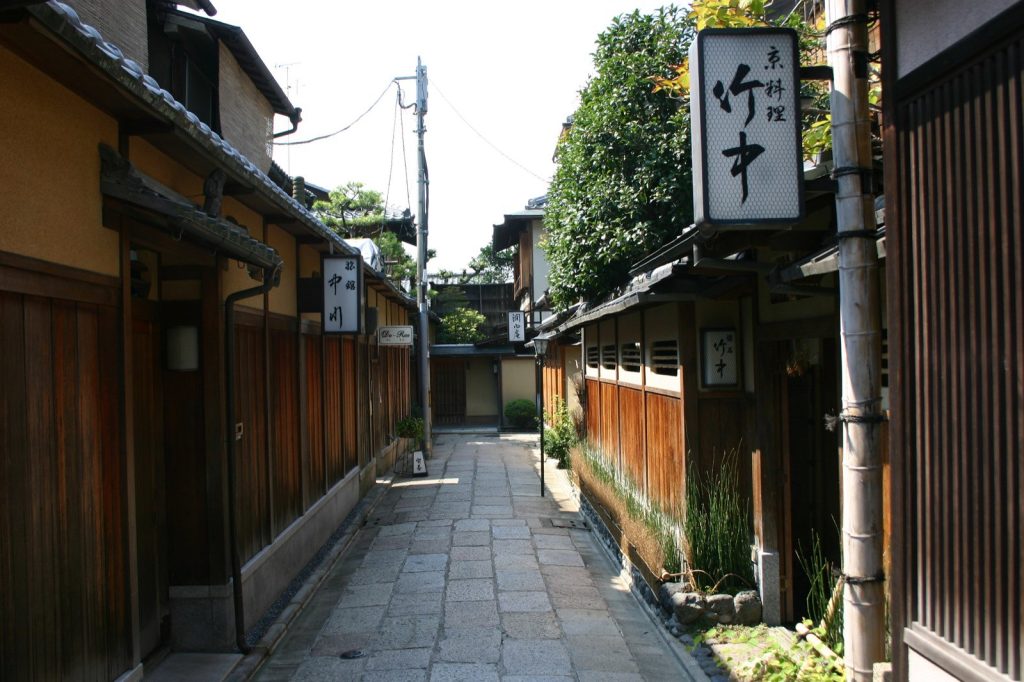
This narrow lane near Kennin-ji preserves the atmosphere of old Kyoto better than almost anywhere else in Gion. The stone-paved alley runs between traditional wooden buildings, and temple bells echo along its length from nearby worship sites.
It’s not technically a temple itself, but it functions as a transitional sacred space. Tea houses and small restaurants line the alley, many of them maintaining the same aesthetic that temples prize—simplicity, natural materials, and attention to how space and light interact.
Walking this alley helps you understand how Gion’s secular and sacred spaces have always existed together, each influencing the other’s character.
Gion Corner temples demonstrate living traditions
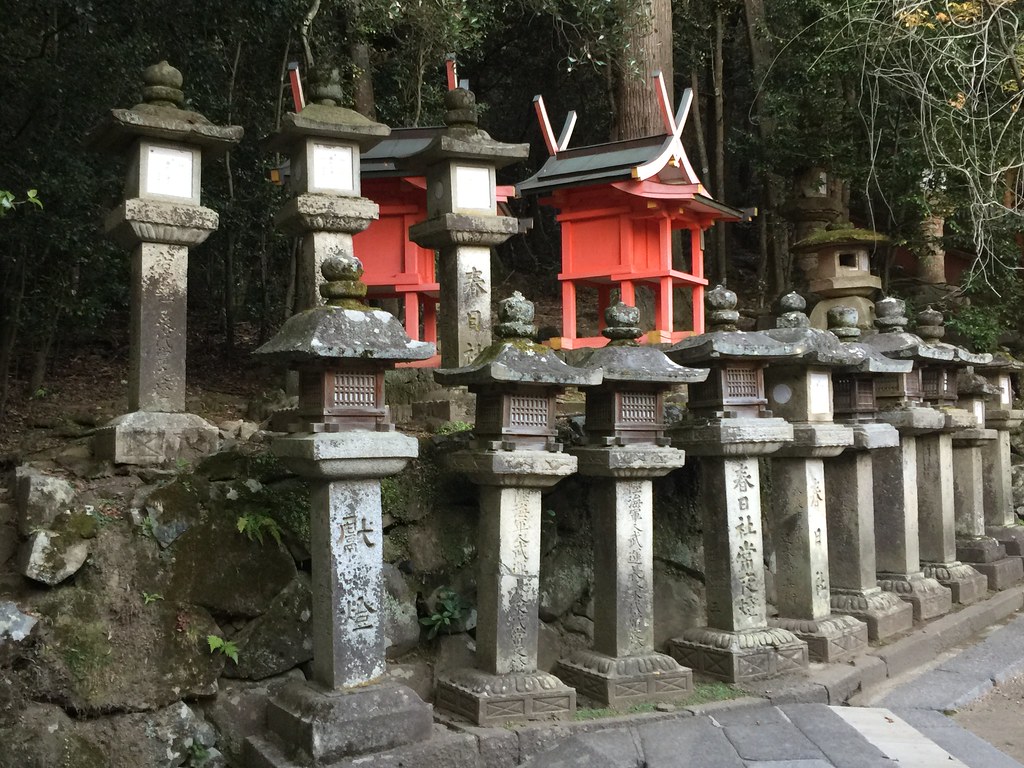
Several temples near Gion Corner continue to host active religious communities, not just tourists. You’ll see monks in residence, local families coming to pray, and religious ceremonies happening regardless of visitor schedules.
These temples remind you that Gion isn’t a museum—it’s a neighborhood where old practices persist alongside modern life. The smaller temples often lack the famous gardens or historic treasures that draw crowds to major sites.
But they offer something more valuable—a glimpse of how Buddhism continues to function in contemporary Japan. You might encounter sutra chanting, see offerings being made, or simply observe how neighborhood residents interact with their local temple as a natural part of daily life.
Anekoji street temples serve neighborhood needs
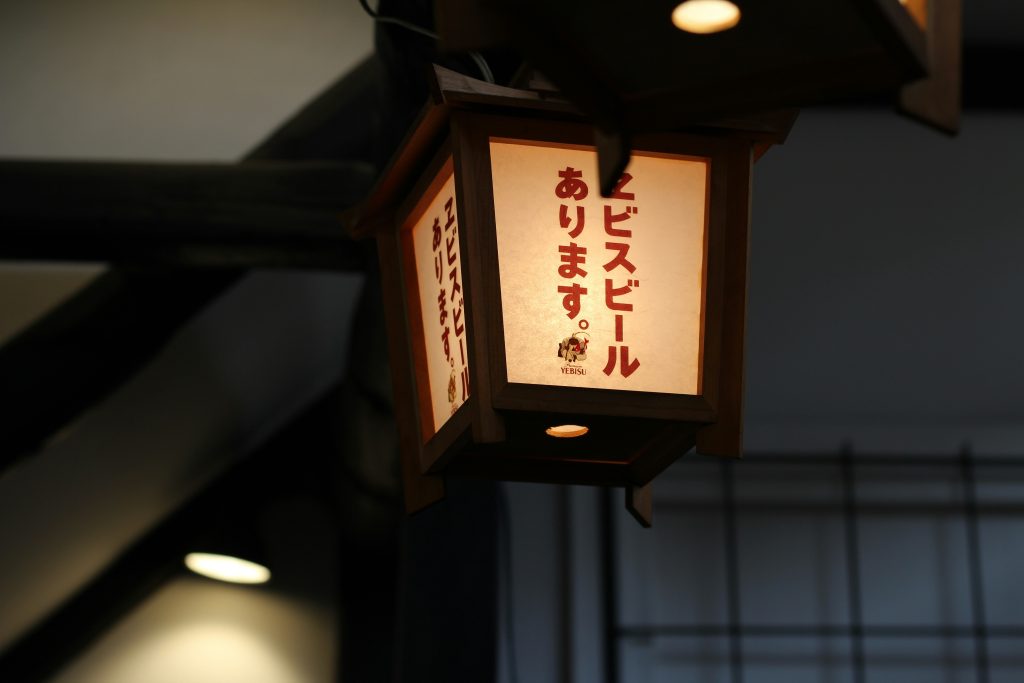
Anekoji street runs through Gion with several small temples serving local residents. These aren’t on tourist maps, and you won’t find them featured in guidebooks.
But they represent the foundation of Kyoto’s religious landscape—the small neighborhood temples that provide services from funerals to festivals for the people who actually live here. These temples might have a single small hall, a modest garden, and a resident priest who knows every family in the surrounding blocks.
They lack the grandeur of places like Chion-in but possess an authenticity that larger sites can’t replicate. If you’re respectful and quiet, you can usually peek inside or walk the grounds, experiencing temples as they function for locals rather than visitors.
Where spirituality meets entertainment
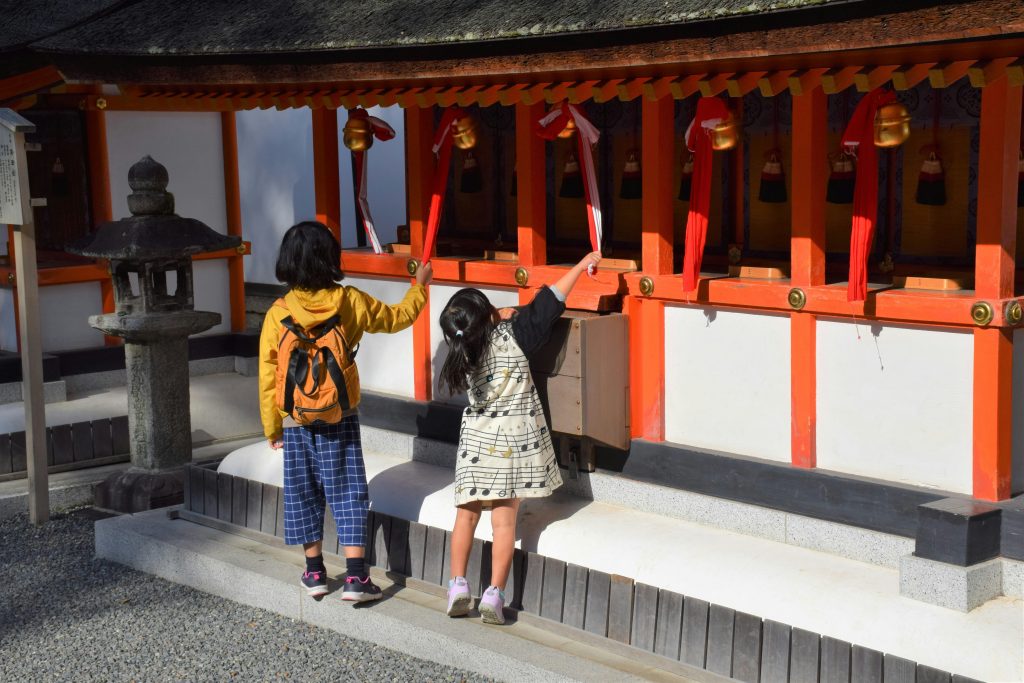
Gion’s temples clash with its nightlife vibe – yet that mix makes it stand out. Not quiet hilltop spots where monks sit still. City shrines where grilled meat smoke sneaks over stone walls, the creaky floor sings battle hymns while bar tunes blast next door, also geiko dart through gateways rushing to nightly gigs.
That mix starts making sense once you recall how temple zones and fun spots have stood side by side in Japan for ages. Not despite one another – rather, they grew from similar roots.
As evening comes and lamps glow near altars and tea rooms alike, moving through Gion lets you see it clearly – the holy and everyday don’t clash; they shaped each other. These places didn’t just share roads or past events – they ended up sharing something deeper.
More from Travel Pug

- Underrated Italian Towns That Beat the Tourist Crowds
- Las Vegas Tourist Traps to Skip
- Prettiest Towns in Every US State
- 18 passport-free countries for Americans
- Signs Your Cruise Is Not Worth The Cost
Like Travel Pug’s content? Follow us on MSN.