

Travel costs have gotten ridiculous. Popular destinations charge premium prices simply because everyone wants to visit them, creating a feedback loop where crowds drive up costs which paradoxically attract more crowds who want to see what justifies those prices.
But here’s the thing—plenty of places offer similar experiences without the inflated budgets or Instagram hordes. These ‘destination dupes’ deliver comparable landscapes, architecture, food scenes, and cultural experiences at fractions of the cost.
We’re not talking about settling for less or visiting inferior knockoffs. These alternatives often feel more authentic since mass tourism hasn’t completely reshaped them yet.
Your money stretches further, locals actually seem happy to see tourists, and you’re not fighting through selfie sticks to photograph the same overexposed landmarks everyone else has already posted. Here is a list of 15 best destination dupes for expensive spots.
Albania replaces Greece
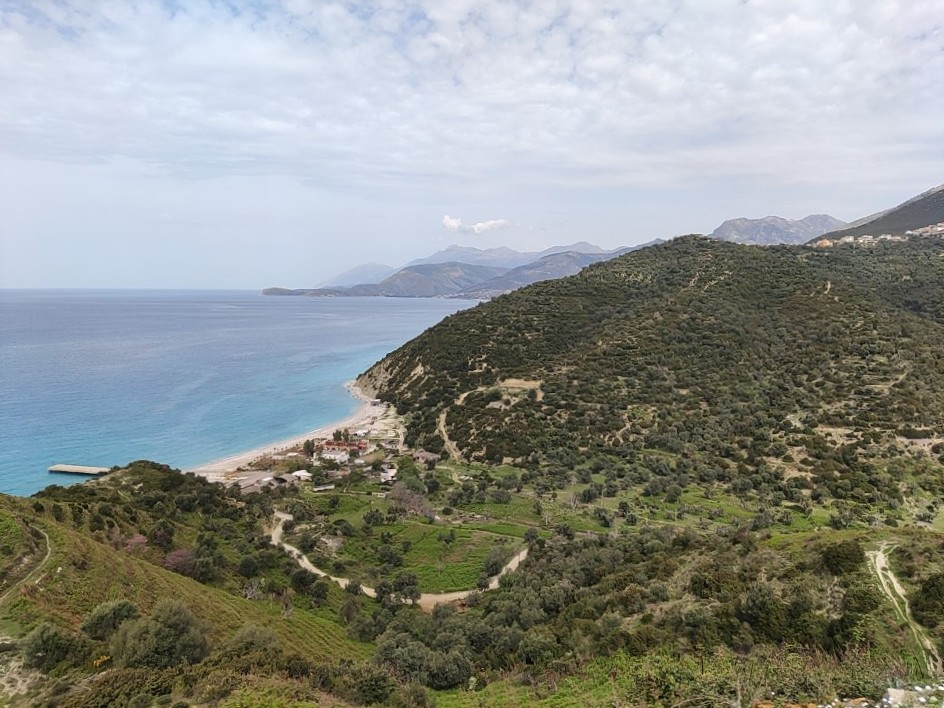
The Albanian Riviera along the Ionian Sea delivers white sand beaches, crystal-clear turquoise water, and fresh seafood at prices that make Greek coastal towns seem like highway robbery. Towns like Vlorë, Himara, and Ksamil offer the same Mediterranean climate without the crowds crushing Santorini and Mykonos.
International visitors to Albania increased 50 percent between 2019 and 2023, yet it remains significantly cheaper than its Greek neighbor—hotels, meals, and activities all cost substantially less. The Albanian coastline features secluded coves accessible only by boat, Ottoman-era architecture mixed with communist-era bunkers, and nightlife that doesn’t require a second mortgage.
Bucharest stands in for Paris
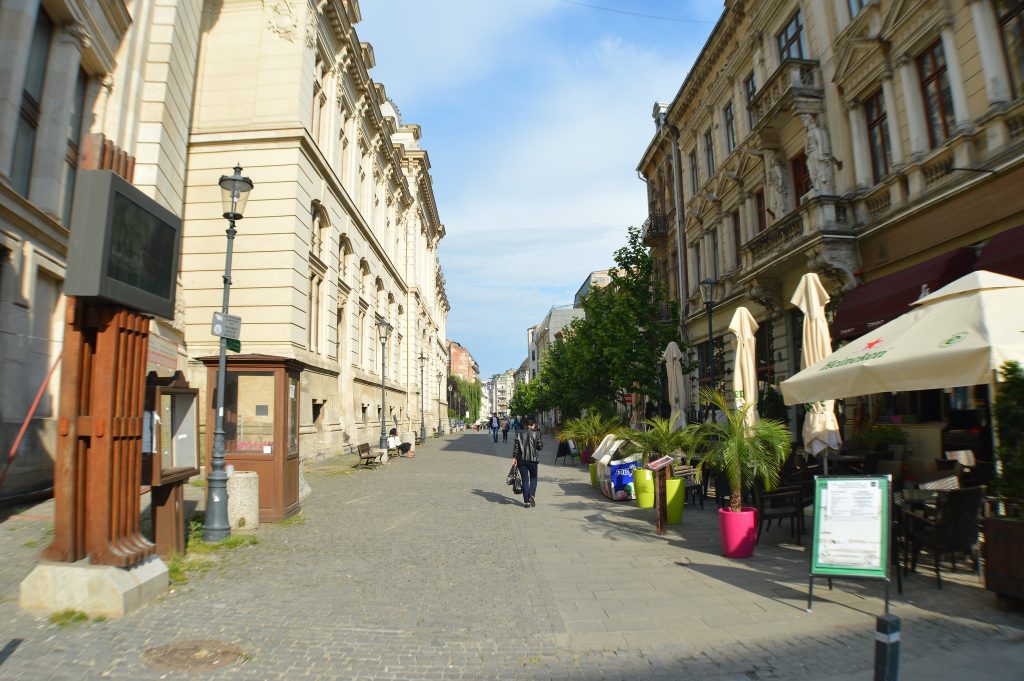
Paris ranks as the seventh most expensive city globally, where romance comes with steep restaurant bills and hotel rates that cause actual pain. Bucharest offers flamboyant architecture including the massive 1,100-room Palace of Parliament, trendy cafés, tree-lined boulevards, and a growing food scene—all at prices that won’t destroy your savings.
The Romanian capital features art nouveau buildings, communist-era brutalist structures, and a nightlife scene that stays open later and costs way less than Parisian equivalents. A midrange hotel in Bucharest runs under $100 nightly compared to Paris hotels easily hitting $300+ for comparable quality.
Ljubljana beats Switzerland
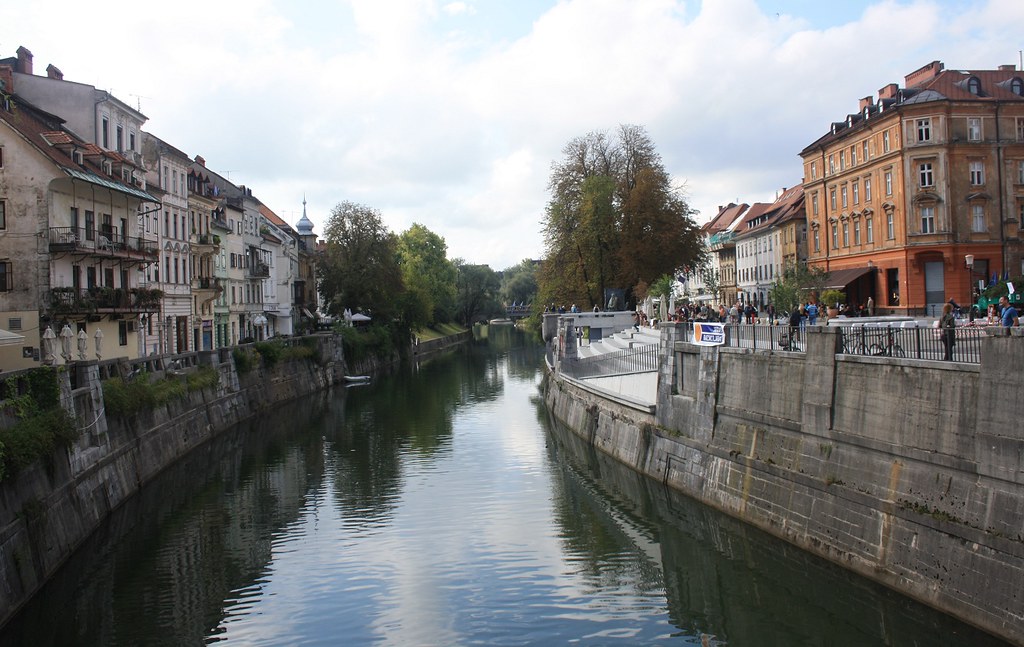
Slovenia’s compact capital offers riverside charm, pastel-colored baroque architecture, a car-free old town, and café culture reminiscent of Amsterdam or Geneva without those cities’ crushing costs. Ljubljana sits nestled in the Julian Alps with easy access to Lake Bled—a picture-perfect alpine lake with a church on an island that rivals anything Lake Como or Swiss lakes offer.
Budget hotels in Ljubljana stay under $100 nightly while Swiss equivalents start around $250. The entire country feels like a concentrated dose of alpine beauty, medieval towns, and Adriatic coastline compressed into a space you can actually afford to explore.
The Philippines channels Japan
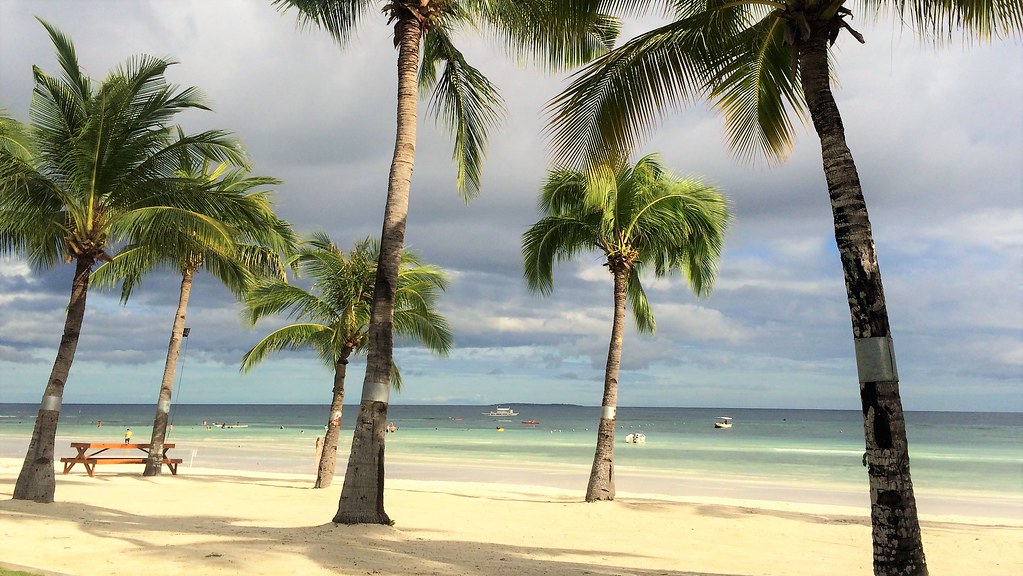
The Philippine archipelago provides East Asian cultural experiences, stunning beaches, vibrant festivals, and rich heritage at a fraction of Japanese costs. Crystal-clear waters, lush tropical landscapes, and warm Filipino hospitality create an accessible introduction to Southeast Asian island life.
While Japan captivates with its blend of tradition and modernity, the Philippines delivers similar contrasts between ancient traditions and contemporary urban centers without Tokyo or Kyoto price tags. Island-hopping through places like Palawan or the Visayas costs significantly less than navigating Japan, with accommodation and food prices notably lower across the board.
Porto substitutes for Barcelona
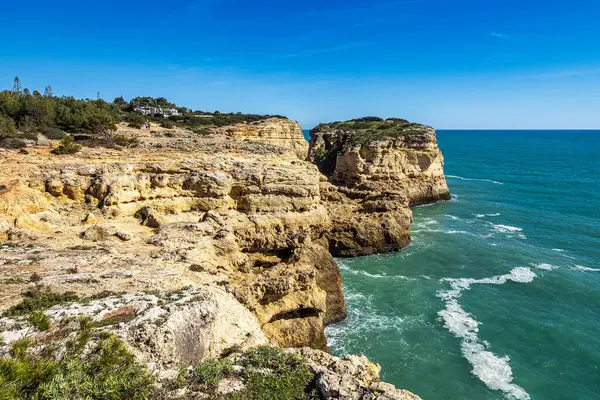
Portugal’s second city offers historic architecture, vibrant culture, delectable cuisine, and a more laid-back atmosphere than Barcelona—plus significantly lower prices. The Douro River winds through Porto’s UNESCO-listed center where azulejo tiles decorate buildings, port wine cellars line the waterfront, and seafood restaurants serve fresh catches without tourist markup.
Porto provides similar weather, coastal access, and old-world European charm that Barcelona delivers, just with fewer crowds and better value. Meals in Porto cost roughly 30% less than Barcelona equivalents, and accommodation follows similar savings patterns.
Budapest rivals Vienna
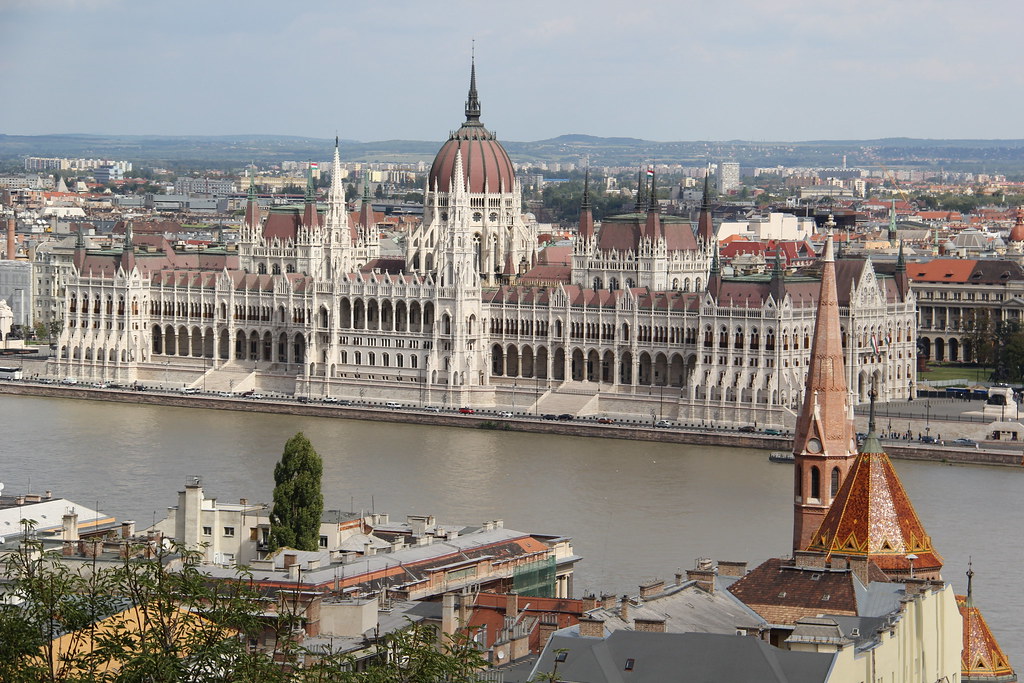
Hungary’s capital matches Vienna’s architectural diversity—art nouveau, baroque, brutalist—while costing substantially less for hotels, meals, and activities. The Danube splits Budapest into Buda’s hills and Pest’s flat urban sprawl, connected by iconic bridges and anchored by massive parliament buildings rivaling anything Western Europe offers.
Thermal baths heated by natural springs provide experiences unique to Budapest, and the ruin bar scene in the Jewish Quarter creates nightlife you won’t find in more expensive capitals. A comfortable Budapest visit runs about half what Vienna costs for comparable experiences.
Paros eclipses Santorini
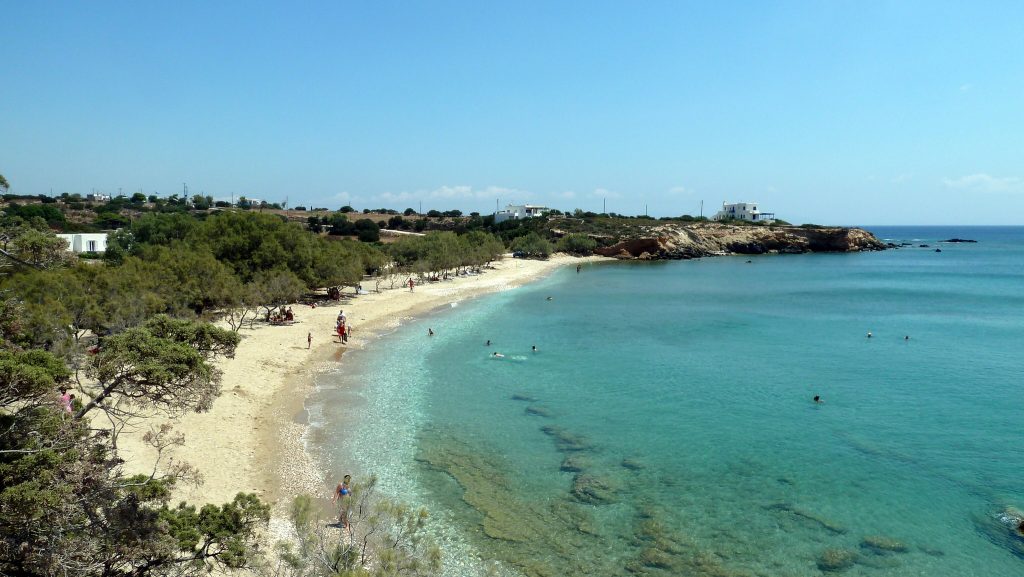
This Cycladic island delivers whitewashed villages, turquoise Aegean waters, golden beaches, and that classic Greek island atmosphere without Santorini’s tourist crush or inflated prices. Naoussa’s charming harbor town features waterfront tavernas serving grilled octopus and fresh fish, while Kolymbithres Beach provides Instagram-worthy rock formations.
Paros accommodation costs run 15% to 20% lower than Santorini, and restaurants charge prices that don’t feel predatory. The island sits close enough to visit overcrowded neighbors as day trips while maintaining a more authentic local feel.
Taipei challenges Seoul
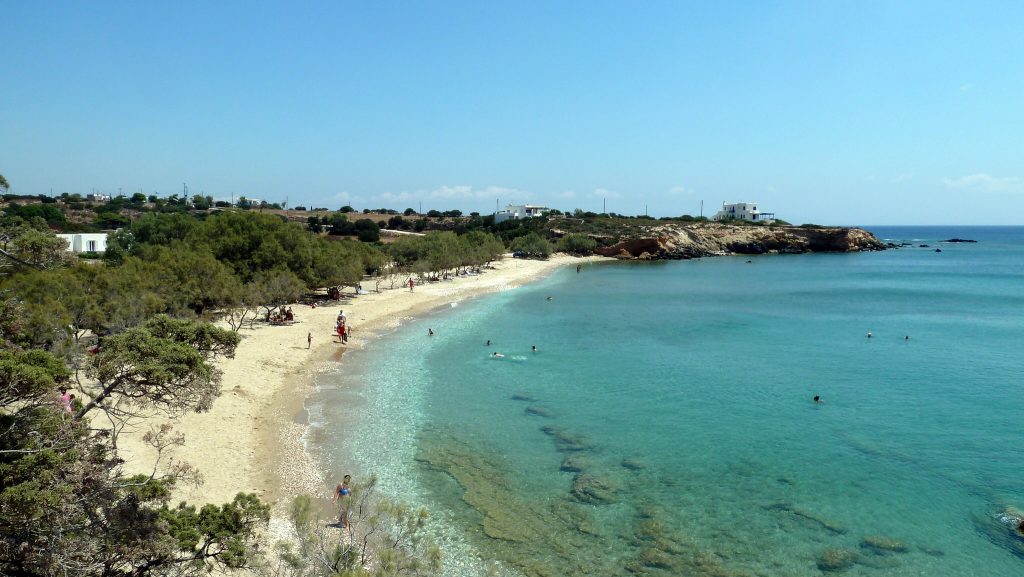
Taiwan’s capital offers night markets, temples, hot springs, mountain hikes accessible by metro, and a food scene that rivals Seoul’s sophistication at notably lower prices. Taipei 101 provides skyline views, nearby Yangmingshan National Park offers volcanic landscapes, and the city’s efficient MRT system makes everything accessible.
While South Korea captivates with K-pop culture and technological advancement, Taipei delivers similar urban energy mixed with traditional Chinese culture and Japanese colonial influences. Accommodation and dining in Taipei cost roughly 20 to 30 percent less than Seoul equivalents.
Quebec City mimics Geneva
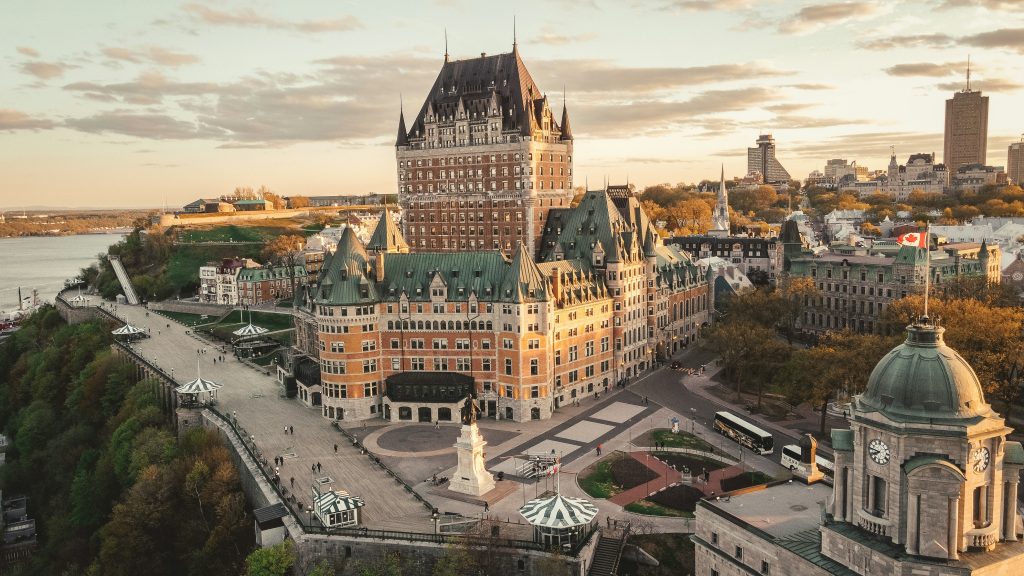
This French-Canadian city boasts a striking waterfront, well-preserved Old Town featuring European architecture, and multilingual culture without Swiss price tags. Chateau Frontenac dominates the skyline like a Disney castle, cobblestone streets wind through the historic quarter, and Montmorency Falls provides natural spectacle just outside the city.
Quebec City delivers that European feel without requiring international flights, passport hassles, or Geneva’s notoriously expensive hotels and restaurants. Everything from hotels to meals costs significantly less while maintaining similar aesthetic appeal and cultural richness.
Liverpool outshines London
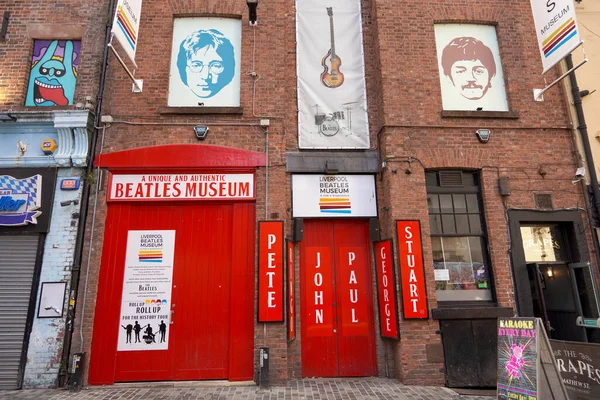
England’s northern city experienced a 97 percent popularity increase while offering cultural attractions including The Cavern Club, birthplace of the Beatles, Anfield Stadium, Albert Dock museums, and galleries—all without London’s expense. Liverpool hosts more museums and galleries than any UK city outside London, yet hotel rates and meal prices stay remarkably lower.
The waterfront UNESCO World Heritage site, Georgian architecture, and thriving music scene create legitimate reasons to visit beyond just saving money compared to the capital. A Liverpool weekend costs roughly half what similar London experiences run.
Palermo echoes Lisbon
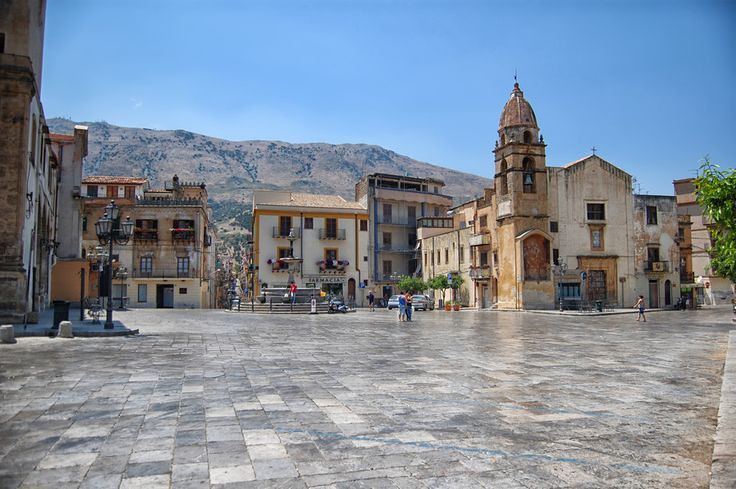
Sicily’s capital offers Moorish castles, Mediterranean climate, fresh seafood, cotton-candy sunsets, and that faded grandeur Lisbon exudes—minus the crowds and tourist inflation hitting the Portuguese capital. Palermo’s street markets like Ballarò sell produce, seafood, and street food at authentic prices, while baroque churches and Norman palaces showcase centuries of varied architectural influences.
The city maintains grittier, more authentic energy than polished tourist destinations, and your euro stretches further for hotels, meals, and local transportation.
Azores replace Hawaii
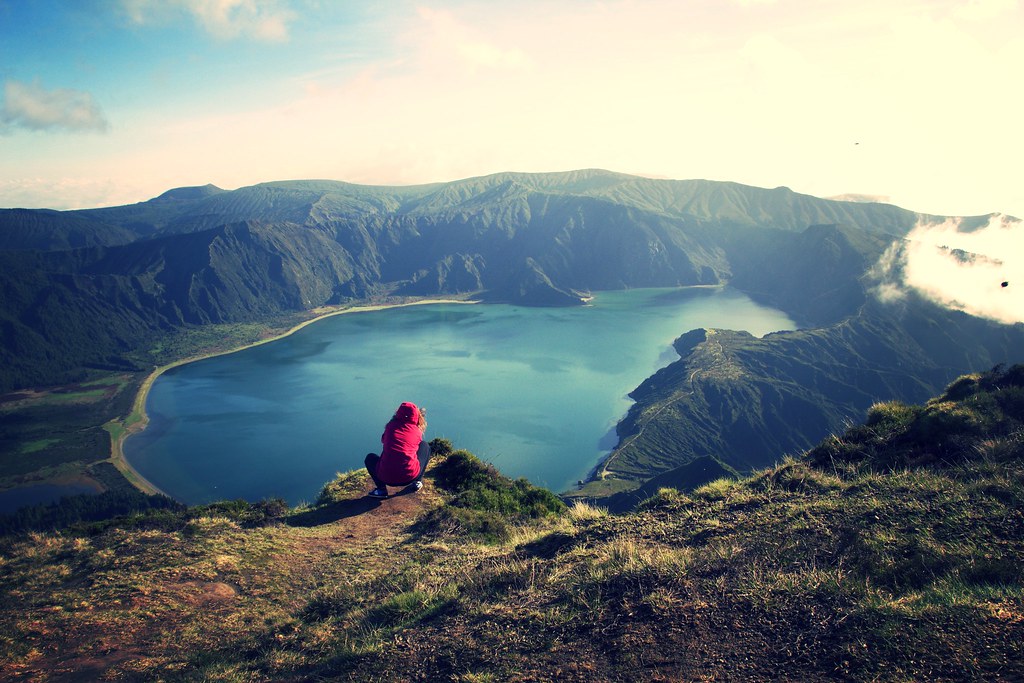
These Portuguese volcanic islands in the mid-Atlantic deliver lush green landscapes, volcanic beaches, whale watching, and dramatic coastal scenery at prices below Hawaiian equivalents. While flights to the Azores may cost similar to Hawaii from the mainland US, accommodation and general expenses run notably cheaper once you arrive.
São Miguel features crater lakes, hot springs, tea plantations, and black sand beaches providing that volcanic island experience without Maui or Kauai price tags. The islands receive fewer tourists, maintaining more authentic Portuguese island culture.
Poland beats Germany
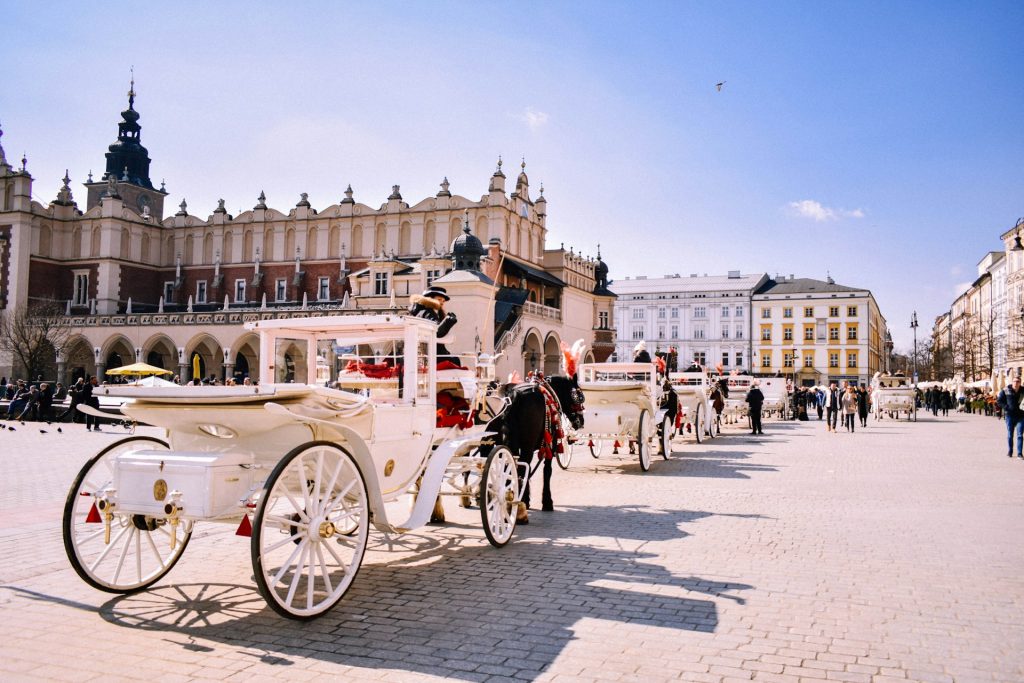
Cities like Kraków and Wrocław offer historic architecture, vibrant culture, medieval old towns, and excellent beer at fractions of Munich or Berlin costs. Poland’s preserved town squares, castle museums, and WWII history provide substantial cultural experiences.
Kraków’s main square rivals any European city center for beauty, while prices for accommodation and dining stay remarkably affordable compared to Western European equivalents. The country offers warm hospitality, increasingly sophisticated food scenes, and enough historical sites to satisfy any history enthusiast—all on a budget that Western Europe abandoned years ago.
Bacalar challenges Maldives
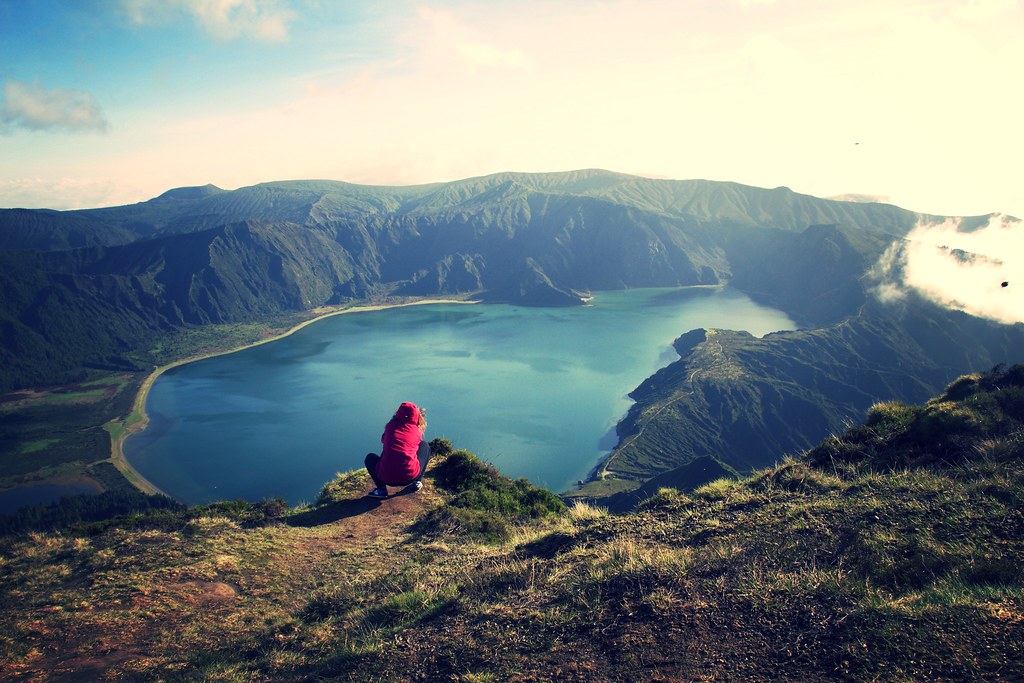
Mexico’s ‘Lagoon of Seven Colors’ features turquoise waters, overwater accommodations, and tropical paradise vibes accessible from Tulum at a tiny fraction of Maldivian resort costs. The lagoon’s mineral-rich waters create stunning color variations from pale turquoise to deep blue, with cenotes providing swimming opportunities in crystal-clear freshwater.
While Bacalar doesn’t match the Maldives’ pure luxury or isolation, it delivers similar visual appeal and water-based activities at prices regular people can actually afford. Flights to Mexico cost significantly less than reaching the Indian Ocean, and everything from hotels to meals maintains budget-friendly rates.
Montenegro rivals Croatia
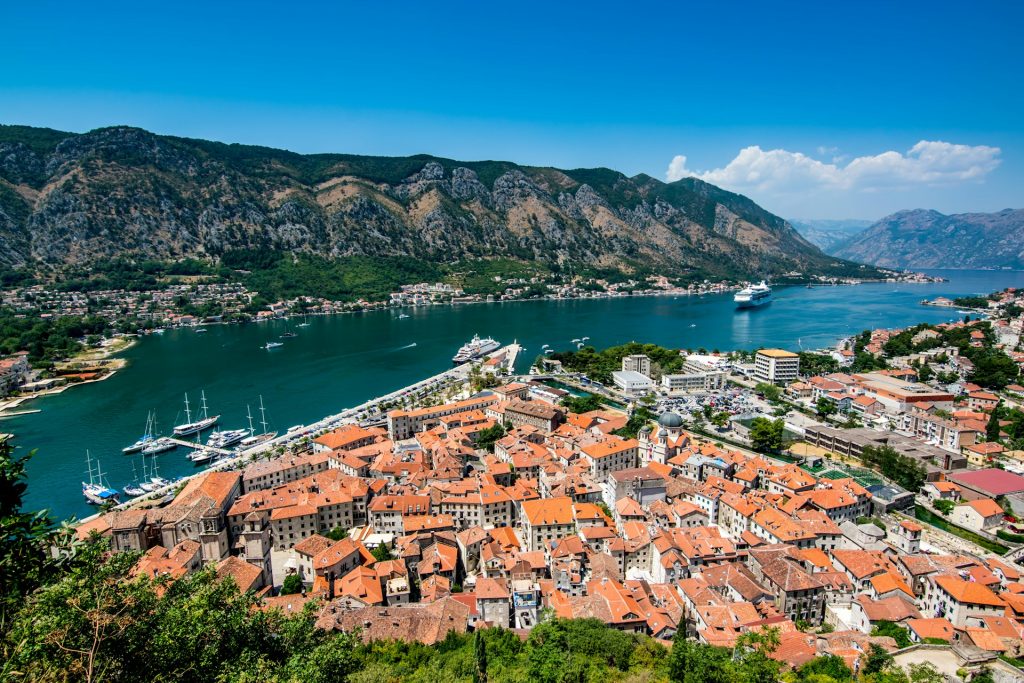
This small Balkan nation offers Adriatic coastline, medieval towns like Kotor and Budva, dramatic mountains meeting the sea, and Mediterranean climate without Croatian tourist crowds or prices. The Bay of Kotor resembles Norwegian fjords transplanted to the Mediterranean, while beaches along the coast provide swimming and sunbathing opportunities.
Montenegro’s tourism infrastructure continues developing, meaning prices stay lower than neighboring Croatia, which has seen costs rise as popularity exploded. Accommodation, dining, and activities all cost notably less while delivering comparable Adriatic coastal experiences.
The dupe movement grows

Destination dupes emerged from practical necessity as overtourism degraded experiences at popular spots while driving prices beyond reasonable levels. Santorini became so crowded the Greek government considered visitor caps.
Barcelona residents protested tourists overwhelming their city. Venice charges entry fees trying to limit damage from millions of annual visitors. These alternatives distribute tourism’s economic benefits more evenly while reducing environmental impacts concentrated at mega-popular destinations.
Younger travelers especially prioritize discovering new places over checking off famous landmarks, with surveys showing 68 percent of Gen Z prefer finding destinations where they can discover something new rather than visiting overcrowded icons. The trend promotes more sustainable travel patterns, supports emerging tourism economies, and often delivers more authentic cultural encounters since these places haven’t been completely reshaped by mass tourism yet.
Your money goes further, you’re not fighting crowds for basic experiences, and locals haven’t developed that jaded hostility toward tourists that plagues overtouristed hotspots. Win-win-win.
More from Travel Pug

- Underrated Italian Towns That Beat the Tourist Crowds
- Las Vegas Tourist Traps to Skip
- Prettiest Towns in Every US State
- 18 passport-free countries for Americans
- Signs Your Cruise Is Not Worth The Cost
Like Travel Pug’s content? Follow us on MSN.