

Warsaw and Kraków get all the attention, which makes sense given what they offer. But sticking to just those two means missing out on cities with equally impressive history and way fewer crowds than you’d face in the big names.
Some places survived centuries almost untouched, others rebuilt with serious character after destruction, plenty just never made it into guidebooks despite having everything travelers say they want. You’ll find medieval streets, Renaissance planning, industrial grit, mountain settings across Poland once you venture beyond the usual two-city route everyone follows.
These cities rarely show up on standard itineraries, which honestly works in your favor. Here is a list of 15 underrated cities in Poland.
Toruń
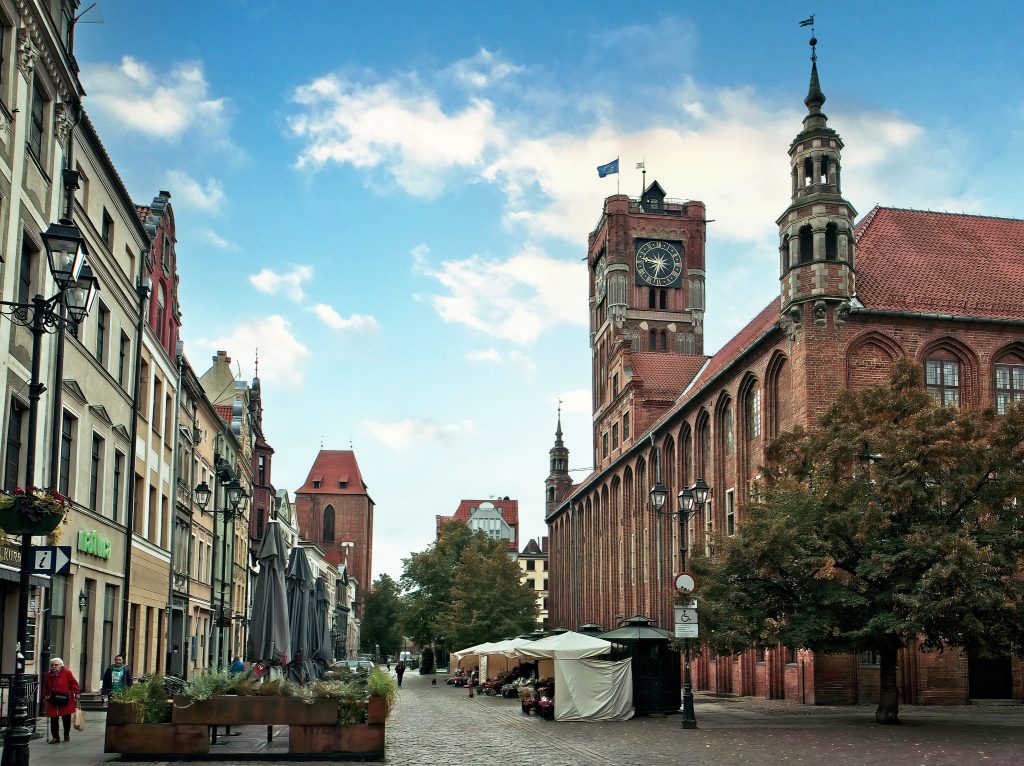
This medieval city survived World War II largely intact, meaning what you’re looking at is genuinely old rather than reconstructed like most Polish cities. UNESCO recognized it back in 1997 for those original Gothic buildings the Teutonic Knights left behind when they founded the place in the 13th century.
Two market squares exist because this used to be two separate medieval towns that eventually merged—walking between them takes maybe five minutes. Red brick architecture dominates everything, streets wind in that confusing medieval pattern that makes navigation impossible, the whole setup feels authentic.
Copernicus was born here, though honestly the architecture matters more than the birthplace plaques scattered around.
Białystok
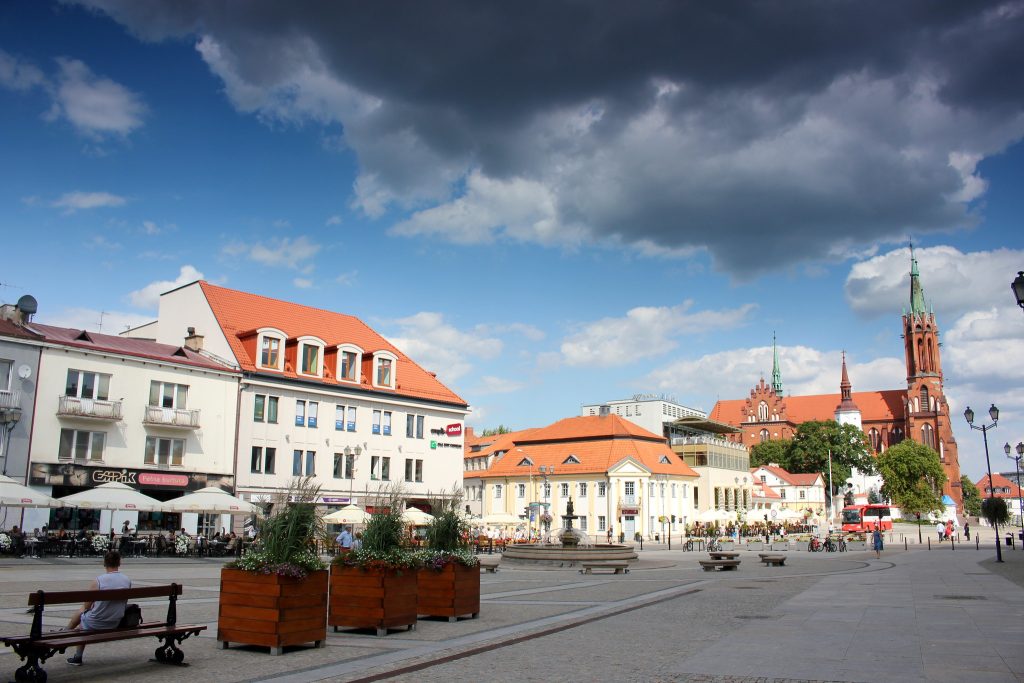
Way up northeast near the Belarus border, this city absorbed cultural influences from every direction over centuries. Polish, Belarusian, Lithuanian, Jewish communities all left their mark in ways you won’t find elsewhere in Poland.
Branicki Palace earns that ‘small Versailles’ nickname—the baroque complex and formal gardens look almost absurdly grand for somewhere this remote from major tourist routes. Massive street art murals cover entire apartment blocks now, giving the city unexpected visual punch you don’t anticipate.
Ludwik Zamenhof invented Esperanto here hoping a universal language might help different groups communicate better, which tells you something about the multicultural complexity defining this place.
Zamość
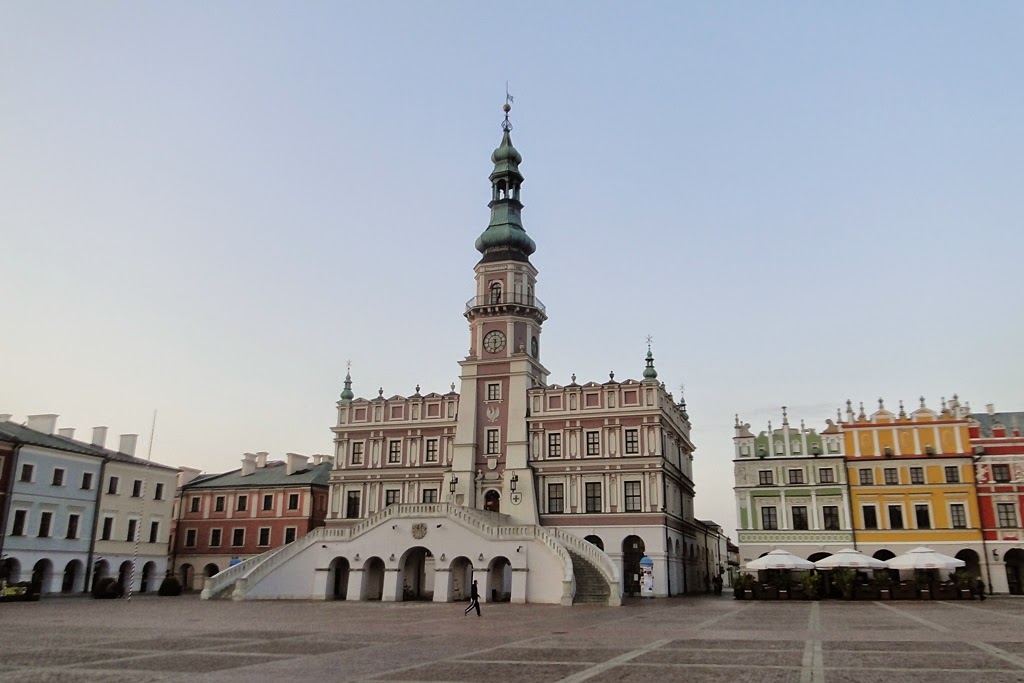
Renaissance city planning taken to an extreme bordering on obsessive. Leon Battista Alberti’s principles guided the entire design, creating this geometrically perfect town where everything aligns with mathematical precision that feels almost unnatural.
The symmetrical layout, uniform building heights, central square organization create an almost eerie sense of order rarely seen in cities that evolved organically.UNESCO listed it because Zamość represents Renaissance urbanism at its purest, executed without compromise.
Walking around feels slightly artificial in the best way possible—like someone built an ideal city and somehow it stayed that way for centuries without the usual chaos.
Szczecin
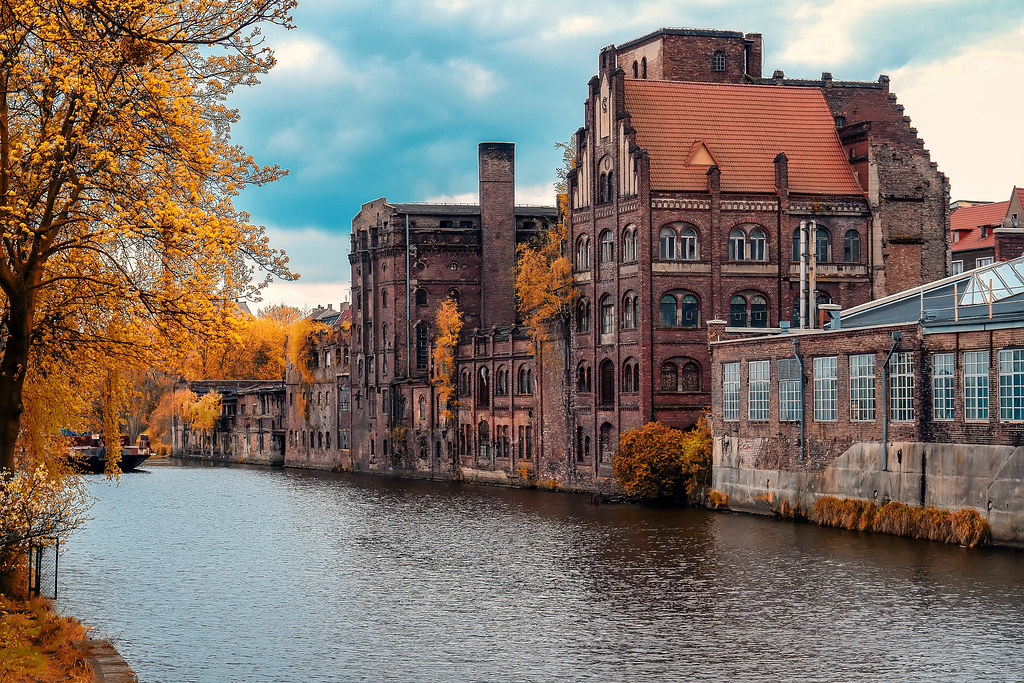
Right on the German border along the Oder River, most people traveling between Berlin and Poland blow straight past Szczecin without even considering stopping. Their mistake, honestly.
The Pomeranian Duke’s Castle and those underground trails beneath the city are worth half a day minimum—centuries-old passages connected important buildings back when this was a major regional power. Kasprowicz Park offers that emerald lake and rose garden combination that’s perfect when you need a break from urban exploration.
The Museum of Technology and Transport plus the Karlowicz Philharmonic Hall add cultural weight beyond standard historical tourism you get in most Polish cities.
Lublin
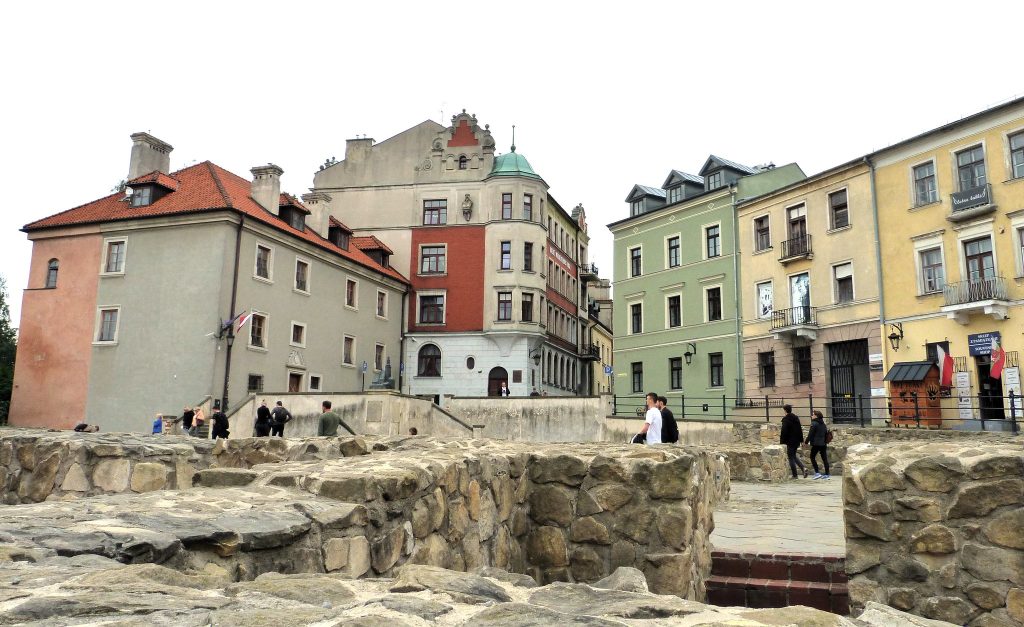
Positioned between Warsaw and Kraków, Lublin gets treated as a place you pass through rather than stop at, which couldn’t be more wrong. The Old Town has that intimate quality without feeling overly precious—Renaissance buildings and colorful facades frame courtyards where you can actually find a coffee table without elbowing through crowds.
Polish-Lithuanian Commonwealth history runs deep here, visible in the architecture and city layout if you know what you’re looking at. What works is how locals still use the old town for normal daily activities rather than it being some preserved tourist zone that empties out after 6 PM like Venice or Dubrovnik.
Wrocław
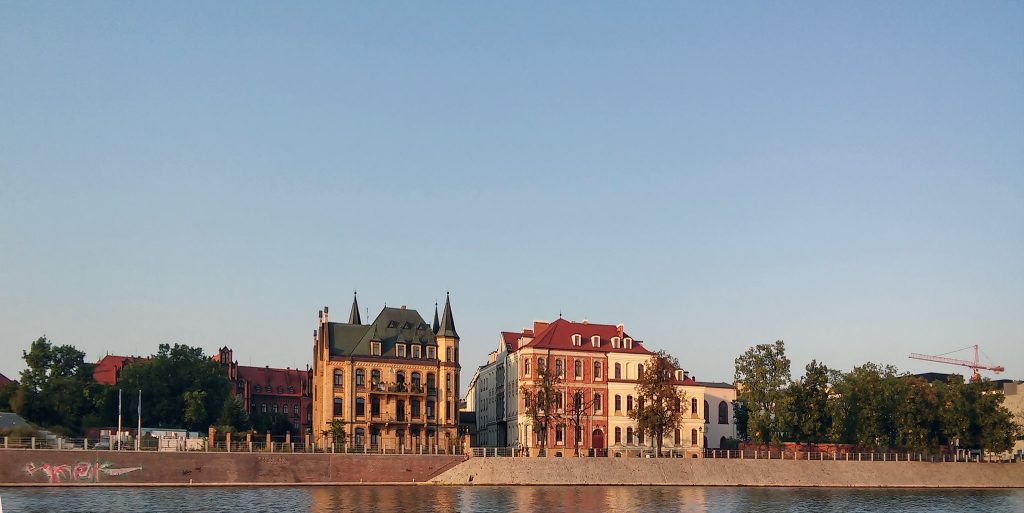
Poland’s fourth-largest city somehow stays off most international radar despite having a market square rivaling Kraków’s and considerably fewer crowds. Those 163 dwarf statues scattered throughout turn exploration into an accidental treasure hunt—tiny bronze figures dressed as everything from photographers to firefighters hiding in unexpected spots.
Cathedral Island still uses gas lamps that get manually lit each evening, creating genuine atmosphere once darkness falls rather than just being a gimmick. The city spreads across islands connected by bridges, giving Wrocław a character completely different from other Polish destinations.
More canals and water than you’d expect this far inland.
Łódź
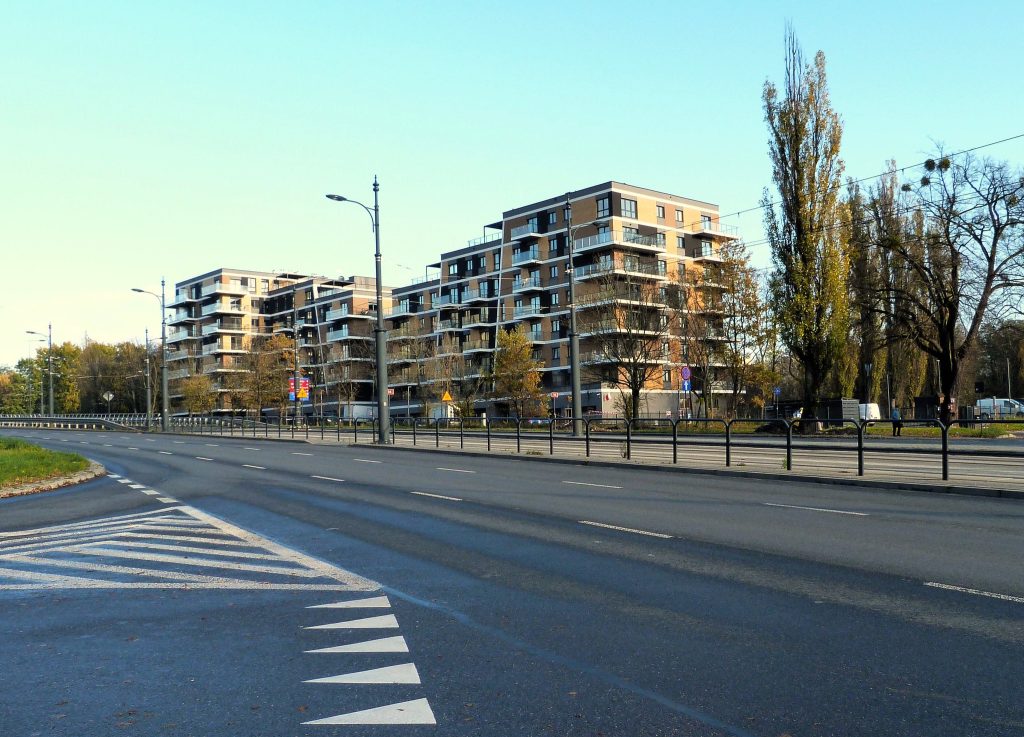
Central Poland’s industrial heavyweight offers zero medieval charm, which becomes its greatest asset after you’ve seen your fifth Gothic church in three days. Textile manufacturing defined this city through the 19th and early 20th centuries, and that legacy shapes everything you see.
Piotrkowska Street runs nearly three miles with worn facades hinting at past glory when this was Poland’s industrial powerhouse. Manufaktura converted factory buildings into cultural and commercial spaces while keeping the industrial bones intact instead of destroying them.
The street art scene exploded as manufacturing declined—now creativity fills gaps left by defunct industry. A refreshing change from cobblestones and castle ruins.
Tarnów
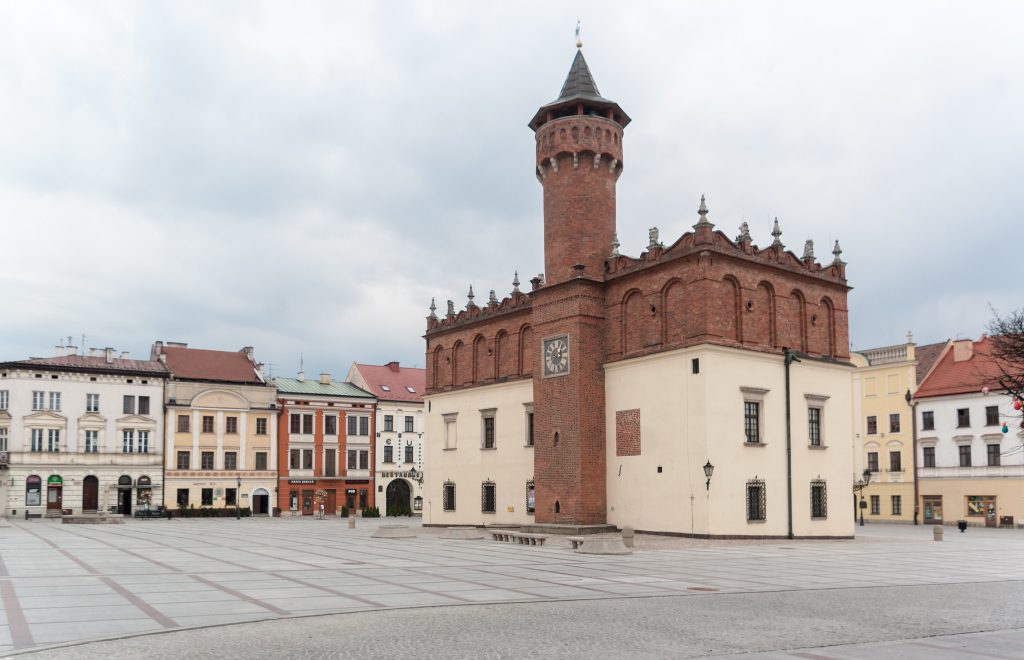
Krakow sits just an hour away by train, yet Tarnów maintains its own distinct vibe despite the proximity, which is impressive. The Renaissance central square and 15th-century Town Hall anchor a walkable old town you can cover in an afternoon without rushing through.
Jewish heritage forms a major part of the city’s identity—a dedicated trail connects the Old Synagogue, cemetery, other significant sites documenting centuries of history. Close enough for an easy day trip from Krakow but different enough to justify going rather than seeing ‘just another Polish old town’ that blends together with everywhere else after a while.
Olsztyn
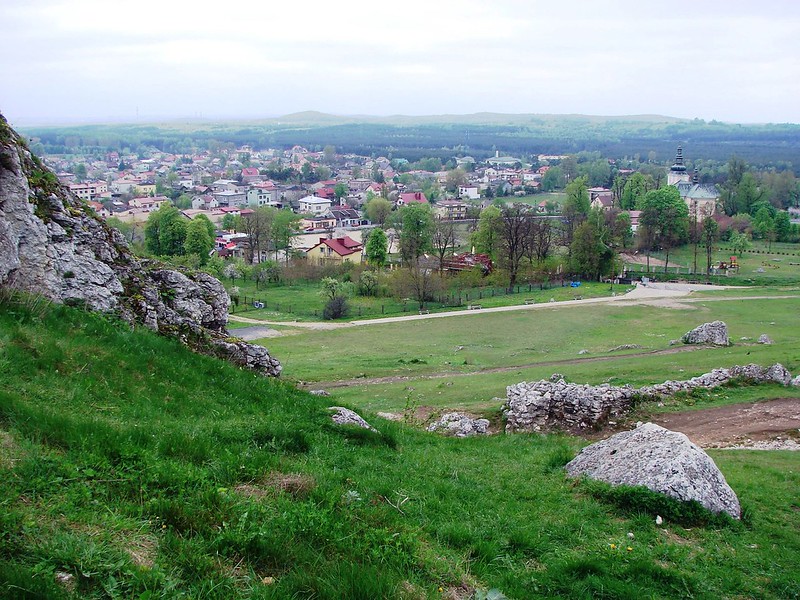
Poland’s lake district centers on Olsztyn, making it perfect when you need nature instead of more cities because honestly after enough historical sites your brain needs a break. Lakes and forests surround the area—fishing, hiking, kayaking, or just sitting by water watching nothing happen works wonders.
The pace drops the moment you arrive. After hitting historical cities back-to-back for a week straight, Olsztyn provides that reset where you remember not everything has to be about architecture and museums and checking things off lists.
Sometimes you just need trees and water and quiet.
Kazimierz Dolny
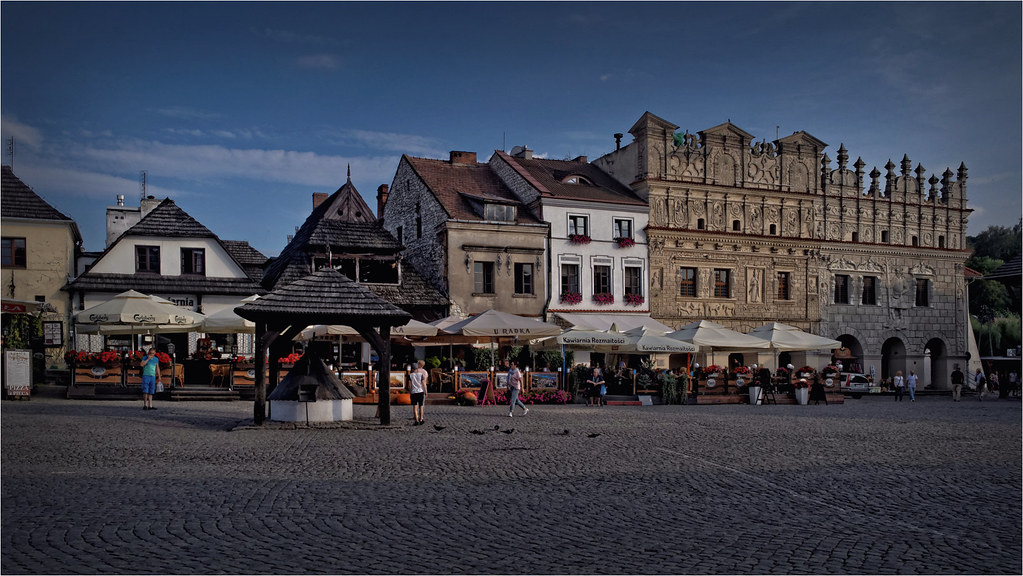
This Vistula River town has drawn artists for generations with scenery looking almost too picturesque to be real. The market square, Renaissance buildings, surrounding countryside create effortless charm without trying too hard or feeling manufactured for tourists.
Galleries and workshops occupy old buildings throughout the center, giving the town authentic creative energy. Kazimierz Dolny works as a proper escape—small enough to see in a day but atmospheric enough that you feel like you’ve genuinely stepped off the tourist circuit into something quieter and more authentic than the big-name destinations everyone hits.
Nowy Sącz
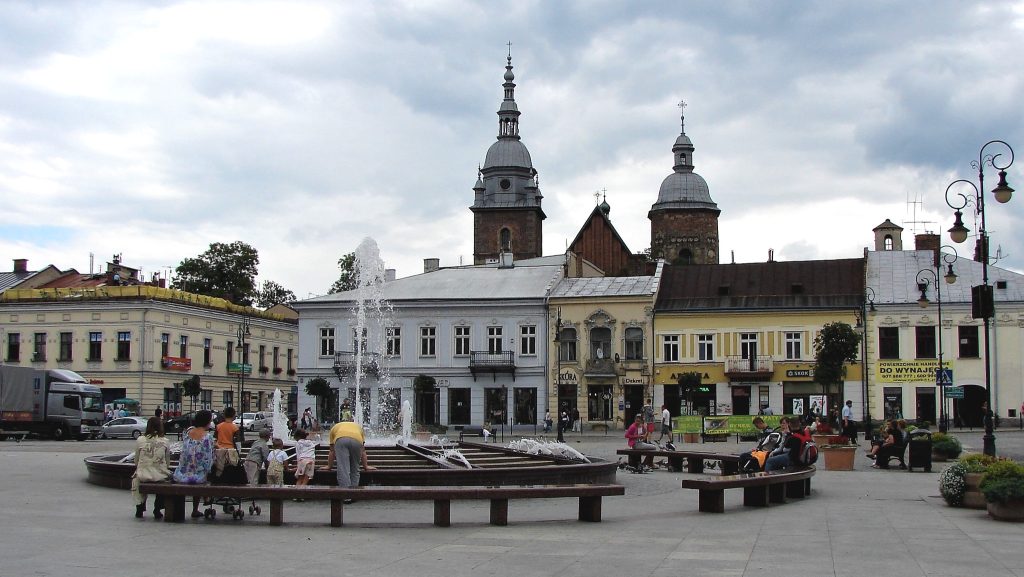
Mountains surround this southeastern city, which has Protestant Reformation history setting it apart from heavily Catholic areas dominating most of Poland. Castle ruins from 1360 sit on a hill outside town—Casimir the Great built them before Swedish armies wrecked everything in the 17th century, but they’re still worth the climb for views.
The market square balances historical sites like the Cathedral of St. Casimir and Gothic House Museum with restaurants serving regional mountain food that’s heavier and more interesting than standard Polish fare you get in tourist areas elsewhere.
Bydgoszcz
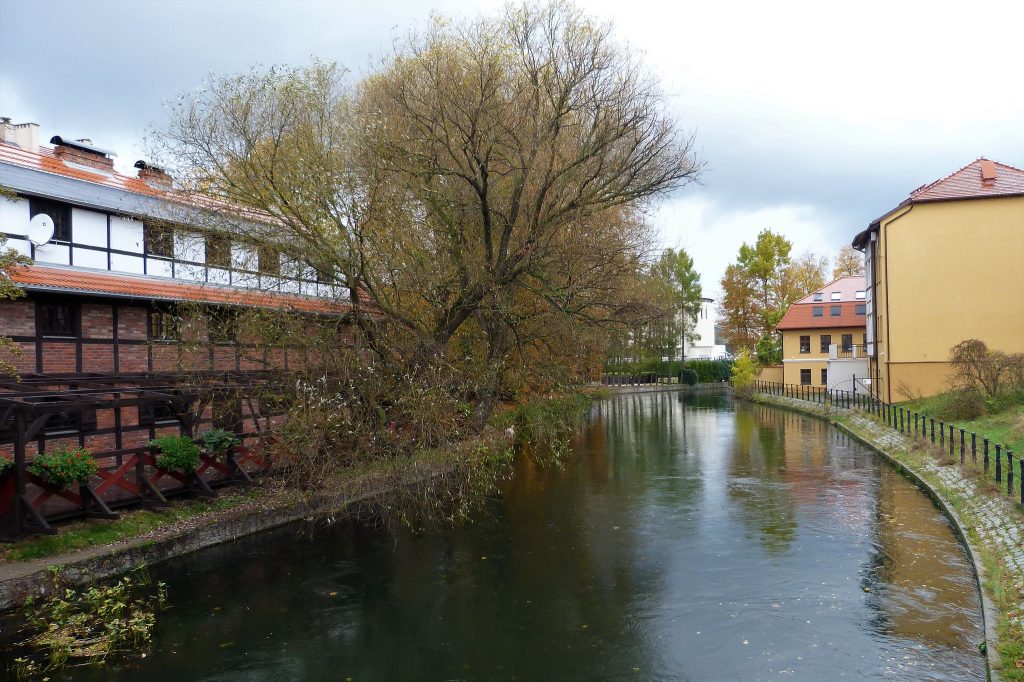
The Brda River cuts Bydgoszcz in half, separating modern commercial districts from the historic quarter in ways defining the city’s appeal. That riverfront creates what makes the city worth visiting—elegant architecture lines the water, creating intimacy busier inland areas lack.
Online reputation doesn’t do Bydgoszcz any favors, probably because people only see industrial outskirts while passing through on trains or highways. Spend actual time along the river and in the old quarter, and considerably more character emerges than critics suggest exists here.
Rzeszów
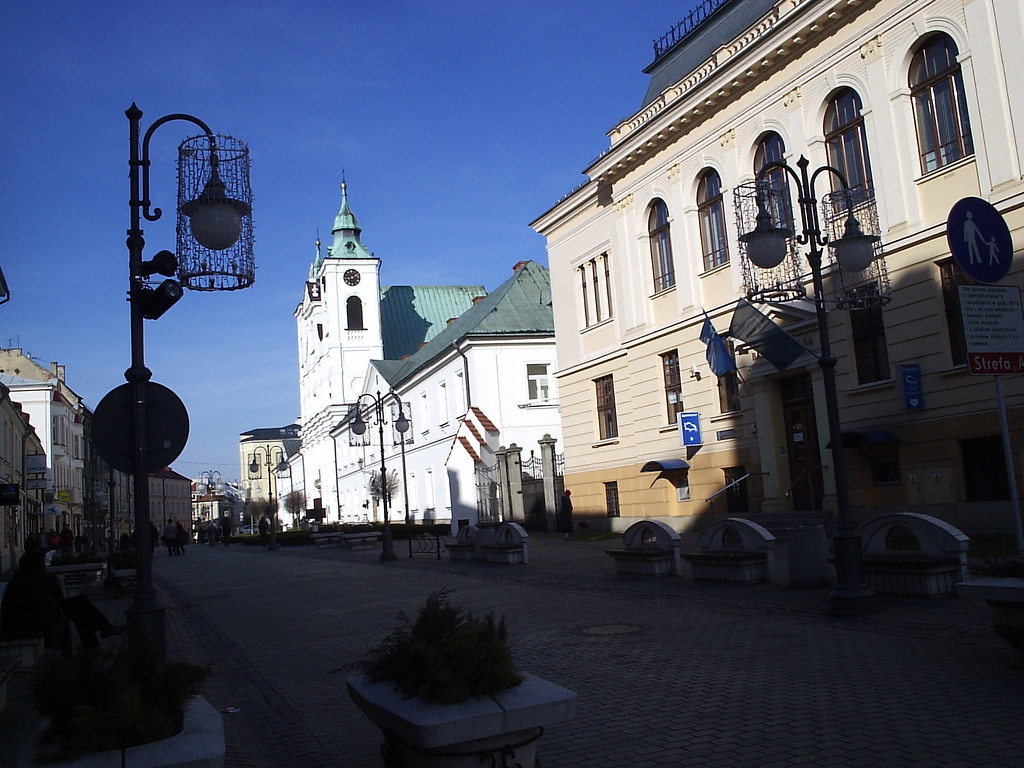
Eastern Poland’s hub combines accessibility with authenticity tourism hasn’t fully transformed yet, which becomes rarer every year. Regular life continues normally instead of everything revolving around visitor money like you see in Krakow or Gdańsk.
The city center has enough historical buildings and cultural sites to fill a day, while surrounding Podkarpackie region offers deeper exploration if time allows. Rzeszów functions well as a base for discovering southeastern Poland’s less-traveled areas without feeling isolated or inconvenient like some remote towns can.
Gliwice
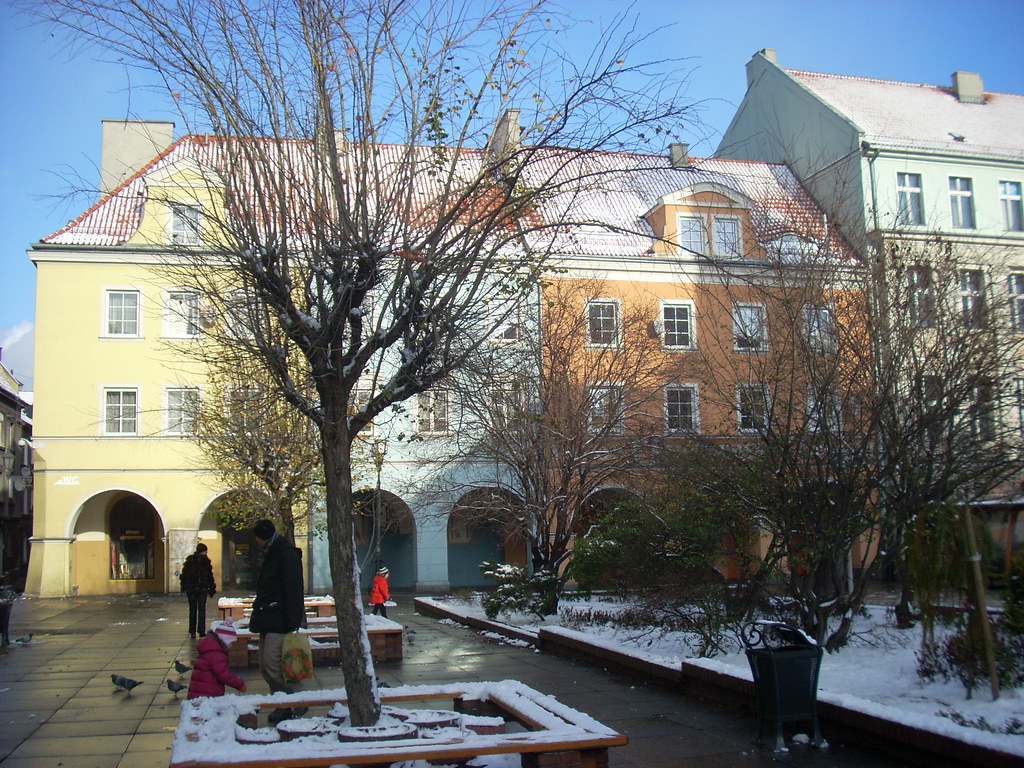
One of Silesia’s oldest cities gets overlooked despite genuine beauty worth seeing. Sitting conveniently near Katowice Airport, Gliwice has a Market Square and small Old Town feeling properly historical without tourist trap energy you get in bigger places.
Restaurants and cafés occupy old buildings naturally rather than aggressively catering to tour groups. The city doesn’t bombard you with endless attractions, which turns into an advantage—you see how Polish cities actually function for residents rather than just checking landmarks off lists while rushing to the next stop on your itinerary.
Tarnowskie Góry
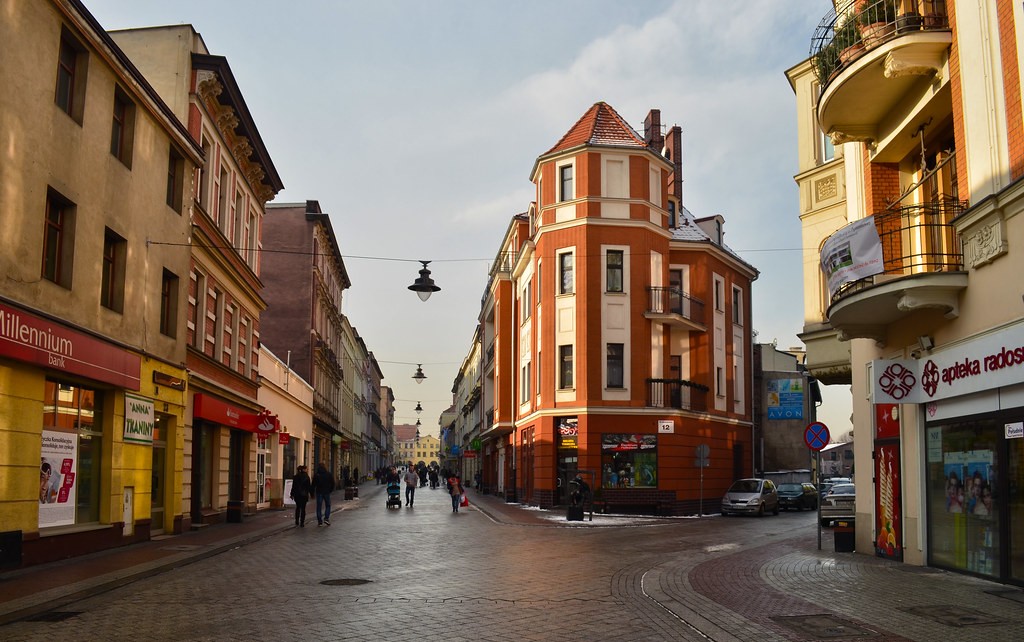
Twenty kilometers from Katowice Airport, this city combines surface appeal with underground adventure nobody expects. Poland’s longest underground boat ride runs through the Black Trout Adit—you can also explore the Historic Silver Mine on foot for something completely different from typical tourism.
Mining heritage goes back to the 16th century and shaped how the city developed over centuries. Offers an experience totally unlike Poland’s standard castle-and-cathedral tourism, giving you something more unusual than endless historical sites that start blending together after you’ve seen enough of them.
Where Poland gets real
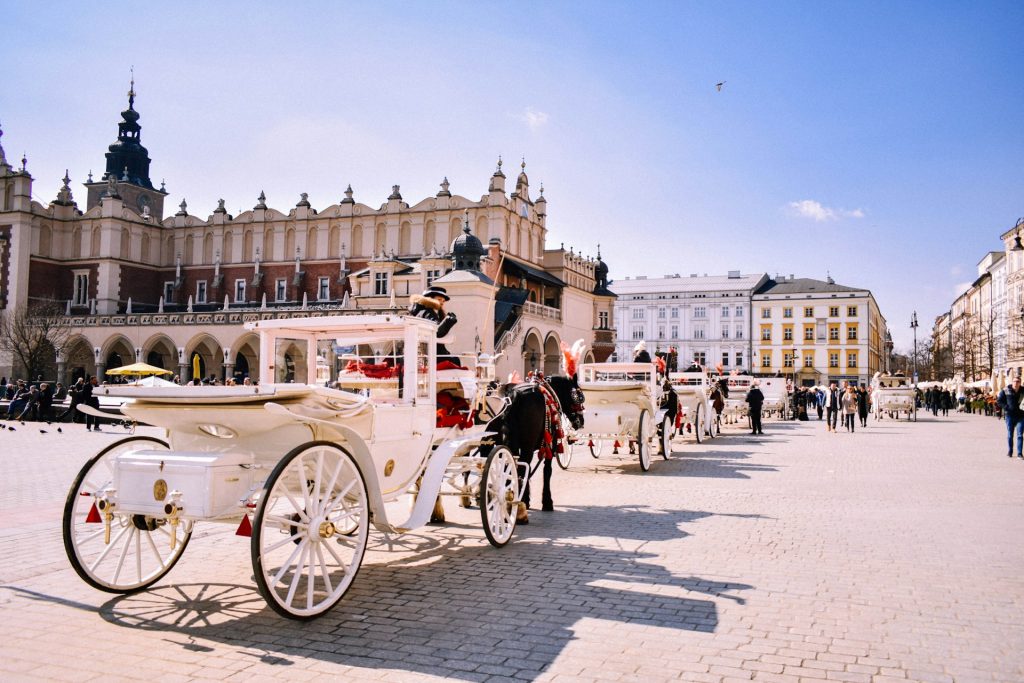
Limiting yourself to Warsaw and Kraków means missing what actually makes Poland interesting beyond surface-level highlights. Those cities earned their popularity honestly but they’re just the introduction to a country with way more depth.
These fifteen places showcase diversity defining Poland—Renaissance precision, multicultural energy, medieval authenticity, industrial reinvention, mountain settings. Each brings something distinct while sharing that Polish mix of heavy historical weight and present-day vitality making exploration worthwhile beyond hitting the obvious highlights everyone’s already seen and posted about a million times.
More from Travel Pug

- Underrated Italian Towns That Beat the Tourist Crowds
- Las Vegas Tourist Traps to Skip
- Prettiest Towns in Every US State
- 18 passport-free countries for Americans
- Signs Your Cruise Is Not Worth The Cost
Like Travel Pug’s content? Follow us on MSN.