

The night sky has always been there, but most of us rarely see it anymore. Light pollution has turned the Milky Way into a myth for people living in cities, and stars have become background noise rather than the spectacular show they actually are.
Noctourism changes that by taking travelers to places where darkness still exists and the universe puts on its full display.
Here is a list of 15 destinations where the night sky becomes the main attraction, each offering something unique for stargazers and astronomy enthusiasts.
Mauna Kea, Hawaii
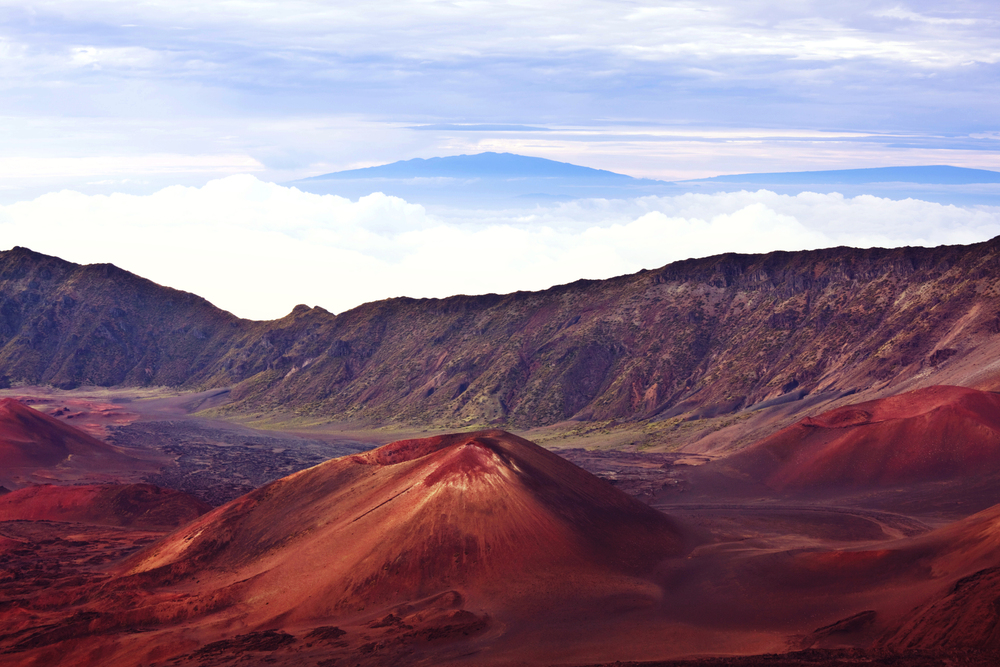
Mauna Kea sits at 13,796 feet above sea level, making it one of the best places on Earth to observe the night sky. The summit hosts 13 astronomical observatories because the combination of high altitude, dry air, and minimal light pollution creates nearly perfect viewing conditions.
Visitors can drive partway up the mountain and stop at the visitor center at 9,200 feet, where free stargazing programs run nightly with telescopes available for public use.
NamibRand Nature Reserve, Namibia
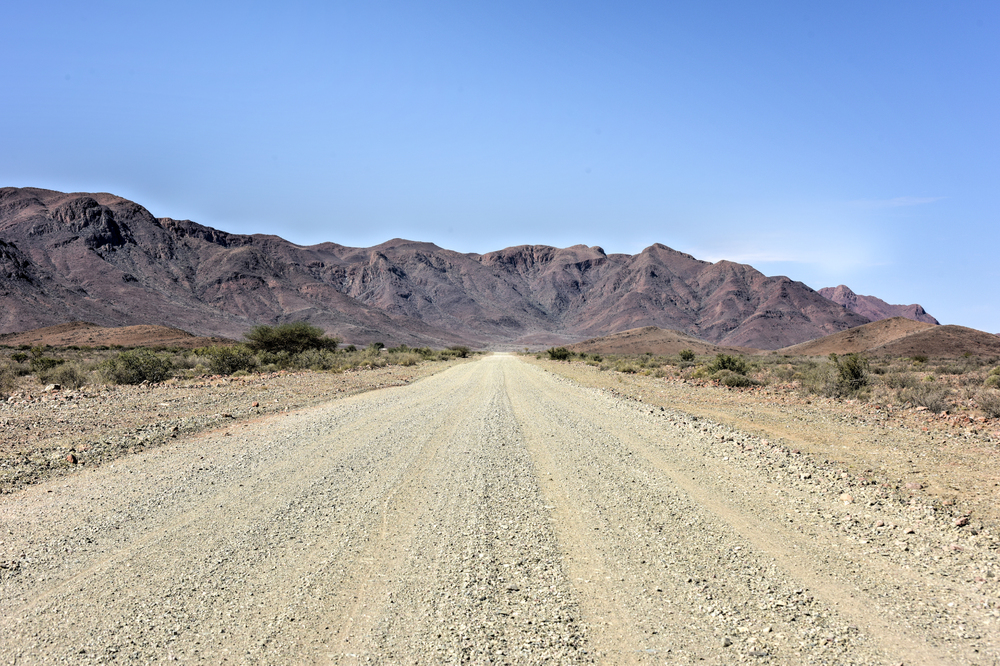
This private reserve in southern Namibia became Africa’s first International Dark Sky Reserve in 2012, protecting over 520 square miles of pristine darkness. The desert landscape produces some of the darkest skies on the planet, with virtually zero light pollution and clear conditions most of the year.
The Milky Way appears so bright here that it actually casts shadows, and visitors can see the Magellanic Clouds with the naked eye.
Cherry Springs State Park, Pennsylvania
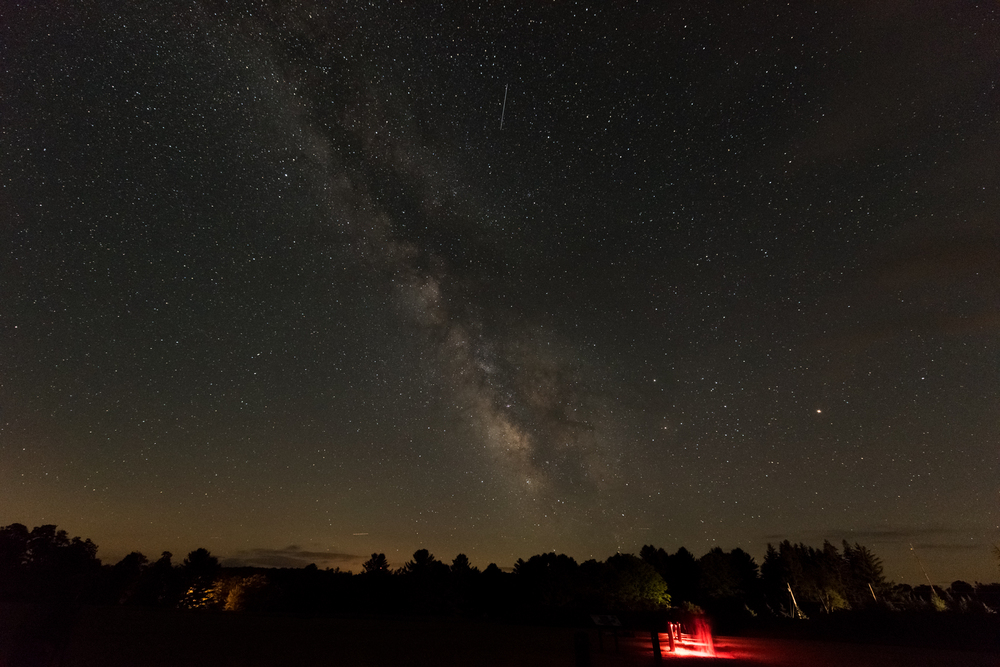
Located in north-central Pennsylvania, Cherry Springs holds Gold Tier status as an International Dark Sky Park, making it one of the best stargazing spots on the East Coast. The park sits at 2,300 feet elevation in a rural area with strict light pollution controls in surrounding communities.
The astronomy observation field stays open year-round, and on clear nights, visitors regularly spot thousands of stars, far more than in most populated areas.
Atacama Desert, Chile
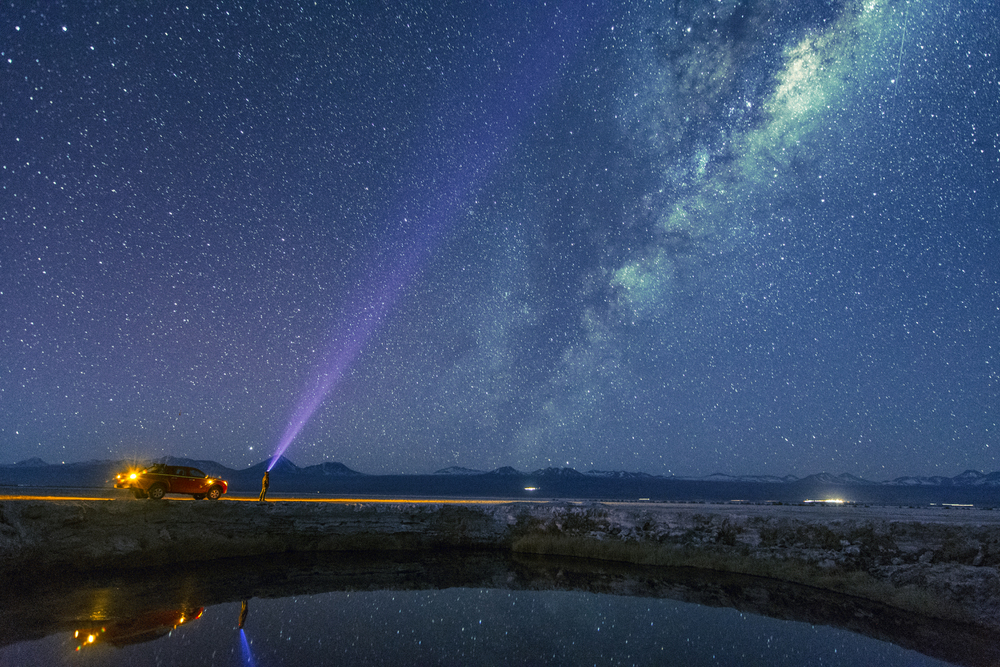
The Atacama Desert in northern Chile is the driest non-polar desert on Earth, which means clouds are rare and the atmosphere stays exceptionally clear. Several world-class observatories operate here, including ALMA (Atacama Large Millimeter Array), and some facilities offer public tours.
The combination of high altitude, dry air, and isolation from major cities creates conditions so good that professional astronomers travel from around the globe to study here.
Aoraki Mackenzie, New Zealand
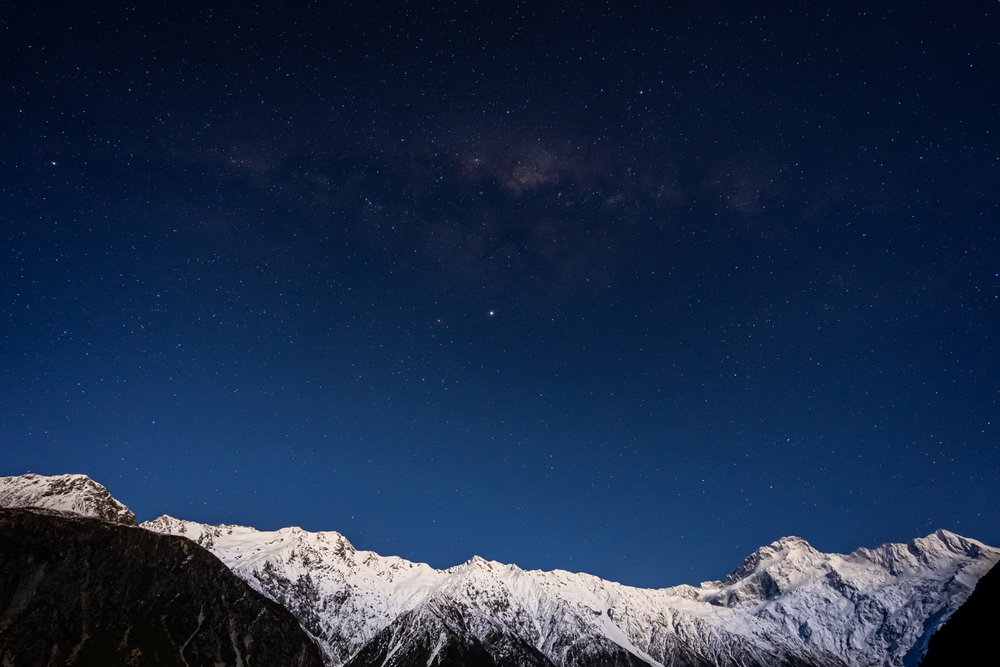
This International Dark Sky Reserve covers 1,641 square miles in New Zealand’s South Island and includes the stunning backdrop of Aoraki Mount Cook. The reserve enforces strict lighting regulations across the region to preserve the night sky for both scientific research and tourism.
Visitors get clear views of the Southern Cross, the Magellanic Clouds, and other celestial features unique to the southern hemisphere that people in North America never see.
Big Bend National Park, Texas
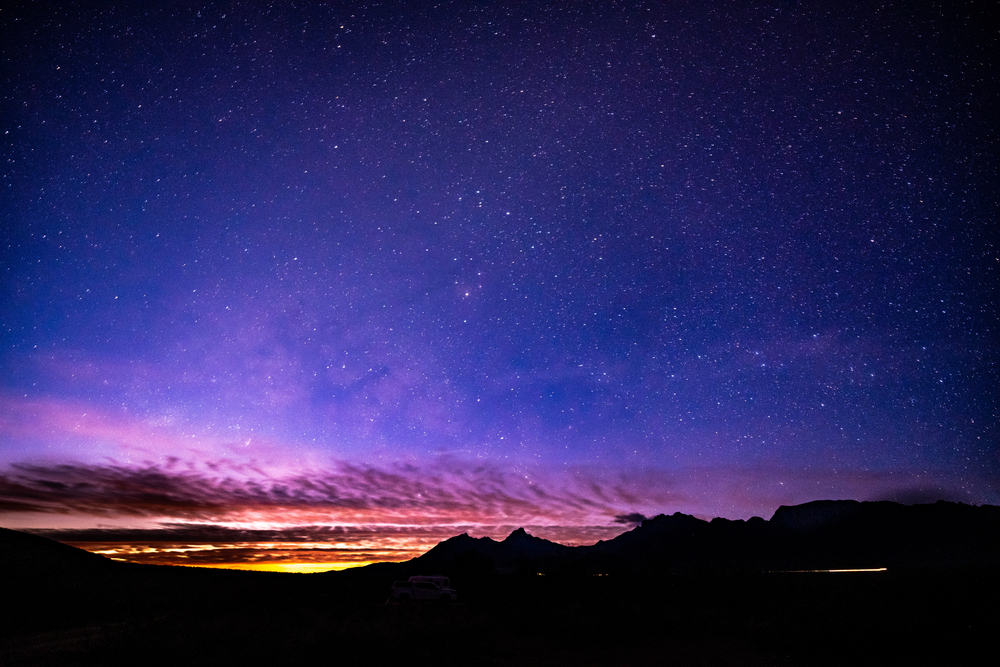
Big Bend offers some of the darkest night skies in the continental United States, sitting far from any major cities in the remote Chihuahuan Desert. The park encompasses over 800,000 acres of protected darkness where the Milky Way stretches overhead like a glowing river.
Rangers host regular night sky programs, and the park has earned recognition as an International Dark Sky Park with minimal artificial light within its boundaries.
Jasper National Park, Alberta
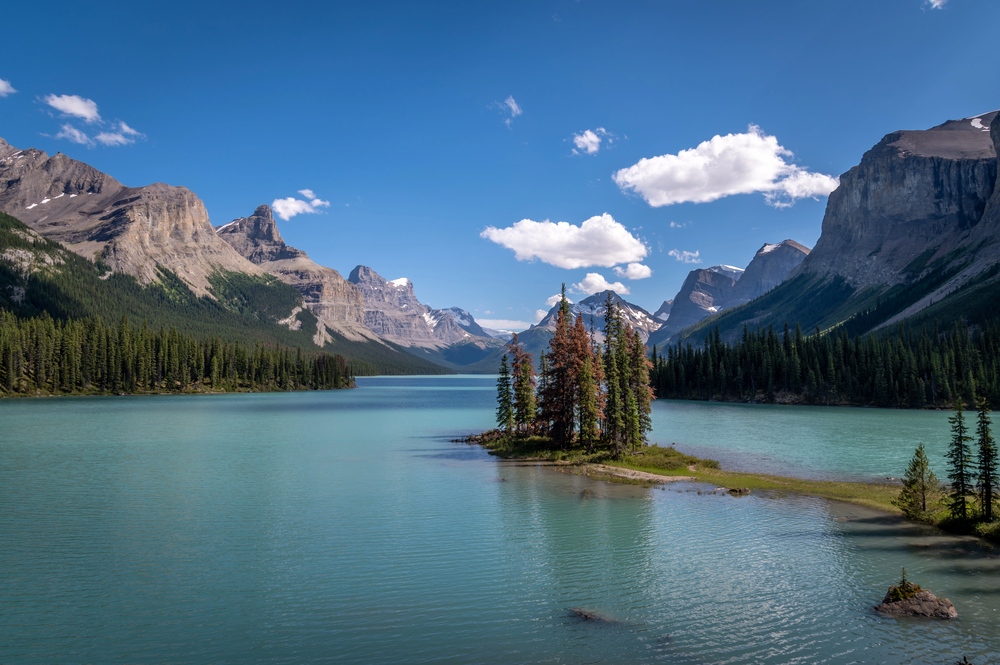
Jasper became the world’s second-largest accessible Dark Sky Preserve in 2011, protecting 4,247 square miles of pristine night sky in the Canadian Rockies. The annual Jasper Dark Sky Festival in October draws thousands of astronomy enthusiasts for workshops, telescope sessions, and guided night hikes.
Winter visitors have the bonus opportunity to watch the aurora borealis dance across the northern sky while surrounded by snow-covered peaks.
La Palma, Canary Islands
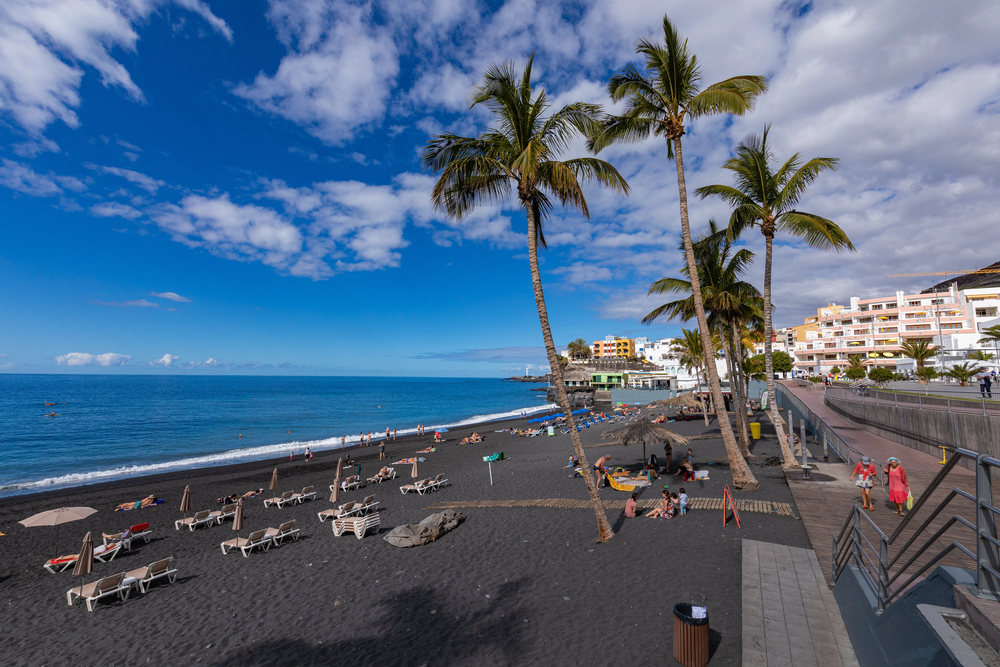
The entire island of La Palma holds Starlight Reserve certification, with laws protecting the night sky from light pollution dating back to 1988. The Roque de los Muchachos Observatory sits at 7,874 feet and operates some of the world’s largest telescopes, with certain facilities offering public visits.
The island’s combination of Atlantic isolation, volcanic peaks, and strict lighting controls creates conditions that rival Chile’s Atacama Desert.
Natural Bridges National Monument, Utah
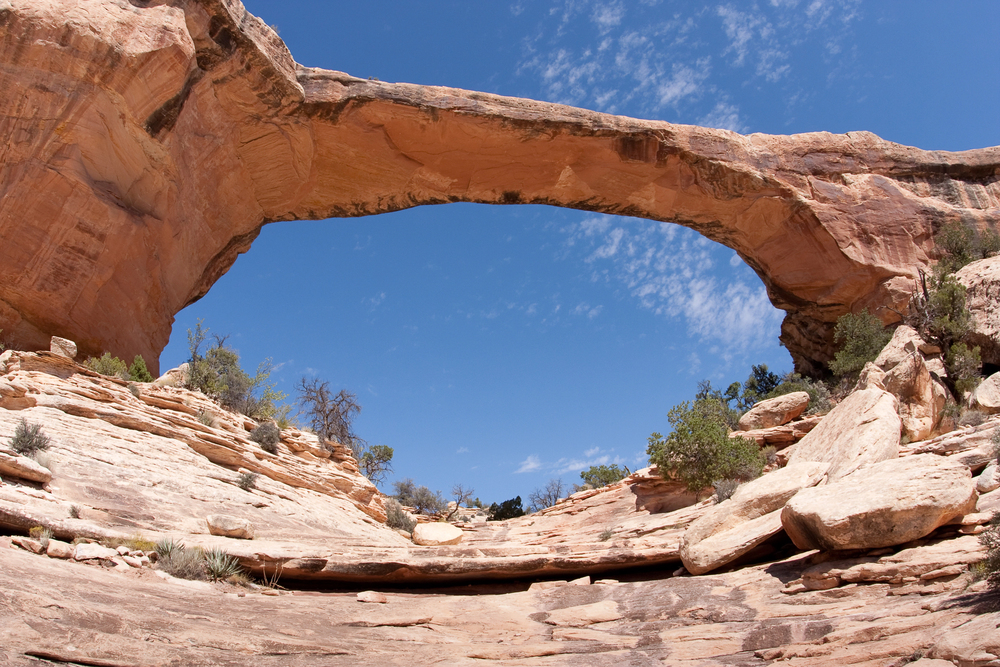
This compact park in southeastern Utah became the first International Dark Sky Park in 2007, setting the standard for night sky protection. The red rock formations and natural bridges create dramatic silhouettes against the star-filled sky, making for spectacular astrophotography.
Rangers conduct seasonal astronomy programs, and the park’s small size means you’re never more than a short walk from your car while enjoying some of the darkest skies in the American Southwest.
Tekapo, New Zealand
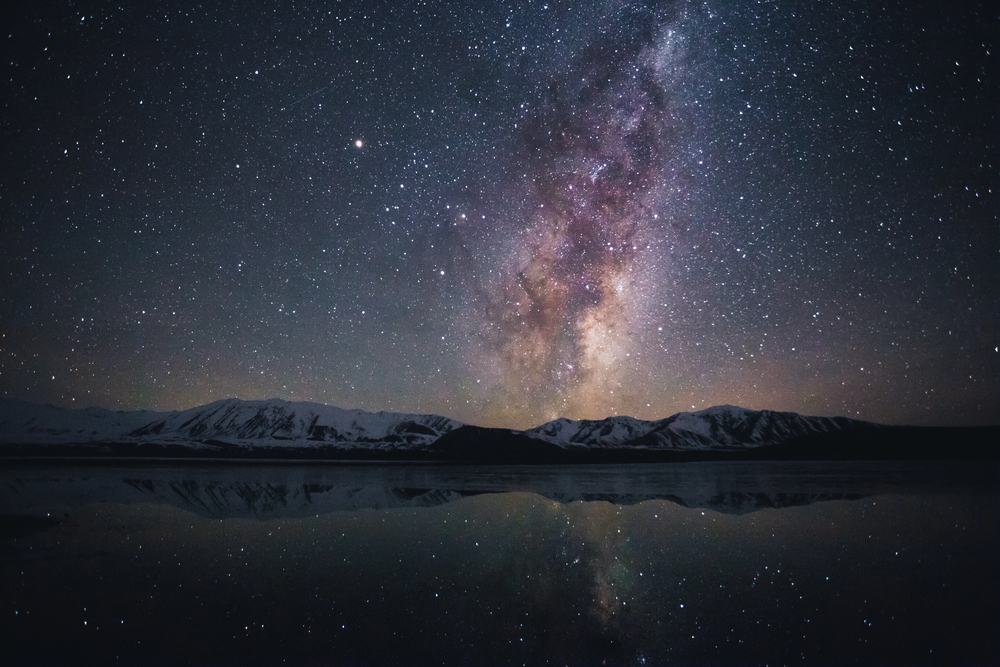
Lake Tekapo sits within the Aoraki Mackenzie Dark Sky Reserve and has developed into a noctourism hub with dedicated stargazing infrastructure. The Mount John Observatory runs nightly tours where visitors can look through research-grade telescopes with professional astronomers as guides.
The turquoise glacial lake reflects starlight on calm nights, creating scenes that look more like paintings than real places.
Brecon Beacons National Park, Wales
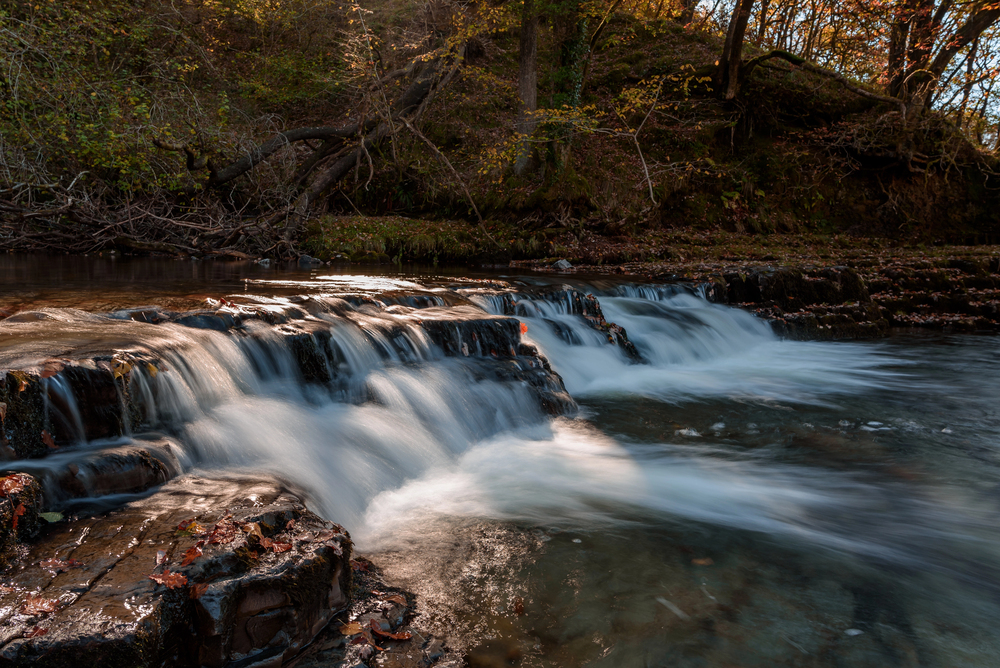
Wales might not seem like an obvious stargazing destination, but the Brecon Beacons earned International Dark Sky Reserve status in 2013 as the first such designation in Wales. The park covers 519 square miles of protected countryside where light pollution remains minimal despite the relatively high population density of the surrounding region.
The maritime climate does bring clouds, but clear nights reveal views of the Andromeda Galaxy and countless deep-sky objects.
Great Basin National Park, Nevada
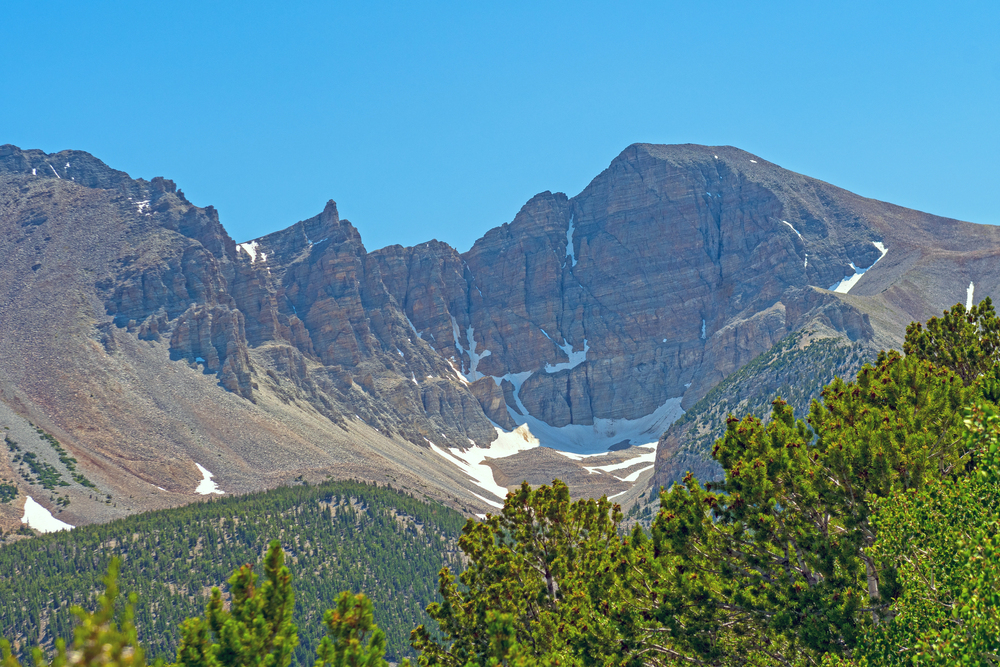
Great Basin sits in one of the most remote regions of Nevada, over 200 miles from any major city, creating naturally dark conditions. The park hosts astronomy programs year-round at an elevation of 6,825 feet, where thin air and desert dryness keep the atmosphere crystal clear.
Wheeler Peak towers above at 13,063 feet, and the contrast between the ancient bristlecone pines and the eternal stars creates a humbling perspective on time.
Pic du Midi, France
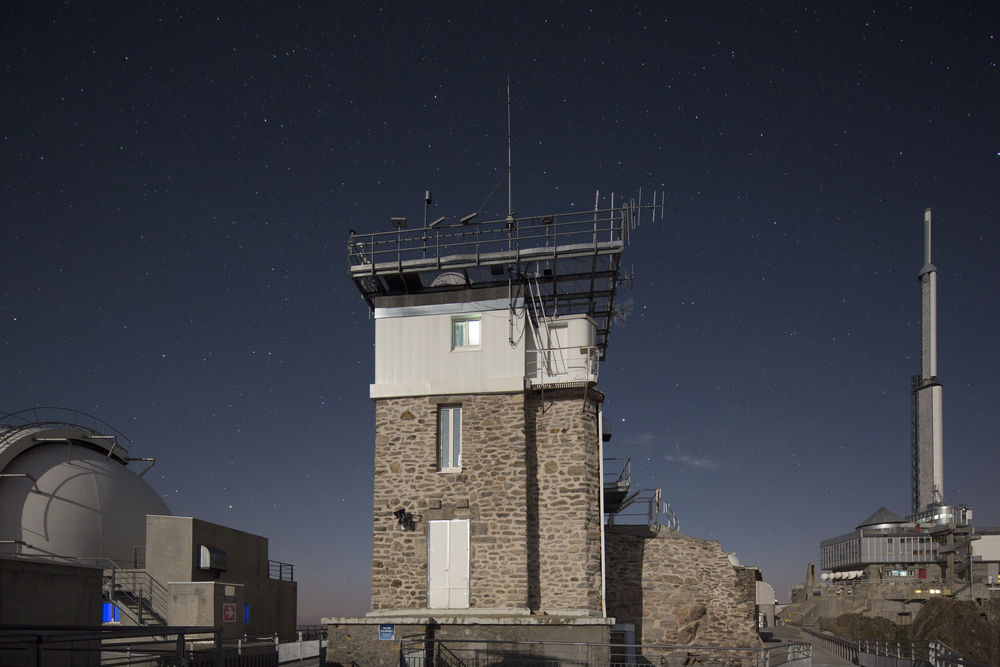
This mountaintop observatory in the French Pyrenees sits at 9,439 feet and offers overnight stays where visitors can experience sunset, stargazing, and sunrise from above the clouds. The facility has been conducting astronomical research since 1881, and now shares its exceptional viewing conditions with public visitors.
The cable car ride to the summit alone provides incredible views, but watching the Milky Way from this elevation feels like floating in space.
Elqui Valley, Chile
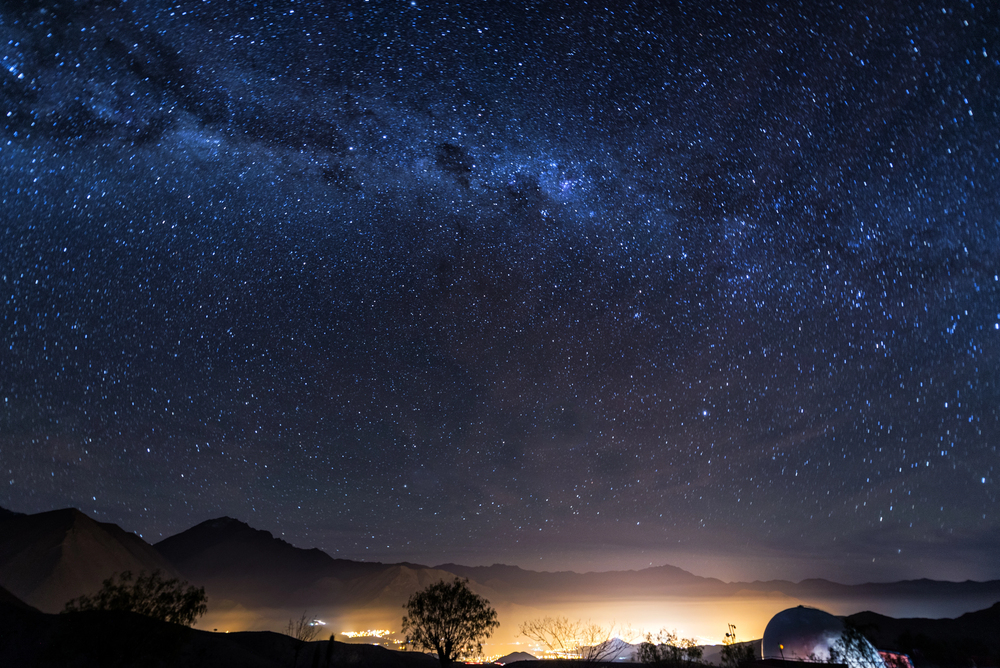
In northern Chile, the Elqui Valley provides favorable conditions for observing stars alongside practical access for visitors – unlike the farther reaches of the Atacama Desert. Nighttime visits at privately operated observatories include guided sessions through strong optical instruments; explanations cover distinctive aspects of celestial patterns visible from this hemisphere.
Approximately three hundred evenings annually remain free of clouds here, thanks partly to geographic elevation and a natural barrier formed by nearby mountain ranges. These highlands limit interference from artificial lighting originating in settlements located beyond the ridges.
Westhavelland Nature Park, Germany
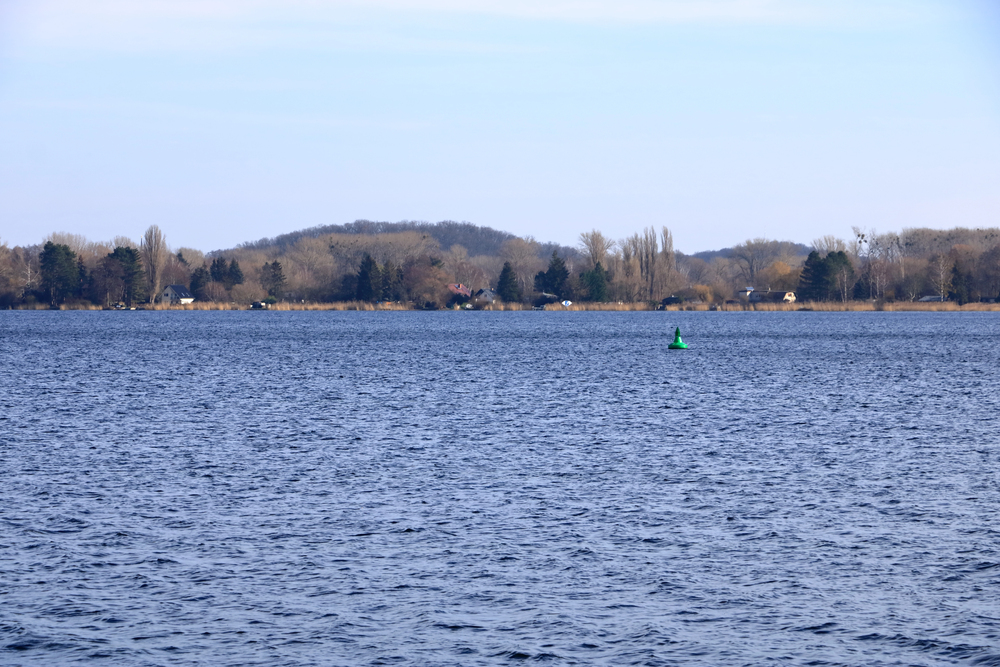
Not far from Berlin, this natural area earned recognition as Germany’s first International Dark Sky Reserve back in 2014. Despite being located only 70 kilometers away from a large city, it holds onto deep night skies.
Across open woodlands, fields, and rivers, nighttime remains largely untouched by glare. Because of deliberate choices in how lights are used, shadow persists here more than expected.
Where people choose thoughtful illumination methods, starlit skies survive close to busy zones. Protection of darkness proves possible, given cooperation across towns nearby.
Where darkness still matters
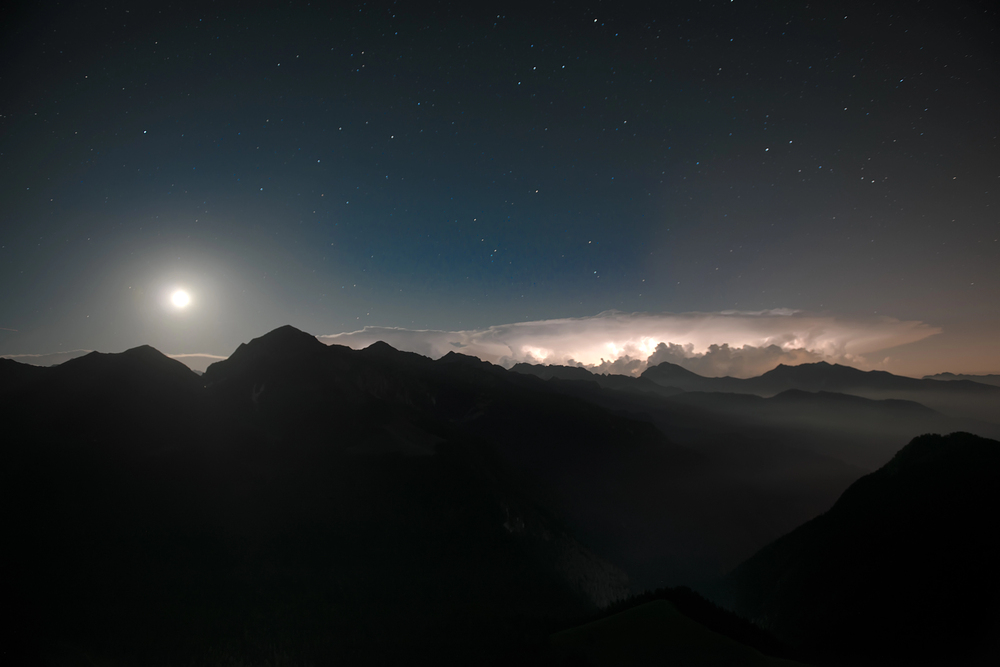
Darkness holds meaning beyond novelty, now drawing interest through quiet skies untouched by city light. Far from urban glare, certain areas shield what many settlements no longer know: open views of stars once central to myths, direction finding, even timekeeping across ages.
With increasing recognition – through official status granted to remote parks and rural zones – a shift emerges slowly in how people view night spaces. Under starlight, visitors encounter depth not measured in brightness but presence.
What remains unseen matters; its absence speaks louder than any announcement ever could.
More from Travel Pug

- Underrated Italian Towns That Beat the Tourist Crowds
- Las Vegas Tourist Traps to Skip
- Prettiest Towns in Every US State
- 18 passport-free countries for Americans
- Signs Your Cruise Is Not Worth The Cost
Like Travel Pug’s content? Follow us on MSN.