

Traveling to a new country brings excitement but also risks cultural misunderstandings, which visitors need to handle. The way you behave at home may need to change when you visit other nations because some of your actions will be seen as disrespectful.
The good news is that most locals appreciate it when visitors make an effort to understand and respect their way of life, even if you don’t get everything perfect.
Here are 18 tips for respecting local customs abroad.
Research basic etiquette before you go

The time required to read about the cultural norms of your destination for 30 minutes will help you avoid all potential awkward situations. You should research which gestures are inappropriate, the correct ways to greet people, and the key cultural taboos of the area.
The experience of playing a board game becomes better when players learn its rules before they start their first game.
Observe how locals greet each other

Handshakes, bows, cheek kisses, or no physical contact at all—greetings vary wildly around the world. In Japan, a bow is standard, while in parts of Europe, you might exchange two or three cheek kisses.
Watch what others do first, and when in doubt, follow their lead rather than assuming your home country’s customs apply.
Understand tipping customs

Americans often tip 15–20% automatically, but this can actually be insulting in countries like Japan, where exceptional service is expected. In some European countries, a small tip is appreciated but not mandatory, while in others it’s already included in the bill.
Check local practices so you’re neither undertipping nor accidentally offending someone.
Respect personal space norms

What feels like a comfortable distance for conversation varies dramatically by culture. Latin American and Middle Eastern cultures often stand closer during conversations than Americans or Northern Europeans might expect.
Getting uncomfortable and backing away can seem cold or rude, so try to adjust your comfort zone a bit.
Be mindful of eating etiquette

Using your left hand to eat in parts of the Middle East and India is considered unclean since that hand is traditionally used for personal hygiene. In many Asian countries, slurping noodles is actually a compliment to the chef.
These little details might seem strange at first, but they’re deeply ingrained in local culture.
Ask before taking photos

Snapping pictures of people, especially in religious settings or rural areas, without permission is invasive. Some cultures believe cameras capture part of the soul, while others value privacy.
A smile and a gesture asking for permission takes two seconds and shows basic human decency.
Adapt to local dining schedules

Spaniards eat dinner at 10 pm, while Germans might finish by 7 pm. Showing up to a restaurant at your usual mealtime might mean eating alone or finding everything closed.
Adjusting to local rhythms helps you experience the culture authentically and avoid tourist-trap restaurants that cater to odd hours.
Remove shoes when entering homes

In Japan, Korea, Thailand, and many other countries, wearing shoes indoors is like tracking mud across someone’s bed. It’s not just about cleanliness—it’s a sign of respect for the home as a sacred or clean space.
Always check for shoes lined up at the entrance.
Understand gesture meanings

The thumbs-up gesture, meaning ‘great job’ in the U. S., is offensive in parts of the Middle East and Latin America. Pointing with your index finger is rude in many Asian cultures.
Even the simple ‘OK’ hand gesture can have vulgar meanings in Brazil and Turkey. Your innocent gesture could be someone else’s insult.
Respect the queuing culture

The British take their queues seriously—cutting in line is practically a criminal offense. In other countries, the concept of an orderly line barely exists, and it’s more about strategic positioning.
Fighting against local norms will only frustrate you, so adapt your approach to match what everyone else is doing.
Be cautious with public displays of affection

What’s acceptable between couples varies enormously. In conservative countries across the Middle East and parts of Asia, even holding hands in public can draw disapproving stares.
Meanwhile, kissing in greeting is normal in Paris but might raise eyebrows in Tokyo. Read the room and observe how locals behave with their partners.
Learn about gift-giving customs

Bringing a small gift when invited to someone’s home is lovely, but the type of gift matters. In China, clocks are associated with death, while in Russia, yellow flowers are for funerals.
In some cultures, gifts should be wrapped in specific colors or given with both hands. A well-intentioned gift can backfire without basic research.
Respect local dress codes beyond religious sites
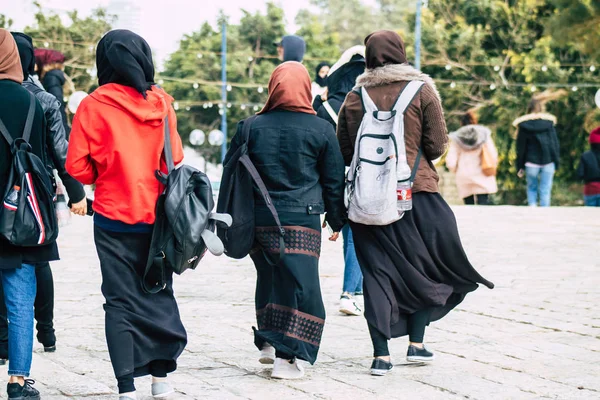
Some countries have conservative dress norms even in everyday settings. Tank tops and shorts might be fine for tourists in Barcelona, but they’ll get you denied entry to upscale restaurants in Dubai.
Packing a few modest options ensures you’re never caught unprepared or disrespectfully underdressed.
Understand bargaining expectations

In Morocco’s souks, haggling is expected and part of the fun—paying the first price offered might actually confuse vendors. In Japan, bargaining is generally considered rude and awkward.
People need to understand appropriate times for negotiation and times for paying sticker prices to avoid awkward situations.
Be punctual or fashionably late as appropriate

Germans expect you exactly on time, and being even five minutes late is disrespectful. In many Latin American and Mediterranean cultures, showing up right on time to a dinner party means you’ll catch your host still getting ready.
Understanding local time expectations prevents you from seeming either rude or overeager.
Respect photography restrictions

Military installations, government buildings, and certain cultural sites prohibit photography for security or spiritual reasons. Some indigenous communities have requested that tourists stop photographing them altogether.
Signs aren’t always posted, so ask first and accept ‘no’ gracefully—your Instagram feed isn’t more important than local rules.
Adapt your communication style

Direct communication is valued in Germany and the Netherlands, where people say exactly what they mean. In many Asian cultures, indirect communication preserves harmony, and blunt honesty can be offensive.
Americans often fall somewhere in the middle but tend toward directness, which can create friction in more subtle cultures.
Observe alcohol consumption norms

Muslim-majority nations have strict laws against drinking alcohol because of their religious beliefs, while showing up drunk to public places remains one of the most disrespectful actions. In some social settings in Russia and Ireland, declining a drink may be viewed as unusual.
Understanding local attitudes toward alcohol helps you participate appropriately without causing offense or breaking laws.
The bridge between cultures
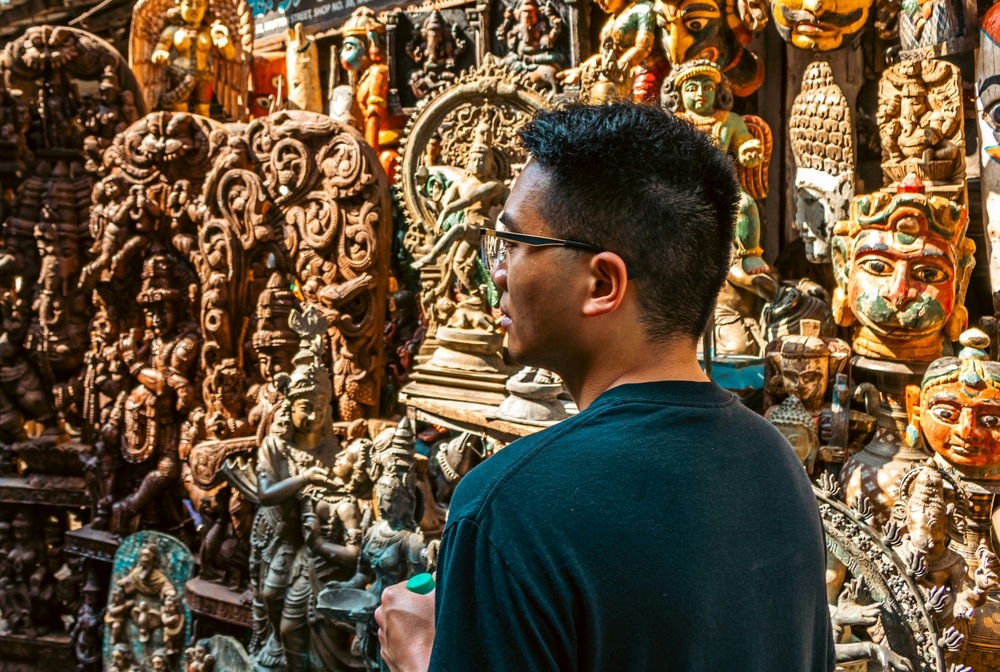
The practice of showing respect to native traditions does not require people to abandon their personal identity or to maintain constant dread of making mistakes. The situation requires you to understand that multiple paths exist beyond your current approach, while you must show respect to local inhabitants.
Travelers who dedicate their time to studying and adjusting their behavior will achieve more than just preventing embarrassing situations because their efforts will lead to authentic connections and experiences that regular tourists will never discover. Locals will often show you their world with great generosity when you demonstrate respect for your current location.
More from Travel Pug

- Underrated Italian Towns That Beat the Tourist Crowds
- Las Vegas Tourist Traps to Skip
- Prettiest Towns in Every US State
- 18 passport-free countries for Americans
- Signs Your Cruise Is Not Worth The Cost
Like Travel Pug’s content? Follow us on MSN.