

The average six-month round-the-world trip costs less than a new car, yet most people never bother to calculate the actual number. They assume it’s impossible, too expensive, or reserved for trust fund kids with unlimited bank accounts.
The truth is that careful budgeting makes extended travel accessible to regular people with regular jobs who simply prioritize differently. Below are the critical budgeting steps that separate those who dream about traveling the world from those who actually pack their bags and go.
Calculate Total Available Funds

Start with the actual numbers. Bank accounts, savings, investments that can be liquidated without penalties—everything that’s genuinely accessible needs to go into this calculation.
Many aspiring travelers make the mistake of including money they hope to have rather than money they actually possess. This leads to shortened trips or emergency flights home when funds run out faster than expected.
Be brutally honest here. The math matters more than the dream at this stage, and rounding up expenses while rounding down available funds creates a much safer buffer than the reverse.
Research Destination Costs

Different regions have wildly different price tags attached to them. Southeast Asia might cost $30 a day while Scandinavia could easily hit $200 for the same timeframe.
Breaking down the six months by region helps create a realistic picture. Three months in affordable countries can offset six weeks in expensive ones.
Travel blogs, budget breakdowns from recent travelers, and cost-of-living indexes all provide useful data points. Just remember that personal spending habits vary wildly, so these figures serve as guidelines rather than guarantees.
Determine Daily Budget Per Region

Once the destinations are mapped out, assign a daily budget to each region. This number should cover accommodation, food, local transportation, and a small cushion for unexpected expenses.
Some travelers use the fifty-thirty-twenty approach here—fifty percent for accommodation and food, thirty percent for activities and transportation, twenty percent for emergencies and splurges. Others prefer a flat daily rate that simplifies tracking.
Either approach works. The important thing is picking one method and sticking with it instead of switching systems halfway through when the original plan starts feeling restrictive.
Account for Major Transportation

Flights between continents eat up significant chunks of the budget. So do long-distance trains, ferries, and buses that connect different regions.
Booking some of these in advance can save hundreds of dollars, though it reduces flexibility. The trade-off depends on personal priorities and tolerance for rigid schedules versus spontaneous route changes.
Round-the-world tickets through airline alliances sometimes offer better value than individual flights, particularly when covering four or more continents. Worth investigating at least.
And budget airlines have expanded globally, making point-to-point travel cheaper than ever if you’re willing to deal with the hassle and accept that “budget” often means “uncomfortable.”
Factor in Travel Insurance

Travel insurance for six months isn’t cheap. But medical emergencies abroad cost infinitely more. Comprehensive coverage typically runs between $300 and $800 for a half-year trip, depending on age and coverage limits.
The policy should cover medical emergencies, evacuation, trip cancellation, and lost belongings at minimum. Adventure activities like scuba diving or mountain climbing often require additional riders that bump the price up further.
Reading the fine print matters here—some policies exclude certain countries or activities that might be on the itinerary. Nobody wants to read insurance documents, but it beats getting stuck with a five-figure hospital bill in a foreign country.
Budget for Visas and Entry Fees
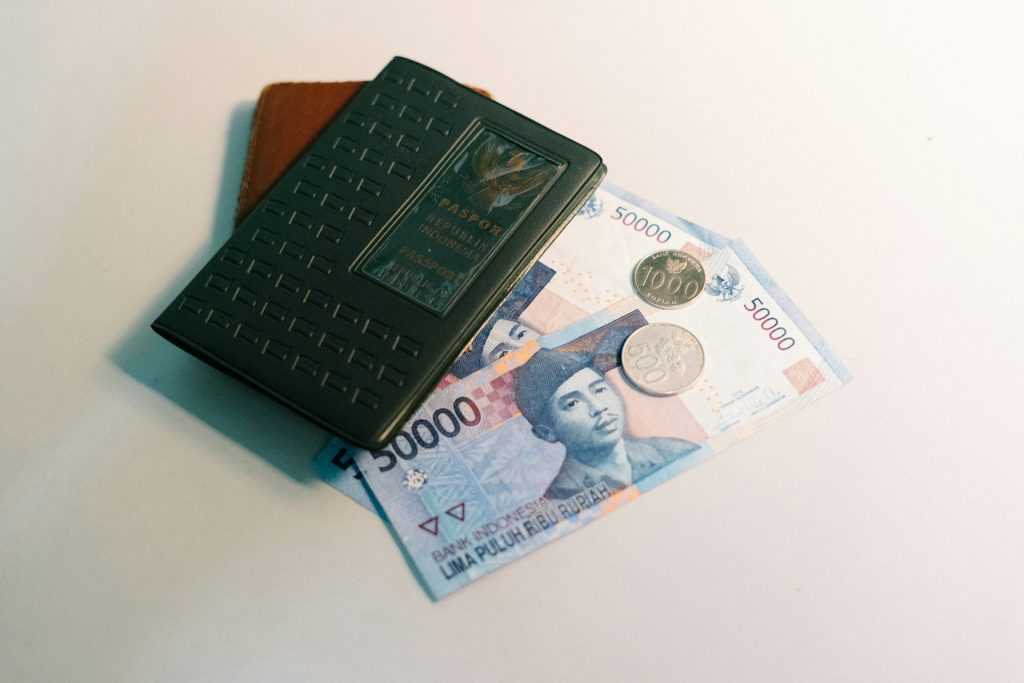
Visa costs add up faster than most people anticipate. Some countries charge nothing, others demand $100 or more just for the privilege of entry, and a few require complicated application processes that involve additional service fees if you want any hope of getting approved in time.
Research requirements for every planned destination well in advance. Tourist visas, visa on arrival fees, reciprocity fees—they all need their own line item in the budget.
Processing times vary too, so applications might need to start months before departure. And some countries require proof of onward travel or minimum funds in bank accounts, which affects overall financial planning.
Set Aside Emergency Funds
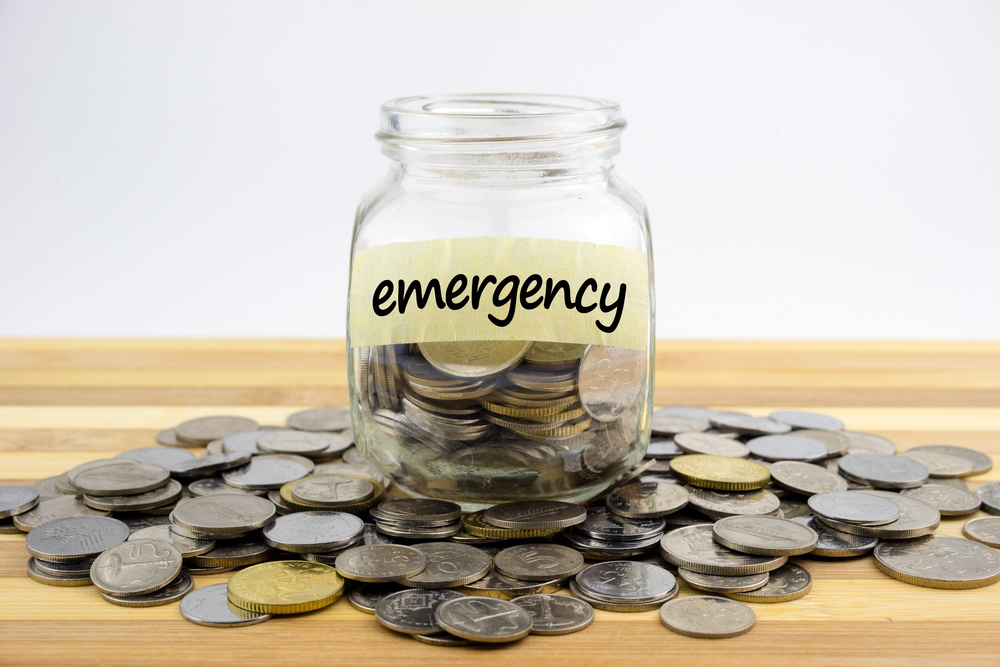
Things go wrong. Always. Stolen wallets, missed flights, unexpected hospital visits, family emergencies requiring last-minute flights home—the list of possible disasters is endless.
Most financial experts recommend keeping at least $1,000 to $2,000 completely separate from the daily budget. This money doesn’t get touched unless genuine emergencies arise.
It’s insurance against worst-case scenarios that have a funny way of happening when you’re far from home and least prepared to handle them.
Plan for Communication Costs

Staying connected requires either international phone plans or local SIM cards in each country. The costs vary but shouldn’t be ignored in overall planning.
Many travelers budget around $30 to $50 monthly for phone service and data. Wi-Fi solves some of this, but not all countries have reliable public internet access, and even when they do, it’s not always available exactly when you need to video call home or look up directions to your hostel at midnight.
Apps like WhatsApp and Skype reduce costs, though they still require data plans. And honestly, trying to explain to family back home why you haven’t called in three weeks because you were trying to save money doesn’t go over well.
Include Gear and Prep Costs

The trip budget shouldn’t only cover expenses after departure. Pre-trip costs can easily reach several hundred dollars or more depending on what gear needs to be purchased or replaced.
Quality backpacks, appropriate clothing for different climates, travel adapters, toiletries that last months, medications, and vaccinations all require upfront investment. Some of these can be bought cheaper abroad, but starting with reliable gear prevents problems down the road.
Nothing worse than a broken backpack strap in the middle of nowhere. Plus the smell of a new backpack has this weird optimistic quality to it—like the trip is finally becoming real instead of just a spreadsheet full of numbers.
Allocate Funds for Activities
Experiences are why people travel, but they cost money. Temple entrances, national park fees, guided tours, cooking classes, adventure sports—these aren’t typically covered in daily budgets and can sneak up on travelers who forget to account for them separately.
Setting aside a separate activity fund prevents the disappointment of skipping memorable experiences due to budget constraints. The amount varies based on interests, but somewhere between ten and twenty percent of the total budget often works.
This allows for spontaneous opportunities without derailing the entire financial plan. Missing out on a once-in-a-lifetime experience because of $20 feels terrible in retrospect.
Calculate Accommodation Costs

Accommodation typically represents the largest daily expense. Hostels, guesthouses, budget hotels, Couchsurfing, house sitting—each option has different price points and trade-offs that need to be weighed against personal comfort requirements and budget realities.
Average costs range from $10 per night in cheap hostels to 60 or more for private rooms in moderate hotels. Booking sites show current prices for specific destinations, making this calculation fairly straightforward.
Some travelers mix accommodation types, splurging occasionally on comfort after weeks of hostel life. The variation keeps things interesting and provides mental breaks.
Could be worse than sharing a room with five strangers who snore.
Plan Food Expenses
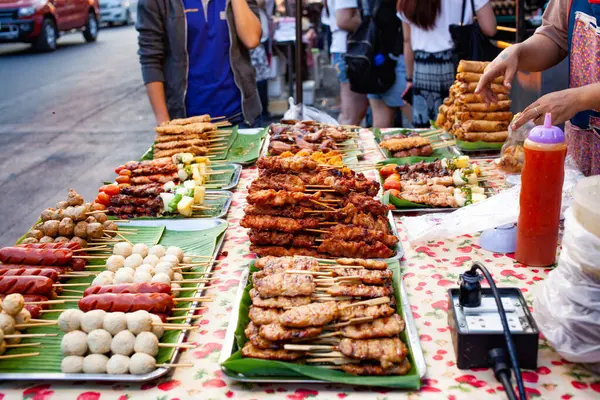
Eating out three meals daily for six months gets expensive anywhere. Street food in Asia might cost a few dollars per meal while restaurants in Europe could hit $20 or $30 easily.
Mixing grocery shopping with local markets and occasional restaurant meals offers a middle ground that keeps both costs and sanity in check. Many hostels have kitchens where travelers can prepare their own food, cutting costs significantly, though the quality of these kitchens varies from sparkling clean to biohazard zones you wouldn’t want to touch without gloves.
Still, part of travel involves trying local cuisine, so the food budget should allow for regular restaurant experiences without guilt. Coffee costs matter too—daily cafe visits add up to surprising totals over six months.
Consider Income Options

Some travelers work remotely or pick up temporary jobs along the way. Teaching English, freelance work, seasonal jobs, working holiday visas—these options can extend trip duration or improve daily comfort levels without requiring massive savings upfront.
The income doesn’t need to cover all expenses. Just supplement savings enough to make the trip sustainable for the full duration or perhaps even longer if opportunities present themselves.
Remote work requires reliable internet though, which influences destination choices and sometimes forces compromises between ideal locations and practical connectivity requirements. And work visas come with their own costs and restrictions.
Not essential for everyone, but worth considering for those with marketable skills or extended timelines.
Track Seasonal Price Variations
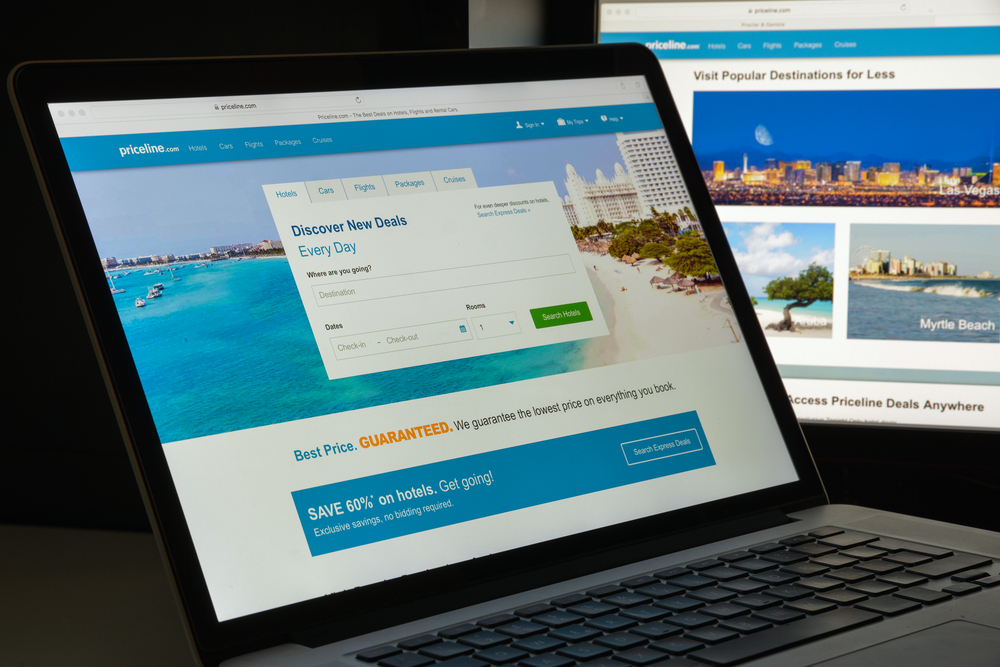
Traveling during peak season in popular destinations inflates costs dramatically. Shoulder season or low season travel can cut accommodation prices in half and reduce crowding simultaneously, creating a double benefit that makes the timing trade-offs worthwhile for budget-conscious travelers.
Timing the six-month journey to hit expensive regions during their off-seasons makes budgets stretch further. This requires flexibility in routing and willingness to experience places during less-than-ideal weather.
But empty beaches and quiet temples have their own appeal, and the money saved often justifies the trade-off. Plus photos without crowds of tourists in them look better anyway.
Account for Medication and Health Needs

Prescription medications, over-the-counter supplies, and routine health needs continue regardless of location. Six months of medications can be expensive, and not all are easily available abroad.
Check with doctors about extended prescriptions and research availability in planned destinations before departure. Some countries sell medications over the counter that require prescriptions elsewhere, and often at lower prices that make stocking up worthwhile.
Others have limited pharmaceutical access, particularly in rural areas where even basic medications might be unavailable. Dental issues, vision care, and other routine health maintenance might need to happen either before departure or in specific countries known for quality medical tourism.
Budget for Gear Replacement
Six months of constant use wears out even quality gear. Shoes fall apart, electronics fail, clothing develops holes, and backpacks eventually give up the ghost no matter how well-made they were at the start.
Building a replacement fund into the budget prevents panic when favorite hiking boots die halfway through the trip or when a phone screen cracks during a bumpy bus ride through the mountains. Some items can be repaired locally, often cheaper than at home, but others need replacement.
This is particularly true for electronics—phones, cameras, laptops, and chargers all face increased risk during extended travel with constant packing and unpacking and exposure to humidity, dust, and the occasional downpour.
Include Comfort Splurges

Budgeting doesn’t mean suffering. Six months of bare-bones travel leads to burnout and resentment toward the entire experience, which defeats the purpose of traveling in the first place.
Setting aside funds for occasional upgrades maintains sanity and enjoyment over the long haul. A nice hotel room every few weeks, an expensive meal, a guided tour instead of doing it alone—these splurges recharge mental batteries and remind travelers why they embarked on the journey.
The amount depends on overall budget, but most seasoned travelers recommend allocating at least five to ten percent for these comfort moments. They make the difference between enduring a trip and actually enjoying it.
Plan for Souvenirs and Shipping

Bringing home mementos or gifts adds up over six months. So does shipping things home when the backpack becomes too full of accumulated items that seemed essential at the time but gradually reveal themselves as just extra weight.
Some travelers allocate a specific amount per country or region for souvenirs, preventing overspending while still allowing for meaningful purchases. Others avoid physical items entirely, focusing on photographs and experiences instead.
Shipping costs from abroad can be shockingly high, so factoring these in prevents budget surprises late in the trip. Plus customs fees apply when packages enter home countries, adding another layer of expense. That handmade rug seemed like a bargain until the shipping quote came back.
Review and Adjust Monthly
Setting a budget before departure is only the first step. Reviewing spending patterns every few weeks allows for course corrections before money runs out completely and forces an early return home.
Apps and spreadsheets help track expenses in real time, showing which categories consistently go over or under budget and revealing patterns that weren’t apparent during the planning phase. This information lets travelers adjust plans—extending time in cheaper countries, cutting back on restaurants, or finding free activities that provide similar experiences.
The flexibility to adapt keeps the trip sustainable for the full six months rather than running out of money at month four.
The Math Behind the Dream

Modern backpackers usually budget anywhere between $10,000 and $30,000 for a six-month voyage around the world depending on the places they visit and the level of comfort they choose. The actual figure becomes insignificant when compared to the honest and proper calculating process that leads to the setting of the budget, since a true budget does away with the fear of visiting foreign ATMs at three o’clock in the morning just to check one’s bank balance and not being sure if there is enough money left to get back home.
More from Travel Pug

- Underrated Italian Towns That Beat the Tourist Crowds
- Las Vegas Tourist Traps to Skip
- Prettiest Towns in Every US State
- 18 passport-free countries for Americans
- Signs Your Cruise Is Not Worth The Cost
Like Travel Pug’s content? Follow us on MSN.