

Poland harbors medieval treasures that rival Western Europe’s most celebrated destinations, yet many remain delightfully unknown to international travelers. These historic towns survived wars, political upheavals, and the passage of centuries to emerge as living museums where cobblestone streets echo with stories of kings, merchants, and craftsmen.
Here are 16 charming old towns that showcase Poland’s rich heritage, each offering its own blend of Gothic spires, Renaissance facades, and timeless atmosphere.
Krakow
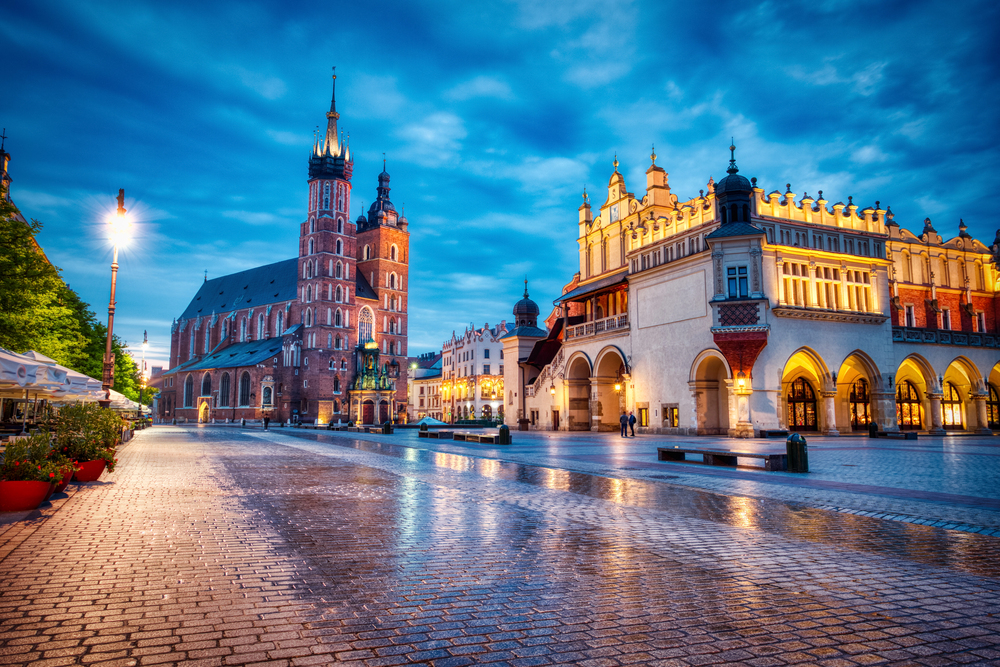
The former capital of Poland sits at the foot of the Royal Wawel Castle, featuring Europe’s largest medieval market square and magnificent interiors in its historic houses, palaces and churches. The 13th-century merchants’ town pulses with energy as students from the ancient Jagiellonian University mingle with tourists admiring Gothic pentaptych altarpieces.
Monuments built in Renaissance, Baroque, and Gothic styles jostle for space as palaces and fortresses, theatres and churches, and mansions and museums lie huddled next to each other. The aroma of obwarzanki krakowskie — ring-shaped bread — drifts through the air as horse-drawn carriages clip-clop across ancient stones.
Toruń
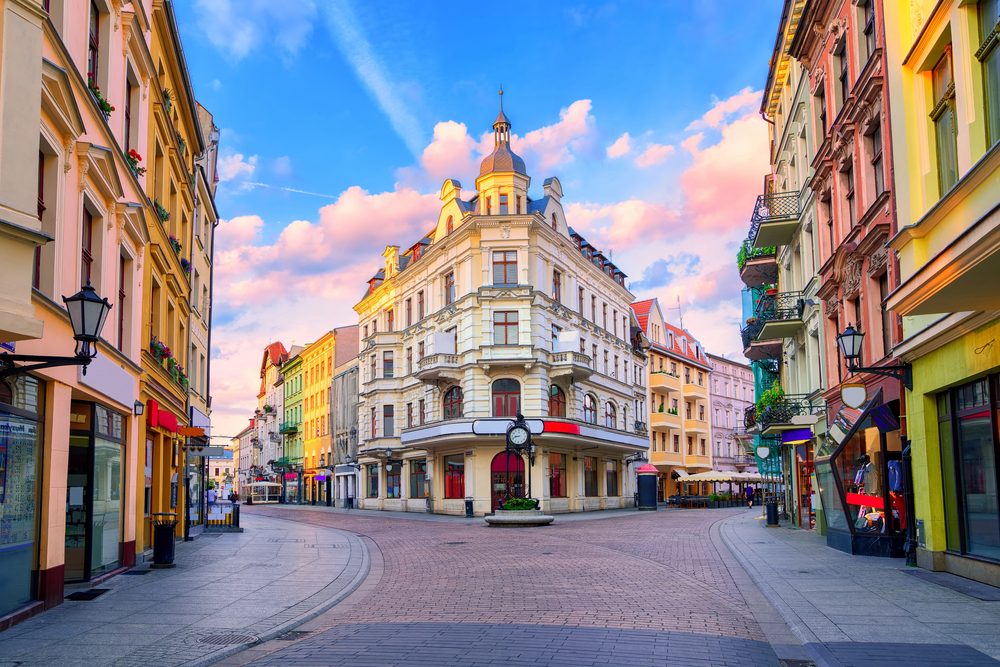
This remarkably well-preserved medieval European trading center on the Vistula River owes its origins to the Teutonic Order, which built a castle there in the mid-13th century. Visiting Toruń is like traveling hundreds of years back in time, with authentic Gothic architecture preserved for centuries.
The birthplace of astronomer Nicolaus Copernicus still echoes with the footsteps of Hanseatic League merchants. And yes, the gingerbread really is that good.
Like Travel Pug’s content? Follow us on MSN
Gdansk
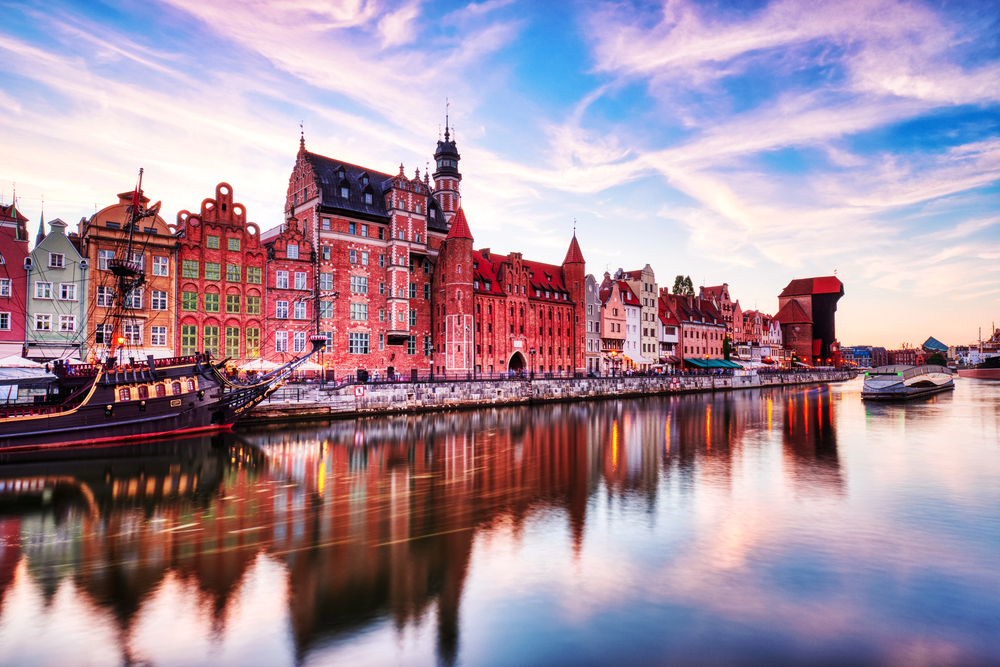
This historic port town on the Baltic Sea is packed full of beautiful architecture, really cool museums, and gorgeous amber jewelry. The colorful facades lining the waterfront create a picture-perfect scene that feels almost too pretty to be real.
The bustling port city has been home to people of diverse backgrounds and religions, with magnificent architecture encompassing various styles from Brick Gothic over Mannerism to Baroque. Free museums on Tuesdays make it budget-friendly too.
Wrocław
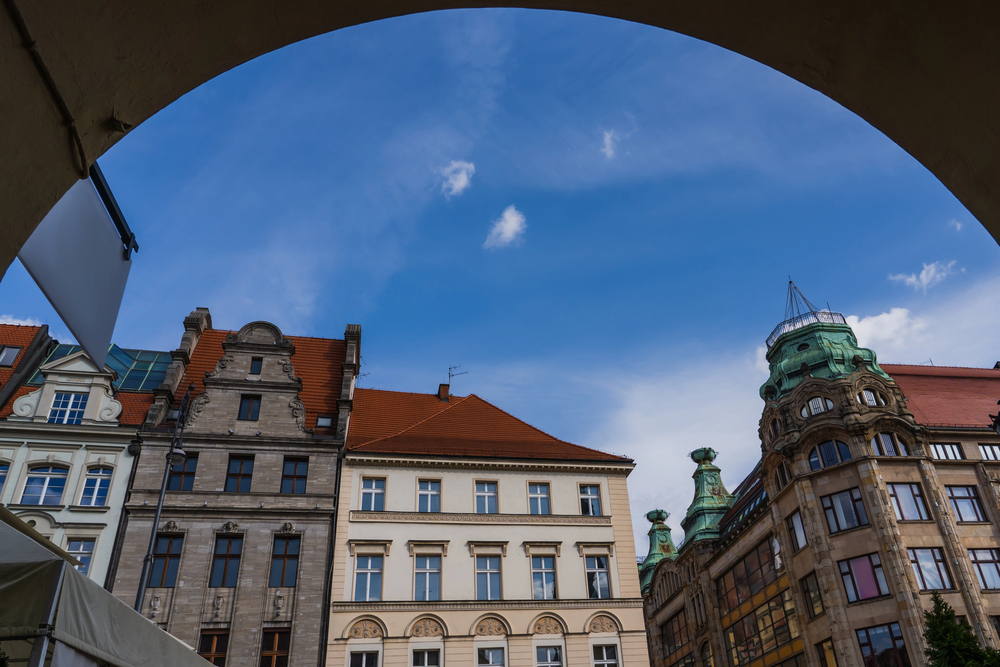
Floating on the banks of the Odra, Wrocław, with its quirky dwarves and its thousand-year-old history, fascinated visitors with its mishmash of history and fusion of cultures. A charming town that was once a part of the Kingdom of Poland in the medieval era, Wrocław had been ruled by different regimes — from the kingdoms of Bohemia, Hungary, and Prussia to the empires of Habsburg and Germany.
The 13th-century Main Market Square throbs with energy around its Gothic town hall. But it’s those hundreds of bronze dwarves scattered throughout the city that steal the show — a whimsical treasure hunt for visitors of all ages.
Zamość
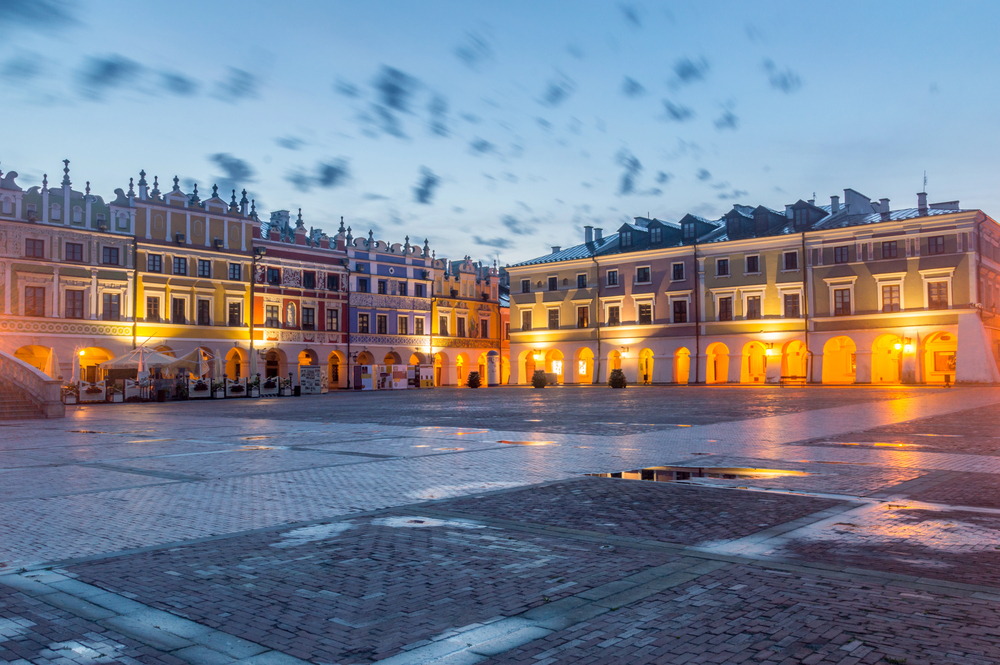
The imposing Rynek Wielki with its lofty town hall tower and the magnificent St. Thomas Collegiate Church form the centerpiece of this UNESCO site. Zamość is like a little piece of Italy in Poland.
The square is surrounded by burgher houses with arcades, including historic Armenian houses decorated with beautiful bas-reliefs and ornaments. This Renaissance planned city feels like stepping into a perfectly preserved architectural textbook.
Like Travel Pug’s content? Follow us on MSN
Kazimierz Dolny
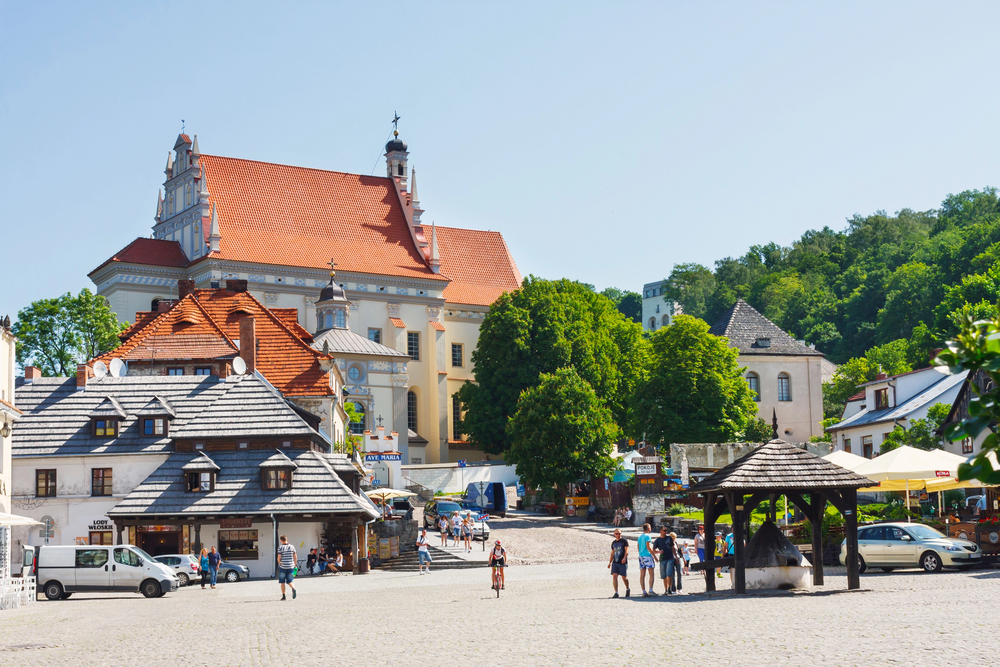
Located in southeastern Poland, this picturesque town has retained much of its medieval charm, known for its beautifully preserved Renaissance architecture, colorful houses, and charming narrow streets. It is one of the most beautiful small towns in Poland, often called the town of lovers or the town of artists.
The hillside setting beside the Vistula River creates sweeping views that have inspired artists for centuries. Historic granaries dot the landscape like ancient sentries watching over the valley below.
Sandomierz
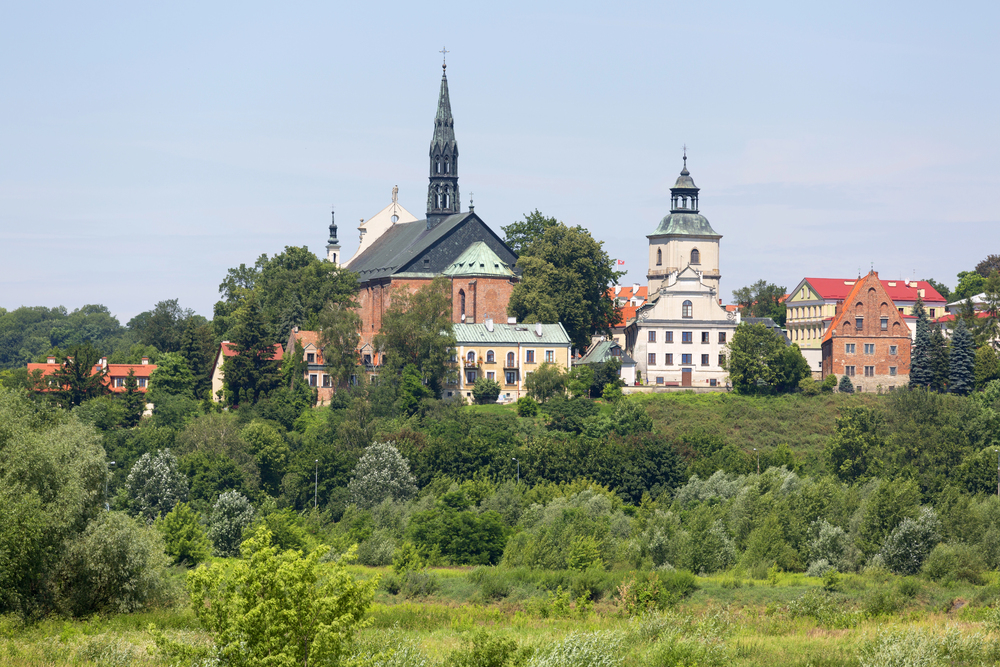
This historic town located in southeastern Poland sits on the banks of the Vistula River, known for its well-preserved medieval architecture, including the 14th-century Town Hall and the Gothic-style St. James Church. It is especially famous for its original, Medieval, urban layout and tourist underground route through Medieval basements made in loess rock.
A walk through cobblestone streets takes visitors back in time. The local wines served in cafés around the market square provide the perfect accompaniment to medieval atmosphere.
Chełmno
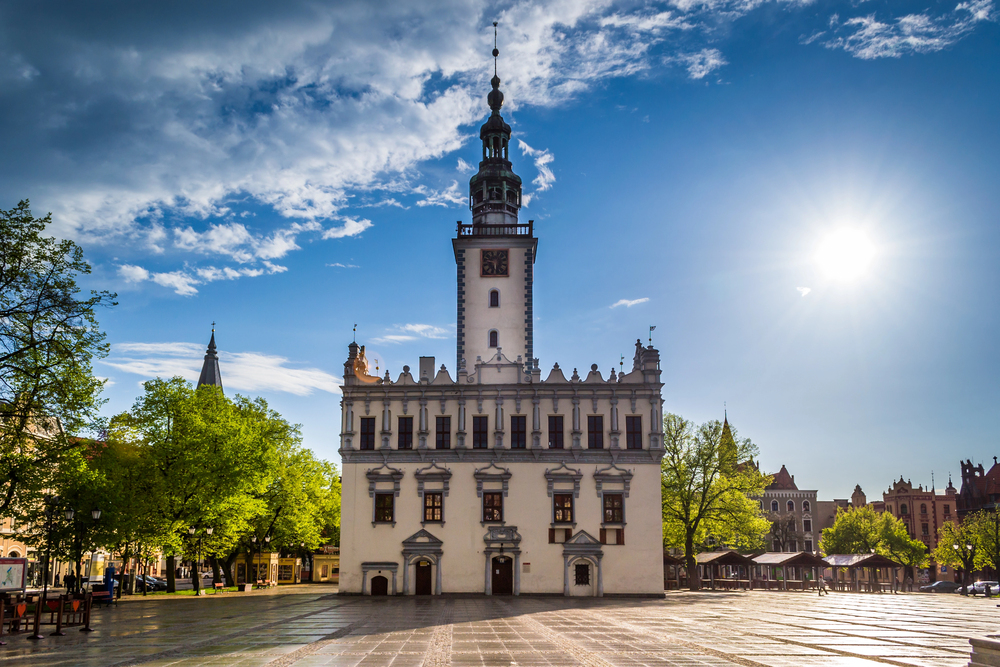
Located in northern Poland, Chełmno is one of the oldest and best-preserved medieval towns in the country, known for its well-preserved Gothic architecture and charming streets. The town derives its name from an old Polish word ‘chelm’ that means hill, spread over nine hills near River Vistula.
Still. The gingerbread here has been made for over 250 years. Chełmno is famous for its delicious gingerbread, which has been made in the town for over 250 years. Sweet tradition lives on in every bakery window.
Like Travel Pug’s content? Follow us on MSN
Tykocin
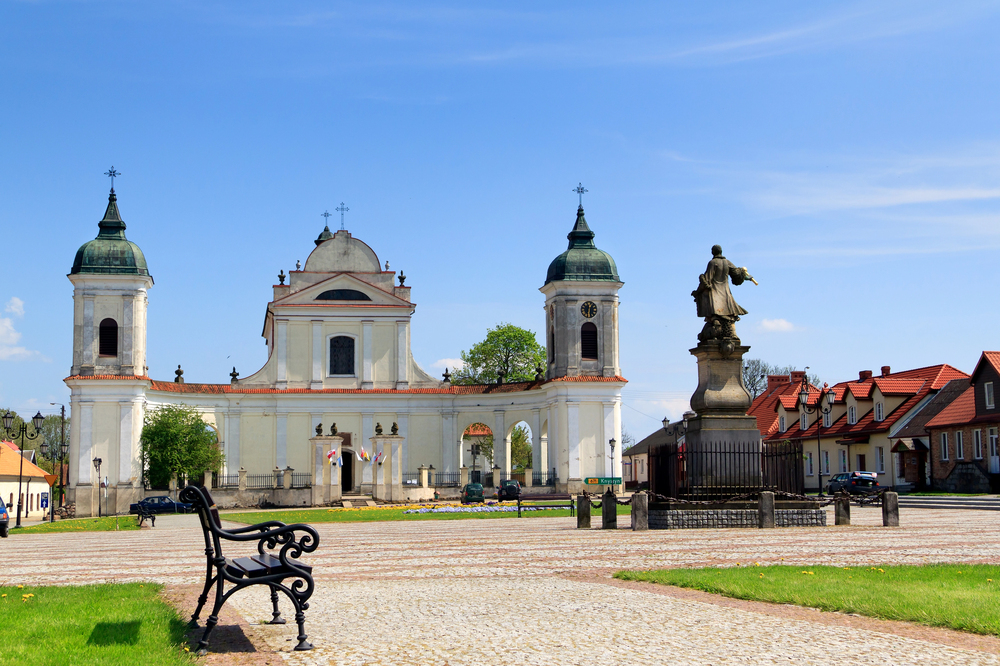
A favorite stop among Polish Kings and Lithuanian princes for some alcoholic refreshments, Tykocin once housed around 36 beer taverns, 15 vodka joints, and 10 mead inns! This small town by the River Narew clearly knew how to party.
Today’s visitors find over one hundred historic structures, including the Tykocin Castle, baroque Church of the Holy Trinity, and one of Poland’s best-preserved synagogues. The party atmosphere has mellowed considerably.
Tarnów
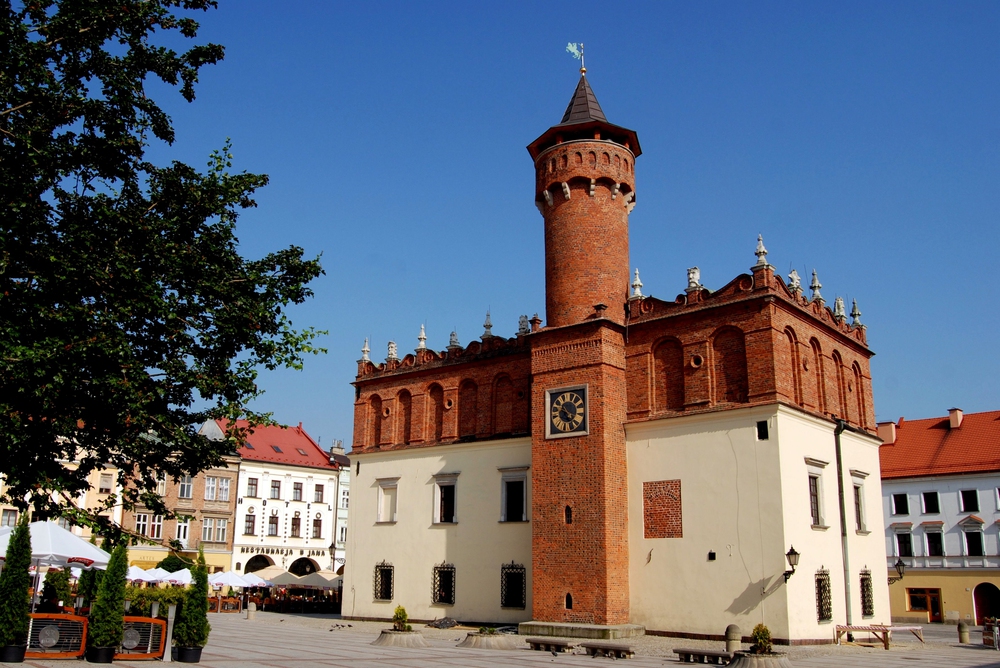
Often referred to as Krakow’s little sister, Tarnów is a quiet yet beautiful small town featuring the same charm and medieval atmosphere as Krakow — just without the crowds and inflated prices. The recently restored Old Town feels like a well-kept secret waiting to be discovered.
Walking these streets at dusk, you’ll appreciate having the place mostly to yourself. The same Gothic beauty, half the tourists.
Malbork
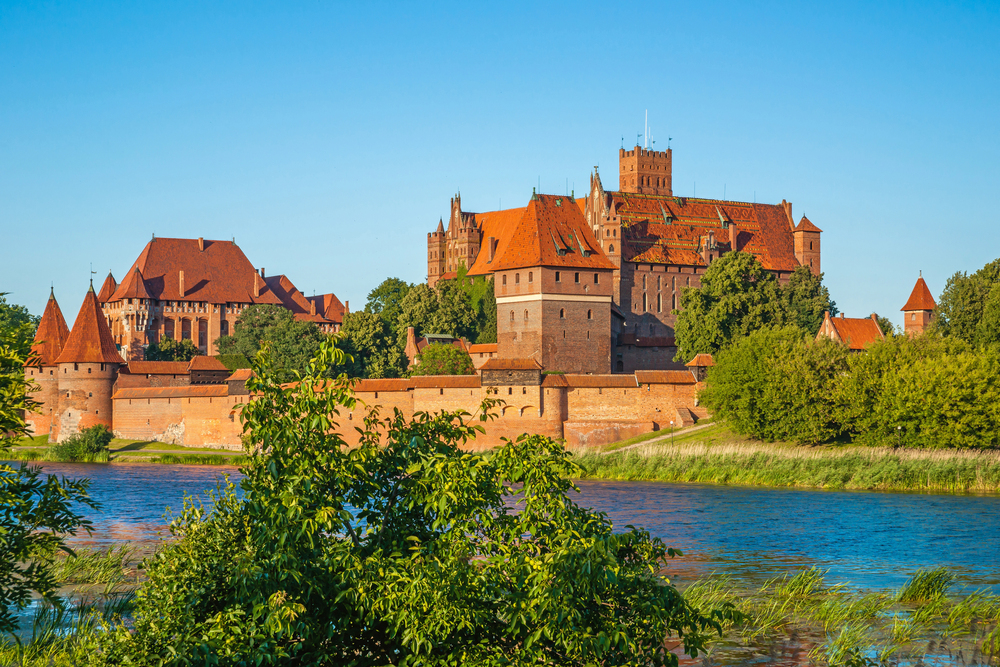
This small town in northern Poland is famous for its stunning medieval castle, the largest brick castle in the world. The largest brick fortress of medieval Europe, the Teutonic Castle in Malbork is the first known example of a regular four-winged defense complex.
But don’t overlook the town itself. Beyond the fortress walls, charming streets and traditional architecture create an authentic medieval atmosphere that complements the castle experience perfectly.
Like Travel Pug’s content? Follow us on MSN
Zakopane
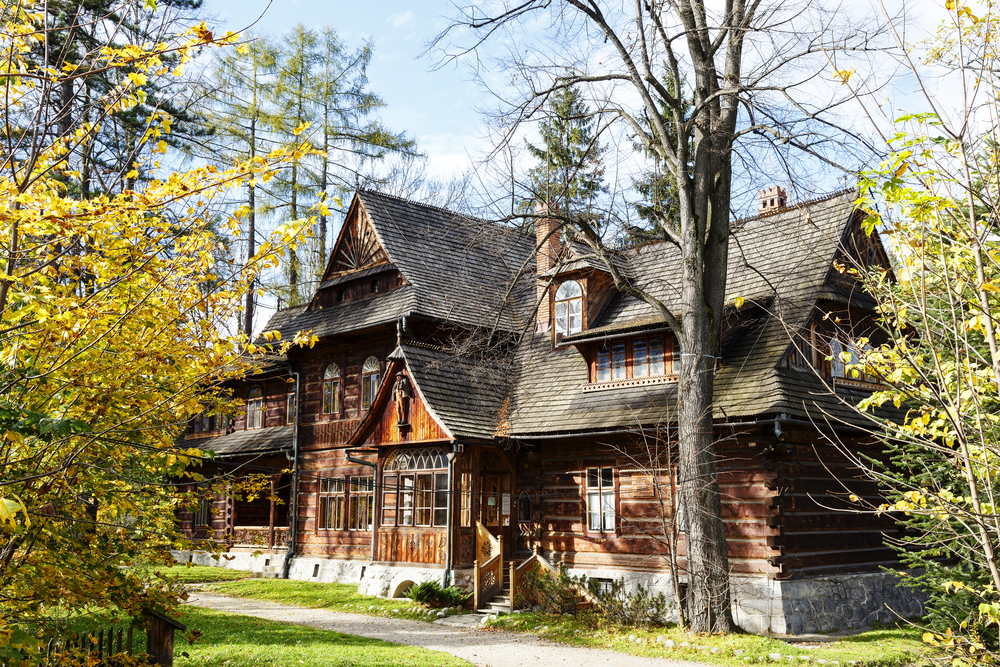
Forever regarded as the “Winter Capital of Poland,” Zakopane is a small, charming resort town with lots of restaurants and shops, and the strikingly gorgeous snow-clad Tatra Mountains. Though technically not medieval, this 19th-century mountain town captures hearts with its unique wooden architecture.
The distinctive highlander culture includes:
- Traditional wooden houses with intricate carved details
- Oscypek — a local specialty involving smoked cheese
- Mountain hiking trails that transform into ski slopes
And summer brings just as much magic as winter snow.
Zalipie
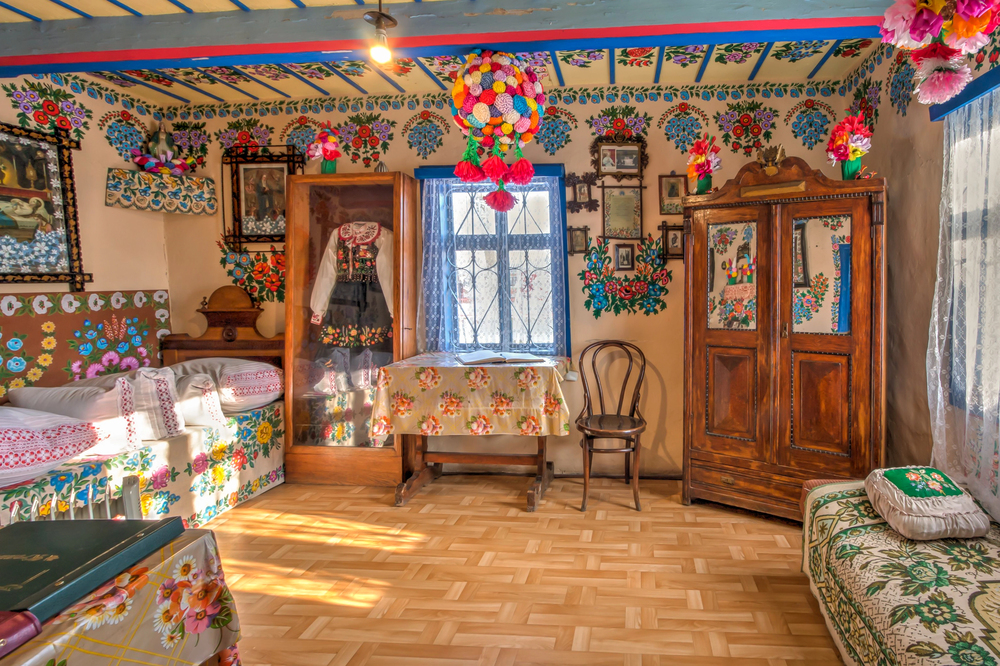
This small village in southeastern Poland is famous for its unique tradition of painting the exteriors of homes and farmhouses with colorful floral patterns. This remote village is known for its unique flower paintings, which can be seen all over town — from the walls of houses to the furniture within them and everything in between.
Walking through Zalipie feels like stepping into a fairy tale where every surface blooms with hand-painted flowers. The tradition continues today, with local women maintaining this remarkable artistic heritage.
Kłodzko
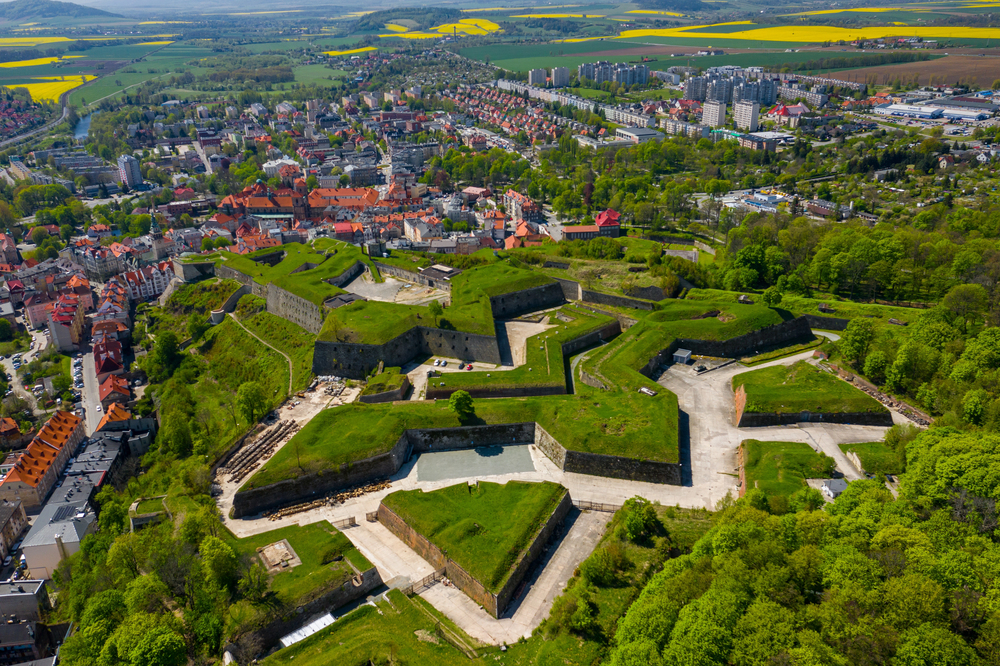
This small town in southwestern Poland nestles in the foothills of the Sudeten Mountains, known for its well-preserved historic center surrounded by 18th-century fortress walls. Although I have yet to visit, the photos remind me of a miniature Prague.
Visitors explore narrow streets, admire the stunning Gothic-style bridge over the Nysa Kłodzka River, and venture into historic underground passages. The fortress walls create an intimate, protected feeling.
Like Travel Pug’s content? Follow us on MSN
Paczków
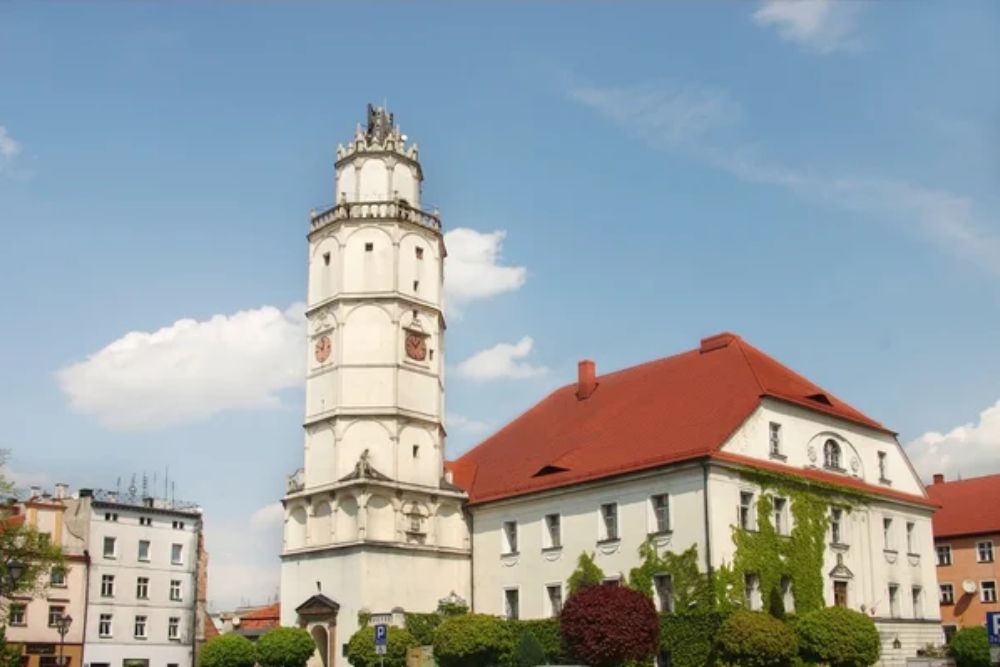
The quiet little market town of Paczków has managed to preserve its medieval fortifications almost intact, hence its name, “Polish Carcassonne.” The defense walls, which are 7 meters high, deserve special admiration. They are over 1,200 meters long and originally rose to a height of 9 meters.
The wall has 24 old towers. The towers are fundamentally different from each other, some have the height of the defensive walls, and others are much higher. This fortified town remains one of Poland’s most complete medieval ensembles.
Cieszyn
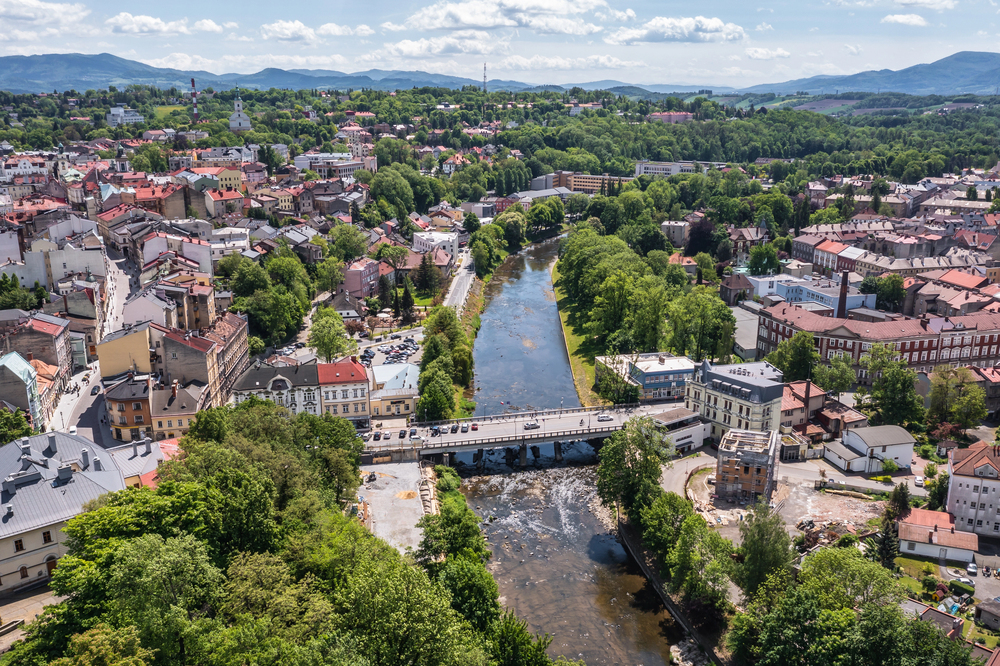
Cieszyn’s history goes back to the XIII century, and the city is considered one of the oldest in Poland. Tourists love Cieszyn for its medieval charm, countless cafés dotted around the market square, and traditional restaurants serving delicious food.
Wandering around the narrow, winding streets filled with picturesque houses is a real pleasure. The town straddles the Polish-Czech border, creating a unique international atmosphere where two cultures blend seamlessly.
Finding your perfect Polish escape
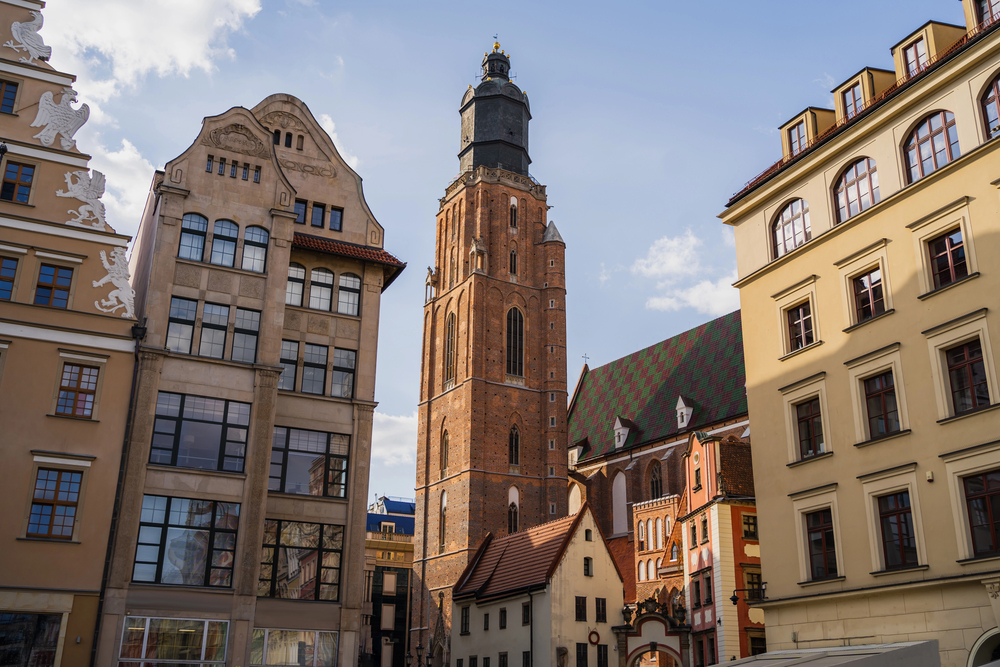
These sixteen towns represent just a fraction of Poland’s historic treasures. Whether you’re drawn to UNESCO-protected sites or hidden gems known only to locals, each destination offers an authentic medieval atmosphere without Western Europe’s crushing crowds or premium prices. Some preserve complete fortress walls, others showcase painted folk traditions, and a few simply exist as perfectly preserved time capsules where history lives and breathes in every cobblestone.
Like Travel Pug’s content? Follow us on MSN
More from Travel Pug

- 20 Best Beach Towns in the Carolinas
- 13 Destinations Where Tourists Regularly Regret Their Trip
- 20 Things You Actually Get in First Class
- 20 Small Airports With Aviation Museums
- 20 Places in the U.S. That Are Perfect for a Reset Trip
Like Travel Pug’s content? Follow us on MSN