

Though Vietnam is already among the most affordable countries you may visit in Southeast Asia, most people still spend much more than is required. There is a rather great discrepancy between what tourists spend and what you would actually pay if you knew the techniques.
Knowing where to look and what actions to take will sometimes cut your expenditures in half. It’s not about being cheap with everything.
Think of it more like understanding when to save and when it’s worth spending a bit extra, figuring out how bargaining actually works, and just doing what locals do. Here is a list of 15 clever methods that’ll make your money last longer while you’re getting the real Vietnam experience.
Master the art of market bargaining
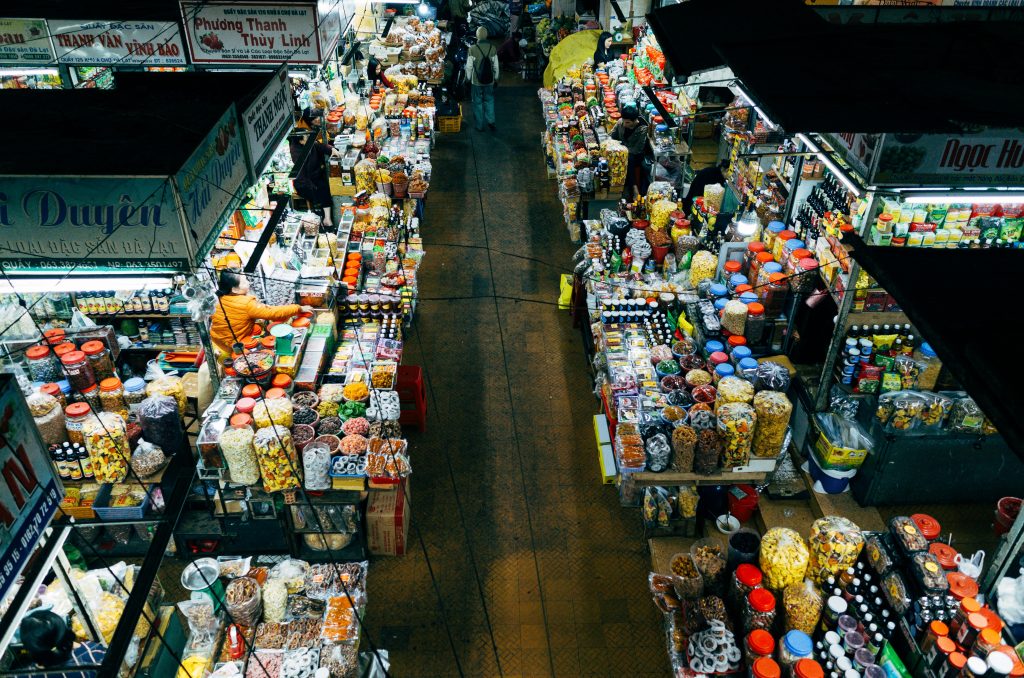
Bargaining at Vietnamese markets isn’t some awkward tourist thing—vendors actually expect it and most enjoy the back-and-forth. Start somewhere around 40–50% of whatever price they throw out first, then work your way up through friendly chat until you both feel good about it.
Try shopping early in the morning between 5–7 AM since vendors think their first sale brings luck for the whole day, though late afternoon works too when they want to clear out stock before heading home.
Choose overnight transportation strategically
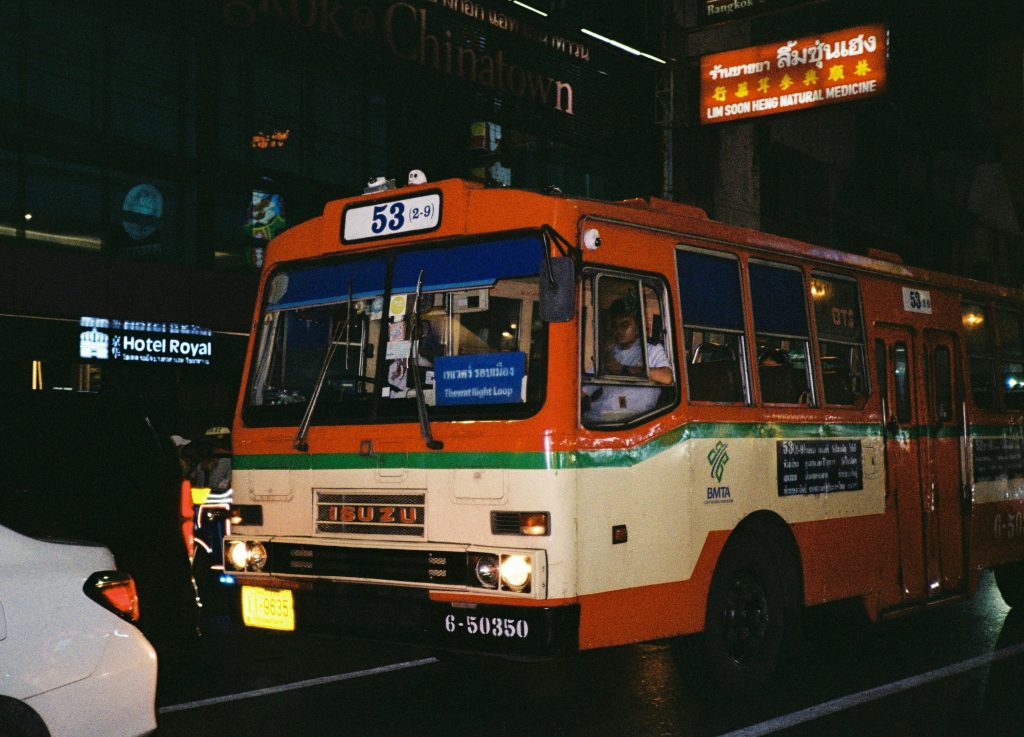
Sleeper buses and trains between cities don’t cost much and here’s the bonus—you’re basically getting free accommodation for the night. A sleeper bus from Hanoi down to Hoi An or over to Nha Trang runs about $20–30, which saves you from paying for a hotel room that would’ve been around the same price anyway.
The seats recline pretty far back and the berths are horizontal, so while it’s not exactly five-star comfort, you can actually sleep decently while covering serious distance.
Eat where the plastic stools are
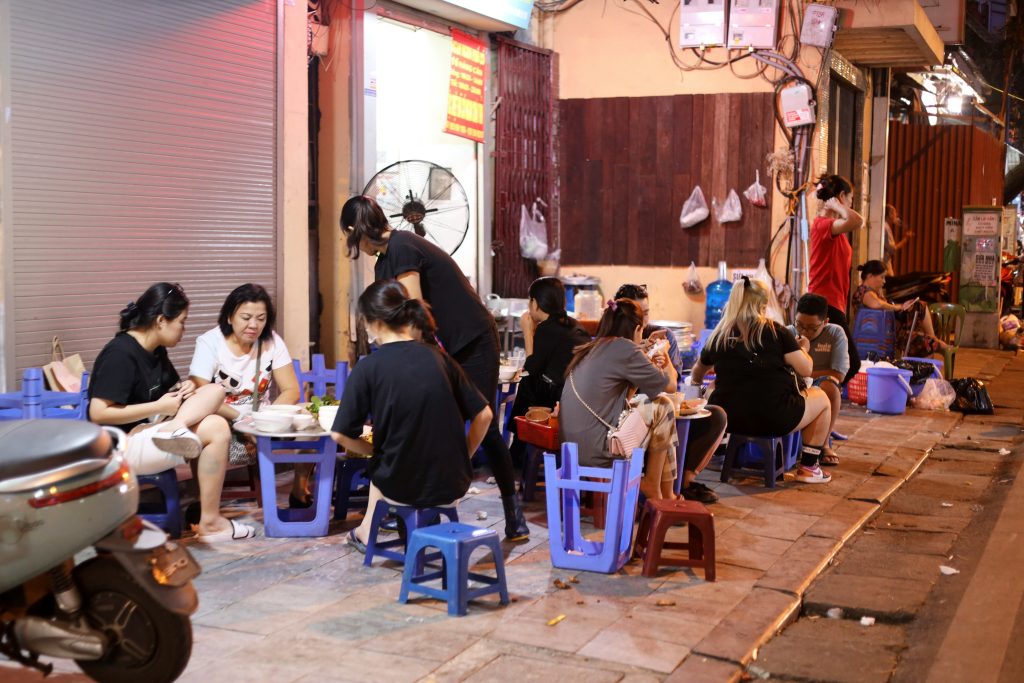
Vietnamese street food is legitimately some of the best food you’ll ever taste, and it costs almost nothing. A proper bowl of pho runs $1–2, and you can grab a banh mi sandwich for less than a buck.
Those tiny spots with plastic stools crammed full of locals serve the most authentic stuff at the lowest prices—if you’re seeing other tourists around, you’re probably already paying too much.
Skip tourist SIM cards at the airport
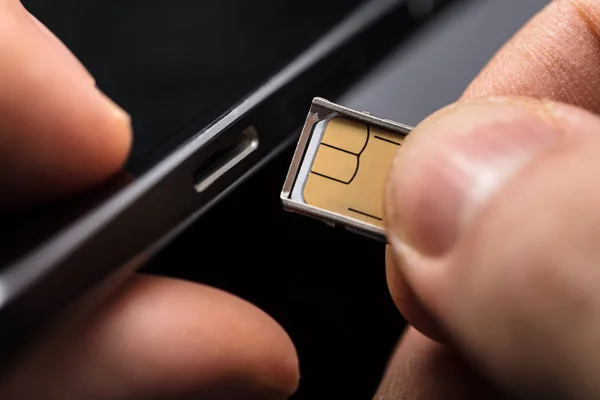
Airport SIM cards work fine but they’ll charge you way more than necessary. Head to any Viettel or Vinaphone shop in the city and grab a prepaid plan with 12–30GB of data for around $3–8 instead.
Even smarter, buy an eSIM online before you leave through something like Airalo or Saily, which start at about $4.50 and just activate automatically when you land.
Book accommodation with breakfast included

A ton of Vietnamese hotels and guesthouses include really solid breakfast buffets with your room rate. These aren’t sad continental breakfasts either—we’re talking eggs cooked however you want them, fresh fruit, traditional Vietnamese dishes, coffee, juice, the works.
Places charging $20–30 a night often throw in breakfasts that would easily cost $5–10 if you bought them separately.
Use Grab instead of street taxis

Grab works just like Uber did and it’s consistently cheaper than flagging down taxis on the street. More importantly, you see exactly what you’ll pay before you accept the ride, which cuts out the whole broken meter scam or the driver taking some ridiculous route.
Regular metered taxis aren’t expensive compared to back home, but Grab saves you money and potential headaches.
Travel during shoulder seasons

March through April and September through November give you nice weather without the massive crowds of peak season. Hotels drop their rates by something like 30% during these months while tour companies offer deals to fill empty spots.
Rainy season from May to October gets you even bigger savings, though you’ll deal with some rain—southern areas mostly get short heavy showers instead of all-day drizzle though.
Explore free temples and pagodas

Most temples and pagodas across Vietnam either don’t charge anything or maybe ask for a small donation. These places are absolutely beautiful with incredible architecture and history, and they won’t cost you a thing beyond being respectful.
The same goes for walking around areas like Hanoi’s Old Quarter or Hoi An’s ancient streets—you get amazing experiences without spending anything except your time.
Buy data-only SIM packages
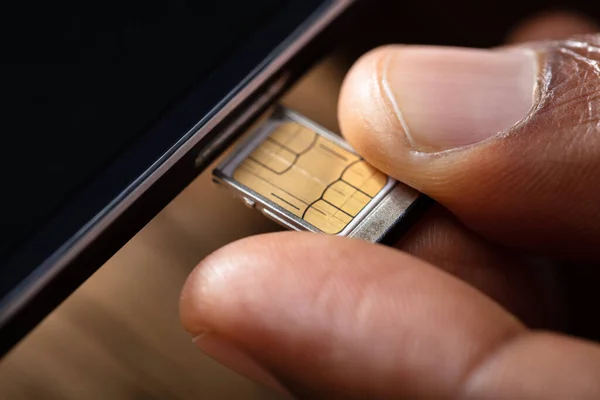
If you’re cool with using apps instead of regular phone calls, data-only packages give you way more bang for your buck. WhatsApp, Telegram, FaceTime—they all run on data and handle everything you need for staying in touch. Vietnam’s got solid 4G coverage pretty much everywhere thanks to providers like Viettel, and a 12GB data-only plan costs maybe $5–6 and lasts most people a full month.
Shop at non-tourist local markets
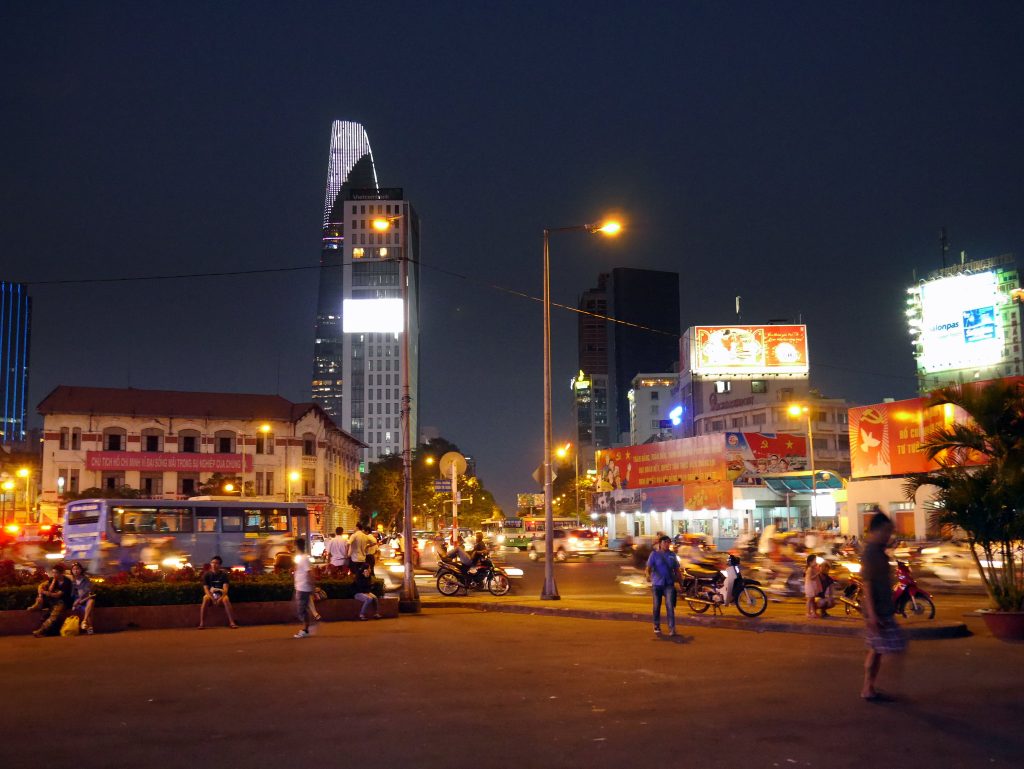
Big tourist markets like Ben Thanh in Ho Chi Minh City are fine for what they are, but they jack up prices because they know visitors will pay. Smaller neighborhood markets like Tan Dinh sell the same stuff at actual local prices with way less aggressive selling.
Just walk a few blocks away from the main tourist zones and you’ll find markets where everything costs half as much or less.
Rent motorbikes for extended exploration
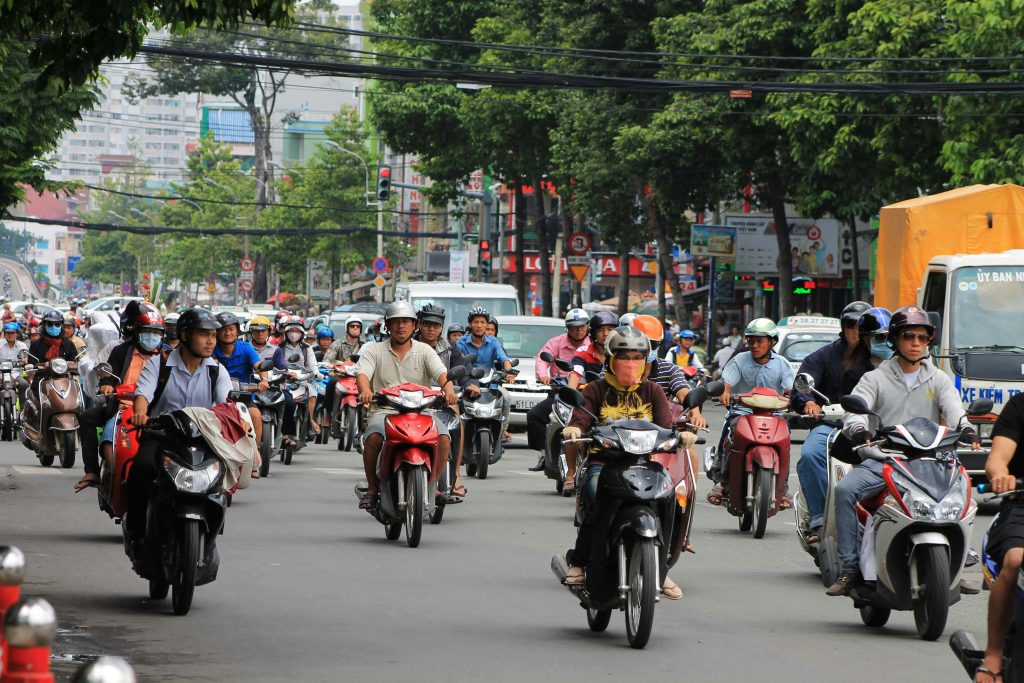
Daily motorbike rentals run about $5-8 throughout Vietnam, which makes them ridiculously economical for getting around or taking longer trips. The Ha Giang Loop up north has some of the most insane scenery in Southeast Asia, and it’s way more affordable when you’re not paying for organized tours.
Just make sure you’re actually comfortable riding and have proper insurance sorted out.
Learn basic Vietnamese numbers and phrases

Vendors will automatically give you better prices when they see you’re making an effort with Vietnamese, even if it’s just super basic stuff. Learning numbers helps the most since you’ll be talking about prices constantly at markets.
Simple things like ‘xin chao’ for hello, ‘cam on’ for thank you, and ‘dat qua’ for being too expensive show respect and usually improve your bargaining position right away.
Withdraw larger ATM amounts less frequently
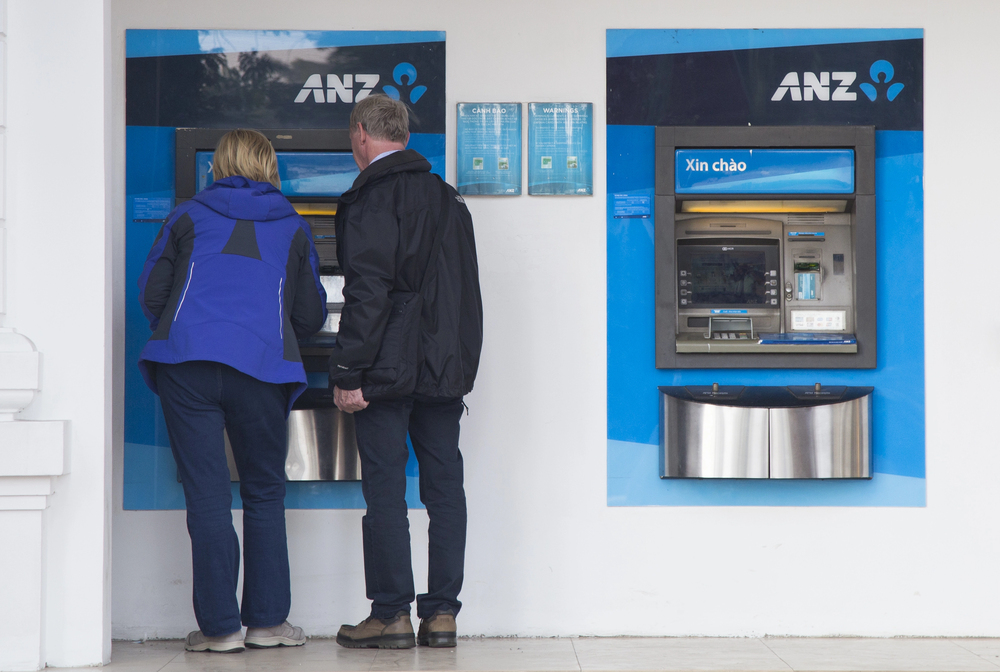
Vietnamese ATMs hit you with fees of 50,000-70,000 VND each withdrawal, which comes out to around $2–3 every time. Your bank back home probably adds their own international fee on top of that.
Instead of making a bunch of small withdrawals throughout your trip, take out bigger amounts to cut down on how many transactions you’re paying fees for. Just be smart about keeping your cash secure and split it up across different spots.
Book tours through local travel agents

Tourist areas have travel agencies on basically every street competing for your business with prices way lower than booking from home. These agents negotiate against each other, and you can usually haggle the rates down even further.
Check prices at three or four different agencies, then go back to whichever one offered the best deal—they’ll often match or beat what their competitors quoted.
Time your beach visits strategically
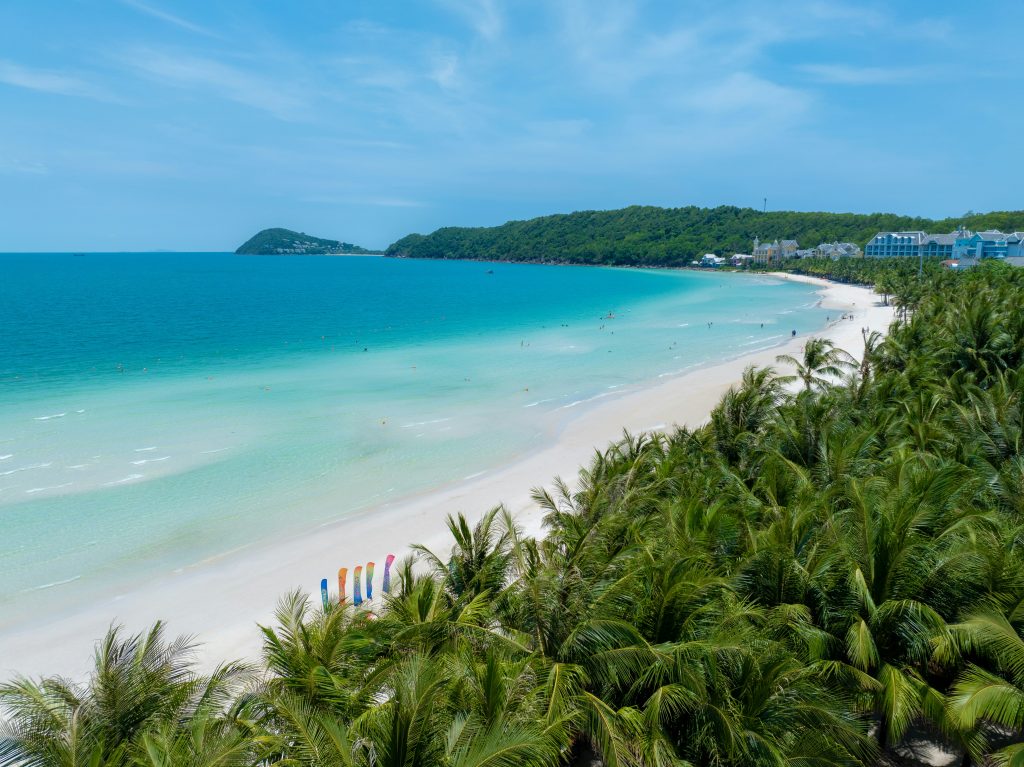
Vietnam’s got miles and miles of gorgeous coastline and most beaches are completely free. Rather than booking beach clubs or paying for resort day passes, hit public beaches like the main strip in Nha Trang or My Khe Beach in Da Nang with your own snacks and drinks from street vendors.
Early mornings and late afternoons dodge the heat and any minor costs while you catch locals doing their thing.
Making every dong count
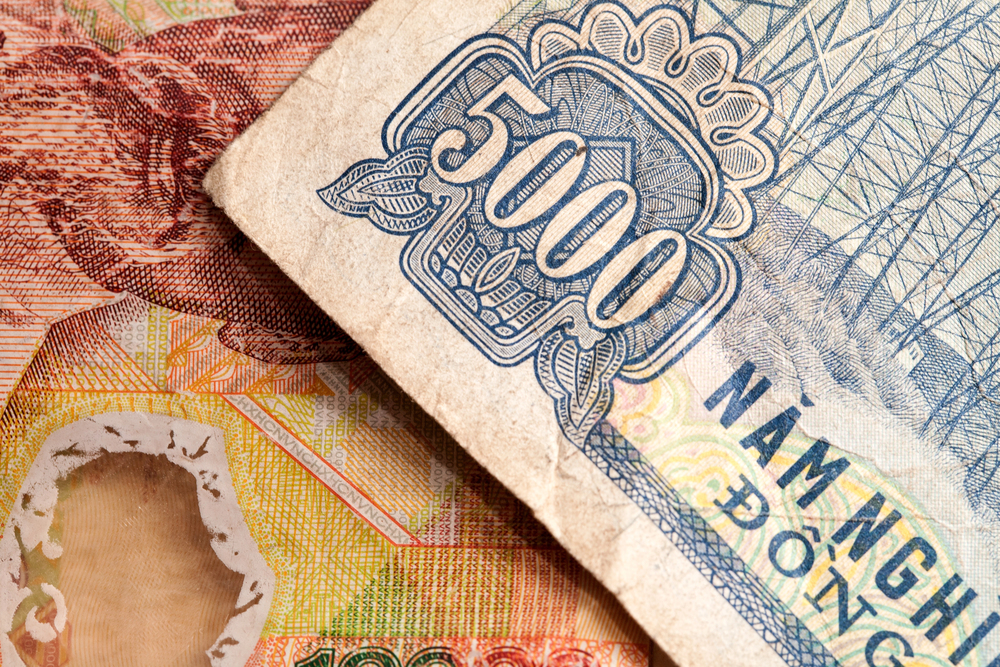
Though the savviest travelers at least partially notice their spending, Vietnam is so cheap one may easily cease to care where their money goes. These techniques help you to avoid excessive tourist markups by directing your money toward experiences really important while not being stingy with every purchase.
Knowing your money is going further than you anticipated makes you feel better whether you are sipping 50 cent bia hoi on plastic chairs or treating yourself to that beautiful Ha Long Bay cruise.
More from Travel Pug

- Underrated Italian Towns That Beat the Tourist Crowds
- Las Vegas Tourist Traps to Skip
- Prettiest Towns in Every US State
- 18 passport-free countries for Americans
- Signs Your Cruise Is Not Worth The Cost
Like Travel Pug’s content? Follow us on MSN.