

Travel planning shouldn’t feel like balancing a tight budget. The amount of flexibility you’ve allowed in your budget can often make the difference between a stressful and a restful vacation.
Giving yourself options when things don’t go as planned is the goal of having a flexible travel budget, not increasing your spending. Here is a list of 15 ways to make your travel budget flexible.
Set A Budget Range Instead Of A Fixed Amount

Set a minimum and maximum spending limit for your trip rather than committing to a set amount. For a week in Europe, you might budget between $2,000 and $2,800, allowing for flexibility in response to changes in exchange rates, seasonal pricing, or unforeseen circumstances.
This method keeps your spending under control without putting you under pressure to reach a precise figure.
Build A Separate Travel Emergency Fund
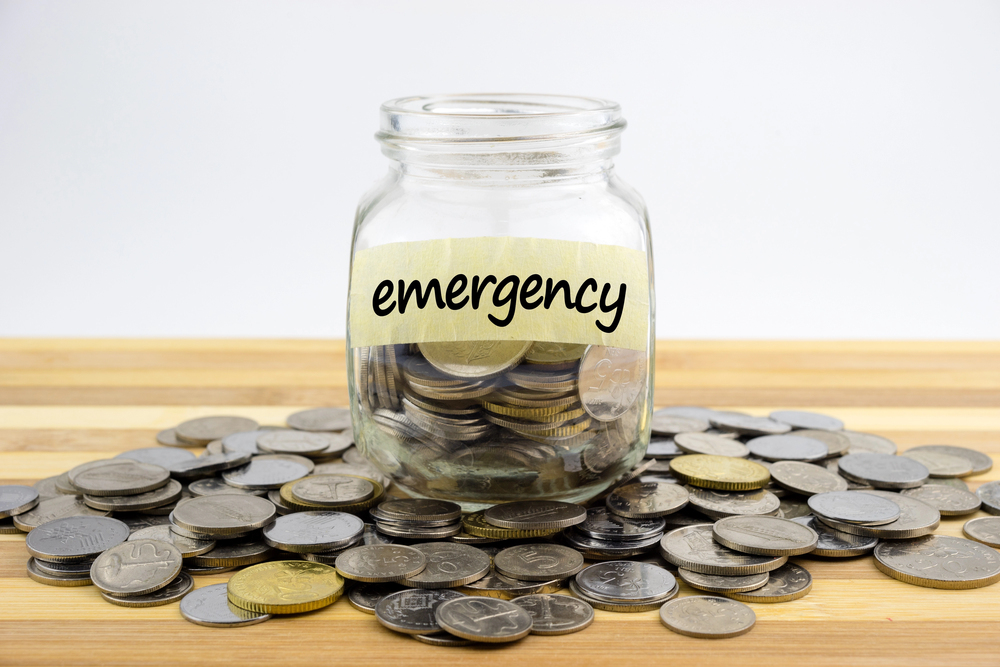
Create a dedicated savings account specifically for travel mishaps, separate from your main trip budget. This fund should cover things like missed flights, medical emergencies, lost luggage, or sudden accommodation changes.
Financial experts typically recommend setting aside 15–20% of your total trip budget as a cushion, though even a few hundred dollars can make a real difference when something goes wrong.
Track Expenses With Dedicated Apps
Download a travel budget app like TravelSpend, Wanderlog, or Trail Wallet to monitor your spending in real time. These tools automatically convert foreign currencies, categorize expenses, and show you exactly how much of your budget remains.
The visual feedback helps you spot spending patterns quickly, letting you adjust your daily habits before you blow through your entire budget.
Stay Flexible With Your Travel Dates

Flying on Tuesday or Wednesday instead of Friday can save you a couple of hundred bucks per ticket. Use search tools that display prices across an entire month so you can spot the cheapest days to fly.
Being willing to shift your trip by even a few days opens up access to significantly better deals, especially during shoulder seasons when demand drops but weather remains decent.
Book Accommodations With Kitchen Access

Renting a place with a kitchen cuts food costs dramatically compared to eating every meal at restaurants. Even preparing simple breakfasts or evening snacks at your accommodation can save a family of four several hundred dollars over a week-long trip.
Shopping at local markets for ingredients also becomes part of the experience rather than just a money-saving tactic.
Use Credit Card Points Strategically
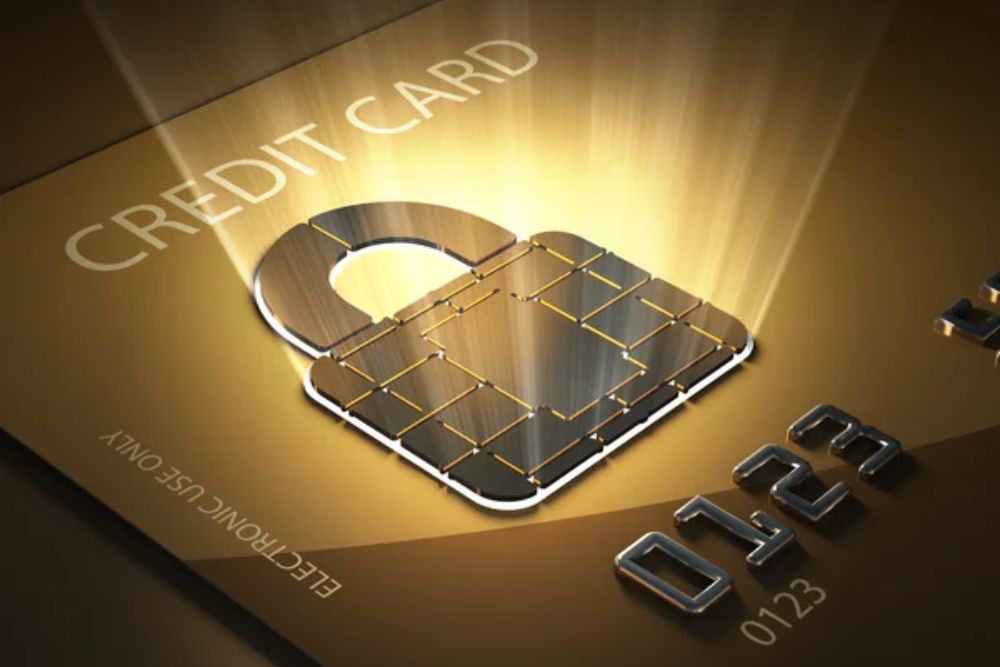
Rack up travel rewards by putting large purchases on cards that earn points for dining and entertainment, then redeem those points for flights or hotels during off-peak times when they stretch further. Don’t waste points on short domestic flights that would be cheap to pay for out of pocket.
Save them for longer international trips where the value of each point increases substantially.
Choose Flexible Booking Options

Pay a bit extra for hotel reservations or tours that allow free cancellations or changes. While these options cost more upfront, they save money in the long run when your plans shift unexpectedly.
A couple who booked a hotel with free cancellation switched to a cheaper option when their schedule changed, avoiding penalty fees and actually spending less overall.
Travel During Shoulder Seasons
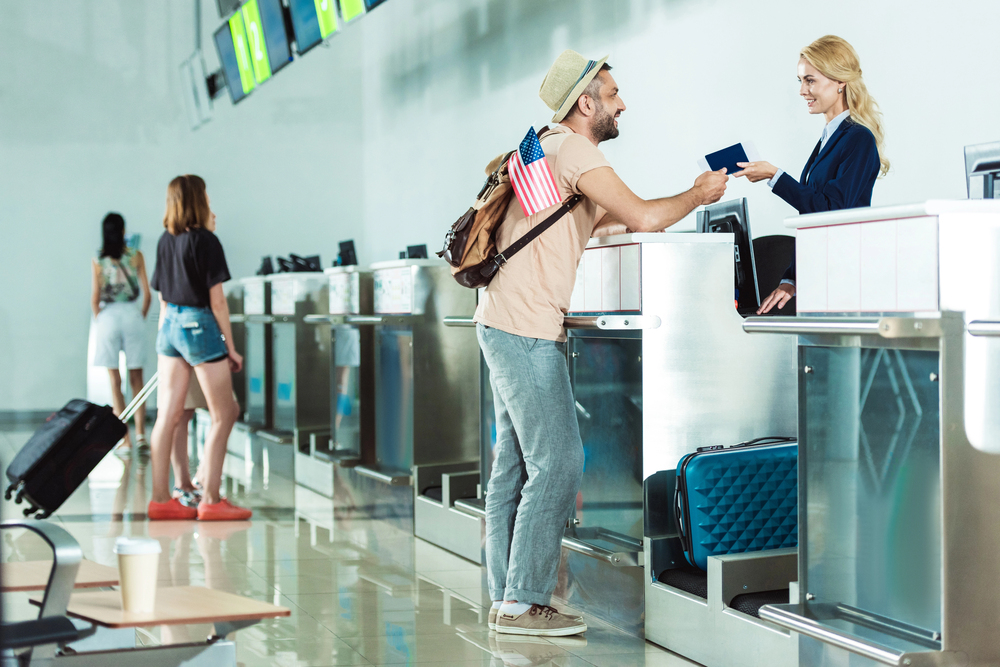
Visit destinations just before or after peak tourist season to enjoy lower prices on flights and accommodations while still experiencing decent weather. Beaches aren’t as crowded, restaurants have tables available, and locals actually have time to chat.
The trade-off might be slightly cooler temperatures or occasional rain, but the savings often reach 30–40% compared to high season rates.
Split Costs When Traveling In Groups

Renting a car becomes surprisingly economical when the cost divides among several people, often working out cheaper than individual public transport tickets. Apps like Splitwise or Batch help track who owes what without awkward money conversations.
Group travel also opens up options like vacation rentals that would be too expensive for solo travelers but become affordable when shared.
Set Up Automatic Savings Transfers

Schedule regular transfers from your checking account to a dedicated travel savings account, even if you’re only moving $20 or $30 at a time. Automating the process removes the decision-making and ensures the money gets saved before you spend it on something else.
Some banks offer programs that round up purchases to the nearest dollar and deposit the difference into savings, painlessly building your travel fund.
Research Free Activities At Your Destination

Every city offers free museums on certain days, parks, walking tours that operate on tips, and local festivals that don’t charge admission. Spending entire days wandering neighborhoods and sitting in public squares costs nothing while providing authentic glimpses into local life.
These experiences often prove more memorable than expensive guided tours, and the money you save gives you flexibility to splurge on a nice dinner or unexpected opportunity.
Use Public Transportation
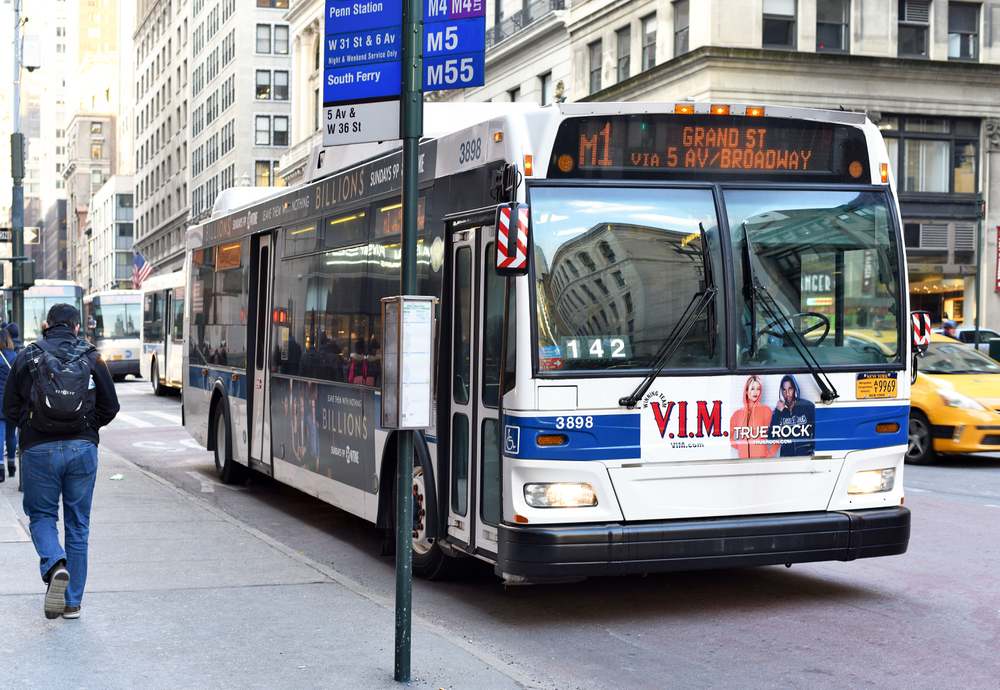
Buses, trains, and metro systems cost a fraction of what you’d spend on taxis or rideshares while offering a window into how locals actually live. Many cities sell tourist passes providing unlimited transport access for several days at a discounted rate.
A weekly metro pass might cost $30 compared to $15–20 per day in taxi fares, freeing up hundreds of dollars for other parts of your trip.
Book Flights Well In Advance
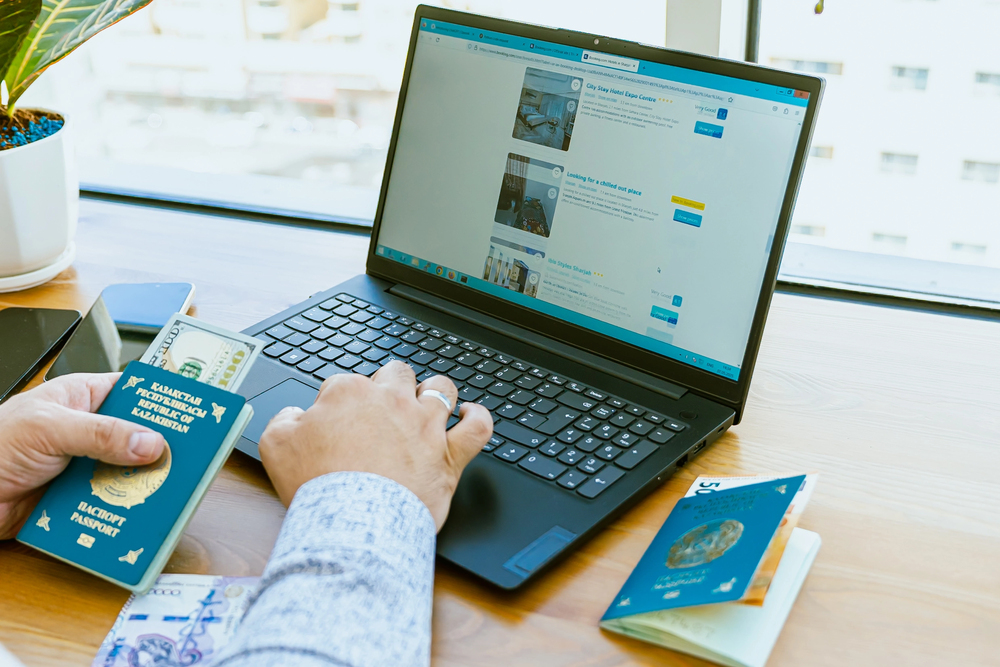
Start tracking flight prices at least 10 months before your trip and set up fare alerts on sites like Google Flights or Skyscanner. Purchasing international flights on Sundays can save up to 17%, while domestic flights booked on Sundays offer savings up to 20%.
Advance booking gives you time to compare options and grab deals rather than panic-booking expensive last-minute tickets.
Consider Alternative Airports

Flying from or into smaller regional airports can significantly reduce ticket costs even when factoring in extra ground transportation. A recent traveler saved several hundred dollars by departing from a small airport 60 miles away instead of the major city hub in their region.
The savings easily covered gas money and parking with plenty left over.
Maintain Multiple Payment Methods
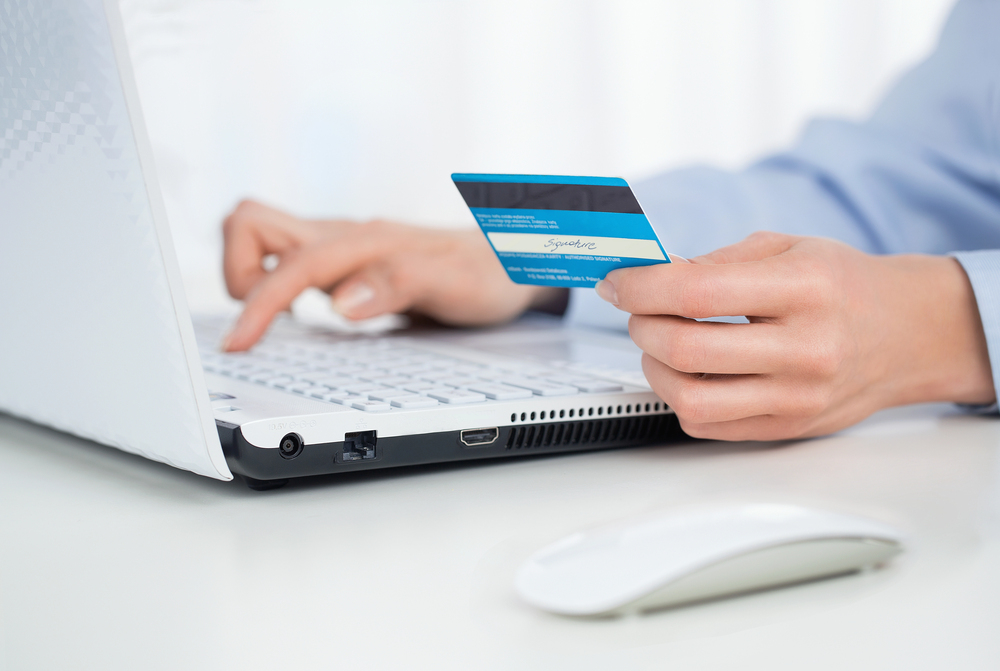
Carry a backup credit card, some cash, and a mobile payment option to avoid getting stuck when payment systems go down or cards get flagged for fraud. Submit travel notices to your bank before leaving so your cards won’t get blocked for unusual activity in foreign locations.
Having redundant payment options means you won’t panic and overspend on emergency alternatives when your primary card stops working.
From Planning To Reality

Including flexibility in your travel budget changes the way you enjoy vacations. The breathing room allows you to accept impromptu opportunities guilt-free, deal with small setbacks without losing your cool, and concentrate on having fun rather than worrying about every penny.
As you discover what works, add more tactics. Start with one or two that suit your travel preferences. The freedom that comes from prudent financial planning should be a part of your next adventure.
More from Travel Pug

- Underrated Italian Towns That Beat the Tourist Crowds
- Las Vegas Tourist Traps to Skip
- Prettiest Towns in Every US State
- 18 passport-free countries for Americans
- Signs Your Cruise Is Not Worth The Cost
Like Travel Pug’s content? Follow us on MSN.