

Brazil’s coastline stretches for roughly 4,600 miles, and somewhere along that vast expanse of sand and surf, there’s a town that feels like it was made just for you. From former fishing villages where electricity only arrived a few decades ago to upscale resort towns that have charmed celebrities for generations, these coastal destinations prove that Brazil’s beaches go far beyond Rio’s famous shores.
Here is a list of 15 coastal towns in Brazil that offer something beyond the typical tourist trail.
Búzios
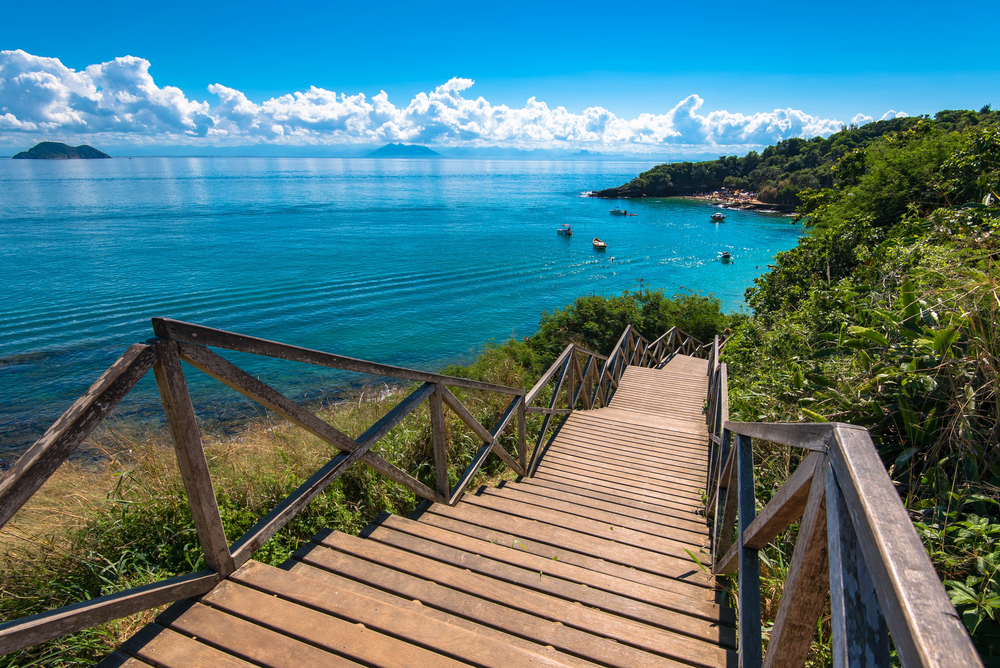
This upscale peninsula about three hours northeast of Rio de Janeiro earned the nickname ‘Brazilian Saint Tropez’ after Brigitte Bardot made extended visits in the 1960s. The roughly five-mile peninsula hosts 23 beaches, each with its own personality.
Favorites among locals include Azeda, Azedinha, João Fernandes, and Geribá for those seeking a mix of calm waters and gentle waves. A stunning boardwalk connects shops, restaurants, and the town center, making it easy to spend entire evenings wandering between sunset cocktails and fresh seafood dinners.
Trancoso
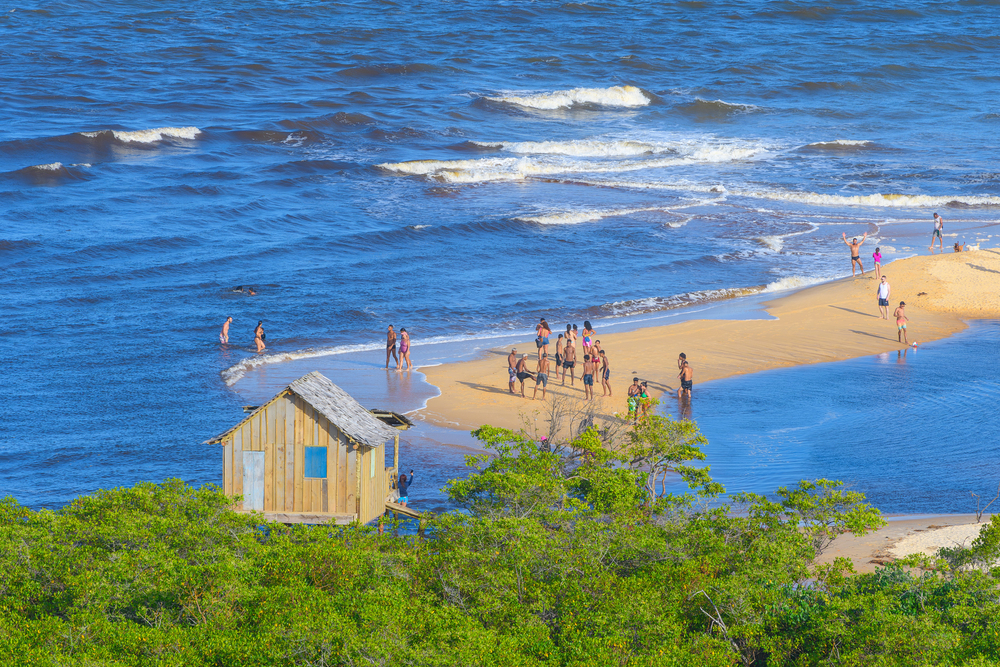
Shops in Trancoso don’t open until 3pm because mornings are reserved for the beach, and that tells you everything you need to know about this place. The historic Quadrado, a grassy village square lined with colorful colonial buildings and the all-white São João Batista Church, overlooks golden beaches and dramatic cliffs below.
Once a quiet fishing town, Trancoso has quietly become one of Brazil’s most sought-after destinations for honeymooners and design lovers, with boutique hotels that could grace the pages of any architecture magazine. It’s about an hour’s drive from Porto Seguro airport in Bahia.
Paraty
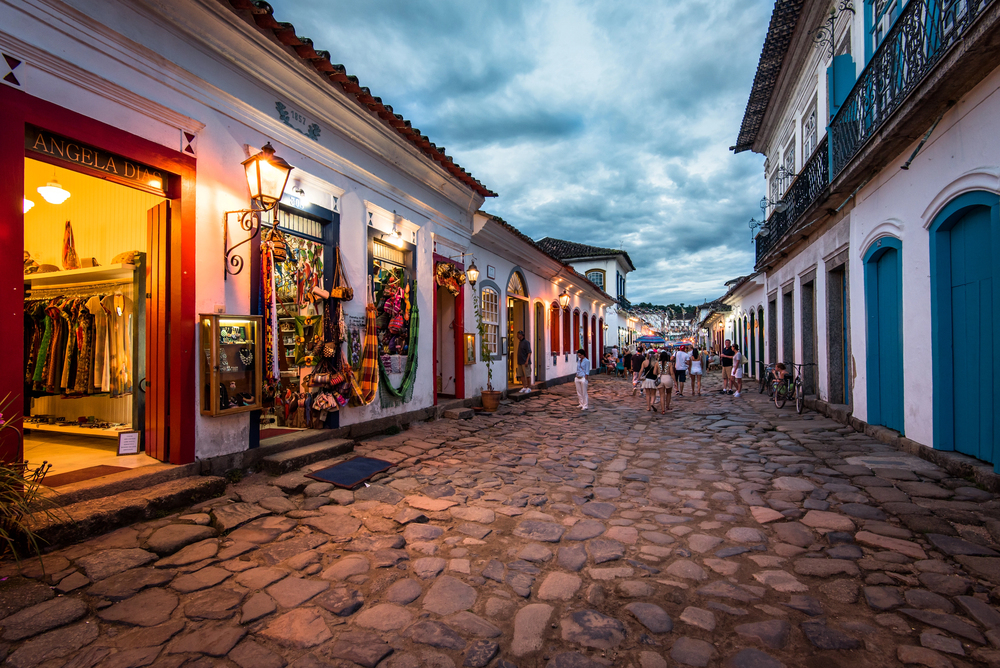
Cobblestone streets flood at high tide in this UNESCO World Heritage town, and locals consider it part of the charm rather than a problem. Located about 155 miles west of Rio de Janeiro, Paraty preserves its Portuguese colonial architecture so well that you half expect a merchant ship to pull into the harbor.
Beyond the colorful doorways and whitewashed buildings, boat trips depart for secluded beaches like Praia do Sono and the fjord-like inlet of Saco do Mamanguá. The town also hosts festivals throughout the year celebrating everything from jazz to cachaça, the traditional sugarcane spirit.
Jericoacoara
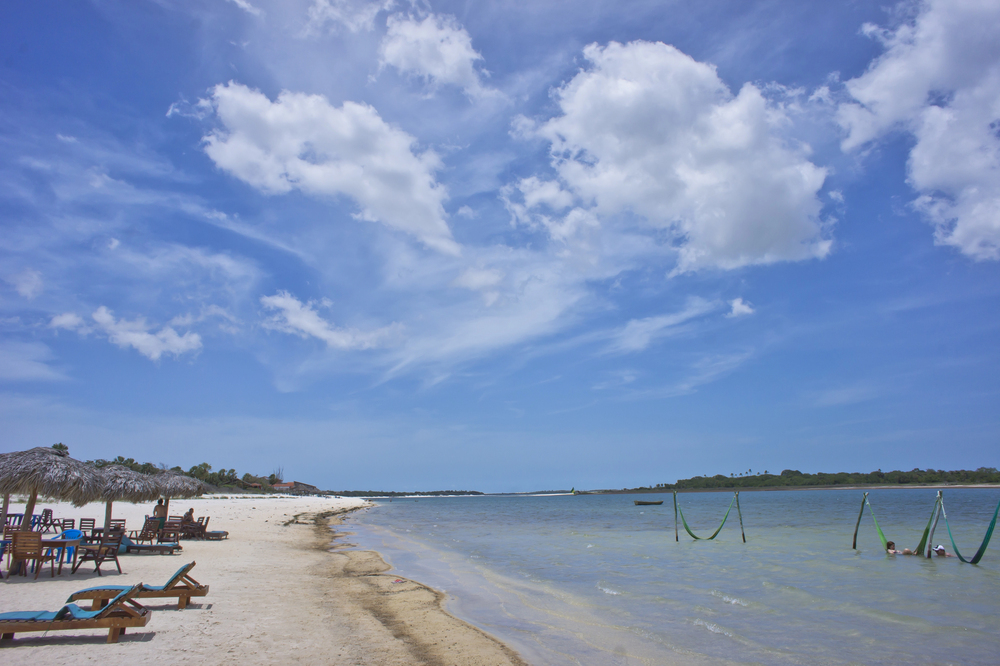
Getting to ‘Jeri’ requires some commitment. After flying into Fortaleza in Ceará state, you’re looking at a four-to-six-hour journey involving roads and eventually dune crossings by 4×4.
But this former fishing village rewards the effort with sand streets, car-free vibes, vast dunes, and preserved mangroves that feel like another world entirely. Freshwater lagoons tucked among the dunes draw visitors from around the globe, and the winds that whip across the beaches make it one of Brazil’s premier kitesurfing destinations.
Arraial do Cabo
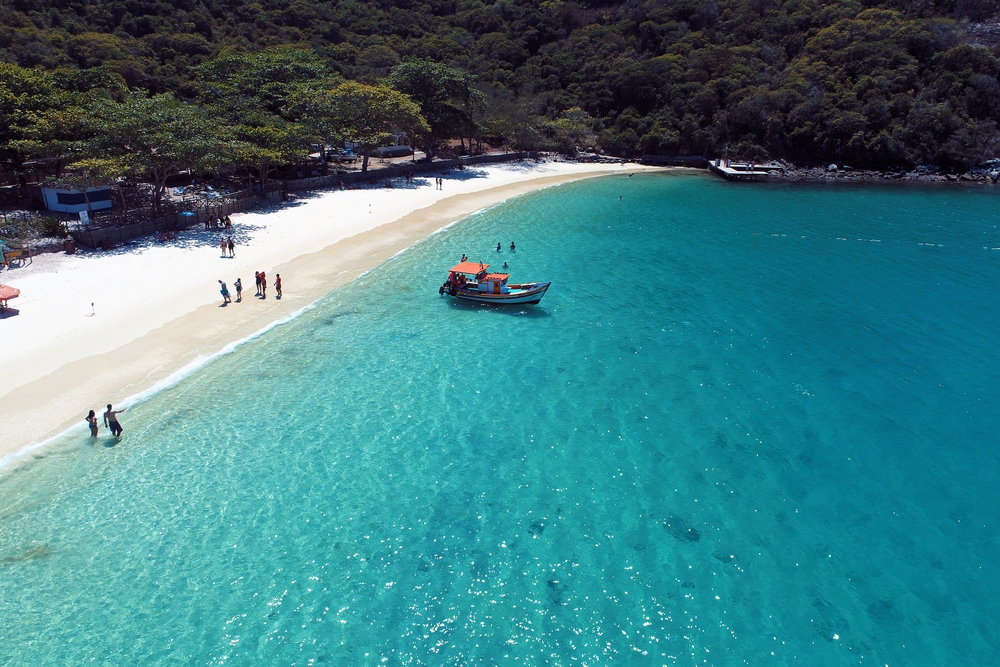
The water here earned the town its nickname ‘Caribe Brasileiro’ for a reason. Located in Rio de Janeiro state, this small coastal town features some of the most intensely turquoise waters in all of Brazil.
Praia do Farol, accessible only by boat, regularly appears on lists of the country’s most beautiful beaches. Another highlight is Praia do Pontal do Atalaia, where a dramatic wooden staircase descends to twin beaches separated by the tide.
Pipa
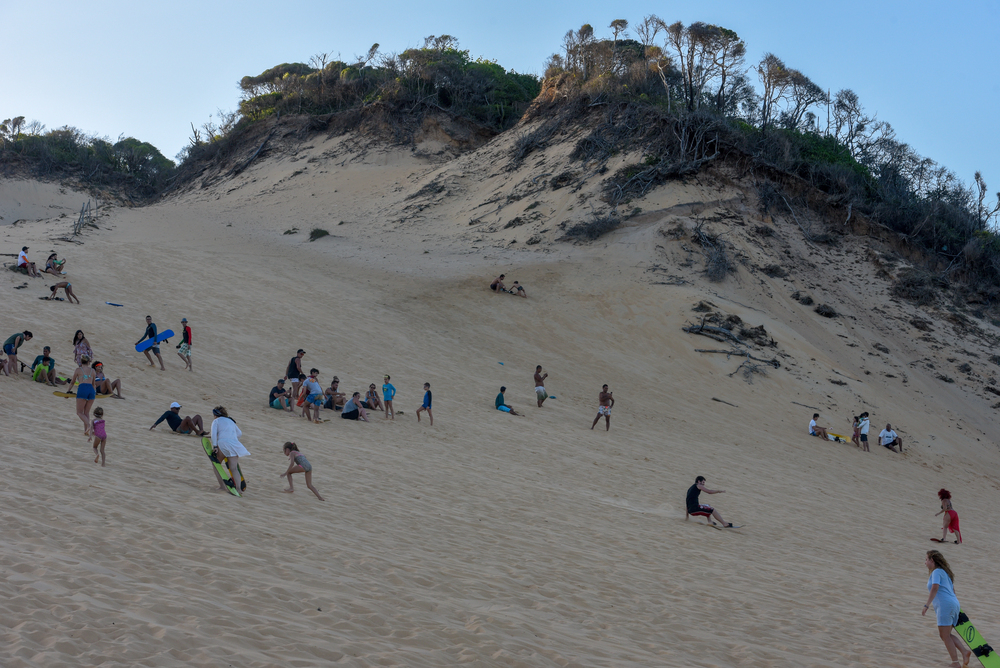
Dramatic pink cliffs meet dolphin-filled bays in this charming town about an hour south of Natal in Rio Grande do Norte. The whitewashed town center has a distinctly Mediterranean feel, though the laid-back atmosphere is purely Brazilian.
Pipa has become something of a digital nomad hotspot, even hosting Brazil’s first official Nomad Village with coworking spaces and bungalow accommodations. The restaurant and bar scene gets particularly lively on weekends when visitors from Natal pour in, but the real attraction remains those cliffs and the marine life visible from practically any beach.
Florianópolis
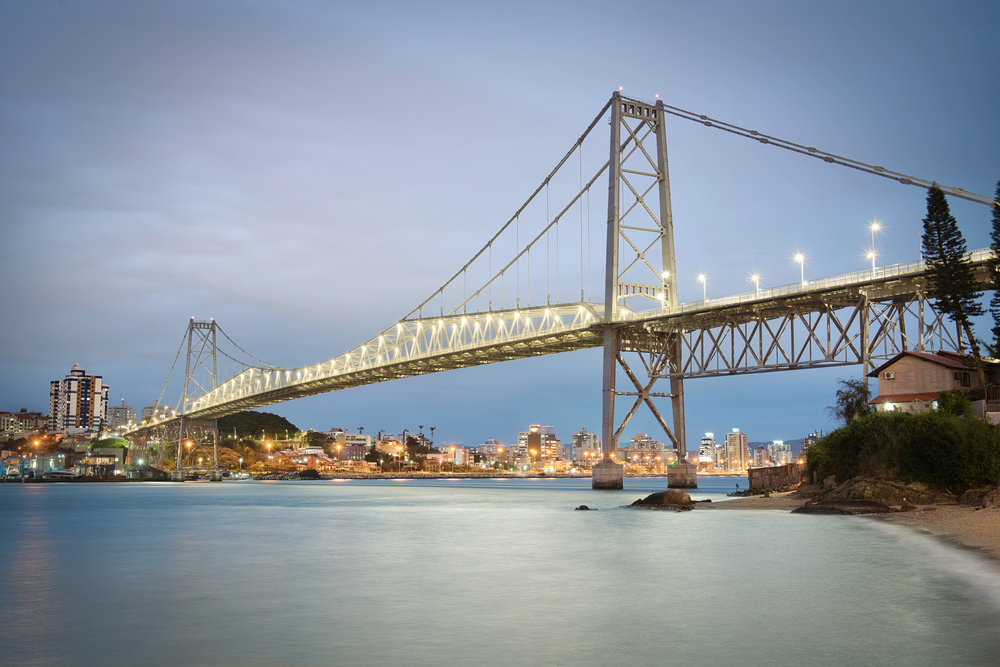
Unlike Brazil’s smaller beach towns, ‘Floripa’ is a full-fledged city spread across an island connected to the mainland by bridge. With more than 40 beaches ranging from pro-level surf breaks to calm bays perfect for families, there’s remarkable variety packed into one destination.
Barra da Lagoa stands out as particularly captivating, with buildings no taller than two stories lining a fast-moving river that empties from the lagoon into the ocean. The beach extends north to merge with Praia do Moçambique, forming a spectacular strand stretching nearly nine miles.
Ubatuba
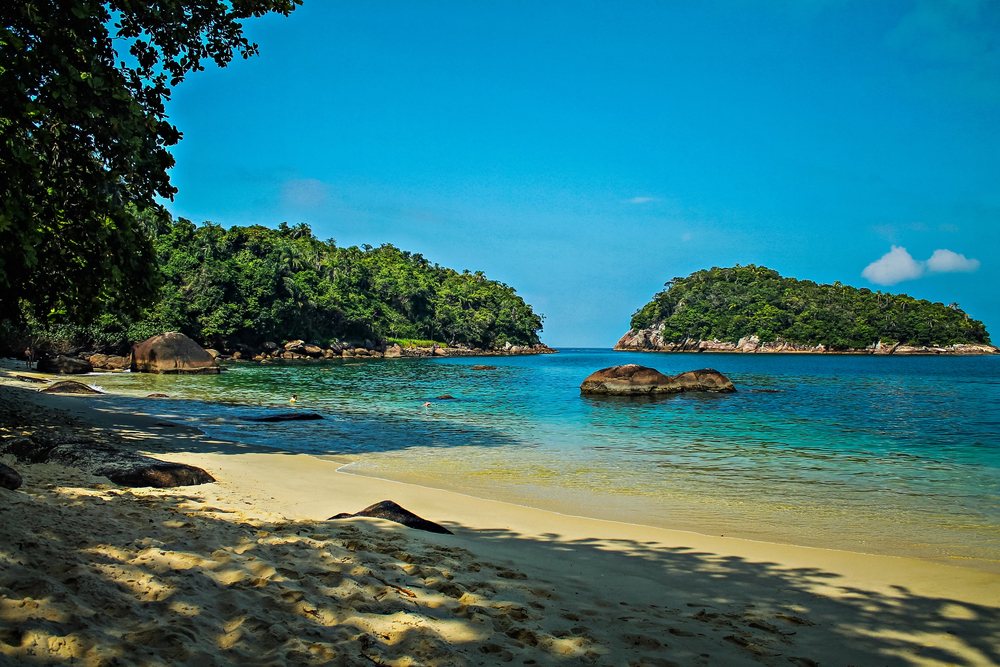
Tucked between São Paulo state and the lush Serra do Mar mountain range, Ubatuba offers over 100 beaches for those who like variety. The municipality sits about three hours from São Paulo city, making it a popular escape for paulistanos seeking surf, sun, and fresh seafood.
Praia Vermelha do Norte draws serious surfers, while Praia Grande offers a good mix of activities and amenities. Day trips to nearby Anchieta Island provide excellent snorkeling and diving opportunities in waters surprisingly clear for the region.
Itacaré
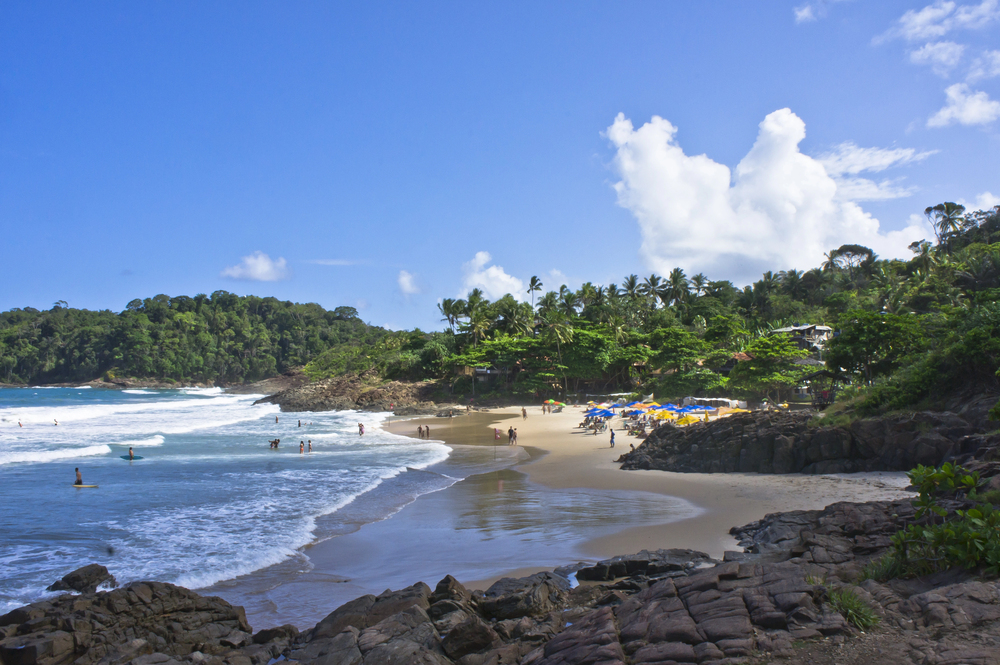
Surfers, fishermen, and anyone seeking a relaxed beach town atmosphere flock to this spot on Bahia’s cocoa coast. A bustling main avenue lined with restaurants and bars leads down to the prainhas, small beaches where waves roll in on one end and fishing boats bob at the other.
Atlantic Forest trails wind through the hills behind town, connecting hidden waterfalls and viewpoints. The mix of adventure activities and laid-back beach culture makes Itacaré particularly appealing for travelers who want options without losing that small-town feel.
Morro de São Paulo
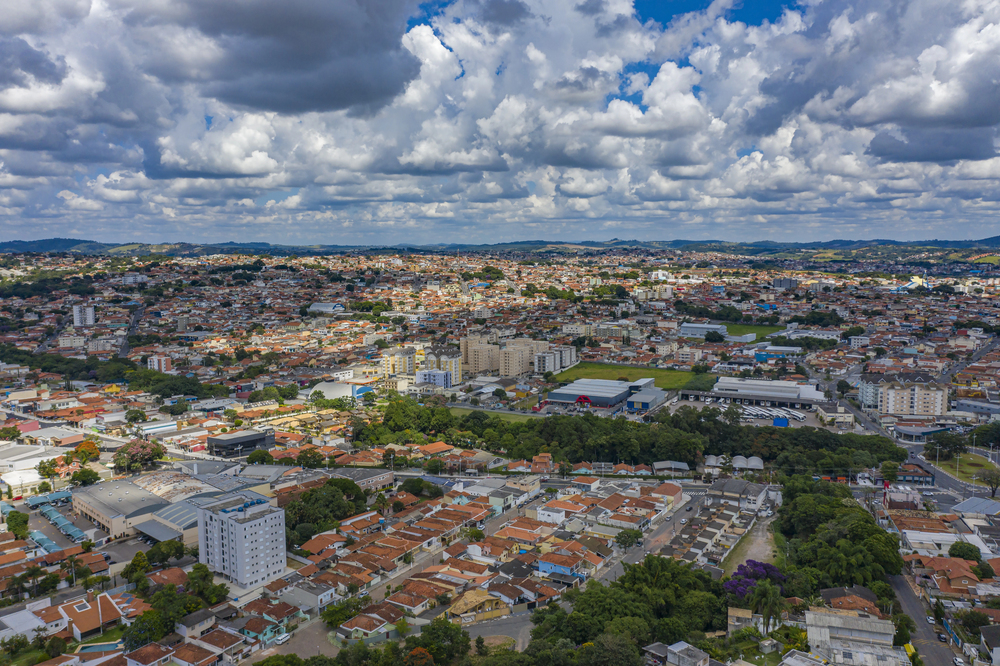
No cars allowed here. This village sits on Tinharé Island in Bahia, and the absence of vehicles creates a remarkably peaceful atmosphere once you’ve climbed the steep sandy path from the pier.
The beaches are numbered sequentially based on their distance from the town center: First Beach draws surfers, Second Beach brings the crowds and nightlife, Third Beach serves as a launching point for snorkeling excursions, and Fourth Beach offers more than two miles of relative solitude. A zipline from the historic lighthouse near First Beach runs roughly 270 meters and offers coastal views that make the two-hour catamaran ride from Salvador feel worthwhile.
Fernando de Noronha
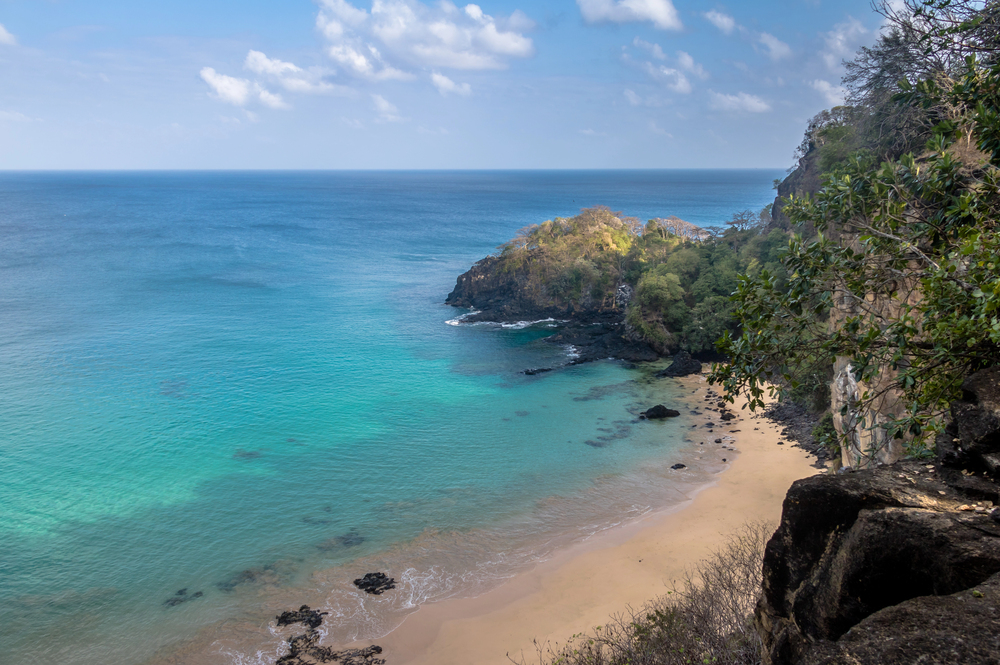
This volcanic archipelago floating about 220 miles off Brazil’s northeastern coast might be the country’s most exclusive destination. Only around 420 visitors are allowed on the islands at any given time, and between the limited flights, daily environmental preservation taxes, and premium accommodation prices, Fernando de Noronha caters largely to honeymoon couples and those willing to splurge.
Baía do Sancho regularly tops ‘best beaches in the world’ lists, and the protected marine waters teem with spinner dolphins, sea turtles, sharks, and rays. Reaching it requires flights from Recife or Natal, but those who make the journey find snorkeling and diving conditions virtually unmatched anywhere in Brazil.
Caraíva
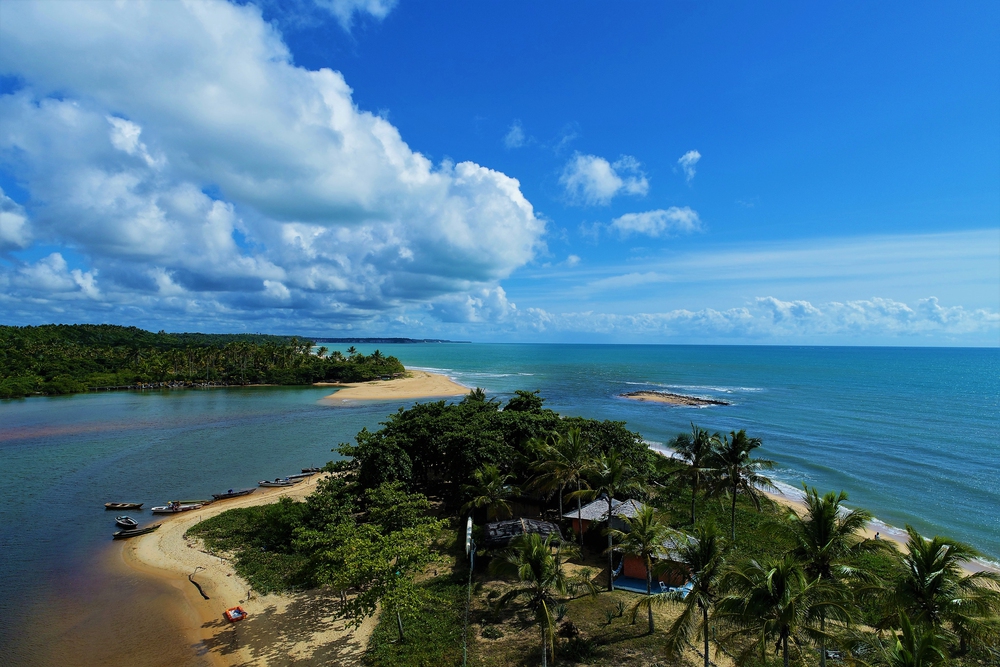
Electricity only arrived in this village a few years ago, and you still can’t drive a car into town. After navigating roughly 25 miles of dirt road from Trancoso, visitors leave their vehicles on one side of the Caraíva River and cross by canoe for a few reais.
Sandy streets wind between colorful houses, and the pace of life moves according to the tides rather than any clock. The nearby Pataxó indigenous village offers cultural experiences including traditional dancing and food prepared in palm leaves.
Arraial d’Ajuda
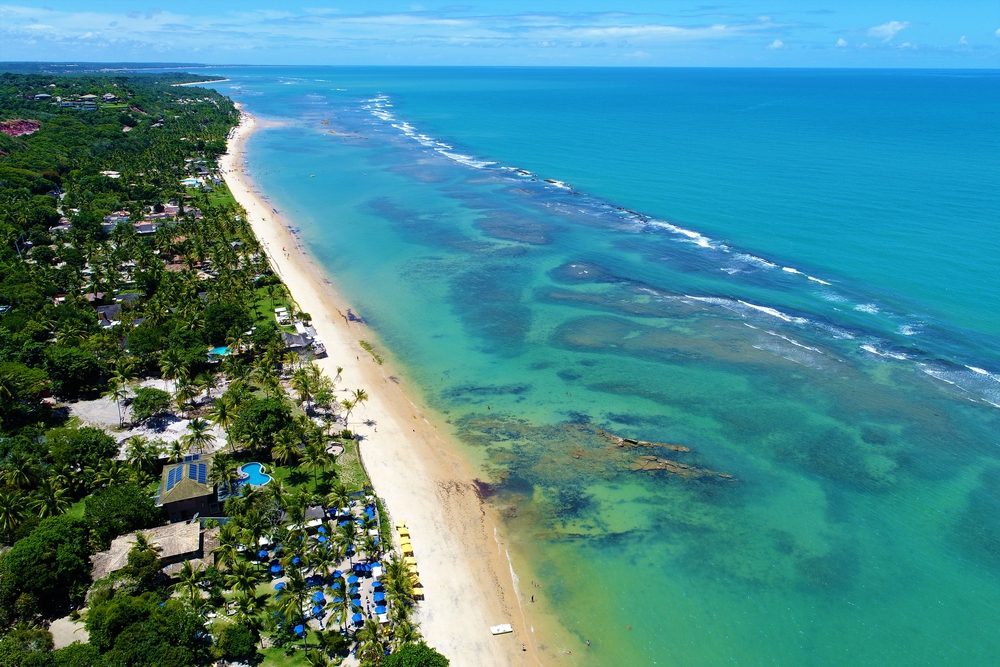
Just across the water from Porto Seguro, this bohemian beach town feels worlds away from its more commercial neighbor. Tight cobblestone avenues weave through nature trails and greenery down to beaches lined with colorful umbrellas.
The artisan markets and laid-back restaurants cater to a mix of Brazilian families and international travelers looking for something slightly off the beaten path but still accessible. A short ferry ride from Porto Seguro and roughly 35 kilometers of road from Trancoso, it makes a natural base for exploring the southern Bahia coast.
Ilha Grande
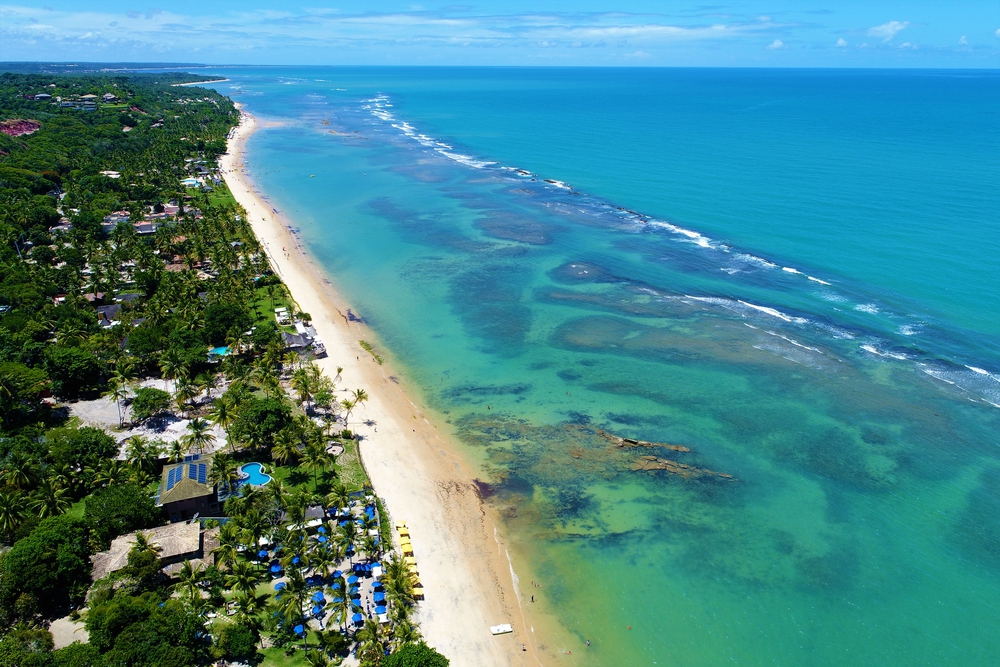
For nearly a century, the Brazilian government kept this island off-limits because it housed a maximum-security prison. When the Cândido Mendes Penal Colony closed in 1994, the roughly 75-square-mile island opened to visitors who now find one of Brazil’s most pristine examples of Atlantic rainforest.
Located about 95 miles southwest of Rio de Janeiro off the coast from Angra dos Reis, Ilha Grande has no paved roads and cars remain forbidden. More than 100 beaches hide in sheltered coves, accessible only by boat or hiking trails through the jungle.
Canoa Quebrada
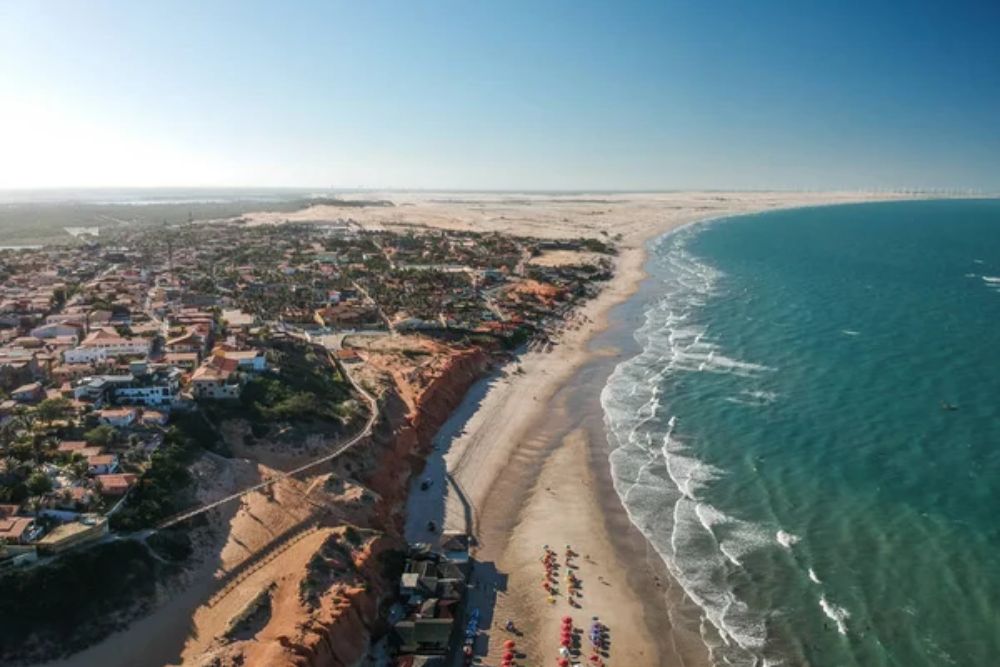
Red sandstone cliffs rising above golden sand give this beach town in Ceará its distinctive character. Located about 100 miles from Fortaleza, Canoa Quebrada began as a simple fishing village before hippies discovered it in the 1970s.
The town’s symbol, a crescent moon and star, appears carved into the cliffs, painted on buildings, and embedded in sidewalks throughout the small center. The main street, officially named Rua Dragão do Mar after a local abolitionist hero, goes by ‘Broadway’ and comes alive after dark with music spilling from bars until sunrise.
Where the Sand Meets Possibility
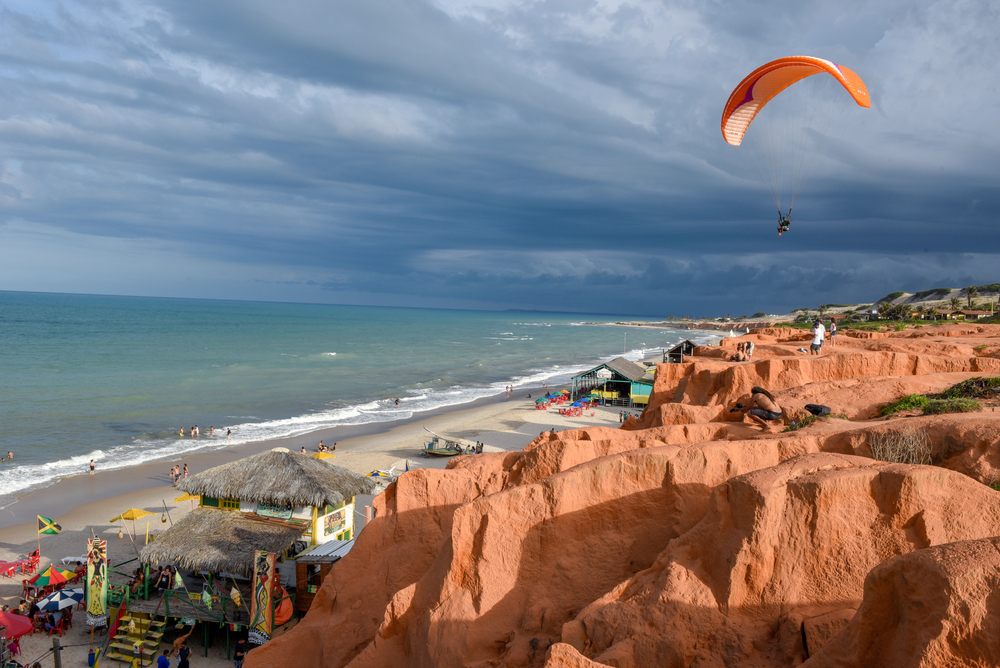
Brazil’s coastal towns share a common thread of natural beauty but diverge wonderfully in character, from the barefoot luxury of Trancoso to the off-grid simplicity of Caraíva. What makes these destinations special isn’t just their beaches but the distinct cultures that developed in each place, shaped by geography, history, and the particular mix of people who settled there.
Whether you’re chasing perfect waves, seeking total disconnection, or looking for a lively scene after sunset, somewhere along those 4,600 miles of coastline, there’s a town waiting.
More from Travel Pug

- Underrated Italian Towns That Beat the Tourist Crowds
- Las Vegas Tourist Traps to Skip
- Prettiest Towns in Every US State
- 18 passport-free countries for Americans
- Signs Your Cruise Is Not Worth The Cost
Like Travel Pug’s content? Follow us on MSN.