

Shanghai dazzles with its skyscrapers and neon lights, but just beyond the city limits lies a completely different world. Ancient water towns dot the surrounding countryside, where narrow canals replace busy streets and stone bridges arch over quiet waterways.
These places feel like stepping into a classical Chinese painting, with whitewashed houses reflecting in the water and wooden boats drifting past centuries-old architecture. Most of these towns sit within a two-hour drive of Shanghai, making them perfect for day trips or weekend getaways.
Here is a list of 15 water towns near Shanghai worth exploring.
Zhujiajiao
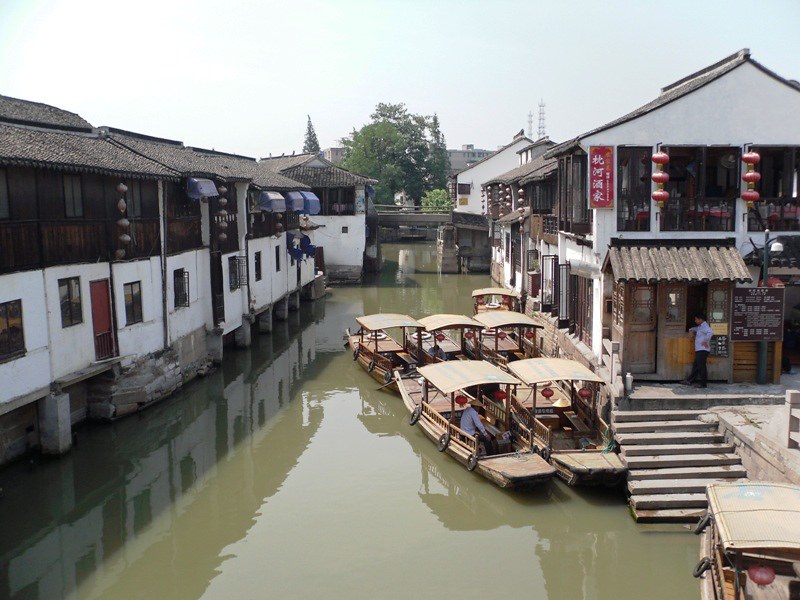
Getting to Zhujiajiao is ridiculously easy—just hop on Metro Line 17 and you’re there in about 90 minutes. This convenience makes it one of the most visited water towns, though that doesn’t diminish its charm.
The town spreads across both sides of the Caogang River, connected by 36 ancient bridges that date back over 400 years. Fangsheng Bridge stands out as the largest five-arch stone bridge in Shanghai, built during the Ming Dynasty. Walking through the narrow alleyways, you’ll find traditional shops selling everything from handmade crafts to local snacks.
Kezhi Garden deserves a visit—this private garden from the early 1900s shows how wealthy merchants lived during the Republic of China era. The town earned its wealth from rice and cloth trading, and you can still see grand residences from those prosperous times lining the canals.
Zhouzhuang
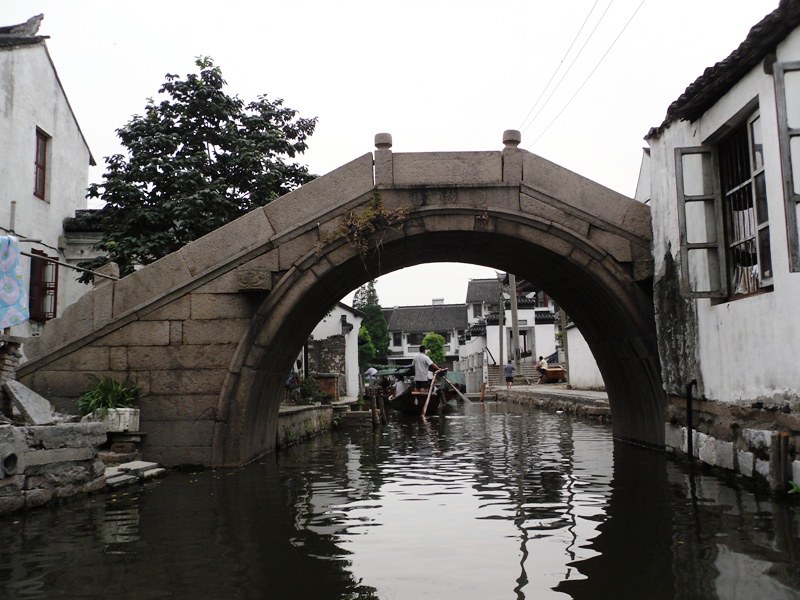
Zhouzhuang earned its reputation as China’s most famous water town for good reason. About 900 years of history lives in its streets, preserved in roughly 60 original brick archways and 100 traditional courtyards.
The Double Bridge, where two bridges meet at a right angle, became iconic after appearing in countless photographs and paintings. This town sits roughly halfway between Shanghai and Suzhou, about 44 miles from Shanghai.
Yes, it’s become quite commercialized and touristy, but the authentic architecture remains impressive. Shenting House and Zhangting House showcase how wealthy families lived during the Ming and Qing dynasties, with their elegant courtyards and intricate wooden carvings still intact.
Wuzhen
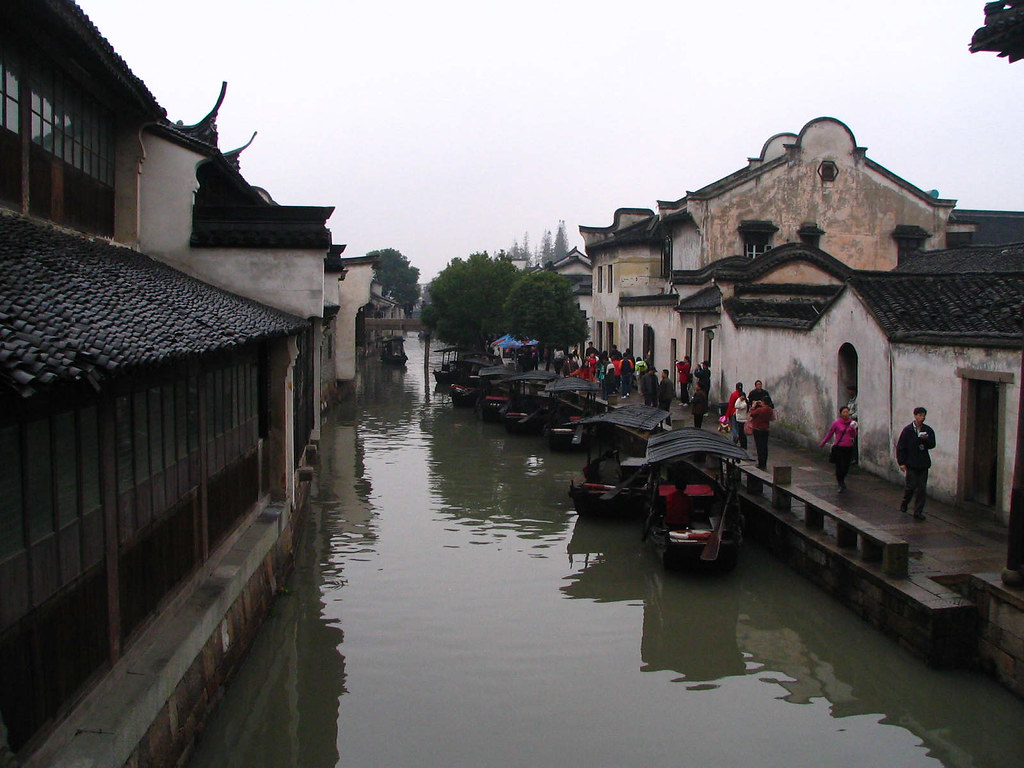
Wuzhen splits into two distinct sections—Dongzha and Xizha—each offering different experiences. Dongzha keeps things traditional, where local residents still live their daily lives and you can watch folk arts like shadow puppet shows.
Xizha leans more touristy but absolutely stuns at night when lanterns illuminate the waterways. The town served as an important gateway to the Grand Canal during the Tang Dynasty, which brought incredible wealth to the area.
You’ll need about two hours by bus from Shanghai to get there, but the journey’s worth it. Mao Dun’s former residence sits here—he was a famous Chinese writer who captured life in these water towns through his novels.
The night scenery here ranks among the best in all the water towns, making an overnight stay tempting.
Tongli
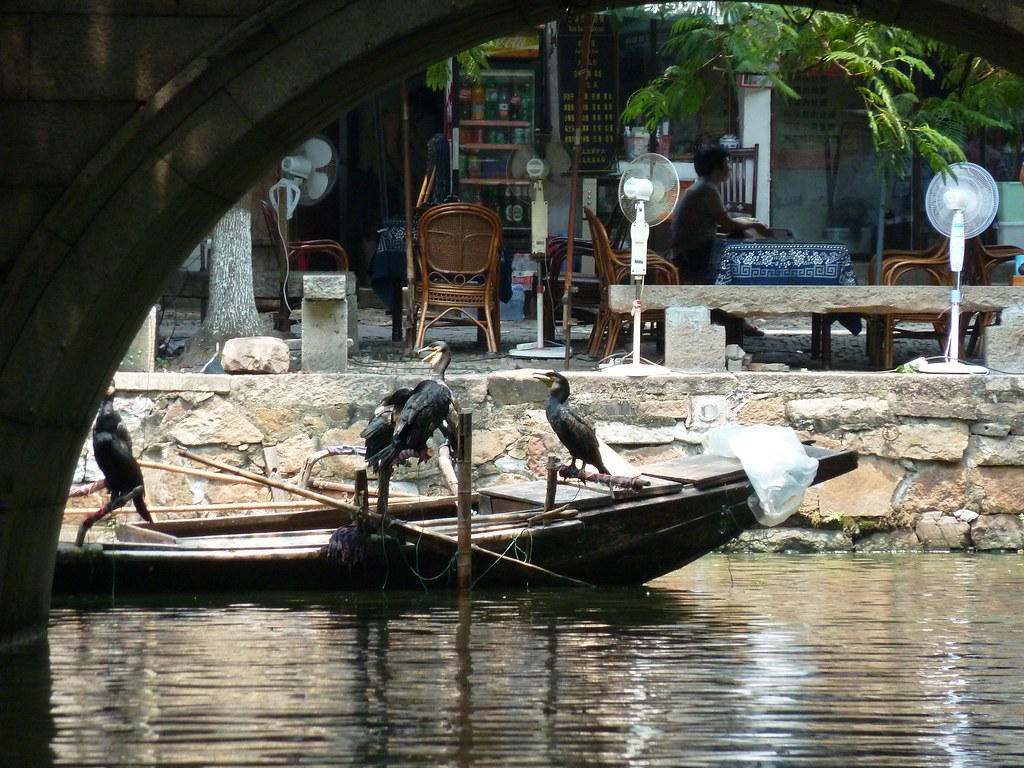
Nicknamed ‘Venice of the East,’ Tongli manages to feel both elegant and authentic despite its popularity. The town spreads across seven small islands connected by 49 ancient bridges, with houses built right up to the water’s edge.
Tuisi Garden, a UNESCO World Heritage Site, represents classical Chinese garden design at its finest—compact yet feeling spacious through clever use of water features and pavilions. The Three Bridges (Taiping, Jili, and Changqing) carry special meaning in local culture, and walking across all three supposedly brings good luck.
Located just 50 miles from Shanghai, Tongli maintains an 80% wetland coverage rate, creating an incredibly green and peaceful atmosphere. Many buildings here are original constructions from the Ming and Qing dynasties, not reconstructions like in some other towns.
Xitang
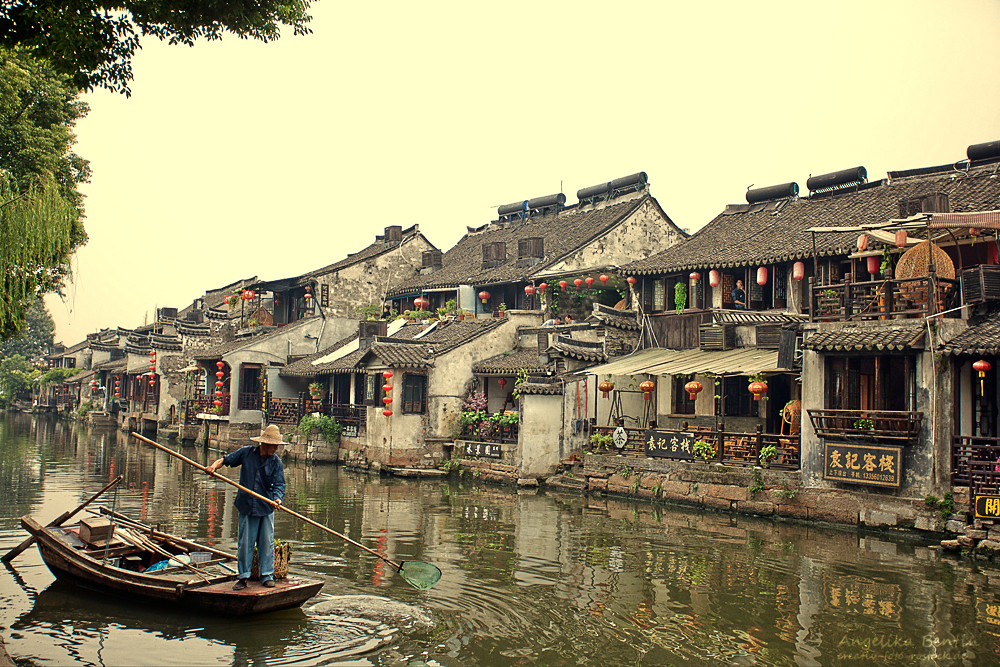
Xitang gained international fame when Tom Cruise filmed scenes for ‘Mission: Impossible III’ running through its covered corridors. These roofed walkways stretch over a mile along the canals, letting you explore even during rain without getting wet.
The town’s layout resembles a star shape, with waterways radiating from the center. Nearly 100 stone bridges connect different sections, with Yongning Bridge offering the best panoramic views.
Built during the Spring and Autumn Period over 2,400 years ago, Xitang prospered as a trading post. The bars along Tangdong Street light up at night, creating a lively atmosphere that contrasts with the daytime tranquility.
It’s about 62 miles from Shanghai, roughly a 90-minute drive.
Nanxun
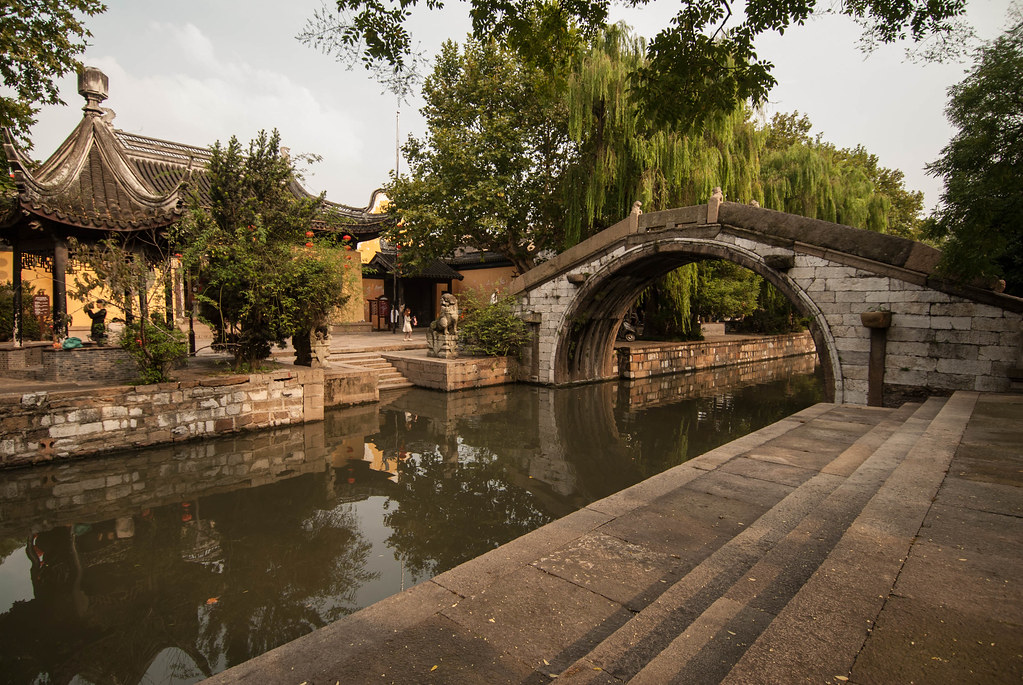
Nanxun stands apart from other water towns because of its unique architectural blend. During the late Qing Dynasty, wealthy silk merchants built mansions combining Chinese and Western styles—you’ll see traditional courtyards decorated with European stained glass and imported French tiles.
Zhang Shiming’s mansion showcases this fusion perfectly, with colored glass windows that were quite the luxury back then. The town feels less crowded than Wuzhen or Zhouzhuang, especially after 5pm when entrance becomes free.
Located about 75 miles from Shanghai, Nanxun sits closer to Hangzhou, making it easy to combine with a trip there. The silk trade made this town incredibly prosperous, and that wealth shows in the grand homes lining the canals.
Luzhi
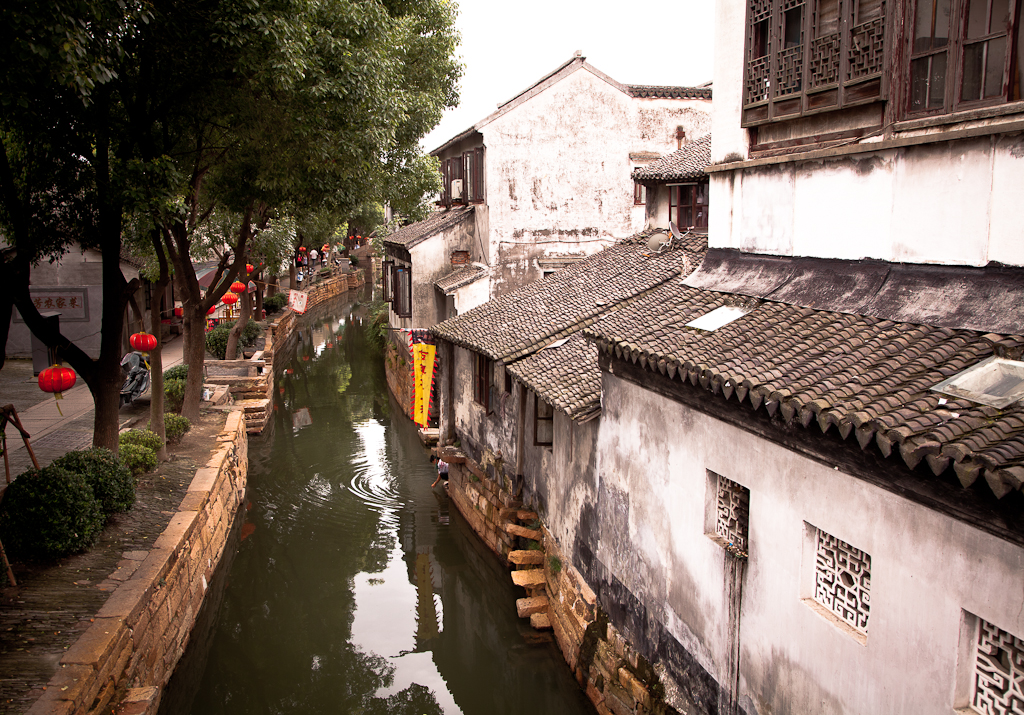
Luzhi earned the nickname ‘Museum of Ancient Bridges’ for its 41 preserved bridges from the Song, Yuan, Ming, and Qing dynasties. Some of these stone structures have stood for over 1,000 years, each with its own folk story.
The town name comes from ‘Liuzhi,’ meaning six straight rivers, which eventually evolved into Luzhi. Located about 36 miles from Suzhou, it remains quieter than its famous neighbors.
Baosheng Temple houses rare Tang Dynasty clay sculptures that are considered national treasures. The town stretches along 3.5 miles of waterways, but you can explore the main areas in about two hours.
Local specialties include Fuli hoof and Fuli duck, which taste fantastic after a morning of walking.
Mudu
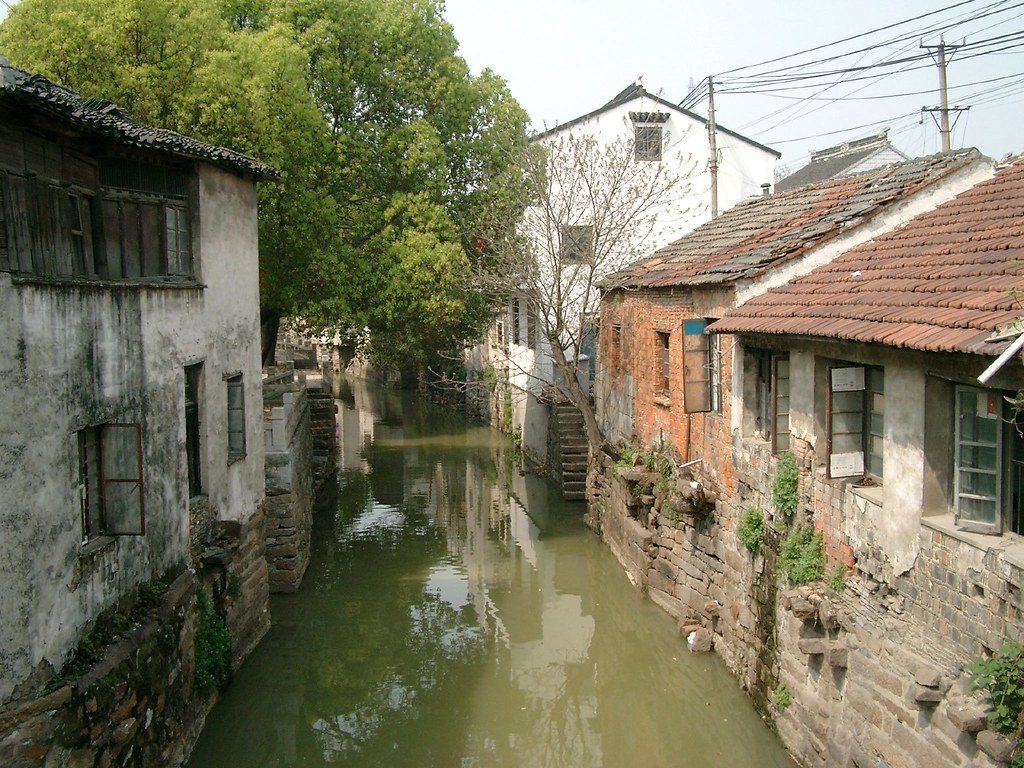
Mudu feels more like a collection of classical gardens than a typical water town. The name translates to ‘timber blocking the river,’ stemming from a legend about ancient construction projects that clogged the waterways with logs.
Emperor Qianlong visited six times during the Qing Dynasty, drawn by the area’s natural beauty. Yan’s Garden showcases how wealthy families designed their private retreats, with careful attention to water features and rock formations.
The town sits just eight miles from Suzhou’s center, making it an easy half-day trip. Over 30 private gardens dot the landscape, each with intricate layouts and beautiful architecture.
Unlike purely commercial water towns, Mudu maintains a more scholarly, artistic atmosphere.
Jinxi
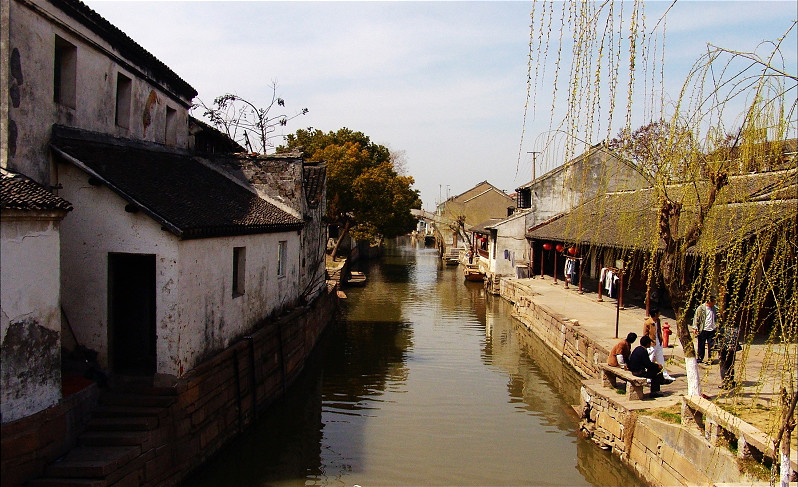
Jinxi goes by ‘Little Zhouzhuang,’ though it receives far fewer visitors. The town spreads across 16 lakes and 238 waterways, creating an almost overwhelming amount of water scenery.
Morning light hits the streams just right, filling them with golden reflections that inspired the town’s name. Shiyan Long Bridge, a covered bridge with ten arches, serves as the town’s centerpiece.
Jinxi earned the title ‘Hometown of Chinese Folk Museums’ by establishing several unique collections, including the Ancient Bricks and Tiles Museum and various folk art exhibits. It’s about 31 miles from Suzhou, close enough to visit alongside Zhouzhuang.
The pace here moves slower than in more touristy towns, giving you space to actually relax.
Fengjing
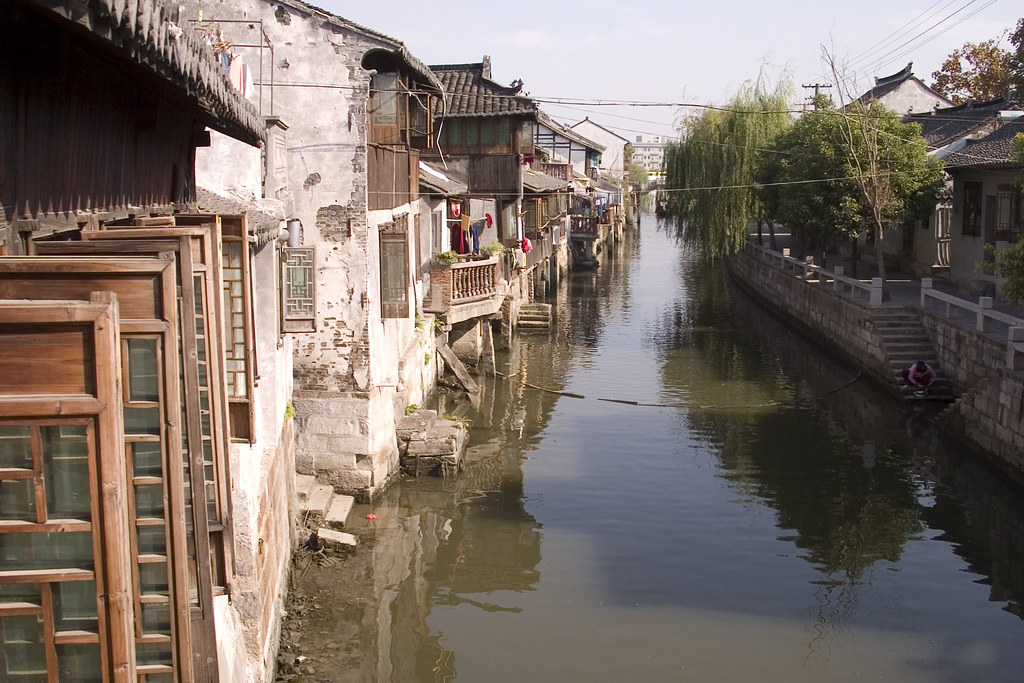
Fengjing stands out for its connection to peasant painting—a distinctive folk art style featuring bright colors and simple, cheerful subjects. The town earned the nickname ‘Hibiscus Town’ for the lotus flowers that bloom abundantly in summer.
Located about 37 miles southwest of Shanghai, Fengjing maintains a more authentic, less commercialized feel. Among its 52 preserved bridges, Zhihe Bridge dates back over 700 years to the Yuan Dynasty.
The town sat at the historical border between Wu and Yue states, blending cultural influences from both regions. Traditional wedding ceremonies sometimes take place here following ancient customs, offering a glimpse into historical marriage traditions.
Streets like Heping and Shengchan preserve their original layouts surprisingly well.
Qibao
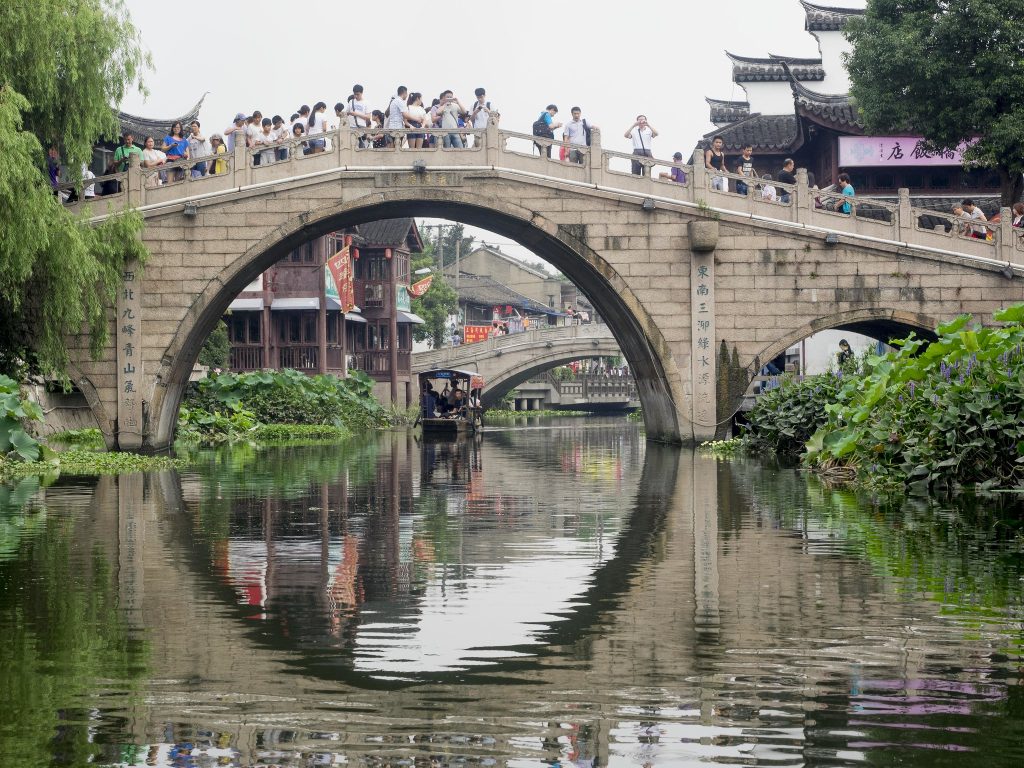
Qibao wins for convenience—it’s only 11 miles from downtown Shanghai, reachable via Metro Line 9. The name means ‘seven treasures,’ supposedly referring to items once housed in the local temple: an iron Buddha, a bronze bell, a gold lotus sutra, an ancient tree, jade chopsticks, a jade axe, and a gold rooster.
Built during the Northern Song Dynasty, Qibao opened to tourists in 2002 after renovations. The old town covers about 0.75 square miles packed with narrow alleys and traditional architecture.
Qibao Old Street overflows with food vendors selling local snacks—the sheer variety can be overwhelming. Yes, it gets extremely crowded on weekends due to its proximity to the city, but weekday mornings offer a more peaceful experience.
Xinchang
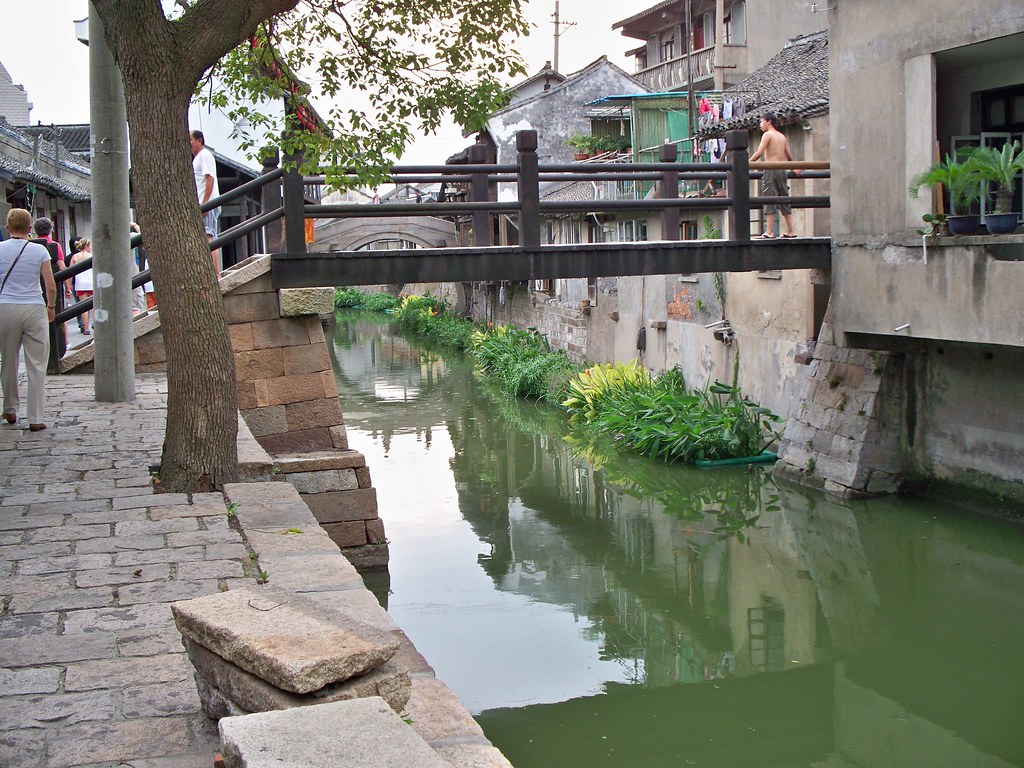
Xinchang began as a salt production center during the Southern Song Dynasty, and this industrial heritage shaped its entire development. The town preserves roughly 150,000 square feet of historical buildings from the Ming and Qing dynasties.
A magnificent stone archway stands at the entrance, rebuilt after the original was demolished in 1974—the detailed carvings honor three generations of high-ranking officials. Located about 22 miles southeast of Shanghai in Pudong District, Xinchang feels remarkably uncommercialized.
Director Ang Lee filmed scenes from ‘Lust, Caution’ here, using the authentic streets as a backdrop. Jiangnan First Teahouse, a three-story wooden building, served both common folks on the ground floor and wealthier patrons upstairs where storytellers performed.
Jinze
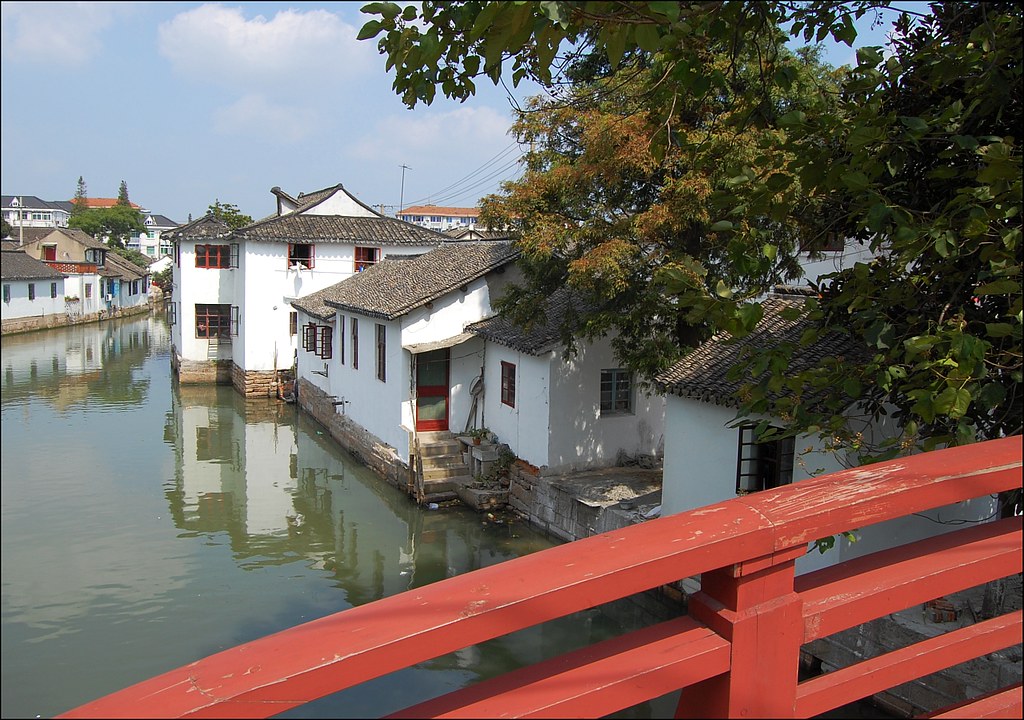
Jinze offers something increasingly rare among water towns—almost no tourists. Located close to Zhujiajiao, just a 35-minute drive away, it provides a stark contrast to its busier neighbor. The town maintains an uncommercial atmosphere where you can watch daily life unfold naturally.
Hand-rowed boat rides last about 20 minutes, and boat owners enthusiastically teach passengers how to row themselves. The experience feels personal rather than packaged.
If you’re seeking authenticity over attractions, Jinze delivers. The lack of entrance fees and souvenir shops means you’ll interact more with actual residents than tour groups.
Qiandeng
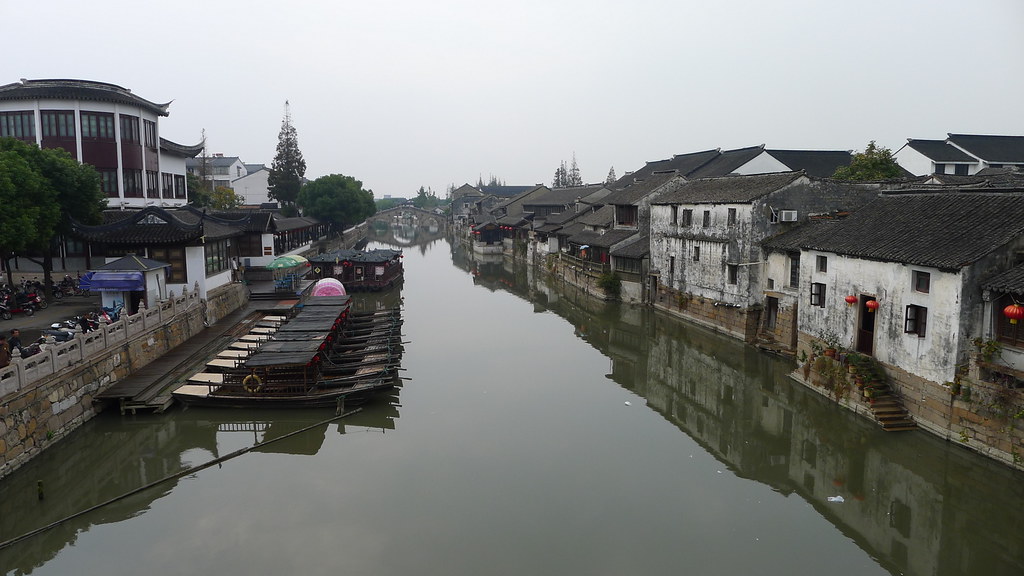
Qiandeng sits in Kunshan City, positioned between other more famous water towns but often overlooked by tourists. This works in your favor if you prefer exploring without crowds.
The town preserves traditional Jiangnan architecture along its waterways, with stone-paved streets and arched bridges creating classic scenes. While it doesn’t boast the fame of Zhouzhuang or Tongli, Qiandeng maintains an honest, working-town atmosphere.
Local residents go about their business, washing clothes by the canal and chatting in teahouses. The lack of heavy tourist infrastructure means you’ll need to search harder for information, but discovering things independently adds to the adventure.
Shuangfeng
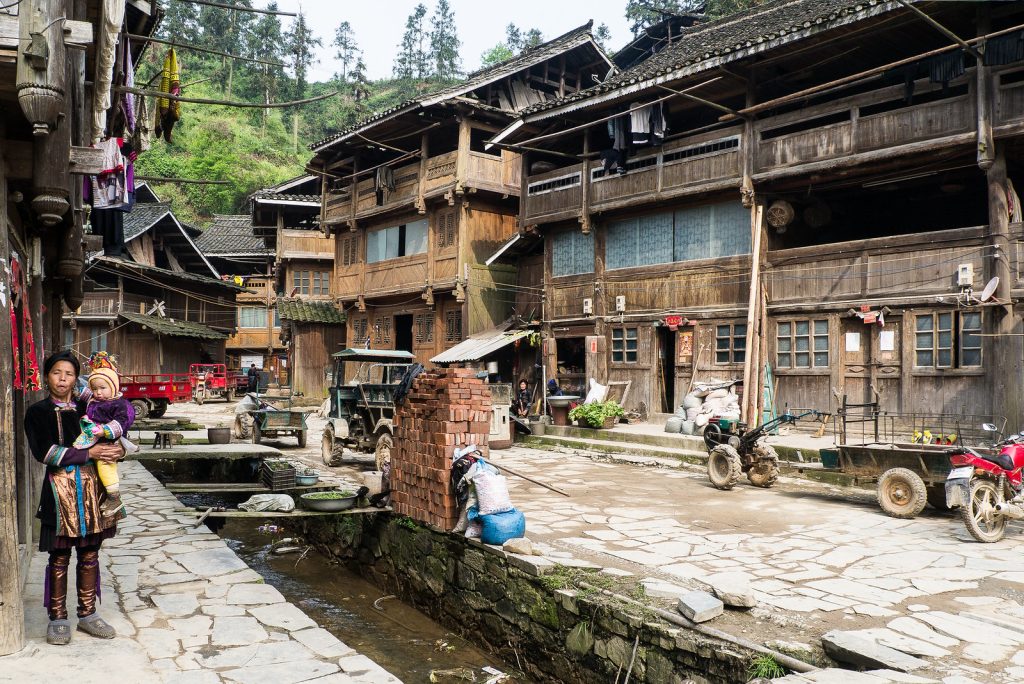
Still untouched by mass tourism, Shuangfeng sits quietly among the water towns close to Shanghai, within Taicang. Few travel guides include it; visitor numbers stay low as a result. Its unchanged appearance comes from an absence of commercial development.
Waterways run alongside old homes where long-standing families continue daily life. Unlike restored historic areas, this place reveals how such towns existed prior to tourism.
Arriving involves extra steps beyond hopping on a subway – private transit must be organized, or several buses transferred between. What follows is movement through an authentic Jiangnan canal settlement, where being seen as a guest carries curiosity instead of predictability.
A living heritage
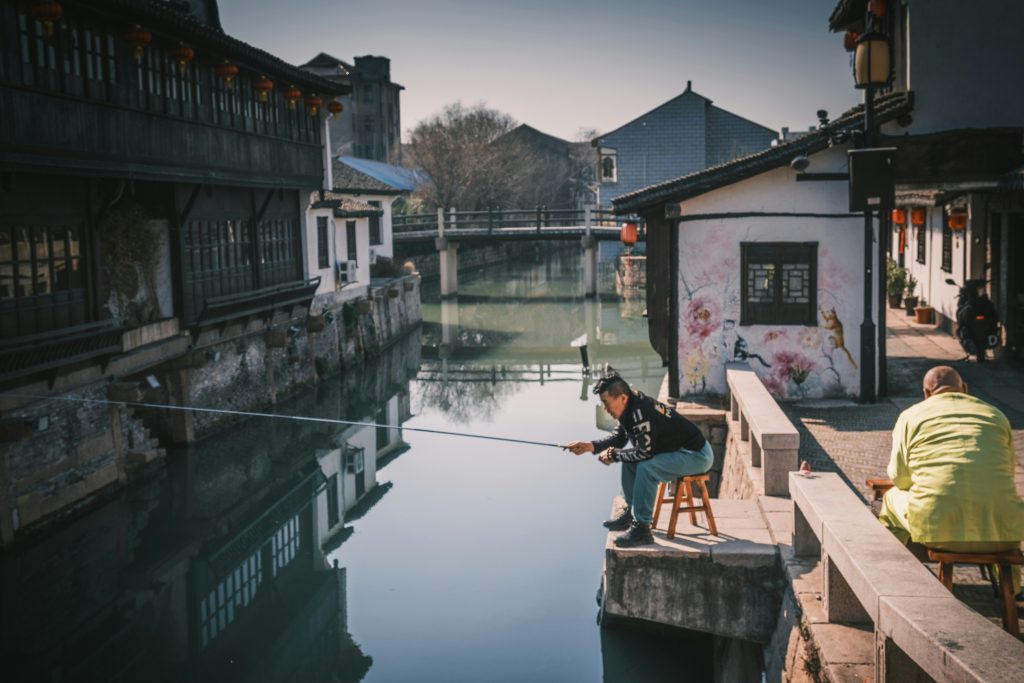
A legacy shaped through time. Though centuries shifted around them, these waterside settlements held to their core identity by adjusting without losing themselves. Now comes another test – tourism pressing against genuine local life.
Some have found a way to stay inhabited places, not displayed behind glass. To walk there is to observe continuity, where ancient practices meet today’s rhythms in quiet motion.
More from Travel Pug

- Underrated Italian Towns That Beat the Tourist Crowds
- Las Vegas Tourist Traps to Skip
- Prettiest Towns in Every US State
- 18 passport-free countries for Americans
- Signs Your Cruise Is Not Worth The Cost
Like Travel Pug’s content? Follow us on MSN.