

Solo travel on a cruise ship used to carry a quiet stigma — the odd one out at a table for two, paying double for a cabin designed for someone who didn’t show up. For years, the industry treated solo travelers less like guests and more like an inconvenience that hadn’t brought a friend. That’s changed, and in some cases, changed dramatically.
A handful of cruise lines have genuinely rethought what it means to travel alone on the open water — not as a compromise, but as a choice worth honoring. If you’ve been hesitant to book solo because of horror stories about single supplements and enforced social dinners, some of these might change your mind.
Norwegian Cruise Line
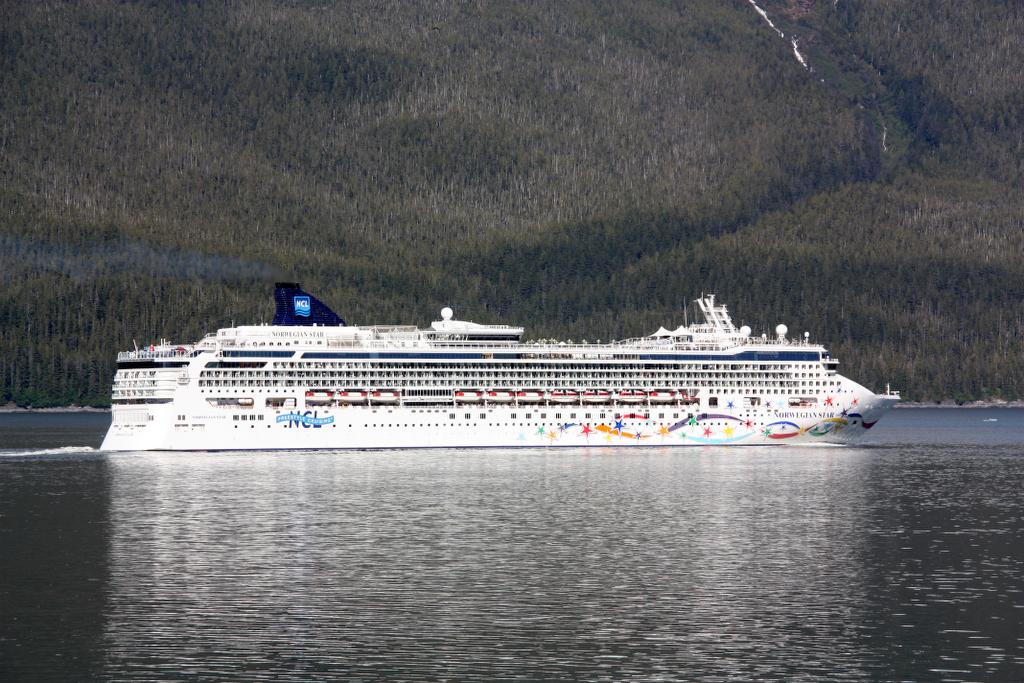
Norwegian Cruise Line was one of the first major carriers to take solo travelers seriously enough to build an entirely separate category of accommodation around them. Their Studio cabins — compact but thoughtfully designed spaces on ships like the Norwegian Epic, Breakaway, and Getaway — come without the single supplement that plagues most solo bookings on other lines.
And the Studio Lounge, exclusive to solo travelers, functions as a kind of private clubhouse: a place to meet other solo guests, have a drink, or just exist without feeling conspicuously alone in a crowd of couples.
Virgin Voyages
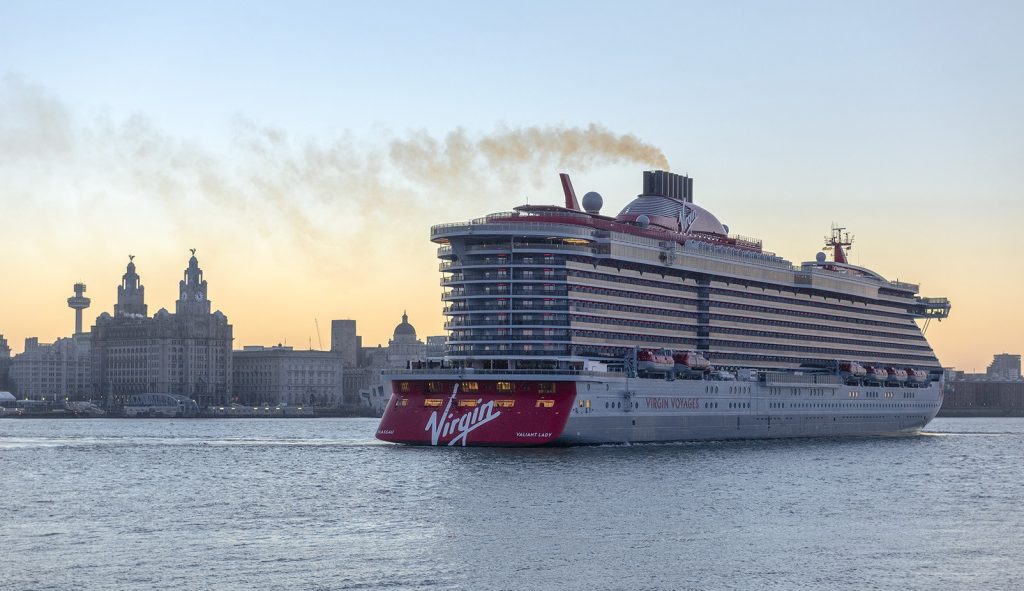
Virgin Voyages is the most unapologetically adult cruise line operating right now, and that attitude extends to how it treats solo travelers. No kids on board, no formal dress codes, no tipping — and crucially, a solo supplement policy that tends to run significantly lower than the industry standard, hovering around 25% rather than the punishing 100% most lines charge.
The whole aesthetic of the brand, from the moody lighting in the common spaces to the curated dining options, quietly suits someone traveling alone: nobody’s staring at you for eating solo at Razzle Dazzle.
Cunard
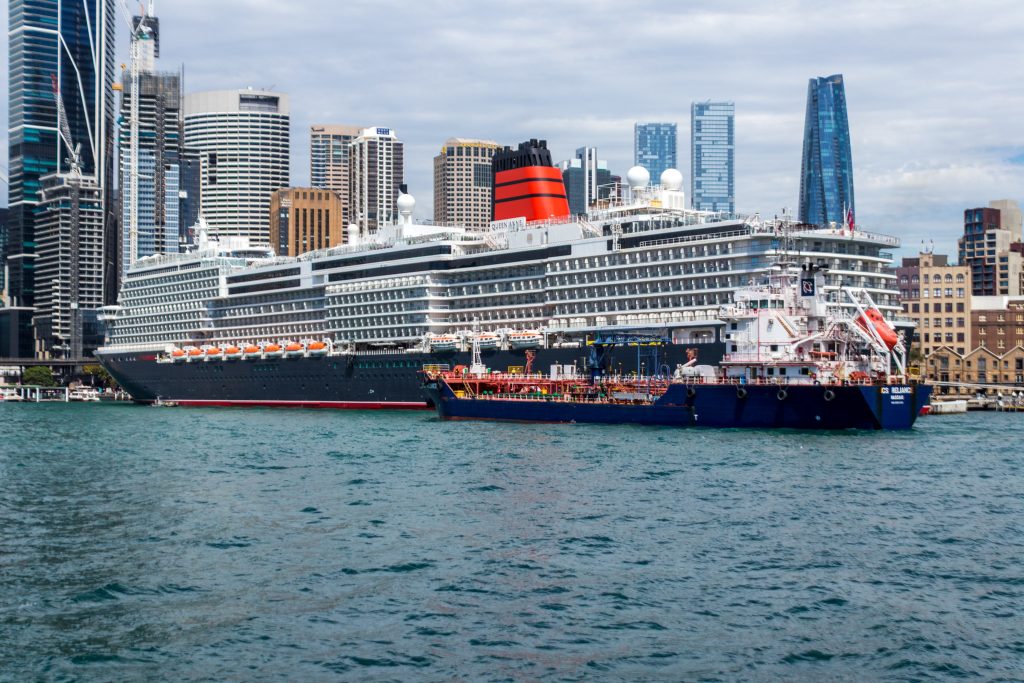
Cunard carries a hundred years of history in its posture — white-gloved, unhurried, and slightly formal — and yet it has quietly maintained one of the most established solo-friendly traditions at sea. The line has offered dedicated single cabins on ships like the Queen Mary 2 for decades, priced at or near double-occupancy rates, which in the context of luxury ocean liners is a genuine rarity.
There’s also a structured program that matches solo travelers for dinner, if you want company, without the awkward compulsion of being seated with strangers you never agreed to meet.
Celebrity Cruises
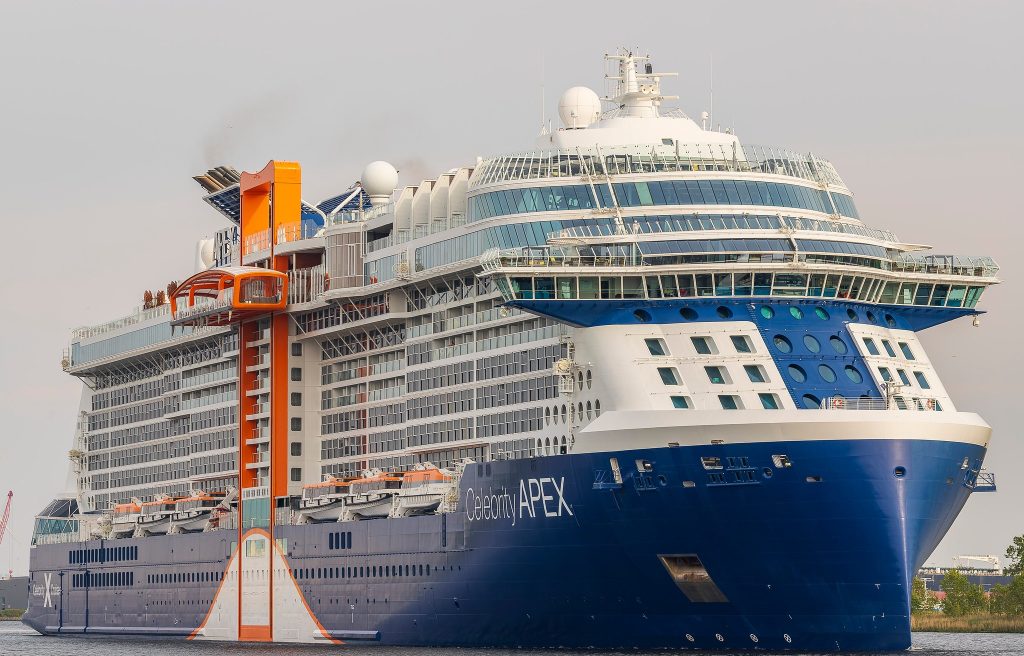
Celebrity Cruises made a concrete commitment to solo travelers when it introduced dedicated solo staterooms on ships in its Edge class — real cabins, not converted storage spaces dressed up with a porthole. What’s notable isn’t just the existence of these rooms but where they’re positioned: not tucked away near the engine noise, but integrated into the ship properly, the way an afterthought never is.
Solo guests on Celebrity also have access to the full range of the ship’s amenities — the spa, the specialty dining, the deck clubs — without any of it feeling like it was designed exclusively for two.
Regent Seven Seas Cruises
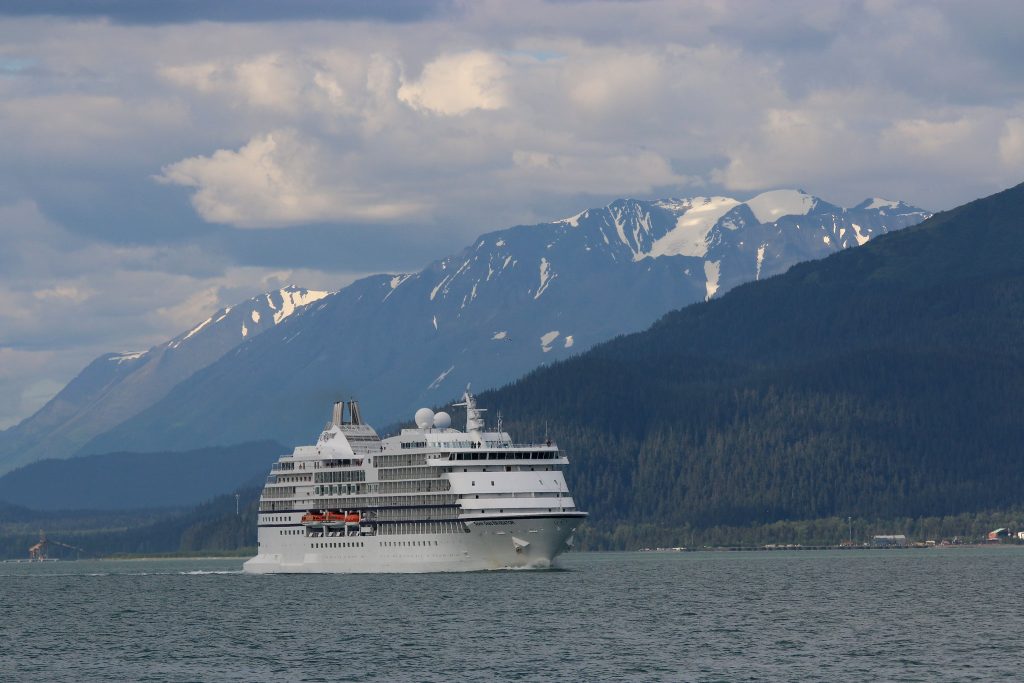
Ultra-luxury and solo travel don’t usually share a sentence without the phrase “eye-watering supplement,” but Regent Seven Seas runs periodic promotions — sometimes advertised, sometimes available through travel agents — that waive the single supplement entirely on select sailings. The line’s all-inclusive model (excursions, gratuities, specialty dining, flights in some cases) already simplifies solo budgeting in a way that nickel-and-dime lines don’t.
And when you’re on a ship where everything is already paid for, the social calculus of traveling alone shifts: you’re not calculating whether the extra drink is worth it, you’re just living.
Silversea
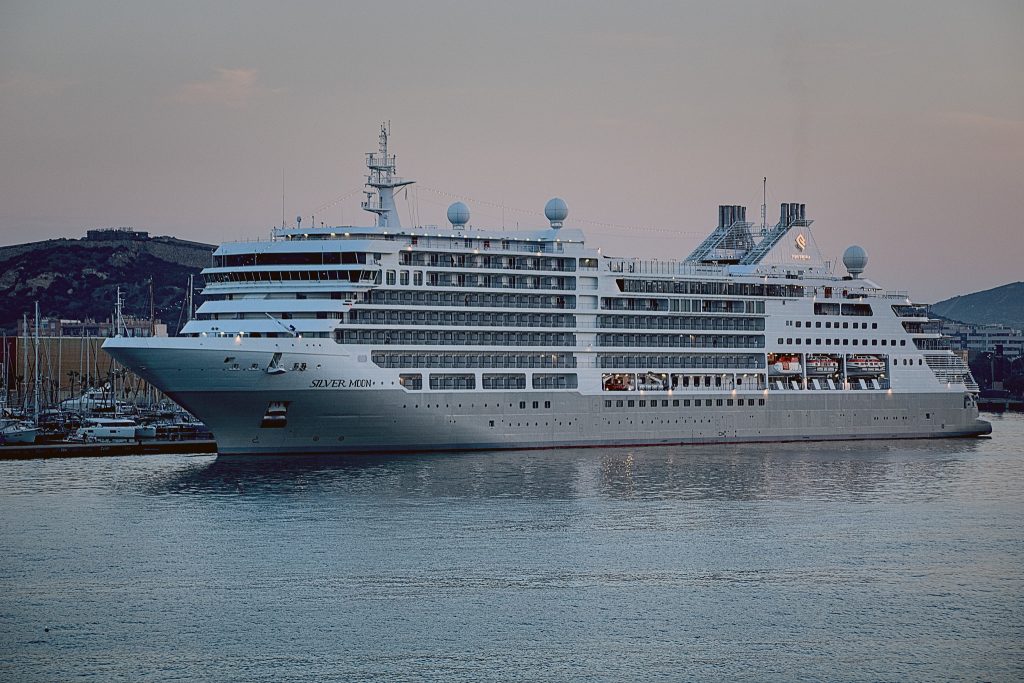
Silversea operates at the upper edge of the luxury spectrum — small ships, remote destinations, butler service — and it handles solo travelers with a kind of casual elegance that doesn’t make an announcement of itself. Select sailings carry reduced or waived single supplements, particularly on longer itineraries, and the intimate scale of the ships (some carrying fewer than 600 guests) means you’re never anonymous in a way that feels isolating.
Solo travelers on Silversea tend to find that the staff remembers their name by day two, which is either charming or unsettling depending on your personality, but mostly it’s charming.
Saga Cruises
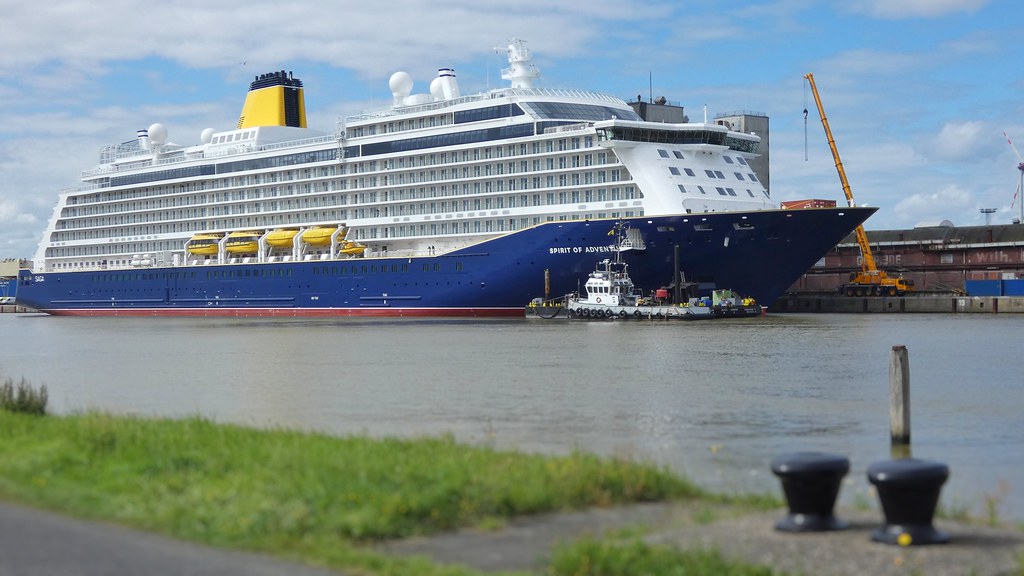
Saga Cruises, which caters to travelers over 50, has built a solo-friendly model that’s almost structural rather than promotional — single cabins are a standard part of the offering, not a limited allocation that sells out eight months in advance. The demographic of the line means solo travel is genuinely normalized; a meaningful proportion of guests are traveling alone, which changes the social atmosphere on board in ways that are hard to quantify but immediately felt.
There’s something almost stubborn about how straightforwardly Saga handles this: no fanfare, just cabins that fit one person and cost what they cost.
Holland America Line
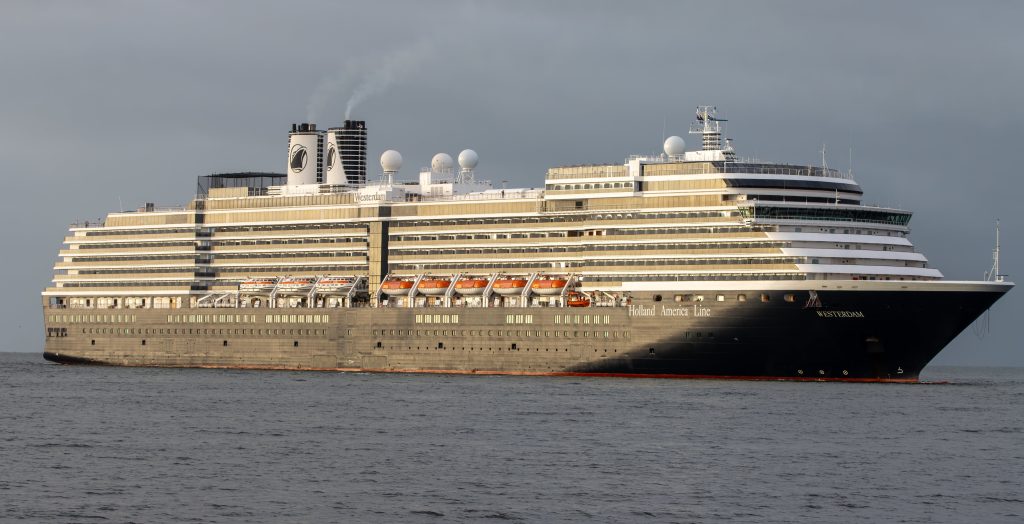
Holland America occupies the steady middle ground of cruising — not budget, not ultra-luxury, thoroughly reliable — and it has quietly earned a reputation among solo travelers for doing the basics right. The line’s “Single Partners” program pairs solo travelers for dinner and social events if they opt in, which turns out to be genuinely useful rather than the forced march it sounds like on paper.
HAL’s itineraries also lean heavily toward longer voyages and enrichment programming — lectures, culinary classes, music performances — which gives solo travelers something to actually do between ports, rather than staring at the horizon wondering what the couples at the next table are finding so funny.
Oceania Cruises
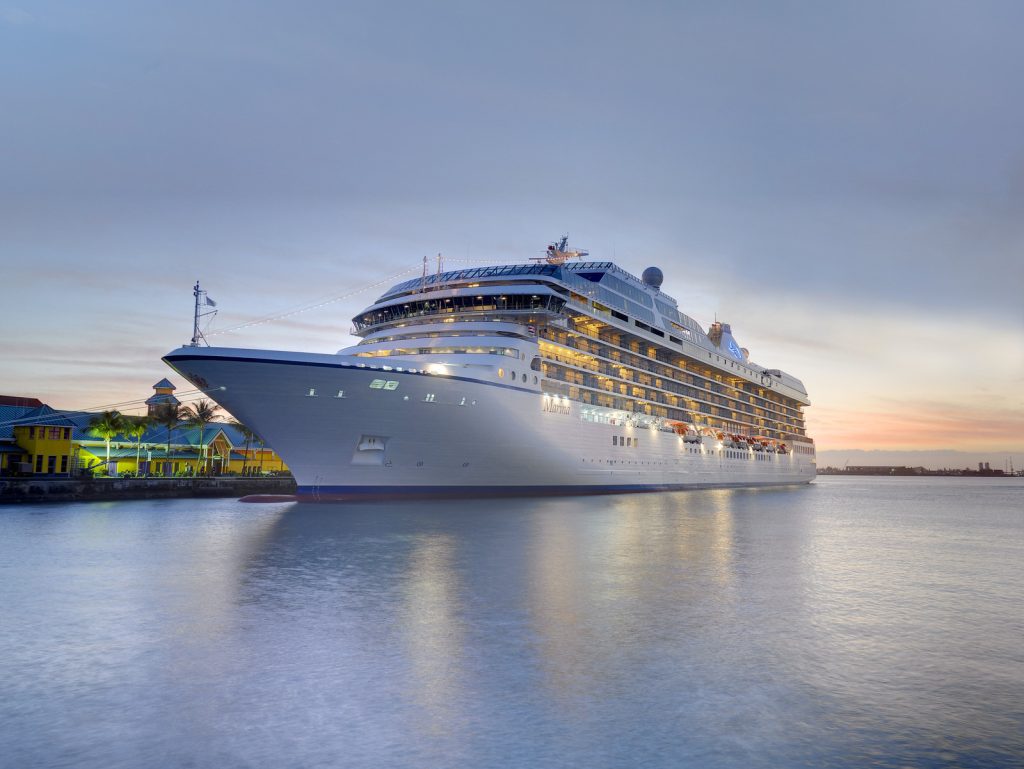
Oceania’s entire brand proposition is built around food and destination immersion, which happens to suit solo travelers particularly well — because when the main event is a shore excursion to a local market or a cooking class led by someone who’s been making the same pasta for forty years, the number of people in your cabin becomes almost irrelevant. The line has added solo-specific cabins on its newer ships, and its go-slow itinerary style (longer port stays, fewer sea days spent just waiting to arrive somewhere) rewards travelers who want to actually absorb a place rather than photograph it from the ship’s railing.
Solo travelers tend to find the pace deeply agreeable, in the way that unhurried things often are.
Hurtigruten
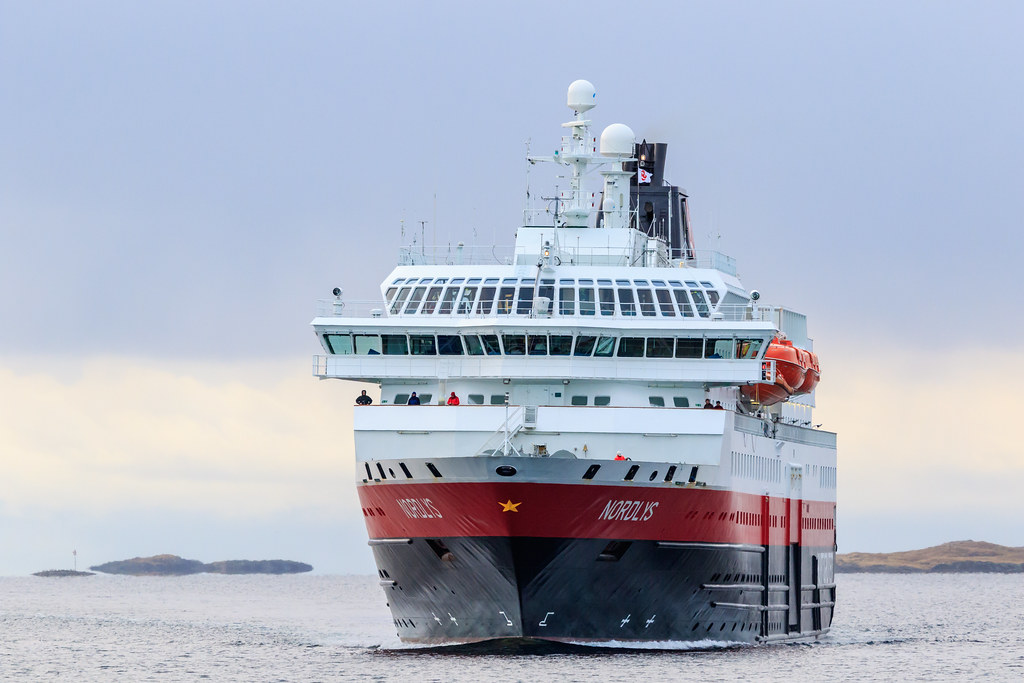
Hurtigruten runs along the Norwegian coast and into the Arctic and Antarctic with a certain indifference to conventional cruise-ship amenities — there are no waterslides, no casino, no Broadway-style shows — and that stripped-back quality is precisely what appeals to solo travelers who show up to see the landscape. Single supplements exist but run lower than many expedition-style competitors, and the nature-focused programming means that your company on any given excursion is whoever else booked the same trek, not a carefully curated social event with name tags.
You come here for fjords that look like they were drawn by someone who’d never seen a fjord and got lucky — and those don’t require a travel partner to appreciate.
Ponant
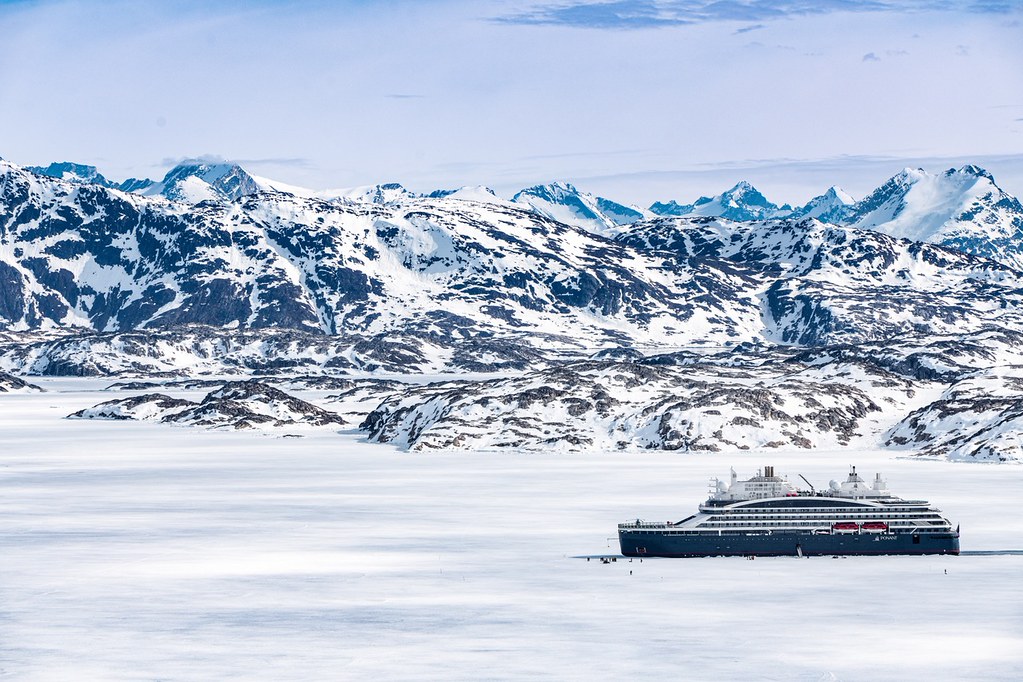
Ponant is a French expedition line that rarely gets mentioned in generic cruise roundups, which is arguably part of its appeal. Its ships are small — most carry between 100 and 250 guests — and its itineraries run to places like the Northwest Passage, the Ross Sea, and the remote islands of the South Pacific, places where the journey itself is the point rather than a backdrop. Solo supplements vary by sailing and departure, but the intimate scale of the ships means solo travelers integrate naturally into the social fabric rather than orbiting it.
Go figure: when a ship has 130 people on it, everyone ends up talking to each other eventually.
Seabourn
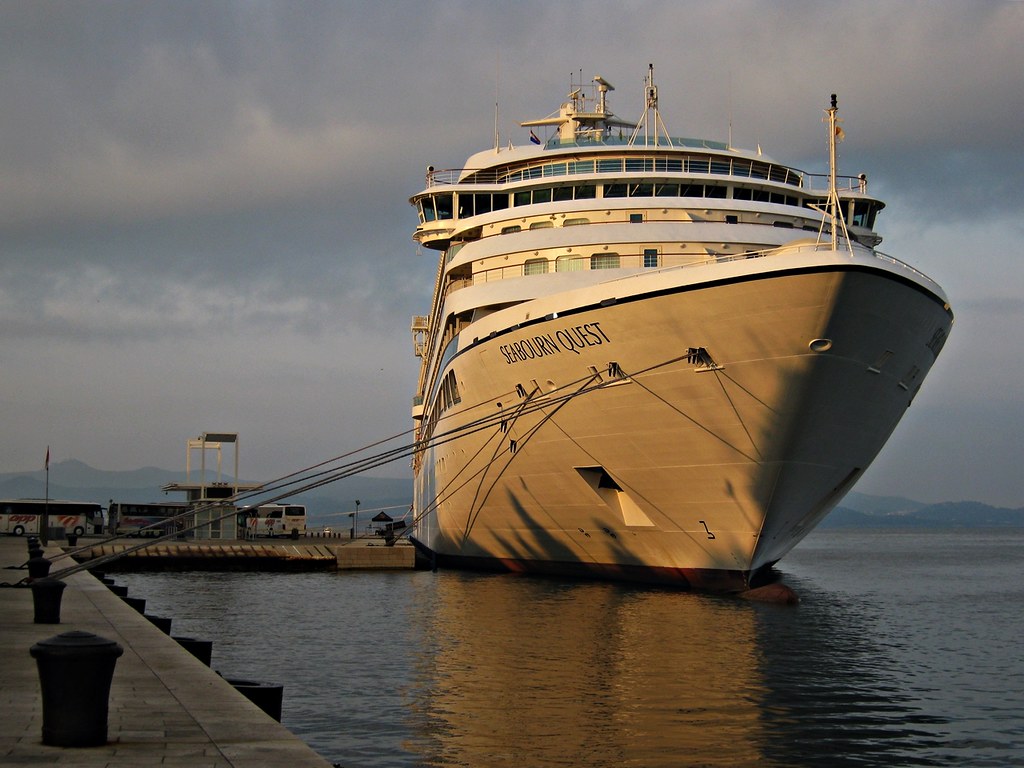
Seabourn functions less like a cruise ship and more like a private club that happens to move — service at a ratio that would embarrass most hotels, food that takes the cooking seriously, and an atmosphere that doesn’t require you to perform enjoyment for anyone. Solo supplements are a reality here, but the line runs promotions throughout the year that reduce or eliminate them on select voyages, and the experience per dollar — even at solo rates — holds up against competitors charging similar prices for a paired room.
The size of Seabourn’s ships (the smallest carries around 450 guests) means staff attention is genuine rather than scripted.
Ambassador Cruise Line
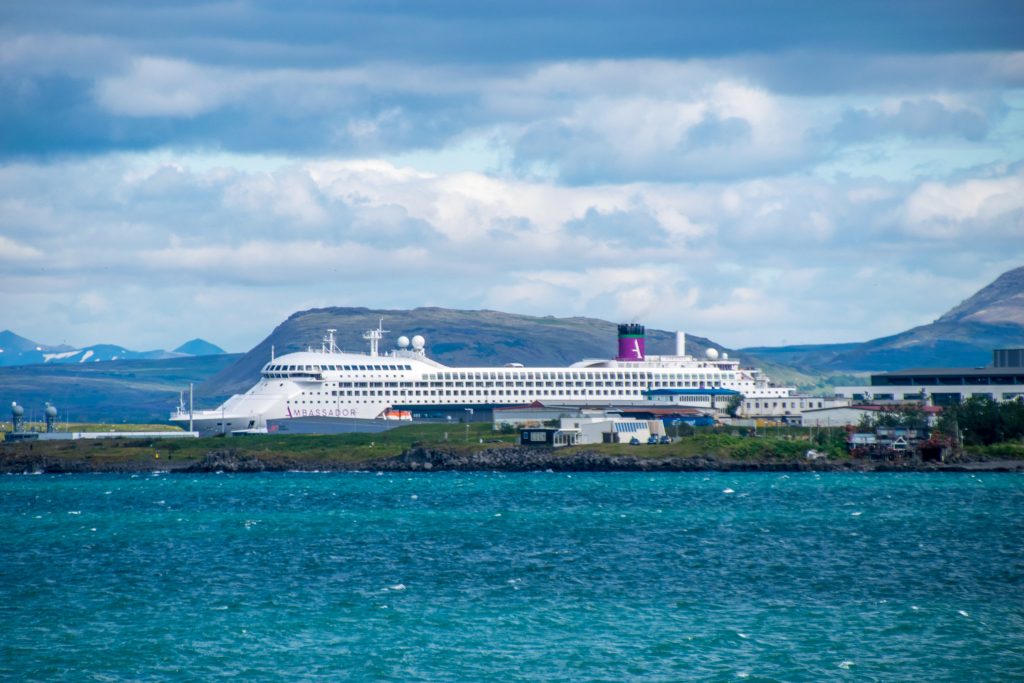
Ambassador Cruise Line is a British operator that launched in 2022, targeting the over-40 market with a value-focused model that takes solo travel seriously from the pricing structure upward. A genuine portion of its cabins are priced with solo travelers in mind — not promoted as “solo-friendly” as a marketing tag, but actually reflected in the supplement rates.
The line sails primarily from UK ports to European and Atlantic destinations, which cuts out the transatlantic flight cost that inflates solo cruise budgets before the ship has even left the dock.
The Thinking Behind Traveling Alone on Water
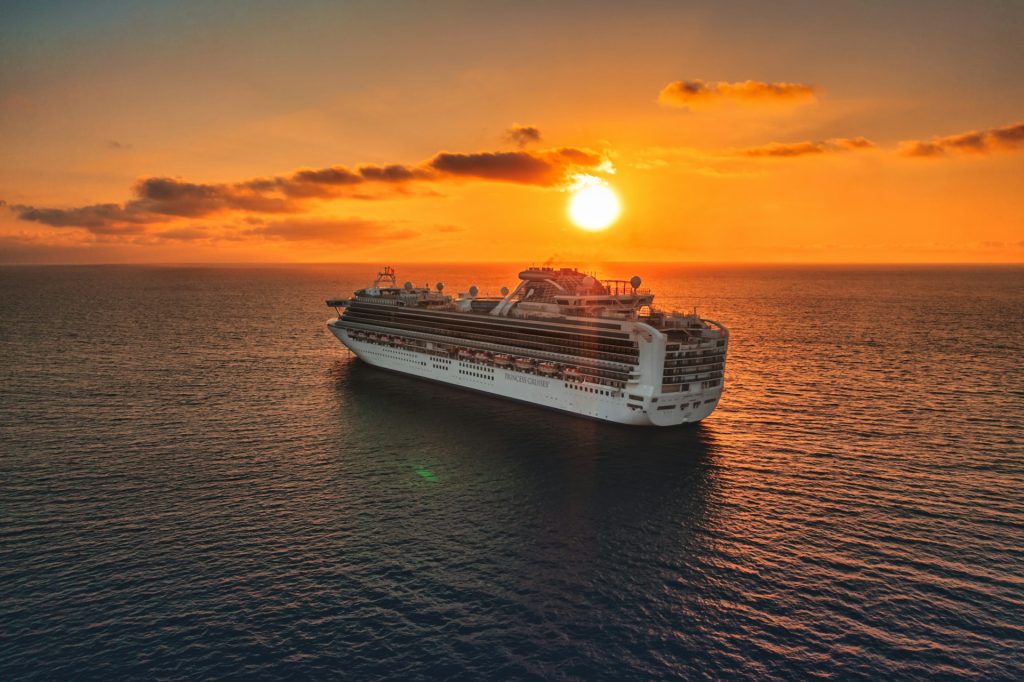
There’s a particular kind of freedom that only appears when nobody is waiting for you to decide where to eat dinner, and cruising alone — when the ship is set up for it — delivers that feeling in concentrated form. You wake up somewhere new, you go where you want, you eat when you’re hungry, and the logistics of being somewhere far from home have already been solved for you.
The lines listed here have recognized something the industry spent decades ignoring: solo travelers are not half a couple. They’re a whole traveler, and they deserve a whole experience.
More from Travel Pug

- Underrated Italian Towns That Beat the Tourist Crowds
- Las Vegas Tourist Traps to Skip
- Prettiest Towns in Every US State
- 18 passport-free countries for Americans
- Signs Your Cruise Is Not Worth The Cost
Like Travel Pug’s content? Follow us on MSN.