

There’s a specific kind of traveler who hears “seven sea days in a row” and feels relief rather than dread. Not anxiety — relief.
The transatlantic crossing is one of the last genuinely unhurried ways to move between continents, and the ships that run these routes have figured out how to make the in-between feel like the whole point. Whether you’re crossing eastbound toward Europe in spring or heading west toward the Americas as the season winds down, these 28 sailings earn their place on any serious traveler’s shortlist — for the itineraries, the ships, the ports, and occasionally just for the sheer, unapologetic length of the open ocean in between.
Queen Mary 2 — Southampton to New York
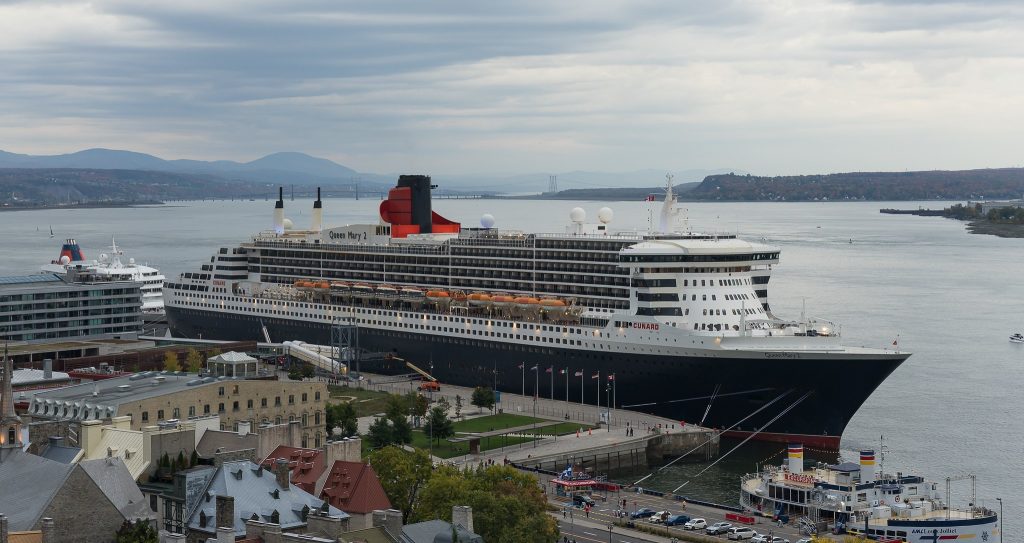
The Queen Mary 2 doesn’t do transatlantics as a repositioning gimmick — it was built for this crossing. Seven nights, roughly 3,450 miles of North Atlantic, and a ship designed specifically to handle ocean swells that would rattle smaller vessels into apology.
Cunard holds the only regularly scheduled transatlantic passenger service in the world, which is saying something.
Queen Mary 2 — New York to Southampton
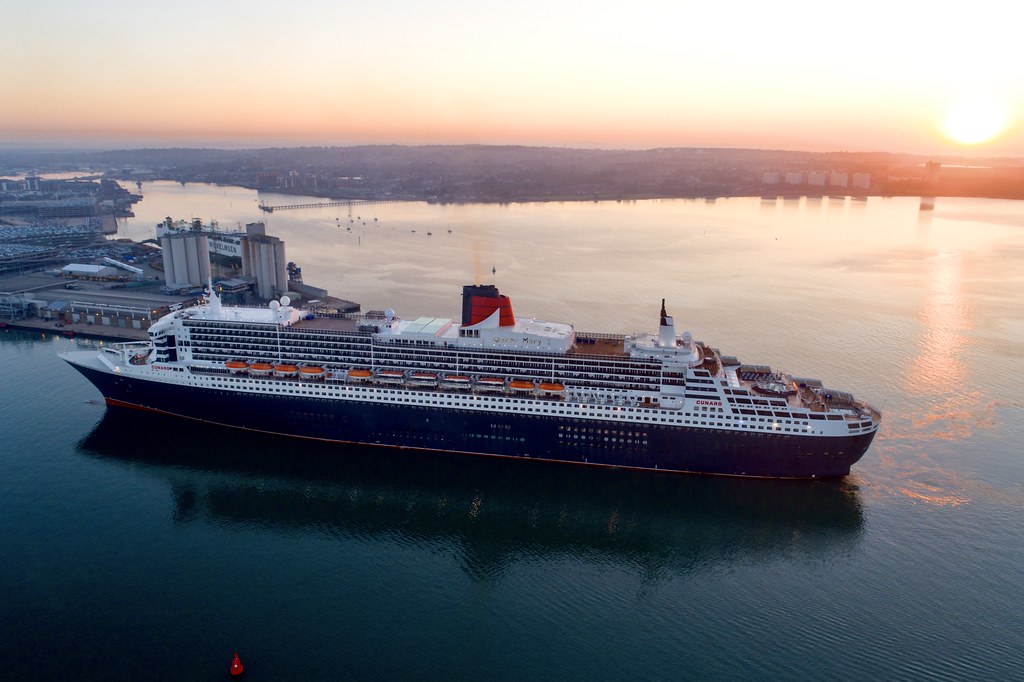
The westbound-to-eastbound return is the same crossing and entirely different. Departing from New York’s Pier 92 with the Manhattan skyline shrinking behind you has a cinematic quality that no airport jetway has ever matched.
The onboard planetarium, the libraries stocked with actual books, the formal nights that people genuinely dress for — it all earns its reputation.
Celebrity Apex — Barcelona to Fort Lauderdale
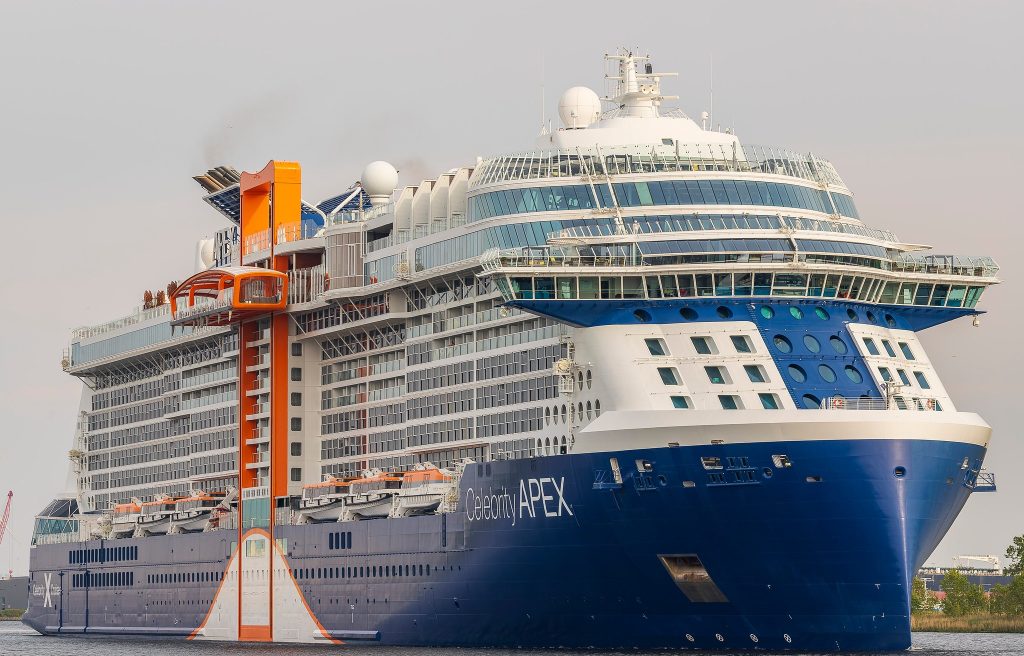
Celebrity’s Edge-class ships are genuinely striking at sea, and the Apex earns its autumn transatlantic slot. The crossing typically calls at Cartagena, Málaga, Cádiz, and the Azores before the long westward stretch toward Florida — so you get Southern Spain’s white-walled port towns and mid-Atlantic volcanic islands before the ocean takes over.
The Azores stop alone justifies the itinerary.
Seabourn Ovation — Lisbon to Fort Lauderdale
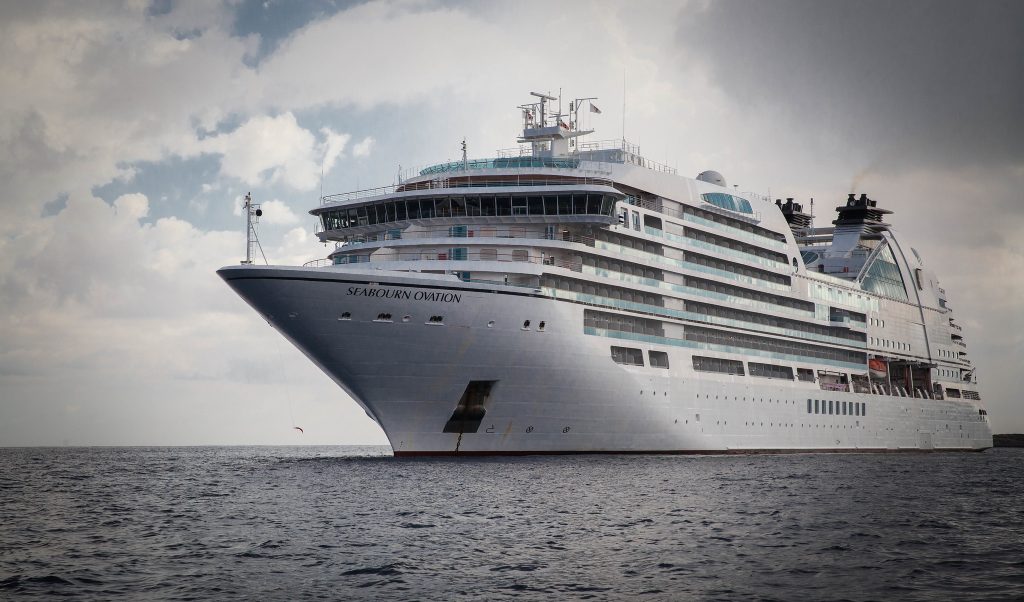
Seabourn’s transatlantics play a different game entirely. The Ovation carries under 600 guests, which means sea days feel like the whole ship has been handed over to you — quiet decks, unhurried service, and a staff-to-guest ratio that makes the mid-ocean stretch genuinely luxurious rather than just long.
Lisbon is a near-perfect departure city, and Seabourn knows it.
MSC Meraviglia — Genoa to Miami
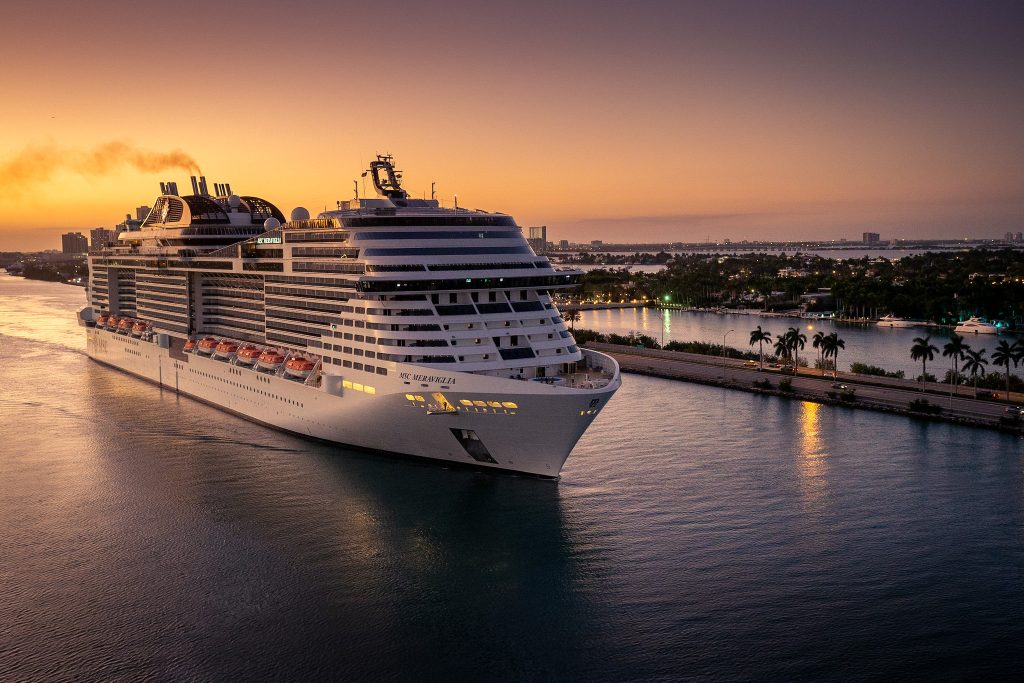
The Meraviglia’s transatlantic typically strings together a generous Mediterranean send-off — Barcelona, Marseille, Palma — before the crossing proper begins. What the ship does particularly well is the scale of its indoor promenade, a covered boulevard running the length of the vessel that becomes the social spine of the ship on sea days when the Atlantic turns moody.
And the Atlantic does turn moody.
Holland America Nieuw Statendam — Rotterdam to Fort Lauderdale
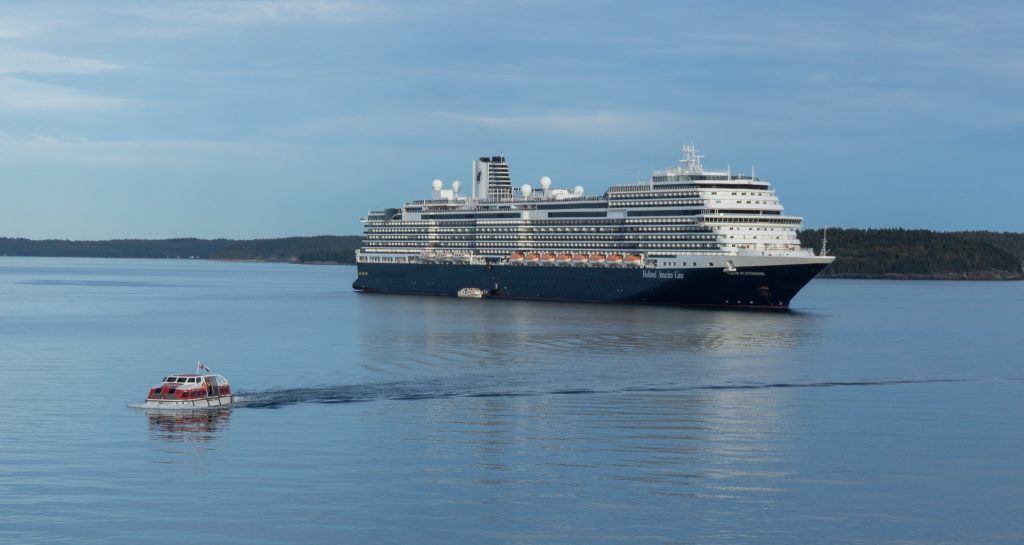
Holland America has been running transatlantic crossings long enough that the whole operation feels considered rather than improvised. The Nieuw Statendam departs Rotterdam — a port city with enough industrial character to feel distinctly un-touristy — and makes its way toward the Canary Islands or Azores before the long push west.
The ship’s music program is genuinely excellent, which matters more than you’d expect when you’re five days from the nearest coastline.
Regent Seven Seas Explorer — Barcelona to Miami
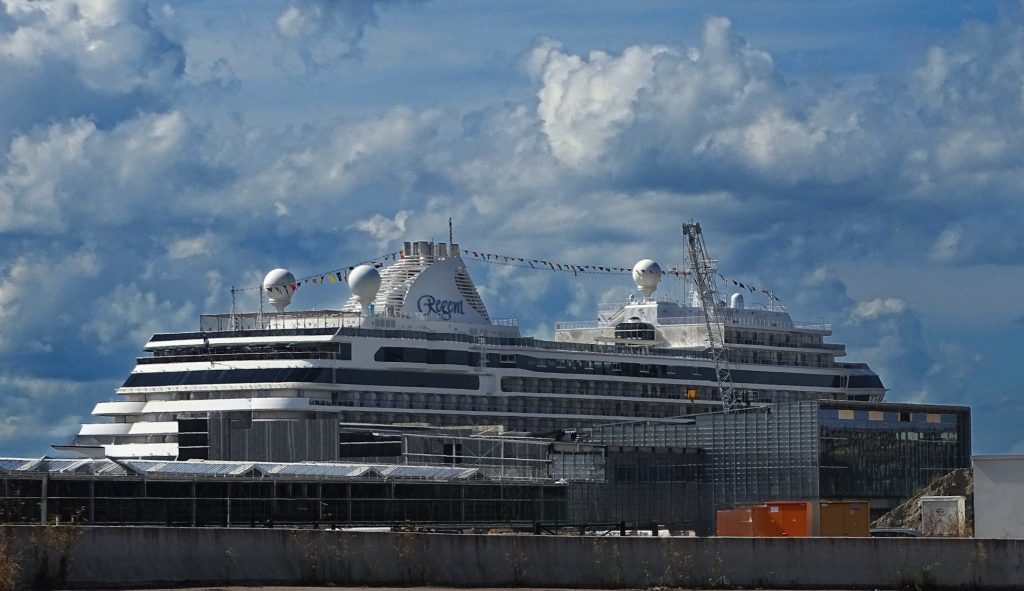
This crossing earns its price. The Seven Seas Explorer is one of the most appointed ships at sea (the per-square-foot cost of the suites is reportedly comparable to a Manhattan apartment, which is either absurd or clarifying depending on your perspective), and the all-inclusive model means nothing is being quietly added to a tab.
The bar for transatlantics on a ship like this isn’t just high — it’s structural.
Viking Neptune — Bergen to New York
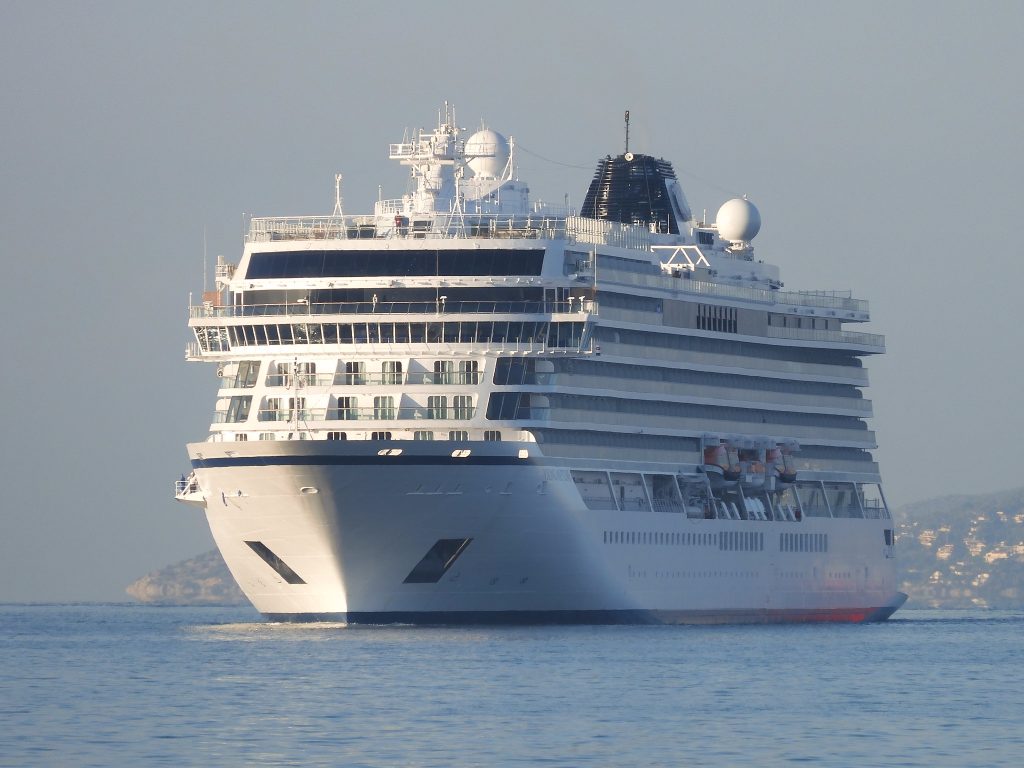
Viking’s transatlantics tend to attract a specific traveler: curious, adult (the line is adults-only), and genuinely interested in the port enrichment that comes before the crossing. Bergen is a spectacular start — Norway’s west coast fjord city, surrounded by mountains, with a fish market that operates in all weather.
The ship’s itinerary from there tends to work through the British Isles before pointing west.
Oceania Riviera — Lisbon to Miami
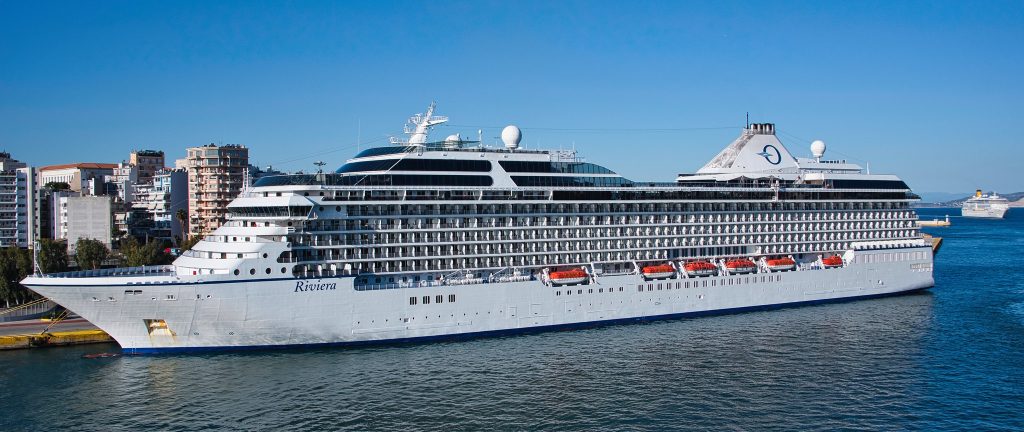
Oceania’s reputation lives and dies on its food program, and to be fair, the reputation is earned. The Riviera’s crossing typically calls at the Canary Islands — Lanzarote, Tenerife — before the open Atlantic, and those volcanic archipelago ports have a stark, otherworldly quality that pairs well with the long sea days that follow.
The culinary classes offered onboard are legitimately good, not just decorative.
Cunard Queen Anne — Hamburg to New York
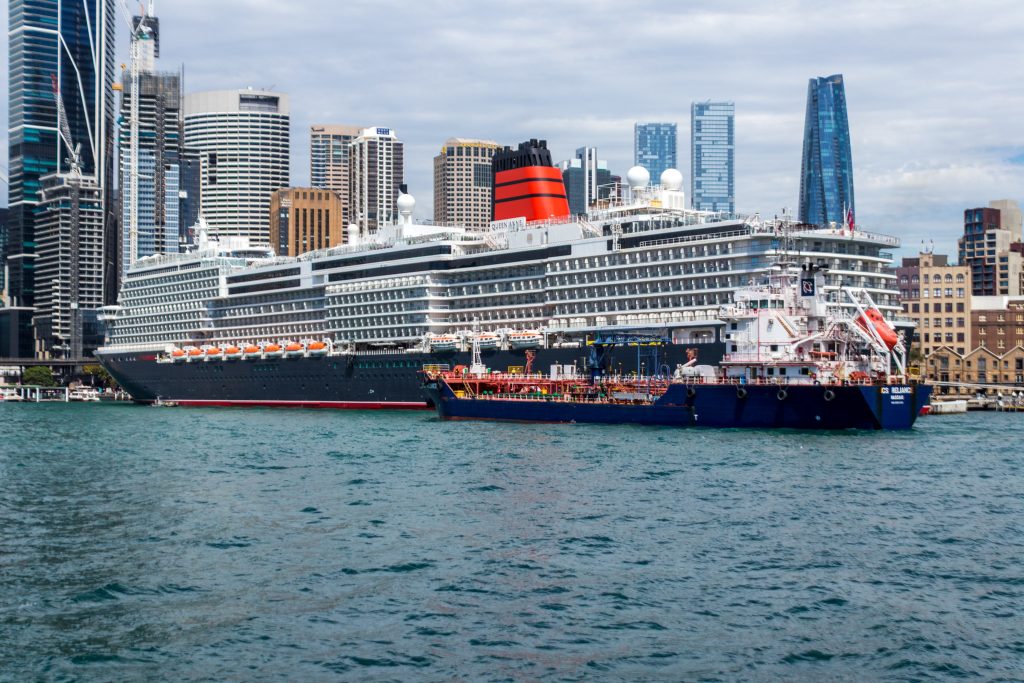
The Queen Anne is Cunard’s newest ship, launched in 2024, and its first transatlantic seasons are drawing serious attention. Hamburg as a departure city is underrated — it’s a working, lived-in port with a very particular energy — and Cunard’s approach to the crossing maintains the formal codes (dress requirements, afternoon tea, the Grills distinction) that distinguish it from every other crossing on the market.
Costa Smeralda — Savona to Miami
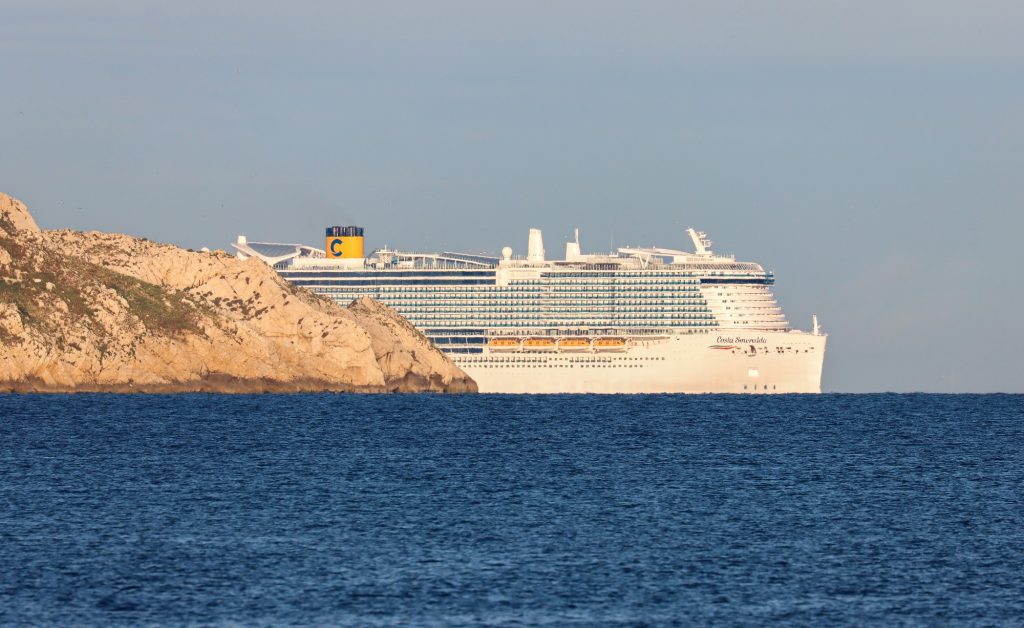
The Costa Smeralda is the Italian line’s flagship, and the ship’s Mediterranean-influenced design — warm tones, open plazas, indoor spaces that feel more like a piazza than a corridor — makes sea days feel less institutional than on most vessels this size. The crossing route typically moves through Spanish ports before the ocean stretch begins, and the onboard Italian food program is more earnest than it has any right to be.
Azamara Journey — Lisbon to New York
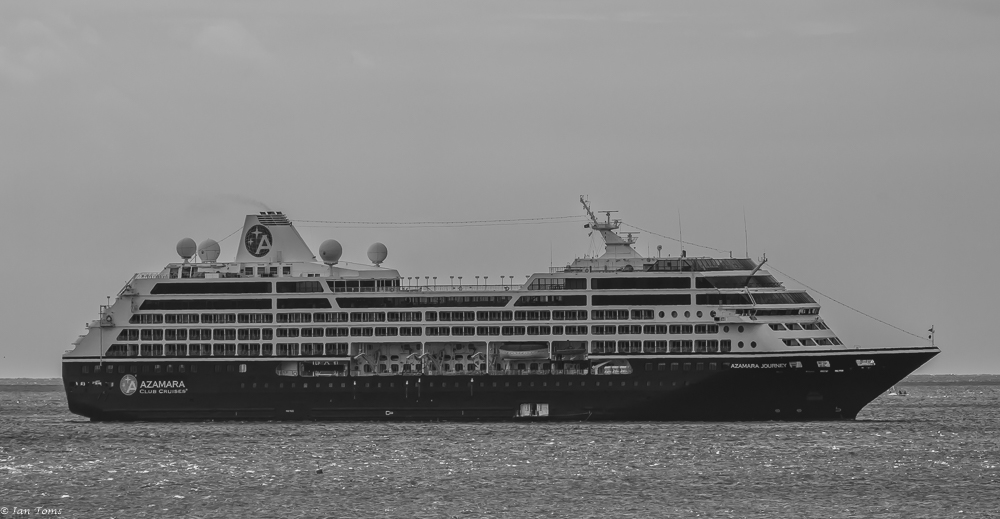
Azamara’s model is built around smaller ships and longer stays in port, but its occasional transatlantics take that same unhurried approach to the open ocean. The Journey carries just over 600 guests — quiet by ocean liner standards — and the late-night departures Azamara favors mean you actually see a port after dark before leaving it behind.
The crossing itself is calm, intimate, and almost nothing like the big-ship experience.
Silversea Silver Moon — Barcelona to Barbados
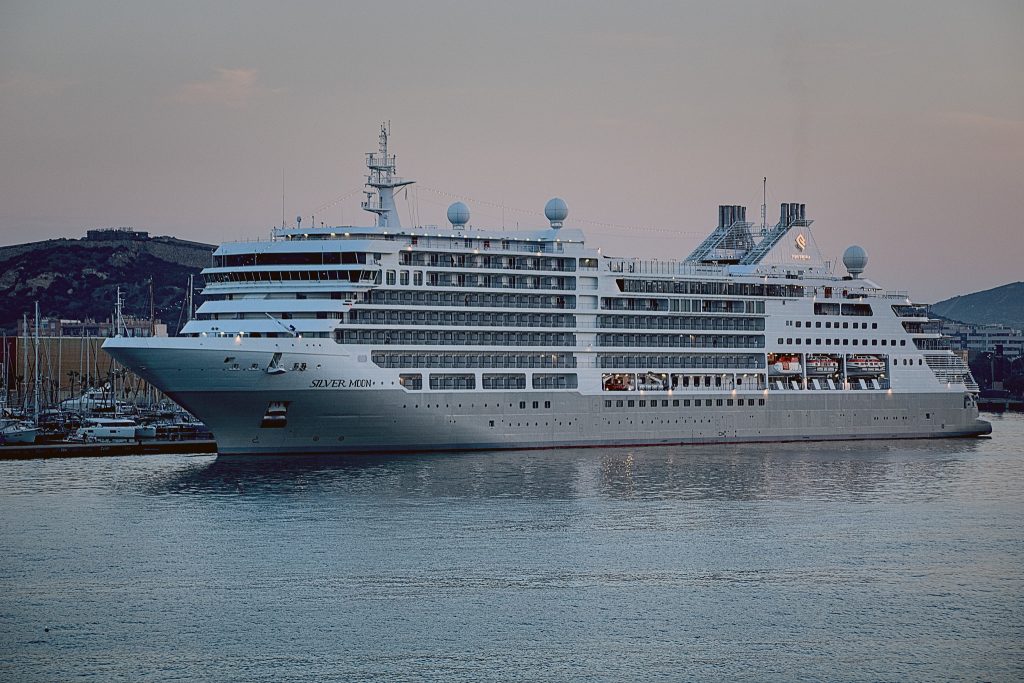
Barbados as a western terminus changes the whole character of a transatlantic. Instead of arriving in a North American port city, you land in the Caribbean — specifically Bridgetown, where the pace immediately shifts and you realize the sea days have been preparing you for something entirely different.
The Silver Moon is a small-ship luxury product with the kind of included excursions that actually justify the fare.
Princess Cruises Enchanted Princess — Southampton to Fort Lauderdale
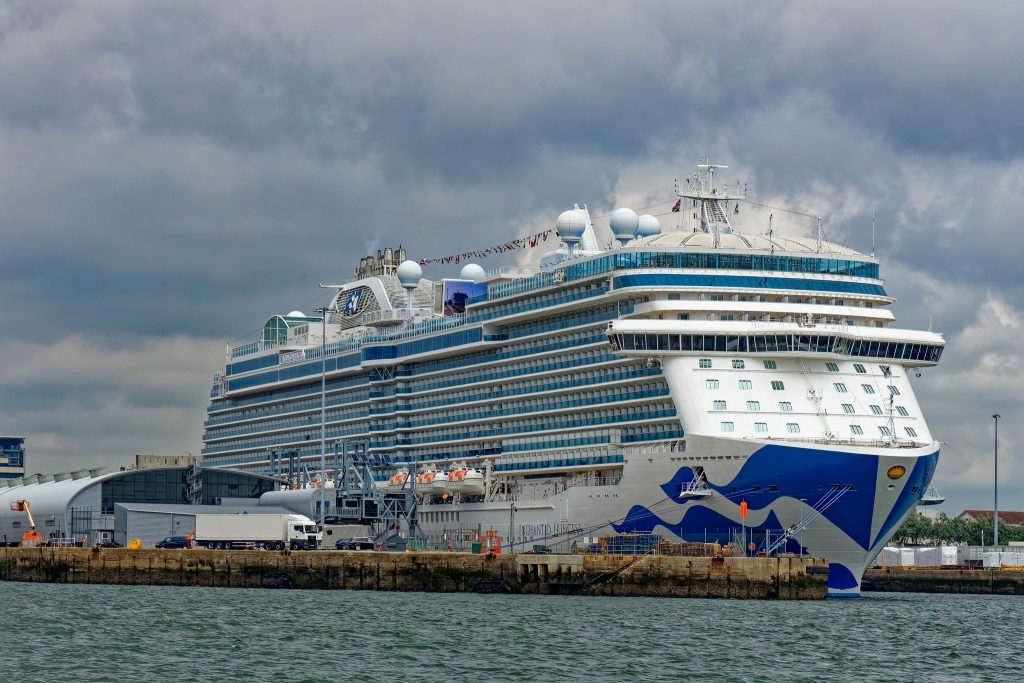
Princess runs workmanlike transatlantics that deliver genuine value — the Enchanted Princess is a large, well-run ship with enough variety on sea days to keep almost anyone occupied for a week-plus crossing. The MedallionClass technology the line deploys has its fans and its skeptics, but the OceanNow delivery system (food and drinks to wherever you’re sitting on the ship) lands as genuinely useful when you’ve claimed a deck chair on a sunny sea day and have no intention of moving.
Hapag-Lloyd Europa 2 — Lisbon to the Caribbean
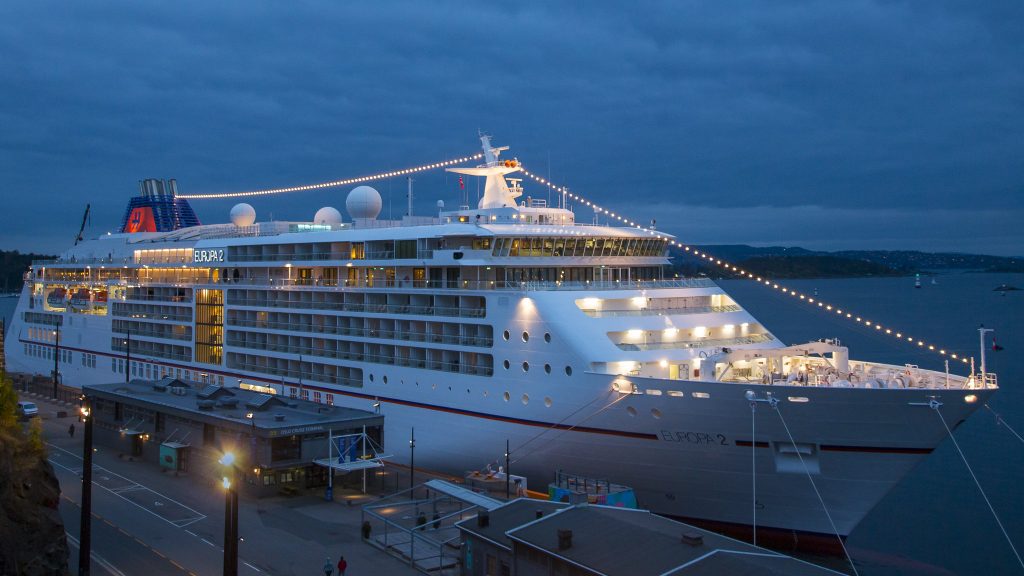
The Europa 2 is a German luxury ship with a fairly devoted following, and its transatlantics are niche in the best way: the language on board is predominantly German, the design aesthetic is spare and Scandinavian-adjacent, and the whole experience is calibrated toward guests who find excess exhausting. The service levels are exceptional.
The ship carries around 500 guests.
Virgin Voyages Valiant Lady — Portsmouth to Miami
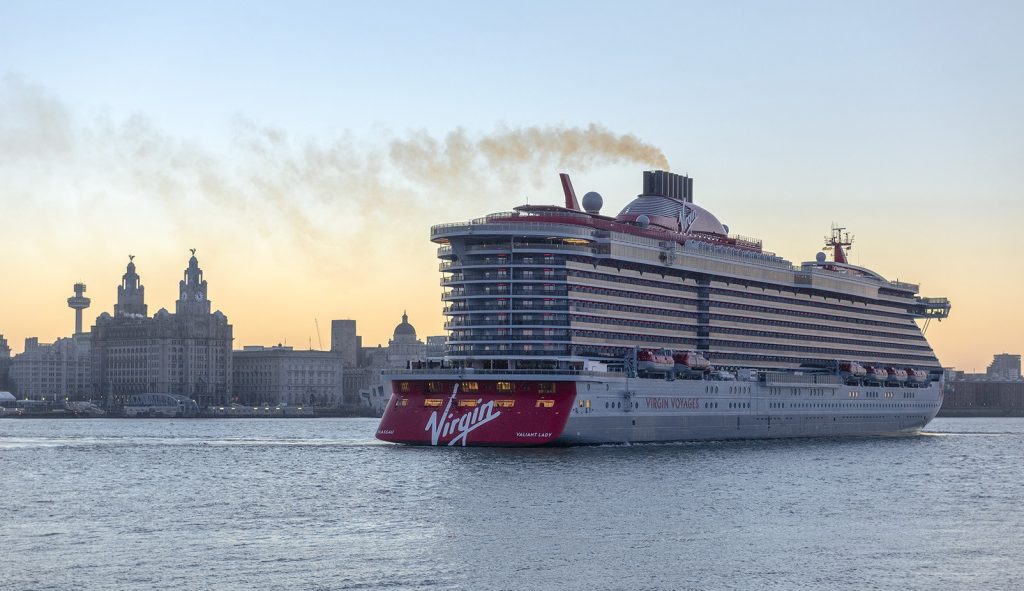
Virgin Voyages pitches itself as the anti-cruise, and the Valiant Lady’s transatlantic is the test of whether that framing holds up. Adults-only, no buffet, no traditional entertainment hierarchy — the ship is deliberately designed to feel like a boutique hotel that moves.
The crossing stops typically include Lisbon and a Canary Islands call, and the food-and-drink-mostly-included model makes the sea days feel surprisingly generous.
Fred. Olsen Borealis — Southampton to the Canaries and Beyond
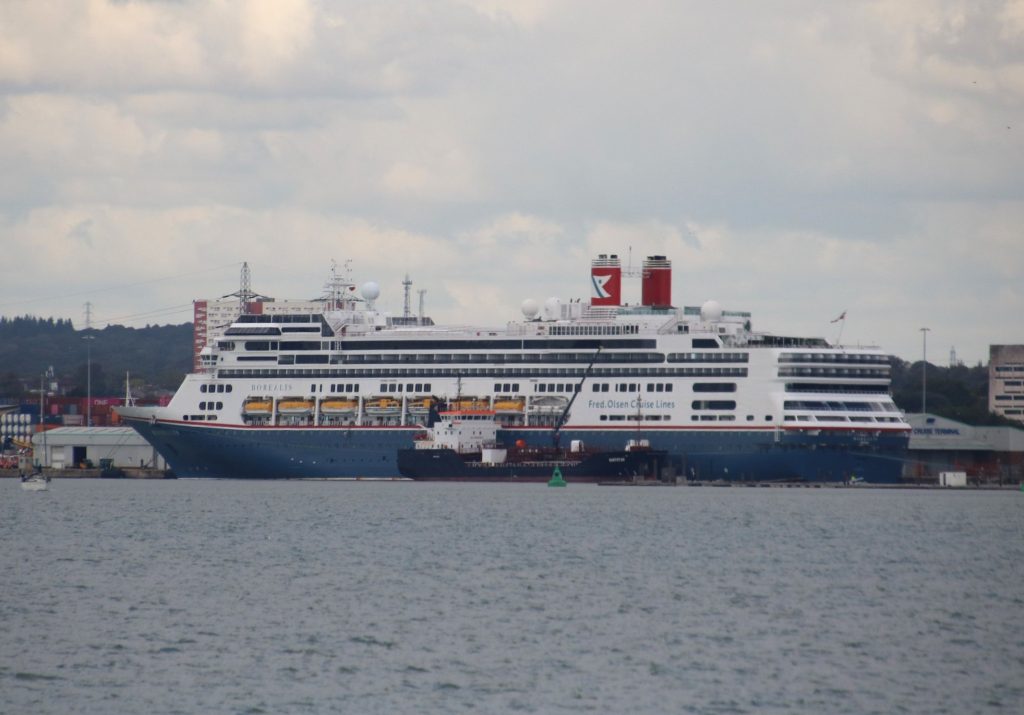
Fred. Olsen is a British line that doesn’t get discussed much outside the UK, but its transatlantics — which often route through the Canary Islands and then arc toward the Caribbean — have a loyal following for a reason. The Borealis is a mid-sized ship that carries around 1,360 passengers, the itineraries are generously ported, and the line has a reputation for a warmth that bigger operations sometimes lose somewhere in the scaling.
TUI Marella Explorer 2 — Transatlantic to the Caribbean
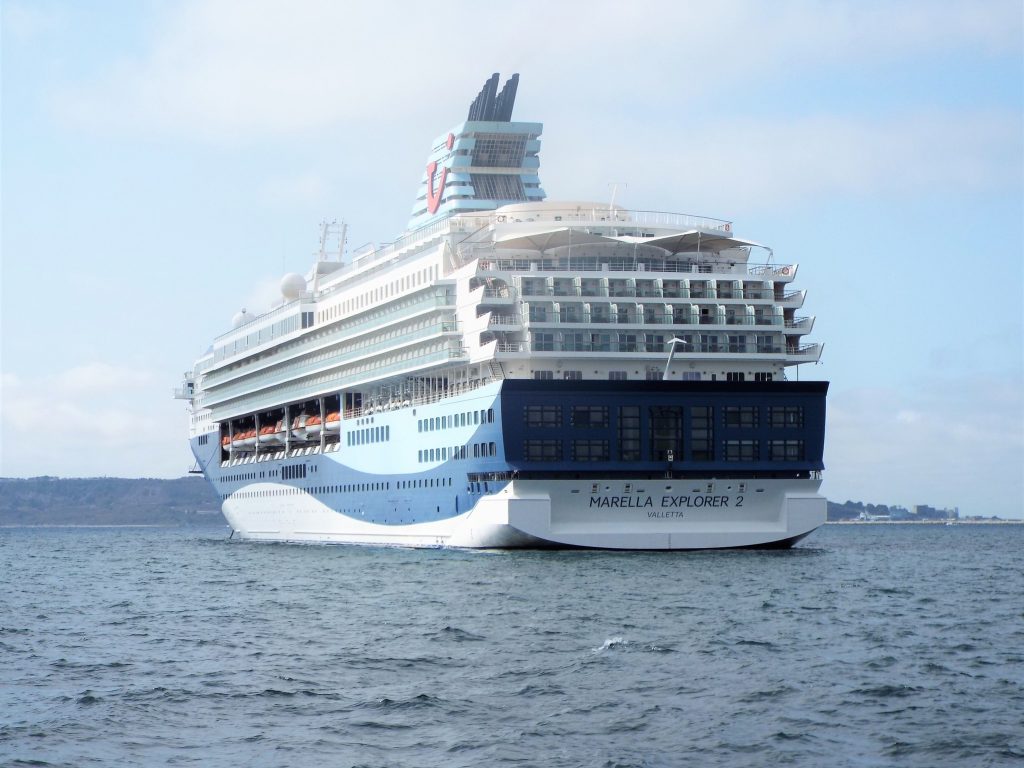
The Marella line is the package-holiday end of transatlantic crossings, and there’s no shame in that. The Explorer 2 runs autumn crossings from the UK toward Caribbean winter deployments, the pricing is accessible in a way that Cunard’s famously is not, and the onboard atmosphere is relaxed and unfussy. Not every transatlantic has to be a statement.
AIDAluna — Hamburg to the Canaries and Caribbean
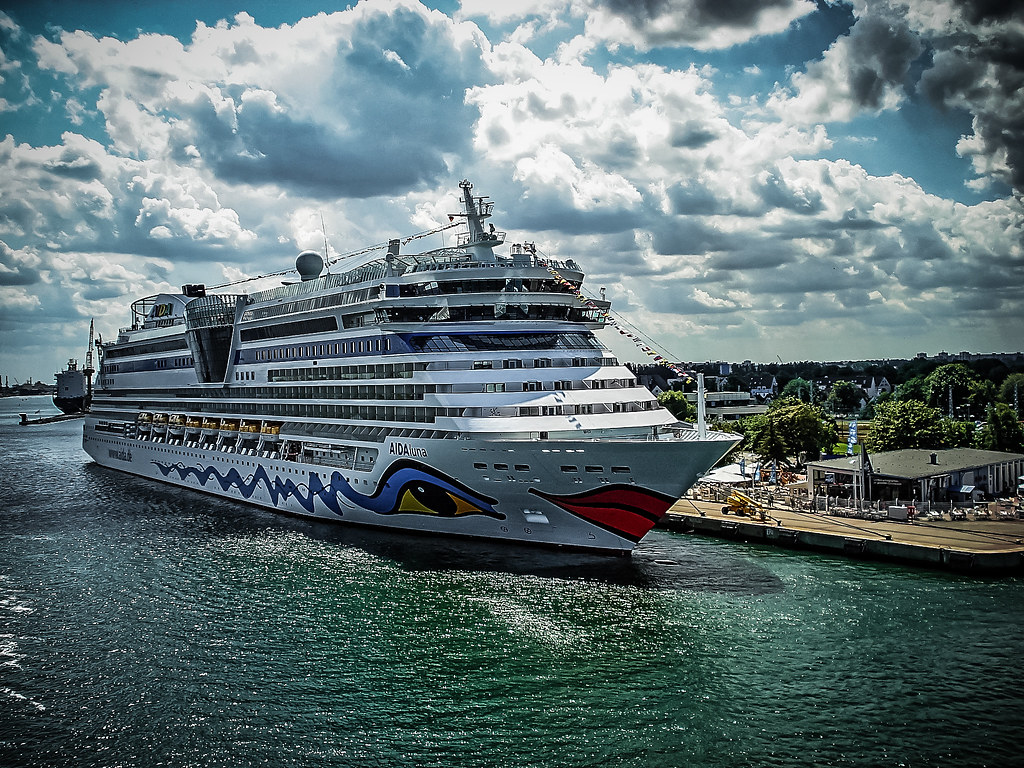
AIDA is a German-market line with a very specific product — casual, noisy in a festive way, and built around a free-roaming buffet culture that its guests love. The AIDAluna’s transatlantic crossings lean into those strengths, and the routes through the Canaries give the crossing a sun-soaked rhythm that feels earned by the time you’re deep in the Atlantic.
Explora I — Southampton to New York
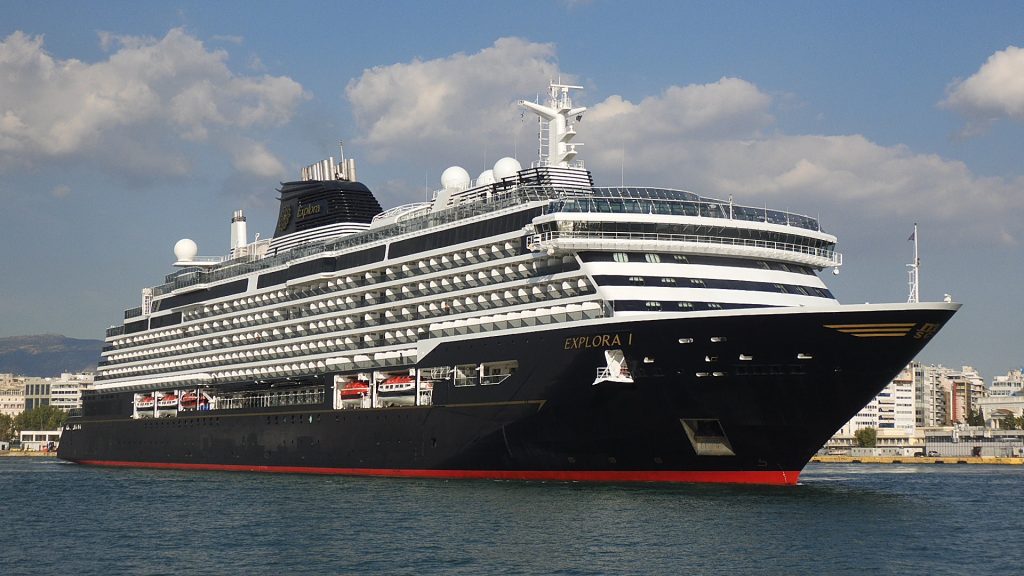
Explora Journeys is MSC’s luxury brand, launched in 2023, and the Explora I’s transatlantics are one of the more interesting new products in this space. The ship’s design is legitimately distinctive — a horizontal emphasis that makes the vessel feel like a floating beach resort rather than a stacked cruise ship — and the included beverages, poolside dining, and Butler-level service on certain suites make the sea-day experience feel deliberate rather than filler.
Seabourn Quest — Lisbon to Barbados
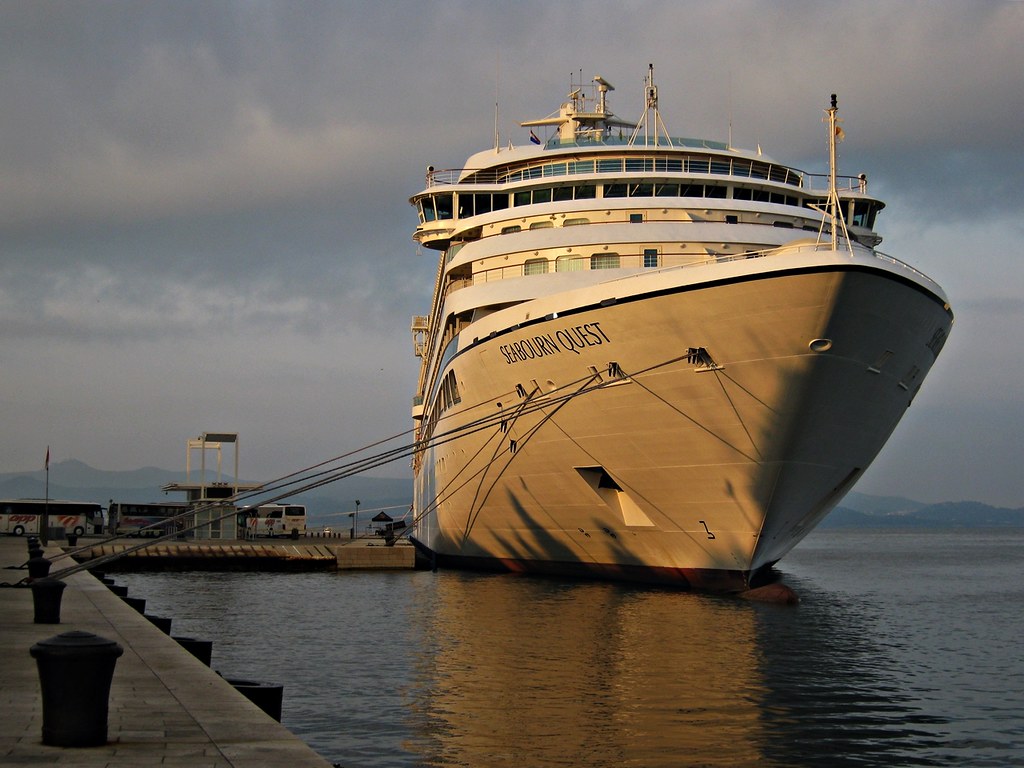
The Barbados terminus again — and again it changes everything. The Quest is an older Seabourn vessel than the Ovation, slightly smaller, and carries a loyal following that prefers its scale.
The Lisbon-to-Barbados arc covers roughly 3,500 miles of open Atlantic and turns the Canaries into the crossing’s last solid land before the Caribbean appears on the horizon.
Royal Caribbean Wonder of the Seas — Barcelona to Port Canaveral
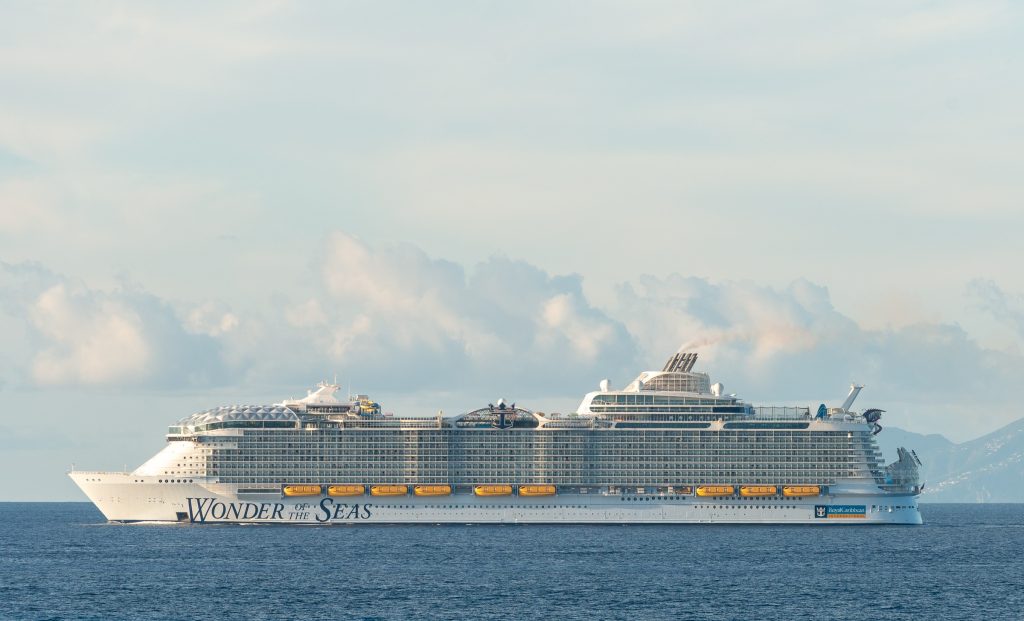
The Wonder of the Seas is one of the largest passenger ships ever built, and its autumn transatlantics are something of a spectacle — a 1,188-foot vessel making the crossing in what amounts to a small floating city. Sea days on a ship this size have a logic of their own: you don’t run out of things to do, and the sheer scale means the open ocean rarely makes itself felt the way it does on a smaller hull.
Windstar Star Pride — Lisbon to Miami
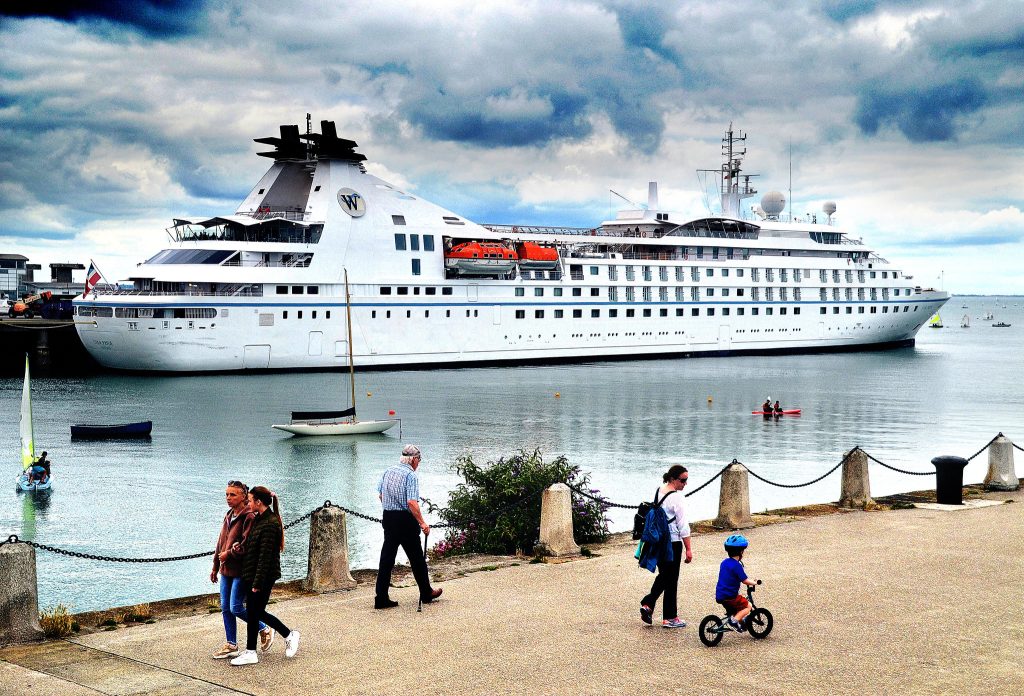
Windstar’s small-ship transatlantics occupy a particular niche — intimate enough that you know faces within two days, long enough that those faces start to feel like temporary colleagues. The Star Pride carries around 212 guests and the all-suite layout means even the entry-level accommodation has real windows and real space.
The line calls at ports that larger ships can’t reach, which gives the Canaries stretch of the crossing a distinctly different texture.
Ponant Le Bougainville — Azores to Fort Lauderdale
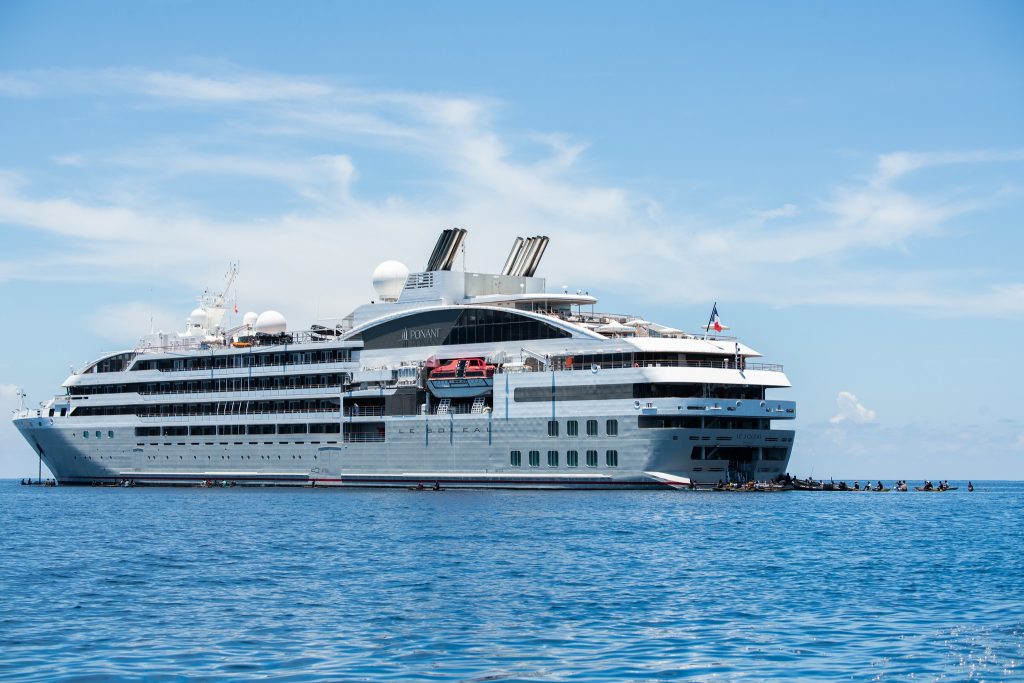
Ponant is a French expedition and luxury line, and the Le Bougainville’s transatlantic is routed through the Azores in a way that makes those islands feel central rather than incidental. The Azores — nine volcanic islands roughly 930 miles west of mainland Portugal — have a mossy, rain-softened strangeness that doesn’t resemble anything else in the Atlantic.
Departing from there, heading west, with open ocean stretching to the horizon, is about as clean an entrance to a transatlantic as exists.
Crystal Serenity — Southampton to New York
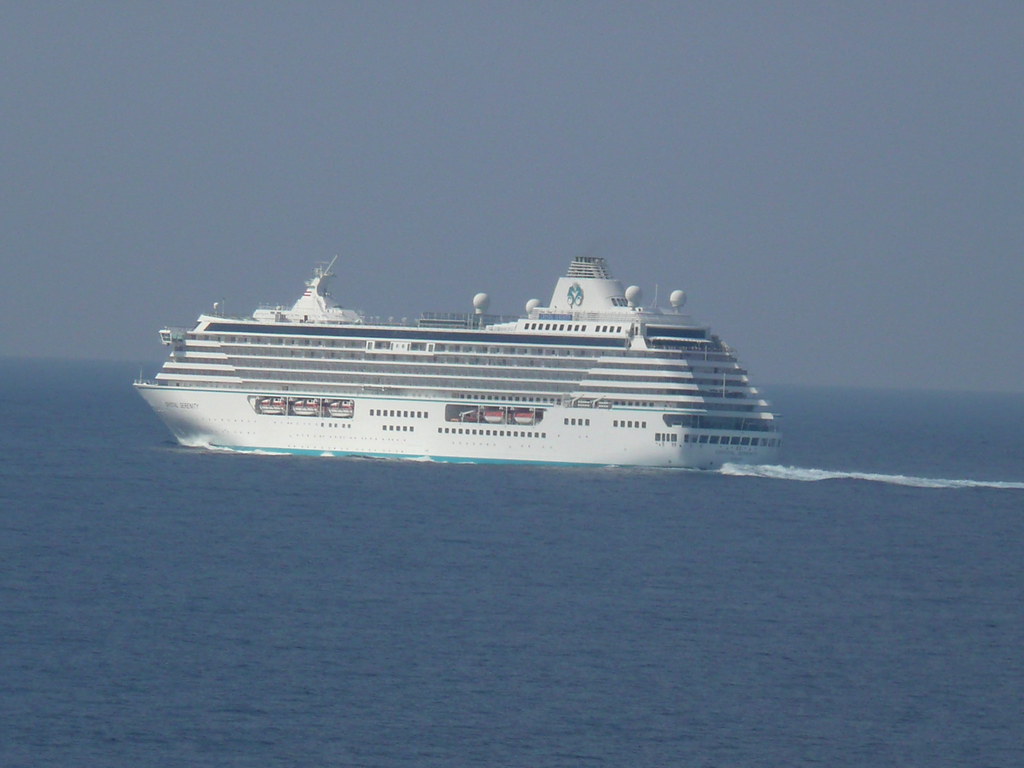
Crystal went through a complicated chapter — the original line collapsed in 2022, and a reconstituted version relaunched under Abercrombie & Kent ownership in 2023. The Serenity is back, and early reviews suggest the product has retained much of what made the original Crystal so highly regarded: the spaciousness, the crew quality, the all-inclusive model that doesn’t nickle-and-dime.
The transatlantic on a genuinely reopened Crystal is worth watching.
Cunard Queen Victoria — Southampton to New York
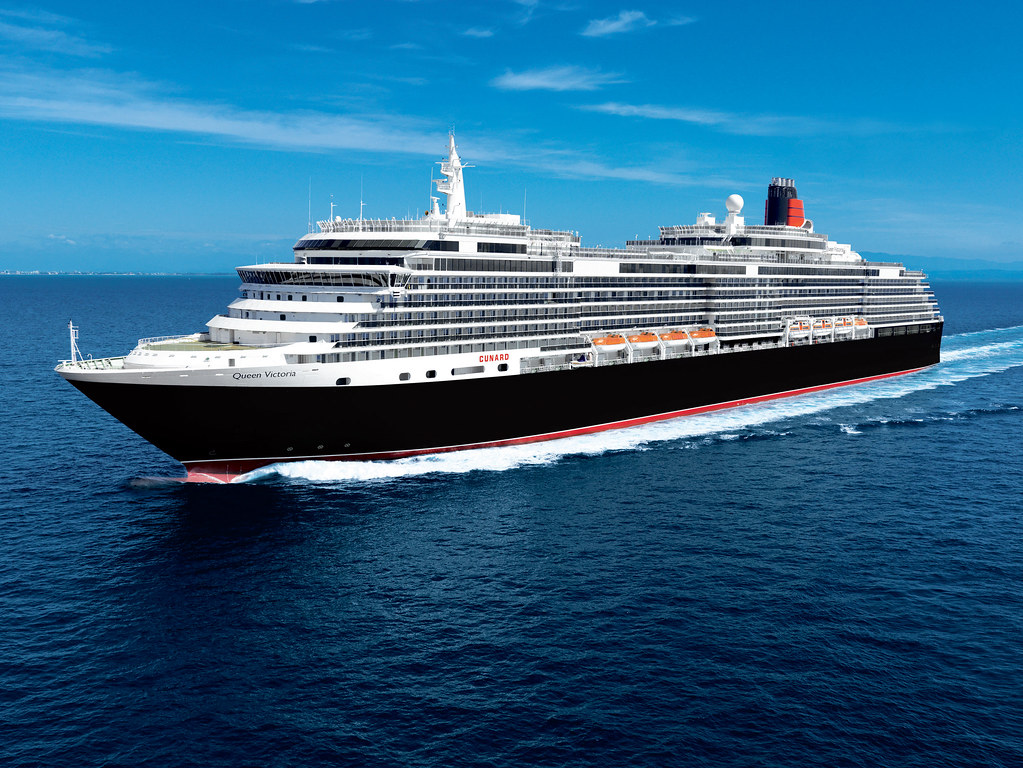
The Queen Victoria is the middle child in the Cunard fleet — smaller than the Mary 2, not as new as the Anne — and it earns its place through reliability rather than novelty. The Cunard library on the Victoria is one of the finest at sea, the ballroom has proper dancing (people who care about this care about it a lot), and the sense that the ship was built for this crossing, not adapted to it, shows in every quiet detail.
Where the Open Ocean Stops Feeling Like a Wait
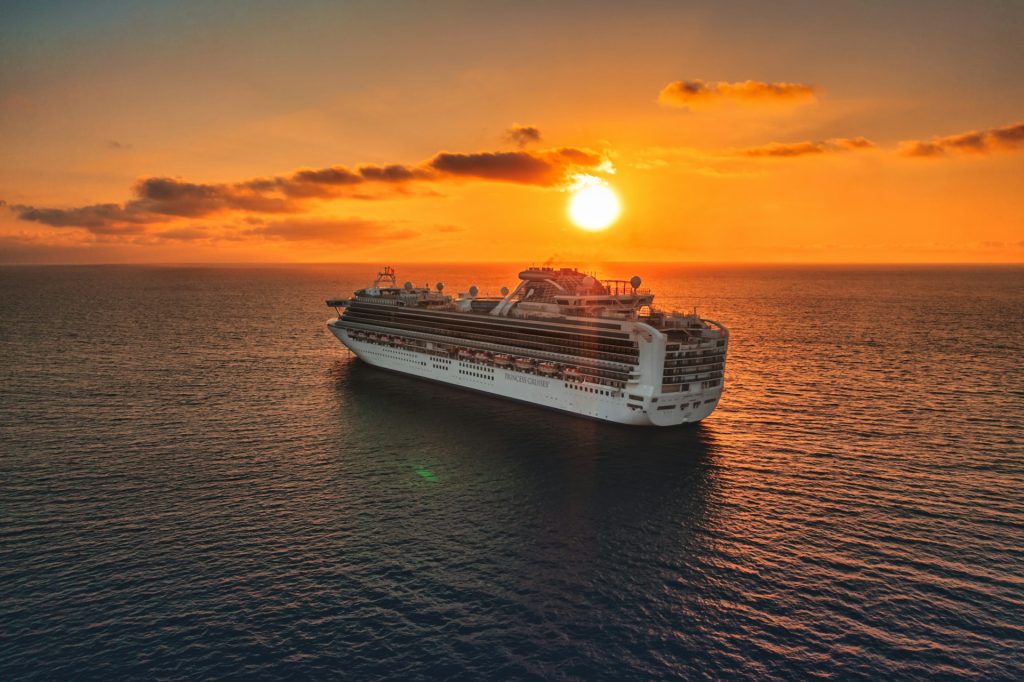
There’s a point on any long crossing where the sea stops being background and becomes the thing itself. You notice it differently on different ships — on the Queen Mary 2, it’s somewhere around day three in the North Atlantic when the light goes silver and the swells build; on a small-ship Ponant sailing out of the Azores, it happens almost immediately, the moment the last volcanic peak disappears behind you.
What these 28 sailings share is that they’ve all found ways to make that open-ocean stretch feel worth staying present for, rather than something to fast-forward through. The extra sea days aren’t the cost of a transatlantic.
On the right ship, they’re the whole reason to book one.
More from Travel Pug

- Underrated Italian Towns That Beat the Tourist Crowds
- Las Vegas Tourist Traps to Skip
- Prettiest Towns in Every US State
- 18 passport-free countries for Americans
- Signs Your Cruise Is Not Worth The Cost
Like Travel Pug’s content? Follow us on MSN.