

The cruise company has released a brochure displaying families that are happy and relaxed beside the pools with cocktails in their hands, announcing an all-inclusive vacation that lets you forget all about the money. Surprisingly, the trip ends up with you receiving your credit card bill and thinking if the company has mistakenly charged you along with someone else for the other vacation as well.
The cruise industry has mastered it to such a degree where they can get more money from the cruise passengers without the passengers being aware of it and they are very good at making it seem that the expenses are necessary. There are some fees which are necessary and also, are worth the amount. However, some are simply moneymakers for the operators and they set up these traps for the innocent that do not know the tricks yet.
Here is a list of 15 cruise mistakes that waste your money and how to avoid them.
Waiting until the last second to book flights

Putting off flight bookings ranks among the fastest ways to blow your cruise savings. One person saved money by booking their cruise eight months early, then completely erased those savings by waiting until two weeks before departure to book flights.
The prices had skyrocketed. Airlines know exactly when ships leave from Miami and Fort Lauderdale—they track this stuff and adjust prices accordingly.
Plus, those last-minute tickets come with rigid change policies that leave you stuck if plans shift. Book flights within days of securing your cruise, or bundle everything together in a package that locks in rates.
Paying per person for airport transfers

Cruise lines bank on you not doing basic math. Carnival wants $22.99 per person for airport transfers, meaning a family of four drops almost $92 just getting from the airport to the ship.
Meanwhile, an Uber or Lyft covers that same distance for $20 to $35 total—not per person, but for the whole car. You control your departure time instead of sitting around waiting for enough people to fill a shuttle bus.
Sure, some travelers worry about rideshare reliability, but advance scheduling through the apps eliminates most concerns while still saving substantial cash.
Getting suckered into drink packages

Drink packages run between $60 and $85 daily, which sounds reasonable until you realize you need roughly eight to nine alcoholic beverages every single day just to break even. Think about your actual drinking patterns, not your optimistic vacation fantasies.
Half your cruise gets spent off the ship at ports where the package provides zero benefit. Most folks vastly overestimate their consumption, particularly when excursions, activities, and plain old relaxation fill their days.
The packages exclude premium liquors anyway and include daily limits that prevent sharing. Calculate what you realistically drink before dropping hundreds on a package that mostly goes to waste.
Spending a fortune on ship wi-fi

Internet packages on cruise ships start around $16 per device daily for basic service and climb past $40 for premium plans. Weekly packages range from $118 to beyond $400 depending on cruise length and destination.
Royal Caribbean’s VOOM service costs roughly $23 per day per device—over $160 for a week just to scroll Instagram and check work emails. Here’s a radical thought: maybe vacation should mean disconnecting from constant connectivity.
Urgent matters can usually wait until port stops where cafés offer free Wi-Fi, or honestly until you return home. If internet feels absolutely necessary, buy it for specific days rather than the entire voyage.
Booking all shore excursions through the cruise line

Cruise lines slap massive markups on shore excursions compared to independent booking. A Barcelona tour hitting Sagrada Familia might cost $100+ per person through the ship, while metro tickets cost pocket change and basilica entry runs about $27 for adults.
Someone paid $149 for waterpark access at Royal Caribbean’s private island by booking onboard—another family snagged identical passes for roughly $50 each during a Black Friday sale. Independent operators typically provide superior experiences too, with small vans carrying six to eight people instead of massive tour buses hauling 40.
Yes, independent booking requires research, but savings and quality improvements justify the effort for most destinations.
Eating specialty restaurants every single night
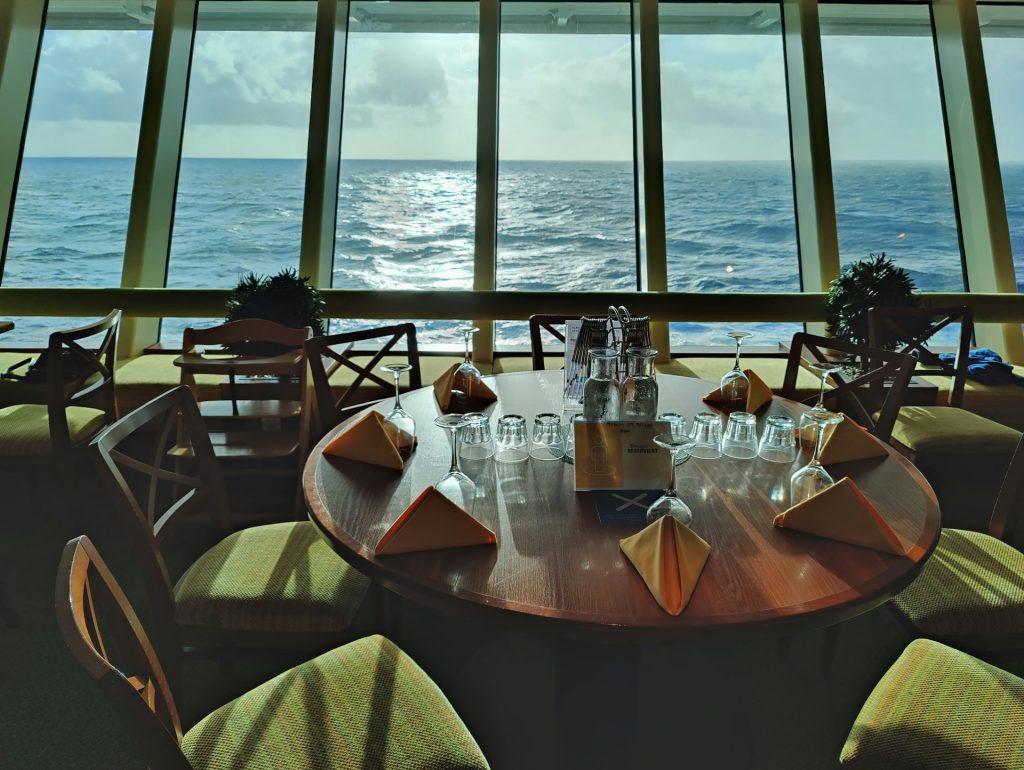
Specialty dining runs $100 or more for two people at dinner. Do that nightly for a week and you’ve tacked $1,000 onto your trip.
The food beats the main dining room, no question—that’s precisely why cruise lines push these venues so hard. Thing is, your fare already covers complimentary options like the main dining room, buffet, and casual spots like burger joints and taco bars.
These aren’t terrible; some are legitimately excellent. Reserve specialty dining for one or two memorable nights, or visit during lunch when identical quality comes at reduced prices.
Embarkation days and port days often feature discounts making specialty restaurants more budget-friendly.
Hitting the onboard atm for cash
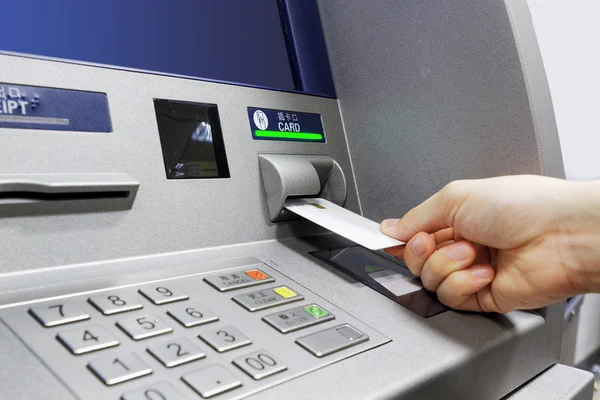
Ship ATMs represent pure waste—convenience that costs way more than it should. These machines charge inflated fees stacking atop your bank’s international transaction charges, turning a $100 withdrawal into $110 or $115 after everything processes.
The solution seems almost too simple: visit your bank before leaving home and withdraw whatever cash you anticipate needing in various currencies. Credit cards work at most ports anyway, reducing actual cash requirements.
If funds run short, wait for port and use a local bank ATM instead of the ship’s machine. Some cruisers carry modest amounts of US dollars as backup since they’re accepted throughout the Caribbean and Mexico without exchange fees.
Falling for professional photo packages

Ship photographers lurk everywhere, constantly snapping pictures that cost $20 to $30 individually. Photo packages promise savings at several hundred dollars for unlimited digital images, except most people never download more than a tiny fraction even after buying the package.
Modern smartphones take genuinely good photos now. You can recreate virtually any pose professional photographers capture.
Key moments—deck sunsets, formal nights, port arrivals—don’t require professional equipment for lasting memories. If professional shots genuinely appeal to you, select two or three special moments worth the individual price instead of committing hundreds to a package stuffed with photos you’ll never look at again.
Treating the casino like entertainment

Casinos occupy premium ship locations where passengers constantly pass through—completely intentional design. House odds match or exceed land-based casinos, guaranteeing mathematical losses over time.
That’s fundamental to how gambling operates. Cruise lines count on passengers viewing casino time as entertainment expense rather than serious gambling, which encourages reckless betting.
Those drinks flowing freely while you gamble aren’t complimentary—they’re funded through your losses at tables and machines. Treating casino visits as pure entertainment with strict predetermined limits works fine.
Most people entering ship casinos without firm stop-loss limits wind up spending far more than intended and nursing regrets the following morning.
Skipping the Pre-cruise hotel night

Flying into port the same morning your ship departs might save one hotel night, but you’re gambling your entire vacation on perfect timing. Flight delays and cancellations happen constantly, and ships don’t wait—they literally cannot.
Missing departure means paying out of pocket reaching the next port, potentially costing thousands depending on itinerary. The financial risk extends beyond transportation since cruise fare is already paid and most lines won’t refund you for problems outside their control.
Arriving 24 hours early provides buffers for travel disruptions while eliminating departure-day stress. One hotel night costs dramatically less than watching your ship leave without you.
Getting caught up in art auctions

Ship art auctions create party atmospheres with free champagne and promises of investment-quality pieces, but they’re sales presentations wearing entertainment disguises. The art carries inflated valuations, and certificates of authenticity don’t guarantee pieces will appreciate.
Auction staff train specifically to create urgency and competitive energy driving impulsive purchases. Plenty of people wake up next morning regretting the $2,000 painting bought after multiple champagne glasses—champagne built into the artwork’s markup, making it decidedly not free.
If you genuinely love a piece for your home, that’s different. Buying cruise ship art as investment strategy rarely pans out financially.
Never checking if cruise prices dropped

Cruise fares fluctuate constantly after booking, sometimes dropping significantly as sailing dates approach or when lines run promotions. Most companies allow repricing reservations if rates drop before final payment, though policies vary.
People booking early to secure preferred cabins often miss potential savings because they never check if cheaper rates appear later. Someone booked a Disney cruise eight months out for $3,125, then later saw balcony cabins listed above $3,600—confirming excellent timing.
The reverse happens frequently too, with rates dropping while passengers ignoring pricing miss hundreds in potential savings. Set monthly calendar reminders checking prices before final payment hits.
Thinking travel insurance is unnecessary
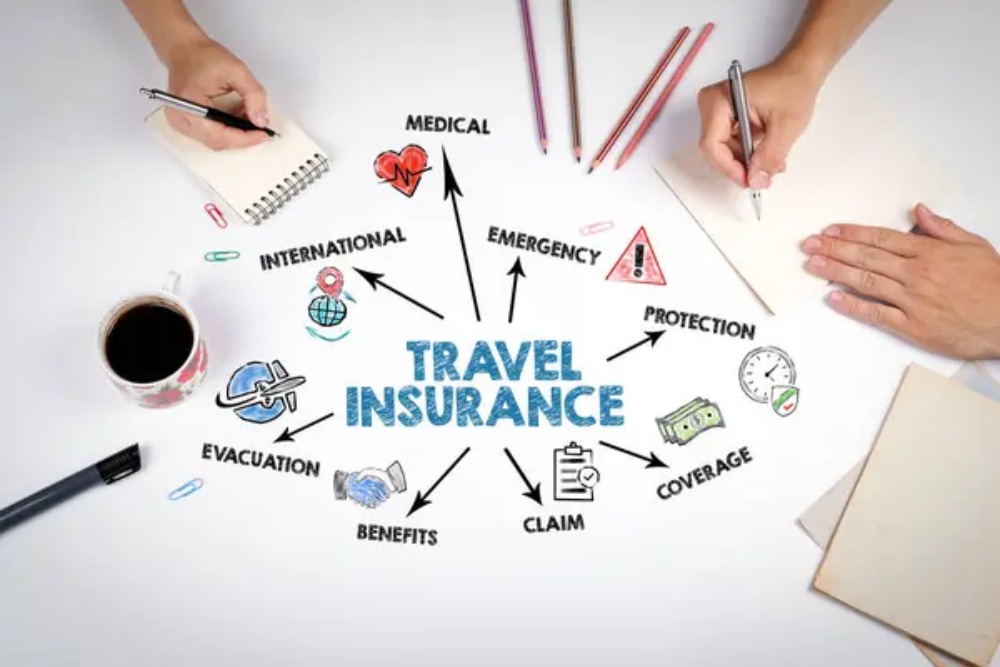
Travel insurance feels like money thrown away until problems actually arise, then it becomes the line between manageable inconvenience and financial catastrophe. One couple accumulated a $10,000 phone bill accidentally using cellular data instead of WiFi—would’ve been covered under proper travel insurance.
Medical emergencies, trip cancellations, lost luggage—these create expenses quickly dwarfing the $50 to $200 comprehensive coverage costs. Caribbean hurricane season adds risk where cruise cancellations and itinerary changes grow more probable.
Insurance matters most during peak hurricane months and for anyone booking expensive suites or extended voyages where potential losses multiply significantly.
Assuming onboard duty-free means cheaper

Ship shops sell jewelry, watches, liquor, and souvenirs at supposedly duty-free prices promising savings over land retail. Reality check: duty-free doesn’t automatically equal cheaper—frequently identical items cost less at port destinations or back home.
Shopping convenience onboard carries premiums negating tax savings. Liquor purchases prove particularly pointless since most cruise lines prohibit consuming bottles bought onboard until final night, making early-voyage purchases useless.
Smart shoppers compare prices via smartphones before making substantial onboard purchases. Port city tourist shops understand their market and price accordingly, yet even they typically beat ship prices for local crafts and regional products.
Ignoring booking windows and deadlines

Missing deadlines for shore excursions, specialty dining, and experiences means settling for leftovers or paying premium prices for last-minute additions. One cruiser missed their top Holland America excursion choice in Curaçao and couldn’t reserve beach cabanas on Disney’s Castaway Cay because booking windows slipped their mind.
Many cruise lines open planning portals 90 to 120 days pre-sailing, with popular experiences booking solid within days or hours. Waiting until boarding dramatically limits options and forces less desirable alternatives at inflated prices.
The fix takes minutes—when making final payment, immediately mark calendars with booking window opening dates and set reminders preventing you from missing out on actually desirable experiences at reasonable prices.
Smart money, better memories
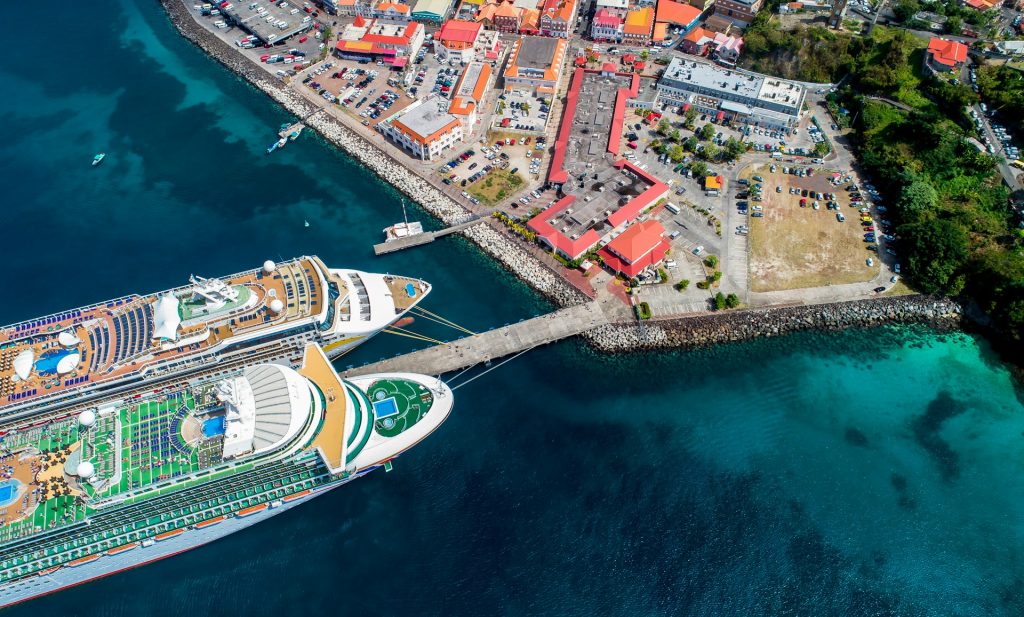
Staying within budget versus coming home with credit card regret isn’t about skipping fun—it’s choosing deliberately instead of reflexively. Money spent onboard should genuinely improve your vacation rather than vanishing into convenience fees, inflated pricing, and impulse buys you barely recall afterward.
Cruise lines run businesses maximizing revenue from willing customers; they’re not running scams. Your responsibility involves determining which expenses truly enhance experiences and which represent expensive habits easily avoided.
The difference between budget-friendly cruises and financial disasters typically comes down to advance planning, basic research, and willingness saying no to unnecessary upsells. Preserving money for genuinely meaningful experiences means enjoying cruises more while spending less overall.
More from Travel Pug

- Underrated Italian Towns That Beat the Tourist Crowds
- Las Vegas Tourist Traps to Skip
- Prettiest Towns in Every US State
- 18 passport-free countries for Americans
- Signs Your Cruise Is Not Worth The Cost
Like Travel Pug’s content? Follow us on MSN.