

Social media has transformed how we discover travel destinations, turning once-hidden gems into must-see hotspots with millions of tagged photos. The perfectly curated feeds make these places look like paradise on earth, but reality often tells a different story.
The magic of filters, strategic angles, and endless retakes can make even the most ordinary locations appear extraordinary online.
What the Instagram posts don’t show are the crowds of tourists jostling for the same shot, the industrial developments just outside the frame, or the hours of travel required to reach a spot that delivers just minutes of photo-worthy appeal. Some destinations simply can’t live up to the hype that social media has created around them.
Antelope Canyon

The slot canyon looks ethereal in photos with those famous light beams piercing through the narrow opening. Reality hits when you realize you’re on a tightly scheduled tour with dozens of other people.
The guides literally point to where you should stand for photos and tell you when to shoot.
Those mystical light beams only appear for a few hours during specific months. Most visitors see ordinary sandstone walls in dim lighting.
The canyon is beautiful, but it’s nothing like the spiritual experience Instagram suggests.
Horseshoe Bend

Standing at the edge of this Colorado River curve should feel profound, but (and this always catches people off guard) the viewing area resembles a crowded concert more than a natural wonder — hundreds of people pressed against the rim, selfie sticks extended over the 1,000-foot drop, tour groups blocking every decent vantage point while their leaders shout instructions over the wind. The hike to reach it is short but brutal under the Arizona sun, which means most people arrive already exhausted and cranky before they even see the bend.
And then there’s the strange anticlimax of realizing that, yes, it’s exactly what the photos promised, but somehow that precision makes it feel less like a discovery and more like checking an item off a list. So you take your obligatory shot and leave, wondering why something so visually stunning felt so hollow in person.
Santorini’s Blue Domes

The postcard-perfect white buildings with blue domes exist, but finding them requires navigating streets packed with cruise ship passengers. Oia becomes so crowded during sunset that you can barely move, let alone get a clear shot of those famous domes.
The charm gets lost when you’re fighting for space with thousands of other people trying to recreate the exact same photo. The village feels more like a theme park than an authentic Greek island experience.
Many visitors spend more time framing photos than actually enjoying the sunset.
Rainbow Mountain, Peru

This technicolor mountain demands a brutal journey that Instagram posts conveniently skip over (because who wants to document altitude sickness and frozen fingers at 17,000 feet above sea level?). The trek starts at 4 AM, involves three hours of driving on roads that barely qualify as paths, followed by a grueling hike through thin air that leaves most people gasping and nauseated before they’re halfway to the summit.
The mountain itself appears magnificent in photos — streaks of red, yellow, and green mineral deposits creating natural artwork across the slopes — but in person, especially under the flat light of an overcast sky, those vibrant colors often look disappointingly muted. Weather conditions at that altitude change quickly and unpredictably.
Many visitors endure the entire ordeal only to find the peak shrouded in clouds, reducing their photo opportunity to a vague outline in gray mist.
Tulum Ruins

The ancient Mayan ruins perched above turquoise waters create stunning photos, but the experience feels hollow. The site is relatively compact and many visitors complete their visit in under an hour.
The nearby town has transformed into an overpriced Instagram playground where authenticity died years ago.
Beach clubs charge resort prices for basic amenities. The ruins themselves, while historically significant, pale in comparison to other Mayan sites like Chichen Itza or Tikal.
Tulum trades heavily on its photogenic coastline location, but substance takes a back seat to aesthetics.
Iceland’s Blue Lagoon

The milky blue geothermal pools look otherworldly online, but visiting feels like going to an expensive outdoor spa rather than experiencing Iceland’s natural wonders (which, when you think about it, makes sense since the lagoon is essentially a man-made attraction fed by mineral-rich water from a nearby geothermal power plant — not exactly the pristine natural wonder most people imagine). Crowds pack the facility year-round, making it difficult to find a peaceful spot for photos or relaxation, and the entry fees rival those of luxury resorts without offering much more than warm water and a few amenities.
The surrounding landscape, while striking in photos, reveals itself as relatively barren and industrial once you’re actually standing there. And despite the marketing emphasis on the lagoon’s supposed healing properties, the water often feels uncomfortably crowded and less rejuvenating than a typical hot tub.
So you end up paying premium prices for an experience that feels more like a tourist trap than the mystical encounter with Icelandic nature that social media promised.
Bali’s Swing Parks
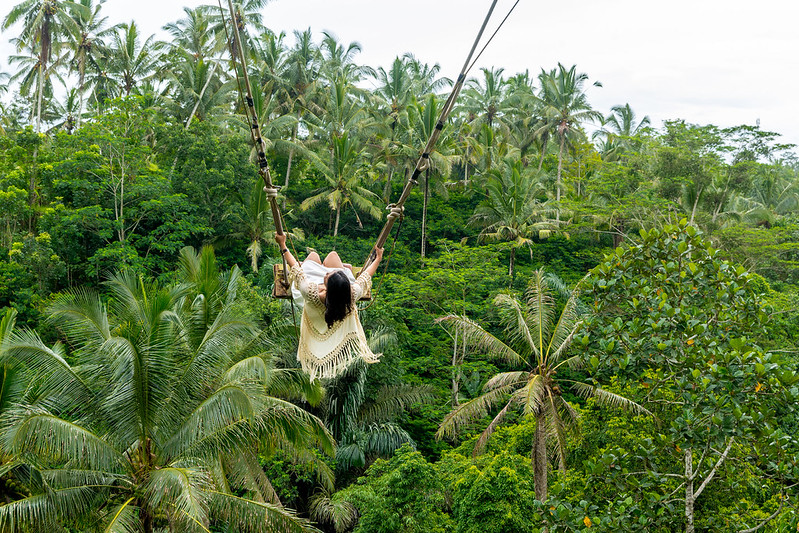
These jungle swings became Instagram sensations, but they’re completely artificial attractions built specifically for social media content. The “authentic Balinese experience” involves waiting in line at what amounts to an outdoor photo studio with props.
Multiple swing parks now compete for tourist dollars, each promising better angles and more dramatic backdrops. The whole experience feels manufactured and disconnected from Balinese culture.
You’re essentially paying to use elaborate selfie equipment in a jungle setting.
Dubai’s Miracle Garden

The flower displays create a riot of color that photographs beautifully, but the garden exists in the middle of a desert through massive irrigation and artificial climate control (which raises questions about sustainability that the cheerful Instagram posts never address, though perhaps that’s expecting too much environmental consciousness from a city that built ski slopes in shopping malls). Walking through it feels surreal in an uncomfortable way — millions of flowers arranged in elaborate patterns and shapes, maintained by an army of workers in a place where nothing should naturally bloom.
The experience becomes even more disconnected when you realize you’re essentially touring a massive outdoor decoration rather than anything resembling a natural garden. The crowds move through designated paths, stopping at predetermined photo spots marked by previous visitors’ footprints.
And the whole thing shuts down during Dubai’s brutal summer months because even with all that technology and money, some aspects of desert life can’t be completely conquered.
Machu Picchu

Ancient wonder meets modern tourist machinery. The Inca citadel deserves its reputation, but the experience gets diminished by strict time limits and crowded viewing areas.
Getting there requires advance planning that rivals space travel logistics.
The classic postcard shot with the ruins and Huayna Picchu mountain requires a separate ticket and involves climbing steep stone steps in thin air. Most visitors arrive exhausted from the altitude and have limited time to actually explore before their scheduled departure.
Trolltunga, Norway

This rock formation jutting horizontally from a cliff creates dramatic photos, but reaching it requires a 20-mile round-trip hike through challenging Norwegian terrain (and when the weather turns, which happens frequently and without warning, that challenging hike becomes genuinely dangerous — people get lost, injured, or caught in sudden storms every season). The trek takes most hikers 10 to 12 hours to complete, crossing exposed ridges, scrambling over boulders, and navigating muddy sections that can swallow hiking boots whole.
Weather conditions change rapidly at that elevation, turning a sunny morning into an afternoon of horizontal rain and zero visibility. So you spend an entire day pushing through physical exhaustion and potentially dangerous conditions for what amounts to a few minutes standing on a rock ledge.
And the bitter irony is that many people are so focused on getting their photo that they barely take time to appreciate the spectacular Norwegian landscape they just spent half a day hiking through to reach this specific Instagram spot.
The Maldives

These stilted accommodations over crystal-clear lagoons dominate luxury travel feeds, but the reality involves significant compromises. The rooms are smaller than they appear in photos, and that glass floor panel everyone poses with covers about two square feet.
The isolation that makes for great photos also means limited dining options and resort prices for everything. Many visitors find themselves bored after the first day, having exhausted the photogenic activities the destination offers.
Dubai’s Burj Al Arab

The sail-shaped hotel creates an iconic silhouette against Dubai’s skyline, but actually visiting requires navigating the city’s artificial beach scene. The surrounding area feels like a construction zone mixed with tourist attractions.
Getting a good photo means dealing with crowds at the public beach or paying premium prices for access to nearby hotel facilities. The building itself, while architecturally impressive, sits in a landscape that feels more like a themed resort than an authentic destination.
Los Angeles’ Paul Smith Pink Wall

This bright pink wall became a social media phenomenon for one simple reason: it photographs well. That’s where the appeal ends.
The wall belongs to a designer store in a strip mall, surrounded by parking lots and typical LA urban sprawl.
Visitors drive across the city to take a photo in front of colored concrete, then leave immediately. The experience lasts about three minutes and offers nothing beyond that single Instagram shot.
It represents social media tourism at its most superficial.
Scotland’s Fairy Pools

These natural pools and waterfalls on the Isle of Skye look magical in photos, but the hike to reach them often involves trudging through muddy paths crowded with other disappointed tourists (because Scotland’s weather rarely cooperates with outdoor photography plans, and the pools that look crystal-clear and inviting online are usually cold, murky, and surrounded by boggy ground that soaks through even waterproof boots). The entire walk takes place along a single narrow trail, which means you’re basically following a queue of people with cameras rather than exploring pristine Highland wilderness.
And the pools themselves, while genuinely beautiful when conditions align, are often anticlimactic — smaller than expected, sometimes dried up during certain seasons, or simply less impressive than the carefully composed photos suggested they would be. The surrounding landscape of Skye is genuinely spectacular, but most visitors focus so intently on reaching these specific Instagram-famous pools that they miss the broader natural beauty that makes the island special in the first place.
When Reality Meets the Feed

The gap between Instagram and reality doesn’t make these places worthless, but it does reset expectations. The most photogenic destinations often sacrifice authenticity for visual appeal.
Real travel experiences rarely fit into perfect squares or benefit from Valencia filters.
The pressure to recreate viral photos can overshadow the actual experience of being somewhere new. Sometimes the most memorable travel moments happen away from the camera, in places that would never trend on social media but offer something more valuable than likes and shares.
More from Travel Pug

- Underrated Italian Towns That Beat the Tourist Crowds
- Las Vegas Tourist Traps to Skip
- Prettiest Towns in Every US State
- 18 passport-free countries for Americans
- Signs Your Cruise Is Not Worth The Cost
Like Travel Pug’s content? Follow us on MSN.