

Cruise ships sell the dream of open water, exotic ports, and all-you-can-eat everything — and they do it very well. But behind the polished decks and choreographed entertainment lies a side of the industry that the brochures have absolutely no interest in sharing.
Here is a list of 19 dirty secrets about cruise ships that every traveler should know before setting sail, from what’s lurking in the buffet to what happens when someone doesn’t make it back to port.
The hidden morgue below deck
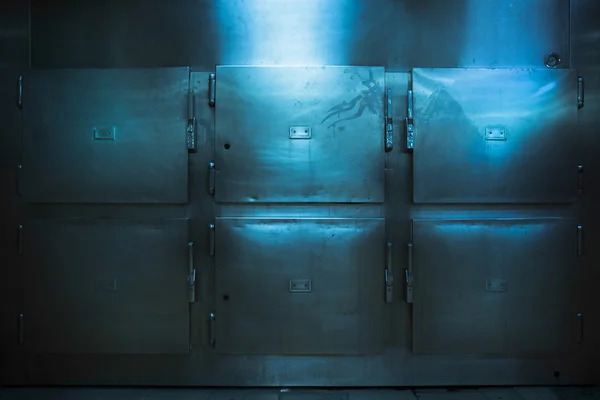
Most large cruise liners have a morgue on board, usually hidden away in the lower decks, where passengers never go. It is a requirement — with thousands of passengers on board and cruises that last for weeks, the chances of someone dying on board are anything but remote.
Estimates suggest around 200 people die on cruise ships each year, which translates to three deaths a week.
The buffet is a hygiene nightmare

The buffet may look appetizing, but it’s one of the riskiest spots on the ship from a hygiene standpoint. With thousands of hands reaching for serving utensils throughout the day, cross-contamination is almost inevitable.
Carnival Fantasy famously failed a sanitation inspection for ‘improperly cleaned serving stations’ along with soiled trays, bowls, and silverware — not exactly what you want to hear before loading up your plate.
Norovirus spreads faster than gossip

Cruise ships are practically a petri dish when conditions are right for norovirus. Unfortunately, those conditions are a large crowd in an enclosed space — exactly what a cruise is.
The CDC tracks outbreaks on ships closely, and the numbers are not pretty. Once one person gets it, the virus can tear through hundreds of passengers within days, since the virus survives on surfaces for an alarming amount of time.
Failed health inspections are common

The CDC’s Vessel Sanitation Program runs unannounced inspections on cruise ships, and the failure rate is higher than the industry would like you to know. In 2017, 15 ships failed — a dramatic spike compared to the typical 2 to 4 failures per year.
Silversea Cruises has been a repeat offender, with one inspection revealing food-encrusted dishwashers, no soap at hand-washing stations, and fish stored alongside fruit and cheese.
Crew members hide in a parallel ship
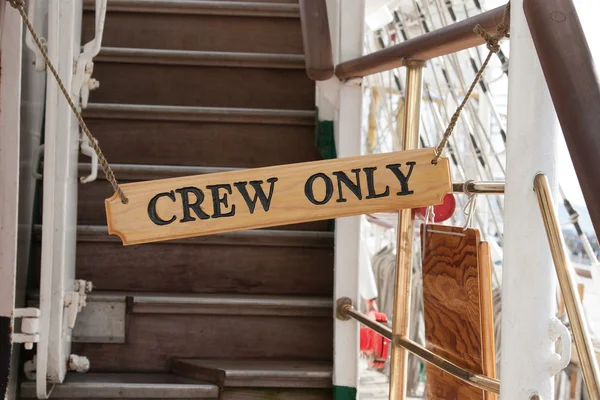
The ship passengers’ experience and the ship crew members’ lives are basically two different worlds layered on top of each other. Crew quarters are typically below the waterline, windowless, and shared with multiple colleagues.
There are entire decks dedicated to crew accommodation, dining, and recreation that paying guests will never see — including their own pools and bars, where a beer costs around $0.50.
The real money is not in your ticket

Cruise lines price their tickets aggressively to get people on board, but the real profit engine is everything that happens once you’re at sea. Alcohol, the casino, the spa, and specialty dining are where the margins truly live.
A single drink package can run around $50 per person per day, and a couple’s massage at the spa can set you back close to $400 — that’s on top of what you already paid to be there.
Shore excursions booked through the ship are marked up heavily

Cruise lines act as middlemen for shore excursions, and they take a significant cut for the privilege. The same tour booked through local operators at the port can cost a fraction of what the ship charges.
That said, the ship excursions do come with one real perk: if your tour runs late, the ship won’t leave without you, which is a guarantee you don’t get when booking independently.
The ship has a jail

Cruise ships have their own holding cells, sometimes called ‘brigs,’ typically located on the lower decks away from passenger areas. They’re basic — small, bare rooms with a lock — but they serve a real purpose.
If a passenger behaves violently, gets caught stealing, or causes a serious disturbance, the ship’s security team can detain them until the vessel reaches port, and local law enforcement can take over.
People go overboard more than you think
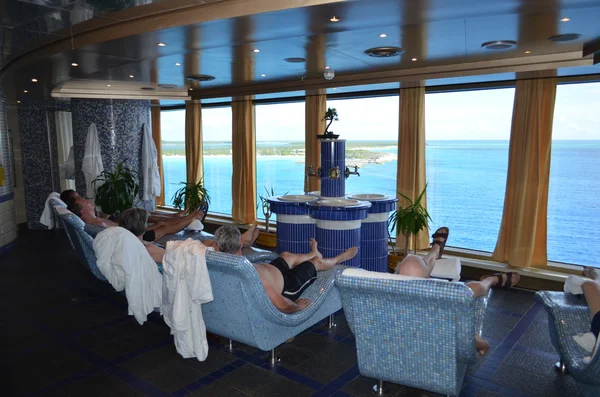
Man-overboard incidents happen on cruise ships every year, and the statistics are sobering. According to data compiled by researchers tracking cruise ship disappearances, over 600 people have gone overboard from cruise ships since 2000.
Some are accidents, some are intentional, and some remain unexplained. The ocean at night is vast and dark, and the chances of a successful rescue drop sharply with every passing hour.
Environmental violations are widespread

Cruise ships are among the most polluting vessels on the water, and the industry has a long track record of cutting corners on environmental compliance. Some ships have been caught illegally dumping waste, including bilge water laced with oil, directly into the ocean.
Princess Cruises was fined $40 million in 2016 for illegally discharging waste and then covering it up — one of the largest criminal penalties ever imposed in the maritime industry.
The air quality on deck can be worse than in a city
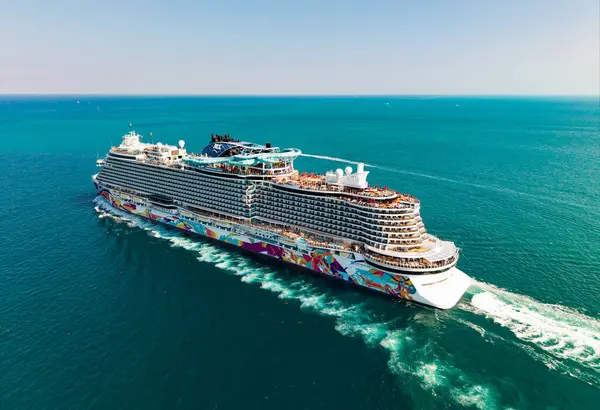
The same ships that promise ocean breezes and fresh air are burning heavy fuel oil, also known as bunker fuel, which is one of the dirtiest fuels in existence. Studies have found that the air near the exhaust systems on cruise ships can contain particulate matter levels comparable to some of the most polluted cities in the world.
Passengers lounging at the stern, directly downwind of the funnels, may be breathing in far more than sea air.
Sanitation inspectors found food hidden in crew cabins
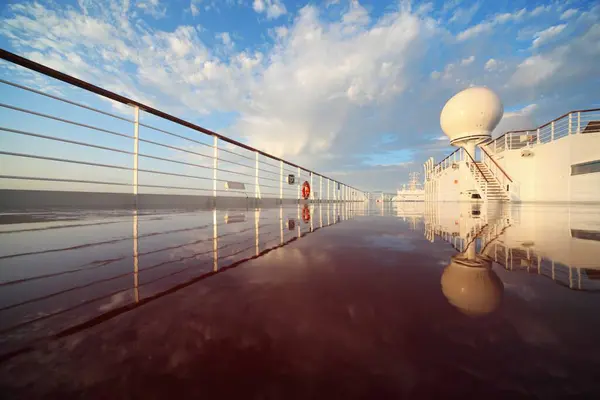
In one of the more jaw-dropping inspection stories to come out of the cruise industry, workers aboard the Silver Shadow were caught hiding more than 15 trolleys of perishable foods and dirty utensils inside crew cabins to keep them out of sight during a health inspection. When inspectors eventually found them, the ship failed its inspection.
It’s the kind of thing that makes you wonder what else gets tucked away when someone official comes knocking.
Pregnant crew members can be dismissed

Cruise ship employment contracts are notoriously strict, and one of the most troubling provisions is the treatment of pregnant crew members. Many contracts include clauses that allow the cruise line to terminate employment if a crew member becomes pregnant, as the physical demands of the job and the living conditions at sea are considered incompatible with pregnancy.
Workers from developing countries are particularly vulnerable, often having few legal protections to fall back on.
Passengers routinely gain 5 to 10 pounds in a week
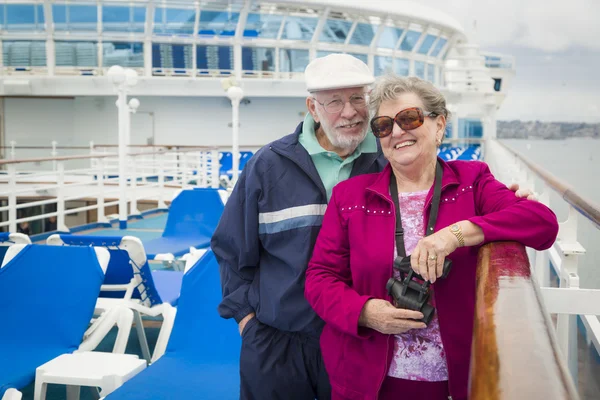
It’s not a cruise myth — the average passenger gains somewhere between 5 and 10 pounds over the course of a week-long cruise, according to passenger polls. Round-the-clock buffets, specialty restaurants, free soft serve, and cocktails available at every turn make it almost physically difficult to maintain your usual habits.
Add in the fact that most people spend a good chunk of the day horizontal by the pool, and the math becomes obvious pretty quickly.
Crew members face extreme working hours

Behind every cheerful crew member smiling at the buffet or folding towel animals in your cabin is someone who may have just worked a 12 to 14-hour shift. Cruise ship contracts typically run for six to nine months without a break, and days off are rare — sometimes nonexistent.
Maritime labor laws are enforced by flag states rather than the countries where passengers board, which means protections that workers on land take for granted often don’t apply at sea.
Your cabin walls are magnetic
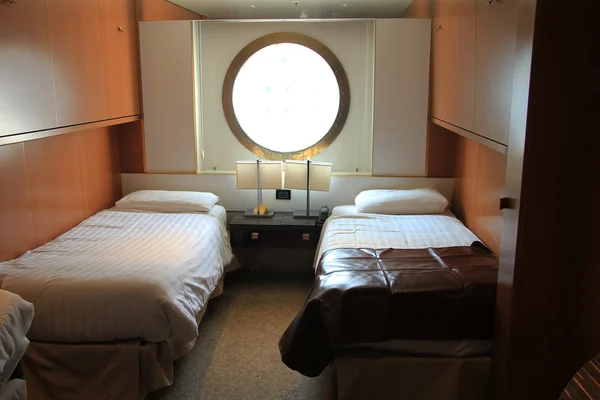
This one is not as scary and is actually quite helpful – the walls of most cruise ship rooms are magnetic, which allows you to hang bags, clothes, lanyards, and anything else that would otherwise clutter up a small room using magnetic hooks. This is a little-known secret that seasoned cruisers swear by, and it makes a world of difference in a room where every inch counts.
Bring a few magnetic hooks and thank yourself later.
Overflowing toilets are a recurring problem

Cruise ship plumbing is a vacuum-based system, and when it works, it’s impressively efficient. When it doesn’t, the results are unpleasant and, according to passenger complaints, surprisingly common.
Reviews from Royal Caribbean cruisers have described widespread toilet problems affecting bathrooms across entire ships simultaneously, with crew scrambling to manage the situation. It’s one of those onboard realities that the glossy brochures quietly leave out.
The ship changes elevator floor tiles daily to tell you what day it is

Life on a cruise ship has a way of making the days blur together, which is partly the point. Cruise lines actually lean into this phenomenon: many ships update the tile displays inside elevators every morning to show the current day of the week, acting as a gentle reminder that time is still passing even if it doesn’t feel like it.
It’s a small detail, but it says a lot about how carefully the cruise experience is engineered to keep passengers pleasantly disoriented.
The cruise line controls far more of your port experience than you realize

When the ship comes into port, and you get off to discover a new place, what you’re experiencing is often more staged than it seems. This is because many ports have exclusive contracts with the cruise lines, meaning businesses closest to the dock pay for the privilege.
But if you walk a few blocks away, the prices will be lower, and the real version of the place that the cruise line didn’t choose for you will come into view.
What the ocean doesn’t wash away

The cruise industry is worth over $150 billion, and it runs on the carefully maintained illusion that everything on board is spotless, safe, and seamlessly managed. Some of it genuinely is — but the parts that aren’t tend to stay well below the waterline, out of sight and rarely discussed.
Knowing what goes on behind the scenes doesn’t have to ruin a cruise; in fact, it makes you a smarter, more prepared traveler. Pack your magnetic hooks, book your excursions independently, skip the buffet silverware if you’re feeling cautious, and enjoy the ride — just with your eyes a little more open than before.
More from Travel Pug

- Underrated Italian Towns That Beat the Tourist Crowds
- Las Vegas Tourist Traps to Skip
- Prettiest Towns in Every US State
- 18 passport-free countries for Americans
- Signs Your Cruise Is Not Worth The Cost
Like Travel Pug’s content? Follow us on MSN.