

Not every place slapping ‘sanctuary’ on its sign actually deserves the title. Some are glorified roadside zoos dressed up with feel-good marketing, while others represent genuine refuges where animals finally get to just exist.
The difference usually comes down to accreditation. Organizations like the Global Federation of Animal Sanctuaries (GFAS) and the American Sanctuary Association (ASA) hold facilities to strict standards: no breeding, no selling animals, no exploiting them for photo ops or entertainment.
These aren’t arbitrary rules. They’re what separates a real sanctuary from a place that’s figured out ‘rescue’ makes for better branding than ‘attraction.’
Here is a list of 15 ethical animal sanctuaries across the United States that have earned recognition for genuinely putting animal welfare first.
Best Friends Animal Sanctuary
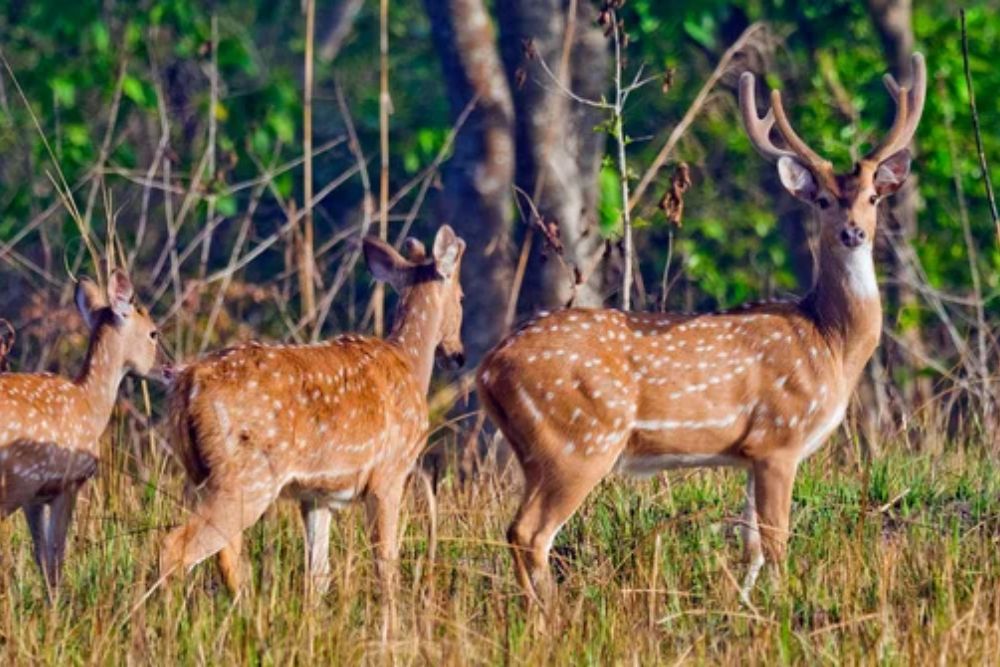
Southern Utah’s red-rock canyon country seems like an odd place for the nation’s largest no-kill sanctuary, yet that’s exactly where Best Friends has operated since the 1980s. The 3,700-acre property near Kanab houses around 1,600 animals at any given time – dogs, cats, horses, pigs, rabbits, birds – spread across areas with names like Dogtown and Piggy Paradise.
It’s become something of a pilgrimage site for animal lovers. Visitors can take free guided tours, sign up for volunteer shifts, or book a cottage on the grounds.
More than 25,000 people make the trip each year, though the sanctuary sits pretty far off the beaten path.
The Elephant Sanctuary in Tennessee
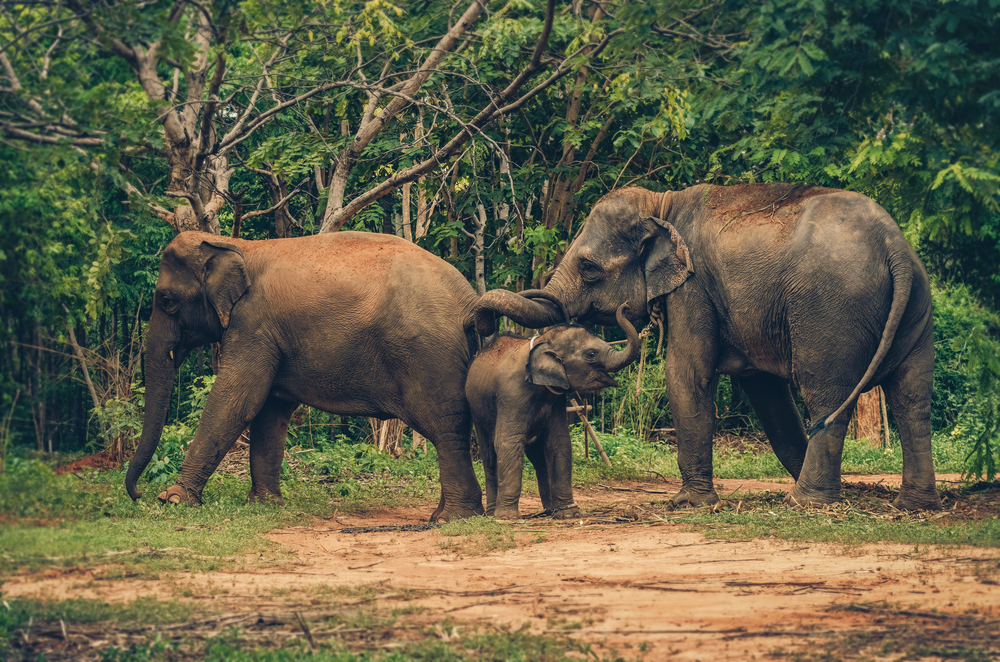
There’s a reason this place doesn’t let visitors in. The whole point is giving elephants – many of whom spent decades performing in circuses or pacing in cramped zoo enclosures – a chance at something resembling normal elephant life.
Spread across 3,060 acres in Hohenwald, about 85 miles southwest of Nashville, it’s the largest natural-habitat refuge developed specifically for elephants in North America. The facility maintains separate habitats for African and Asian elephants, complete with heated barns for Tennessee’s cooler months.
Those wanting to see the residents can visit the Elephant Discovery Center in downtown Hohenwald or watch via live-streaming cameras online. Sometimes the best way to respect an animal is to leave it alone.
The Wild Animal Sanctuary
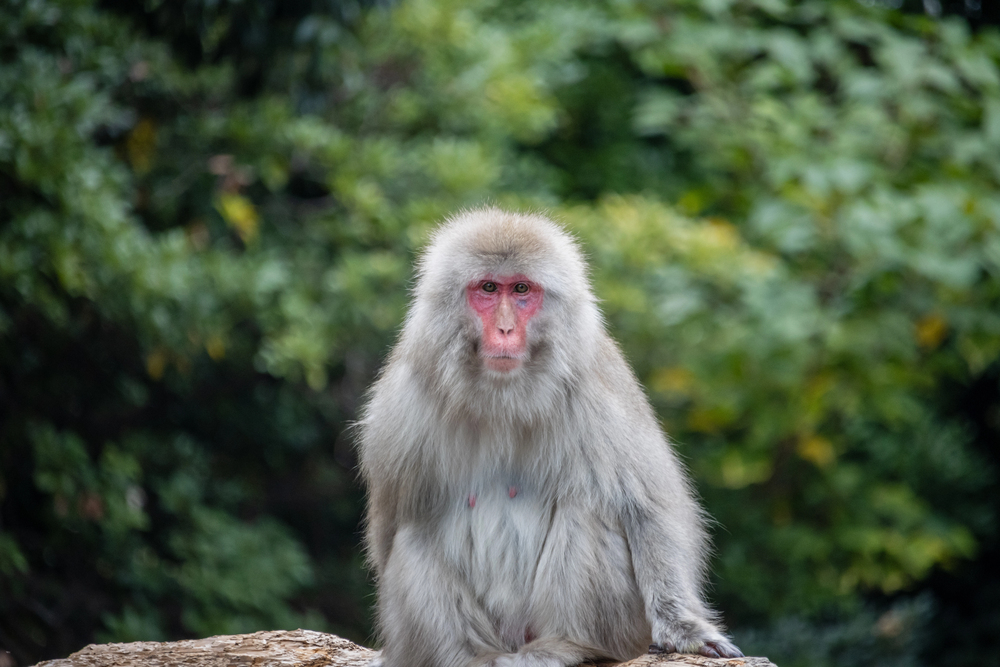
Colorado’s Wild Animal Sanctuary has grown into something almost hard to fathom – a 33,000-acre network caring for over 950 lions, tigers, bears, wolves, and other large carnivores. The main facility near Keenesburg sits just 30 miles northeast of Denver and features what Guinness certified as the world’s longest footbridge: nearly 8,000 feet of elevated walkway called ‘Mile Into the Wild.’
Walking above the habitats rather than alongside them means visitors can watch animals roaming freely without disturbing them at ground level. A second property near Springfield adds another 9,000 acres of canyons, forests, and caves.
Pat Craig founded the place in 1980 with a single jaguar cub on his family’s farm outside Boulder.
PAWS
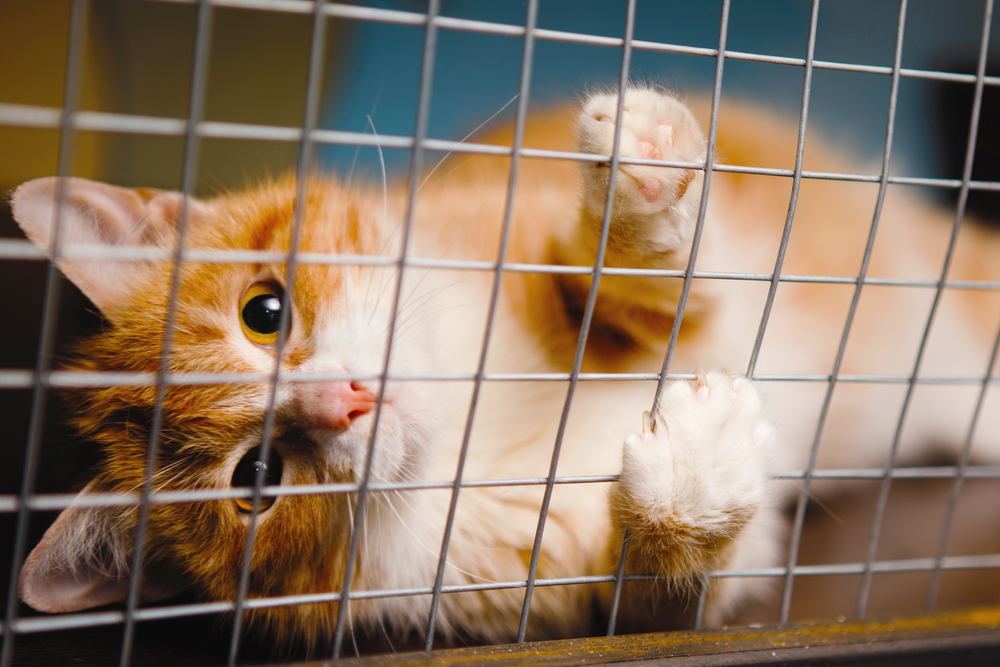
The Performing Animal Welfare Society runs three sanctuaries across Northern California – totaling over 2,300 acres – though most people will never set foot on any of them. That’s intentional.
Former Hollywood animal trainer Pat Derby founded PAWS in 1984 after seeing too much of how the entertainment industry treated its four-legged performers. The ARK 2000 facility in San Andreas became the first sanctuary in the country capable of housing bull elephants.
Today it provides rolling hills, oak trees, and refreshing lakes where elephants, big cats, and bears can finally do whatever they want. Limited educational events happen throughout the year, yet the priority remains clear: the animals come first, visitors second.
Save the Chimps
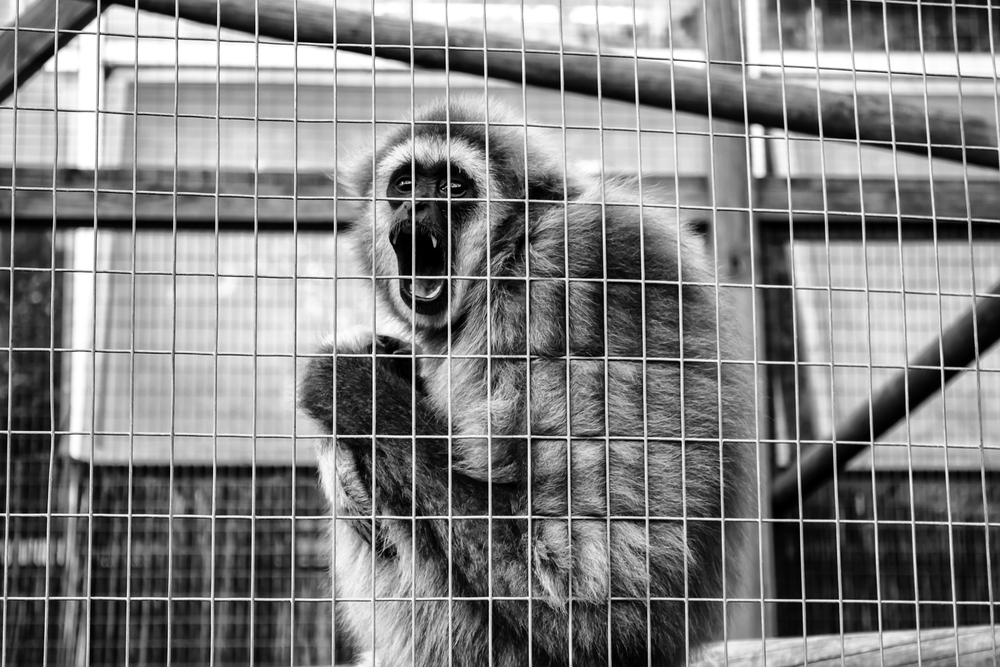
Fort Pierce, Florida, isn’t where you’d expect to find one of the world’s largest chimpanzee sanctuaries. But on 150 acres of former orange groves, Save the Chimps has built twelve separate three-acre islands – each with hills, climbing structures, and connected indoor housing – for over 220 chimps.
Many residents spent decades in biomedical research laboratories. Getting them to Florida required what became known as the ‘Great Chimpanzee Migration,’ a nine-year effort to relocate 266 chimpanzees from a New Mexico lab that finally wrapped up in 2011.
The HBO documentary ‘Chimp Crazy’ brought recent attention to the sanctuary through Tonka, a former entertainment industry chimp who now lives here.
Turpentine Creek Wildlife Refuge
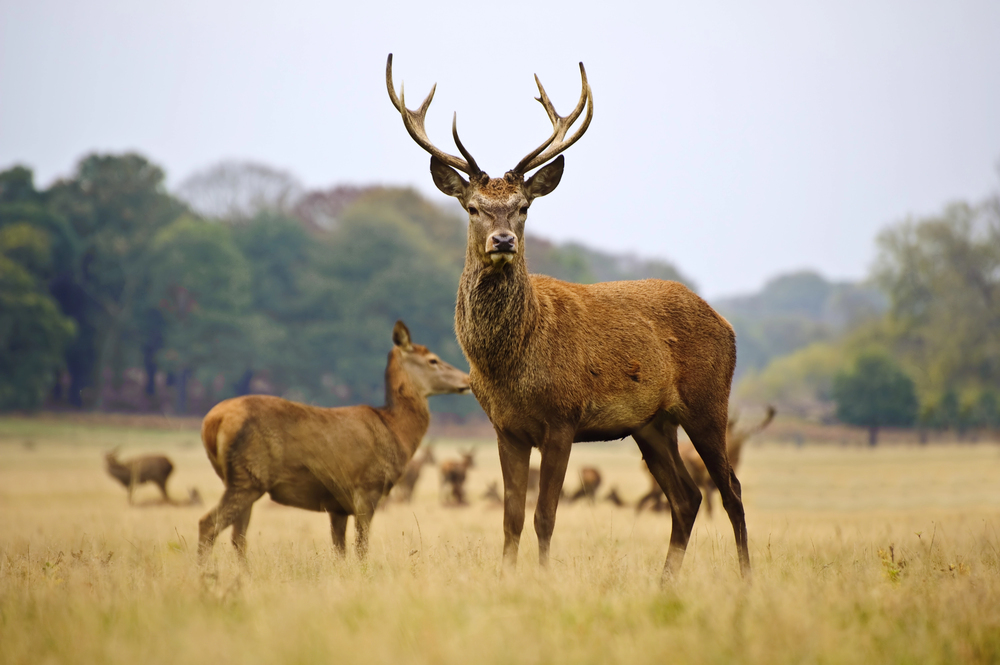
Seven miles from the tourist town of Eureka Springs, Arkansas – a place better known for its Victorian architecture than its wildlife – sits a 459-acre refuge that’s rescued over 500 big cats since 1992. Turpentine Creek houses more than 100 animals including tigers, lions, leopards, cougars, bears, and hyenas.
The old concrete enclosures are long gone, replaced by spacious grassy habitats years ago. When Big Cat Rescue in Tampa closed in 2023, all remaining cats came here.
Visitors can take guided tours, catch keeper talks, or spend the night at the on-site Safari Lodge. Falling asleep to the sound of lions roaring isn’t something you forget easily.
Farm Sanctuary
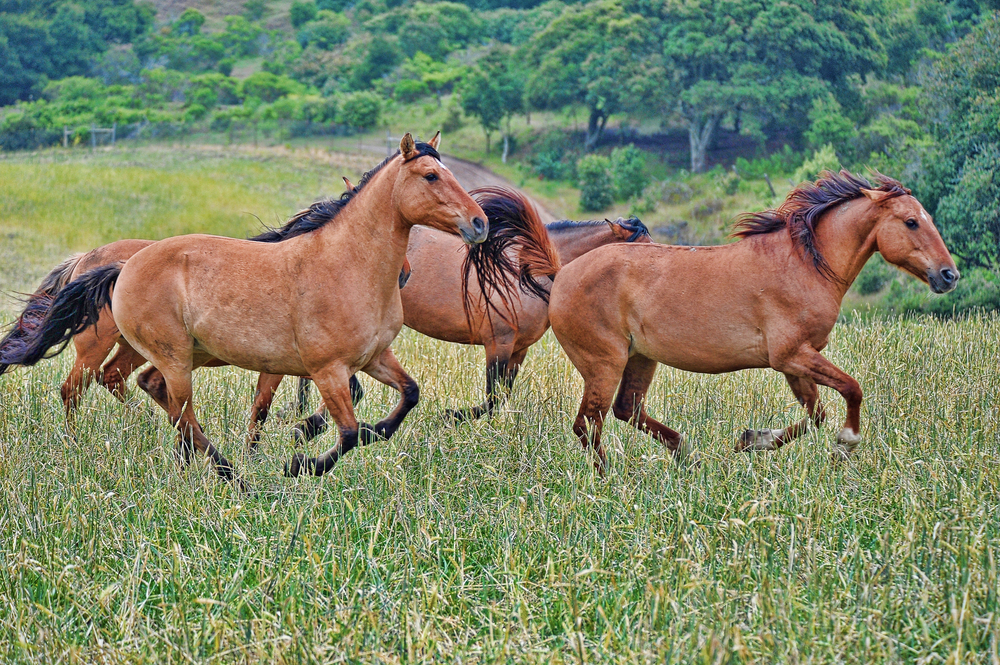
Back in 1986, Farm Sanctuary became America’s first shelter dedicated specifically to farmed animals. That was a pretty radical idea at the time.
The main facility in Watkins Glen, New York, now stretches across 275 acres in the scenic Finger Lakes region and provides refuge to over 500 rescued animals. A second location in Acton, California, houses about 100 more residents just 45 minutes from Hollywood.
The organization has pulled animals from floods, slaughterhouses, and cruelty cases while simultaneously pushing for legislative protections. Guided tours introduce visitors to individual animals and their stories, and those encounters have a way of sticking with people long after they leave.
Center for Great Apes
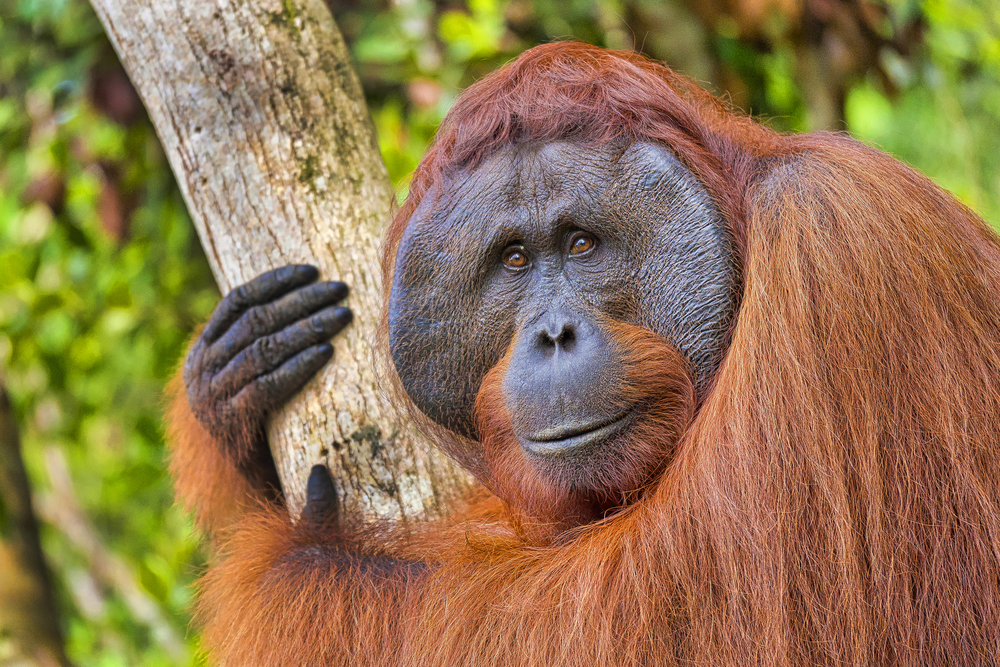
Hidden away on over 100 acres near Wauchula in Central Florida – cucumber capital of the world, population under 5,000 – is the only accredited orangutan sanctuary in North America. Patti Ragan founded it in 1993, and today it houses approximately 70 orangutans and chimpanzees retired from entertainment, research, or the exotic pet trade.
Famous residents include Bubbles, Michael Jackson’s former companion, along with Sandra, an orangutan declared a ‘non-human person’ by an Argentine court in a landmark 2015 ruling. The apes live in large domed enclosures connected by an innovative 1.5-mile elevated tunnel system.
They choose when and where to go, who to hang out with, whether to be social or solitary.
Catskill Animal Sanctuary
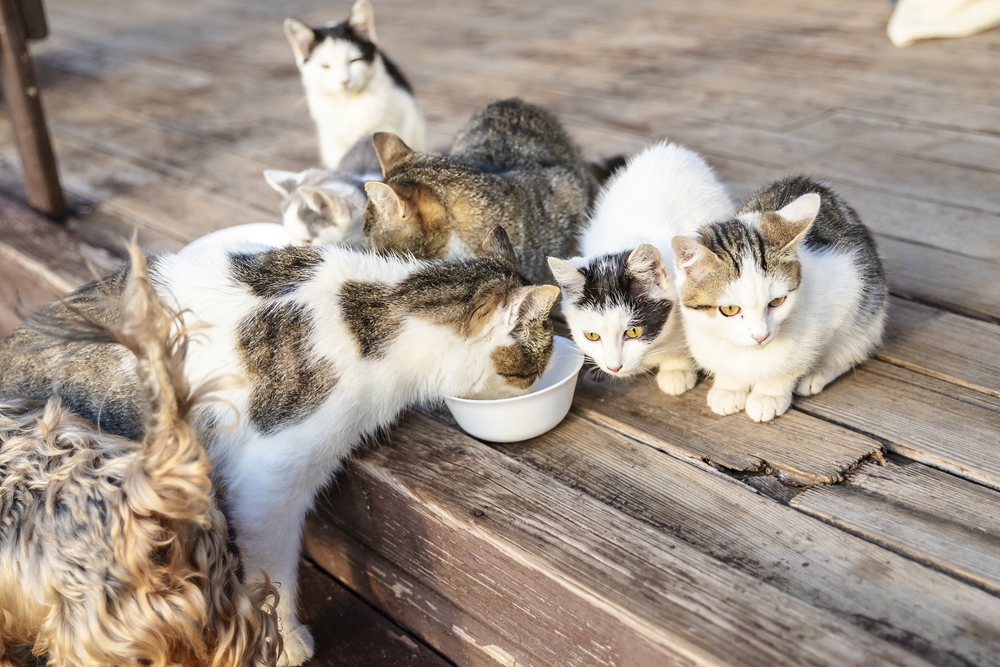
Since 2001, this 150-acre haven in New York’s Hudson Valley has welcomed more than 5,000 farmed animals – though obviously not all at once. The sanctuary in Saugerties currently houses several hundred cows, pigs, horses, goats, sheep, and chickens rescued from cruelty and neglect.
Founder Kathy Stevens built something different here: a place where education matters as much as rescue. There are cooking classes, speaking engagements, even a summer camp for kids.
The facility runs almost entirely on solar power. Guests wanting to extend their visit can stay at The Homestead, an on-site vegan bed-and-breakfast in a pre-Civil War farmhouse.
GFAS accreditation came in 2018, with evaluators calling it a ‘model for the field.’
Lions Tigers & Bears
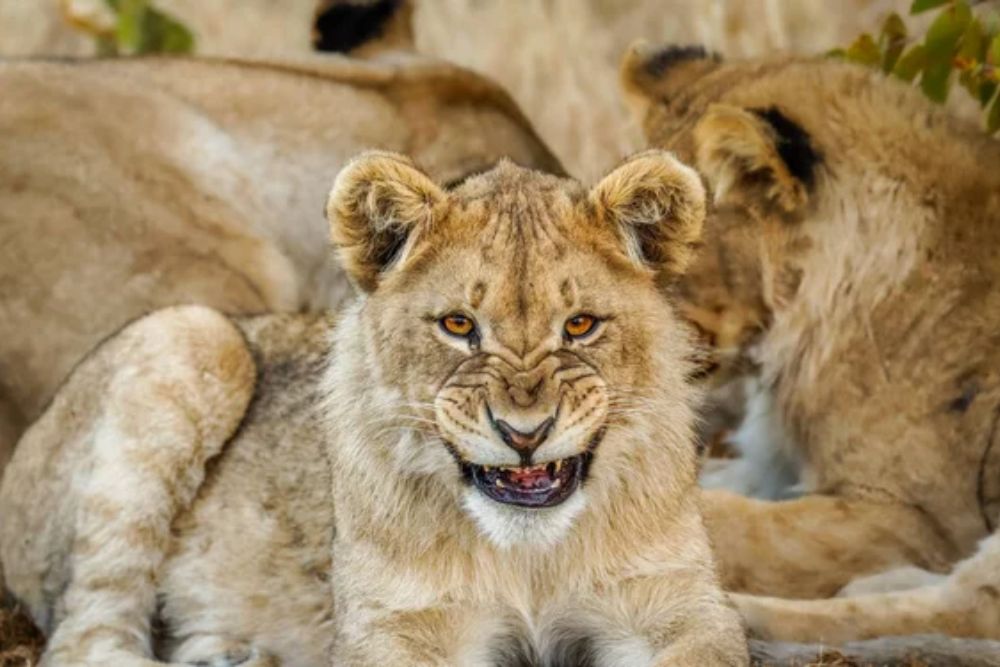
At 4,000 feet elevation on 142 acres outside Alpine, California, this sanctuary serves as San Diego County’s only accredited exotic animal rescue. Bobbi Brink started the whole thing in 2002 after rescuing two tigers from terrible conditions in a Texas backyard – sometimes that’s all it takes to change someone’s life trajectory.
Today over 60 animals call the facility home: lions, tigers, grizzly bears, Himalayan black bears, leopards, mountain lions. The sanctuary operates under strict no-breed and no-contact policies, meaning visitors observe animals in spacious habitats during educational tours rather than getting up close.
For something more immersive, there’s the White Oak luxury cabin overlooking tiger habitats where guests can book overnight stays.
The Wildcat Sanctuary
Most sanctuaries welcome visitors. This one doesn’t.
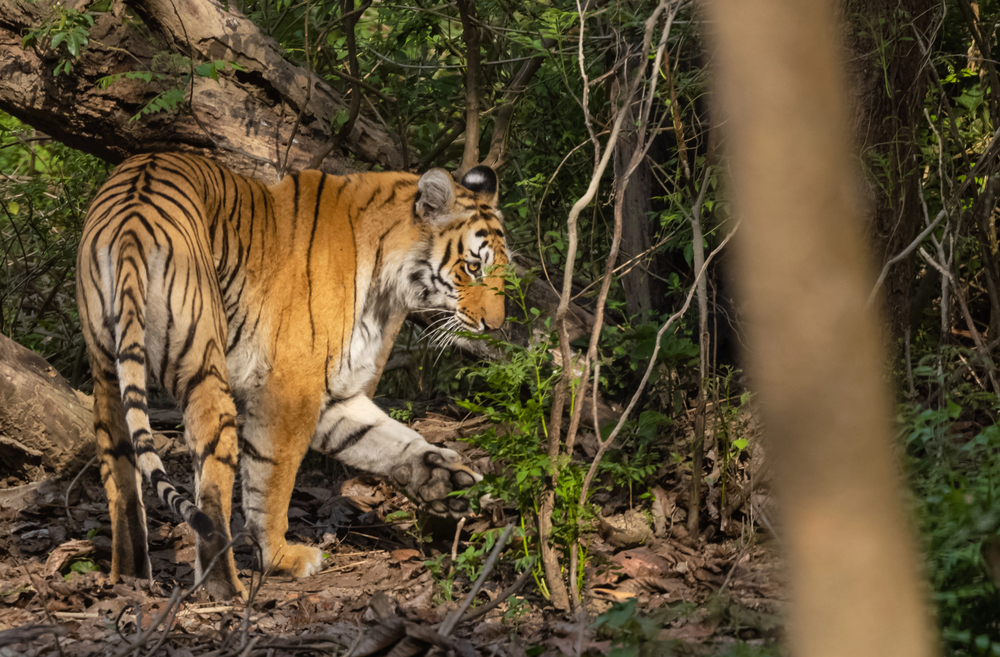
Operating from Sandstone, Minnesota, since 1999, The Wildcat Sanctuary has earned recognition as the only accredited big cat rescue in the Midwest while remaining completely closed to the public. The reasoning? Many of these cats have suffered from overexposure to humans their entire lives.
Forcing them to be on display again would defeat the purpose. The organization rescues tigers, lions, leopards, cougars, and smaller wild cats from circuses, failed zoos, and private owners across the country.
When federal authorities seized 69 animals from the infamous Tiger King Park in 2021, this sanctuary provided permanent homes for several displaced cats through what staff called their ‘Witness Protection Program.’
Jungle Friends Primate Sanctuary
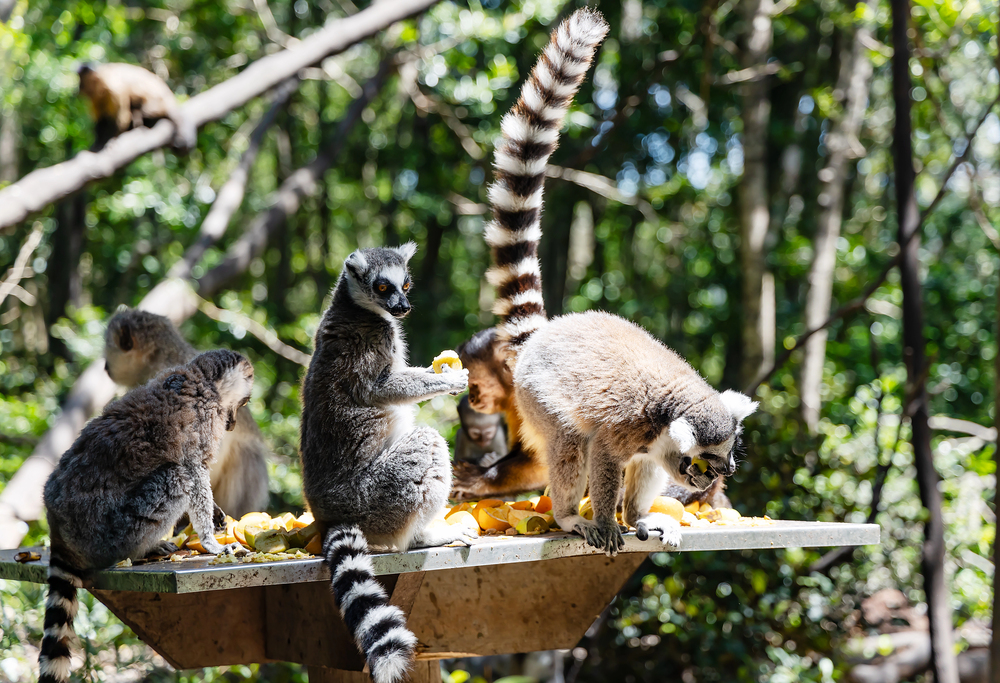
Thirty-nine acres in Gainesville, Florida, have become an ‘almost wild’ environment for nearly 200 New World monkeys. Capuchins, spider monkeys, squirrel monkeys, tiny marmosets.
Founder Kari Bagnall specializes in rehabilitating primates retired from research laboratories, and over half of current residents spent years as test subjects in nicotine addiction studies or other experiments. The facility features acres of living habitats connected by miles of elevated runways where monkeys can swing freely through the trees.
Visitors booking ‘Magical Monkey Tours’ get to meet residents and watch marmosets dart through an area called Munchkinland. It’s about as close to freedom as captive primates can get.
The Gentle Barn
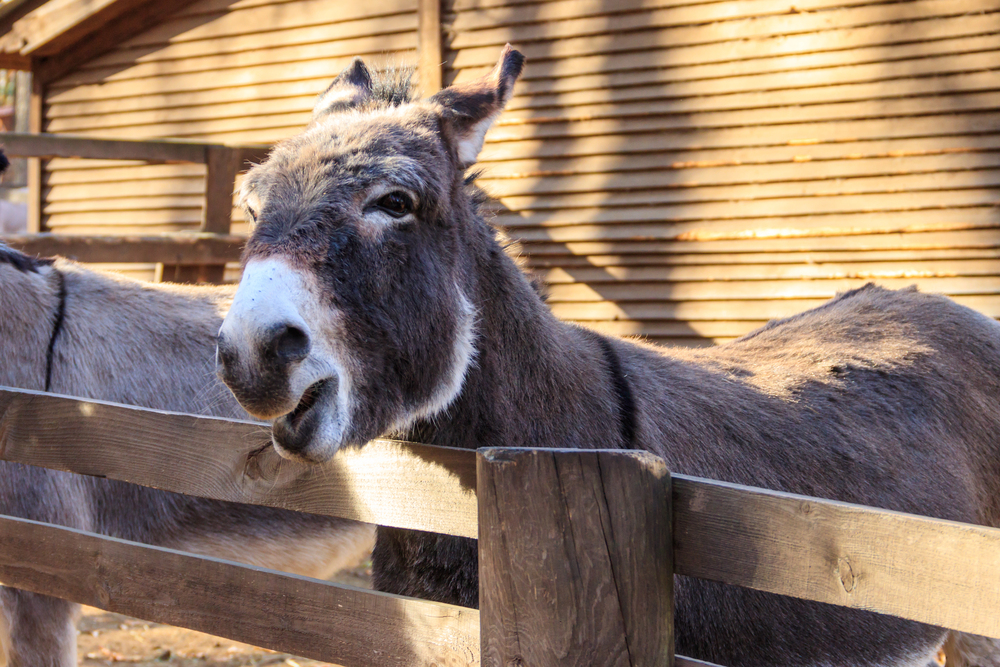
What began on a half-acre in Tarzana, California, in 1999 has grown into locations in Santa Clarita and Christiana, Tennessee. Ellie Laks founded The Gentle Barn specifically to rescue animals no one else wanted: the ones deemed too sick, too old, too damaged.
The sanctuary pioneered ‘cow cuddling therapy’ after recognizing that hugging a 1,500-pound bovine could provide genuine stress relief for humans while benefiting the animals too. It sounds a little silly until you try it.
Beyond animal rescue, the organization runs programs connecting at-risk youth with rescued animals. Both parties tend to be working through trauma, and there’s something powerful about that shared experience.
Animal Ark
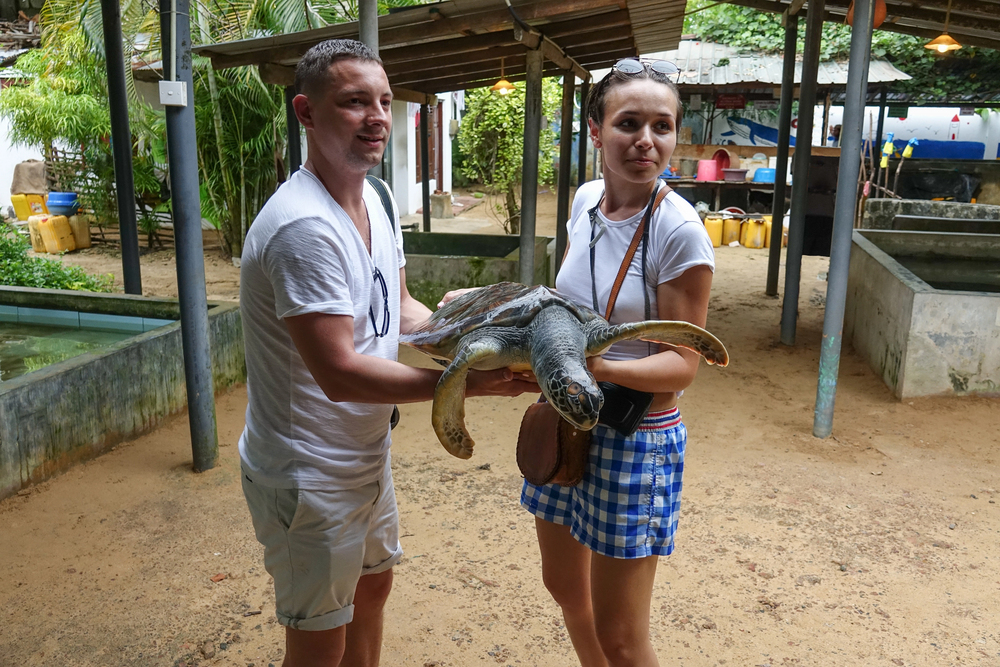
On 38 acres of high desert terrain near Reno, Nevada, Animal Ark provides sanctuary to wildlife that can’t be released back into nature. Some were injured. Others were imprinted on humans at a young age and never learned survival skills.
The facility houses bears, wolves, mountain lions, bobcats, foxes, and various birds of prey across naturalistic habitats. Unlike many sanctuaries, Animal Ark carefully selects well-socialized animals for optional ‘Meet and Greet’ sessions, though participation always remains the animal’s choice.
Staff emphasize this is the animals’ forever home, not a stepping stone to somewhere else. That distinction matters in every decision they make.
Woodstock Farm Sanctuary
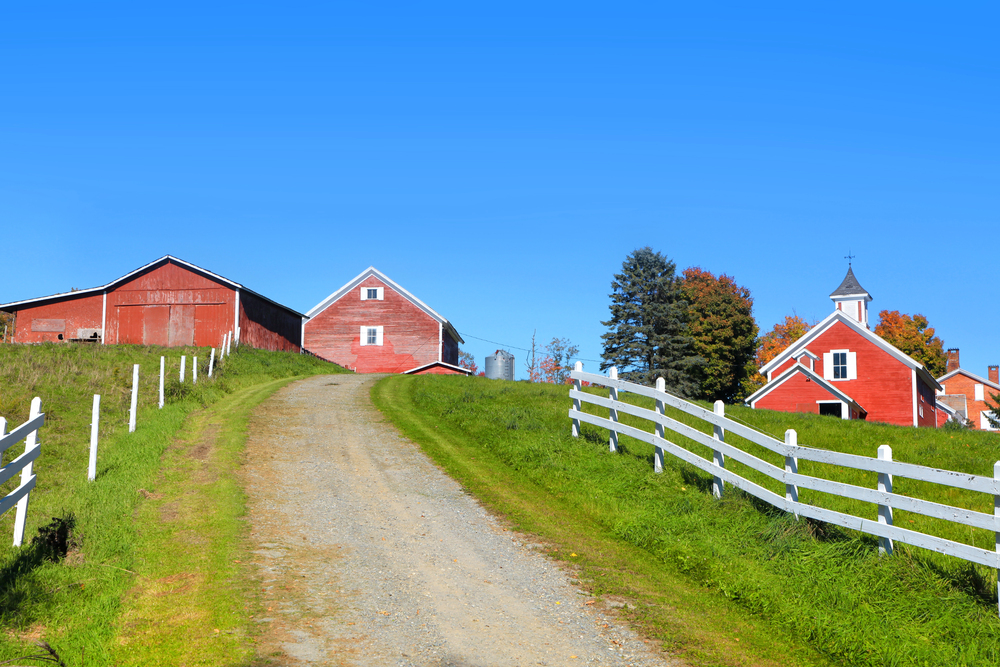
Named for the famous music festival that took place nearby, this sanctuary occupies 150 acres in High Falls, New York, within the Hudson Valley. The facility provides lifelong care to over 350 farmed animals: cows, pigs, chickens, turkeys, ducks, goats, sheep, rabbits.
Many came from factory farms, live markets, or cruelty situations. Woodstock earned GFAS accreditation in 2018, with evaluators specifically noting the organization as a model for farmed animal care.
Visitors can participate in guided tours from spring through fall, meeting residents like Dylan, a pig rescued from a hoarding situation, or simply wandering through pastures where cows graze peacefully under century-old maple trees.
Where Compassion Becomes Concrete
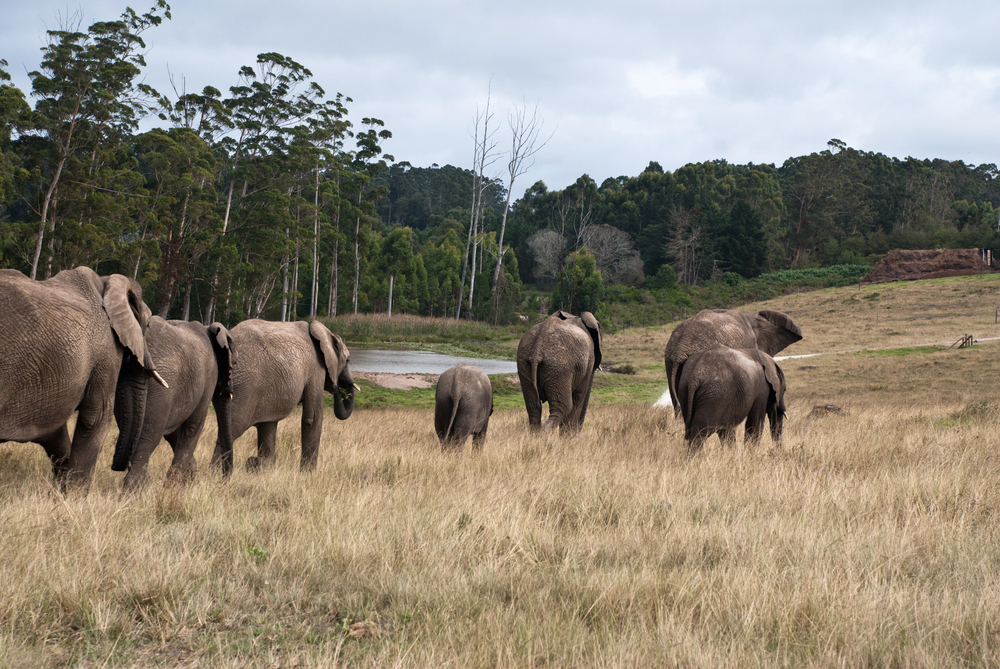
These places represent more than just physical spaces where animals live out their days. They’re evidence of a shifting consciousness, proof that society increasingly recognizes the emotional lives of creatures we once dismissed as commodities or entertainment props.
Most founders started with a single rescue and a dream that probably seemed crazy at the time. Now they’re running sprawling refuges that have saved thousands of lives.
For visitors, a trip to an accredited sanctuary offers something no zoo can provide: the chance to witness animals simply existing on their own terms. Unhurried. Unburdened by human expectations.
That quiet dignity speaks louder than any performance ever could.
More from Travel Pug

- Underrated Italian Towns That Beat the Tourist Crowds
- Las Vegas Tourist Traps to Skip
- Prettiest Towns in Every US State
- 18 passport-free countries for Americans
- Signs Your Cruise Is Not Worth The Cost
Like Travel Pug’s content? Follow us on MSN.