

The Midwest doesn’t get nearly enough credit for its state parks, probably because people assume flat farmland dominates the region. While parts of the Midwest are indeed flat, you’ll also find dramatic bluffs along the Mississippi, ancient rock formations, massive sand dunes, and forests that rival anything in more famous nature destinations.
These parks offer genuine outdoor experiences without the crowds that plague popular Western parks. Here is a list of 15 underrated Midwest state parks to visit.
Starved Rock State Park, Illinois
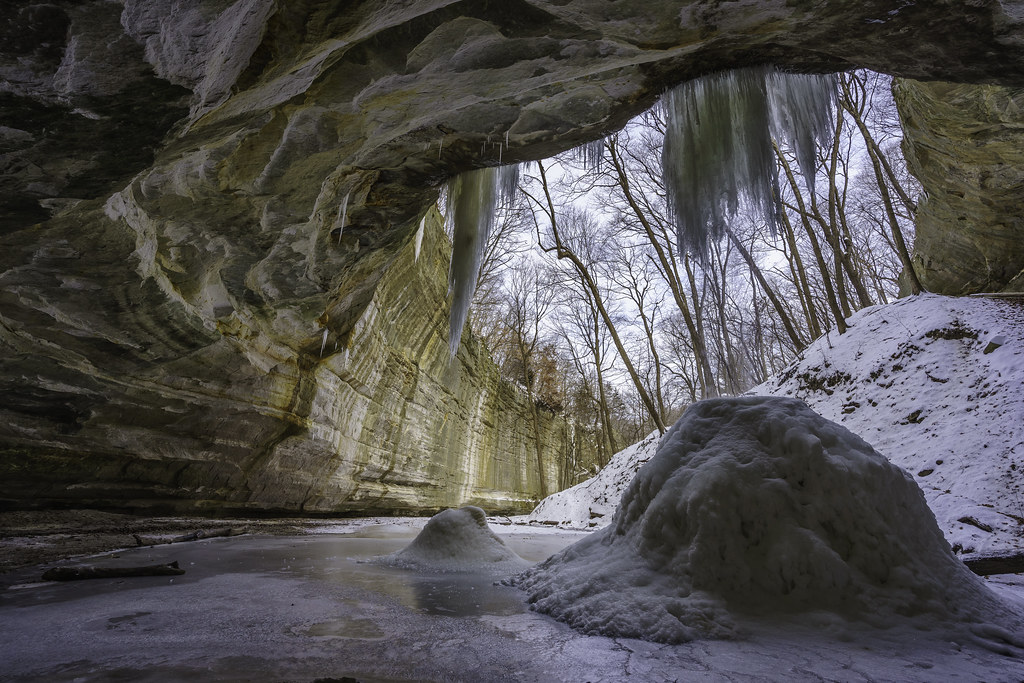
Starved Rock features 18 canyons carved into sandstone by glacial meltwater, creating dramatic landscapes along the Illinois River. The park’s 13 miles of trails wind past seasonal waterfalls that freeze into ice columns during winter.
Spring wildflower season and fall colors draw regional crowds, but summer midweeks remain surprisingly quiet given the park’s proximity to Chicago.
Porcupine Mountains, Michigan
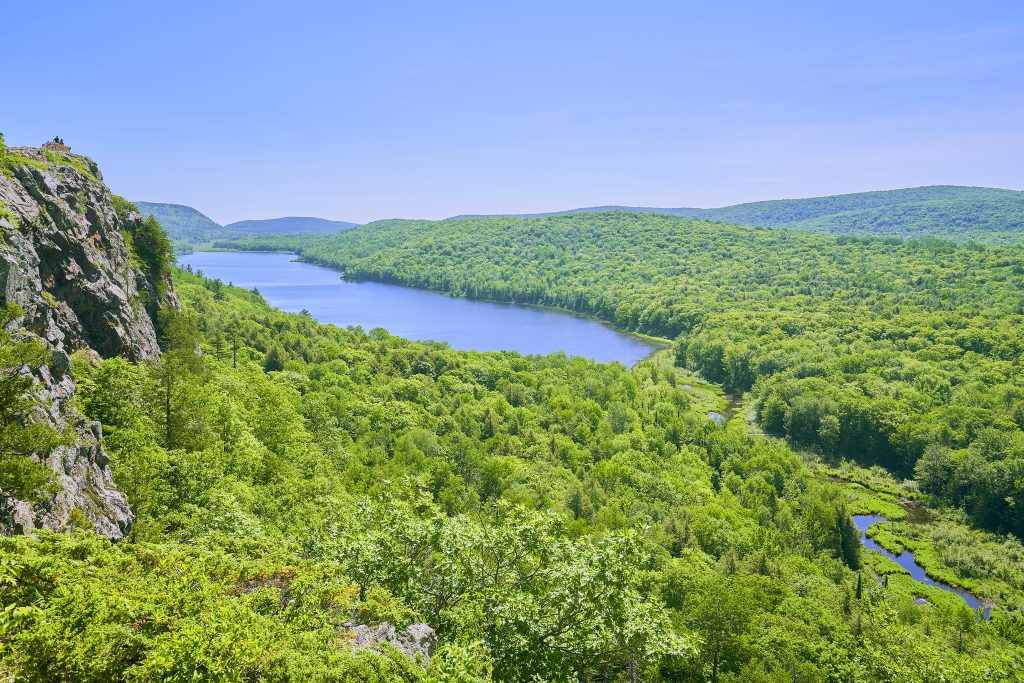
The Porcupines (locals call them “the Porkies”) in Michigan’s Upper Peninsula contain old-growth forest and the largest wilderness area in the Midwest. Lake of the Clouds overlook provides the park’s iconic view, while 90+ miles of trails range from easy waterfall walks to challenging backcountry loops.
The park’s remoteness—it’s hours from any major city—keeps visitation relatively low despite spectacular scenery.
Devils Lake State Park, Wisconsin
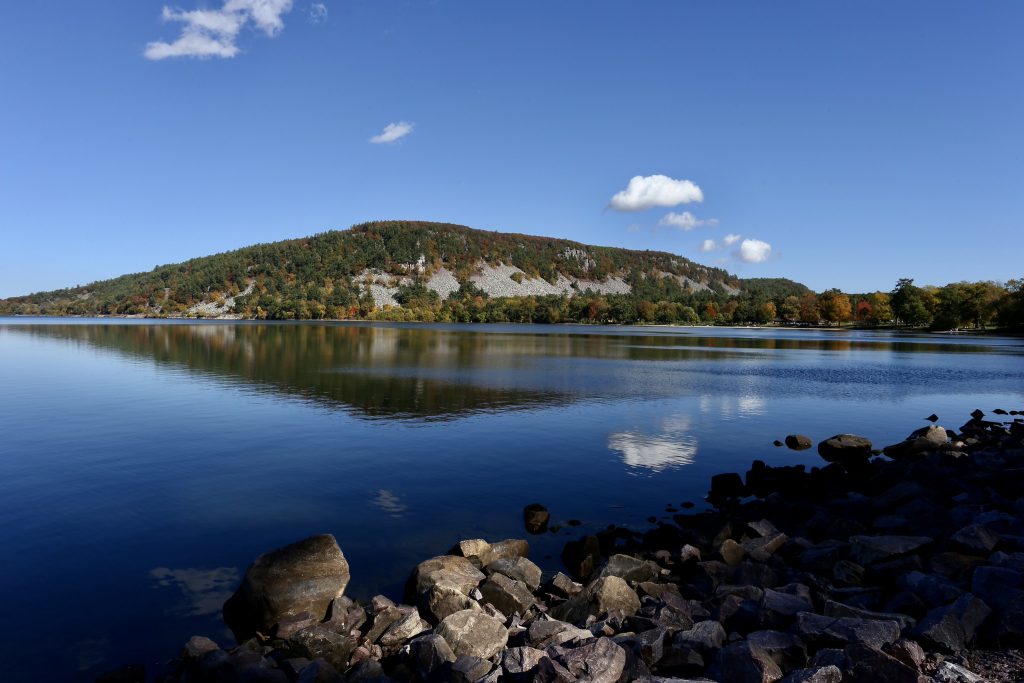
Devils Lake sits in a 500-foot-deep glacial gorge surrounded by quartzite bluffs that attract rock climbers from across the Midwest. The clear lake offers swimming and paddling while 29 miles of trails provide bluff-top views and challenging scrambles.
The park gets busy on summer weekends but offers enough space that you can still find solitude on the trails.
Tettegouche State Park, Minnesota
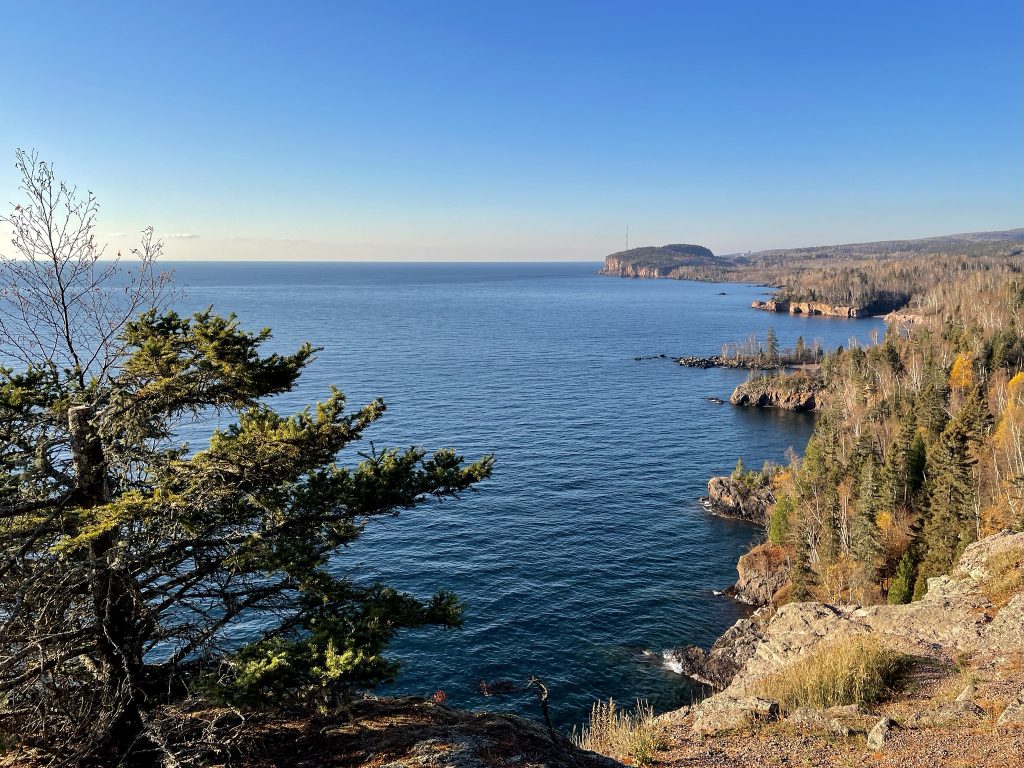
Tettegouche on Lake Superior’s North Shore combines a rugged coastline with inland waterfalls and forests. The Shovel Point overlook provides dramatic lake views while the High Falls on the Baptism River drops 60 feet into a narrow gorge.
Four backpacking campsites sit on inland lakes, creating genuine wilderness experiences just a few miles from the parking lot.
Turkey Run State Park, Indiana
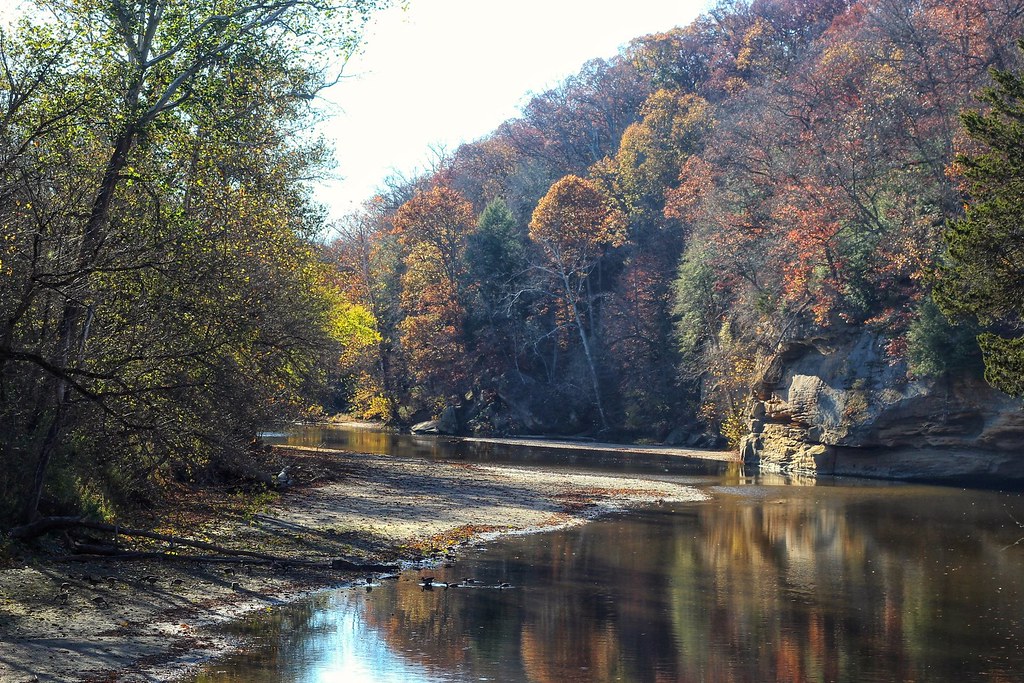
Turkey Run’s sandstone ravines and deep canyons feel borrowed from somewhere farther west, not central Indiana. The park’s 10 trails include challenging scrambles through narrow rock passages and alongside Sugar Creek.
Fall foliage here rivals anywhere in the Midwest, yet the park remains relatively unknown outside Indiana.
Maquoketa Caves State Park, Iowa
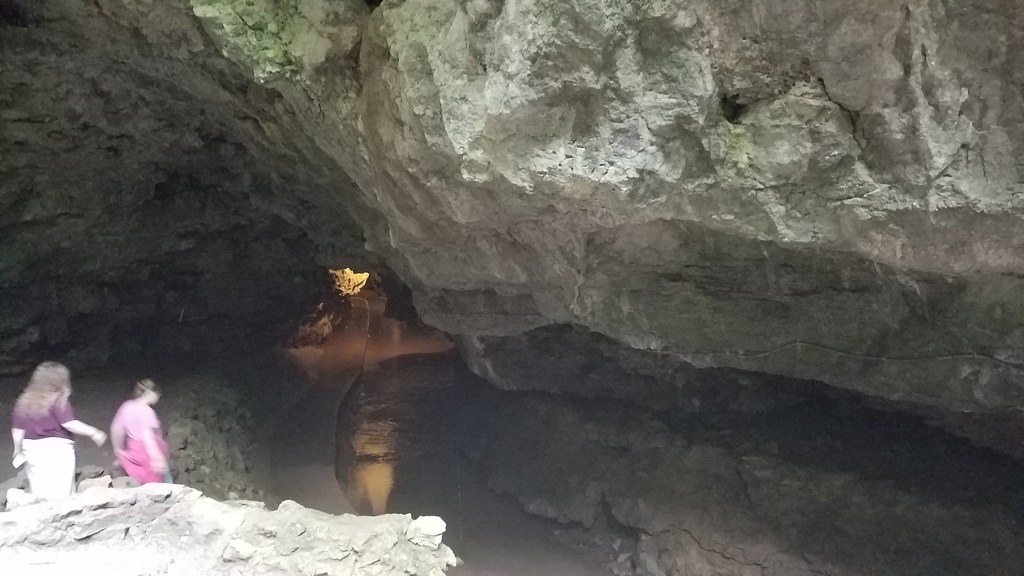
Maquoketa features more caves than any other Iowa state park, with formations you can actually explore without specialized equipment. The largest cave stretches over 1,000 feet and includes walkways and lighting, while smaller caves require crawling and flashlights.
The karst landscape creates a unique geological experience in a state most people assume is entirely flat.
Fort Robinson State Park, Nebraska
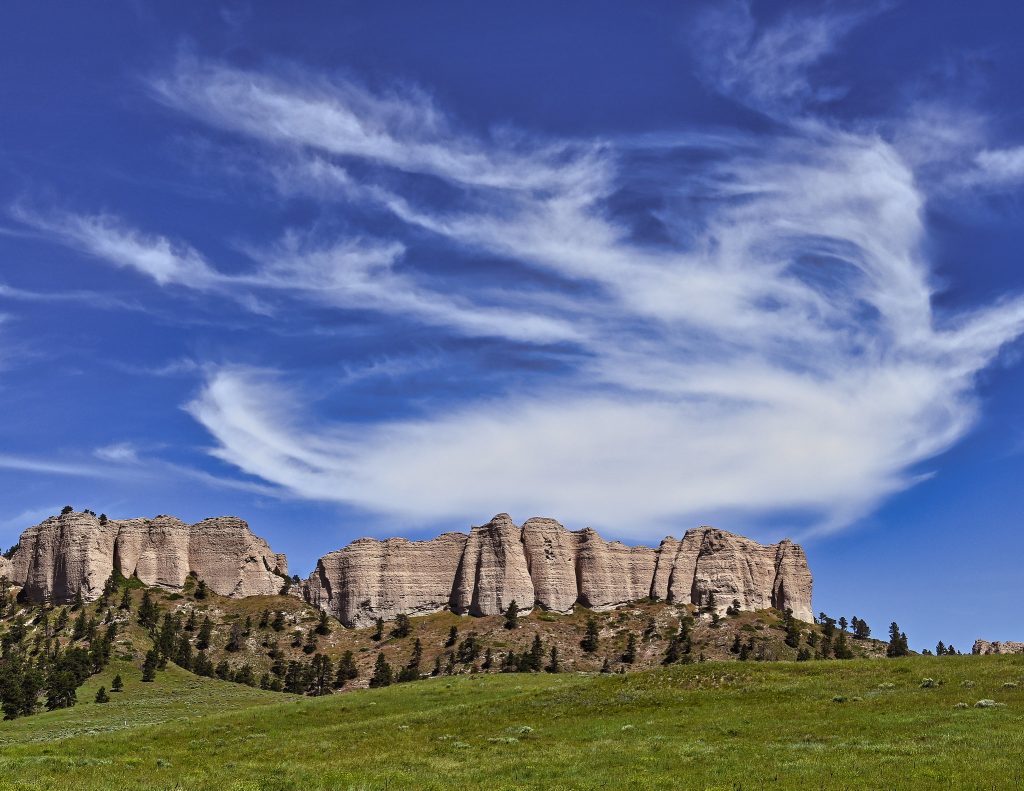
Fort Robinson in western Nebraska’s Pine Ridge region offers badlands scenery, hiking, and horseback riding across 22,000 acres. The park sits in an area of surprising topographic relief where ponderosa pine forests meet prairie grasslands.
The historic fort buildings add cultural interest to the natural attractions.
Cuyahoga Valley National Park, Ohio
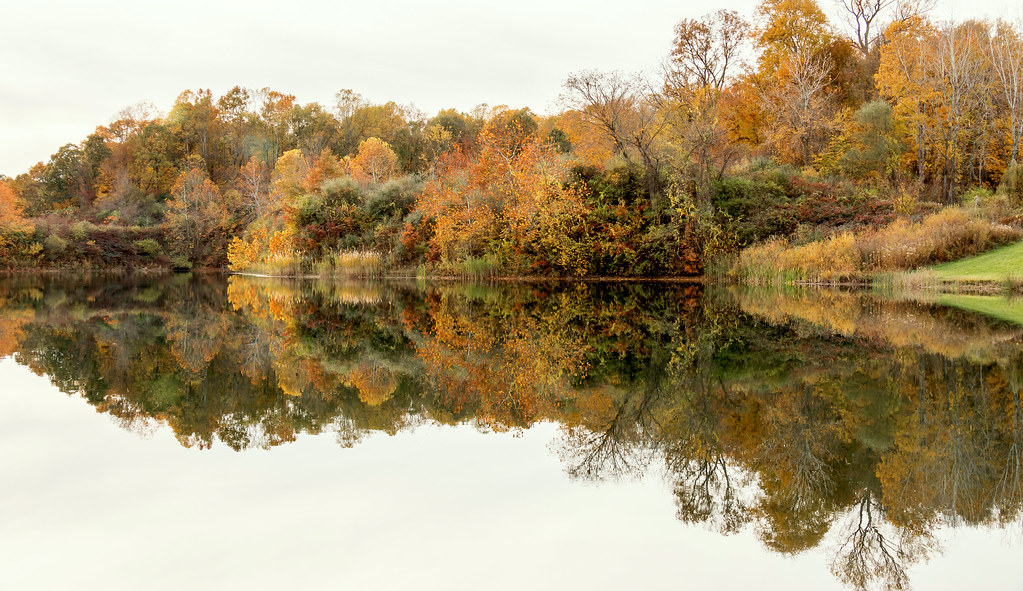
While technically a national park rather than state park, Cuyahoga Valley deserves mention as one of the Midwest’s most underrated protected areas. The park preserves 33,000 acres between Cleveland and Akron, including waterfalls, forests, and the historic Ohio & Erie Canal Towpath.
Brandywine Falls alone justifies a visit, yet the park sees a fraction of the visitation of Western national parks.
Wyalusing State Park, Wisconsin
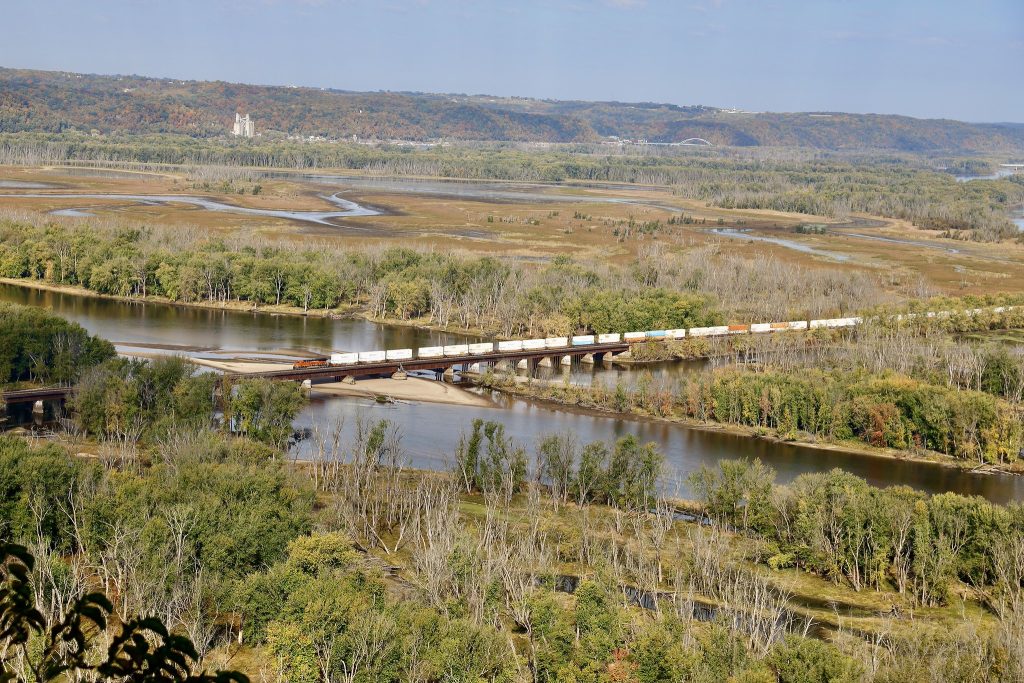
Wyalusing sits at the confluence of the Wisconsin and Mississippi Rivers, providing bluff-top views across three states. The park’s 2,600 acres include effigy mounds built by Native Americans over 1,000 years ago.
The mixture of river views, forests, and archaeological significance creates a unique combination.
Hocking Hills State Park, Ohio
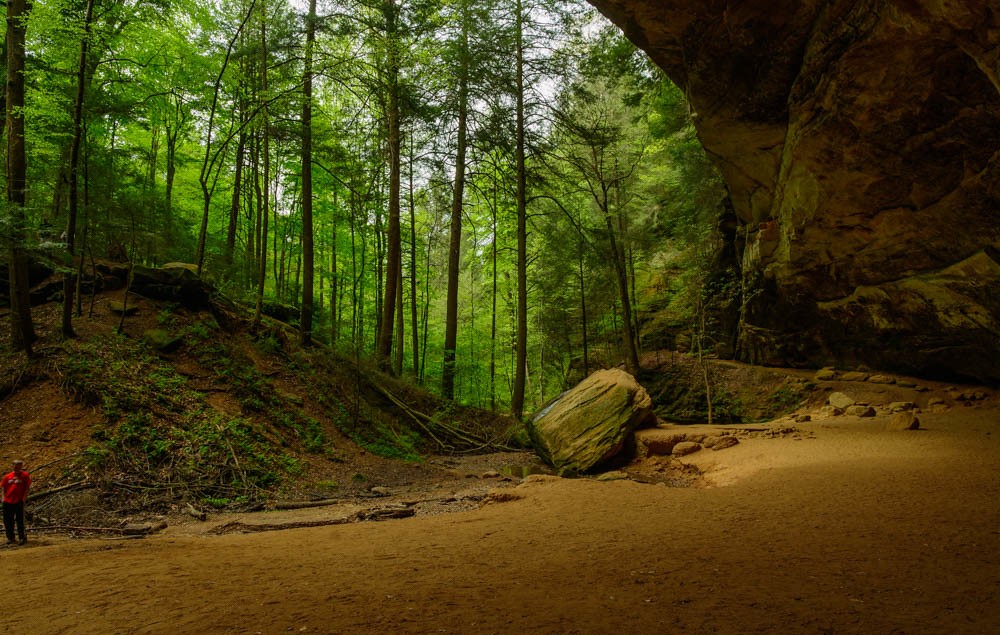
Hocking Hills features dramatic rock formations including caves, gorges, and waterfalls carved into Blackhand sandstone. Old Man’s Cave and Ash Cave are the most famous formations, but the park’s less-visited areas offer equally impressive scenery without crowds.
The park’s proximity to Columbus makes it accessible yet it maintains a wild character.
Interstate State Park, Minnesota
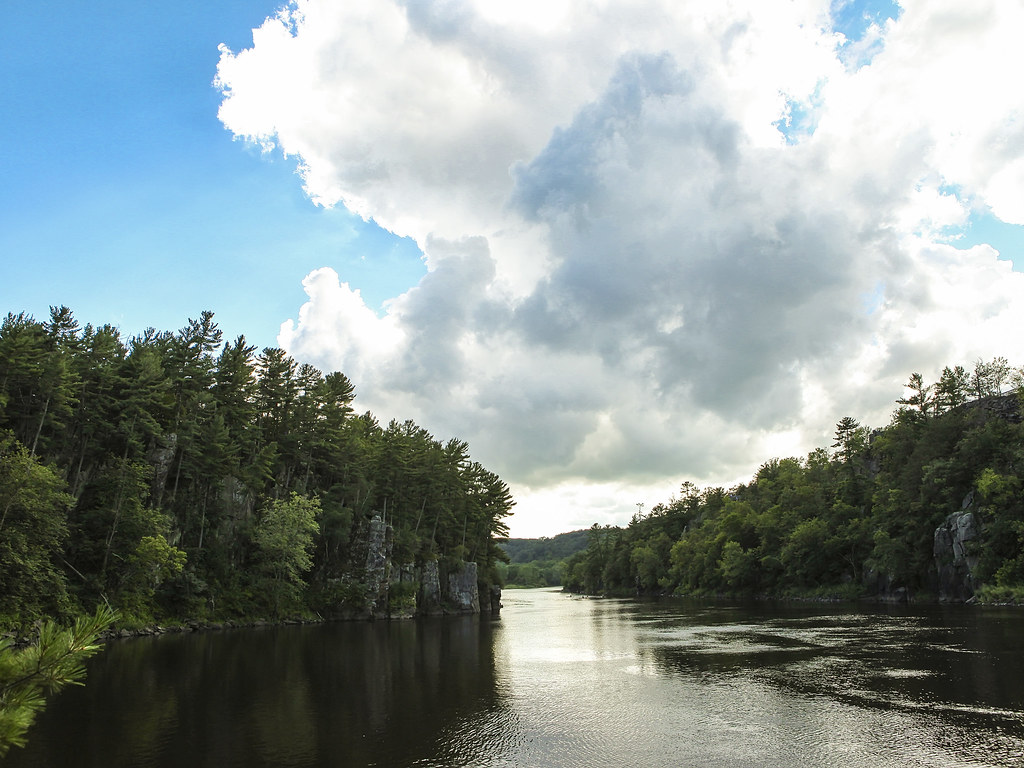
Interstate Park preserves glacial potholes—deep cylindrical holes carved into basalt by swirling water—along the St. Croix River. Some potholes reach 60 feet deep, creating unique geological features found in few other places.
The park straddles the Minnesota-Wisconsin border, with connected parks on both sides of the river.
Shades State Park, Indiana
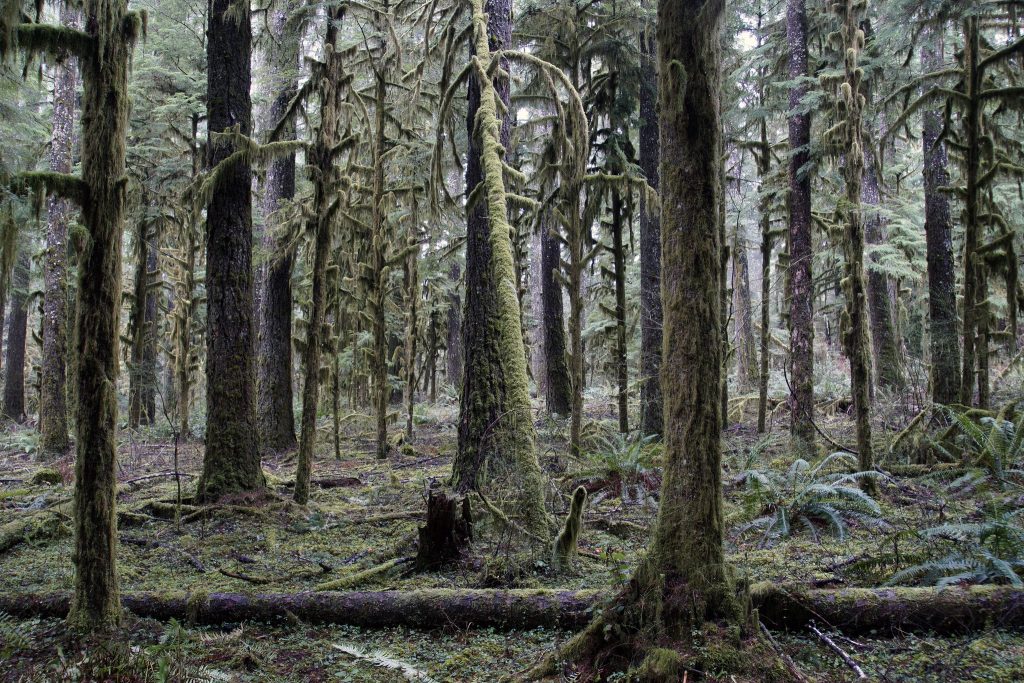
Shades features rugged ravines and sandstone cliffs along Sugar Creek, with hiking trails that require actual scrambling in places. The park’s 10 trails range from easy to challenging, with the most dramatic scenery requiring some effort.
Pine Hills Nature Preserve within the park protects unique microclimates and plant communities.
Matthiessen State Park, Illinois
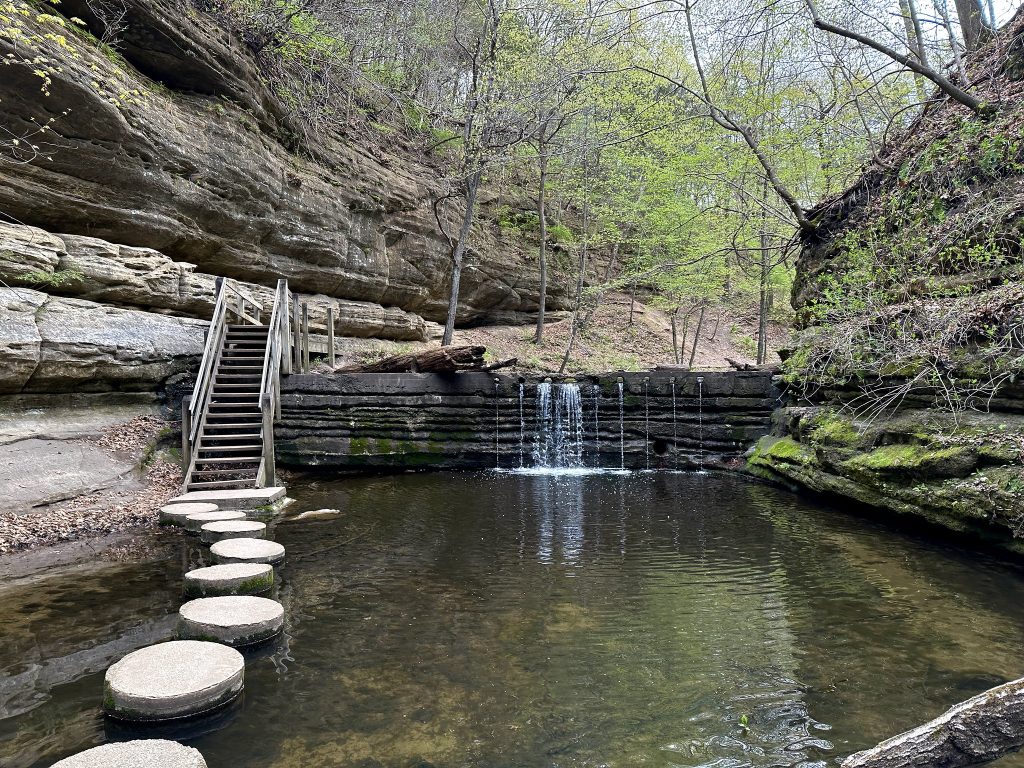
Matthiessen sits adjacent to Starved Rock but receives far fewer visitors despite offering equally impressive canyons and waterfalls. The park’s dells areas feature flowing streams, seasonal waterfalls, and moss-covered rock walls.
The relative lack of crowds makes Matthiessen preferable to Starved Rock during busy periods.
Pictured Rocks National Lakeshore, Michigan
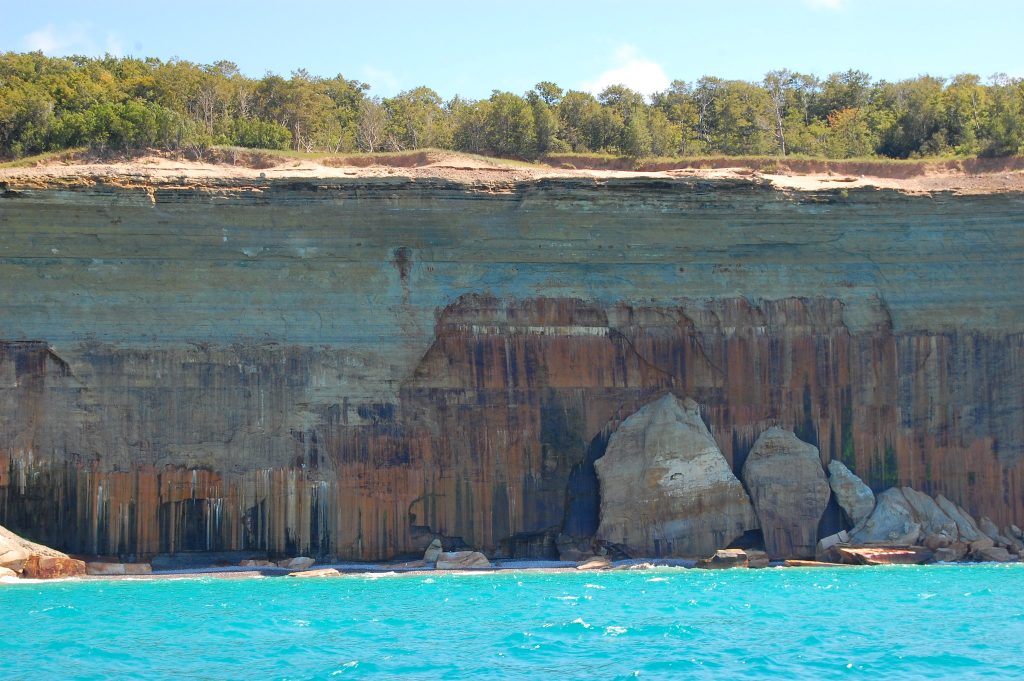
Another national rather than state park, Pictured Rocks deserves inclusion for its stunning sandstone cliffs rising 200 feet above Lake Superior. The multicolored rock faces, sea caves, and waterfalls create spectacular scenery accessible via 100+ miles of trails.
The park’s Upper Peninsula location keeps crowds manageable compared to more accessible national parks.
Ledges State Park, Iowa
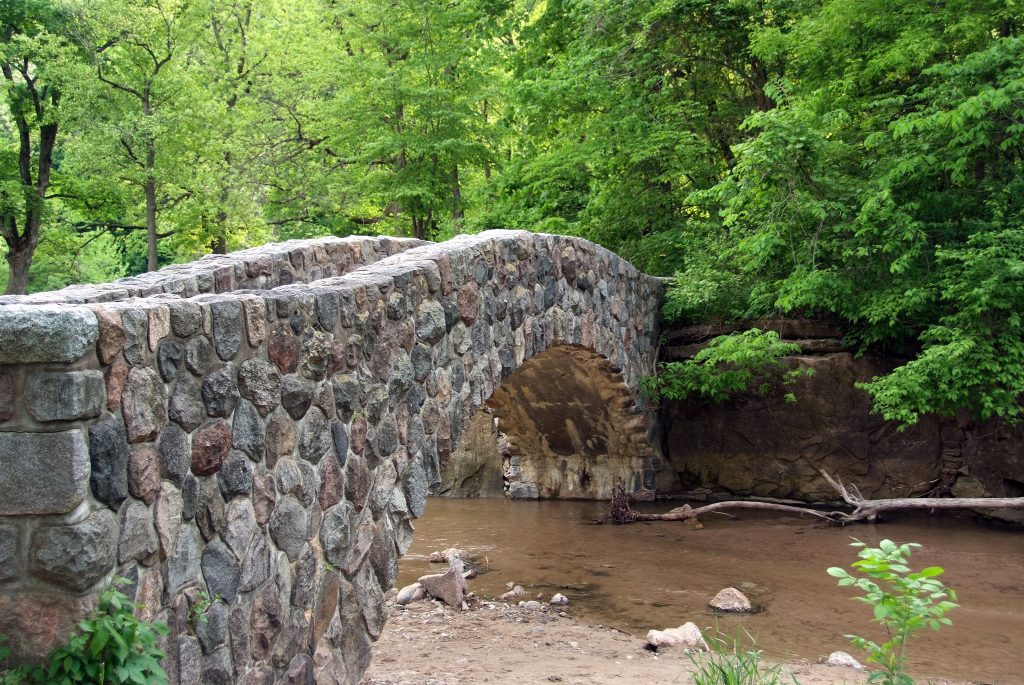
Ledges feature sandstone cliffs and deep ravines along the Des Moines River valley, creating surprisingly dramatic topography in central Iowa. The park’s four miles of trails wind through oak-hickory forest and past rock formations.
It’s a small park but offers genuine natural beauty in an unexpected location.
Midwest’s hidden landscapes
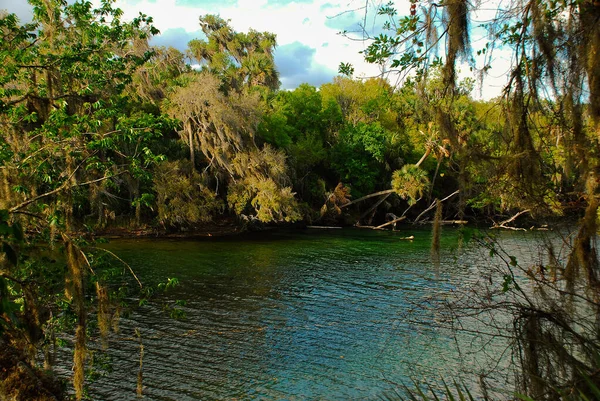
Perhaps the finest state parks in the Midwest offer the perfect example of the idea that dramatic visual beauty can be found even away from the mountain range and the coast; the geology of the Midwest region is as old as anywhere in the United States, and the visit to the range of state parks in the Midwest can provide just as much in the way of visual allure as the more famous regions of the West. Perhaps an added benefit of the Midwest’s state parks is the level of under-development and lack of over-tourism that many of the parks in the West struggle to avoid; still, the Midwest’s relative location means even the experienced tourist will need to be self-sufficient in planning and organization in order to make the most of the visit.
More from Travel Pug

- Underrated Italian Towns That Beat the Tourist Crowds
- Las Vegas Tourist Traps to Skip
- Prettiest Towns in Every US State
- 18 passport-free countries for Americans
- Signs Your Cruise Is Not Worth The Cost
Like Travel Pug’s content? Follow us on MSN.