

Every corner of the world has developed its own array of methods to stay healthy, balanced, and grounded.
These practices didn’t arise from wellness bloggers or modern research labs—they emerged from centuries of watching, community wisdom, and deep relationships with local environments.
So why are these traditions so fascinating?
They address wellness as a phenomenon larger than simply physical health, combining mental alertness, emotional balance, and social integration in ways that modern medicine is only gradually beginning to fully comprehend.
Shinrin-yoku
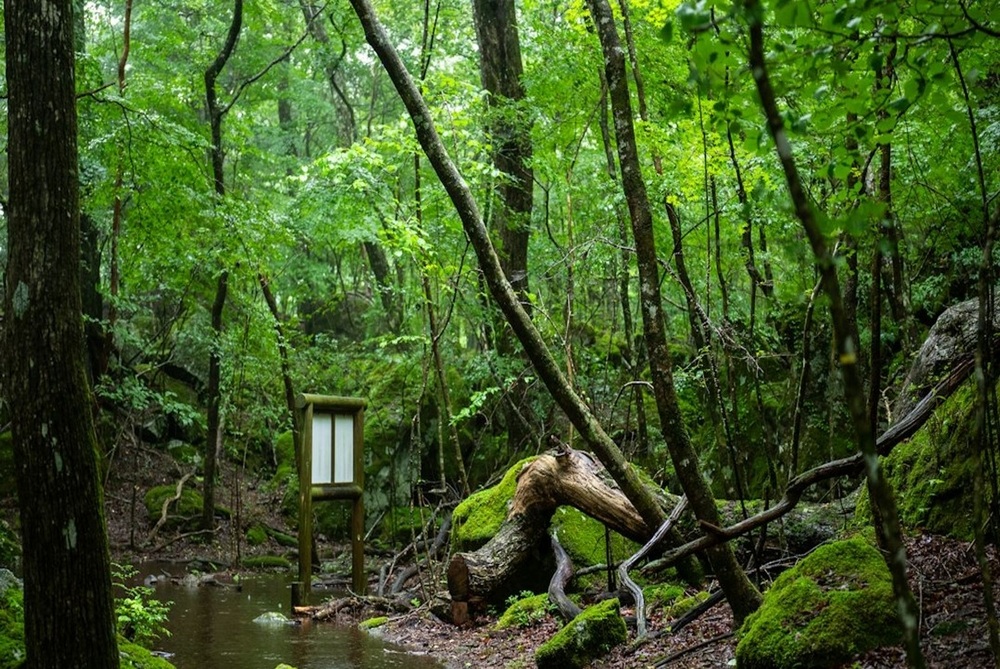
The Japanese art of forest bathing has nothing to do with exercise or hiking.
It’s just being among trees.
Take a stroll through a forest and notice the smell of pine, the noise of leaves crunching beneath your feet, or the light coming through branches—that’s shinrin-yoku.
Studies indicate this mindful exposure to nature can decrease blood pressure, improve immune function, and decrease stress hormones in ways that a typical neighborhood stroll simply can’t.
Quite amazing for something that involves zero equipment.
Ayurveda
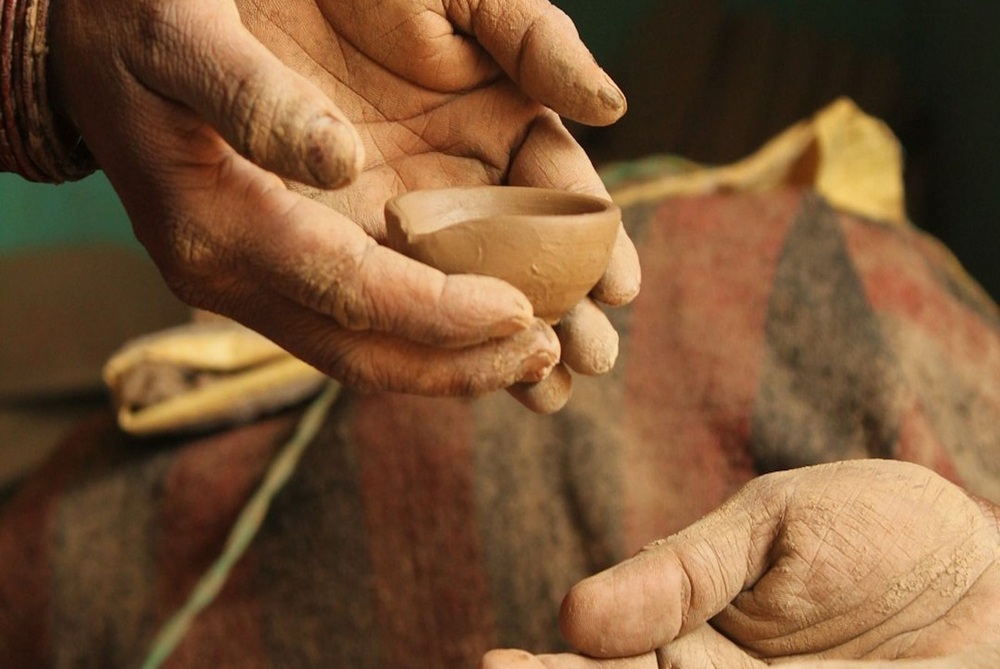
India’s 5,000-year-old healing system treats each person as unique, with their own energetic constitution called a dosha.
Instead of one-size-fits-all recommendations, Ayurveda prescribes personalized combinations of herbs, foods, yoga poses, and daily routines based on whether someone’s predominantly vata, pitta, or kapha.
Oil pulling might ring a bell.
Same with drinking warm lemon water in the morning or using turmeric in cooking—these aren’t random wellness trends but carefully designed interventions meant to keep specific body types in balance.
Hammam
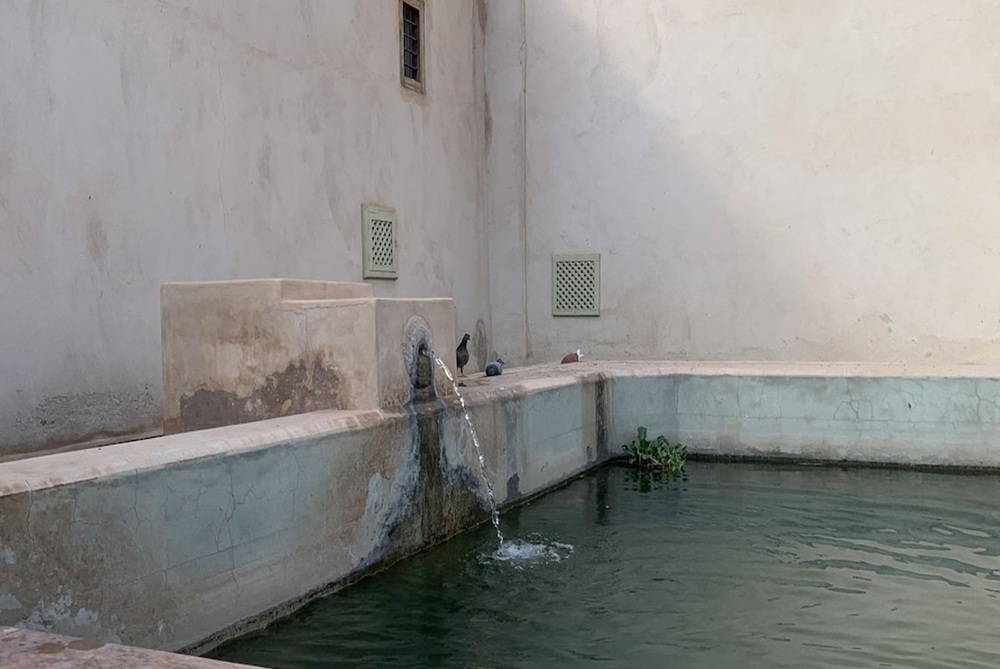
Turkish baths have been unifying communities since the 7th century.
They are more than a space to clean up, however.
The ritual is one of progressing through rooms that get hotter and hotter, being thoroughly scrubbed with a rough mitt known as a kese, and ending with a soap massage that makes skin impossibly soft.
Aside from the physical advantages of deep exfoliation and enhanced circulation, hammams are also social spaces where individuals congregate, converse, and unwind with one another—meeting the frequently ignored need for good human interaction.
Finnish sauna
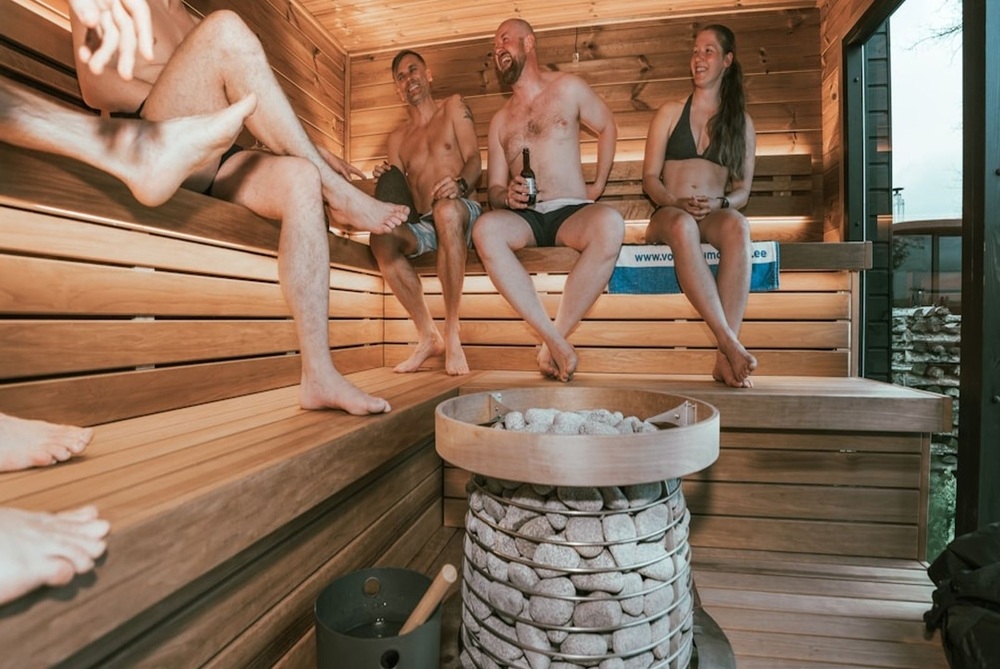
Finns are serious about their saunas.
They have approximately 3 million saunas for 5.5 million people.
The process entails sitting in hot, dry conditions at 175–195°F, then cooling off with a cold splash or even a roll in the snow in winter.
This sudden change in temperature gets the heart rate going, opens up pores, and releases endorphins that leave individuals extremely relaxed and mentally focused.
It’s not for the faint of heart, but followers swear by its healing properties.
Siesta
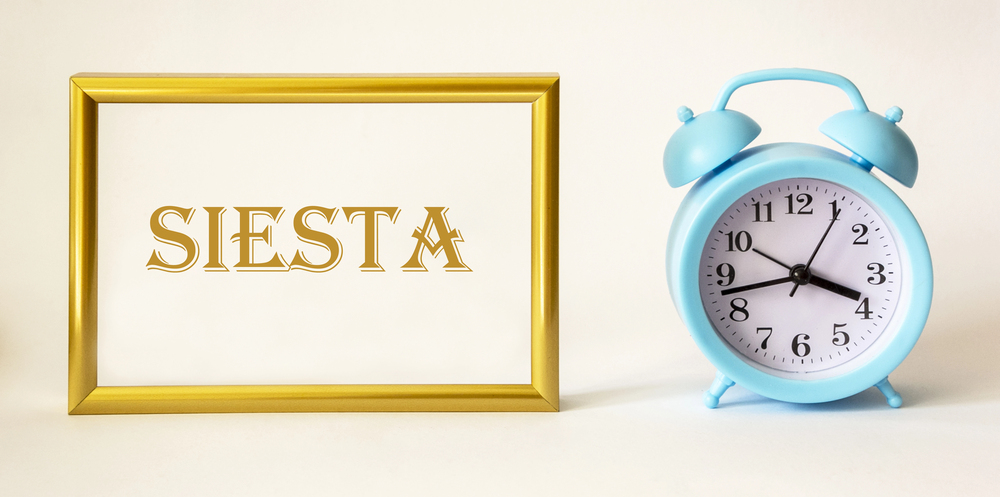
Mediterranean cultures figured out centuries ago what modern sleep scientists are now confirming: a short afternoon rest does wonders for productivity and well-being.
Originally designed to help agricultural workers avoid the scorching midday sun, the siesta has evolved into a cultural institution in Spain, Italy, and parts of Latin America.
NASA found that 26-minute power naps improved astronaut performance by 34%.
So taking 20–30 minutes to recharge in the afternoon isn’t laziness—it’s strategic energy management.
Hygge
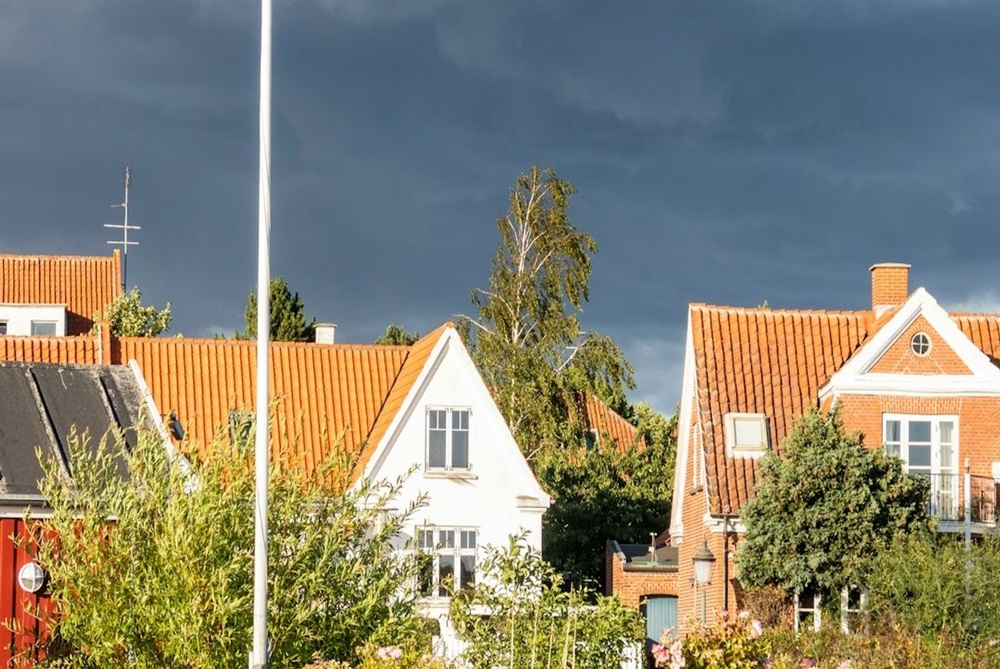
Denmark consistently ranks among the world’s happiest countries, and their concept of hygge might explain why.
This practice centers on creating cozy, warm environments and savoring simple pleasures with people you care about.
Candles, soft blankets, hot beverages, and intimate gatherings where phones stay in pockets and conversations flow freely.
That’s hygge.
It isn’t about expensive purchases or elaborate setups—it’s about intentionally cultivating moments of contentment and security in everyday life.
Temazcal
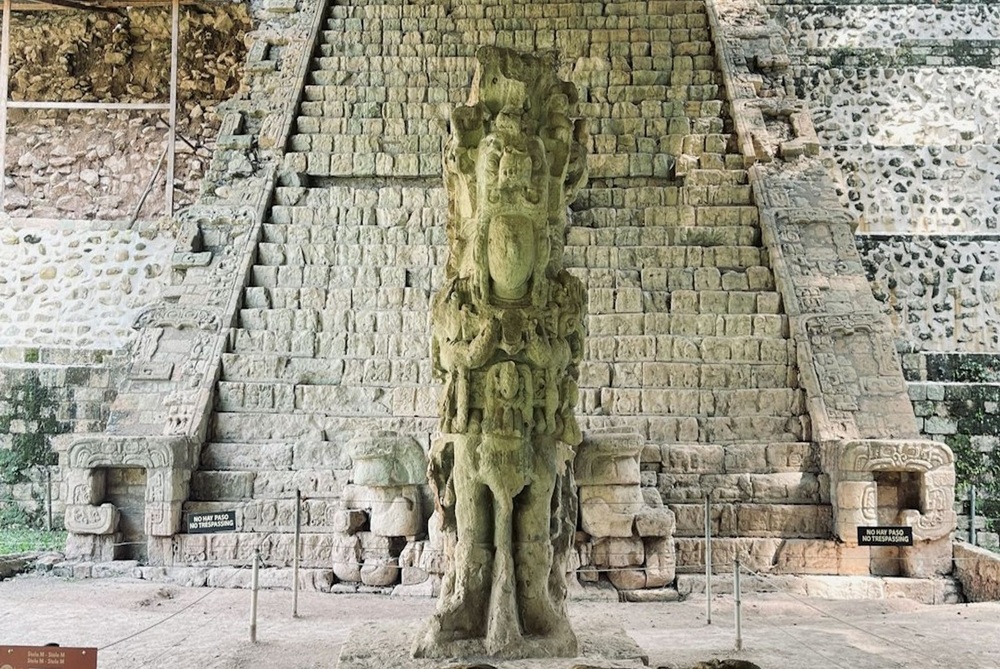
This Mesoamerican sweat lodge ceremony has been used for thousands of years for physical and spiritual cleansing.
A shaman or temazcalero leads participants into a dome-shaped stone structure heated by volcanic rocks—often incorporating herbs, prayers, and traditional songs.
The intense heat causes deep sweating that practitioners believe releases toxins and negative energy, while the ceremony itself fosters introspection and emotional release.
Many describe it as transformative.
Onsen
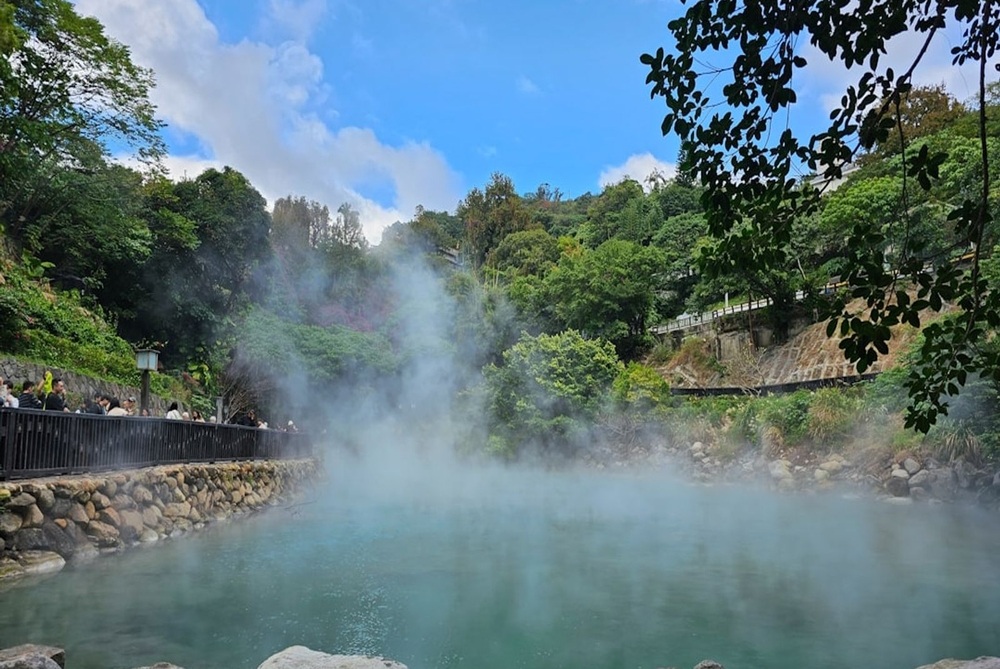
Japan’s volcanic geology creates natural hot springs loaded with minerals like silica and sulfur.
These onsen have been integral to Japanese culture since ancient times—offering therapeutic benefits that go beyond simple relaxation.
The mineral-rich waters can help with skin conditions like acne and eczema, while the ritual of bathing in nature provides mental restoration.
The practice is so embedded in Japanese culture that many people visit onsen regularly as a form of preventative healthcare.
Tai Chi
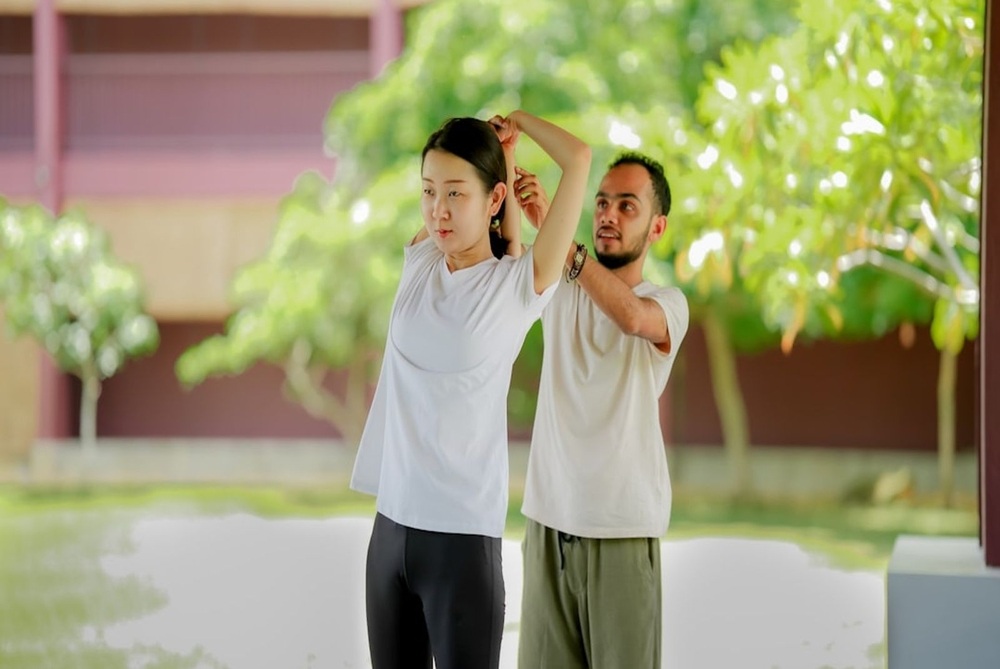
This Chinese martial art looks like slow-motion dance but delivers real health benefits through deliberate, flowing movements paired with deep breathing.
Practitioners move through a series of postures with names like ‘white crane spreads wings’ and ‘part the wild horse’s mane’—maintaining continuous motion that builds strength, improves balance, and enhances flexibility.
Studies show regular practice can reduce falls in older adults, lower blood pressure, and decrease symptoms of anxiety and depression.
Kava ceremony
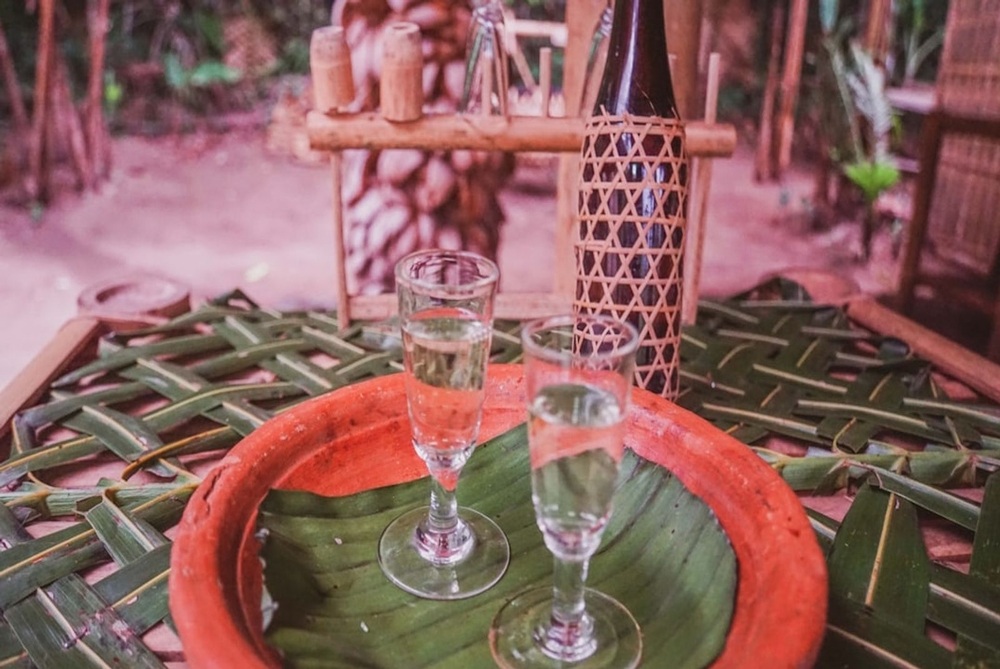
In Fiji, drinking kava—made from the roots of the kava plant—is far more than consuming a beverage.
The ceremony involves grinding the root, mixing it with water, and sharing it in a communal bowl while sitting in a circle.
The drink produces a gentle, relaxing effect that eases anxiety and promotes openness.
Meanwhile, the ritual itself reinforces social bonds and cultural values of respect and unity.
Modern research confirms kava’s traditional use, showing it can effectively reduce anxiety and improve sleep quality.
Waldeinsamkeit
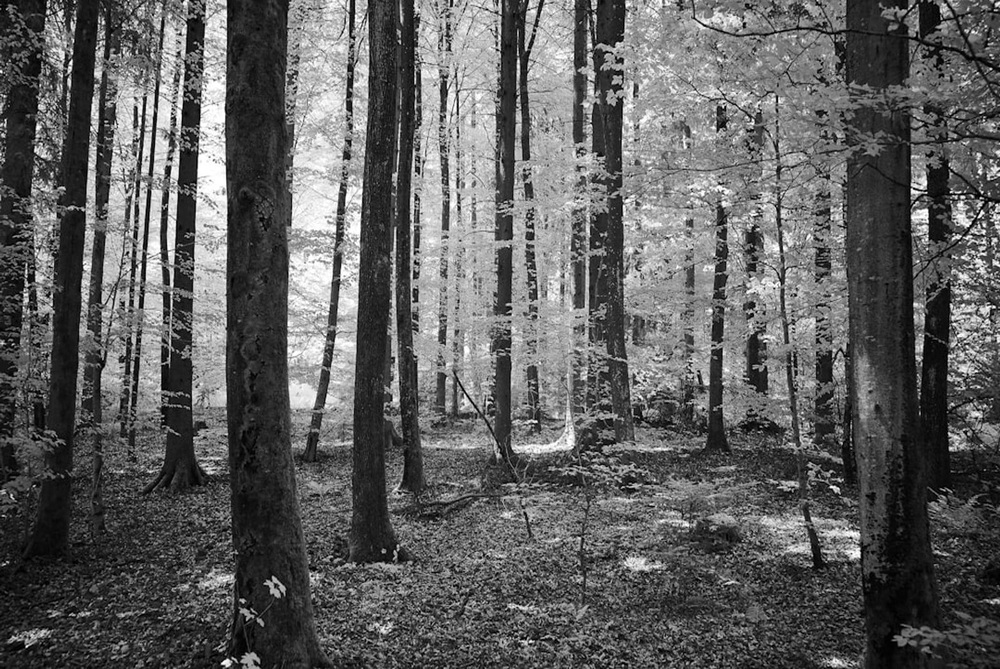
Germans have a word for the feeling of being alone in the forest.
Waldeinsamkeit.
They’ve turned this solitude into a wellness practice.
Unlike forest bathing’s focus on sensory awareness, waldeinsamkeit emphasizes the peace that comes from being by yourself among trees, disconnected from human-made noise and demands.
This intentional solitude gives the mind space to wander, process emotions, and reset in ways that constant connectivity and social interaction simply don’t allow.
Russian banya
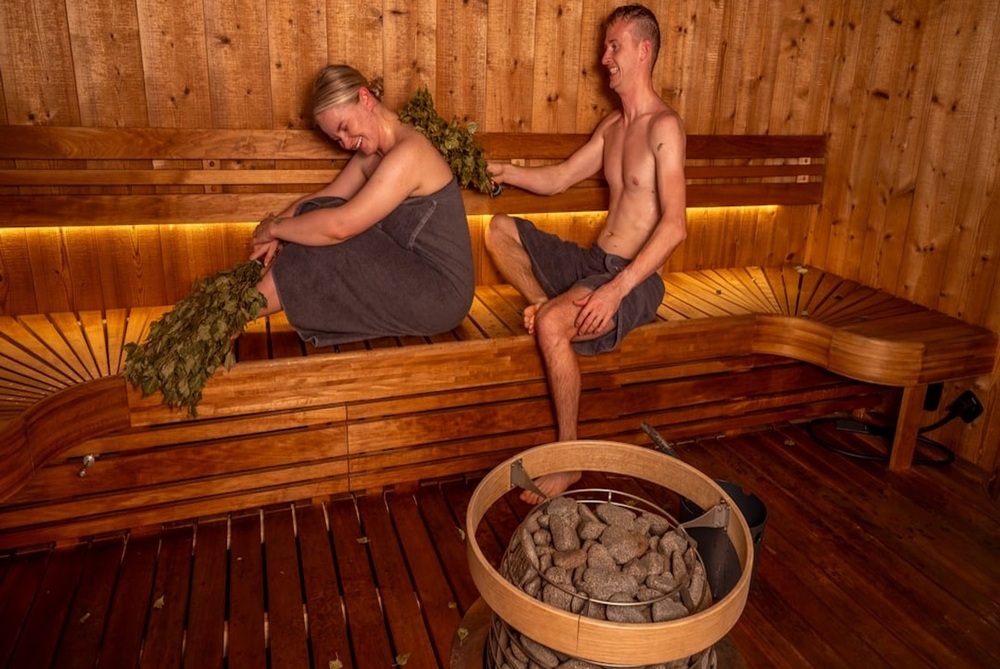
The Russian banya takes the sauna concept and adds a unique twist.
Venik beating.
After heating up in the wooden steam room, participants gently whip themselves or each other with bundles of birch or oak branches, which opens pores and releases aromatic oils.
The tradition also involves alternating between the hot room and cold plunges, sometimes jumping into snow or icy lakes.
Russians view the banya as essential for both physical health and social bonding, with friends gathering regularly to sweat, cool off, and share conversations.
Lomi Lomi massage
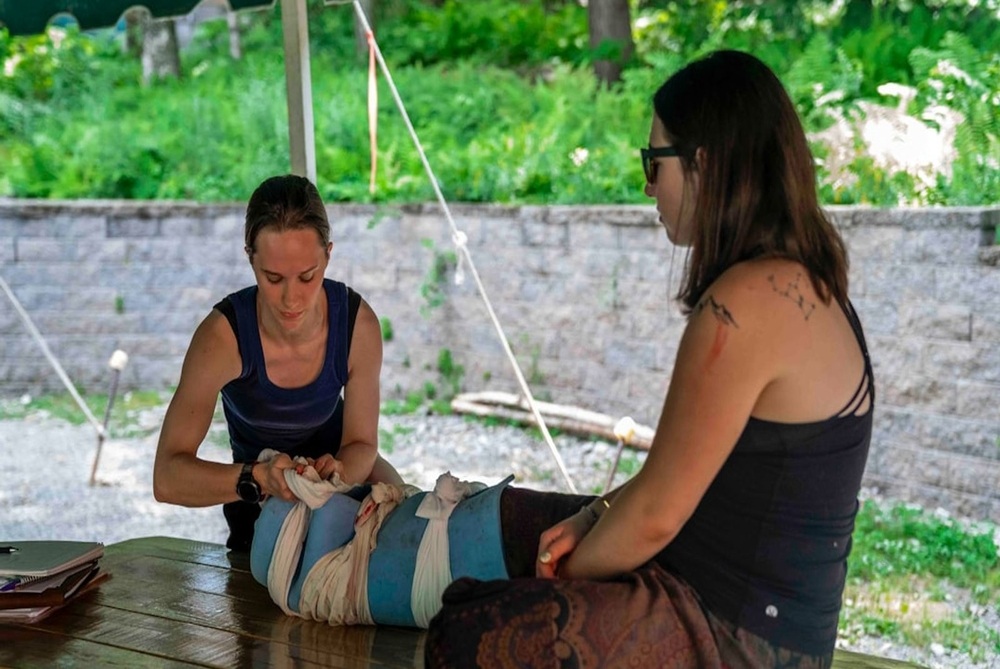
Hawaiian healers developed this massage technique, which treats the body as one interconnected system rather than isolated parts.
Practitioners use their forearms, hands, and elbows in long, flowing strokes that mimic waves rolling onto shore, working oil into the skin while incorporating elements of prayer and intention.
The massage aims to release not just physical tension but also stored emotions and negative energy.
This reflects the Hawaiian belief that true healing addresses mind, body, and spirit together.
Acupuncture
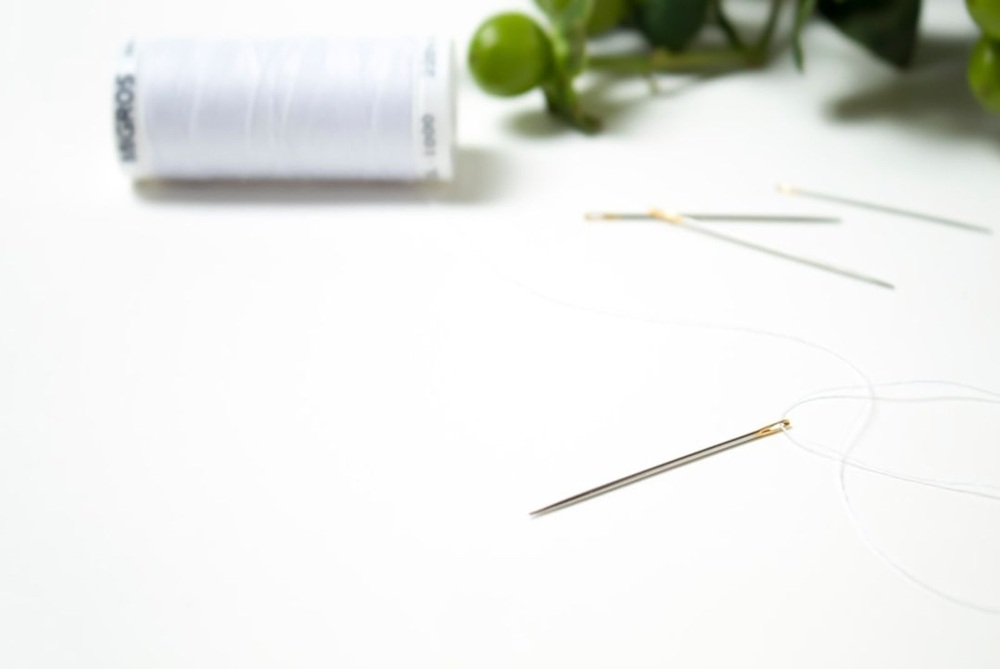
Traditional Chinese medicine views the body as a network of energy pathways called meridians.
Acupuncture works by inserting thin needles at specific points to regulate energy flow.
While the concept might sound mystical, modern research shows acupuncture triggers real physiological responses.
It releases endorphins, reduces inflammation, and affects the nervous system.
People use it to address everything from chronic pain and headaches to allergies and anxiety, with many finding relief when conventional treatments haven’t helped.
Cacao ceremony
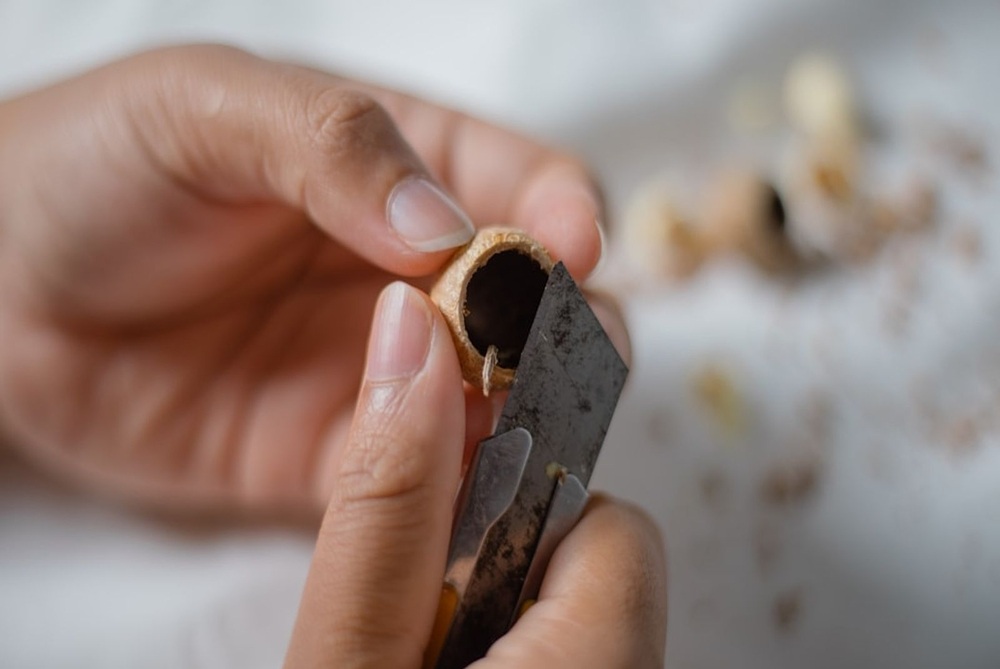
Long before chocolate became a candy bar, Mesoamerican civilizations used cacao in sacred ceremonies for healing and spiritual connection.
Modern cacao ceremonies involve drinking pure, ceremonial-grade cacao while setting intentions and often incorporating meditation, breathwork, or music.
The cacao contains compounds that gently stimulate the system and open the heart center, creating feelings of groundedness and emotional openness.
Participants often report increased clarity, emotional release, and a sense of connection to themselves and others.
Friluftsliv
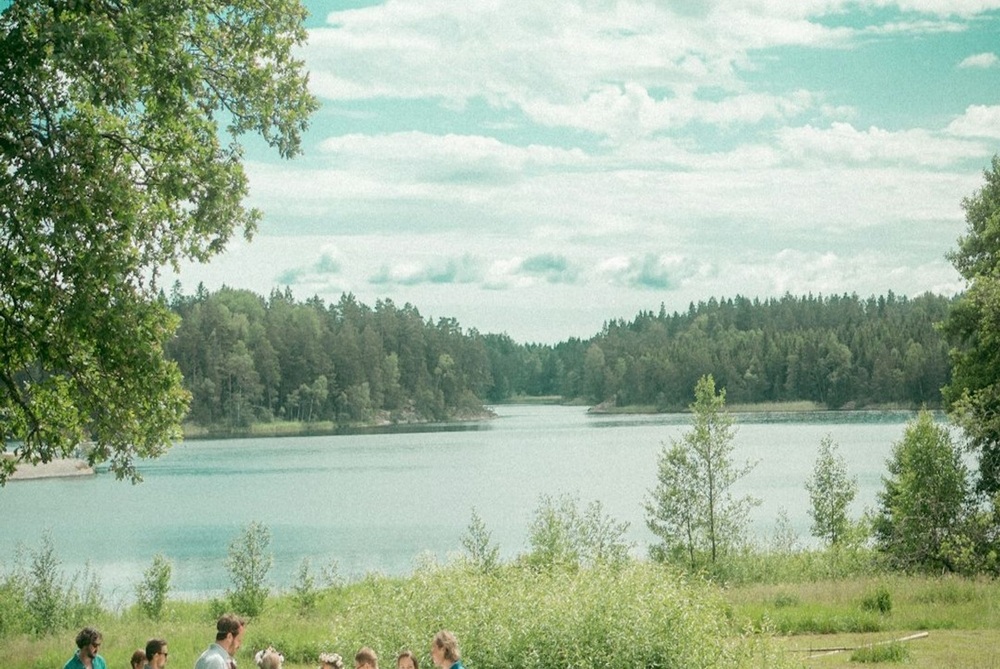
Scandinavians embrace ‘open-air living’ through friluftsliv, which goes beyond occasional outdoor recreation to make nature an essential part of daily life.
This Norwegian concept encourages spending time outside in all seasons and weather conditions, whether hiking, skiing, or simply sitting by a lake.
The practice reflects a cultural belief that connecting with nature isn’t a luxury or weekend activity but a fundamental human need that directly impacts mental and physical well-being.
Haka
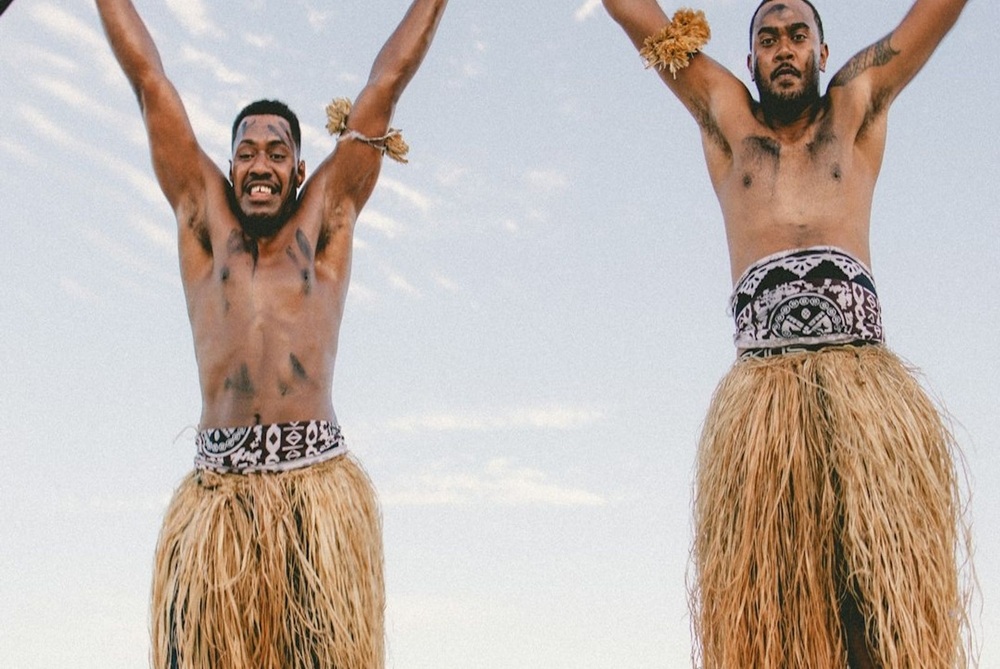
The Māori people of New Zealand developed the haka as a war dance, though it has since evolved into a powerful wellness practice that channels energy and emotion through movement.
Performing a haka involves rhythmic stomping, chest slapping, fierce facial expressions, and vocal chanting that demands full physical and emotional engagement.
The practice builds mental focus, releases pent-up feelings, and creates unity among participants.
This explains why New Zealand’s rugby team famously performs it before matches.
Sound healing with singing bowls
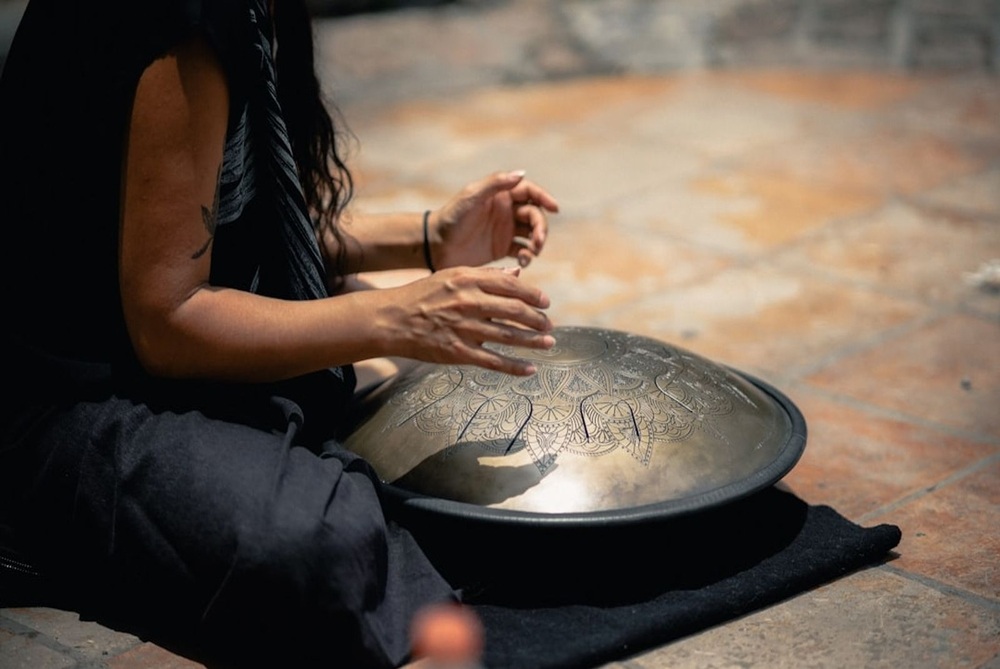
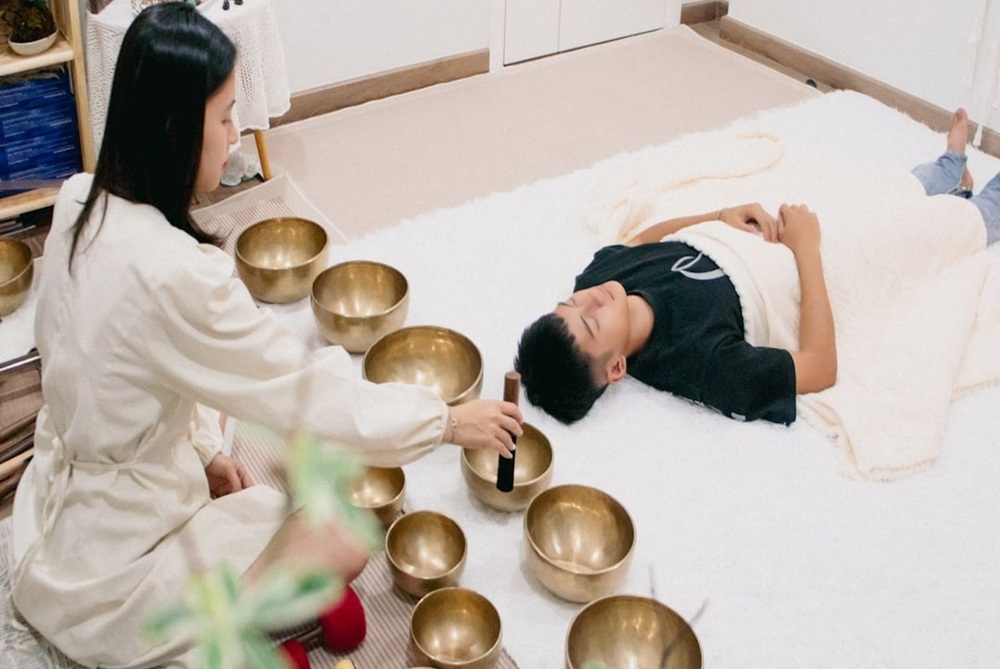
Tibetan singing bowls create vibrations that practitioners believe align with the body’s natural frequencies to promote healing.
When struck or circled with a mallet, these metal bowls produce rich, resonating tones that aren’t just heard but felt reverberating through the body.
Sound healing sessions are used to reduce stress, ease pain, and induce deep relaxation, with some research suggesting the vibrations can affect brainwave patterns similar to meditation.
Gua sha
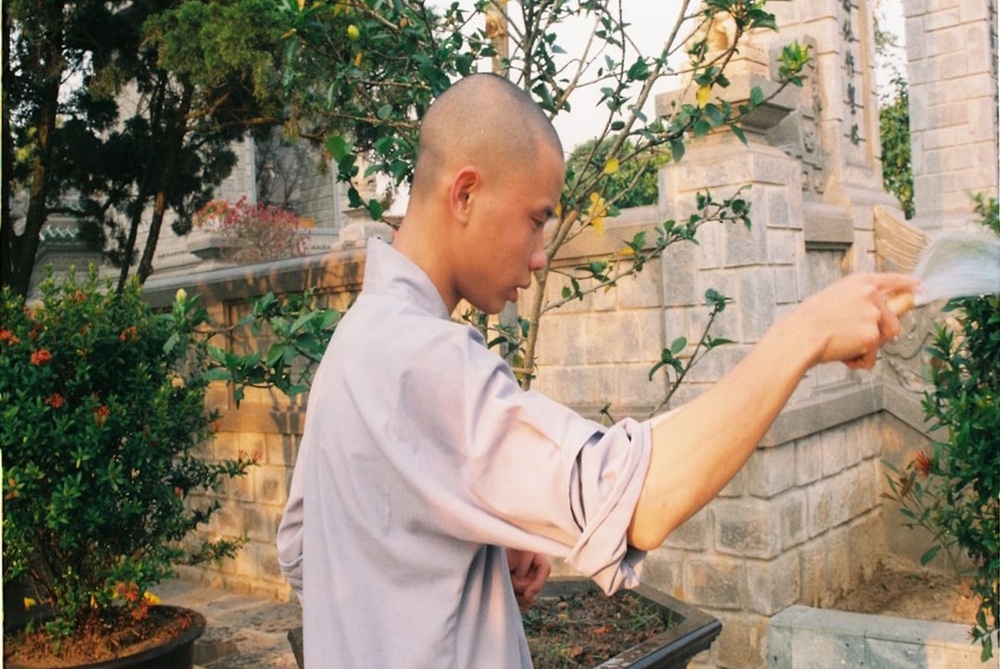
This ancient Chinese medicine procedure is done by scraping the skin with a smooth-sided instrument to enhance blood flow and let go of tension.
Though it may sound painful and can result in temporary redness or bruising, gua sha practitioners are adamant about its efficacy in relieving aching muscles, decreasing swelling, and hastening healing.
The procedure has received popularity in the modern world for facial treatment, where lighter scraping is employed to diminish puffiness, enhance complexion, and produce a healthy glow.
Reiki
Japanese healers developed Reiki as a way to channel universal energy through a practitioner’s hands to promote healing and balance.
During a session, people lie fully clothed while the practitioner places their hands lightly on or just above different parts of the body, working to clear energy blockages and restore flow.
While skeptics question the mechanism, many report feeling deeply relaxed, experiencing reduced pain, and gaining mental clarity after treatments.
These benefits might come from the focused attention and meditative state, regardless of the explanation.
How ancient wisdom shapes modern wellness
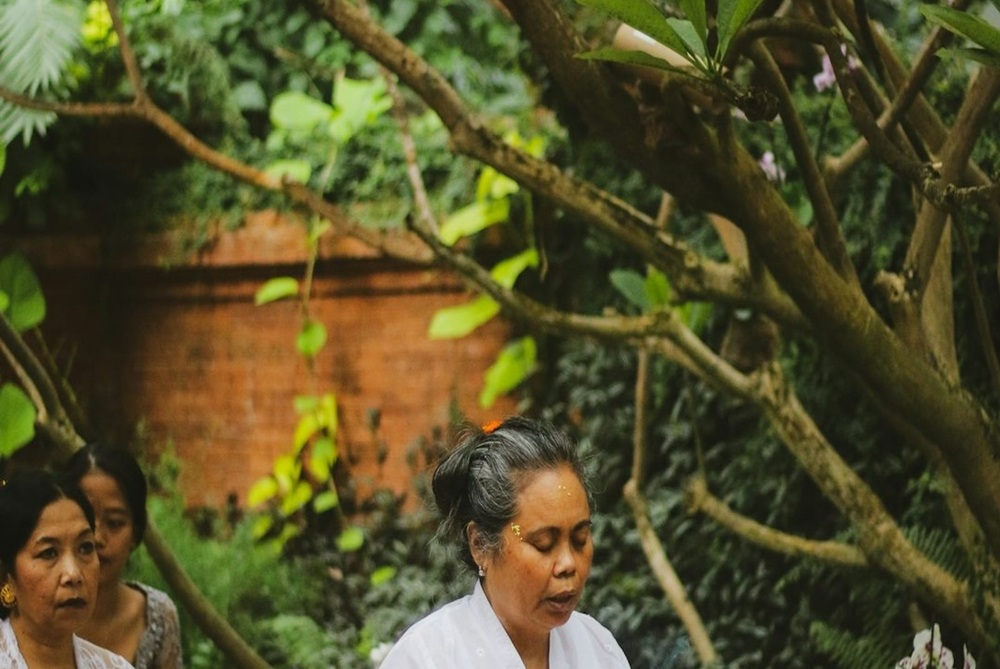
These international traditions have in common something that contemporary wellness culture often forgets.
They recognize that health is not only about healing what’s wrong but also preventing imbalance before sickness occurs.
The practices that survived so long only because they functioned within their respective cultures worked on much more than physical symptoms alone, but also on emotional well-being, social integration, and spiritual foundation.
The wellness industry today is really relearning what these traditions have always understood: sustainable health means treating the whole person, not individual symptoms in isolation.
With modern life presenting distinctly modern stressors such as constant connectivity and sedentary living, these long-standing practices provide unexpectedly pertinent solutions for achieving balance in a world that is becoming increasingly disconnected.
More from Travel Pug

- Underrated Italian Towns That Beat the Tourist Crowds
- Las Vegas Tourist Traps to Skip
- Prettiest Towns in Every US State
- 18 passport-free countries for Americans
- Signs Your Cruise Is Not Worth The Cost
Like Travel Pug’s content? Follow us on MSN.