

The world feels smaller every day. Instagram has turned once-secret beaches into selfie factories, and Google Maps can guide you to practically any coordinate on Earth. But here’s the thing—there are still places that haven’t been Instagrammed to death, regions where your phone signal dies and your sense of wonder comes alive.
These aren’t just remote locations; they’re genuine adventures that demand a bit more effort, a lot more courage, and reward you with experiences that feel authentically yours. If you’re tired of following the tourist trail and ready to venture where guidebooks rarely go, you’re in the right headspace. Here is a list of 20 places where real adventure still exists, far from the crowds and closer to the raw, unfiltered version of our planet.
Skeleton Coast, Namibia
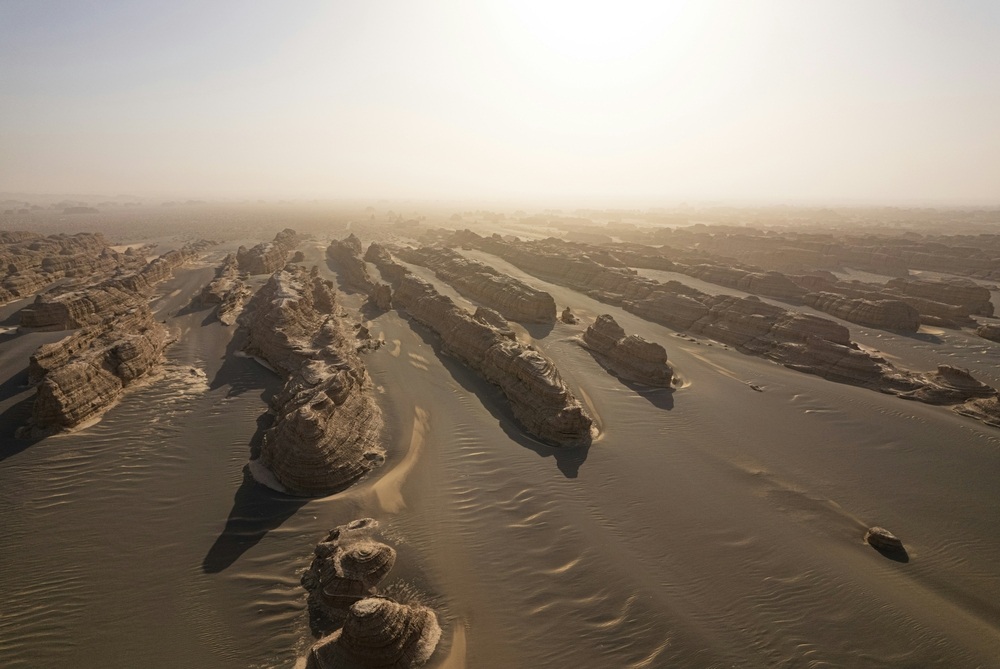
The Skeleton Coast earned its eerie name from shipwrecks scattered across its foggy beaches, but the haunting beauty is what lingers. Towering sand dunes meet crashing Atlantic waves, and desert-adapted elephants and lions roam the arid landscape. You can drive for hours without seeing another human being, which is exactly the point.
Vale do Javari, Brazil
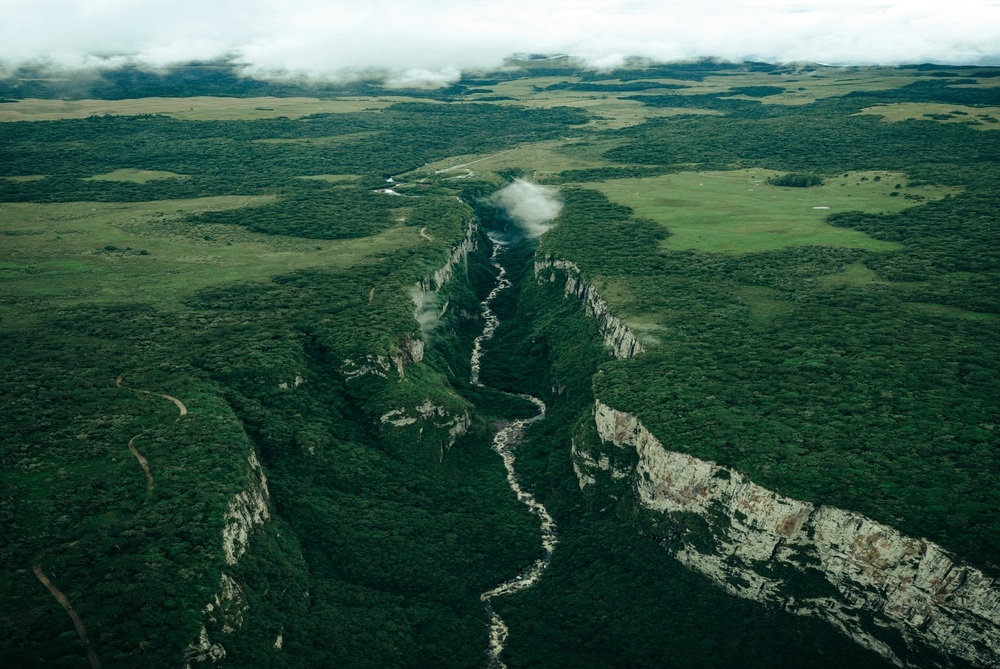
Home to the world’s largest number of uncontacted tribes, this Brazilian rainforest region remains intentionally off-limits. It’s one of the last truly untouched frontiers on Earth. For a taste of similar isolation, explore the Rio Negro by riverboat from Manaus, where jungle still swallows everything in sight.
Gangkhar Puensum, Bhutan
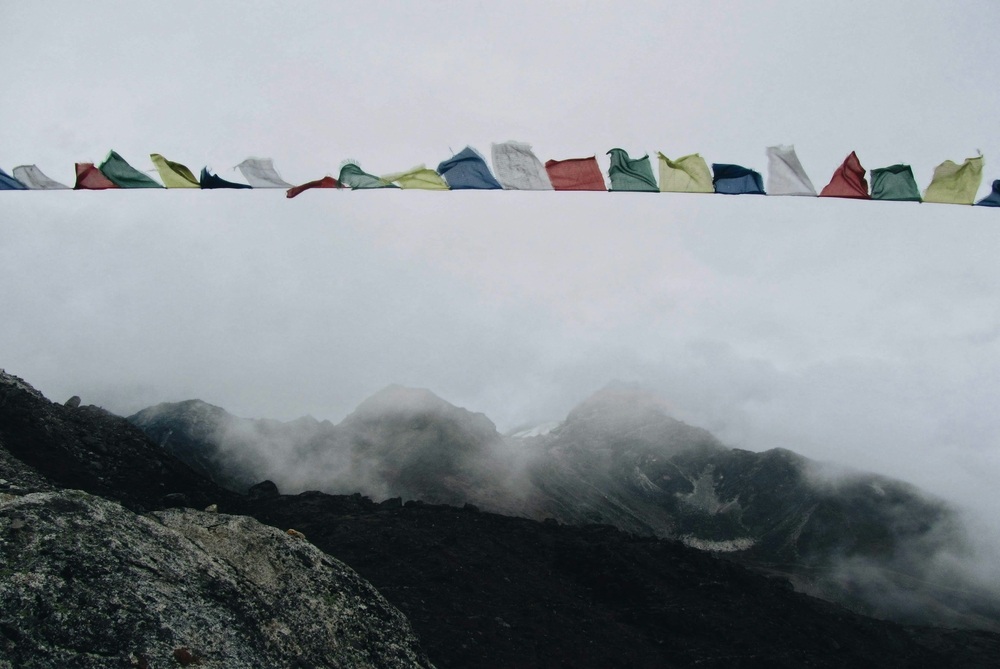
This sacred mountain remains the highest unclimbed peak in the world because Bhutan bans summits above 19,685 feet. Locals believe the gods live here, and the country has chosen reverence over conquest. Trekking nearby valleys lets you experience adventure through humility instead of domination.
Kamchatka Peninsula, Russia
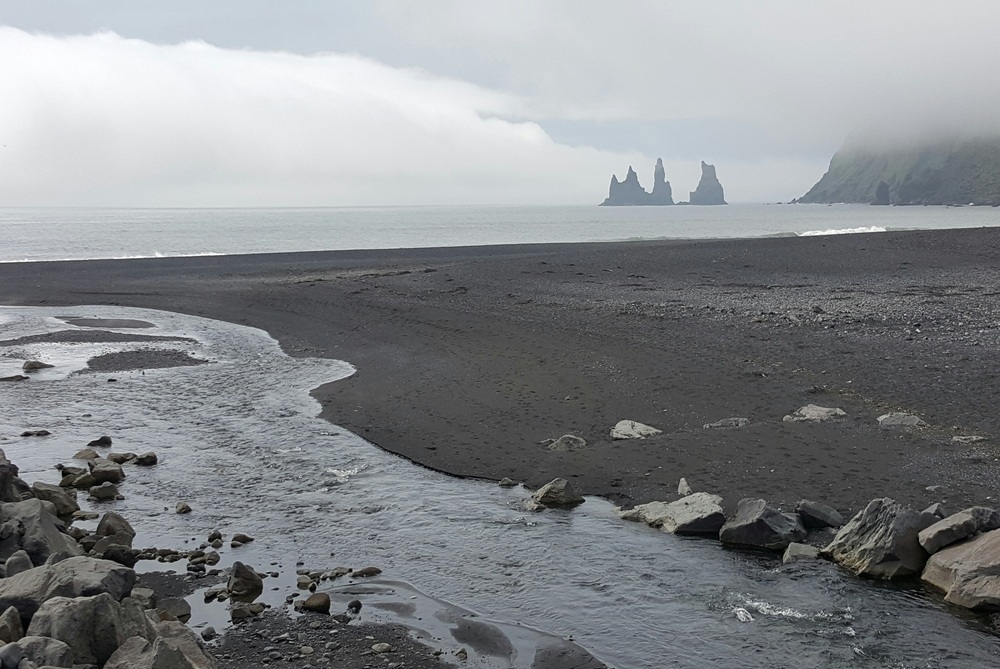
Kamchatka’s volcanic wilderness, closed to outsiders until 1991, feels like another planet. Nearly 300 volcanoes dominate its landscape, and brown bears outnumber humans. Between geysers, glaciers, and erupting craters, this 780-mile-long peninsula is one of the wildest corners of Asia.
Socotra Island, Yemen
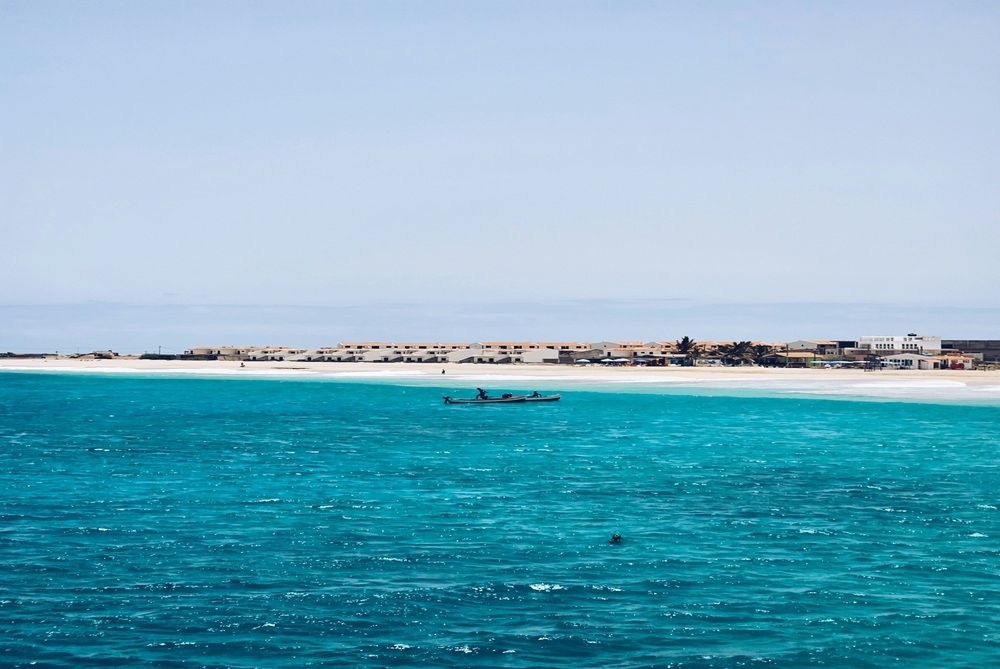
Socotra looks like a sci-fi world brought to life. One-third of its plant life, like the Dragon’s Blood Tree, grows nowhere else on Earth. When safe to visit, this UNESCO-listed island offers surreal desert-meets-ocean scenery and biodiversity unlike anywhere else.
Northern Patagonia, Chile
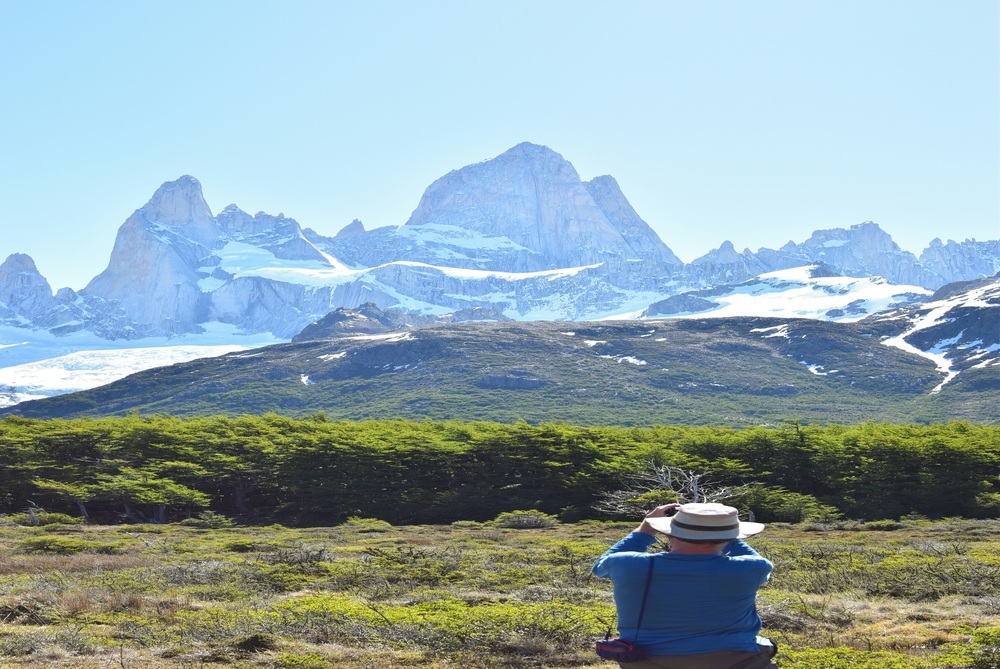
Accessible only via the Carretera Austral highway, Northern Patagonia offers untouched wilderness of glaciers, fjords, and rainforests. You can hike for days without meeting another traveler, camp beside turquoise lakes, and feel the weather shift by the minute.
Sakha Republic, Russia
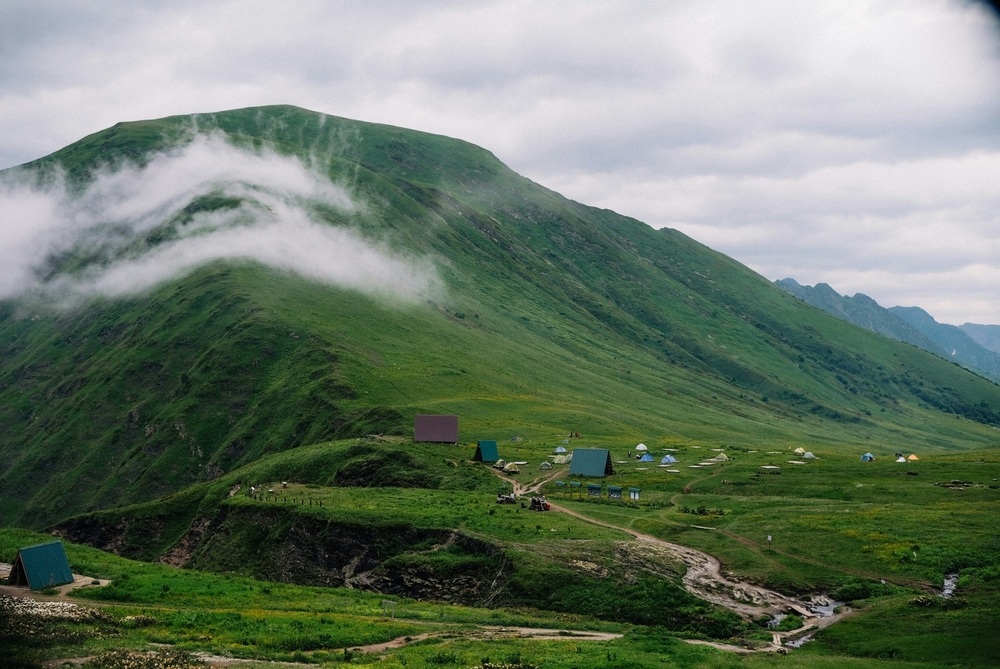
Also called Yakutia, this Siberian territory is larger than India but mostly frozen. January averages reach -32°F, yet reindeer herds and arctic wildlife thrive. Few people venture here—those who do witness an unfiltered Arctic wilderness that defines the word remote.
Star Mountains, Papua New Guinea
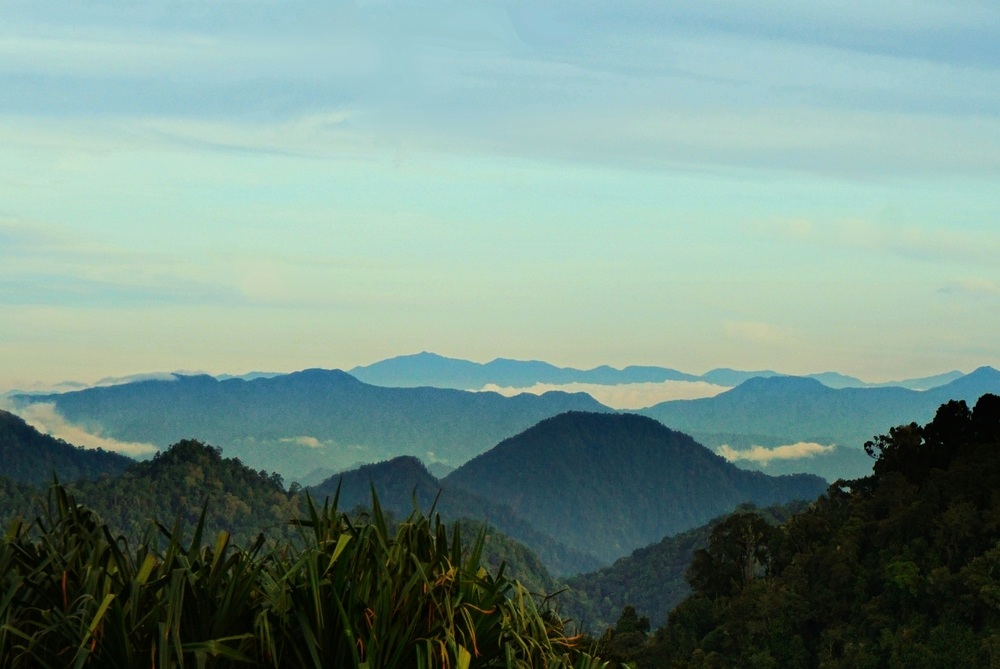
Discovered in 1958, only a handful of people have ever climbed these peaks. The terrain is so rugged that scientists and climbers team up to reach hidden ecosystems where species evolve in total isolation.
Svalbard, Norway
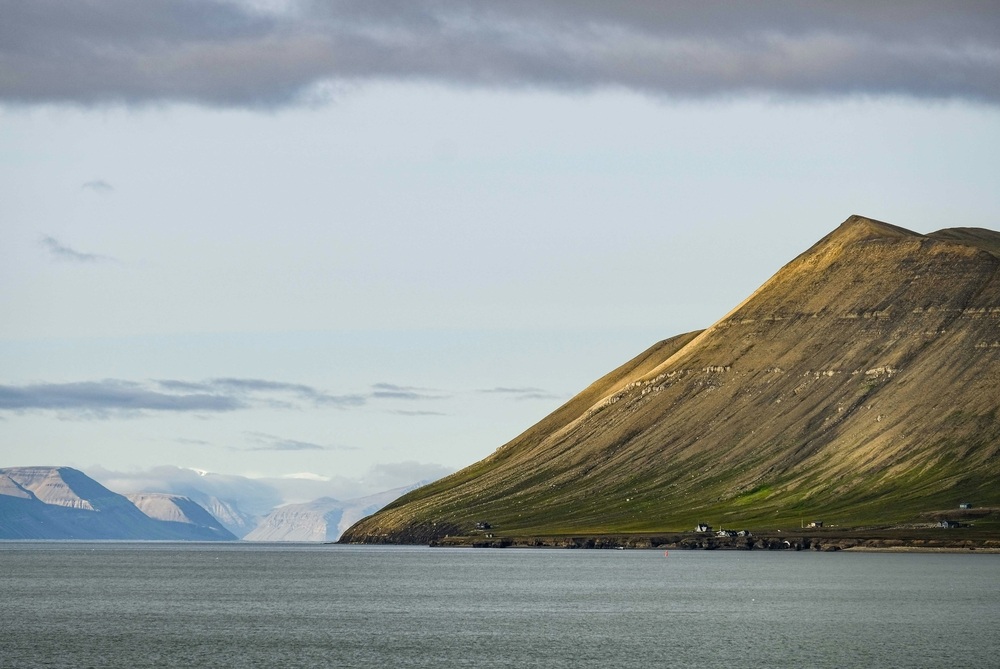
Polar bears outnumber people here, and glaciers meet fjords under the midnight sun. You can snowmobile, kayak among icebergs, and visit the Global Seed Vault—humanity’s backup plan frozen into permafrost.
Tsingy de Bemaraha, Madagascar
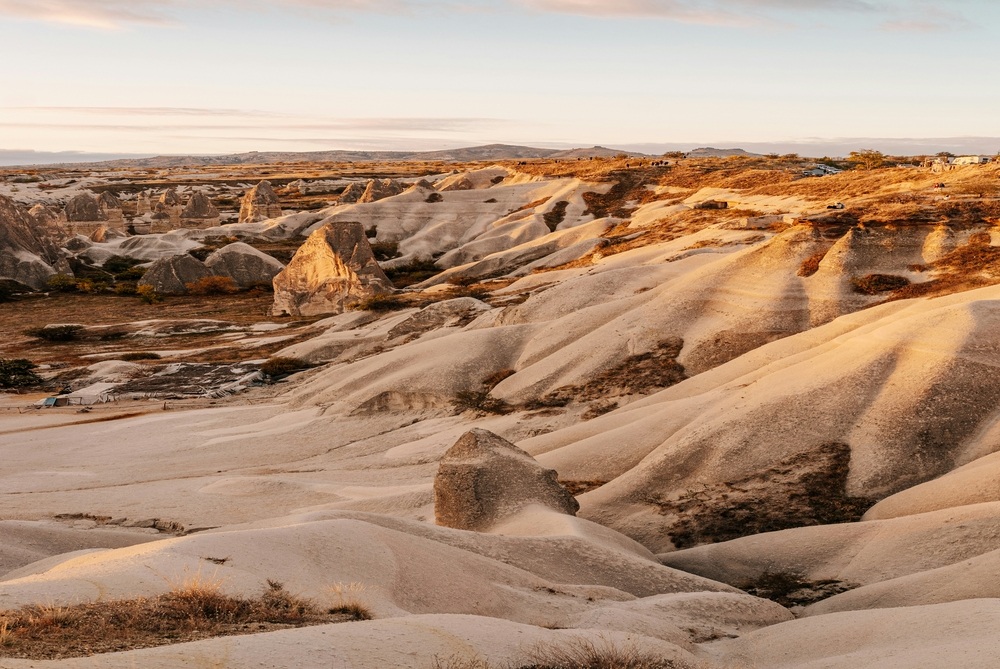
Razor-sharp limestone spires rise like a petrified forest. Lemurs and rare birds live safely among the stone labyrinths that humans can barely traverse, making it one of the planet’s strangest and least accessible landscapes.
Fiordland, New Zealand

New Zealand’s largest national park features rainforests older than civilization and fjords carved by ice. Beyond Milford Sound’s tourist hub, the interior offers solitude where mist drifts through mountains and waterfalls roar into the sea.
Yukon Territory, Canada
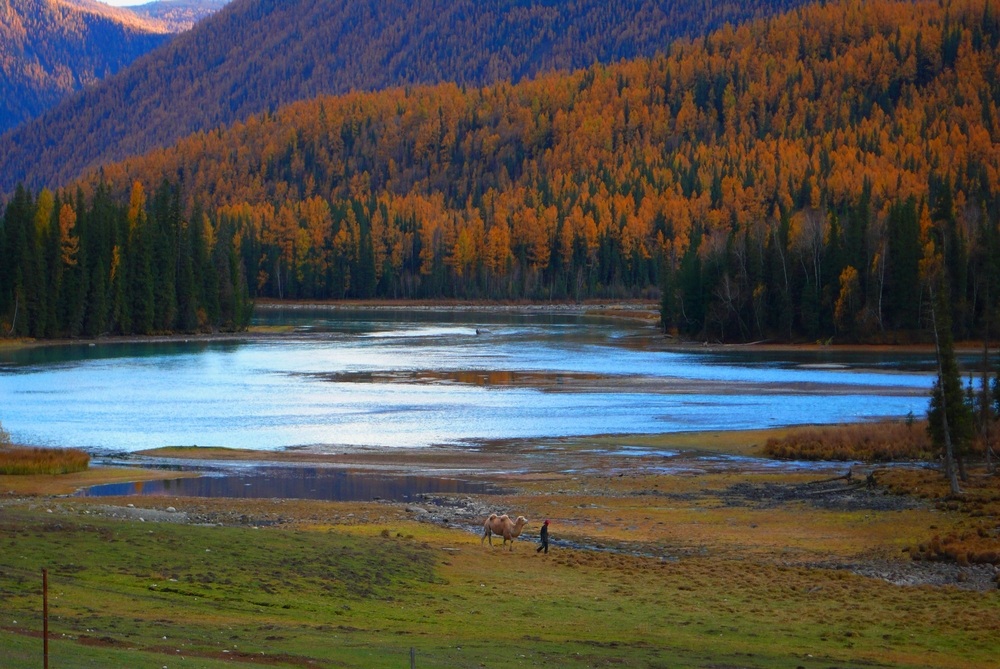
Vast wilderness bigger than California, home to caribou migrations and massive glaciers. Indigenous communities live as their ancestors did, and the endless white landscape humbles anyone who ventures through it.
Damaraland and Kaokoveld, Namibia
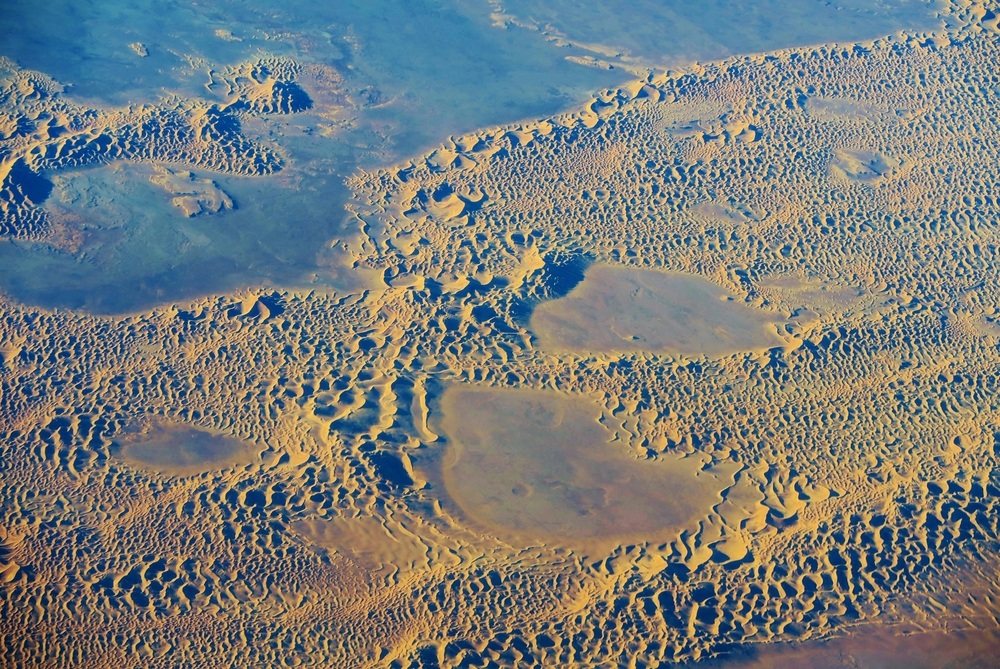
Rust-red mountains, Himba villages, and elephants wandering through desert valleys define this Martian landscape. Fuel is scarce, signal nonexistent, and silence absolute—perfect conditions for pure disconnection.
Raja Ampat, Indonesia
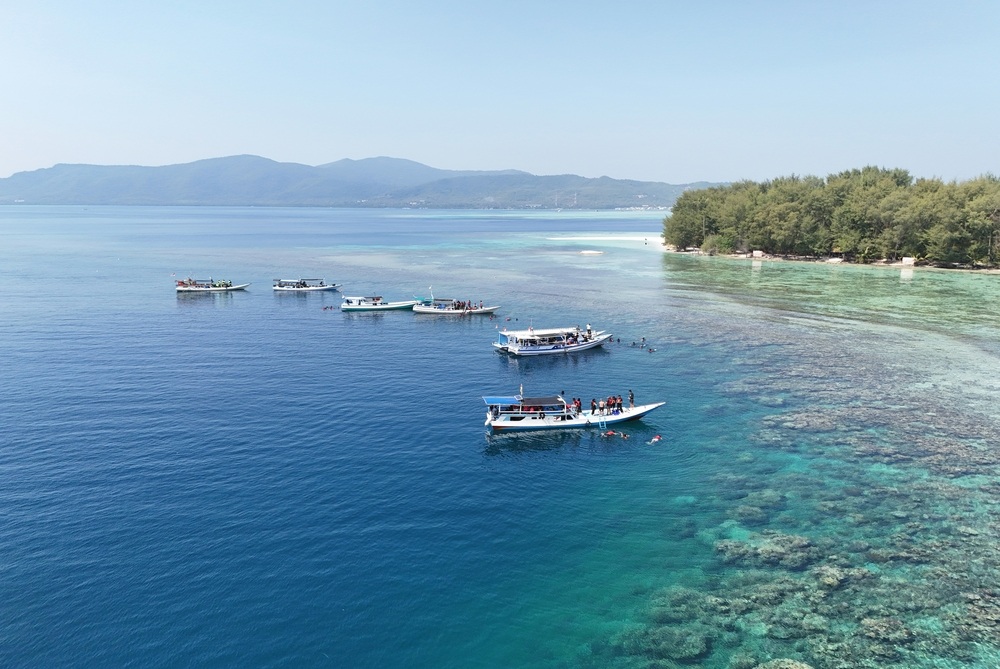
Divers call this remote archipelago paradise. Over 1,500 islands sit amid the richest marine ecosystem on Earth. Multi-flight journeys keep crowds away, leaving you with coral reefs and lagoons all to yourself.
Wolkberg Wilderness, South Africa
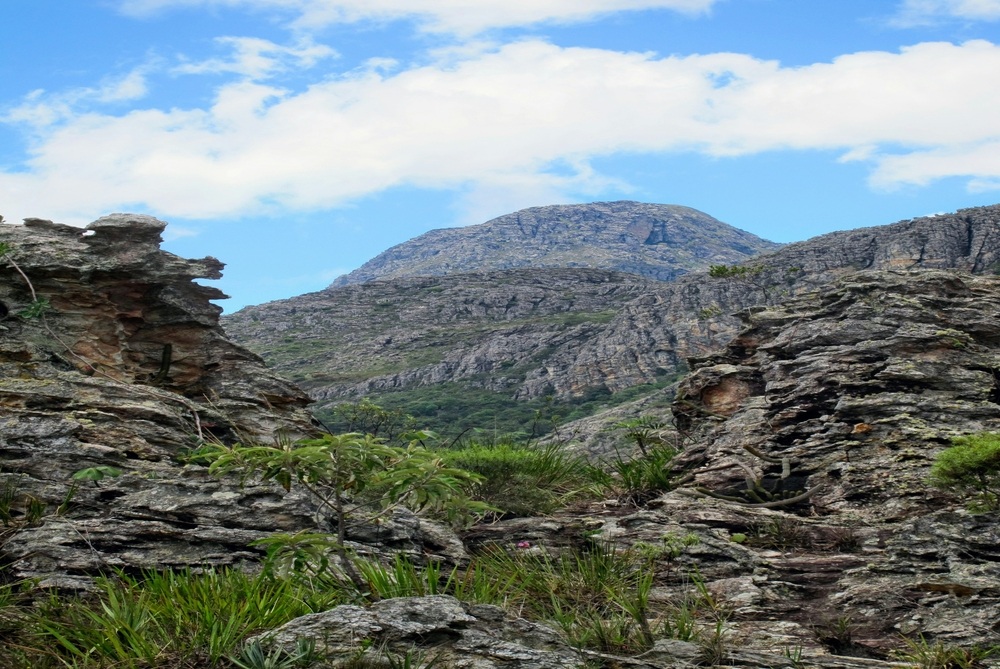
Hidden in South Africa’s Drakensberg range, Wolkberg offers wild trails, waterfalls, and forests untouched by development. You can hike for days, swim in mountain pools, and not meet another soul.
Gobi Desert, Mongolia
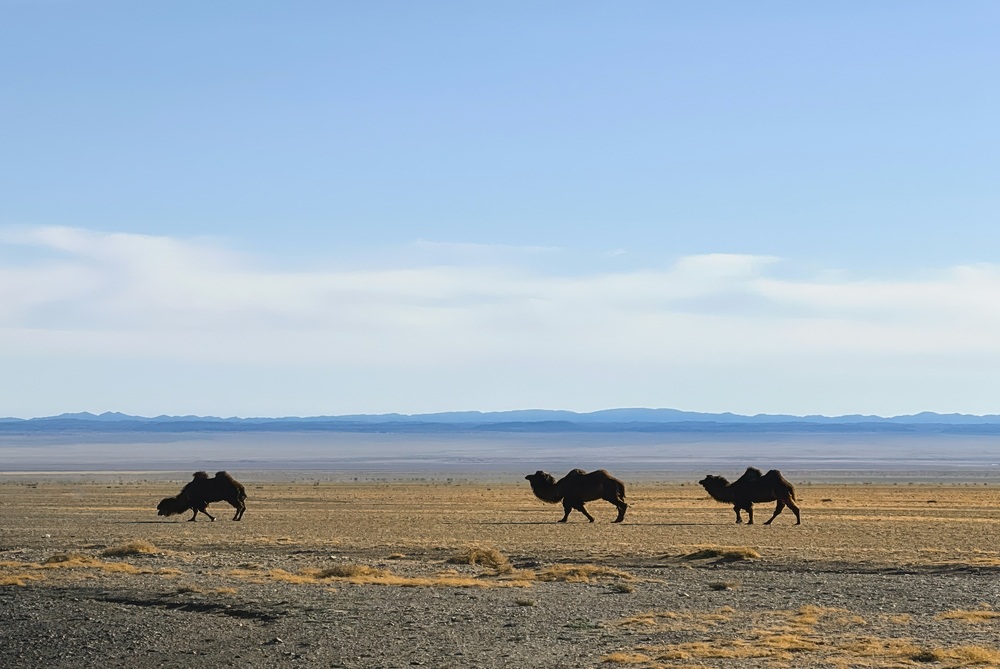
In the Gobi, silence becomes a sound of its own. Nomads still cross dunes with camel caravans, and night skies reveal the Milky Way in full glory. This is emptiness at its most beautiful.
Zanskar, India
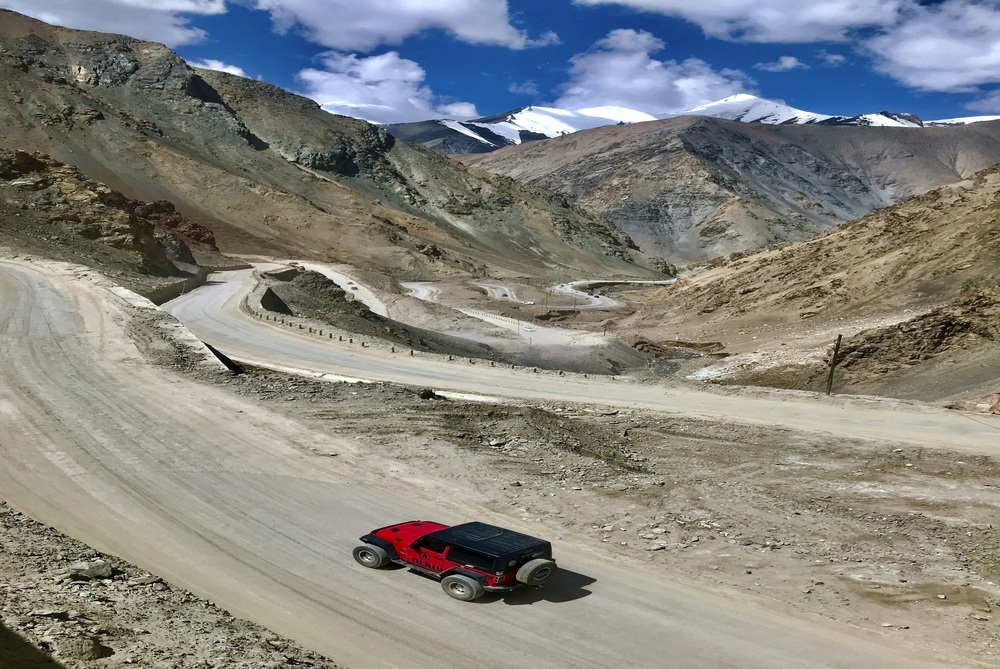
This high Himalayan valley blends breathtaking isolation and ancient spirituality. Winter turns the frozen Zanskar River into an icy highway, connecting remote monasteries and villages under towering peaks.
Iya Valley, Japan
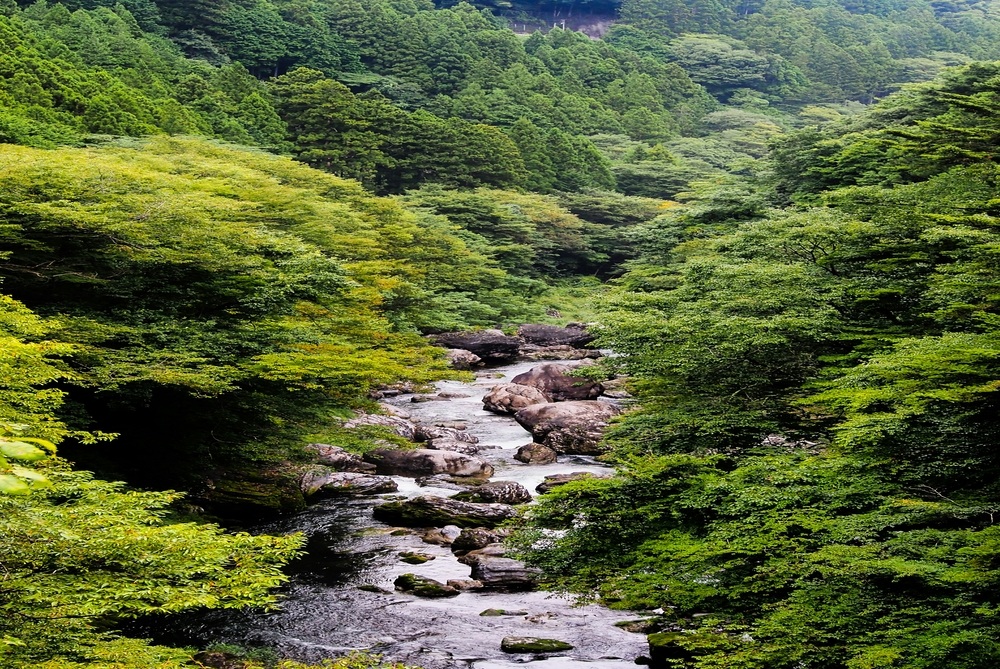
Hidden in Shikoku’s mountains, Iya Valley preserves Japan’s rural past. Vine bridges span gorges, hot springs bubble in silence, and thatched-roof inns overlook cedar forests. Getting here is half the adventure.
Albanian Riviera, Southern Europe
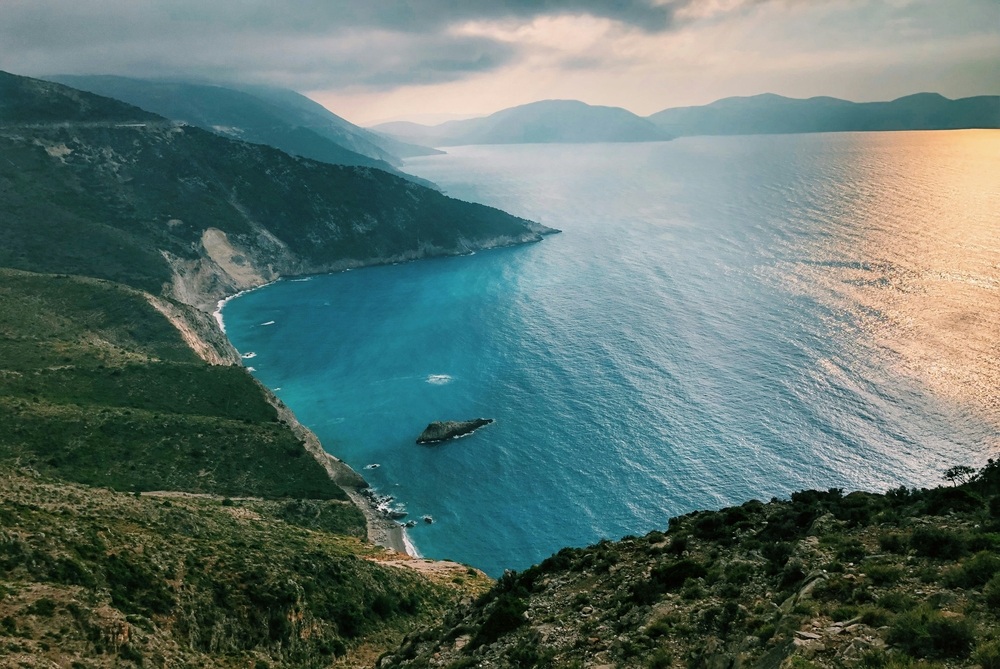
Drive Albania’s coastal highway for a Mediterranean that feels undiscovered. Turquoise waters, mountain villages, and simple seaside life replace the overdeveloped shores of its neighbors. It’s Europe before the crowds arrived.
Wrangell-St. Elias, Alaska
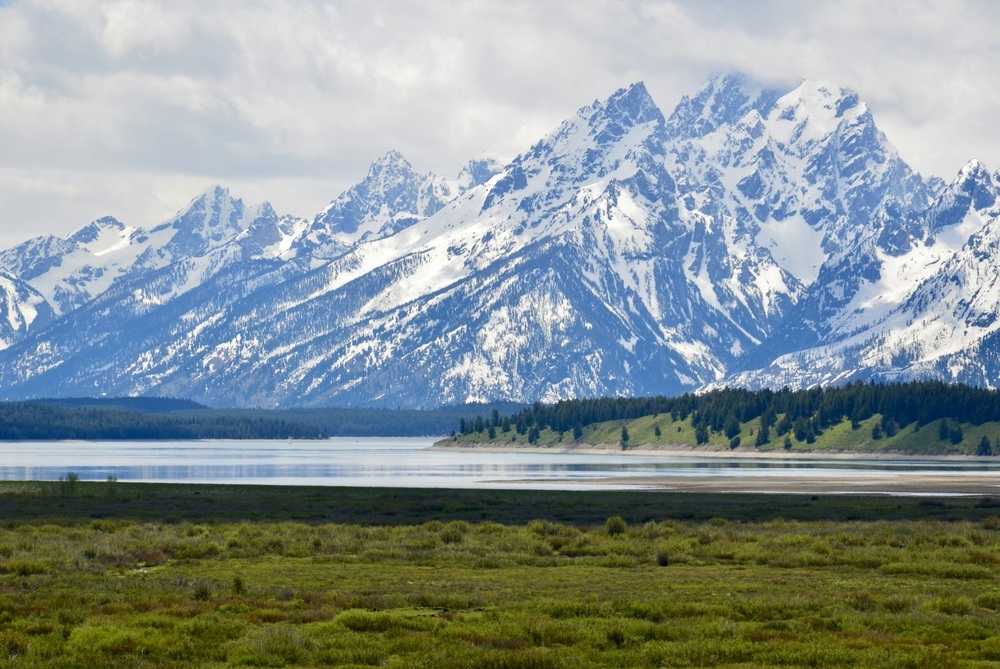
At 13.2 million acres, this park dwarfs countries. There are no trails, few roads, and almost no visitors. Ice fields, mountains, and grizzlies define a land where nature reigns unchecked—America’s last true wilderness.
How we choose to explore matters
These destinations remain wild precisely because they’re difficult. They resist easy travel and mass tourism, preserving something sacred about adventure. The challenge of reaching them isn’t an obstacle—it’s the reward.
In an age where convenience defines travel, these places remind us that real discovery still exists. Getting there might mean discomfort, uncertainty, and risk—but that’s exactly what makes it unforgettable.
More from Travel Pug

- Underrated Italian Towns That Beat the Tourist Crowds
- Las Vegas Tourist Traps to Skip
- Prettiest Towns in Every US State
- 18 passport-free countries for Americans
- Signs Your Cruise Is Not Worth The Cost
Like Travel Pug’s content? Follow us on MSN.