

Berlin’s graffiti thing didn’t just happen. Decades of political mess, an actual concrete wall cutting the city in half, and artists who figured asking permission was pointless—that’s what built this.
The walls talk back here. They pick fights, hold grudges, switch up their story every few months.
Spend ten minutes walking anywhere and you’ll spot tags scribbled fast next to murals that took weeks and probably won’t survive till summer. Some folks book tours with guides who explain everything, others just wander and take it all in.
Here is a list of 15 graffiti tours in Berlin neighborhoods.
Kreuzberg walking tours
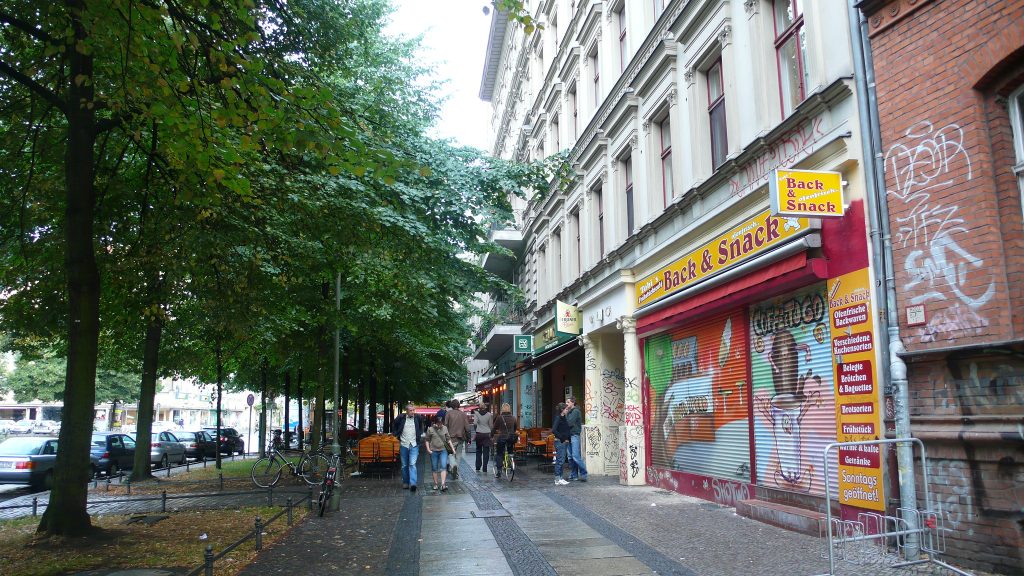
Kreuzberg basically wrote the manual on Berlin counterculture. American soldiers stationed here in the 80s imported hip-hop, local teenagers found spray cans, and that was that.
Tours led by people who grew up in these streets point out tags from crews who’ve been hitting walls since before East and West reunited—funny how some of those same artists now make decent money designing logos instead of running from police at 4 AM.
Friedrichshain street art exploration
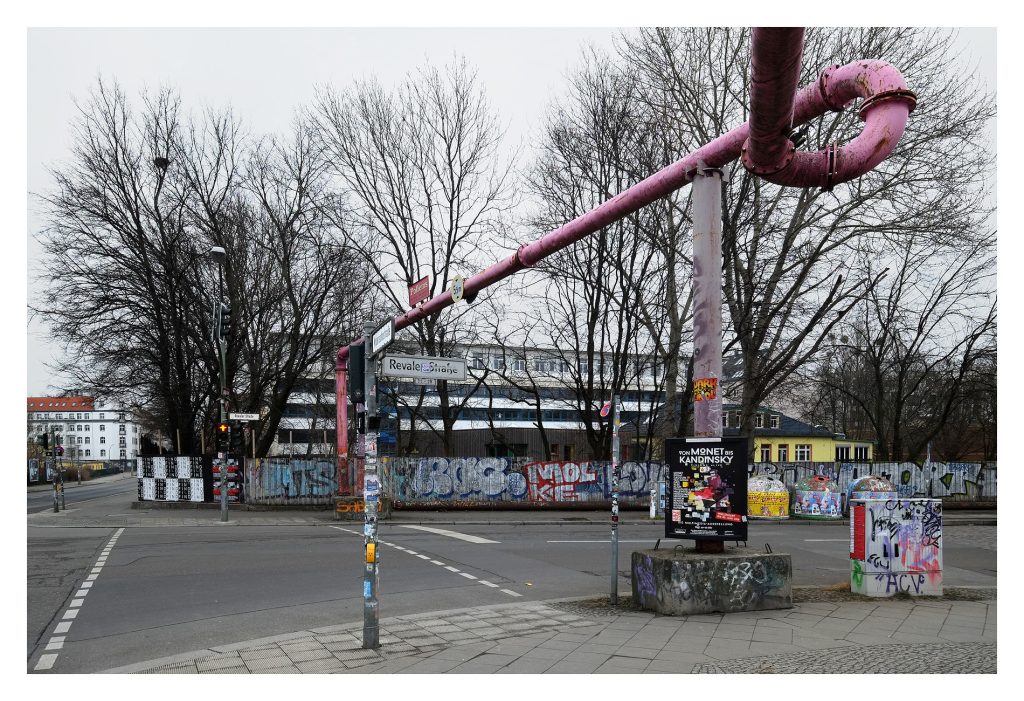
This neighborhood went nuts after reunification and hasn’t calmed down. The area near Warschauer Strasse transforms so quickly you could come back three weeks later and barely recognize it.
Most tours cover the huge building murals tourists photograph constantly, then slip into side courtyards where the genuinely cool stuff hides that regular visitors walk straight past.
Haus Schwarzenberg in Mitte
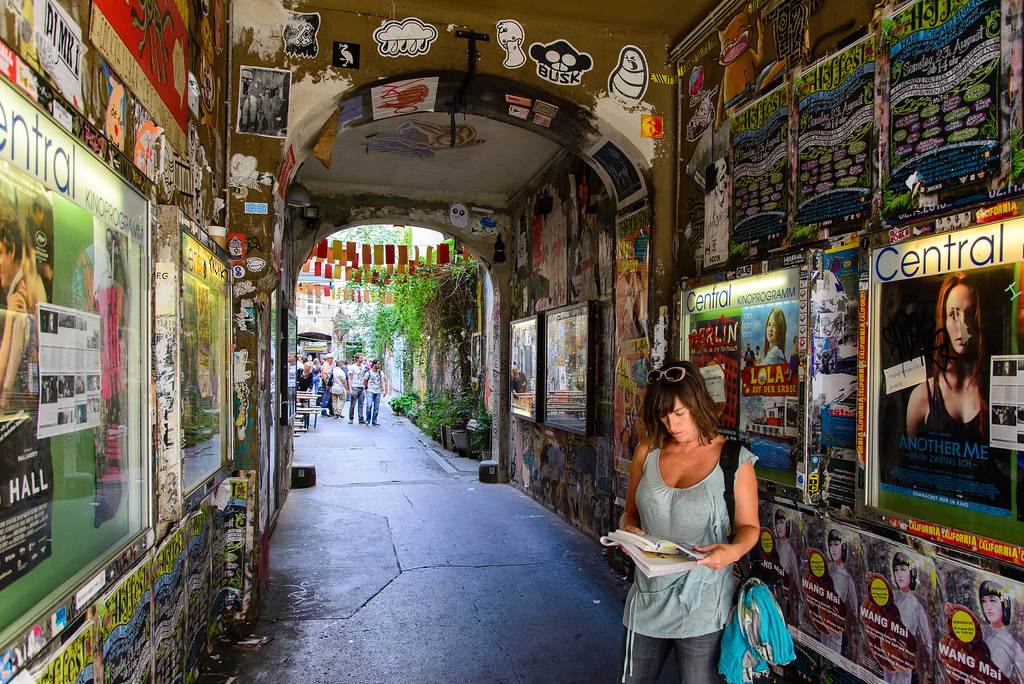
This narrow alley off Rosenthaler Strasse somehow stayed weird while the surrounding blocks went upscale and boring. The walls wear decades of layers—paste-ups on stencils on old tags creating this visual timeline of how Berlin’s art scene evolved.
It runs as a nonprofit space where artists can legally put up whatever they want, though the Anne Frank portrait facing you makes it clear this spot means more than just pretty pictures.
Mauerpark on Sundays
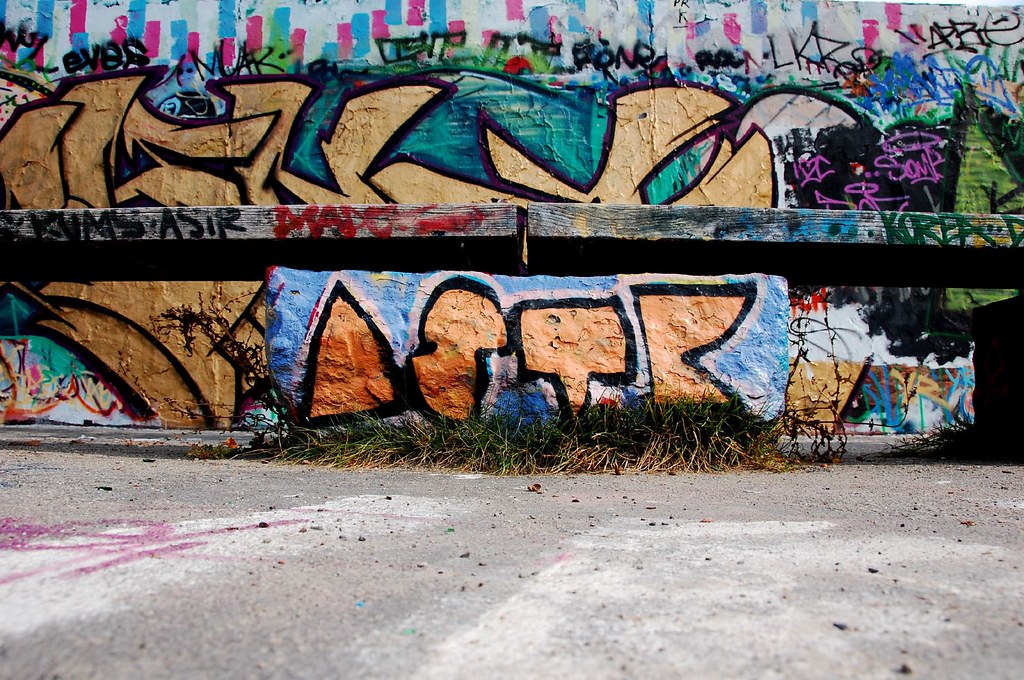
Prenzlauer Berg mostly got gentrified into oblivion, but Mauerpark pushes back every Sunday. Live painters work while someone murders a karaoke song nearby and flea market people hawk used vinyl and beat-up leather jackets.
Afternoon visits work better because that’s when all the chaos overlaps—artists, singers, shoppers, weirdos—and suddenly it doesn’t feel like you’re on a tour anymore.
East Side Gallery along the Spree
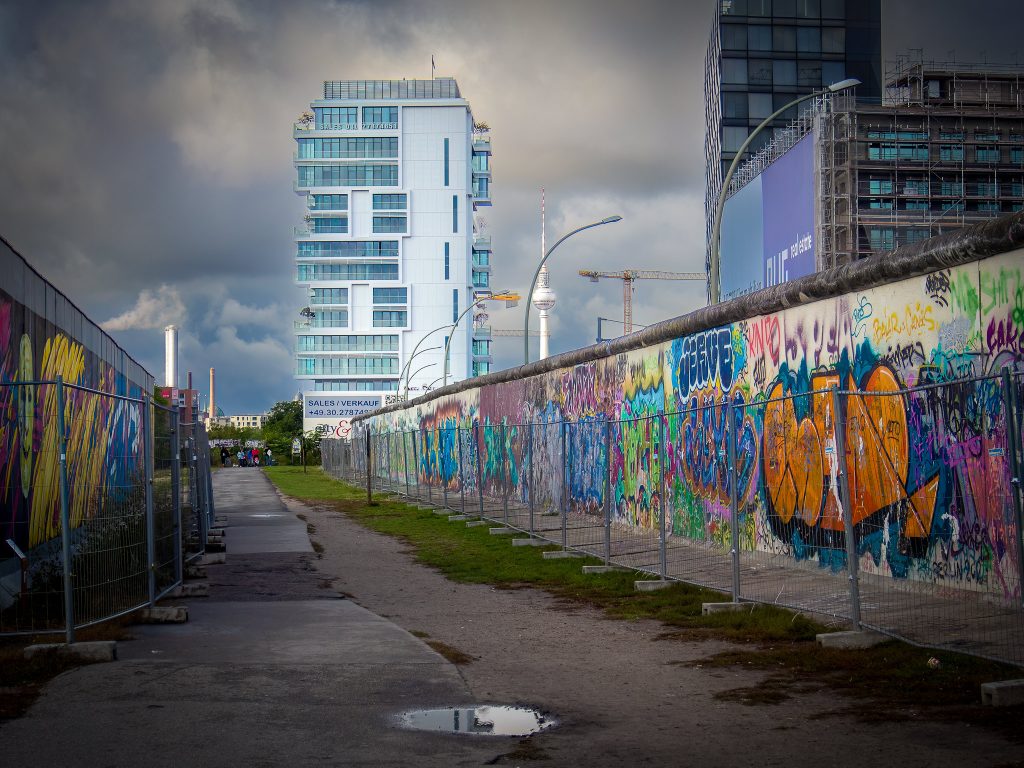
This 1.3-kilometer chunk of the Berlin Wall probably gets more Instagram posts than any graffiti spot on Earth. Right after Germany reunited, 118 artists from 21 different countries turned this section into political commentary that still lands hard.
Everybody snaps the Brezhnev-Honecker kiss, but Thierry Noir’s blocky cartoon faces matter more since he was the first lunatic painting this thing in 1984 when guards could’ve shot him for it.
RAW Gelände industrial complex
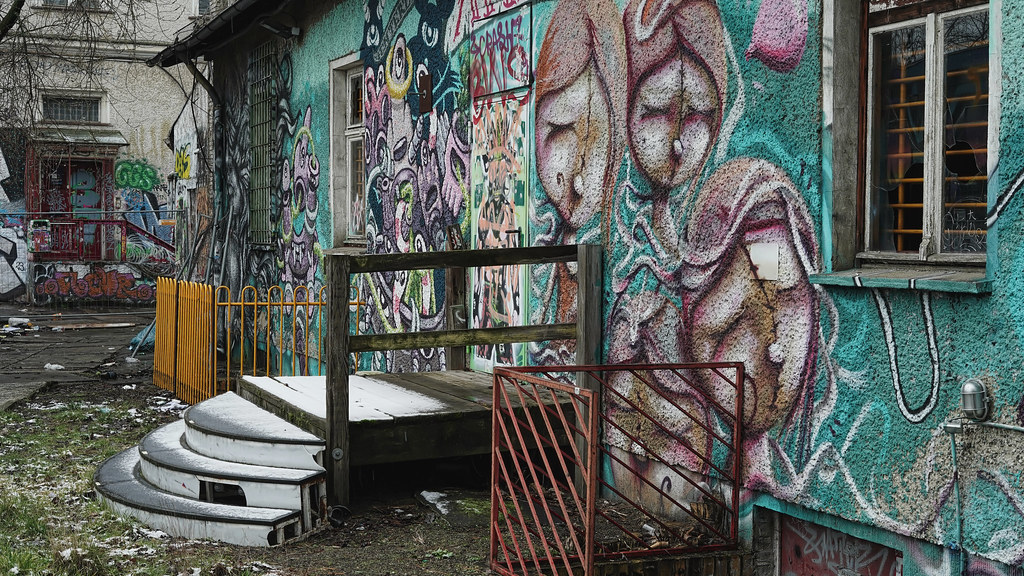
This old train repair yard operates on controlled disorder—clubs crammed next to beer gardens next to junk markets inside buildings that look structurally questionable. Urban Spree Gallery maintains a giant wall facing Warschauer Strasse that gets completely redone monthly for whatever show they’re hosting.
The whole place feels moments from collapse except somehow the paint and ivy growing everywhere hold it upright.
Neukölln emerging artist scene
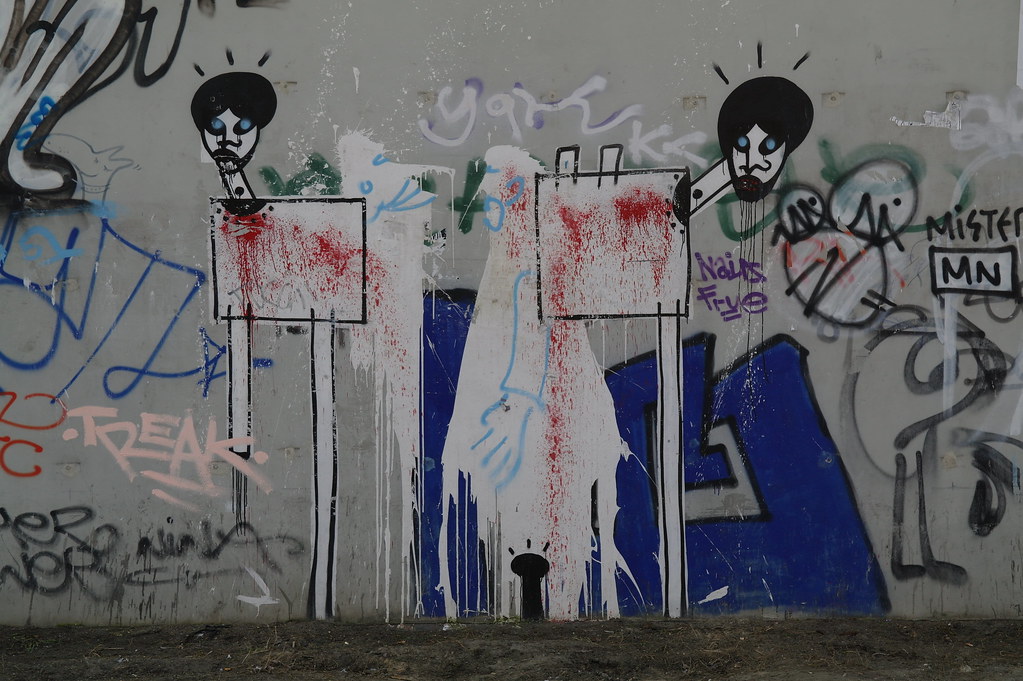
Tourists jam into Kreuzberg while Neukölln became the spot where working artists actually landed because rent stayed semi-reasonable. The cultural mix and available studio space attract people making weird experimental stuff that’d get shut down in fancier neighborhoods.
Tours skip celebrity artists and focus on finding whoever’s about to blow up right before they can’t afford to live here anymore.
Teufelsberg abandoned station
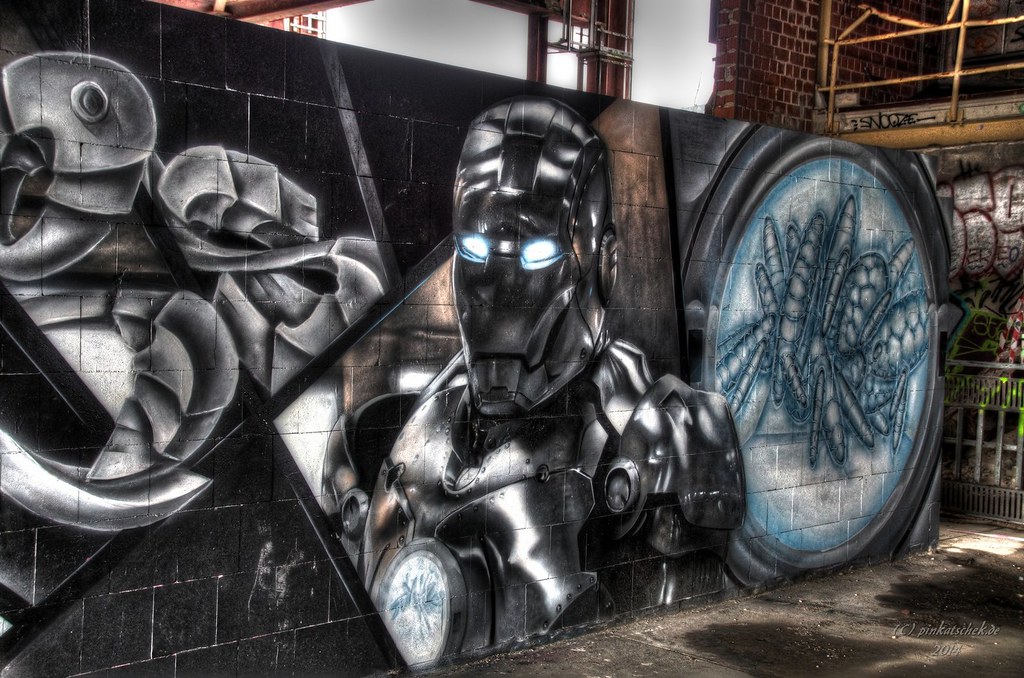
This decommissioned NSA spy station west of Berlin decayed for years before graffiti people took it over completely. Those weird dome structures that eavesdropped on Soviet radio traffic now function as Europe’s largest street art playground, covered top to bottom.
Reaching it requires hiking through Grunewald forest, which somehow makes discovering it feel earned rather than touristy.
Lichtenberg underground spots
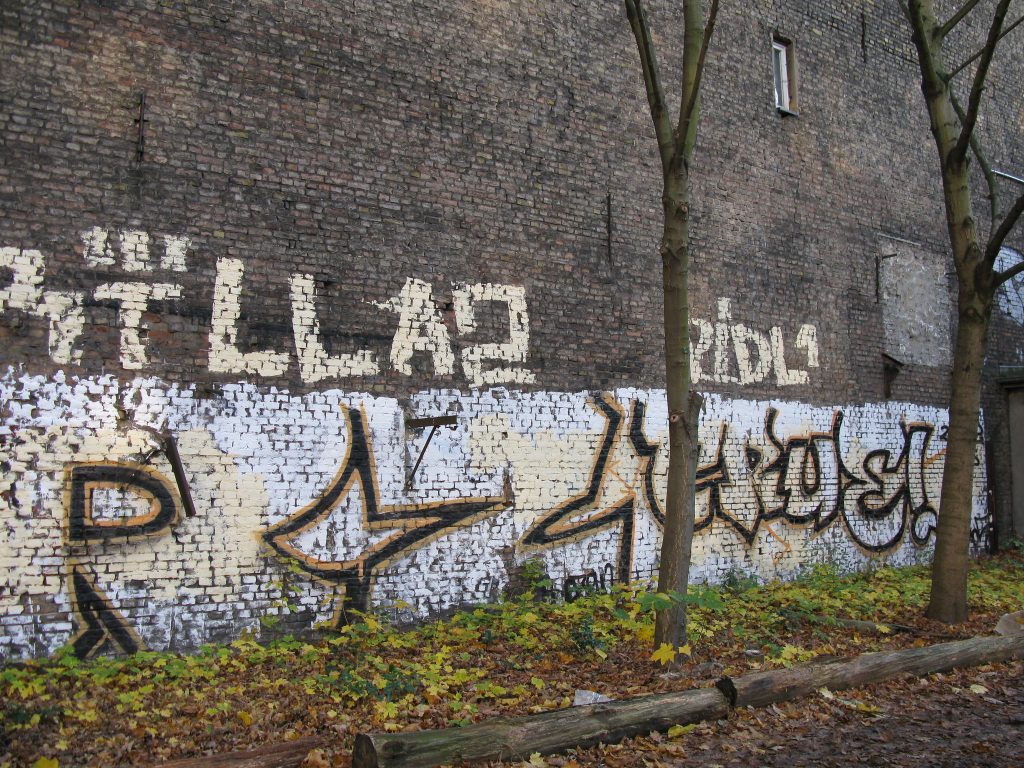
Graffiti nerds understand the good stuff migrated to Lichtenberg while tourists kept flooding the same old Kreuzberg spots. You’re climbing through abandoned factories and questionable buildings to see the best pieces, including an amazing trashed swimming pool around the corner from where the STASI used to operate.
Zero tourist infrastructure exists, which is exactly why what’s on these walls feels genuine.
Alternative Berlin Tours company
These folks ran alternative tours back when that wasn’t even a category yet, using guides who live Berlin’s underground scene instead of art students who memorized dates. They take you through Friedrichshain, Kreuzberg, and Mitte breaking down why commissioned murals and real graffiti culture have basically nothing in common.
The guides witnessed gentrification wreck their neighborhoods firsthand and won’t sugarcoat what vanished when rent prices exploded.
Dircksenstrasse paste-up alley
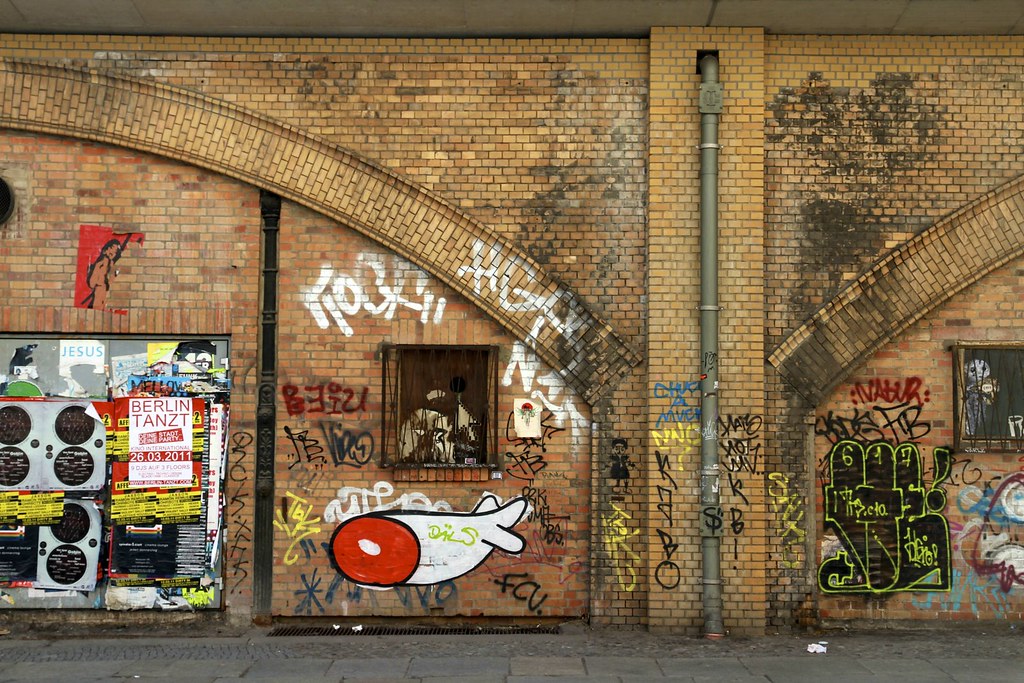
This street connects Alexanderplatz and Hackescher Markt along some elevated tracks that became valuable real estate for paste-up artists. You’re mostly seeing paper stuff wheat-pasted up rather than spray painted—doesn’t last as long but goes up faster and layers easier.
El Bocho’s ‘Little Lucy’ work appears constantly, these messed-up funny drawings of a girl inventing new ways to eliminate her cat.
Urban Nation Museum tours
This actual street art museum in Schöneberg validated that the movement jumped from illegal vandalism to collectible art. Their collection includes Banksy, Shepard Fairey, Berlin’s 1UP crew, and they organize neighborhood tours plus workshops.
The museum’s outside walls get repainted whenever they feature new artists, turning the building into its own constantly changing exhibit.
Artpark Tegel murals
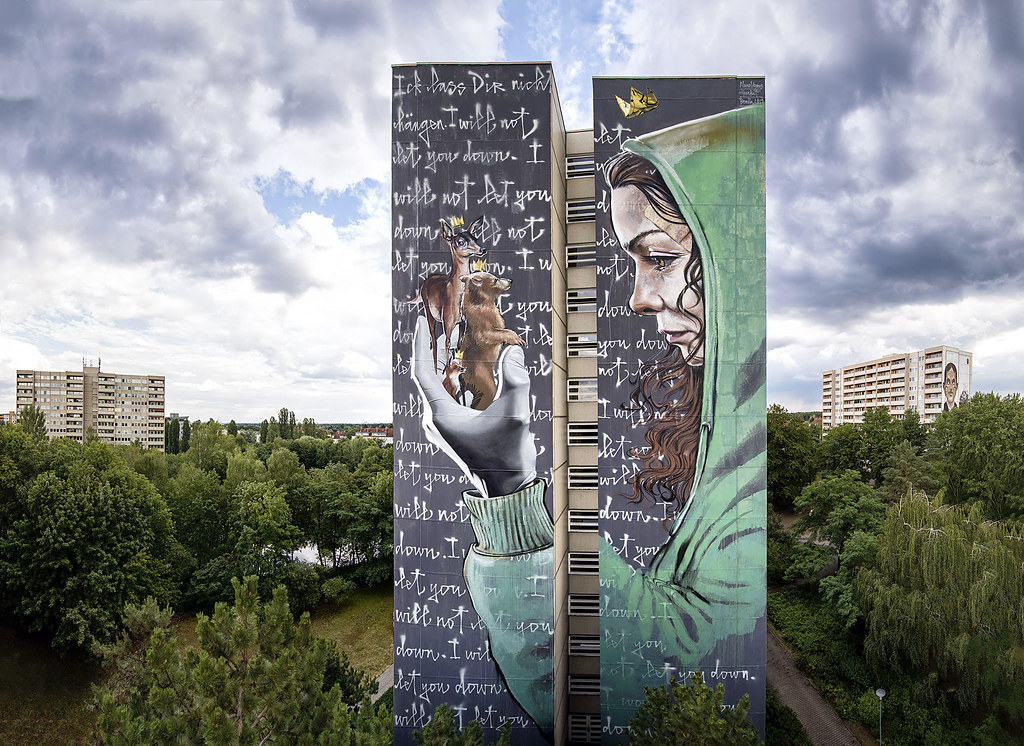
Eight massive murals you can spot from way down the block totally transformed how this north Berlin neighborhood looks and feels. Housing association Gewobag paid for them hoping residents would feel more connected to where they live.
The eight pieces cluster together making tours easy to walk, and the ABOUT BERLIN app provides audio background on each mural and what messages the artists embedded.
Hackescher Markt artist quarter
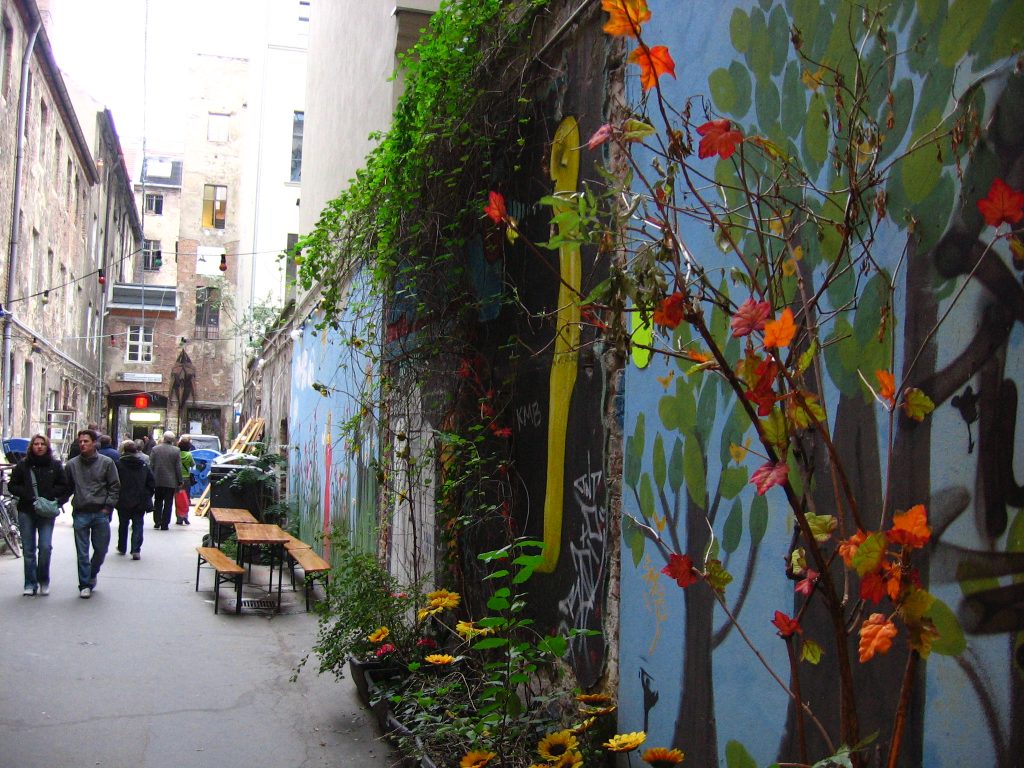
Streets around Hackescher Markt squeeze in absurd amounts of art—internationally known people like D Street and Jimmy C mixed with local artists who haven’t broken out yet. This neighborhood sheltered Jewish families during World War II, adding weight to whatever gets painted on these specific walls now.
Most tours start at Otto Weidt Museum, where beautiful graffiti covers the outside of this understated memorial.
Private artist-led experiences
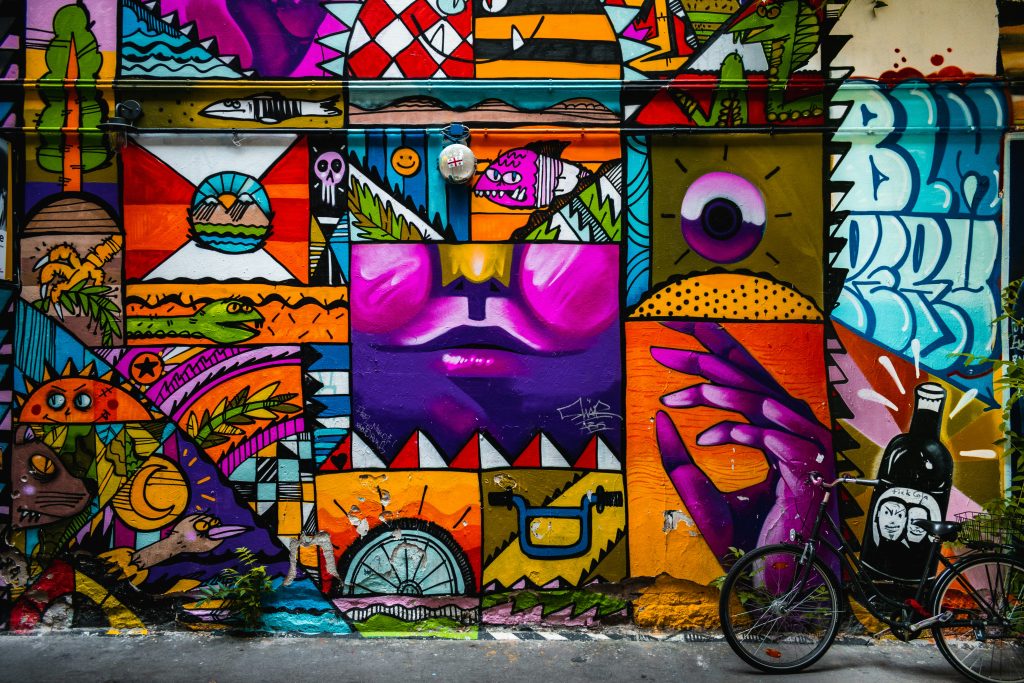
Some graffiti writers who still paint actively run intimate tours occasionally, diving deep into methods, politics, and the invisible rules controlling who paints which walls. These explain why graffiti writers think street artists are pretentious art school types while normal society treats graffiti writers like vandals.
You’ll pick up Pichacao techniques from São Paulo, interpret Berlin Kidz tags that resemble ancient symbols, and grasp the crew politics deciding which surfaces are available.
Paint that won’t sit still
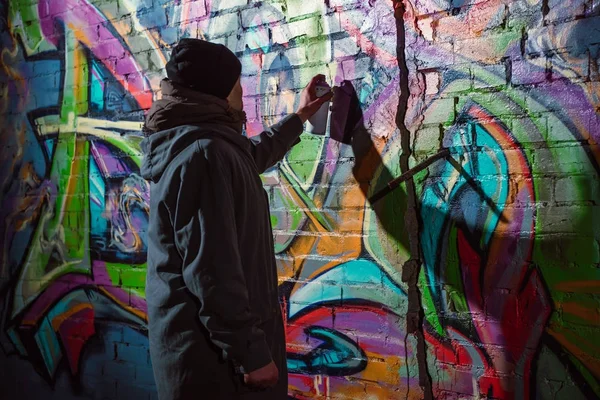
Berlin’s graffiti developed from circumstances that separated this city from everywhere else—not Paris, not London, definitely not Barcelona. The Wall falling created actual room and mental space for artists to mark surfaces however they wanted without checking with anyone first.
Tours now move through neighborhoods where that explosion keeps happening, except skyrocketing rents continuously push out the artists who made these places interesting to begin with. The tension between keeping things authentic and allowing natural change drives Berlin’s scene currently—every new layer of paint reminds you this city actively rejects turning into some frozen snapshot of cooler times.
More from Travel Pug

- Underrated Italian Towns That Beat the Tourist Crowds
- Las Vegas Tourist Traps to Skip
- Prettiest Towns in Every US State
- 18 passport-free countries for Americans
- Signs Your Cruise Is Not Worth The Cost
Like Travel Pug’s content? Follow us on MSN.