

The overhead bin closes, your single bag fits perfectly, and you walk off the plane while everyone else waits at baggage claim. That’s the dream that drives one-bag travel—moving through airports and cities with just a carry-on, avoiding checked bag fees, lost luggage anxiety, and the general hassle of dragging multiple bags around.
It sounds simple until you actually try to fit a week’s worth of clothes, toiletries, electronics, and whatever else you think you need into a bag small enough to shove under an airplane seat. Getting down to one bag requires rethinking what you actually need versus what you think you might need, along with some practical strategies for maximizing limited space.
Here is a list of 15 one-bag travel packing strategies.
Pick the right bag size
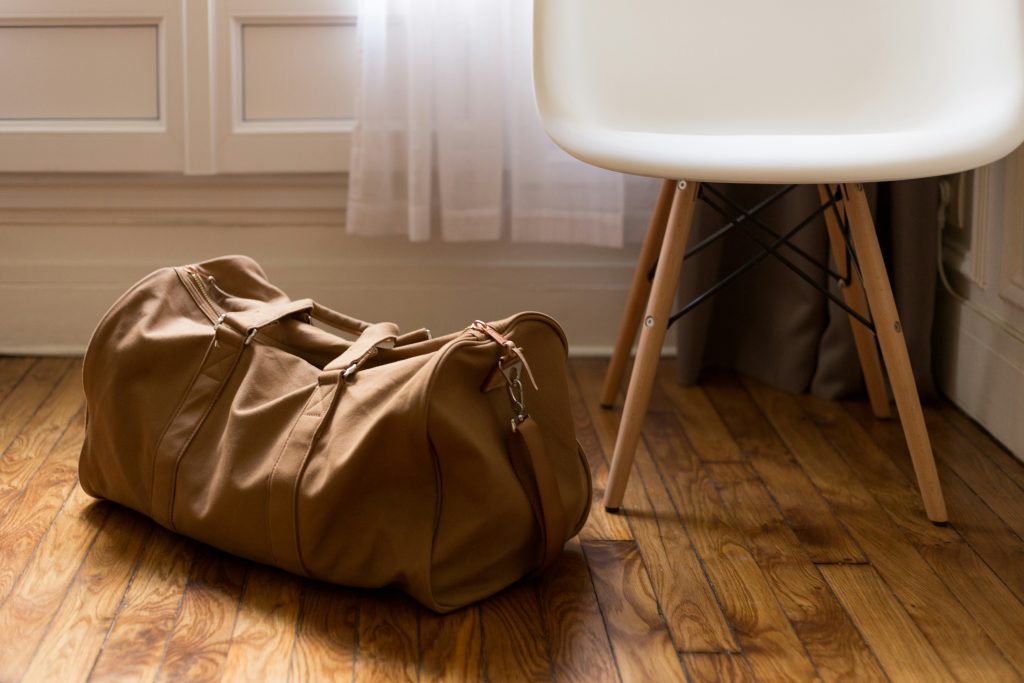
Your bag needs to meet airline carry-on size limits, which vary but generally max out around 22 x 14 x 9 inches. Going right up to the limit gives you maximum capacity, though slightly smaller bags fit more easily in overhead bins on regional jets and budget airlines.
Backpacks work better than roller bags for uneven streets and stairs, but wheeled bags are easier on your back for long airport walks. Test the bag fully packed before your trip—if you can barely zip it closed at home, it’s definitely not going to work when you’re rushing through an airport.
Use packing cubes strategically

Packing cubes compress clothes and keep things organized, but people tend to overpack them. Use one cube for tops, one for bottoms, and maybe one for underwear and socks—that’s it.
The cubes should fit into your bag with some room left over, not be crammed in like a jigsaw puzzle where you’re forcing the last piece. Compression cubes work well for bulky items like sweaters, though they can wrinkle clothes more.
Some travelers swear by the folder-style cubes that keep dress shirts flat, but those take up more space than they’re worth unless you absolutely need unwrinkled business clothes.
Adopt a minimal color palette
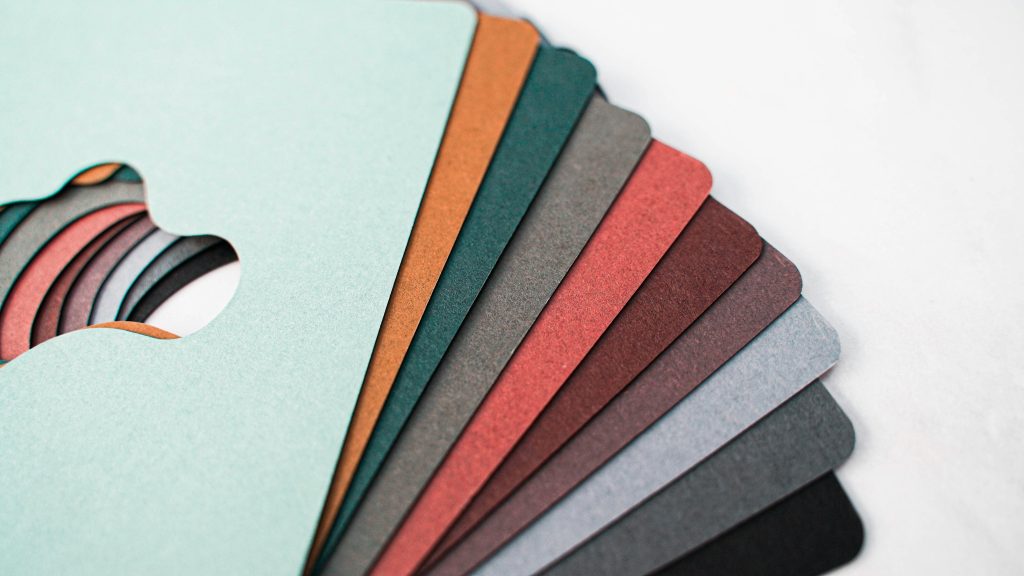
Sticking to black, gray, navy, and one accent color means everything matches everything else. You can mix and match freely without thinking about it, and dark colors hide stains better during longer trips.
This sounds boring until you realize it solves the “I have nothing to wear” problem despite having a full bag. Save the bright colors and patterns for accessories if you need variety.
The goal is versatility, and a black t-shirt goes with basically everything you packed.
Wear your bulkiest items on travel days

Put on your heaviest shoes, jacket, and jeans when flying—it keeps them out of your bag and airlines don’t weigh what you’re wearing. This works especially well for winter trips where you need a heavy coat that would otherwise eat half your bag space.
You might feel overdressed in the airport, but you’ll appreciate the extra room in your bag. Take layers off once you’re through security and stuff them in your personal item if you get too warm.
Pack clothes that wash and dry quickly

Synthetic fabrics and merino wool dry overnight hung in a bathroom, while cotton takes forever and gets heavy when wet. Being able to wash clothes in a sink and have them ready the next day changes the packing equation completely—you can bring three shirts instead of seven.
Merino wool also doesn’t smell after multiple wears, which matters when you’re rewearing the same clothes. Hand-washing takes maybe ten minutes in the evening, and it beats lugging around dirty clothes or finding laundromats in foreign cities.
Limit shoes to two pairs maximum

Shoes take up ridiculous amounts of space, so bring what you’re wearing plus one backup pair. The ones you wear should work for most activities—comfortable walking shoes that don’t look terrible with everything you packed.
The backup pair can be flip-flops for showers and beaches, or dressier shoes if you need them for nicer restaurants. Three pairs of shoes means you’re not doing one-bag travel anymore, you’re just doing regular travel with a smaller suitcase.
Decant toiletries into small containers

Airport security limits liquids to 3.4 ounces per container anyway, so get tiny bottles and only bring what you’ll actually use. Most trips don’t need full-size anything—a week requires maybe two ounces of shampoo if you’re washing daily.
Solid toiletries like bar soap and shampoo bars eliminate liquid limits entirely and weigh less. Many travelers eventually realize hotels provide the basics and stop packing toiletries altogether except for specific products they actually care about.
Roll clothes instead of folding
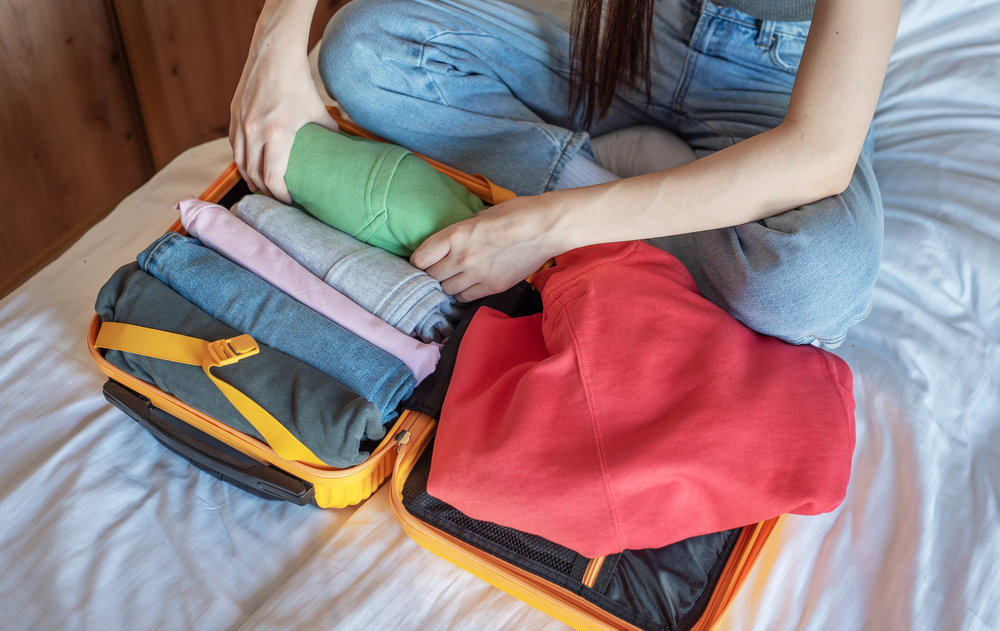
Rolling creates fewer wrinkles than folding and lets you see everything in your bag at once. It also tends to pack tighter than folded stacks. T-shirts, pants, and casual shirts roll easily, though button-up dress shirts do better fold if you need them unwrinkled.
Bundle wrapping—where you wrap clothes around a central core—supposedly prevents wrinkles better, but it’s more complicated and harder to access individual items. Simple rolling works fine for most trips.
Keep electronics minimal and multipurpose

Your phone does a lot—camera, maps, entertainment, communication. Bringing a separate camera, e-reader, and tablet means you’re carrying redundant devices.
Pick one extra device if you need it for work or your phone isn’t enough, but question whether you really need the second laptop or the DSLR camera. Cables and chargers multiply fast, so get a multi-device charging cable and a universal adapter rather than separate chargers for everything.
Use your personal item wisely
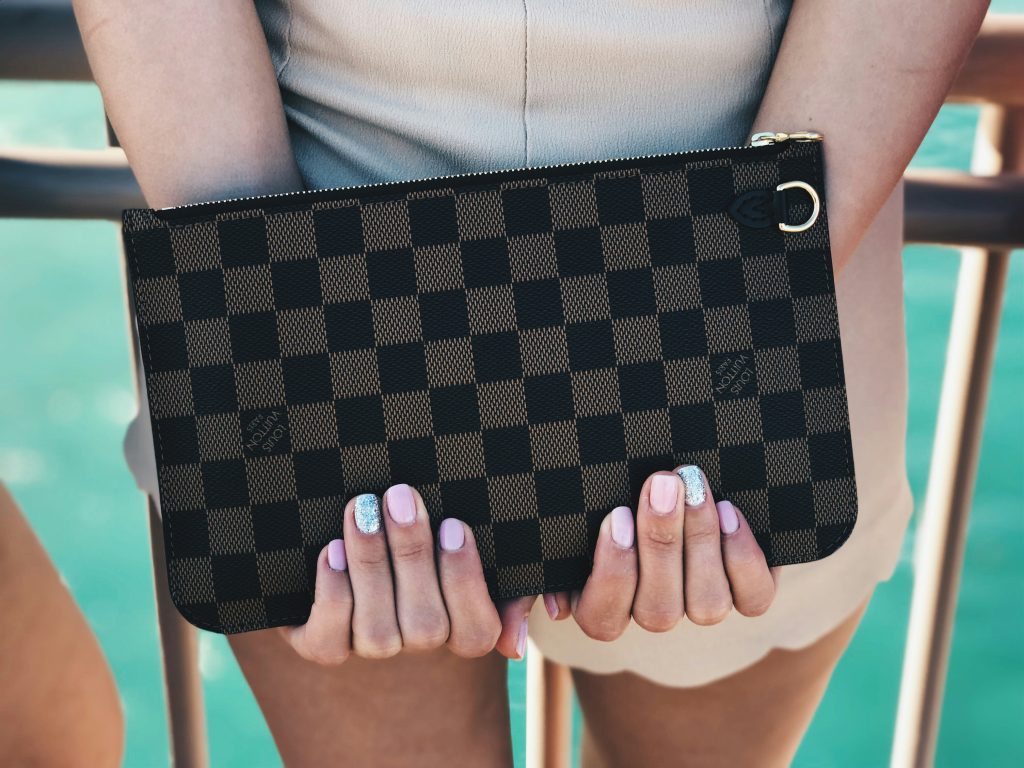
Airlines let you bring a carry-on plus a personal item like a backpack or purse, so use both. Keep valuables, documents, and anything you need during the flight in the personal item that goes under the seat.
This frees up your main bag for clothes and items you won’t access until you reach your destination. Some travelers basically pack two carry-ons using a large personal item, though gate agents occasionally crack down on oversized “personal items” that are obviously just second carry-ons.
Plan to do laundry once mid-trip
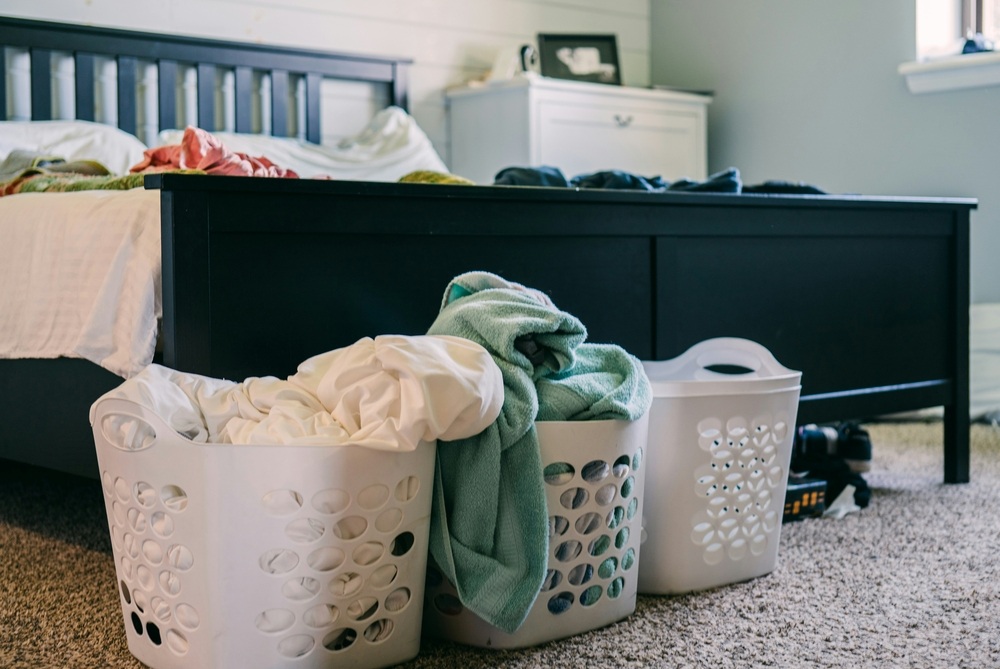
Accepting you’ll wash clothes partway through the trip cuts packing requirements in half. Most accommodations let you hand-wash in the sink or have laundry facilities available.
A small packet of laundry detergent sheets takes no space and works anywhere. This strategy works better for longer trips—washing clothes for a weekend city break isn’t worth the hassle, but for anything over a week it makes sense.
Skip the “just in case” items

“Just in case” thinking fills bags fast—an extra pair of pants in case they rip, a swimsuit in case there’s a pool, formal shoes in case somewhere fancy happens. Most of those situations never materialize, and if they do, you can usually buy what you need or make do.
Pack for likely scenarios, not every possible contingency. The one exception is medication and anything health-related where “just in case” makes sense.
Bring quick-dry travel towel

Hotels provide towels but hostels often don’t, and having your own towel means you can shower anywhere without waiting for provided towels to dry. Microfiber travel towels pack down to nothing and dry fast.
They don’t feel as nice as regular towels, but they’re practical enough that the tradeoff works. Skip this if you’re only staying in hotels, but bring it for any trip involving hostels, camping, or beaches.
Digitize everything possible

Take photos of important documents instead of bringing physical copies. Download maps, guidebooks, and entertainment to your phone before the trip.
Scan physical books you want to read rather than packing them. Paper is heavy and bulky—eliminating it creates surprising amounts of space.
Keep one physical copy of your passport and important documents as backup, but everything else can live digitally.
Test your packing list before the trip

Pack everything, live out of the bag for a weekend at home, then repack based on what you actually used. Most people discover they grab the same few items repeatedly while half the bag stays untouched.
Cut ruthlessly—if you didn’t use it during a test weekend, you probably won’t use it during the actual trip. This practice run also reveals packing mistakes like forgetting chargers or bringing shoes that hurt your feet, giving you time to fix things before you’re stuck at the airport.
Less stuff, more flexibility

One-bag travel forces prioritization in ways that improve trips beyond just logistics. Worrying less about possessions means thinking more about experiences.
Not checking bags means taking earlier connections and spending less time in airports. The initial adjustment feels restrictive until you realize how much mental overhead disappears when you’re not tracking multiple bags and wondering if you packed everything.
Some trips genuinely require more gear, but most don’t—they just require rethinking what “enough” actually means when you’re away from home.
More from Travel Pug

- Underrated Italian Towns That Beat the Tourist Crowds
- Las Vegas Tourist Traps to Skip
- Prettiest Towns in Every US State
- 18 passport-free countries for Americans
- Signs Your Cruise Is Not Worth The Cost
Like Travel Pug’s content? Follow us on MSN.