

Japan has become a hotspot for runners looking to combine their passion for racing with cultural exploration. The country hosts some of the world’s most organized and scenic marathons, from Tokyo’s urban energy to Osaka’s welcoming atmosphere.
Whether you’re chasing a personal best or simply want to experience Japanese hospitality while running through historic streets, proper planning makes all the difference. The logistics of traveling halfway around the world for a race require more thought than your typical destination marathon.
Here’s a list of 15 essential tips that’ll help you navigate everything from jet lag to post-race ramen.
Book your race entry early
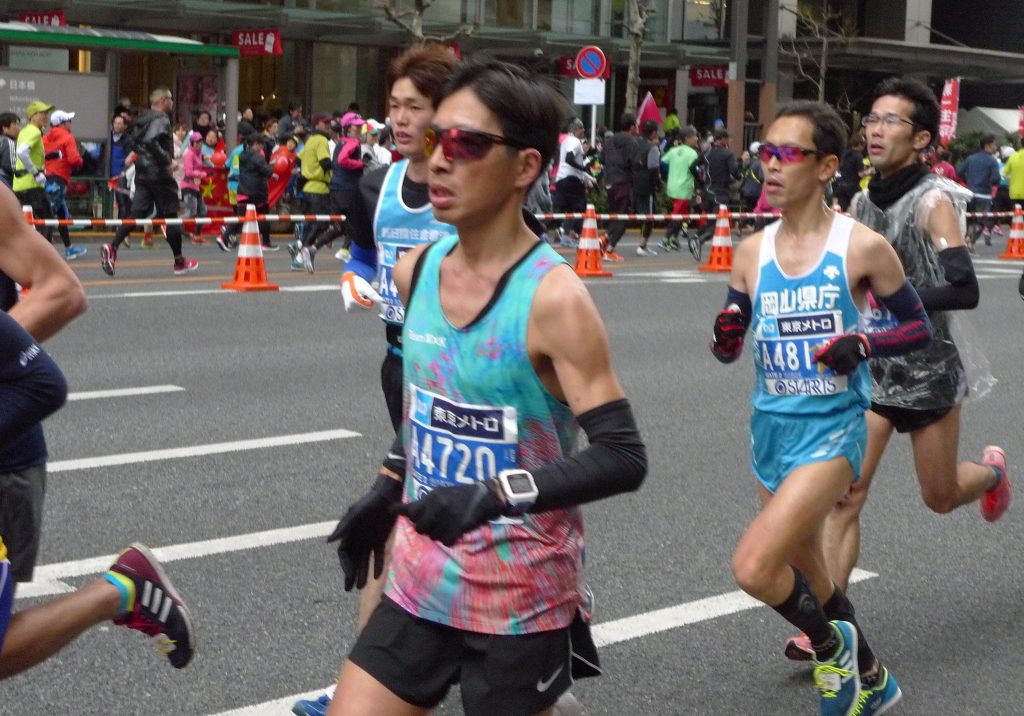
Japanese marathons fill up faster than you might expect. Tokyo Marathon uses a lottery system because demand is insane, while smaller races like Nagano operate on a first-come basis.
International runners sometimes get allocated spots, but these disappear quickly. Register as soon as applications open—usually 6–9 months out—so you don’t miss out and can actually find decent hotels nearby.
Plan around the cherry blossom or fall foliage seasons
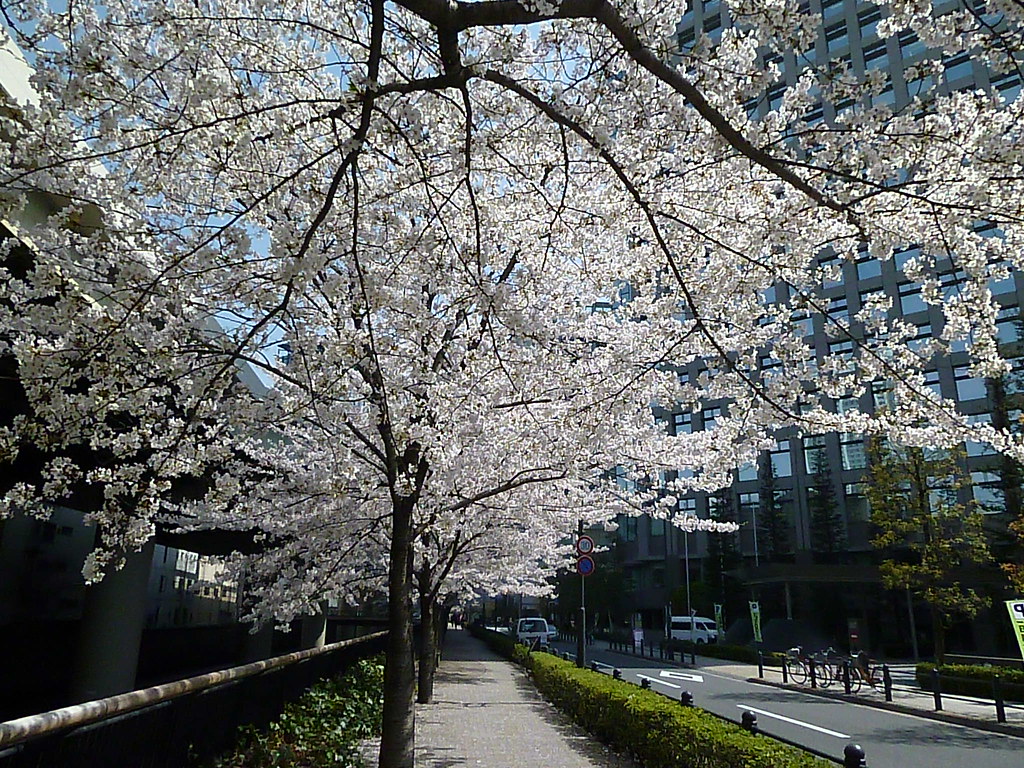
Timing your marathon with Japan’s natural spectacles turns a good trip into an unforgettable one. Spring races in March and April offer cherry blossom backdrops, though crowds and prices go through the roof during this period.
Fall marathons in October and November give you cooler running temps and gorgeous autumn colors without quite the same tourist madness. The weather’s way more predictable too.
Get a Japan Rail Pass before you leave
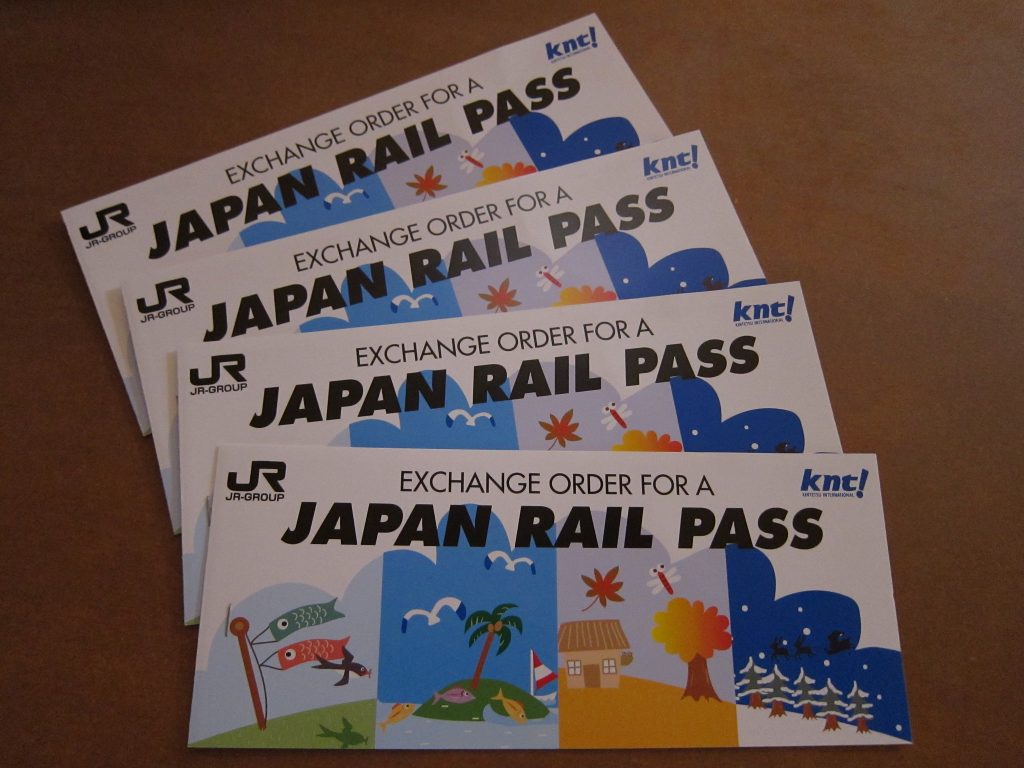
The JR Pass offers unlimited travel on most trains nationwide and pays for itself after maybe two long trips. You typically need to purchase it online before arrival, then activate it in Japan.
A 7-day pass costs about the same as one round-trip bullet train ticket between Tokyo and Kyoto. This gives you freedom to explore multiple cities without sweating individual ticket prices.
Arrive at least four days before race day
Your body needs real time to adjust to Japan’s time zone, which sits 13–17 hours ahead of U.S. cities, depending on where you’re flying from. Jet lag hits different when you’re planning to run 26.2 miles.
Showing up two days early rarely works out well. Those extra days let you shake off travel fatigue, knock out a couple of easy shakeout runs, and grab your race packet without feeling like a zombie.
Download translation apps before your trip
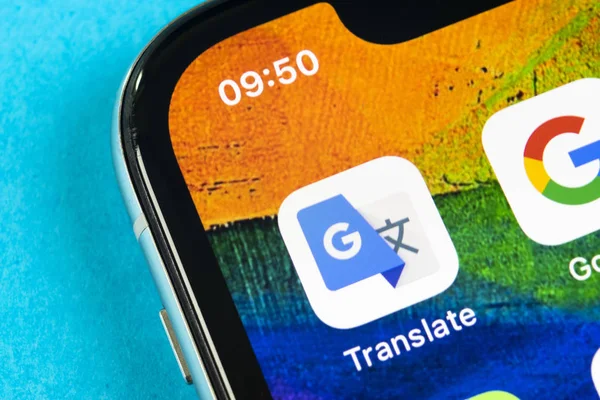
Google Translate’s camera function becomes super helpful when you’re staring at restaurant menus and train station signs. The app works offline if you download the Japanese language pack beforehand, which saves you when Wi-Fi isn’t available.
Many Japanese people speak limited English, especially outside major tourist areas. The translations aren’t perfect, but they beat trying to mime your way through asking for directions.
Rent a pocket Wi-Fi device at the airport
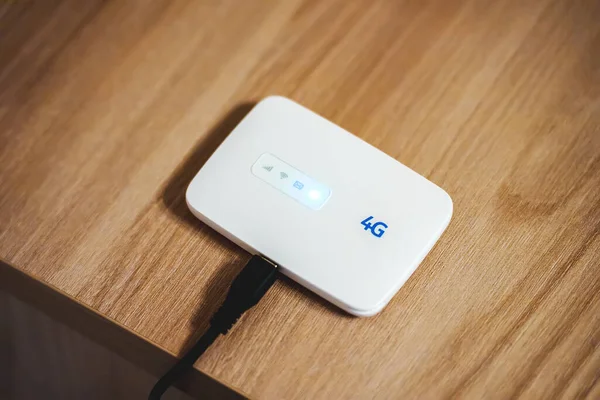
Staying connected helps with navigation, translation, and keeping people back home from worrying you’ve vanished. Pocket Wi-Fi devices provide faster and more reliable internet than international phone plans.
Multiple people can connect to one device, which is nice if you’re traveling with friends or family. Reserve yours online before departure and pick it up at airport kiosks when you land—costs about $8–$10 per day.
Pack both your racing flats and backup shoes
Airlines lose luggage, and marathon weekend isn’t when you want to go to Seoul instead of Tokyo. Wear or carry on your racing shoes, then pack a backup pair in checked baggage.
Throw your race outfit in your carry-on too. Japanese stores sell running gear, but finding your size and preferred brands while jet-lagged and stressed isn’t something you want to deal with.
Study basic Japanese etiquette beforehand

Small gestures matter a lot in Japanese culture. Learn to bow slightly when saying thank you, take off your shoes when entering homes or certain restaurants, and don’t eat while walking on streets.
Keep your voice down on trains. These aren’t optional suggestions—they’re actual expectations that show you respect the place you’re visiting.
Familiarize yourself with the course map
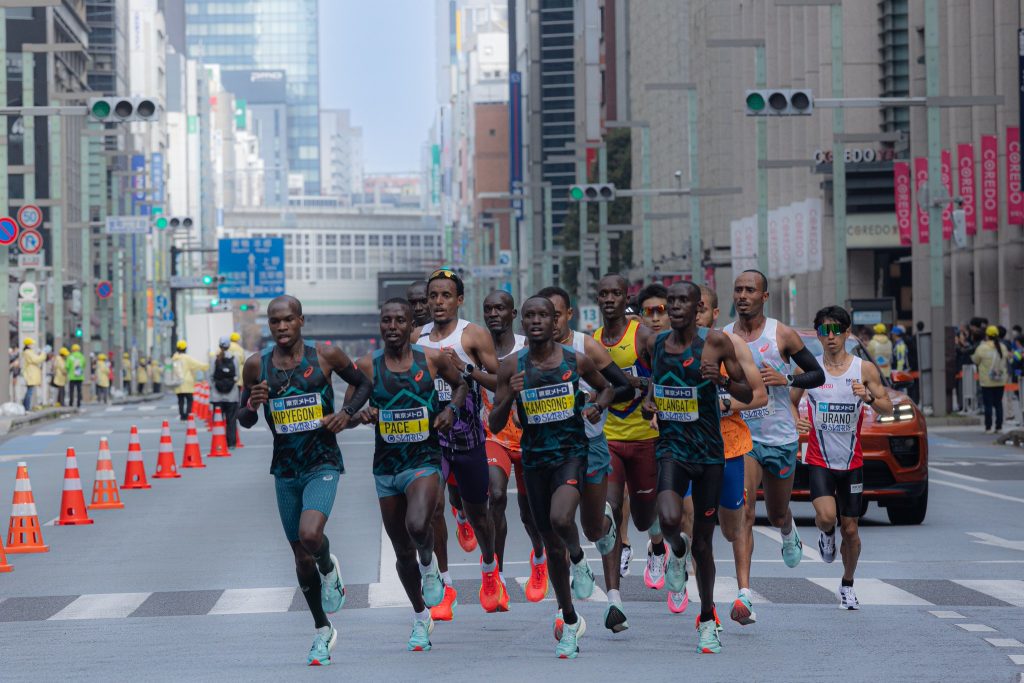
Japanese race organizers provide detailed course information months ahead of time, often with kilometer-by-kilometer breakdowns. Download the map and figure out where hills show up, where people might watch you run, and where aid stations appear.
Many courses wind through tourist districts, so you can check out scenic sections beforehand during easy runs. Knowing the route ahead of time cuts down race-day anxiety.
Adjust your pace expectations for humidity
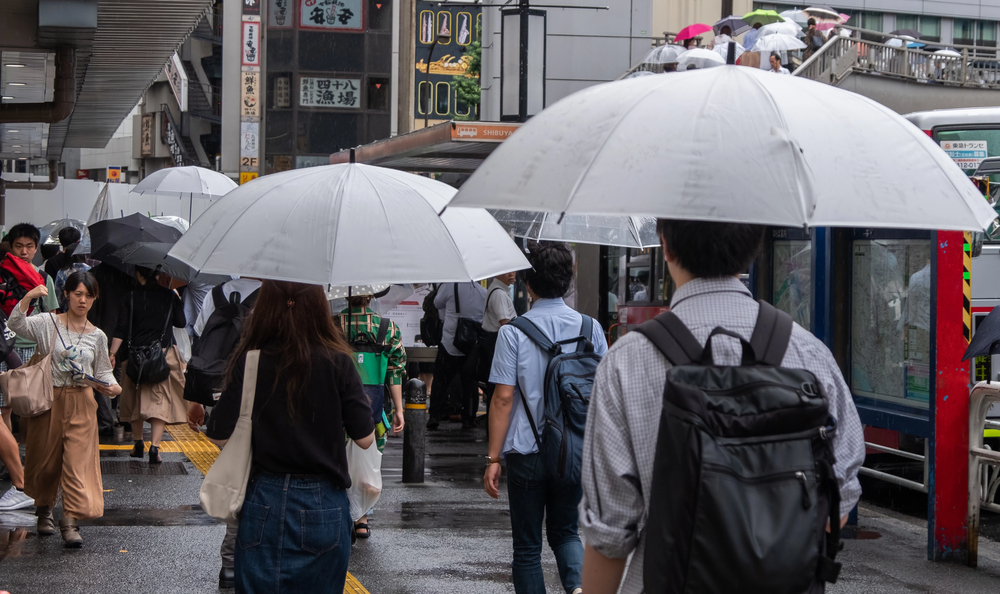
Japanese cities get surprisingly humid, even during cooler months when most marathons happen. This moisture makes the air feel warmer than the thermometer suggests and messes with how your body cools itself.
Plan to run maybe 15–30 seconds per mile slower than your usual pace in similar temps back home. Hydration stations pop up frequently at Japanese races, so grab water or sports drinks whenever you can.
Cash remains essential despite modern payment systems

Japan runs on cash way more than most developed countries. Plenty of smaller shops and restaurants don’t take cards at all.
ATMs that work with foreign cards are mostly in 7-Eleven stores and post offices rather than banks. Withdraw enough yen to cover several days of expenses, including post-race meals and souvenirs.
Try to get bills smaller than 10,000 yen when possible since breaking big notes causes problems.
Experience a public bath or onsen before race day
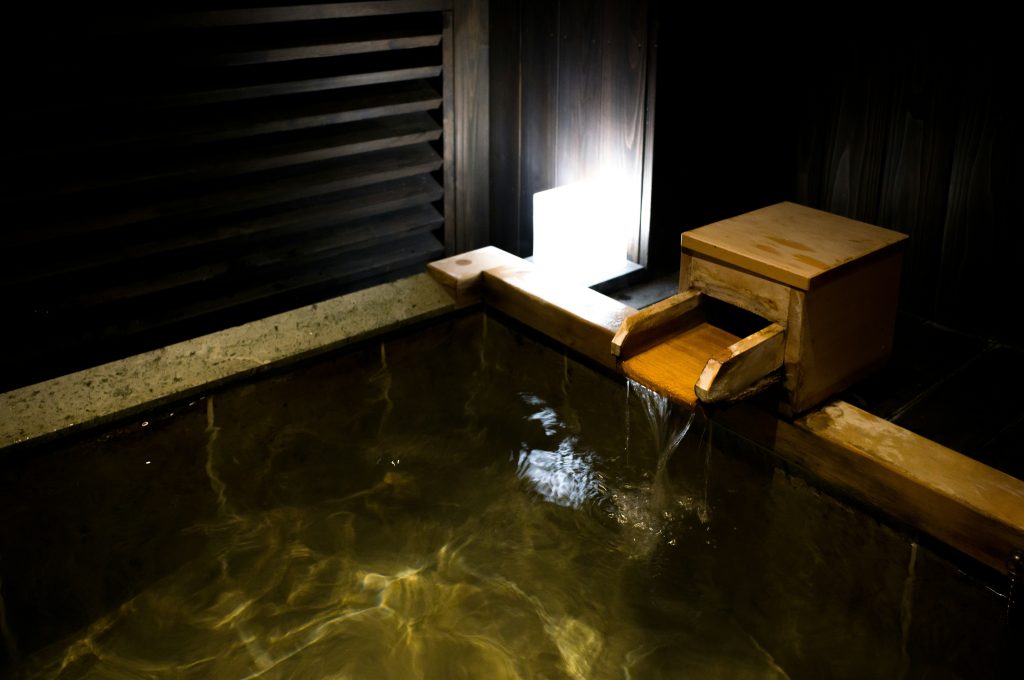
Japanese bathing culture offers real recovery benefits for tired legs after a long trip. Public baths exist in most cities, while natural hot springs require short trips outside urban areas.
You have to shower completely before entering the communal pools, and tattoos might keep you out of some places. The heat and minerals help with muscle relaxation, though go at least two days before your marathon to avoid getting dehydrated.
Pack race-day fueling from home

Japanese convenience stores have tons of snacks, but finding your specific gels, chews, or pre-race breakfast can be tough. Nutrition brands available in the U.S. often don’t show up on Japanese shelves.
Race expos might not carry familiar products either. Bring enough of whatever your stomach handles to get through marathon morning and the race itself.
Don’t experiment with unfamiliar Japanese energy products right before your big race.
Learn the train system in your host city
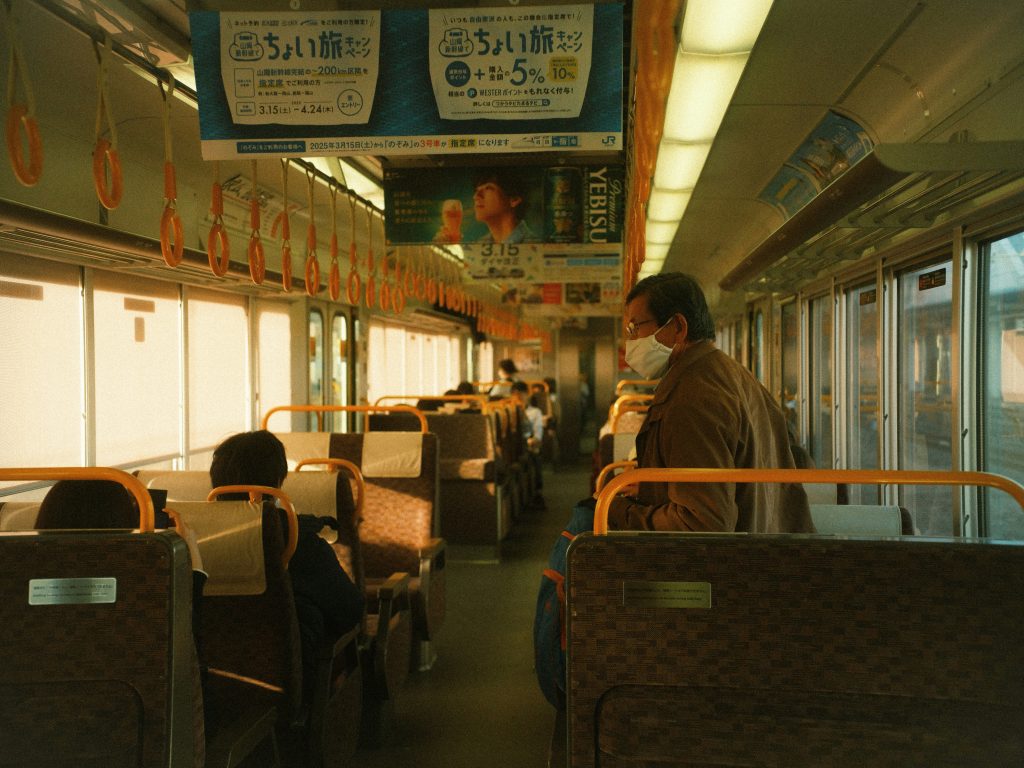
Japanese public transportation runs like clockwork, but the maze of lines and transfer points can be overwhelming at first. Spend an afternoon before race day practicing your route to the starting line and back.
Google Maps works pretty well for transit directions, though Hyperdia gives you more detailed train schedules. Most stations have English signs in major cities, and station workers usually speak enough English to point you where you need to go.
Explore the post-race food scene properly fueled
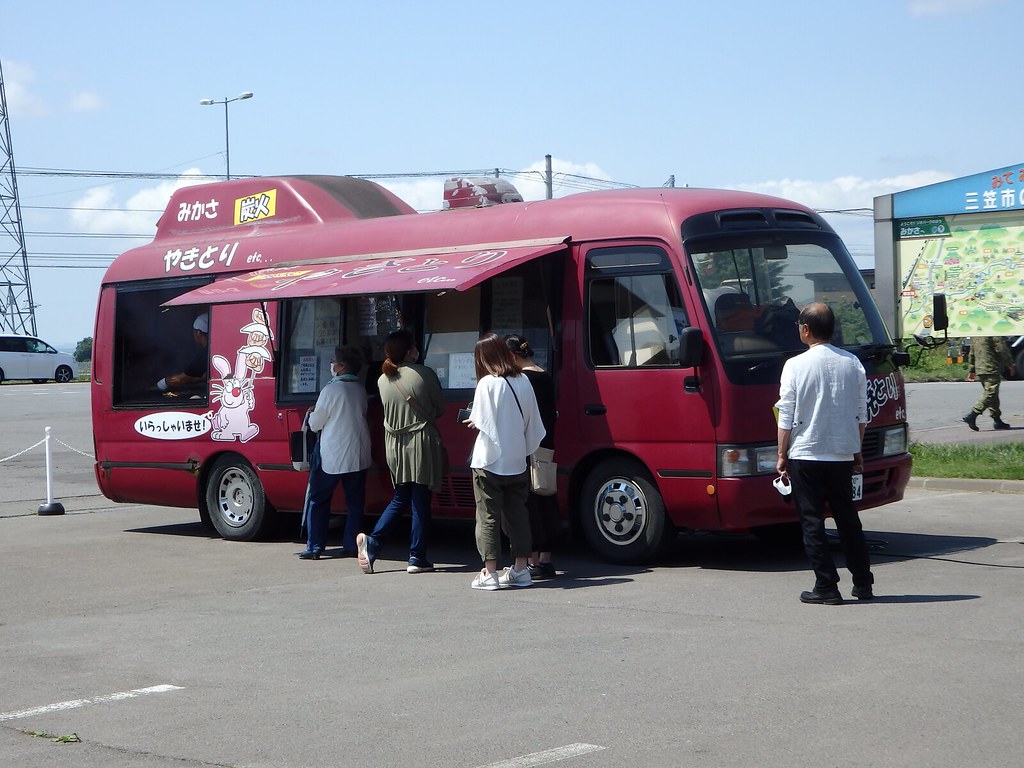
Japanese culture around marathon events includes amazing food options near finish lines, from ramen stalls to yakitori stands. Your post-race appetite deserves attention at actual sit-down restaurants where you can refuel the right way.
Many places offer set meals with balanced portions of rice, protein, and vegetables—exactly what your body wants after 26.2 miles. Skip the chain restaurants near tourist spots and ask locals or your hotel staff where they actually eat.
Why Japan keeps runners coming back
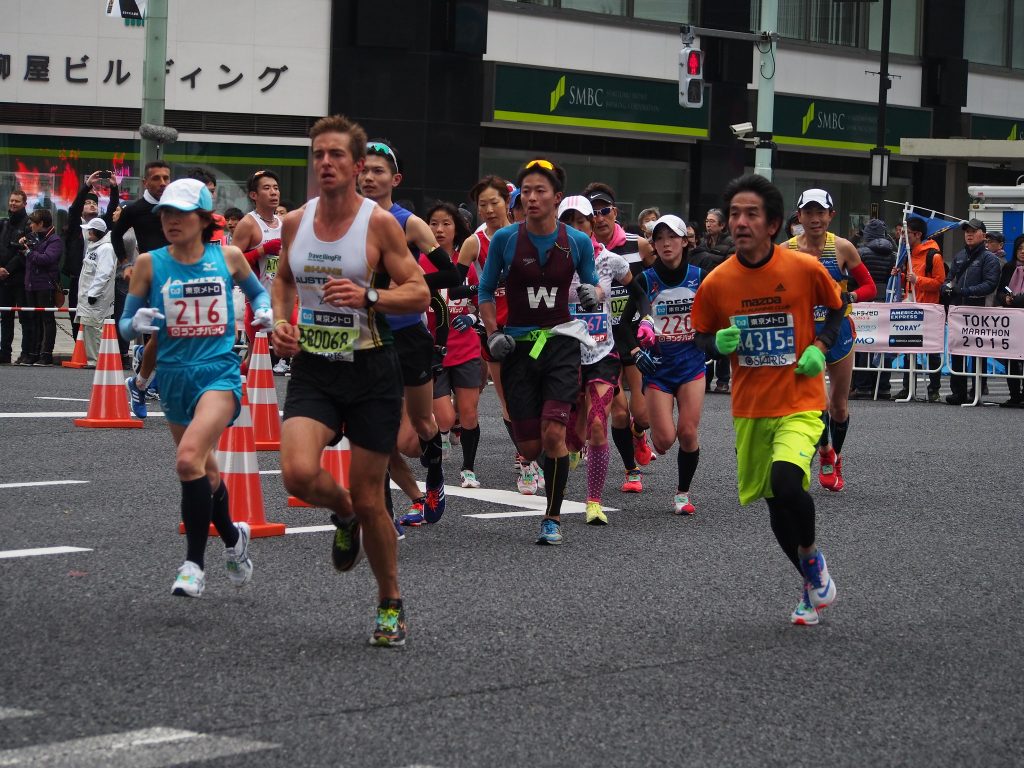
The mix of world-class race organization and genuine cultural immersion creates marathon experiences you don’t forget. Japanese volunteers treat every runner like an honored guest, aid stations overflow with local treats, and the courses show off each city’s personality.
Beyond the racing itself, you end up with memories of navigating Tokyo’s neon-lit streets, soaking in mountain hot springs, and sharing post-marathon beers with runners from everywhere. That’s what transforms a regular destination marathon into something that changes how you see the sport.
More from Travel Pug

- Underrated Italian Towns That Beat the Tourist Crowds
- Las Vegas Tourist Traps to Skip
- Prettiest Towns in Every US State
- 18 passport-free countries for Americans
- Signs Your Cruise Is Not Worth The Cost
Like Travel Pug’s content? Follow us on MSN.