

Bali’s reputation as a surfer’s paradise isn’t just hype. The island actually delivers on that promise with waves that cater to everyone from first-timers wobbling on foam boards to pros hunting perfect barrels.
The combination of consistent swell, warm water year-round, and an insane variety of breaks packed into a relatively small area makes it a bucket-list destination for anyone serious about surfing. You can hit multiple world-class spots in a single day if you time it right.
The island basically splits into two surf coasts depending on the season, with the west side firing during dry months and the east coast coming alive when the rains hit. Here is a list of 15 top surf breaks travelers chase in Bali that show why surfers keep coming back year after year.
Uluwatu
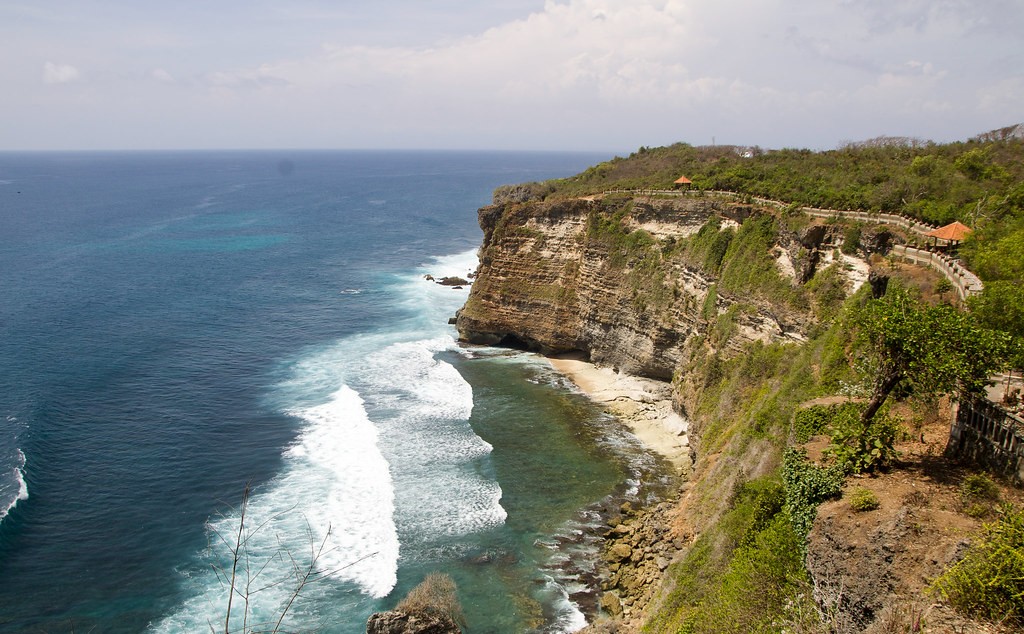
This legendary left-hander breaks over a shallow reef in front of ancient Hindu temples perched on towering cliffs. The spot consists of five different peaks—The Peak, Racetrack, Outside Corners, Temples, and The Bombie—each offering its own character depending on swell size.
Getting in and out requires paddling through a cave with strong currents, which adds an extra element of adventure to every session.
Padang Padang
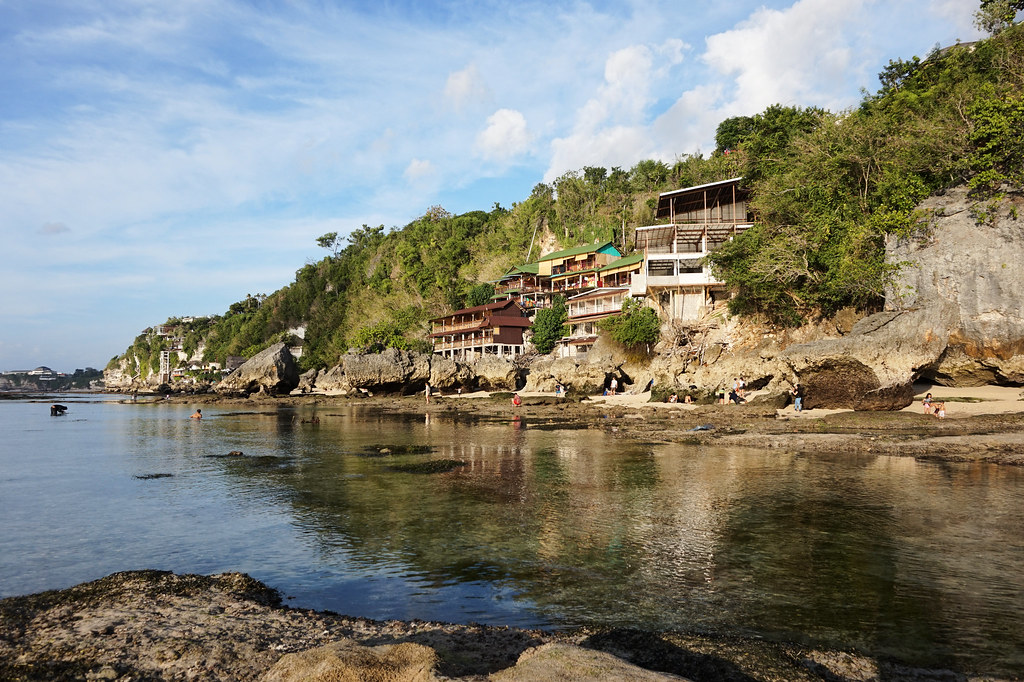
Known as the Balinese Pipeline, this wave breaks so shallow over sharp reefs that it’s exclusively for expert surfers who don’t mind the high injury potential. When a major swell hits, it transforms into one of the most perfect barrel machines on the planet.
The wave is fringed by Banyan trees and only works properly at low tide, creating an intense experience that lives up to its reputation.
Keramas
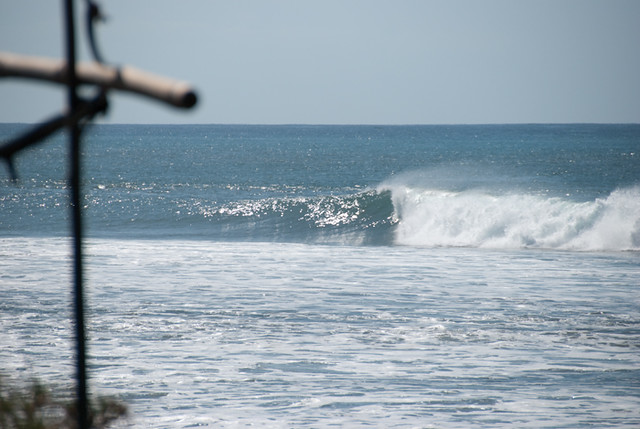
This powerful right-hander on Bali’s east coast breaks over volcanic rock and has become a World Surf League tour stop. The wave offers steep drops into hollow barrel sections followed by long rippable walls perfect for progressive maneuvers.
Hotel Komune sits right in front of the break and installed permanent floodlights, making this the world’s first spot where you can surf a world-class wave at night.
Canggu
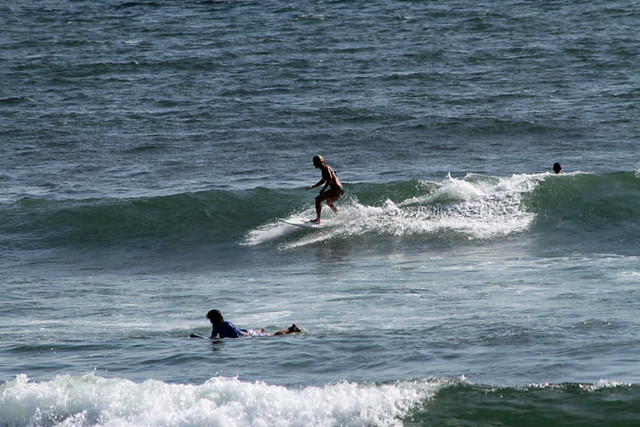
Actually a collection of beaches including Batu Bolong, Echo Beach, Old Man’s, and several others, Canggu has exploded in popularity over the past decade. The waves here range from mellow beach breaks good for intermediates to punchy reef breaks that challenge advanced surfers.
Crowds can get intense during peak season, and trash becomes an issue after heavy rains, but the variety keeps people coming back.
Bingin
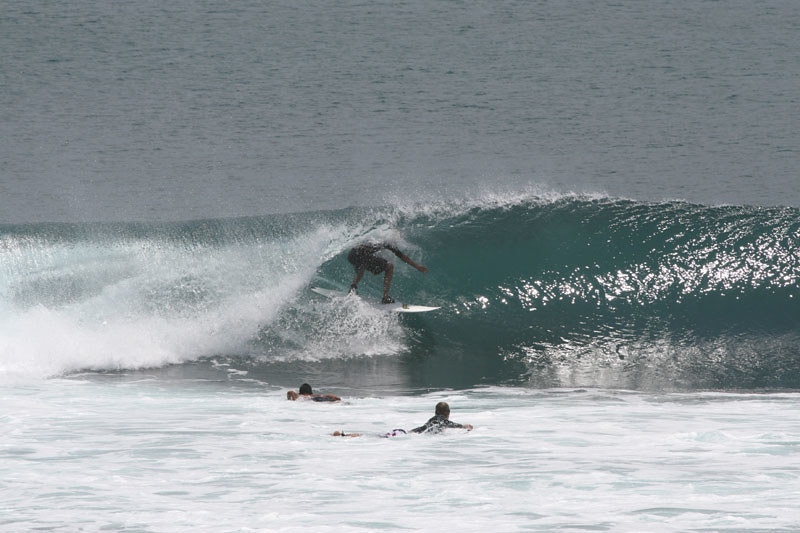
This challenging left-over sharp reef delivers a tight takeoff zone with intense energy that works best on mid and low tide. When the tide drops too low it gets sketchy, exposing the reef in ways that make every wipeout potentially painful.
The wave is beautiful though, offering fast sections that reward surfers who commit to the steep drops and tight barrel sections.
Kuta Beach
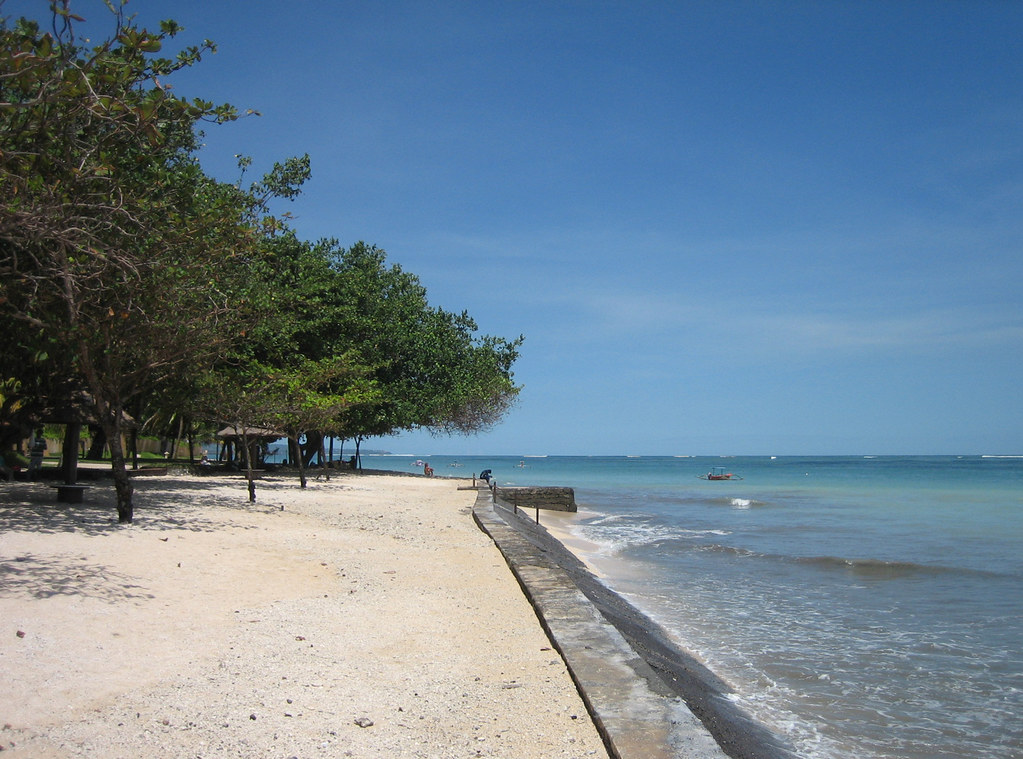
This long stretch of sandy beach is where Bali’s surf scene was born and remains the go-to spot for beginners. The beach break with soft, rolling waves makes it perfect for first-timers who need forgiving conditions.
Surf schools, board rentals, and instructors line the beach, though the water quality can be questionable after rains due to pollution issues the island struggles with.
Impossibles
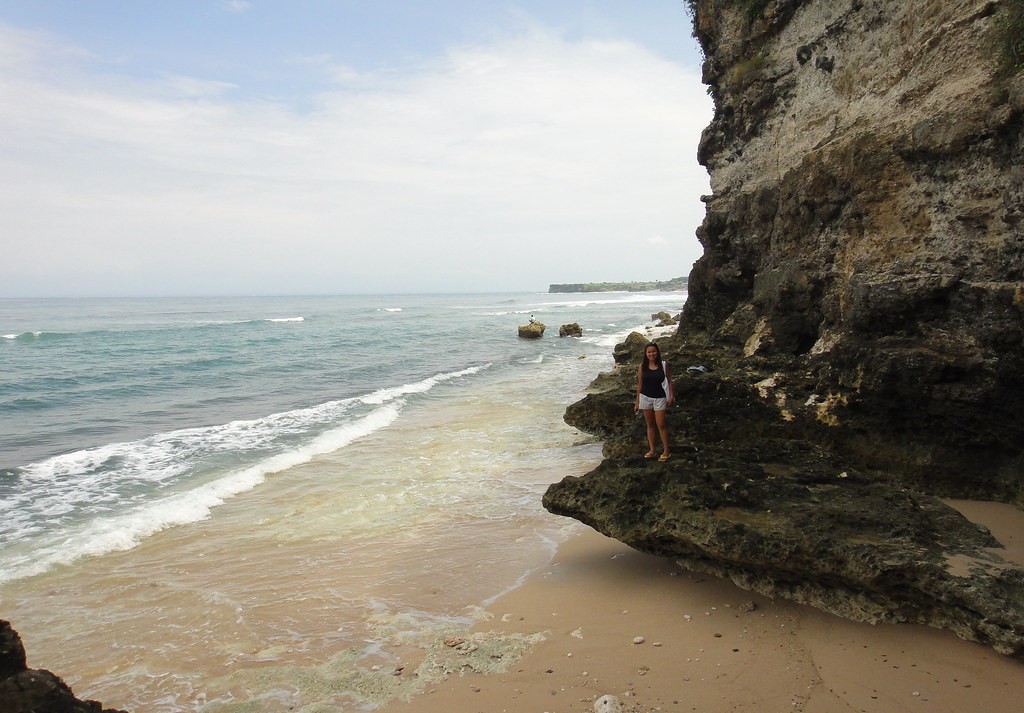
Probably the most photographic surf spot on the planet according to those who’ve surfed it extensively. Long lines and perfect peeling waves create those magazine-cover shots you’ve seen online.
The wave lives up to its name on bigger days when linking all the sections becomes genuinely difficult, but on the right swell it offers incredibly long rides.
Medewi
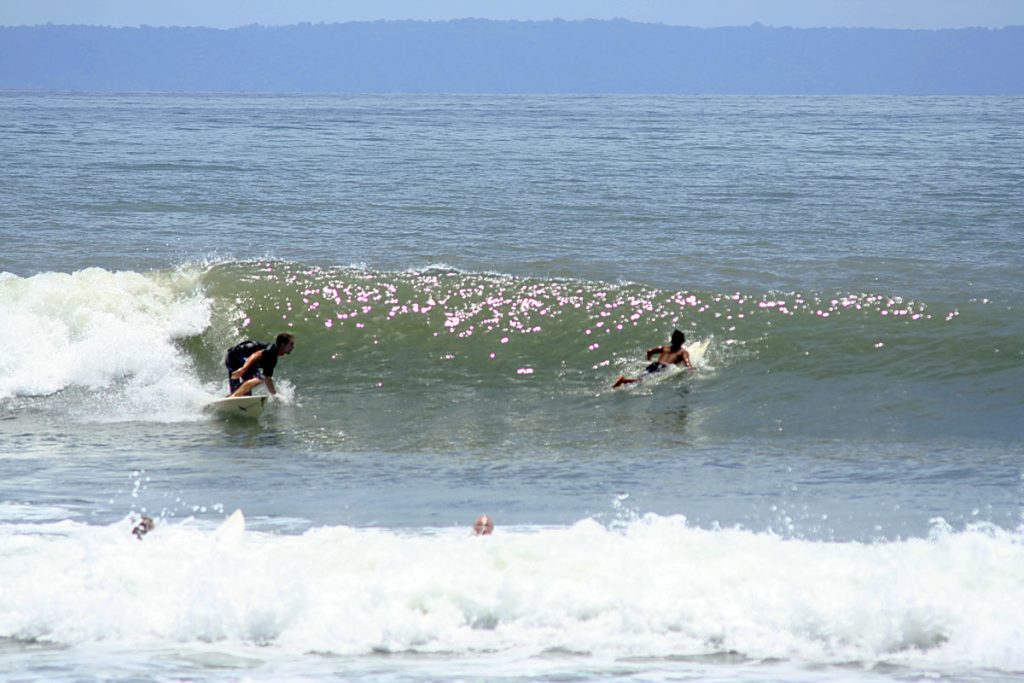
Located about two to three hours northwest of Kuta along the coast, this spot offers very fun workable waves for beginners to intermediate surfers. The mostly sand-bottom lefts and rights break with minimal barrel sections, making it more about long carving turns than heavy tube rides.
Traffic getting there can be brutal, so leaving early in the morning makes sense.
Balangan
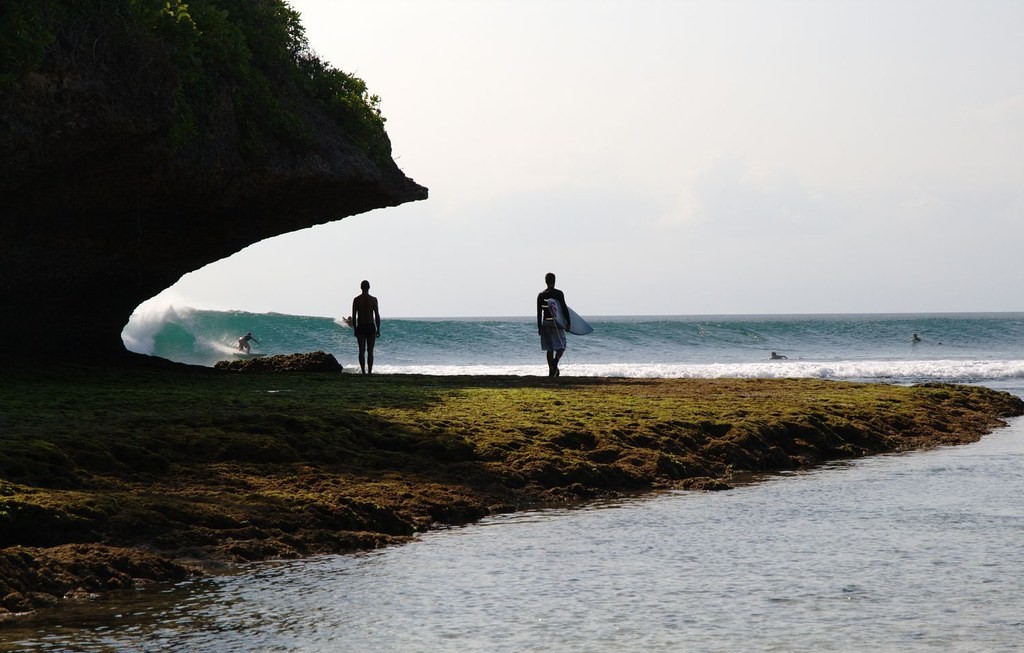
This wave works on similar swells as nearby Uluwatu but typically stays a couple feet smaller. The long stretch of white sand beach backed by cliffs creates a stunning setting.
The wave breaks over reef and works best around mid tide, offering fast walls that let intermediate to advanced surfers practice their turns without the insane crowds you’ll find at more famous spots.
Nusa Dua
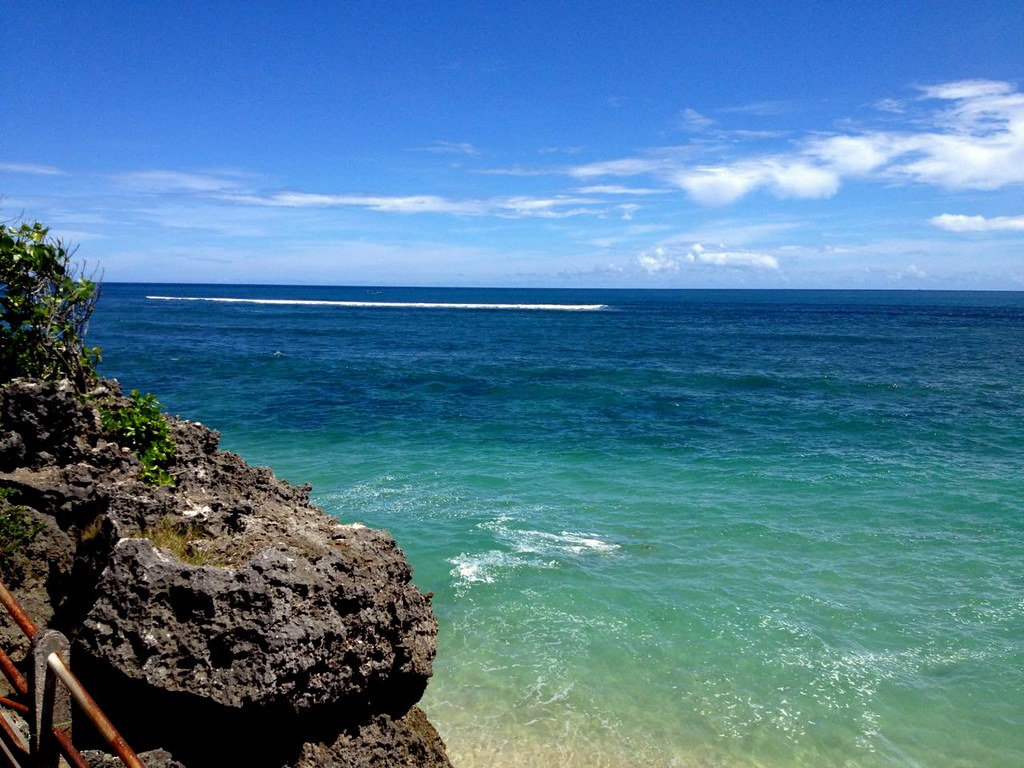
Considered the most consistent right reef break in Bali, this wave sits about 800 meters offshore. You’ll need to pay a local boat operator to shuttle you out and pick you up afterward.
The wave rarely drops under four feet and has three separate takeoff zones with strong currents, making it suitable only for intermediate and advanced surfers who stay aware of their surroundings.
Green Bowl
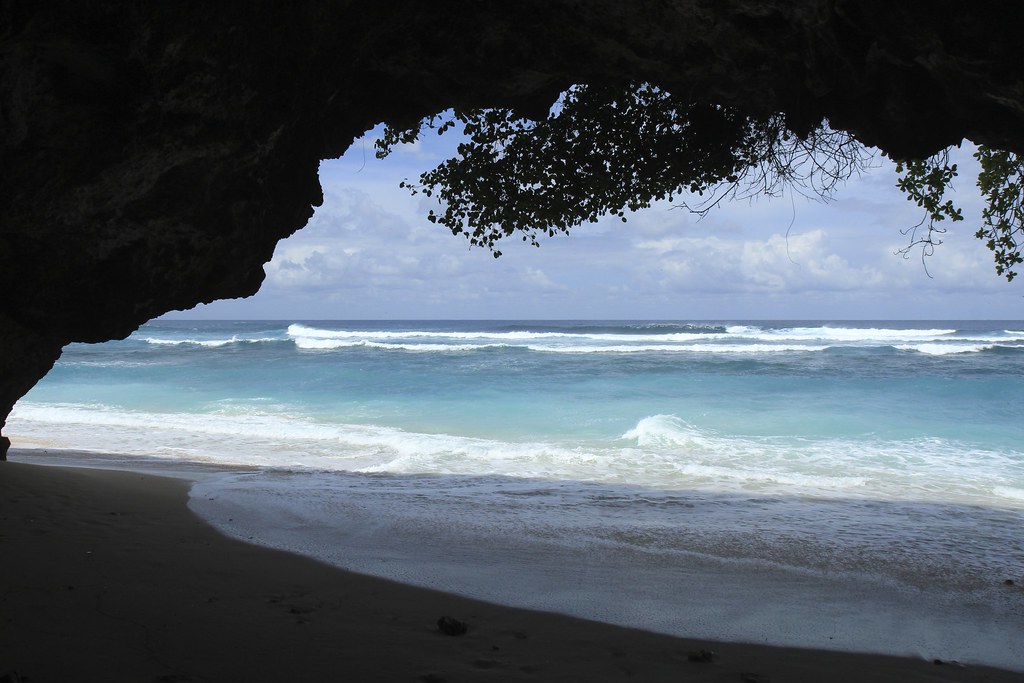
This spot requires a serious hike down steep stairs to reach the beach, which keeps crowds lighter than nearby breaks. The wave breaks over reef and works best during the dry season when offshore winds clean it up.
The effort to get there pays off with quality waves and a beautiful hidden beach that feels more secluded than most of Bali’s accessible spots.
Echo Beach
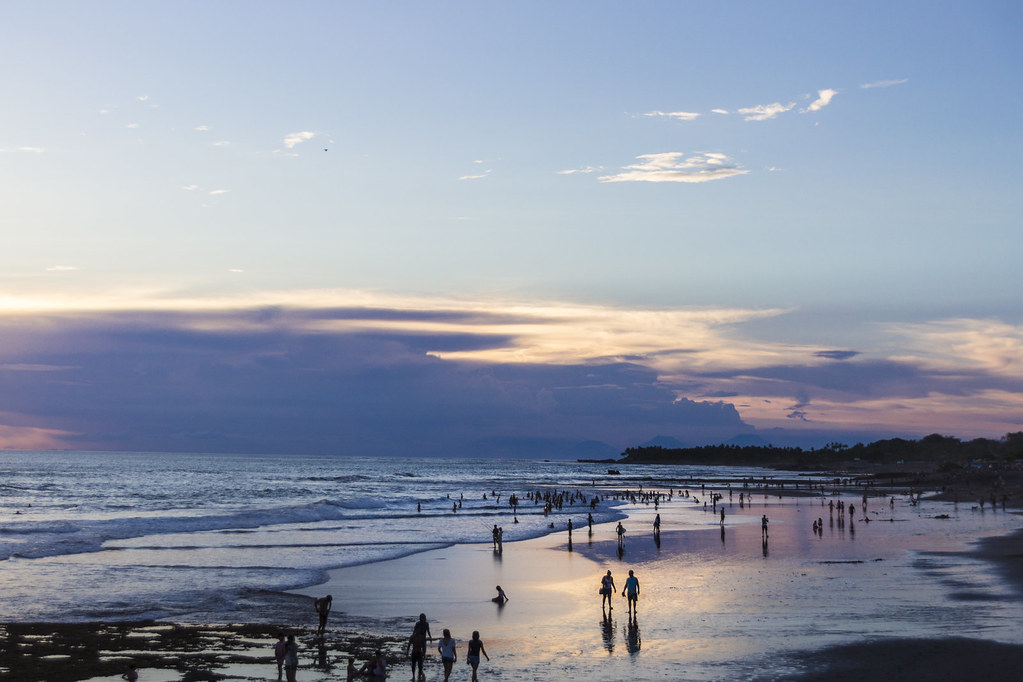
Part of the Canggu area, this small stretch of black sand has become famous for its punchy hollow waves. The break attracts both visiting pros and local rippers who push the level high.
Three excellent surf spots exist here for intermediate surfers and above, though expect it to get crowded during peak times.
Dreamland
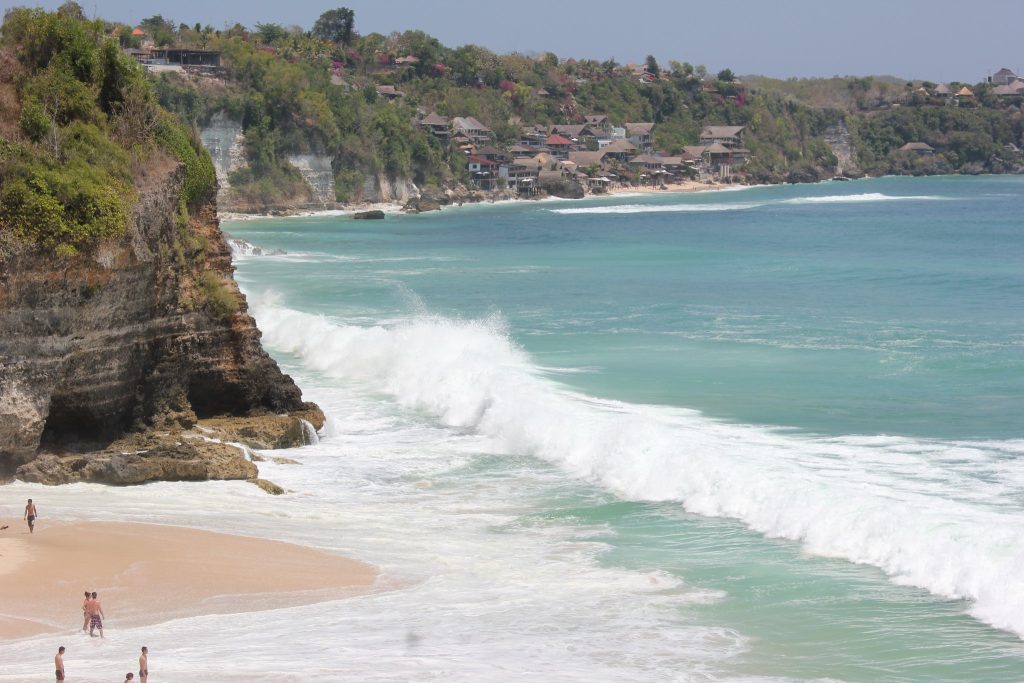
This beach break sits on a beautiful white sand beach that gets packed with tourists and surfers alike. The waves work for beginners through intermediate surfers depending on the day.
The beach itself has become quite developed with warungs and rentals everywhere, losing some of that remote Bali vibe but gaining convenience.
Seminyak
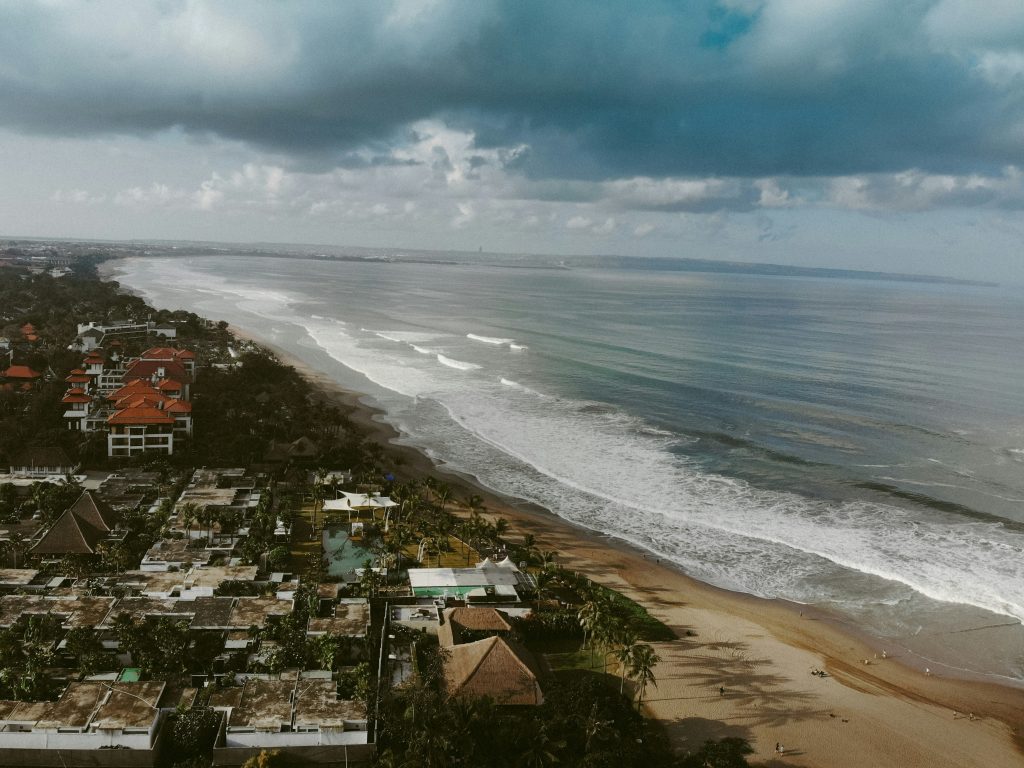
Just north of Kuta, Seminyak offers similar beach break conditions with slightly less chaos. The waves break both left and right over sand, making it forgiving for learners while still offering enough punch to keep intermediate surfers interested.
The area has more upscale accommodations and restaurants compared to Kuta’s backpacker scene.
Balian
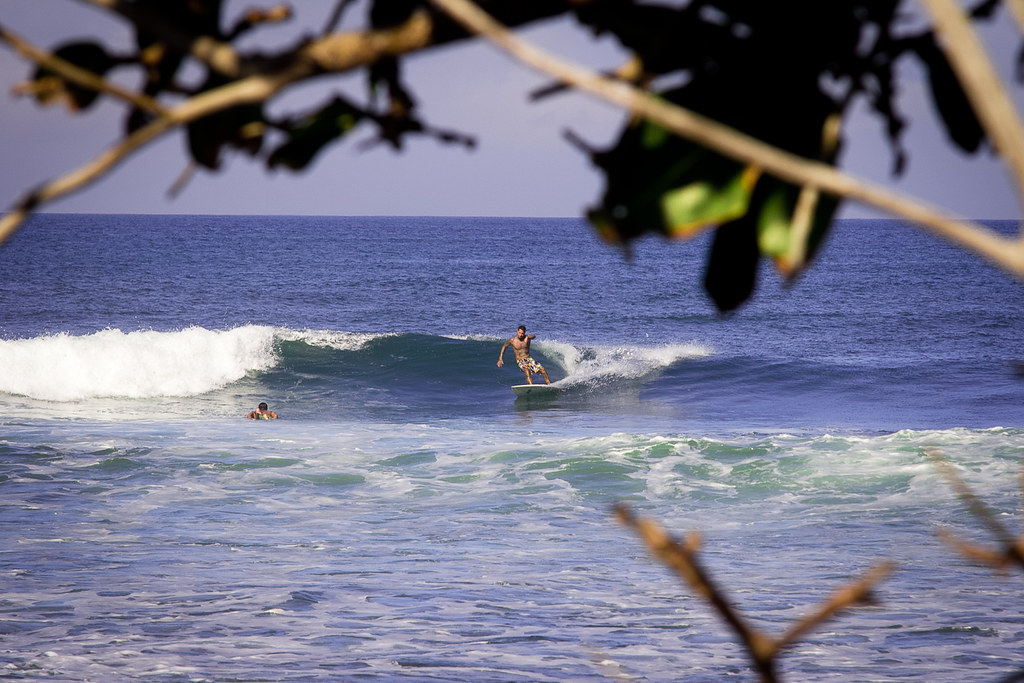
Located about 30 minutes before Medewi on the west coast, this playful A-frame breaks in front of a river mouth. Long lefts with shorter rights offer occasional barrel sections but mostly provide long rippable walls.
Early mornings work best before onshore winds pick up and blow it out, with crowds usually staying mellow compared to the Bukit Peninsula spots.
Where the waves never stop
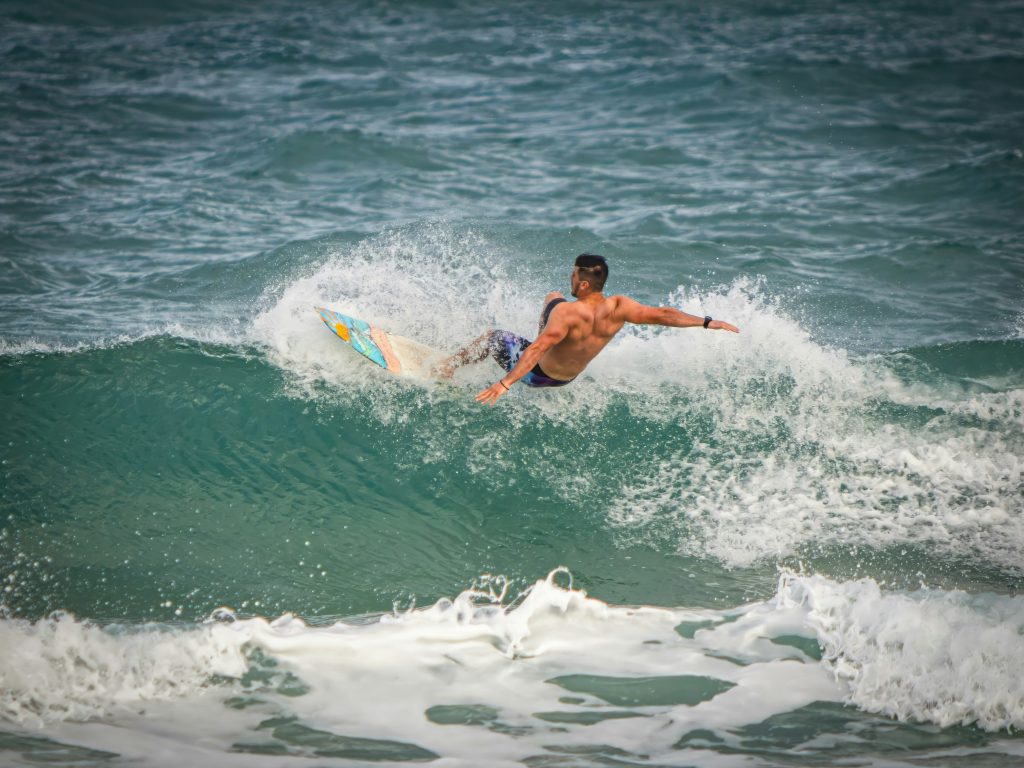
What makes Bali’s surf scene so compelling is how it delivers year-round. When the west coast goes flat, the east coast lights up, and vice versa.
You can spend months here and still discover new breaks or find different conditions at familiar spots. The accessibility of everything from free beach breaks to world-class reef setups means every budget and skill level finds something worth surfing.
That constant availability combined with warm water, cheap accommodation, and a culture that’s grown around surfing for decades creates an ecosystem that just works for wave riders, even with the crowds and pollution issues that come with popularity.
More from Travel Pug

- Underrated Italian Towns That Beat the Tourist Crowds
- Las Vegas Tourist Traps to Skip
- Prettiest Towns in Every US State
- 18 passport-free countries for Americans
- Signs Your Cruise Is Not Worth The Cost
Like Travel Pug’s content? Follow us on MSN.