

Vietnam’s two powerhouse cities sit at opposite ends of the country, separated by over 1,000 kilometers — and by a world of contrasts. One pulses with ancient tradition while the other races toward the future, yet both will leave you breathless from their relentless energy and incredible street food. Here’s a breakdown of the key differences between these iconic destinations to help you decide which Vietnamese city deserves your time.
Food culture and street dining
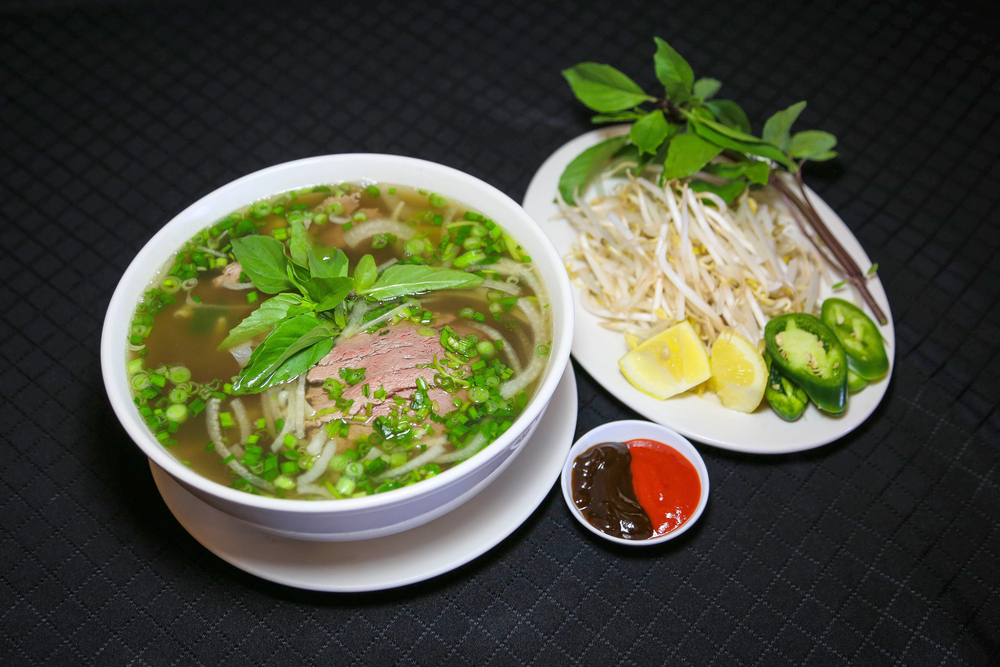
Hanoi is the birthplace of pho, Vietnam’s famous noodle soup, and the capital takes its culinary heritage seriously. Walk the narrow streets of the Old Quarter and you’ll find vendors perfecting recipes passed down through generations. Hanoi leans toward traditional dishes prepared using time-honored techniques.
Ho Chi Minh City, often called Vietnam’s food capital, offers a broader range of options with thousands of restaurants serving cuisines ranging from French, Japanese, Mediterranean, Chinese, and Vietnamese. You can grab banh xeo from a sidewalk stall, then head to a rooftop restaurant for fusion cuisine. The variety is staggering.
Old Quarter charm vs modern skylines
— Photo by huythoai1978@gmail.com
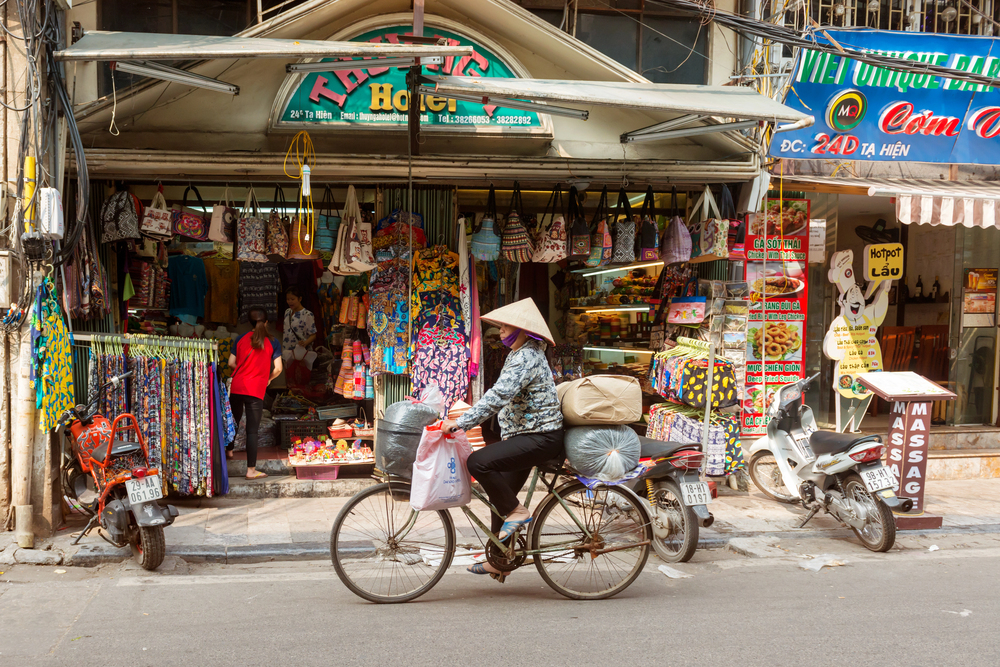
Hanoi’s thousand-year-old heartbeat emanates from the Old Quarter, where ancient temples hide behind motorcycle repair shops and silk vendors. The historic old town of Hanoi is revered around the world, filled with Vietnamese architecture, traditional food stalls, and narrow alleyways full of life.
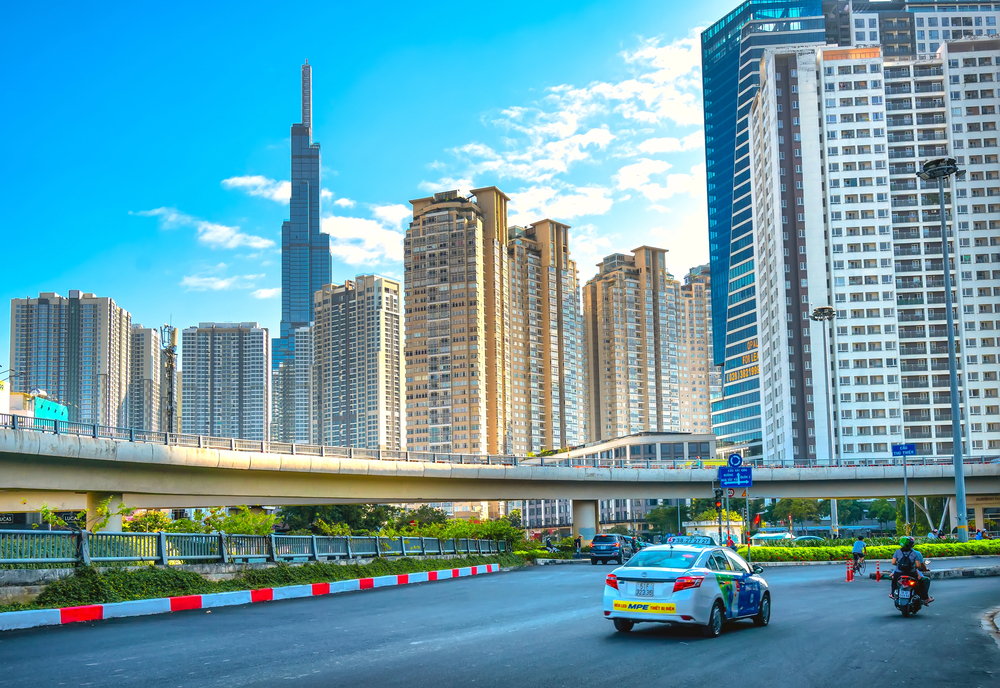
Ho Chi Minh City is a high-energy, modern metropolis with soaring skyscrapers, rooftop bars, and relentless buzz. French colonial buildings stand beside glass towers, creating a striking architectural timeline. It’s Vietnam’s vision of tomorrow.
Day trip destinations

— Photo by Sitthipong111
Hanoi is home to Halong Bay, where exploring on a one, two, or three-day cruise is as breathtaking an experience as they come, featuring limestone karsts rising from emerald waters. The city also serves as a gateway to the mountainous Sapa region with its terraced rice fields.
From Ho Chi Minh City, the Cu Chi Tunnels and Mekong Delta are both doable in a day, giving fantastic insight into traditional Vietnamese life and innovative Vietnam War tactics. The tunnel network tells a gripping wartime story through underground passages.
Nightlife scenes

Ho Chi Minh City is a destination you simply have to visit at least once for nightlife, with all night parties and dance clubs open into the early hours. Rooftop bars dominate the nightlife here, each trying to outdo the others with creative cocktails and stunning views.
Hanoi’s Old Quarter is where locals and tourists crowd narrow streets, perching on tiny plastic stools with cheap beers and late-night snacks like sizzling bún chả. The vibe is more intimate. Less dress codes, more authentic street energy.
Shopping experiences
— Photo by mark52
For finding unique handmade goods, Hanoi is the best choice, known for high-quality silk, intricate embroidery and traditional lacquerware. The Old Quarter specializes in everything from shoes to silverware, with family-run shops that have operated for decades.
Ho Chi Minh City is a shopper’s paradise with both budget and high-end items, from Ben Thanh Market’s cheap souvenirs to Dong Khoi district’s chic boutiques selling designer fashion. Think modern malls alongside traditional markets.
Climate considerations
— Photo by xuanhuongho
Hanoi has cooler winter months, dropping to around 63°F in January, offering relief from Vietnam’s tropical heat. The city experiences four distinct seasons, making timing more crucial for your visit.
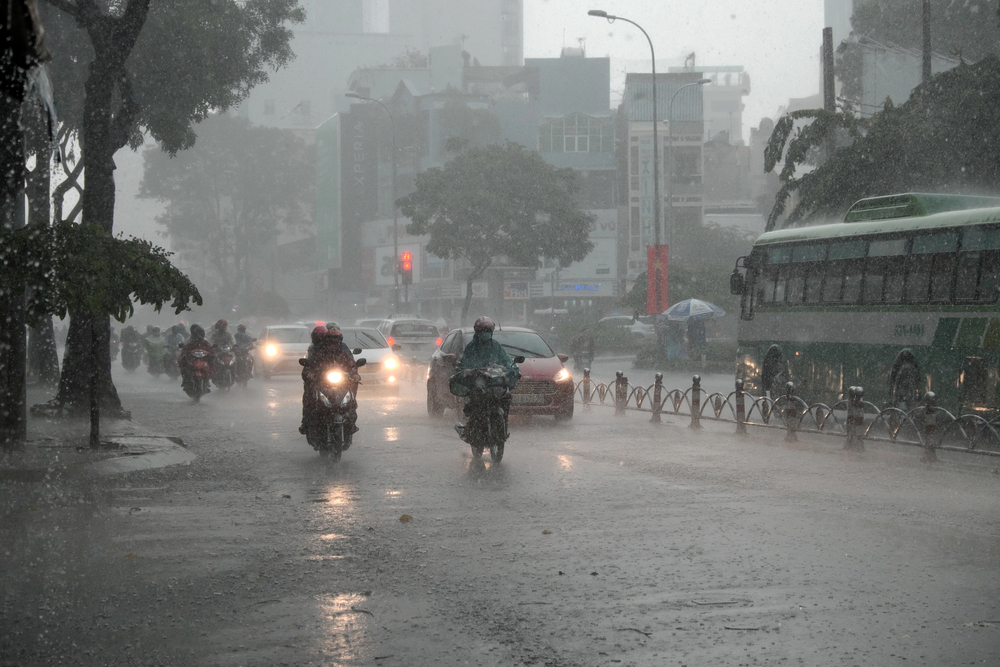
Ho Chi Minh City has a tropical climate with warm temperatures year-round, averaging between 77°F to 95°F, with high humidity especially during rainy months. It’s consistently hot. Pack accordingly.
Transportation and walkability
— Photo by AlexGukBO
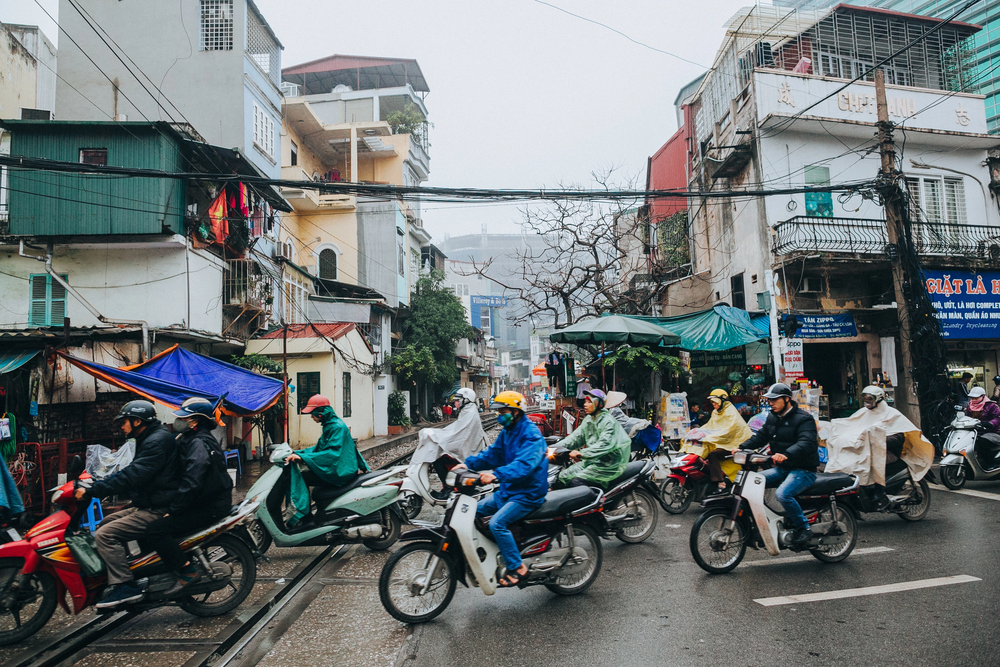
Despite the chaos, Hanoi felt more walkable compared to Ho Chi Minh City, and crossing streets felt less intimidating. The city is easier to navigate on foot thanks to new hefty traffic fines making roads safer, plus the Hanoi Metro Line 3 opened in 2024.
Ho Chi Minh City seemed much bigger, with faster pace and more intense traffic where crossing streets felt like a real mission. The urban sprawl requires more planning to navigate efficiently.
War history and museums

— Photo by skahadigital
Ho Chi Minh City offers deep insights into war history, particularly at the War Remnants Museum, which houses confronting but powerful exhibits about the Vietnam War. Since most fighting happened in the south, many evocative artifacts can be found in the city.
Hanoi is home to many of Vietnam’s finest museums, including the Vietnam Museum of Ethnology showcasing the country’s 54 ethnic groups, and the Vietnamese Women’s Museum exploring folk religion. The Ho Chi Minh Mausoleum draws long lines of visitors paying respects.
Backpacker scenes
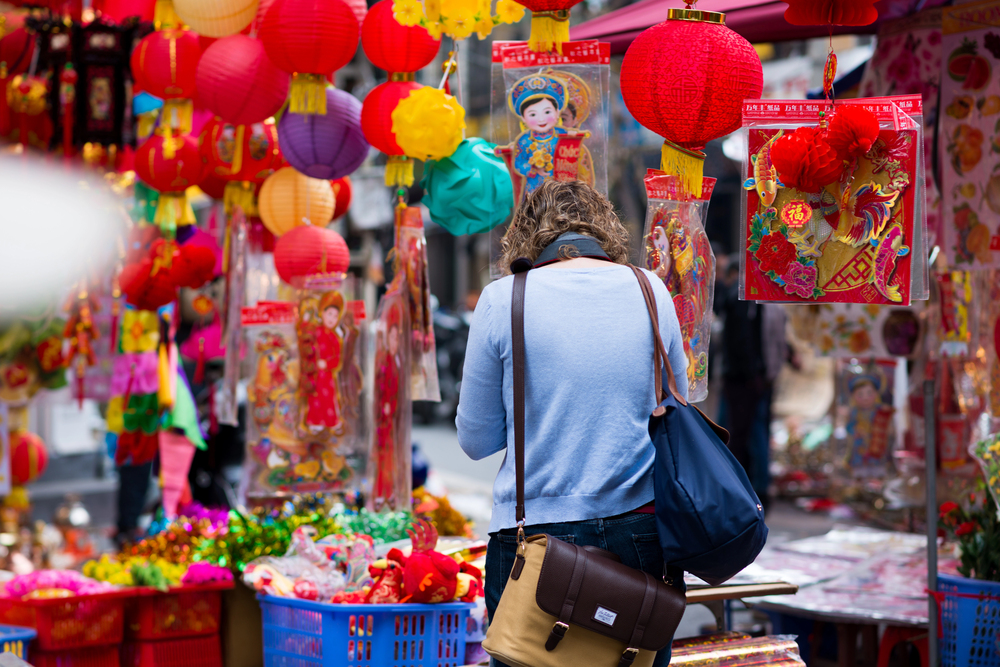
Ho Chi Minh City is well established on the Southeast Asian backpacker circuit with no shortage of hostels in District 1, near Ben Thanh Market. The international crowd keeps energy levels high around the clock.
Hanoi is a mecca for backpackers doing the Southeast Asian circuit, filled with hostels and cheap places to eat in the Old Quarter. Most budget travelers concentrate here. The scene feels more tight-knit.
Traditional culture vs cosmopolitan energy
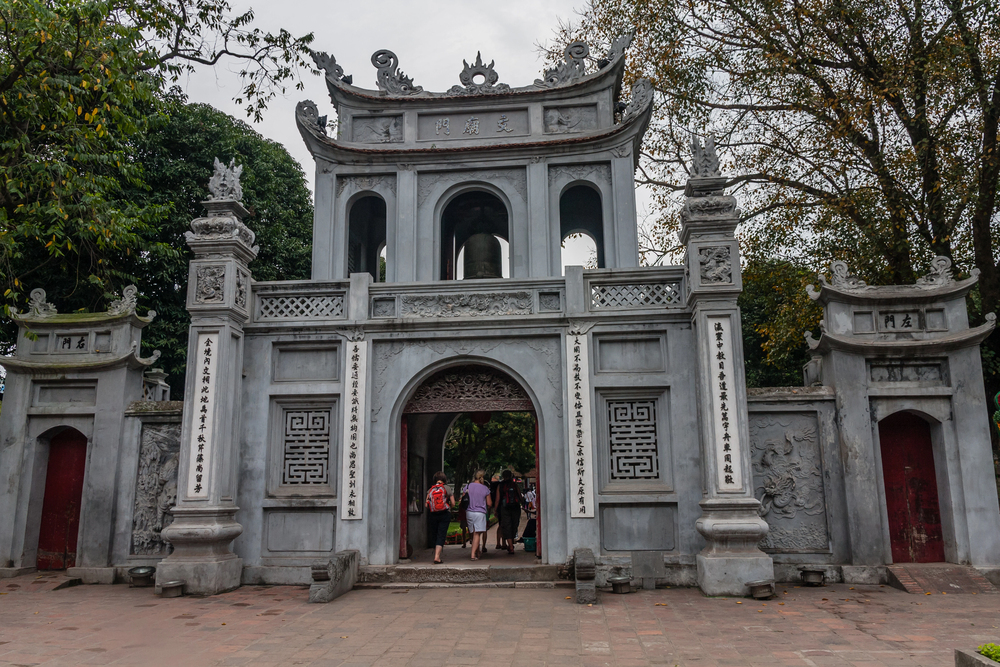
Hanoi offers a much more authentic insight into Vietnamese way of life, with a thousand-year-old traditions still visible in daily routines. Water puppetry shows and temple ceremonies happen regularly. And yes, the motorbike density can be overwhelming.
Ho Chi Minh City’s people are cosmopolitan and open to change, more influenced by foreign cultures during the colonial and war periods. The city attracts students and young professionals from across Vietnam, creating a diverse, forward-looking atmosphere.
Budget considerations
— Photo by HuongSon
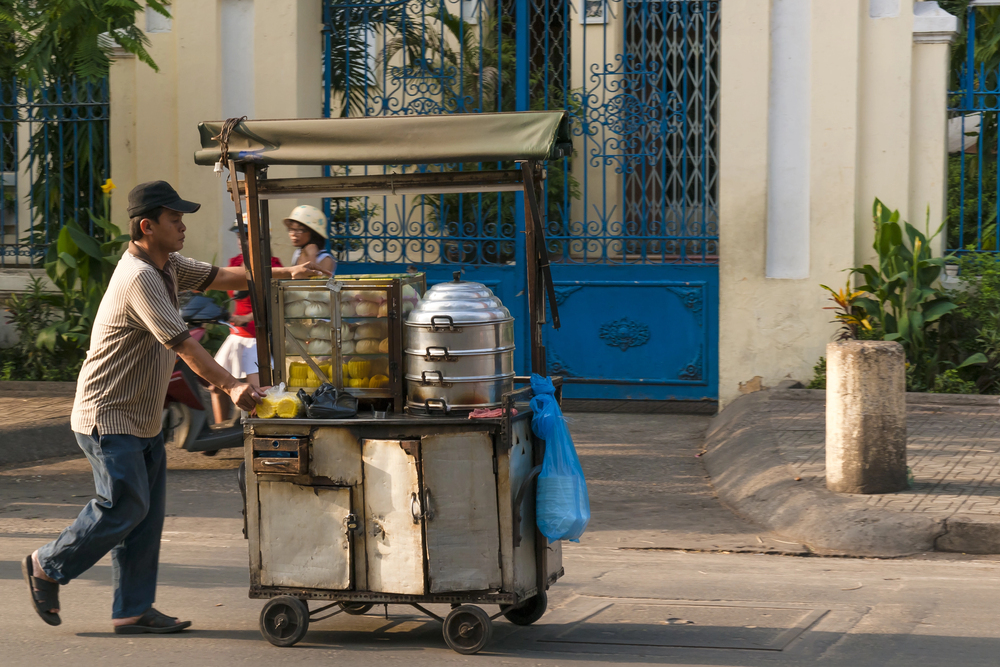
If you want to travel on a shoestring budget, Ho Chi Minh City offers the best opportunity because it has a larger variety of options. From $5 street meals to luxury dining, the range accommodates every wallet.
Both cities offer incredible value compared to Western destinations. You can easily spend less than $40 per day in Hanoi, accommodation included. The northern capital may have fewer rock-bottom options, but it still delivers excellent bang for your buck.
Accommodation styles
— Photo by mark52
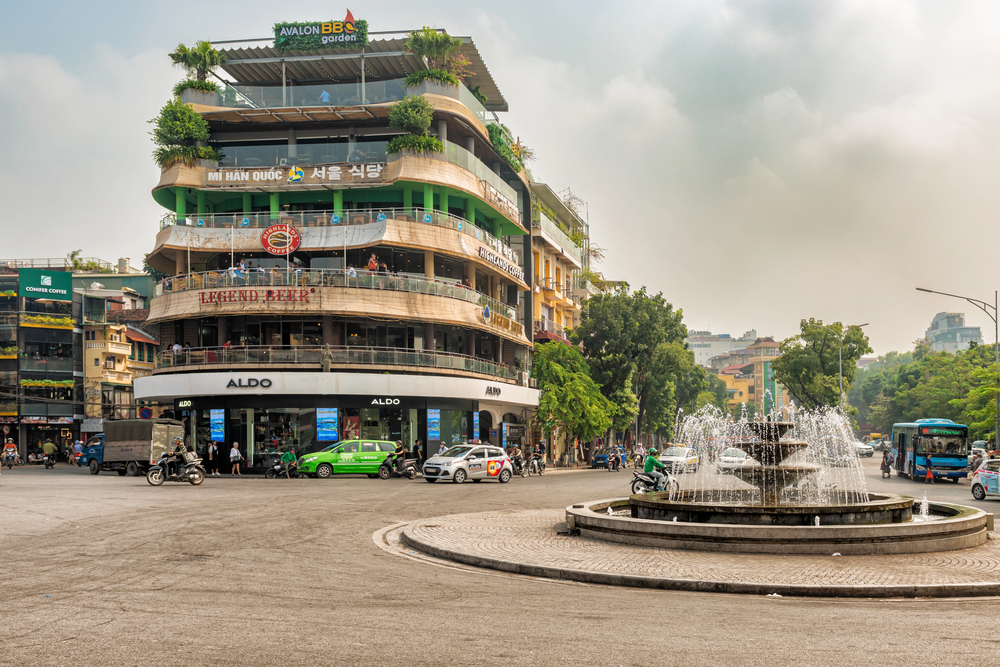
Hanoi tends to offer mostly medium-range accommodation, with many boutique-styled hotels that cater to wealthy travelers. Expect charming properties with colonial influences and personalized service.
Ho Chi Minh City provides every accommodation type imaginable, from backpacker hostels in District 1 to international hotel chains with sky-high pools. The selection spans every price point and style preference.
Train street and unique attractions
— Photo by AlexGukBO
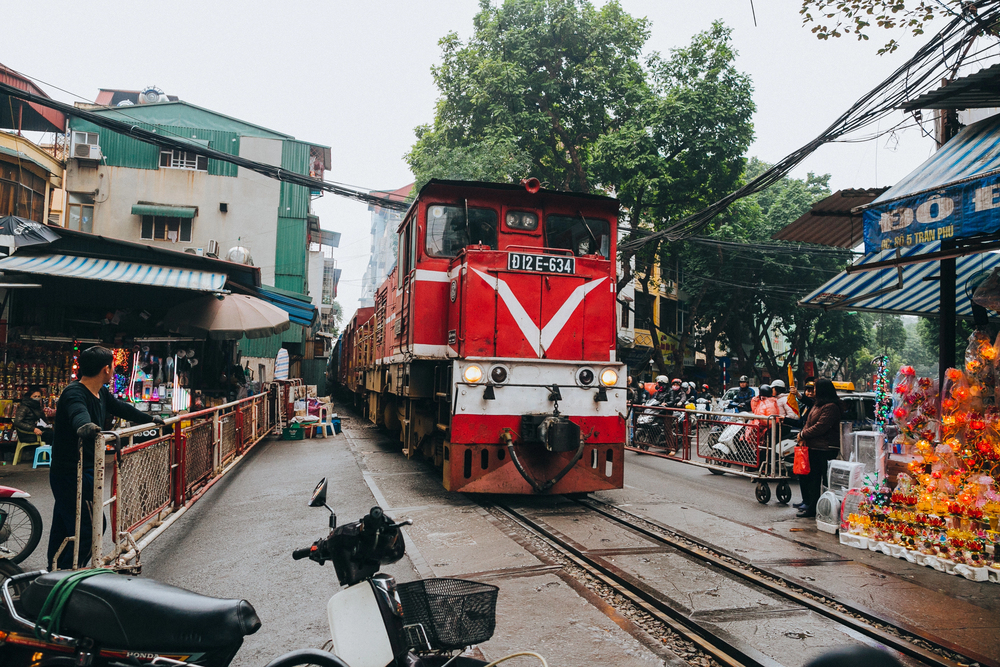
Hanoi’s famous Train Street offers a bizarre thrill where trains pass inches from cafés and homes twice daily. Sitting so close to a train passing at 20-30 km/h is both exhilarating and strange. Expect persistent vendors encouraging you to buy drinks — part of the experience.
Ho Chi Minh City counters with the Cu Chi Tunnels’ underground maze and the Saigon Opera House’s elegant French architecture. The Golden Dragon Water Puppet Theater provides authentic Vietnamese puppet shows that take place in water – odd but entertaining.
Student and young professional scenes

— Photo by zeber2010
Students come to Ho Chi Minh City from all over the country for university while others are enticed by job opportunities. The city buzzes with ambition and entrepreneurial energy, especially in the tech and startup sectors.
Hanoi attracts those interested in politics, culture, and traditional arts. As Vietnam’s capital, it draws government workers, cultural preservationists, and academics. The pace feels more measured, less frantic.
Gateway to different regions
— Photo by rajeshpandit
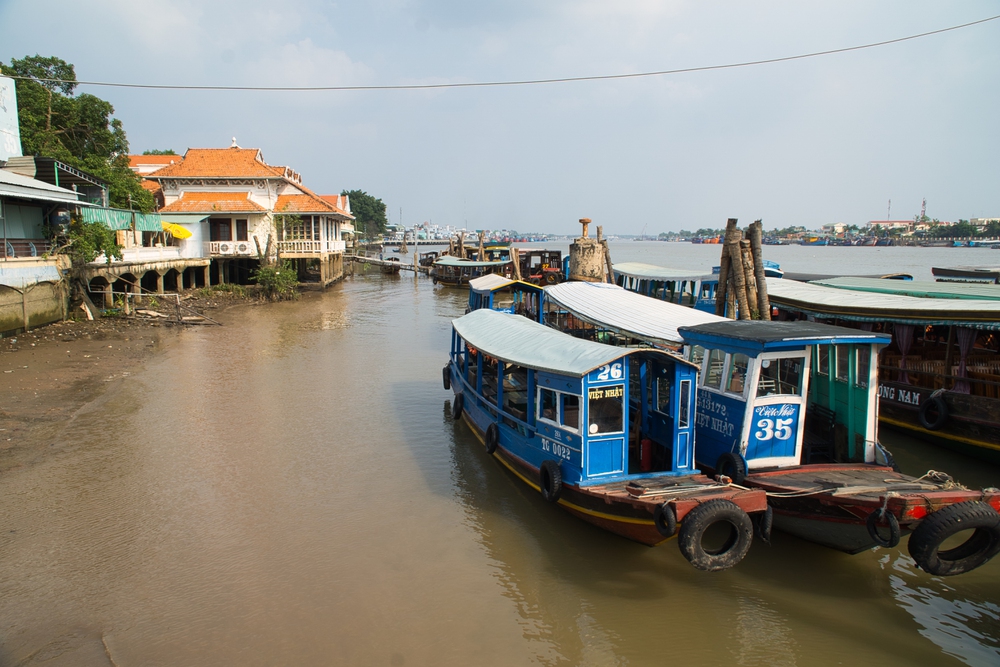
Hanoi is on the doorstep of popular attractions like the Sapa hill tribes and Ha Long Bay, making it perfect for exploring northern Vietnam’s mountains and UNESCO World Heritage sites.
Ho Chi Minh City is a gateway to the mighty Mekong Delta and southern beach destinations like Mui Ne and Vung Tau. The region offers different landscapes and cultural experiences from the north.
The verdict
— Photo by hokle1305
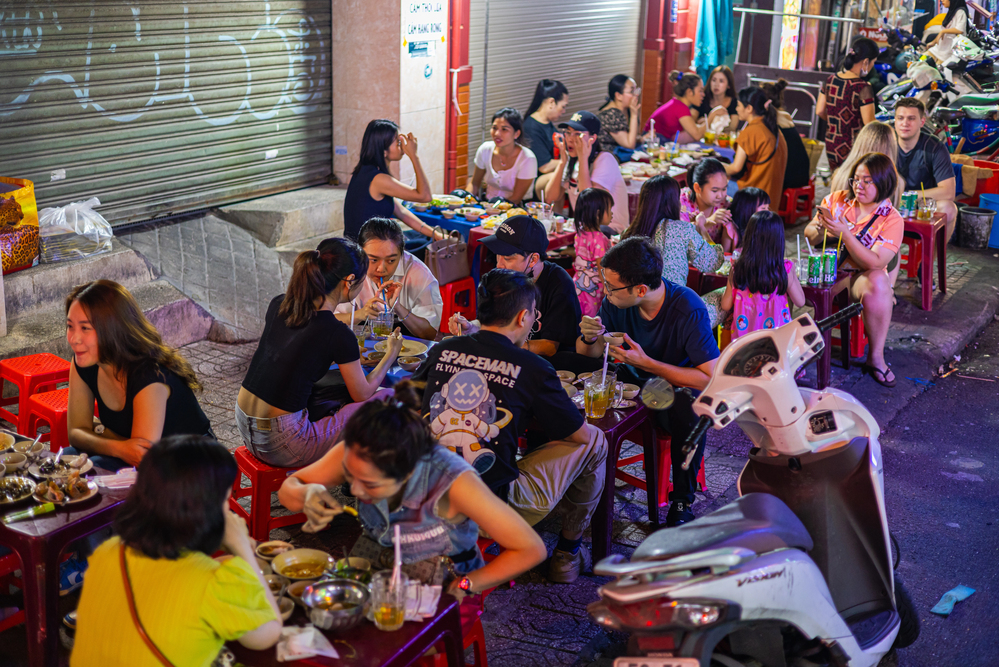
Ho Chi Minh City feels like the future while Hanoi is all about history and tradition. Choose Ho Chi Minh if you want international energy, diverse food options, and pumping nightlife. Pick Hanoi if you prefer authentic cultural experiences, manageable city size, and access to northern Vietnam’s natural wonders. Either way, you’re getting one of Southeast Asia’s most fascinating urban experiences.
More from Travel Pug

- 20 Best Beach Towns in the Carolinas
- 13 Destinations Where Tourists Regularly Regret Their Trip
- 20 Things You Actually Get in First Class
- 20 Small Airports With Aviation Museums
- 20 Places in the U.S. That Are Perfect for a Reset Trip
Like Travel Pug’s content? Follow us on MSN.