

A simple wrong turn can become a major issue and a dead phone battery can suddenly feel like a life-or-death situation in the shadow of darkness, which can make familiar places feel completely different. Nighttime adventures require a totally different approach to safety than their daytime counterparts, whether they involve hiking mountain trails under the stars or exploring city streets after midnight.
Here’s a comprehensive list of safety precautions that can mean the difference between a thrilling adventure and a dangerous mishap.
Tell someone your plans

Share your exact route, expected return time, and emergency contact information with a trusted person before heading out. Include backup meeting points and what they should do if you don’t check in by a specific time.
This creates a safety net that activates automatically if something goes wrong.
Carry multiple light sources
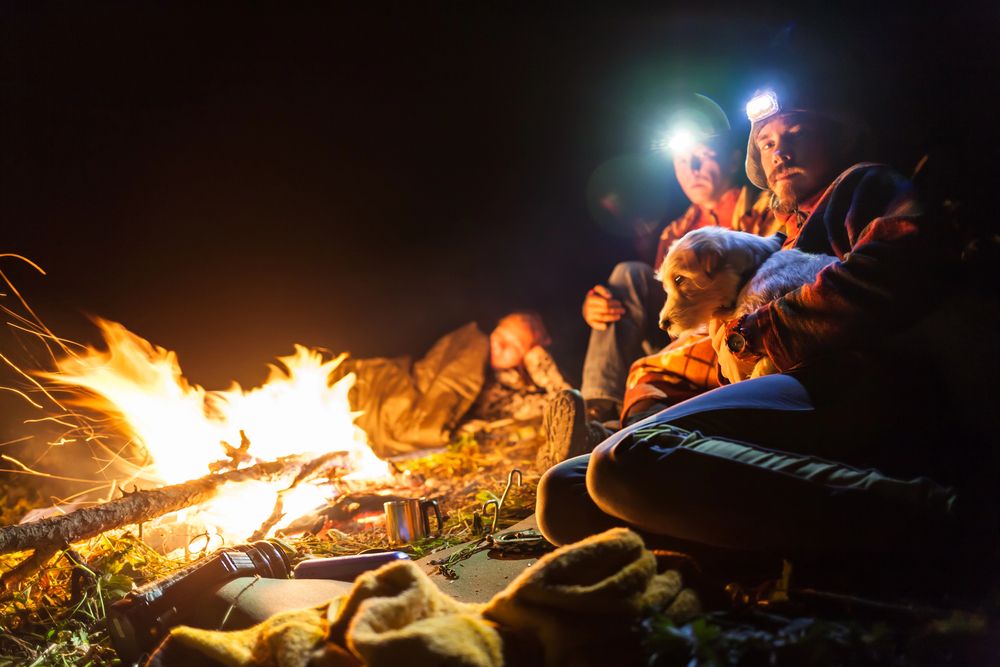
Pack at least three different lighting options: a primary headlamp, a backup flashlight, and an emergency light source like a small LED keychain. Test all batteries before leaving.
The woods at 2 AM can feel surprisingly disorienting when your only light fails. And there’s something particularly unnerving about the way shadows dance when you’re down to that tiny backup light, trying not to panic.
Keep your phone charged
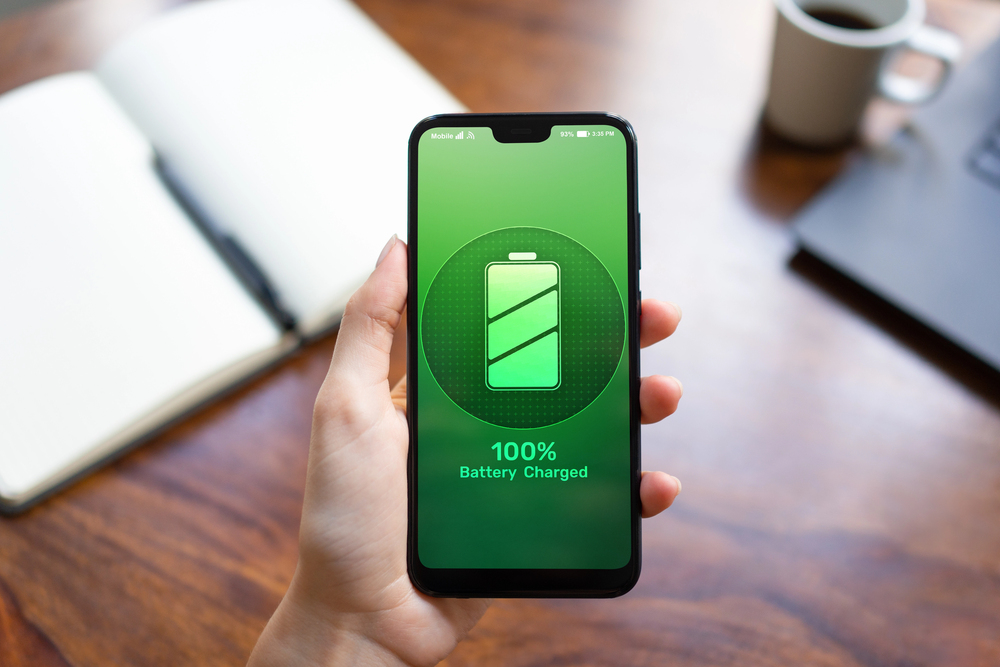
Bring a portable battery pack and keep your phone in airplane mode when not needed to conserve power. Download offline maps of your area beforehand.
A dead phone can’t call for help.
Stick to familiar areas initially
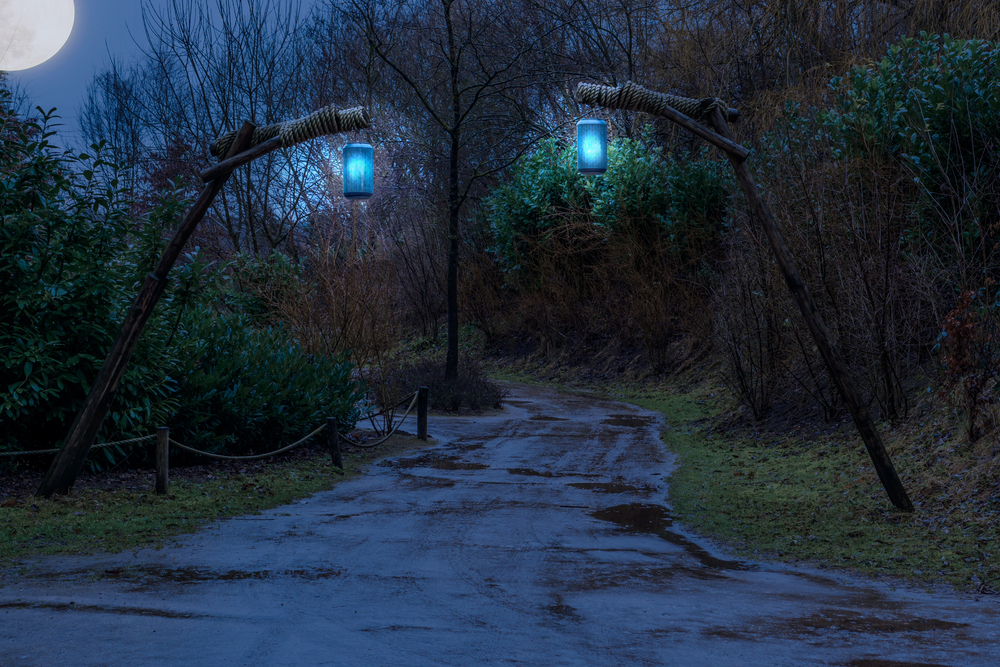
Build nighttime navigation skills in places you know well during daylight hours. This reduces the chance of getting lost while you’re learning to read terrain and landmarks in darkness.
Travel with others when possible
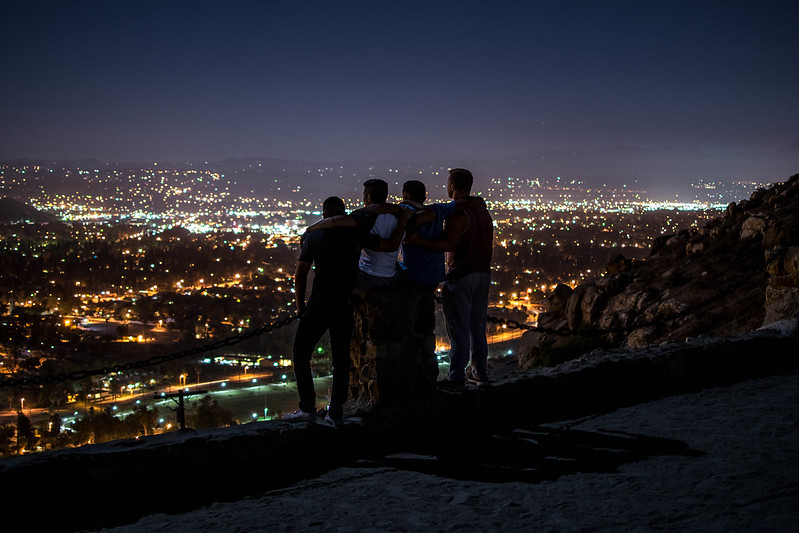
Solo nighttime adventures increase every type of risk. Partners can help with navigation, provide assistance during emergencies, and offer different perspectives on potentially dangerous situations.
Still, some of the most profound experiences happen alone under the stars. Just make sure the risk calculation makes sense.
Research your route thoroughly
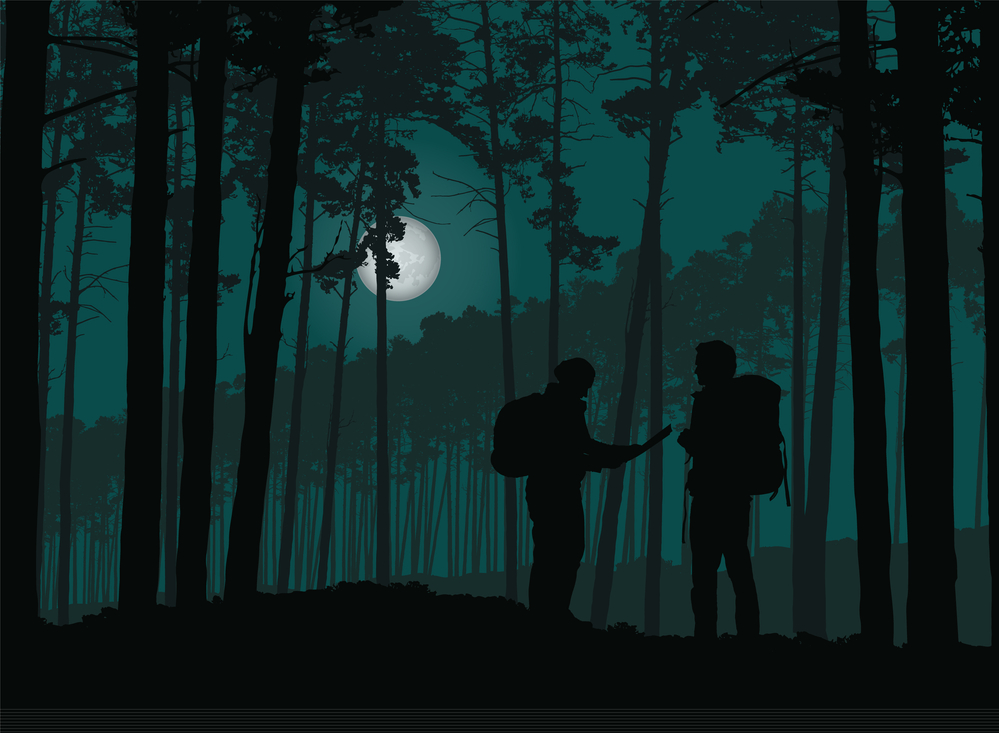
Study maps, read recent trip reports, and check for any closures or hazards. Know where the nearest hospitals, ranger stations, or safe havens are located along your planned route.
But also have backup routes mapped out. Things change fast in the dark.
Dress for temperature drops
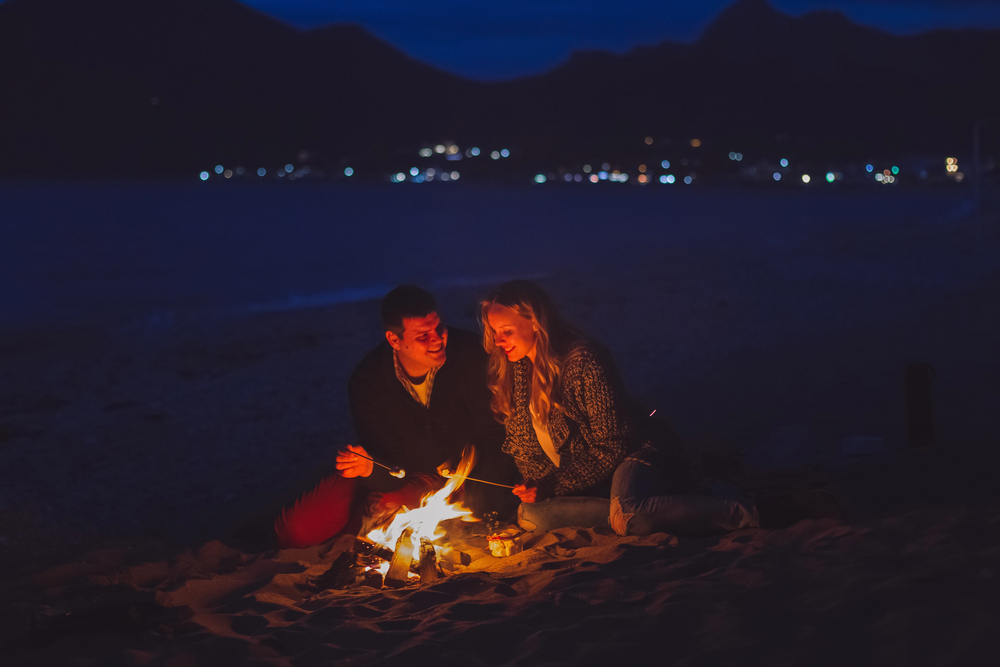
Nighttime temperatures can plummet unexpectedly, even in summer. Layer clothing and pack extra insulation, including:
- Warm hat and gloves
- Extra socks
- Waterproof outer layer
- Emergency blanket
Hypothermia won’t care about your adventure timeline.
Avoid alcohol and substances
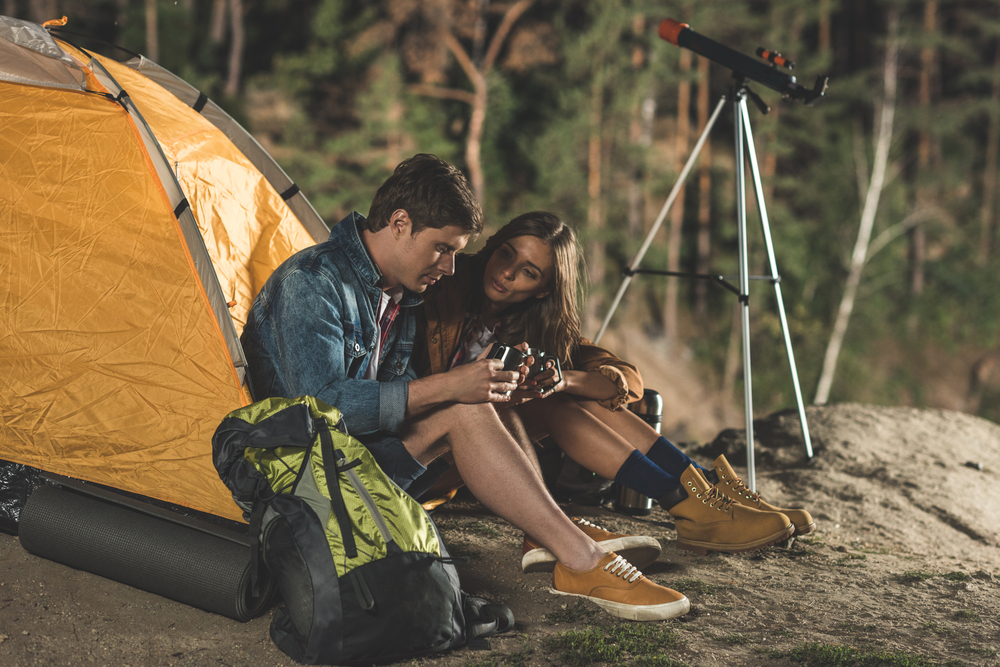
Impaired judgment becomes exponentially more dangerous at night when visual cues are limited and reaction times matter more. Save the celebration for after you’re safely back home.
Trust your instincts about people and places
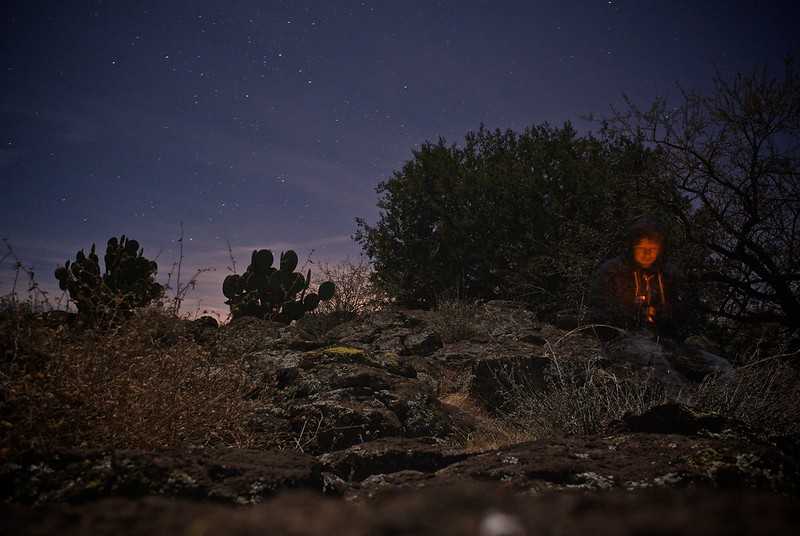
If something feels wrong, it probably is. Don’t ignore gut feelings about suspicious individuals, unsafe neighborhoods, or situations that seem off.
Your subconscious often processes danger signals before your logical mind catches up.
Plan for weather changes

Check forecasts obsessively, but also prepare for conditions to deteriorate beyond predictions. Rain, fog, or sudden wind can transform a manageable adventure into a survival situation.
Carry emergency supplies
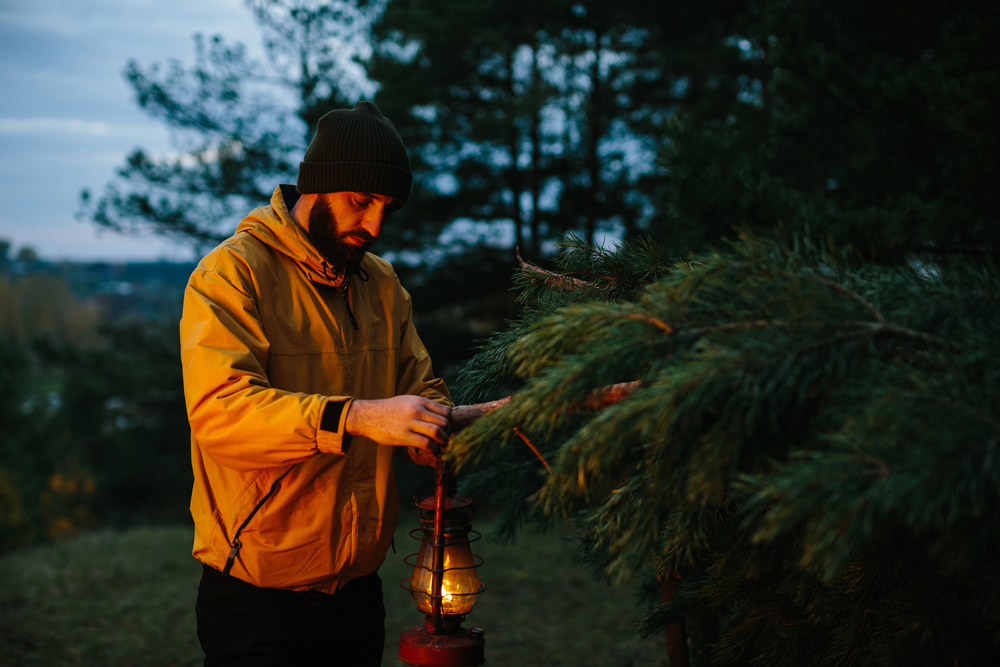
Pack a basic first aid kit, whistle, fire starter, emergency food, and extra water beyond what you think you’ll need. The weight penalty is worth it when things go sideways.
Stay hydrated and fed
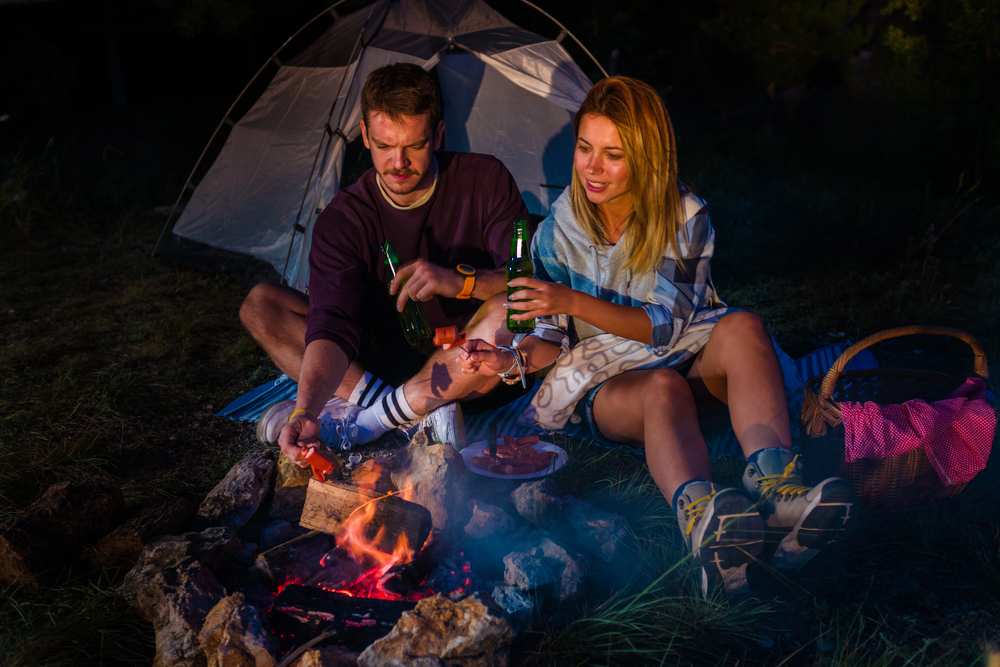
Dehydration and low blood sugar impair decision-making and physical performance when you need them most. Eat and drink regularly, even if you don’t feel hungry or thirsty.
Move slower than usual
Everything takes longer in the dark. Plan extra time for navigation, obstacle avoidance, and rest stops. Rushing leads to mistakes, and mistakes at night can be serious.
Mark your path
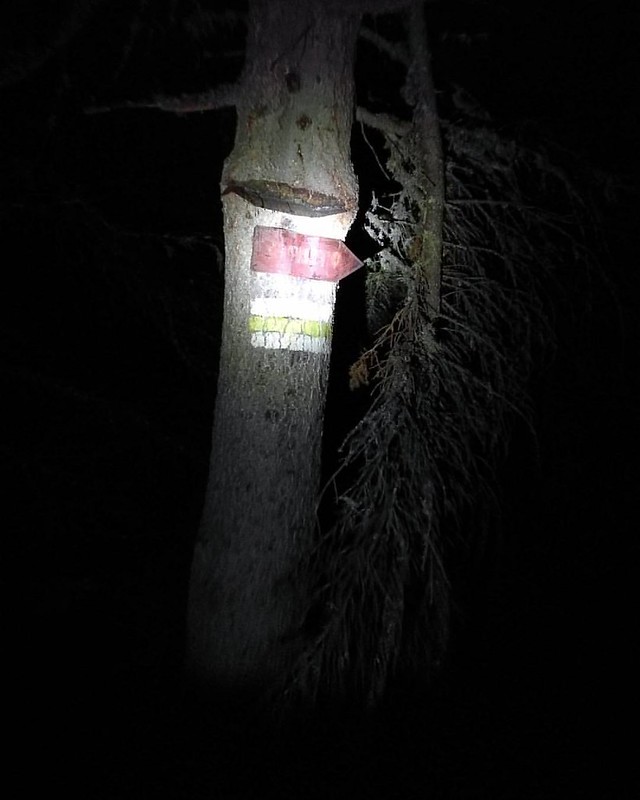
Use temporary markers like reflective tape or GPS waypoints to help navigate back, especially in areas without clear trails. Remove non-permanent markers on your way out.
Know when to turn back
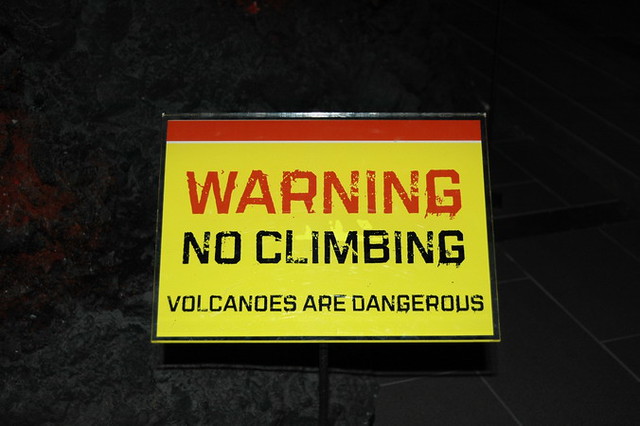
Set clear criteria for aborting the adventure before you start. Bad weather, equipment failure, injury, or simply feeling overwhelmed are all valid reasons to retreat and try again another night.
Pride isn’t worth emergency room visits.
The darkness will wait
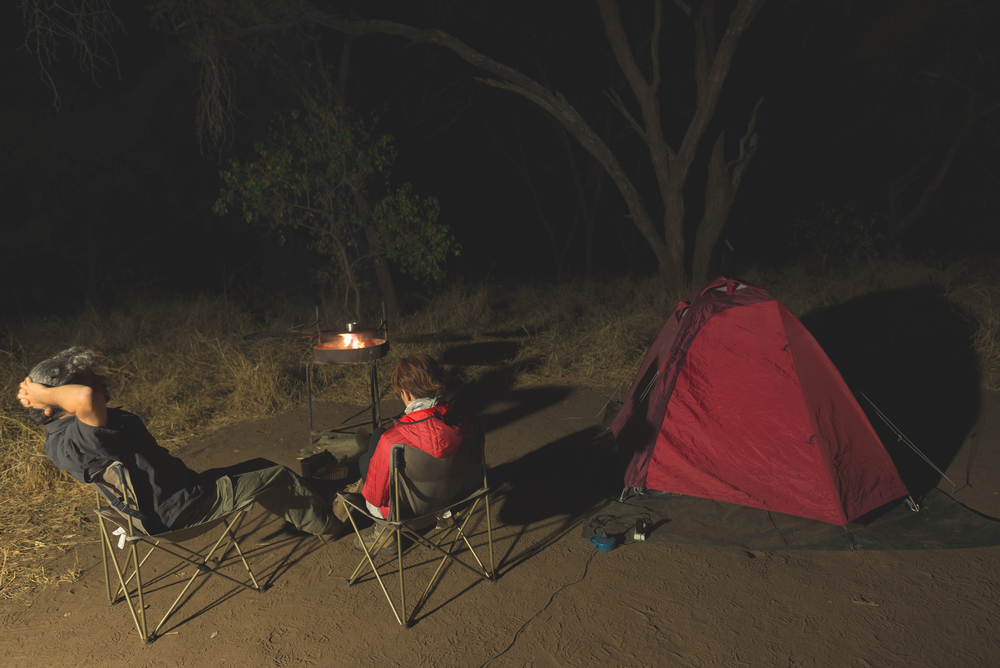
Adventures at night provide experiences that are not possible during the day, but they also require consideration, planning, and cautious judgment. If conditions aren’t favorable today, the city streets, mountains, and trails will still exist tomorrow evening.
More from Travel Pug

- 20 Best Beach Towns in the Carolinas
- 13 Destinations Where Tourists Regularly Regret Their Trip
- 20 Things You Actually Get in First Class
- 20 Small Airports With Aviation Museums
- 20 Places in the U.S. That Are Perfect for a Reset Trip
Like Travel Pug’s content? Follow us on MSN.