

Cambodia’s temple landscape stretches far beyond the iconic spires of Angkor Wat. Spread across dense jungles, on remote hilltops, and along forgotten roads are dozens of archaeological treasures that most tourists never encounter. These places have something the world-famous temples cannot: solitude, adventure, and the pleasure of true discovery.
The following are 15 lesser-known temples that pay dividends to those who are prepared to deviate from the beaten tourist path, each one a shining example of the architectural genius of the Khmer Empire.
Beng Mealea
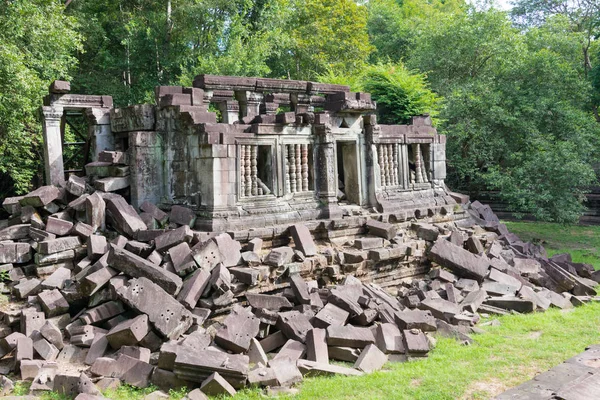
The jungle hasn’t just touched this 12th-century temple — it’s consumed it entirely. Massive tree roots snake through corridors and galleries, while collapsed towers create a labyrinth of stone that feels like stepping onto a movie set.
Located about 40 miles east of Angkor Wat, Beng Mealea predates its more famous cousin yet shares the same architectural grandeur, minus the restoration work and tour buses.
Koh Ker
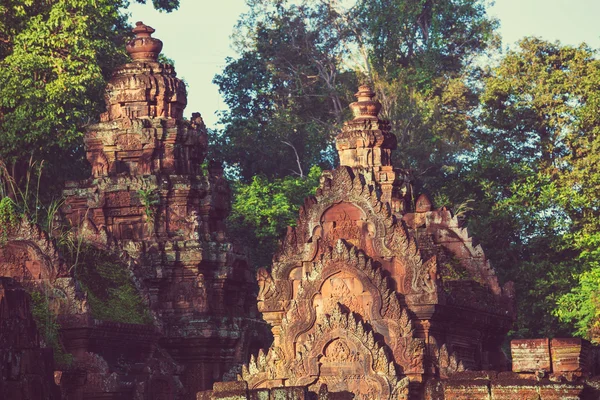
Cambodia’s newest UNESCO World Heritage Site (added in 2023) served as the Angkorian capital for just 16 years, yet that brief period produced something extraordinary. The seven-tiered pyramid of Prasat Prang rises 115 feet into the sky, making it the tallest temple structure in the nation.
Located 75 miles northeast of Siem Reap, this sprawling complex of over 30 temples rewards the two-hour drive with an atmosphere that feels genuinely remote.
Like Travel Pug’s content? Follow us on MSN.
Banteay Chhmar
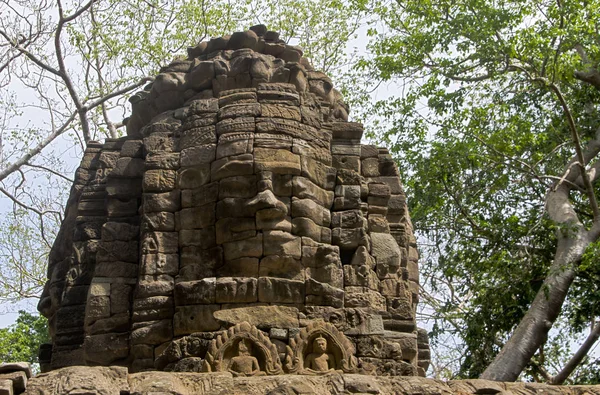
Built by King Jayavarman VII in the late 12th century, this fortress temple sits in Cambodia’s far northwest corner near the Thai border. The site sprawls across several acres and features intricate bas-reliefs depicting naval battles and the king’s military victories — though unlike Angkor’s temples, you’ll likely explore these carvings in complete solitude.
The journey here requires determination, but that’s precisely what keeps the crowds away.
Preah Vihear
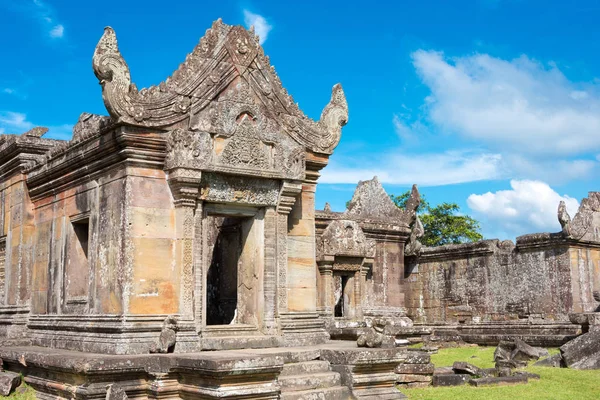
Perched dramatically on a 2,000-foot escarpment along the Dângrêk Mountains, this temple complex commands views that’ll make your stomach drop. Five pavilions connected by a half-mile causeway climb the clifftop, each one revealing more breathtaking vistas across the Cambodian plains below.
Despite UNESCO recognition, its location on the Thai border keeps visitor numbers refreshingly low compared to Angkor’s masses.
Sambor Prei Kuk
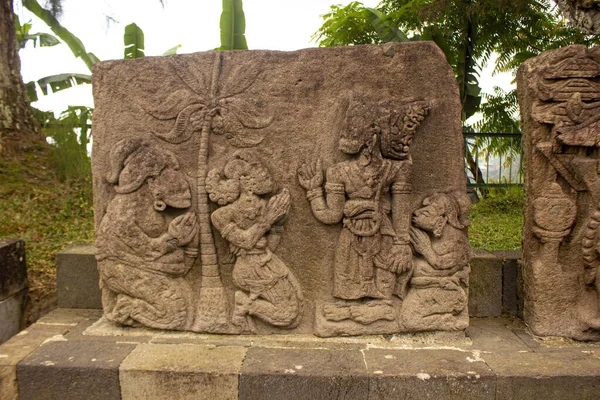
These pre-Angkorian brick temples date back to the 7th century, making them among the oldest religious structures in Cambodia. More than 180 temples are scattered through dense forest in eastern Cambodia, featuring octagonal towers and unique flying palace reliefs found nowhere else in Khmer architecture.
The site was once the capital of the Chenla Kingdom — an important predecessor to Angkor.
Like Travel Pug’s content? Follow us on MSN.
Preah Khan Kompong Svay
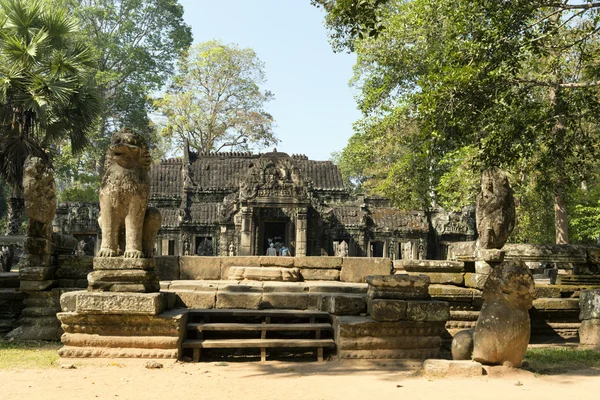
This is the whopper. With its outer wall measuring approximately 12 miles in circumference, Preah Khan Kompong Svay is in fact the largest temple enclosure constructed during Angkorian times.
Situated some 60 miles south of Preah Vihear City, the complex was both a palace and a military outpost, but today averages possibly a handful of visitors per week due to its truly isolated location.
Phnom Banan
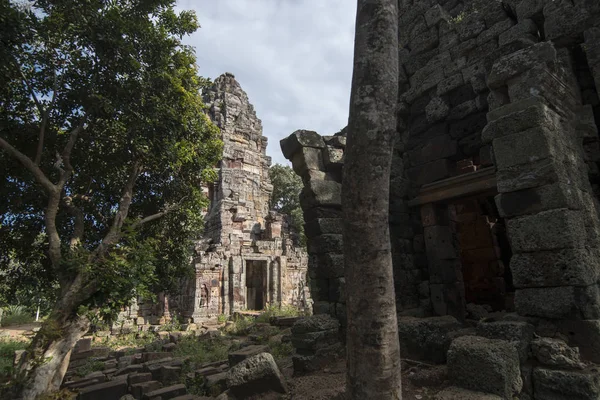
Climbing 358 stone steps up a hill near Battambang leads to this 11th-century temple with five towers arranged in a formation reminiscent of Angkor Wat. Some locals claim this layout actually inspired Angkor’s design, though that’s probably wishful thinking.
What’s not debatable is the stunning 360-degree view from the summit — endless rice paddies punctuated by sugar palms stretching to the horizon.
Wat Ek Phnom
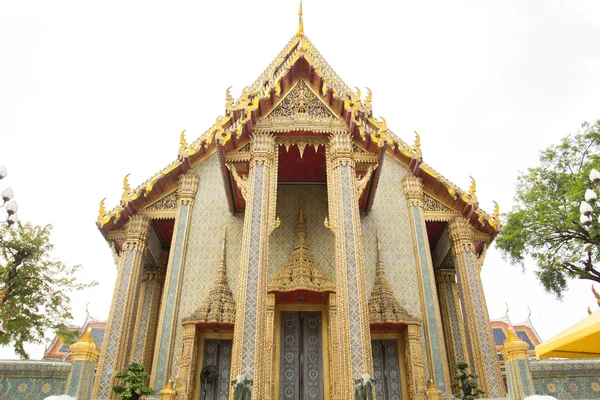
Just north of Battambang stands this heavily weathered sandstone temple from the 11th century. The carvings have suffered considerably from time and the elements, yet there’s something compelling about their ruined state.
A modern working temple sits right in front of the ancient ruins, creating an interesting juxtaposition between Cambodia’s spiritual past and present.
Like Travel Pug’s content? Follow us on MSN.
Banteay Ampil
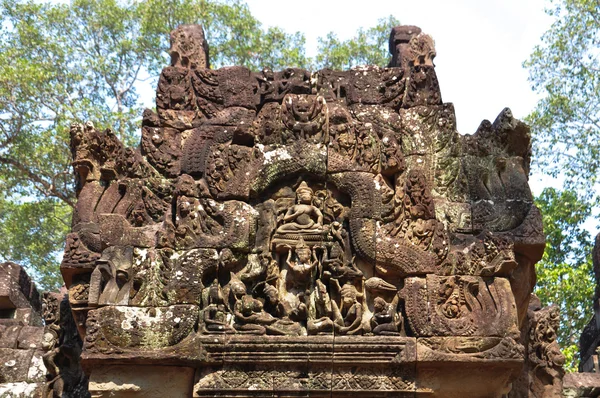
Getting here is half the adventure. Located 22 miles east of Angkor Wat along an ancient royal road, this 12th-century temple sits at the end of a bumpy single-track path that’s often muddy and only accessible by motorbike.
The temple itself beautifully fuses Angkor Wat’s architectural style with Ta Prohm’s jungle overgrowth, and you’ll almost certainly have the place entirely to yourself.
Ta Nei
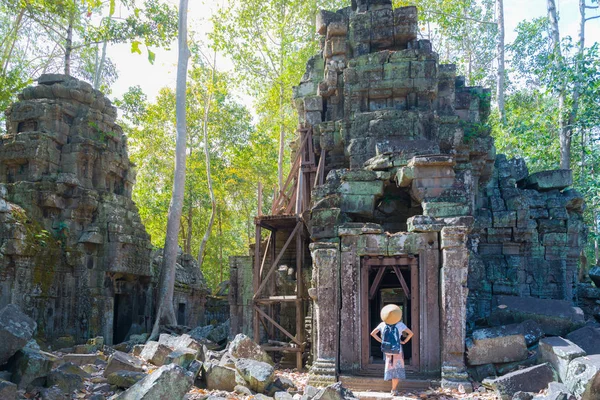
This one hides in plain sight — it’s actually close to the main Angkor complex, right next to the zipline attraction. A rough, unpaved track about half a mile long keeps most visitors away despite the temple’s convenient location.
Built by King Jayavarman VII in the late 12th century, Ta Nei features lovely carvings and bas-reliefs on its flat Angkor-style structure, all wrapped in a peaceful forest setting.
Phnom Bok
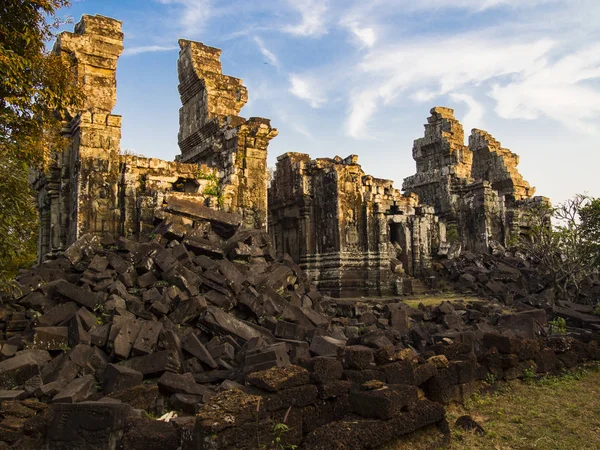
One of Angkor’s oldest temples sits atop a 770-foot hill, and climbing the 600 steps to reach it defeats most people before they even try. Those who make the ascent discover stone and brick towers from the early 10th century nestled among fragrant frangipani trees.
The panoramic views from the summit reveal why ancient kings chose this spot, though the steep climb means you’ll likely have those views all to yourself.
Like Travel Pug’s content? Follow us on MSN.
Phnom Santuk
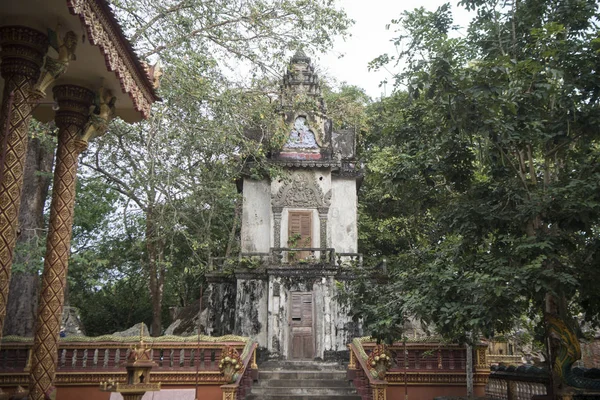
This hilltop temple complex near Kampong Thom requires climbing over 800 stone steps lined with Buddha statues. At the summit, you’ll find temples from various eras, additional statues, ancient bridges, and a thriving population of monkeys who’ve made the ruins their home.
Rising more than 650 feet above the valley floor, Phnom Santuk offers spectacular views over the Tonlé Sap River and the surrounding countryside.
Banteay Samre
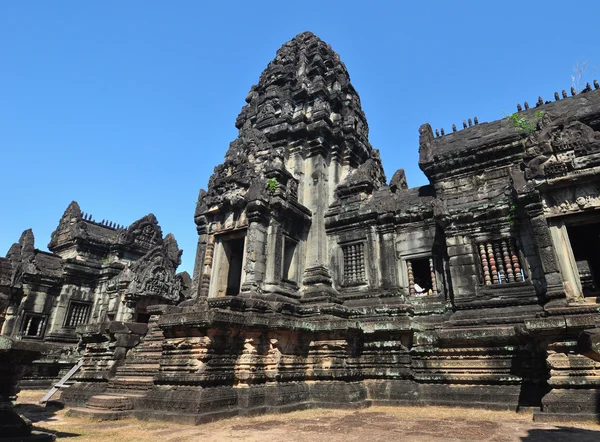
Built in the same style and period as Angkor Wat, this well-preserved temple sits about 13 miles east of Siem Reap, yet sees a fraction of the visitors. The pink sandstone structure features intricate apsara carvings and a layout reminiscent of its more famous neighbors, complete with libraries and a colonnaded exterior.
Recent restoration work has returned much of the temple to its former glory while somehow keeping it off most tourist itineraries.
Ta Som
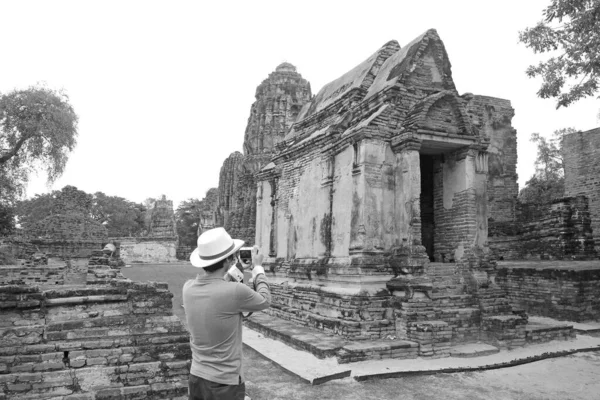
This small Buddhist temple from the late 12th century gets overshadowed by its more famous neighbors in the Angkor complex. The eastern entrance gate is famously strangled by a massive fig tree whose roots have completely enveloped the stone structure, creating one of Cambodia’s most photogenic temple scenes.
Despite this natural drama, Ta Som remains blissfully quiet even during peak tourist season.
Like Travel Pug’s content? Follow us on MSN.
Prasat Chrung

Actually, four separate temples, these structures mark each corner of the ancient city of Angkor Thom, with the Bayon Temple at its heart. The Khmer word “Chrung” translates to corner, which explains their positioning perfectly.
Since no established paths lead to these temples, reaching them requires walking or biking along single trails through the forest, guaranteeing you’ll explore without interference from other tourists.
Where ancient stones meet modern adventure
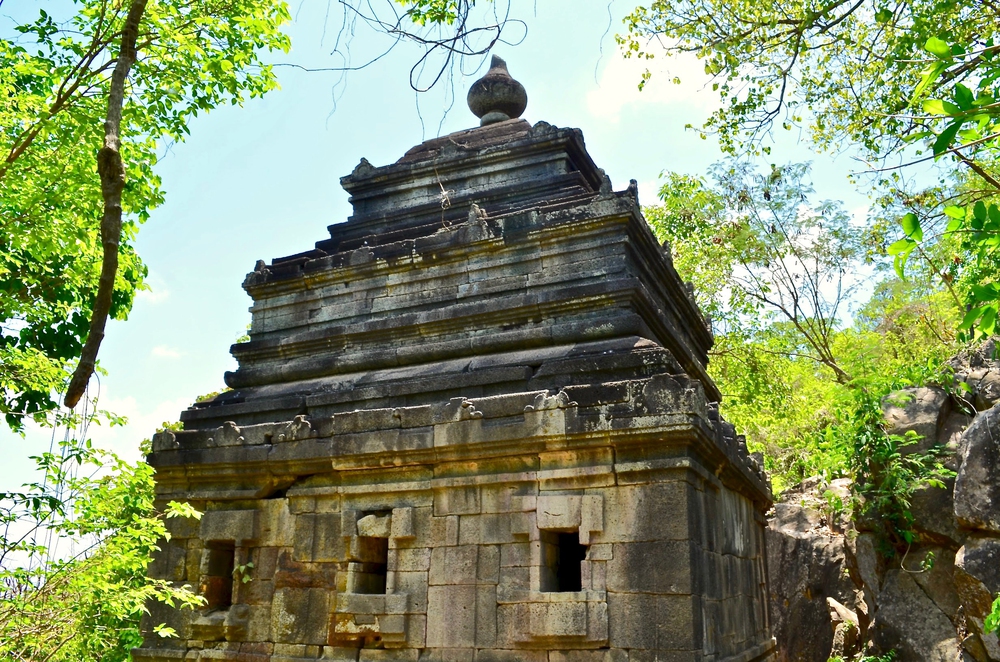
Cambodia’s hidden temples, spread throughout the countryside, reveal stories that mass tourism frequently overlooks. While millions witness Angkor Wat’s dawn each year, these overlooked sanctuaries patiently bide their time in jungles.
On mountaintops, their towers and carvings observe far fewer feet but reward travelers with better things than famous places can provide. The architectural heritage of the Khmer Empire goes far beyond what guidebooks pick up on, and today’s adventurous travelers can still catch some of that same thrill that early explorers had.
Although it takes special effort, muddy roads, and sometimes questionable motorcycle trips to get there, they leave intact something precious: the feeling that you’re seeing something new, not just somewhere else. Getting to each hidden temple becomes part of the tale you’ll take home.
More from Travel Pug

- 20 Best Beach Towns in the Carolinas
- 13 Destinations Where Tourists Regularly Regret Their Trip
- 20 Things You Actually Get in First Class
- 20 Small Airports With Aviation Museums
- 20 Places in the U.S. That Are Perfect for a Reset Trip
Like Travel Pug’s content? Follow us on MSN.