

The great outdoors has long provided a respite from routine, but how you connect with nature depends entirely on whether you pitch a humble tent or check into a fancy yurt. Old-style camping erases niceties of modern life and makes you use your wits, whereas glamping envelops outdoor escapades in hotel amenities.
Both styles leave you sleeping beneath the stars, but they create essentially disparate experiences that appeal to very different travelers.Here are 15 ways that camping and glamping are different, so you can decide which style suits what you really want out of a holiday.
The price tag tells different stories

Traditional camping costs $20 to $45 per night at most campgrounds, plus the initial gear investment for tents, sleeping bags, and cooking equipment. runs from $100 to $500 per night, depending on amenities, with luxury safari tents and treehouses hitting the higher end.
Camping gear pays for itself after several trips, making it cheaper long-term if you actually use it regularly.
Comfort levels separate the experiences
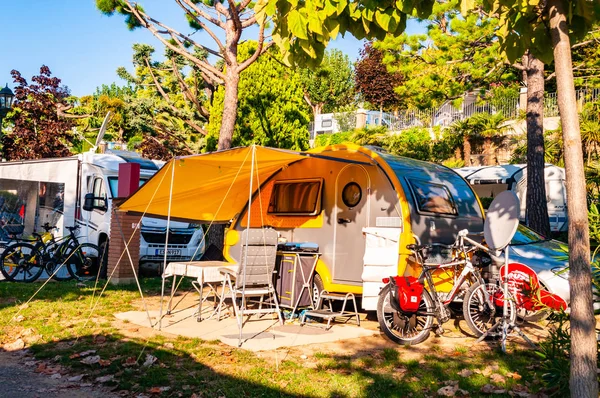
While glamping offers genuine beds with real mattresses and occasionally even thread counts worth boasting about, sleeping in a tent on the ground with a simple pad challenges your ability to handle roughing it. Glamping locations frequently have air conditioning and heating, transforming outdoor lodging into something more akin to upscale hotel rooms.
Because of the comfort disparity, some people firmly believe that camping is authentic, while others won’t sleep anywhere without adequate pillows.
Like Travel Pug’s content? Follow us on MSN.
Setup time creates different vacations
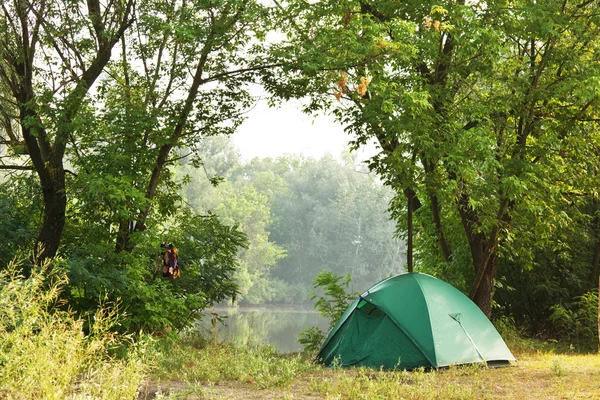
Pitching tents, organizing gear, and establishing your campsite can eat up the first hour or two of arrival, turning setup into part of the camping experience itself. Glamping eliminates that since your yurt, cabin, or safari tent stands ready when you arrive, letting you start relaxing immediately.
Families with young kids often prefer glamping just to skip the inevitable arguments about whose turn it is to hammer tent stakes.
Bathroom situations get real different
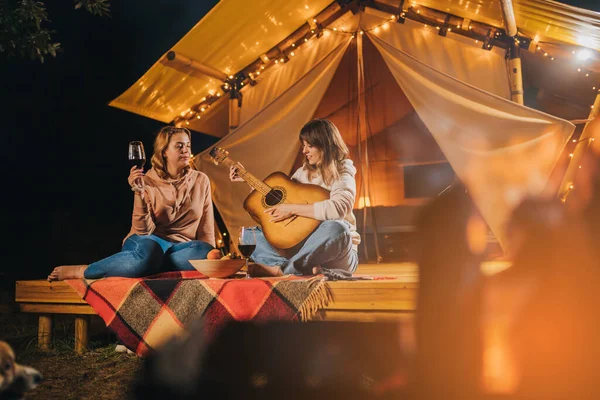
Traditional camping means hiking to shared facilities that range from clean bathrooms to questionable outhouses, or embracing nature directly if you’re backcountry camping. Glamping sites typically provide private bathrooms with hot showers, flushing toilets, and sometimes even spa-like amenities.
This single difference converts many camping skeptics into glamping enthusiasts, especially those who draw the line at communal shower situations.
Cooking arrangements shape daily routines
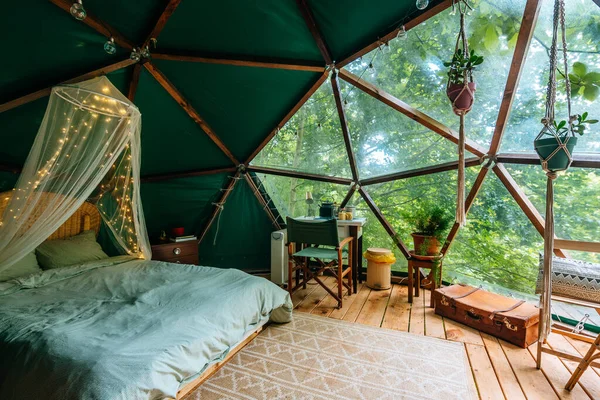
Camping puts you in charge of cooking over campfires or portable stoves, which sounds romantic until you’re trying to flip pancakes in the wind. Glamping sites often include full kitchens or provide meal service, removing the challenge of outdoor cooking entirely.
The trade-off comes down to whether you want the satisfaction of mastering fire-cooked meals or prefer having someone else handle breakfast.
Like Travel Pug’s content? Follow us on MSN.
Weather becomes a bigger factor
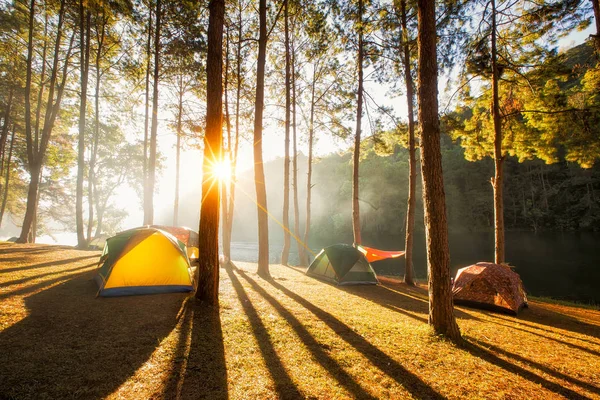
Thin tent walls offer minimal protection from storms, temperature swings, and that surprise cold snap that makes sleeping bags feel inadequate. Glamping structures provide solid walls, insulation, and climate control that neutralize weather’s impact on your comfort.
Camping trips get memorable when storms hit and you’re huddled in a tent, though not always in the ways you originally planned.
The skill requirement filters participants
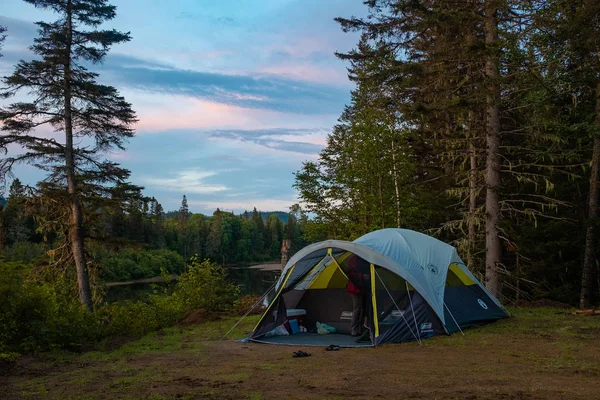
Traditional camping demands basic outdoor competencies like fire-starting, tent assembly, and food storage to prevent wildlife encounters. Glamping requires no specialized skills beyond knowing how to work a thermostat and appreciating nice linens.
This accessibility makes glamping perfect for introducing outdoor-averse friends to nature without scaring them off permanently.
Social dynamics play out differently
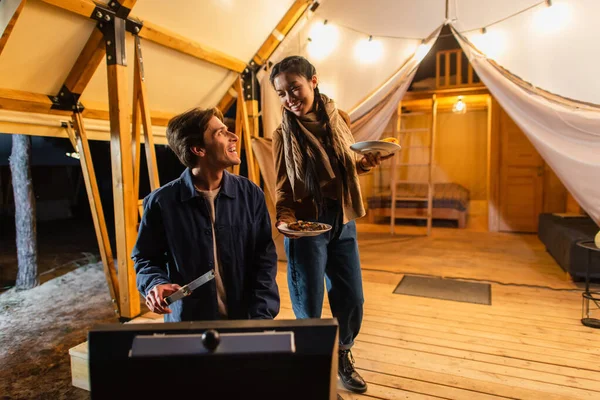
Campgrounds create communal atmospheres where neighboring campers share fire-starting tips, borrow forgotten gear, and bond over shared challenges. Glamping sites tend toward more private experiences with less interaction, appealing to couples seeking romantic getaways or groups wanting their own space.
The camping community aspect either draws you in or drives you toward glamping’s solitude.
Like Travel Pug’s content? Follow us on MSN.
Environmental immersion varies wildly
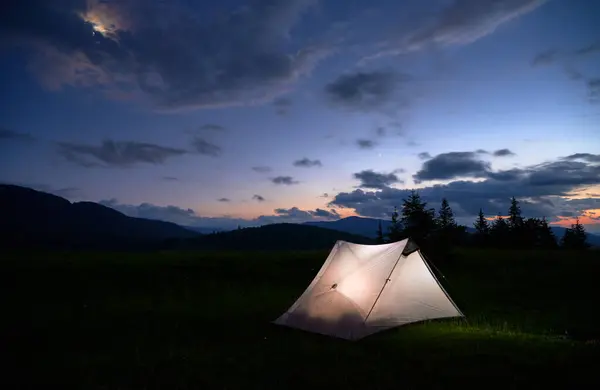
Sleeping in a thin tent with nothing but nylon between you and nature creates visceral connections to your surroundings, from hearing every animal sound to feeling temperature changes. Glamping maintains separation through solid structures that buffer you from the environment while keeping views available.
Some people need that thin barrier removed to feel truly outdoors, while others prefer experiencing nature through windows.
Gear investment separates one-timers from regulars
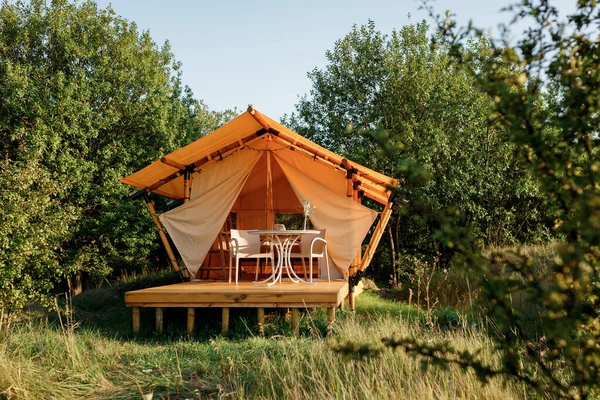
Buying quality camping equipment requires several hundred dollars upfront, which only makes financial sense if you camp multiple times per year. Glamping costs more per trip but requires zero equipment investment, making it ideal for occasional outdoor enthusiasts.
People who camp once annually often spend more on unused gear sitting in garages than they would on glamping.
Accommodation variety expands with glamping
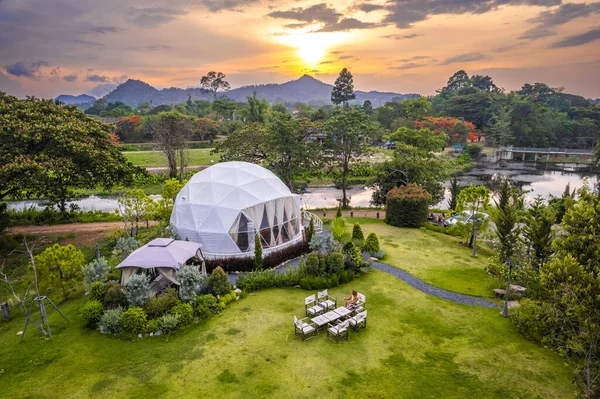
Traditional camping limits you to tents, maybe a basic cabin, or sleeping under tarps if you’re feeling adventurous. Glamping opens up treehouses, converted train cabooses, geodesic domes, and luxury safari tents that turn accommodation into entertainment.
The Instagram factor alone drives some glamping bookings, though the unique structures do create genuinely memorable stays.
Like Travel Pug’s content? Follow us on MSN.
Convenience determines your vacation energy
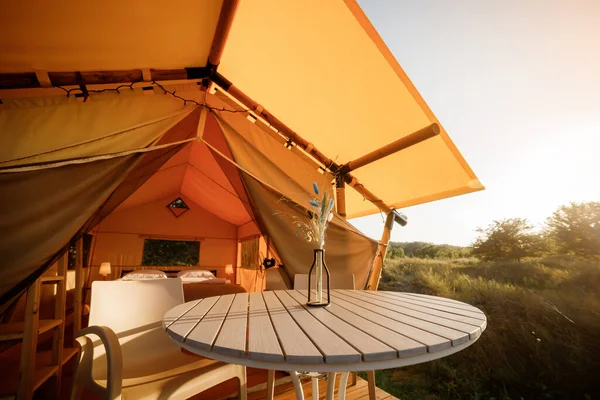
Camping requires constant effort from setup through breakdown, with cooking, cleaning, and managing gear consuming significant vacation time. Glamping front-loads all that work onto the site operators, leaving you free to just enjoy activities and relax.
Families with limited vacation days often choose glamping to maximize actual recreation time rather than spending it on camping logistics.
Activity access changes your options
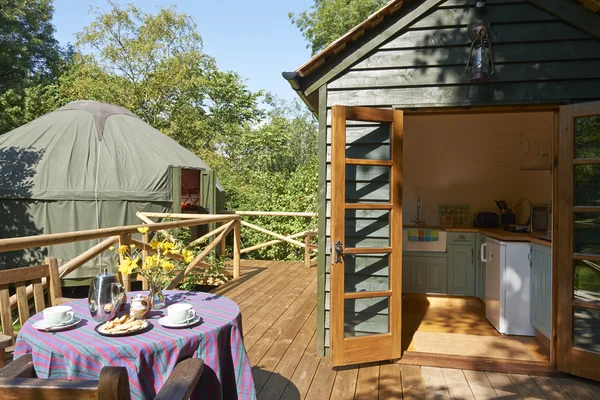
Camping in remote locations limits you to hiking and activities within driving distance, requiring research and planning to fill your days. Many glamping sites offer curated activity lists, booking assistance for excursions, and sometimes on-site options like yoga classes or wildlife tours.
The convenience costs more but removes the friction of planning what to do each day.
Privacy expectations shift with structure
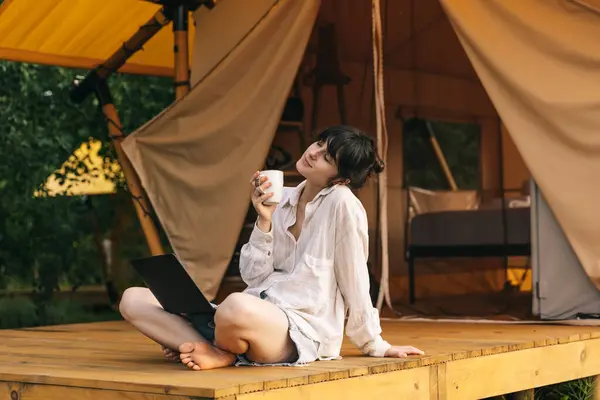
Thin tent walls mean you hear neighboring campers’ conversations, music, and snoring throughout the night, creating forced intimacy with strangers. Glamping structures provide actual walls and sound insulation that grant genuine privacy from other guests.
Light sleepers and introverts naturally gravitate toward glamping’s ability to block out campground noise.
Like Travel Pug’s content? Follow us on MSN.
The authenticity debate never ends
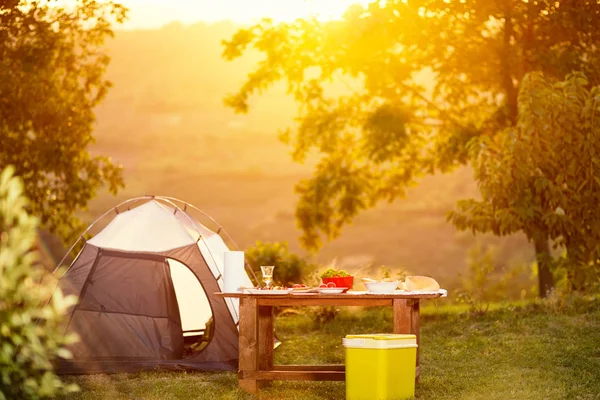
Camping purists argue that true outdoor experiences require discomfort, challenge, and direct nature exposure without modern interference. Glamping advocates counter that comfort doesn’t diminish nature appreciation and actually makes outdoor time accessible to more people.
This philosophical divide separates outdoor communities more than any practical consideration, with neither side likely convincing the other.
The experience you remember depends on what you value
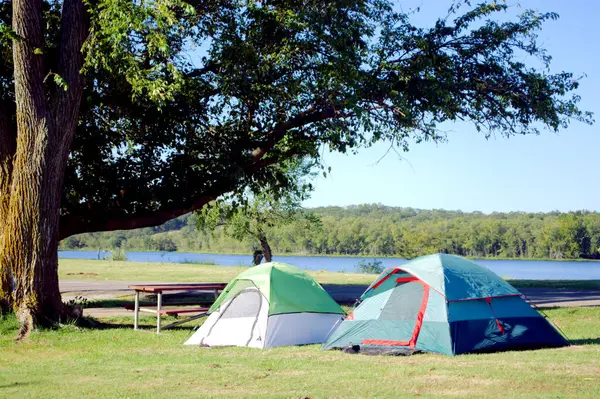
Camping creates stories about conquering challenges, adapting to conditions, and bonding over shared struggles that build character. Glamping produces memories of relaxation, comfort, and experiencing beautiful locations without the stress of roughing it.
Both deliver outdoor time, but the memories they generate look completely different when you’re telling stories later.
How comfort killed camping’s gatekeeping
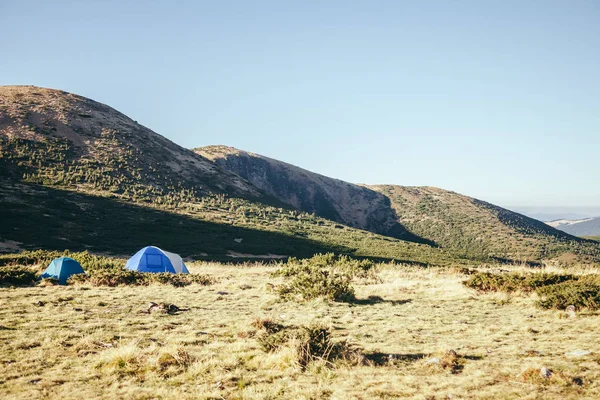
For generations, camping was an unspoken proving ground of outdoor worthiness, where pain equaled devotion to nature. Glamping broke that gatekeeping by showing you could enjoy the great outdoors without sacrificing, opening up access to natural areas for individuals who would never see them otherwise.
That change hasn’t killed classic camping but has stretched the great outdoors recreation tent to include everyone from hardcore backpackers to comfort-hunting families. The question is not which has the better trip but which has the better trip for you, and the answer depends on whether you’re looking for challenge or escape, skill-building or just memory-building without blisters.
Like Travel Pug’s content? Follow us on MSN.
More from Travel Pug

- 20 Best Beach Towns in the Carolinas
- 13 Destinations Where Tourists Regularly Regret Their Trip
- 20 Things You Actually Get in First Class
- 20 Small Airports With Aviation Museums
- 20 Places in the U.S. That Are Perfect for a Reset Trip
Like Travel Pug’s content? Follow us on MSN.