

Normandy’s landscape bears the imprints of invasions, battles, and cultural exchanges spanning two millennia. The Vikings who gave the region its name left descendants who conquered England in 1066, while nearly 900 years later, Allied forces landed on these beaches to begin liberating Europe from Nazi occupation.
Between these bookend invasions, Normans built abbeys and castles, developed the Romanesque architectural style, and created a distinct regional culture that survives despite France’s centralizing tendencies. The density of historically significant sites makes comprehensive visits nearly impossible—you could spend weeks just covering the D-Day beaches, let alone medieval abbeys and Viking-era towns.
Here is a list of 15 historic sites in Normandy.
Mont Saint-Michel
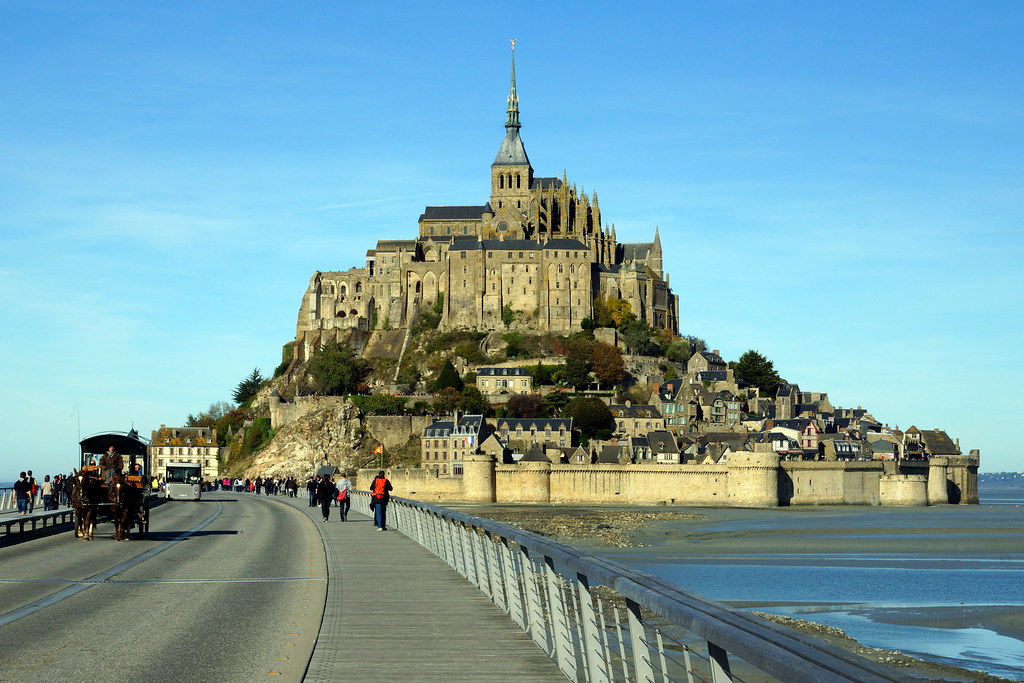
This Gothic abbey rises from a tidal island, connected to the mainland by a causeway that flooding tides once cut off regularly. Construction began in 708 AD and continued through the 16th century, with medieval monks building upward as the island’s limited space ran out.
The abbey functioned as a fortress during the Hundred Years’ War, then served as a prison until the 1800s before becoming the tourist destination it is today.
Omaha Beach
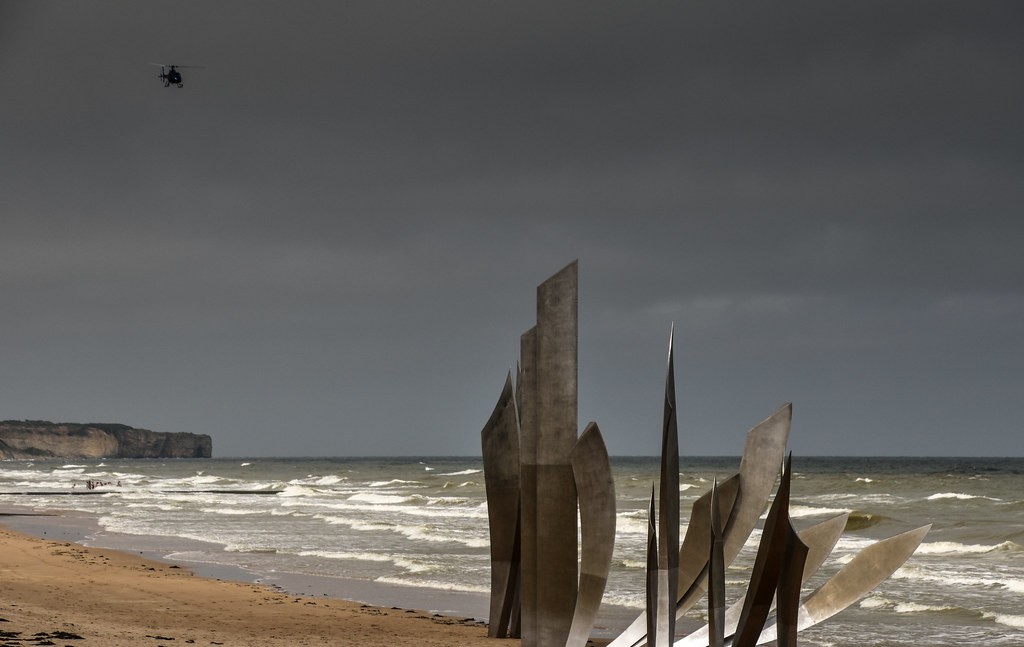
American forces landed here on June 6, 1944, facing the deadliest resistance of all D-Day beaches—German fortifications on the bluffs above created killing fields on the sand below. The beach itself looks peaceful now, but the American Cemetery at Colleville-sur-Mer overlooking it contains 9,387 graves.
Blockhouses and craters still mark the landscape, and low tide exposes defensive structures buried in the sand.
Bayeux Tapestry
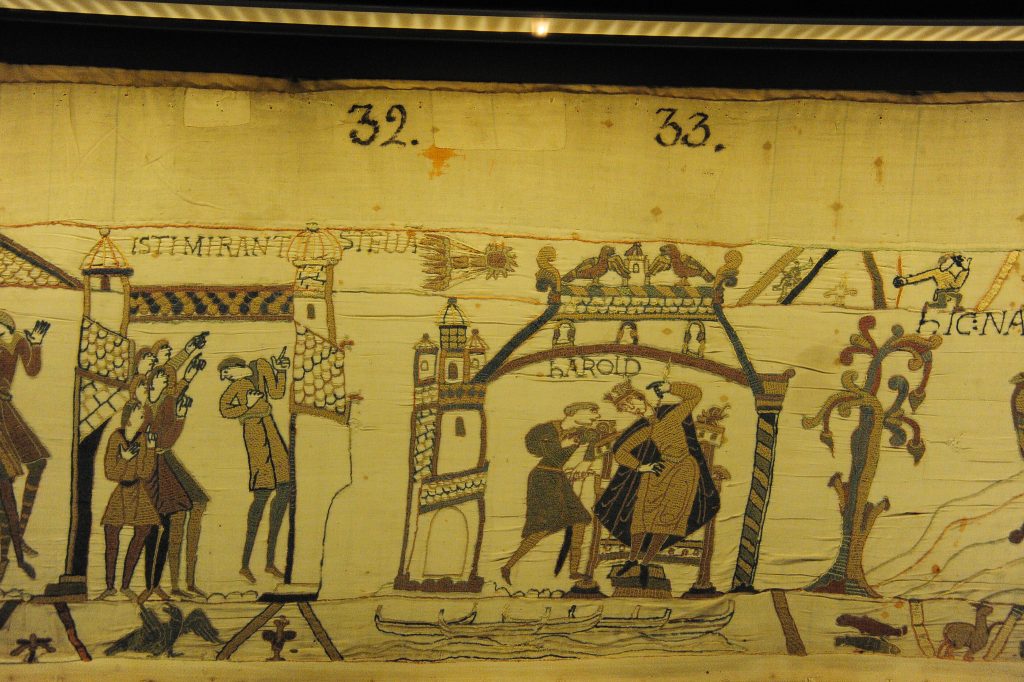
This 230-foot embroidered cloth from the 1070s depicts the Norman conquest of England in surprising detail, showing not just battles but daily life, feasts, and the comet that supposedly foretold Harold’s doom. Calling it a tapestry is technically incorrect—it’s embroidery—but the name stuck.
The narrative runs like a medieval comic strip, with Latin captions explaining scenes.
Rouen Cathedral
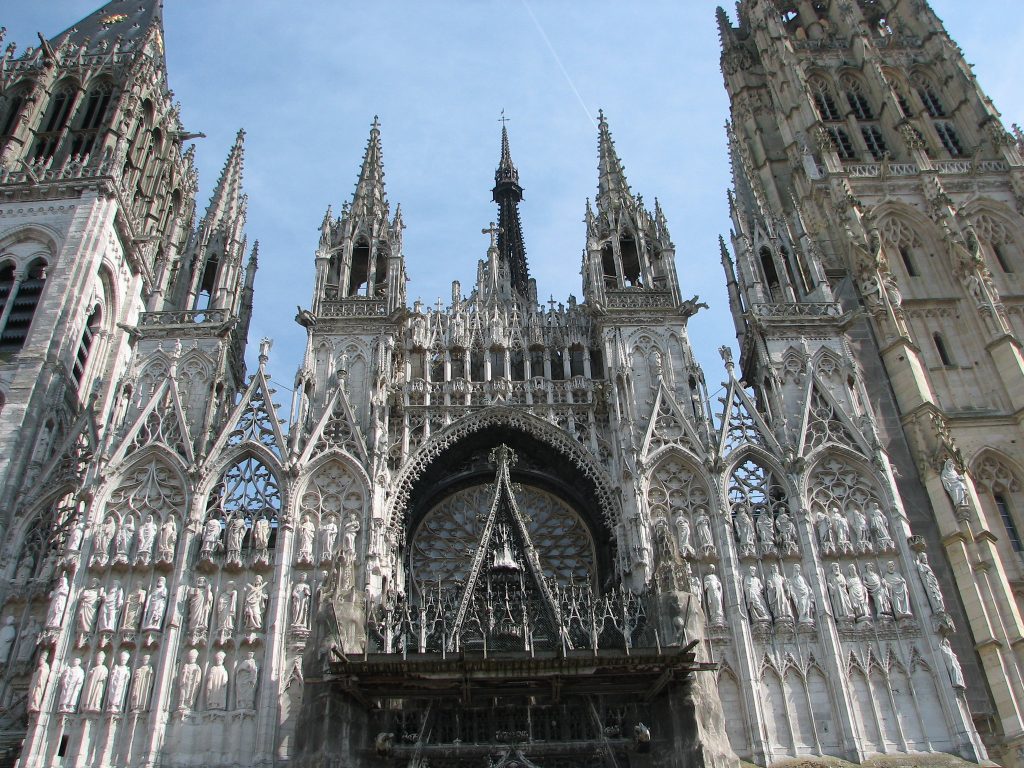
This Gothic cathedral took nearly 400 years to complete, resulting in a mix of architectural styles from early to late Gothic. The facade inspired Monet to paint it 30 times in different light conditions, trying to capture how stone transforms with changing illumination.
Joan of Arc’s retrial—which declared her innocent 25 years after France burned her—happened in Rouen in 1456.
Pointe du Hoc
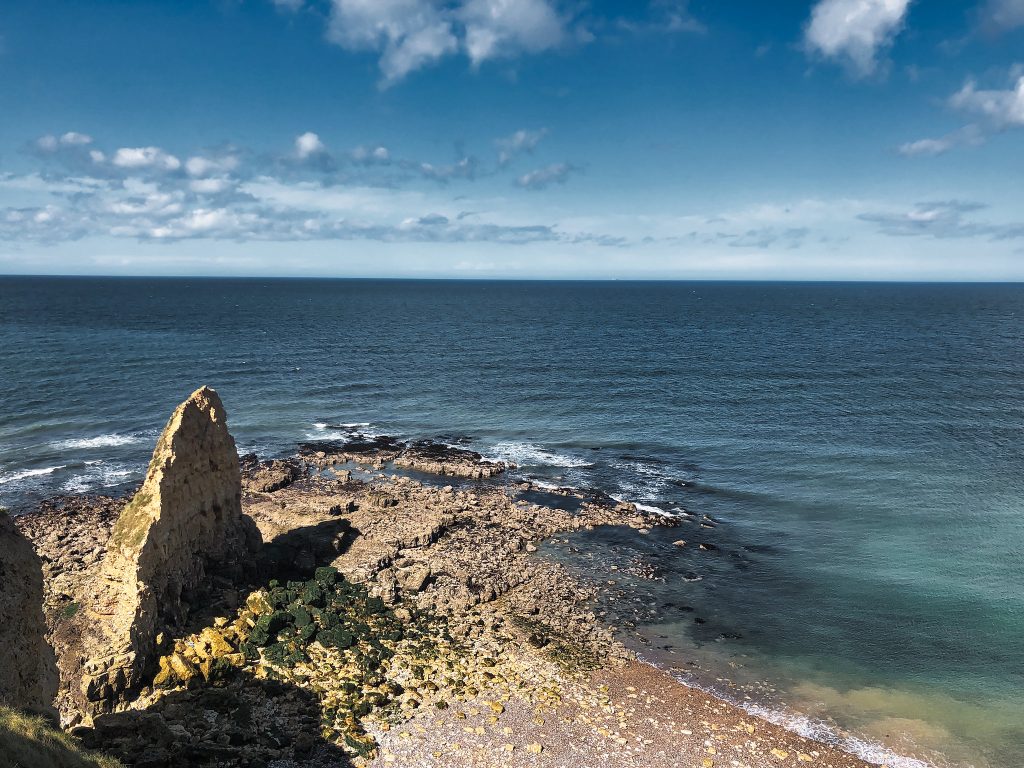
American Rangers scaled these 100-foot cliffs on D-Day to destroy German artillery that threatened both Utah and Omaha beaches. The fortifications remain remarkably intact—concrete bunkers, observation posts, and the lunar landscape of bomb craters frozen as they were in 1944.
Only 90 of the 225 Rangers who landed here remained combat-effective after two days of fighting.
Abbaye aux Hommes
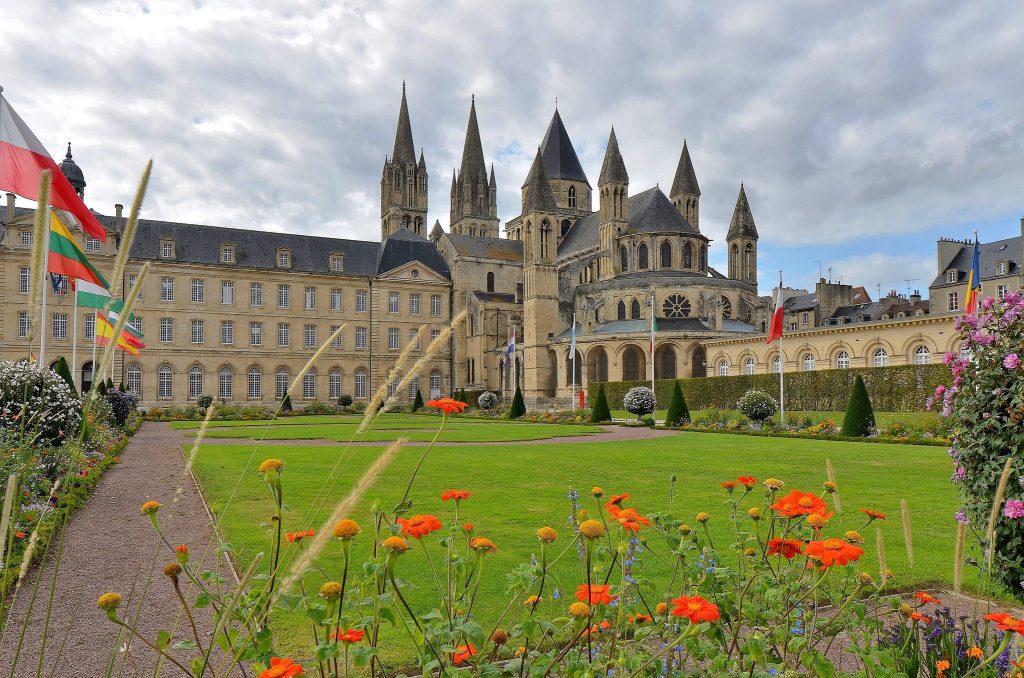
William the Conqueror founded this Benedictine monastery in Caen in 1063 as penance for marrying his cousin, and it became his final resting place. The abbey church showcases early Norman Romanesque architecture that influenced cathedral building throughout England after 1066.
The monastery buildings now house Caen’s city hall, and William’s tomb lies in the choir, though his remains have been disturbed multiple times over the centuries.
Juno Beach
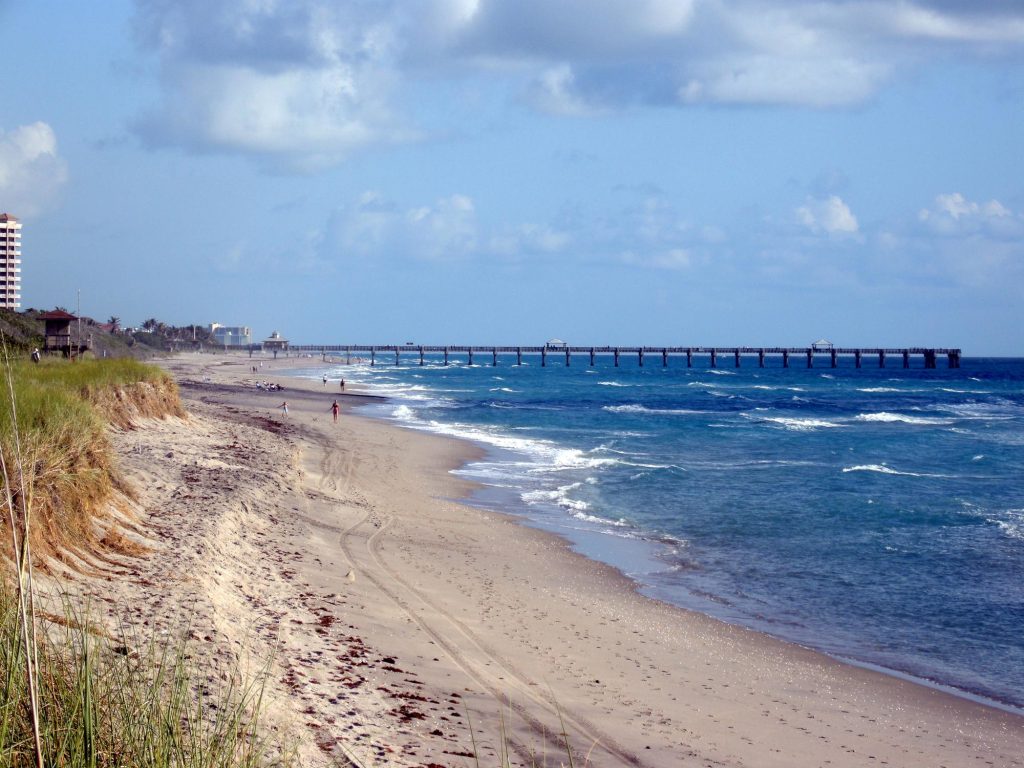
Canadian forces landed on this stretch of coast on D-Day, facing intense resistance but advancing further inland than any other Allied force that day. The Juno Beach Centre, Canada’s primary D-Day museum, sits overlooking the landing site.
Concrete defensive structures still dot the beach, and the surrounding dunes hide more fortifications gradually emerging as erosion shifts the sand.
Honfleur
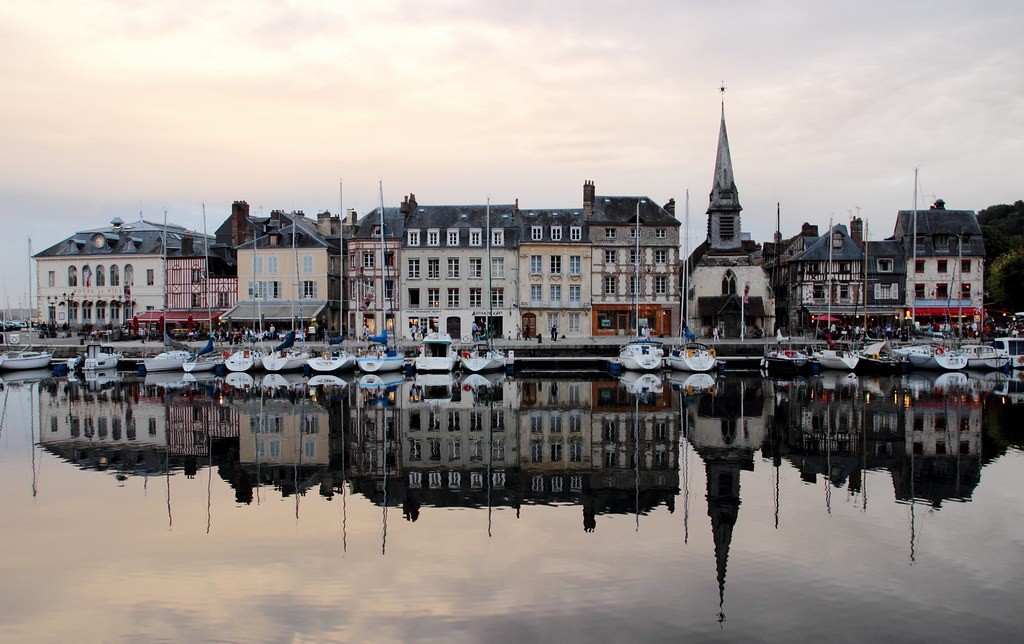
This picturesque harbor town escaped serious war damage, preserving narrow timber-framed houses dating to the 16th and 17th centuries. The wooden Church of Saint Catherine—built by ship carpenters using naval construction techniques—is France’s largest wooden church and looks like an upturned boat hull inside.
Samuel de Champlain departed from here to found Quebec, and Impressionist painters made the harbor a frequent subject.
Utah Beach Museum
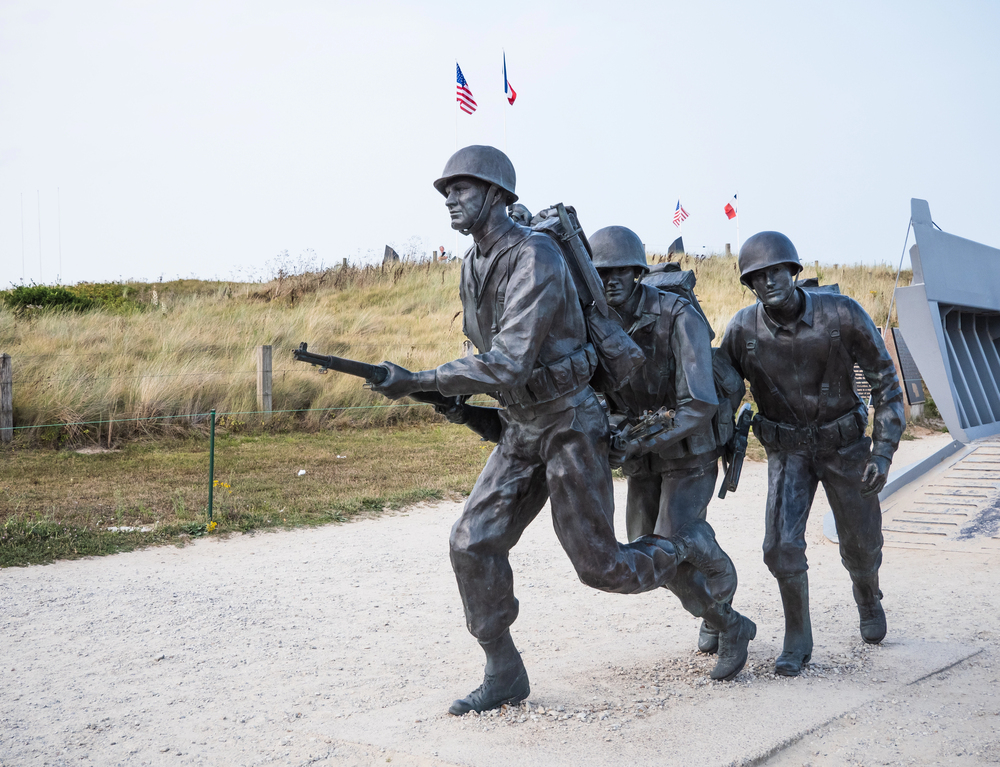
Built around an actual German bunker that served as a strongpoint during the D-Day landings, this museum sits directly on Utah Beach where American forces came ashore. A B-26 bomber recovered from the sea is displayed inside, along with landing craft and extensive artifacts.
The beach itself remains surprisingly undeveloped, with just a monument and the museum breaking up the sandy expanse.
Château de Falaise
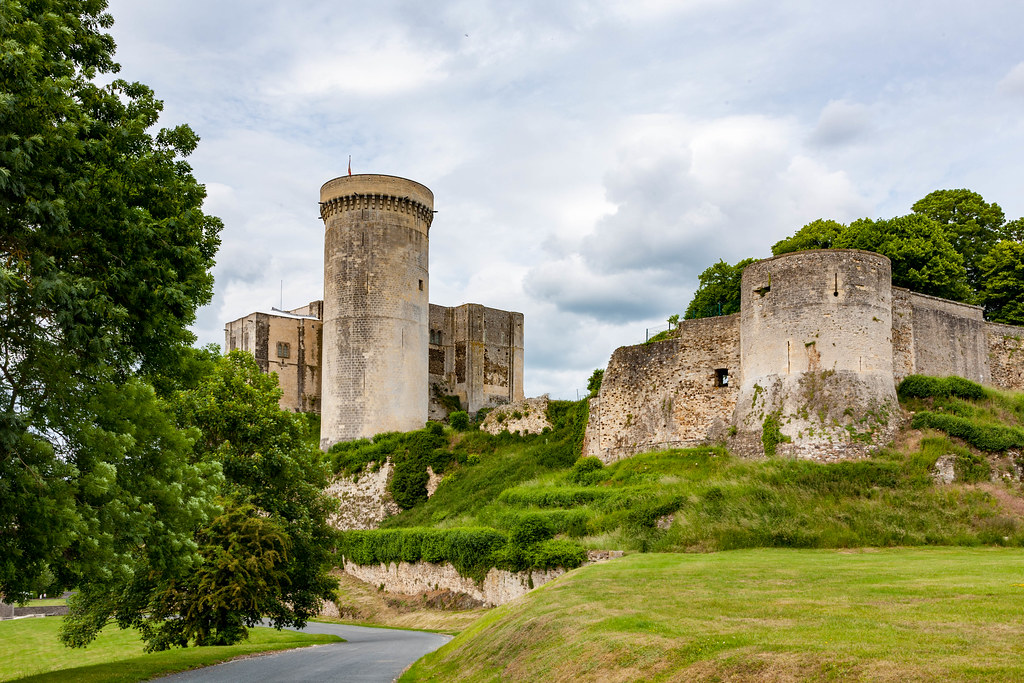
William the Conqueror was born in this castle around 1028, when it served as the residence of the Dukes of Normandy. The massive stone keep represents Norman military architecture, while later additions show how castle design evolved through the medieval period.
The town below suffered heavy damage during the 1944 Battle of the Falaise Pocket, when Allied forces trapped and destroyed substantial German forces.
Arromanches
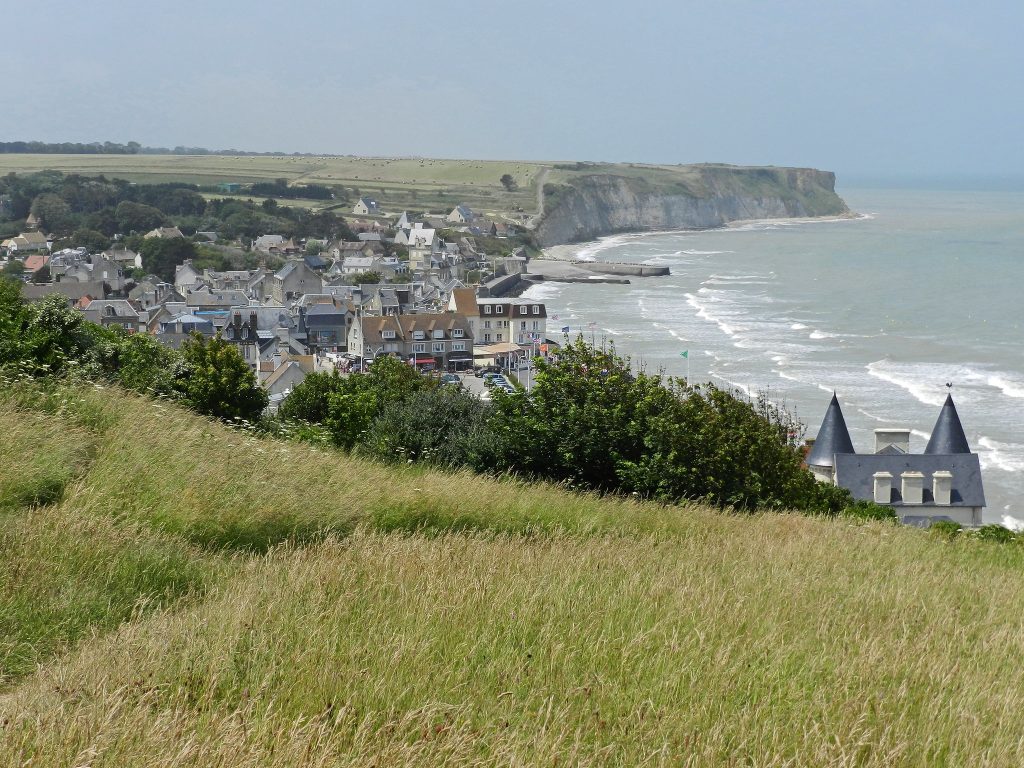
The remains of the Mulberry artificial harbor constructed for the D-Day invasion still float offshore here, with massive concrete caissons visible at low tide. The D-Day Museum overlooks the site, explaining how engineers solved the problem of supplying an invasion force without capturing a functioning port.
Walking the beach at low tide lets you explore the decaying harbor structures up close.
Abbaye de Jumièges
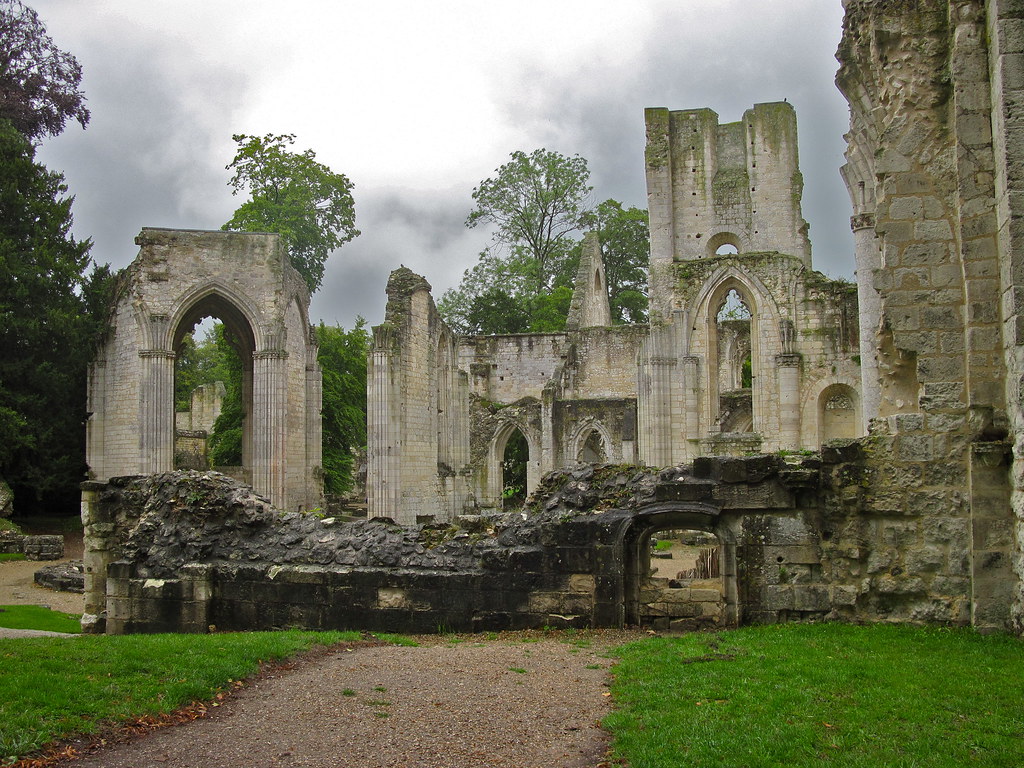
This ruined abbey ranks among the most romantic medieval sites in France, with roofless walls and empty window frames creating dramatic silhouettes. Founded in 654 AD and rebuilt in the 11th century, it thrived until the French Revolution, when it was sold for building materials.
The twin towers of the abbey church still stand to full height, and the scale of the ruins conveys the monastery’s former importance.
German Cemetery at La Cambe
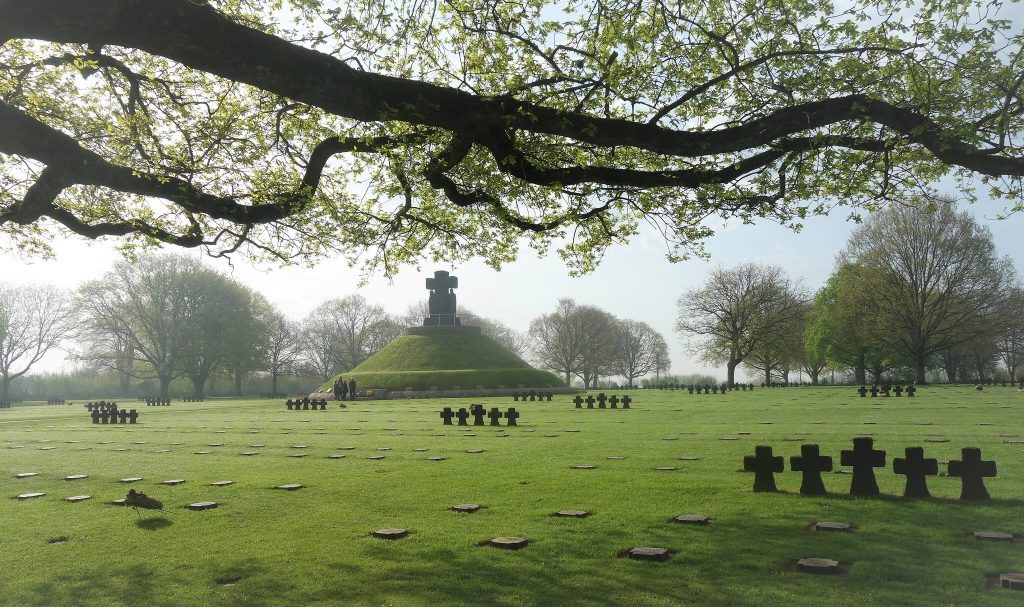
More than 21,000 German soldiers are buried at this somber cemetery, with dark basalt crosses marking mass graves. The contrast with American cemeteries is stark—this place emphasizes mourning and loss rather than military pride.
Visiting provides necessary perspective; young German conscripts died here too, caught in a war many didn’t start or want.
Caen Memorial Museum
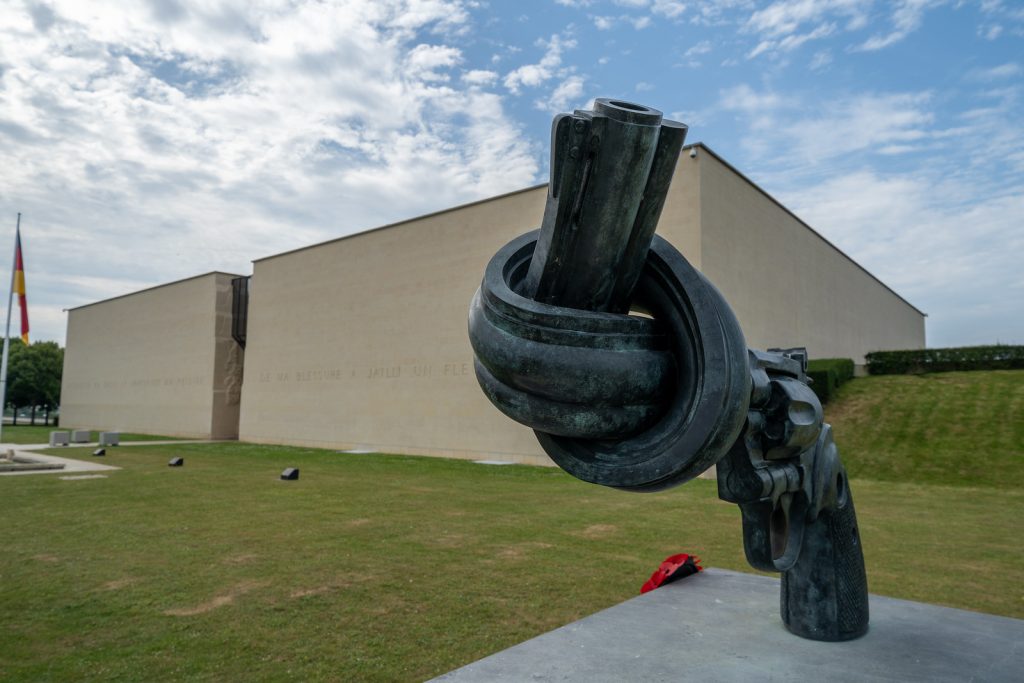
This comprehensive museum examines the entire span of World War II, from the rise of fascism through the Cold War that followed. The building sits near Caen Castle and incorporates a German command bunker into its structure.
The museum takes a broader view than most D-Day sites, placing the Normandy invasion in context of the war’s broader scope and examining occupation, resistance, and civilian experience.
Château Gaillard
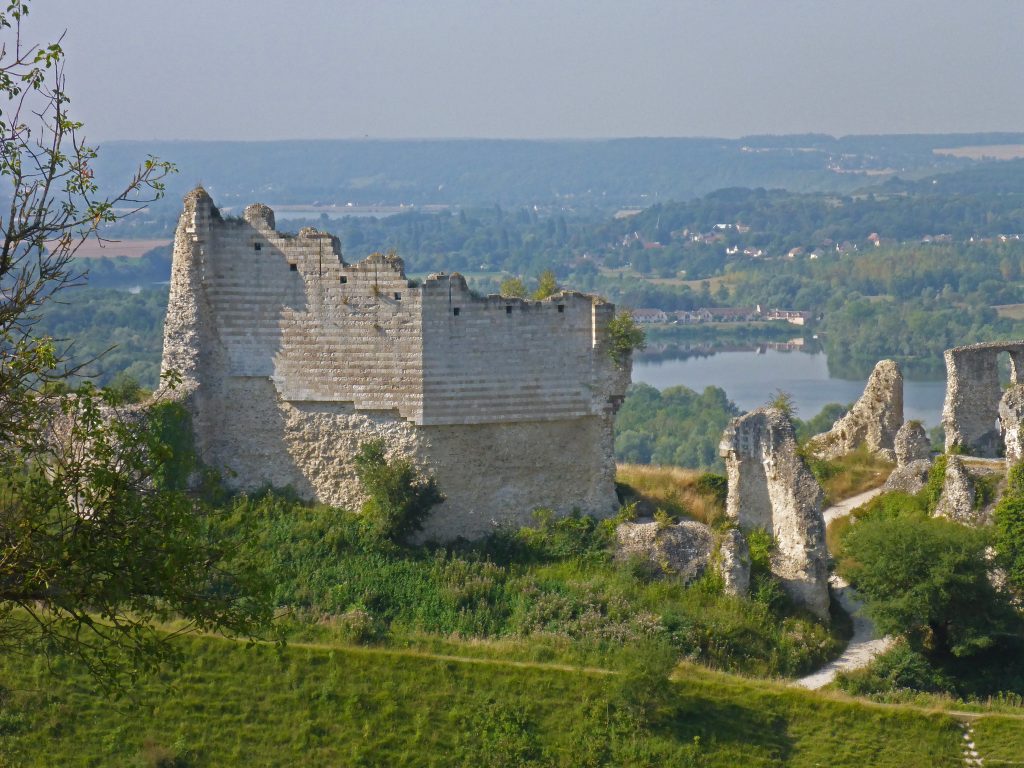
Richard the Lionheart built this fortress in just two years (1196-1198) to defend Normandy against French invasion, incorporating cutting-edge military architecture. The castle stands dramatically on cliffs above the Seine, its ruins still impressive despite centuries of neglect and partial demolition.
Philip II of France captured it in 1204 after an eight-month siege, ending English control of Normandy.
Where history refuses to fade
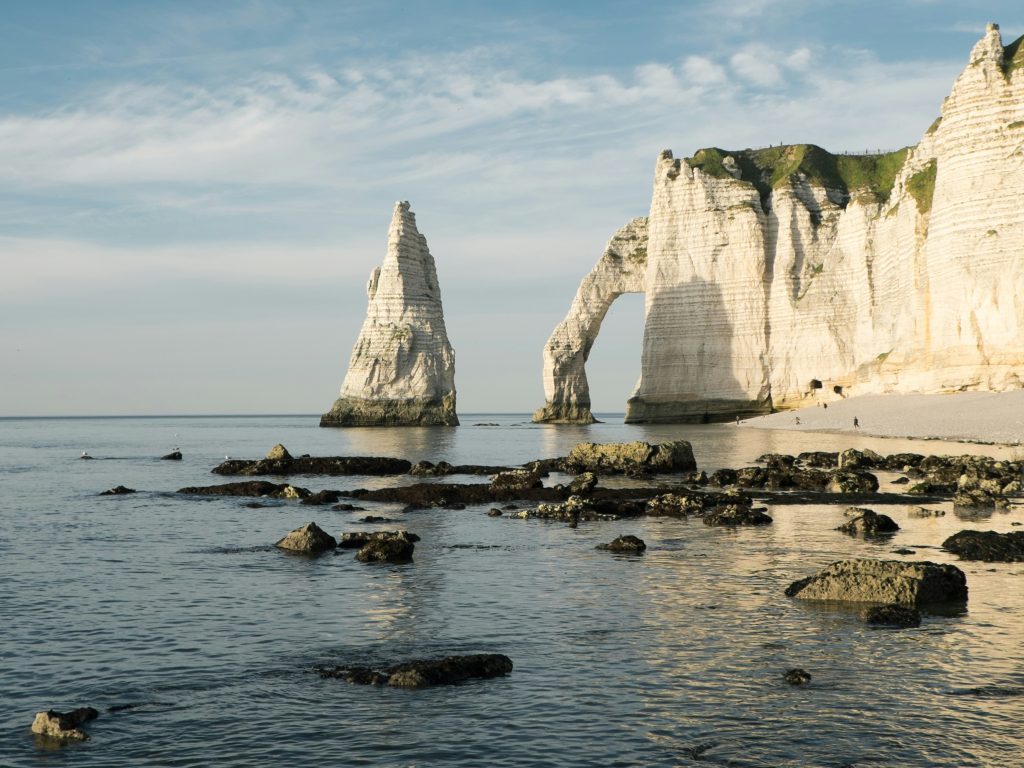
In Normandy, one sees how geography itself holds a past in a constant present—in some parts of Normandy, one finds traces of defending earthworks, some ruins hold traces of medieval strongholds, and some areas hold traces of very recent battles. Normandy has not reduced history into Disneyfied lands like some contemporary culture centers, where one finds manufactured sites of actual events, instead preserving actual sites in which actual events occurred, so there’s a sense of gravitas attached to it.
Walking through Normandy presents an experience no film or no reading matter can.
More from Travel Pug

- Underrated Italian Towns That Beat the Tourist Crowds
- Las Vegas Tourist Traps to Skip
- Prettiest Towns in Every US State
- 18 passport-free countries for Americans
- Signs Your Cruise Is Not Worth The Cost
Like Travel Pug’s content? Follow us on MSN.