

Vienna collected palaces the way some cities accumulate office buildings. For centuries, the Habsburgs and their aristocratic court transformed the city into a showcase of imperial ambition, where each palace tried to outdo the others in scale and splendor.
These weren’t just residences—they were statements of power, wealth, and cultural sophistication designed to impress visiting dignitaries and intimidate rivals. Today, these architectural masterpieces open their doors to visitors, offering glimpses into a world where entire armies of servants maintained impossibly ornate rooms for families that ruled much of Europe.
Here is a list of 15 stunning palaces in Vienna.
Schönbrunn Palace
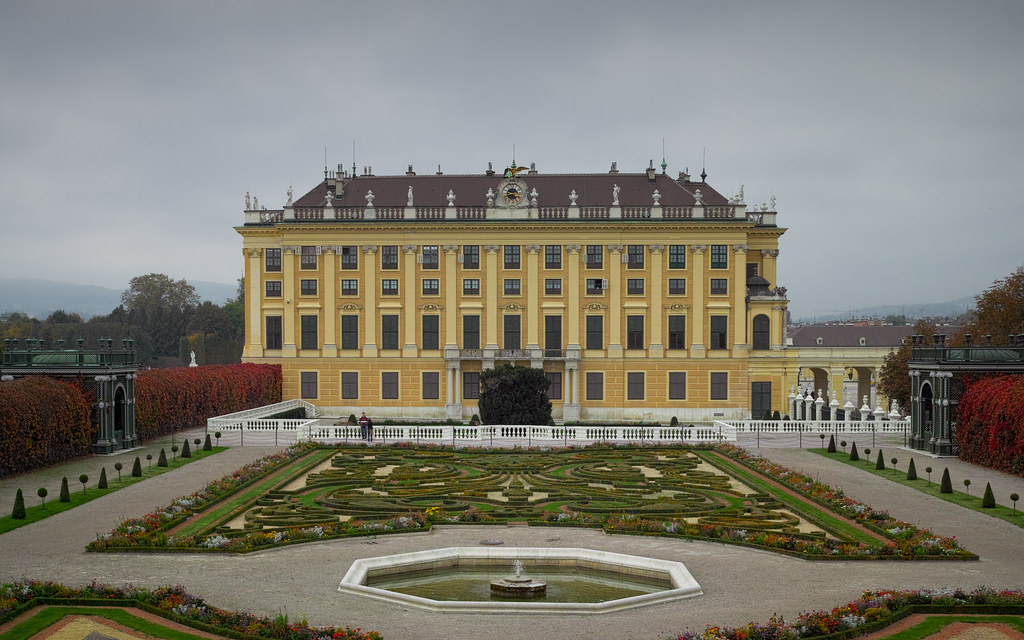
This sprawling summer residence contains 1,441 rooms, though only about 40 are open to the public. The Habsburgs built it to rival Versailles, and in many ways succeeded—the baroque facades stretch seemingly forever, and the formal gardens behind the palace cover 500 acres.
Empress Maria Theresa’s private apartments showcase rococo decoration at its most extravagant, with gold leaf covering nearly every surface.
Hofburg Palace
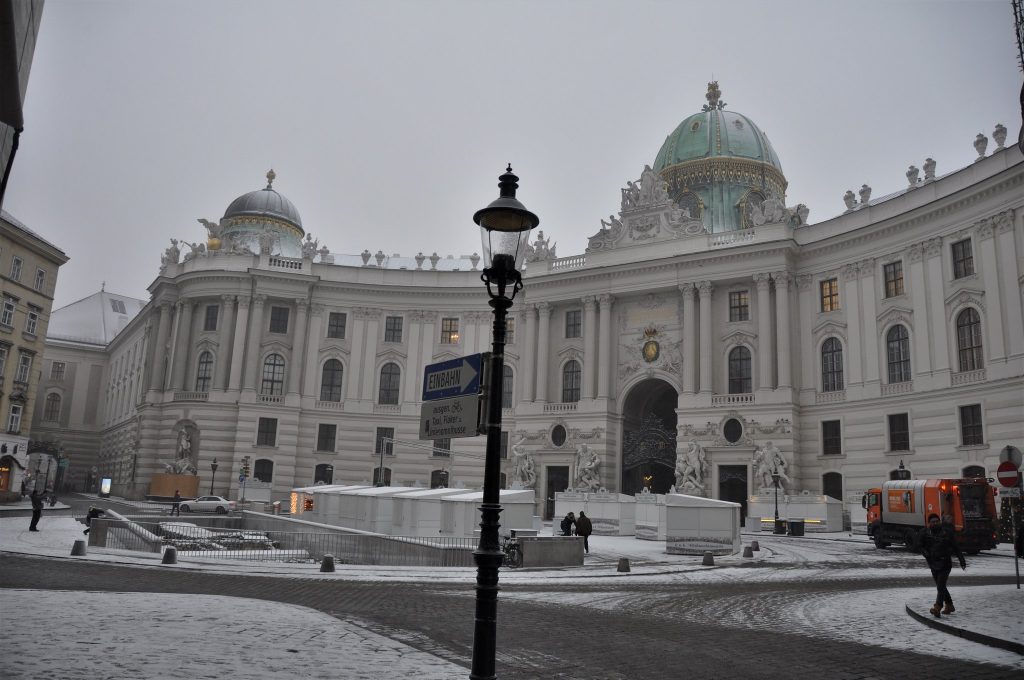
The Habsburgs’ winter residence grew organically over seven centuries, with each emperor adding new sections until the complex occupied 59 acres in Vienna’s center. The Spanish Riding School still trains Lipizzaner stallions in the Renaissance winter riding hall, while the Imperial Apartments show how Franz Joseph and Empress Sisi actually lived.
The Treasury holds the Holy Roman Empire’s crown jewels, though calling them jewels hardly captures their historical significance.
Belvedere Palace
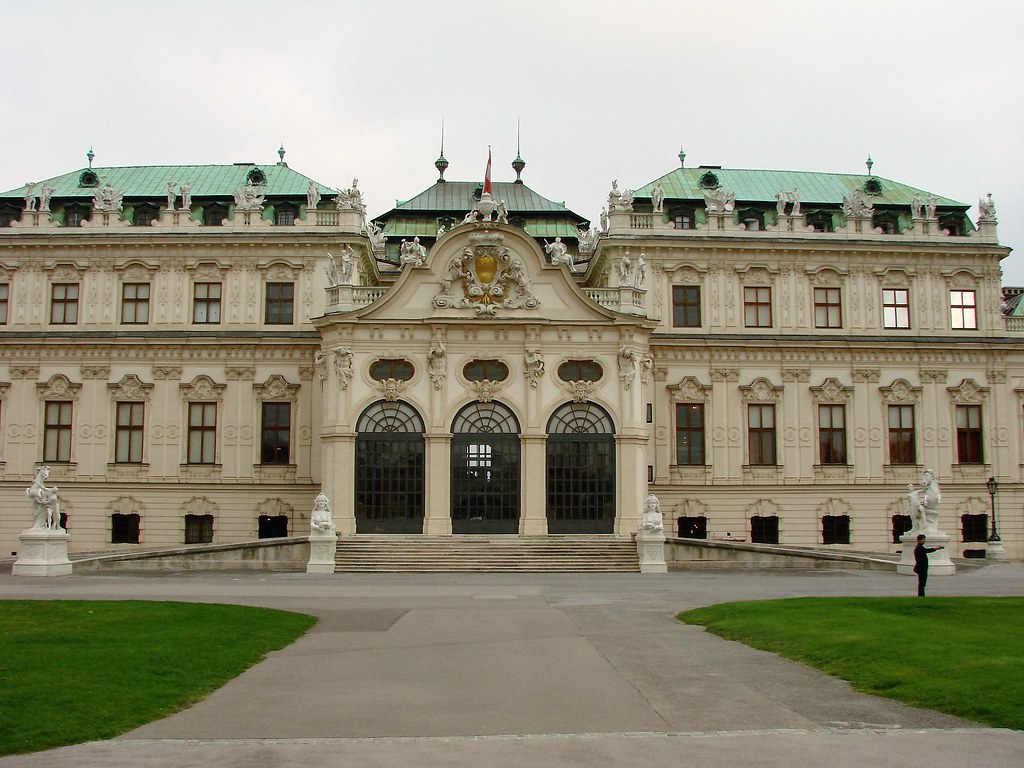
Prince Eugene of Savoy built this baroque masterpiece in two parts—Upper and Lower Belvedere—connected by elaborate terraced gardens. The Upper Belvedere now houses Austria’s finest art collection, including Klimt’s famous ‘The Kiss,’ while the architecture itself competes for attention with gilded interiors and trompe-l’œil ceiling frescoes.
The gardens between the two palaces rank among Vienna’s most photographed spots, especially when the fountains run.
Augarten Palace
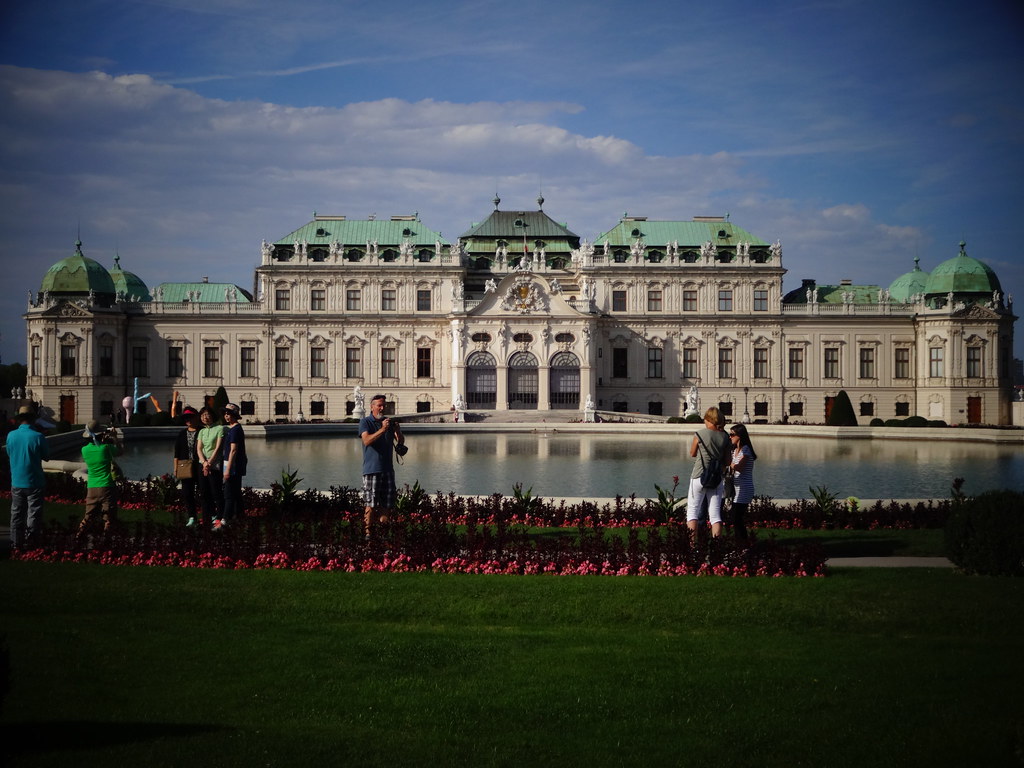
This baroque palace sits in Vienna’s oldest public park, its understated exterior hiding richly decorated interiors. The Vienna Boys’ Choir now uses part of the palace as their school and residence.
Two massive World War II flak towers loom nearby, creating a jarring juxtaposition between baroque elegance and brutal military architecture that somehow captures Vienna’s complicated history.
Liechtenstein Garden Palace
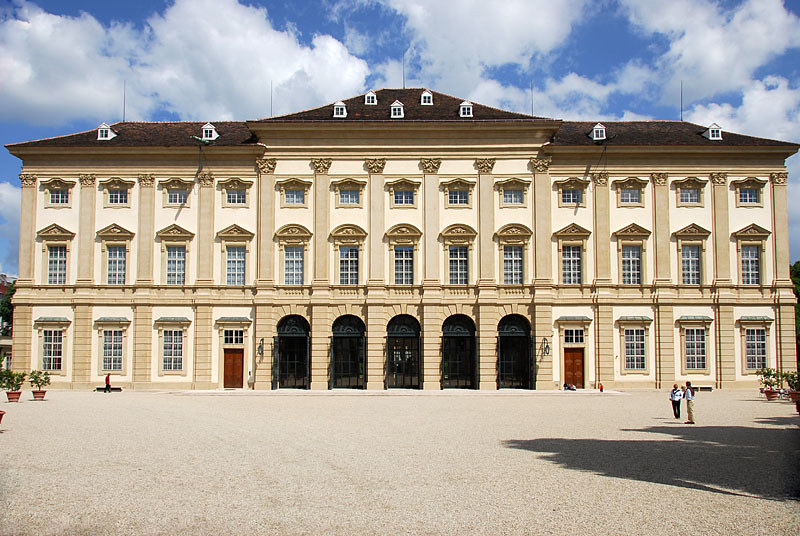
Built for the Liechtenstein family in the early 1700s, this palace remained private property until recently opening sections to the public. The collection inside spans five centuries of art, including works by Rubens, Rembrandt, and van Dyck.
The palace’s baroque interiors received meticulous restoration, bringing back original color schemes that look almost impossibly vibrant compared to the faded elegance most old palaces display.
Palais Schwarzenberg
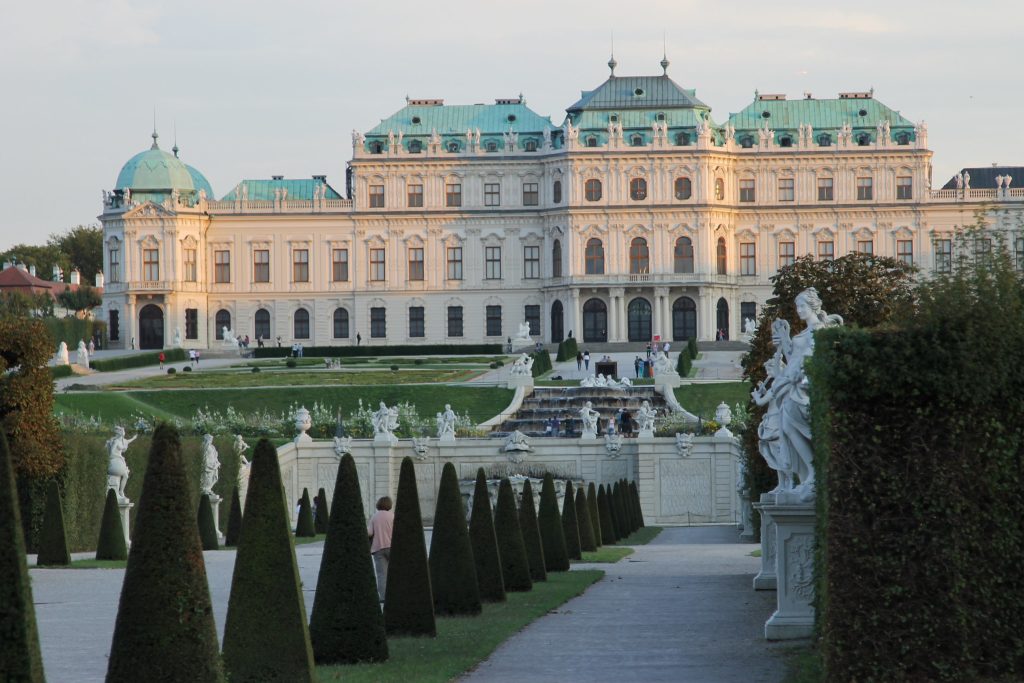
This baroque palace operates as a luxury hotel, meaning you can actually sleep in rooms where Mozart once performed. The facade facing Schwarzenbergplatz creates one of Vienna’s most impressive architectural ensembles, while the gardens stretch back toward Belvedere.
Parts remain private, though the public areas give a sense of how Vienna’s aristocracy lived when they weren’t at court.
Palais Auersperg
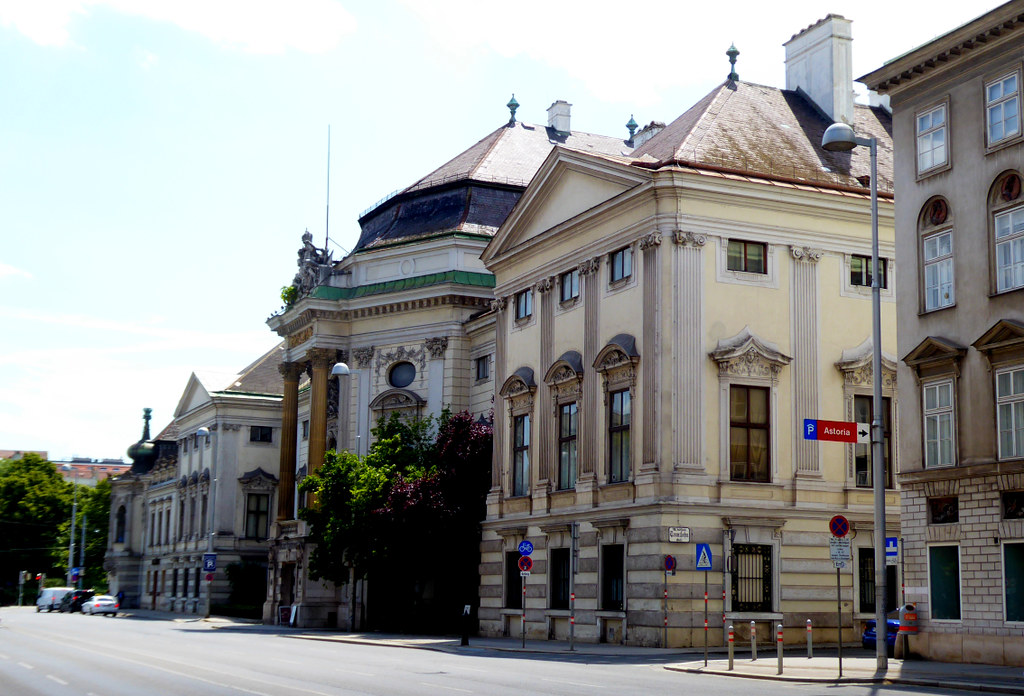
Tucked away in the Josefstadt district, this palace regularly hosts classical concerts in its ballrooms, continuing a musical tradition stretching back centuries. Mozart performed here multiple times, and Beethoven’s 6th Symphony premiered in one of the halls.
The rococo interiors have been maintained rather than over-restored, preserving an authentic patina that newer restorations sometimes lack.
Palais Coburg
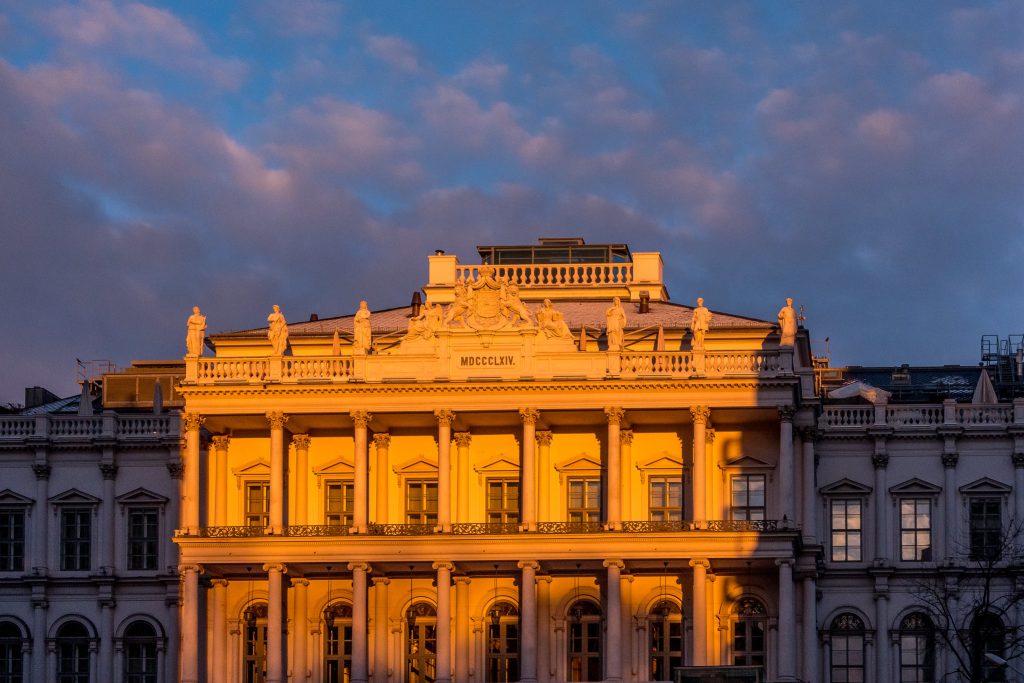
Originally built for Prince Ferdinand of Saxe-Coburg, this palace now functions as an ultra-luxury hotel with one of Europe’s finest wine cellars. The exterior blends classical and Renaissance elements, while the restored interiors showcase 19th-century aristocratic taste.
The palace sits on Vienna’s old city walls, incorporating medieval fortifications into its cellars—you can literally see layers of history stacked on top of each other.
Palais Pallavicini
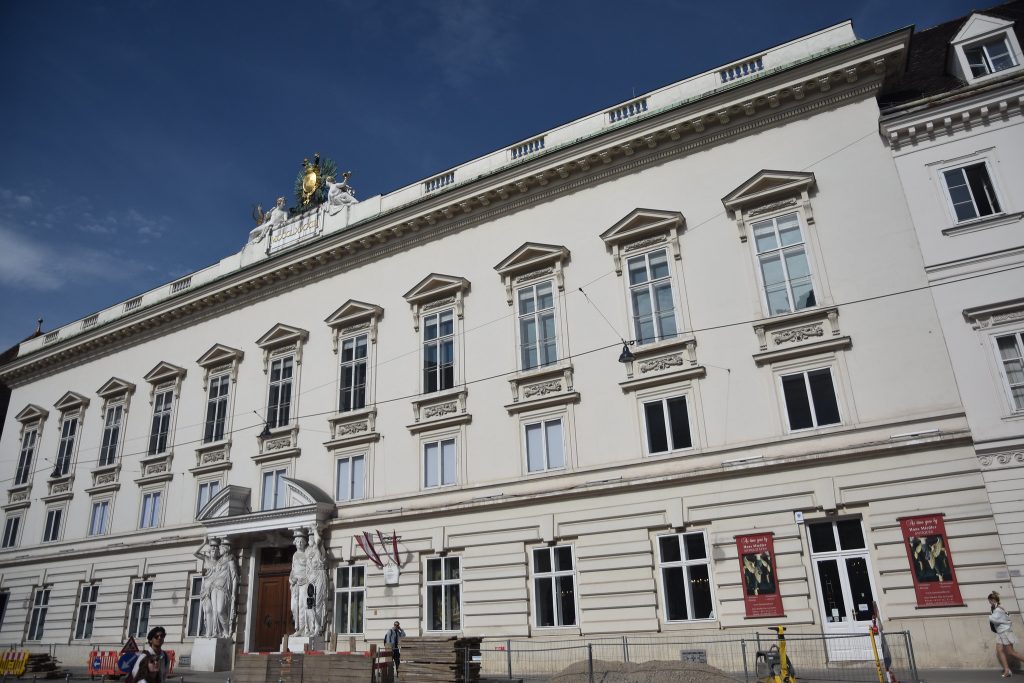
Still owned by the Pallavicini family, this neoclassical palace opens occasionally for concerts and events. The ballroom hosted the premiere of ‘The Blue Danube’ waltz, cementing its place in Vienna’s musical history.
The facade facing Josefsplatz forms part of one of Vienna’s most harmonious architectural ensembles, though most visitors walk past without realizing it’s there.
Schönborn-Batthyány Palace
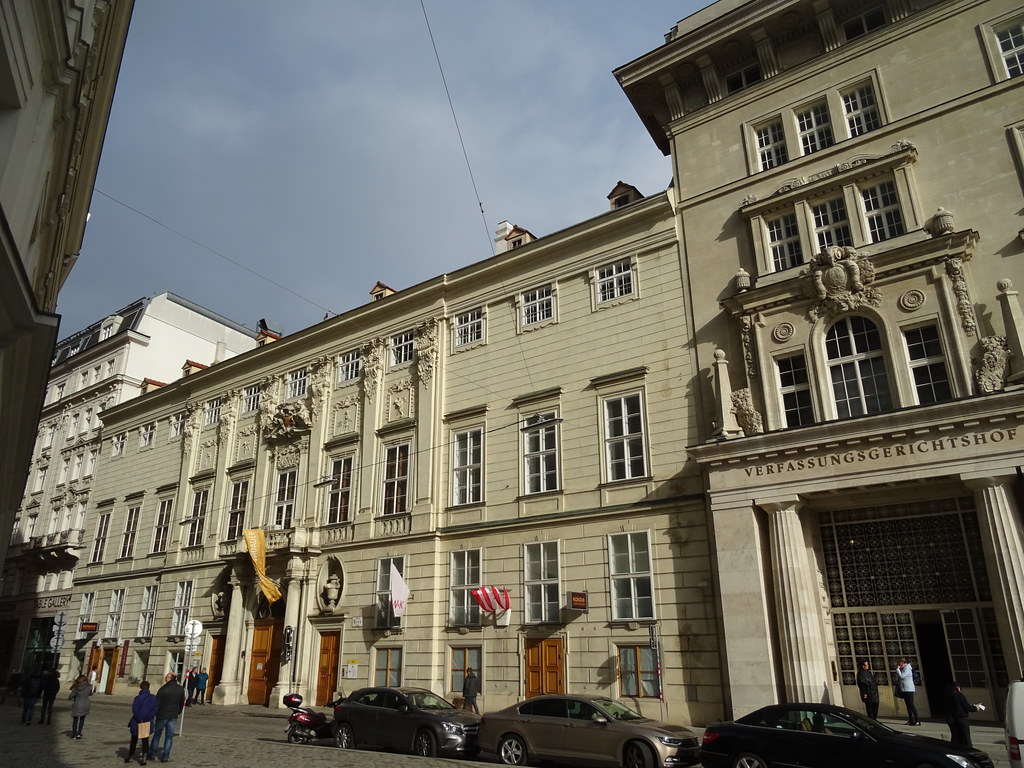
This baroque palace houses a theater museum, making it one of the few aristocratic residences adapted to a purpose that actually fits the space. The ceremonial staircase and former ballrooms now display costumes, set designs, and memorabilia from Vienna’s theatrical history.
The building itself deserves as much attention as the exhibits—the preserved baroque interiors rival anything in better-known palaces.
Palais Ferstel
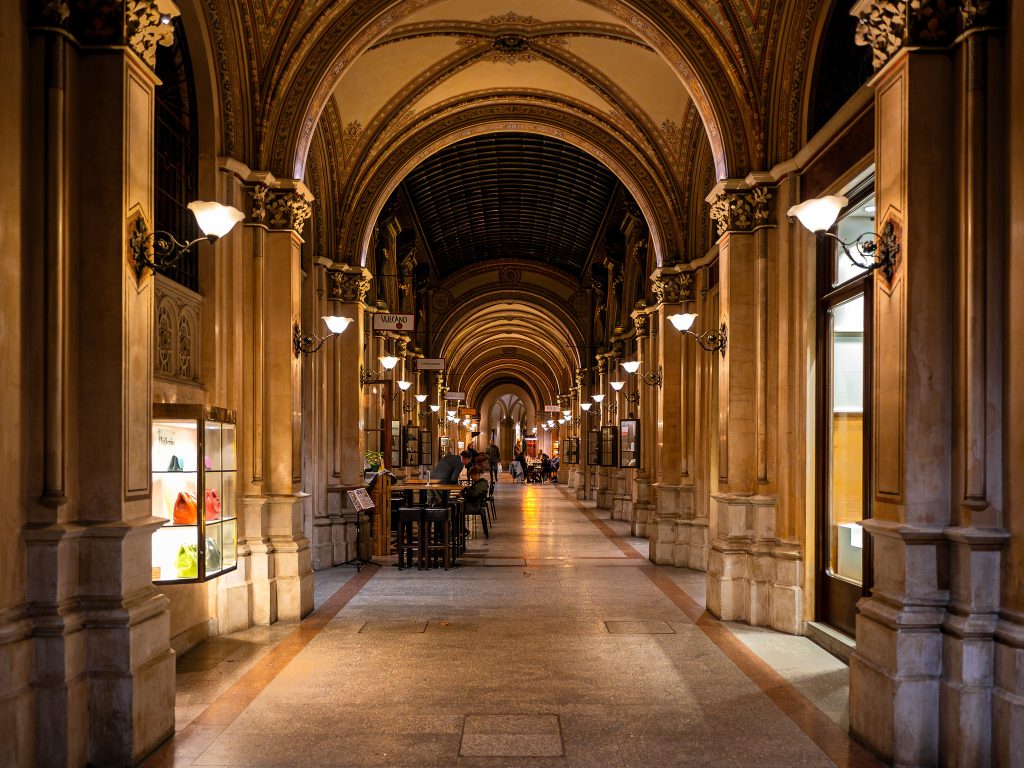
Built in the 1850s, this palace marked a shift from baroque excess toward more restrained historicist architecture. The interior passages connect to Freyung square through a covered arcade lined with shops and cafes, creating a semi-public space that feels distinctly Viennese.
The Cafe Central occupies one corner—Trotsky used to play chess here before returning to Russia and making considerably more history.
Palais Kinsky
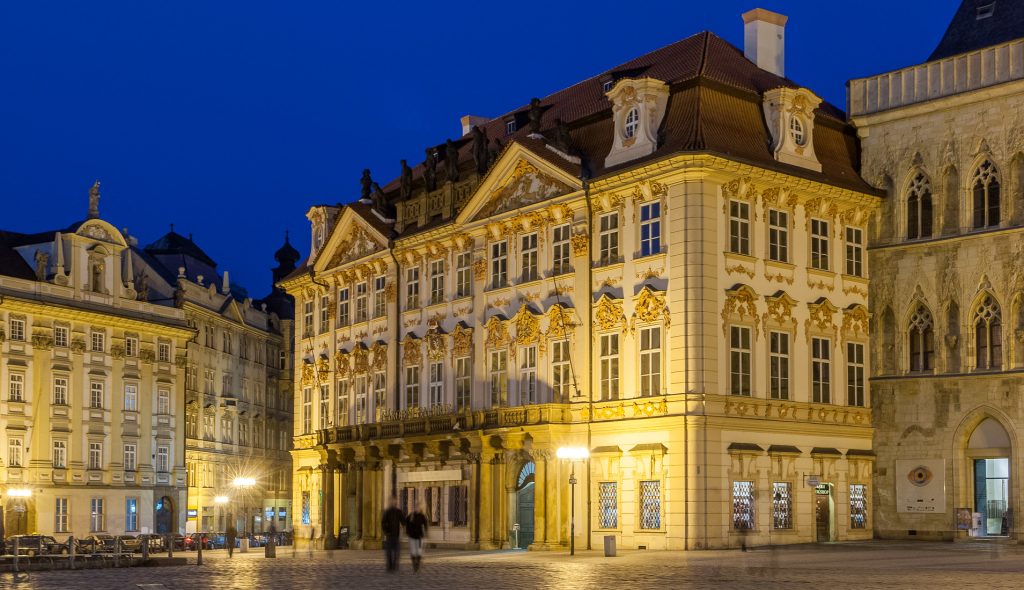
This baroque palace on Freyung square now operates as an auction house and gallery, its public rooms hosting art sales and exhibitions. The exterior features dramatic baroque statues and decorative elements, while the ceremonial staircase ranks among Vienna’s finest.
The palace stands at the center of Vienna’s old nobility quarter, surrounded by other aristocratic residences now serving various cultural and commercial purposes.
Palais Rasumofsky
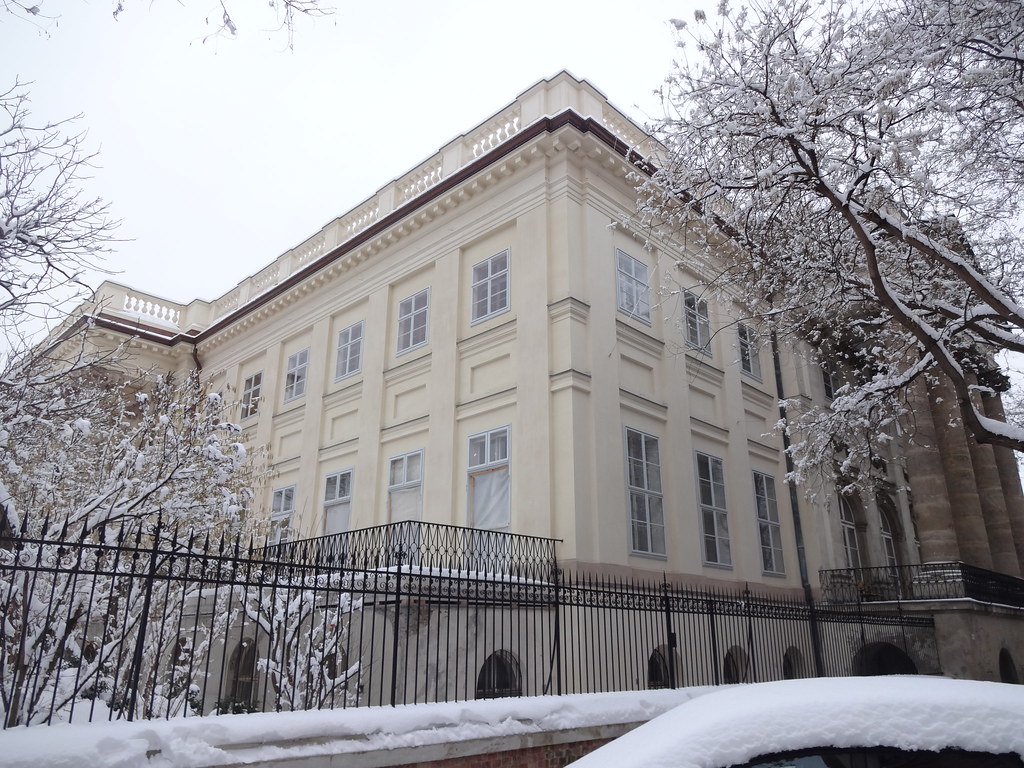
Russian Count Rasumovsky built this neoclassical palace in the early 1800s, and Beethoven premiered several string quartets in its music room. The palace burned in 1814 during a ball celebrating Napoleon’s defeat, then was rebuilt in a simpler style.
It now houses offices and is rarely open to visitors, though the exterior still conveys the grandeur Rasumovsky intended.
Palais Niederösterreich
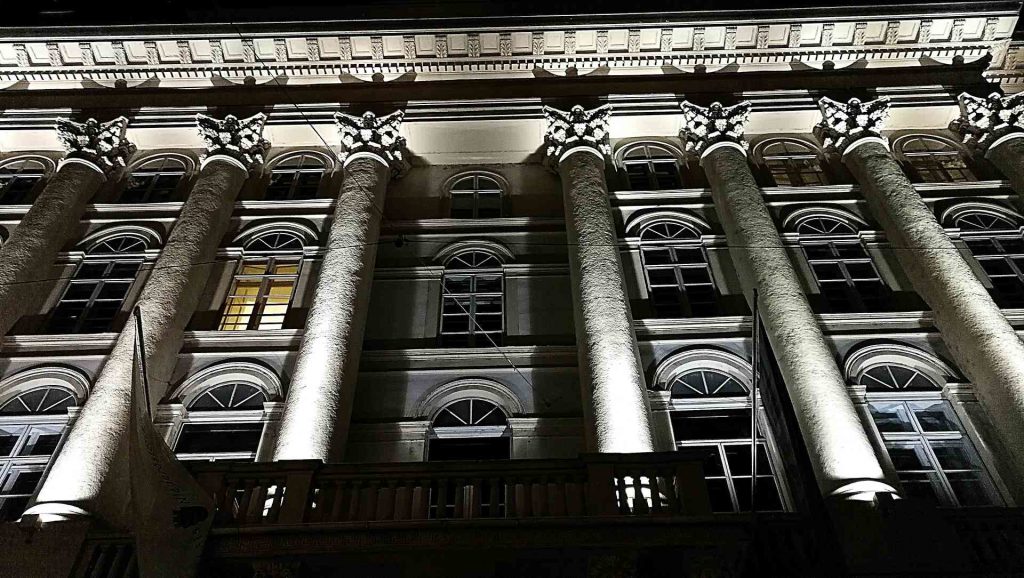
This Renaissance palace on Herrengasse serves as the seat of Lower Austria’s provincial government, its historic rooms still functioning for official purposes. The interior courtyard features arcaded galleries typical of Renaissance architecture, while the restored rooms showcase centuries of artistic decoration.
Public access is limited, but occasional cultural events open parts of the building.
Palais Todesco
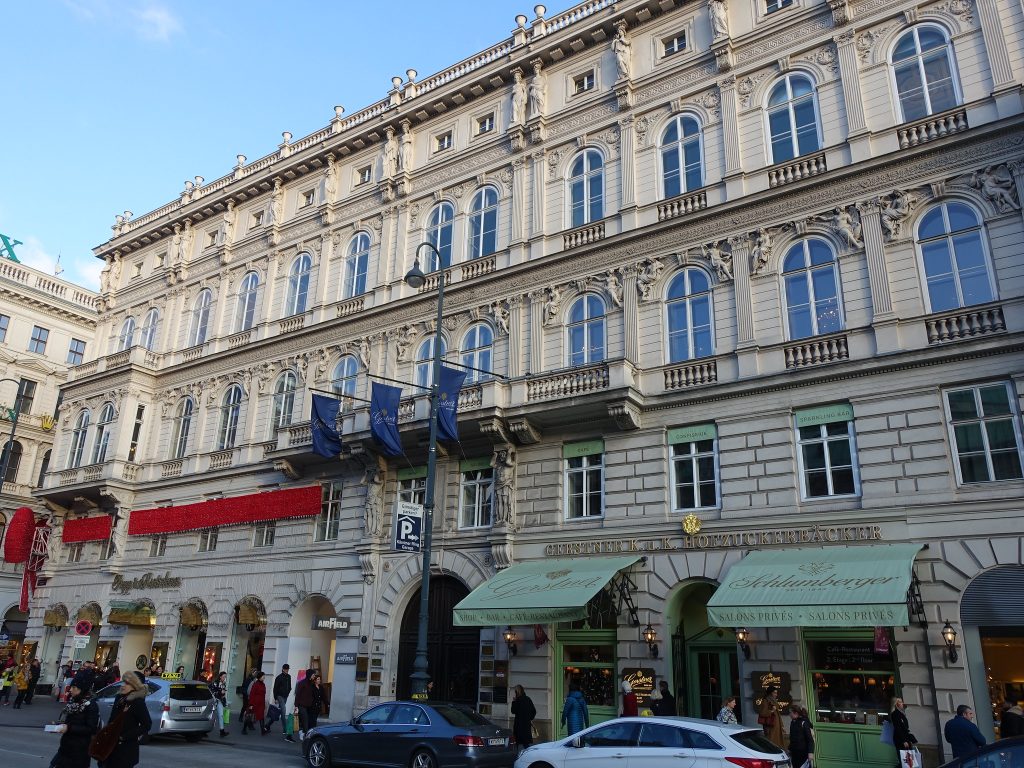
Built in the 1860s for a wealthy banking family, this palazzo-style palace represented the new industrial wealth challenging the old aristocracy. The facade facing Kärntner Strasse blends Italian Renaissance elements with French Second Empire details, creating a distinctly 19th-century hybrid.
It now houses offices and shops, though the exterior remains one of the Ringstrasse’s most impressive buildings.
Where empires left their mark
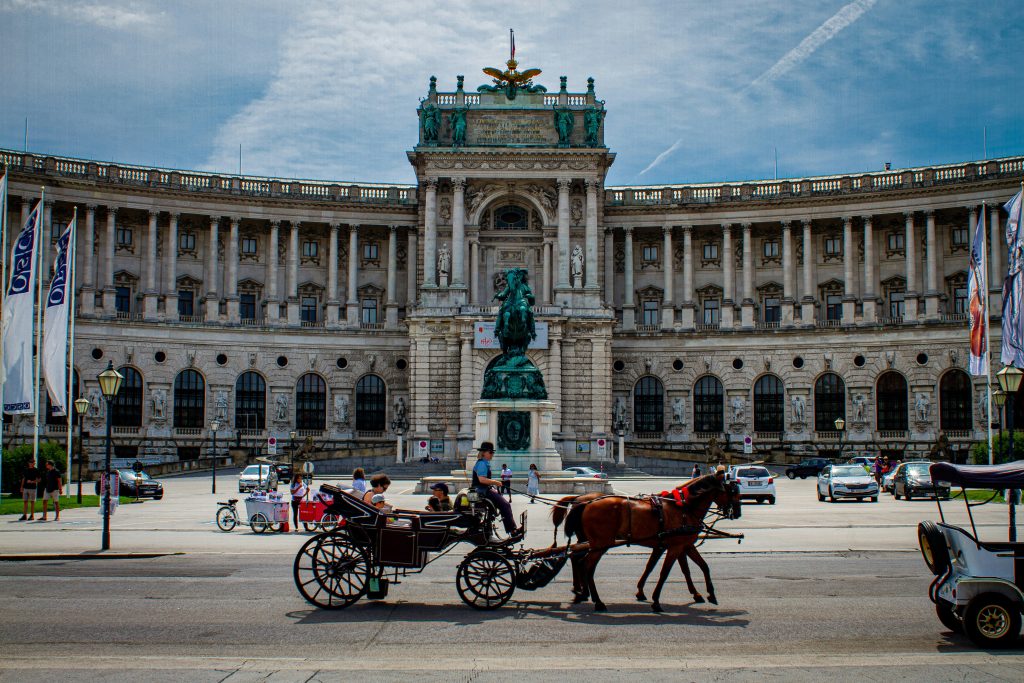
The palaces of Vienna outlasted the empire they served. They transformed in function while retaining enough architectural grandeur to make them stand out in the first place.
They are a testament to the fact that Vienna was once the capital of a multinational Empire that extended over most of Central Europe—a reality that ceased to be in 1918 but has been succeeded by structures grand enough to defy demolition. To walk around them is to experience a peculiar form of time travel.
More from Travel Pug

- Underrated Italian Towns That Beat the Tourist Crowds
- Las Vegas Tourist Traps to Skip
- Prettiest Towns in Every US State
- 18 passport-free countries for Americans
- Signs Your Cruise Is Not Worth The Cost
Like Travel Pug’s content? Follow us on MSN.