

Virginia holds more American history per square mile than just about anywhere else in the country. From colonial settlements to Civil War battlefields, the state witnessed some of the most pivotal moments that shaped the nation.
Walking through these sites means stepping into the actual places where presidents were born, battles were fought, and ideas that built America took root. Here’s a list of 15 historic sites in Virginia that history enthusiasts won’t want to miss.
Colonial Williamsburg
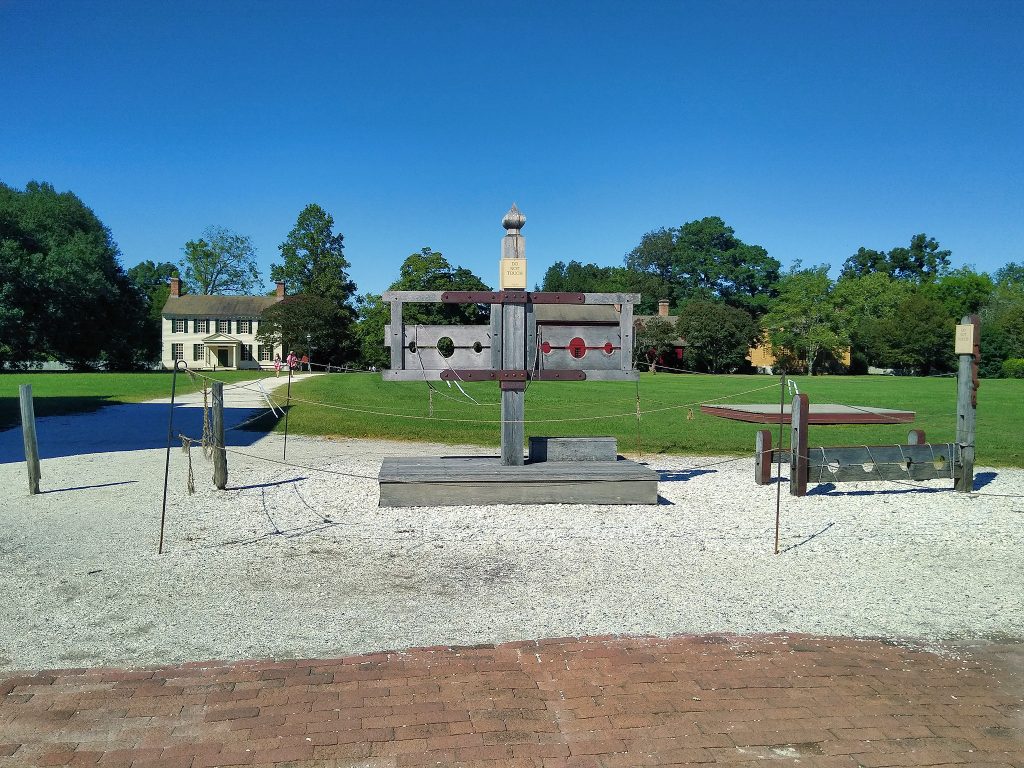
This isn’t just a museum—it’s an entire 18th-century town brought back to life. Colonial Williamsburg spans 301 acres where costumed interpreters go about daily colonial tasks, from blacksmithing to political debates in the Capitol building.
You can watch trials unfold in the courthouse or chat with ‘Thomas Jefferson’ about his views on democracy.
Jamestown Settlement
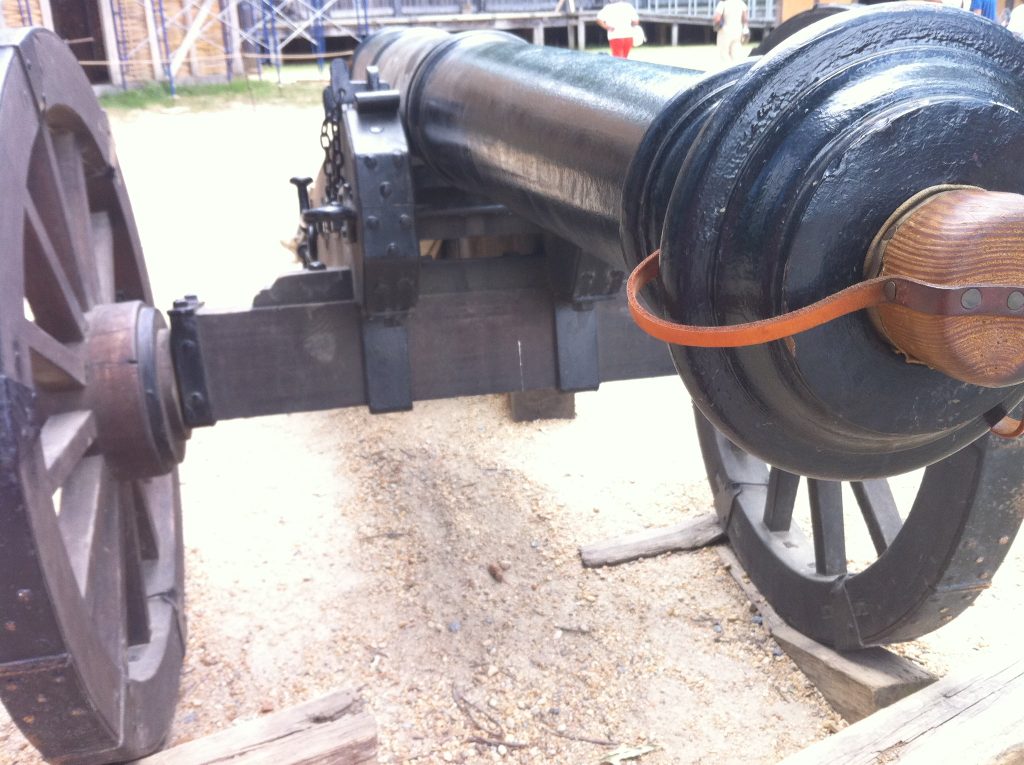
America’s first permanent English colony started here in 1607, making Jamestown the birthplace of English-speaking America. The site includes reconstructed fort buildings, a Powhatan village, and replicas of the three ships that brought settlers across the Atlantic.
The contrast between English and Native American living spaces really drives home how different these worlds were.
Monticello
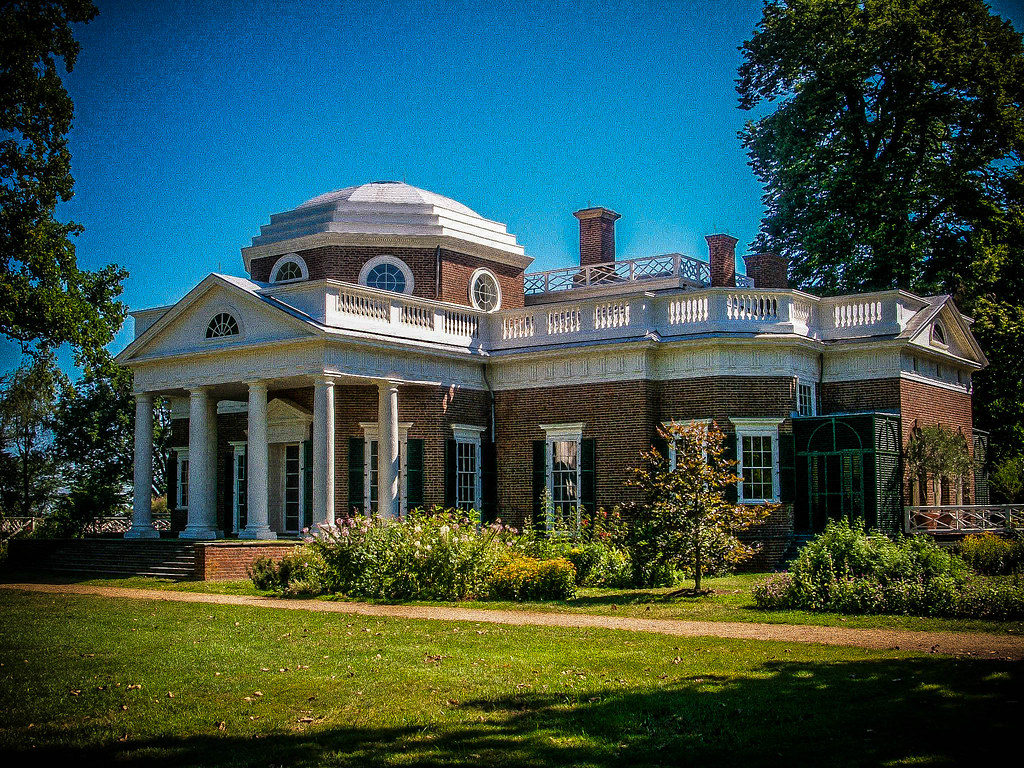
Thomas Jefferson designed every detail of this mountaintop estate, from the rotating book stands to the seven-day clock in the entrance hall. Monticello reveals Jefferson’s contradictions—a man who wrote about liberty while enslaving over 600 people throughout his lifetime.
The restored slave quarters at Mulberry Row tell stories that the main house alone never could.
Mount Vernon
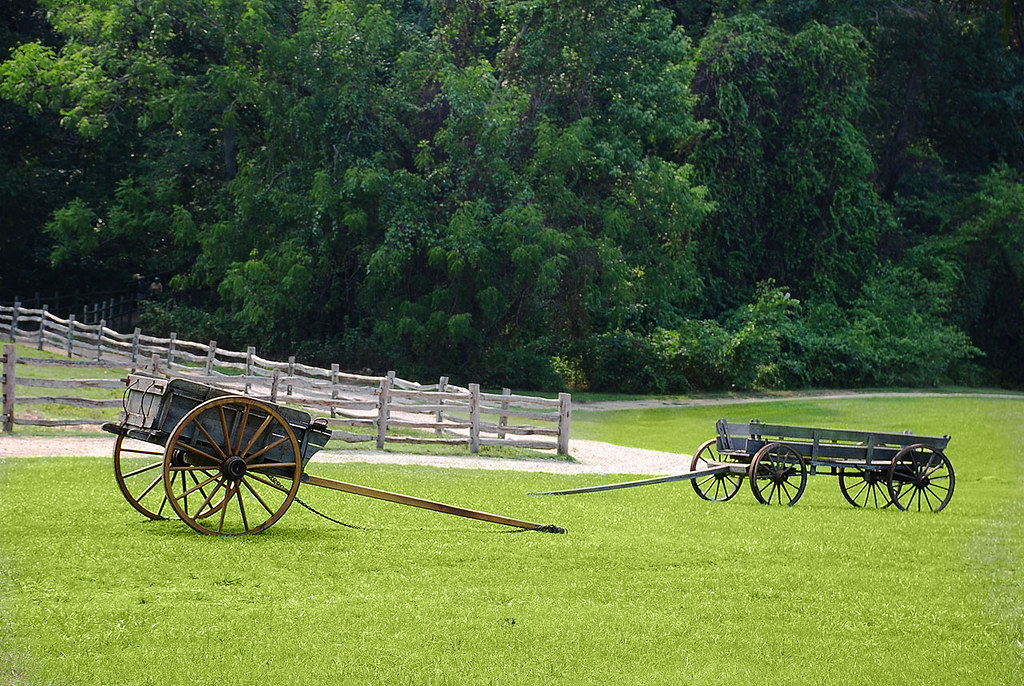
George Washington’s plantation estate overlooks the Potomac River and remains remarkably well-preserved. The mansion tour shows how Washington lived, but the real insight comes from exploring the outbuildings, gardens, and the slave memorial.
Washington was one of the few founding fathers who freed his enslaved workers in his will, though only after his wife’s death.
Appomattox Court House
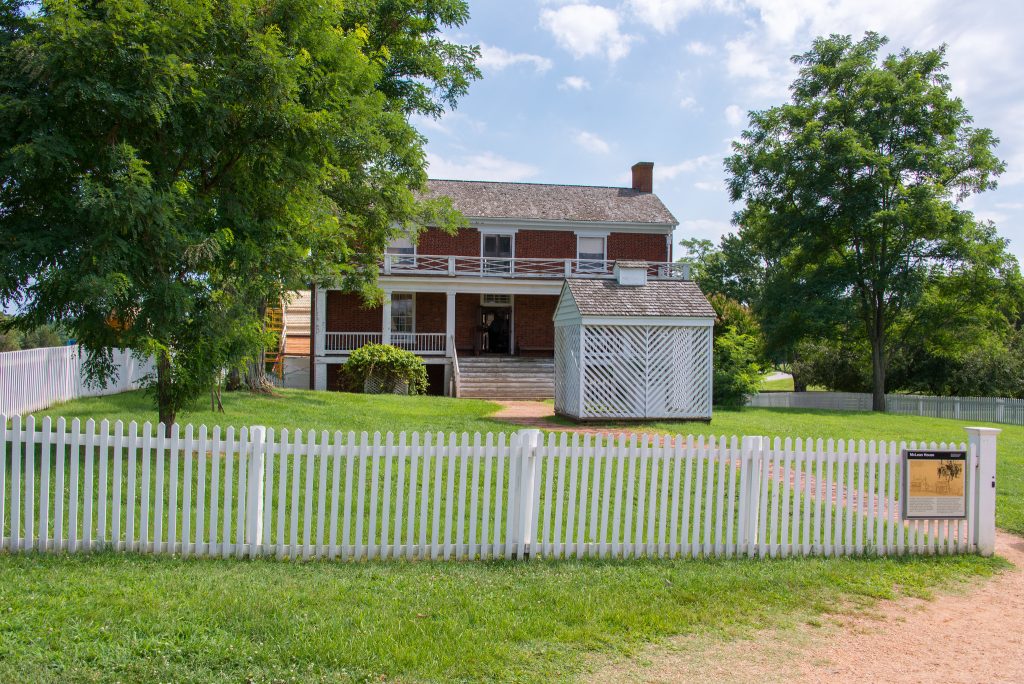
The Civil War essentially ended in the parlor of Wilmer McLean’s home on April 9, 1865. Generals Lee and Grant negotiated surrender terms here, and today you can stand in that very room.
The village has been restored to its 1865 appearance, making it easy to imagine those final tense days when the war wound down.
Yorktown Battlefield
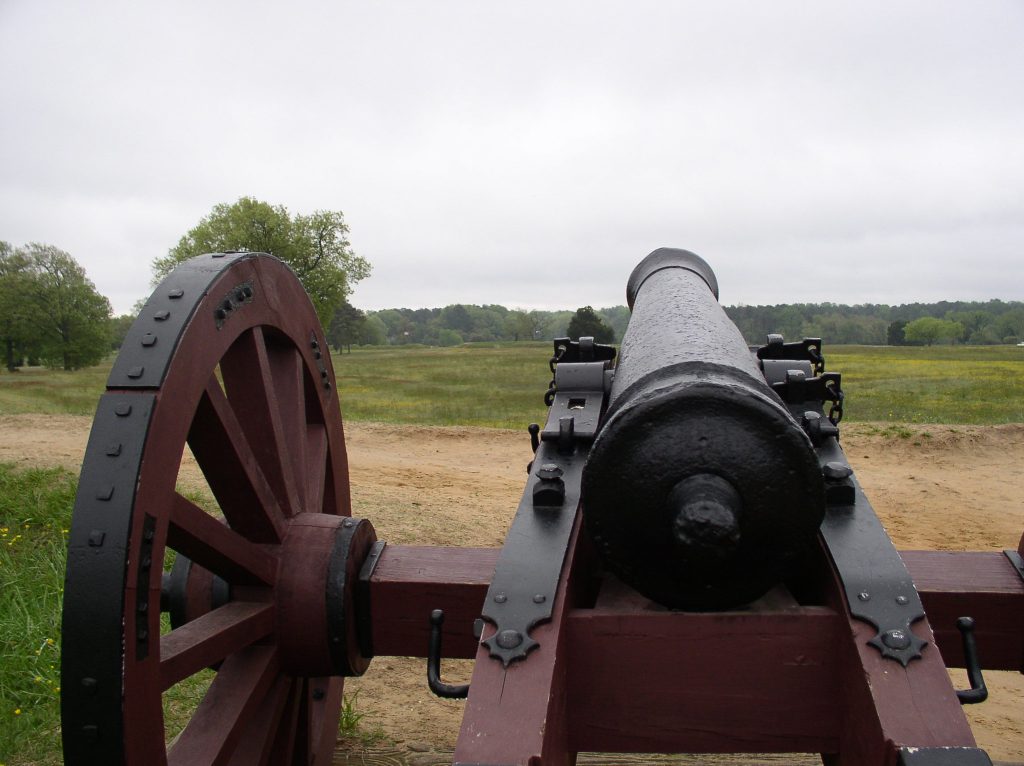
The last major battle of the Revolutionary War happened here in 1781 when Cornwallis surrendered to Washington’s combined American and French forces. The battlefield preserves the actual earthworks and siege lines used during the fight.
Standing at the surrender field, you can see why Cornwallis had nowhere left to retreat.
Arlington House (Robert E. Lee Memorial)
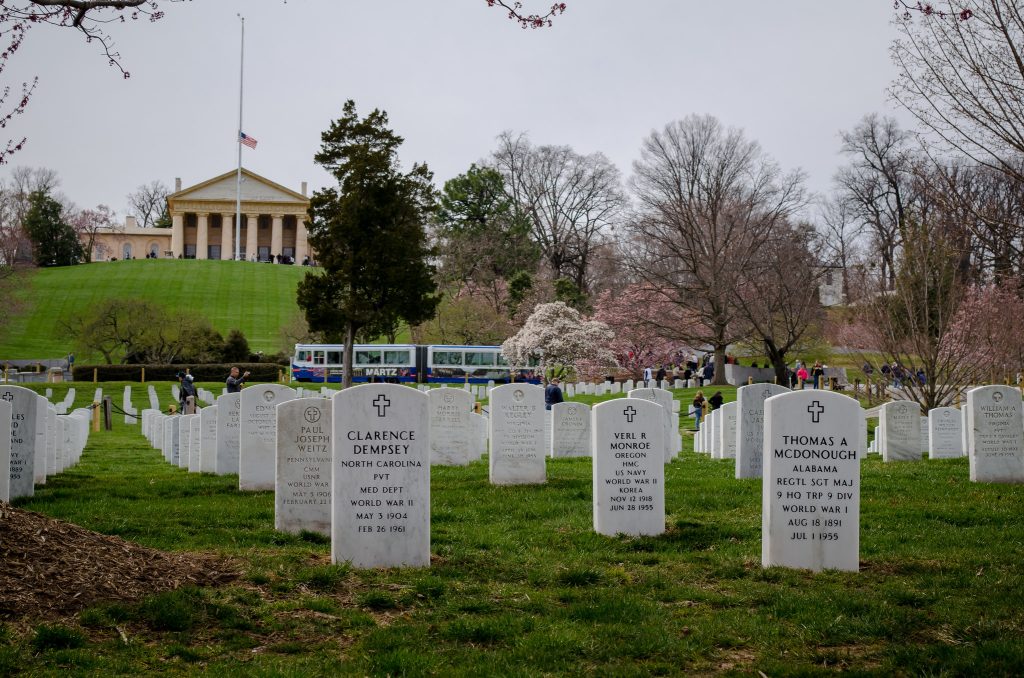
Perched above Arlington National Cemetery, this mansion belonged to Robert E. Lee before he left to command Confederate forces. The federal government seized the property during the war and turned the grounds into a cemetery—partly as punishment, partly out of necessity.
The house tour doesn’t shy away from Lee’s complex legacy and the enslaved people who maintained the estate.
Fredericksburg and Spotsylvania National Military Park
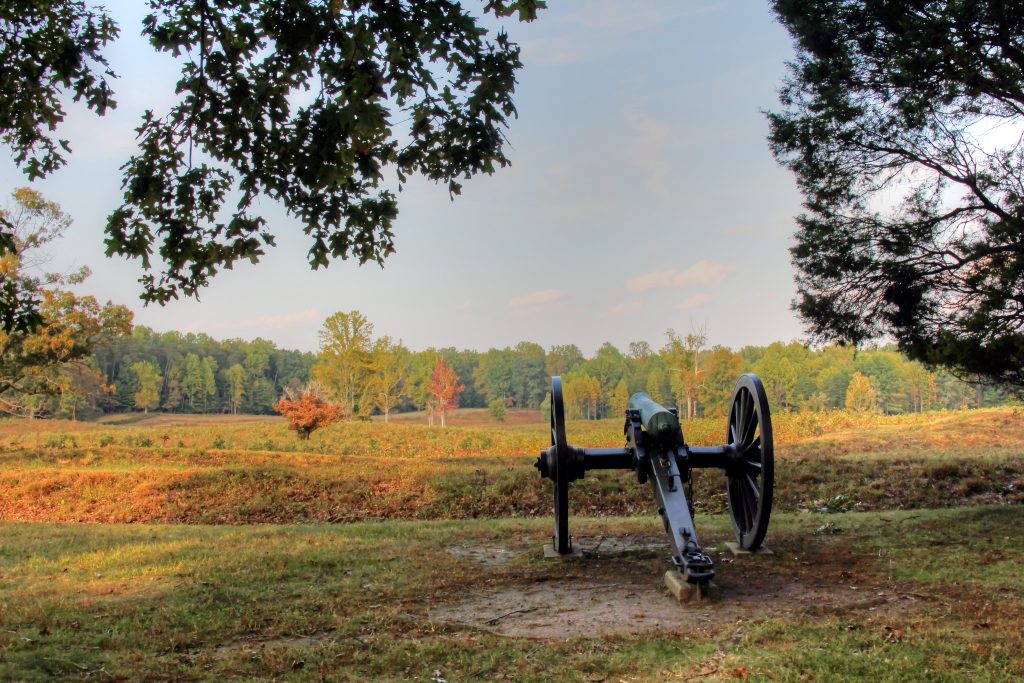
Four major Civil War battles tore through this area between 1862 and 1864, and the combined casualties exceeded 100,000 soldiers. The park preserves multiple battlefields including Chancellorsville, where Stonewall Jackson was accidentally shot by his own troops.
You can still see the Sunken Road at Fredericksburg where Union forces were cut down attacking an impregnable Confederate position.
Manassas National Battlefield Park
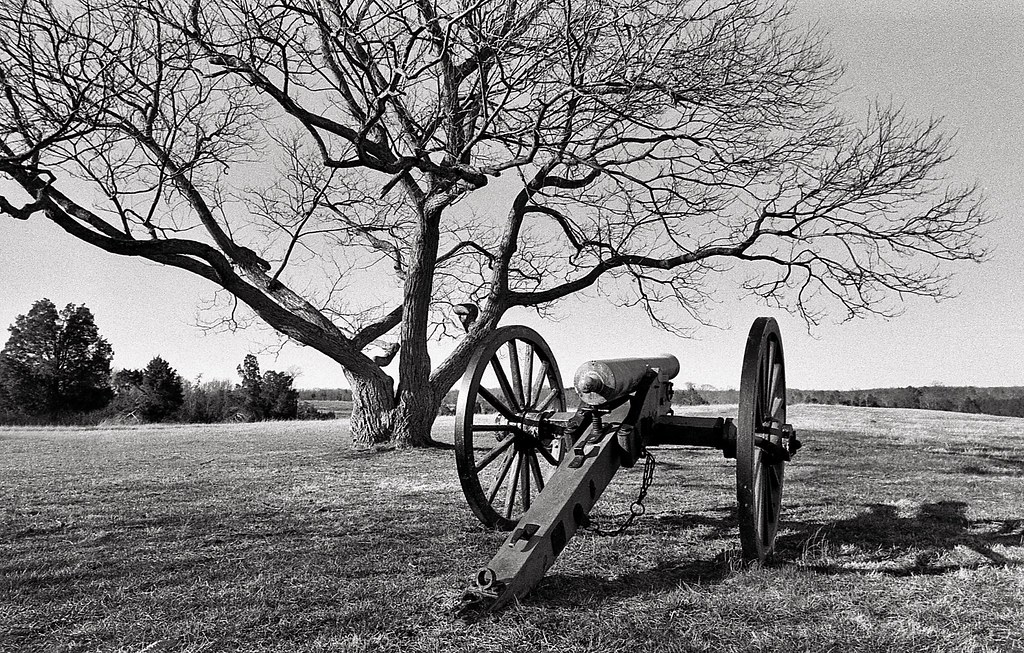
Two significant battles happened on these fields—First Manassas in 1861 and Second Manassas in 1862. The first battle shattered Northern illusions about a quick war when Confederate forces routed the Union army.
Walking the Henry Hill area where fighting raged back and forth gives you a sense of the chaos both armies experienced.
Stratford Hall
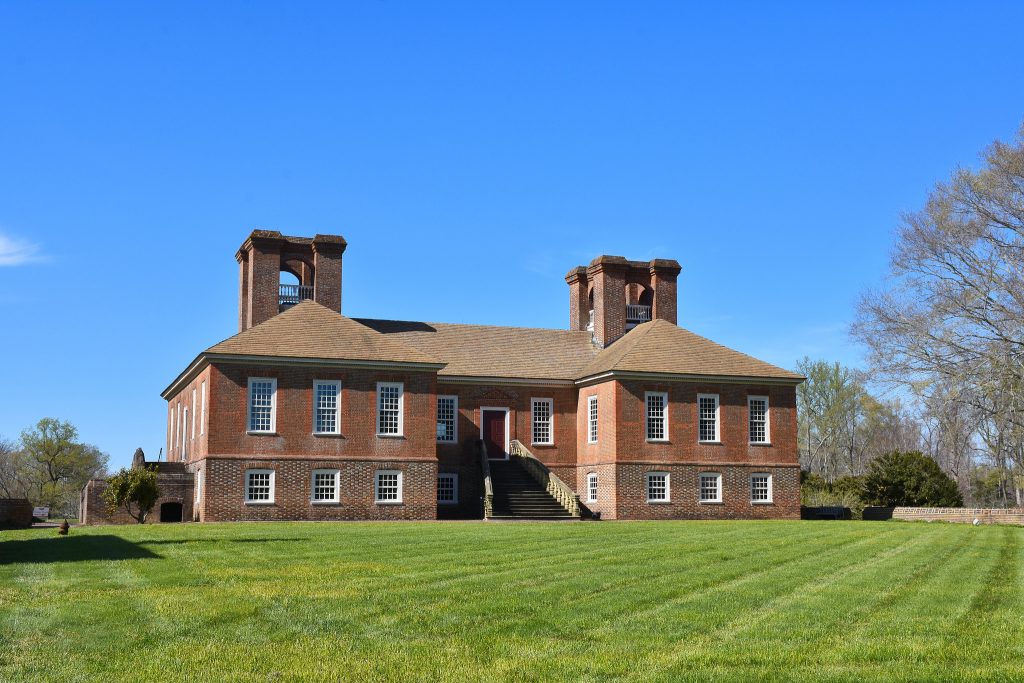
Robert E. Lee was born here in 1807, but the Hall’s history stretches back further to the influential Lee family dynasty. Two signers of the Declaration of Independence also came from this plantation.
The restored 1730s mansion sits on a working farm where interpreters demonstrate 18th-century agricultural methods.
Historic Jamestowne
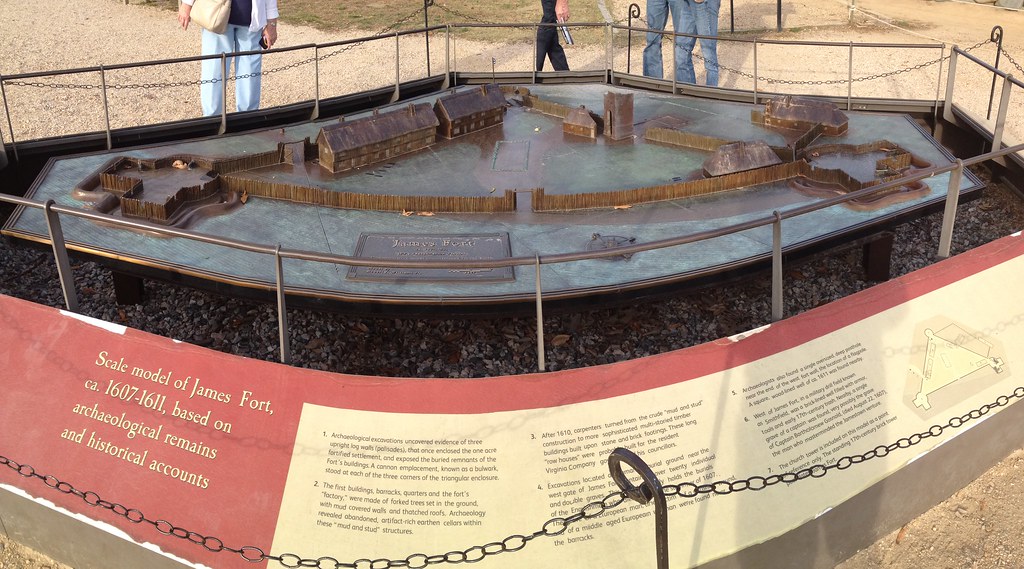
Different from Jamestown Settlement, this is the actual archeological site where colonists built their fort. Ongoing digs continue uncovering artifacts and even skeletal remains that reveal harsh truths about early colonial life.
The original church tower still stands—the only 17th-century structure remaining from the settlement.
Petersburg National Battlefield
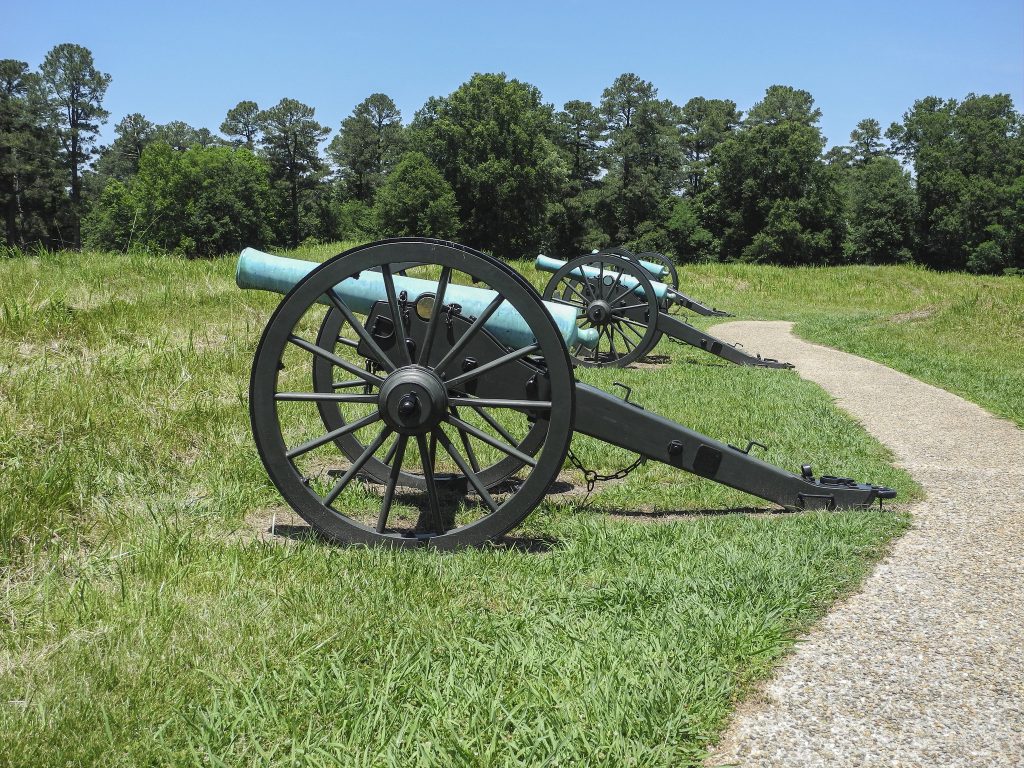
The 292-day siege of Petersburg from 1864 to 1865 became a preview of World War I trench warfare. Soldiers dug elaborate defensive works and lived in brutal conditions while Grant slowly strangled Lee’s supply lines.
The Crater site shows where Union forces detonated 8,000 pounds of gunpowder under Confederate lines, creating a massive hole that became a death trap for attacking troops.
George Washington’s Ferry Farm
Washington spent most of his childhood at this Rappahannock River plantation, though the famous cherry tree story is pure myth. Recent archeological work uncovered the actual house foundation and thousands of artifacts from the Washington family.
The site focuses on how Washington’s formative years shaped the man who became the first president.
Bacon’s Castle
Built in 1665, this is the oldest documented brick dwelling in North America. The house got its name when Nathaniel Bacon’s followers seized it during Bacon’s Rebellion in 1676—one of the first armed uprisings against colonial authority.
The Jacobean architecture with its distinctive curved gables remains remarkably intact.
The Rotunda at University of Virginia
Thomas Jefferson designed this iconic building as the centerpiece of his ‘academical village’ in Charlottesville. Modeled after Rome’s Pantheon, the Rotunda symbolized Jefferson’s belief that education, not religion, should be central to university life.
A devastating fire in 1895 destroyed much of the interior, but careful restoration brought Jefferson’s vision back to life.
Echoes across centuries
Virginia’s historic sites are more than just preserved buildings and battlefields. They are the preservation of the complicated, sometimes painful history that led to the making of America.
A visit to each of these sites presents the opportunity to learn not just what happened, but how it is still relevant.
More from Travel Pug

- Underrated Italian Towns That Beat the Tourist Crowds
- Las Vegas Tourist Traps to Skip
- Prettiest Towns in Every US State
- 18 passport-free countries for Americans
- Signs Your Cruise Is Not Worth The Cost
Like Travel Pug’s content? Follow us on MSN.