

Mexico’s coastline stretches over 5,800 miles along the Pacific Ocean, Gulf of Mexico, and Caribbean Sea, dotted with beach towns that range from overdeveloped resort strips to quiet fishing villages barely touched by tourism. While places like Cancún and Cabo San Lucas dominate travel advertising, countless smaller towns offer the Mexico that existed before high-rise hotels and spring-break crowds arrived.
These authentic coastal communities maintain their character through local traditions, regional cuisine, and rhythms tied to fishing seasons rather than tourist calendars. Finding genuinely authentic beach towns requires looking beyond the obvious choices and often traveling a bit farther.
Here is a list of 15 authentic beach towns in Mexico.
Yelapa remains accessible only by boat
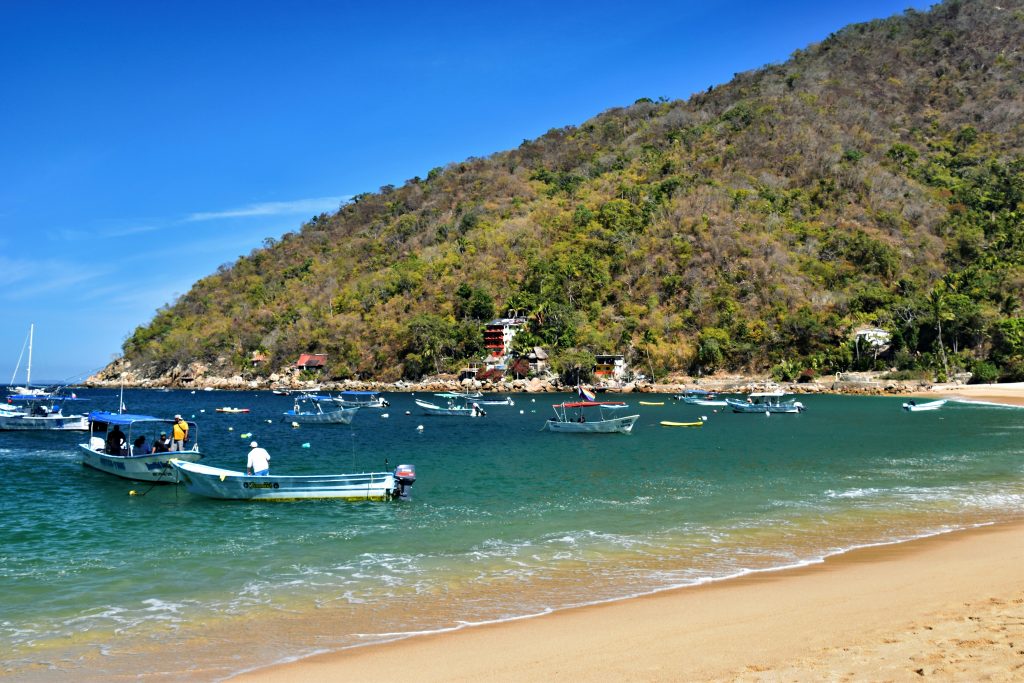
This small village on Banderas Bay near Puerto Vallarta has no road access, keeping development minimal and the vibe decidedly local. Water taxis from Puerto Vallarta or Boca de Tomatlán bring visitors to a beach lined with palapas where families serve fresh seafood they caught that morning.
The town spreads up a jungle hillside where residents live much as they have for generations, though solar panels and satellite internet have crept in. Staying overnight means the day-trippers leave and you get the beach essentially to yourself.
Todos Santos blends art with surf culture
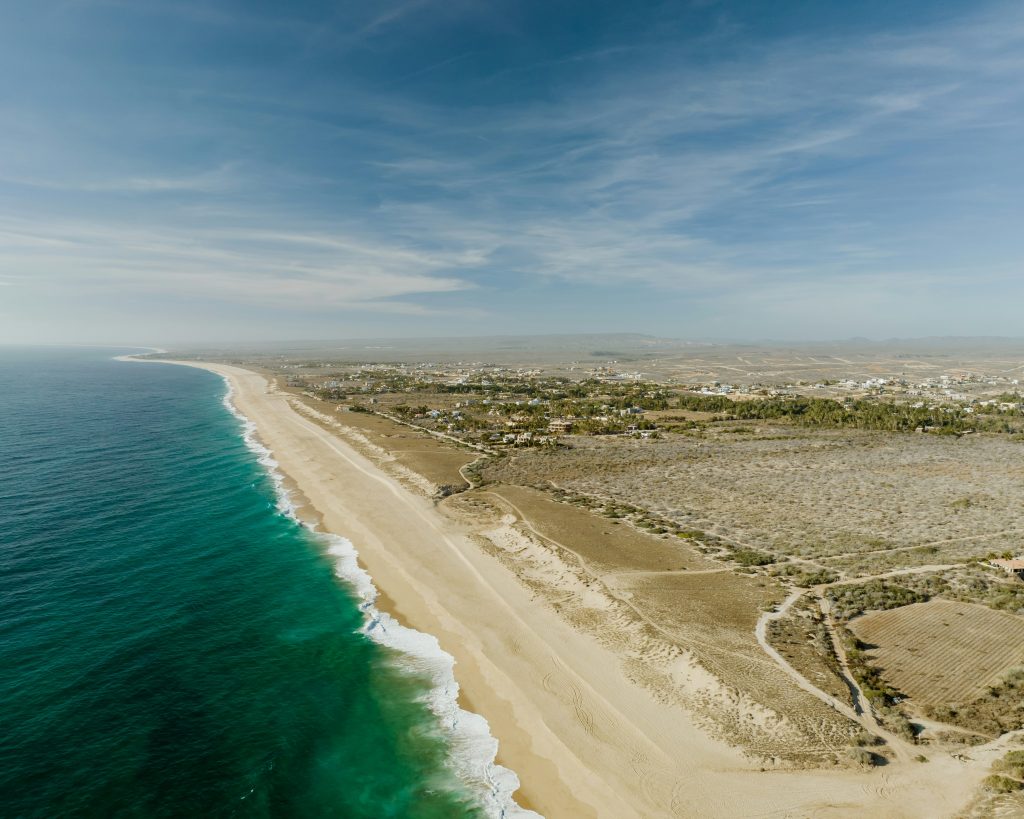
Located between Cabo San Lucas and La Paz on the Pacific side of Baja California, Todos Santos has evolved from a quiet farming town into an arts community without losing its authenticity. Galleries and boutique hotels occupy restored colonial buildings, but locals still outnumber tourists on the streets.
The nearby beaches attract serious surfers rather than resort crowds, and the town’s microclimate allows mango groves and palm farms to thrive in the desert. The legendary Hotel California may or may not have inspired the Eagles song, but the debate itself has become part of the town’s charm.
Mazunte embraced sustainability before it was trendy
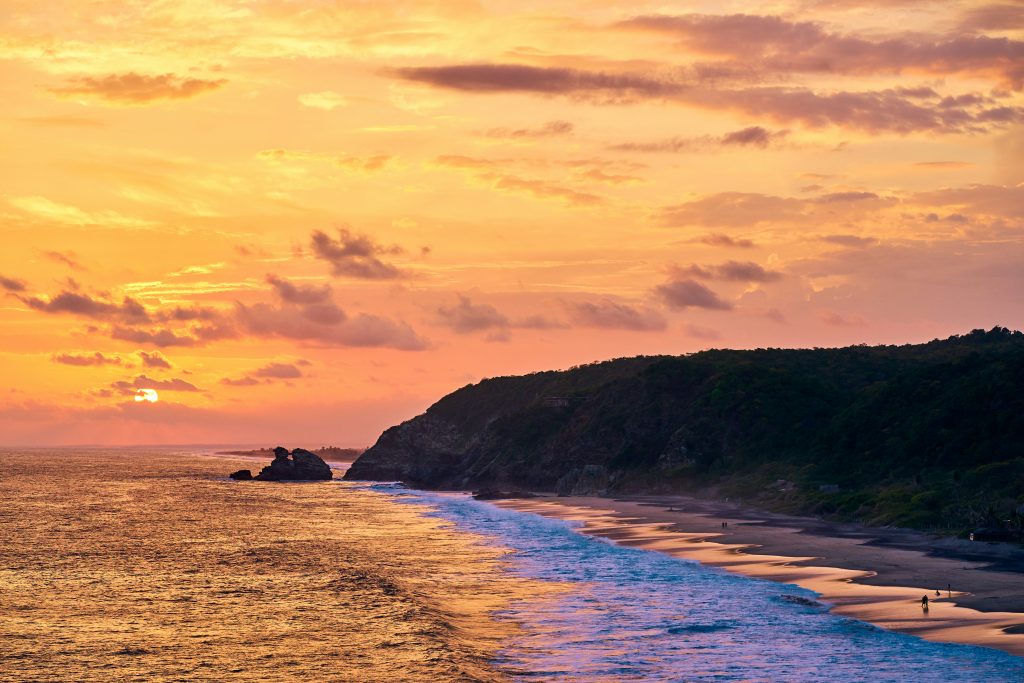
This former turtle-hunting village on the Oaxacan coast transformed into an eco-tourism destination after the turtle slaughter was banned in 1990. Now the National Mexican Turtle Center educates visitors about sea turtle conservation while Mazunte’s beaches provide nesting grounds for several species.
The town attracts yoga practitioners, environmental activists, and travelers seeking alternatives to typical beach resorts. Development remains low-key—mostly small hotels, vegetarian restaurants, and artisan shops—with a community committed to preserving both natural resources and local culture.
Barra de Potosí offers lagoon and ocean in one
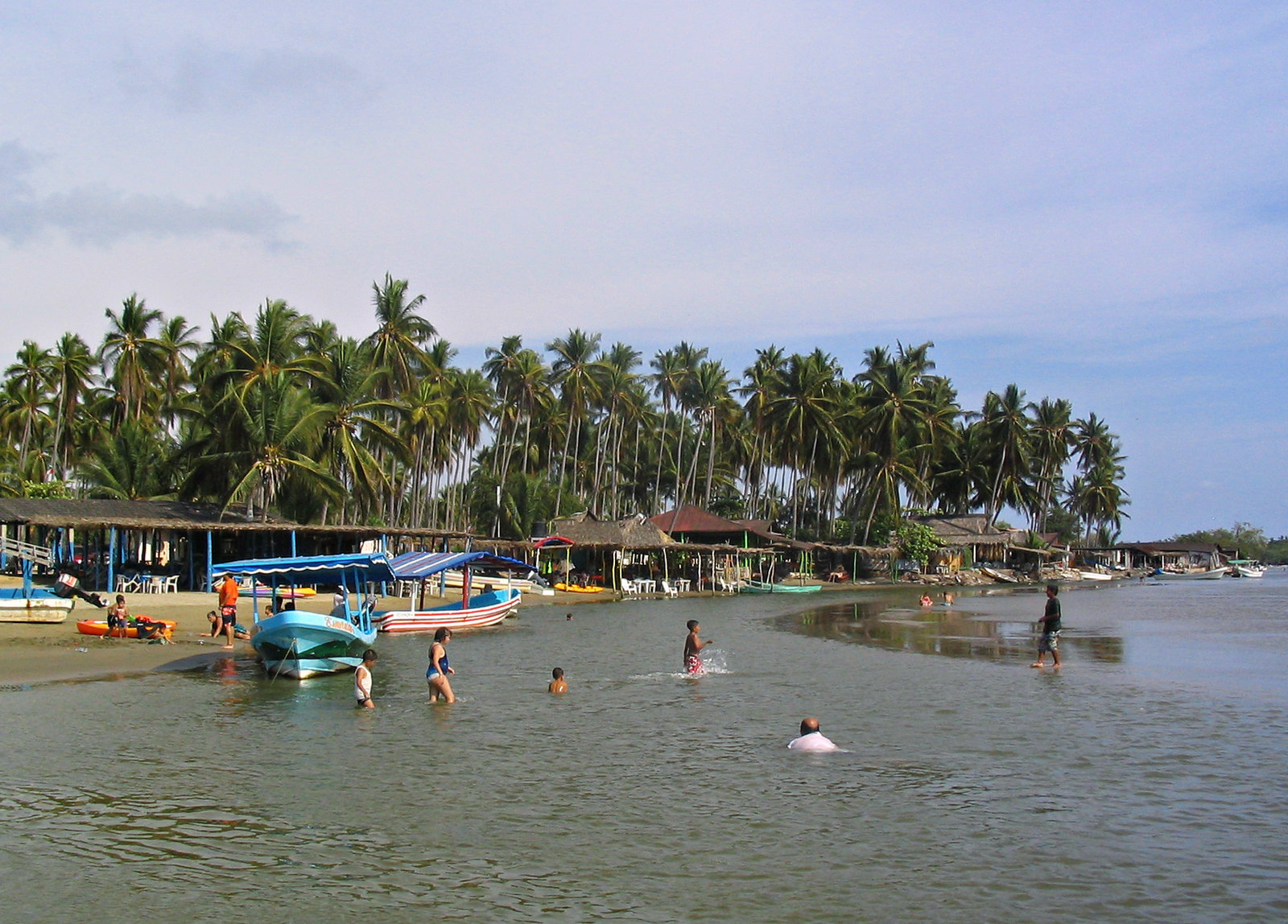
This tiny village in Guerrero state sits where a lagoon meets the Pacific, creating dual ecosystems in one spot. The ocean side provides waves and traditional beach activities while the lagoon offers calm waters perfect for kayaking among mangroves and bird-watching.
Local families operate simple seafood restaurants along the beach and boat tours through the lagoon. The town sees relatively few foreign tourists despite being only 15 miles from Ixtapa, partly because basic accommodations and lack of nightlife keep the resort crowd away.
Bacalar centers on a lagoon of seven colors
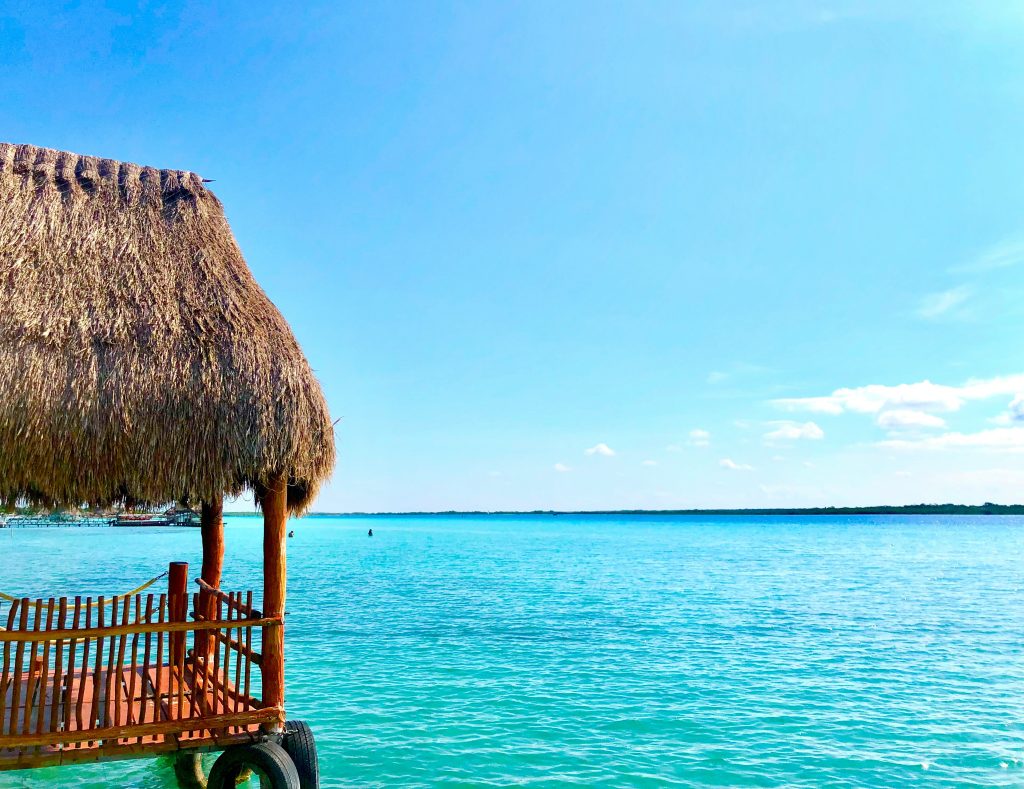
Though technically not a beach town—it sits on a massive freshwater lagoon rather than the ocean—Bacalar deserves inclusion for its stunning natural setting and authentic character. The lagoon’s varying depths create bands of blue ranging from pale turquoise to deep navy, earning it the ‘seven colors’ nickname.
The small town retains its relaxed Quintana Roo vibe despite increasing popularity, with locals still gathering in the central plaza and family-run eateries outnumbering restaurants aimed at tourists. Fort San Felipe provides historical context while cenotes and the lagoon itself offer swimming and kayaking.
San Pancho maintains its village atmosphere
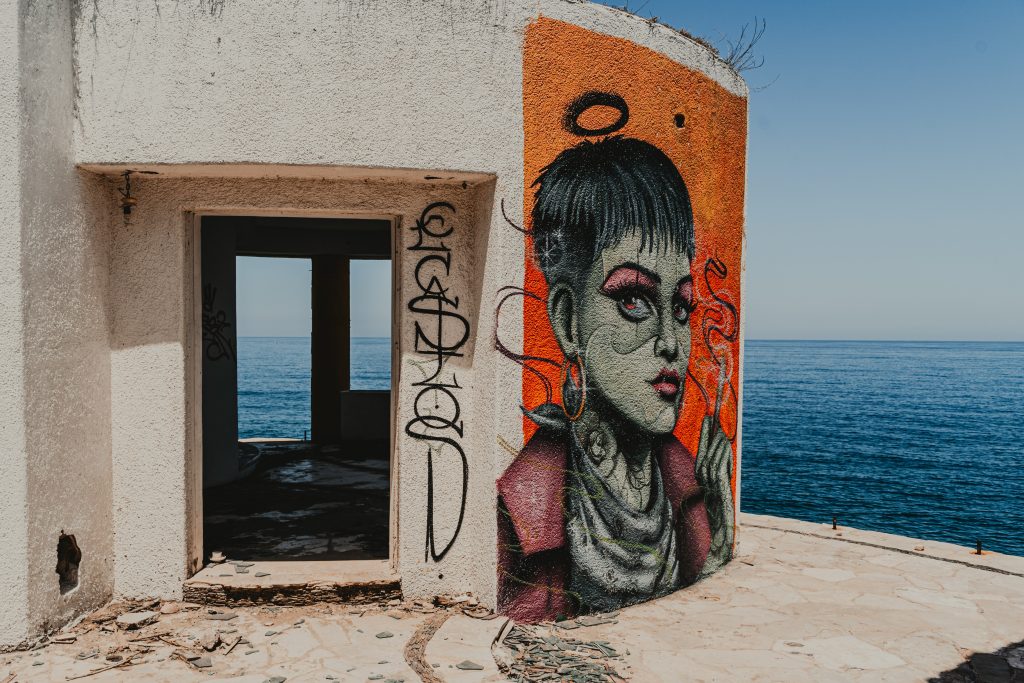
Just north of Sayulita on the Riviera Nayarit, San Francisco—known as San Pancho—has resisted the overdevelopment that transformed its southern neighbor. The town supports a thriving arts scene, community center, and circus school while maintaining its essential character as a Mexican beach village.
Main street features locally-owned shops and restaurants rather than international chains, and the beach remains relatively uncrowded even during high season. Expats and visitors tend to blend into the community rather than forming a separate tourist bubble.
Akumal means ‘place of the turtles’ for good reason
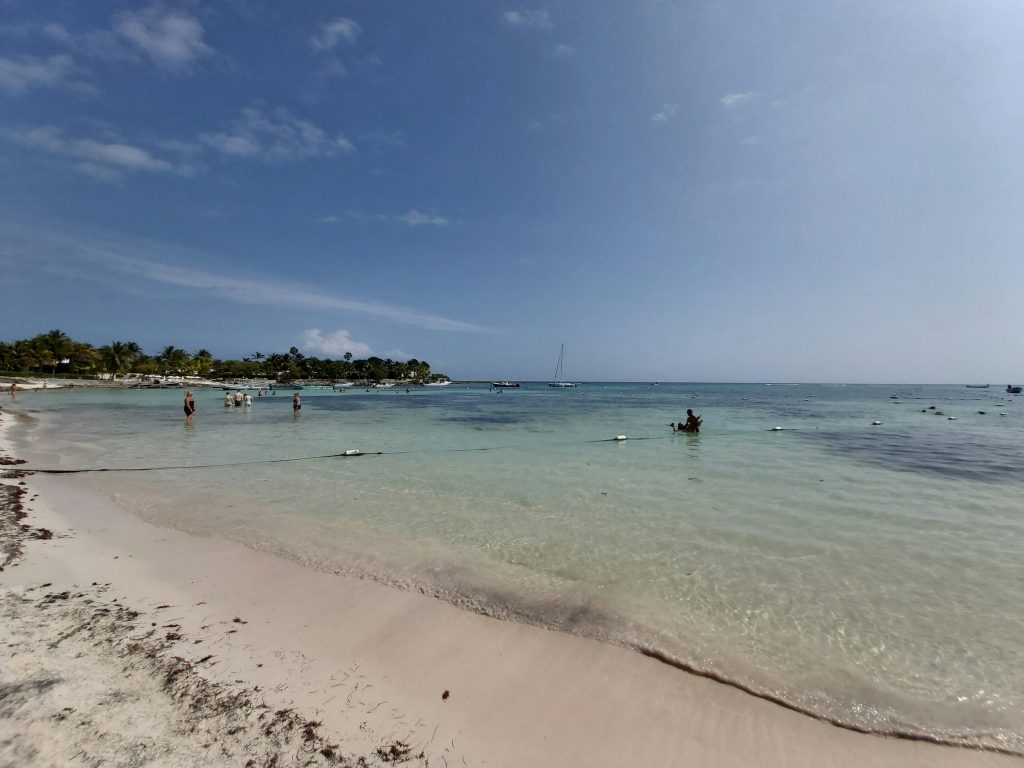
Sea turtles swim in Akumal’s bay year-round, making this small town on the Riviera Maya a reliable spot for snorkeling alongside these gentle creatures. While tourism has increased, Akumal maintains a low-key atmosphere focused on sea turtle conservation and protecting the bay’s ecosystem.
The town lacks the mega-resorts of nearby Playa del Carmen, instead offering smaller hotels and vacation rentals that blend into the landscape. Local regulations limit the number of swimmers allowed with turtles at any time, prioritizing animal welfare over maximizing tourist numbers.
Puerto Escondido’s Zicatela Beach draws serious surfers

The Oaxacan coast’s most famous surf break attracts wave riders from around the world to Playa Zicatela, where massive swells create the ‘Mexican Pipeline.’ Despite international recognition, Puerto Escondido maintains its laid-back beach town character.
Away from Zicatela, sheltered bays provide calmer swimming while the town center features traditional markets and local seafood spots. The mix of Mexican surfers, international wave chasers, and local families creates a diverse community rather than a tourist monoculture.
Punta Allen reaches the end of the road
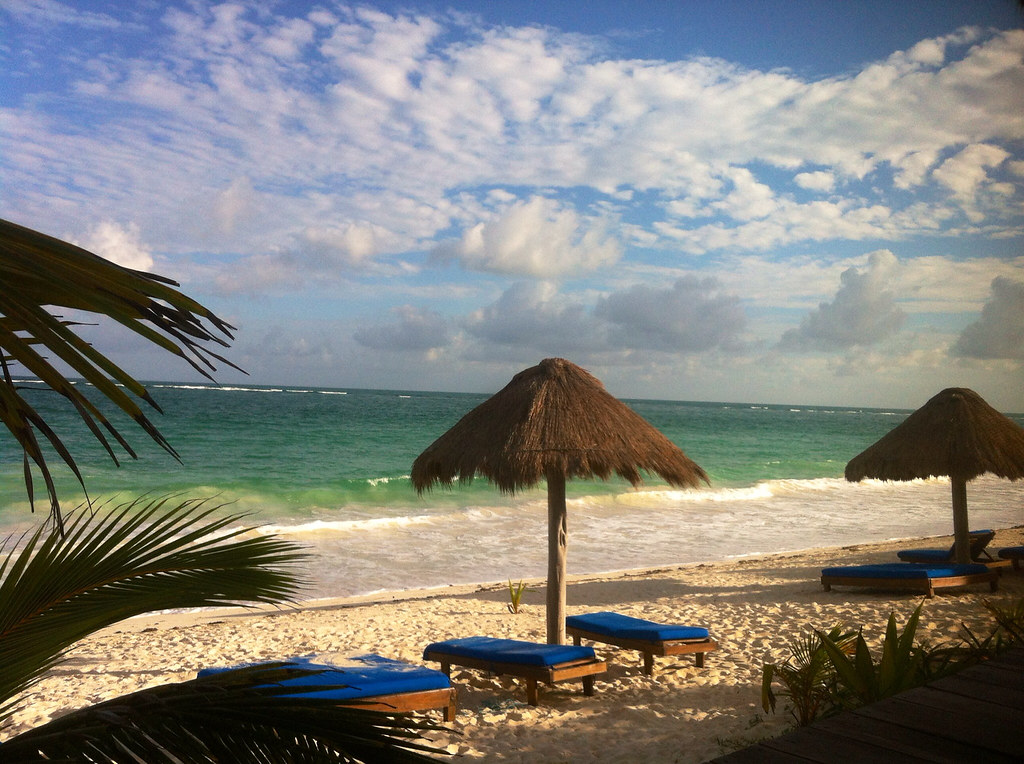
This fishing village sits at the southern tip of the Sian Ka’an Biosphere Reserve on a narrow peninsula accessible only via a rough 35-mile road through protected jungle. The isolation keeps crowds minimal and development limited to basic lodges and guesthouses.
Fishermen still practice traditional catch-and-release techniques for bonefish and permit, making it a fly-fishing destination where guides outnumber tourists. The reserve’s protected status ensures Punta Allen will remain remote and authentic even as other coastal areas develop.
Troncones stretches along an uncrowded coastline

North of Ixtapa-Zihuatanejo, this village spreads along several miles of beach without any single center or resort concentration. Accommodations range from surfer hostels to boutique hotels, all separated by enough space to maintain privacy and tranquility.
The town attracts people seeking quiet—yoga practitioners, remote workers, and travelers tired of crowded beaches. Local families run many of the restaurants and services, ensuring tourism dollars benefit the community directly.
Isla Holbox bans cars for good reason
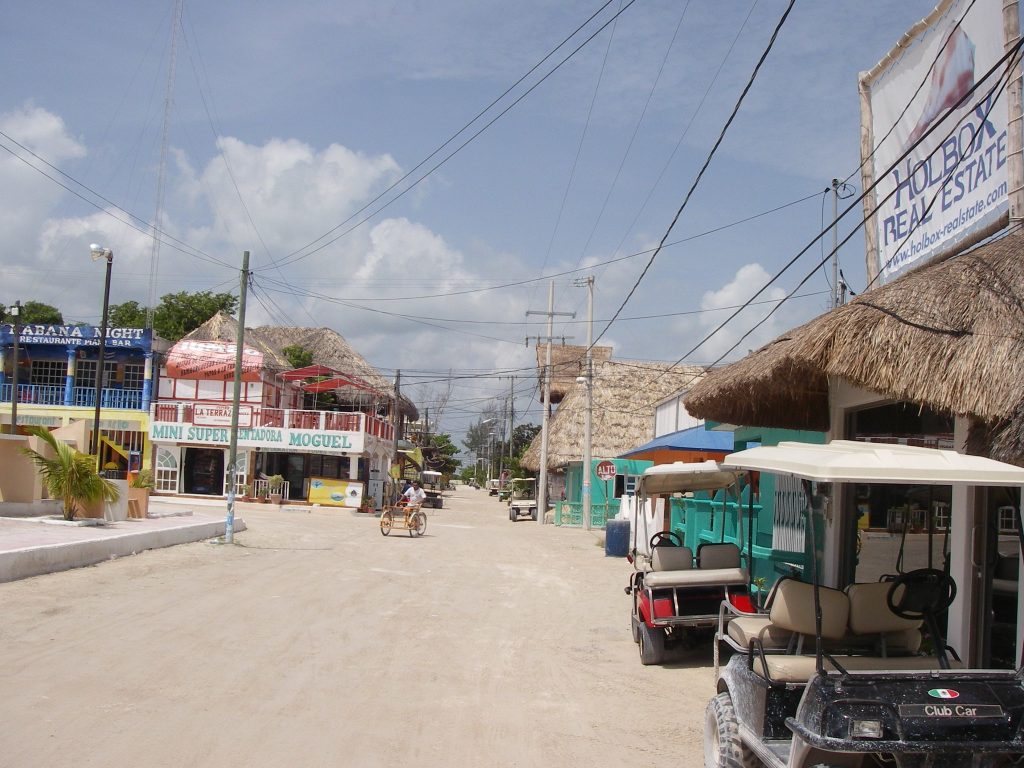
This island off the northern Yucatán Peninsula permits only golf carts and bicycles, immediately establishing a different pace than mainland destinations. Holbox’s shallow waters glow with bioluminescence at night while whale sharks pass offshore from June to September.
The main town features colorful buildings, sandy streets, and a hippie-boho vibe that attracts artists and free spirits. Development has accelerated recently, but the car ban and island’s remote location help maintain its essential character.
Zipolite embraces a clothing-optional culture
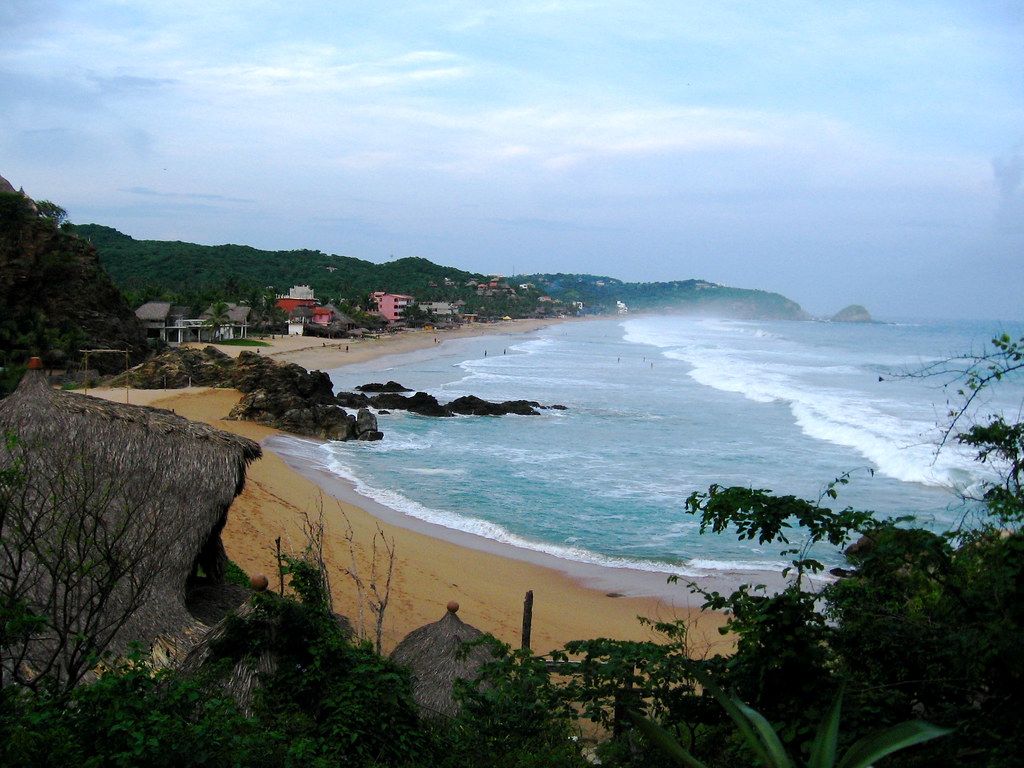
Mexico’s only officially recognized clothing-optional beach gives Zipolite in Oaxaca a distinctly alternative atmosphere. The town has long attracted backpackers, artists, and free-spirited travelers creating a community that values personal freedom and environmental sustainability.
Despite its reputation, Zipolite remains fundamentally Mexican—local families live and work here, church bells ring on Sundays, and traditional festivals continue regardless of the tourists on the beach.
Loreto preserves Baja’s mission history
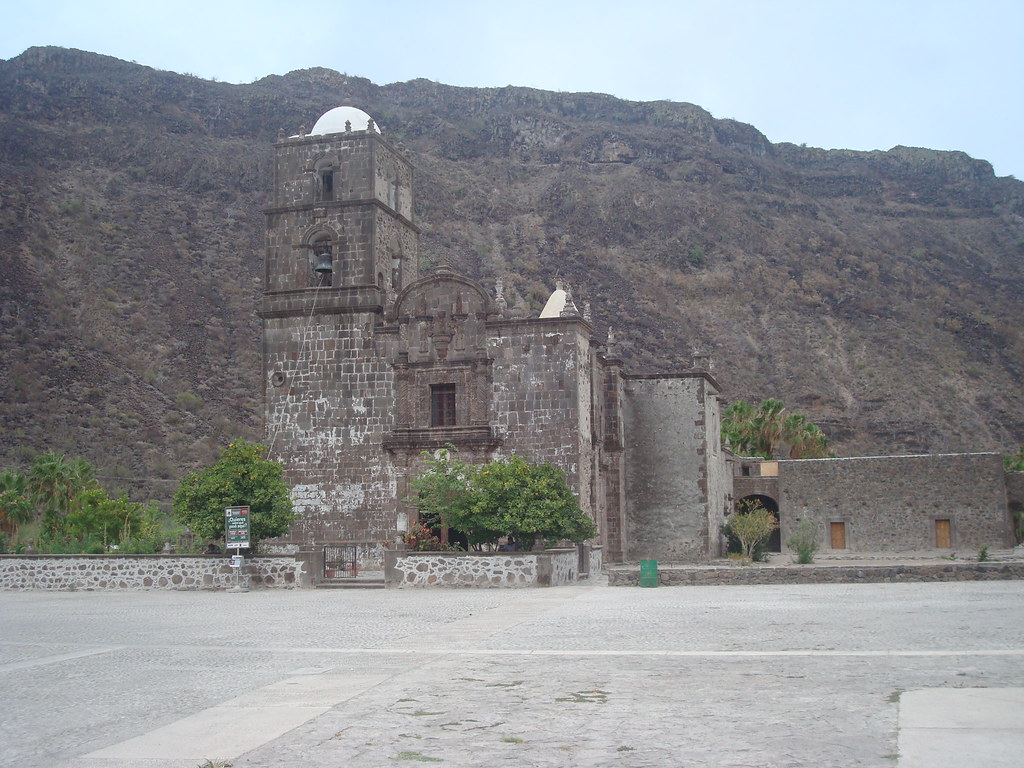
Founded in 1697 around Baja California’s first mission, Loreto maintains historical character while offering access to the Sea of Cortez’s incredible marine life. The town’s colonial architecture and preserved mission create a cultural dimension often lacking in pure beach destinations.
Nearby islands in the Bahía de Loreto National Park provide world-class kayaking, snorkeling, and diving. Loreto attracts older travelers and outdoor enthusiasts rather than party crowds, keeping the atmosphere relaxed and the focus on natural and historical attractions.
Chacahua hides behind a lagoon
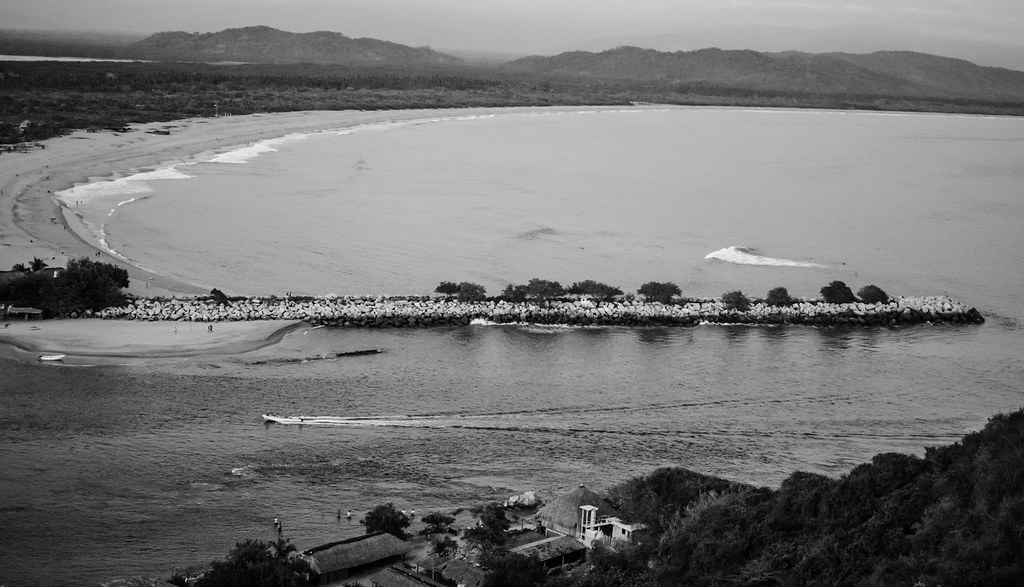
Reaching this Oaxacan beach village requires a boat ride through mangrove lagoons, creating a natural barrier to mass tourism. The town sits on a narrow strip between lagoon and ocean within Lagunas de Chacahua National Park.
Local families offer basic accommodations and home-cooked meals rather than formal restaurants. Wildlife viewing in the lagoon—including crocodiles and numerous bird species—provides activities beyond the beach, though the empty stretches of sand offer enough reason to visit on their own.
Celestún combines flamingos with fishing culture

This town on the Yucatán’s western coast where a freshwater estuary meets the Gulf of Mexico creates habitat for thousands of pink flamingos. Boat tours through the estuary to see the flamingo colonies are the main tourist activity, but Celestún remains primarily a working fishing village.
The long beach sees few visitors and the town operates on local rather than tourist rhythms. Staying overnight means experiencing a genuine Mexican Gulf Coast community where tourism supplements rather than replaces traditional livelihoods.
Beyond the resorts
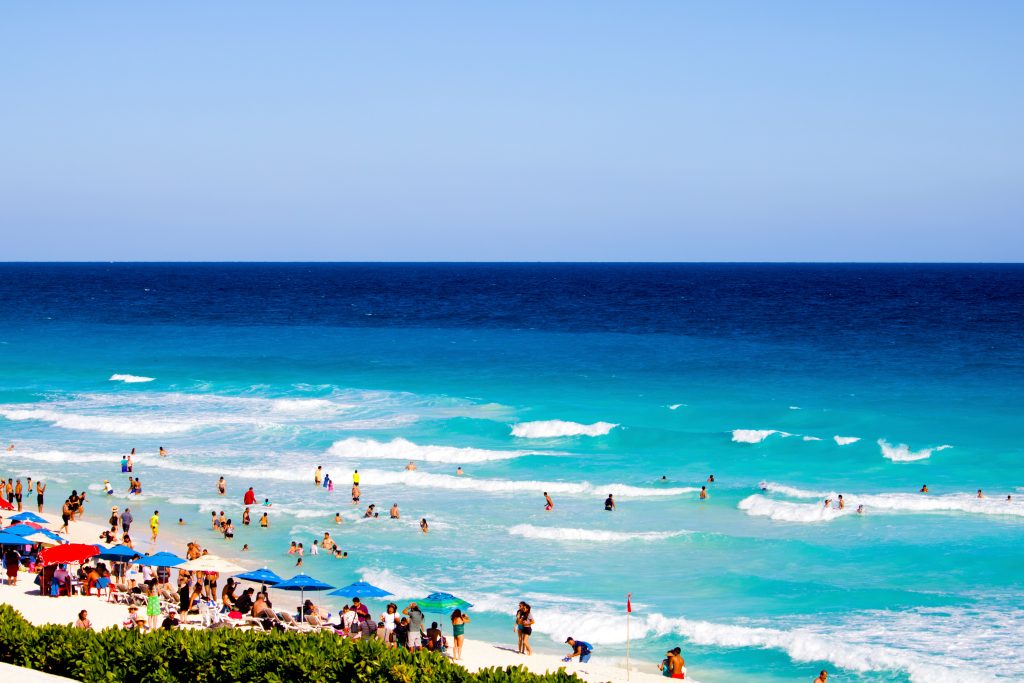
The fact is, there is an authentic beach-town experience in Mexico. This shows that beach tourism doesn’t have to involve high-rise hotels or all-inclusive resorts.
These towns show what attracts certain people to these destinations in ways that large development cannot. While Mexico’s popular beach destinations continue to lose what made them authentic in favor of becoming more like each other, smaller towns like those included in this list offer what is truly important: a sense of place in which the beach is only part of the overall picture.
Cities in this list offer what works in this model.
More from Travel Pug

- Underrated Italian Towns That Beat the Tourist Crowds
- Las Vegas Tourist Traps to Skip
- Prettiest Towns in Every US State
- 18 passport-free countries for Americans
- Signs Your Cruise Is Not Worth The Cost
Like Travel Pug’s content? Follow us on MSN.