

Some places hold stories that refuse to be forgotten. These locations stand as reminders of humanity’s capacity for cruelty, tragedy, and suffering—yet they also serve an important purpose in preserving memory and educating future generations.
Walking through these sites can be unsettling, but understanding what happened within their walls or on their grounds helps ensure such events won’t be repeated.
Here is a list of 15 historic sites with dark histories.
Auschwitz-Birkenau
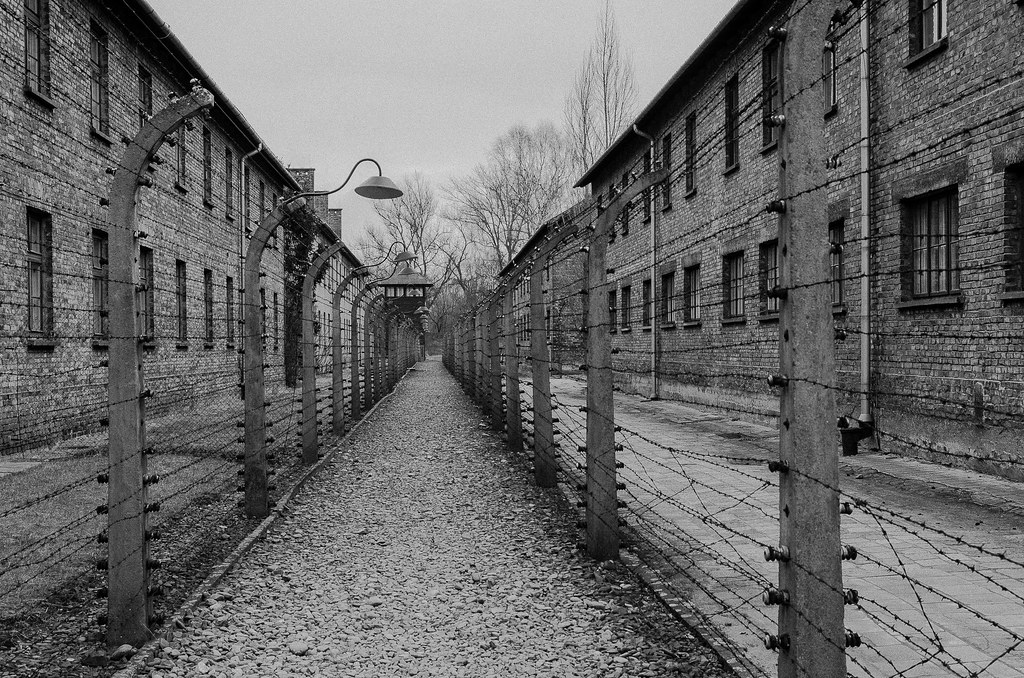
The Auschwitz concentration camp was established by German authorities in 1940 and became one of the largest networks of Nazi death camps by 1942. Prisoners were subjected to forced labor, inhumane medical experiments, and mass killings. The complex consisted of multiple camps, including Auschwitz I for political prisoners and Auschwitz-Birkenau, which served as both a concentration and extermination facility.
An estimated 1,100,000 people were murdered in the camps during World War II, making it the most notorious symbol of the Holocaust.
Chernobyl Exclusion Zone
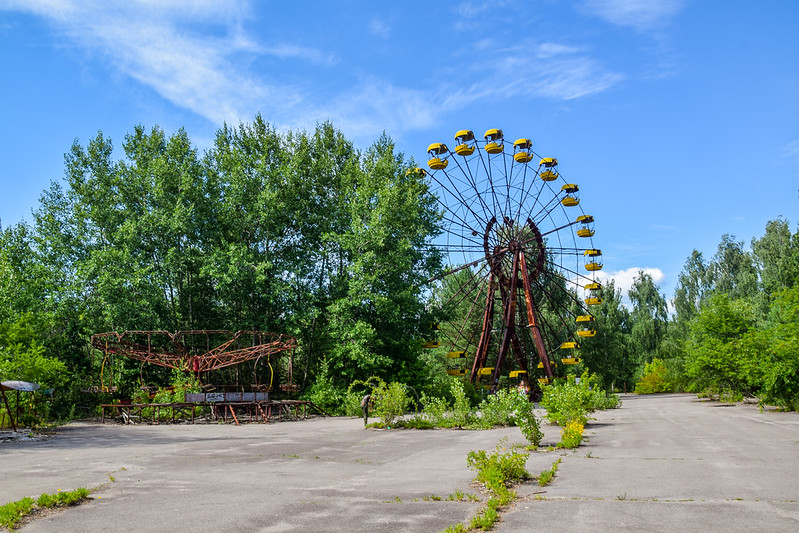
In April 1986, a series of mistakes at the Chernobyl power plant in the Soviet Union compounded into the worst nuclear disaster in history when several explosions blew the lid off reactor number four, releasing a cloud of radioactive material into the atmosphere. The toxic fallout contaminated millions of acres across Ukraine, Belarus, and Russia.
Over 100,000 people were permanently evacuated, and radiation-related illnesses continue to plague those who were exposed to high levels of the noxious material. The ghost town of Pripyat, once home to plant workers and their families, now stands frozen in time as a haunting reminder of the disaster.
Tuol Sleng Genocide Museum
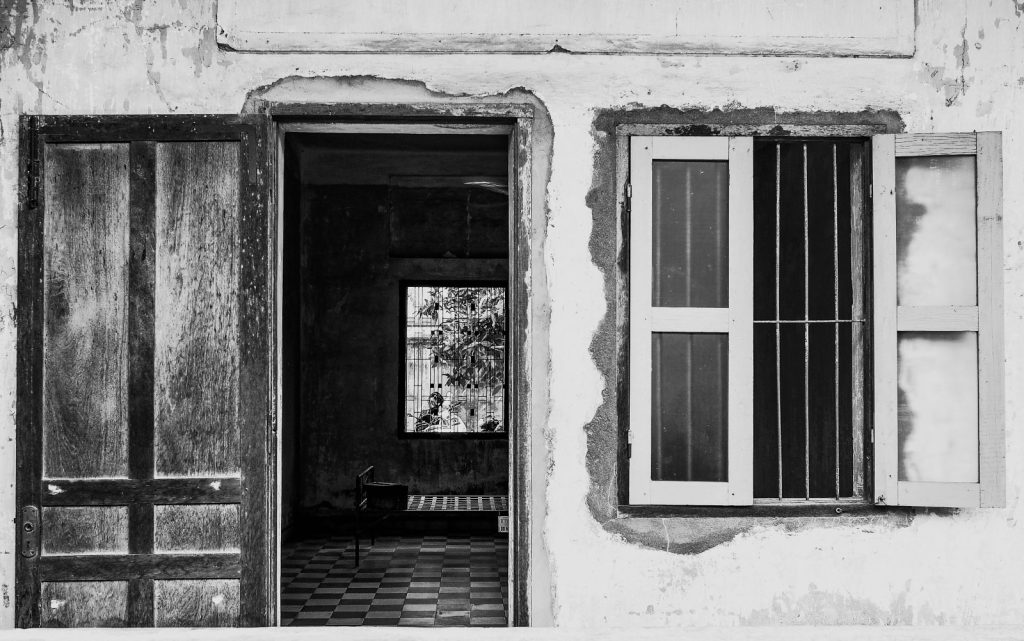
In 1975, the Khmer Rouge took control of Cambodia, initiating a bloody genocide that ultimately claimed the lives of an estimated 1.7 million people. Tuol Sleng, formerly a high school, was converted into a prison and interrogation center known as S-21. Photographs of emaciated corpses line the rooms like macabre wallpaper, and rust-colored stains mark the ceilings—evidence of the systematic arrest, torture, and execution of Cambodian civilians. The site now functions as a museum documenting the brutalities committed during this dark chapter of Cambodian history.
Alcatraz Federal Penitentiary
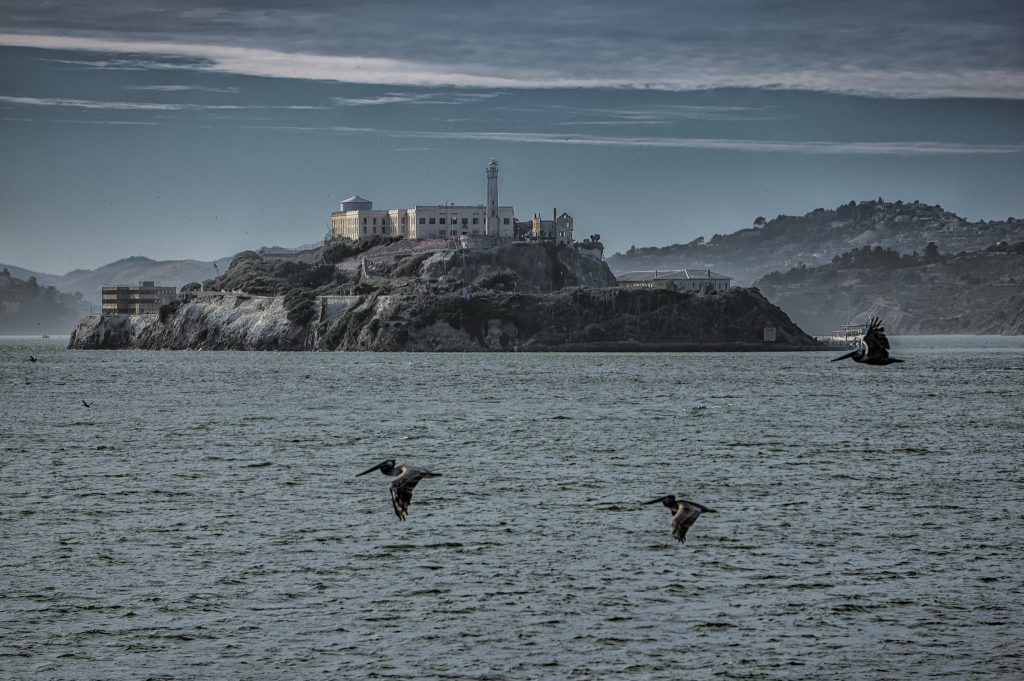
Located on an island in San Francisco’s Bay Area, Alcatraz was a prison so notorious that it still receives millions of visitors a year, with prisoners experiencing conditions that were so close to land but so far away. The facility housed some of America’s most dangerous criminals from 1934 to 1963.
Inmates endured brutal conditions, strict regulations, and the psychological torment of seeing the city lights across the water each night while knowing escape was virtually impossible. The isolation drove many prisoners to madness, and violence between inmates was common.
Andersonville Prison
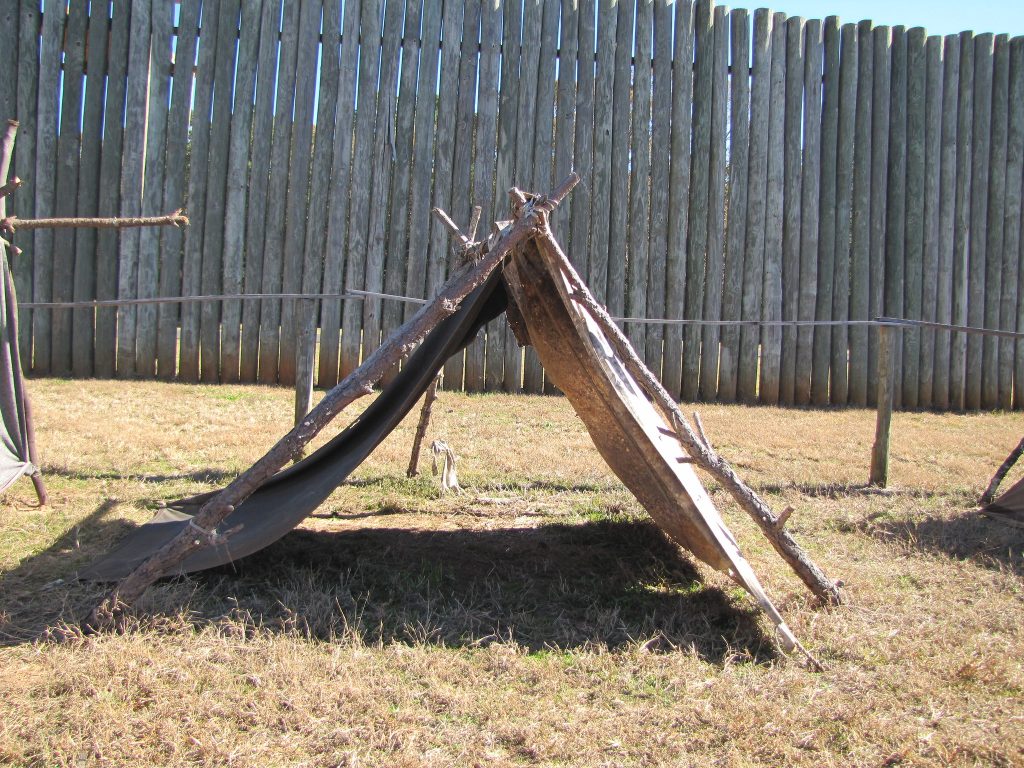
45,000 Union soldiers were held at Andersonville during its 14-month operation, and 13,000 died in the prison. The Confederate prison camp in Georgia operated from 1864 to 1865 under horrific conditions.
At one point, 32,000 men were crammed into the 26.5-acre space, leaving prisoners without adequate shelter, food, or clean water. Commander Henry Wirz was tried and executed for war crimes committed at Andersonville, making him one of the few Confederate officers to face such consequences after the Civil War.
Oradour-sur-Glane
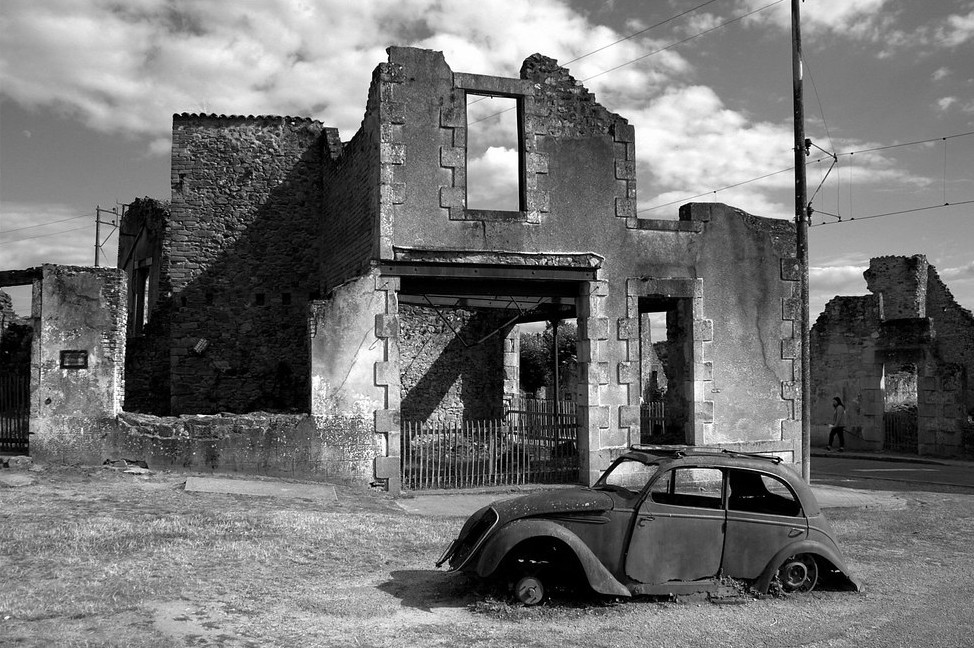
In June 1944, Nazi troops marched into the quiet village of Oradour-sur-Glane in German-occupied France and herded 642 villagers into the town square, with men taken to barns and women and children locked inside the church before it was set aflame. Those who didn’t perish from burns or smoke inhalation were shot while trying to escape.
Historians believe the troops targeted the village after receiving intelligence that residents there were involved in the Resistance. In 1946, the French government declared the site a national memorial, preserving the ruins as they were found.
Hoa Lo Prison
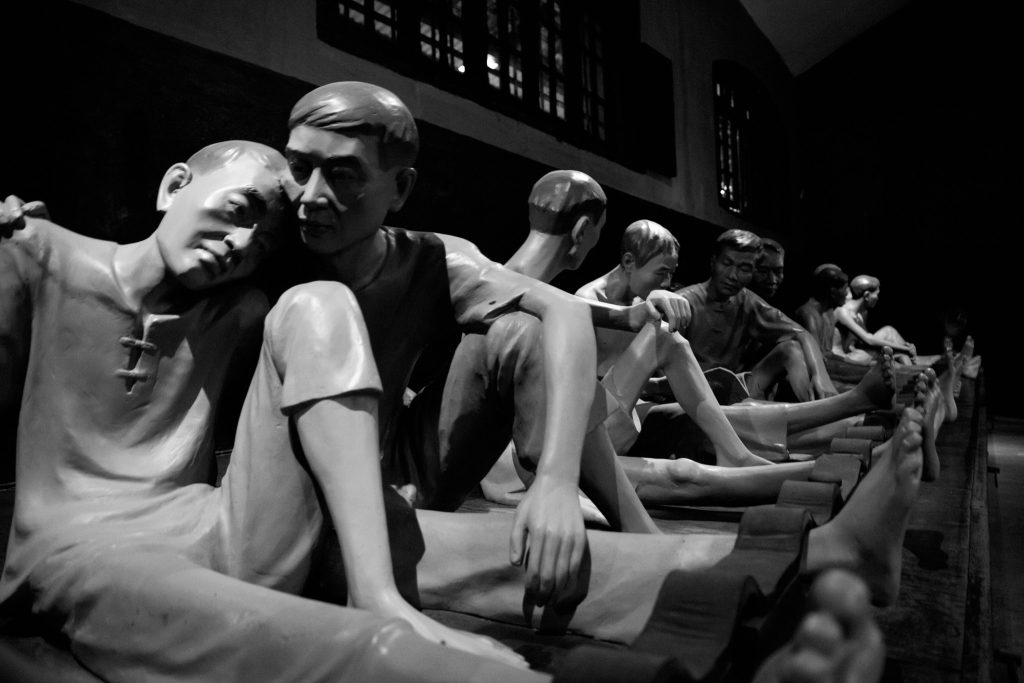
Hoa Lo Prison, or ‘The Hanoi Hilton,’ is a historical prison that was built in the late 1800s during the French occupation, first to house political prisoners and then used by the Vietnamese as a prison for US prisoners of war. During the French occupation, Hoa Lo Prison was a place of nightmares where prisoners were kept in horrendous conditions where sickness spread, food was poor, and the prison was at max capacity.
American POWs held there during the Vietnam War faced torture and prolonged isolation, though Vietnamese propaganda claimed they were treated well—hence the ironic nickname given by the prisoners themselves.
Apartheid Museum Site
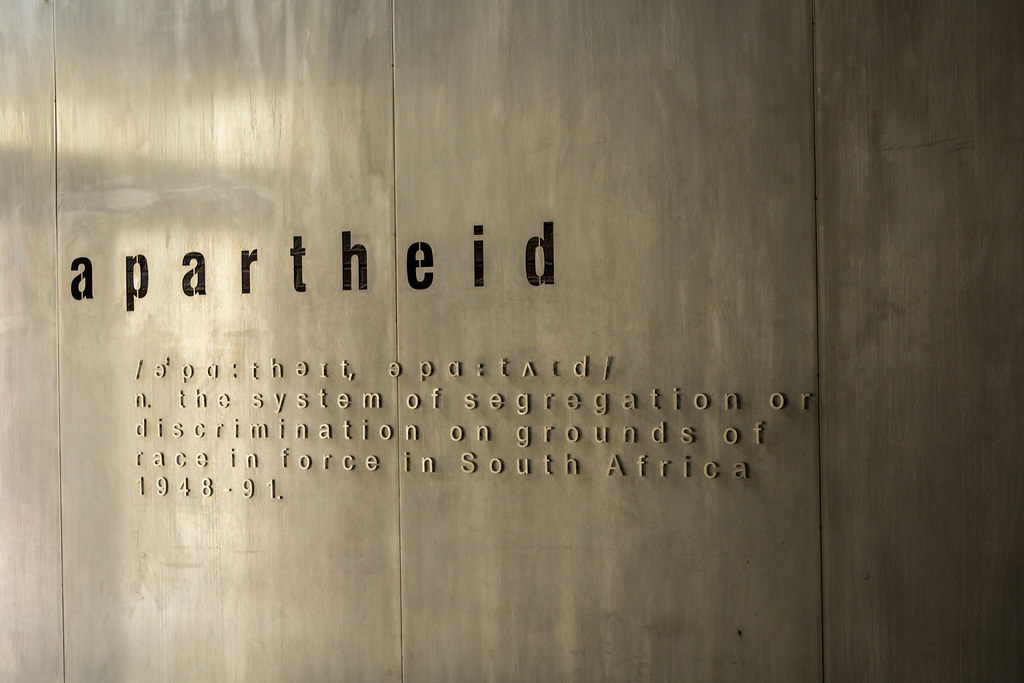
Apartheid held South Africa in its grim grip from 1948 to 1994. This legalized, government-sanctioned system of racial segregation divided citizens into four groups: white, black, Indian, and colored. The museum in Johannesburg documents this systematic oppression through exhibits, photographs, and personal testimonies.
Visitors enter through gates marked by race categories, immediately experiencing a fraction of the dehumanization faced by millions. The site preserves evidence of forced removals, police brutality, and the daily indignities suffered under this regime.
Salem Witch Trial Site
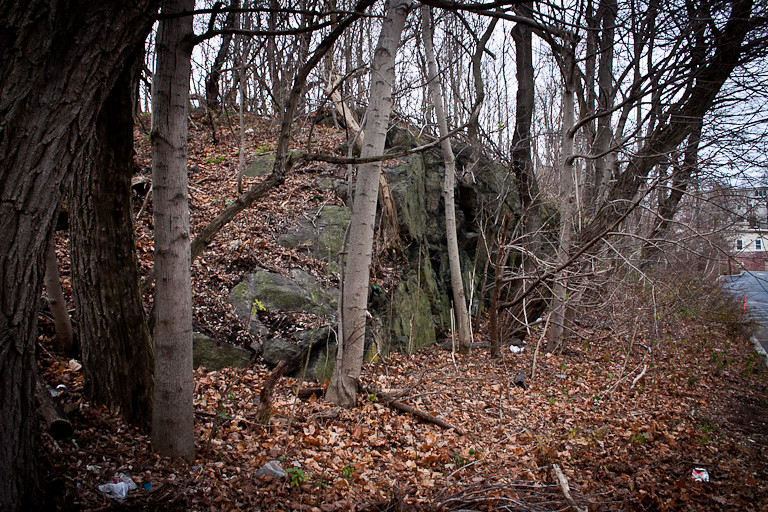
Historians from Salem State traced Gallows Hill to an overgrown area behind a local Walgreens where homeless residents had been living. This unremarkable spot behind a drugstore is where 19 people were executed during the 1692 witch trials.
According to Professor Emerson Baker of Salem State, it made perfect sense for public executions and ghost-sightings of the wrongly executed because there is a ledge called ‘Proctor’s Ledge’ that could be seen for miles. The fact that this location was lost for centuries shows how communities sometimes prefer to forget their darkest moments.
Dachau Concentration Camp
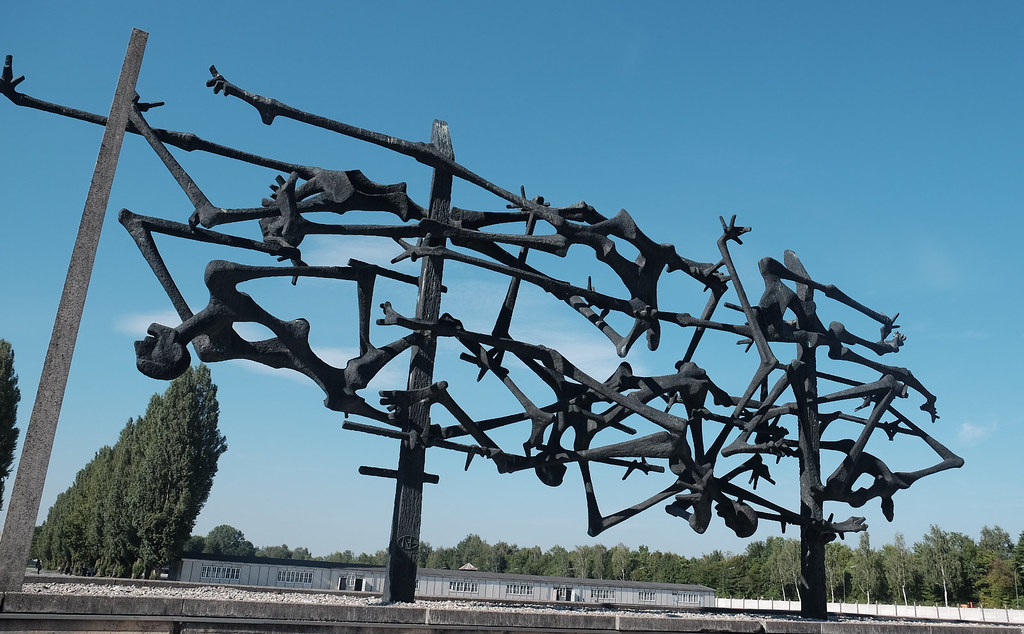
The first concentration camp was Dachau, and the first prisoners—members of the Communist and Social Democrat political parties—arrived in March 1933. Although not a new phenomenon to human history, much of the tone of what came to define Nazi concentration camps emerged early on at Dachau.
The camp served as a model for the entire concentration camp system that would follow. Prisoners faced brutal treatment, forced labor, and medical experiments. Though not primarily an extermination camp, thousands died there from disease, malnutrition, and violence.
Wounded Knee Massacre Site
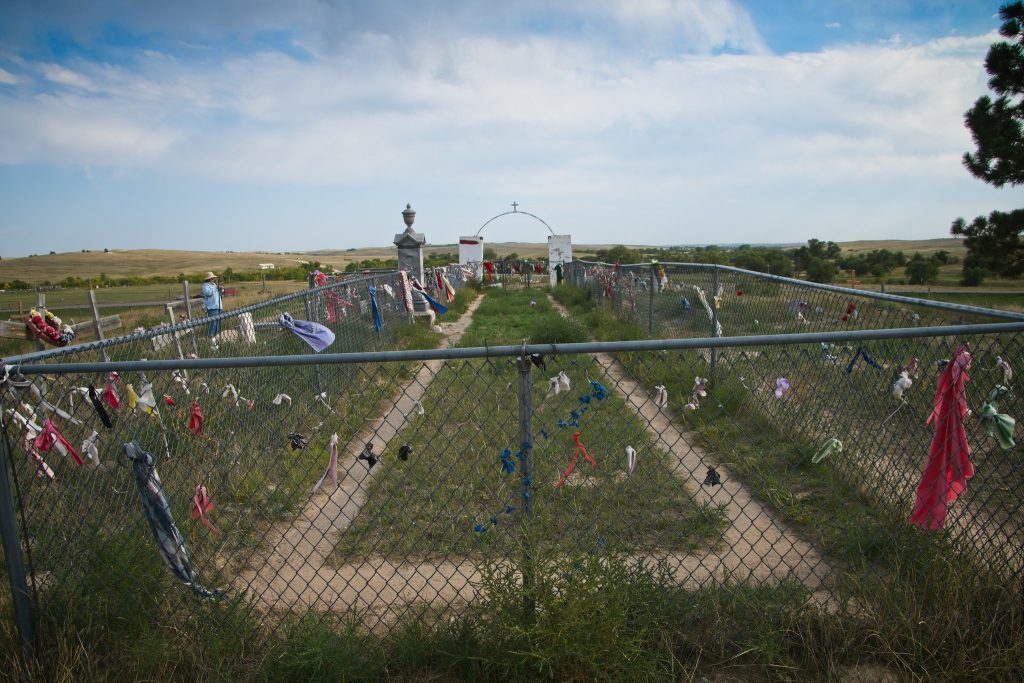
The site of the 1890 massacre of Lakota Sioux by the U.S. Army marked the end of the Indian Wars. On a freezing December day, U.S. troops surrounded a group of Lakota people who had left their reservation.
When a gun discharged during the confiscation of weapons, soldiers opened fire with rifles and artillery, killing approximately 300 men, women, and children. Many victims were shot while fleeing or trying to protect their families.
The massacre marked the brutal culmination of decades of westward expansion and the systematic destruction of Native American cultures.
Mauthausen Concentration Camp
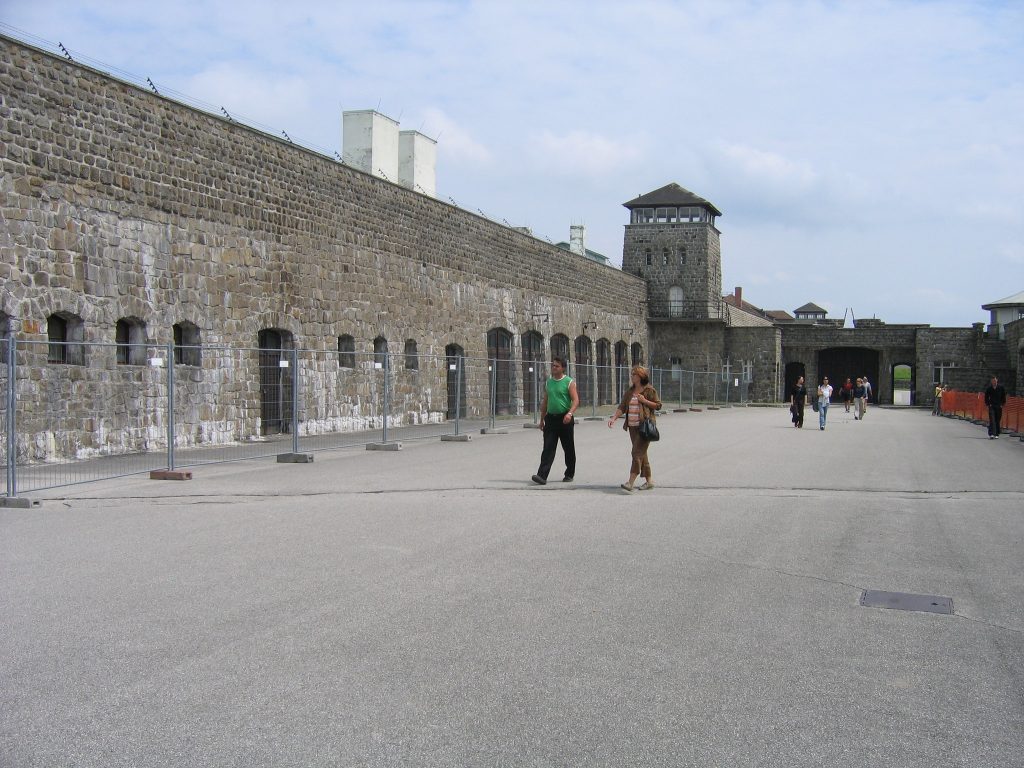
SS authorities established camps in the vicinity of sites for the extraction of raw materials such as the stone quarry at Mauthausen in 1938, where prisoners were subjected to forced labor. The Austrian camp became notorious for its granite quarry, where prisoners were literally worked to death hauling massive stones up a staircase known as the ‘Stairs of Death.’
Several hundred Dutch Jews were rounded up in retaliation for a Dutch transit strike in 1941 and sent to Mauthausen in February 1941, where within a few days, the SS staff had killed all of them. The camp’s brutality made it one of the deadliest in the Nazi system.
Bhangarh Fort
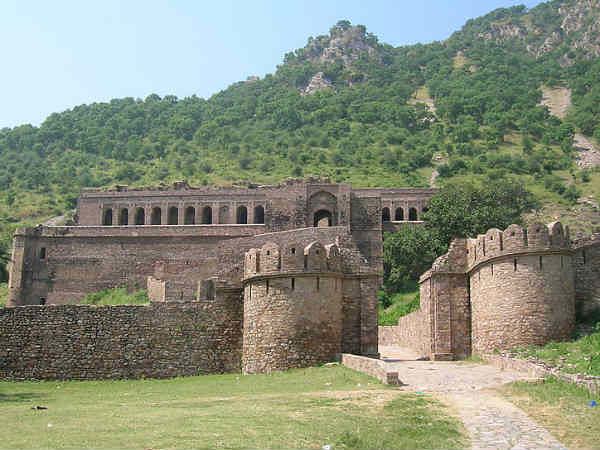
Local folklore mentions how a sorcerer had cursed the fort when his love for a princess was not reciprocated and so, its inhabitants perished. Located in India, this 17th-century fort was abandoned after a mysterious catastrophe left the entire town deserted.
Many visitors claim to hear strange sounds and whispers and to feel an unsettling sense of discomfort—especially after dark. Entry is prohibited in the evening, which only adds to the intrigue—and fear—that shrouds the site. Whether the curse is real or the result of more mundane tragedy, the fort remains one of India’s most unsettling abandoned places.
Eastern State Penitentiary
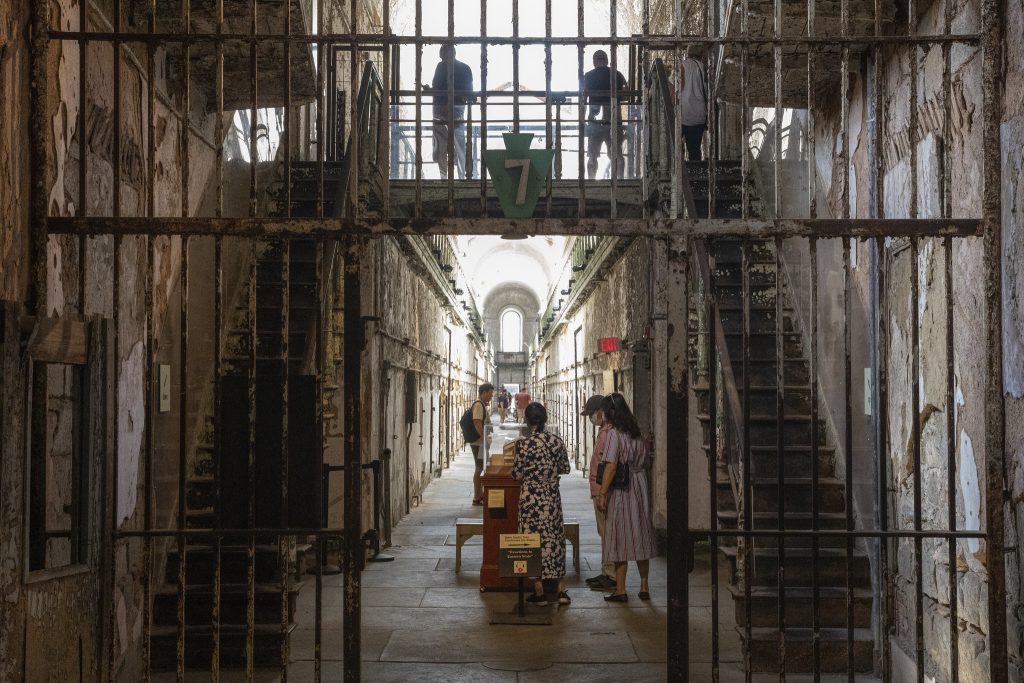
When this sprawling Gothic-style prison opened its doors in 1829, its radical idea of solitary confinement as a means of rehabilitation sometimes drove inmates mad. Located in Philadelphia, the prison pioneered the concept of keeping prisoners in complete isolation, believing that solitude and reflection would reform criminals.
Instead, many prisoners experienced severe psychological deterioration, with reports of inmates developing mental illness, self-harm, and hallucinations. The imposing architecture and crumbling cellblocks now stand as monuments to a failed experiment in criminal justice.
Bloody Pond
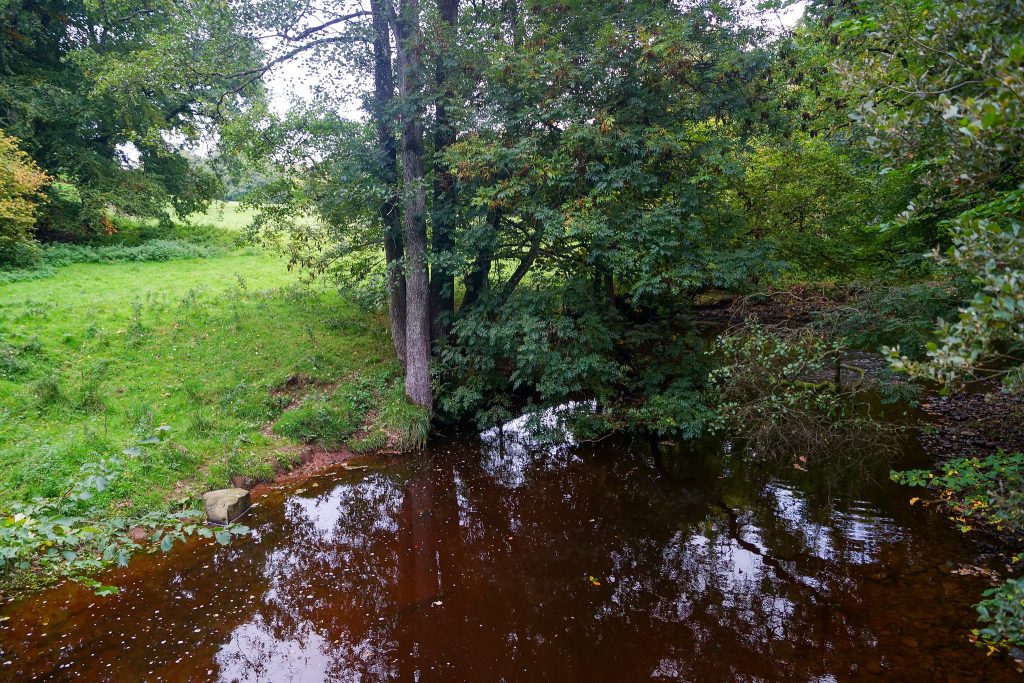
Located on Route 9 south of Lake George Village, New York, is a pond that was a pivotal point in the French and Indian War that would lead to a British victory. The Battle of Lake George took place on September 8, 1755, and the ensuing battle was brief, but the violence was devastating, with losses numbering between 200 and 300 men.
The dead were rolled into the water, coloring it red, and the name of Bloody Pond would stay for the rest of history. Today, the pond appears peaceful and is often overlooked by travelers, but its name ensures the bloodshed is remembered.
Where history meets responsibility
These sites exist not to glorify tragedy but to preserve uncomfortable truths about human nature and history. They challenge visitors to confront the reality of past atrocities rather than allowing them to fade into abstraction.
Walking through a concentration camp or standing at a massacre site creates a visceral understanding that no textbook can match. These locations serve as classrooms without walls, teaching lessons about the consequences of hatred, systemic oppression, and unchecked power.
They remind us that forgetting the past makes it easier to repeat.
More from Travel Pug

- Underrated Italian Towns That Beat the Tourist Crowds
- Las Vegas Tourist Traps to Skip
- Prettiest Towns in Every US State
- 18 passport-free countries for Americans
- Signs Your Cruise Is Not Worth The Cost
Like Travel Pug’s content? Follow us on MSN.