

Plenty of cities around the world rank as incredibly safe in terms of violent crime, yet simultaneously struggle with epidemic levels of pickpocketing and petty theft. This paradox confuses many travelers who assume a city’s overall safety rating means they can let their guard down completely.
The reality is more nuanced—you’re unlikely to be assaulted or face serious danger, but there’s a decent chance someone will skillfully relieve you of your wallet, phone, or bag while you’re distracted by beautiful architecture or street performers. These cities excel at keeping residents and visitors physically safe while failing to address the organized networks of thieves who view tourism as a renewable resource.
Here is a list of 15 safe cities with high petty crime.
Barcelona

Pickpocketing accounted for 48.1% of crime in Barcelona in 2023, earning it an unwelcome reputation as Europe’s pickpocket capital. From January to September 2023, there were 258 robberies per day in Barcelona, yet violent crime remains remarkably rare.
The Spanish city’s problem stems partly from lenient penalties—thefts of anything valued at less than 400 euros are considered a misdemeanor and carry low penalties, so stealing a wallet is usually a safe bet for pickpockets who, if caught, only have to pay a fine. Las Ramblas and the Gothic Quarter are particularly notorious, though thieves operate citywide, especially on metro lines and near major attractions.
Paris

Paris ranks second with a total score of 68.81, making it a hotspot for both pickpocketing and scams, with the famous Basilique du Sacré-Cœur and Montmartre areas notorious for these crimes. The City of Light attracts millions annually, and while violent crime against tourists is uncommon, the city has the second-highest number of pickpocketing mentions in all of Europe at 251 per million visitors.
The Eiffel Tower, the Louvre, and crowded metro stations like Châtelet see constant theft activity. Pickpockets employ sophisticated distraction techniques, from fake petition signers to the mustard scam, where someone dirties your clothes and offers to help clean while an accomplice empties your pockets.
Rome

The number of reported robberies in Rome in 2024 exceeded 2,000 cases, representing a staggering 51.3% increase compared to 2019, while pickpocketing has surged dramatically, with 33,455 incidents officially documented in 2024 alone—nearly 100 pickpocketing incidents each day. The Eternal City’s ancient attractions draw massive crowds, creating perfect conditions for thieves.
Rome’s iconic Trevi Fountain ranks among the worst places for pickpocketing in Europe, where tourists distracted by coin-tossing rituals become easy targets. The Colosseum’s lengthy entrance queues provide hours of opportunity for skilled pickpockets to work the crowds.
Prague

Prague scores 52.16, taking third place in the rankings, with the Old Town Hall and Astronomical Clock being prime locations for pickpockets and scams. The Czech capital’s fairy-tale appearance and UNESCO World Heritage sites attract throngs of tourists, particularly during holidays when theft peaks.
Charles Bridge has its own ritual where touching the statue of St. John of Nepomuk will bring good luck and make sure you return to Prague—and while you’re focused on that tradition, someone’s likely reaching into your bag. The city’s popularity has inadvertently created a thriving pickpocket industry despite its otherwise low crime rates.
Bangkok

Bangkok, home to the Grand Palace, ranks number one for scams, with 9.8 reports per 1,000 reviews. Thailand’s capital buzzes with energy and relatively little violent crime, yet tourists face constant exposure to theft and elaborate scams.
The bustling streets packed with tourists have long been a hotspot for petty theft and scams, particularly around popular attractions like the Grand Palace and Khao San Road. Tuk-tuk drivers overcharge, gem scams promise deals that vanish with your money, and crowded markets provide cover for pickpockets—all while the city maintains its reputation as a generally safe destination.
Lisbon

The pickpocketing problem in Lisbon has been on the rise, especially because pickpockets are arrested and shortly released, and their crime is typically considered very petty. Portugal’s charming capital features steep, narrow streets that create natural bottlenecks where thieves operate efficiently.
The city’s growing popularity as a European hotspot has attracted not just tourists but organized theft rings who recognize easy targets. Public transportation—particularly the vintage trams tourists love—serves as prime hunting ground despite Lisbon’s low rates of violent crime and general safety for residents and visitors.
Athens

While Athens has earned recognition as one of Europe’s safer major cities, there are still instances of pickpocketing in the metro and most sought-after tourist sights such as Omonoia Square, Monastiraki, and the Acropolis. The Greek capital ranks significantly better than Rome or Barcelona for theft, yet the problem persists enough to warrant caution.
One way to avoid being targeted is by buying tickets to the Acropolis and other sites well in advance to avoid the crowded queues, which offer perfect stealing opportunities for pickpockets. The city demonstrates that even destinations praised for safety still require vigilance in tourist areas.
Madrid

Spain’s capital maintains lower pickpocketing rates than Barcelona but still experiences significant petty crime concentrated in tourist zones. Some spots where you will likely encounter sly pickpockets include public transportation, Plaza Mayor, Puerta del Sol, Jardines de Sabatini, and the intersections at Plaza España.
Madrid’s relatively safe streets and low violent crime contrast sharply with the constant threat of theft in its most popular areas. Travelers shouldn’t have their phone and valuables on the table while eating on terraces, as motorcycle thieves occasionally snatch items from outdoor dining areas.
Amsterdam
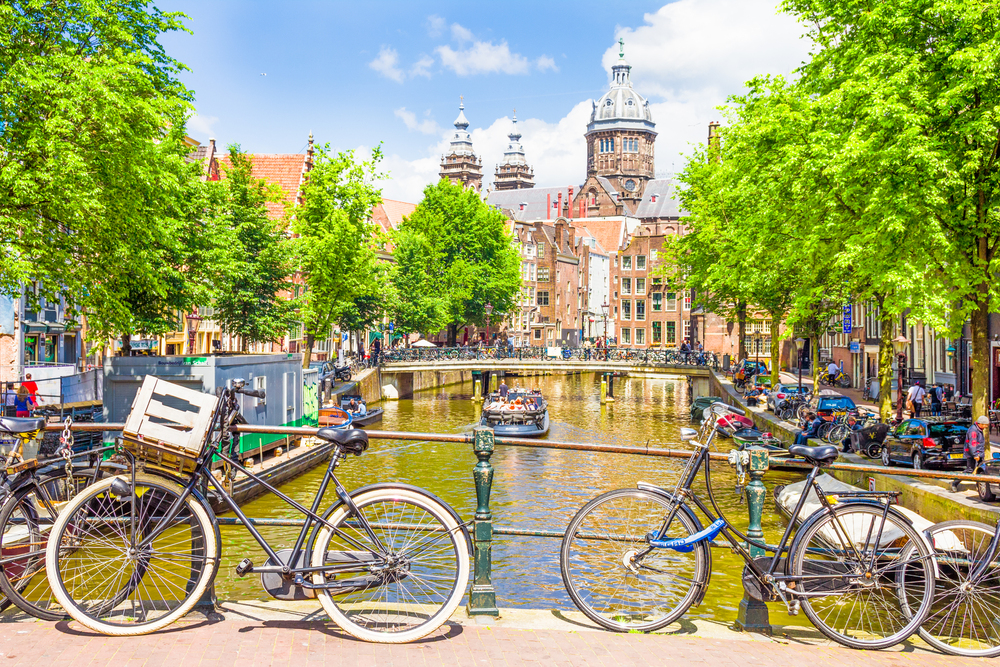
The Dutch capital’s Red Light District and city center attract tourists who often arrive unprepared for the area’s theft problems. Amsterdam’s famous Red Light District is where tourists are most likely to be the victim of a pickpocket in the country, with its city center location likely playing a part.
The relaxed atmosphere and liberal attitudes create a false sense of security, while pickpockets work the crowds moving between coffee shops, museums, and canal-side attractions. Amsterdam remains exceptionally safe for violent crime yet sees persistent issues with bag snatching and pickpocketing, particularly affecting distracted tourists navigating its bicycle-heavy streets.
Florence

Italy’s Renaissance jewel suffers from the same issues plaguing Rome, with organized theft rings targeting the city’s cultural attractions. The Gallerie Degli Uffizi in Florence was reported as having high volumes of stolen personal items on online travel reviews in Italy.
The compact historic center concentrates millions of tourists into relatively small spaces, creating ideal conditions for pickpockets. Florence’s charm and artistic treasures distract visitors who fail to recognize they’re in one of Europe’s pickpocketing hotspots, despite the city’s otherwise welcoming and safe environment.
Milan
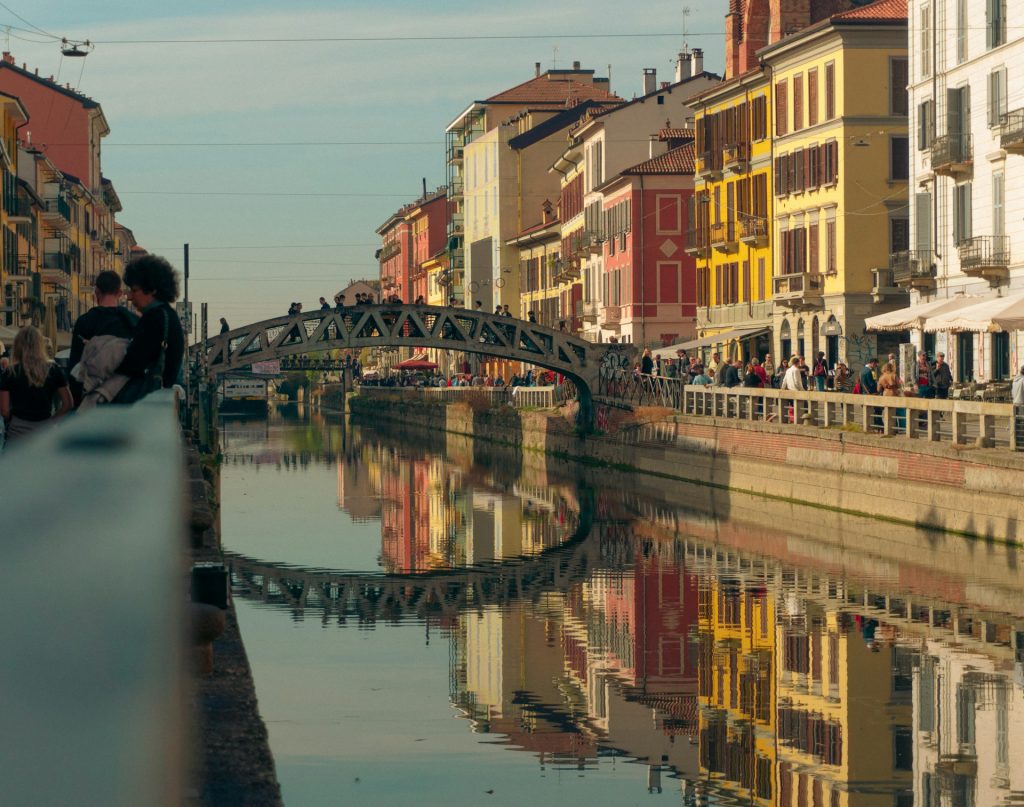
With 69.7 reported crimes per 1,000 residents in 2024, Milan has emerged as Italy’s leading city in terms of crime rates, though most incidents involve theft rather than violence. Italy’s fashion capital attracts wealthy tourists and business travelers, making it particularly appealing to sophisticated thieves.
The Duomo di Milano was found to have high volumes of pickpocketing mentions, where crowds gather to admire the cathedral’s intricate facade. Milan’s reputation as a safe, cosmopolitan city masks its significant problems with organized pickpocketing networks operating in shopping districts and transit hubs.
Berlin

Germany’s capital experiences less pickpocketing than southern European cities but still faces notable issues in tourist areas. The worst pickpocketing spot is the Brandenburg Gate in Berlin, with the Reichstag Building, East Side Gallery, and Holocaust Memorial all potentially dangerous for theft too, especially during busy times.
Berlin’s relatively low crime rates and efficient police force haven’t eliminated the problem entirely. The city’s many free attractions and budget-friendly reputation draw massive crowds where pickpockets blend in easily, though incidents remain far below what travelers encounter in Barcelona or Rome.
Munich
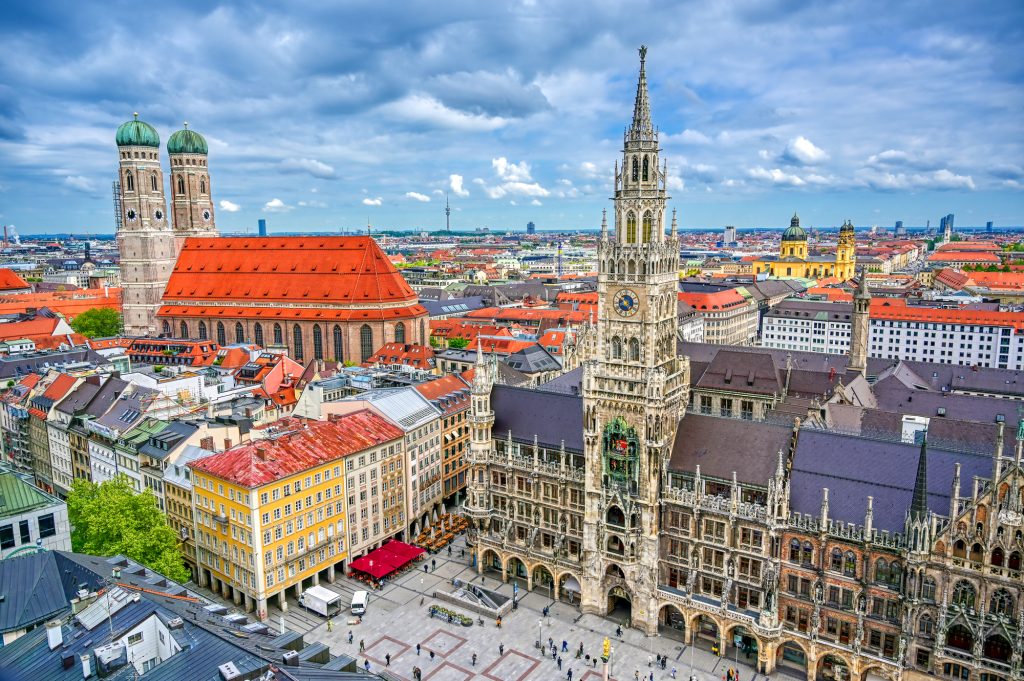
Bavaria’s capital maintains Germany’s reputation for safety and orderliness while still dealing with pickpockets at major tourist sites. Marienplatz in Munich is the place you’ll want to make sure to keep an eye on your belongings.
The city’s beer gardens, Christmas markets, and Oktoberfest celebrations create environments where tourists relax their guard after a few drinks, becoming easy targets. Munich’s overall safety record exceeds most European capitals, yet the concentration of tourists at specific locations creates opportunities that thieves readily exploit.
Shanghai

Shanghai, one of the most modern cities in the world, also ranks as a significant pickpocket and scam hotspot. China’s financial center maintains strict law enforcement and low violent crime, yet tourists face constant scams and theft attempts.
The contrast between Shanghai’s gleaming skyline and its persistent petty crime problem surprises many visitors who assume the city’s modernity translates to comprehensive safety. Crowded metro lines, shopping districts, and tourist attractions like the Bund provide ample opportunity for skilled pickpockets operating in one of Asia’s most visited cities.
Copenhagen
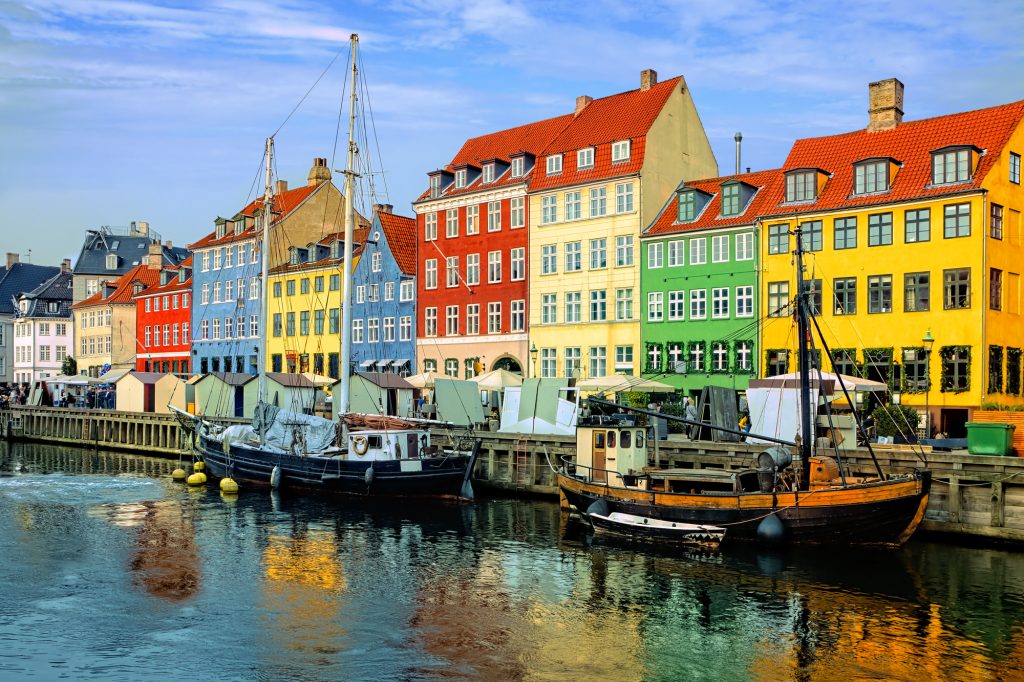
Denmark’s capital ranks among the world’s safest cities for violent crime yet experiences pickpocketing issues during peak tourist season. The city’s reputation for honesty and its relaxed Scandinavian atmosphere can lull visitors into carelessness.
While theft rates pale compared to southern European destinations, incidents still occur at Nyhavn, Tivoli Gardens, and on public transportation. Copenhagen demonstrates that even countries with strong social safety nets and low crime rates aren’t immune to opportunistic theft targeting tourists who assume Nordic cities are completely crime-free.
Why the disconnect persists

The gap between overall safety and pickpocketing rates reflects fundamentally different problems requiring different solutions. Reducing violent crime demands addressing root causes like poverty, education, and social services—investments these cities have largely made successfully.
Combating pickpocketing requires something else entirely: disrupting organized networks, enforcing consequences that actually deter repeat offenders, and changing tourist behavior that makes theft easy and profitable. Many cities struggle with the second part, either because penalties are too lenient, enforcement is inadequate, or tourism revenue takes priority over cracking down on crimes that, while frustrating, don’t physically harm visitors.
The result is destinations where you can walk safely at midnight but probably shouldn’t keep your phone in your back pocket at noon.
More from Travel Pug

- Underrated Italian Towns That Beat the Tourist Crowds
- Las Vegas Tourist Traps to Skip
- Prettiest Towns in Every US State
- 18 passport-free countries for Americans
- Signs Your Cruise Is Not Worth The Cost
Like Travel Pug’s content? Follow us on MSN.