

When America’s wealthiest families built their dream homes during the Gilded Age and beyond, they created architectural masterpieces that now offer us a window into the past. These grand estates, once private retreats for industrialists, presidents, and celebrities, have been preserved as museums where visitors can walk the same halls, admire the same artwork, and imagine what life was like when excess knew no bounds.
From coast to coast, these mansions tell stories of ambition, innovation, and the American experience. Here is a list of 15 historic US mansions turned museums that welcome visitors today.
The Breakers
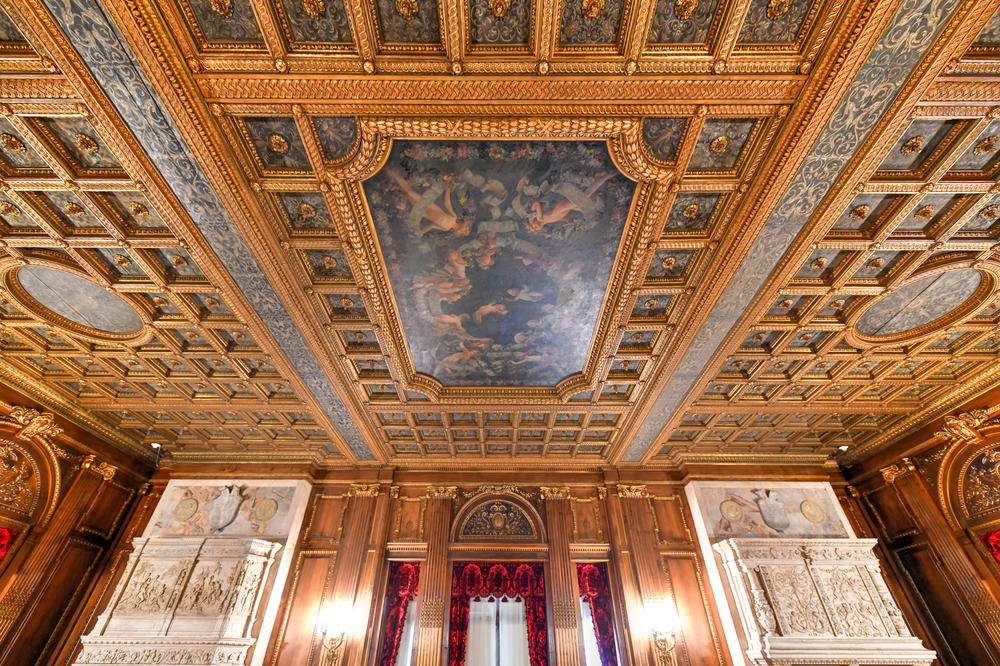
Perched on the cliffs of Newport, Rhode Island, The Breakers stands as the grandest of all the city’s summer cottages. Cornelius Vanderbilt II commissioned architect Richard Morris Hunt to design this 70-room Italian Renaissance palace in the 1890s after an earlier wooden structure burned down.
The mansion spans four stories and covers roughly 126,000 square feet, making it one of the most spectacular examples of Gilded Age architecture in America. Recently, the third-floor family quarters have opened to the public, giving visitors an even more intimate look at how the Vanderbilt family actually lived.
Biltmore Estate
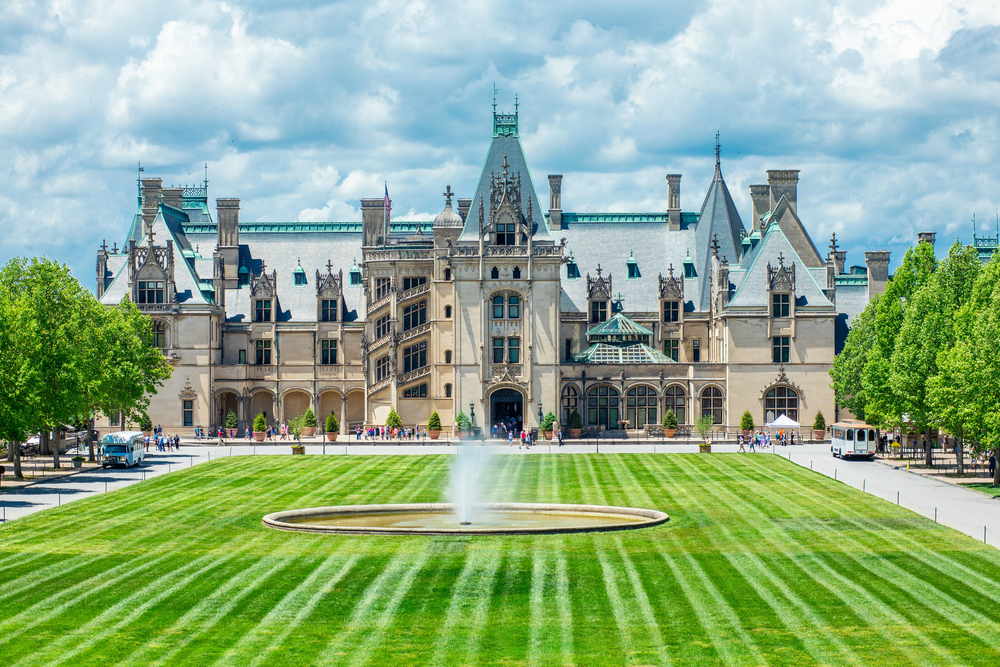
George Vanderbilt’s North Carolina retreat takes the crown as the largest privately owned home in America, with 250 rooms sprawling across 178,926 square feet. Built between 1889 and 1895 near Asheville, this French Renaissance chateau required 1,000 workers and six years to complete.
The estate features 43 bathrooms, 65 fireplaces, three kitchens, and even Napoleon’s chess set among its treasures. The mansion includes an indoor swimming pool, a bowling alley, and a banquet hall with a 70-foot ceiling that showcases an 18th-century painting of the Roman goddess of dawn.
Hearst Castle
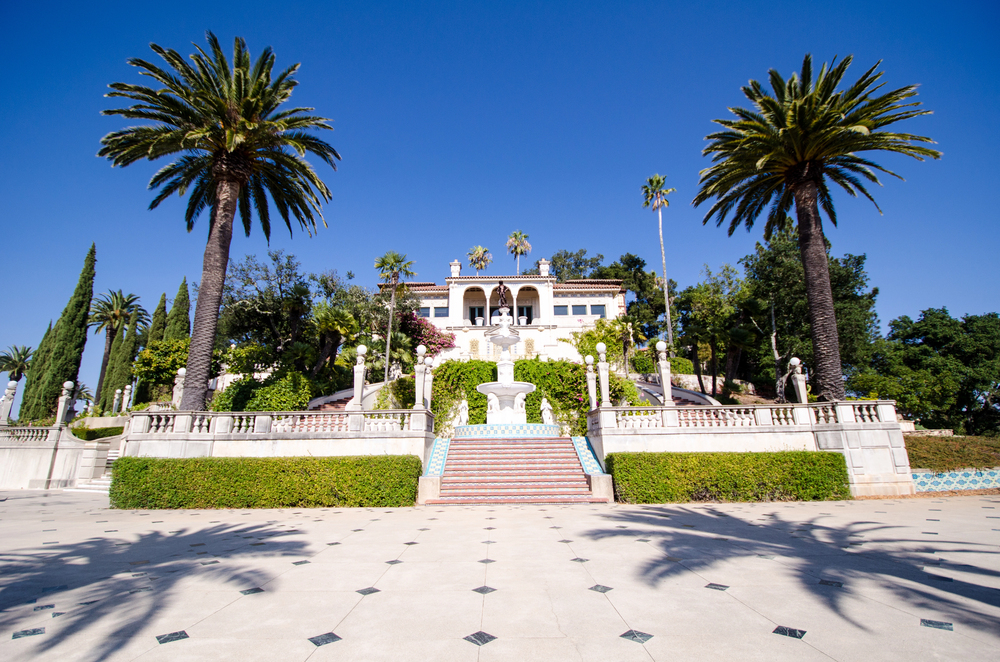
William Randolph Hearst’s hilltop estate overlooking California’s Central Coast is exactly what you’d expect from a newspaper tycoon who inspired Orson Welles’ Citizen Kane. Construction began in 1919 and continued until 1947, resulting in 165 rooms spread across the main building and three guesthouses.
The outdoor Neptune Pool holds 345,000 gallons of water and is surrounded by classical statues, while the indoor Roman Pool dazzles with intricate mosaic tiles. Hearst filled the castle with architectural elements from European monasteries, ancient Greek vases, and rare artwork he collected obsessively throughout his life.
Vizcaya Museum and Gardens
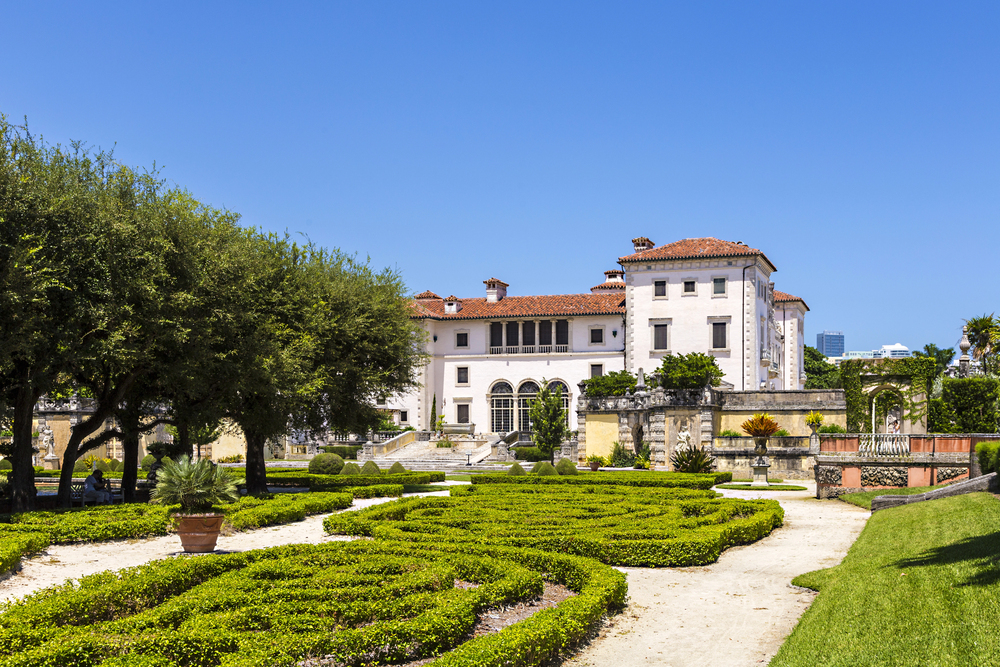
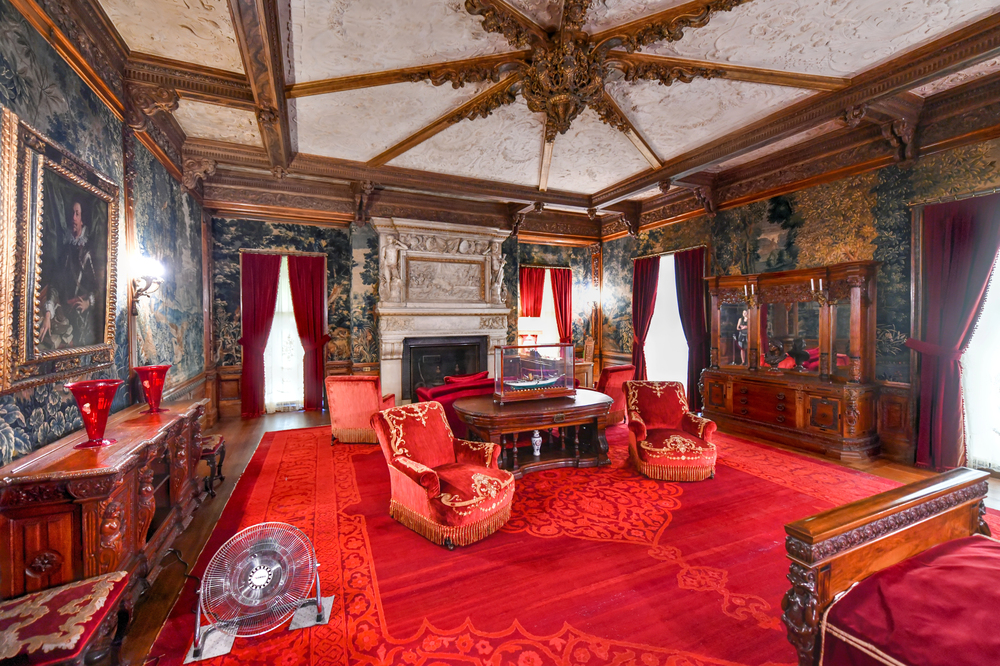
James Deering, heir to the International Harvester fortune, built this Italian Renaissance villa on Biscayne Bay in Miami’s Coconut Grove neighborhood between 1914 and 1916. The 54-room mansion was designed as a winter retreat and features 45,000 square feet of interior space decorated with 15th through 19th-century European furnishings and art.
The estate includes 10 acres of formal Italian gardens with fountains, sculptures, and carefully manicured hedges that contrast beautifully with the tropical setting. Deering installed cutting-edge technology for the time, including the first telephone system in Miami-Dade County.
Marble House
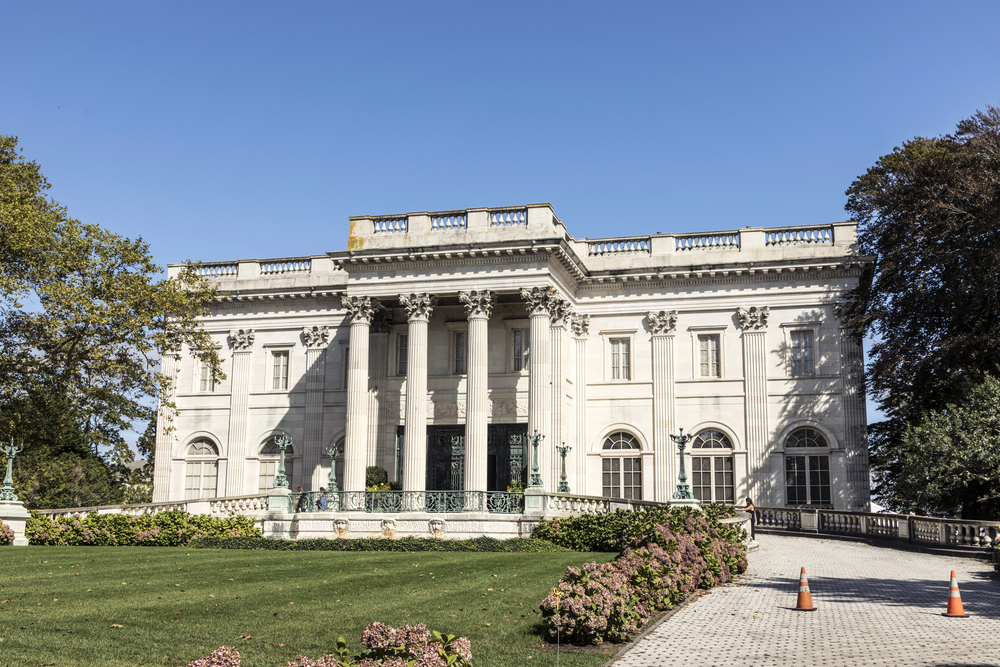
William K. Vanderbilt built this Newport mansion as a 39th birthday gift for his wife Alva in 1892, spending roughly $11 million on the project. Architect Richard Morris Hunt modeled it after the Petit Trianon at Versailles, using 500,000 cubic feet of marble throughout the structure.
Alva later used Marble House as headquarters for her women’s suffrage activities, hosting meetings in the Chinese Tea House on the grounds. The mansion’s social significance matched its architectural importance, transforming Newport from a quiet summer colony into the legendary resort of the ultra-wealthy.
Rosecliff
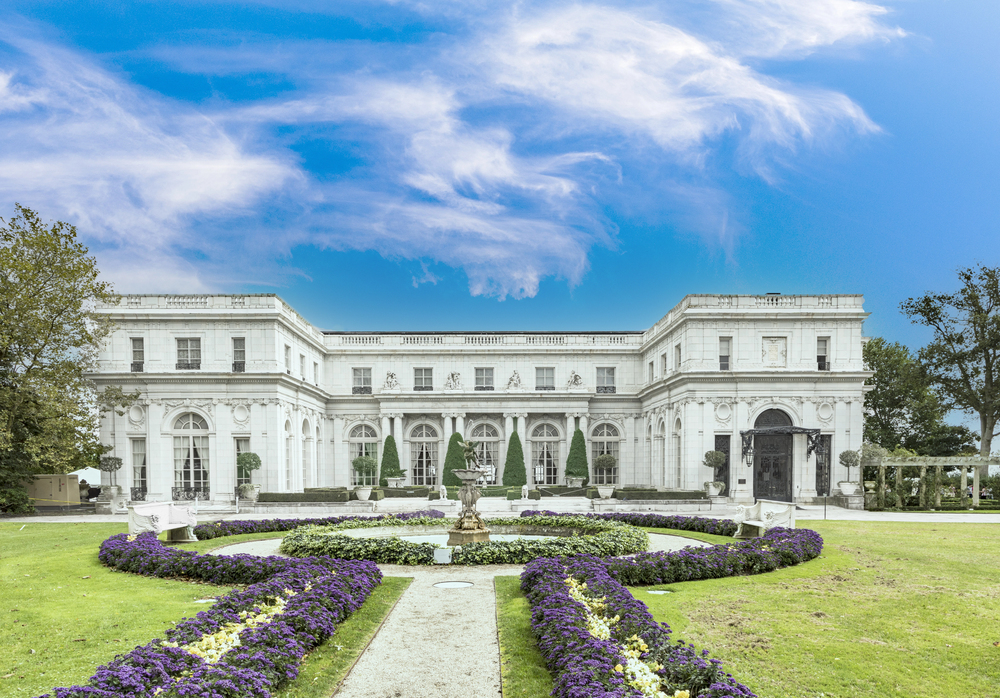
Theresa Fair Oelrichs, a Nevada silver heiress, hired Stanford White to design this elegant mansion modeled after the Grand Trianon at Versailles. Completed in 1902, Rosecliff features the largest ballroom in Newport at 40 by 80 feet and a distinctive heart-shaped grand staircase.
Mrs. Oelrichs hosted legendary parties here, including the famous ‘Bal blanc’ in 1904 where everything was white and silver. The mansion’s cinematic beauty has made it a favorite filming location, appearing in film adaptations of The Great Gatsby, True Lies, and more than a dozen other movies.
Graceland
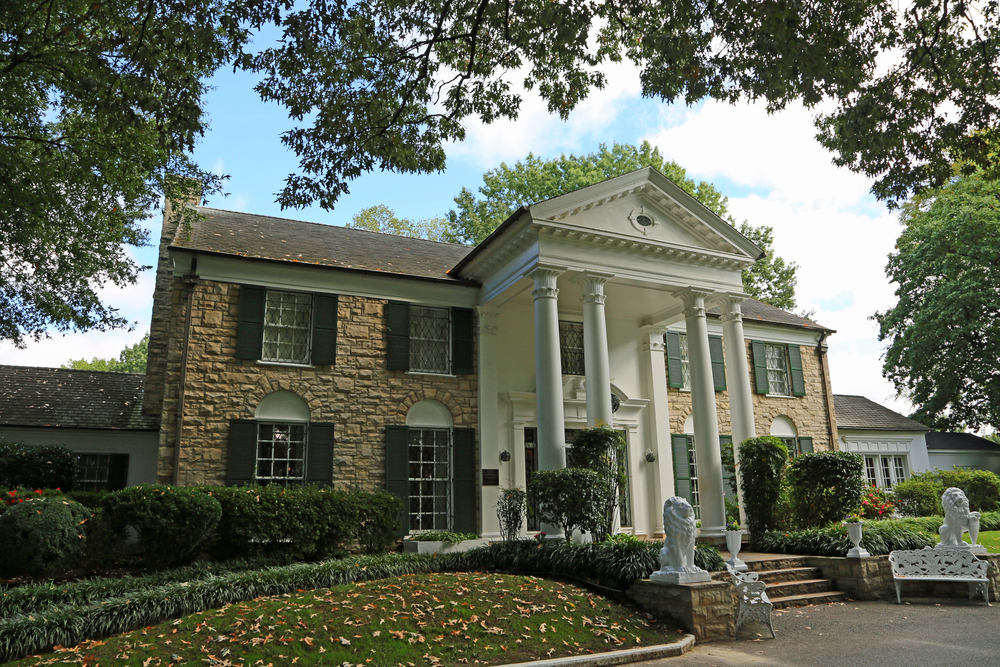
Elvis Presley purchased this Colonial Revival mansion in Memphis in 1957 for about $100,000 when he needed an escape from his skyrocketing fame. Originally built in 1939, the 23-room house sits on 13.75 acres and became the King of Rock and Roll’s sanctuary until his death there in 1977.
The famous Jungle Room, with its exotic decor and green shag carpet, doubled as a recording studio in the 1970s. Graceland attracts around 500,000 visitors annually who come to see Elvis’s collection of jumpsuits, his fleet of cars including pink Cadillacs, and even his two private jets named Lisa Marie and Hound Dog II.
Mark Twain House
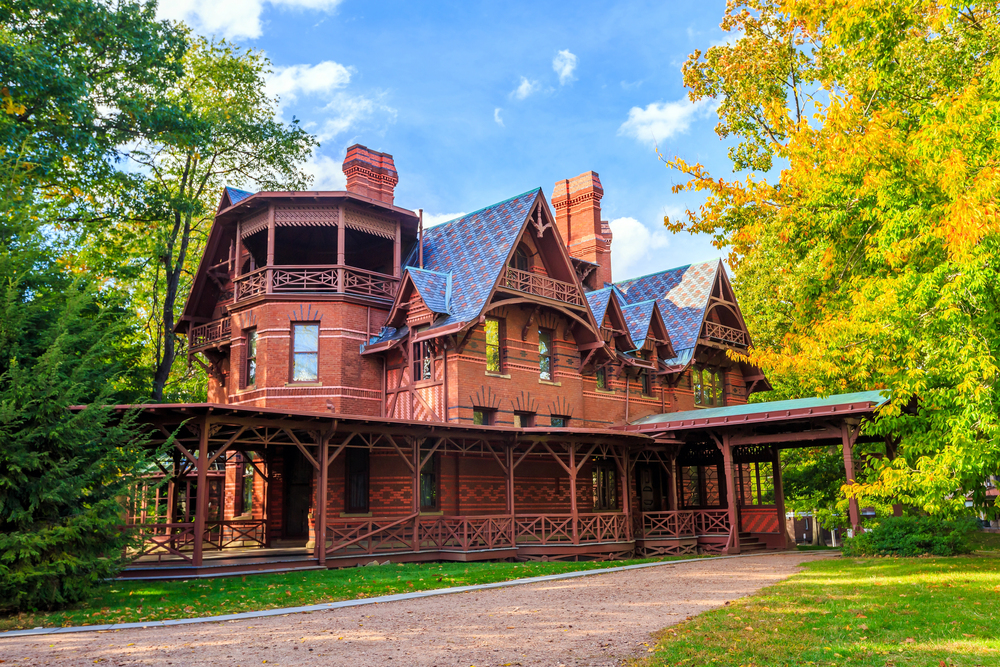
Samuel Clemens built this quirky 25-room Victorian mansion in Hartford, Connecticut, in 1874, and lived there with his family for 17 years. Designed by architect Edward Tuckerman Potter, the house has been described as part steamboat, part medieval fortress, and part cuckoo clock.
Twain wrote The Adventures of Tom Sawyer, Adventures of Huckleberry Finn, and several other classics in the third-floor billiard room. Louis Comfort Tiffany designed much of the interior, including elaborate stenciling and carved woodwork that still impresses visitors today.
Lyndhurst Mansion
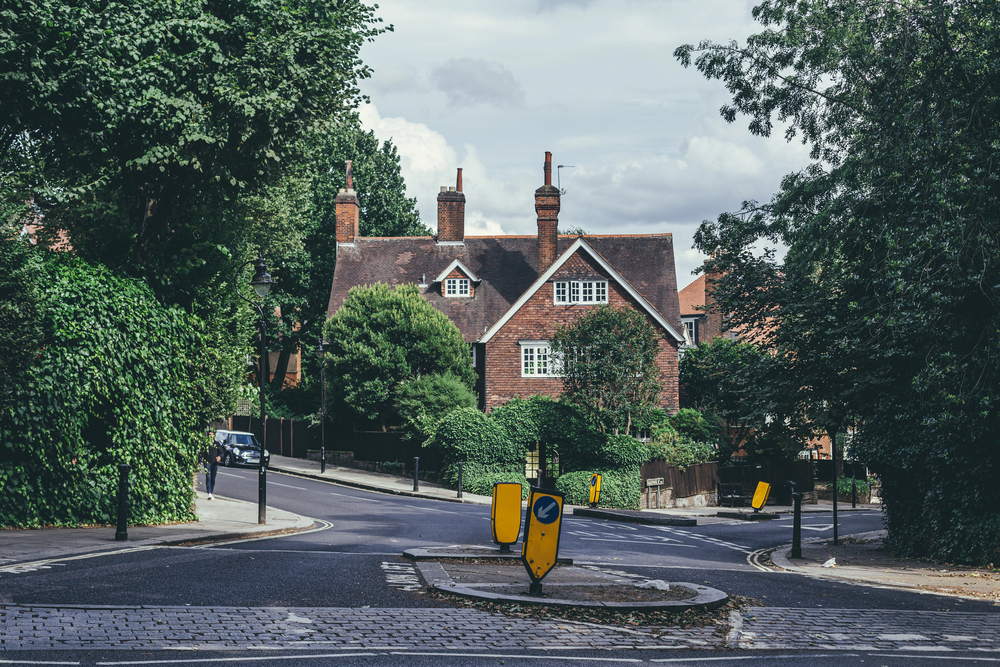
This Gothic Revival masterpiece sits on 67 acres overlooking the Hudson River in Tarrytown, New York. Architect Alexander Jackson Davis designed the mansion in 1838, and it was later expanded and shaped by three different families, including railroad tycoon Jay Gould who purchased it in 1880.
Lyndhurst was designated a National Historic Landmark in 1966 and now offers multiple tour options, including an Upstairs-Downstairs tour that visits the observation tower, kitchen, and servant quarters. The estate has also appeared in several films and hosts weddings and special events throughout the year.
Winterthur Museum

Henry Francis du Pont transformed his family’s Delaware estate into what’s been called the largest and richest museum of American furniture and decorative arts in the world. The property, originally purchased by his ancestors between 1810 and 1818 for farming, evolved into a 12-room Greek Revival manor house in the 1840s.
Du Pont expanded it dramatically to display his massive collection, eventually creating 175 period-room displays showcasing American decorative arts from 1640 to 1860. The Winterthur Library holds more than 87,000 rare books and 800,000 manuscripts available to researchers by appointment.
The Elms
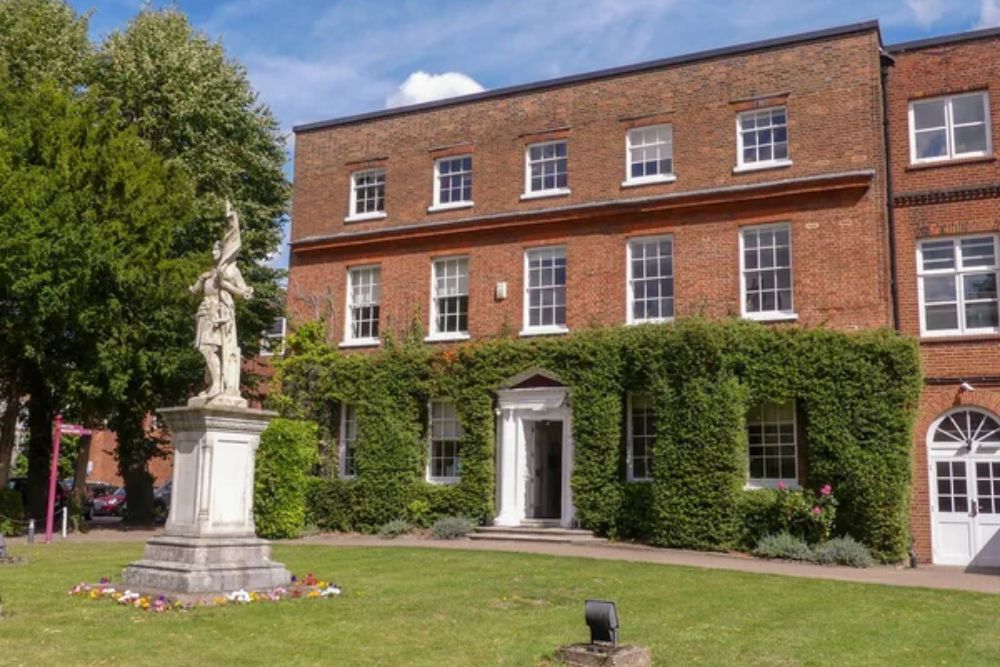
Coal magnate Edward Julius Berwind built this Newport mansion between 1898 and 1901, modeling it after the 18th-century Château d’Asnières near Paris. The estate showcases the latest Gilded Age technology alongside classical European elegance, with elaborate gardens featuring marble pavilions, fountains, and sculptures.
The popular Servant Life Tour takes visitors through the basement and service areas, revealing how a staff of dozens kept the household running during the summer season. The Elms underwent a $7.4 million renovation and now serves as both a museum and an exclusive event venue.
Monticello
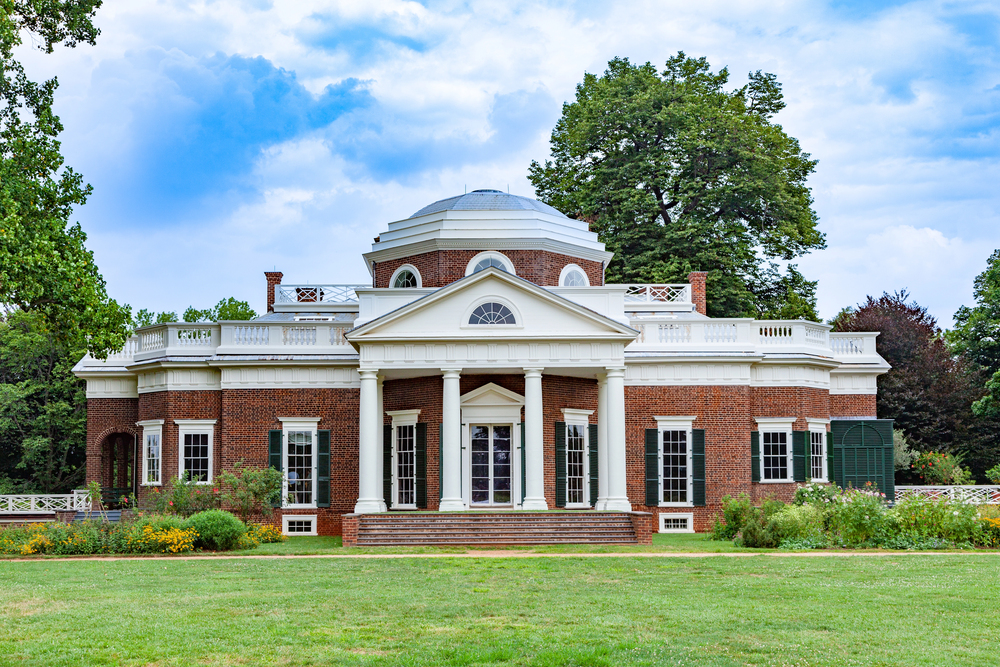
Thomas Jefferson spent decades designing and building this architectural masterpiece on a mountaintop near Charlottesville, Virginia. Construction began in 1767, and Jefferson continuously modified the house throughout his life, incorporating ideas from ancient Renaissance architecture and the works of Andrea Palladio.
The 43-room mansion reflects Jefferson’s genius as an inventor and thinker, featuring innovations like a seven-day clock, a revolving book stand, and hidden alcove beds. Monticello was designated a UNESCO World Heritage Site and operates as a museum where visitors can explore exhibitions about Jefferson and the complex history of those who lived and worked on the property.
Stan Hywet Hall
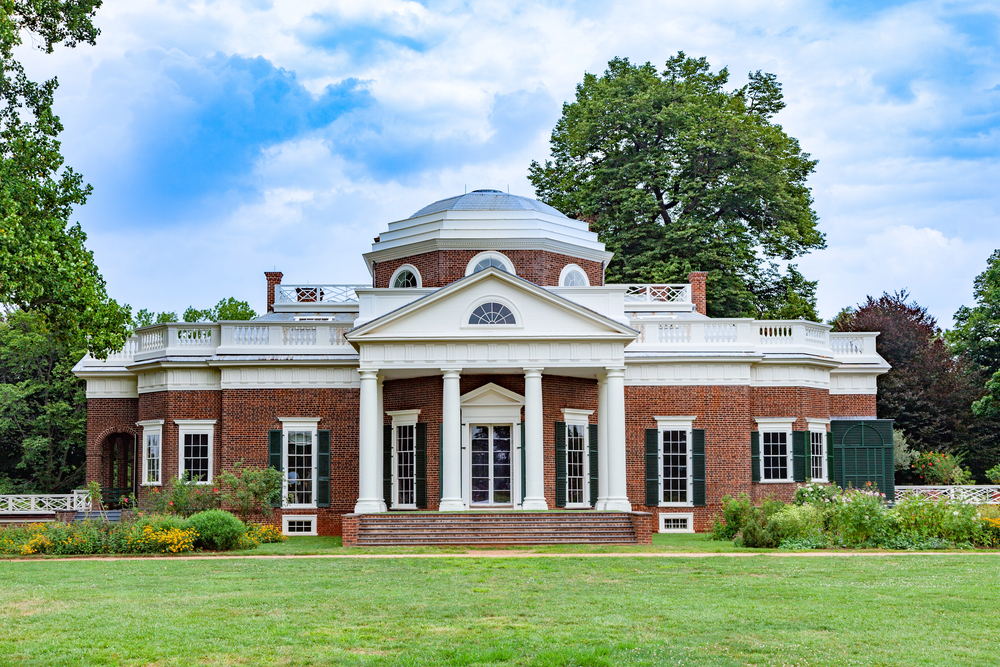
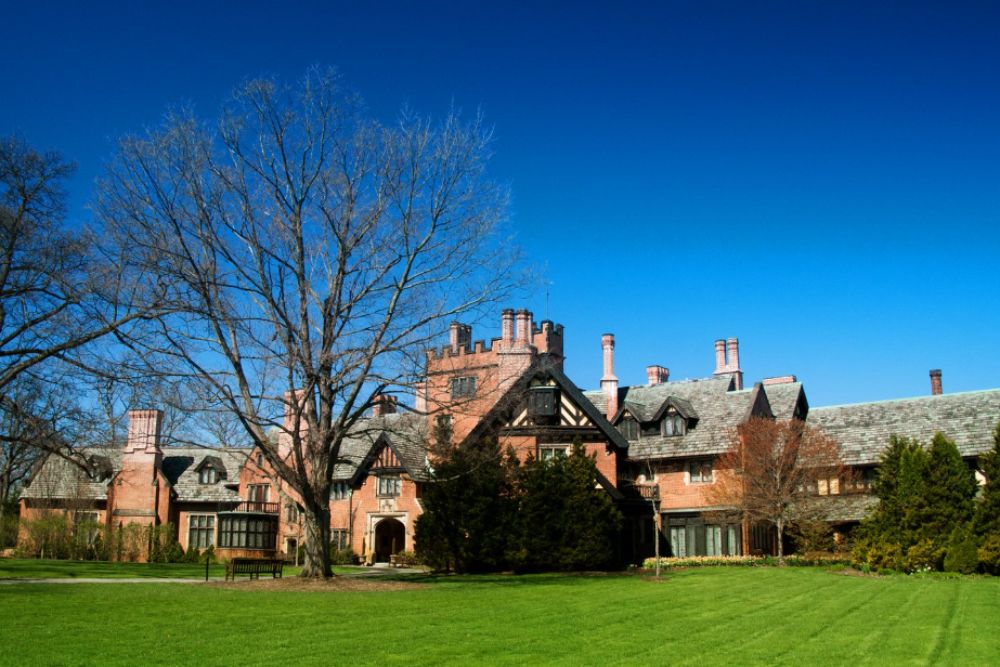
F.A. Seiberling, co-founder of Goodyear Tire and Rubber Company, built this Tudor Revival mansion in Akron, Ohio, between 1912 and 1915. The estate spans over 70 acres and includes one of the largest houses in America at nearly 65,000 square feet.
Architect Charles Schneider and landscape designer Warren Manning created a property that functioned both as a family home and a community gathering space. After Seiberling’s death in 1955, his children donated the estate to become a nonprofit museum, and it now welcomes visitors from April through December.
Ca’ d’Zan
Circus magnate John Ringling and his wife Mable built this 56-room Venetian palace on Sarasota Bay in the 1920s, inspired by their favorite Tuscan villas and Venetian palaces. The Mediterranean Revival mansion features 36,000 square feet of living space, a 60-foot tower, and a spectacular terrace overlooking the water.
Ringling also built an art museum on the property that houses one of the nation’s finest collections of 17th-century Baroque works. After Mable’s death in 1929 and John’s in 1936, the estate was bequeathed to the state of Florida and now operates as a museum complex.
Vanderbilt Mansion
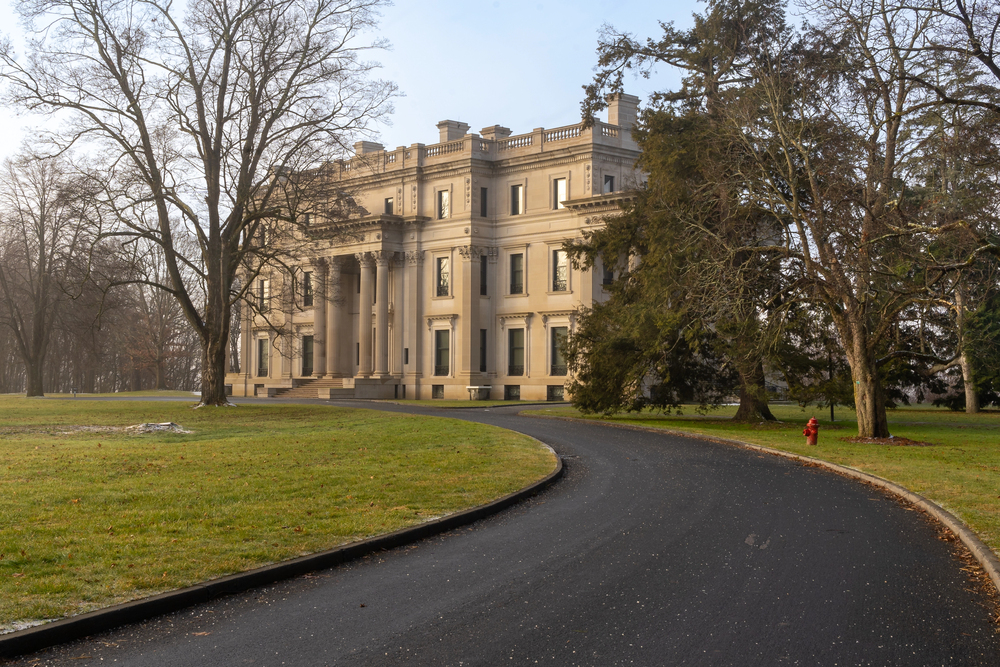
Frederick Vanderbilt, grandson of railroad magnate Cornelius Vanderbilt, built this Beaux-Arts mansion in Hyde Park, New York, between 1896 and 1898. The estate served as a spring and fall retreat rather than a primary residence, yet it features over 130 rooms filled with marble, gold, and silk.
The grounds include lush gardens, terraced lawns, a formal garden, and a carriage house set against views of the Hudson River. After opening to the public as a National Historic Site, the mansion has given visitors a glimpse into the extravagant lifestyle of one of America’s wealthiest families.
A Legacy Preserved
These mansions represent more than just architectural achievements or displays of wealth—they’re tangible connections to pivotal moments in American history. Walking through rooms where Mark Twain crafted his stories or where the Vanderbilts hosted society’s elite brings the past to life in ways textbooks never could.
Each estate tells a different story, from the industrialists who built empires to the architects who pushed creative boundaries to the servants who made daily life possible. Thanks to preservation efforts and public access, these treasures continue to educate, inspire, and remind us that even the grandest homes eventually become part of our shared heritage.
More from Travel Pug

- Underrated Italian Towns That Beat the Tourist Crowds
- Las Vegas Tourist Traps to Skip
- Prettiest Towns in Every US State
- 18 passport-free countries for Americans
- Signs Your Cruise Is Not Worth The Cost
Like Travel Pug’s content? Follow us on MSN.